-
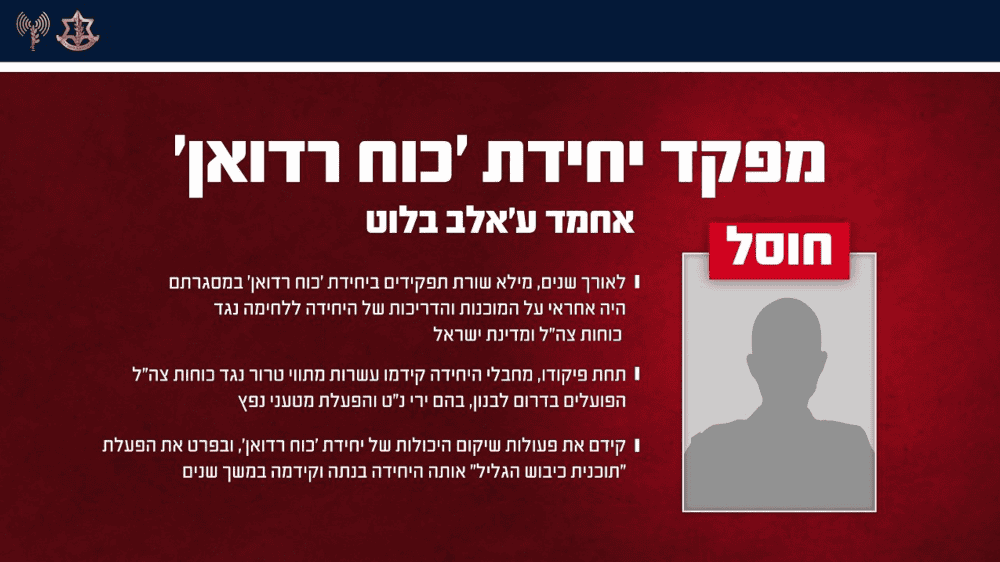
Israel assassinates commander of Hezbollah Radwan Force
On May 6, Israel conducted its first strike in the greater Beirut metropolitan area since the onset of a ceasefire on April 16. The strike targeted an apartment building in Dahiyeh, and one of the alleged fatalities was Ahmad Ghaleb Ballout, whom Israel claimed was the newest leader of Hezbollah’s Radwan Force commando unit.
-
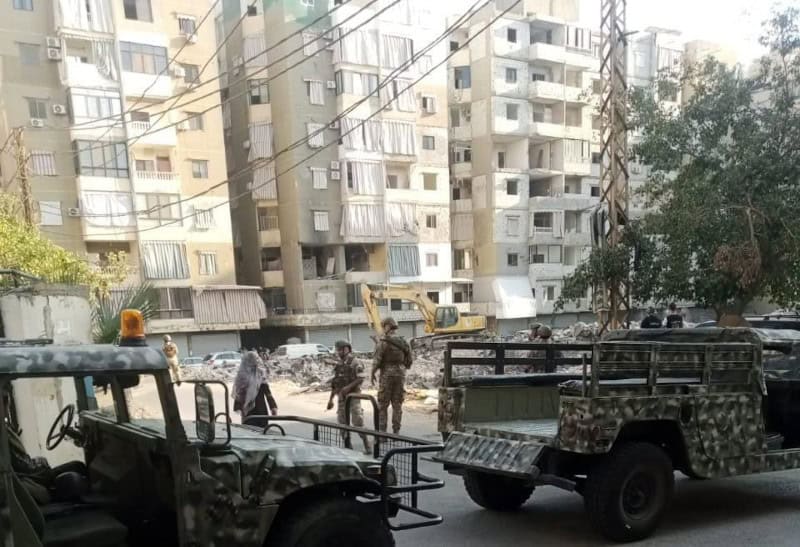
Under ceasefire committee pressure, LAF inspects alleged Hezbollah site in Mrayjeh-Laylaki
The Lebanese Armed Forces (LAF) claimed to have inspected a site in the Mrayjeh-Laylaki neighborhood of Dahiyeh that Israel recently alleged was being used by Hezbollah. Israel previously targeted the site on September 30, 2024, claiming it was an underground Hezbollah weapons production facility.
-
Israel moves closer to a ceasefire in Lebanon
The Israel Defense Forces (IDF) carried out several rounds of airstrikes against Hezbollah targets in Beirut on November 26 ahead of a possible ceasefire expected to take effect on November 27. Israeli Prime Minister Benjamin Netanyahu promised Israelis that “we will achieve victory” and said the ceasefire would enable the IDF to “maintain full freedom of military action” if Hezbollah seeks to re-arm or return to threaten Israel near the border. Israeli units continued limited operations in southern Lebanon.
-
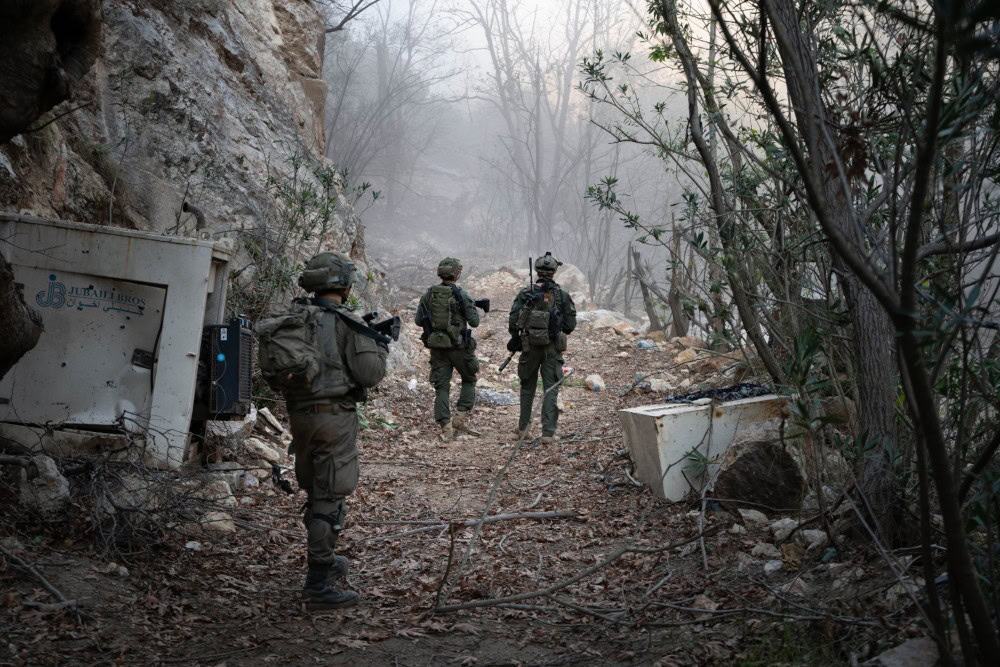
IDF targets sites in Beirut as Hezbollah says it is ready for a “long battle”
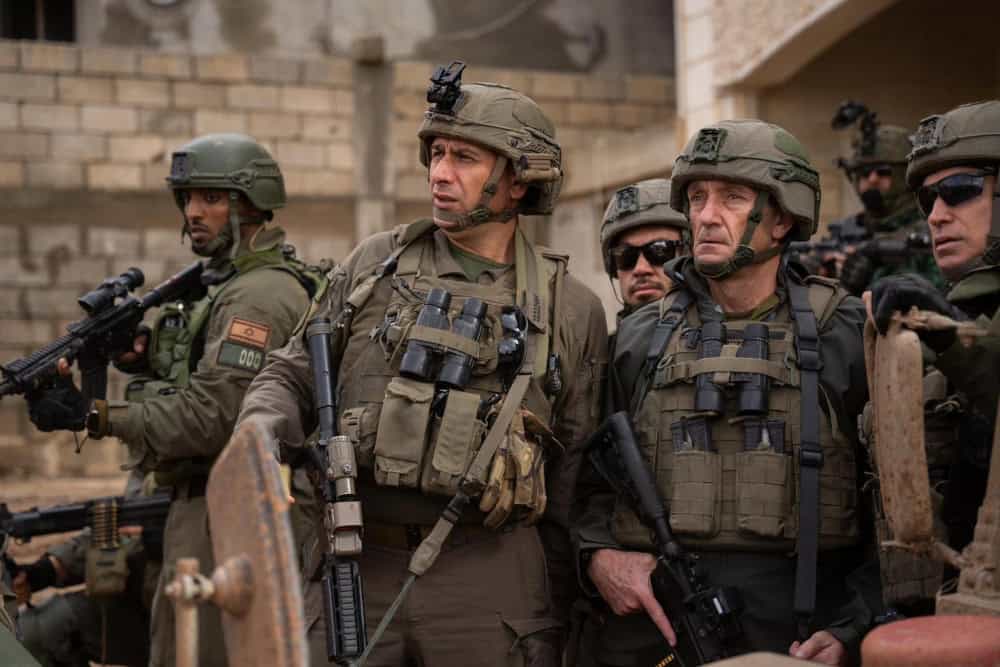
On November 21, the Israeli military said it conducted three rounds of strikes that were “directed toward Hezbollah terrorist infrastructure and are part of the IDF’s efforts to dismantle Hezbollah’s weapons production and storage capabilities.” IDF Chief of the General Staff Lieutenant General Herzi Halevi visited the 98th Division in Lebanon and discussed the importance Israel places on returning evacuated civilians to border communities. A clash near an archaeological site led to the death of a 71-year-old Israeli researcher who was also a major in the reserves.
-
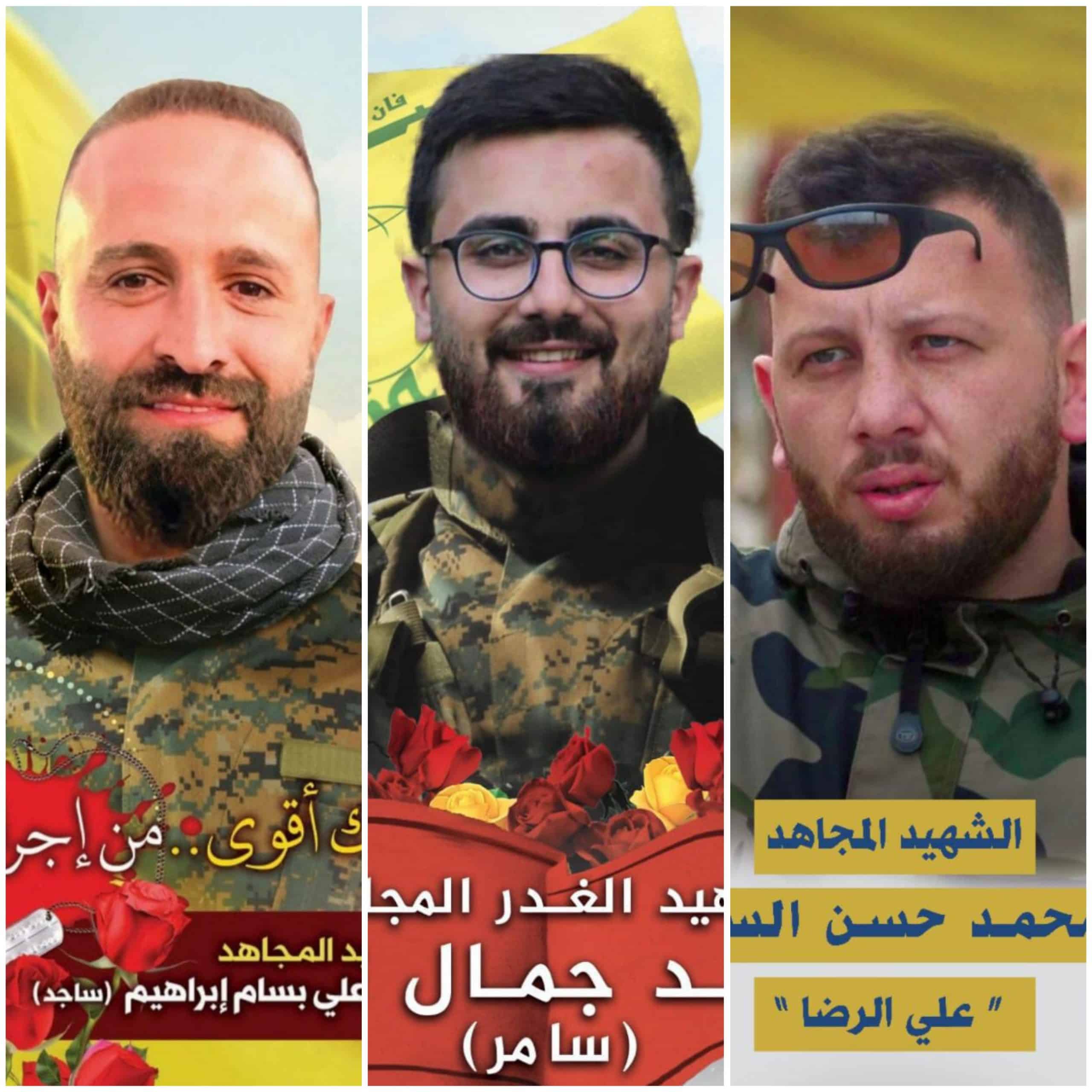
Three members of Hezbollah Killed in Beirut Clashes
Clashes in Beirut on Thursday led to the deaths of three members of Hezbollah.
-
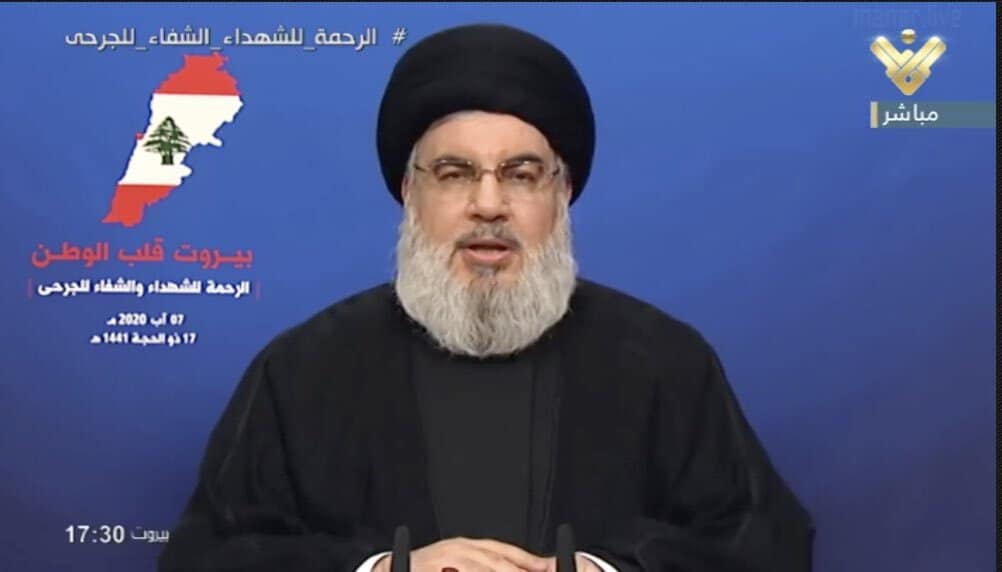
Hezbollah denies link to Beirut explosion
After Beirut explosion, Hezbollah’s Secretary-General Hassan Nasrallah denies the group was responsible for the tragedy.
-
Hezbollah issued veiled warning hours prior to Beirut bank bombing
Two hours before an attack on the headquarters of Banque du Liban et d’Outre-Mer in Beirut, Hezbollah hinted at an attack from “Lahad’s Banking Army,” warning against Lebanon’s Central Bank to back down from their application of U.S. financial sanctions or face potential violence. Sunday’s attack was a first volley, with greater bloodshed possible.
-
Abdullah Azzam Brigades claims credit for attack on Iranian embassy
The Abdullah Azzam Brigades, an al Qaeda-linked group, has claimed responsibility for twin suicide attacks on the Iranian embassy in Beirut.
/assets/images/featured-image-default.jpg)