Iran increased attacks on the Kurdistan Region of northern Iraq in mid-July as the US continued to carry out renewed airstrikes on Iran. By July 2, the US had conducted 10 consecutive nights of strikes. On July 20, Iran attacked the Kurdish Iranian opposition Komala party, targeting its headquarters near Erbil with drones and missiles. Many Kurdish Iranian parties are based in northern Iraq, and the attacks have caused numerous energy companies to suspend operations in the region.
Iran’s strikes on Kurdish opposition groups began to increase several days after US-Iran tensions grew in early July. Iran and Iranian-backed militias in Iraq had previously reduced attacks on the Kurdistan Region of northern Iraq after an April ceasefire with the US, following executing more than 800 attacks between February 28 and April 20, some of which also targeted US and other diplomatic facilities. Additional attacks occurred in northern Iraq in early May.
The Kurdistan Freedom Party (PAK) said it was targeted by three drones on July 13. The PAK and Komala are two of six Kurdish Iranian groups that joined a coalition against the Iranian regime in early 2026 to coordinate some of their activities. On July 16, Dana Gas became the first major energy company to suspend operations due to the threats. “The decision to suspend operations comes after eight one-way drones targeted Erbil on Wednesday night as the US and Iran continue to exchange strikes amid increasing hostilities,” the Kurdish Rudaw Media Network noted. Iran’s state-owned Press TV also claimed that Iran had targeted Kurdish “separatist” groups on July 15.
Between July 17 and July 20, Iran carried out more attacks, according to the Kurdish opposition groups. Nine members of one branch of the Komala party were killed in an attack on July 17. The PAK accused Iran of using white phosphorus in a separate strike on July 19. “Based on eyewitness observations, medical examinations of nine wounded Peshmerga fighters, and the extensive fires caused at the targeted site, the munitions employed in the drone attack contained white phosphorus,” the PAK said in a statement.
Shafaq News said on July 18 that the US, which has a consulate and military personnel in the area, had shot down drones targeting Erbil, the capital of the Kurdish semi-autonomous region. Videos showed the reported interceptions. However, “who is striking Iraq’s Kurdistan Region, and to what end—remains formally unanswered by the state on whose territory the drones are falling,” Shafaq added.
While US Central Command (CENTCOM) did not mention the Erbil drone attacks, it stated on July 19 that “a U.S. service member in northern Iraq was killed in action July 18 during a controlled detonation of unexploded ordnance from a downed Iranian one-way attack drone. A second service member was wounded and continues to receive medical treatment for a minor injury.” The killing of the US service member in northern Iraq happened a day after two US soldiers were killed in an Iranian missile attack on Jordan.
The continued attacks on Iraq have led more energy firms to suspend activity. After Dana Gas halted operations, the American firm HKN also stopped operations on July 18. Gulf Keystone echoed this decision on July 20, suspending operations at a field near Dohuk, a city north of Erbil. Meanwhile, Iraq is facing an electricity generation crisis due to reduced gas imports from Iran, Rudaw said on July 20, based on a statement from the Iraqi Ministry of Electricity. Iraq is seeking to increase oil exports via Syria as the Strait of Hormuz remains closed, but investment in infrastructure to complete this process will take time.
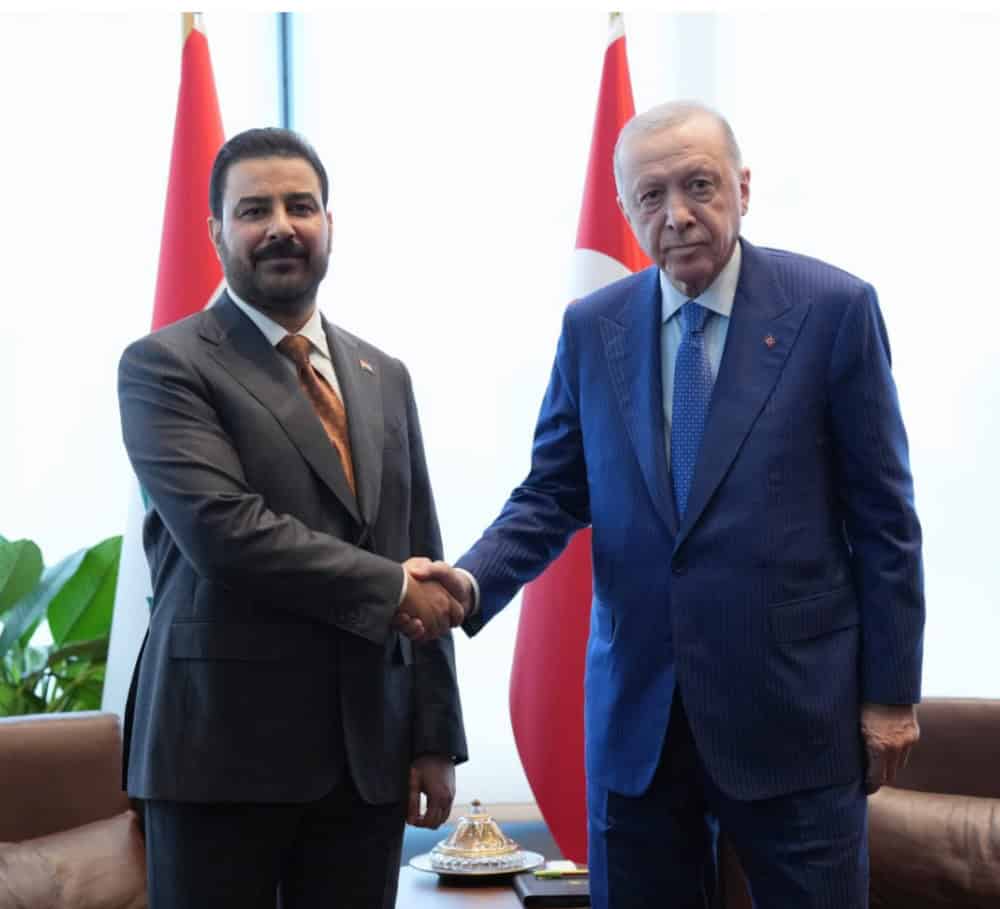
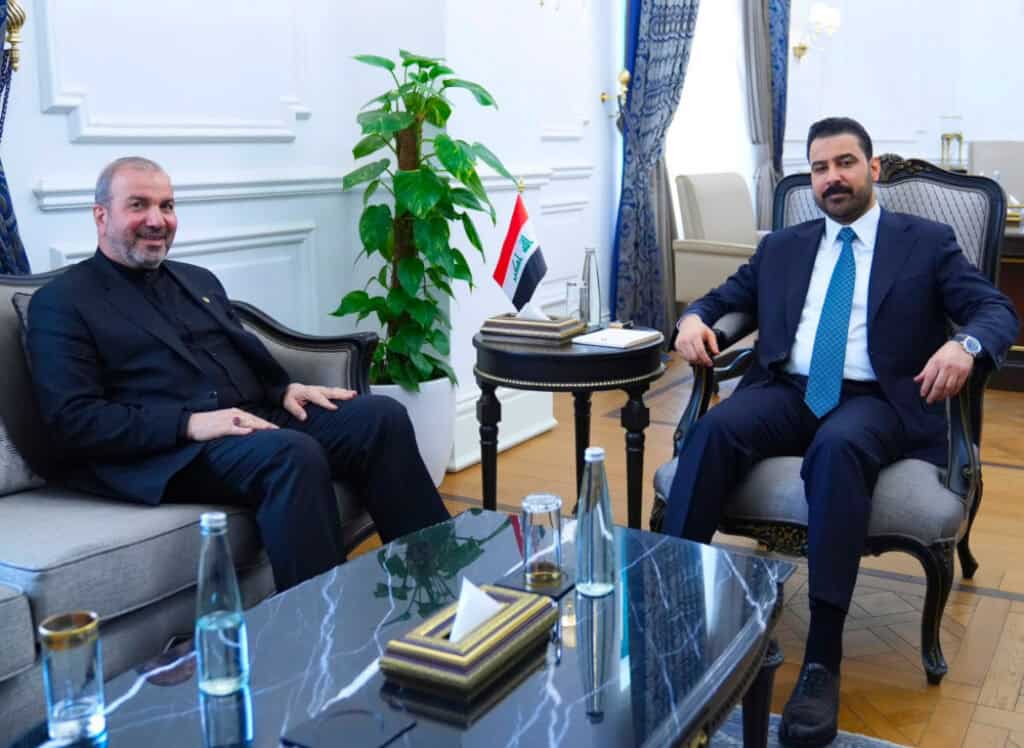
Iraq is walking a “diplomatic tightrope” amid the conflict with Iran, The New Arab argues. Iraqi Prime Minister Ali al Zaidi, who returned from a week-long trip to the US, is expected to go to Iran “on Thursday carrying a proposal to host US-Iranian talks in Baghdad.” Zaidi met with the Iranian ambassador to Iraq on July 20.
“The Iraqi government confirmed on Monday that there is regional and international interest in the role that Iraq can play in easing tensions, based on its balanced relations with various parties, while stressing that the issue of restricting weapons to the state is managed by an independent national decision,” Shafaq noted on July 20. Iraq is seeking to rein in Iranian-backed Iraqi militias and confine their arms to government control, a key issue that the US has stressed in talks with Iraq.