-
Russia helps Iran sharpen its sword
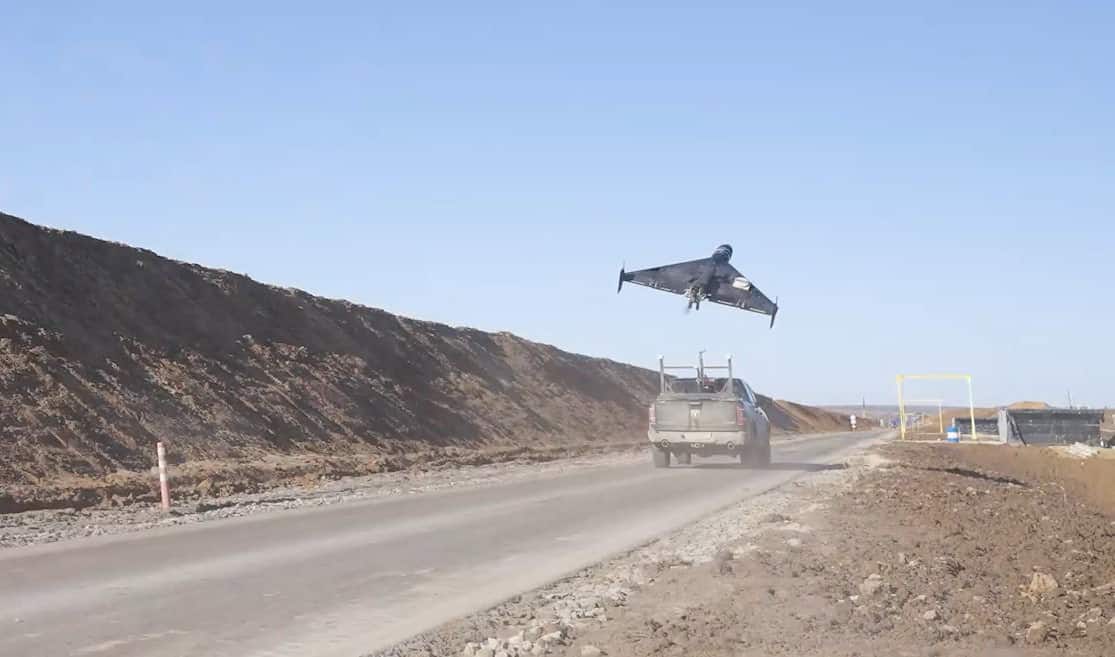
Russia reportedly is supplying explosives, drone components, and other military goods to Iran, helping the Islamic Republic replenish arsenals for future rounds of fighting with the United States and Israel.
-
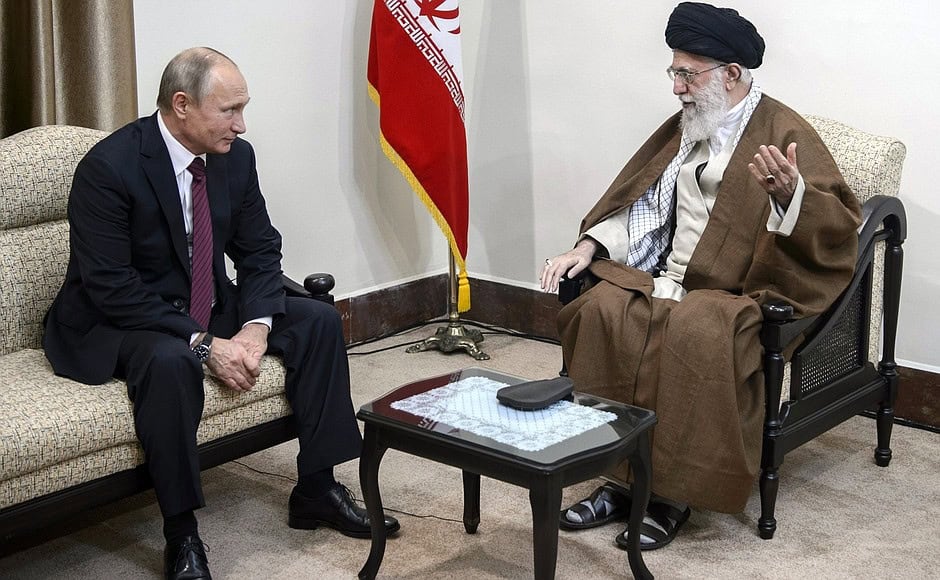
Russia continues to aid Iran in war with US, Ukraine says
Russia continues to provide intelligence to help Iran strike American forces, Kyiv alleged over the weekend. Ukraine is also attempting to interdict the transportation of military goods between the two authoritarian powers.

-
Generation Jihad | What is Iran’s breaking point? Part 2
In part two of their conversation, Generation Jihad’s Bill Roggio, FDD CMPP Senior Director Bradley Bowman, and FDD Senior Analyst Cameron McMillan ask a tough question following months of kinetic warfare with Iran: What’s the Pentagon’s readiness for the next battle?

-
Generation Jihad | What is Iran’s breaking point?
The US says it’s degrading Iran’s threat, but as the renewed air campaign approaches the two-week mark, the math still doesn’t check out. In Part 1 of this conversation, Generation Jihad’s Bill Roggio joins FDD CMPP Senior Director Bradley Bowman and Senior Analyst Cameron McMillan to discuss the real gap between degrading Iran’s missile, drone, and naval capabilities and actually eliminating them, and why murky end goals could lead to a long-term, inconclusive standoff.
-
Iran renews attacks on Kurdish Iranian opposition groups in Iraq
Iran has intensified drone and missile attacks on Kurdish Iranian opposition groups and energy infrastructure in the Kurdistan Region of northern Iraq amid renewed tensions with the United States. Meanwhile, Iraqi Prime Minister Ali al Zaidi is seeking to balance relations with Washington and Tehran after his visit to Washington.
-
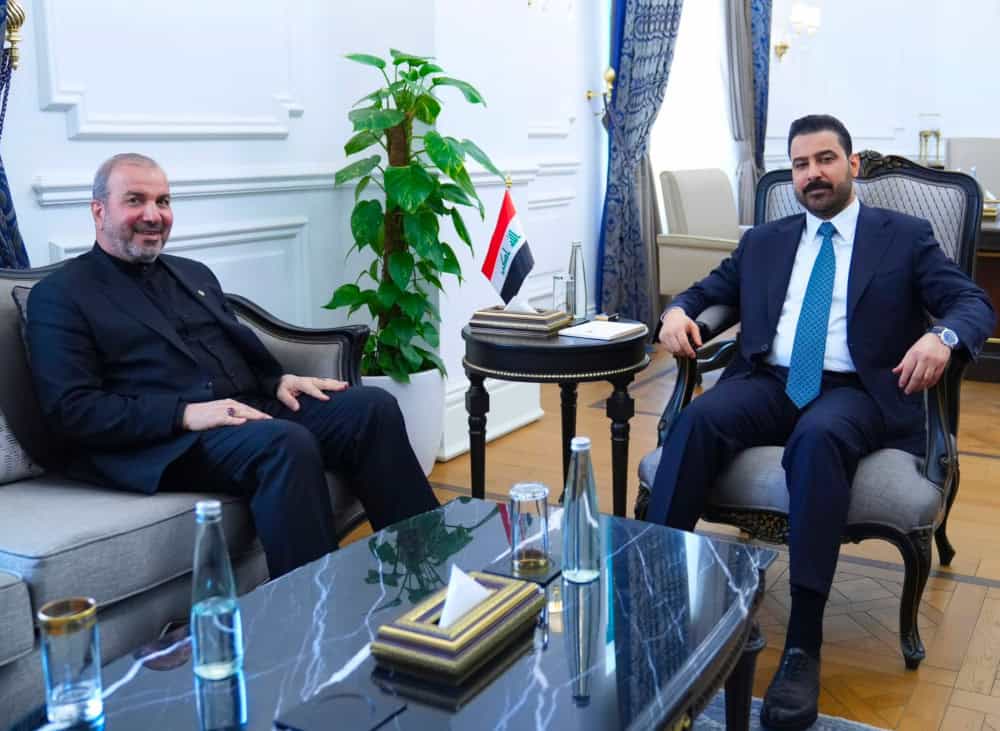
Iran reportedly tells Houthis to close Bab al Mandeb Strait if US strikes power grid
Reuters reported that Iran’s leaders instructed the Houthis in Yemen to close Bab al Mandeb Strait, the maritime chokepoint at the southern end of the Red Sea, if the United States strikes Iran’s power infrastructure. The Houthis are also focused on an escalatory cycle with Saudi Arabia that began after Iran and the Houthis attempted to re-establish direct flights in early July.
-
Generation Jihad | The blockade’s back: US-Iran MOU unravels
The Iran ceasefire is dead. FDD Research Analyst Janatan Sayeh and Bill Roggio discuss whether Europe may finally be turning on Tehran, whether Israel will rejoin the active fight, and whether the weakened Islamic Regime survives by unleashing its terror proxies across the Gulf.
-
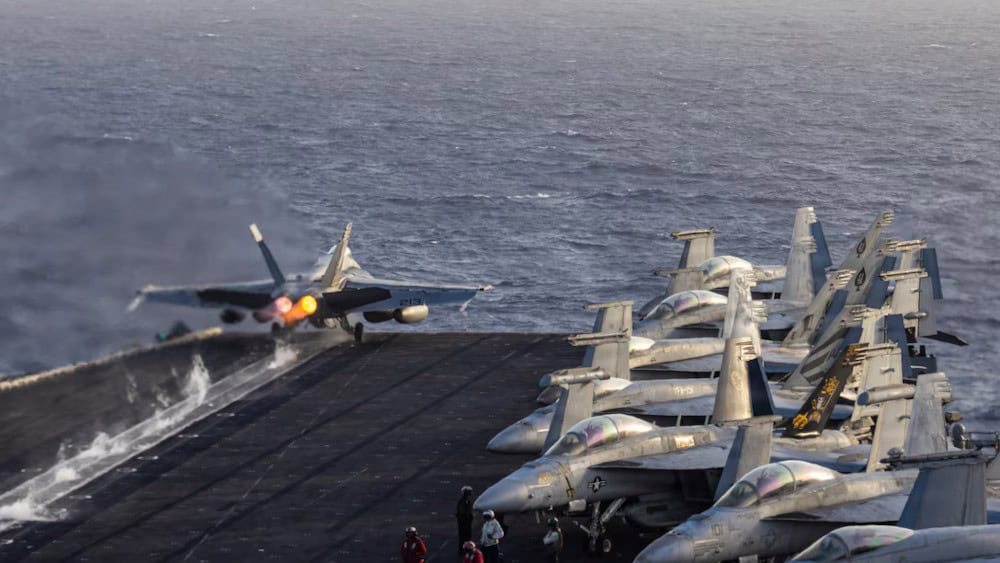
CENTCOM strikes Iran as Tehran condemns US sanctions waiver revocation
The Memorandum of Understanding between the US and Iran faced its most significant test yet on July 7 after Iran attacked commercial shipping in the Strait of Hormuz. Washington responded with a new round of military strikes and sharply narrowed its oil sanctions waiver, with both sides accusing each other of violating the agreement.
-
Generation Jihad | Hezbollah’s moment of truth
A new 14-point trilateral framework toward ending hostilities in Lebanon puts Hezbollah, Iran’s strongest terror proxy, at a crossroads. Disarm and let Lebanon reclaim its southern border—or keep threatening Israel and risk blowing up the fragile US-Iran peace deal. FDD Senior Fellow David Daoud joins Bill Roggio to break down what’s really at stake in these negotiations.
-
Generation Jihad | Is the MOU DOA?
One week after President Trump signed a landmark Memorandum of Understanding (MOU) with Iran, the 60-day negotiation window is already under pressure—and the concessions are piling up. So, is this two-page MOU actually worth the paper it’s written on? FDD Iran Program Senior Director and Senior Fellow Behnam Ben Taleblu joins Bill Roggio to break it all down.
-
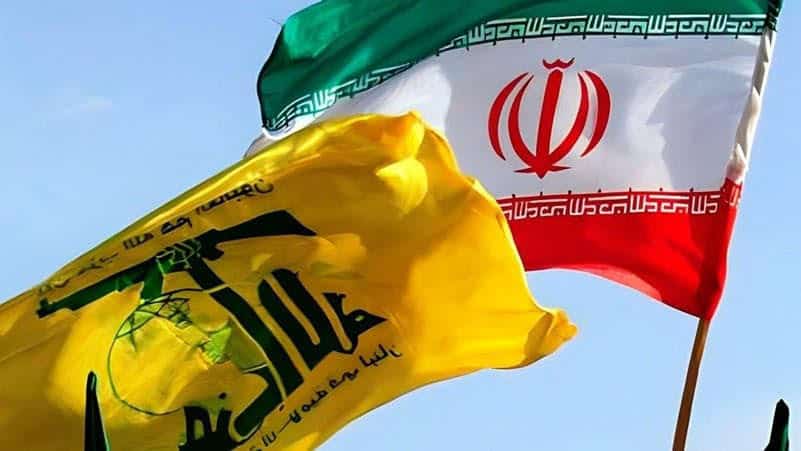
Analysis: Khamenei warily accepts US deal as Tehran eyes rebuilding Hezbollah
Days after Tehran and Washington reached a memorandum of understanding over ending the recent conflict, Iran’s new supreme leader is distancing himself from the agreement as hardliners clash over its implications. Meanwhile, reports that Iran is preparing to increase support for Hezbollah and statements from senior regime figures suggest that Tehran views any sanctions relief as an opportunity to rebuild proxy capabilities.
-
Generation Jihad | Fog of the deal
President Trump said that a two-page memorandum of understanding (MOU) has been signed between the US and the Islamic Republic of Iran that will end the war and open the Strait of Hormuz. But will this deal bring about a lasting peace in the region, or has peace just become another five-letter word? FDD Senior Fellow David Daoud and Bill Roggio speculate as to what will become of the Middle East and America’s influence in the region as this very thin MOU moves forward.
-
Generation Jihad | Everybody wants a McWar
Iran’s military has been shattered. The Strait of Hormuz remains contested. Three months in, Bill Roggio and FDD’s Jon Schanzer examine why quick victories are rare, patience is scarce, and this war is entering its most consequential phase yet.
-
Generation Jihad | Gridlock at the Strait
The world’s most vital trade artery is under siege. As the US launches “Project Freedom” to break the Iranian blockade of the Strait of Hormuz, global shipping remains in a chokehold. This week, Bill Roggio sits down with shipping expert Sal Mercogliano to break down the stalemate, the dual blockade, and the massive economic ripple effects threatening the global supply chain.
-
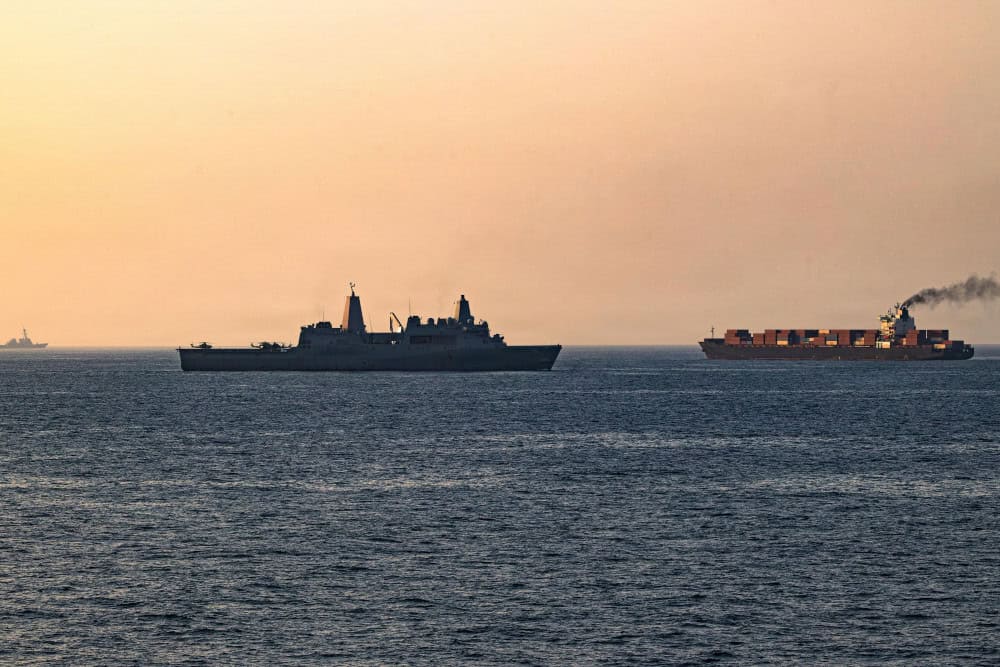
Iran claims strike on US warship as US attempts to reopen Strait of Hormuz
CENTCOM denied Iranian claims that a US warship was struck on the same day the US announced “Project Freedom,” an effort to “restore freedom of navigation for commercial shipping through the Strait of Hormuz.”
-
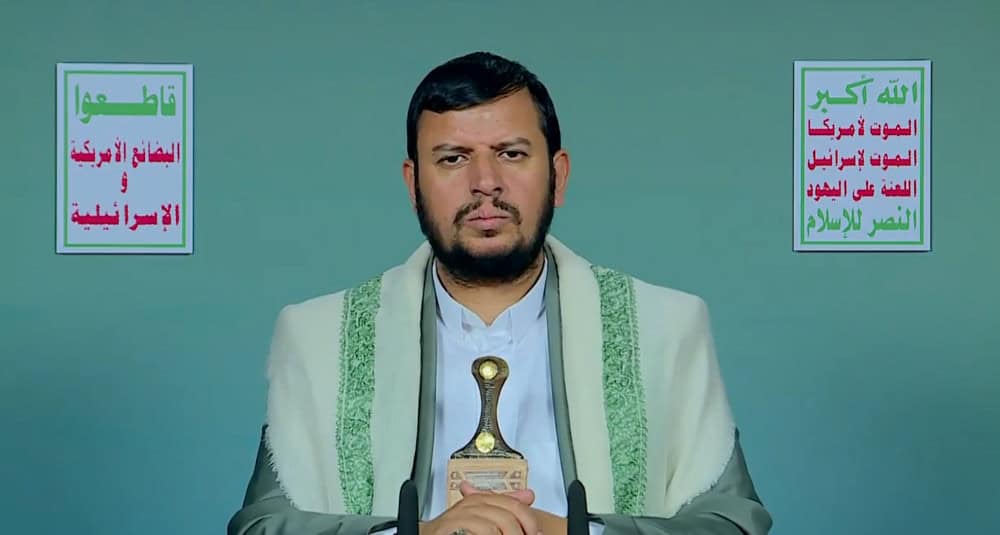
Houthis portray steadfast support for Iran, reportedly consider Red Sea toll
The Houthis have reiterated support for Iran despite their limited involvement in the Islamic Republic’s recent war with Israel and the United States. The Yemeni terrorist group is also reportedly weighing a toll for the safe transit of ships in the Red Sea, a move it has implemented before.
-
Generation Jihad | Iran’s Choke Point
Iran says it’s not in a rush to negotiate, but reality signals something else. Bill Roggio is joined by FDD Senior Fellow Miad Maleki — a former US Treasury sanctions architect — to break down why Tehran walked away from talks, what the Strait of Hormuz blockade is really doing, and why the regime may be under more pressure than at any point since 1979.
-
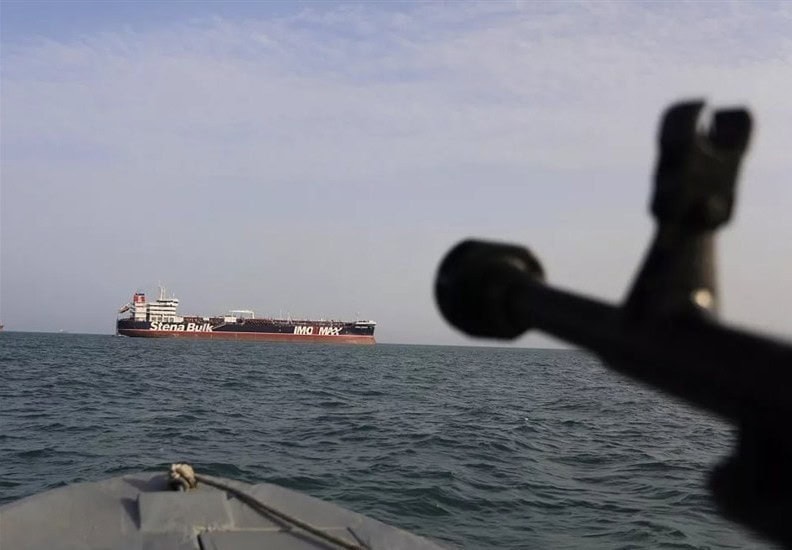
Iran attacks vessels in Hormuz, avoids concrete stance on ceasefire extension
Tehran has refused to take an official position after US President Donald Trump’s announcement of an extension of the US ceasefire with Iran, while conditioning further negotiations on the lifting of the US naval blockade. Iran’s Islamic Revolutionary Guard Corps also threatened regional oil and digital infrastructure and attacked ships in the Strait of Hormuz.
-
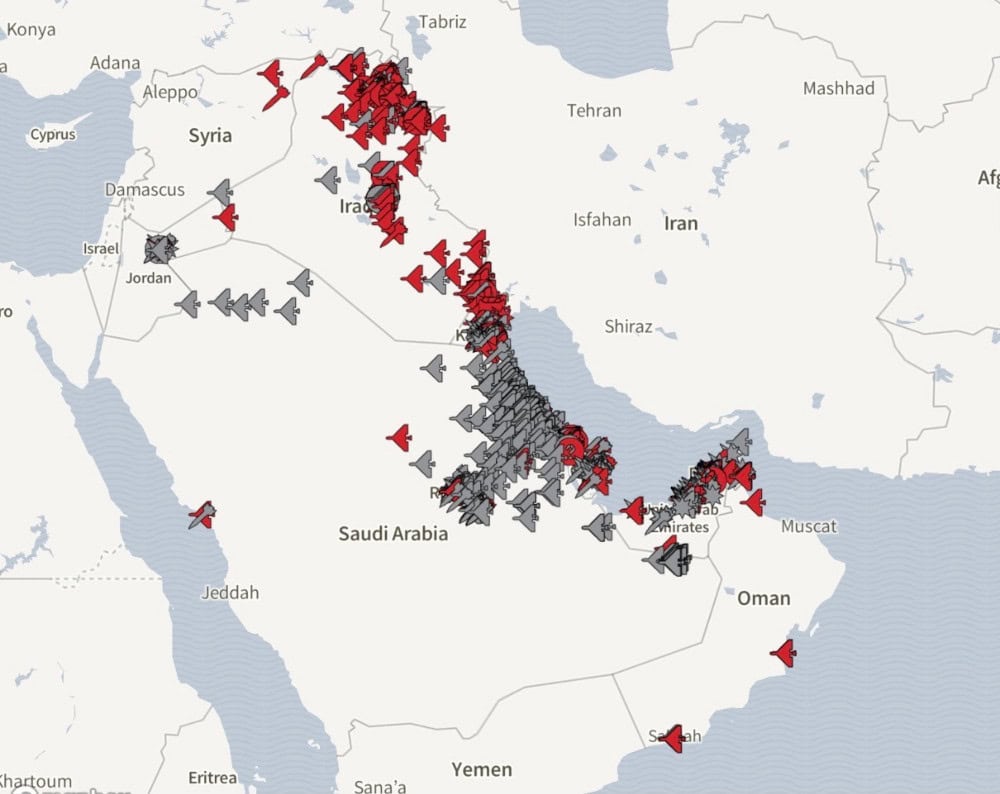
Iran’s war against regional states: UAE bore the brunt, Iraqi Kurdistan still under fire
The ceasefire between the US and Iran has largely held since April 8, and large-scale Iranian barrages targeting predominantly Arab states have ended. However, some attacks, particularly against Iraqi Kurdistan, have continued.
-
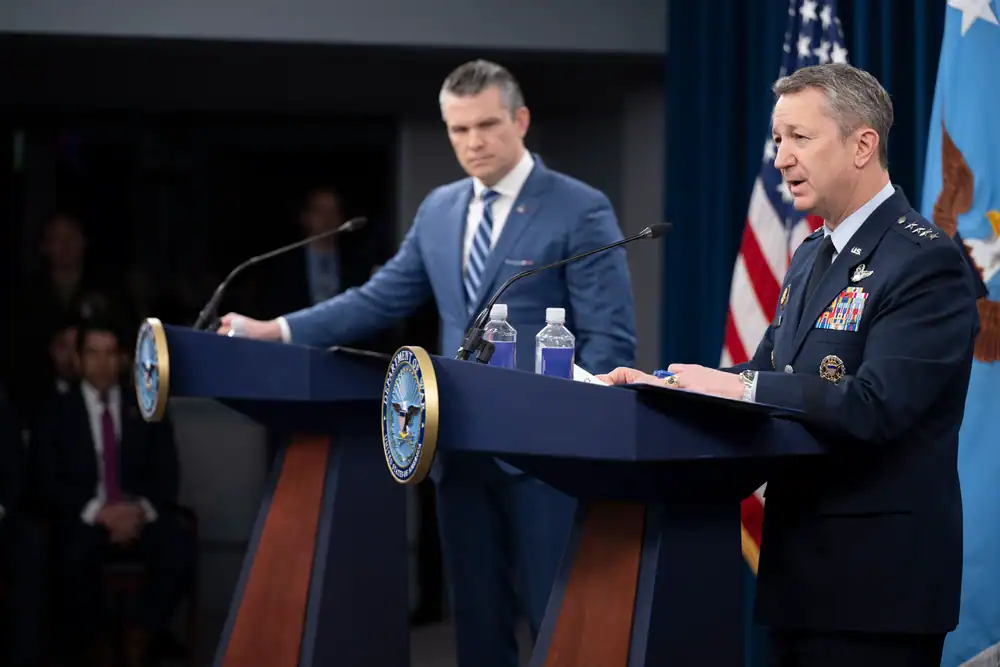
Analysis: How to assess America’s 40 days of war against Iran
US and Israeli forces conducted an impressive campaign that significantly degraded Iran’s primary elements of military power. The operation did not, however, destroy these capabilities outright or eliminate Iran’s ability to project meaningful power outside of its borders.
-
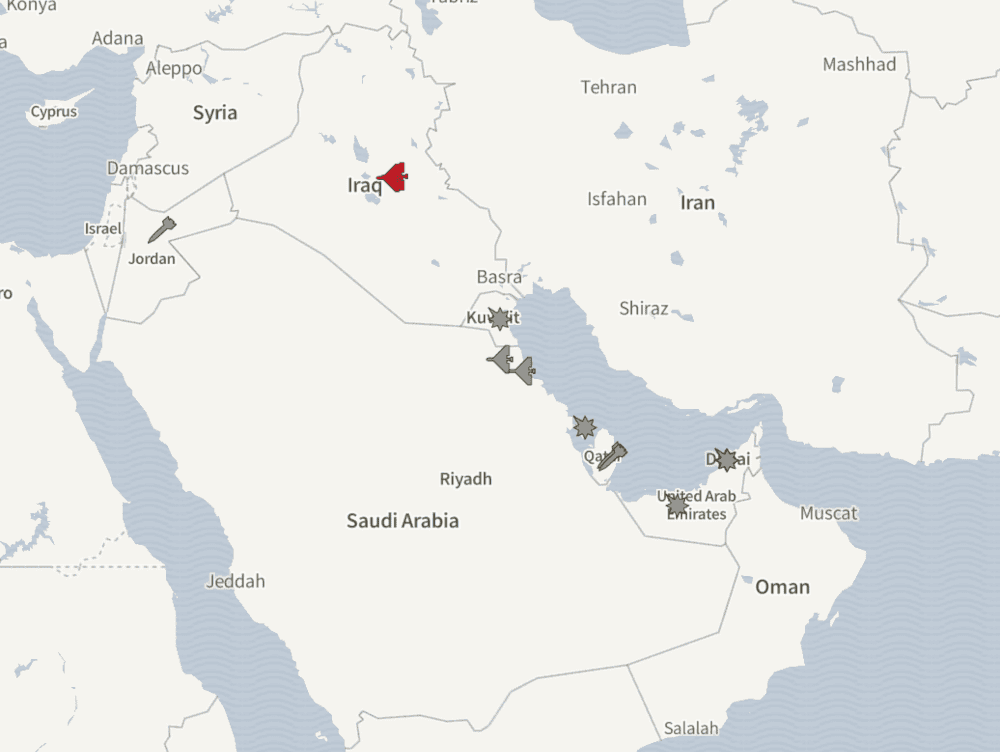
Despite ceasefire, Iran and its militias continue attacking regional states (April 2–8 updates)
Iran and its allied militias launched numerous drones and missiles against regional countries between April 2 and April 8, continuing attacks after a ceasefire between Iran and the United States was announced yesterday. Across this period, the attacks remained concentrated on the Gulf, Jordan, Iraq, and Iraqi Kurdistan, with repeated mass-interception events in the United Arab Emirates, Kuwait, Bahrain, Saudi Arabia, and Qatar.
-
US, Iran agree to 2-week ceasefire in exchange for reopening of Strait of Hormuz
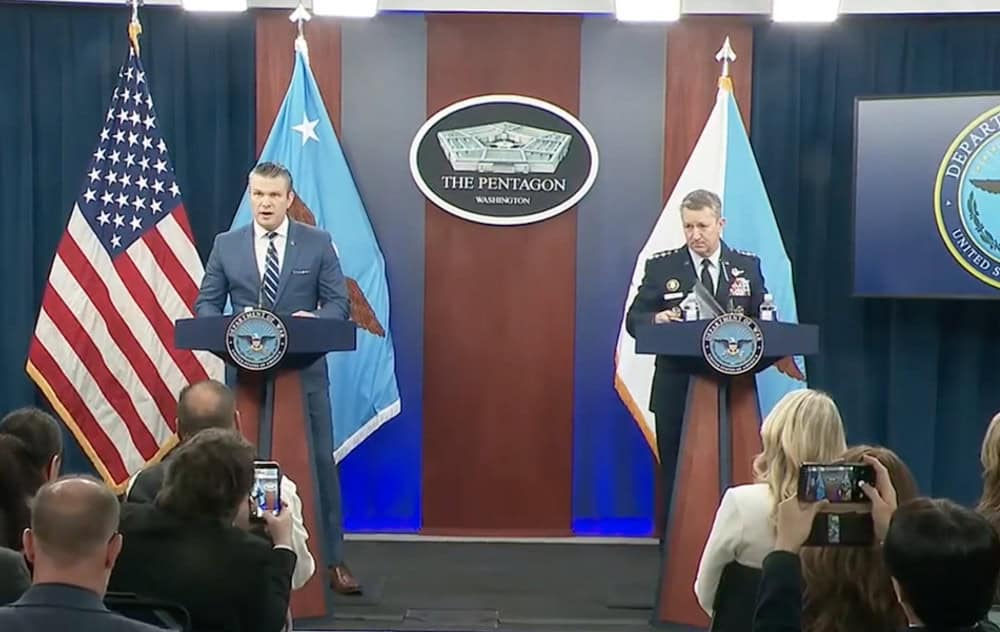
There are conflicting conditions demanded by the US and Iran for lasting peace, and Israeli and Iranian strikes continued after the ceasefire announcement. However, a cessation of hostilities and reopening of the Strait of Hormuz to international shipping appear to be agreed-upon items. Iranian leaders touted the ceasefire as a victory, while US officials said the objectives of destroying Iran’s military and nuclear capabilities were achieved.
-
Iranian ballistic missile cluster munitions strike dozens of sites in Israeli cities
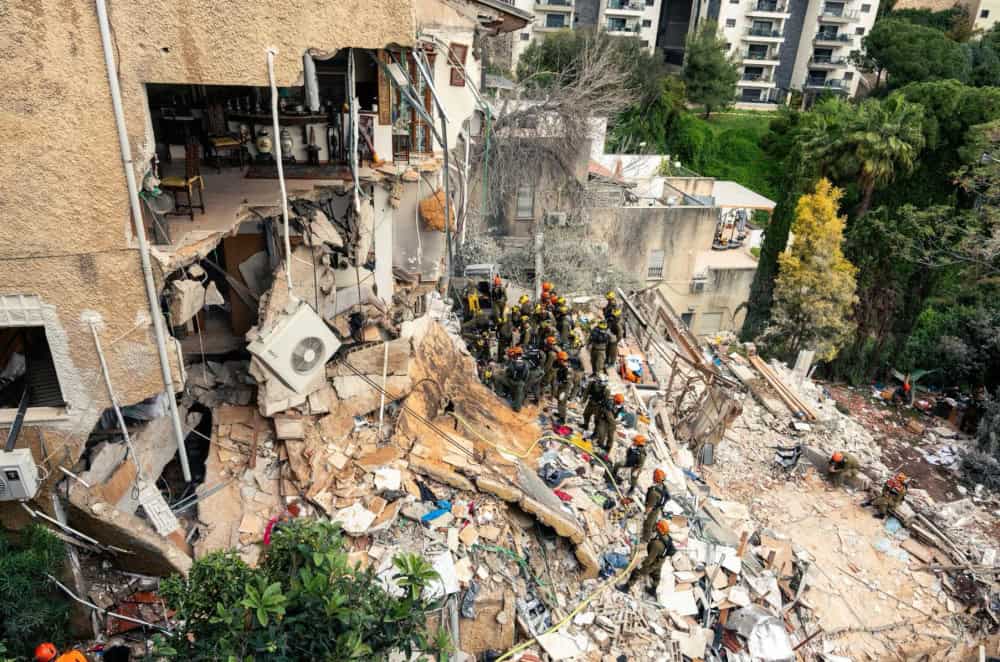
Iran’s increasing use of cluster munitions in ballistic missile attacks since late February has intensified damage across Israel, with dozens of impact sites reported in major cities in the first week of April. Four people were killed in Haifa in a missile attack on April 6. Meanwhile, Israel is escalating strikes on Iranian infrastructure targets and boosting production of Arrow interceptors as part of its multi-layered air defense.
-
Iran rejects US ceasefire proposal as US-Israeli operations escalate, regime suffers high-profile casualties
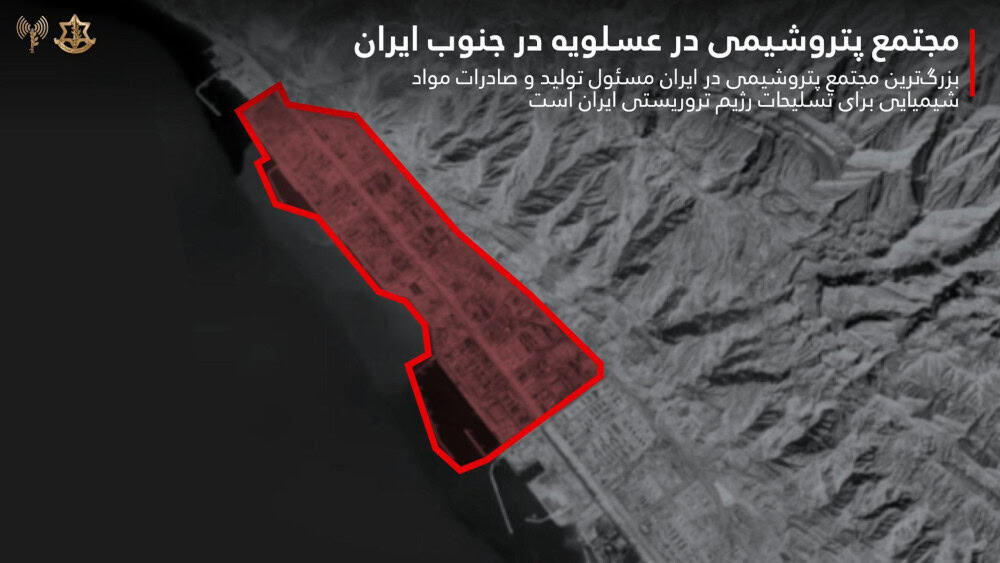
US and Israeli operations inside Iran escalated over the past week. Actions included strikes on Islamic Revolutionary Guard Corps missile and air defense sites, eliminations of senior military and intelligence officials, the recovery of a US F-15E crew downed over Iran, and attacks on Iranian infrastructure, ranging from petrochemical facilities to major industrial plants.
-
Iran downs US fighter jet, 1 crew member recovered, rescue operation ongoing for second
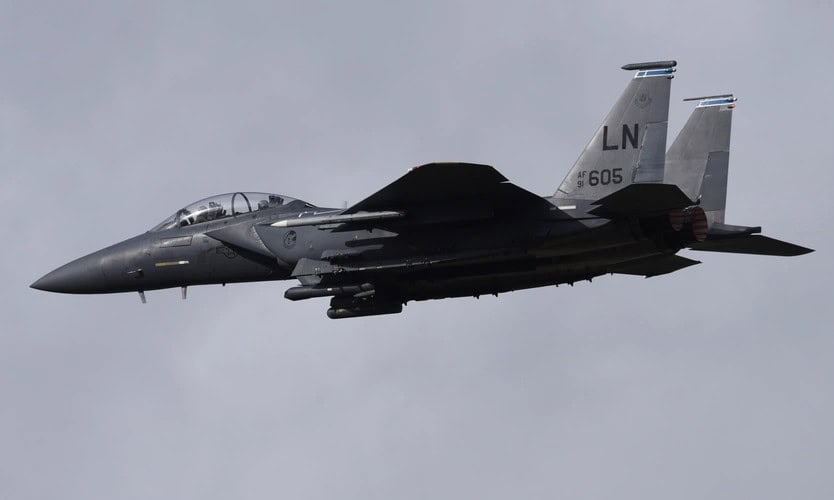
A pilot of an F-15E Strike Eagle reportedly shot down over Iran was rescued on April 3, while the second crew member remains missing. The downing of an F-15E is the first American fighter jet to be shot down by Iran since major combat operations began in Iran on February 28.
-
Generation Jihad | Timeline after Timeline
FDD’s Janatan Sayeh is back with Bill Roggio for an update on the Iran war, including: the potential for concrete regime change, last night’s address by President Trump, rumored US-Iran deliberations, the fragile balance of power on the ground, and the possibility of a popular uprising against the wounded Islamic Republic.
-
Iran intensifies recruitment, repression amid reports of thousands of security deaths, Washington weighs ground operations
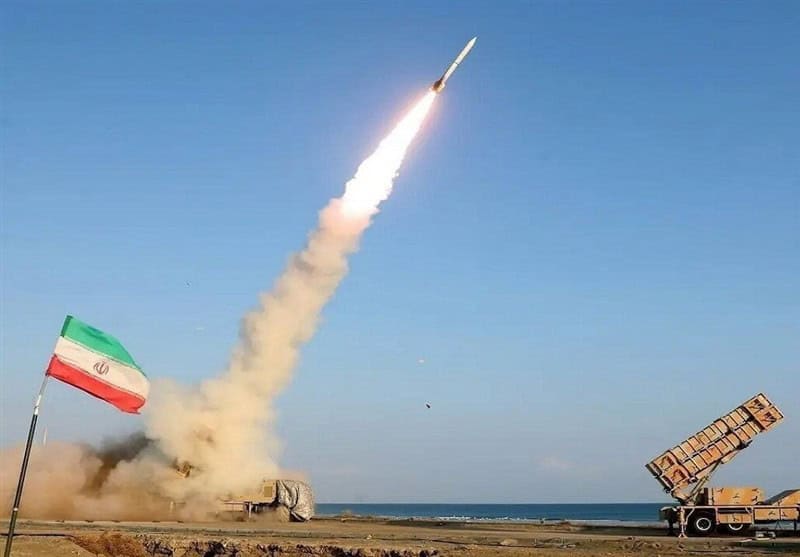
Washington is considering ground operations as joint US-Israeli strikes impact Iran’s military and internal security forces, reportedly causing thousands of casualties. Simultaneously, Tehran has increased security recruitment efforts, deployed foreign proxy militias, and escalated executions and arrests of Iranian citizens while issuing threats over “sharing images or footage with foreign actors.”
-
Generation Jihad | The Kharg Island Trap
Kharg Island looks like the perfect target — take it, and you choke off Iran’s oil. But it’s not that simple. Bill Roggio is joined by Ryan Brobst and Cameron McMillan to discuss why seizing Kharg could hand Tehran exactly what it wants: a wider war, a vulnerable US position, and a fight on the regime’s terms.
-
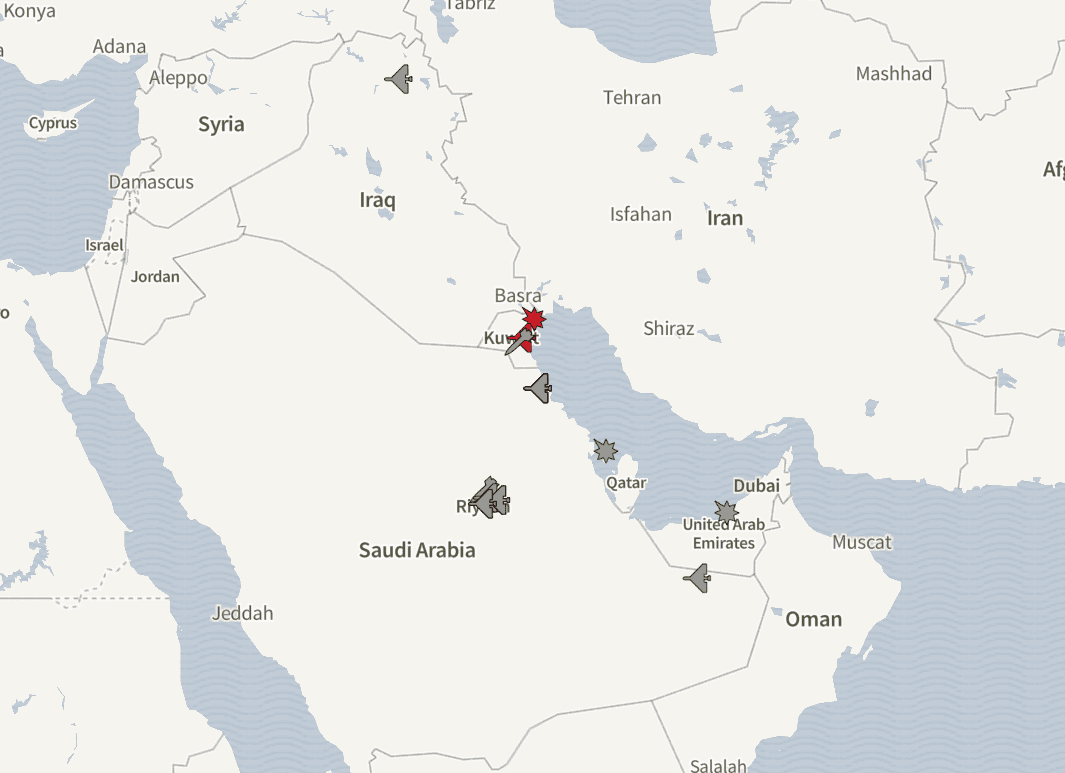
Iran and proxies continue attacking energy facilities, residential areas, and Arab capitals (March 24–27 updates)
Between March 24 and March 27, Iran and its allied militias continued launching drones and missiles against Arab countries. The attacks targeted energy infrastructure, airports, military facilities, ports, and residential areas in Saudi Arabia, the United Arab Emirates, Kuwait, Bahrain, Iraq, and Jordan.
-
Russia reportedly sending Iran drones for use against the US and Israel
Reports citing Western officials suggest that Russia has started supplying Iran with complete drones after Russia was previously suspected of only providing components to improve Iranian systems. The unmanned aerial systems are likely modified, Russian-made versions of the same Shahed-136 one-way attack drones that Tehran previously supplied to Moscow.