-
Israel conducts 1,600 strikes on Iran in 4 days of war, weathers Iranian missile and drones
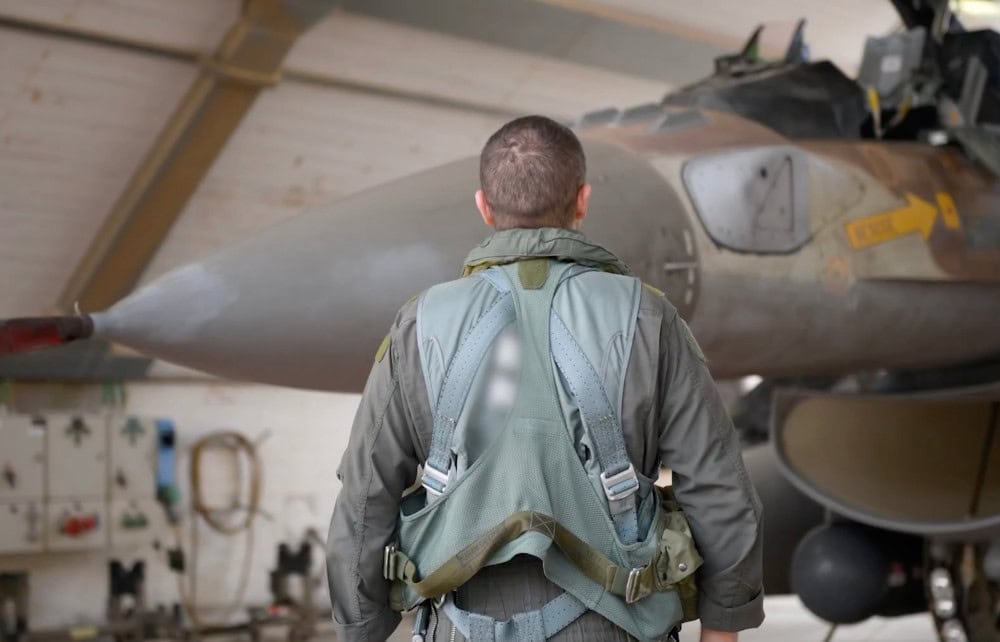
Israel has carried out more than 1,600 strike sorties against Iran in the first four days of the war, targeting Iranian leaders, nuclear facilities, missile launchers, and other military infrastructure, according to the IDF. Iran has responded with repeated ballistic missile and drone salvos that have killed at least 10 people in Israel and wounded dozens. The Israeli Air Force said that one of its F-35s downed an Iranian Yak-130 aircraft. The fighting has closed Israeli airports and forced widespread civilian alerts as missile barrages continue across the country.
-
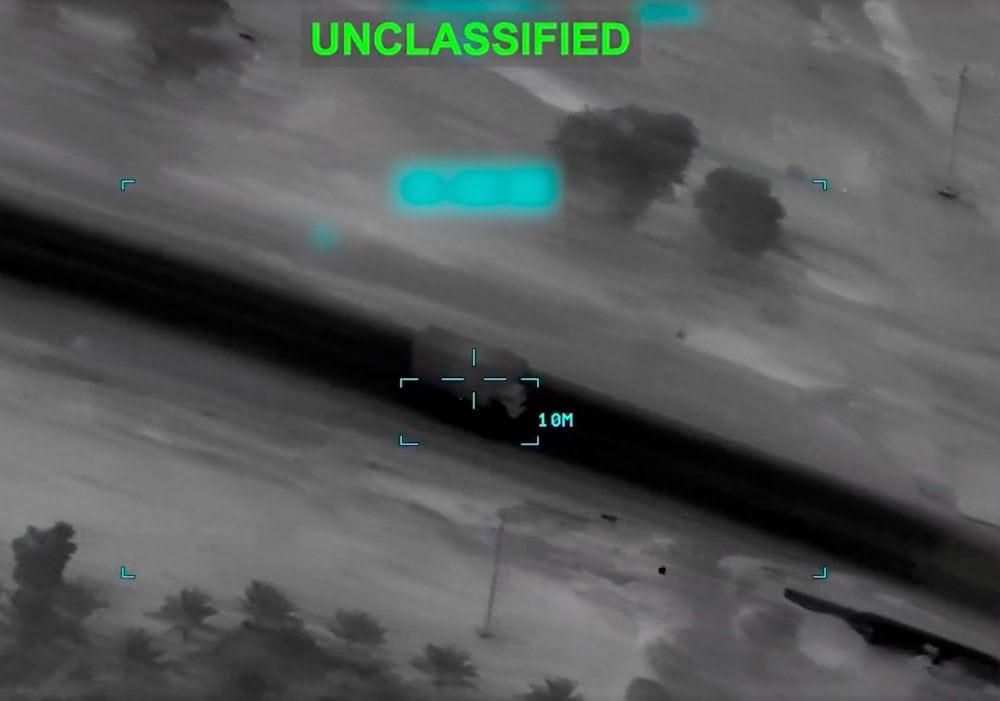
Analysis: Why Iran’s ballistic missile launches are declining
Iran has lashed out at its neighbors with hundreds of missiles and drones. However, a careful analysis of the data shows that Tehran’s ballistic missile launches have been dropping since the start of the conflict, largely because of the impact of US and Israeli strikes.
-
Iraqi Shiite militias claim attacks on US bases
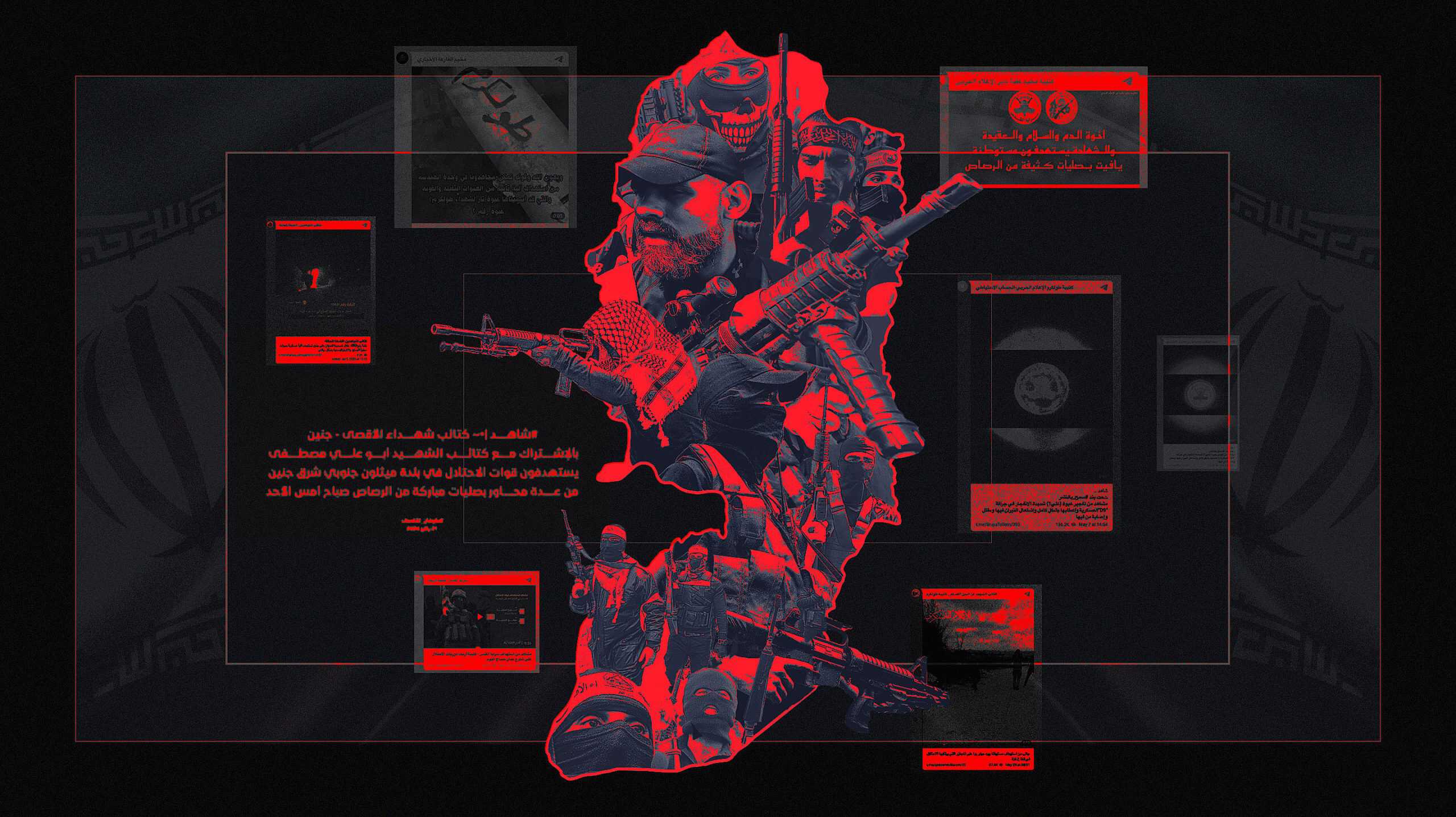
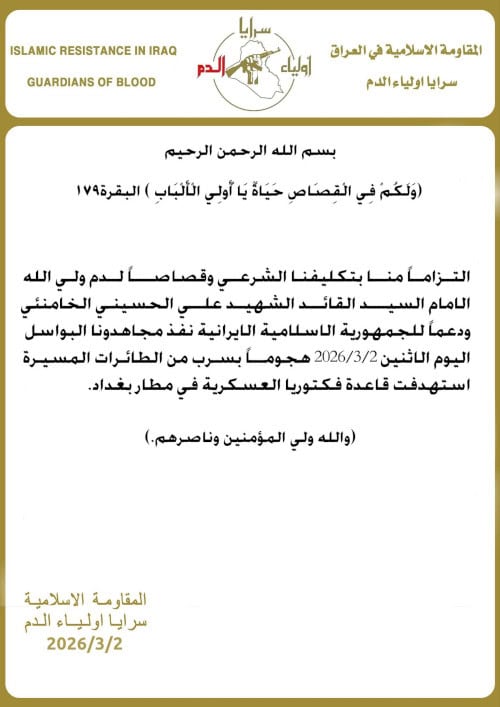
Iraqi militias backed by Iran have continued to fire drones and missiles at American bases in Iraq and in the region. Both the Islamic Resistance in Iraq and Saraya Awliya al Dam have claimed responsibility for the strikes. Collectively, the groups have claimed dozens of operations against American bases since March 1.
-
US-Israeli strikes hit Iran’s missile, nuclear, political, and repression sites
On March 2 and 3, the United States and Israel struck missiles and launchers nationwide, nuclear program sites at Natanz, and a key leadership target in Qom, while also hitting IRGC, Basij, police, and intelligence facilities in Tehran and western Iran.

-
Iran expands retaliation for US-Israel campaign across Arab states (February 28–March 2)
The Tehran regime responded to the US-Israeli military campaign against it by launching coordinated missile and drone strikes across the Middle East on the first three days of the conflict. The attacks struck multiple Gulf Arab states and targeted civilian infrastructure, airports, ports, and military sites, with notable targets and impacts in the UAE, Bahrain, Kuwait, Qatar, Oman, Saudi Arabia, Jordan, and Syria.

-
Kurdish Iranian opposition groups say Iran targeted them in northern Iraq, claim operations in Iran
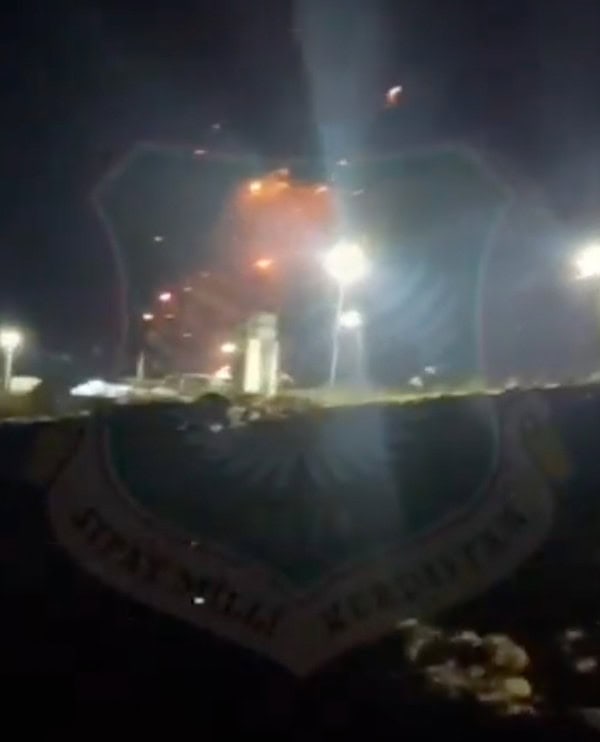
Kurdish Iranian opposition groups say that Iran targeted their bases in the Kurdistan Region of Iraq with drones and missiles following US and Israeli strikes on Iran on February 28. The Kurdistan Freedom Party (PAK) and other groups, including PDKI and Komala, reported attacks near Erbil, Duhok, and Sulaymaniyah, with footage suggesting the use of Shahed-type drones. The US State Department condemned the strikes, while Iraq’s Kurdistan Regional Government said its Peshmerga forces were also targeted. Kurdish opposition groups have also claimed that they are conducting anti-regime operations in Iran.
-
Houthis express solidarity with Iran but do not launch retaliatory attacks—yet
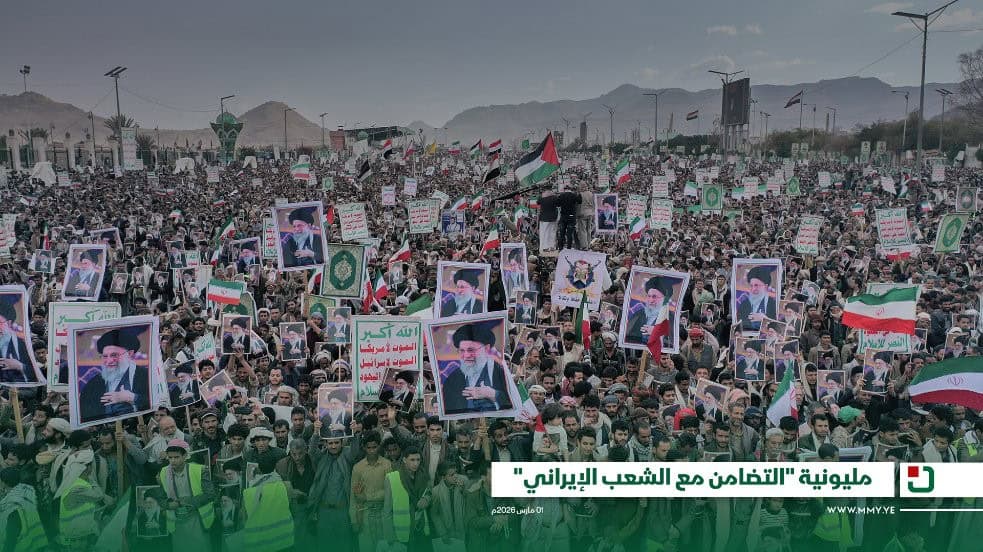
Houthi leader Abdulmalik al Houthi has delivered speeches in support of the Islamic Republic of Iran since the start of the US-Israeli military campaign, but he has not yet announced specific retaliatory military action. Instead, the Houthis have officially called for mass demonstrations and increased media activity in support of the regime. However, officials from the Iran-backed group have told media outlets that it will resume attacks against Israel and Red Sea shipping.
-
US-Israeli campaign hits Iranian regime’s military and repression apparatus, regime forms leadership council (March 1 updates)
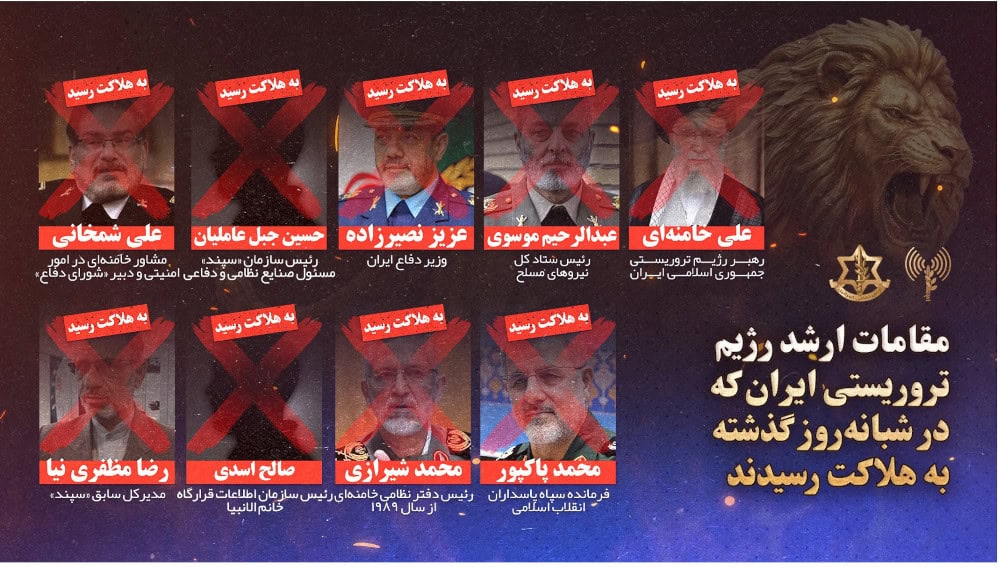
The joint US and Israeli operation entered its second day, with American forces targeting command-and-control centers, Islamic Revolutionary Guard Corps (IRGC) headquarters, air defense systems, ballistic missile sites, and Iran’s naval forces. In parallel, Israeli strikes concentrated on targets in Tehran, including key pillars of the regime’s repression apparatus, as well as ballistic missile sites and launchers. Iranian retaliatory attacks killed three US service members and nine Israeli civilians.
-
Iraqi Shiite militias join the war between Israel, the US, and Iran with drone attacks
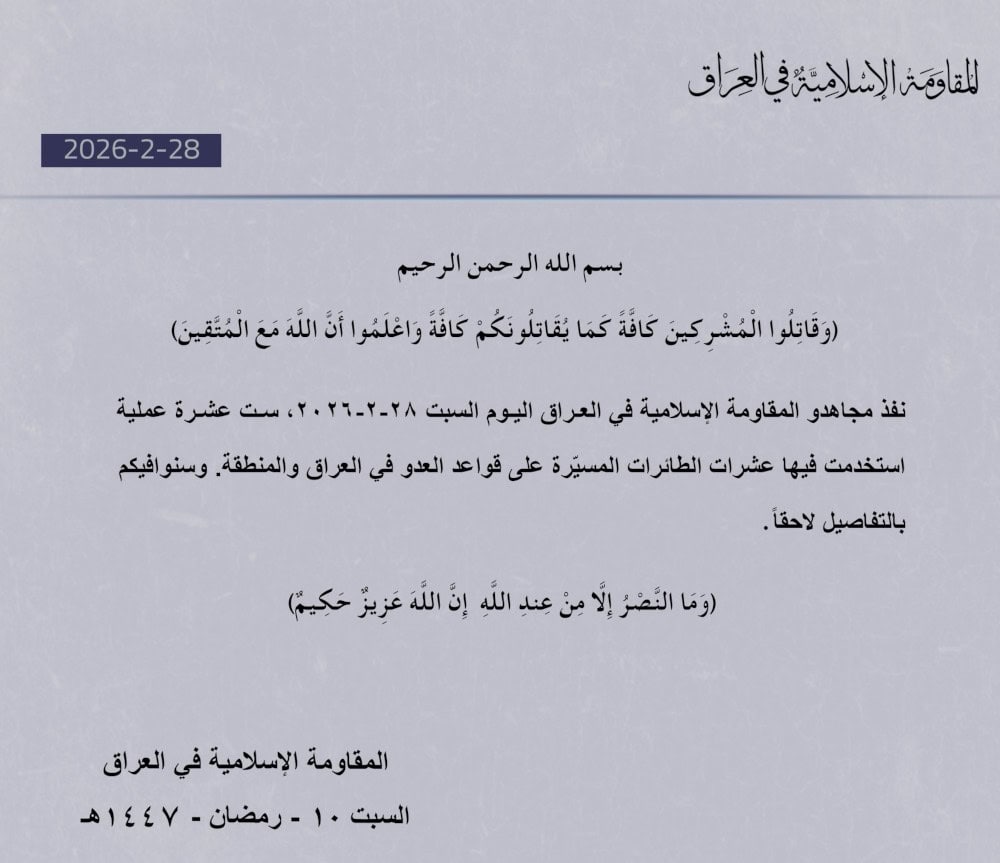
The Islamic Resistance in Iraq (IRI), a coalition of Iran-backed Shiite militias, claimed over a dozen drone attacks against “enemy bases in Iraq and the region” and issued statements of support for the Tehran regime in retaliation for US and Israeli strikes on Iran. The groups are also responding to unclaimed airstrikes on Iraq that have reportedly killed at least six people, including four confirmed Iraqi militiamen.
-
Generation Jihad | After decades of f*cking around, did Ayatollah Khamenei find out?
Reports following US and Israeli military strikes on Iran say that Supreme Leader Ayatollah Ali Khamenei is dead. If true, is regime decapitation the opening salvo of the fall of the Islamic Republic? David Daoud and Joe Truzman are back with Bill Roggio to unpack what we know, what we don’t know, and whether this is the moment that reshapes the Middle East.

-
US and Israel launch military campaign against Iran, Supreme Leader Khamenei reportedly killed
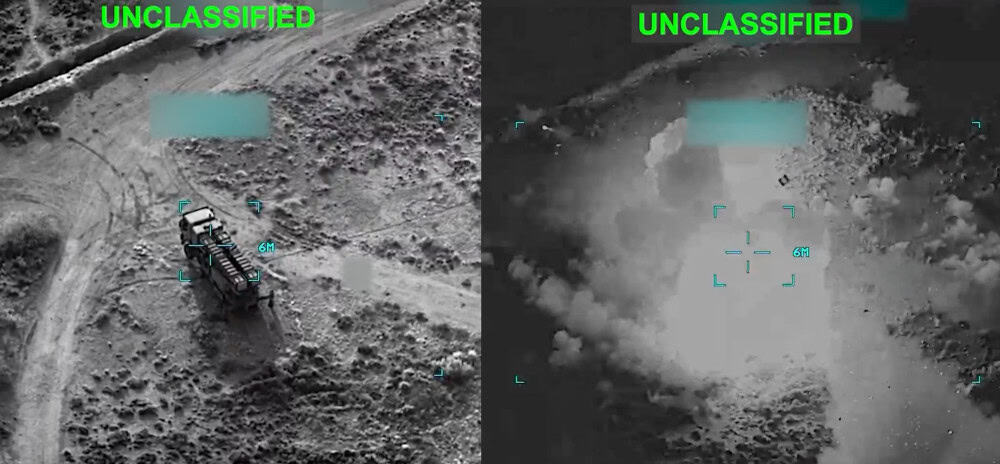
After the third round of nuclear talks between Tehran and Washington failed to produce meaningful progress, the US followed through on its threats against the Iranian regime. On the morning of February 8, in a joint operation with Israel, the US struck military sites in Iran and targeted the Islamic Republic’s leadership. The military campaign was supplemented with messaging to ordinary Iranians to take to the streets once the bombing ended, and Israeli sources say that Supreme Leader Ali Khamenei has been killed.
-
Iranian Kurdish groups unite against Tehran regime, Iraqi militias threaten Kurdistan Region
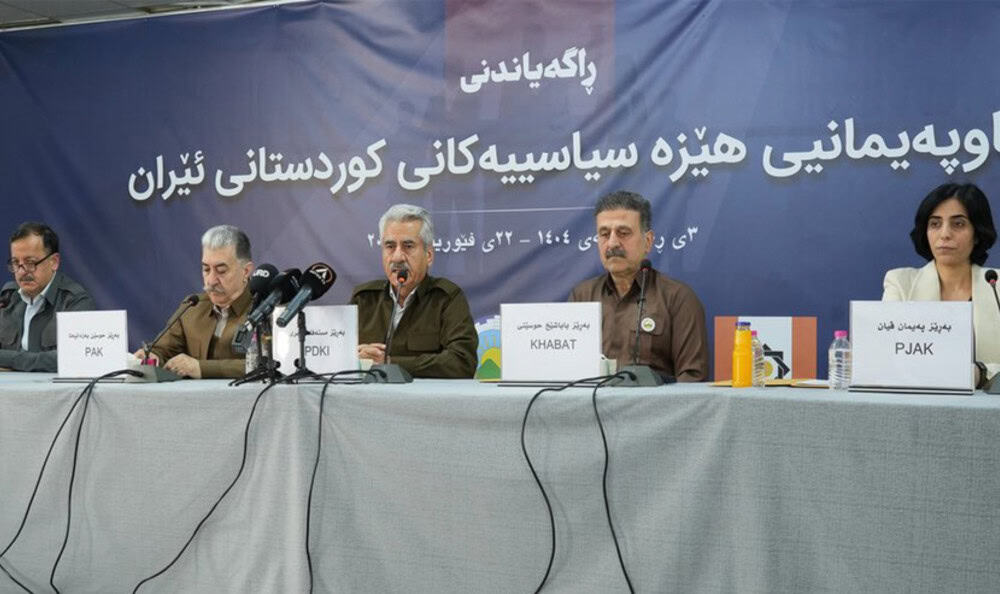
Five Iranian Kurdish opposition groups have announced a coalition aimed at opposing Iran’s regime. The alliance, unveiled at a joint press conference on February 22, includes the PDKI, PJAK, PAK, Komala, and the Khabat Organization. The move comes amid heightened US-Iran tensions and renewed threats from the Iranian-backed Iraqi militia Kataib Hezbollah, which warned the Kurdistan Region against cooperating with “foreign forces.”
-
Russia to supply Iran with shoulder-fired air defense system
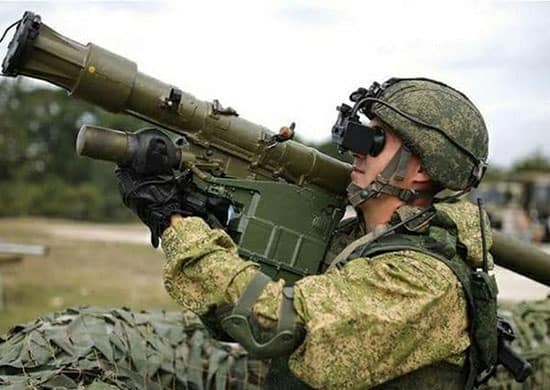
Russia and Iran have reportedly finalized a contract for the sale of 500 Russian “Verba” man-portable air defense systems (MANPADS) and 2,500 missiles as Iran tries to shore up its air defenses. However, it is unlikely that these weapons would significantly impact potential US operations against the Islamic Republic.
-
Turkish foreign minister warns of nuclear arms race if Iran gets the bomb
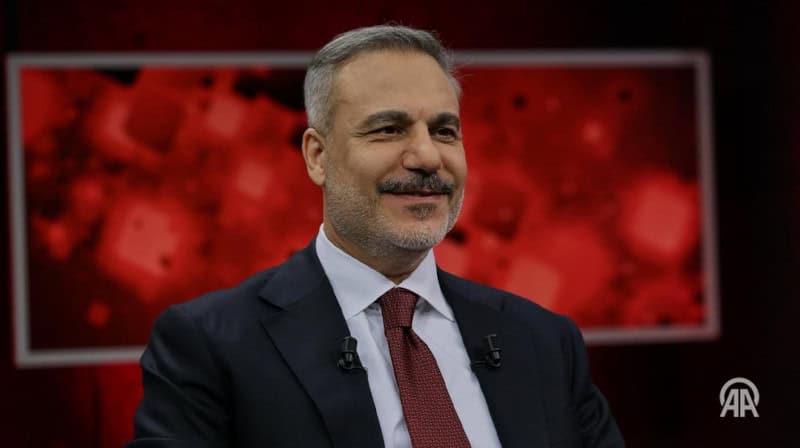
Turkish Foreign Minister Hakan Fidan warned on February 9 that Ankara may pursue nuclear weapons if Iran acquires them, signaling a potential shift from rhetorical grievance to a conditional proliferation policy. While downplaying evidence of Iran’s weaponization and opposing US military strikes, Turkish officials continue to legitimize Tehran’s nuclear activities while framing Turkish nuclearization as a defensive necessity tied to regional “balance of power.”
-
Generation Jihad | The West’s greatest threat is still Al Qaeda
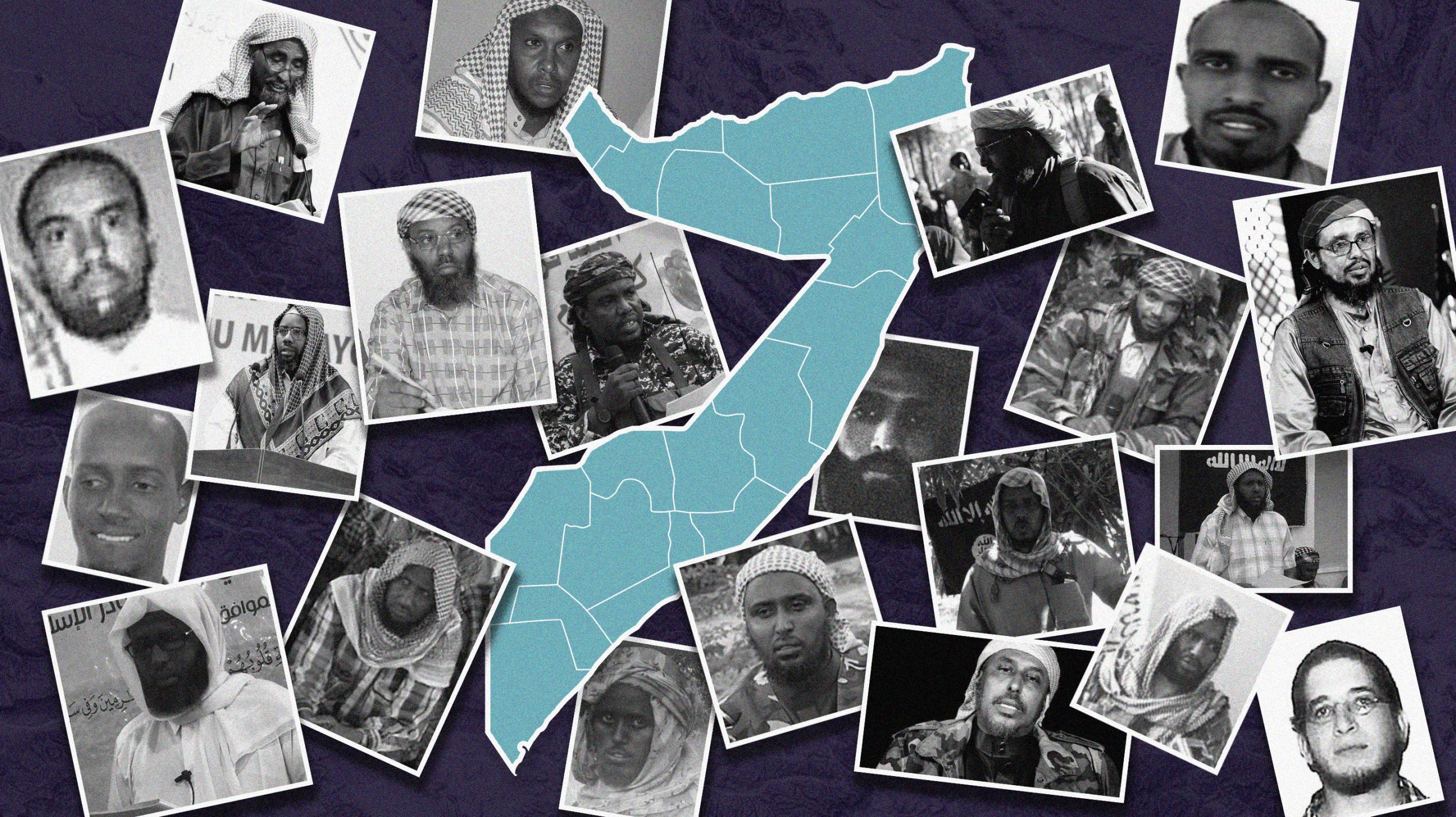
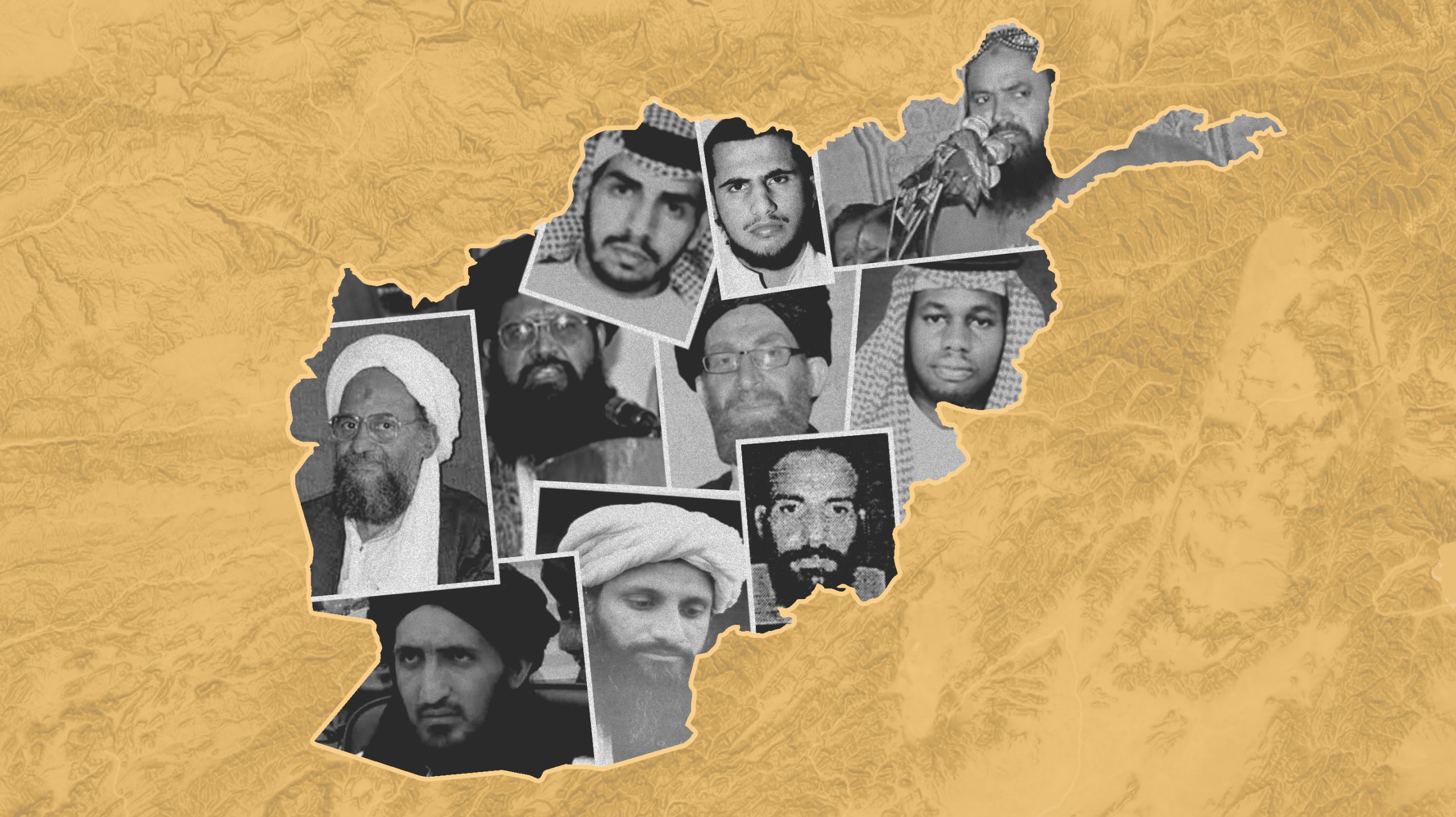
In its latest report on the state of global jihad, the UN reveals that Al Qaeda is expanding but doesn’t mention one critical fact: the jihadist group’s leader is based in Iran. Bill Roggio is joined by his FDD colleague Edmund Fitton-Brown—who previously oversaw the UN’s sanctions and monitoring team that produces these assessments—to unpack what the report gets right, what it misses, and why Al Qaeda—not the Islamic State—remains the most dangerous long-term jihadist threat facing the West.
-
Iranian regime escalates hostilities with US, hardens negotiating position
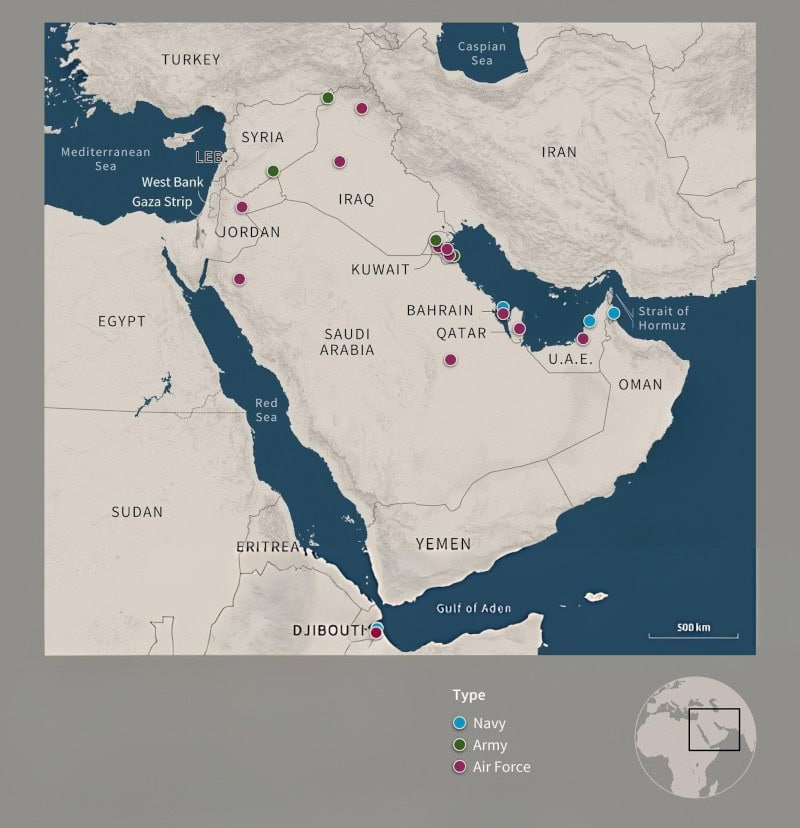
Iran has ramped up military provocations against US forces as nuclear negotiations loom, with regime officials sending mixed signals on uranium enrichment while refusing to discuss missile programs or terror proxies. Internal regime sources reveal the leadership’s growing fear that a US strike could trigger mass uprisings. Despite killing over 36,000 protesters, according to some estimates, scattered demonstrations continue across Iran, with one official saying that “the wall of fear has collapsed.”
-
Trump calls for Iraq to reject Maliki as prime minister, Maliki denounces US ‘interference’
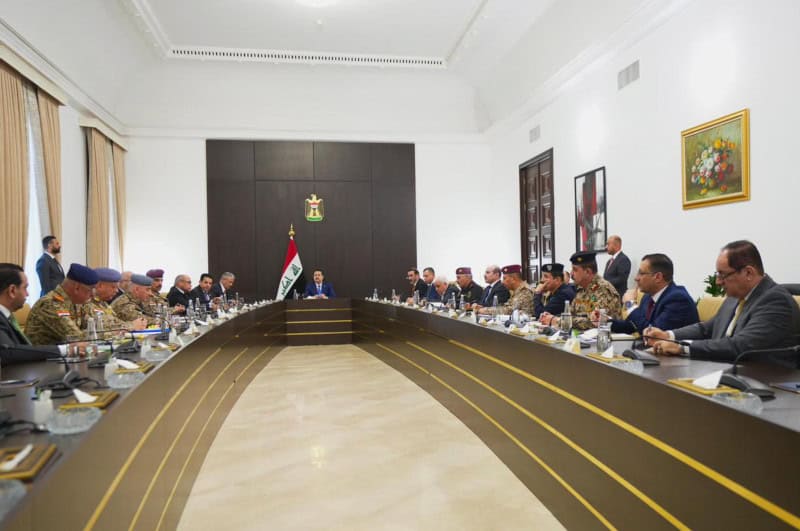
On January 28, former Iraqi Prime Minister Nouri al Maliki stated that he rejected “blatant American interference in Iraq’s internal affairs,” a day after US President Donald Trump said Maliki, who is a leading contender for the country’s next prime minister, should not retake the office. US envoy to Iraq Mark Savaya also said that Iranian-backed militias should be prevented from having power in the next government. Separately, several Iranian-backed militias threatened to support Iran in any conflict with the US or Israel and sent forces to the border with Syria amid fighting between the Syrian government and the Syrian…
-
Iran and its proxies threaten retaliation against US and Israel amid US military buildup
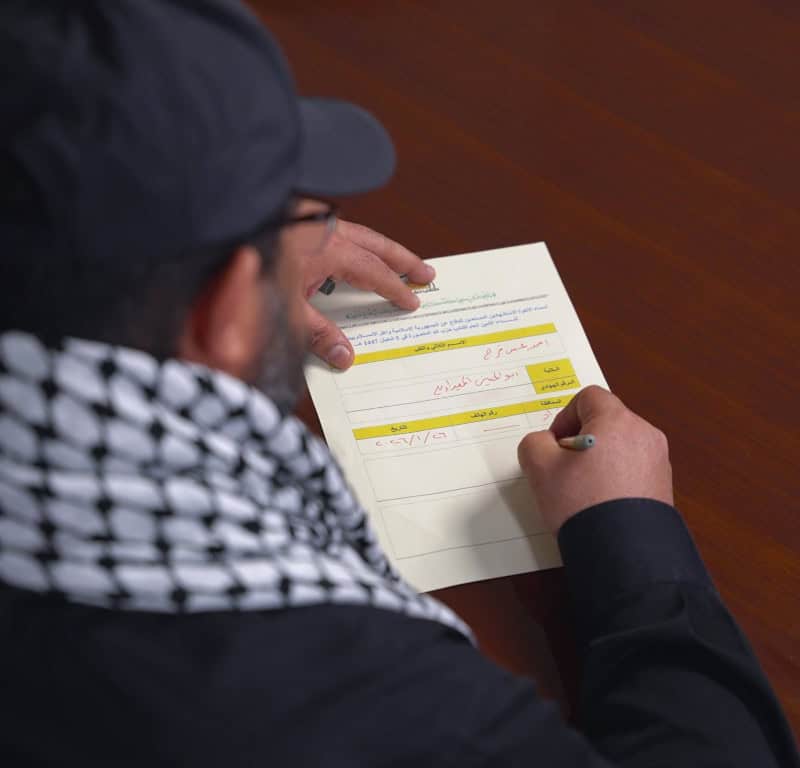
Tehran and its regional proxy groups have threatened retaliation against the United States and Israel as Washington moves additional military assets into the Middle East after the regime’s lethal crackdown on protesters. Regime-affiliated outlets and proxy leaders have outlined various retaliation scenarios, including drone swarms, maritime disruption efforts, and suicide attacks.
-
Analysis: Hezbollah: We will not remain neutral if Islamic Republic endangered
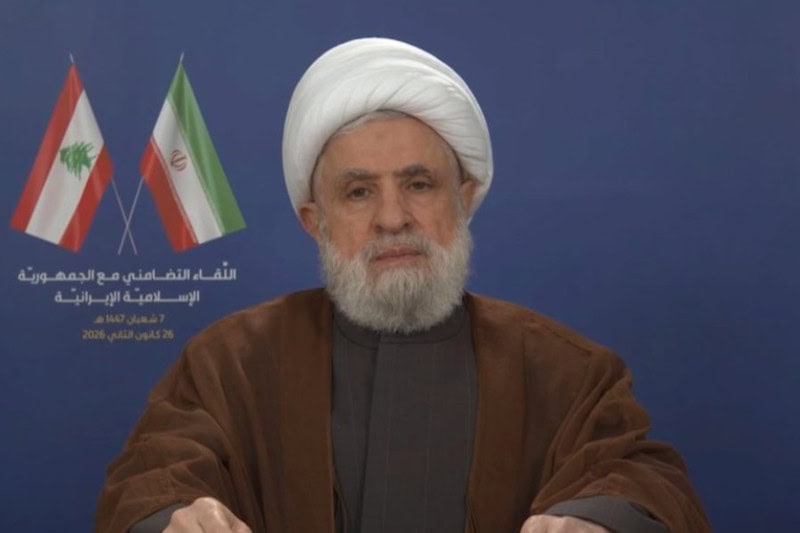
Hezbollah has yet to deploy operatives to protect the Islamic Republic of Iran’s regime from ongoing protests. However, the group has stated that it will not remain neutral if the United States or Israel attack the Tehran regime and threaten its existence. Hezbollah also claims the current Iranian authorities actually enjoy widespread domestic support and that calls for regime change are being instigated by Washington and Jerusalem.
-
Kataib Hezbollah threatens US bases in the Middle East if US strikes Iran
Kataib Hezbollah, an Iraqi Shiite militia, warned the United States that if Washington launched a war with Iran, the group would attack American bases in the region. The threat comes amid rising tension between Washington and Tehran as the Islamic Republic continues a brutal crackdown on demonstrations that began nearly three weeks ago.
-
Kurdish opposition groups in Iran support protests, claim attacks on Tehran regime
Kurdish opposition groups in northwestern Iran have actively supported protests against the Iranian regime during the first two weeks of January. Amid the Iranian government’s crackdown, seven Kurdish parties have called for unity and supported a general strike. One group, the Kurdistan Freedom Party, has claimed several attacks on the regime’s Islamic Revolutionary Guard Corps.

-
Generation Jihad | Mark Dubowitz: The regime clings to its ninth life
After military defeat abroad and at home, where the economy also has collapsed, the Islamic Republic is weaker than ever, and the Iranian people know it. The regime is facing a nationwide uprising unlike anything seen in decades, with Iranians across class, age, and ideology back in the streets. And they’re no longer asking for reform—they’re demanding an end to the Islamic Republic itself. Meanwhile, President Trump warned that US military action is on the table if the regime slaughters protesters. As we record, a brutal crackdown is underway with reports of hundreds of Iranians killed and tens of thousands…
-
Tehran regime fears defections as Iran’s nationwide movement defies containment
Iran’s protest movement has now entered its third week, and the regime is struggling to contain the unrest. Islamic Republic authorities fear disobedience within the ranks, and reports of potential defections point to growing anxiety inside the security apparatus. Washington is assessing options to strike regime sites.

-
Terrorists attack Hanukkah lighting ceremony in Australia, kill at least 16
Two gunmen carried out an antisemitic terrorist attack on a Hanukkah celebration at Sydney’s Bondi Beach, killing at least 16 people and wounding dozens before one attacker was killed and the other arrested. Australian authorities, who said one suspect was previously known to the Australian Security Intelligence Organization, are investigating possible foreign links as Israel separately examines whether Iran or its proxies played a role amid warnings about Iranian-backed threats to Jewish communities abroad.

-
Iranian Baluch separatist factions establish Popular Fighters Front coalition
Iranian Baluch separatist factions have formed a new coalition known as the Popular Fighters Front (JMM), presenting themselves as a unified movement against the Islamic Republic of Iran. The coalition’s manifesto outlines its constituent groups, including PADA Baluch, Harakat-e Nasr, Jaish al Adl, the Mohammad Rasulullah network, and independent fighters, and frames its mission as defending the “dignity, culture, and political identity” of the Baluch people while appealing to broader Iranian opposition forces. JMM has already claimed responsibility for a December 2025 attack in Zahedan that left four of Iran’s Islamic Revolutionary Guard Corps personnel dead.
-
IDF reveals Hamas financial network operating in Turkey
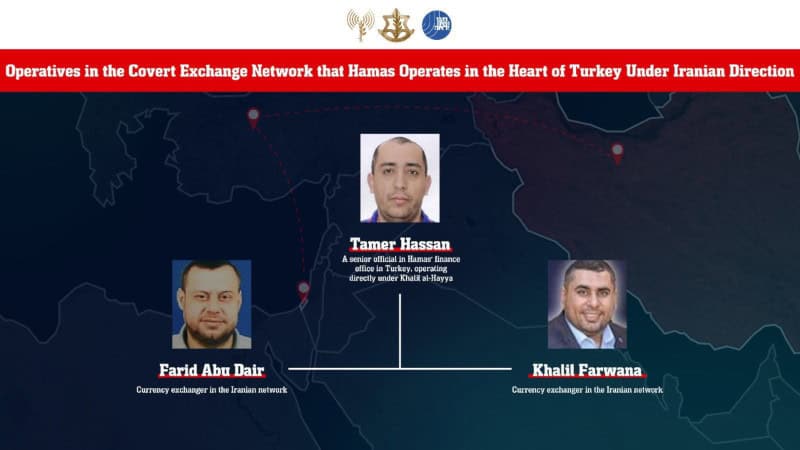
The Israeli military and Shin Bet reported on a Hamas financial network operating in Turkey under direct Iranian supervision and moving hundreds of millions of dollars through Turkish-based money changers to fund terrorism. Three key operatives based in Turkey were identified as managing large-scale financial activity for Hamas. Israeli officials warned that any entity linked to this network will face consequences and criticized the concept of a NATO member enabling Iran-backed terror financing.
-
Analysis: Iran’s Al Mustafa University is a terror front
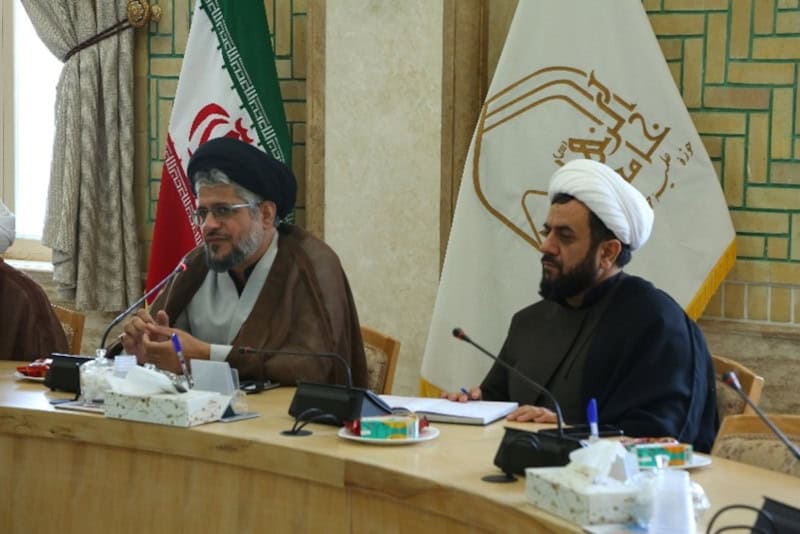
In 2020, the US Treasury Department sanctioned Al Mustafa International University, followed by Canada’s Foreign Ministry designating the organization in 2022. Ostensibly an international Islamic school, Al Mustafa is a front for Iranian terrorism and propaganda with a proven track record of involvement in terror plots, including a recent IRGC scheme to assassinate Israel’s ambassador to Mexico.
-
Report: Iran rebuilding its ballistic missile program
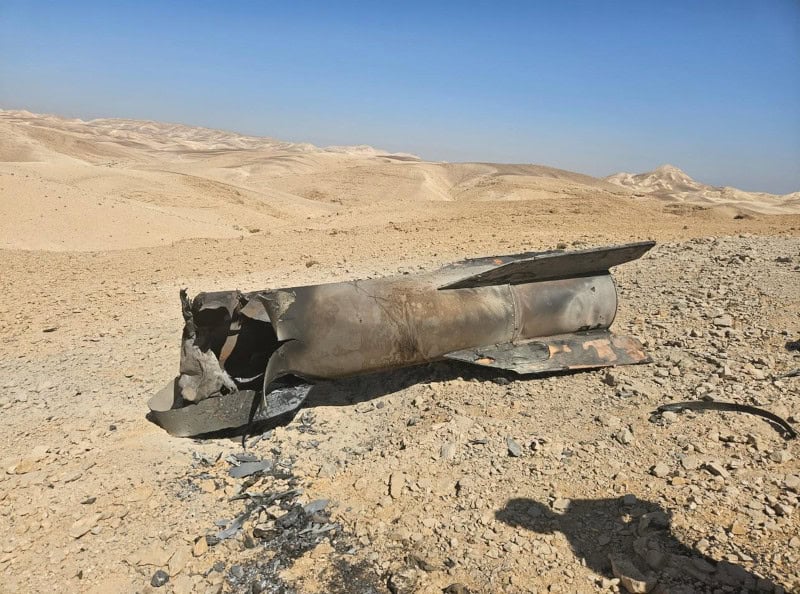
With the help of China, Tehran is importing a chemical precursor for its medium-range ballistic missiles despite recently imposed United Nations sanctions, CNN reported. The report assesses that Tehran “appears to be stepping up the rebuilding of its ballistic missile program” following the 12-day war with Israel in June.
-
Iranian-backed Iraqi militias in spotlight after Secretary of State Rubio’s call with Prime Minister Sudani
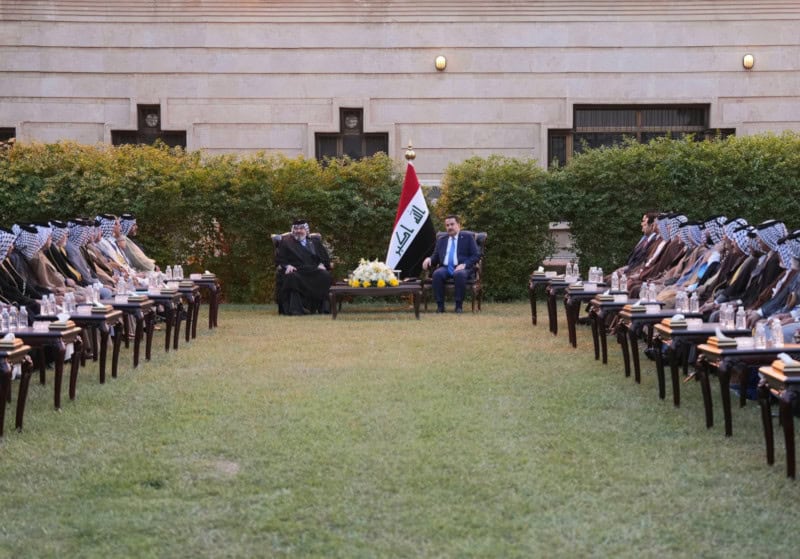
US Secretary of State Marco Rubio spoke with Iraqi Prime Minister Shia al Sudani on October 21, discussing the “urgency in disarming Iran-backed militias that undermine Iraq’s sovereignty.” Sudani told the US to “avoid unilateral decisions in Iraq.” The call followed increased US sanctions on Iranian-backed militias in Iraq and individuals linked to them. Separately, Iraq’s National Security Advisor Qasim al Araji visited Iran and met with the head of the Islamic Revolutionary Guard Corps (IRGC), while IRGC-Qods Force Commander Esmail Qaani visited Iraq to discuss upcoming elections with Shiite political parties.
-
Analysis: Iran threatens nuclear weaponization ambitions
Senior Iranian officials have openly hinted at Tehran’s shifting nuclear posture. A nuclear scientist confirmed Iran’s capacity to build nuclear weapons, while a military official reflected that Tehran should have pursued them in the 1990s—exposing how the regime’s rhetoric now edges closer to weaponization.