-
Analysis: Why seizing Iran’s Kharg Island could be a trap of America’s own making
A US effort to seize Kharg Island, the Islamic Republic’s critical economic hub, would be a high-risk operation that would likely entail significant costs for little gain. Kharg is much more likely to become a liability than an asset, drawing the Trump administration closer to the war of attrition it is trying to avoid.
-
Generation Jihad | The Hormuz Shake(down)
Bill Roggio sits down with shipping expert Sal Mercogliano to break down Tehran’s latest act of war: turning the world’s most critical shipping chokepoint into leverage.
-
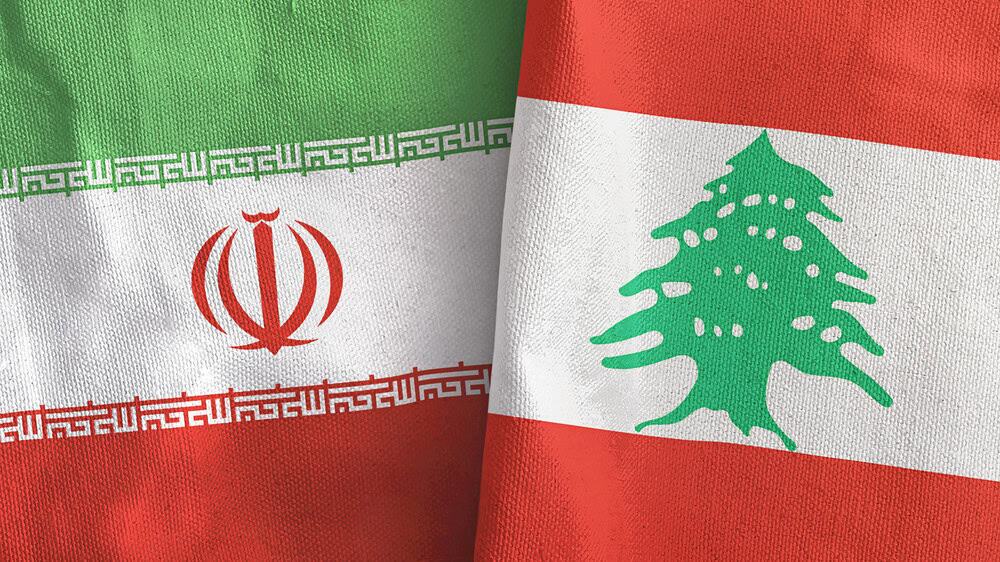
Lebanon declares Iranian ambassador-designate ‘persona non grata’ before Iranian missile explodes over Lebanese airspace
An Iranian ballistic missile exploded in Lebanese airspace shortly after Lebanese Foreign Minister Youssef Raggi declared Tehran’s ambassador-designate in the country “persona non grata.” Official silence, coupled with Lebanese reporting that the missile was targeting an American asset in Lebanon, led to speculation that Iran considered Raggi’s move significant and was retaliating for it. However, subsequent reporting and a Lebanese Armed Forces investigation revealed that the missile’s target was outside Lebanon.
-
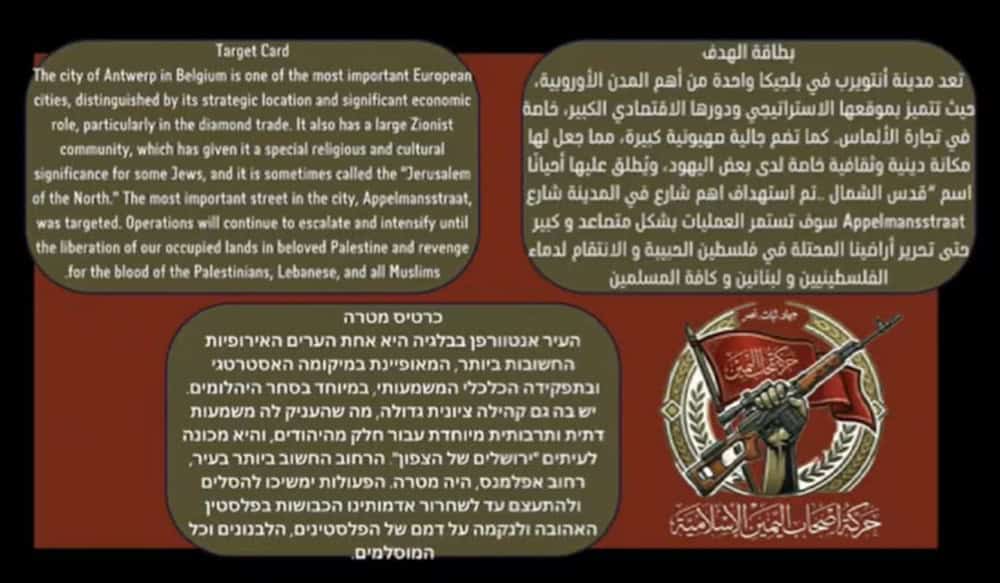
Iran-linked group claims arson attacks in Antwerp and London
On March 23, Ashab al Yamin, a group with ties to the Islamic Republic, took responsibility for attacks in Antwerp and in London. The incidents raise the total number of claimed attacks by the Iran-linked group against Jewish and Western sites to seven.
-
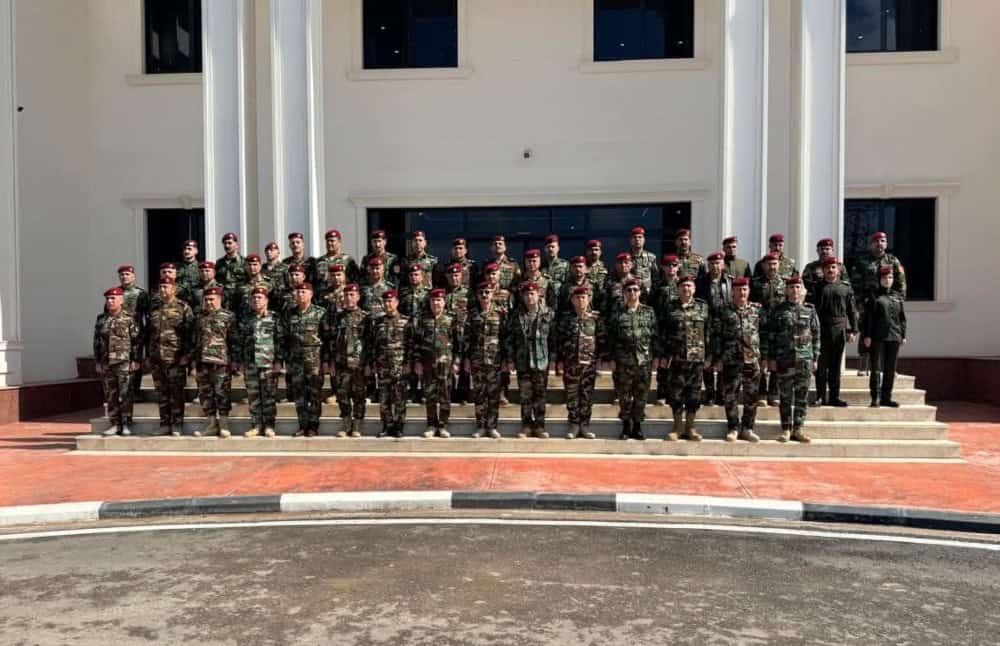
6 Kurdistan Regional Government soldiers killed in Iranian attack on northern Iraq
Six Peshmerga fighters were killed, and more than 20 were wounded in a missile strike north of Erbil on March 24, marking the deadliest attack on the Kurdistan Region since late February. The strike is part of a broader wave of drone and missile attacks by Iran and Iranian-backed militias targeting northern Iraq, US facilities, and Kurdish forces. In addition, rockets were fired toward Syria on March 23, and at least 15 members of Iraq’s Popular Mobilization Forces were killed in a likely US airstrike in Iraq’s Anbar province.
-
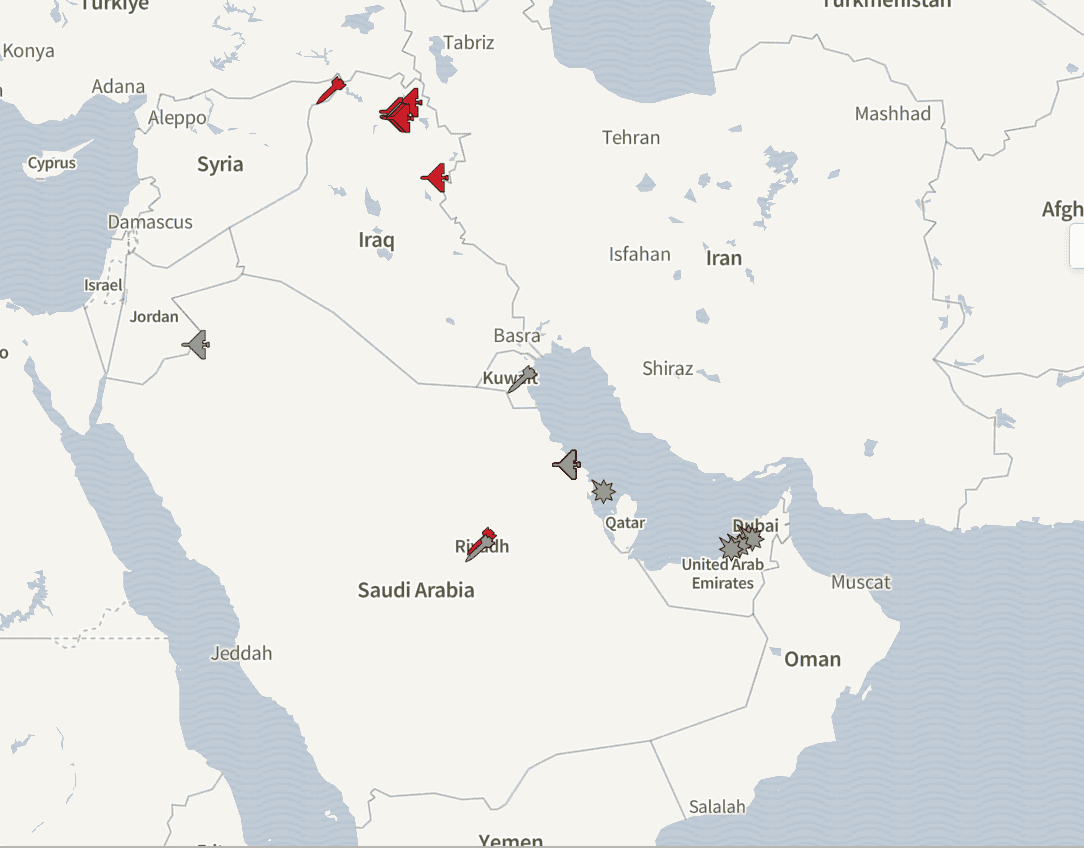
Iran and proxies continue attacking regional airports, energy facilities, military bases, and residential areas (March 20-23 updates)
Between March 20 and March 23, Iran and its allied militias continued launching drones, missiles, and rockets against Arab countries, targeting energy infrastructure, airports, military bases, diplomatic facilities, and residential areas.
-
Generation Jihad | The regime falls when the people rise
The bombs are falling. The Iranian regime is reeling. But revolutions aren’t won from 30,000 feet. As Washington and Jerusalem pummel toward a mission accomplished, Bill Roggio is joined by FDD’s Jon Schanzer to grapple with a harder question that looms: what happens if there’s no uprising when the bombing stops?
-
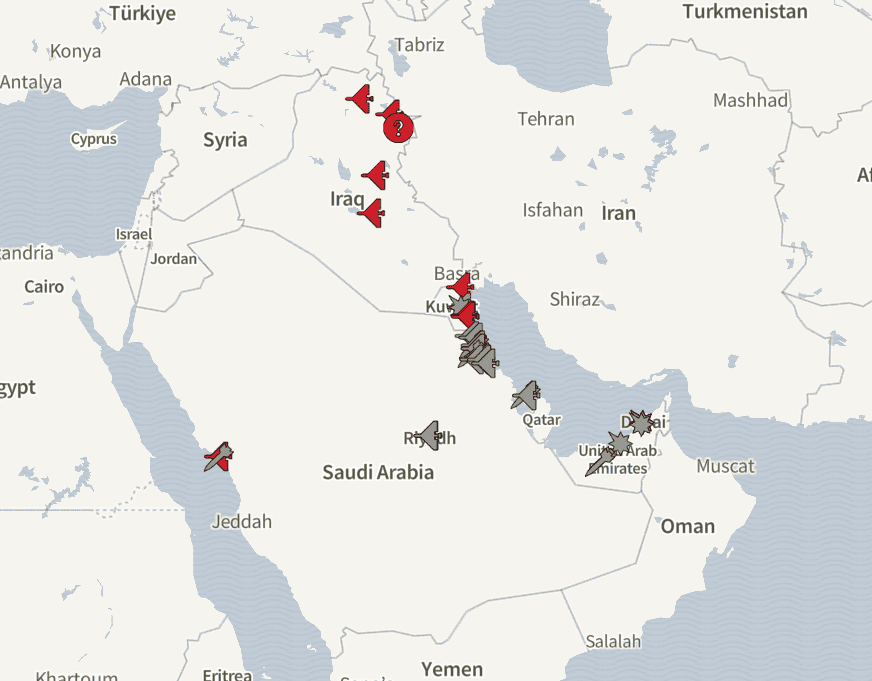
Iranian drones and missiles hit ports, oil and gas facilities, and US bases in the region (March 17-19 updates)
Between March 17 and March 19, Iran and its allied militias continued launching drones, missiles, and rockets across the Middle East. The attacks targeted energy infrastructure, airports, military bases, diplomatic facilities, and residential areas in Saudi Arabia, the United Arab Emirates, Qatar, Kuwait, Bahrain, and Iraq.
-
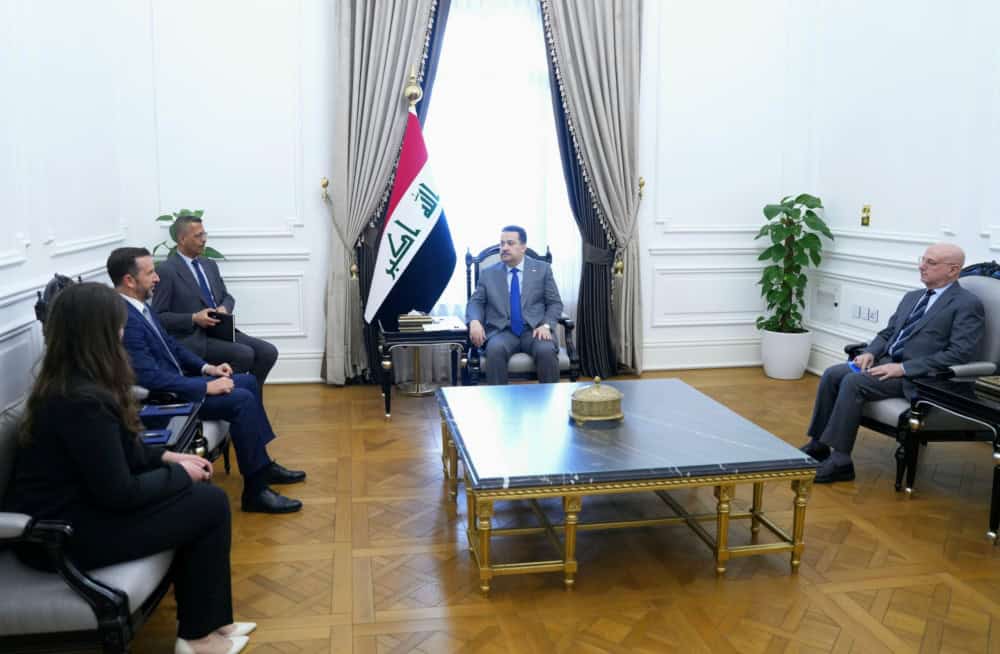
Iranian-backed militias escalate attacks in Iraq, send mixed signals on next steps
Iranian-backed militias have continued conducting attacks across Iraq, recently targeting US and foreign diplomatic sites in Baghdad and Erbil. Hundreds of strikes have hit the Kurdistan Region since late February, wounding Peshmerga forces and damaging key locations. While Kataib Hezbollah signaled a possible temporary pause in attacks tied to specific demands on March 18, other groups, such as Kataib Sayyid al Shuhada, vowed to continue.
-
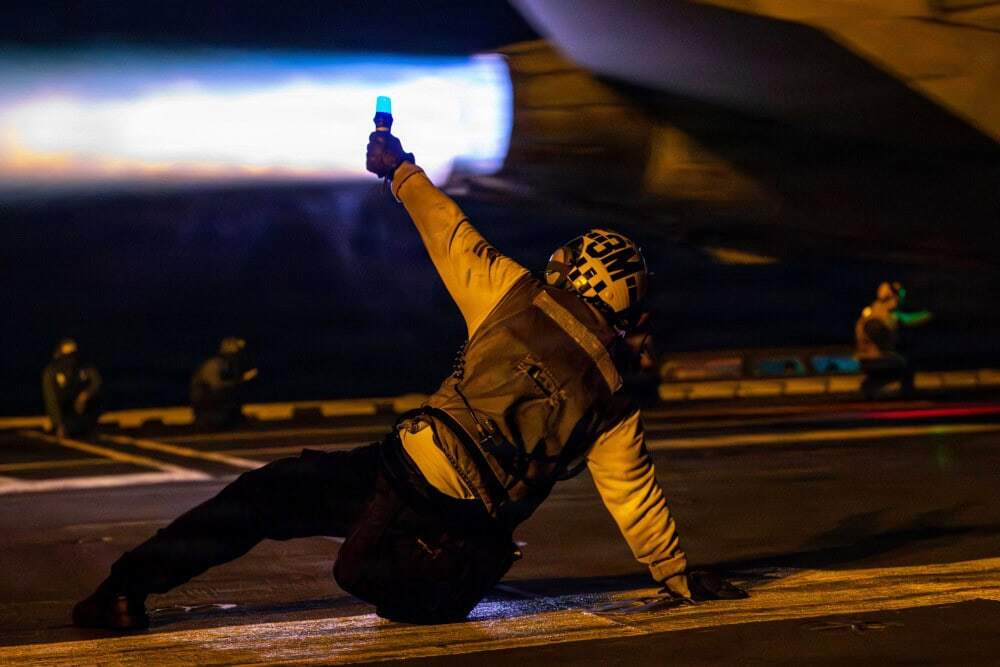
Analysis: Operational gains against Iran continue, but threats to US forces persist
The United States, along with its Israeli partners, continues to make considerable progress toward its military objectives of removing Iran’s primary military means to threaten the region in the third week of Operation Epic Fury. Despite these operational successes, however, Tehran and its proxies retain the ability to attack US forces.
-
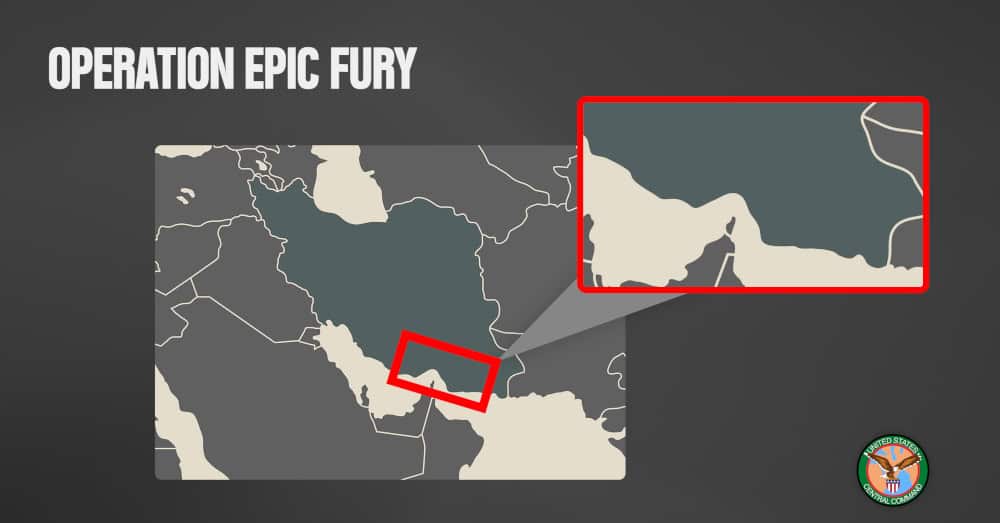
US and Israel strike more military targets, plus Iran’s leadership, repression units, and energy sites (March 17-18 updates)
US and Israeli operations have continued to degrade Iran’s military capabilities while increasingly targeting the regime’s internal security apparatus. Strikes on Basij internal security and police units, alongside assassinations and reported morale issues, may be beginning to affect the regime’s ability to sustain repression efforts as US and Israeli attacks also expanded to targeting energy infrastructure.
-
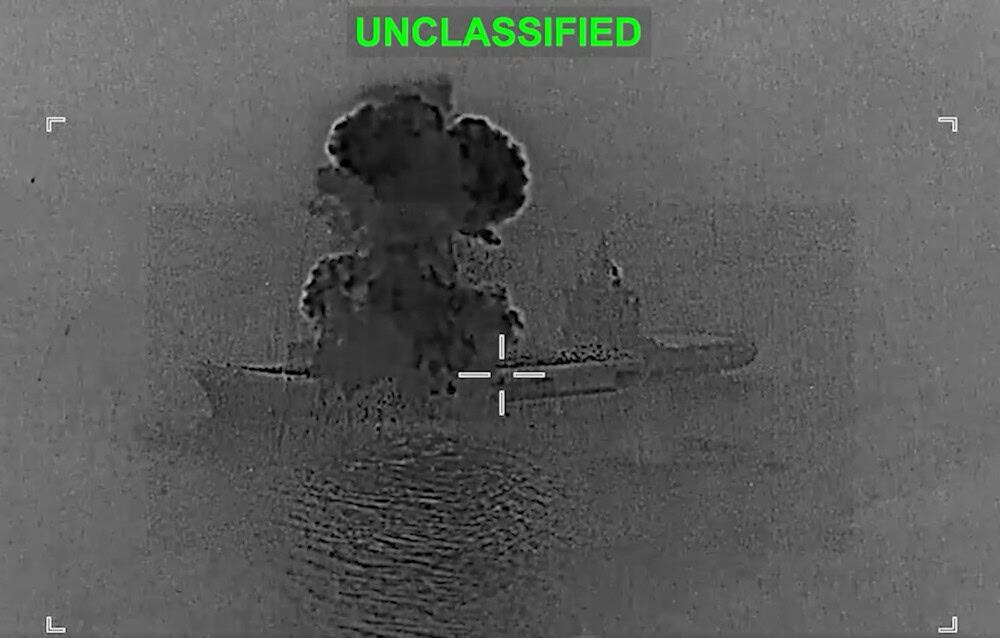
10 major Iranian naval targets struck in Operation Epic Fury
President Donald Trump has identified the Iranian navy as a major target in the US campaign against the Islamic Republic of Iran. US forces have struck a range of port infrastructure and key vessels to degrade its capability, destroying more than 100 vessels by March 16.
-
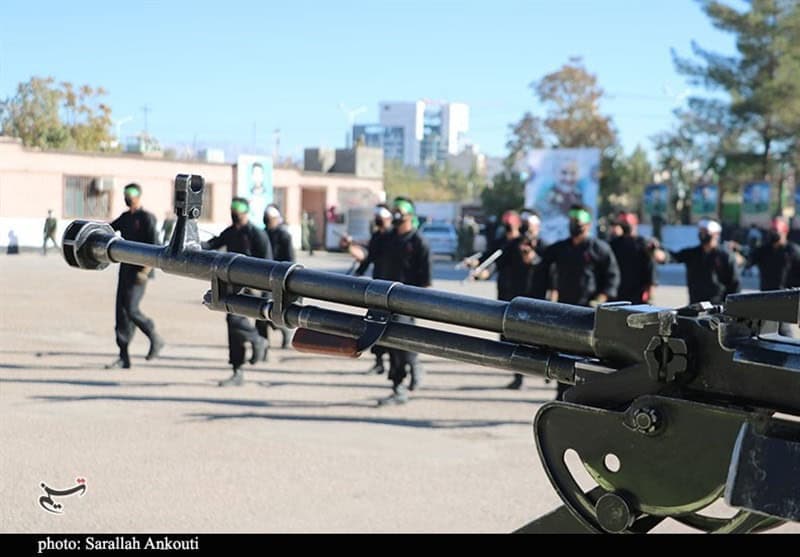
Iran braces for internal unrest as US and Israeli attacks persist (March 14-16 updates)
US and Israeli strikes against the Islamic Republic are expanding to include additional military infrastructure, command centers, and production facilities. At the same time, the Tehran regime is tightening security across Iranian cities amid reports of arrests, checkpoints, and growing economic pressure.
-
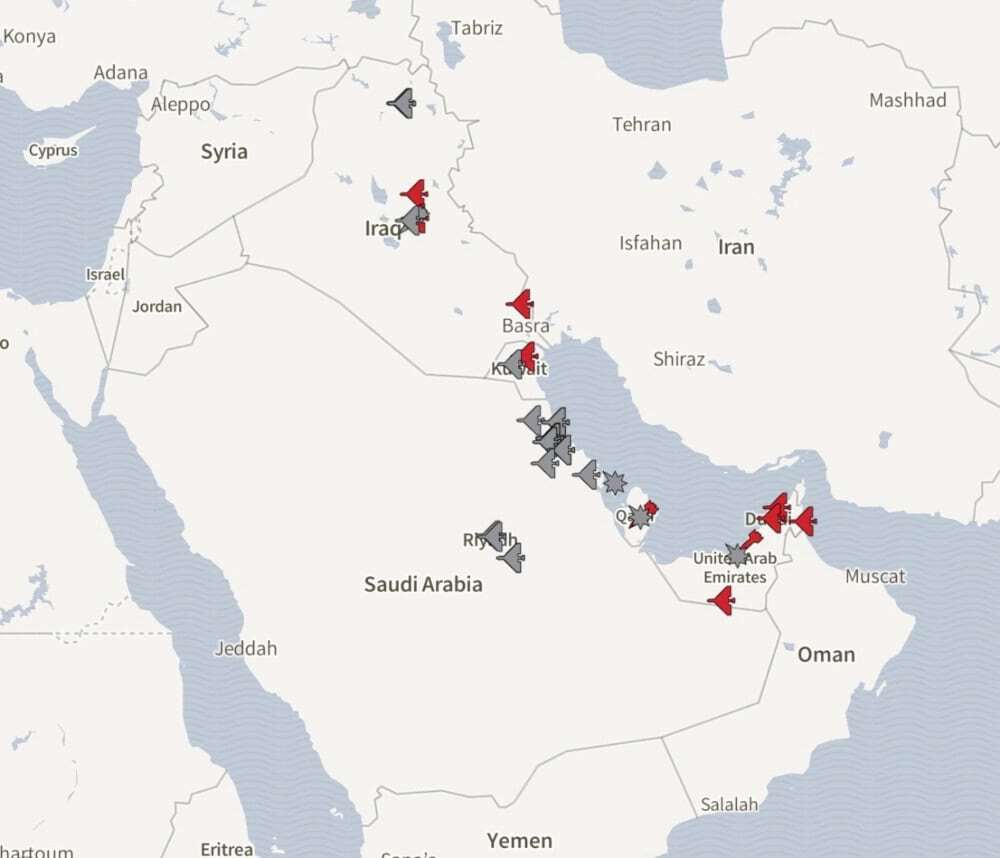
Iranian drones and missiles hit regional oil fields, airports, military bases, and ports (March 13-16 updates)
Between March 13 and March 16, Iran and its allied militias continued launching drones, missiles, rockets, and other attack platforms across the Middle East, targeting energy infrastructure, airports, military bases, residential areas, diplomatic facilities, and oil fields.
-
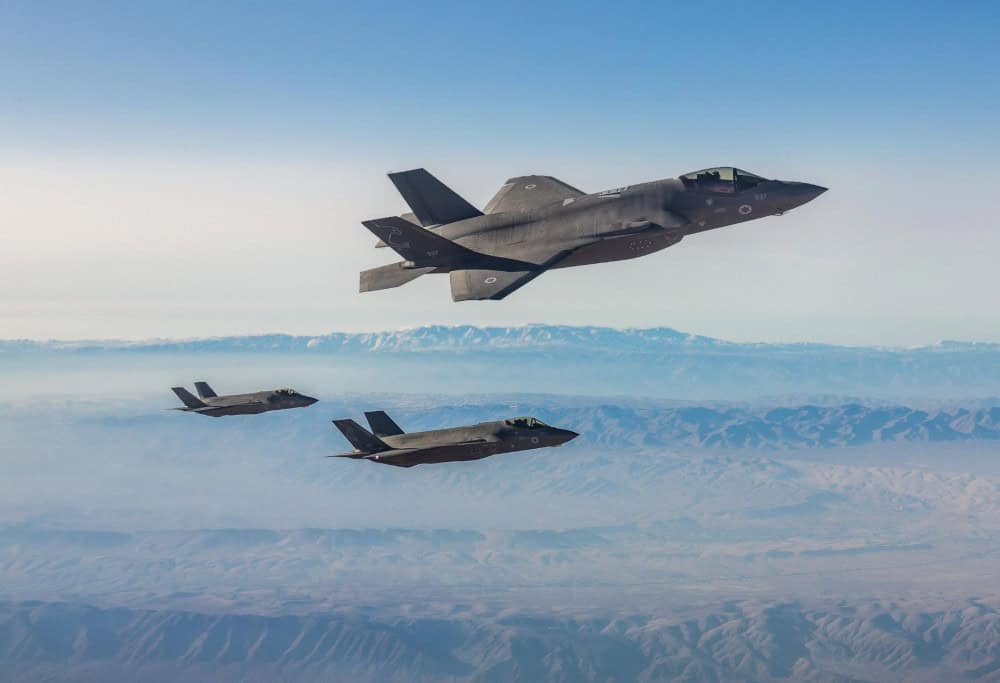
Israel conducts 7,600+ strikes on Iran in 13 days, Iran fires hundreds of missiles and drones at Israel
Israel executed more than 7,600 strikes on Iran by March 13, targeting nuclear-linked facilities, missile launchers, drone infrastructure, and military sites, according to the Israel Defense Forces. Israel continues conducting roughly 150–200 strikes per day as Iran continues launching ballistic missiles and drones toward Israel and the Gulf countries.
-
Generation Jihad | Day 14 of the Iran War
As US and Israeli strikes pound Iran’s military, and Tehran threatens shipping in the Strait of Hormuz, the conflict is entering a dangerous new phase. FDD’s Bradley Bowman joins Bill Roggio to break down what the strikes have achieved, and the harder question that remains: is the goal to weaken the regime … or bring it down?
-
Israel shifts to hyperlocal targeting in Iran as regime military power degrades (March 11-13 updates)
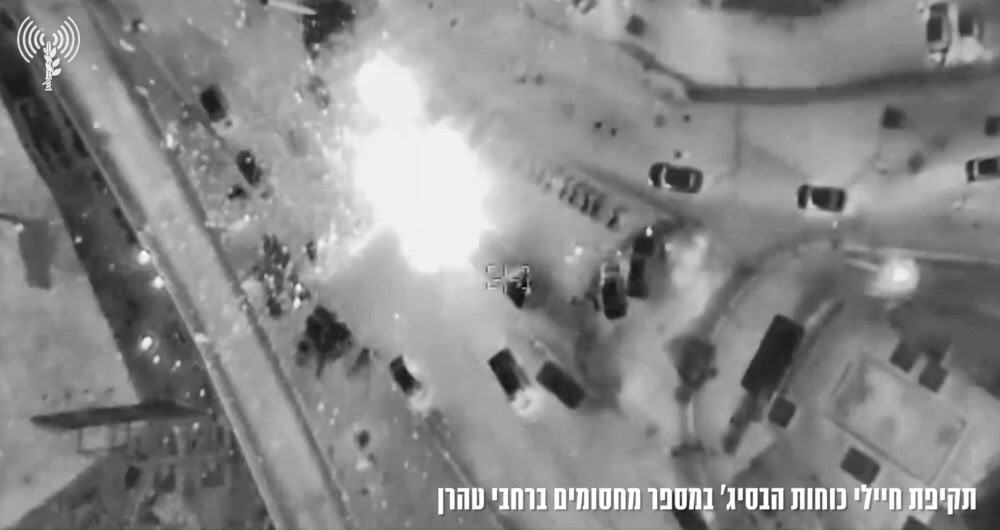
The Iran conflict has entered a new phase after US–Israeli strikes have destroyed key military infrastructure, killed thousands of regime personnel, and degraded Iran’s missile and drone launch rates. Israel has shifted toward hyperlocal targeting of repression units and regime figures inside Tehran, often aided by intelligence from Iranians on the ground. Simultaneously, the Tehran regime has publicly projected stability after Mojtaba Khamenei’s elevation to supreme leader, despite Khamenei’s continued absence from public view and some signs of internal strain.
-
International Union of Muslim Scholars criticizes Iranian strikes on Arab states but says Israel is main threat to region
A senior leader of the Qatar-based Muslim Brotherhood-aligned International Union of Muslim Scholars condemned Iran’s recent retaliatory strikes against Middle Eastern countries while also urging Muslims to unite against a broader ‘Zionist-American project.’ Despite criticizing Tehran, the group remains focused on Israel as the primary adversary of the Islamic world.

-
Purported Iran-backed group claims responsibility for attacks in Belgium and Greece
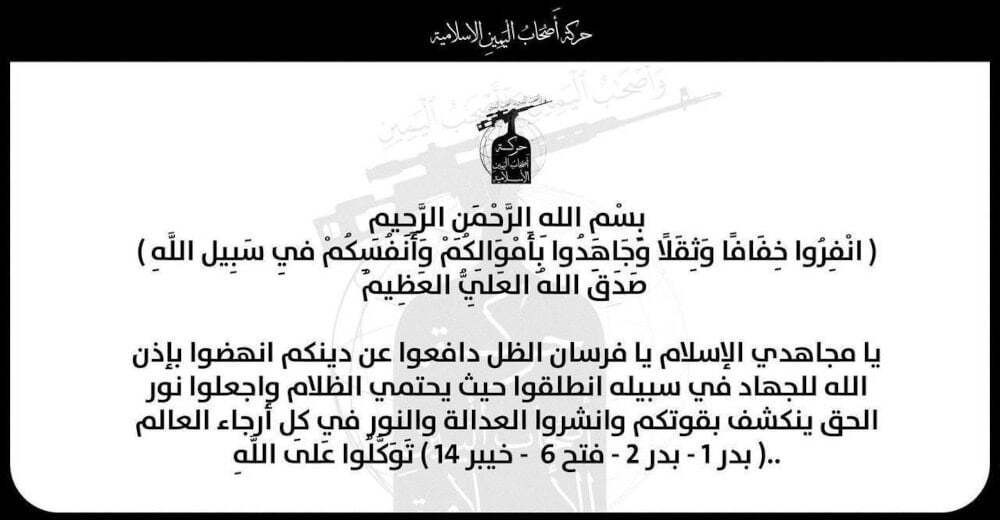
A previously unknown organization called the Islamic Movement of the Companions of the Right claimed responsibility for an explosion that targeted a synagogue in Liège, Belgium, and another unconfirmed attack at an unknown location in Greece this week. It is unclear if the organization is authentic, but recent Iranian threats aimed at European countries over the war could indicate a connection to the Islamic Republic.
-
Iranian drones and missile barrages hit energy infrastructure, airports, and residential buildings in the Arab World (March 11-12 updates)
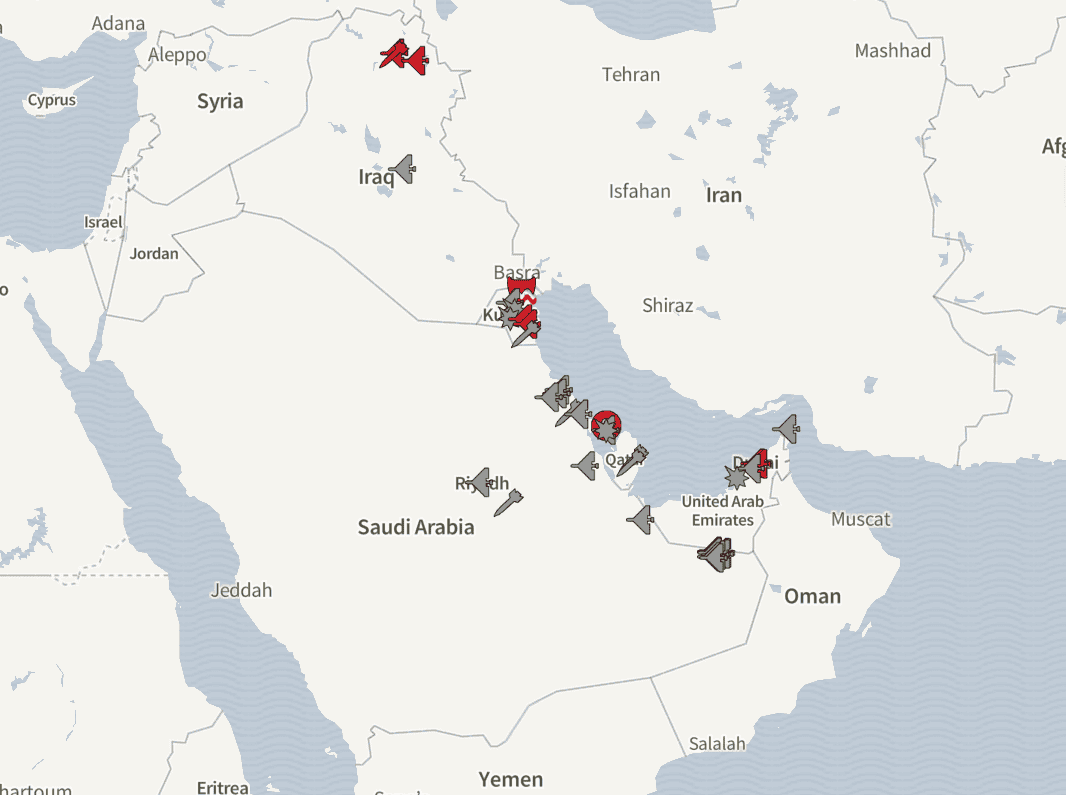
Between March 11 and March 12, Iran and its allied militias continued launching drones and missiles across the Middle East, targeting energy infrastructure, airports, military bases, residential areas, diplomatic facilities, and maritime targets in Iraq, Saudi Arabia, Kuwait, Bahrain, Qatar, the United Arab Emirates, Jordan, and Oman.
-
Generation Jihad | Day 12 of the Iran War
After 12 days of war—and the death of Iran’s supreme leader—the Islamic Republic is under unprecedented pressure. Bill Roggio and Janatan Sayeh assess this initial phase of the war, the gap between Washington and Jerusalem’s goals, and the decisive question still looming over Tehran: will the Iranian people finish the job?
-
US condemns Iranian and militia attacks in Iraq amid unclaimed airstrikes on Tehran-backed militias
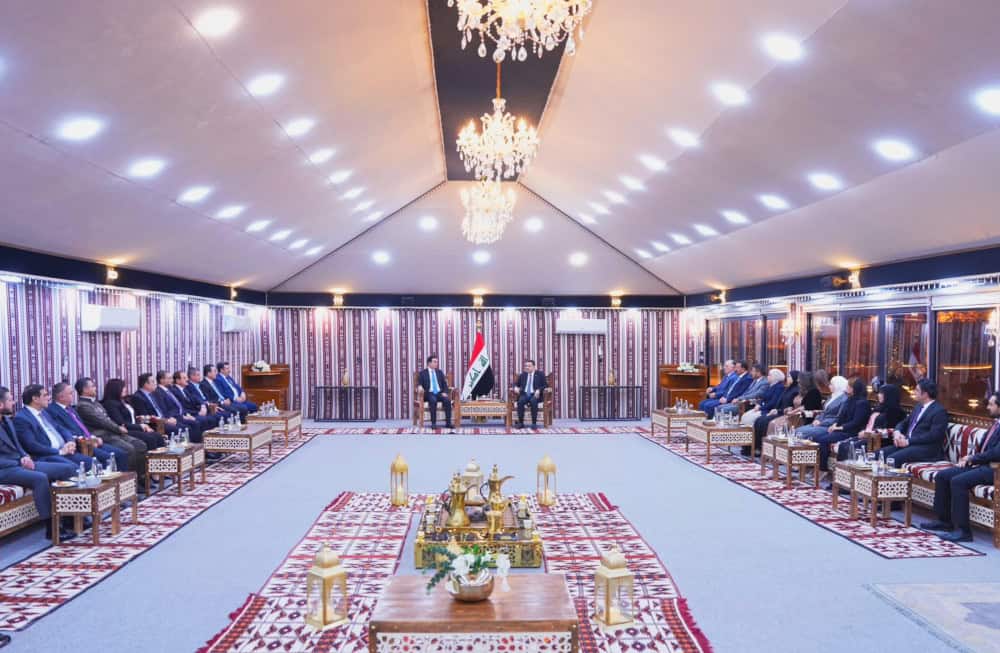
US Secretary of State Marco Rubio condemned Iranian and Iranian-backed militia attacks in Iraq during a March 9 call with Iraqi Prime Minister Mohammed Shia al Sudani, as drone and missile strikes continued across the country. Many attacks have targeted the Kurdistan Region of northern Iraq, where US forces are based, as well as other US facilities and diplomatic sites. Unclaimed airstrikes have also targeted Iranian-backed militias across Iraq.
-
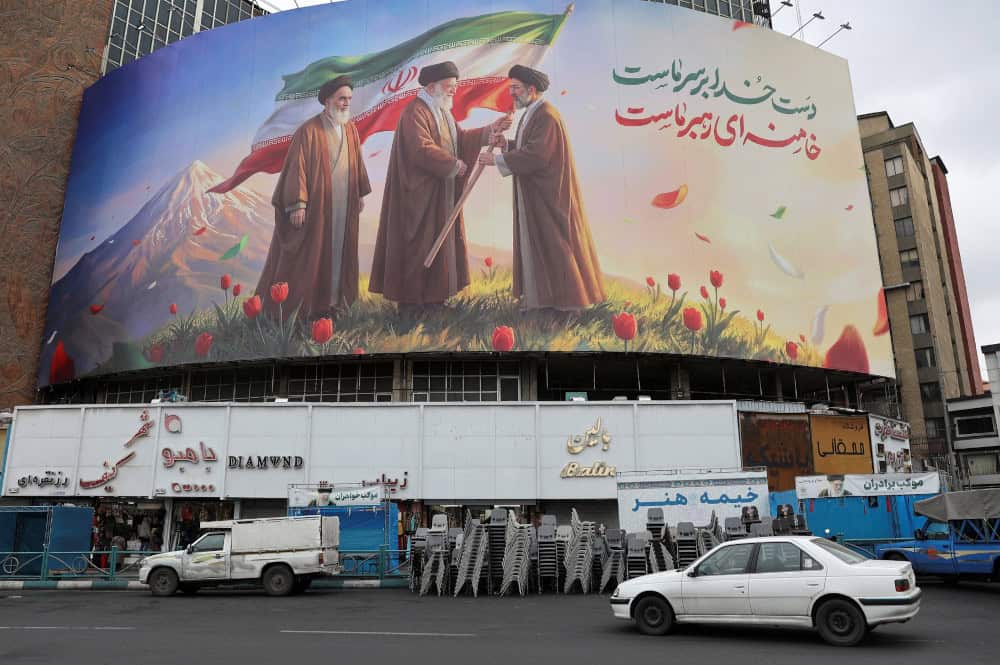
Israel intensifies strikes on repression sites, expands outreach to Iranians as regime repression deepens (March 8-10 updates)
The joint US–Israeli campaign is striking Iran’s military and internal security infrastructure across the country while continuing to eliminate senior regime figures. Amid the pressure, the regime installed a new supreme leader, expanded regional attacks while denying responsibility, and intensified repression, as Israel increased outreach to the Iranian public.
-
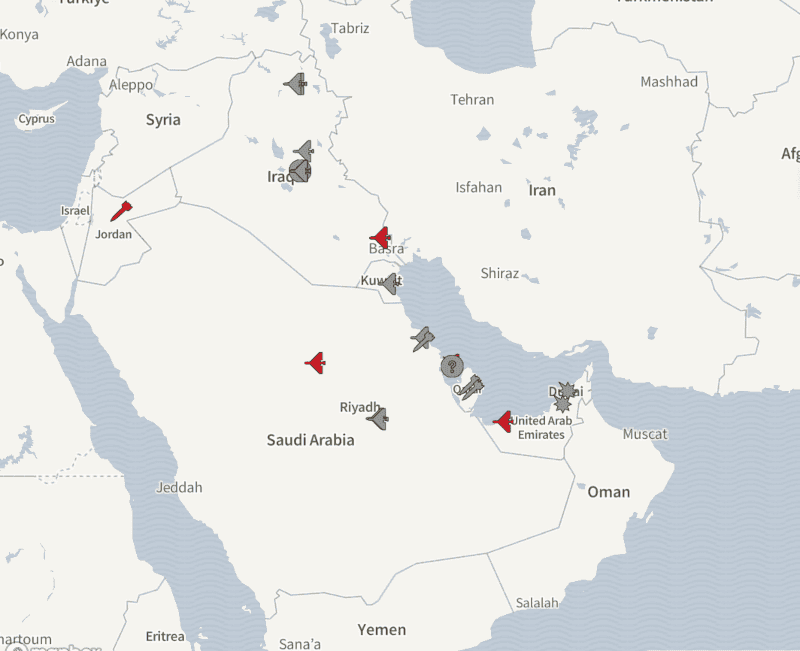
Iranian drone and missile barrages strike Arab states across the region (March 9-10 updates)
Iran and its allied militias continued launching drones and missiles across the Middle East between March 9 and 10, targeting energy infrastructure, airports, military bases, residential areas, and industrial facilities in Iraq, Saudi Arabia, Kuwait, Bahrain, Qatar, the United Arab Emirates, and Jordan.
-
Generation Jihad | We didn’t light it, but we tried to fight it
Many Americans believed a conflict with the Islamic Republic would be a new war. But as Bill Roggio and Behnam Ben Taleblu explain, the truth is simpler: this war began in 1979. Now, the question isn’t how the war started. It’s how it ends. Is this a limited war to degrade the Tehran regime — or the beginning of the end for the Islamic Republic?
-
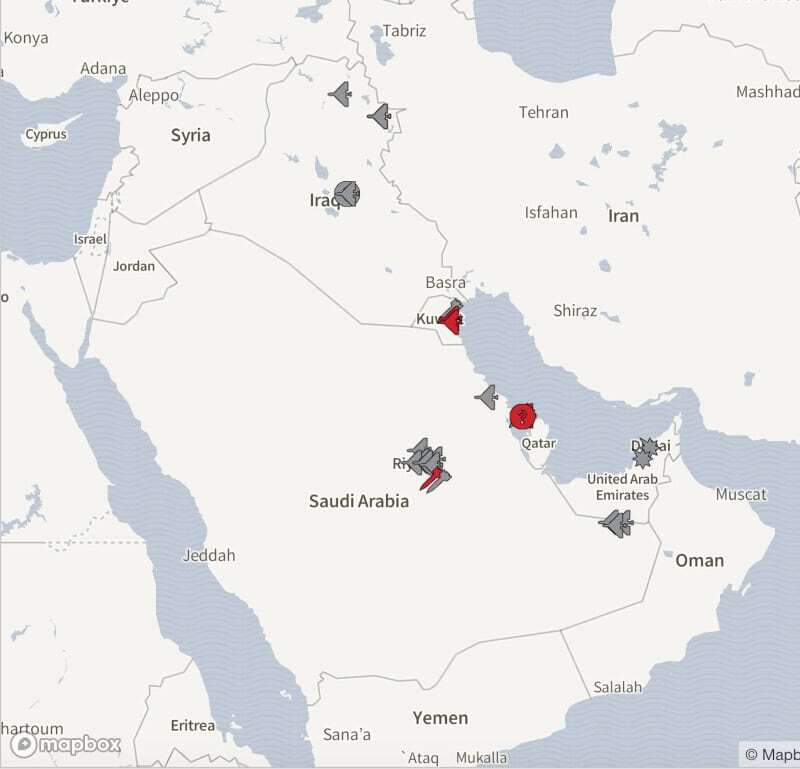
Iran continues striking civilian infrastructure and US bases in the Gulf (March 7–8 updates)
Between March 7 and 8, Iran continued launching drones and missiles across the Persian Gulf, targeting energy infrastructure, airports, military bases, government buildings, and urban areas in Saudi Arabia, Kuwait, Bahrain, and the United Arab Emirates.
-
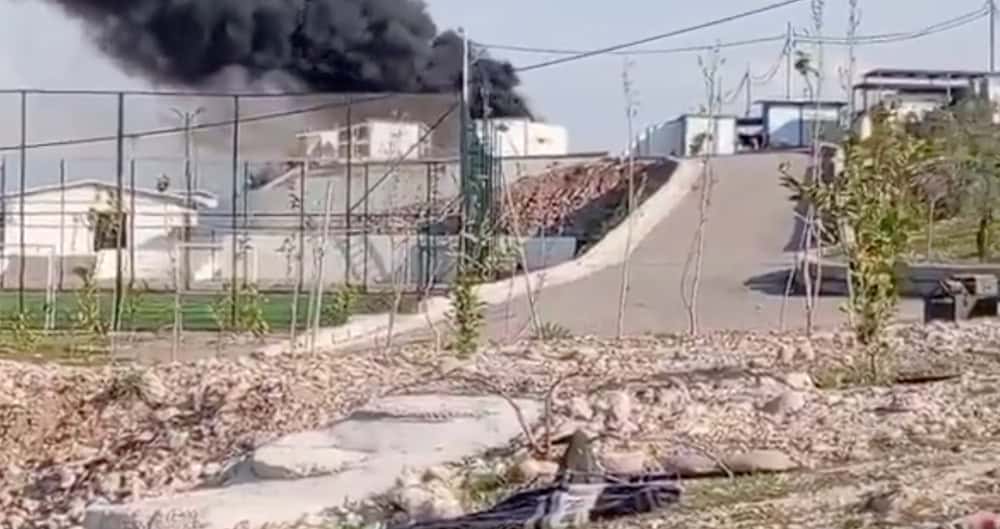
Iran escalates attacks on Kurdistan Region of Iraq
Iran and Iranian-backed militias have escalated drone and missile attacks on the Kurdistan Region of Iraq, striking sites in Erbil and Sulaimani Governorates and killing at least three people. Many of the attacks are targeting Kurdish Iranian opposition groups.
-
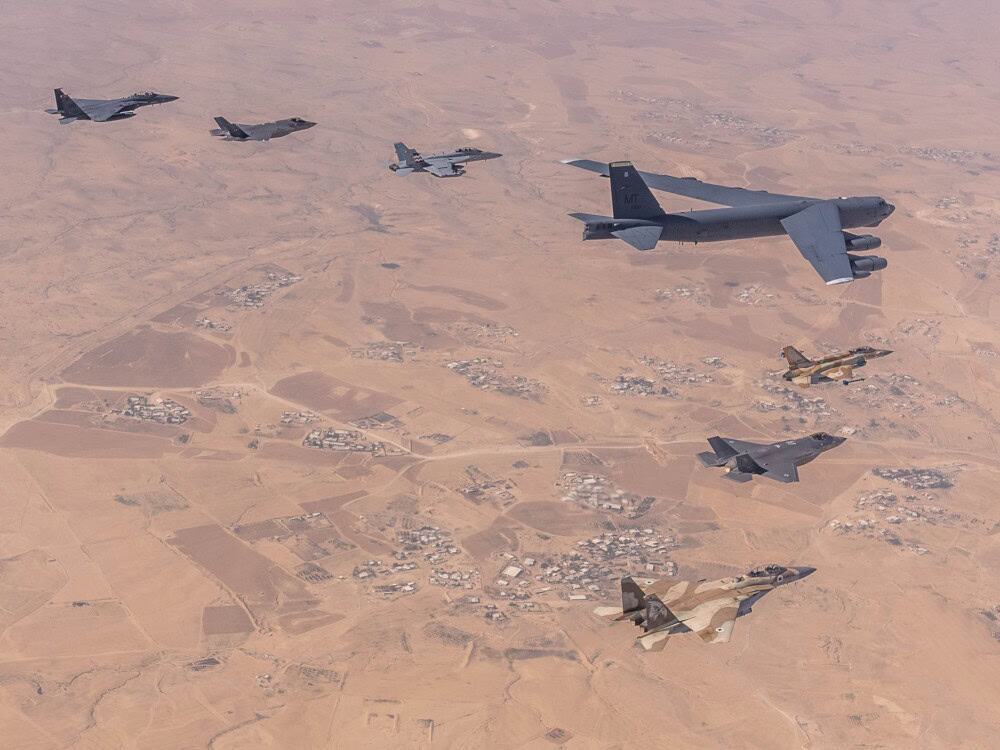
Analysis: Similarities and differences in US and Israeli targets and objectives in Iran campaign
The US and Israel have cooperated to achieve impressive operational successes against Iran, but a publicly shared definition of victory remains elusive. This inconsistency and lack of clarity may negatively impact the allies’ ability to achieve durable strategic objectives.
-
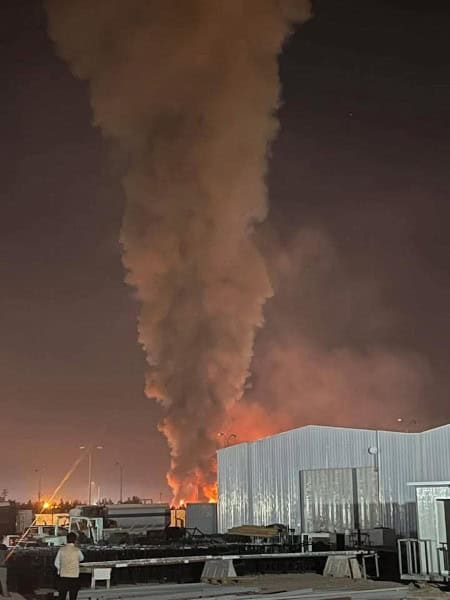
Iran and proxy militias strike energy infrastructure, US bases, and Gulf capitals on March 6
On March 6, Iran and its aligned militias continued their campaign of missile and drone attacks across the Middle East, targeting civilian infrastructure, military installations, airports, and political sites in Bahrain, Iraq, Kuwait, Saudi Arabia, Qatar, and the UAE.
-
US and Israel establish air superiority, focus strikes on Iranian military sites and ‘regime pillars’ (March 4–5)
On March 4 and 5, the United States and Israel continued attacks against elements of the Islamic Republic’s military assets, including its missile and naval threat capacity, as well as its repression apparatus. The countries also declared air superiority over Iran and signaled the beginning of a new phase of the operation.