-
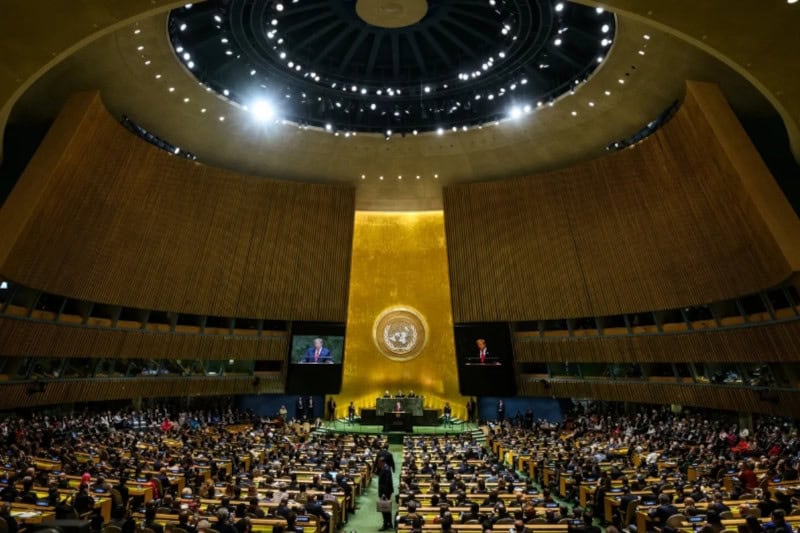
Board of Peace unveils Gaza recovery plan, Israel reports 18 ceasefire violations Sept. 15–29
The US-backed Board of Peace announced a $2.45 billion plan to rebuild Gaza over six months, but disagreements over Hamas’s disarmament and an Israeli withdrawal continue to obstruct its implementation. A day later, Israeli Prime Minister Benjamin Netanyahu spoke before the United Nations General Assembly. Meanwhile, Israeli forces continued operations against Hamas members working to rebuild the terror group.
-
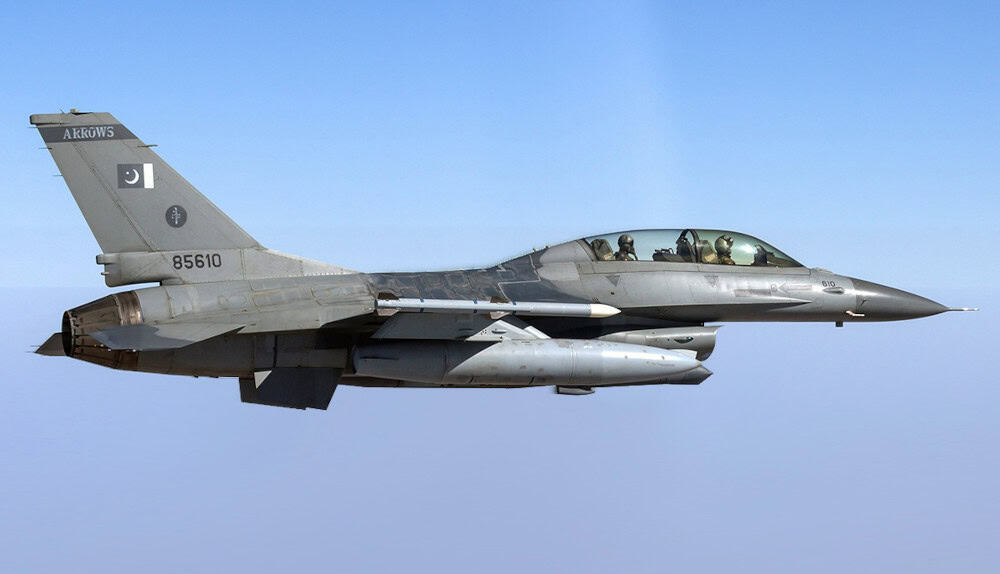
Fighting between Pakistan and the Taliban persists into second week
The latest round of conflict between Pakistan and the Taliban continued this past week, including airstrikes, cross-border attacks, targeted operations, and a car bombing. The renewed direct clashes that began on September 18 ended a nearly three-month lull in fighting between the former allies.
-
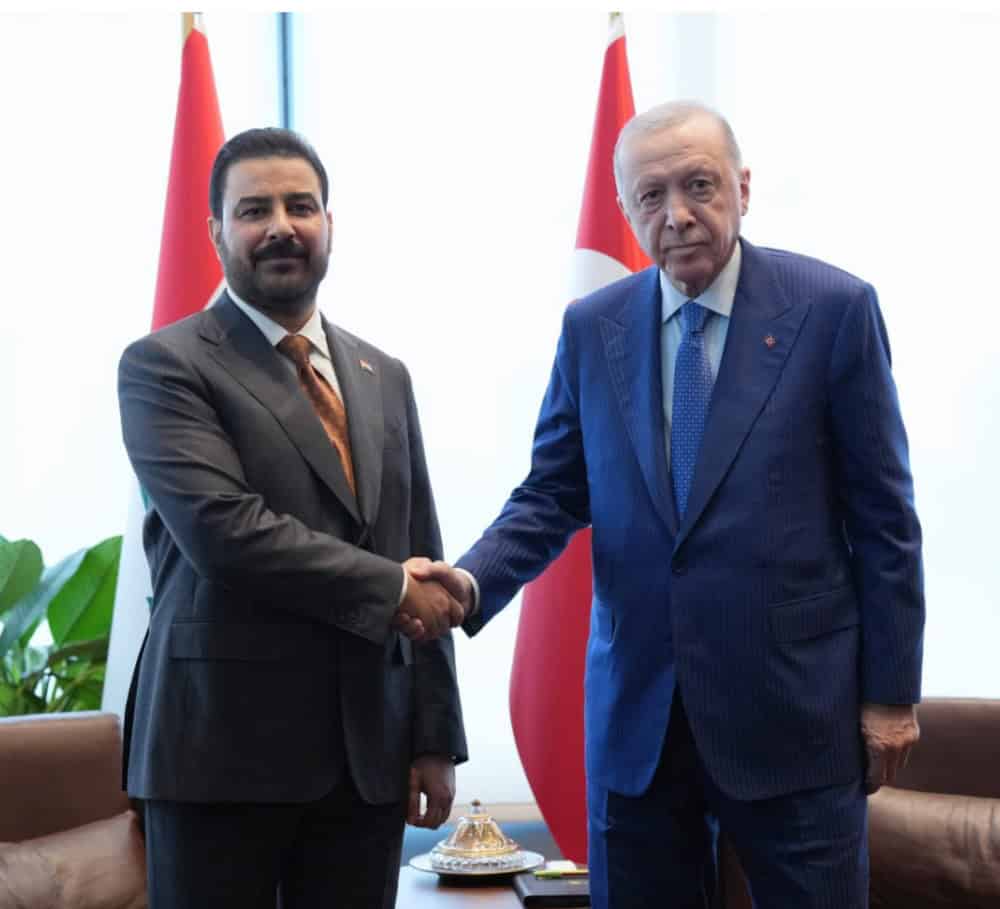
Iraq agrees to Turkish base deal as militia disarmament timeline debated
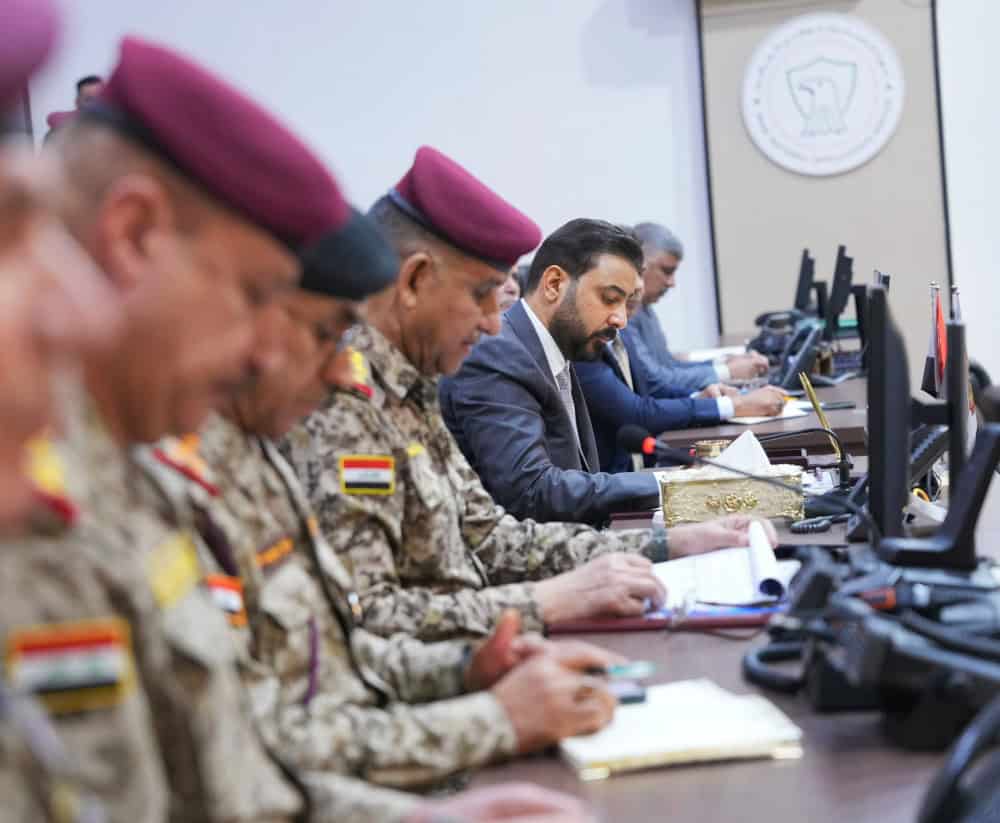
Iraqi Prime Minister Ali al Zaidi has outlined a plan to disarm Iran-backed militias by June 2027 as Baghdad prepares for the withdrawal of US forces. The proposed disarmament timeline coincides with an agreement for Turkey to gradually hand over its Bashiqa-Zilkan military base to Iraq, part of wider efforts to bring armed groups and…
-
Islamic State suspects extradited or arrested in Lebanon, Canada, Australia, and the US
Over the past 72 hours, authorities in four countries announced arrests, charges, and an extradition involving alleged Islamic State activity, including an assassination plot, a chemical attack, propaganda distribution, and financing travel to Syria.
-
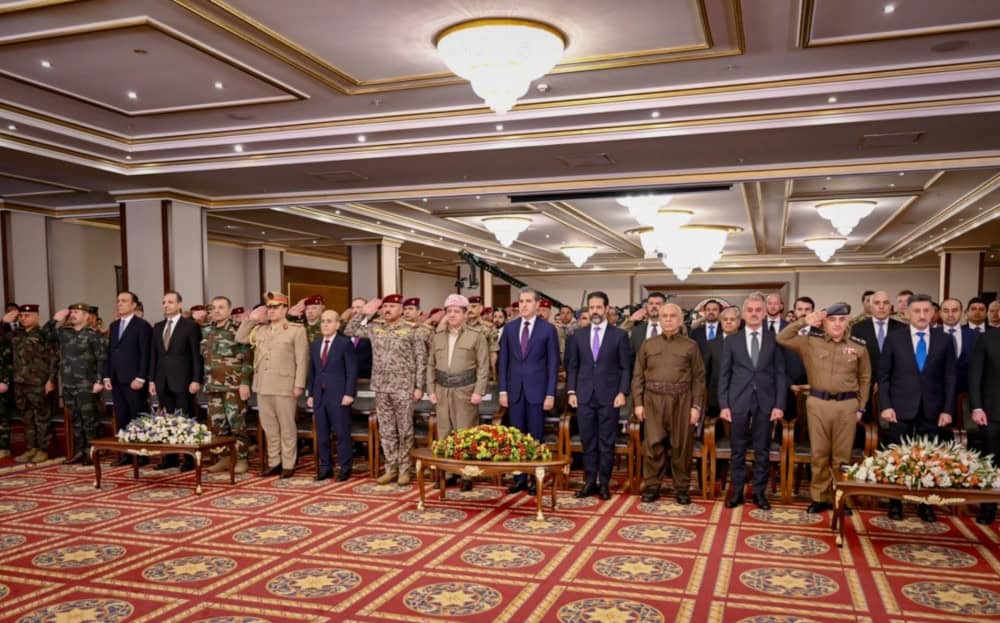
Kurdistan Region of Iraq announces Peshmerga unification
The Kurdistan Regional Government announced the completion of a years-long process to unify the Peshmerga armed forces under the Ministry of Peshmerga Affairs, ending longstanding divisions between units linked to the Kurdistan Democratic Party (KDP) and the Patriotic Union of Kurdistan (PUK). The move comes amid the departure of US forces, pressure to disarm Iran-backed…
-
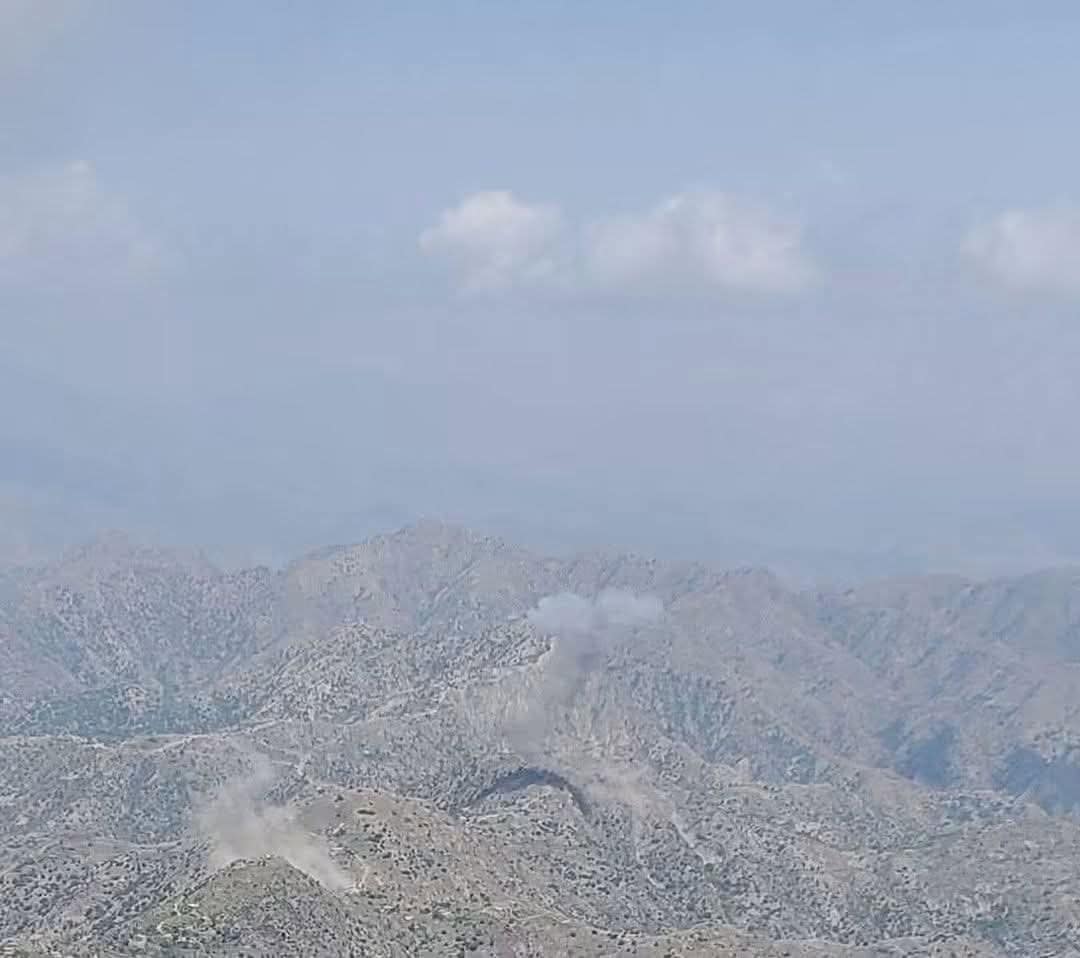
Houthis fight for key Yemeni highlands, continue striking Saudi Arabia
The Houthis and the Yemeni Armed Forces, along with allied militias, have continued fighting on multiple fronts across the country, with the Houthis particularly focused on the highlands inland from their recent coastal advance. The Houthis have also maintained their attacks on Saudi Arabia, prompting Riyadh to renew its request for US airstrikes, which President…
-
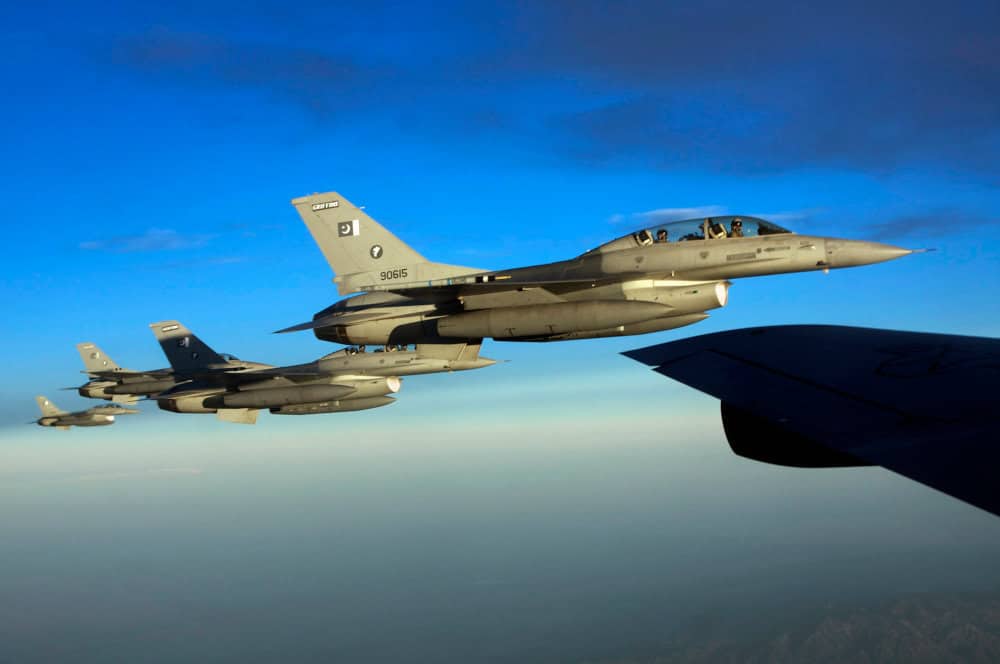
Pakistan conducts airstrikes in eastern Afghanistan in retaliation for terrorist attacks
The Pakistani Air Force conducted airstrikes in eastern Afghanistan reportedly targeting terrorist training centers in response to a recent complex suicide attack in western Pakistan. The Taliban denied involvement in the attack and promised an “appropriate response” to Pakistan’s airstrikes.
-

Yazidi armed group YBS to disarm, integrate into Iraqi security forces
The Sinjar Resistance Units (YBS), a Yazidi armed group with links to the Kurdistan Workers’ Party (PKK), has agreed to disarm and integrate eligible members into Iraq’s security forces as Baghdad seeks to stabilize Sinjar and facilitate the return of displaced Yazidis. The agreement comes amid broader efforts to disarm Iranian-backed militias in Iraq and…
-

Is Hezbollah finished, or just adapting?
Generation Jihad guest host David Daoud, an FDD senior fellow focused on Lebanon and Hezbollah, talks with Lina Khatib, an associate fellow in Chatham House’s Middle East and North Africa Programme, about her July trip in southern Lebanon, why the 2006 war never put the LAF in charge of the border, and whether Beirut can…
-
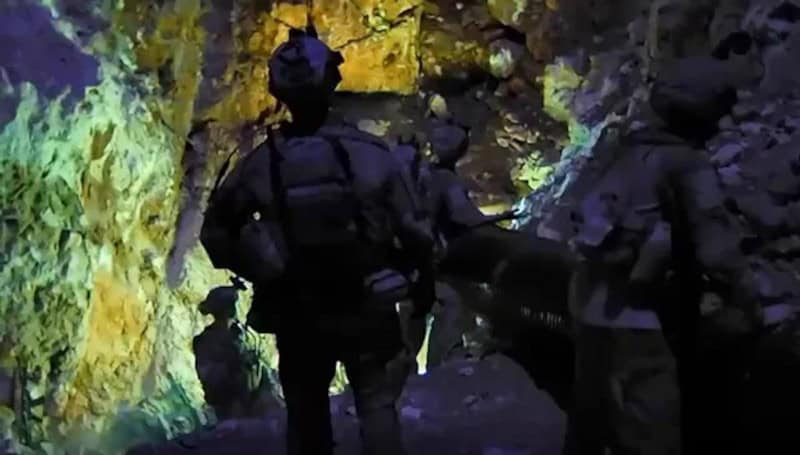
How Hezbollah reframed the battle for Ali al Taher as Israel advanced
As Israeli forces pushed from the outskirts of Ali al Taher Ridge into its underground network, Hezbollah repeatedly revised what counted as a success for the group—from denying Israeli entry to portraying the loss of the position as an attritional achievement.
-
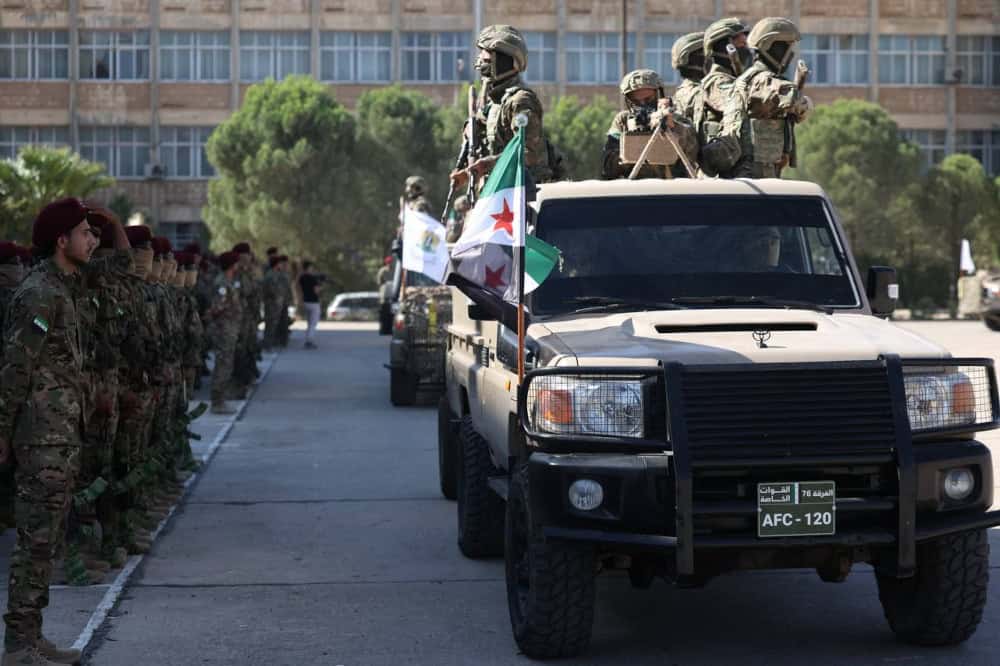
Syria’s military is rebuilding, but foreign influence may slow security progress
Syria’s post-Assad military is rebuilding rapidly, but its structure and foreign dependencies could limit Damascus’s ability to advance US security interests. If security cooperation from Turkey and Russia comes with strings attached, it may jeopardize Syria’s potential as a future partner against the Islamic State and Hezbollah.
All Articles
-
Analysis: Turkish interior minister states dream of governing Jerusalem, provoking Israel
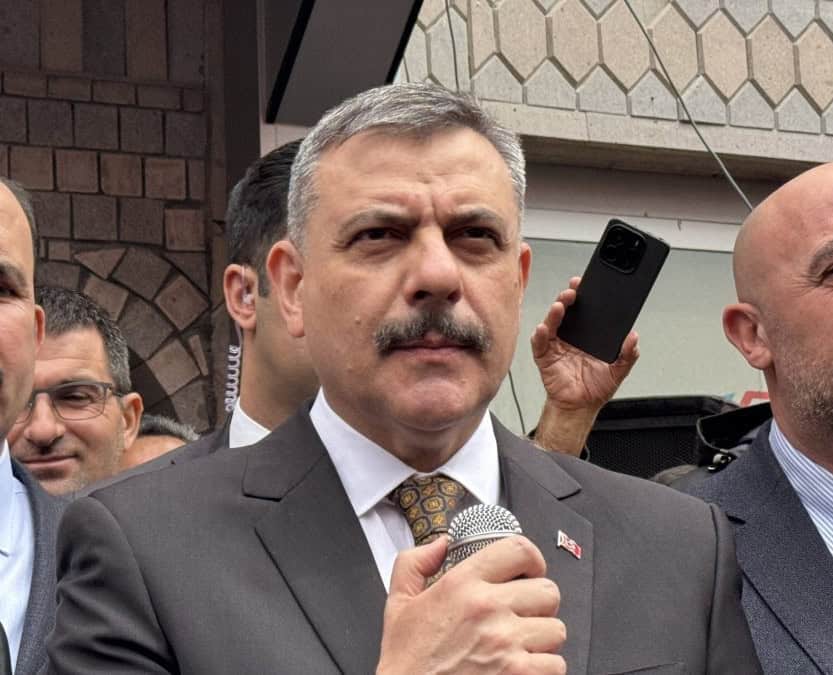
Turkish Interior Minister Mustafa Ciftci recently sparked controversy by expressing his desire to one day govern Jerusalem and suggesting that territories once ruled by the Ottoman Empire could again fall under Turkish sovereignty. Ciftci’s remarks are the latest indication that senior Turkish officials continue to view Jerusalem not merely as a symbol of the Palestinian cause, but as part of a broader historical mission that seeks to expand Ankara’s influence across the Middle East.
-
Russia reopening military schools to expand officer training pipeline
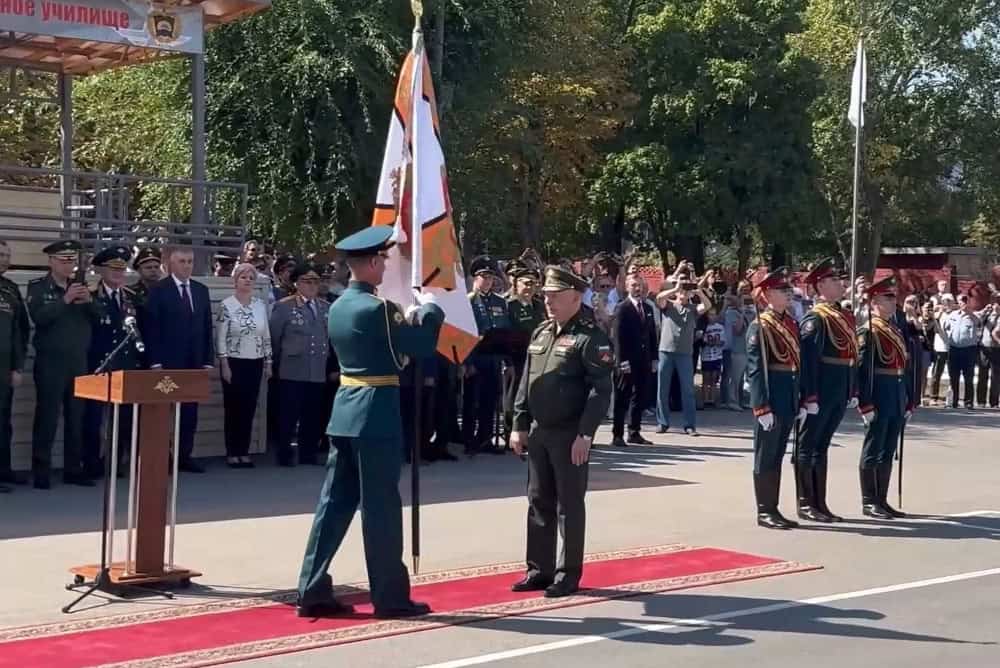
Moscow announced that it will re-establish the Chelyabinsk Higher Tank Command School, one of more than a dozen new schools Russia is standing up to expand its officer-training pipeline for a larger military that has been heavily attrited by the war in Ukraine.
-
Houthis emphasize solidarity and coordination with Iran-led Axis of Resistance
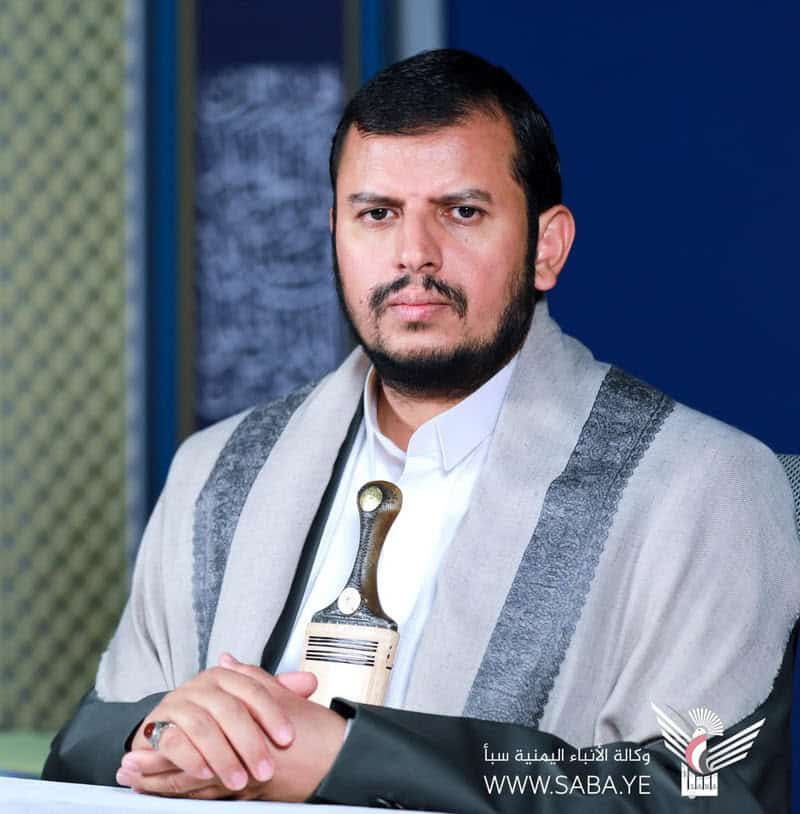
The Houthis in Yemen reiterated support for their partners in the Iran-led Axis of Resistance, singling out Hezbollah in Lebanon and Hamas in Gaza. While leaving the door open to further involvement in the ongoing regional conflict, the group stopped short of saying it would join the fighting.
-
Generation Jihad | Gaza: Smoldering battlefield?
Despite multiple attempts by Israel to quell the fighting in Gaza and decapitate Hamas’s leadership, the group continues a guerilla-style resistance. The IDF now fights on three active fronts: Lebanon, Iran, and Gaza. But it’s perhaps the forgotten war in Gaza that could resume major hostilities if left unchecked. Bill Roggio speaks with FDD Research Analyst Samuel Ben-Ur about next steps in Gaza.
-
Several Iranian-backed militias in Iraq say they accept state control of weapons
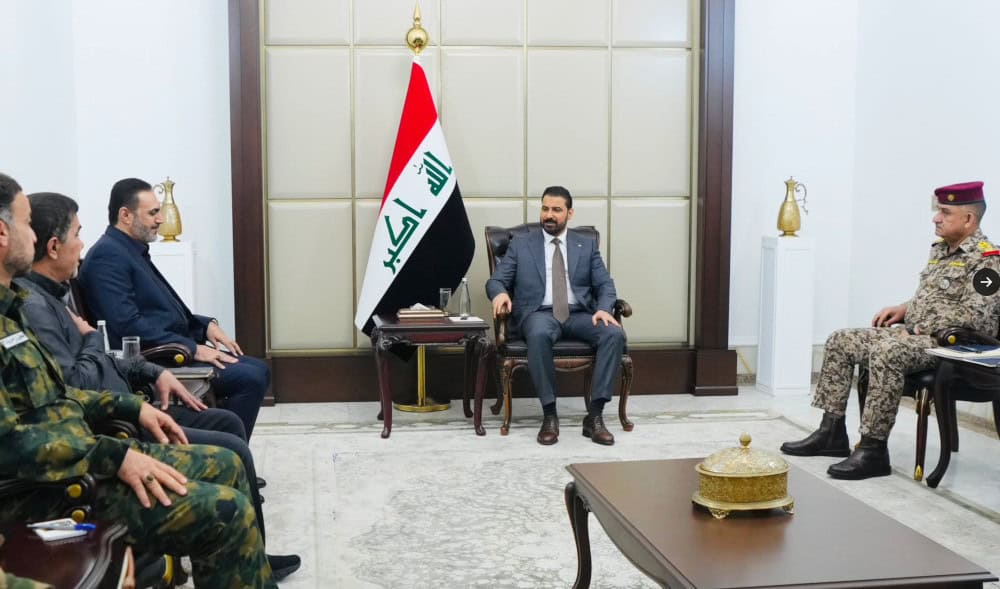
Iraq’s new government is attempting to bring weapons held by Iranian-backed militias under state control, a move that could reshape the role of armed groups linked to the Popular Mobilization Forces (PMF). Several militias have announced plans to place their arms under government authority and disengage from the PMF, while others remain opposed or have issued mixed signals.
-
Generation Jihad | The next caliphate battleground
While attention remains fixed elsewhere, jihadist groups are expanding across Africa. Bill Roggio and Caleb Weiss revisit the growing threats in Mali, Nigeria, and Somalia—and why the continent remains one of the most consequential battlegrounds in the war against Al Qaeda and the Islamic State.
-
US Syria Envoy Barrack tapped for Syria and Iraq role
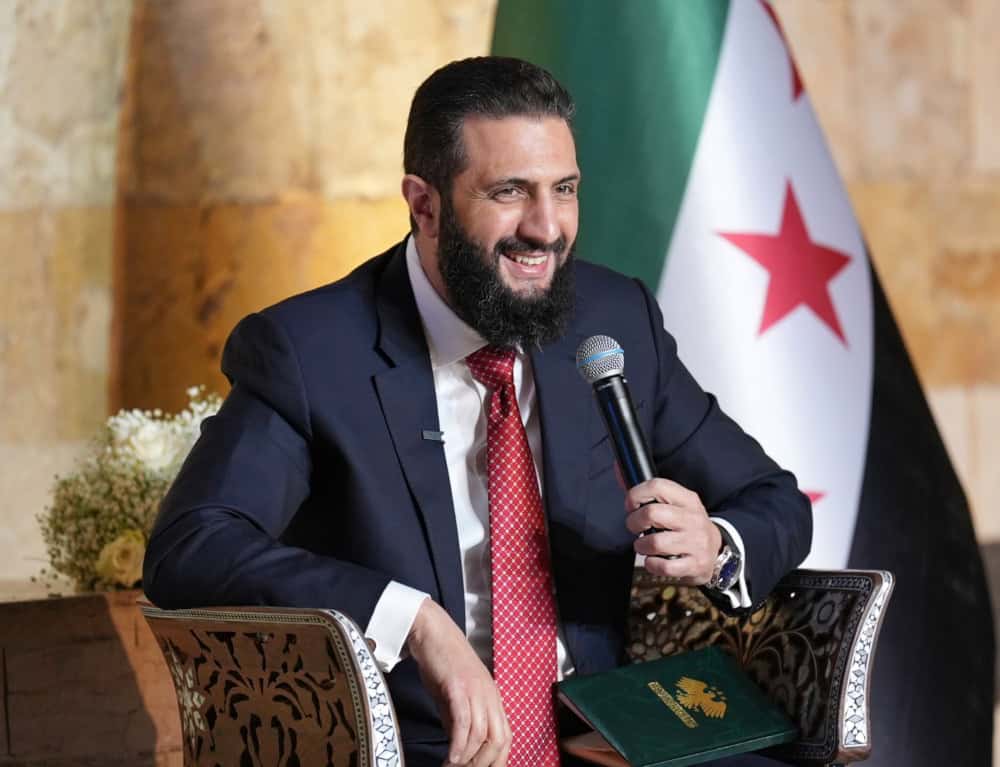
Syria is seeking to deepen ties with the US and expand regional diplomacy as the countries pursue discussions on reconstruction, sanctions relief, and economic recovery. Simultaneously, Syria faces ongoing regional shifts, including emerging trade routes, increased use of Syrian airspace, and broader tensions affecting reconstruction and political integration.
-
Generation Jihad | Everybody wants a McWar
Iran’s military has been shattered. The Strait of Hormuz remains contested. Three months in, Bill Roggio and FDD’s Jon Schanzer examine why quick victories are rare, patience is scarce, and this war is entering its most consequential phase yet.
-
Muqtada al Sadr announces integration of his militia into the Iraqi state
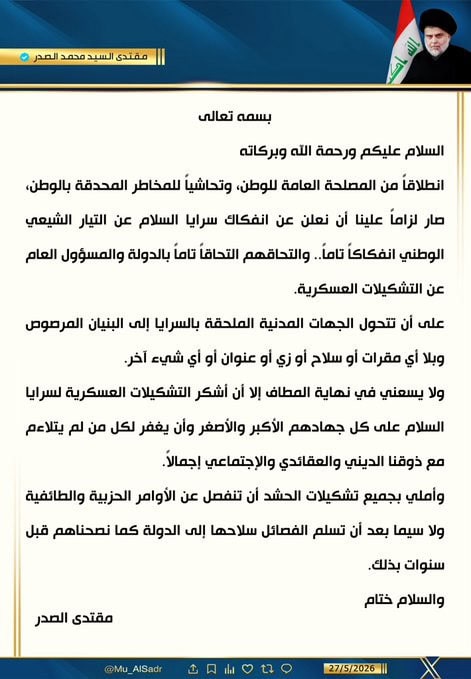
Iraqi nationalist cleric Muqtada al Sadr announced that his militia, Saraya al Salam, will integrate into state security institutions. This development comes as Iraq’s new political leadership is navigating the issue of disarming Iran-backed militias.
-
Syria holds elections in Kurdish-majority areas, finds Assad-era chemical weapons
Syria moved forward with another round of local elections on May 24 as the government seeks to strengthen its legitimacy and extend authority following years of conflict. The vote came as Damascus said it was working with the Organisation for the Prohibition of Chemical Weapons (OPCW) to turn over remnants of the previous Assad regime’s chemical weapons program.

-
Israel reportedly targets Imam Hossein Division missile commander in Beirut strike
On May 28, Israel conducted its first strike in weeks targeting Beirut. The Israelis have yet to confirm it, but reporting indicates that the intended target was Ali al Hussaini, a commander in the Islamic Revolutionary Guard Corps-Qods Forces’ Imam Hossein Division. This division, whose origins were in the Syrian Civil War, has been reinforcing Hezbollah throughout the conflict with Israel that began in October 2023.
-
IDF kills new Hamas military leader, reports 10 ceasefire violations May 21–May 28
Less than two weeks after Hamas named Mohammed Odeh as its new military commander, Israel eliminated him. The IDF also targeted a number of other high-profile Hamas members as the terrorist group continues refusing to disarm.

-
Shabaab spokesman congratulates JNIM, denounces Western powers in Eid message
During his message for Eid al Adha, Ali Mohamad Rage, Shabaab’s top spokesman, congratulated the Group for Support of Islam and Muslims (JNIM), Al Qaeda’s branch in West Africa, for its recent victories in Mali. Rage also praised Al Qaeda in the Arabian Peninsula and denounced American and Turkish activities in Somalia.

-
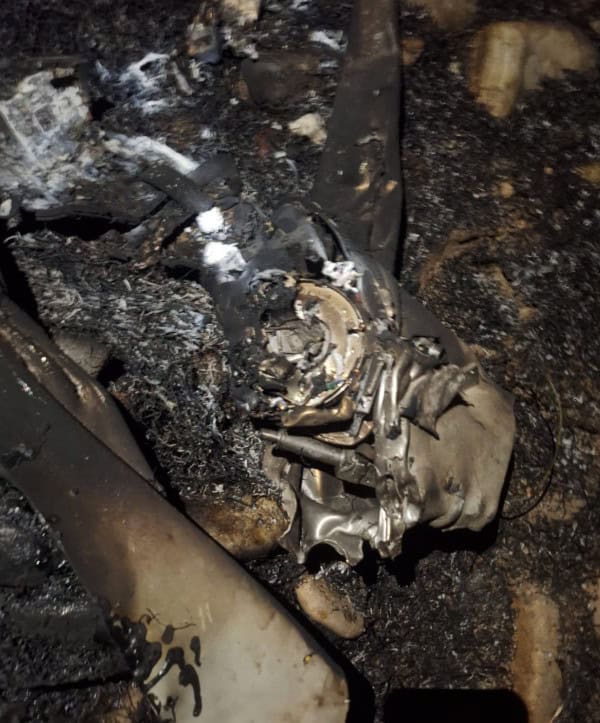
Iran conducts new attacks on Kurdish opposition groups in northern Iraq
The Kurdistan Freedom Party (PAK) said Iranian drones and a missile struck one of its facilities near Erbil on May 25, wounding nine Peshmerga, while other camps were reportedly also targeted in recent weeks. Kurdish Iranian opposition groups, operating from Iraq’s Kurdistan Region for decades, formed a coalition to coordinate activities in February. The attacks come as Iraq’s new government seeks to curb armed groups and address regional security concerns.
-
Generation Jihad | POV: FPV (or: “The Anarchist Cookbook of war”)
Hezbollah’s missiles may be depleted, but cheap FPV drones are changing the battlefield — slipping past defenses, targeting Israeli troops, and exposing a dangerous new vulnerability. Bill Roggio and David Daoud unpack Hezbollah’s drone evolution, the psychological warfare behind the footage, and why Israel may be drifting back toward the failed security zone dynamics of the past.
-
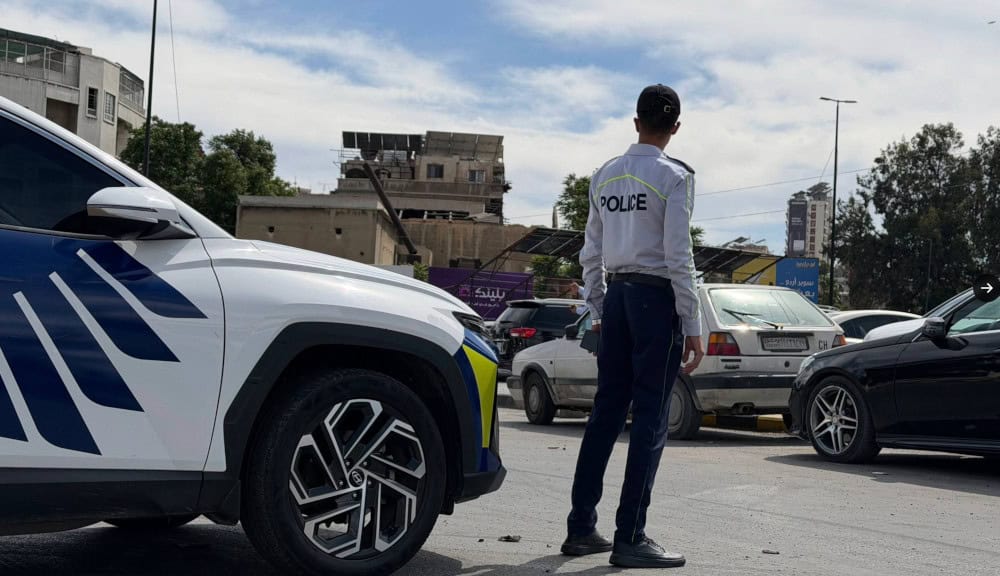
Amid security threats, Syria attempts to cement stability, international ties
A car bombing in central Damascus on May 19 killed one soldier and wounded civilians, as Syrian forces conducted raids against suspected militants in Deir Ez Zor. Damascus is also advancing reconciliation efforts with Kurdish groups and pursuing international diplomatic engagement.
-
Generation Jihad | Dune: the Brotherhood jihad
Before Hamas. Before Al Qaeda. Before the Islamic State. There was… the Muslim Brotherhood. And for nearly a century, it has played the long game by building influence across the Middle East and even deep inside the West. Bill Roggio is joined Edmund Fitton-Brown to discuss.
-
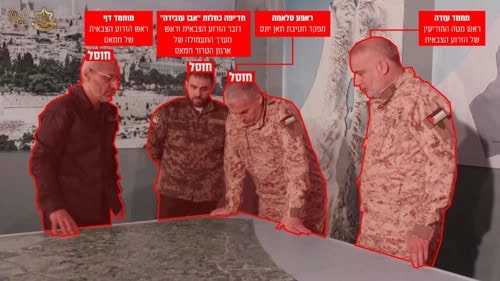
Hamas replaces military wing leader, IDF reports 19 Gaza ceasefire violations May 6–20
After the elimination of Al Qassam Brigades leader Izz al Din al Haddad on May 15, Hamas has reportedly turned to longtime senior member Mohammed Odeh to take the reins of the group’s military wing. As Hamas reportedly rearms and reconstitutes its strength, the IDF reports that its members and other Palestinian terrorists have continued to violate the ceasefire in Gaza.
-
Saudi Arabia and UAE say drone attacks were launched from Iraq
Saudi Arabia and the United Arab Emirates said that recent drone attacks targeting their territory originated from Iraq, increasing pressure on Baghdad to address the activities of Iranian-backed militias operating inside the country. The incidents come amid continued regional tensions involving Iran and have intensified scrutiny of Iraq’s newly formed government.
-
UAE sanctions Hezbollah-linked financial network, reflecting US designations
The UAE’s designation of 16 Hezbollah-linked individuals and five affiliated organizations mirrors prior US Treasury sanctions targeting the broader web of financial, accounting, and institutional entities connected to Hezbollah’s economic ecosystem.