-
Syria says it thwarted Hezbollah plot; Israel likely target
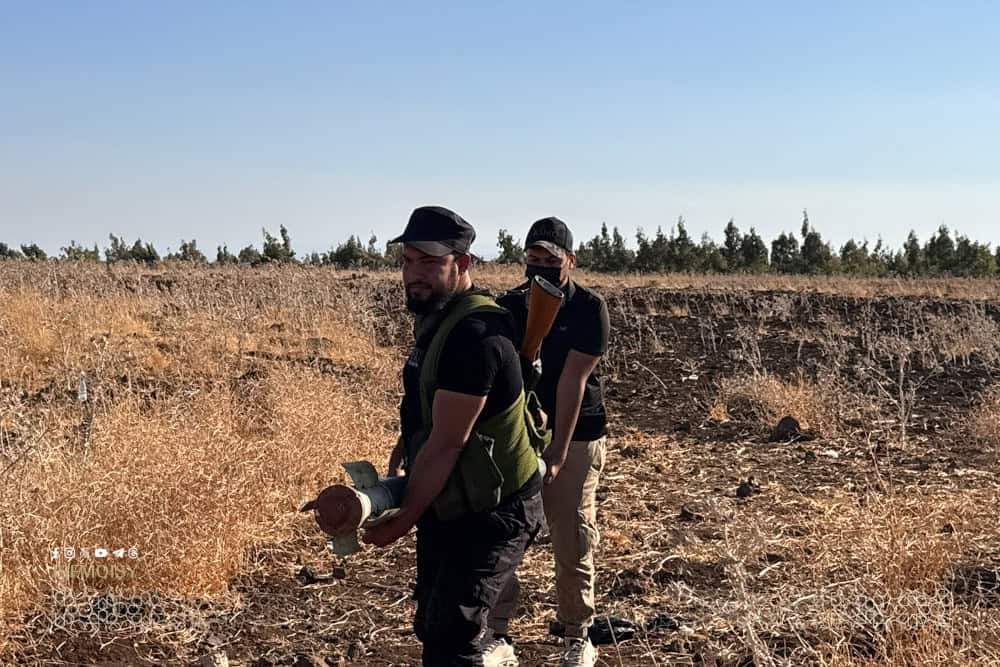
On September 29, Syria’s Internal Security Forces (ISF) announced that the agency, in coordination with the General Intelligence Directorate, had “thwarted a sabotage plot in the Yarmouk Basin in Daraa” and arrested a three-member cell affiliated with Hezbollah.
-
US forces complete departure from Iraq as anti-Islamic State mission in Iraq ends
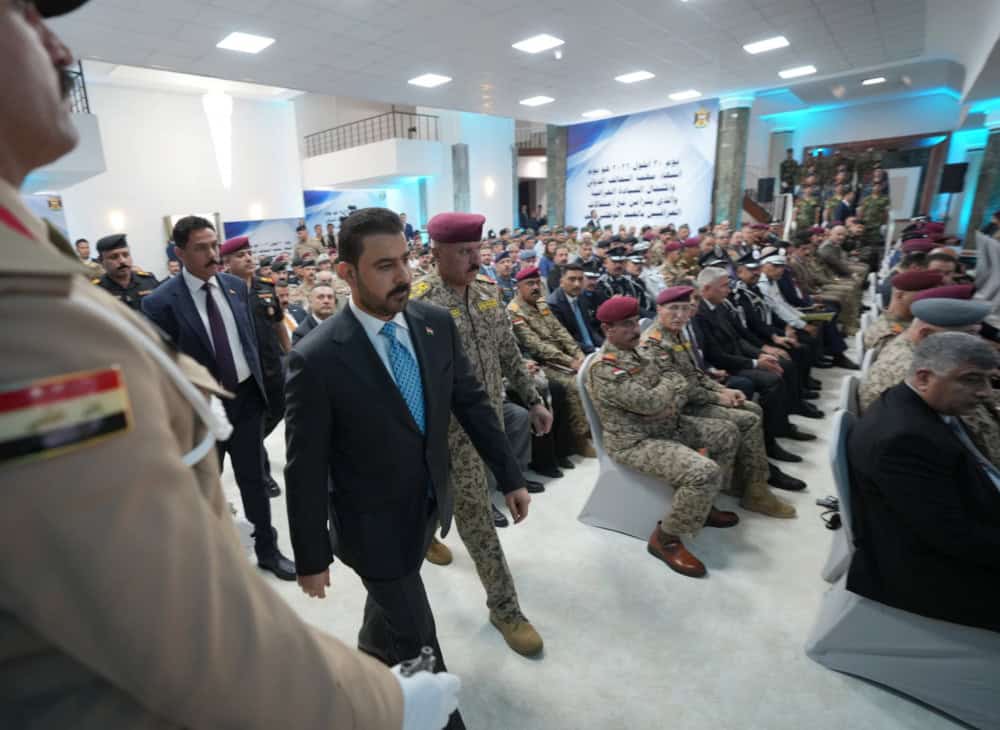
US and other anti-Islamic State coalition forces completed their withdrawal from Iraq on September 30, ending Operation Inherent Resolve as Baghdad marked what it called a restoration of Iraqi sovereignty. The departure comes amid concerns about Iran-backed militias, air-defense gaps in the Kurdistan Region, and the future of US-Iraq security cooperation.
-
Anti-Taliban resistance claims attacks across Afghanistan in September
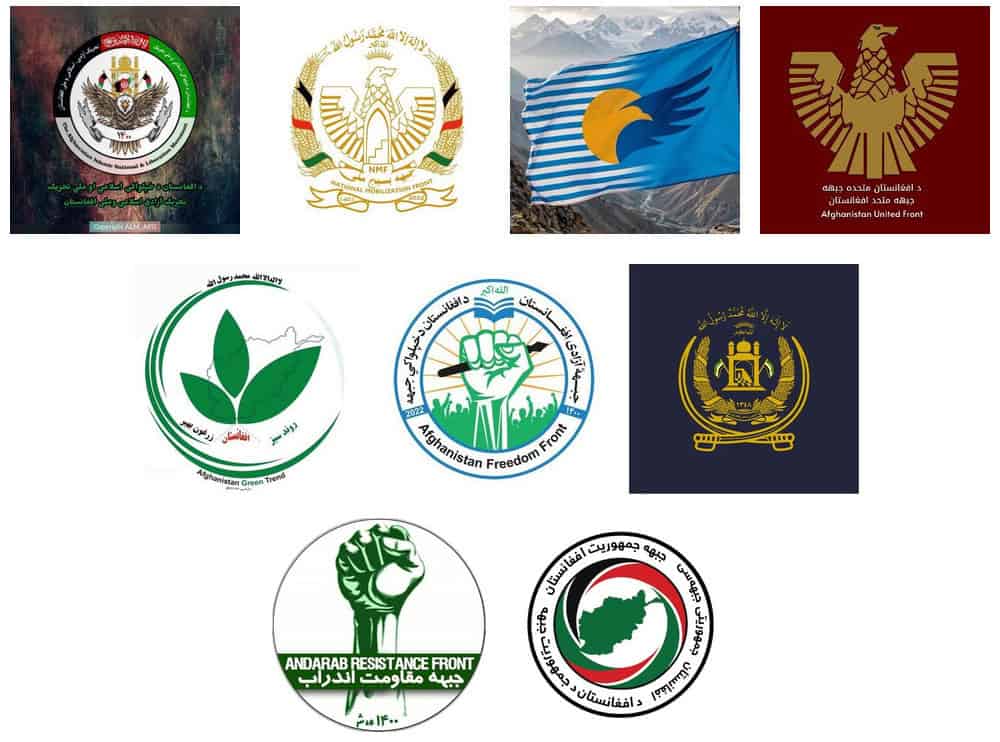
Anti-Taliban resistance groups claimed to have conducted 37 targeted operations across Afghanistan in September, including assassinations, assaults in Taliban strongholds in the south, and fighting over outposts in the northeast.
-
Operation Enduring Failure: 25 years after the US invasion of Afghanistan
Was the US invasion of Afghanistan launched in October 2001 to kill or capture Al Qaeda’s leaders and oust the Taliban from power a success or a failure? Generation Jihad host Bill Roggio talks with terrorism expert Thomas Joscelyn about the failures of Operation Enduring Freedom and how they cascaded into the terrorism threats we…
-
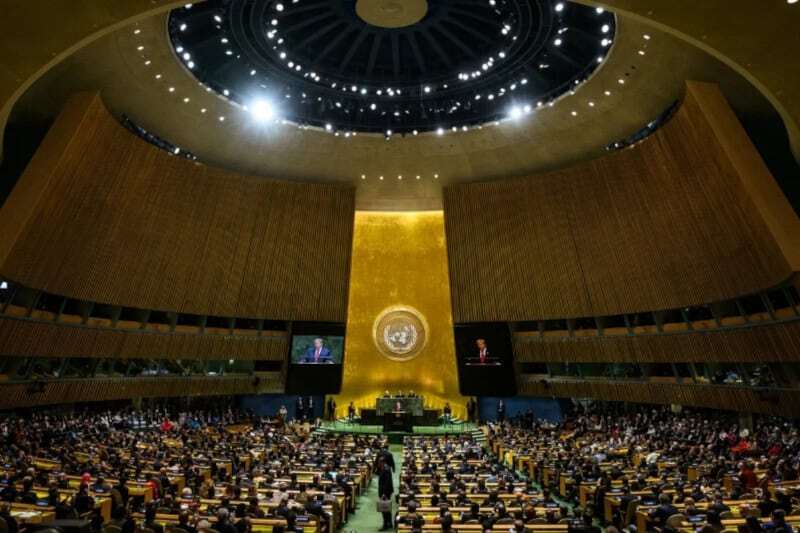
Board of Peace unveils Gaza recovery plan, Israel reports 18 ceasefire violations Sept. 15–29
The US-backed Board of Peace announced a $2.45 billion plan to rebuild Gaza over six months, but disagreements over Hamas’s disarmament and an Israeli withdrawal continue to obstruct its implementation. A day later, Israeli Prime Minister Benjamin Netanyahu spoke before the United Nations General Assembly. Meanwhile, Israeli forces continued operations against Hamas members working to…
-
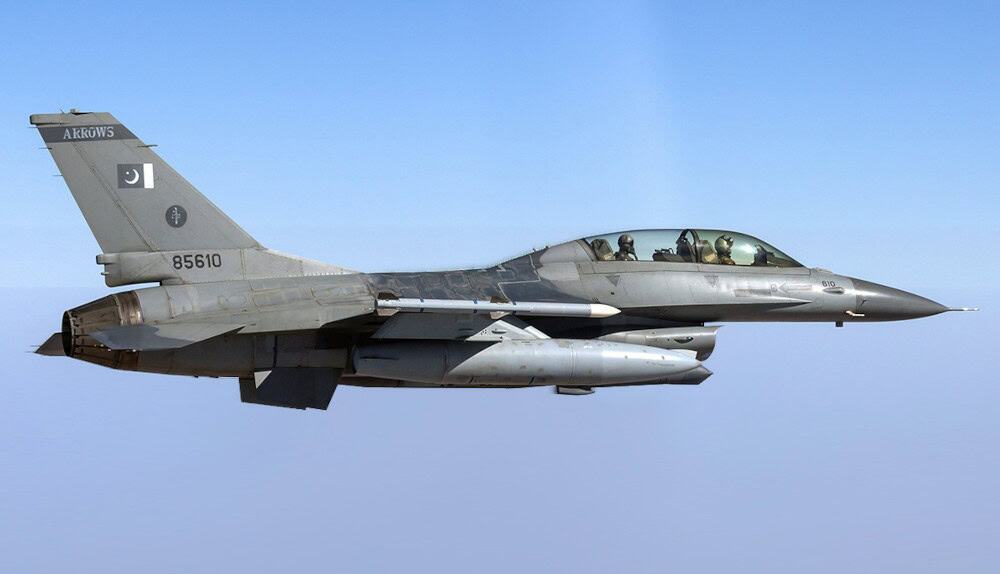
Fighting between Pakistan and the Taliban persists into second week
The latest round of conflict between Pakistan and the Taliban continued this past week, including airstrikes, cross-border attacks, targeted operations, and a car bombing. The renewed direct clashes that began on September 18 ended a nearly three-month lull in fighting between the former allies.
-
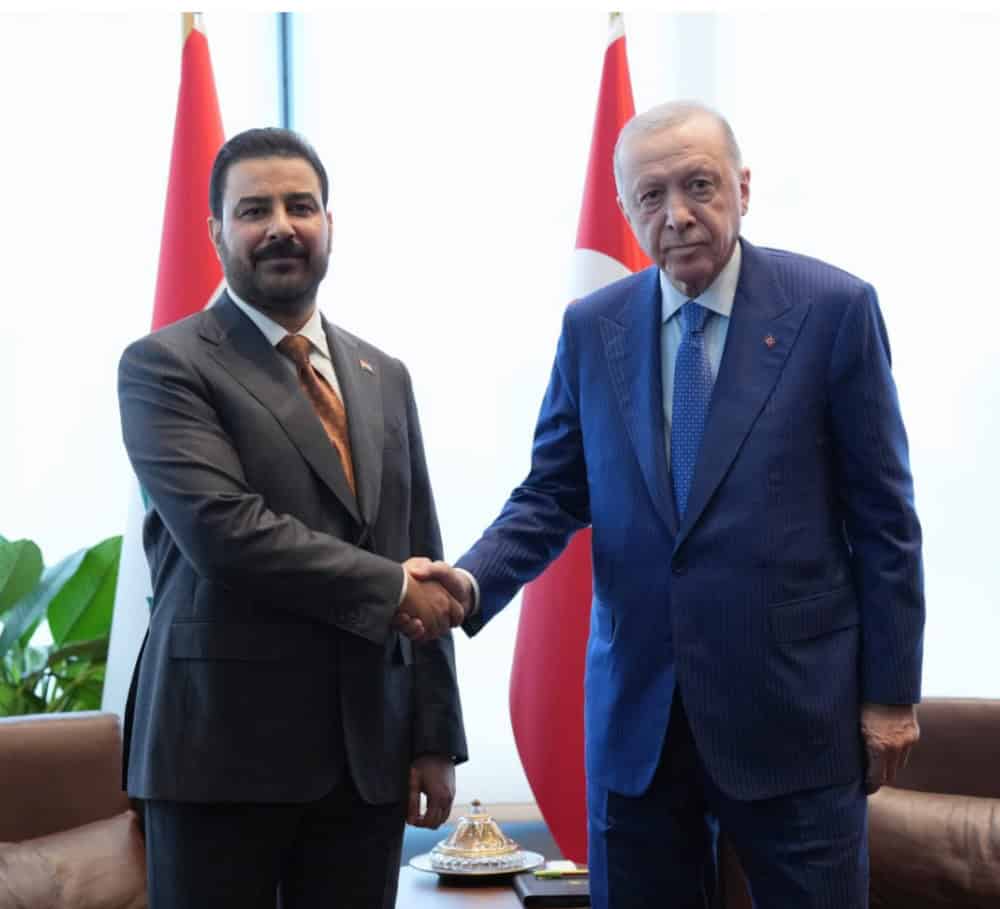
Iraq agrees to Turkish base deal as militia disarmament timeline debated
Iraqi Prime Minister Ali al Zaidi has outlined a plan to disarm Iran-backed militias by June 2027 as Baghdad prepares for the withdrawal of US forces. The proposed disarmament timeline coincides with an agreement for Turkey to gradually hand over its Bashiqa-Zilkan military base to Iraq, part of wider efforts to bring armed groups and…
-
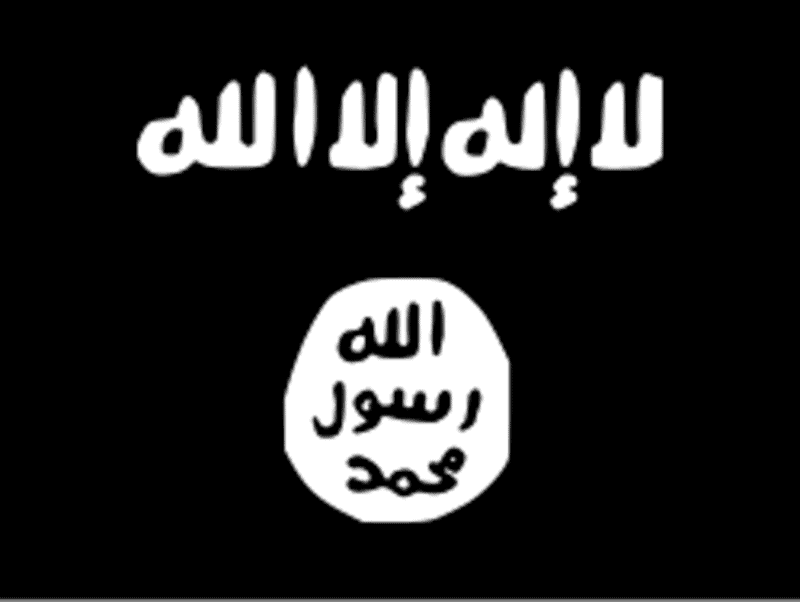
Islamic State suspects extradited or arrested in Lebanon, Canada, Australia, and the US
Over the past 72 hours, authorities in four countries announced arrests, charges, and an extradition involving alleged Islamic State activity, including an assassination plot, a chemical attack, propaganda distribution, and financing travel to Syria.
-
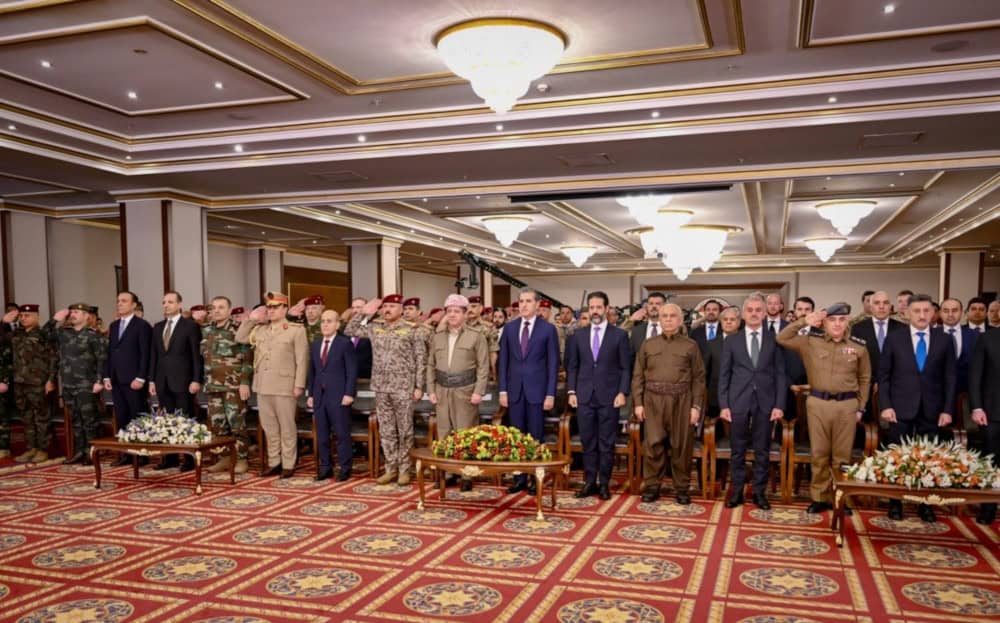
Kurdistan Region of Iraq announces Peshmerga unification
The Kurdistan Regional Government announced the completion of a years-long process to unify the Peshmerga armed forces under the Ministry of Peshmerga Affairs, ending longstanding divisions between units linked to the Kurdistan Democratic Party (KDP) and the Patriotic Union of Kurdistan (PUK). The move comes amid the departure of US forces, pressure to disarm Iran-backed…
-
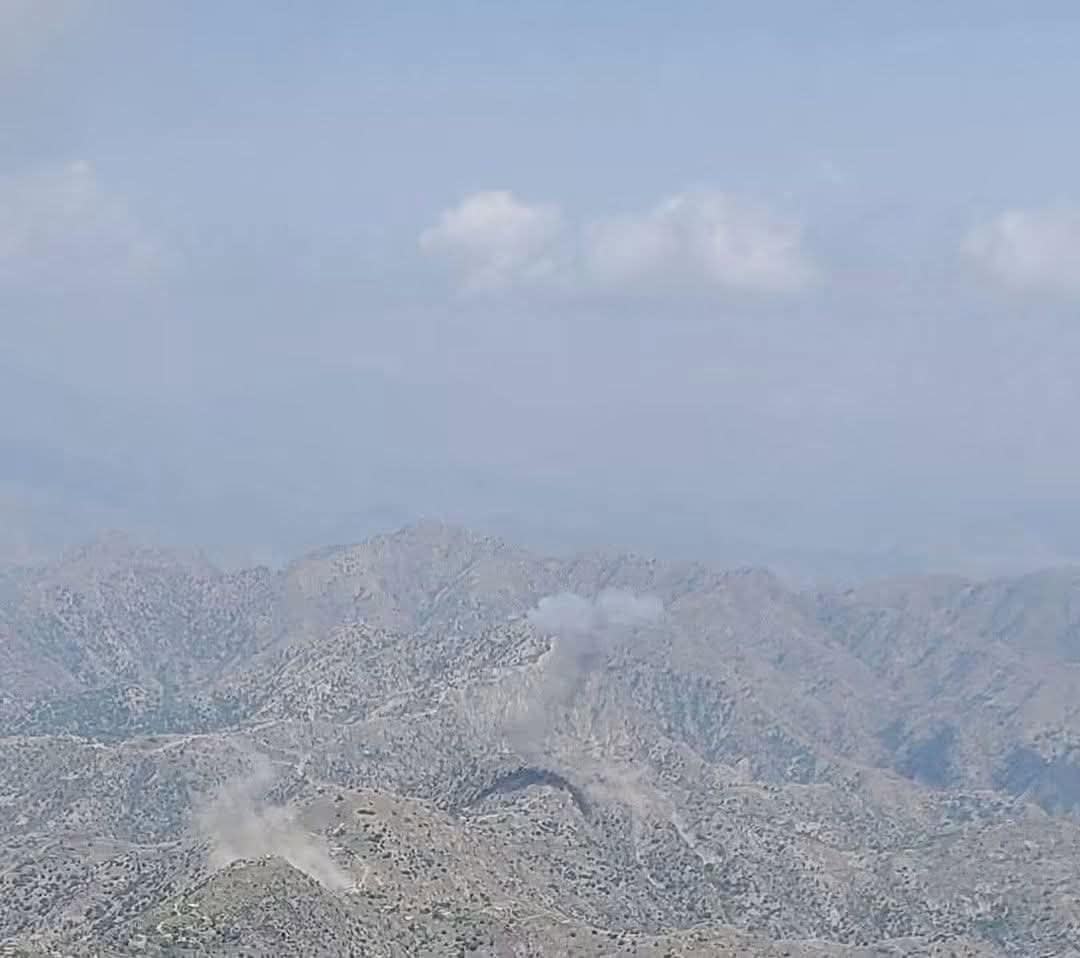
Houthis fight for key Yemeni highlands, continue striking Saudi Arabia
The Houthis and the Yemeni Armed Forces, along with allied militias, have continued fighting on multiple fronts across the country, with the Houthis particularly focused on the highlands inland from their recent coastal advance. The Houthis have also maintained their attacks on Saudi Arabia, prompting Riyadh to renew its request for US airstrikes, which President…
-
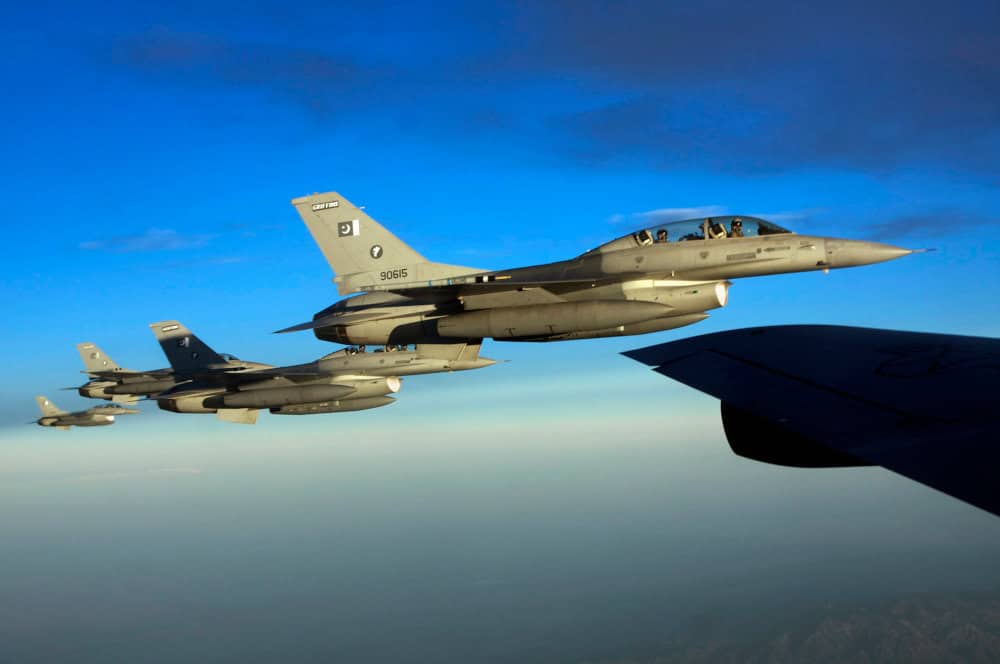
Pakistan conducts airstrikes in eastern Afghanistan in retaliation for terrorist attacks
The Pakistani Air Force conducted airstrikes in eastern Afghanistan reportedly targeting terrorist training centers in response to a recent complex suicide attack in western Pakistan. The Taliban denied involvement in the attack and promised an “appropriate response” to Pakistan’s airstrikes.

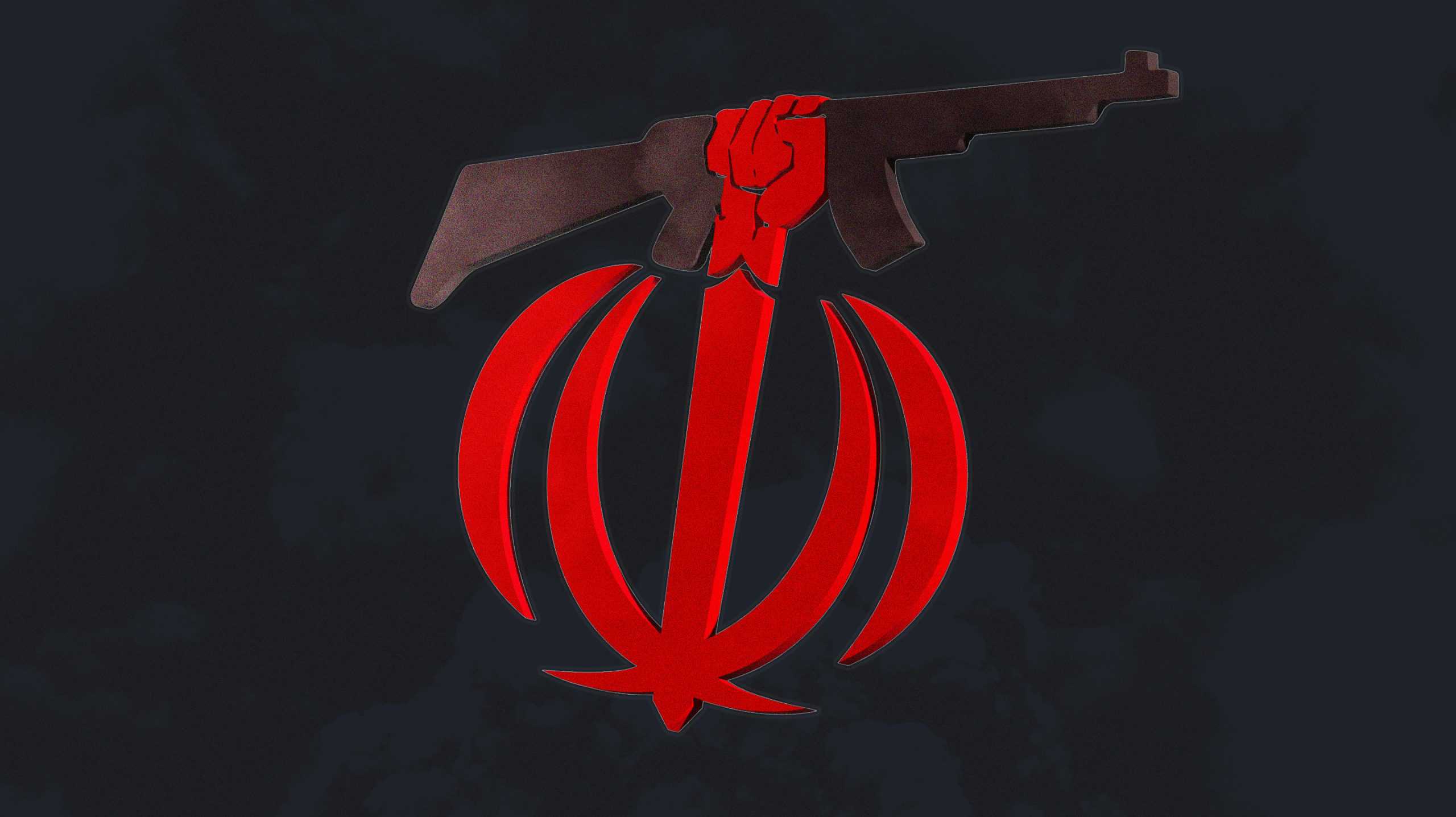


All Articles
-
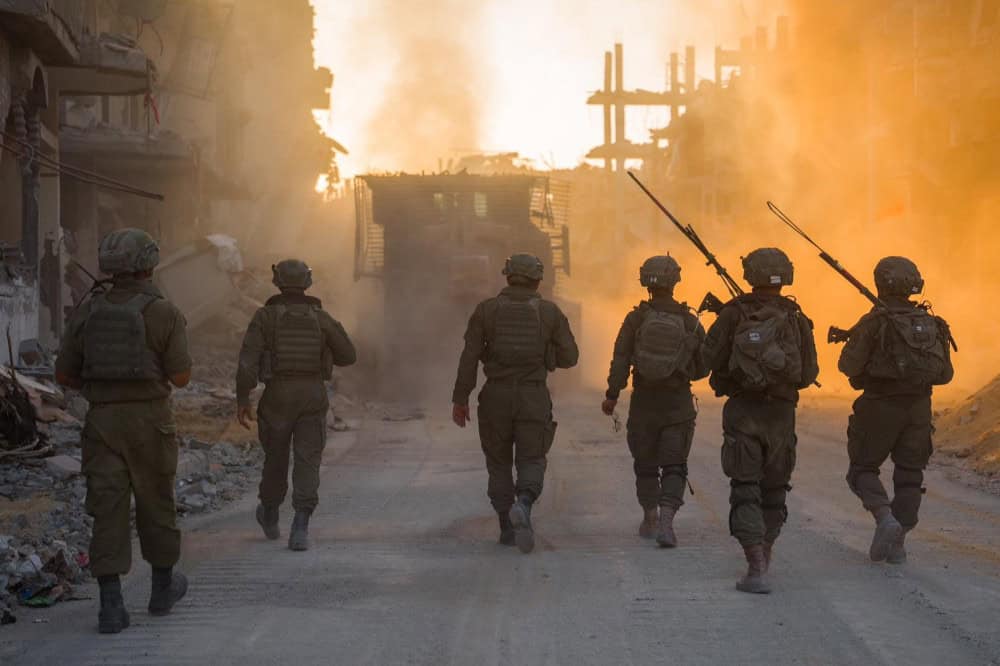
Board of Peace to establish ‘pilot zone’ for Gaza civilians, IDF claims 13 ceasefire violations June 30–July 9
The US-led Board of Peace said on July 8 that it would soon begin setting up a “pilot zone” in Gaza that would bring unarmed civilians screened for Hamas links across the Yellow Line into the Israeli-controlled portion of the territory. Meanwhile, Hamas has escalated ceasefire violations in the areas it still controls as the group works to rebuild its forces.
-
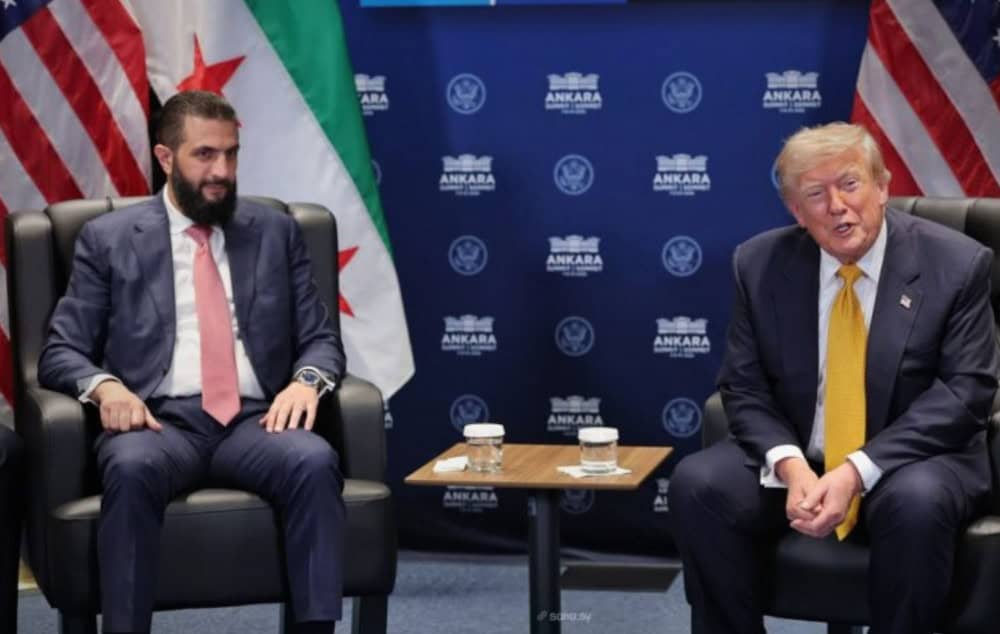
US moves to rescind Syria’s designation as a State Sponsor of Terrorism
The Trump administration initiated a rescission of Syria’s designation as a State Sponsor of Terrorism on July 8. The decision follows President Donald Trump’s meeting with Syrian President Ahmad al Sharaa at the NATO summit in Ankara and comes amid broader US and European efforts to reintegrate Syria into the international community.
-
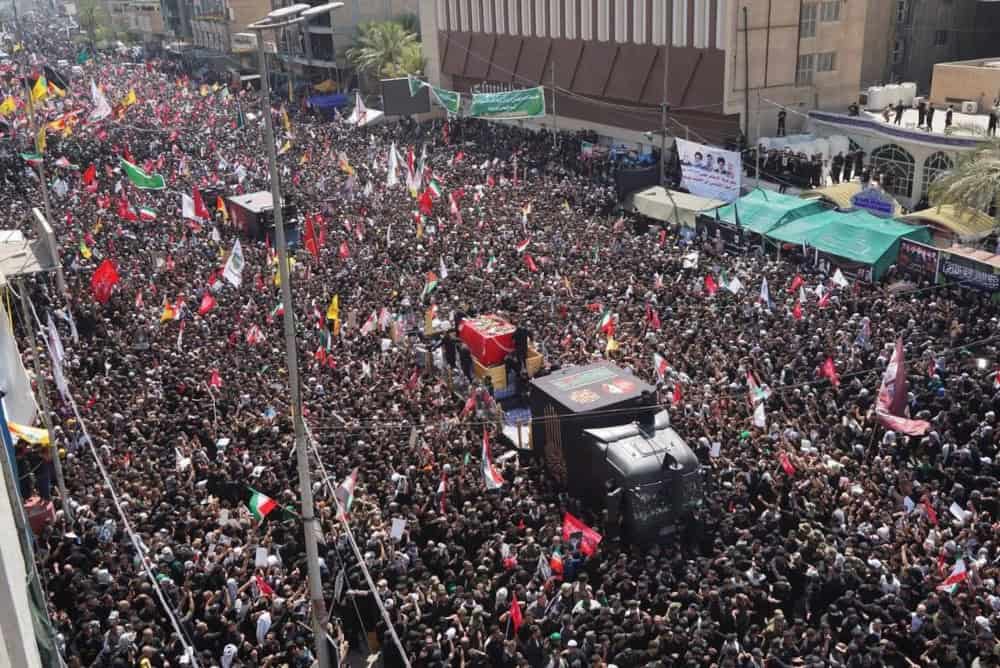
Body of slain Iranian leader Khamenei arrives in Iraq for Najaf and Karbala rites
Iraqi elites received the body of slain Iranian Supreme Leader Ali Khamenei as his funeral procession toured Iraq’s Shiite holy cities on July 8. Notably, Iraq’s top cleric did not say prayers or attend the ceremony due to stated health reasons.
-
CENTCOM strikes Iran as Tehran condemns US sanctions waiver revocation
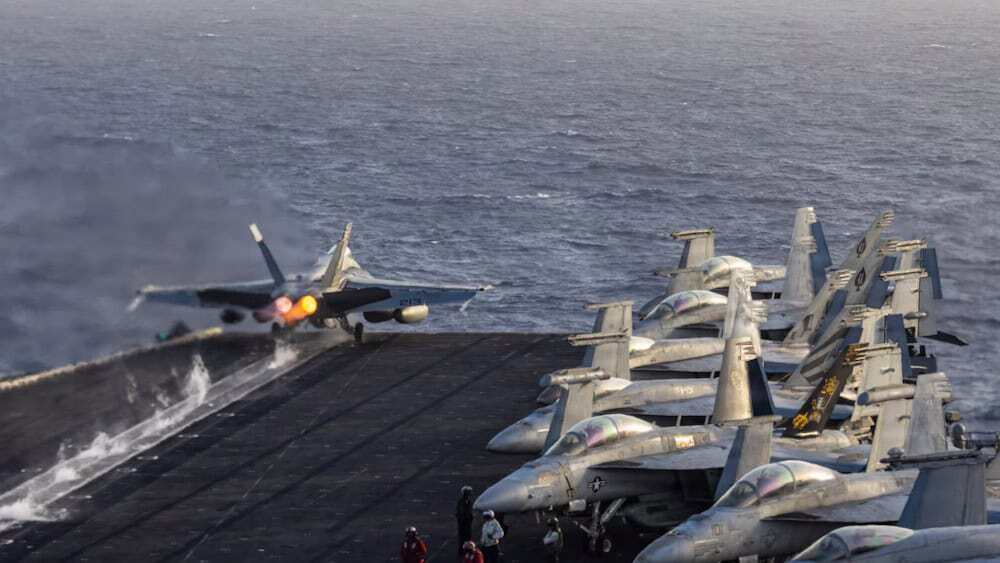
The Memorandum of Understanding between the US and Iran faced its most significant test yet on July 7 after Iran attacked commercial shipping in the Strait of Hormuz. Washington responded with a new round of military strikes and sharply narrowed its oil sanctions waiver, with both sides accusing each other of violating the agreement.
-
Hamas announces intent to dissolve Gaza government as disarmament questions remain
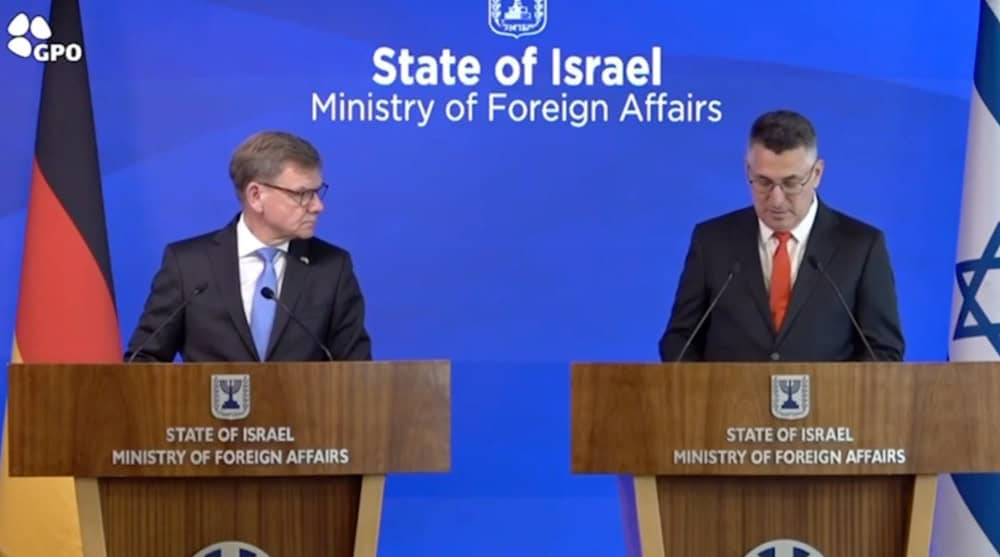
Hamas said that it is prepared to dissolve its governing institutions in Gaza and transfer authority to the National Committee for the Administration of Gaza (NCAG), a key component of the US- and UN-backed ceasefire framework. As negotiations continue, Israeli officials argue that Hamas surrendering administrative control without relinquishing weapons would leave Hamas as the dominant force behind the scenes.
-
Generation Jihad | Hezbollah’s moment of truth
A new 14-point trilateral framework toward ending hostilities in Lebanon puts Hezbollah, Iran’s strongest terror proxy, at a crossroads. Disarm and let Lebanon reclaim its southern border—or keep threatening Israel and risk blowing up the fragile US-Iran peace deal. FDD Senior Fellow David Daoud joins Bill Roggio to break down what’s really at stake in these negotiations.
-
Iranian ballistic missile operations: 2024–2026
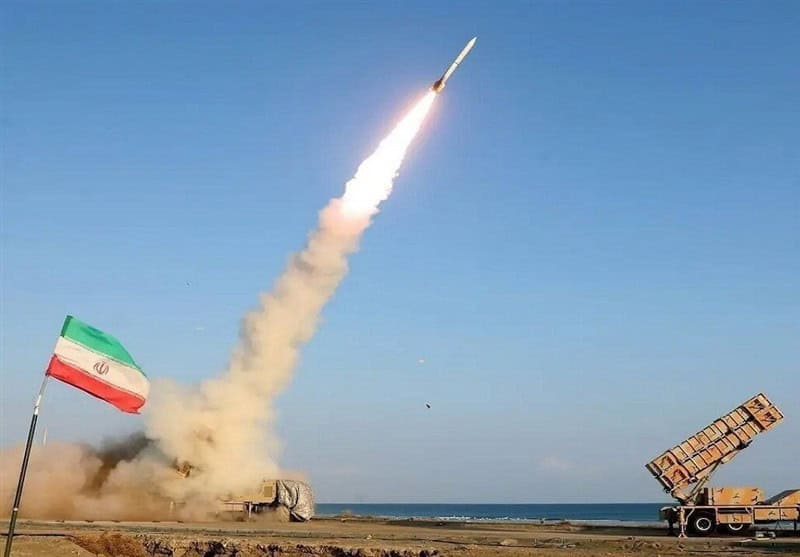
Over the past two years, the Islamic Republic has engaged in at least 15 distinct ballistic missile operations from its territory against foreign targets. Despite a pause in these attacks in 2023, the 2024–2026 period resumed a trend of increasing Iranian missile operations in the region between 2017–2022.
-
Syria appoints new parliament as Israel tensions continue
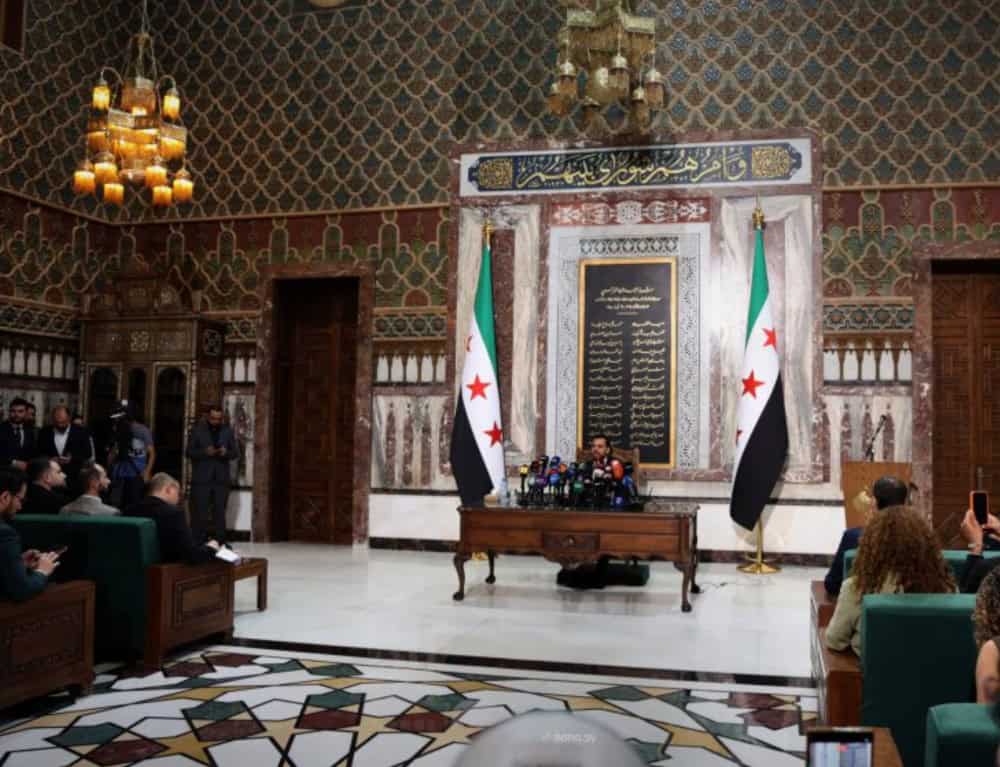
Syria has completed the formation of its new People’s Assembly, appointing the final 70 members of parliament as part of the country’s political transition following the fall of the Assad regime. Meanwhile, security tensions persist along the Israeli border, where recent clashes and Israeli military operations underscore the complex security environment.
-
Iraq launches corruption crackdown, sets deadline for militia weapons handover
Iraq’s new government launched a sweeping anti-corruption campaign that resulted in dozens of arrests of politicians and senior officials across the country’s political spectrum. The raids, carried out by elite security forces, are part of Prime Minister Ali al Zaidi’s broader effort to strengthen state institutions and restore public confidence in government.

-
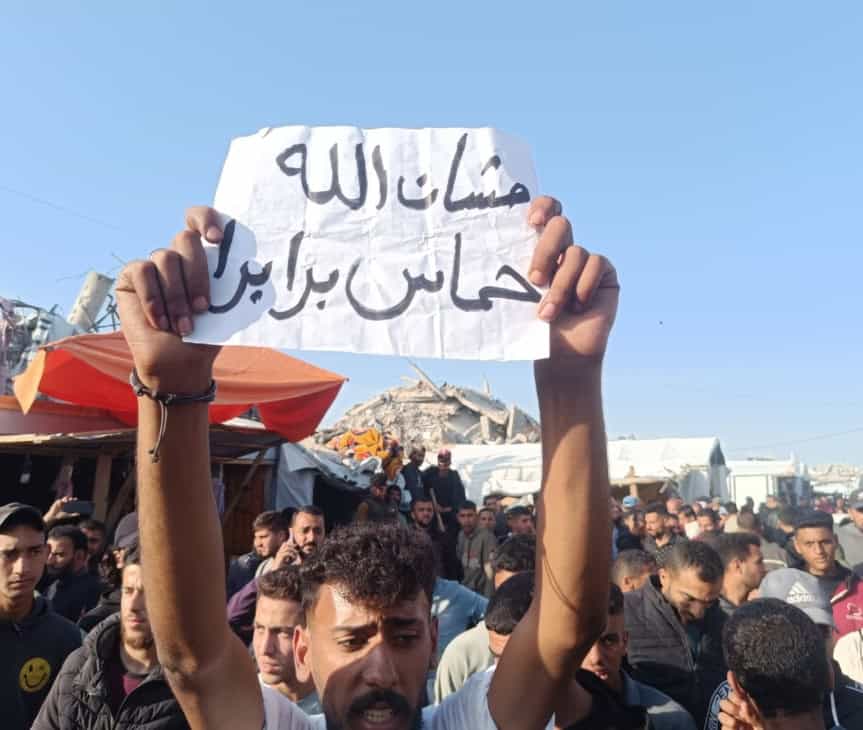
Hamas suppresses protests, IDF reports 17 strikes, ceasefire violations June 10–29
Anti-Hamas organizers in Gaza had hoped June 26 would bring a wave of large demonstrations against the terror group. However, Hamas worked to lower turnout with arrests, threats, and armed street deployments.
-
US kills Islamic State senior leader in Syria, Damascus rejects Lebanon intervention
A recent precision strike against a senior Islamic State leader underscored Washington’s continued counterterrorism mission in Syria. Separately, US President Donald Trump urged Syria’s new government to consider intervening against Hezbollah in neighboring Lebanon, but Syrian President Ahmed al Sharaa stated his country will not send forces, preferring diplomacy over military action.

-
Generation Jihad | Is the MOU DOA?
One week after President Trump signed a landmark Memorandum of Understanding (MOU) with Iran, the 60-day negotiation window is already under pressure—and the concessions are piling up. So, is this two-page MOU actually worth the paper it’s written on? FDD Iran Program Senior Director and Senior Fellow Behnam Ben Taleblu joins Bill Roggio to break it all down.
-
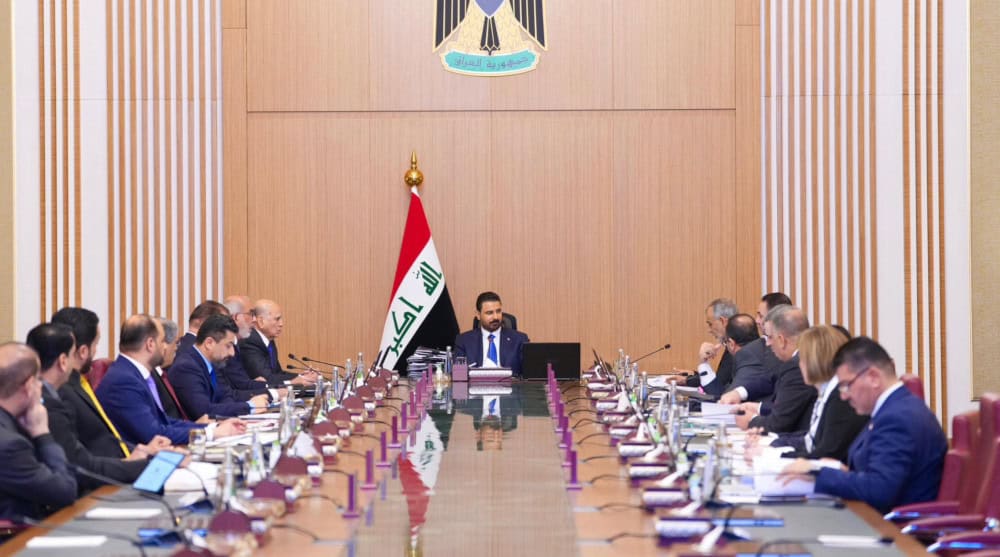
As Kurdistan Region seeks drone defenses, Rubio warns Iraq about Iran proxies
The Kurdistan Region of Iraq is seeking to acquire air-defense systems following months of missile and drone attacks targeting energy infrastructure and Iranian opposition groups across northern Iraq. US Secretary of State Marco Rubio warned that Iranian-backed proxies continue to threaten regional stability by launching attacks from Iraqi territory.
-
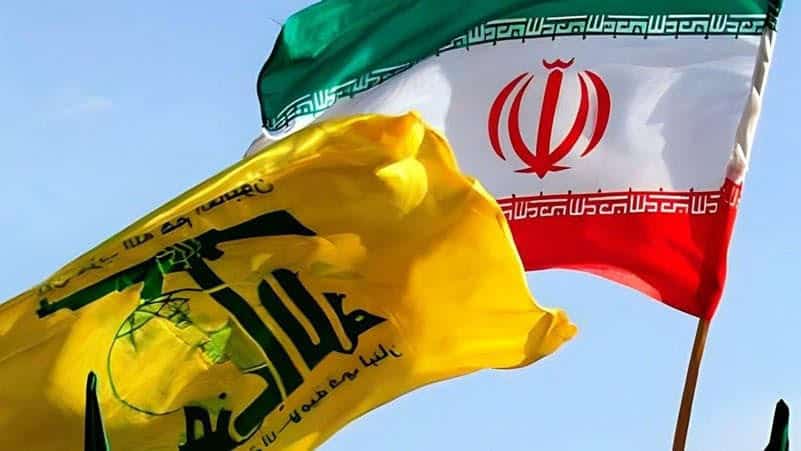
Analysis: Khamenei warily accepts US deal as Tehran eyes rebuilding Hezbollah
Days after Tehran and Washington reached a memorandum of understanding over ending the recent conflict, Iran’s new supreme leader is distancing himself from the agreement as hardliners clash over its implications. Meanwhile, reports that Iran is preparing to increase support for Hezbollah and statements from senior regime figures suggest that Tehran views any sanctions relief as an opportunity to rebuild proxy capabilities.
-
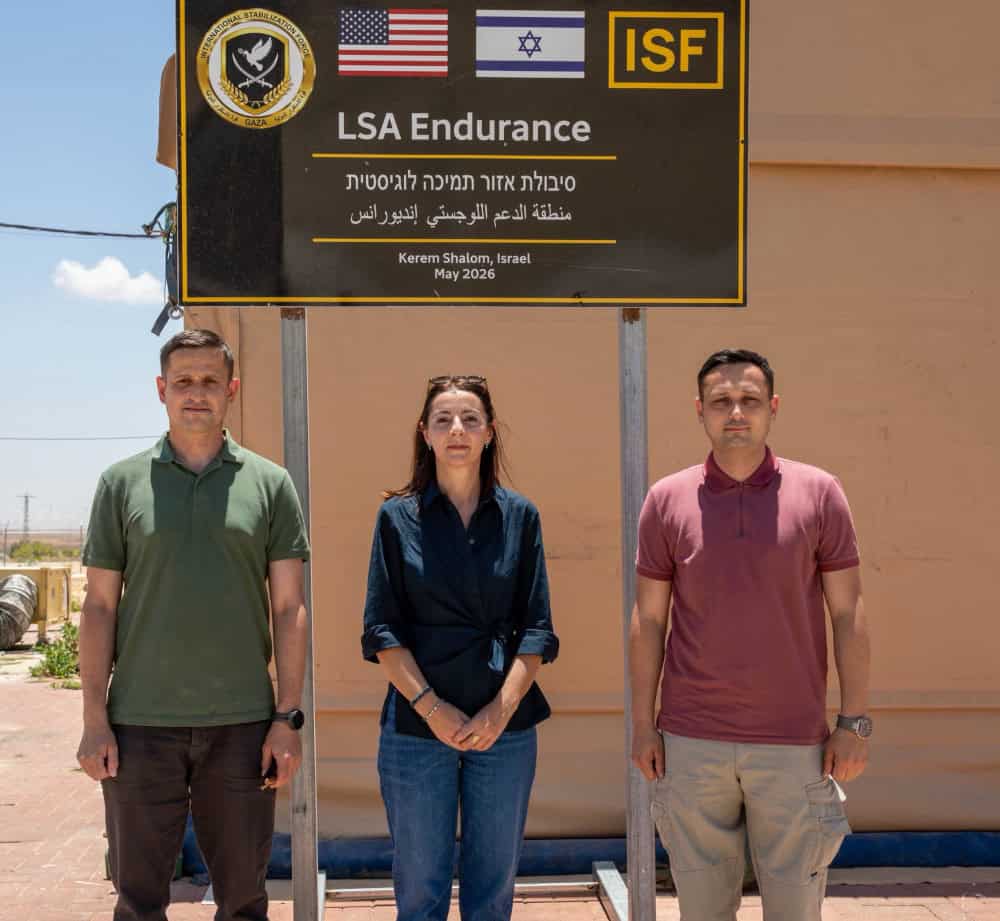
Gaza peace plan sees slow progress after Hamas meets in Cairo
Efforts to advance the US-backed peace plan for Gaza have continued amid difficult negotiations over Hamas’s disarmament and the future security structure of the enclave. Talks in Cairo involving Hamas, Egyptian officials, and representatives of the Board of Peace have focused on implementing key provisions related to weapons restrictions and the deployment of an International Stabilization Force.
-
Analysis: Ukraine unveils reforms to address manpower shortage
Ukraine hopes a set of sweeping reforms will help redress its chronic shortage of manpower by providing clear terms of service and better pay. However, its promises to begin discharging long-serving troops and reform controversial mobilization procedures raise questions about how it will accomplish these goals simultaneously.

-
Pirate attacks on ships in the Gulf of Aden are on the rise
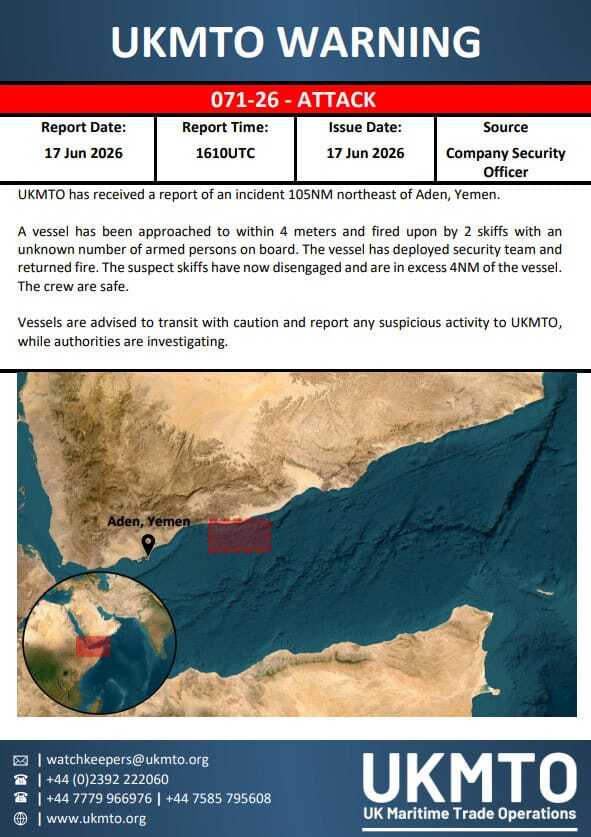
Since late April, armed attackers in small skiffs, using tactics consistent with pirates, have been attacking ships off Yemen’s southern coast and other waters around the Horn of Africa at a rate not seen since 2011, when piracy in the region was at its peak.
-
Iraqi Prime Minister Ali al Zaidi meets US envoy amid militia pressure
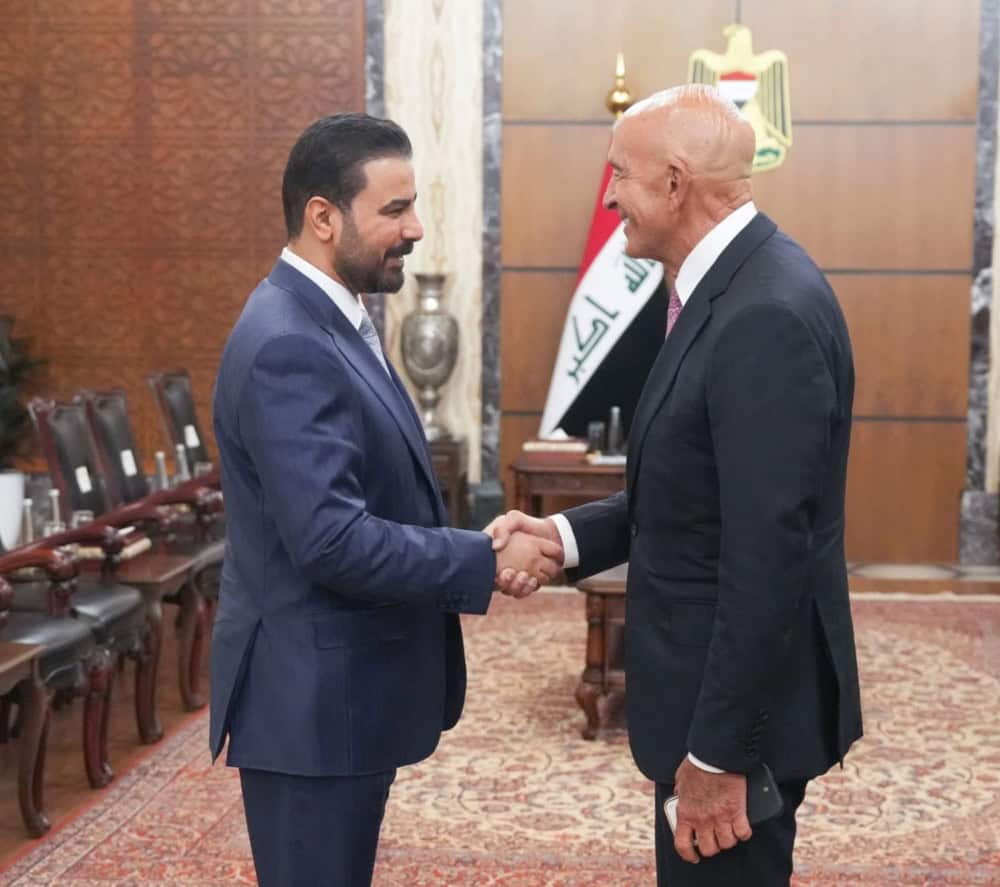
US Envoy to Iraq and Syria Tom Barrack’s recent visit to Iraq on June 15 highlighted Washington’s efforts to support stability, security cooperation, and political reform in the country amid continuing regional tensions. Discussions focused on strengthening ties between Baghdad and Washington, disarming Iranian-backed militias, and advancing energy deals.
-
Generation Jihad | Fog of the deal
President Trump said that a two-page memorandum of understanding (MOU) has been signed between the US and the Islamic Republic of Iran that will end the war and open the Strait of Hormuz. But will this deal bring about a lasting peace in the region, or has peace just become another five-letter word? FDD Senior Fellow David Daoud and Bill Roggio speculate as to what will become of the Middle East and America’s influence in the region as this very thin MOU moves forward.
-
IDF confirms killing Hezbollah commander responsible for creating Iran-backed militias in Iraq
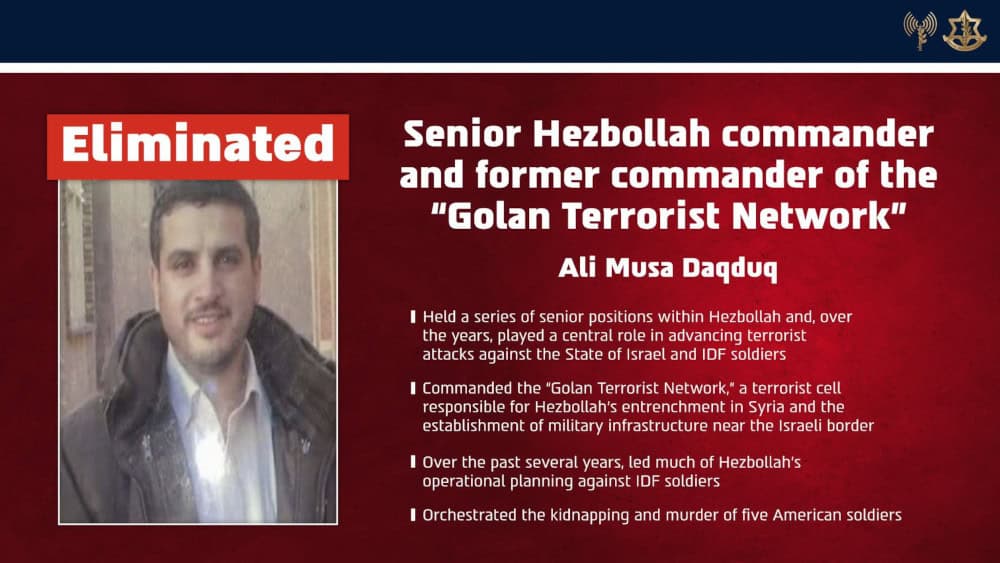
On June 14, the Israeli military confirmed that it killed Ali Mousa Daqduq, a wanted and dangerous Hezbollah military commander. Daqduq was a key architect of the Iranian-backed militias in Iraq and a top Hezbollah commander involved in leading attacks inside Israel. He was previously reported killed in the fall of 2024, but his death was never confirmed.