-
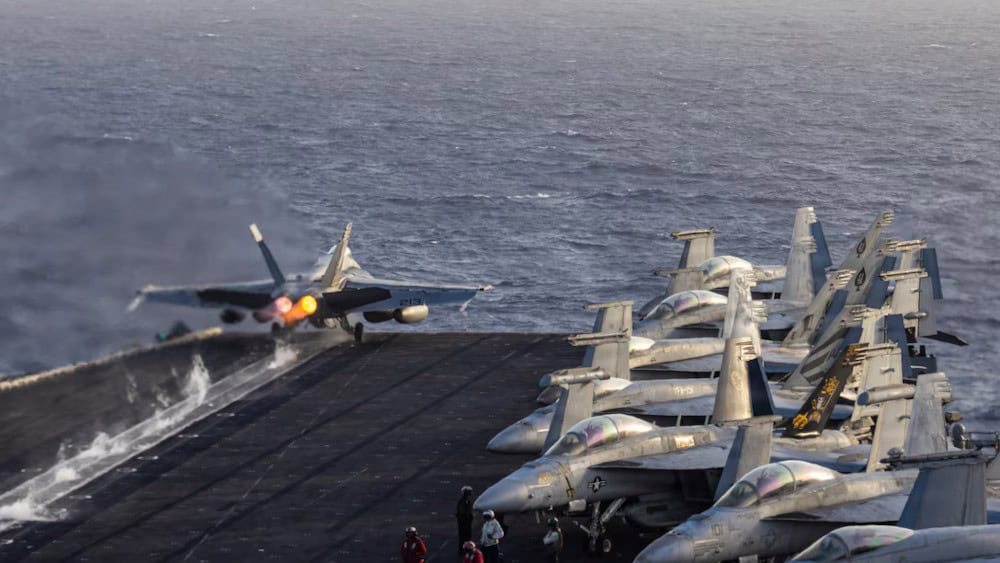
Board of Peace unveils Gaza recovery plan, Israel reports 18 ceasefire violations Sept. 15–29
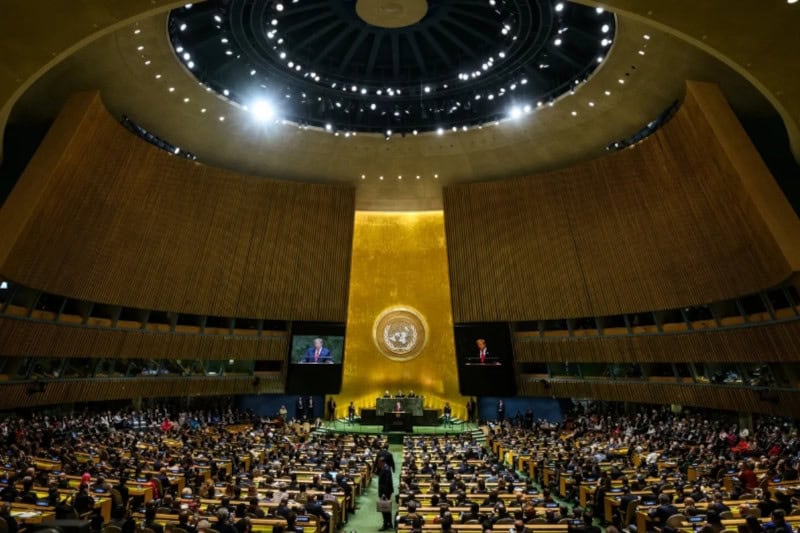
The US-backed Board of Peace announced a $2.45 billion plan to rebuild Gaza over six months, but disagreements over Hamas’s disarmament and an Israeli withdrawal continue to obstruct its implementation. A day later, Israeli Prime Minister Benjamin Netanyahu spoke before the United Nations General Assembly. Meanwhile, Israeli forces continued operations against Hamas members working to rebuild the terror group.
-
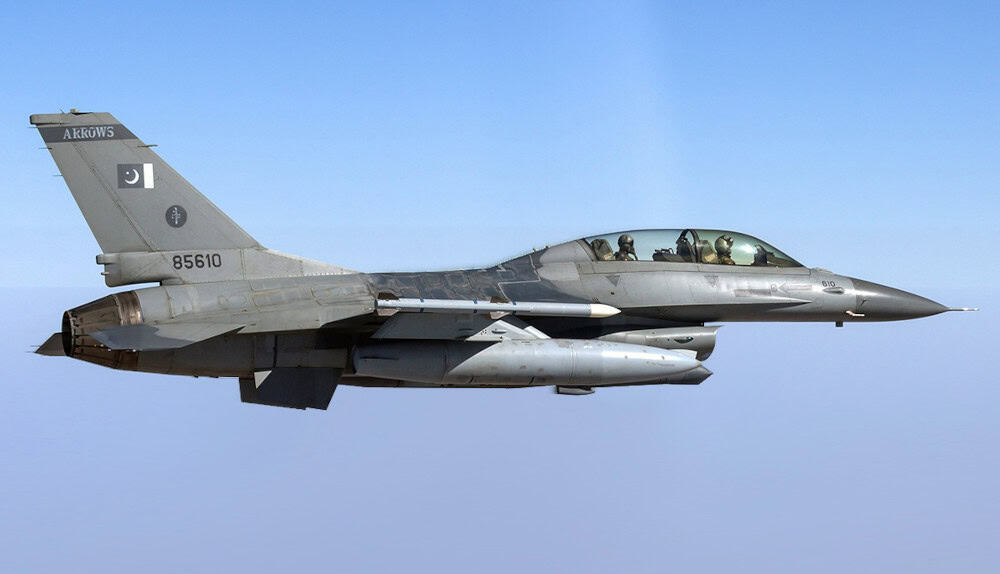
Fighting between Pakistan and the Taliban persists into second week
The latest round of conflict between Pakistan and the Taliban continued this past week, including airstrikes, cross-border attacks, targeted operations, and a car bombing. The renewed direct clashes that began on September 18 ended a nearly three-month lull in fighting between the former allies.
-
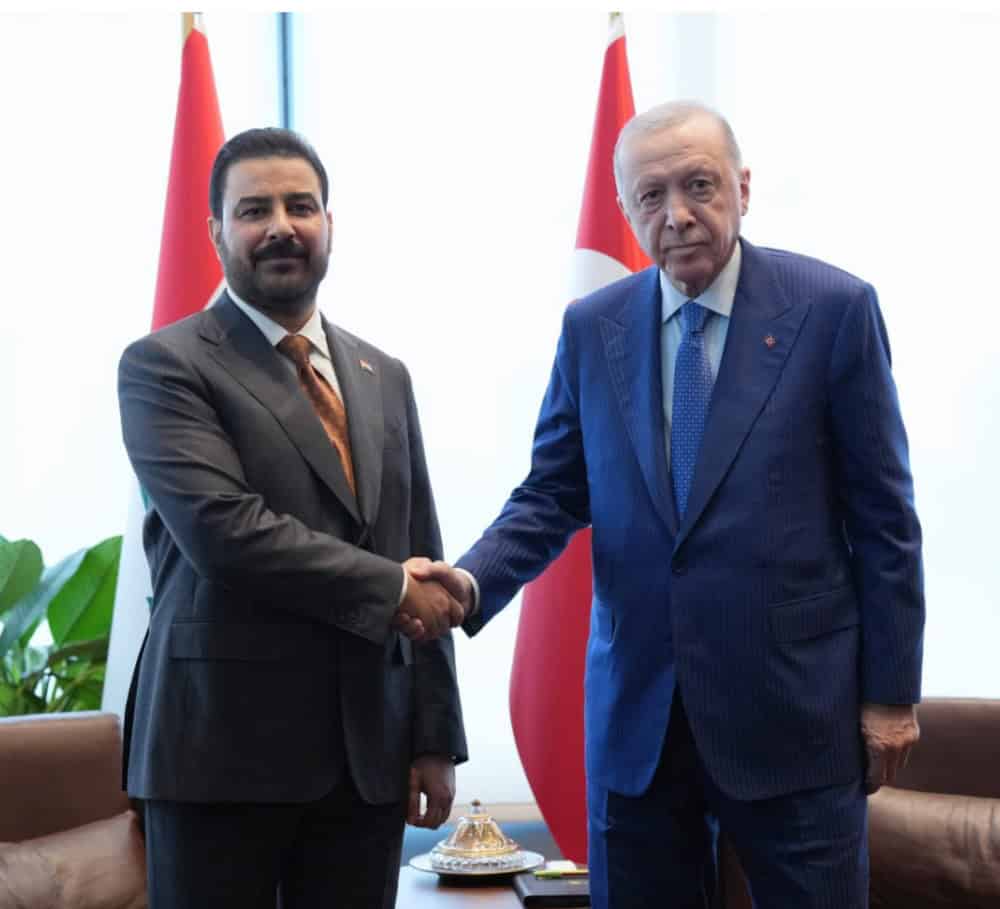
Iraq agrees to Turkish base deal as militia disarmament timeline debated
Iraqi Prime Minister Ali al Zaidi has outlined a plan to disarm Iran-backed militias by June 2027 as Baghdad prepares for the withdrawal of US forces. The proposed disarmament timeline coincides with an agreement for Turkey to gradually hand over its Bashiqa-Zilkan military base to Iraq, part of wider efforts to bring armed groups and…
-
Islamic State suspects extradited or arrested in Lebanon, Canada, Australia, and the US
Over the past 72 hours, authorities in four countries announced arrests, charges, and an extradition involving alleged Islamic State activity, including an assassination plot, a chemical attack, propaganda distribution, and financing travel to Syria.
-
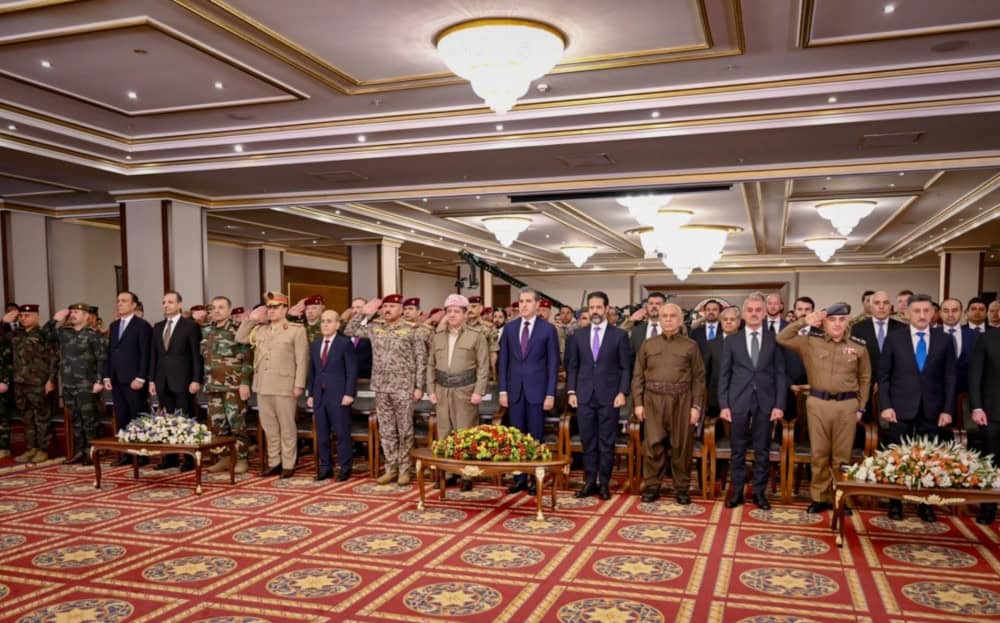
Kurdistan Region of Iraq announces Peshmerga unification
The Kurdistan Regional Government announced the completion of a years-long process to unify the Peshmerga armed forces under the Ministry of Peshmerga Affairs, ending longstanding divisions between units linked to the Kurdistan Democratic Party (KDP) and the Patriotic Union of Kurdistan (PUK). The move comes amid the departure of US forces, pressure to disarm Iran-backed…
-
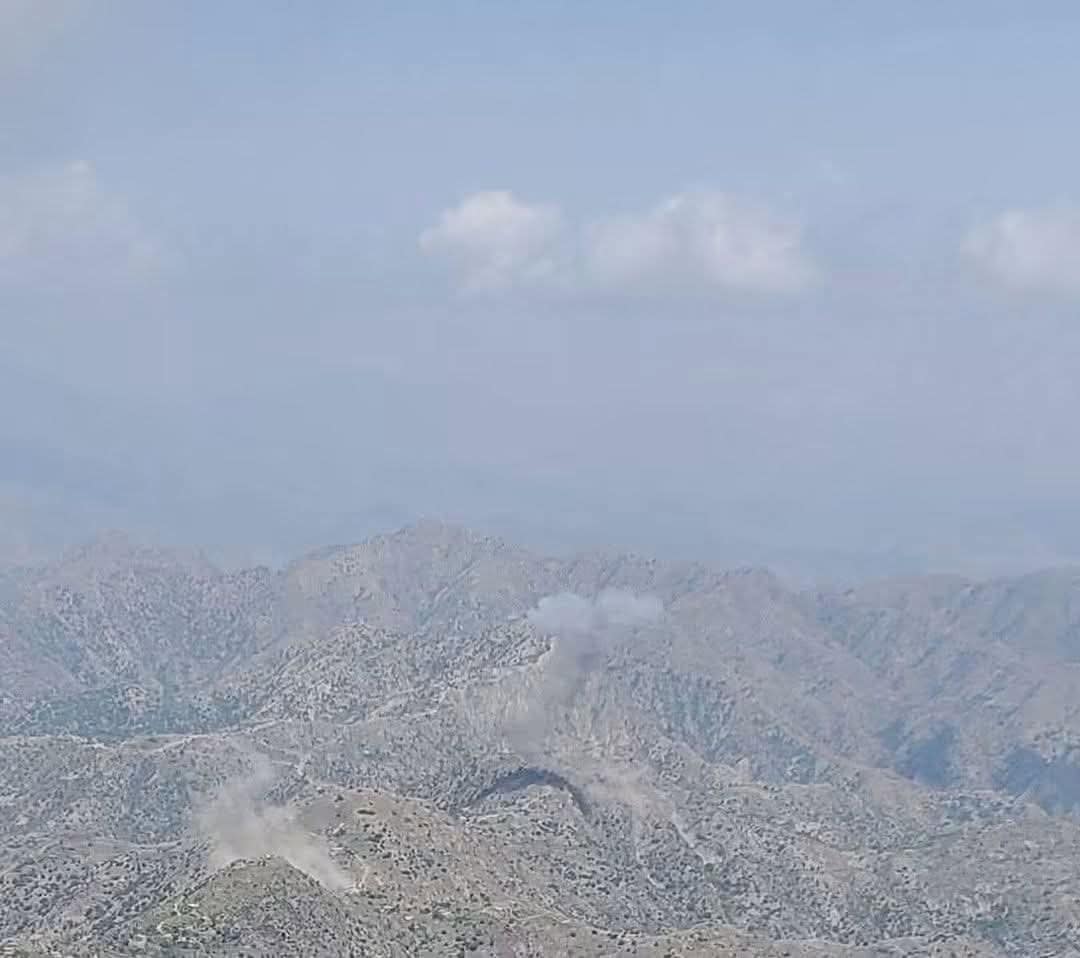
Houthis fight for key Yemeni highlands, continue striking Saudi Arabia
The Houthis and the Yemeni Armed Forces, along with allied militias, have continued fighting on multiple fronts across the country, with the Houthis particularly focused on the highlands inland from their recent coastal advance. The Houthis have also maintained their attacks on Saudi Arabia, prompting Riyadh to renew its request for US airstrikes, which President…
-
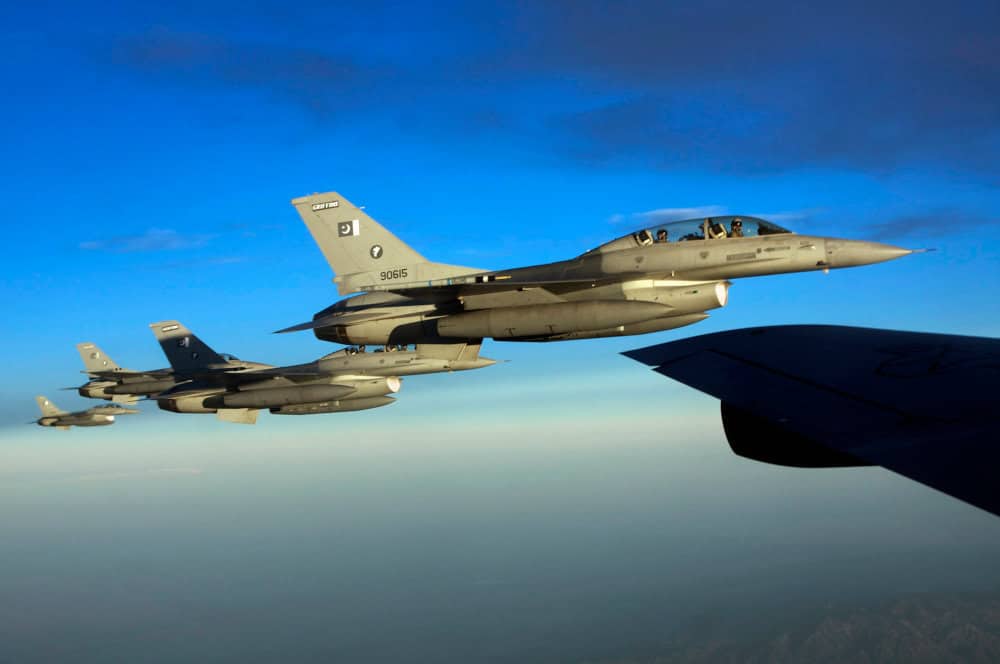
Pakistan conducts airstrikes in eastern Afghanistan in retaliation for terrorist attacks
The Pakistani Air Force conducted airstrikes in eastern Afghanistan reportedly targeting terrorist training centers in response to a recent complex suicide attack in western Pakistan. The Taliban denied involvement in the attack and promised an “appropriate response” to Pakistan’s airstrikes.
-

Yazidi armed group YBS to disarm, integrate into Iraqi security forces
The Sinjar Resistance Units (YBS), a Yazidi armed group with links to the Kurdistan Workers’ Party (PKK), has agreed to disarm and integrate eligible members into Iraq’s security forces as Baghdad seeks to stabilize Sinjar and facilitate the return of displaced Yazidis. The agreement comes amid broader efforts to disarm Iranian-backed militias in Iraq and…
-

Is Hezbollah finished, or just adapting?
Generation Jihad guest host David Daoud, an FDD senior fellow focused on Lebanon and Hezbollah, talks with Lina Khatib, an associate fellow in Chatham House’s Middle East and North Africa Programme, about her July trip in southern Lebanon, why the 2006 war never put the LAF in charge of the border, and whether Beirut can…
-
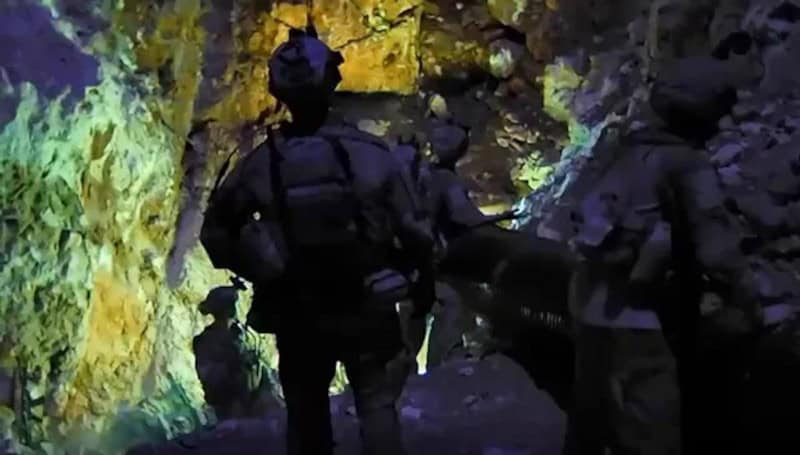
How Hezbollah reframed the battle for Ali al Taher as Israel advanced
As Israeli forces pushed from the outskirts of Ali al Taher Ridge into its underground network, Hezbollah repeatedly revised what counted as a success for the group—from denying Israeli entry to portraying the loss of the position as an attritional achievement.
-
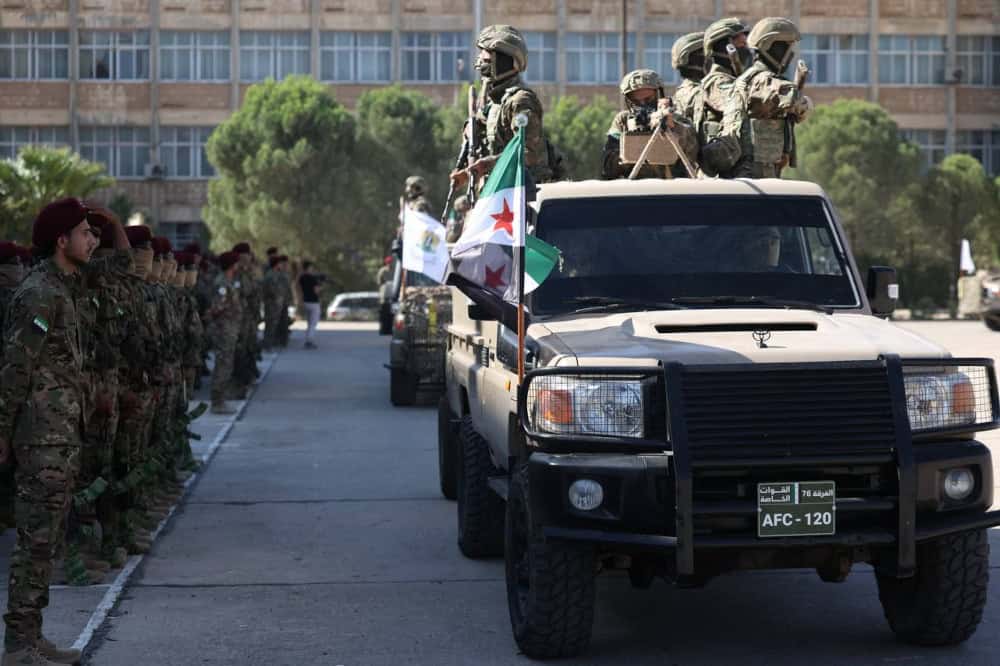
Syria’s military is rebuilding, but foreign influence may slow security progress
Syria’s post-Assad military is rebuilding rapidly, but its structure and foreign dependencies could limit Damascus’s ability to advance US security interests. If security cooperation from Turkey and Russia comes with strings attached, it may jeopardize Syria’s potential as a future partner against the Islamic State and Hezbollah.
All Articles
-
Analysis: Ukraine’s defense leadership crisis becomes blessing in disguise
President Volodymyr Zelenskyy’s short-sighted decision to fire his popular defense minister may ultimately redound to Ukraine’s benefit, as the firestorm it unleashed has forced Zelenskyy to install a widely respected, new-school officer as Ukraine’s top general.

-
Generation Jihad | What is Iran’s breaking point?
The US says it’s degrading Iran’s threat, but as the renewed air campaign approaches the two-week mark, the math still doesn’t check out. In Part 1 of this conversation, Generation Jihad’s Bill Roggio joins FDD CMPP Senior Director Bradley Bowman and Senior Analyst Cameron McMillan to discuss the real gap between degrading Iran’s missile, drone, and naval capabilities and actually eliminating them, and why murky end goals could lead to a long-term, inconclusive standoff.
-
Houthis announce blockade of Saudi Arabia, ships reroute to avoid Bab al Mandeb Strait
The Houthis declared a complete maritime blockade of Saudi Arabia, claiming it is in response to blockades imposed by the Saudi-led coalition that supports Yemen’s internationally recognized government. Saudi Arabia denounced the blockade and said it will protect its ships, but multiple commercial vessels have rerouted to avoid the Bab al Mandeb Strait.

-
Somalia claims it killed senior Shabaab leader
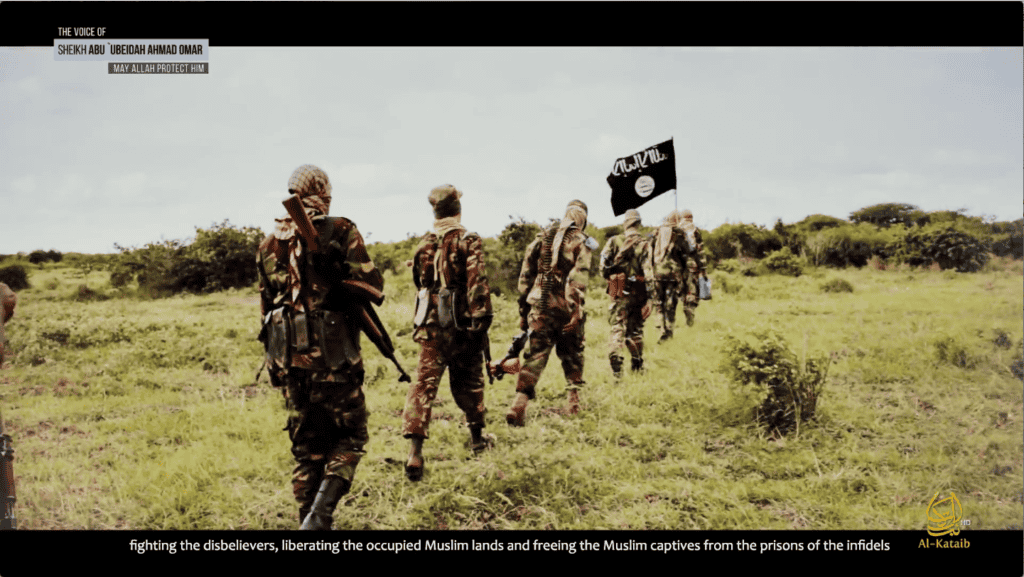
Somalia said that it and “international partners” killed Maalin Jinow Ibrahim, a reported co-founder of Shabaab and a member of its central shura council, in a targeted operation earlier this month. However, Al Qaeda’s branch for East Africa has yet to confirm his death.
-
Iran renews attacks on Kurdish Iranian opposition groups in Iraq
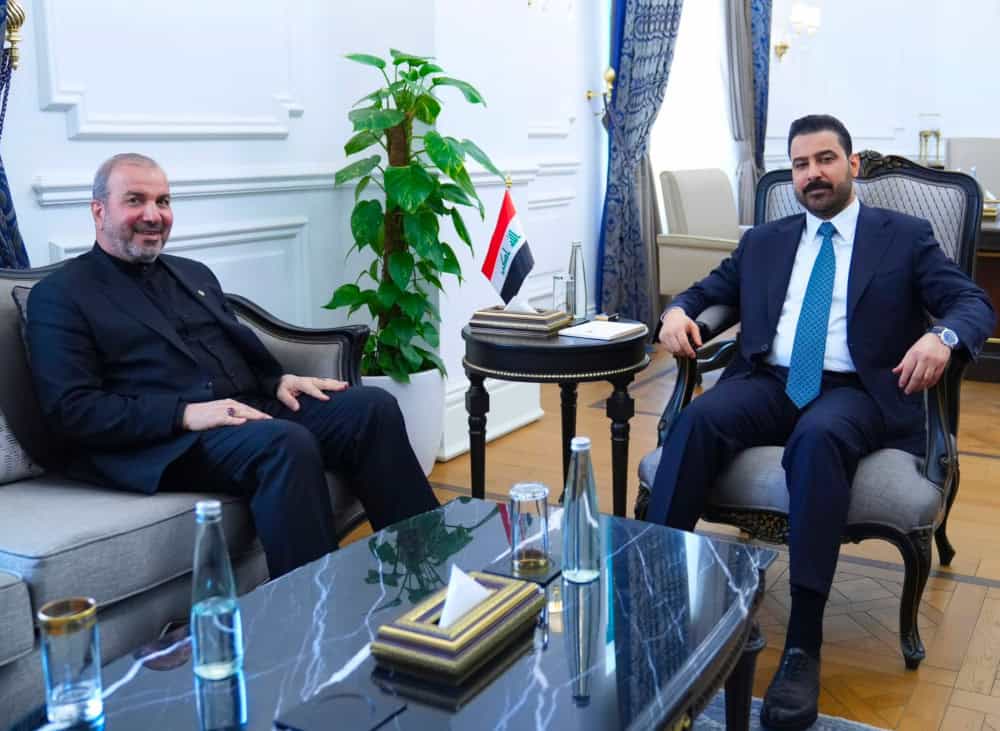
Iran has intensified drone and missile attacks on Kurdish Iranian opposition groups and energy infrastructure in the Kurdistan Region of northern Iraq amid renewed tensions with the United States. Meanwhile, Iraqi Prime Minister Ali al Zaidi is seeking to balance relations with Washington and Tehran after his visit to Washington.
-
Iran reportedly tells Houthis to close Bab al Mandeb Strait if US strikes power grid
Reuters reported that Iran’s leaders instructed the Houthis in Yemen to close Bab al Mandeb Strait, the maritime chokepoint at the southern end of the Red Sea, if the United States strikes Iran’s power infrastructure. The Houthis are also focused on an escalatory cycle with Saudi Arabia that began after Iran and the Houthis attempted to re-establish direct flights in early July.

-
Deadly earthquakes overwhelm Venezuela’s emergency response, stall political transition
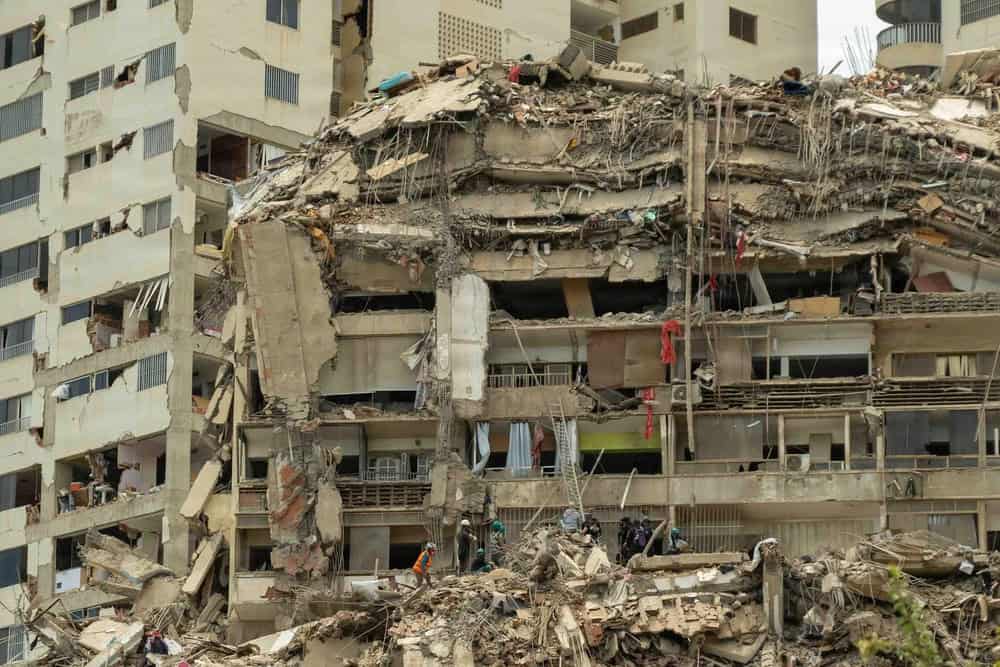
Two earthquakes that hit north-central Venezuela on June 24 have killed at least 4,829 people, injured 16,740, and displaced approximately 18,000, according to government figures. The disaster has overwhelmed Venezuela’s emergency services and slowed political developments that had gained momentum following the American capture of former President Nicolás Maduro in January.
-
Russia’s ‘Banderol’ low-cost cruise missile officially breaks cover
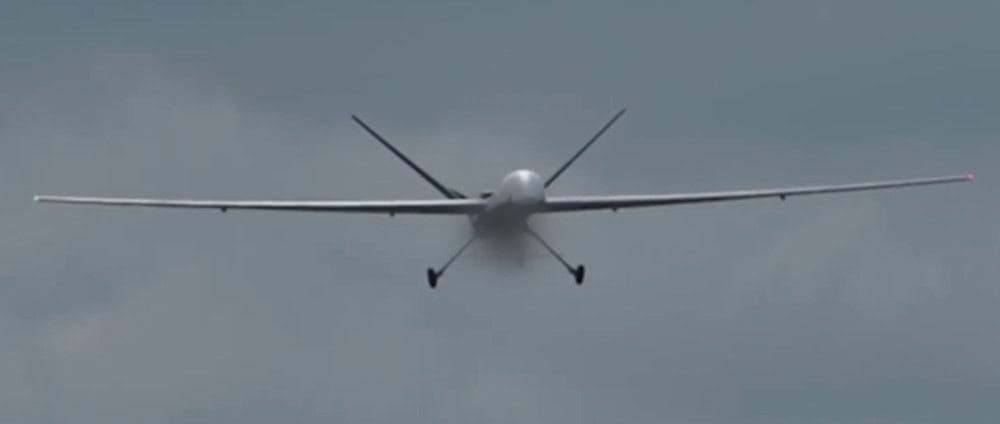
Moscow has now officially acknowledged the existence of its new Banderol low-cost cruise missile, which has seen growing action in Ukraine in recent months.
-
Iraq sanctions individuals and entities tied to Lebanese Hezbollah
Iraq’s Ministry of Finance issued an order imposing sanctions on Hezbollah-linked individuals and entities that mirrors US designations from March and June. Iraqi Prime Minister Ali al Zaidi is currently visiting the United States, where he hopes to garner support for an expanded economic partnership and prove his government’s commitment to countering Iranian influence.

-
Iraqi Prime Minister Zaidi meets President Trump, Secretary Hegseth in Washington
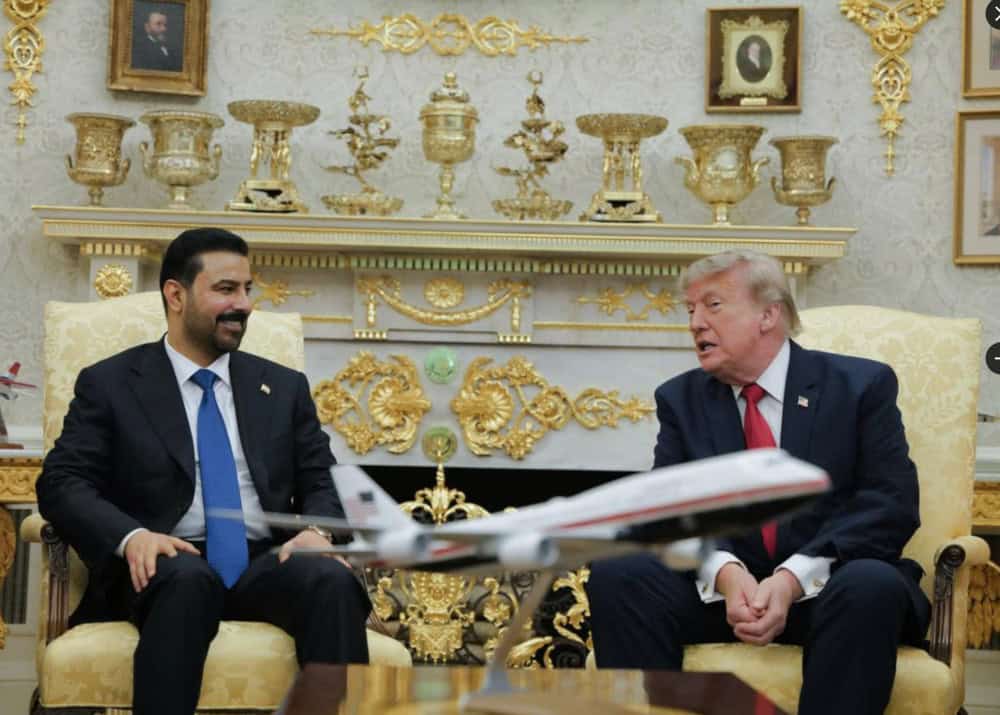
Iraqi Prime Minister Ali al Zaidi met US President Donald Trump and other US officials during his first official visit to Washington since taking office. The talks focused on security cooperation, investment, and Iraq’s plans to bring weapons held by Iranian-backed militias under state control. While Trump praised Zaidi’s leadership, the visit also drew criticism from pro-Iranian factions in Iraq and skepticism from some US lawmakers.
-
Syria intercepts advanced weapons bound for Hezbollah from Iraq
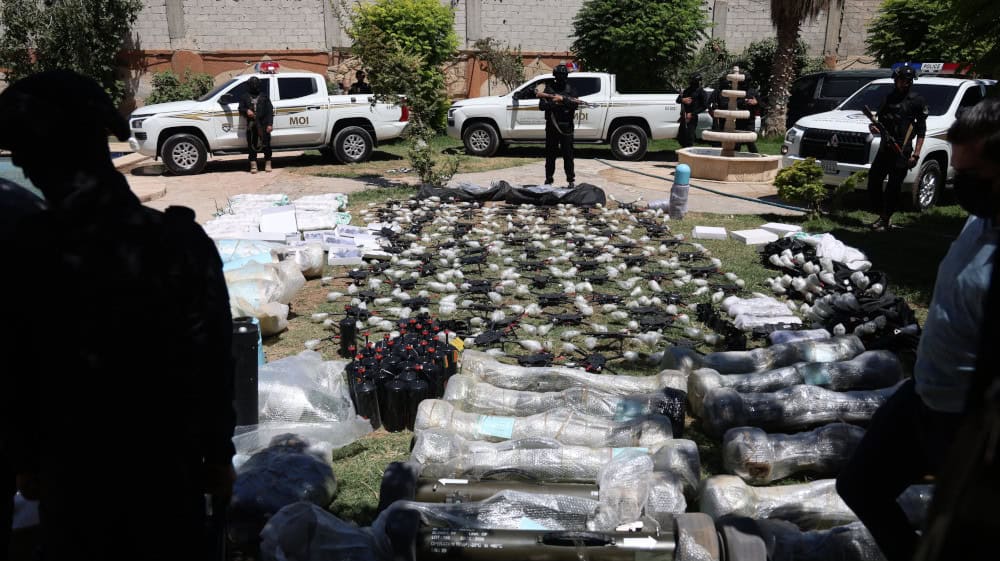
On July 16, Syrian authorities intercepted a weapons shipment concealed in an Iraqi oil tanker and bound for Hezbollah in Lebanon. The tanker contained a wide range of sophisticated weapons and components, including first-person-view drones, fiber-optic spools, drone warheads, anti-tank missiles, and cruise-missile components.
-
Generation Jihad | The blockade’s back: US-Iran MOU unravels
The Iran ceasefire is dead. FDD Research Analyst Janatan Sayeh and Bill Roggio discuss whether Europe may finally be turning on Tehran, whether Israel will rejoin the active fight, and whether the weakened Islamic Regime survives by unleashing its terror proxies across the Gulf.
-
Syria opens new parliament, hosts Turkish Navy
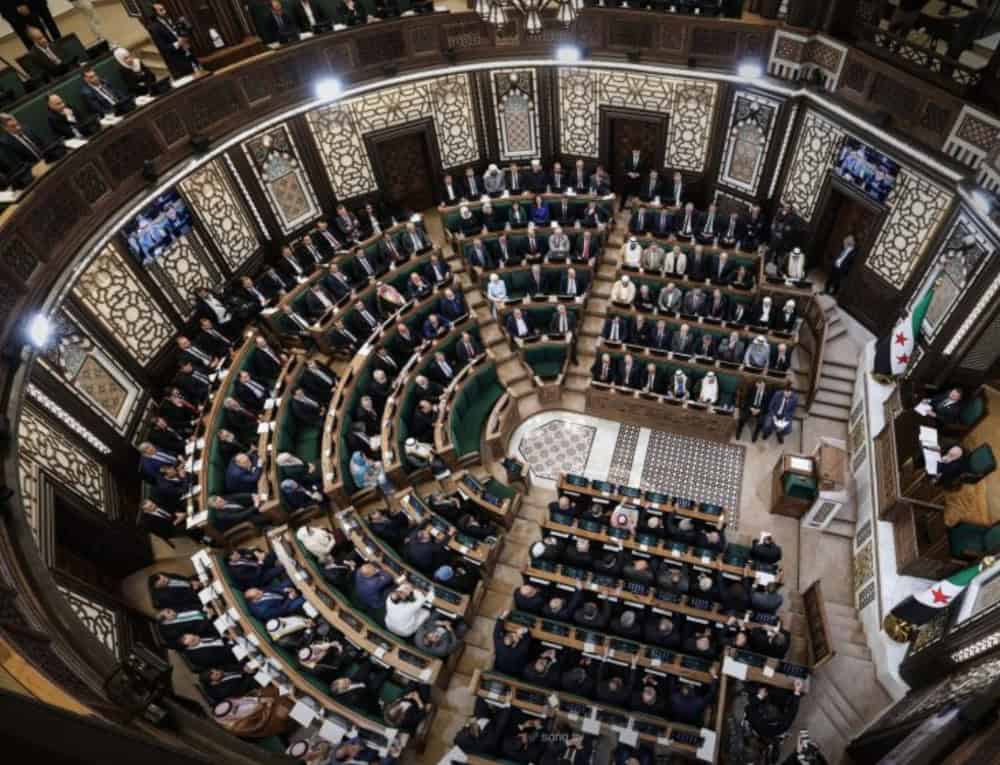
Syria has convened its first parliament since the fall of the Assad regime, marking another milestone in the country’s political transition under President Ahmad al Sharaa. The assembly’s opening comes as Syria expands diplomatic engagement and attempts to strengthen regional and international ties.
-
Saudi Arabia and Houthis trade attacks over restarting direct flights between Yemen and Iran
The Houthis and Iran attempted to resume direct flights between Tehran and Sanaa, the Houthi-controlled capital of Yemen, in early July. On July 14, Saudi Arabia struck Sanaa International Airport to prevent one such flight, prompting the Houthis to launch missiles at Saudi Arabia in response.

-
Analysis: The Israel-Lebanon framework agreement explained
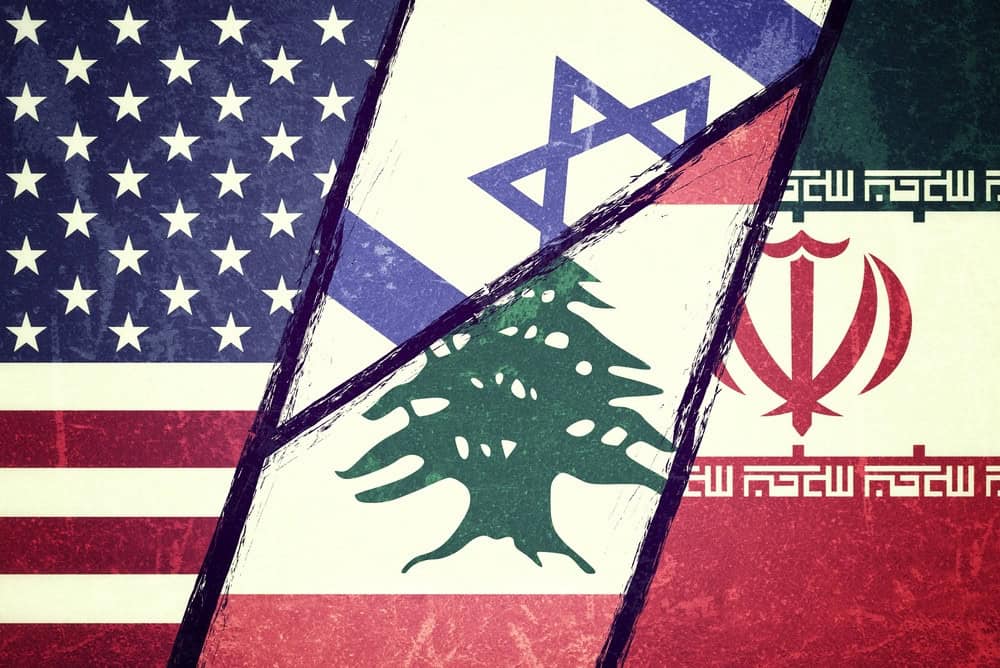
On June 26, Israel and Lebanon signed a framework agreement, mediated by the United States, to permanently end their state of conflict and address its root causes—primarily, Hezbollah’s arms. While the deal is promising on its face, significant parts of it may be difficult or impossible to implement under Lebanon’s current domestic conditions.
-
US refocuses air campaign in Somalia on Shabaab
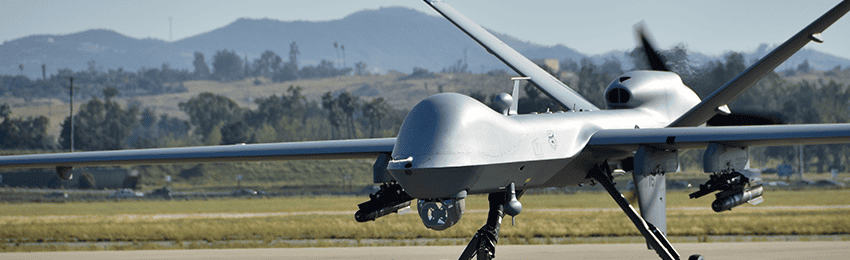
The United States is on pace for another record year of military strikes in Somalia in 2026. At least 74 strikes have been carried out so far, the majority targeting Al Qaeda’s Shabaab—a clear shift from 2025, when the US set a record for strikes and focused most of them on the Islamic State’s local affiliate.
-
Board of Peace to establish ‘pilot zone’ for Gaza civilians, IDF claims 13 ceasefire violations June 30–July 9
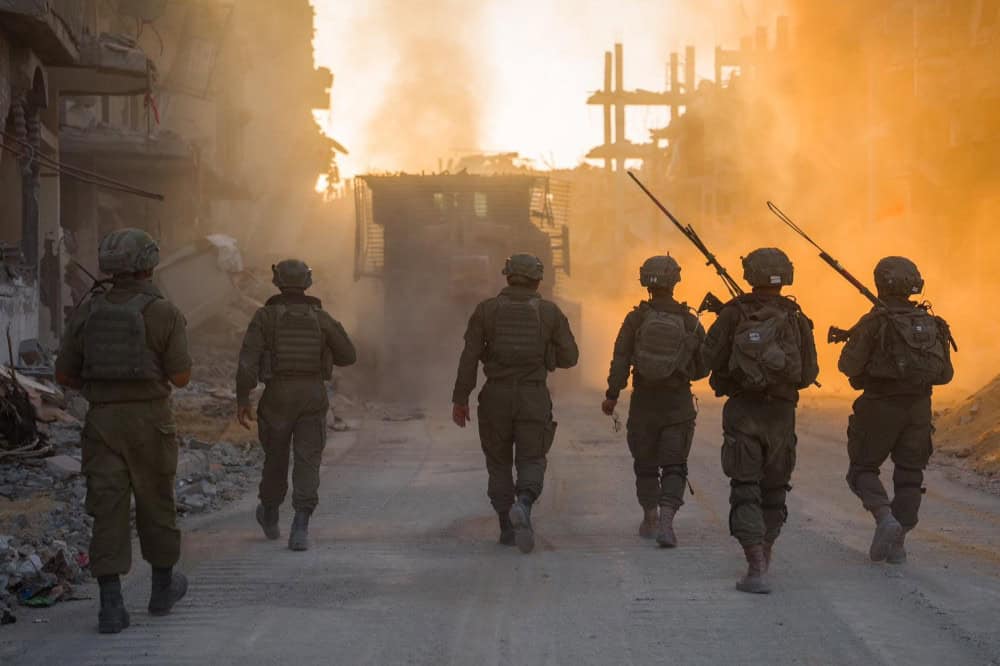
The US-led Board of Peace said on July 8 that it would soon begin setting up a “pilot zone” in Gaza that would bring unarmed civilians screened for Hamas links across the Yellow Line into the Israeli-controlled portion of the territory. Meanwhile, Hamas has escalated ceasefire violations in the areas it still controls as the group works to rebuild its forces.
-
US moves to rescind Syria’s designation as a State Sponsor of Terrorism
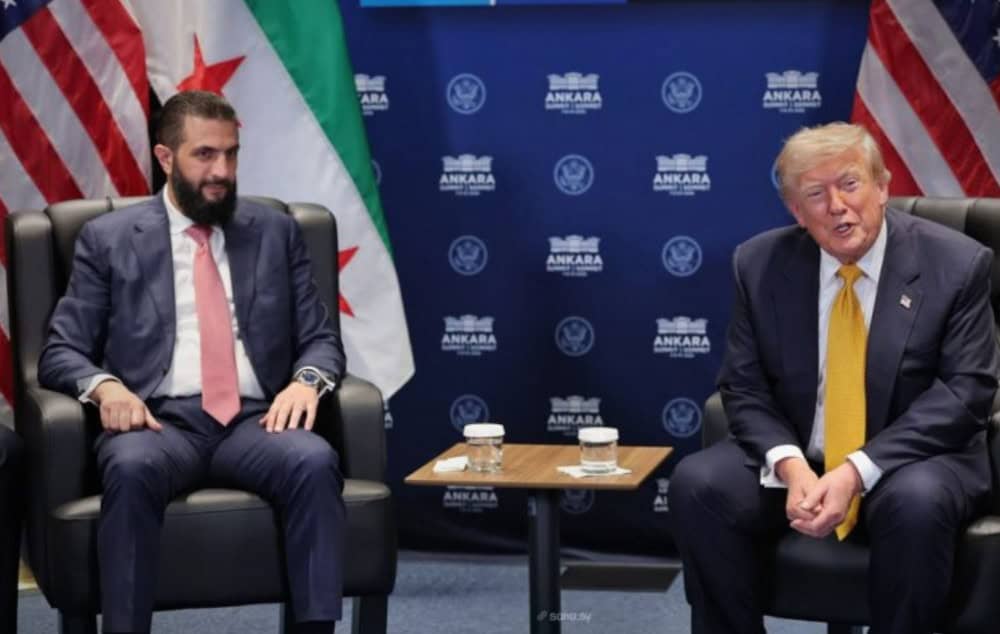
The Trump administration initiated a rescission of Syria’s designation as a State Sponsor of Terrorism on July 8. The decision follows President Donald Trump’s meeting with Syrian President Ahmad al Sharaa at the NATO summit in Ankara and comes amid broader US and European efforts to reintegrate Syria into the international community.
-
Body of slain Iranian leader Khamenei arrives in Iraq for Najaf and Karbala rites
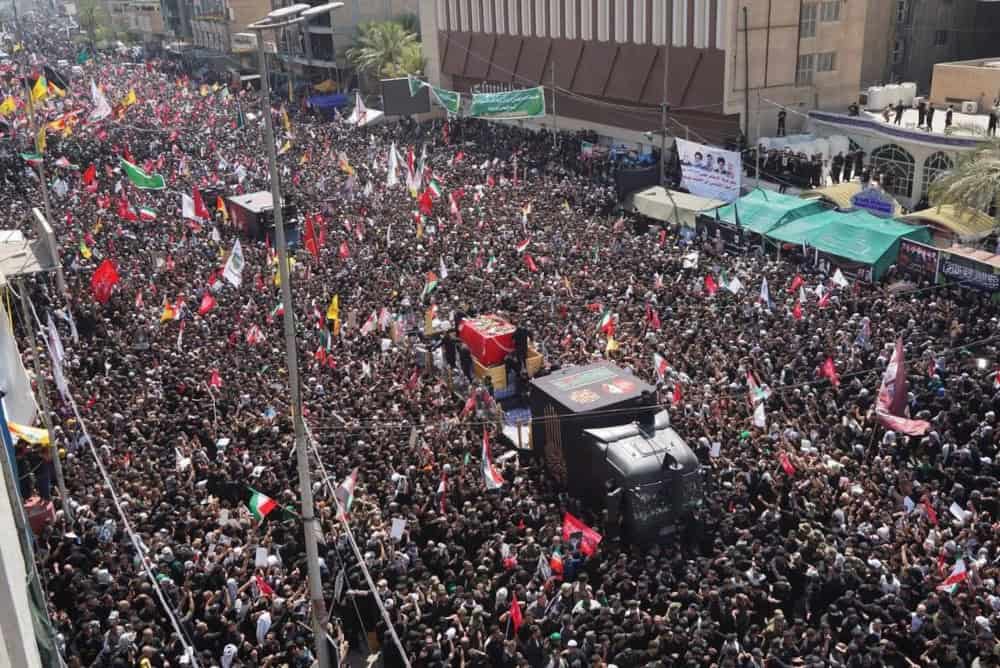
Iraqi elites received the body of slain Iranian Supreme Leader Ali Khamenei as his funeral procession toured Iraq’s Shiite holy cities on July 8. Notably, Iraq’s top cleric did not say prayers or attend the ceremony due to stated health reasons.
-
CENTCOM strikes Iran as Tehran condemns US sanctions waiver revocation
The Memorandum of Understanding between the US and Iran faced its most significant test yet on July 7 after Iran attacked commercial shipping in the Strait of Hormuz. Washington responded with a new round of military strikes and sharply narrowed its oil sanctions waiver, with both sides accusing each other of violating the agreement.