
-
Generation Jihad | China, Russia, Iran, North Korea: Inside the Axis of Aggressors
China, Russia, Iran, and North Korea aren’t just aligned in rhetoric—they’re actively coordinating to erode American military, economic, and cyber dominance. In this episode, Generation Jihad’s Bill Roggio sits down with Bradley Bowman, senior director of FDD’s Center on Military and Political Power, and Ryan Brobst, CMPP deputy director, to unpack the real-world mechanics behind this dangerous authoritarian convergence.
-
Fighting in Yemen escalates, raising concern of a return to civil war
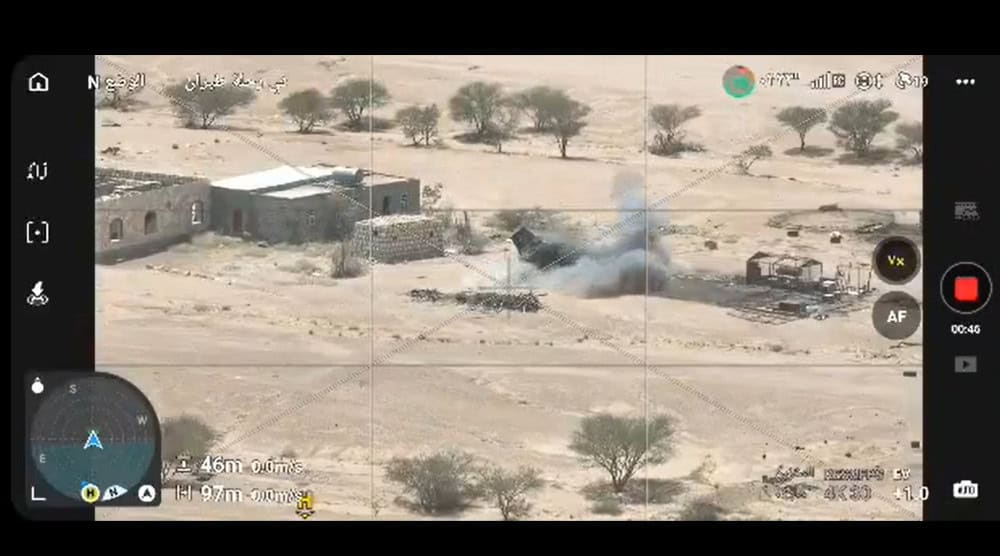
The Houthis launched drone and missile attacks on Yemeni forces and civilian infrastructure across three of Yemen’s governorates on August 6. The attacks have escalated fighting in the country while the Iran-backed terror group is simultaneously targeting Saudi Arabia and ships in the Red Sea.
-
IRGC-Qods Force commander Qaani travels to Iraq amid pressure over militia weapons
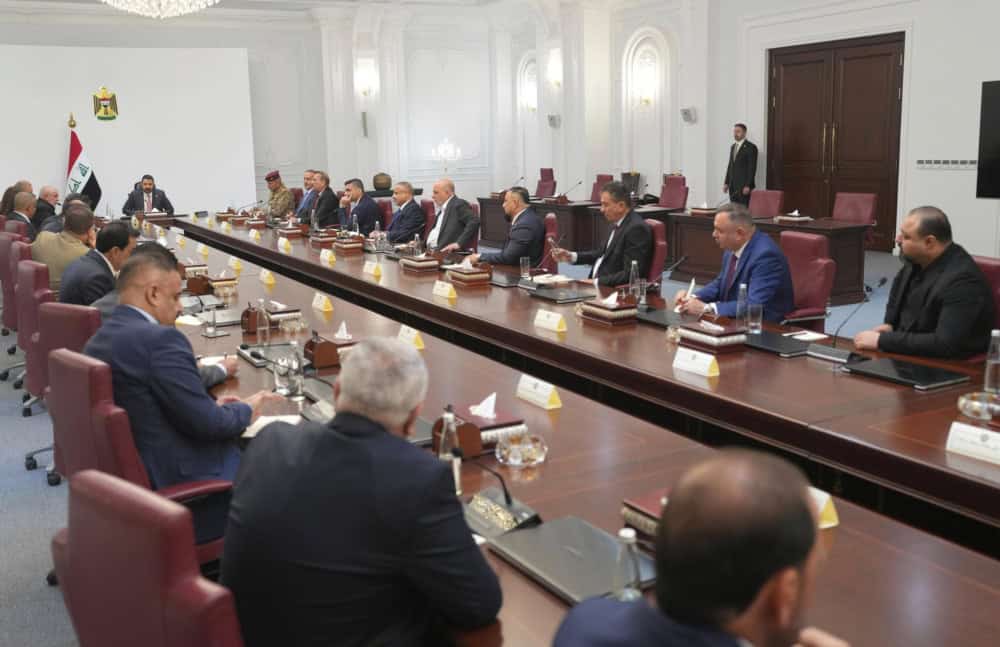
Gen. Esmail Qaani, commander of Iran’s Islamic Revolutionary Guard Corps-Qods Force (IRGC-QF), traveled to Iraq as Baghdad moves forward with legislation to place all weapons under state control. The visit came amid continued Iranian drone and missile attacks on Kurdish opposition groups in the Kurdistan Region of northern Iraq.
-

From Guantanamo Bay to ISCAP: The case of Jamal Kiyemba
In 2002, Jamal Kiyemba, a Ugandan national living in the United Kingdom, was arrested in northwest Pakistan after allegedly attempting to join Al Qaeda in Afghanistan and was sent to the US prison facility at Guantanamo Bay, Cuba. Released in 2006 and sent to Uganda, Kiyemba has since been in and out of prison, most…
-
Generation Jihad | Losing ground: Somalia and Mali’s jihad problem
The US is losing leverage in Somalia as frustration with Mogadishu threatens critical African Union support and risks strengthening Al Shabaab’s hold. In Mali, renewed US airstrikes against JNIM raise a parallel concern—whether air power alone, without a ground strategy or political reform, can contain the group’s advance. Bill Roggio and Caleb Weiss examine these…
-
Analysis: North Korean missile deployment raises urgency of Ukraine’s Starlink plea
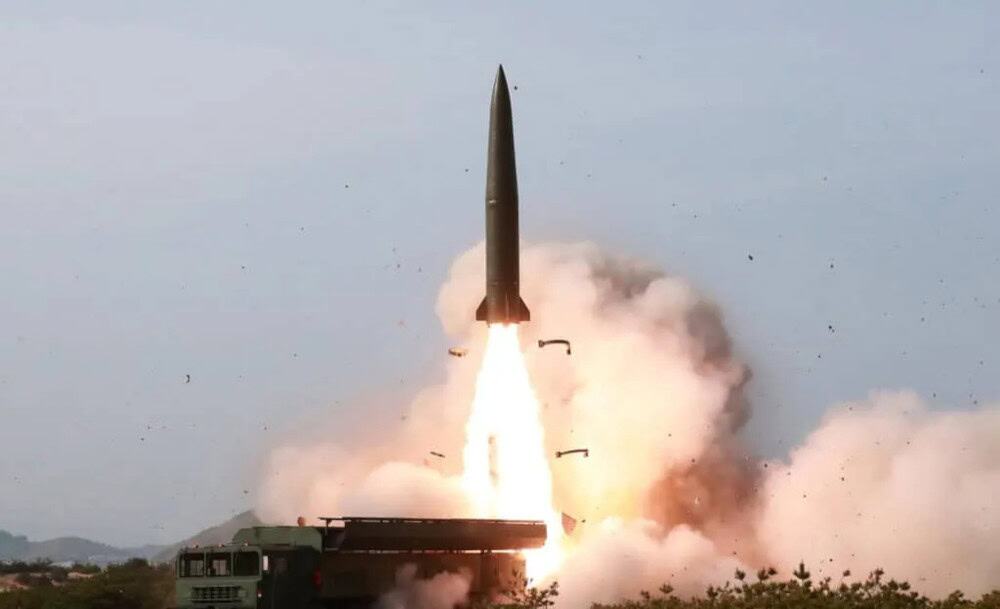
North Korea is reportedly dispatching as many as 120 additional ballistic missiles to Ukraine as the embattled country searches for ways to destroy Russian missile launchers.
-
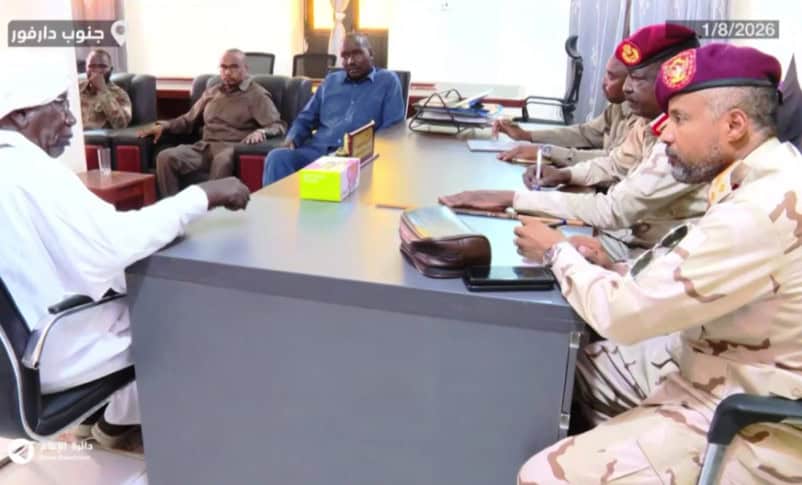
Sudanese Armed Forces gains in civil war force strategic adjustment from paramilitia rival
The Sudanese military’s recapture of the Al Sadarat highway marks its most significant success against the Rapid Support Forces (RSF) in the fourth year of the Sudanese civil war. However, the RSF’s shift toward tribal mobilization and the growing role of foreign-backed drone warfare suggest the conflict’s broader cycle of adaptation and attrition will continue.
-
Afghan United Front commences operations against Taliban
The Afghan United Front has emerged as the first major Pashtun-led resistance organization to launch operations against the Taliban. The group’s likely focus on operations in southern Afghanistan would expand resistance organizations’ historical focus in the country’s north.
-
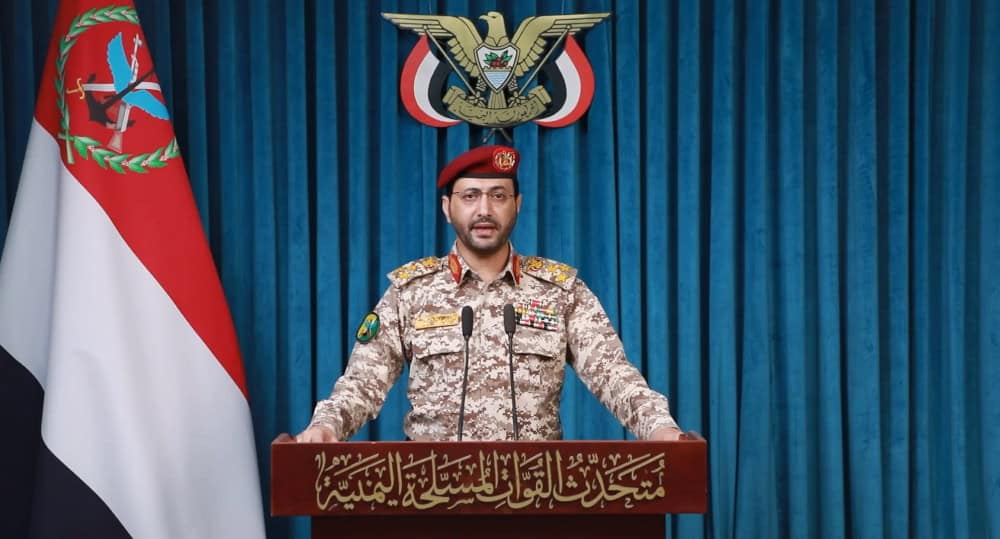
Houthis escalate attacks in Red Sea and on Saudi Arabia, Riyadh evaluates options
Yemen’s Houthis claimed attacks on eight Saudi-linked vessels as well as energy facilities and an airport to enforce its blockade of the kingdom. Saudi Arabia is reportedly pursuing a diplomatic path to de-escalate the conflict or military options if necessary.
-
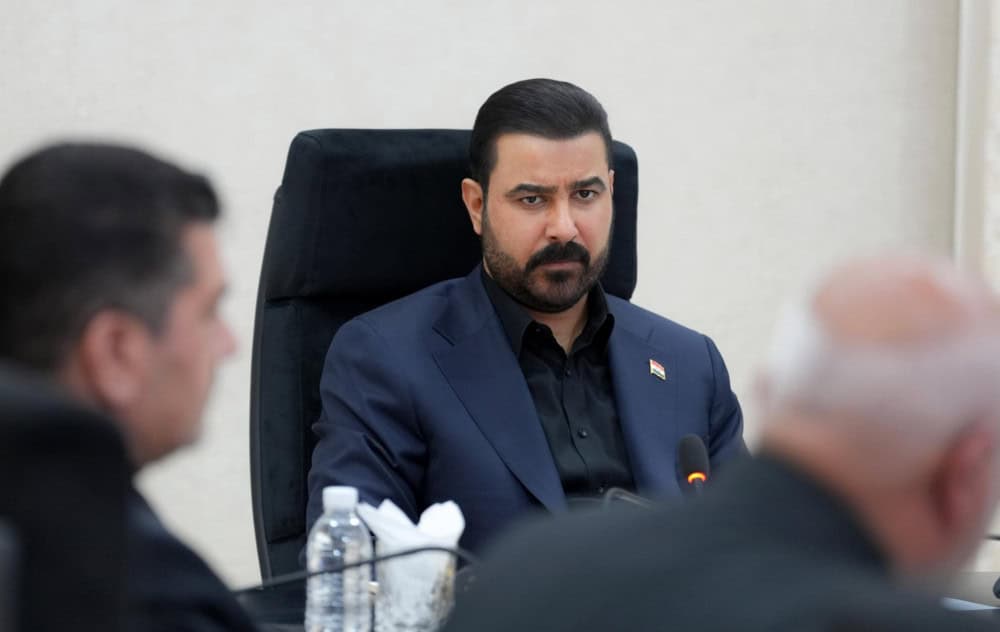
Iraq pressured by regional countries to rein in Iran-backed militias as new data on extent of attacks released
Iraq faces mounting pressure to rein in the militias while balancing tensions with neighboring countries, the US, and Iran. The Kurdistan Region of northern Iraq has come under nearly 1,000 drone and missile attacks by Iran and its proxies since late February, underscoring the growing threat posed by Tehran’s network of militias.
-
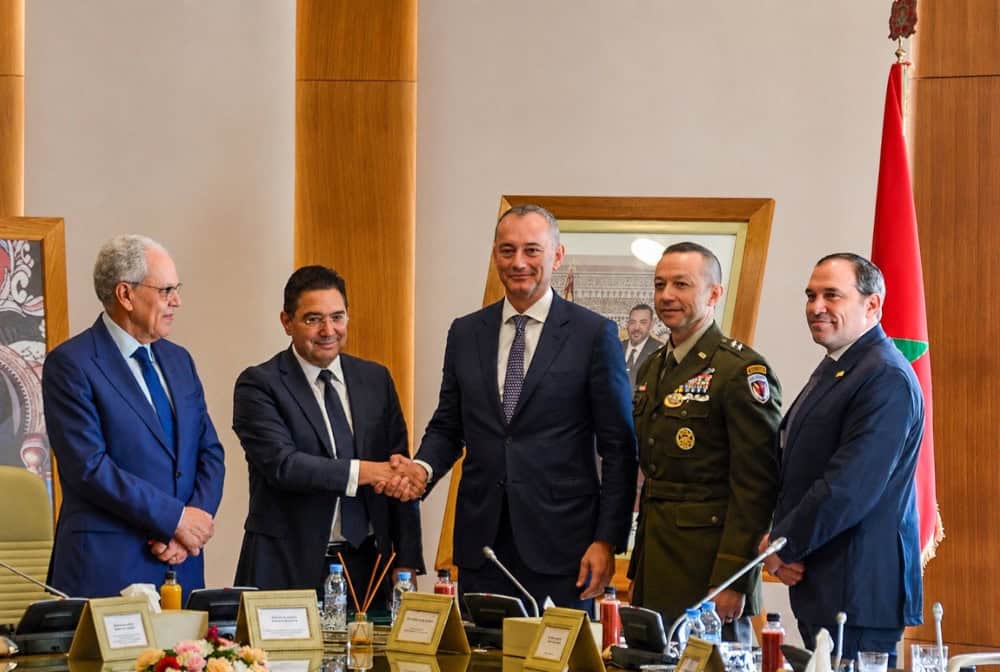
Board of Peace announces Hamas disarmament agreement, IDF reports 32 Gaza ceasefire violations July 10–31
US President Donald Trump announced a 15-point Board of Peace roadmap transferring Gaza’s governance and security responsibilities. The plan links verified Hamas disarmament to phased Israeli withdrawal, but sequencing remains disputed.


All Articles
-
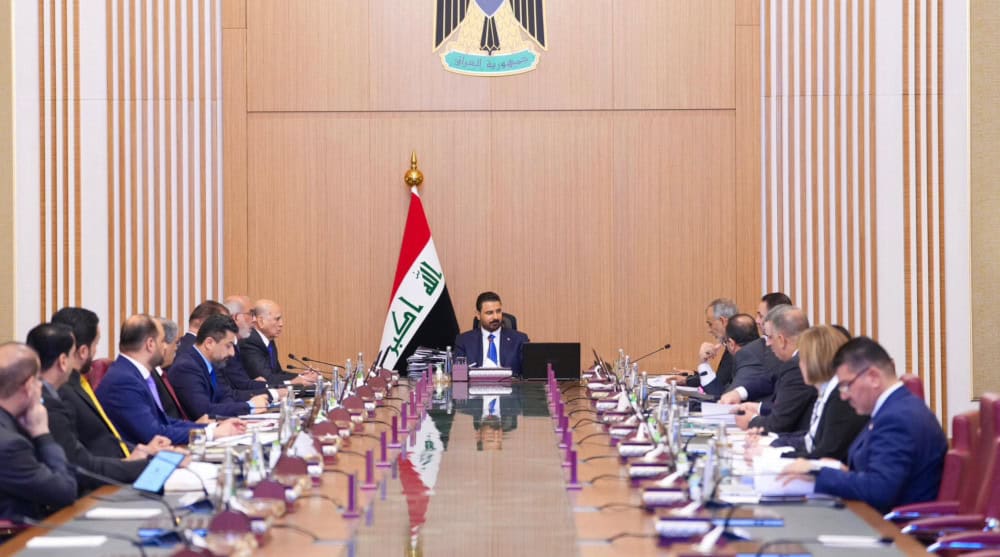
As Kurdistan Region seeks drone defenses, Rubio warns Iraq about Iran proxies
The Kurdistan Region of Iraq is seeking to acquire air-defense systems following months of missile and drone attacks targeting energy infrastructure and Iranian opposition groups across northern Iraq. US Secretary of State Marco Rubio warned that Iranian-backed proxies continue to threaten regional stability by launching attacks from Iraqi territory.
-
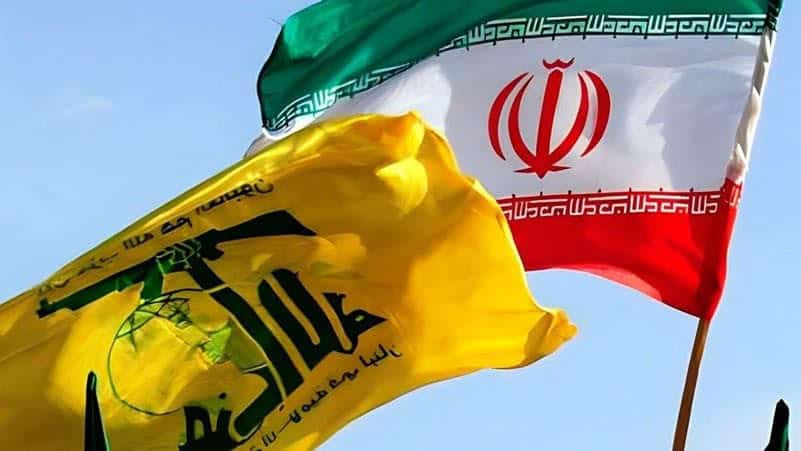
Analysis: Khamenei warily accepts US deal as Tehran eyes rebuilding Hezbollah
Days after Tehran and Washington reached a memorandum of understanding over ending the recent conflict, Iran’s new supreme leader is distancing himself from the agreement as hardliners clash over its implications. Meanwhile, reports that Iran is preparing to increase support for Hezbollah and statements from senior regime figures suggest that Tehran views any sanctions relief as an opportunity to rebuild proxy capabilities.
-
Gaza peace plan sees slow progress after Hamas meets in Cairo
Efforts to advance the US-backed peace plan for Gaza have continued amid difficult negotiations over Hamas’s disarmament and the future security structure of the enclave. Talks in Cairo involving Hamas, Egyptian officials, and representatives of the Board of Peace have focused on implementing key provisions related to weapons restrictions and the deployment of an International Stabilization Force.

-
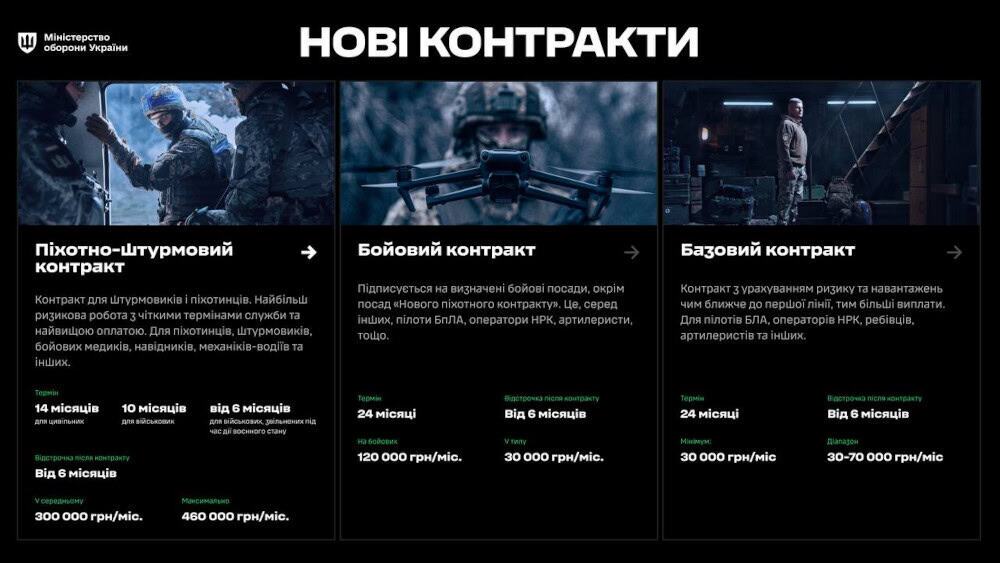
Analysis: Ukraine unveils reforms to address manpower shortage
Ukraine hopes a set of sweeping reforms will help redress its chronic shortage of manpower by providing clear terms of service and better pay. However, its promises to begin discharging long-serving troops and reform controversial mobilization procedures raise questions about how it will accomplish these goals simultaneously.
-
Pirate attacks on ships in the Gulf of Aden are on the rise
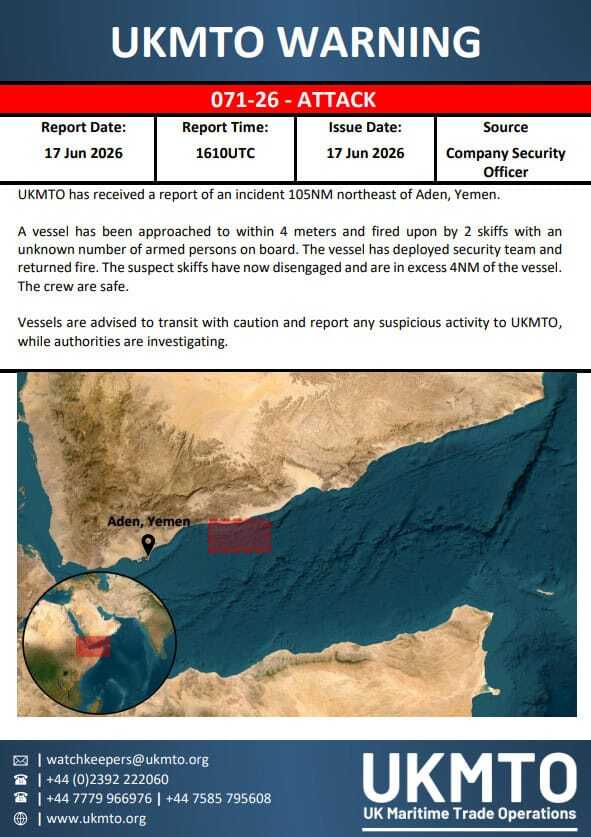
Since late April, armed attackers in small skiffs, using tactics consistent with pirates, have been attacking ships off Yemen’s southern coast and other waters around the Horn of Africa at a rate not seen since 2011, when piracy in the region was at its peak.
-
Iraqi Prime Minister Ali al Zaidi meets US envoy amid militia pressure
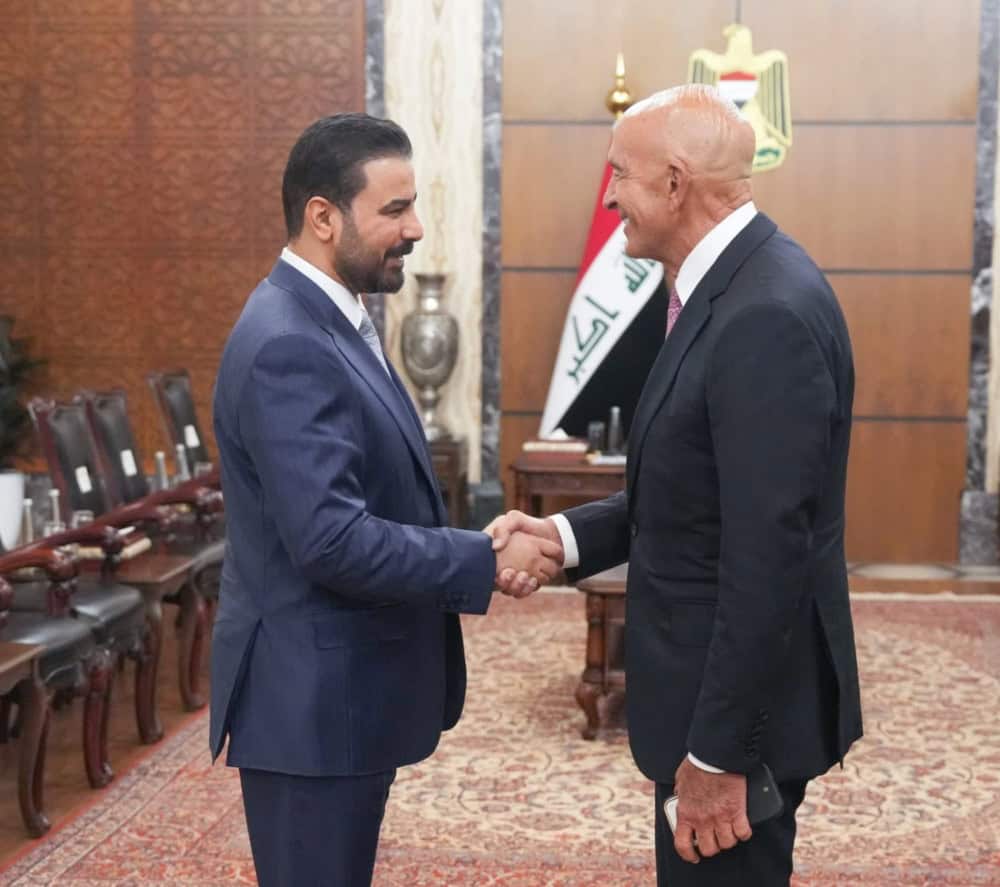
US Envoy to Iraq and Syria Tom Barrack’s recent visit to Iraq on June 15 highlighted Washington’s efforts to support stability, security cooperation, and political reform in the country amid continuing regional tensions. Discussions focused on strengthening ties between Baghdad and Washington, disarming Iranian-backed militias, and advancing energy deals.
-
Generation Jihad | Fog of the deal
President Trump said that a two-page memorandum of understanding (MOU) has been signed between the US and the Islamic Republic of Iran that will end the war and open the Strait of Hormuz. But will this deal bring about a lasting peace in the region, or has peace just become another five-letter word? FDD Senior Fellow David Daoud and Bill Roggio speculate as to what will become of the Middle East and America’s influence in the region as this very thin MOU moves forward.
-
IDF confirms killing Hezbollah commander responsible for creating Iran-backed militias in Iraq
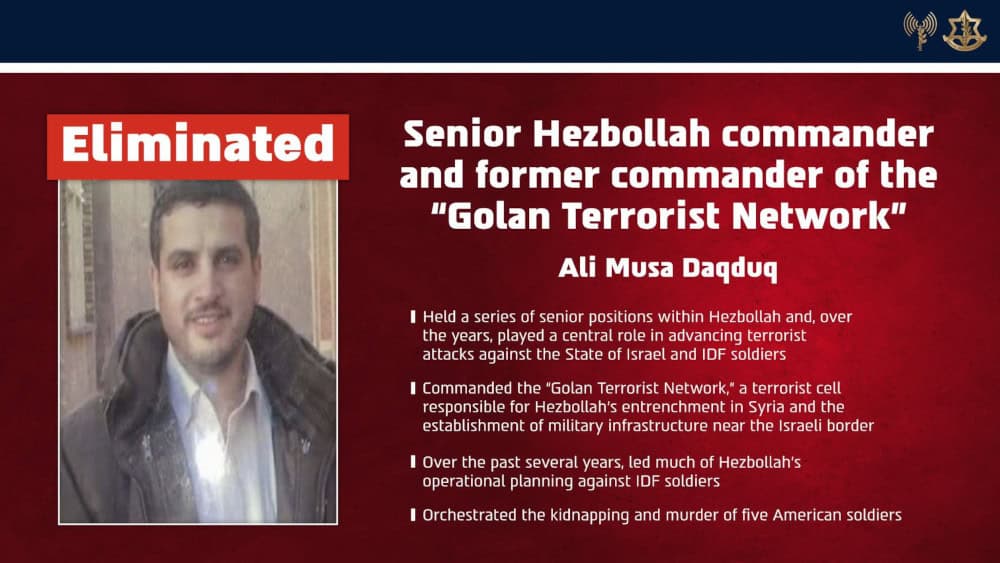
On June 14, the Israeli military confirmed that it killed Ali Mousa Daqduq, a wanted and dangerous Hezbollah military commander. Daqduq was a key architect of the Iranian-backed militias in Iraq and a top Hezbollah commander involved in leading attacks inside Israel. He was previously reported killed in the fall of 2024, but his death was never confirmed.
-
Venezuela reshuffles foreign relationships as oil production grows
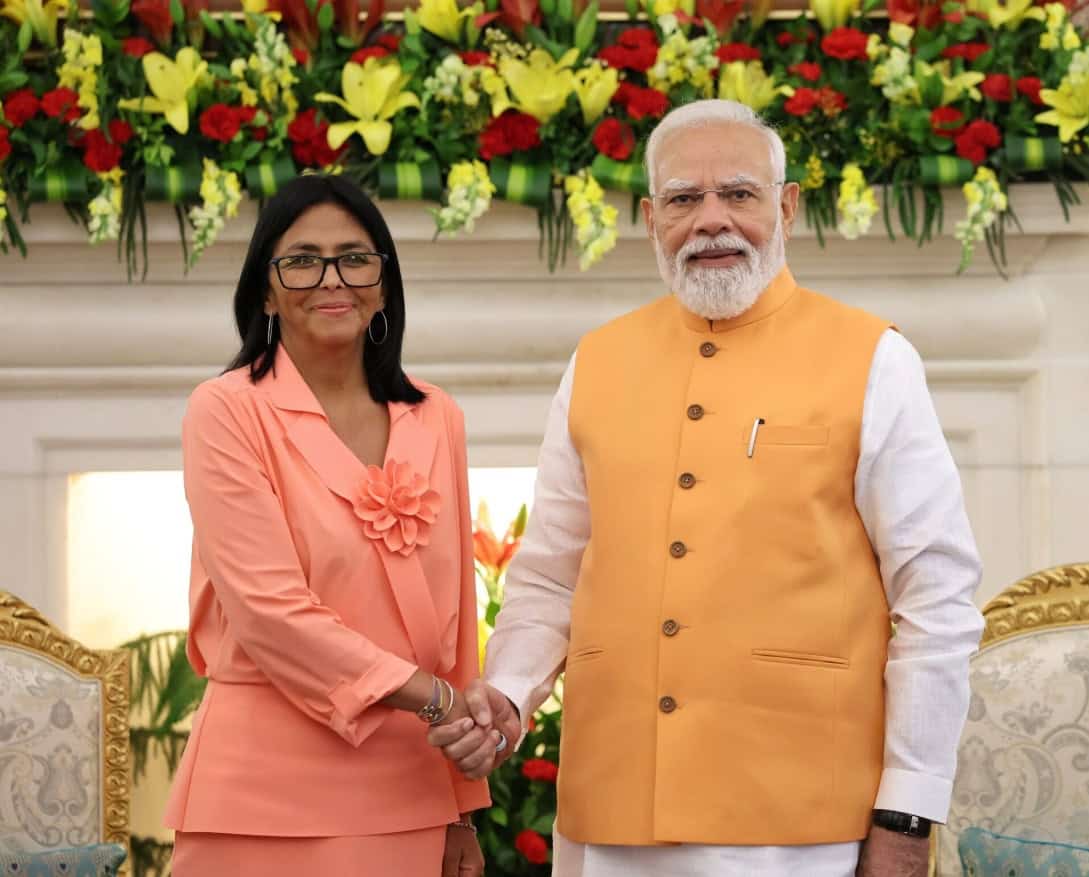
As Nicolás Maduro’s foreign minister and vice president, interim Venezuelan President Delcy Rodríguez previously helped build Caracas’s ties to Russia, China, and other US adversaries. Despite Washington’s desire for Venezuela to now orient toward the West, Rodríguez is also courting middle powers that can give Caracas room to maneuver, an effort aided by Venezuela’s recovering oil economy.
-
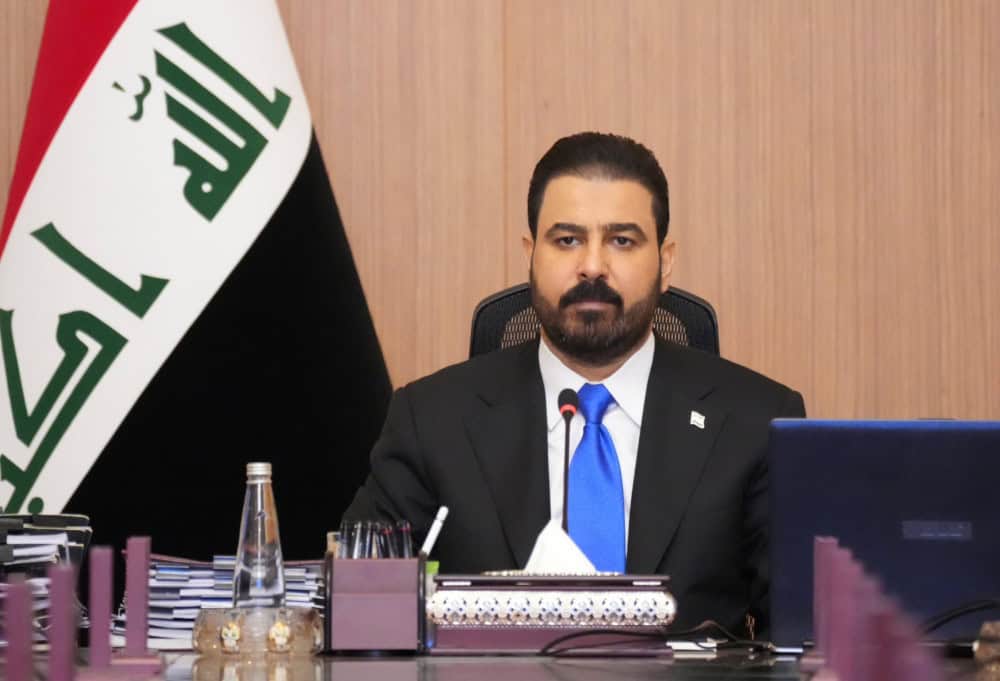
Iraq’s prime minister prepares US visit amid Iran threats and militia focus
Iraqi Prime Minister Ali al Zaidi is set to visit Washington, DC, as his government seeks investment, security cooperation, and support for efforts to strengthen state authority. A central focus of his agenda is bringing weapons held by Iranian-backed militias under government control, a process Baghdad hopes to advance before the planned end of the US anti-Islamic State mission in September 2026.
-
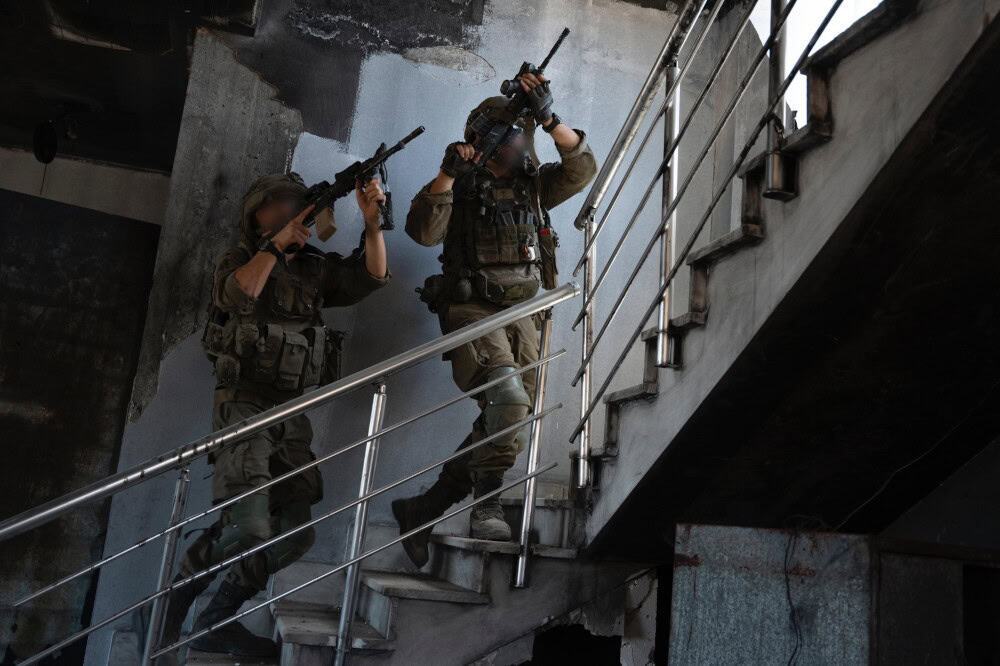
IDF targets Hamas middle managers, reports 15 strikes and ceasefire violations May 29–June 10
Following the high-profile eliminations of two Hamas military wing leaders, the Israeli military turned to targeting lower-level officials in the group who are leading its rearmament push, as well as members of other Gaza terrorist organizations.
-
Houthis attack Israel and announce ban on Israeli vessels in the Red Sea
The Houthis in Yemen launched two missiles at Israel and declared a blockade of Israeli vessels in the Red Sea on Monday. The Iran-backed terror group conducted this attack during waves of Iran’s own missile attacks against Israel.

-
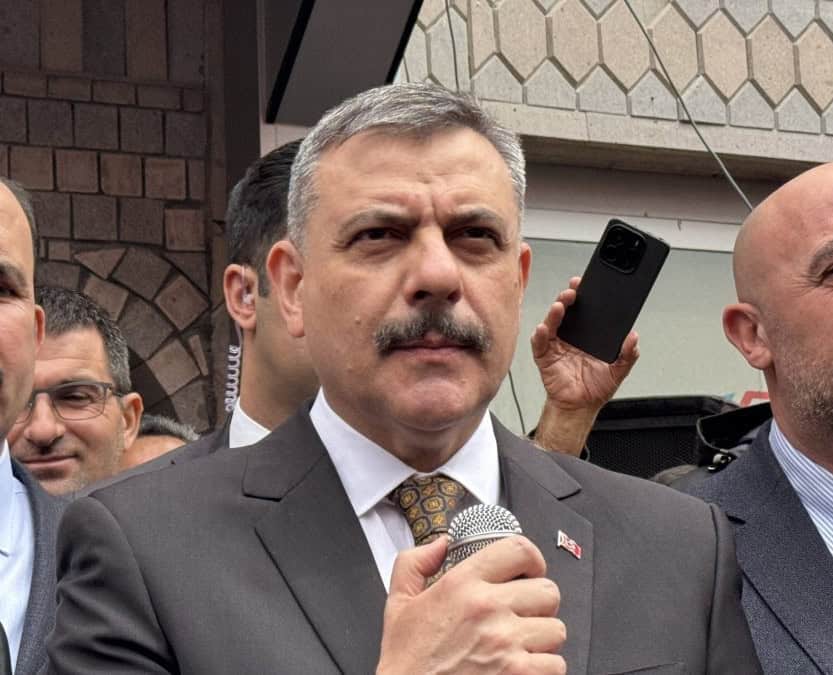
Analysis: Turkish interior minister states dream of governing Jerusalem, provoking Israel
Turkish Interior Minister Mustafa Ciftci recently sparked controversy by expressing his desire to one day govern Jerusalem and suggesting that territories once ruled by the Ottoman Empire could again fall under Turkish sovereignty. Ciftci’s remarks are the latest indication that senior Turkish officials continue to view Jerusalem not merely as a symbol of the Palestinian cause, but as part of a broader historical mission that seeks to expand Ankara’s influence across the Middle East.
-
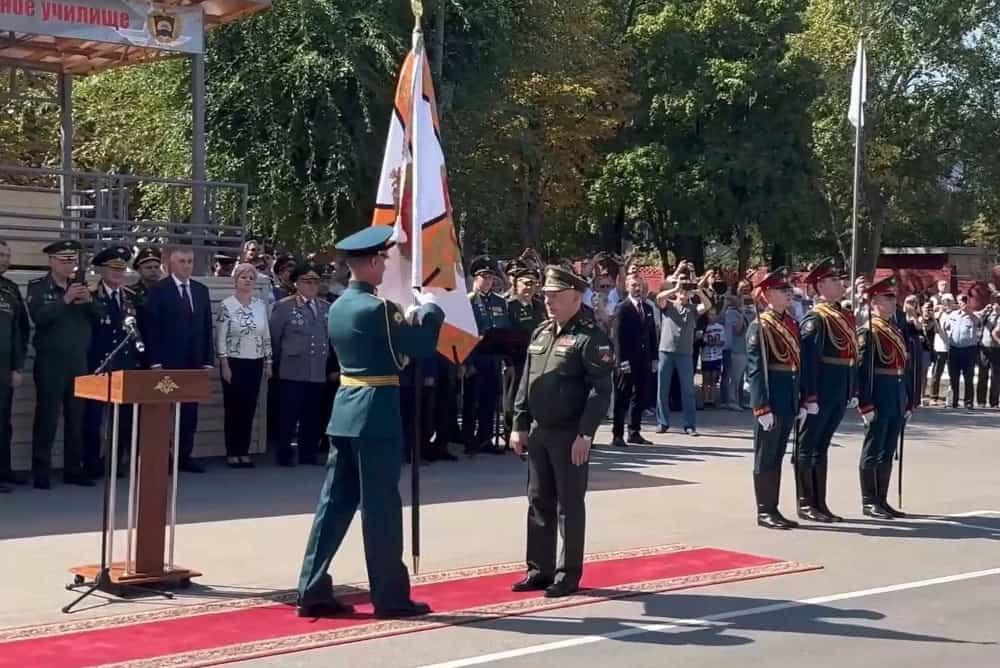
Russia reopening military schools to expand officer training pipeline
Moscow announced that it will re-establish the Chelyabinsk Higher Tank Command School, one of more than a dozen new schools Russia is standing up to expand its officer-training pipeline for a larger military that has been heavily attrited by the war in Ukraine.
-
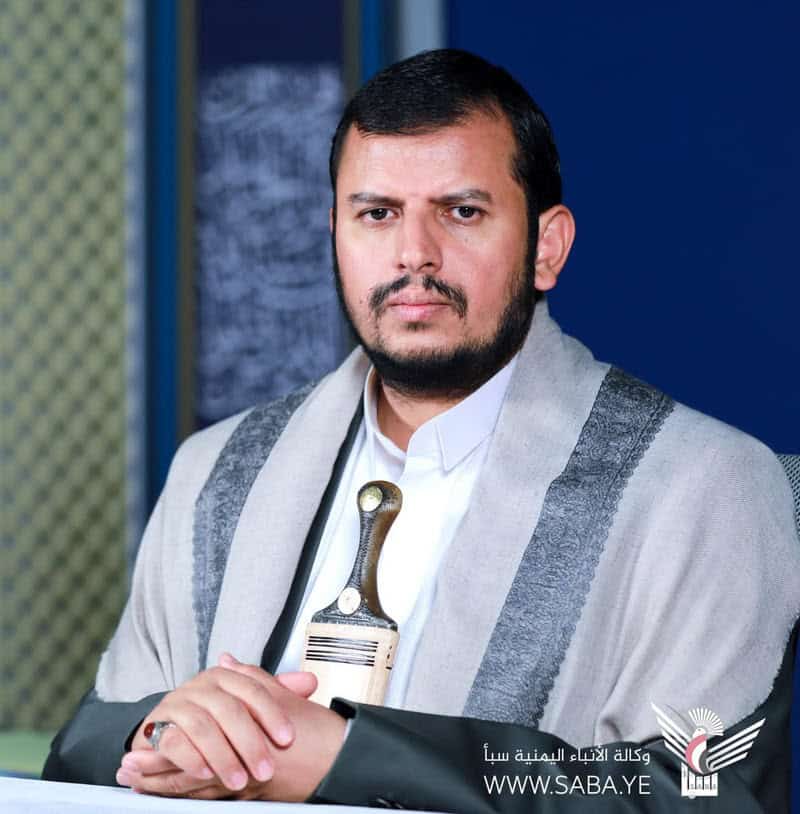
Houthis emphasize solidarity and coordination with Iran-led Axis of Resistance
The Houthis in Yemen reiterated support for their partners in the Iran-led Axis of Resistance, singling out Hezbollah in Lebanon and Hamas in Gaza. While leaving the door open to further involvement in the ongoing regional conflict, the group stopped short of saying it would join the fighting.
-
Generation Jihad | Gaza: Smoldering battlefield?
Despite multiple attempts by Israel to quell the fighting in Gaza and decapitate Hamas’s leadership, the group continues a guerilla-style resistance. The IDF now fights on three active fronts: Lebanon, Iran, and Gaza. But it’s perhaps the forgotten war in Gaza that could resume major hostilities if left unchecked. Bill Roggio speaks with FDD Research Analyst Samuel Ben-Ur about next steps in Gaza.
-
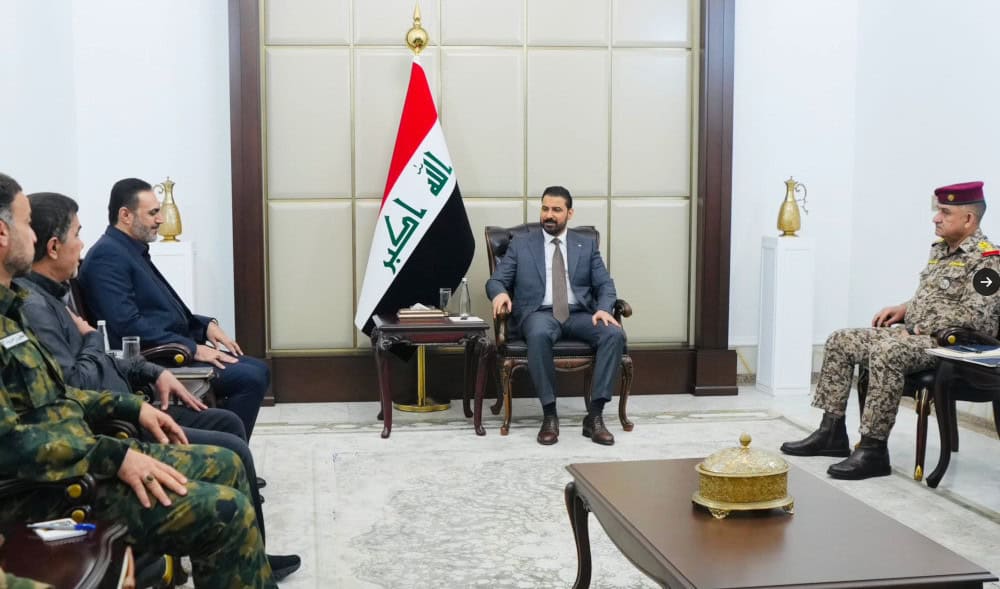
Several Iranian-backed militias in Iraq say they accept state control of weapons
Iraq’s new government is attempting to bring weapons held by Iranian-backed militias under state control, a move that could reshape the role of armed groups linked to the Popular Mobilization Forces (PMF). Several militias have announced plans to place their arms under government authority and disengage from the PMF, while others remain opposed or have issued mixed signals.
-
Generation Jihad | The next caliphate battleground
While attention remains fixed elsewhere, jihadist groups are expanding across Africa. Bill Roggio and Caleb Weiss revisit the growing threats in Mali, Nigeria, and Somalia—and why the continent remains one of the most consequential battlegrounds in the war against Al Qaeda and the Islamic State.
-
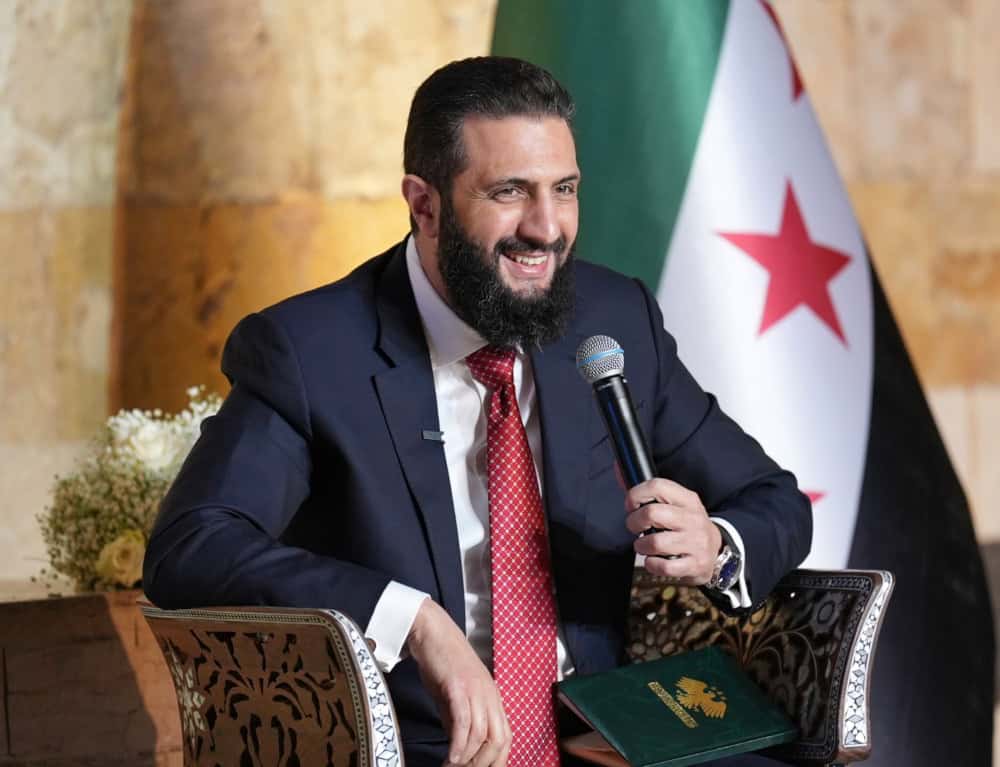
US Syria Envoy Barrack tapped for Syria and Iraq role
Syria is seeking to deepen ties with the US and expand regional diplomacy as the countries pursue discussions on reconstruction, sanctions relief, and economic recovery. Simultaneously, Syria faces ongoing regional shifts, including emerging trade routes, increased use of Syrian airspace, and broader tensions affecting reconstruction and political integration.
-
Generation Jihad | Everybody wants a McWar
Iran’s military has been shattered. The Strait of Hormuz remains contested. Three months in, Bill Roggio and FDD’s Jon Schanzer examine why quick victories are rare, patience is scarce, and this war is entering its most consequential phase yet.
