
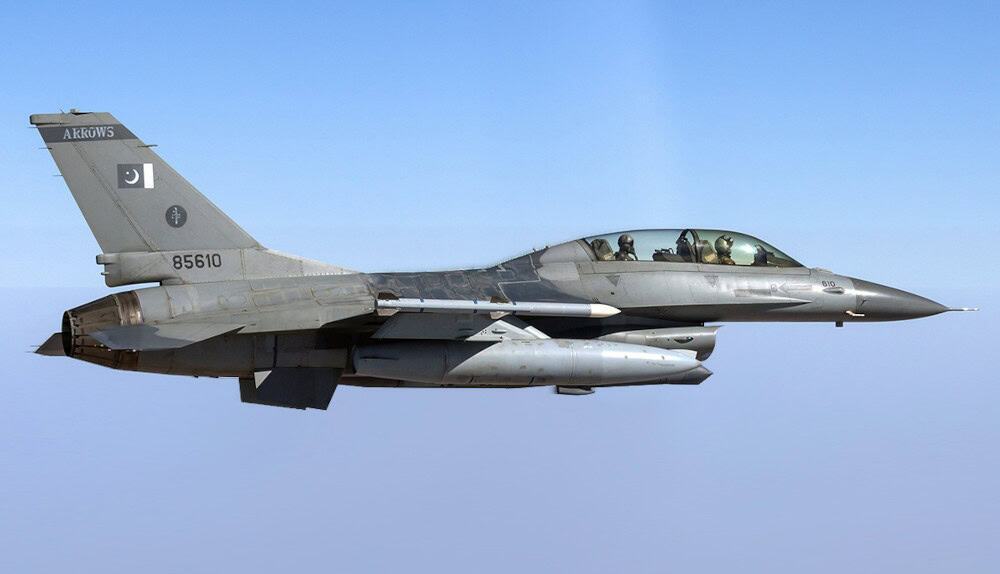
Last week, Pakistan conducted another round of airstrikes in Afghanistan and targeted operations against terrorists at home, prompting fresh accusations between Islamabad and the Taliban as the two former allies entered their third week of conflict.
On the night of September 30, Pakistan struck targets in the eastern Afghan province of Kunar and the southern province of Helmand, marking the third round of Pakistani airstrikes since a September 18 complex suicide attack in northwestern Pakistan. The attack, claimed by Ittehad ul Mujahideen Pakistan (IMP), a militant alliance formed in April 2025 that includes the Hafiz Gul Bahadur Group and other factions with roots in the Movement of the Taliban in Pakistan (TTP), killed 31 people and injured more than 100 others.
The Pakistani Ministry of Information and Broadcasting (MoIB) stated in a post on X that the airstrikes targeted two “Terrorist camps and hideouts,” killing 22 terrorists and destroying large quantities of weapons and ammunition. The MoIB also posted footage purporting to show air and drone strikes on a terrorist location in Kunar.
Zabihullah Mujahid, the Taliban’s official spokesman, condemned the airstrikes in a post on X, claiming that they struck civilian targets, killing nine people, injuring 11, and destroying three homes.
The United Nations Assistance Mission in Afghanistan (UNAMA) stated that the airstrikes killed 10 civilians, most of them children, and injured nine others. UNAMA reported that cross-border armed violence has killed or injured more than 1,100 civilians in Afghanistan since the start of the year.
Following the airstrikes, on October 1, Lieutenant General Ahmed Sharif Chaudhry, director general of Pakistan’s Inter-Services Public Relations, claimed that Mullah Shireen, the Taliban’s governor of Kandahar, hosted a meeting between the Baloch Liberation Army, Al Qaeda in the Indian Subcontinent, and the Hafiz Gul Bahadur group. Chaudhry claimed that the Indian government helped arrange the meeting. Pakistan has repeatedly accused India of supporting or facilitating militant groups responsible for attacks inside Pakistan.
Mullah Shireen rejected those claims. His office said the Taliban had no need to meet with foreign fighters and that the allegations were merely justifications for killing innocent Afghan civilians.
On October 2, Mullah Akhtar Mohammad Muzammil, the Taliban’s police chief in Nuristan, accused Pakistan of sending 300–400 fighters from the Afghanistan Freedom Front, an anti-Taliban resistance group, into Afghanistan, leading to fighting in Kamdesh district.
Pakistan’s Ministry of Information denied those claims. However, the accusations are likely to persist following a two-day conference on Afghanistan held in Islamabad in late September that hosted multiple Afghan anti-Taliban opposition figures.
On October 3, Pakistani Deputy Prime Minister and Foreign Minister Mohammad Ishaq Dar stated that the Taliban “should not allow their territory to be used for terrorism against any country. . . we will not tolerate this.”
Zia Ahmad Takai, head of public relations at the Taliban’s Ministry of Foreign Affairs, rejected those claims, stating that this was an attempt by Pakistan “to evade responsibility and to create a different perception in the minds of the international community.”
Pakistan has long claimed that the Taliban provides a safe haven to terrorist groups such as TTP, leading to intermittent rounds of airstrikes and cross-border fighting.
On October 4, Radio Pakistan reported in a post on X that security forces had killed eight TTP terrorists in Pakistan’s Dera Ismail Khan district, Khyber Pakhtunkhwa province. Pakistani President Asif Ali Zardari praised the security forces in a post on X, stating, “We will never allow terrorists operating with foreign sponsorship and the assistance of local facilitators to succeed in their nefarious designs.”
The Islamabad-based Center for Research and Security Studies released a report last week stating that Pakistan saw its sharpest rise in violence in nearly five years during the third quarter of 2026. The center reported 385 violent incidents across Pakistan between July and September, leaving 1,415 people dead and 558 injured.


.jpg)