-
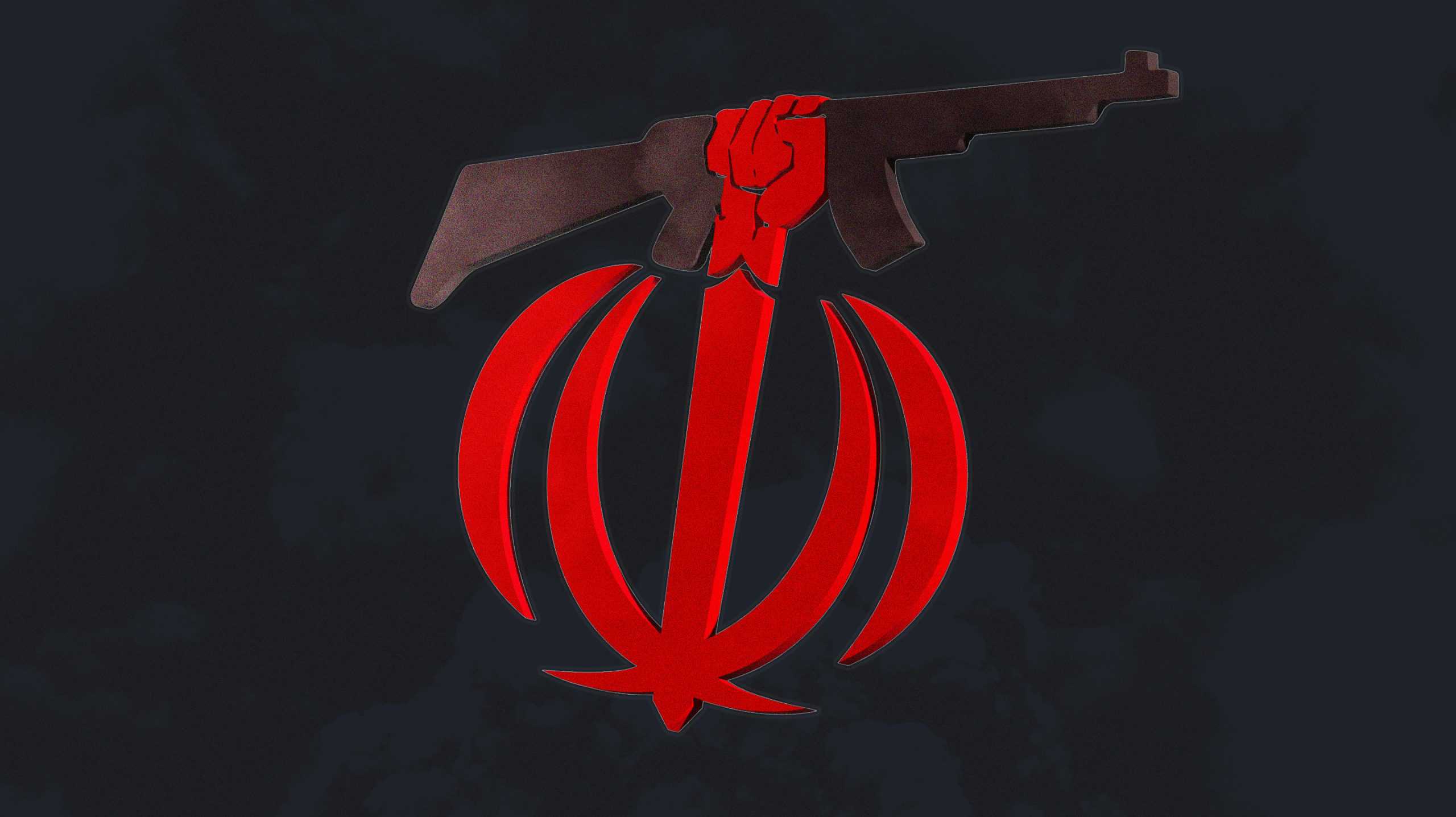
Fighting between Pakistan and the Taliban persists into second week
The latest round of conflict between Pakistan and the Taliban continued this past week, including airstrikes, cross-border attacks, targeted operations, and a car bombing. The renewed direct clashes that began on September 18 ended a nearly three-month lull in fighting between the former allies.
-
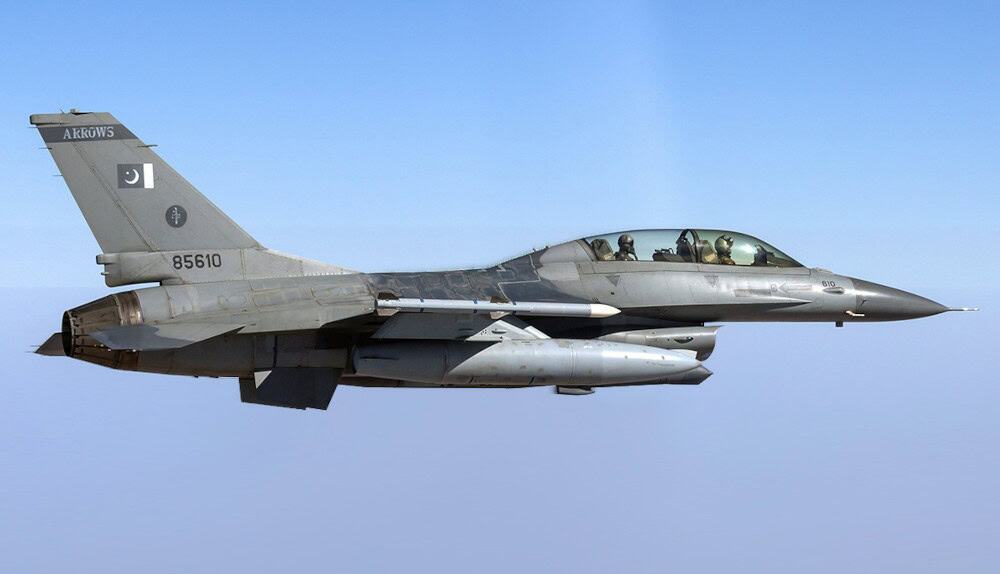
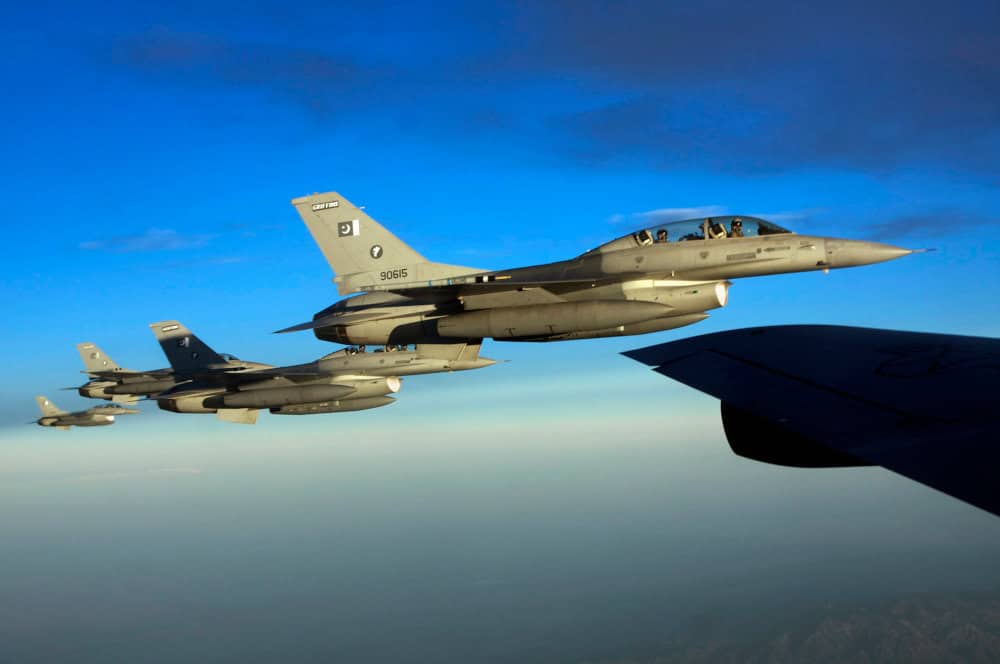
Pakistan conducts airstrikes in eastern Afghanistan in retaliation for terrorist attacks
The Pakistani Air Force conducted airstrikes in eastern Afghanistan reportedly targeting terrorist training centers in response to a recent complex suicide attack in western Pakistan. The Taliban denied involvement in the attack and promised an “appropriate response” to Pakistan’s airstrikes.
-
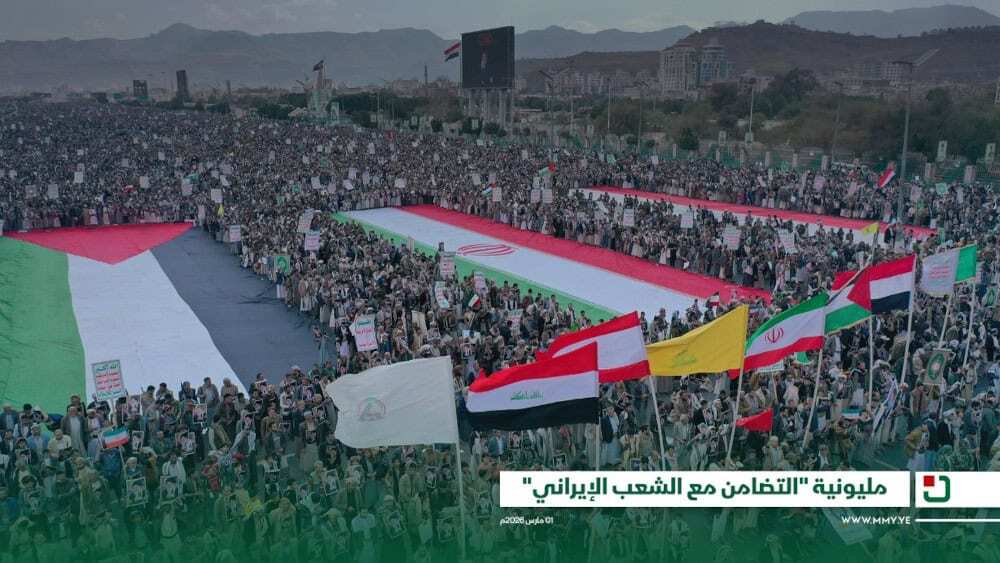
Iran’s regional partners spark protests across the Middle East and South Asia
Tehran’s partners and sympathizers have arranged protests across the region against the US-Israeli campaign against Iran, especially the killing of Iranian Supreme Leader Ali Khamenei. Some of the demonstrations have turned violent and present a danger to the local US diplomatic presence and civilians.
-
Pakistan, Afghan Taliban move toward ‘open war’ after fighting escalates
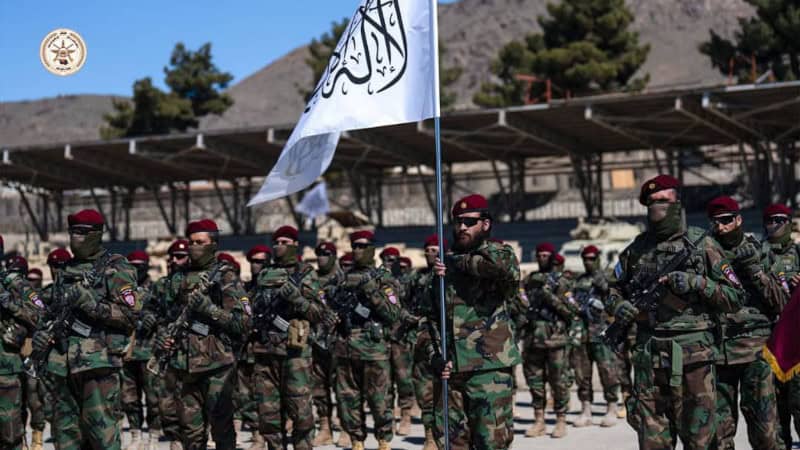
Last weekend, the Pakistani military targeted jihadi training camps in Afghanistan. After the Afghan Taliban, which shelters the terrorists, responded by attacking Pakistani military outposts, the Pakistani military launched Operation Righteous Fury on February 27, striking multiple targets throughout Afghanistan.
-
Terror attacks intensify in Pakistan as the TTP continues to operate from Afghanistan
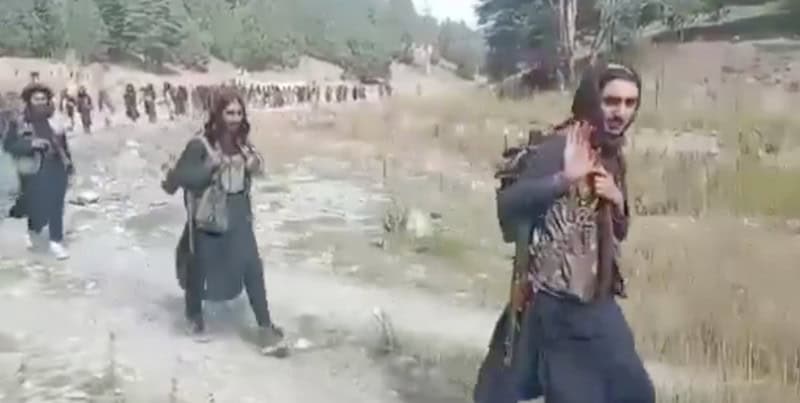
The Movement of the Taliban in Pakistan (TTP) launched suicide operations outside of a courthouse in the Pakistani capital of Islamabad and at a military cadet college in South Waziristan. Pakistan continues to blame Fitna al Khwarij, an India-supported terror group that does not exist, for attacks that the TTP is carrying out.
-
Generation Jihad | Wheel of Jihad
The Taliban, a monster Islamabad built but can’t control, is waging a war against Pakistan—and it shouldn’t surprise anyone. After decades of Islamabad playing both arsonist and firefighter—nurturing the Taliban, harboring al Qaeda, and weaponizing jihad against India—Bill Roggio and Tom Joscelyn reunite to dissect why the blaze is finally backfiring on Pakistan.
-
Pakistan, Afghan Taliban agree to ceasefire after another clash along the border
Pakistan and the Afghan Taliban have entered into a ceasefire after accusing each other of another round of deadly fighting along their shared border, this time at the Afghan border crossing at Spin Boldak in Kandahar province. The Afghan Taliban’s support for the Movement of the Taliban in Pakistan (TTP) remains the main point of contention between the two otherwise longtime allies.

-
Afghan Taliban, Pakistani military clash along the border
The Afghan Taliban and the Pakistani military each heralded their operations as a success and claimed to have inflicted high casualties on the other’s forces. The Afghan Taliban’s support for the Movement of the Taliban in Pakistan (TTP) is creating fissures between the two allies.
-
Pakistani Taliban leader thought to be targeted in airstrike on Afghan capital
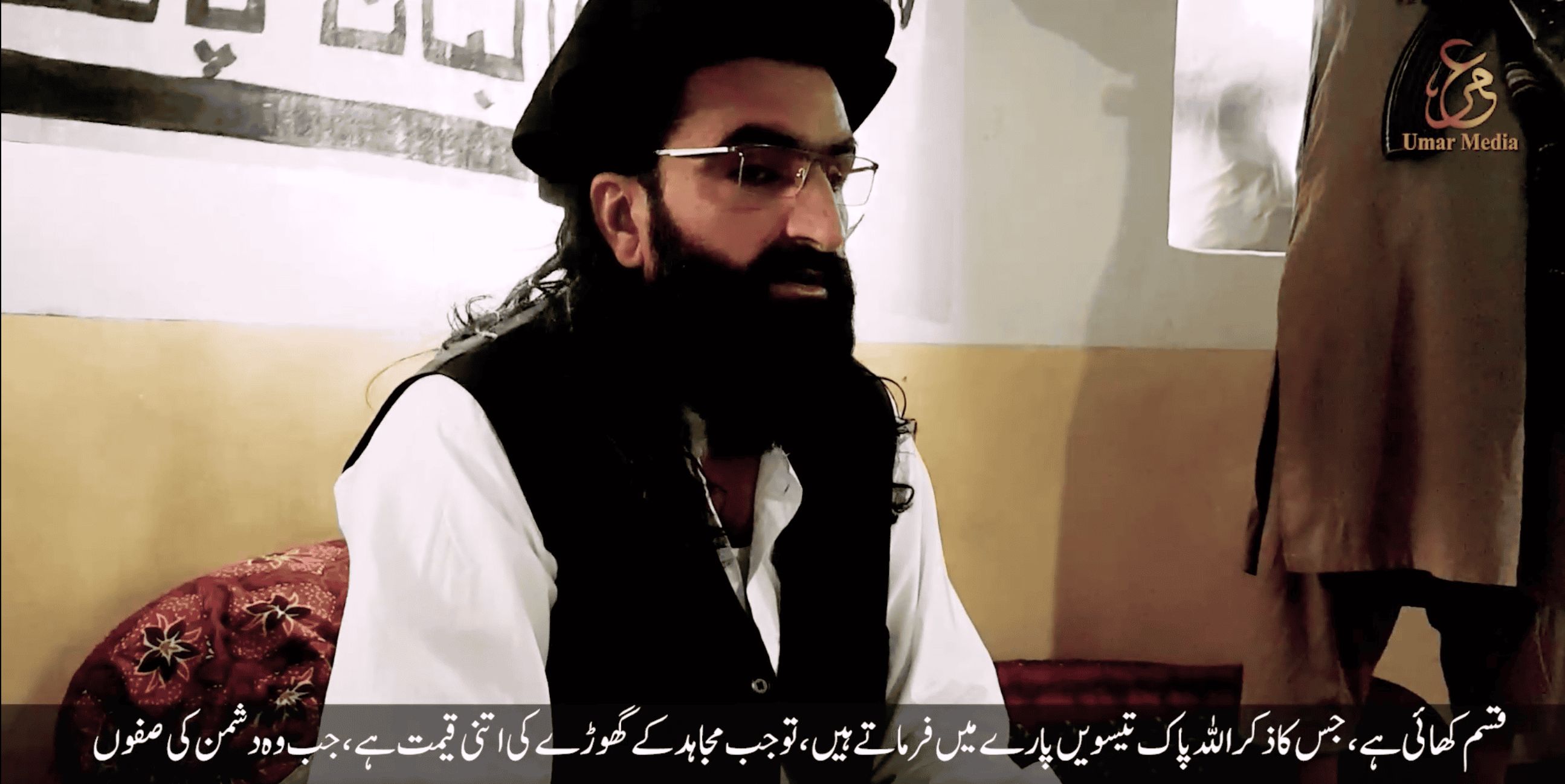
Pakistan is thought to have carried out an airstrike in Kabul that targeted Movement of the Taliban in Pakistan (TTP) emir Noor Wali Mehsud. If Mehsud’s death is confirmed, he would be the second high-level foreign terrorist leader killed in Kabul since the US withdrawal from Afghanistan in August 2021. On July 31, 2022, the US killed Al Qaeda emir Ayman al Zawahiri in a strike on Kabul.
-
Analysis: Pakistan attempts to shift blame for TTP attacks toward India
Pakistani officials blamed an attack in the northwestern province of Khyber Pakhtunkhwa that killed 11 Pakistani soldiers on the “Indian Proxy, Fitna al Khwarij.” However, the accusation is an attempt to redirect the responsibility for violence toward India and mask Pakistan’s role in the formation of and support for the Afghan Taliban and its spinoff, TTP.
-
US lists Pakistan-supported Resistance Front as Foreign Terrorist Organization
The US State Department added the Resistance Front to its list of Foreign Terrorist Organizations. The Resistance Front, a cover organization of the Pakistan-supported and Al Qaeda-allied Lashkar-e-Taiba terror group, claimed credit for the April 22 attack in the Indian union territory of Jammu and Kashmir that killed 26 tourists.
-
India claims Jaish-e-Mohammad leader killed during airstrikes in Pakistan
Abdul Rauf Azhar is said to have been killed in a strike on the Jaish-e-Mohammad compound in the Pakistani city of Bahawalpur. Azhar is listed by the US government as a Specially Designated Global Terrorist. Jaish-e-Mohammad has been implicated in numerous terror attacks in the region, including the kidnapping, murder, and beheading of Wall Street Journal reporter Daniel Pearl.

-
India and Pakistan exchange fire after Jammu and Kashmir terror attack
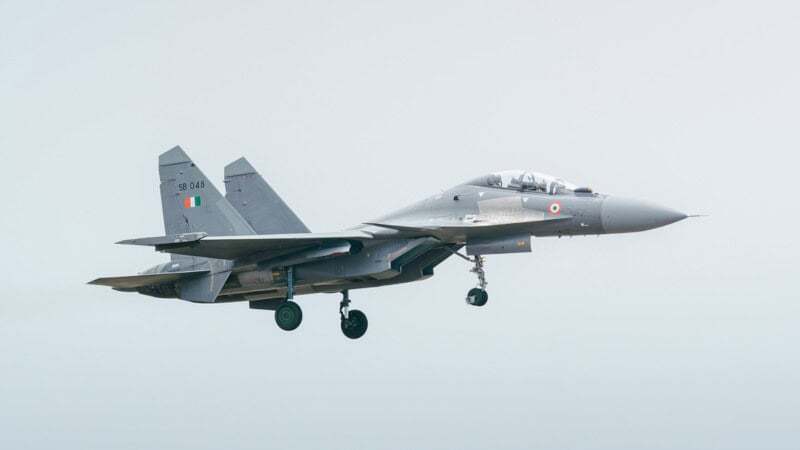
India targeted nine terrorist training camps at six different locations in Pakistan overnight. Afterward, the two countries exchanged artillery fire along the disputed Line of Control. While the risk of nuclear escalation is real, the two countries have stood down after similar incidents in the past.
-
Lashkar-e Taiba front group claims responsibility for deadly terrorist attack in Jammu and Kashmir, India
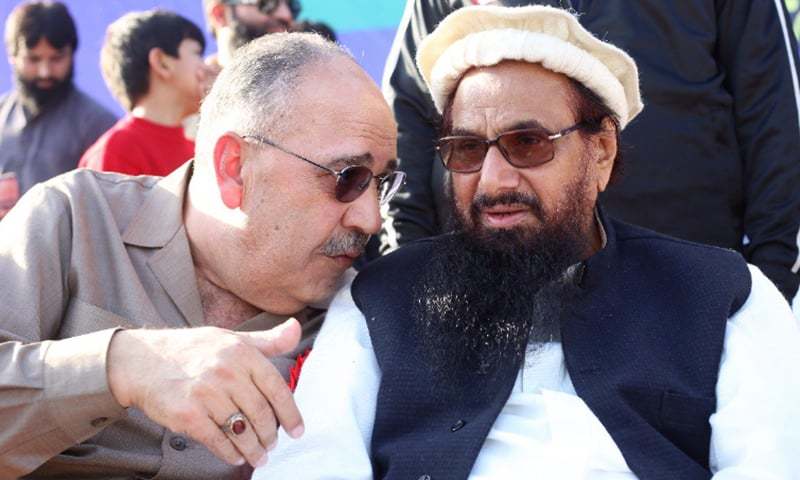
The “Resistance Front” claimed credit for the April 22 attack in Jammu and Kashmir that killed 26 people. The group is a front for Lashkar-e-Taiba, the Al Qaeda-allied and Pakistani military- and government-supported terror organization that is entrenched inside Pakistan.
-
U.S. offers $5 million reward for member of Al Qaeda’s top leadership council
Hamza al Ghamdi is a legacy Al Qaeda leader who fought alongside Osama bin Laden against the Soviets, led bin Laden’s bodyguard, organized terror attacks in Tajikistan in the 1990s, and fought at the battle of Tora Bora. He is currently a member of Al Qaeda’s shura, or executive leadership council. Ghamdi is likely based in Afghanistan or Iran.
-
ISKP’s transnational reemergence
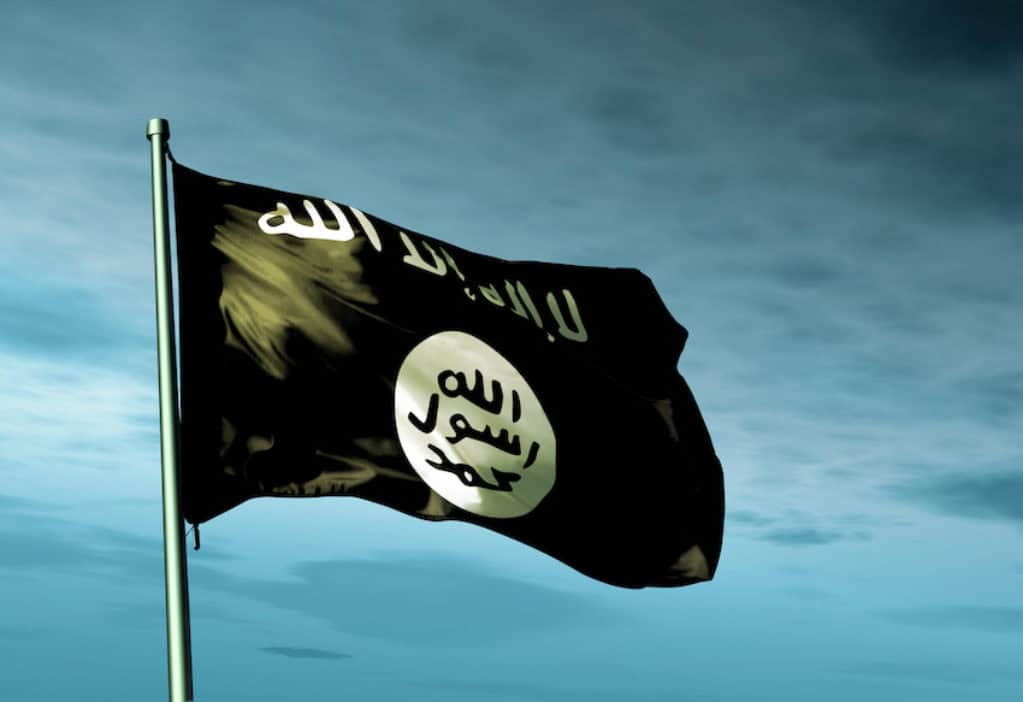
Leveraging its stronghold in Afghanistan and networks across Central and South Asia, ISKP is surging as a formidable transnational actor, posing a threat from Asia to Europe. The Taliban’s self-portrayal as a counterforce to ISKP raises concerns about their true motives and the perpetuation of regional instability.
-
Opium protests catalyze anti-Taliban sentiments
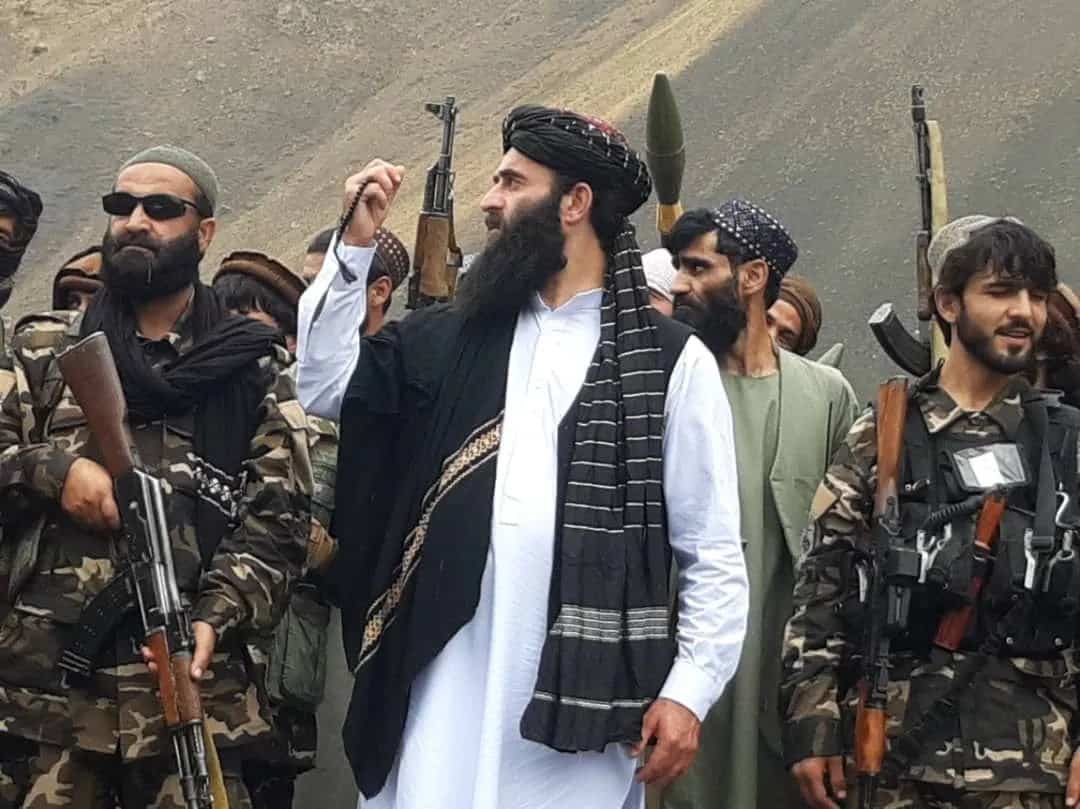
Afghanistan has grappled with a surge in terrorism, deepening ethnic rifts, protests, and the devastating impact of natural calamities in recent weeks. Two years into their control of Afghanistan, the Taliban is struggling to govern as a state actor.
-
Architect of Doha agreement wrongly claims: ‘Al Qaeda in the Indian Subcontinent has been dismantled’
Zalmay Khalilzad, the former Special Repressive for Afghanistan Reconciliation and the key architect of the Doha Agreement, continues to maintain that the Taliban “dismantled” Al Qaeda, despite evidence to the contrary from the UN and CENTCOM.
-
Pakistani military, Afghan Taliban exchange fire along the border
Whatever disputes the Pakistani state has with the Taliban, it is unlikely that its strategic depth with respect to India and strategic relations with the Taliban will be discarded for the lives of hundreds of Pakistani citizens.
-
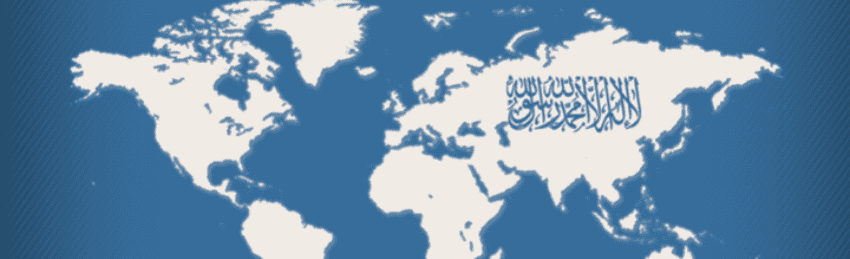
Al Qaeda opens 8 new training camps, 5 madrasas, and a facilitation network to Iran in Afghanistan
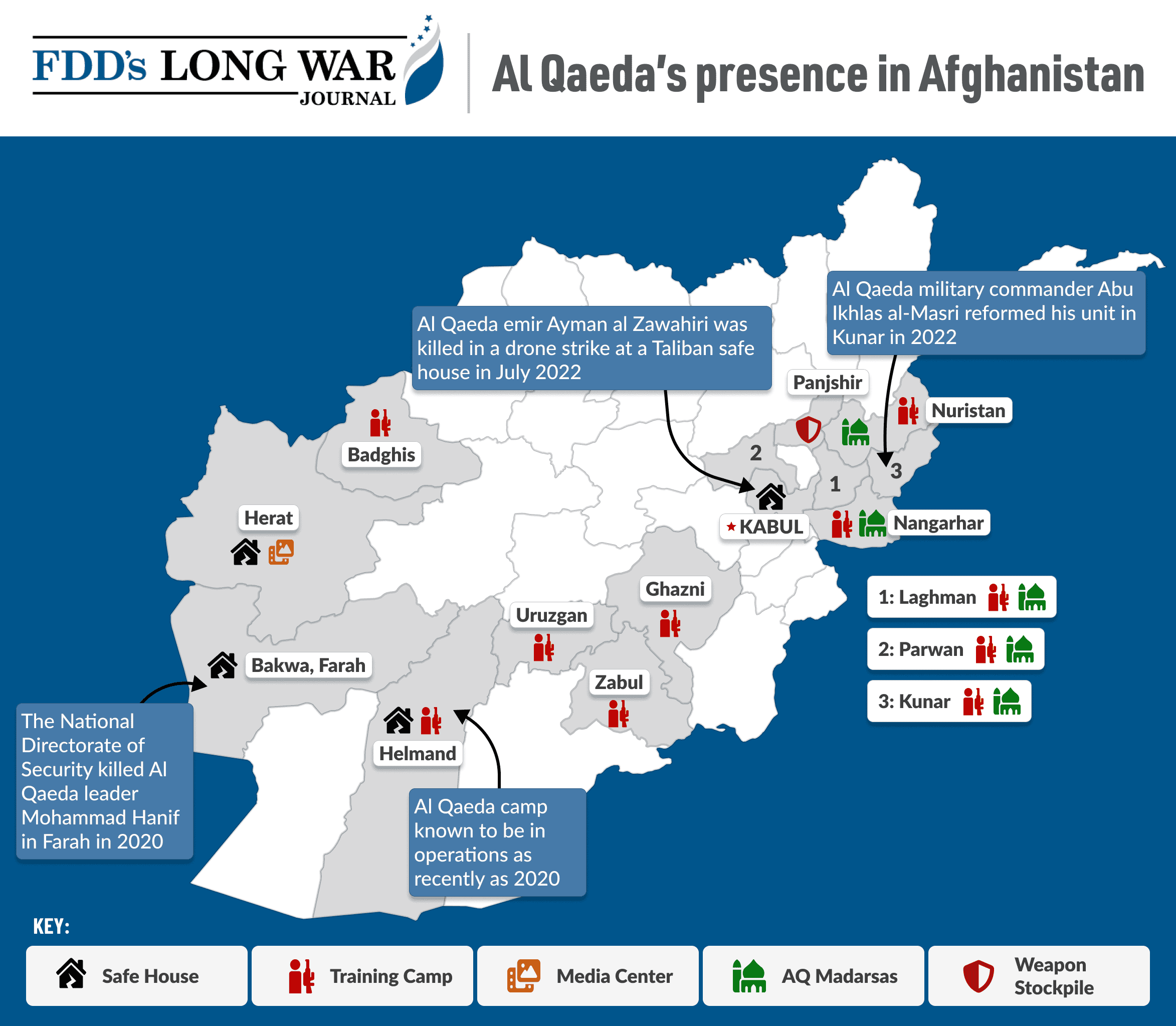
Al Qaeda continues to build its network and infrastructure in Afghanistan after the fall of the Afghan government. Al Qaeda opened eight new training camps, five madrasas, a weapons depot and safe houses in Afghanistan that are used to facilitate the movement of its members to and from Iran.
-
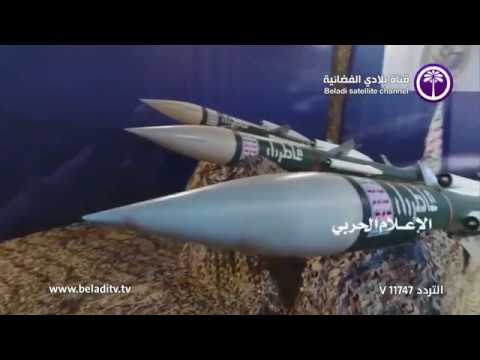
Houthis target U.S. warship, commercial vessels in the Red Sea
The attack is the latest by the Houthis against international shipping and U.S. Navy warships. The U.S. military has yet to respond to repeated attacks on U.S. warships and commercial vessels.
-
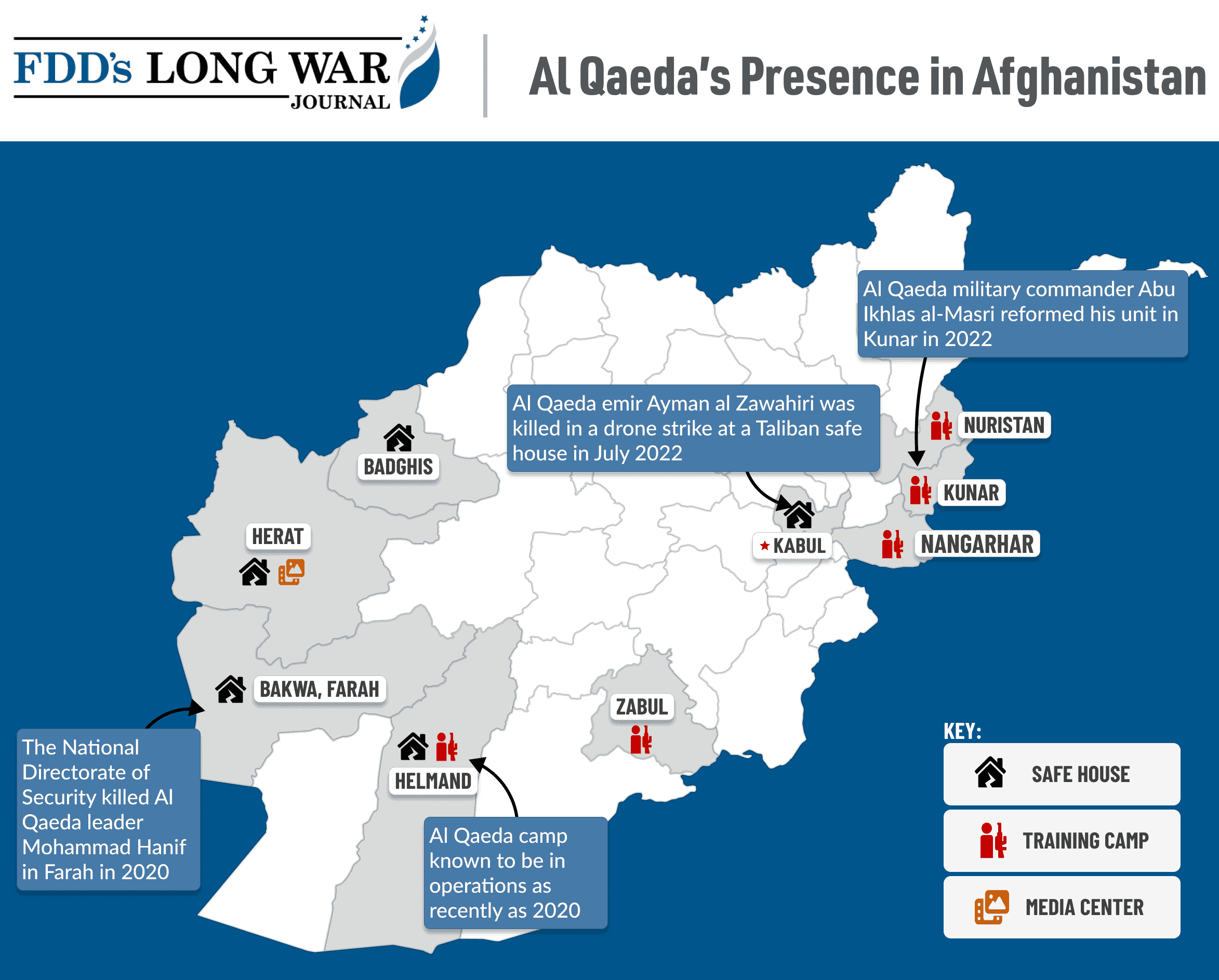
On eve of 9/11 Anniversary, U.S. officials continue to downplay Al Qaeda’s presence in Afghanistan
After nearly two decades of abysmal assessments from U.S. intelligence officials and policy makers on Al Qaeda and the Taliban in Afghanistan, the latest claims that the terror group is “at its historical nadir” should be taken with more than a grain of salt.
-
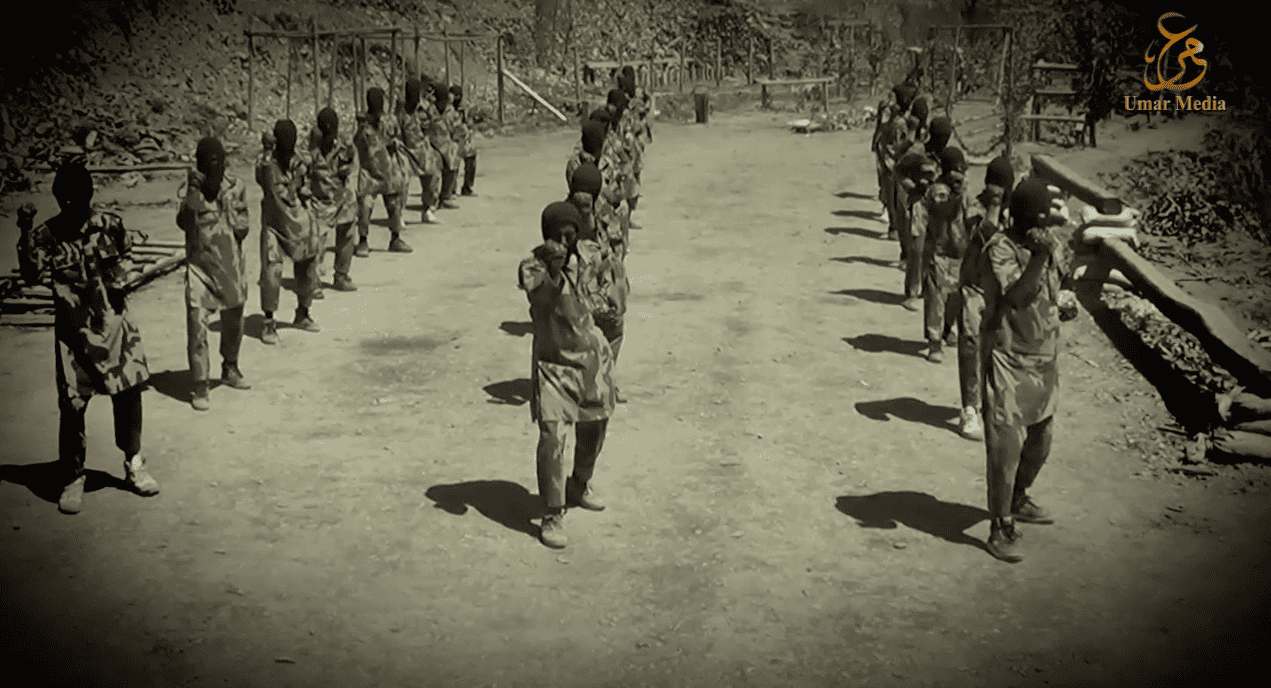
Taliban again denies TTP presence in Afghanistan
The Afghan Taliban continues to claim that there are no foreign terror groups operating inside their country, despite all evidence to the contrary. The Movement of the Taliban in Pakistan has an extensive footprint in Afghanistan.
-
Afghan Taliban and Al Qaeda aiding Pakistani Taliban’s insurgency
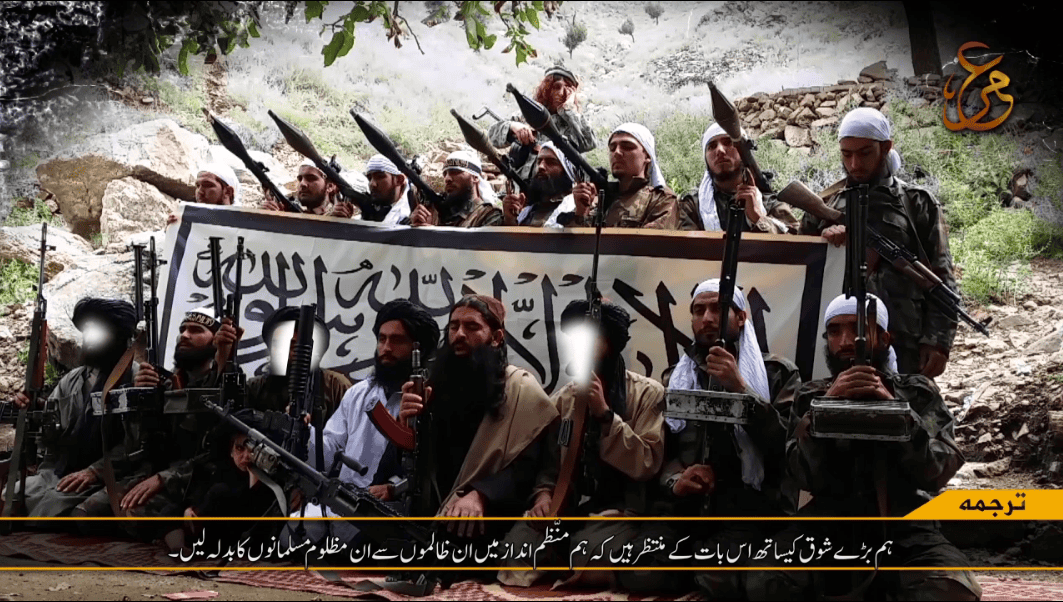
The Afghan Taliban has vehemently objected to the lest UN report, as it punches gaping holes into the Taliban’s narrative that it does not shelter and support foreign terror groups. However, the presence of the TTP, Al Qaeda and a host of other terror groups in Afghanistan is undeniable.
-
The Taliban promises China it won’t allow terrorists to use Afghanistan as launching pad
The Taliban has made this false statement for decades, even prior to 9/11. After al Qaeda emir Ayman al Zawahiri was killed in Kabul, Taliban promises like this should be dismissed out of hand. Foreign terror groups continue to operate in Afghanistan to this day.
-
UN reports veteran al Qaeda leader likely back in action in Afghanistan
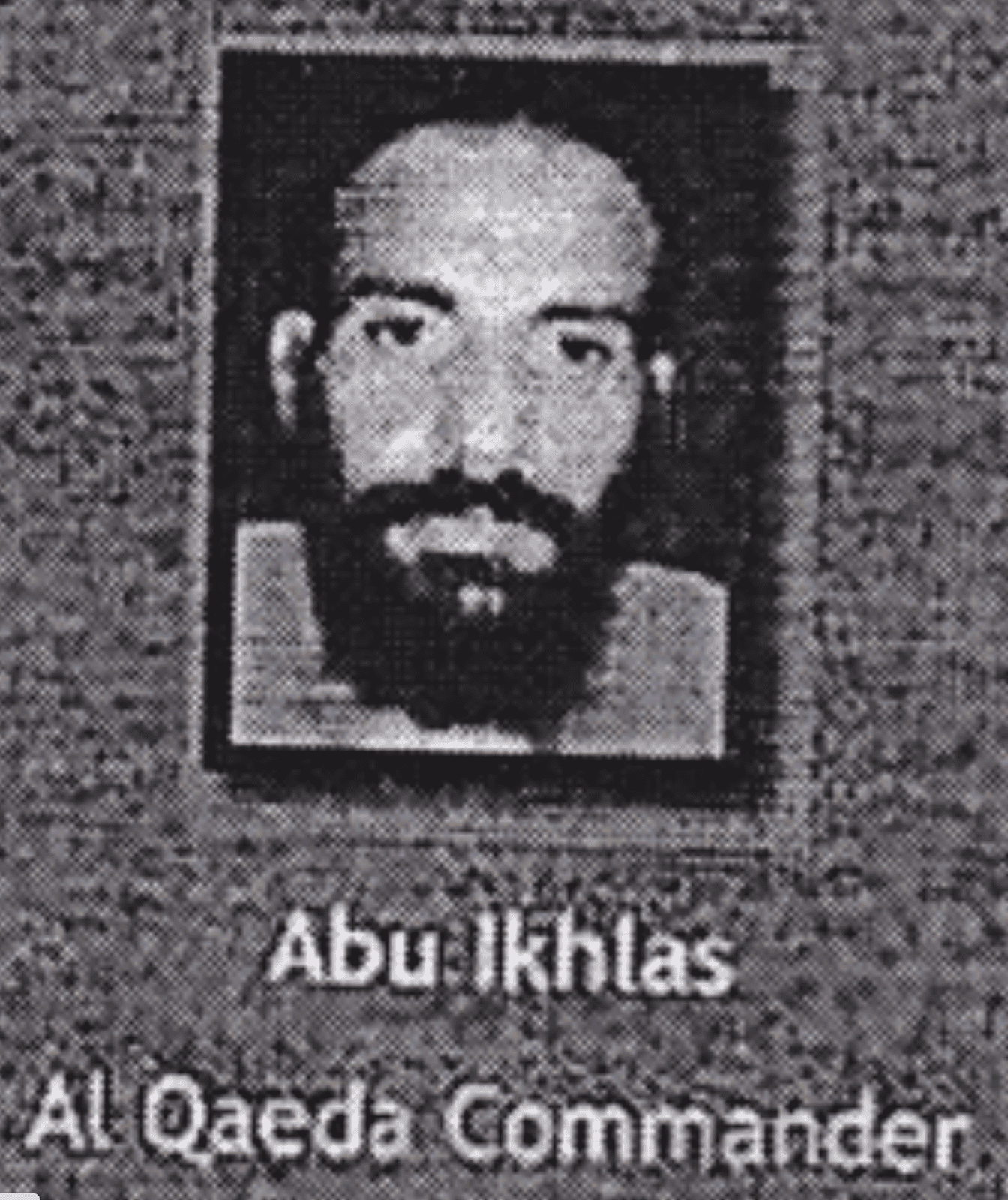
The U.S. captured al Qaeda key commander Abu Ikhlas al Masri in 2010. He was freed from Bagram prison after the Taliban takeover in 2021, and is thought to have reformed an Al Qaeda unit.
-
Pakistani Taliban kills scores in mosque bombing in Peshawar
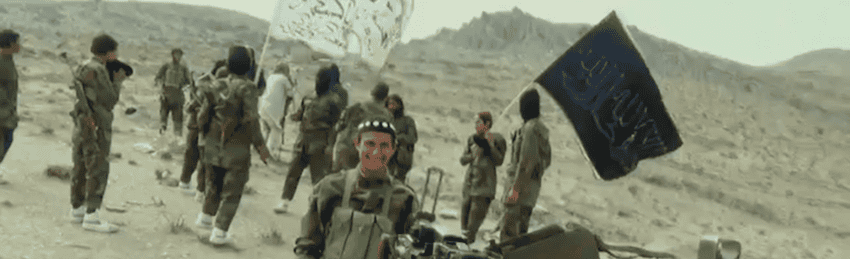
Jamaat-ul-Ahrar, a faction of the Movement of the Taliban in Pakistan, claimed credit for the deadly attack. The Movement of the Taliban in Pakistan denied involvement, while it and the Afghan Taliban cynically claimed it would never strike a mosque.
-
Kabul Attack Network commander brags about suicide assaults in TV interview
One of the co-leaders of the deadly Kabul Attack Network bragged about his role in deadly attacks in the Afghan capital. The Taliban commander, known as Taj Mir Jawad, is the Taliban’s deputy minister of intelligence.

-
U.S. designates Al Qaeda, Pakistani Taliban leaders based in Afghanistan
All four terrorists, including the emir of Al Qaeda in the Indian Subcontinent and the deputy emir of the Movement of the Taliban in Pakistan, are based in Afghanistan.

-
Taliban ends ceasefire with Pakistani government, vows ‘revenge attacks’ across the country
The TTP claimed that it ended the ceasefire after “the army and intelligence agencies continue to raid and attack” its forces. “And now our revenge attacks will continue in the whole country.”