-
Taliban–Pakistan border clashes continue, TTP attack kills 10 Pakistani police
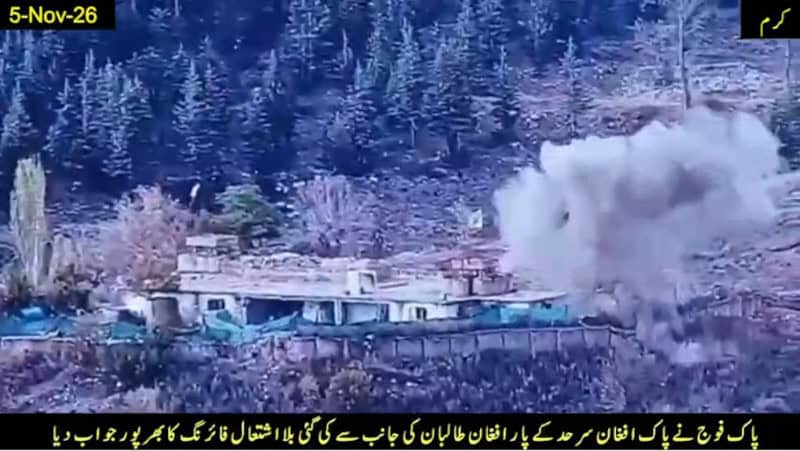
Taliban and Pakistani forces have fought repeatedly along their border since October 29, and a Movement of the Taliban in Pakistan ambush killed 10 Pakistani policemen on November 11. The violence comes as Washington signaled its willingness to help address Pakistan’s concerns about militant groups operating from Afghanistan.
-
Pakistan-Taliban border clashes continue amid diplomatic efforts
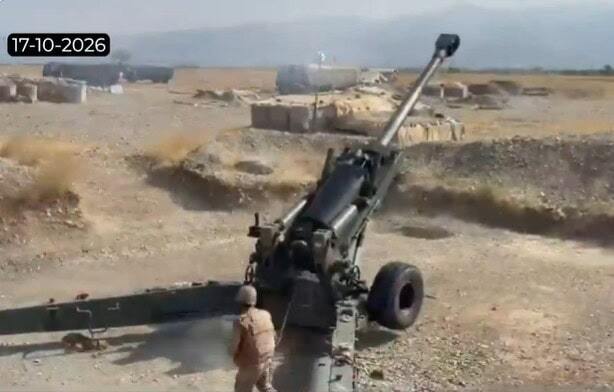
Pakistani forces and the Taliban exchanged heavy fire along the border as Russia, the European, and China pressed for dialogue and action against terrorist groups operating from Afghanistan.
-
Taliban-Pakistan border clashes continue after Moscow talks end without agreement
Pakistan reported killing 12 militants and Taliban fighters during ongoing clashes along its border with Afghanistan over the past week. Islamabad also suspended the provincial government of Khyber Pakhtunkhwa amid security concerns and protests demanding the release of imprisoned former Prime Minister Imran Khan.
-
The Taliban vs Pakistan: Can they both lose?
Five years after the US withdrawal from Afghanistan, the Taliban is stronger than ever, Al Qaeda continues to operate under its protection, and Pakistan is learning the hard way that supporting jihadists comes with a price. Bill Roggio is joined by Will Selber to assess the state of the Taliban’s Islamic Emirate, the fractured Afghan resistance, and the continued presence of Al Qaeda and the Islamic State’s Khorasan Province.
-
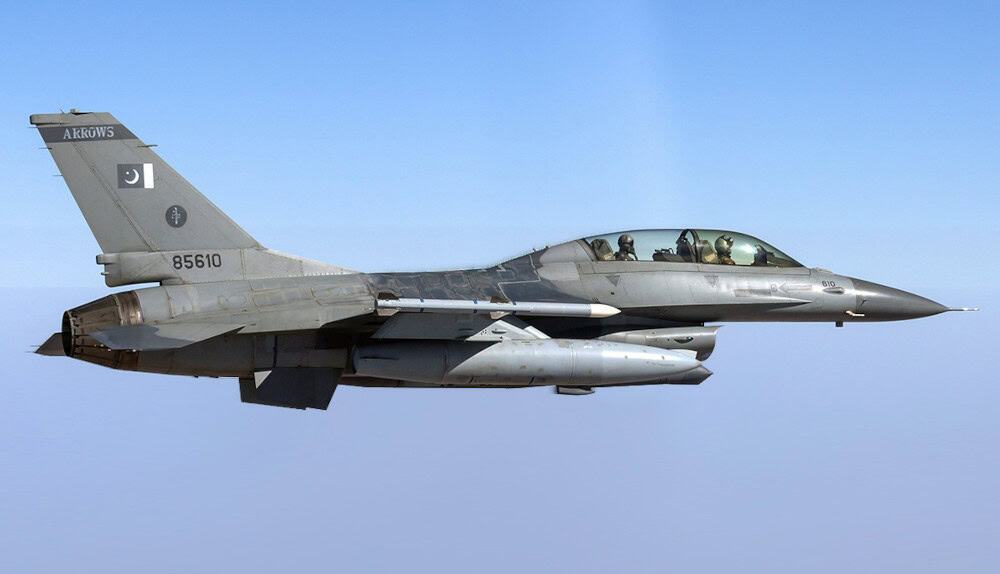
Pakistan launches new strikes as conflict with Taliban persist into third week
Pakistan claims its latest airstrikes in Afghanistan last week killed 22 terrorists, while the UN reports 10 civilians killed, most of them children. The Taliban accused Islamabad of sending anti-Taliban fighters into Afghanistan.
-
Fighting between Pakistan and the Taliban persists into second week
The latest round of conflict between Pakistan and the Taliban continued this past week, including airstrikes, cross-border attacks, targeted operations, and a car bombing. The renewed direct clashes that began on September 18 ended a nearly three-month lull in fighting between the former allies.
-
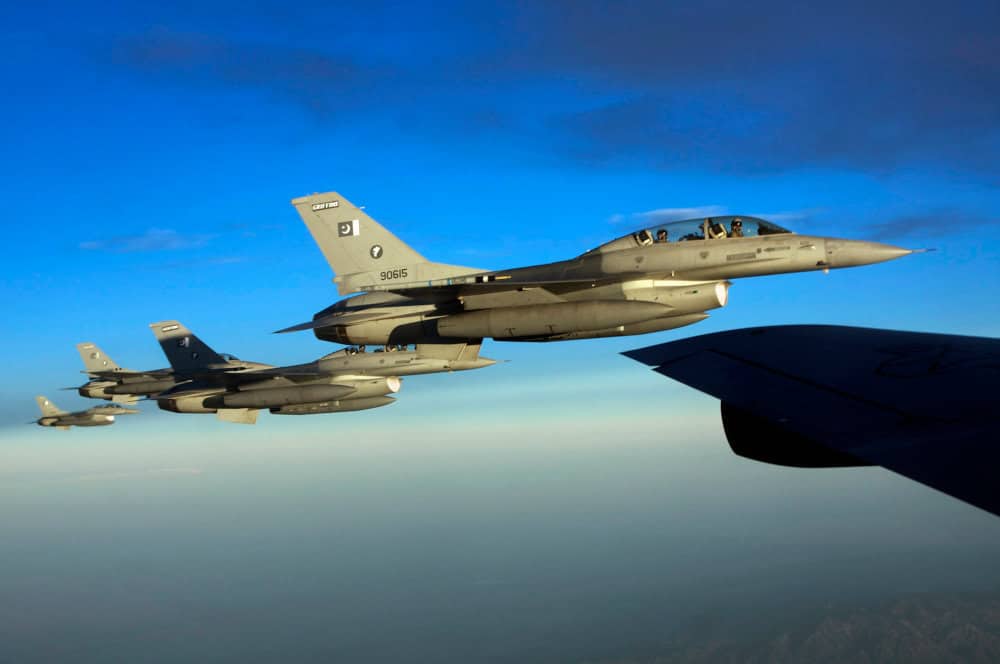
Pakistan conducts airstrikes in eastern Afghanistan in retaliation for terrorist attacks
The Pakistani Air Force conducted airstrikes in eastern Afghanistan reportedly targeting terrorist training centers in response to a recent complex suicide attack in western Pakistan. The Taliban denied involvement in the attack and promised an “appropriate response” to Pakistan’s airstrikes.
-
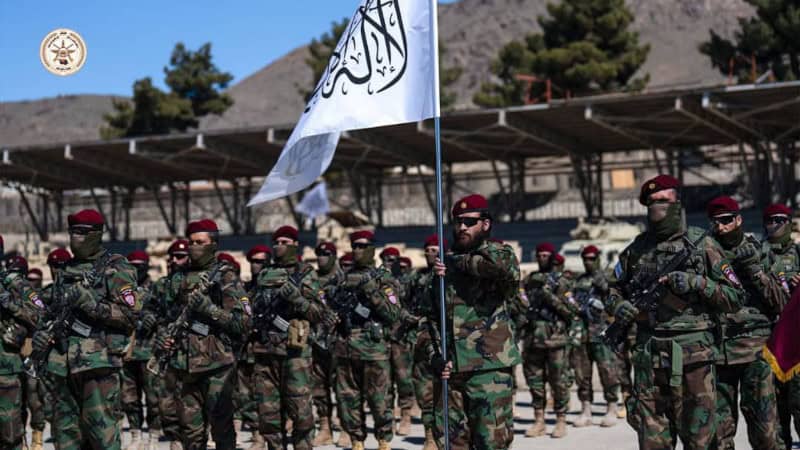
Pakistan, Afghan Taliban move toward ‘open war’ after fighting escalates
Last weekend, the Pakistani military targeted jihadi training camps in Afghanistan. After the Afghan Taliban, which shelters the terrorists, responded by attacking Pakistani military outposts, the Pakistani military launched Operation Righteous Fury on February 27, striking multiple targets throughout Afghanistan.
-
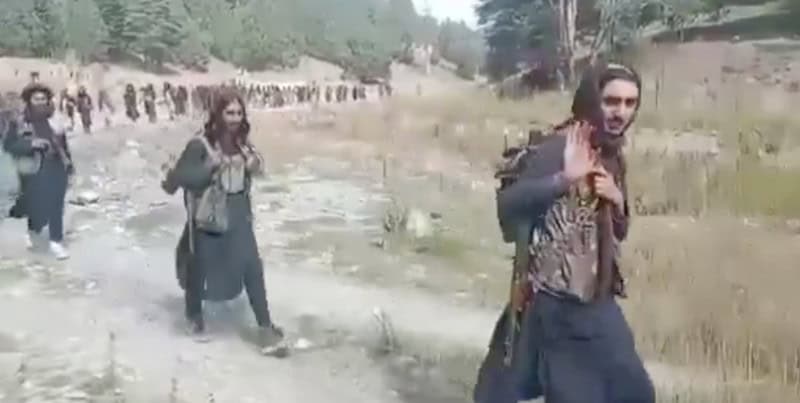
Terror attacks intensify in Pakistan as the TTP continues to operate from Afghanistan
The Movement of the Taliban in Pakistan (TTP) launched suicide operations outside of a courthouse in the Pakistani capital of Islamabad and at a military cadet college in South Waziristan. Pakistan continues to blame Fitna al Khwarij, an India-supported terror group that does not exist, for attacks that the TTP is carrying out.
-
Generation Jihad | Wheel of Jihad
The Taliban, a monster Islamabad built but can’t control, is waging a war against Pakistan—and it shouldn’t surprise anyone. After decades of Islamabad playing both arsonist and firefighter—nurturing the Taliban, harboring al Qaeda, and weaponizing jihad against India—Bill Roggio and Tom Joscelyn reunite to dissect why the blaze is finally backfiring on Pakistan.
-
Pakistan, Afghan Taliban agree to ceasefire after another clash along the border
Pakistan and the Afghan Taliban have entered into a ceasefire after accusing each other of another round of deadly fighting along their shared border, this time at the Afghan border crossing at Spin Boldak in Kandahar province. The Afghan Taliban’s support for the Movement of the Taliban in Pakistan (TTP) remains the main point of contention between the two otherwise longtime allies.

-
Afghan Taliban, Pakistani military clash along the border
The Afghan Taliban and the Pakistani military each heralded their operations as a success and claimed to have inflicted high casualties on the other’s forces. The Afghan Taliban’s support for the Movement of the Taliban in Pakistan (TTP) is creating fissures between the two allies.
-
Pakistani Taliban leader thought to be targeted in airstrike on Afghan capital
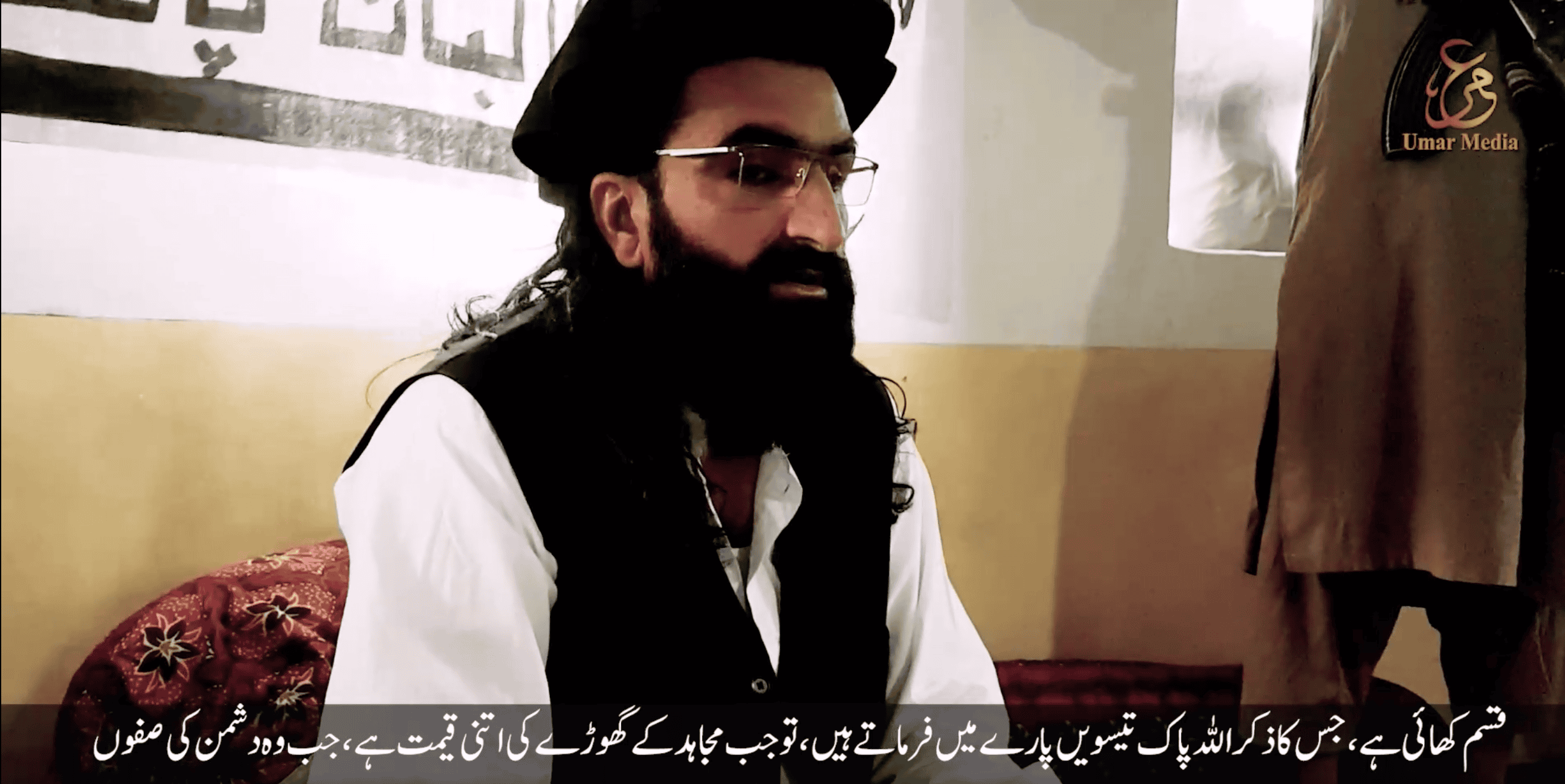
Pakistan is thought to have carried out an airstrike in Kabul that targeted Movement of the Taliban in Pakistan (TTP) emir Noor Wali Mehsud. If Mehsud’s death is confirmed, he would be the second high-level foreign terrorist leader killed in Kabul since the US withdrawal from Afghanistan in August 2021. On July 31, 2022, the US killed Al Qaeda emir Ayman al Zawahiri in a strike on Kabul.
-
Analysis: Pakistan attempts to shift blame for TTP attacks toward India
Pakistani officials blamed an attack in the northwestern province of Khyber Pakhtunkhwa that killed 11 Pakistani soldiers on the “Indian Proxy, Fitna al Khwarij.” However, the accusation is an attempt to redirect the responsibility for violence toward India and mask Pakistan’s role in the formation of and support for the Afghan Taliban and its spinoff, TTP.
-
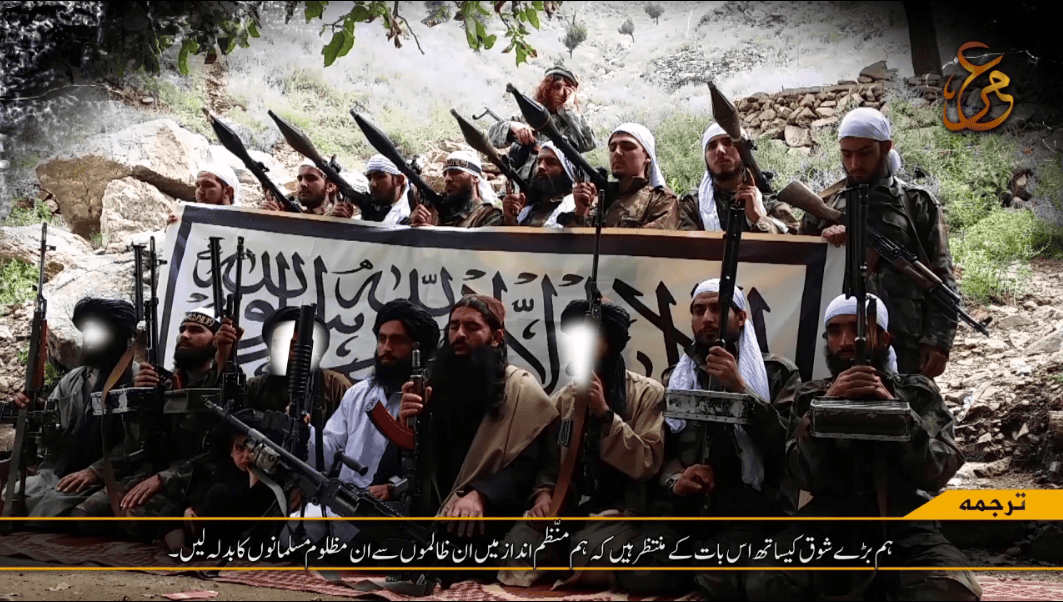
Pakistani military, Afghan Taliban exchange fire along the border
Whatever disputes the Pakistani state has with the Taliban, it is unlikely that its strategic depth with respect to India and strategic relations with the Taliban will be discarded for the lives of hundreds of Pakistani citizens.
-
Afghan Taliban and Al Qaeda aiding Pakistani Taliban’s insurgency
The Afghan Taliban has vehemently objected to the lest UN report, as it punches gaping holes into the Taliban’s narrative that it does not shelter and support foreign terror groups. However, the presence of the TTP, Al Qaeda and a host of other terror groups in Afghanistan is undeniable.
-
U.S. designates Al Qaeda, Pakistani Taliban leaders based in Afghanistan
All four terrorists, including the emir of Al Qaeda in the Indian Subcontinent and the deputy emir of the Movement of the Taliban in Pakistan, are based in Afghanistan.

-
Taliban ends ceasefire with Pakistani government, vows ‘revenge attacks’ across the country
The TTP claimed that it ended the ceasefire after “the army and intelligence agencies continue to raid and attack” its forces. “And now our revenge attacks will continue in the whole country.”
-
Afghan Taliban brokers ceasefire between Pakistan and TTP
The Haqqani Network, an integral part of the Taliban whose leader, Sirajuddin Haqqani, is the Taliban’s deputy emir and minister of the interior, is reported to have facilitated the negotiations.

-
Pakistani Taliban emir says his group “is a branch of the Islamic Emirate of Afghanistan”
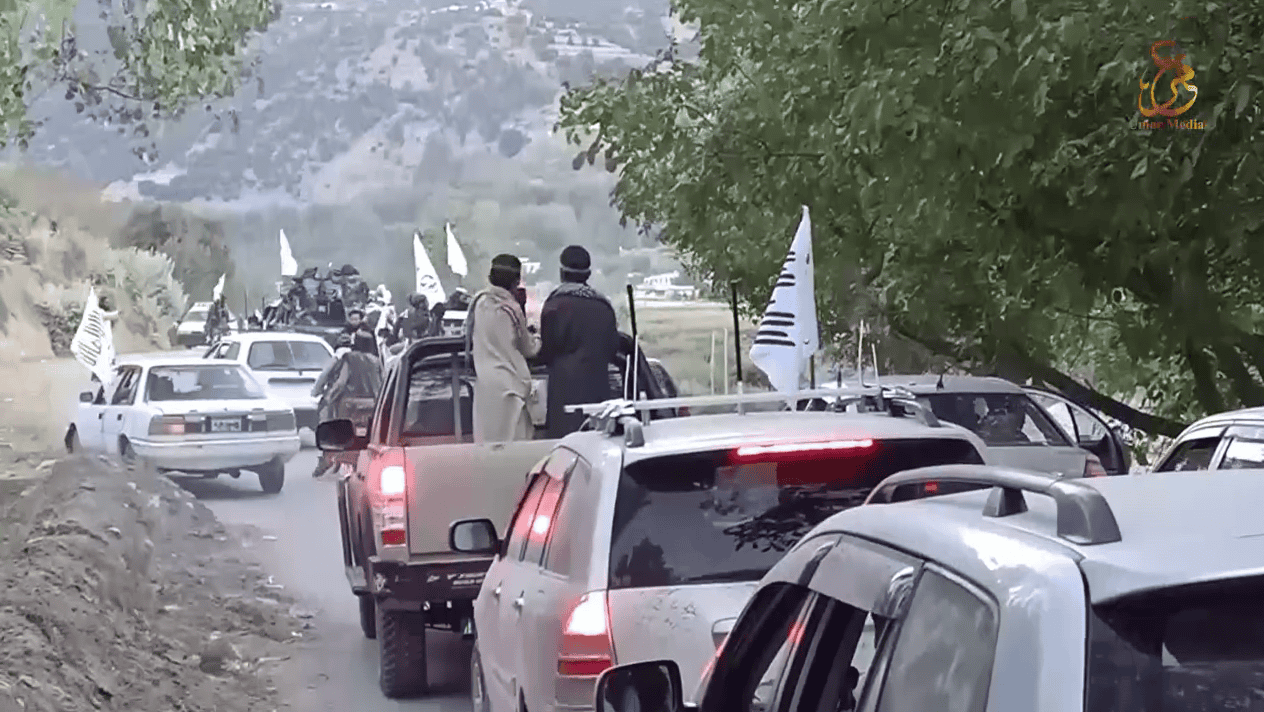
TTP emir Noor Wali Mehsud said that his group “is a branch of the Islamic Emirate of Afghanistan” while traveling throughout Pakistan’s northern areas.
-
Movement of the Taliban in Pakistan (TTP) consolidates power in tribal areas
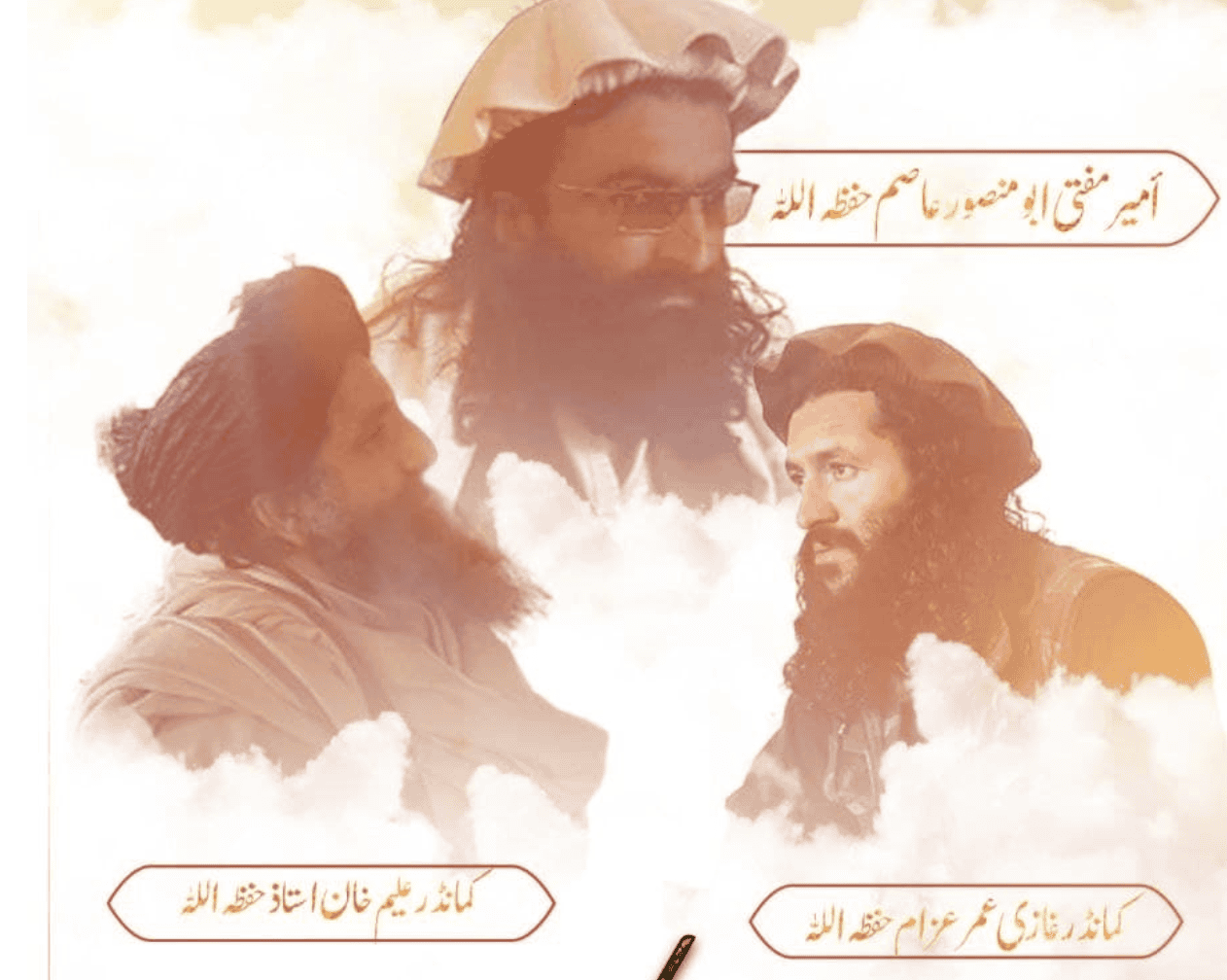
With increased muscle, backing and resources, the TTP – which sent thousands of fighters into Afghanistan to help the Afghan Taliban conquer the country over the summer – can now refocus its efforts on its insurgency in order to overthrow the Pakistani state.
-
Pakistani Taliban’s emir renews allegiance to Afghan Taliban
Noor Wali Mehsud has renewed the TTP’s allegiance to the Taliban’s Islamic Emirate of Afghanistan in the wake of the jihadis’ victory. The Taliban has released numerous TTP and al Qaeda figures from the former government’s prisons in recent weeks, including Faqir Mohammed.
-
Pakistani Taliban claims suicide bombing in Quetta
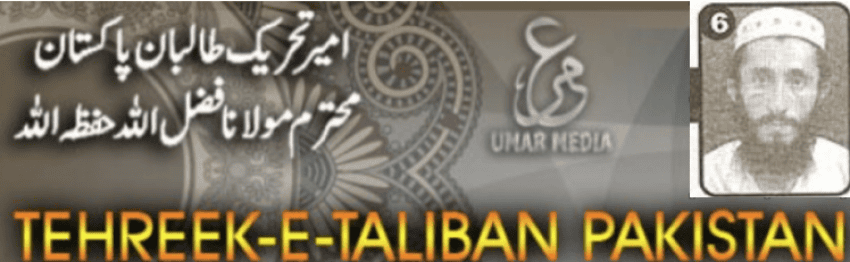
The TTP claimed yesterday’s suicide bombing in Quetta, Pakistan, saying the “martyrdom-seeking” operation targeted Pakistani officials.
-
U.N.: Thousands of Pakistanis fight in Afghanistan alongside the Taliban
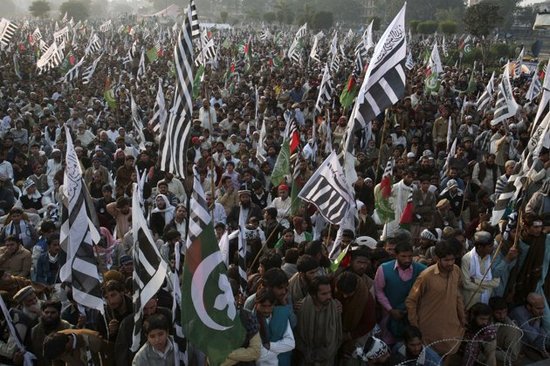
Pakistan continues to play its double game by supporting terror groups. Thousands of Pakistanis, including fighters from the Pakistan state-sponsored Lashkar-e-Taiba and Jaish-e-Mohammed, as well as the Movement of the Taliban in Pakistan, continue to support the Taliban’s jihad against the Afghan government.
-
Pakistani Taliban says leading ideologue and comrade killed in clash
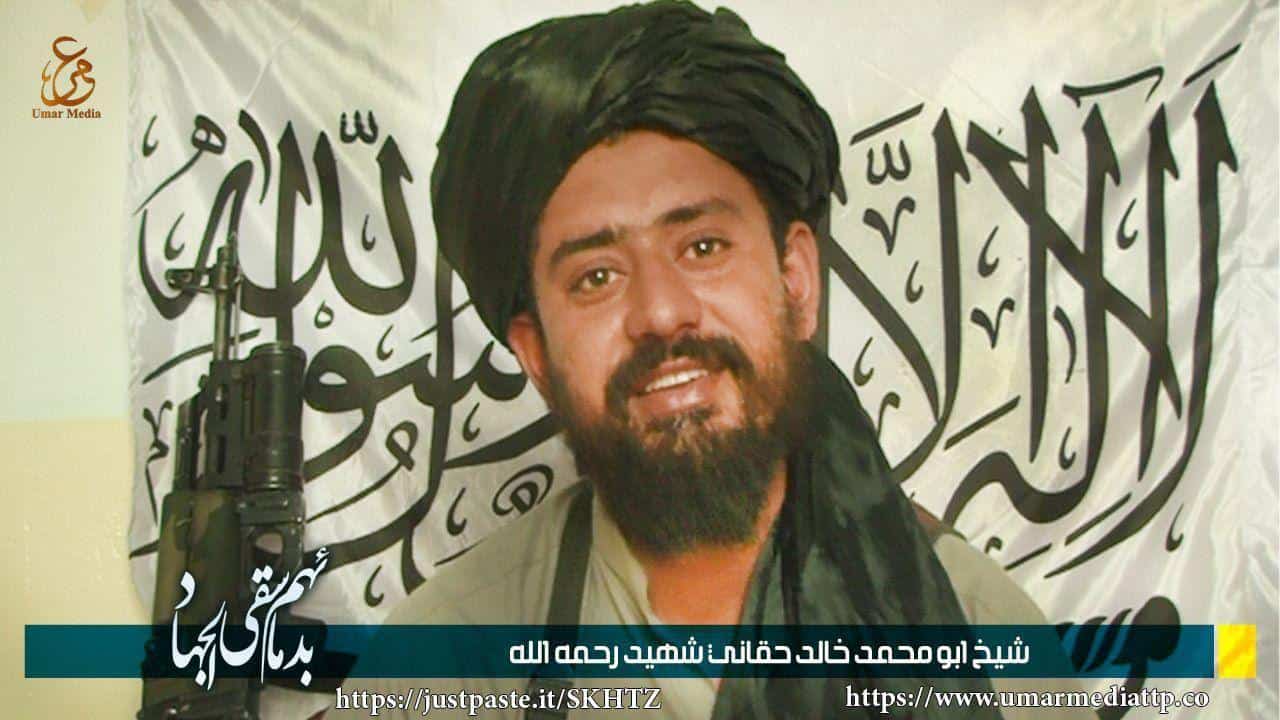
The Pakistani Taliban announced today that its leading ideologue, Khalid Haqqani, has been killed alongside one of his colleagues. Haqqani was a key jihadist thinker and author for the group.
-
Al Qaeda growing stronger under Taliban’s umbrella, UN finds
According to a recently released report by a UN Security Council monitoring team, the Taliban is the “primary partner for all foreign terrorist groups operating in Afghanistan,” including al Qaeda. The only exception is the Islamic State, which opposes the Taliban.