-
Pakistan-Taliban border clashes continue amid diplomatic efforts
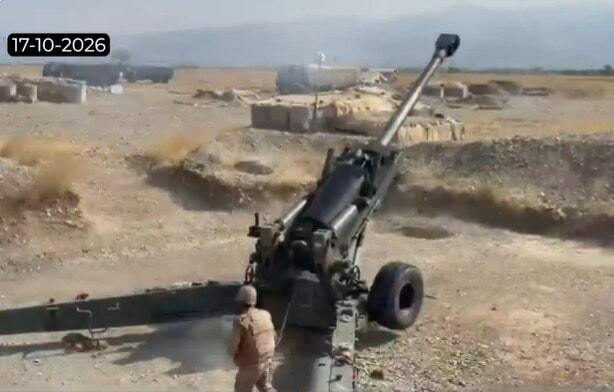
Pakistani forces and the Taliban exchanged heavy fire along the border as Russia, the European, and China pressed for dialogue and action against terrorist groups operating from Afghanistan.
-
Taliban-Pakistan border clashes continue after Moscow talks end without agreement
Pakistan reported killing 12 militants and Taliban fighters during ongoing clashes along its border with Afghanistan over the past week. Islamabad also suspended the provincial government of Khyber Pakhtunkhwa amid security concerns and protests demanding the release of imprisoned former Prime Minister Imran Khan.
-
The Taliban vs Pakistan: Can they both lose?
Five years after the US withdrawal from Afghanistan, the Taliban is stronger than ever, Al Qaeda continues to operate under its protection, and Pakistan is learning the hard way that supporting jihadists comes with a price. Bill Roggio is joined by Will Selber to assess the state of the Taliban’s Islamic Emirate, the fractured Afghan resistance, and the continued presence of Al Qaeda and the Islamic State’s Khorasan Province.
-
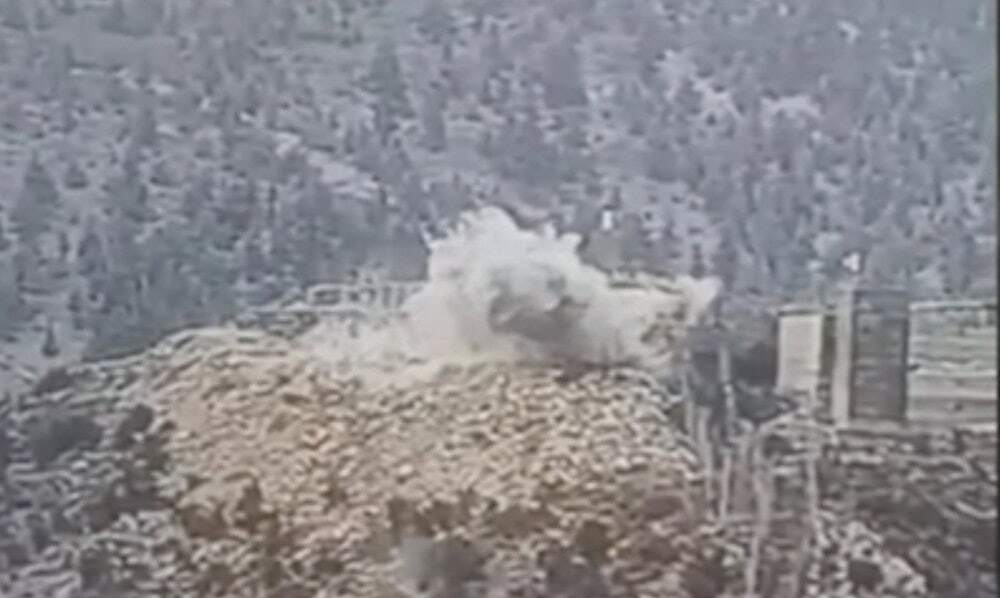
Pakistan launches new strikes as conflict with Taliban persist into third week
Pakistan claims its latest airstrikes in Afghanistan last week killed 22 terrorists, while the UN reports 10 civilians killed, most of them children. The Taliban accused Islamabad of sending anti-Taliban fighters into Afghanistan.
-
Anti-Taliban resistance claims attacks across Afghanistan in September
Anti-Taliban resistance groups claimed to have conducted 37 targeted operations across Afghanistan in September, including assassinations, assaults in Taliban strongholds in the south, and fighting over outposts in the northeast.
-
Operation Enduring Failure: 25 years after the US invasion of Afghanistan
Was the US invasion of Afghanistan launched in October 2001 to kill or capture Al Qaeda’s leaders and oust the Taliban from power a success or a failure? Generation Jihad host Bill Roggio talks with terrorism expert Thomas Joscelyn about the failures of Operation Enduring Freedom and how they cascaded into the terrorism threats we now face from Al Qaeda, the Islamic State, and other jihadist groups.
-
Fighting between Pakistan and the Taliban persists into second week
The latest round of conflict between Pakistan and the Taliban continued this past week, including airstrikes, cross-border attacks, targeted operations, and a car bombing. The renewed direct clashes that began on September 18 ended a nearly three-month lull in fighting between the former allies.
-
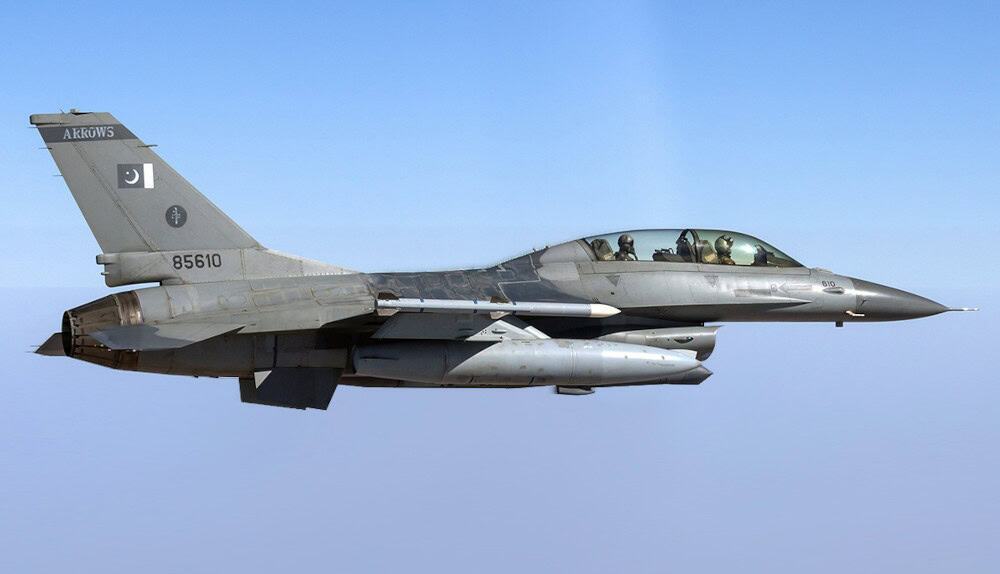
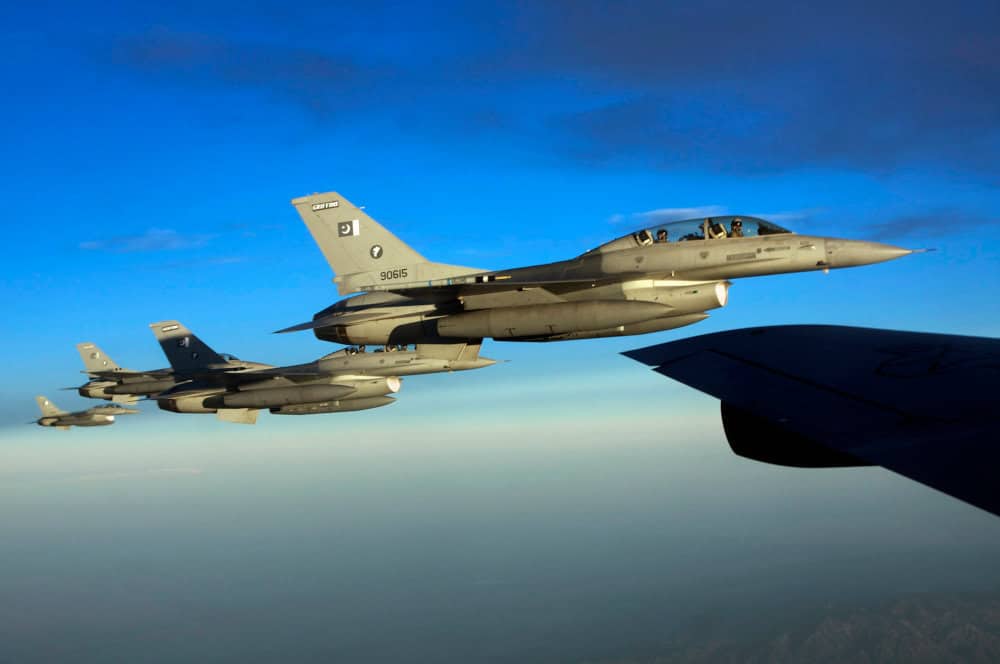
Pakistan conducts airstrikes in eastern Afghanistan in retaliation for terrorist attacks
The Pakistani Air Force conducted airstrikes in eastern Afghanistan reportedly targeting terrorist training centers in response to a recent complex suicide attack in western Pakistan. The Taliban denied involvement in the attack and promised an “appropriate response” to Pakistan’s airstrikes.
-
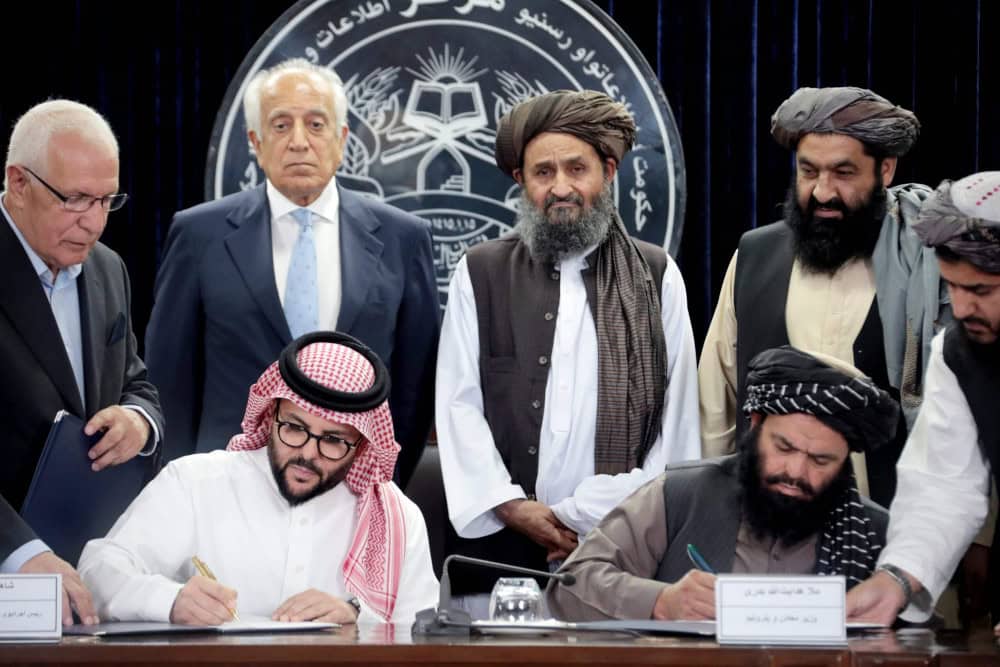
Former US ambassador Khalilzad visits Kabul, attends Taliban oil deal signing
Former US Ambassador to Afghanistan Zalmay Khalilzad met with senior Taliban officials and attended the signing of a major oil and gas agreement with a Saudi company, despite the US State Department insisting that he was acting solely “in a personal capacity.” Whatever his intentions, Khalilzad gave the Taliban something it has sought since returning to power: an appearance of American validation.
-
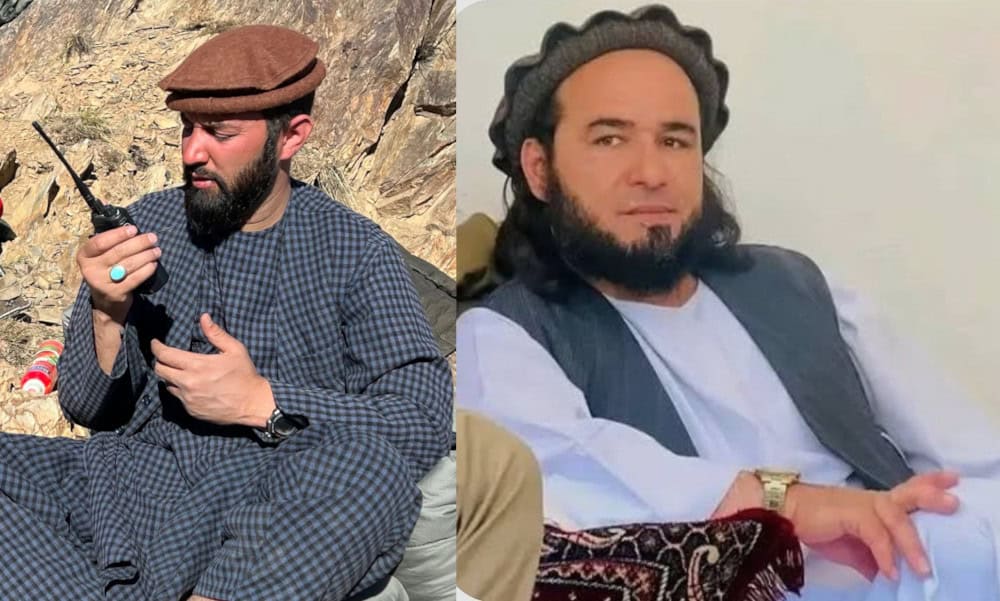
Taliban force surrender of dissident commander, kill senior anti-Taliban resistance leader
The surrender of dissident Taliban commander Juma Khan Fateh and the death of senior National Resistance Front commander Hasib Panjshiri give the Taliban notable victories as Afghanistan’s armed resistance attempts to build momentum.
-
Resistance to Taliban rule persists in Afghanistan
Five years after the fall of Kabul, Afghanistan’s armed resistance continues to expand despite lacking territorial sanctuary, overt state sponsorship, and meaningful international assistance. Although it remains far from an existential threat to Taliban rule, its persistence challenges the appearance of uncontested control.
-
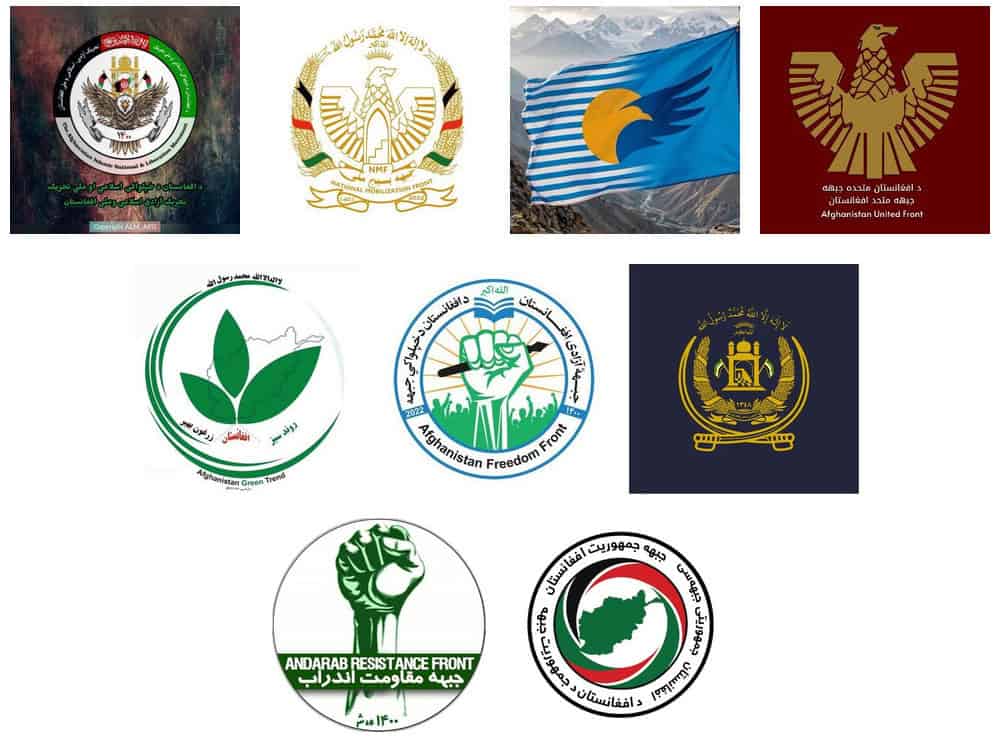
Afghan United Front commences operations against Taliban
The Afghan United Front has emerged as the first major Pashtun-led resistance organization to launch operations against the Taliban. The group’s likely focus on operations in southern Afghanistan would expand resistance organizations’ historical focus in the country’s north.
-
Generation Jihad | Seeking forgiveness from the Taliban
Former Marine and New York Times journalist Thomas Gibbons-Neff recently returned to Afghanistan to find accountability and closure, specifically seeking out a Taliban commander he had battled in 2010. Bill Roggio and Will Selber break down the merits of Gibbons-Neff’s recent tour in country and whether this type of article will skew a full understanding of the Afghan War as the 25th anniversary of 9/11 nears.
-
Pakistan, Afghan Taliban move toward ‘open war’ after fighting escalates
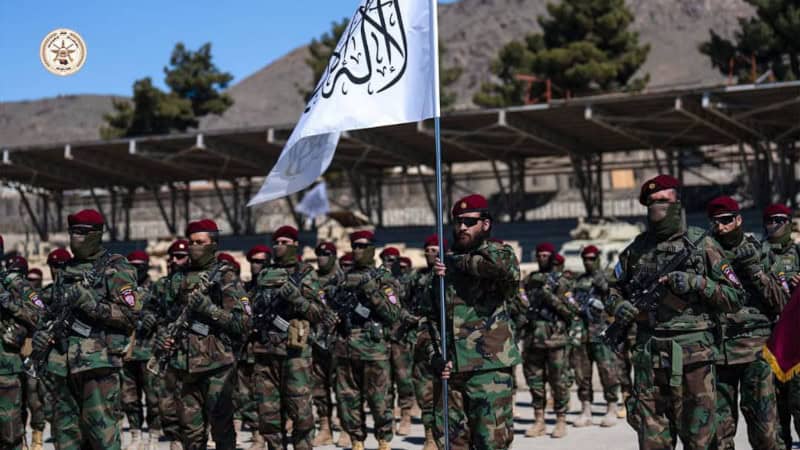
Last weekend, the Pakistani military targeted jihadi training camps in Afghanistan. After the Afghan Taliban, which shelters the terrorists, responded by attacking Pakistani military outposts, the Pakistani military launched Operation Righteous Fury on February 27, striking multiple targets throughout Afghanistan.
-
Generation Jihad | Fighting terror with terror
According to the Taliban’s self-assessment (what could go wrong), Afghanistan is “stable” — but according to reality, it’s not. Terrorist groups still operate openly, Al Qaeda remains embedded, and the same extremists are now being trusted to “fight” other extremists. Bill Roggio and Edmund Fitton-Brown break down why outsourcing counterterrorism to jihadists is a fatal mistake — and why the so-called “peace of the Taliban” comes at an unbearable price: the erasure of half the country’s population and the return of Afghanistan as a global terror hub.
-
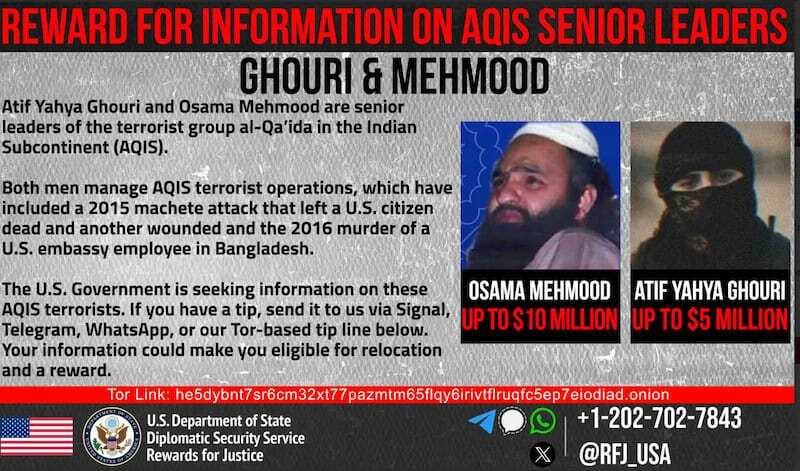
US offers $10 million reward for leader of Al Qaeda in the Indian Subcontinent
The Rewards for Justice program also offered a $5 million bounty for the deputy emir of AQIS. The two AQIS leaders are veterans of the jihad in South and Central Asia and have been instrumental in establishing Al Qaeda’s infrastructure in Afghanistan.
-
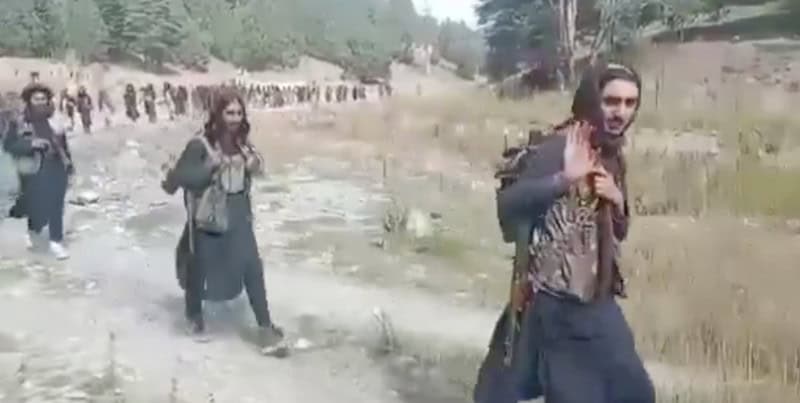
Terror attacks intensify in Pakistan as the TTP continues to operate from Afghanistan
The Movement of the Taliban in Pakistan (TTP) launched suicide operations outside of a courthouse in the Pakistani capital of Islamabad and at a military cadet college in South Waziristan. Pakistan continues to blame Fitna al Khwarij, an India-supported terror group that does not exist, for attacks that the TTP is carrying out.
-
Generation Jihad | Wheel of Jihad
The Taliban, a monster Islamabad built but can’t control, is waging a war against Pakistan—and it shouldn’t surprise anyone. After decades of Islamabad playing both arsonist and firefighter—nurturing the Taliban, harboring al Qaeda, and weaponizing jihad against India—Bill Roggio and Tom Joscelyn reunite to dissect why the blaze is finally backfiring on Pakistan.
-
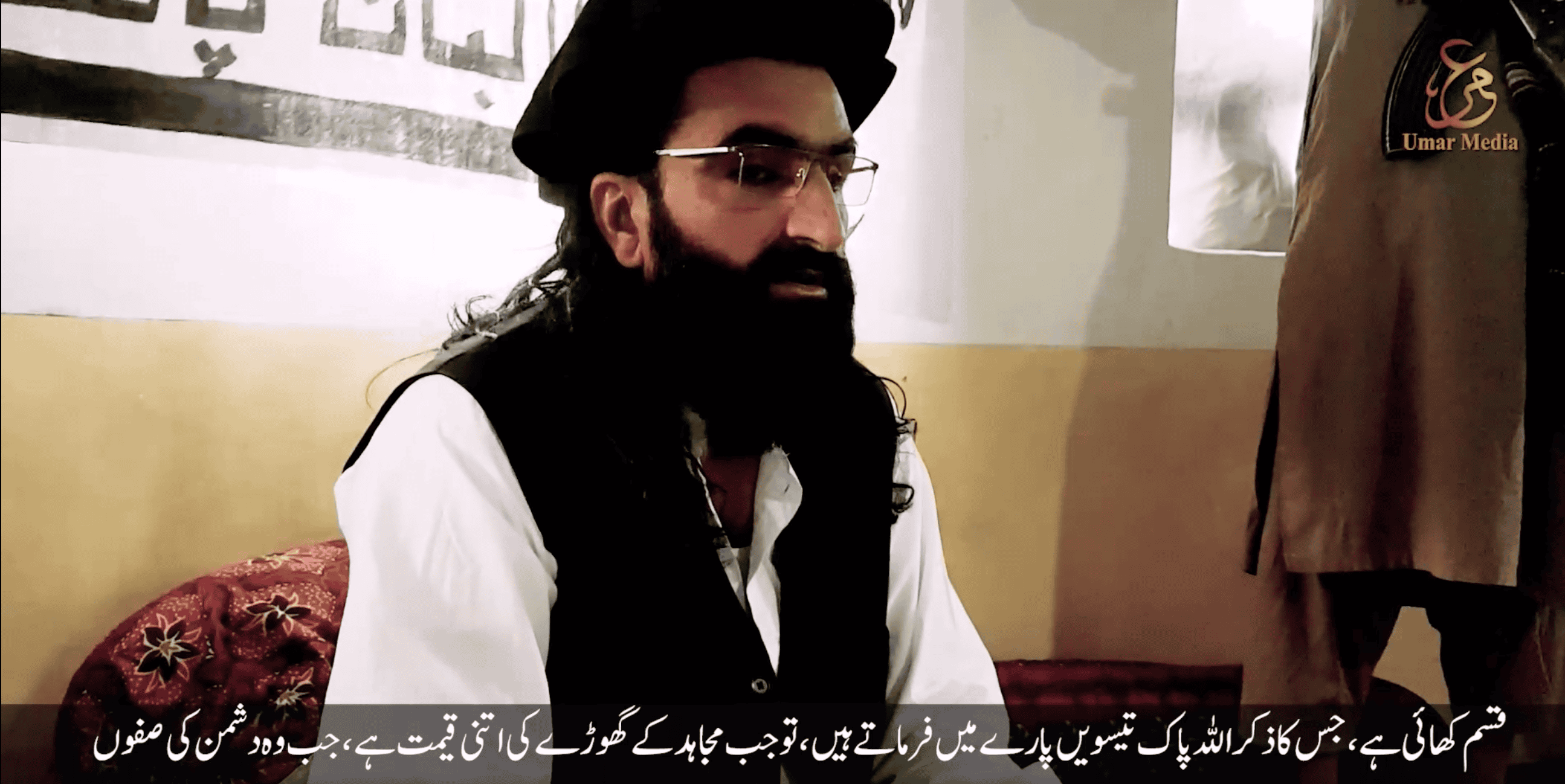
Pakistani Taliban leader thought to be targeted in airstrike on Afghan capital
Pakistan is thought to have carried out an airstrike in Kabul that targeted Movement of the Taliban in Pakistan (TTP) emir Noor Wali Mehsud. If Mehsud’s death is confirmed, he would be the second high-level foreign terrorist leader killed in Kabul since the US withdrawal from Afghanistan in August 2021. On July 31, 2022, the US killed Al Qaeda emir Ayman al Zawahiri in a strike on Kabul.
-
Analysis: Pakistan attempts to shift blame for TTP attacks toward India
Pakistani officials blamed an attack in the northwestern province of Khyber Pakhtunkhwa that killed 11 Pakistani soldiers on the “Indian Proxy, Fitna al Khwarij.” However, the accusation is an attempt to redirect the responsibility for violence toward India and mask Pakistan’s role in the formation of and support for the Afghan Taliban and its spinoff, TTP.
-
Generation Jihad | Back to Bagram?
Four years after America’s chaotic retreat from Afghanistan, President Trump has said he wants US forces back at Bagram Air Base — or as Bill Roggio and Tom Joscelyn call it: a fantasy. They explain why the Taliban will never allow it, China wouldn’t tolerate it, and that Washington still hasn’t learned. From Doha to Abbey Gate, Bill and Tom retrace how America’s exit empowered jihadists—and why talk of going back is pure madness.
-
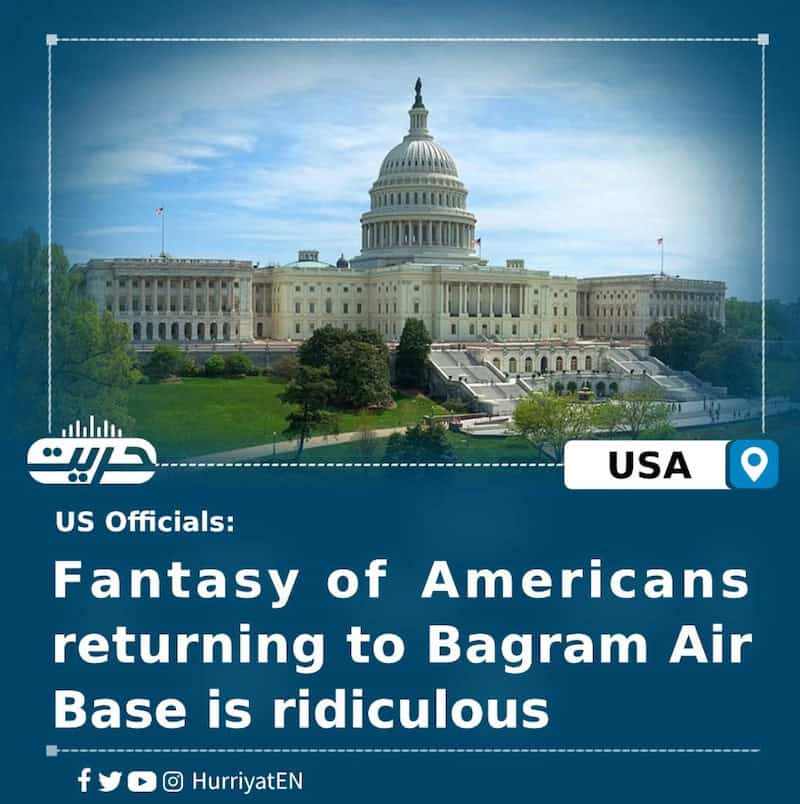
Taliban rejects US attempt to return to Afghanistan’s Bagram Air Base
After US President Donald Trump said that “we want that base back,” the Taliban quickly rejected US attempts to return to Bagram Air Base. The Taliban has been clear that it will not accept a return of US forces to Afghanistan.
-
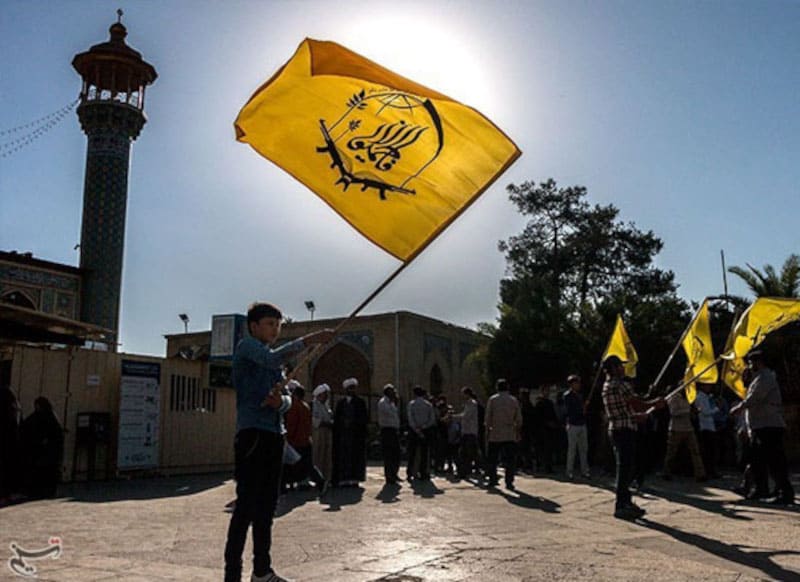
Afghans in Iran have significant national security implications for the Tehran regime
Afghans in Iran now occupy a charged space in the regime’s security calculus, seen as both potential infiltration risks and diplomatic leverage. From exploiting leaked UK asylum data to mass deportations and espionage arrests, Tehran is reframing Afghan migration as a matter of national security.
-
Taliban denounces International Criminal Court warrant for emir, chief justice
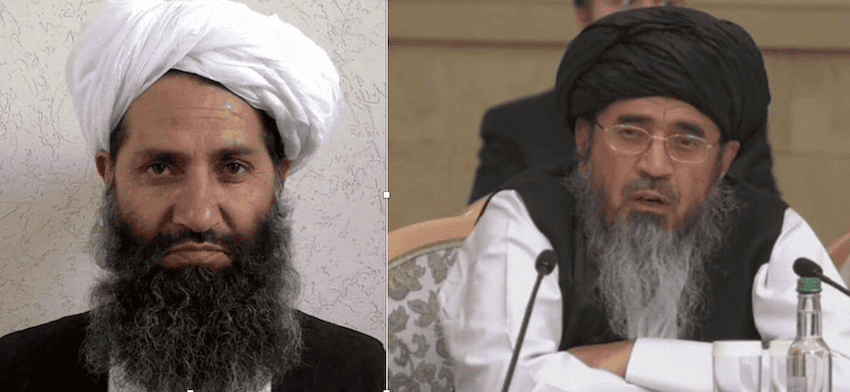
After the International Criminal Court issued arrest warrants for Taliban Emir Mullah Haibatullah Akhundzada and Chief Justice Abdul Hakim Haqqani for human rights abuses, the Taliban rejected the legitimacy of the court and described the action as an attack against Islam. Akhundzada and Haqqani have served in the Taliban’s harsh judicial system for four decades and are significantly responsible for the group’s extreme policies.
-
Taliban denounces Israeli strikes on Iran
The Taliban sided with Iran and condemned Israel’s attacks on Iran’s nuclear and military targets. Iran has a long history of supporting the Taliban since 9/11, and the Taliban appears to be returning the favor.
-
Taliban eulogize Mullah Mansour despite his role in hiding the death of Mullah Omar
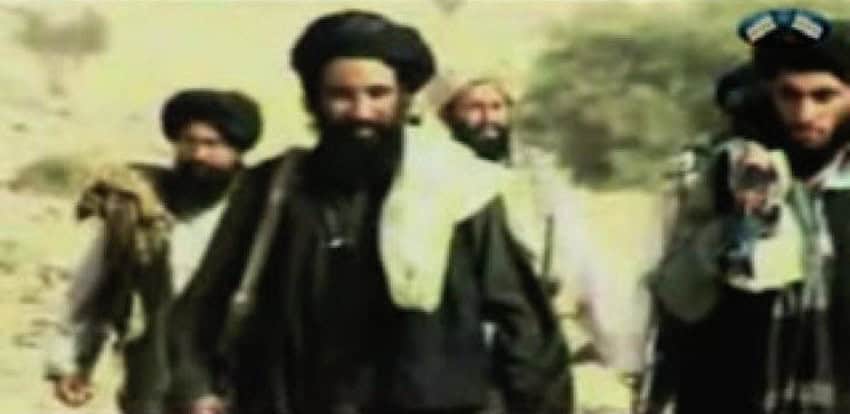
The Taliban issued a glowing eulogy for Mullah Akhtar Mohammad Mansour, the group’s second emir, to mark the ninth anniversary of his death in a US airstrike. However, the group failed to address Mansour’s role in concealing the truth about the death of Mullah Omar, the group’s founder and first emir. This deception led to a major division within the Taliban and the rise of the Islamic State’s Khorasan Province.
-
Taliban emir decries ‘Zionist assaults and acts of oppression’ in Gaza
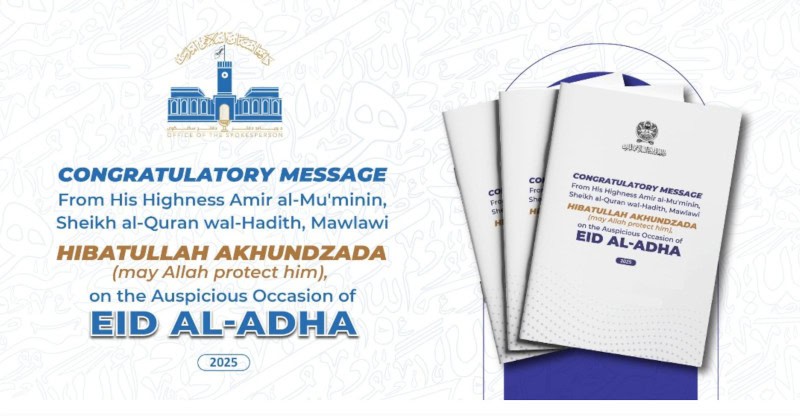
Taliban Emir Mullah Haibatullah Akhundzada expressed his support for “the oppressed people of Palestine” while denouncing “Zionist assaults and acts of oppression.” In the past, the Taliban has praised Hamas’s fight against Israel and celebrated its brutal October 7, 2023 assault on the country.
-
Afghan national pleads guilty over Islamic State-inspired terror plot in US
Abdullah Haji Zada, an 18-year-old legal permanent resident living in Oklahoma, pled guilty to conspiring to receive firearms intended for an election-day terrorist attack on behalf of the Islamic State. Six other individuals have been detained for their connection to the Islamic State since Zada’s arrest, underscoring a persistent threat to the US.

-
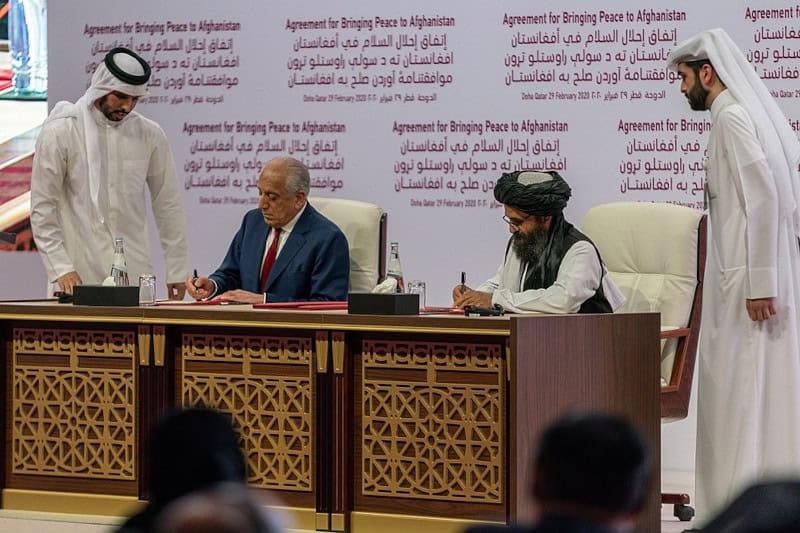
Analysis: US removal of Sirajuddin Haqqani’s $10 million bounty signals engagement with the Taliban
With the return of former American Ambassador to Afghanistan Zalmay Khalizad to negotiations in Afghanistan and the Trump administration’s decision to remove Sirajuddin Haqqani’s bounty, the Trump administration may be continuing its previous policy of engagement with the Taliban.
-
Anti-Taliban groups conclude fifth Vienna Conference
Over 90 former leaders of the previous Afghan government, civil society representatives, and anti-Taliban resistance leaders attended the conference at the Austrian Institute for International Affairs and called for help forming a transitional government.