-
Analysis: Taliban leader Sirajuddin Haqqani becomes a statesman
After meeting the ruler of the UAE, Sirajuddin Haqqani traveled to Saudi Arabia to attend the Hajj. His travel was approved by the international community. Official recognition is almost certainly to follow.

-
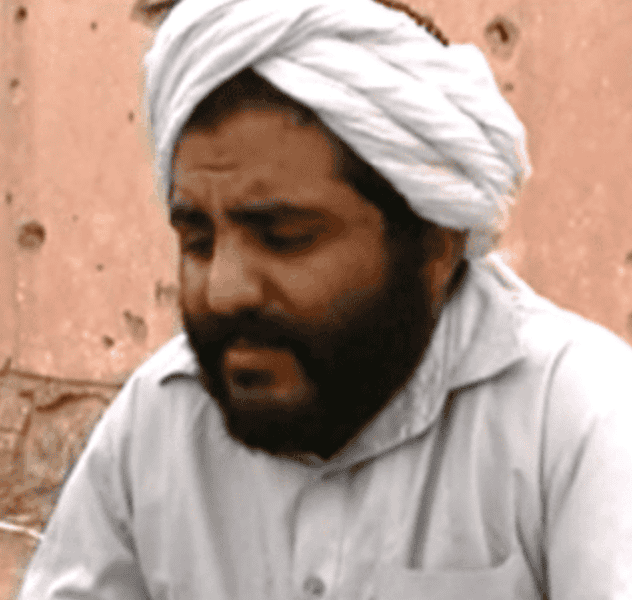
U.S. offers $5 million reward for member of Al Qaeda’s top leadership council
Hamza al Ghamdi is a legacy Al Qaeda leader who fought alongside Osama bin Laden against the Soviets, led bin Laden’s bodyguard, organized terror attacks in Tajikistan in the 1990s, and fought at the battle of Tora Bora. He is currently a member of Al Qaeda’s shura, or executive leadership council. Ghamdi is likely based in Afghanistan or Iran.
-
ISKP’s transnational reemergence
Leveraging its stronghold in Afghanistan and networks across Central and South Asia, ISKP is surging as a formidable transnational actor, posing a threat from Asia to Europe. The Taliban’s self-portrayal as a counterforce to ISKP raises concerns about their true motives and the perpetuation of regional instability.
-
Al Qaeda leader calls foreign fighters to Afghanistan
Sayf al-Adl, who is thought to be al Qaeda’s current leader, calls on supporters around the world to migrate to Afghanistan to gain training, experience, and knowledge before undertaking attacks against so-called “Zionist” and Western targets around the world.

-
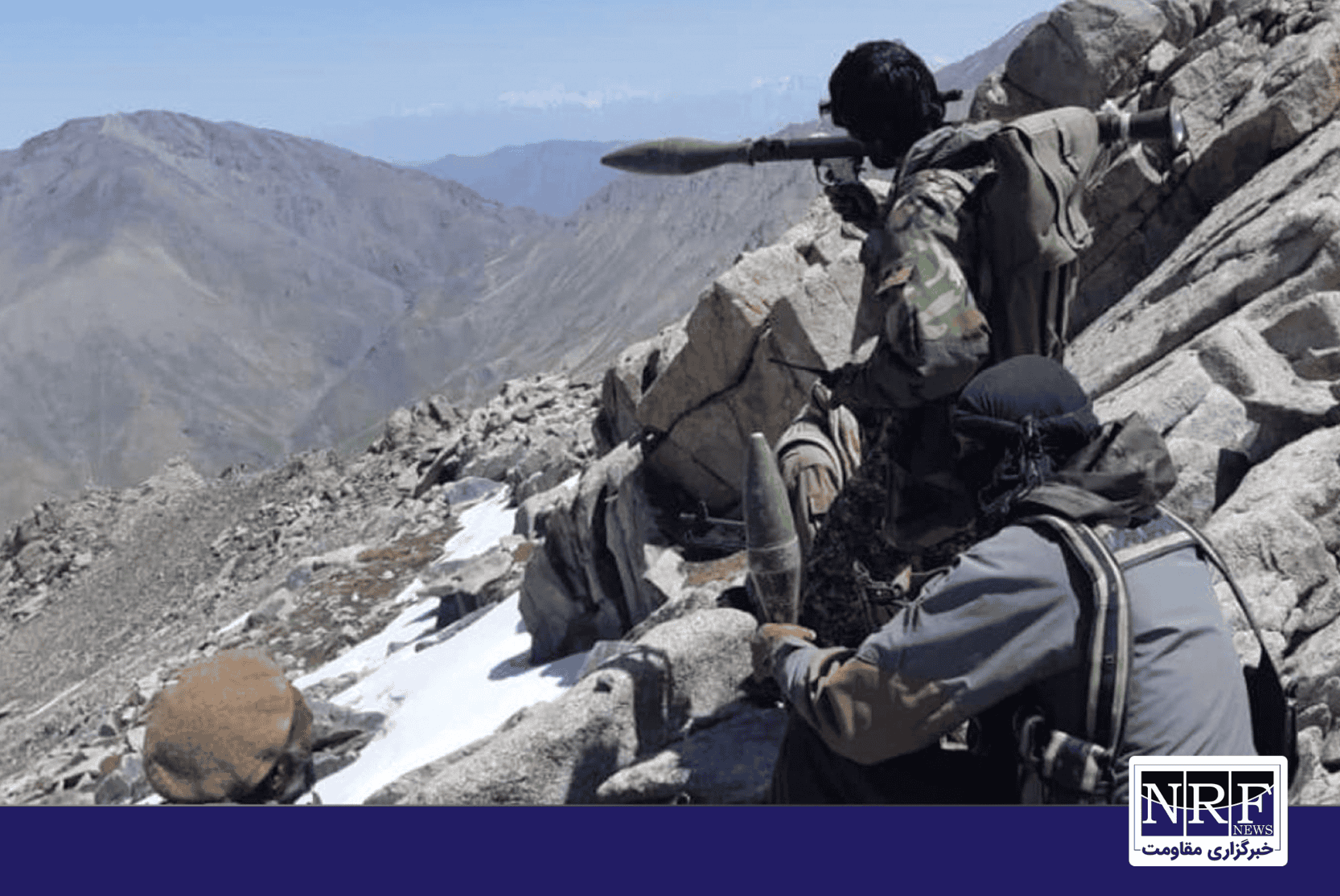
Nascent Afghan resistance grows in strength but not a threat to Taliban rule
The anti-Taliban resistance is gaining strength and conducting more attacks on the Taliban regime. However, these groups lack cohesion, outside support, and a safe haven. Until those requirements are met, they will lack the strength to be a formidable challenger to Taliban rule.
-
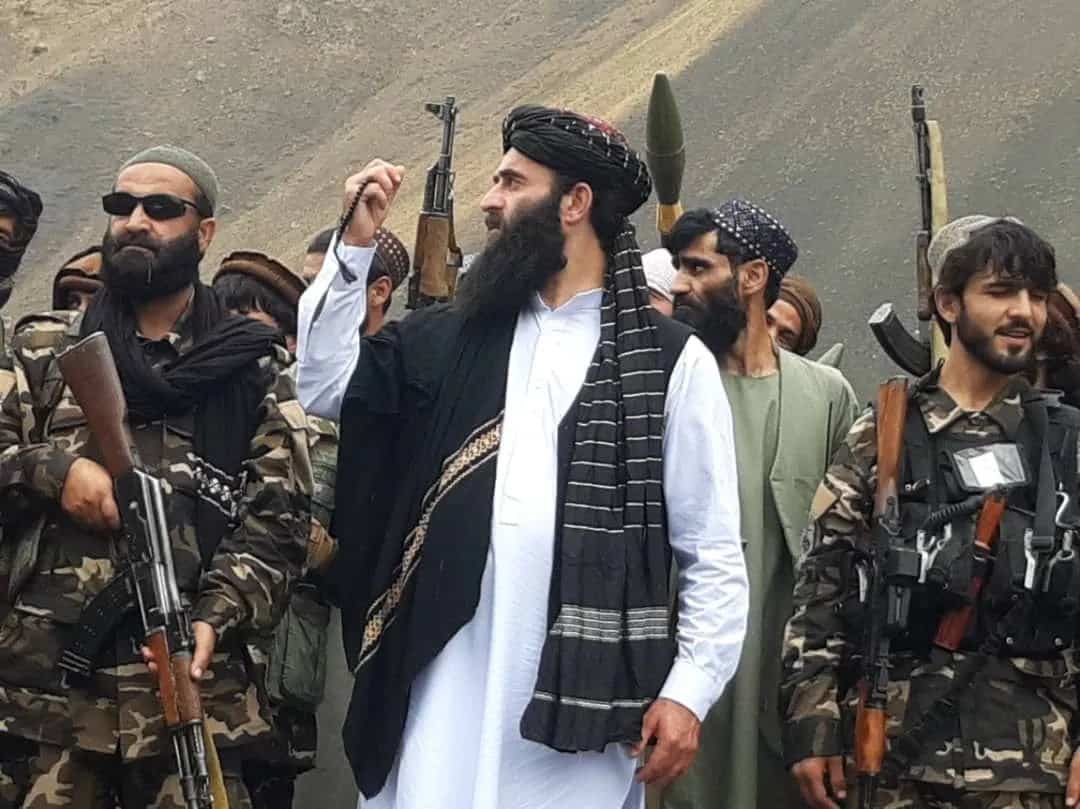
Opium protests catalyze anti-Taliban sentiments
Afghanistan has grappled with a surge in terrorism, deepening ethnic rifts, protests, and the devastating impact of natural calamities in recent weeks. Two years into their control of Afghanistan, the Taliban is struggling to govern as a state actor.
-
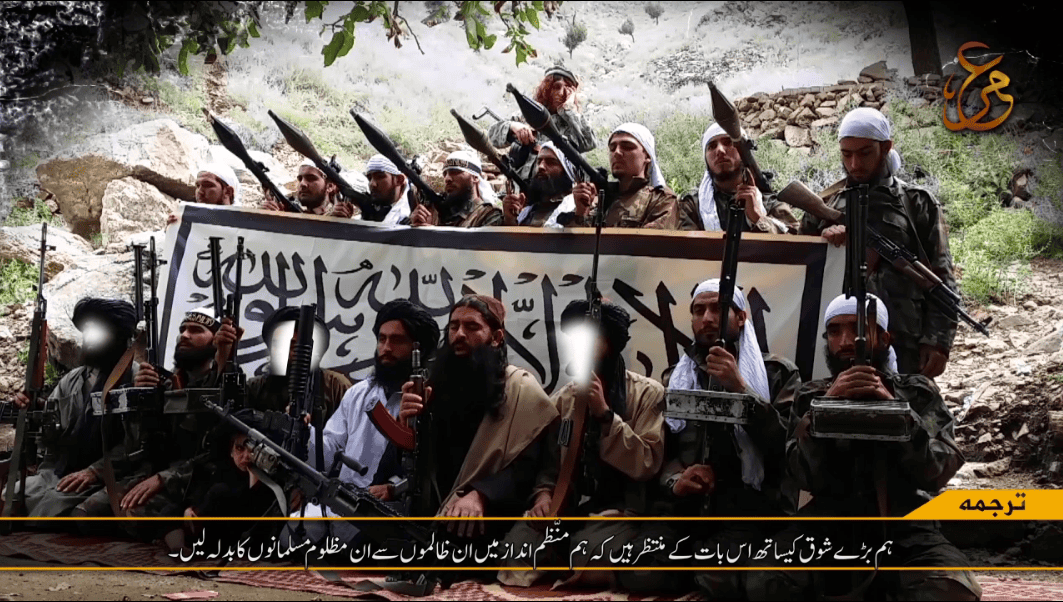
Architect of Doha agreement wrongly claims: ‘Al Qaeda in the Indian Subcontinent has been dismantled’
Zalmay Khalilzad, the former Special Repressive for Afghanistan Reconciliation and the key architect of the Doha Agreement, continues to maintain that the Taliban “dismantled” Al Qaeda, despite evidence to the contrary from the UN and CENTCOM.
-
Pakistani military, Afghan Taliban exchange fire along the border
Whatever disputes the Pakistani state has with the Taliban, it is unlikely that its strategic depth with respect to India and strategic relations with the Taliban will be discarded for the lives of hundreds of Pakistani citizens.
-
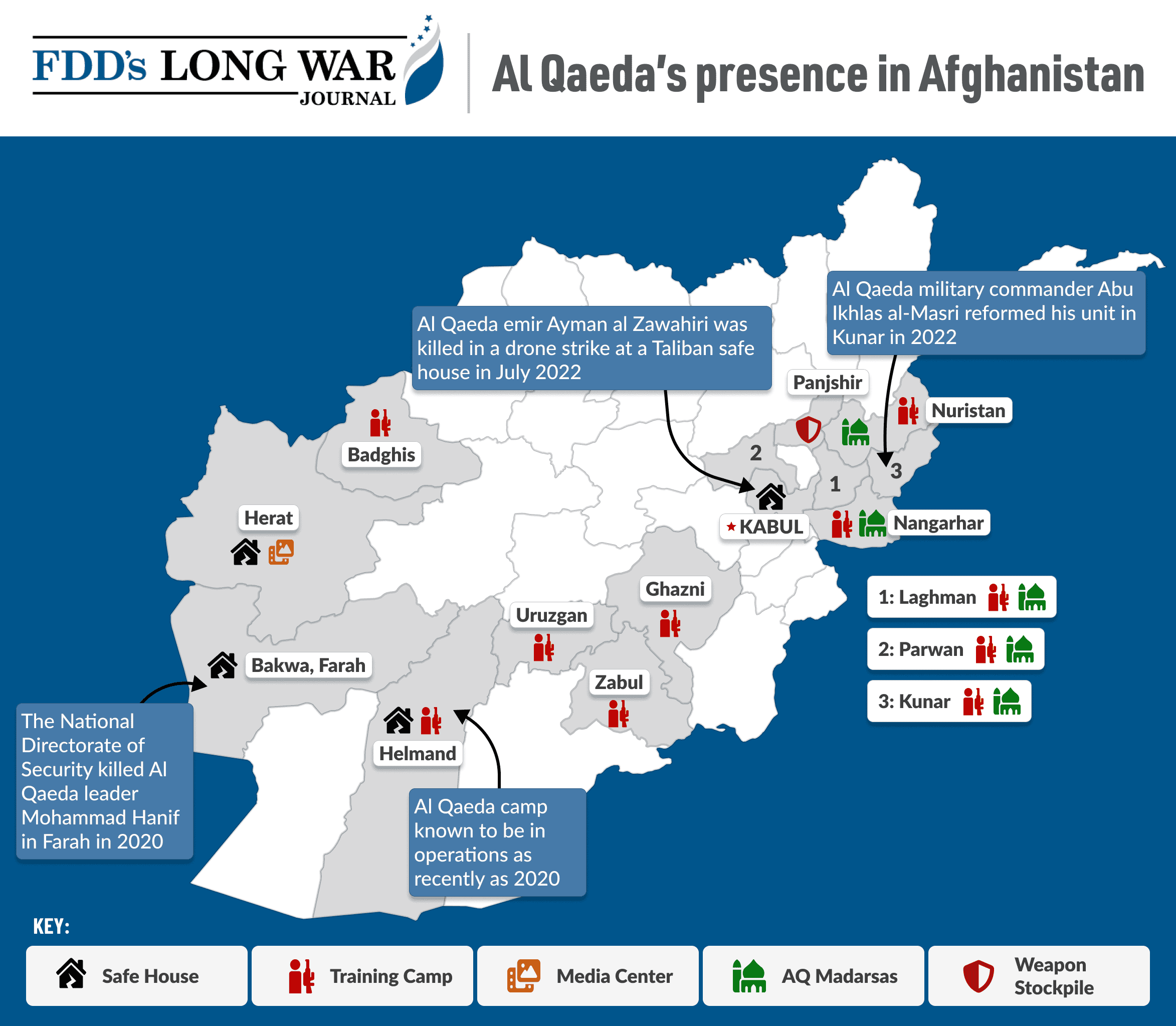
Al Qaeda opens 8 new training camps, 5 madrasas, and a facilitation network to Iran in Afghanistan
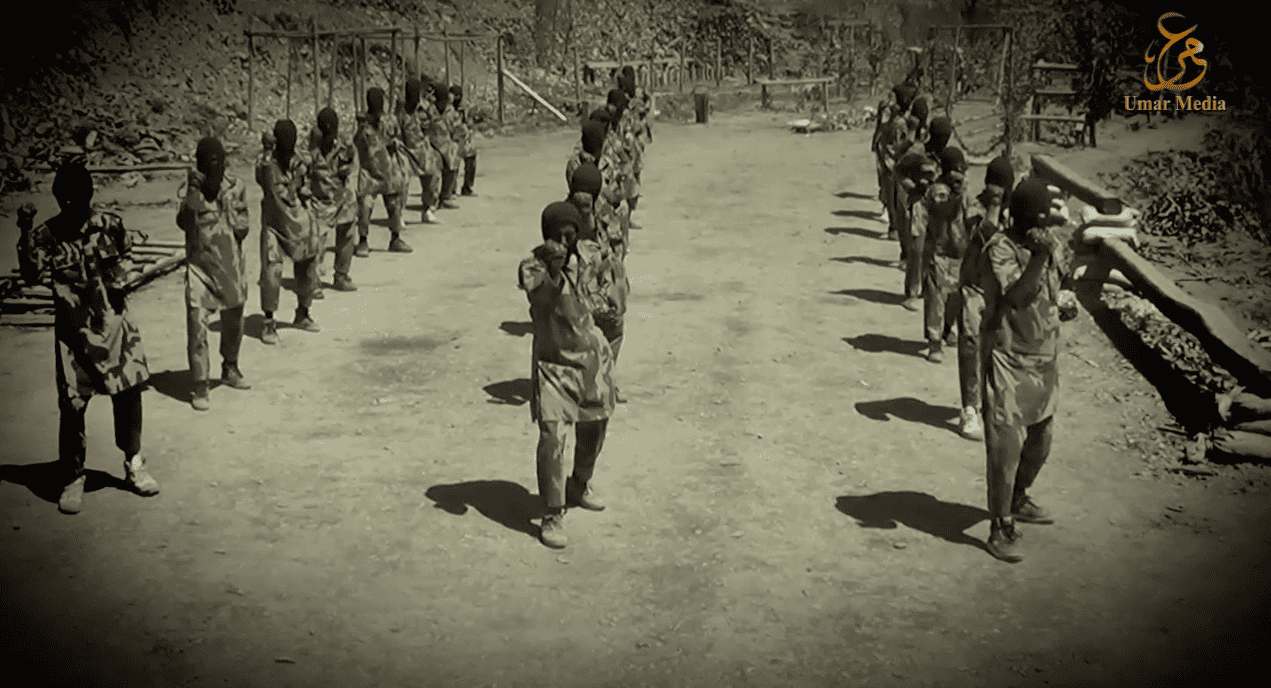
Al Qaeda continues to build its network and infrastructure in Afghanistan after the fall of the Afghan government. Al Qaeda opened eight new training camps, five madrasas, a weapons depot and safe houses in Afghanistan that are used to facilitate the movement of its members to and from Iran.

-
Generation Jihad Ep. 123 — The Afghanistan affliction
Bill is joined by Stu Velasco and Zach Popp of The Boardwalk Podcast (also hosted by Kyle Reynolds who couldn’t make it, shoutout Kyle Reynolds) to discuss the trials and tribulations of their time in service to the U.S. during the long war.
-
Generation Jihad Ep. 120 — Yes, al Qaeda is still a threat
In a slight detour from our Israel coverage, Bill and Caleb are joined by counterterrorism expert Sara Harmouch to discuss her recent article that sounds like it was written for Long War Journal but was actually written for War on the Rocks, called “Al-Qaeda: A Defeated Threat? Think Again.” They debunk the latest example of President Biden’s insistence that al Qaeda no longer has a presence in Afghanistan and discuss how U.S. rejection of intelligence is neither new nor at odds with its dangerous habit of disconnecting dots pertaining not least of all to al Qaeda.
-
Testimony – Go-to-Zero: Joe Biden’s withdrawal order and the Taliban’s takeover of Afghanistan
Bill Roggio testified before the House Committee on Foreign Affairs, Subcommittee on Oversight and Accountability, on the order to withdraw from Afghanistan and the impact on the Afghan government and security forces.
-
On eve of 9/11 Anniversary, U.S. officials continue to downplay Al Qaeda’s presence in Afghanistan
After nearly two decades of abysmal assessments from U.S. intelligence officials and policy makers on Al Qaeda and the Taliban in Afghanistan, the latest claims that the terror group is “at its historical nadir” should be taken with more than a grain of salt.
-
Two years after U.S. withdrawal, the Taliban enjoys an iron-fisted grip on Afghanistan
The Afghan people continue to suffer as the Taliban consolidates its power. Meanwhile, the Taliban’s support for Al Qaeda, the Movement of the Taliban in Pakistan, and a number of regional terror groups grows.
-
Taliban again denies TTP presence in Afghanistan
The Afghan Taliban continues to claim that there are no foreign terror groups operating inside their country, despite all evidence to the contrary. The Movement of the Taliban in Pakistan has an extensive footprint in Afghanistan.
-
Fact Check: President Biden’s claim Al Qaeda is not in Afghanistan is demonstrably false
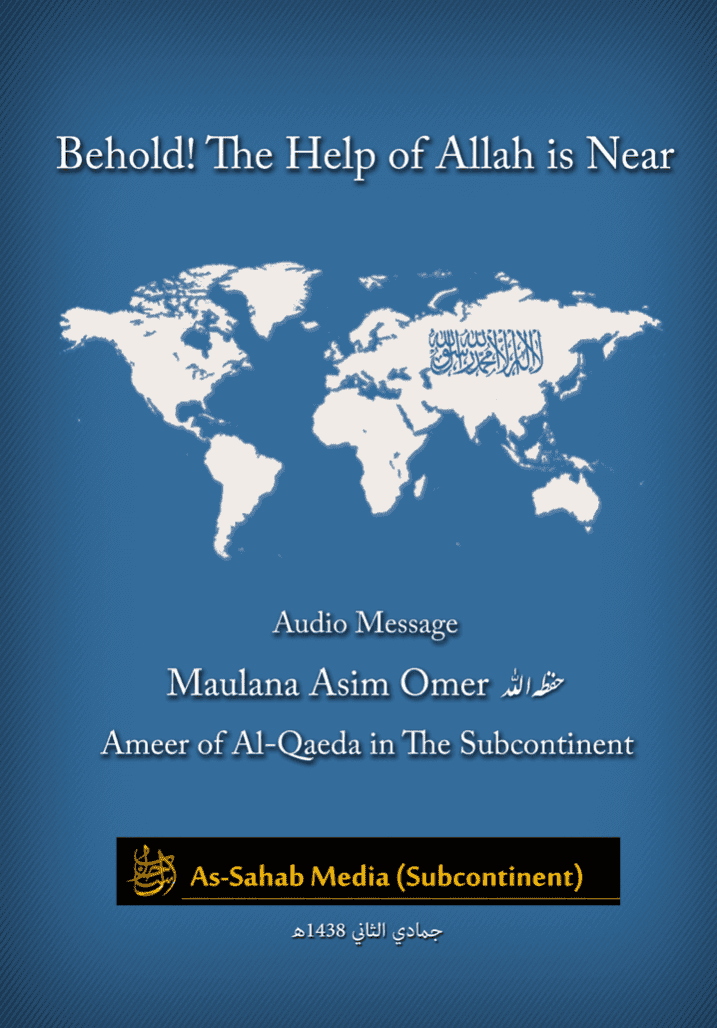
“I said Al Qaeda would not be there,” President Biden said about Afghanistan. “I said we’d get help from the Taliban… I was right.” Except Al Qaeda is indeed in Afghanistan and is receiving support from the Taliban.
-
Afghan Taliban and Al Qaeda aiding Pakistani Taliban’s insurgency
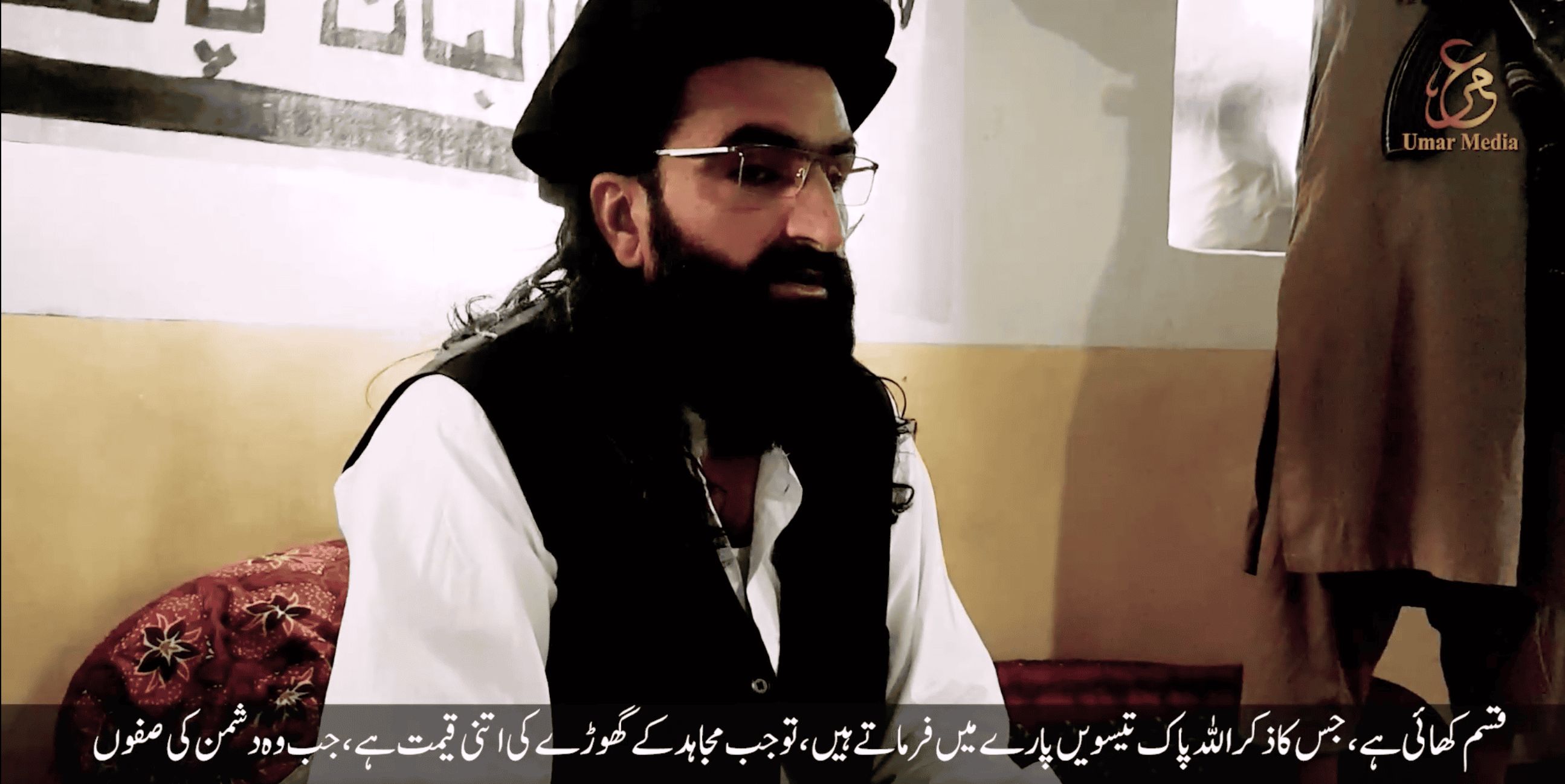
The Afghan Taliban has vehemently objected to the lest UN report, as it punches gaping holes into the Taliban’s narrative that it does not shelter and support foreign terror groups. However, the presence of the TTP, Al Qaeda and a host of other terror groups in Afghanistan is undeniable.
-
Generation Jihad Ep. 94 — Al Qaeda has key roles in Taliban’s Afghanistan
Bill welcomes back to the show Generation Jihad regular Ambassador Edmund Fitton-Brown. Now a member of the Counter Extremism Project’s advisory board, Edmund previously served as the UK’s Ambassador to Yemen and later as the coordinator of the U.N. Security Council’s Sanctions Monitoring Team. Edmund’s former team at the U.N. just released its latest report on Afghanistan which details (among other troubling issues) just how embedded al Qaeda is in Afghanistan’s Taliban government. Bill and Edmund dissect the report’s findings.
-
Al Qaeda actively operating training camps in 5 Afghan provinces
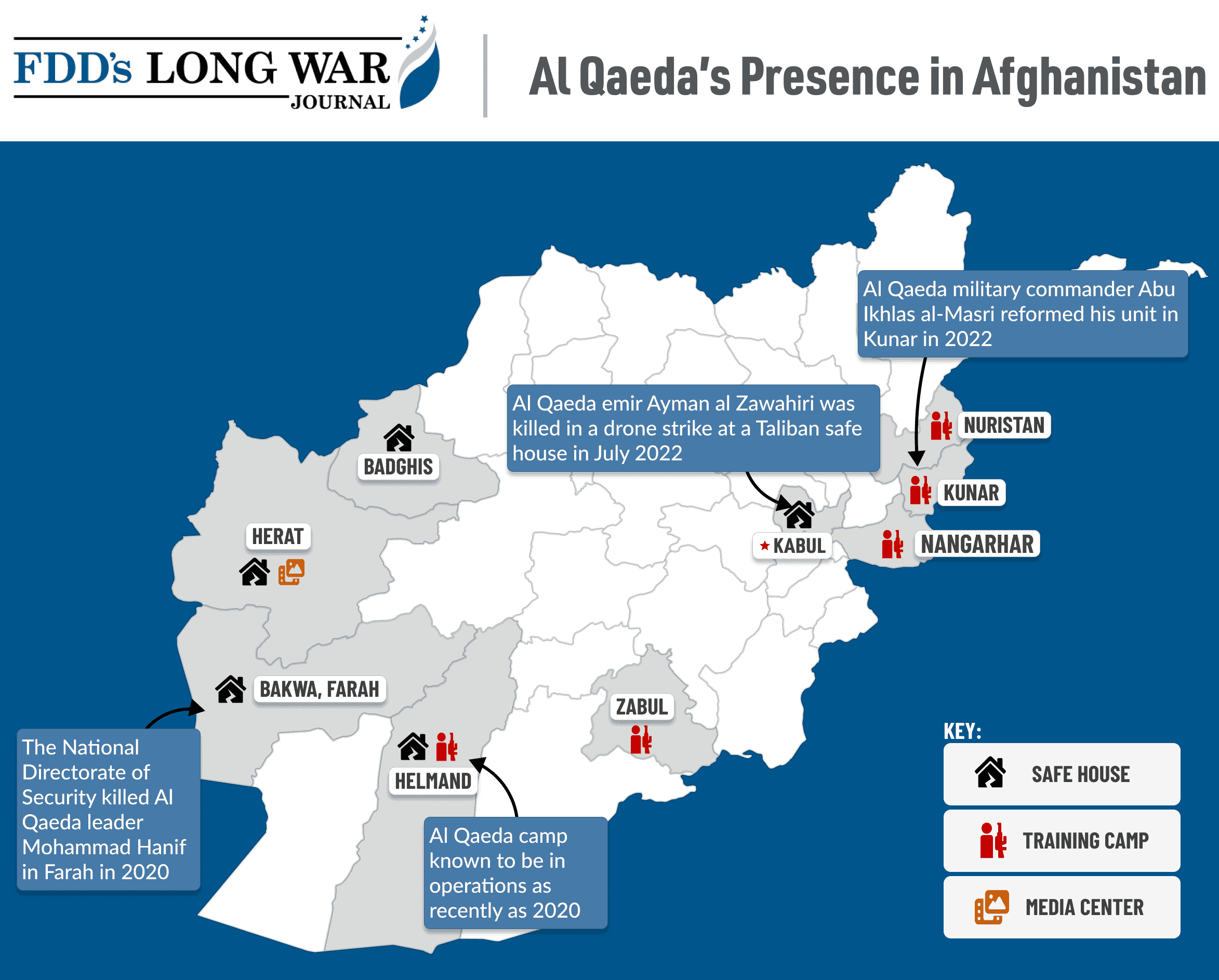
Al Qaeda has established training camps in five Afghan provinces, as well as safe houses and a media center. The Taliban-Al Qaeda relationship is strong. Al Qaeda most certainly has not declined, nor has it been decimated or defeated.

-
Al Qaeda leaders are prominently serving in Taliban government
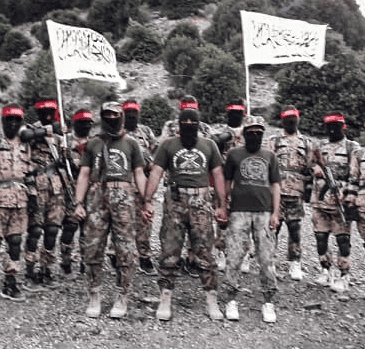
Three prominent dual hatted Taliban and Al Qaeda leaders serve in key positions within the Taliban establishment, according to the United Nationals Analytical Support and Sanctions Monitoring Team. The Taliban is providing Al Qaeda with key support, including “welfare payments” and passports.
-
The Taliban promises China it won’t allow terrorists to use Afghanistan as launching pad
The Taliban has made this false statement for decades, even prior to 9/11. After al Qaeda emir Ayman al Zawahiri was killed in Kabul, Taliban promises like this should be dismissed out of hand. Foreign terror groups continue to operate in Afghanistan to this day.
-
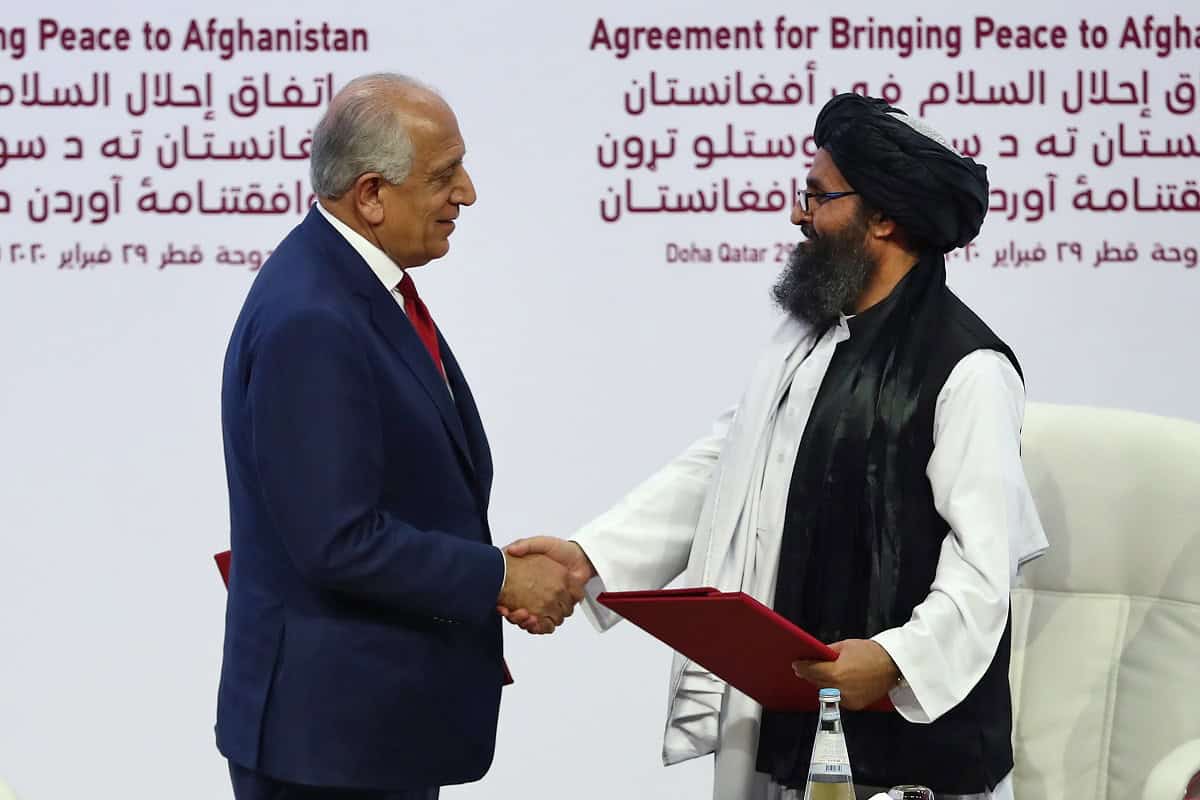
FDD’s Long War Journal’s response to Zalmay Khalilzad’s Twitter thread
FDD’s Long War Journal responds to the former ambassador’s assertion that assessments of Afghanistan once again becoming a terrorist safe haven are false.
-
Generation Jihad Ep. 88 — al Qaeda and Islamic State findings in new UN report
Host Bill Roggio and (now official) co-host Caleb Weiss are joined by former coordinator of the UN Security Council Analytical Support and Sanctions Monitoring team Edmund Fitton-Brown to discuss findings in the latest UN report on the Islamic State and al Qaeda.
-
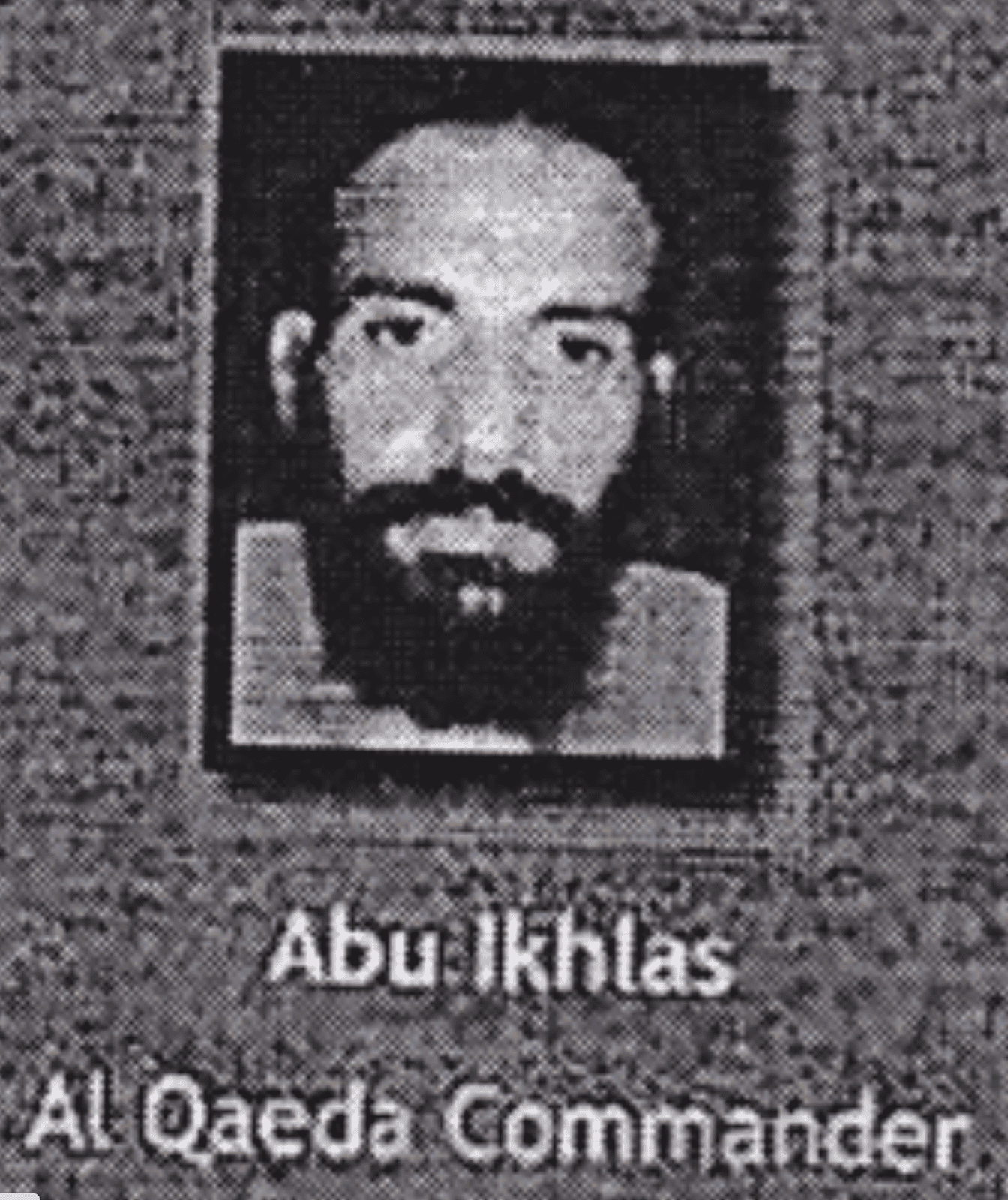
UN reports veteran al Qaeda leader likely back in action in Afghanistan
The U.S. captured al Qaeda key commander Abu Ikhlas al Masri in 2010. He was freed from Bagram prison after the Taliban takeover in 2021, and is thought to have reformed an Al Qaeda unit.
-
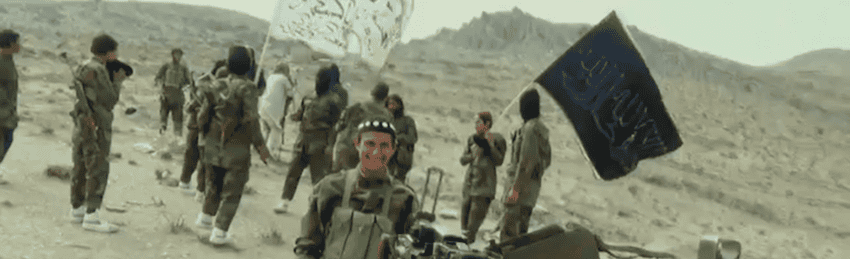
Pakistani Taliban kills scores in mosque bombing in Peshawar
Jamaat-ul-Ahrar, a faction of the Movement of the Taliban in Pakistan, claimed credit for the deadly attack. The Movement of the Taliban in Pakistan denied involvement, while it and the Afghan Taliban cynically claimed it would never strike a mosque.
-
Kabul Attack Network commander brags about suicide assaults in TV interview
One of the co-leaders of the deadly Kabul Attack Network bragged about his role in deadly attacks in the Afghan capital. The Taliban commander, known as Taj Mir Jawad, is the Taliban’s deputy minister of intelligence.

-
Al Qaeda leaders use Afghanistan as a safe haven
While Ayman al Zawahiri was the most prominentAl Qaeda leader killed in Afghanistan, dozens of top and middle tier Al Qaeda leaders, military commanders, trainers, facilitators and operatives have been killed or captured in the country since the beginning of 2010. This refutes the Taliban’s claim that foreign terrorists are not operating from the country.

-
U.S. designates Al Qaeda, Pakistani Taliban leaders based in Afghanistan
All four terrorists, including the emir of Al Qaeda in the Indian Subcontinent and the deputy emir of the Movement of the Taliban in Pakistan, are based in Afghanistan.

-
Taliban ends ceasefire with Pakistani government, vows ‘revenge attacks’ across the country
The TTP claimed that it ended the ceasefire after “the army and intelligence agencies continue to raid and attack” its forces. “And now our revenge attacks will continue in the whole country.”
-
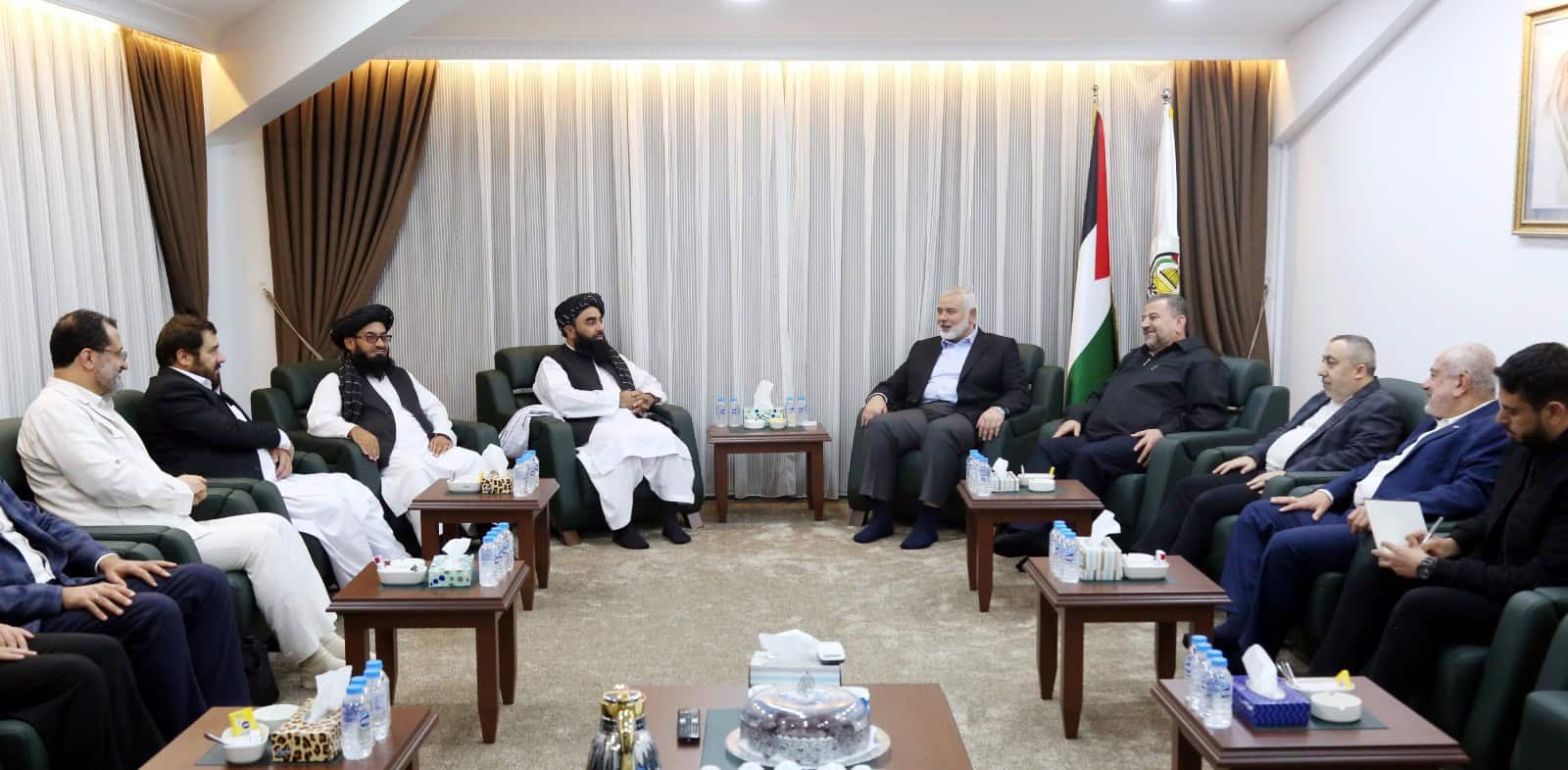
Taliban meets with Hamas during high-level talks in Turkey
In recent weeks, a Taliban delegation led by Zabihullah Mujahir visited Turkey to meet with various officials including senior Hamas members.