
-
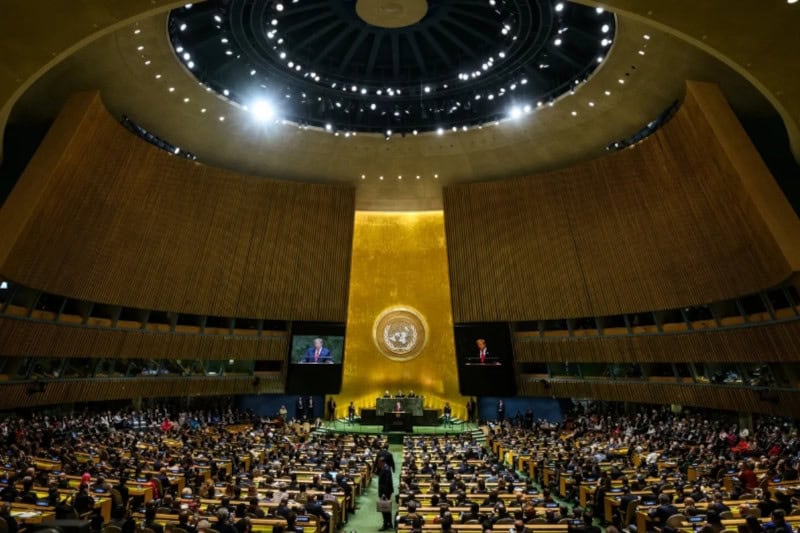
Board of Peace unveils Gaza recovery plan, Israel reports 18 ceasefire violations Sept. 15–29
The US-backed Board of Peace announced a $2.45 billion plan to rebuild Gaza over six months, but disagreements over Hamas’s disarmament and an Israeli withdrawal continue to obstruct its implementation. A day later, Israeli Prime Minister Benjamin Netanyahu spoke before the United Nations General Assembly. Meanwhile, Israeli forces continued operations against Hamas members working to rebuild the terror group.
-
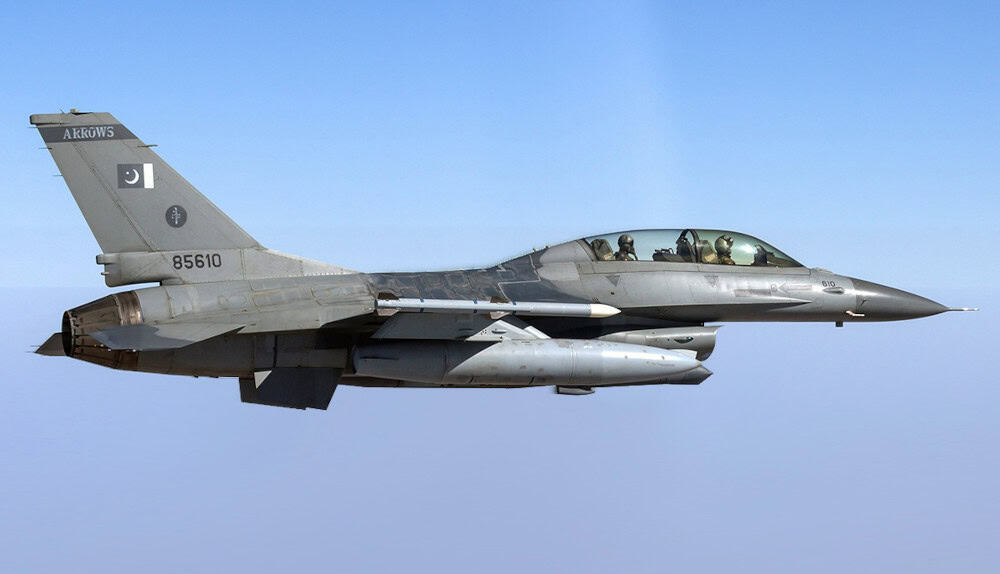
Fighting between Pakistan and the Taliban persists into second week
The latest round of conflict between Pakistan and the Taliban continued this past week, including airstrikes, cross-border attacks, targeted operations, and a car bombing. The renewed direct clashes that began on September 18 ended a nearly three-month lull in fighting between the former allies.
-
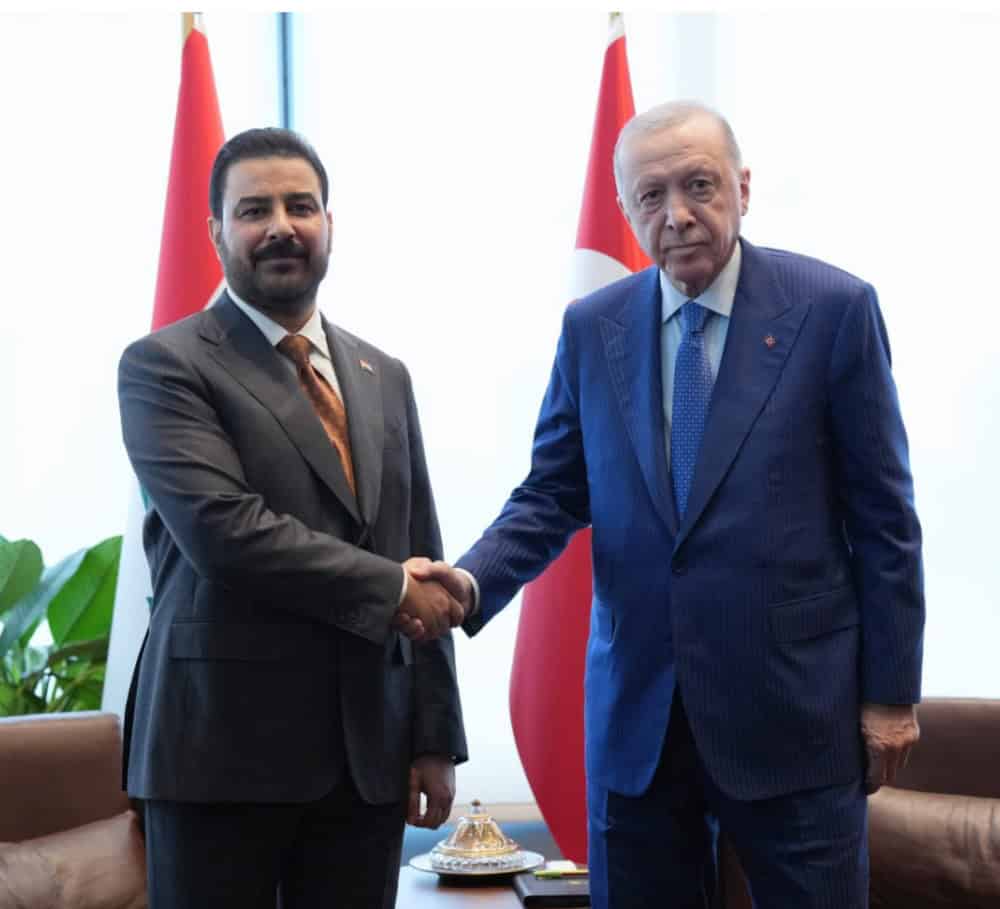
Iraq agrees to Turkish base deal as militia disarmament timeline debated
Iraqi Prime Minister Ali al Zaidi has outlined a plan to disarm Iran-backed militias by June 2027 as Baghdad prepares for the withdrawal of US forces. The proposed disarmament timeline coincides with an agreement for Turkey to gradually hand over its Bashiqa-Zilkan military base to Iraq, part of wider efforts to bring armed groups and…
-
Islamic State suspects extradited or arrested in Lebanon, Canada, Australia, and the US
Over the past 72 hours, authorities in four countries announced arrests, charges, and an extradition involving alleged Islamic State activity, including an assassination plot, a chemical attack, propaganda distribution, and financing travel to Syria.
-
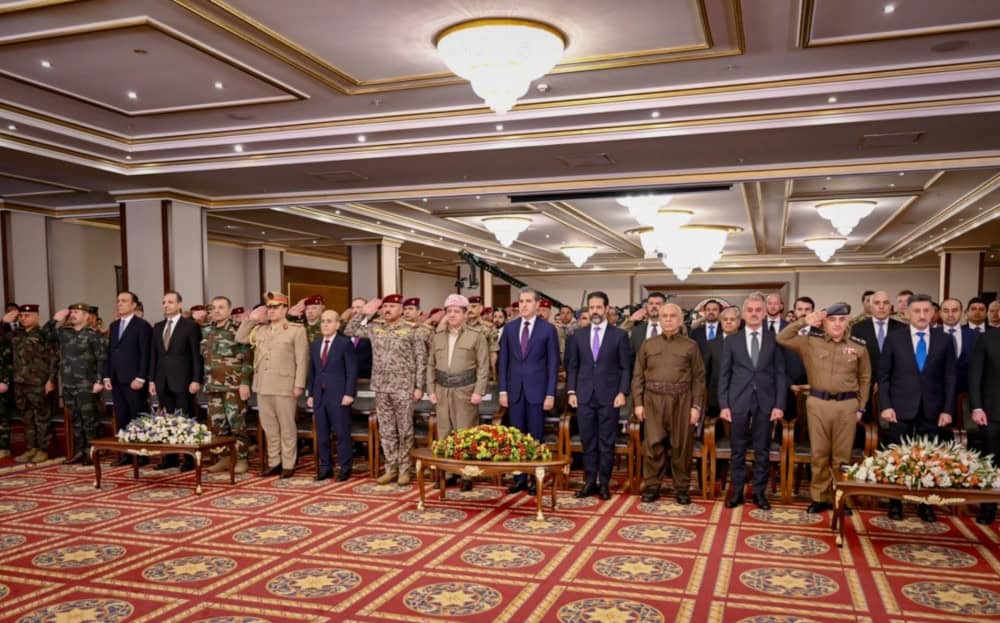
Kurdistan Region of Iraq announces Peshmerga unification
The Kurdistan Regional Government announced the completion of a years-long process to unify the Peshmerga armed forces under the Ministry of Peshmerga Affairs, ending longstanding divisions between units linked to the Kurdistan Democratic Party (KDP) and the Patriotic Union of Kurdistan (PUK). The move comes amid the departure of US forces, pressure to disarm Iran-backed…
-
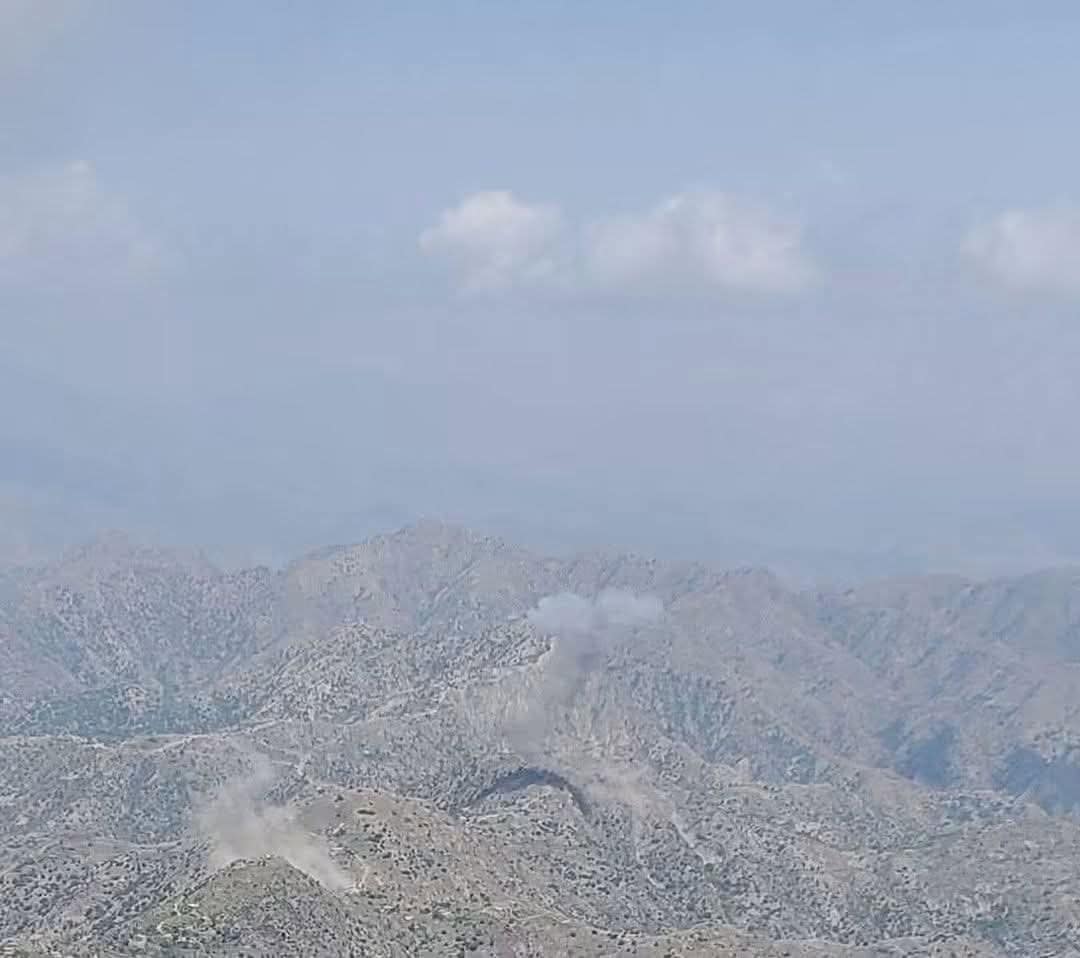
Houthis fight for key Yemeni highlands, continue striking Saudi Arabia
The Houthis and the Yemeni Armed Forces, along with allied militias, have continued fighting on multiple fronts across the country, with the Houthis particularly focused on the highlands inland from their recent coastal advance. The Houthis have also maintained their attacks on Saudi Arabia, prompting Riyadh to renew its request for US airstrikes, which President…
-
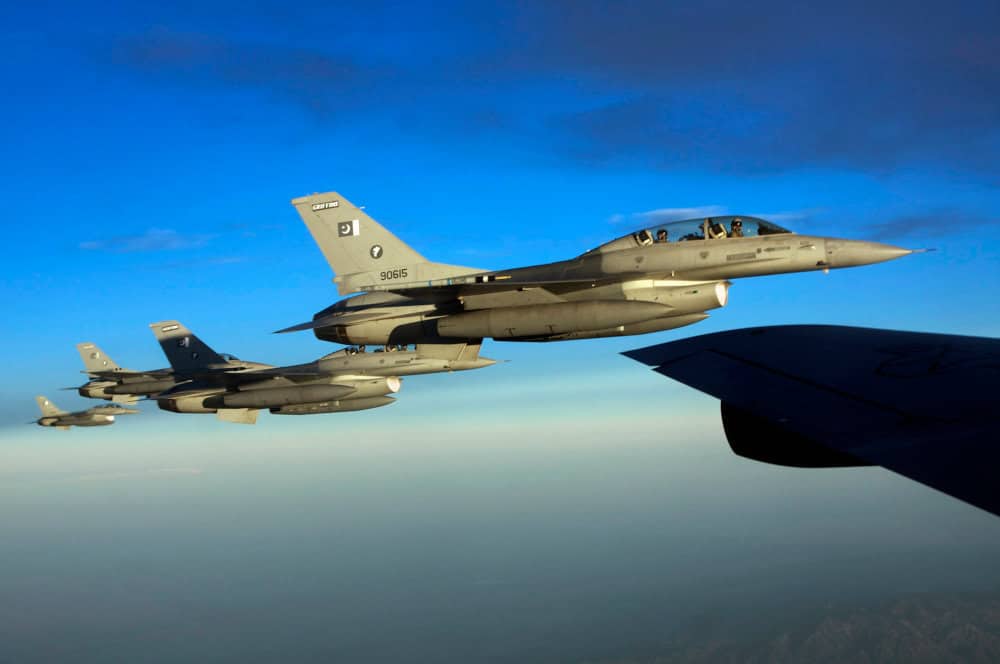
Pakistan conducts airstrikes in eastern Afghanistan in retaliation for terrorist attacks
The Pakistani Air Force conducted airstrikes in eastern Afghanistan reportedly targeting terrorist training centers in response to a recent complex suicide attack in western Pakistan. The Taliban denied involvement in the attack and promised an “appropriate response” to Pakistan’s airstrikes.
-

Yazidi armed group YBS to disarm, integrate into Iraqi security forces
The Sinjar Resistance Units (YBS), a Yazidi armed group with links to the Kurdistan Workers’ Party (PKK), has agreed to disarm and integrate eligible members into Iraq’s security forces as Baghdad seeks to stabilize Sinjar and facilitate the return of displaced Yazidis. The agreement comes amid broader efforts to disarm Iranian-backed militias in Iraq and…
-

Is Hezbollah finished, or just adapting?
Generation Jihad guest host David Daoud, an FDD senior fellow focused on Lebanon and Hezbollah, talks with Lina Khatib, an associate fellow in Chatham House’s Middle East and North Africa Programme, about her July trip in southern Lebanon, why the 2006 war never put the LAF in charge of the border, and whether Beirut can…
-
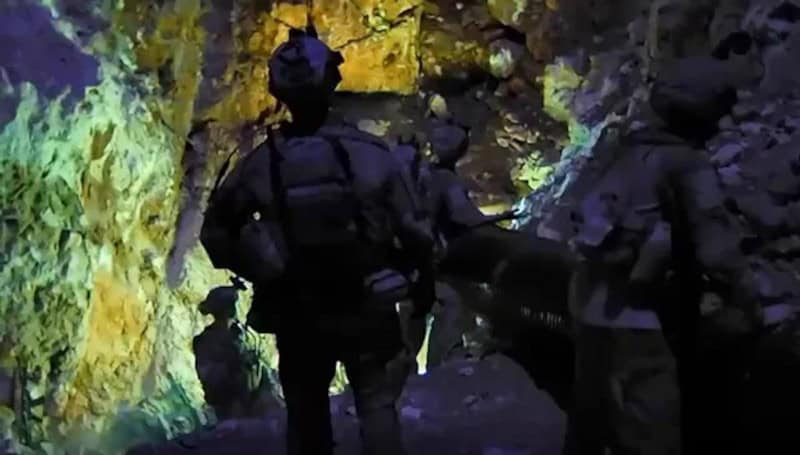
How Hezbollah reframed the battle for Ali al Taher as Israel advanced
As Israeli forces pushed from the outskirts of Ali al Taher Ridge into its underground network, Hezbollah repeatedly revised what counted as a success for the group—from denying Israeli entry to portraying the loss of the position as an attritional achievement.
-
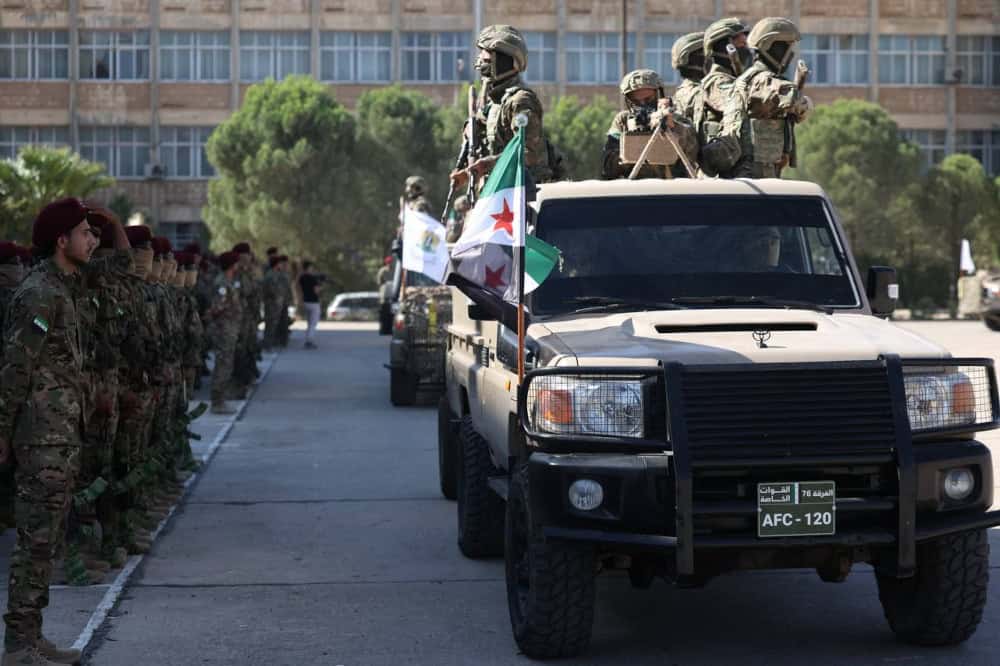
Syria’s military is rebuilding, but foreign influence may slow security progress
Syria’s post-Assad military is rebuilding rapidly, but its structure and foreign dependencies could limit Damascus’s ability to advance US security interests. If security cooperation from Turkey and Russia comes with strings attached, it may jeopardize Syria’s potential as a future partner against the Islamic State and Hezbollah.
All Articles
-
Iranian-backed militia in Iraq sets ‘conditions’ for disarmament
Iraq’s efforts to bring the weapons of Iranian-backed militias under state control are facing a new challenge as one of the country’s groups, Kataib Sayyid al Shuhada, has laid out conditions for disarmament. The debate comes amid continued US pressure on Baghdad to disarm the groups, a looming coalition withdrawal deadline, and renewed efforts by the Iraqi government to assert its authority over armed factions.
-
What is the Axis of Aggressors doing in Europe and the Middle East?
China, Russia, Iran, and North Korea are engaged in “unprecedented” cooperation, empowering Russian aggression in Ukraine and making the regime in Iran more lethal and resilient. Generation Jihad guest host Bradley Bowman, senior director of FDD’s Center on Military and Political Power (CMPP), discusses these relationships and impacts with John Hardie, deputy director of FDD’s Russia program, and Cameron McMillan, senior research analyst at FDD’s CMPP.
-
Iranian-backed Iraqi militias may seek to delay disarmament
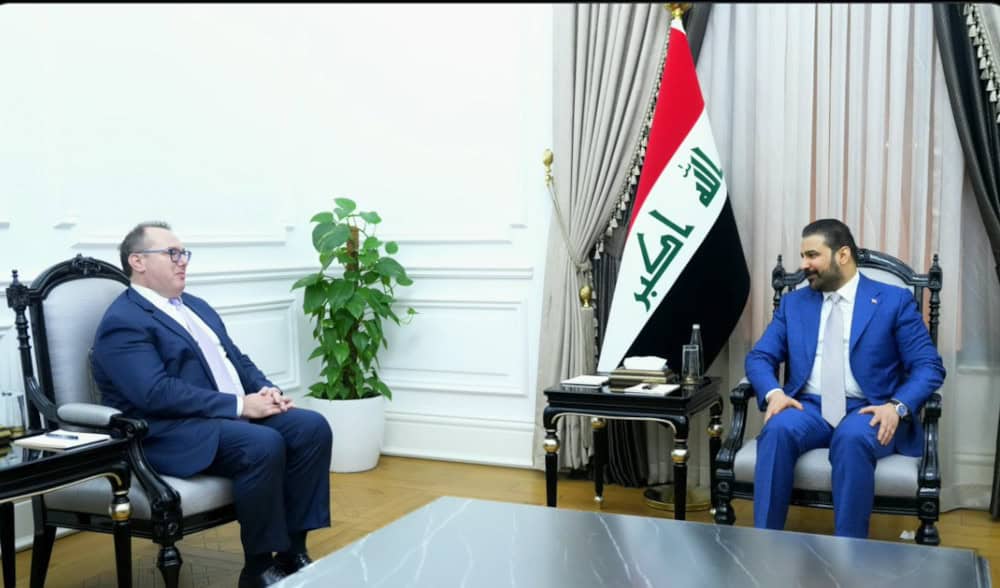
Iraq’s efforts to disarm the country’s Iranian-backed militias appear to be facing growing political resistance as some factions seek to delay or avoid a September deadline. The debate comes as Washington continues pressing Baghdad to bring all weapons under state control.
-
Kurdish-led Syrian Democratic Forces announce its dissolution
The dissolution of the Syrian Democratic Forces (SDF), the main US-backed anti-Islamic State group in Syria, ends more than a decade of Kurdish-led autonomy in the country’s northeast, as the SDF’s military, security, and civilian institutions are integrated into the state.

-
US rescinds Syria’s designation as a State Sponsor of Terrorism
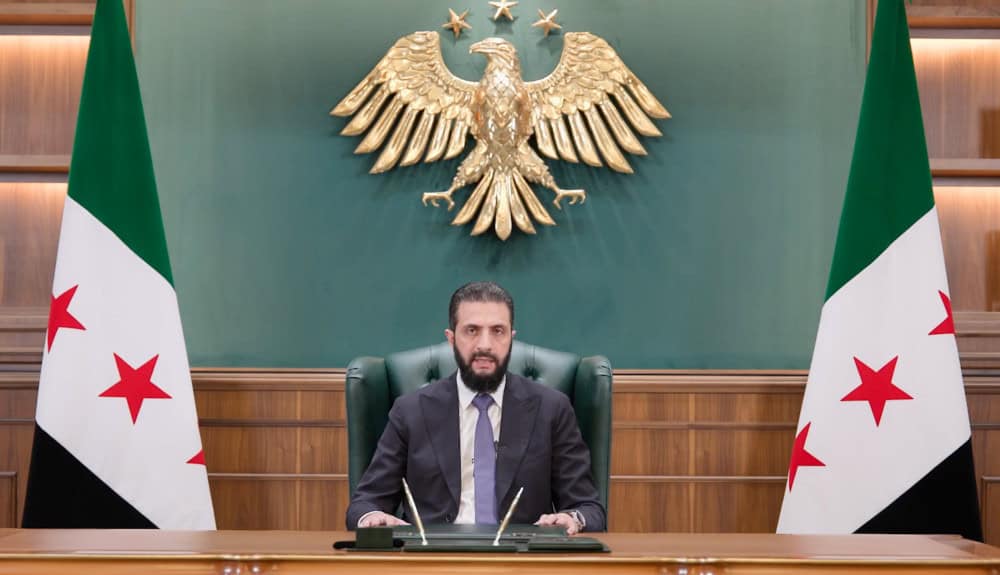
On August 24, the United States formally rescinded Syria’s designation as a State Sponsor of Terrorism, marking a milestone in Washington’s effort to improve relations with Damascus. The decision came as the US has sought to advance security talks between Syria and Israel.
-
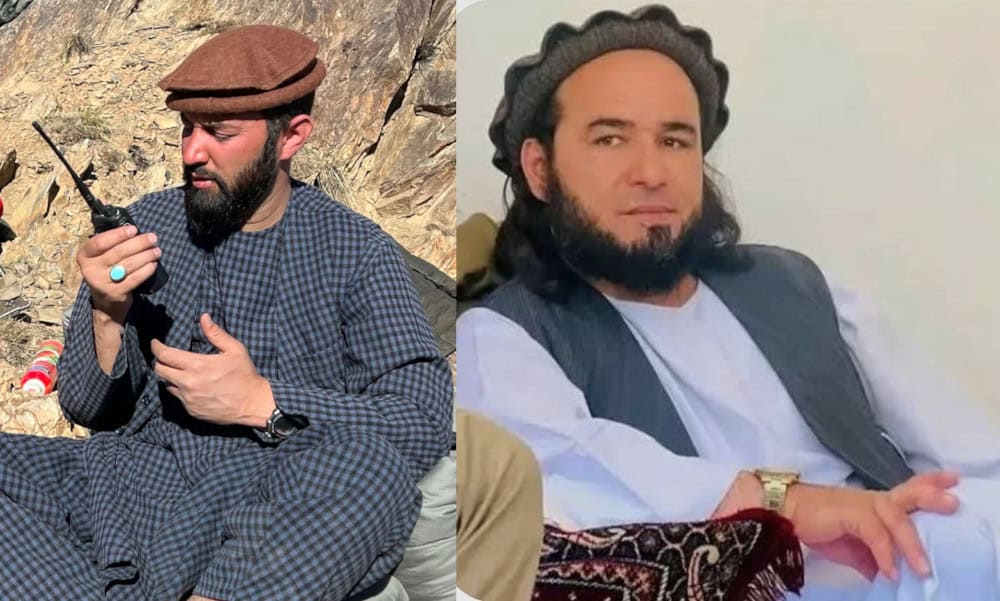
Taliban force surrender of dissident commander, kill senior anti-Taliban resistance leader
The surrender of dissident Taliban commander Juma Khan Fateh and the death of senior National Resistance Front commander Hasib Panjshiri give the Taliban notable victories as Afghanistan’s armed resistance attempts to build momentum.
-
Albany woman charged with plotting to attack New York Capitol in support of Islamic State
Jessica Bowie was arrested on August 19 and is accused of plotting to bomb the New York State Capitol. Her arrest marks the fifth Islamic State-linked terrorism case or incident in the United States this year.

-
Venezuela continues difficult recovery from twin earthquakes as oil sales surge
Venezuela’s recovery from massive earthquakes on June 24 has become increasingly costly as the death toll has climbed, the extent of infrastructure damage has come into sharper focus, and reconstruction has placed additional strain on an already fragile economy. However, Caracas’ oil sector has also continued to expand.

-
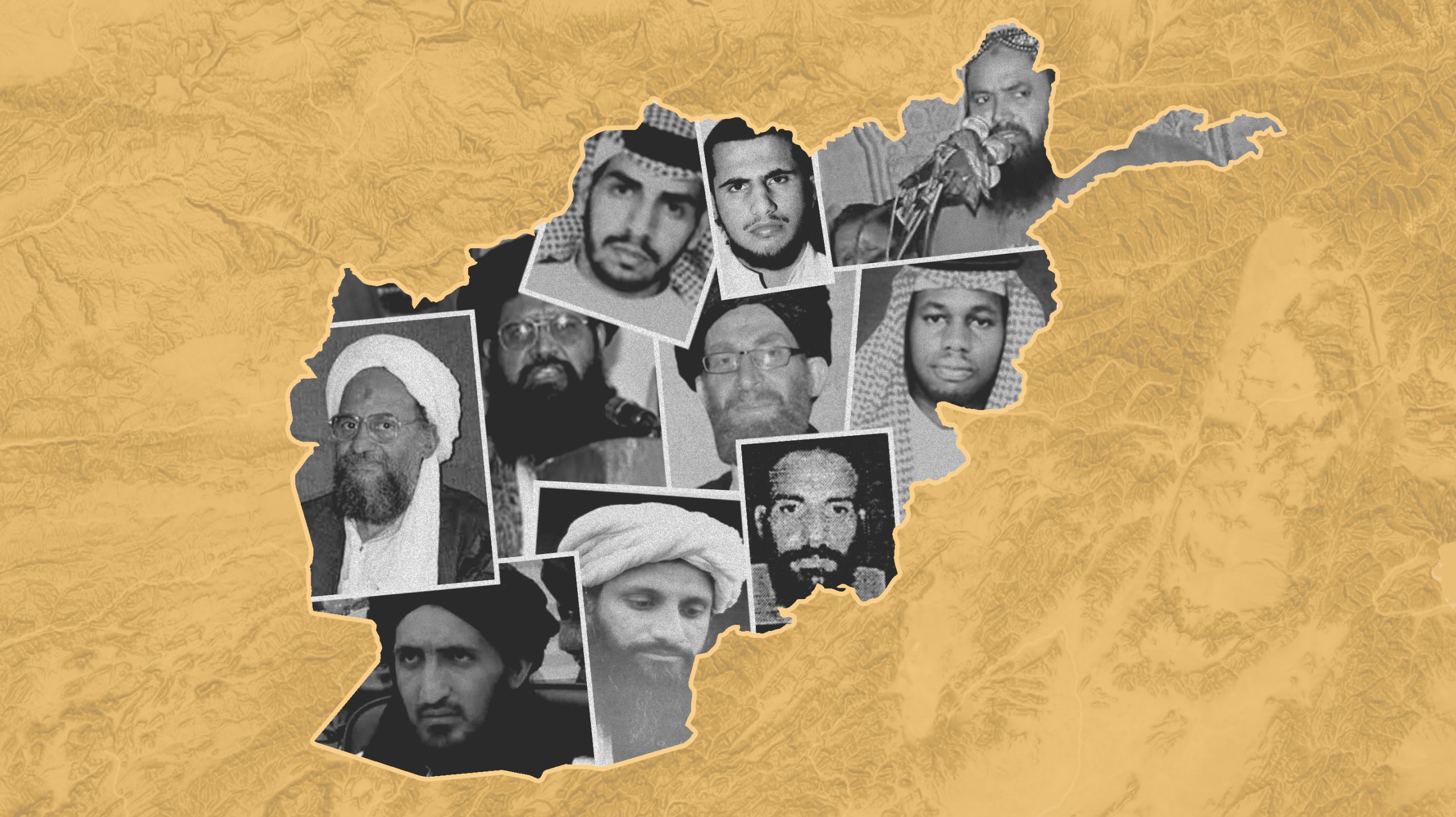
Resistance to Taliban rule persists in Afghanistan
Five years after the fall of Kabul, Afghanistan’s armed resistance continues to expand despite lacking territorial sanctuary, overt state sponsorship, and meaningful international assistance. Although it remains far from an existential threat to Taliban rule, its persistence challenges the appearance of uncontested control.

-
25 years later: The state of Al Qaeda
Twenty-five years after 9/11, analysts still can’t agree on whether Al Qaeda is a spent force or a resurgent threat. Generation Jihad’s Bill Roggio and co-host Will Selber speak with guest Graeme Wood, staff writer at The Atlantic, and unpack his new article on the group’s uncertain legacy.
-
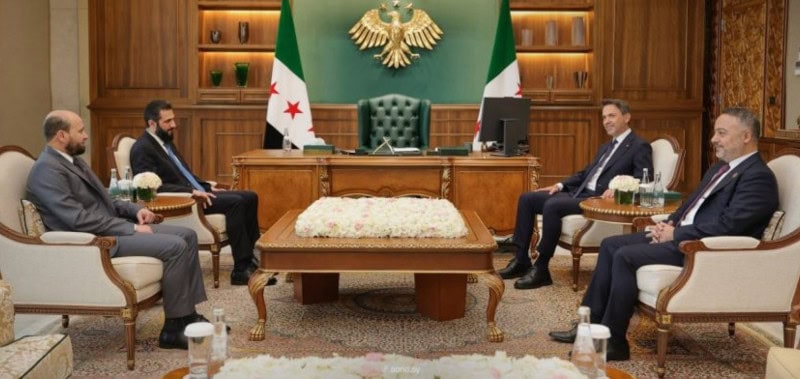
Israel strikes military airbase in Syria while warning Turkey
Israeli airstrikes on Syria’s Abu al Duhur military airbase overnight between August 17 and 18 highlighted growing tensions between Israel and Turkey over Ankara’s expanding role in Syria. Syria condemned the strikes, while the US continued efforts to de-escalate the situation.
-
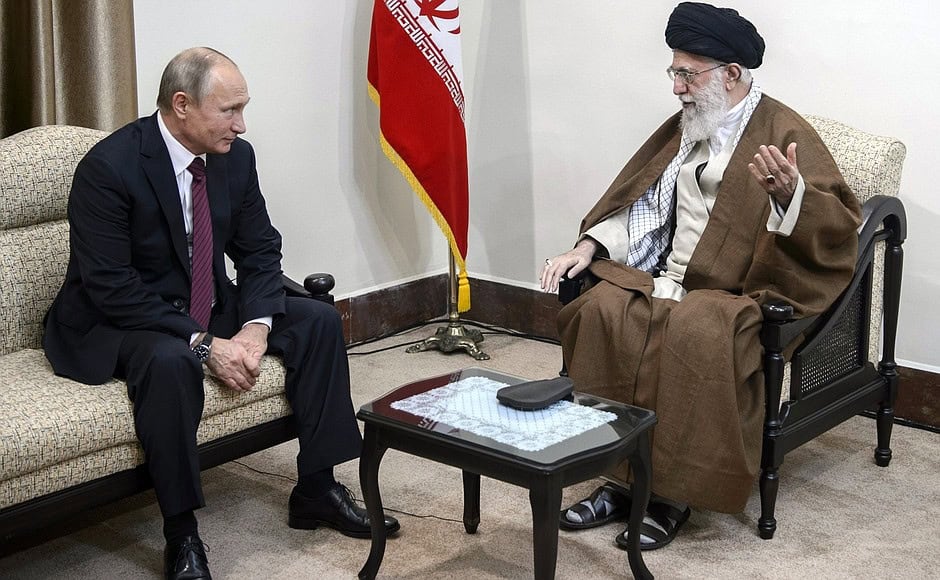
Russia helps Iran sharpen its sword
Russia reportedly is supplying explosives, drone components, and other military goods to Iran, helping the Islamic Republic replenish arsenals for future rounds of fighting with the United States and Israel.
-
Israel lessens strikes after US-backed disarmament plan, rejects initial withdrawal; IDF reports 16 Gaza ceasefire violations July 31-August 18
After Israel’s rejection of the Board of Peace’s (BoP) initial disarmament plan, US Special Envoy Jared Kushner and BoP officials held talks with Hamas and Israel, followed by Washington adjusting its position to prioritize Hamas’s disarmament. Meanwhile, Hamas and other Palestinian terrorist groups continued violating the first phase of the ceasefire, according to Israel.

-
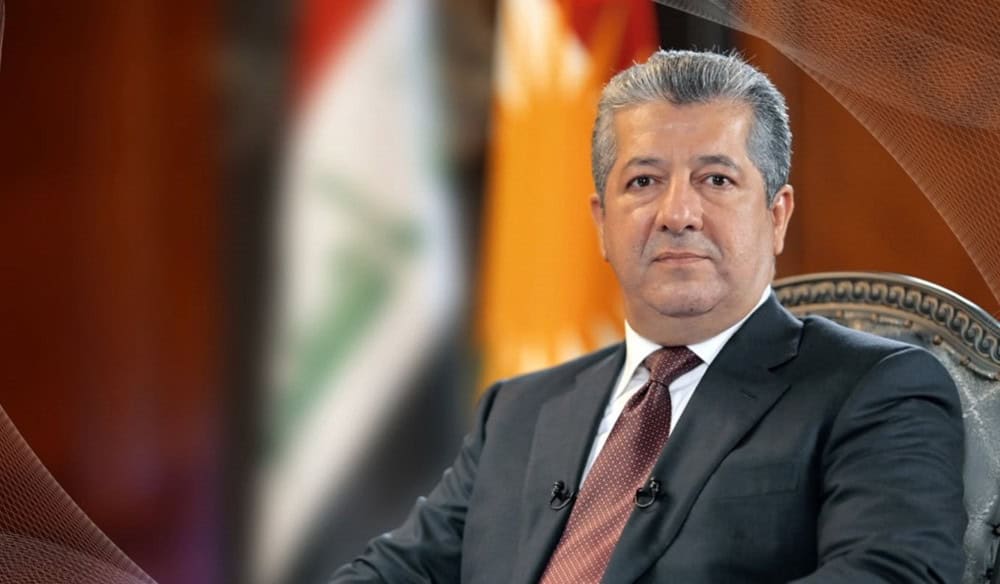
Countries condemn Iranian attack on Kurdistan Region prime minister’s office
Iran’s August 17 drone attack targeting the office of Kurdistan Regional Government Prime Minister Masrour Barzani drew widespread international condemnation. The strike comes as Baghdad faces increasing pressure to rein in Iranian-backed militias and assert state control over their weapons.
-
UN report: The jihad’s new center of gravity
Generation Jihad’s Bill Roggio and Edmund Fitton-Brown, FDD senior fellow and former coordinator of the UN Monitoring Team, unpack the new UN 1267 report on the global state of the Islamic State, Al Qaeda, and their affiliated groups.
-
Israel says Hezbollah drone attack wounded 3 soldiers at Ali al Taher; IDF kills Hezbollah commanders in response
The Israel Defense Forces (IDF) said that a Hezbollah explosive drone seriously wounded three Israeli troops on the Ali al Taher Ridge on August 15. Israel responded with strikes that killed senior Radwan and Badr commanders. Hezbollah has not claimed the attack, and Lebanese reports allege Israel is considering a broader operation around the contested ridge.
-
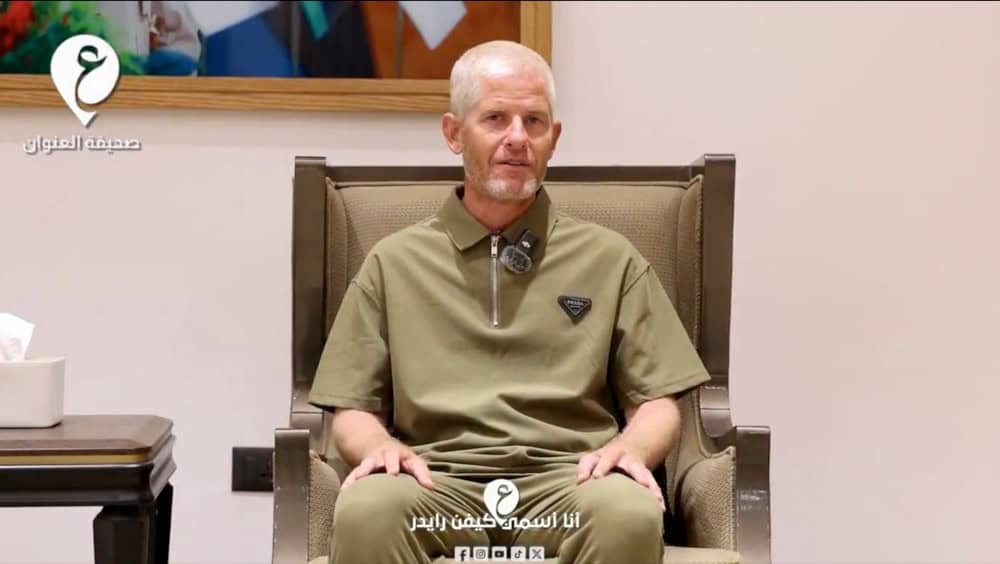
American missionary abducted in Niger freed after nearly 10 months of captivity
Kevin Rideout, who was abducted by gunmen from his home in Niger’s capital of Niamey last October and held by the Islamic State, was freed this week in Libya. The exact nature of his release remains murky, but Rideout has thanked Libyan officials for their efforts.
-
Generation Jihad | China, Russia, Iran, North Korea: Inside the Axis of Aggressors
China, Russia, Iran, and North Korea aren’t just aligned in rhetoric—they’re actively coordinating to erode American military, economic, and cyber dominance. In this episode, Generation Jihad’s Bill Roggio sits down with Bradley Bowman, senior director of FDD’s Center on Military and Political Power, and Ryan Brobst, CMPP deputy director, to unpack the real-world mechanics behind this dangerous authoritarian convergence.
-
Fighting in Yemen escalates, raising concern of a return to civil war
The Houthis launched drone and missile attacks on Yemeni forces and civilian infrastructure across three of Yemen’s governorates on August 6. The attacks have escalated fighting in the country while the Iran-backed terror group is simultaneously targeting Saudi Arabia and ships in the Red Sea.

-
IRGC-Qods Force commander Qaani travels to Iraq amid pressure over militia weapons
Gen. Esmail Qaani, commander of Iran’s Islamic Revolutionary Guard Corps-Qods Force (IRGC-QF), traveled to Iraq as Baghdad moves forward with legislation to place all weapons under state control. The visit came amid continued Iranian drone and missile attacks on Kurdish opposition groups in the Kurdistan Region of northern Iraq.

