-
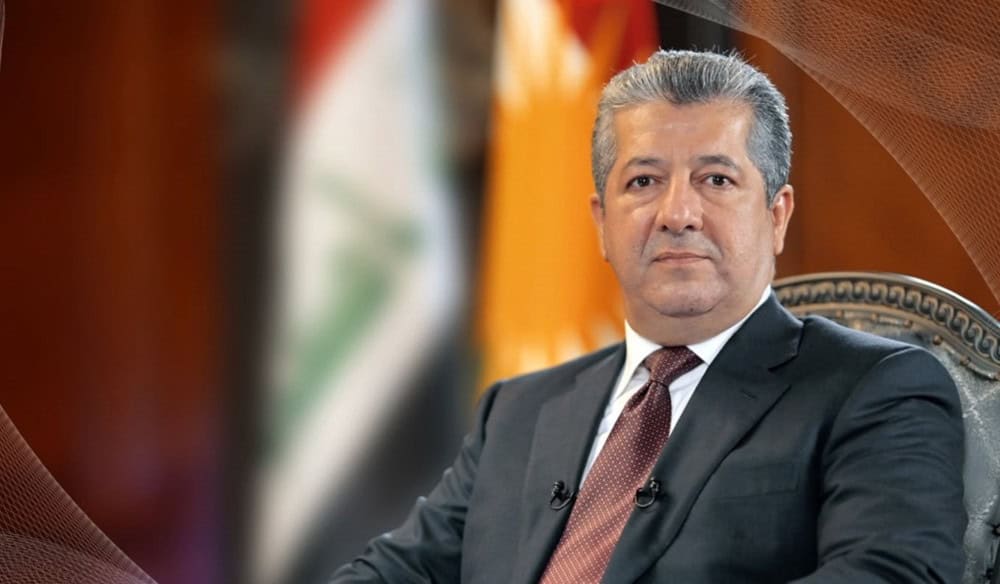
Countries condemn Iranian attack on Kurdistan Region prime minister’s office
Iran’s August 17 drone attack targeting the office of Kurdistan Regional Government Prime Minister Masrour Barzani drew widespread international condemnation. The strike comes as Baghdad faces increasing pressure to rein in Iranian-backed militias and assert state control over their weapons.
-
Israel says Hezbollah drone attack wounded 3 soldiers at Ali al Taher; IDF kills Hezbollah commanders in response
The Israel Defense Forces (IDF) said that a Hezbollah explosive drone seriously wounded three Israeli troops on the Ali al Taher Ridge on August 15. Israel responded with strikes that killed senior Radwan and Badr commanders. Hezbollah has not claimed the attack, and Lebanese reports allege Israel is considering a broader operation around the contested ridge.
-
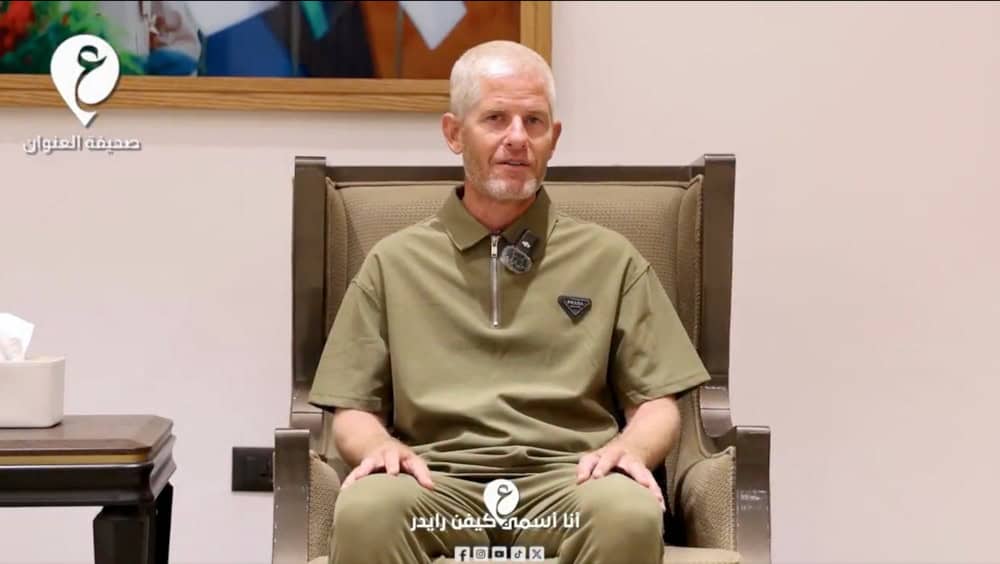
American missionary abducted in Niger freed after nearly 10 months of captivity
Kevin Rideout, who was abducted by gunmen from his home in Niger’s capital of Niamey last October and held by the Islamic State, was freed this week in Libya. The exact nature of his release remains murky, but Rideout has thanked Libyan officials for their efforts.
-
Fighting in Yemen escalates, raising concern of a return to civil war
The Houthis launched drone and missile attacks on Yemeni forces and civilian infrastructure across three of Yemen’s governorates on August 6. The attacks have escalated fighting in the country while the Iran-backed terror group is simultaneously targeting Saudi Arabia and ships in the Red Sea.

-
IRGC-Qods Force commander Qaani travels to Iraq amid pressure over militia weapons
Gen. Esmail Qaani, commander of Iran’s Islamic Revolutionary Guard Corps-Qods Force (IRGC-QF), traveled to Iraq as Baghdad moves forward with legislation to place all weapons under state control. The visit came amid continued Iranian drone and missile attacks on Kurdish opposition groups in the Kurdistan Region of northern Iraq.

-
From Guantanamo Bay to ISCAP: The case of Jamal Kiyemba
In 2002, Jamal Kiyemba, a Ugandan national living in the United Kingdom, was arrested in northwest Pakistan after allegedly attempting to join Al Qaeda in Afghanistan and was sent to the US prison facility at Guantanamo Bay, Cuba. Released in 2006 and sent to Uganda, Kiyemba has since been in and out of prison, most recently over his support of the Islamic State’s Central Africa Province (ISCAP).

-
Sudanese Armed Forces gains in civil war force strategic adjustment from paramilitia rival
The Sudanese military’s recapture of the Al Sadarat highway marks its most significant success against the Rapid Support Forces (RSF) in the fourth year of the Sudanese civil war. However, the RSF’s shift toward tribal mobilization and the growing role of foreign-backed drone warfare suggest the conflict’s broader cycle of adaptation and attrition will continue.

-
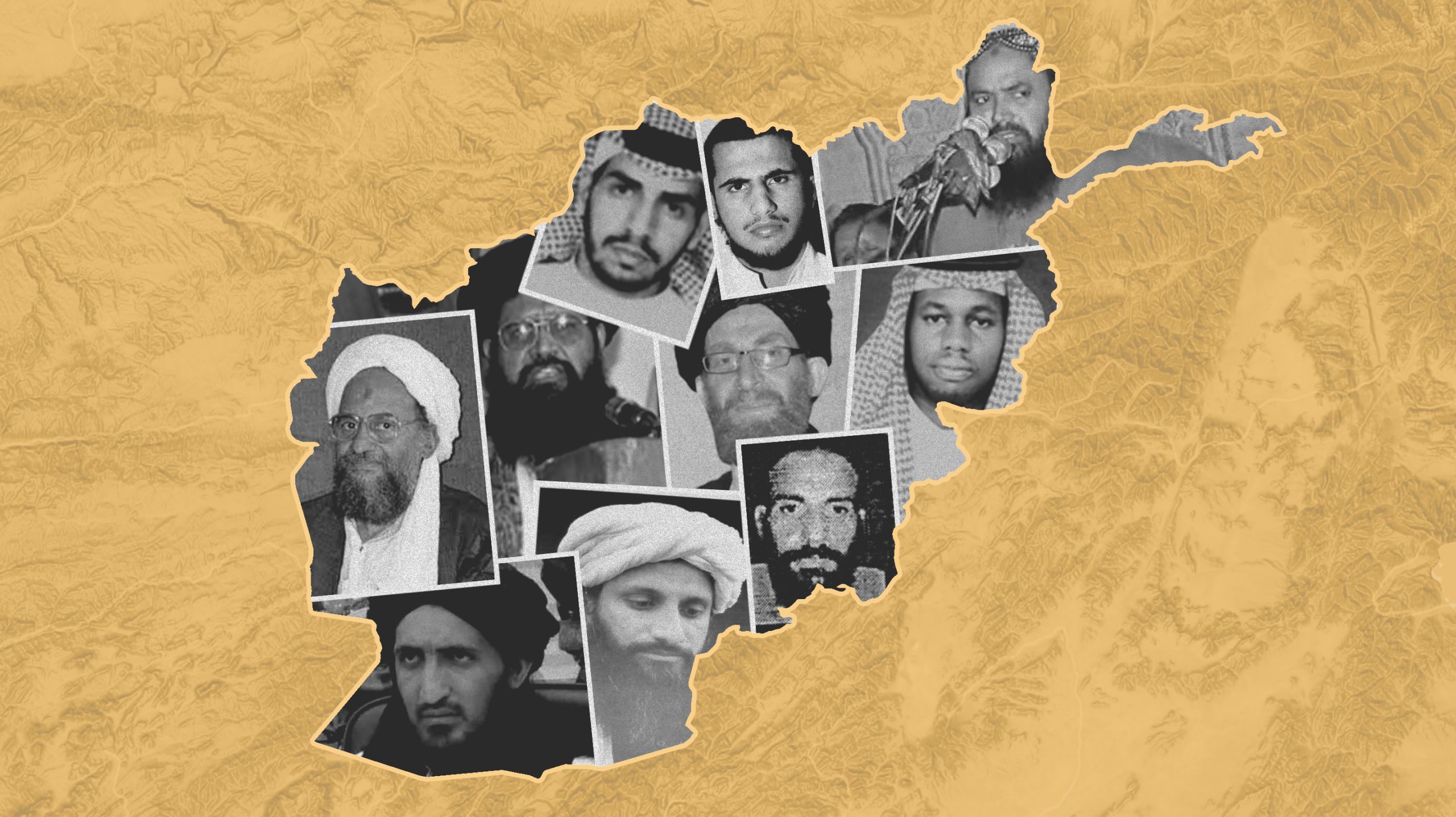
Afghan United Front commences operations against Taliban
The Afghan United Front has emerged as the first major Pashtun-led resistance organization to launch operations against the Taliban. The group’s likely focus on operations in southern Afghanistan would expand resistance organizations’ historical focus in the country’s north.
-
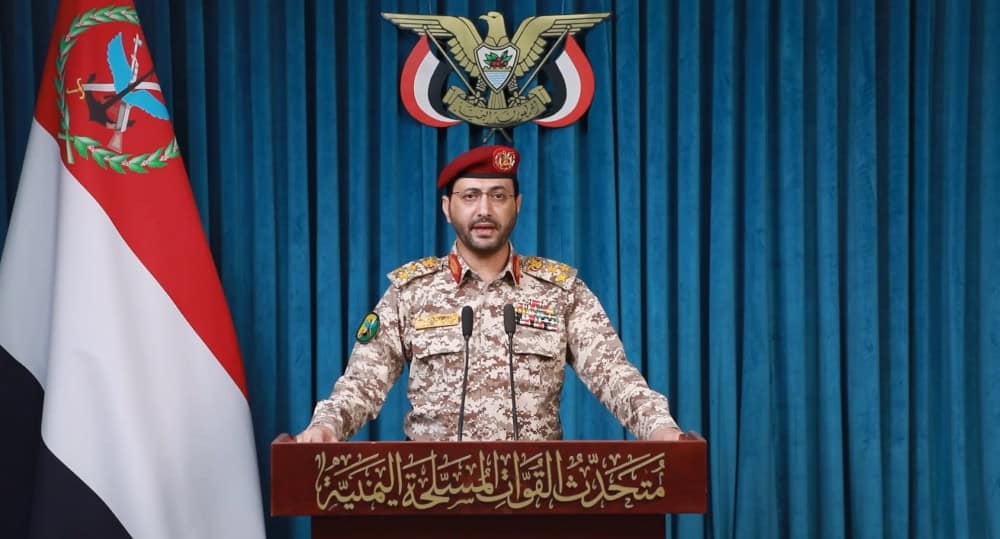
Houthis escalate attacks in Red Sea and on Saudi Arabia, Riyadh evaluates options
Yemen’s Houthis claimed attacks on eight Saudi-linked vessels as well as energy facilities and an airport to enforce its blockade of the kingdom. Saudi Arabia is reportedly pursuing a diplomatic path to de-escalate the conflict or military options if necessary.
-
Iraq pressured by regional countries to rein in Iran-backed militias as new data on extent of attacks released
Iraq faces mounting pressure to rein in the militias while balancing tensions with neighboring countries, the US, and Iran. The Kurdistan Region of northern Iraq has come under nearly 1,000 drone and missile attacks by Iran and its proxies since late February, underscoring the growing threat posed by Tehran’s network of militias.

-
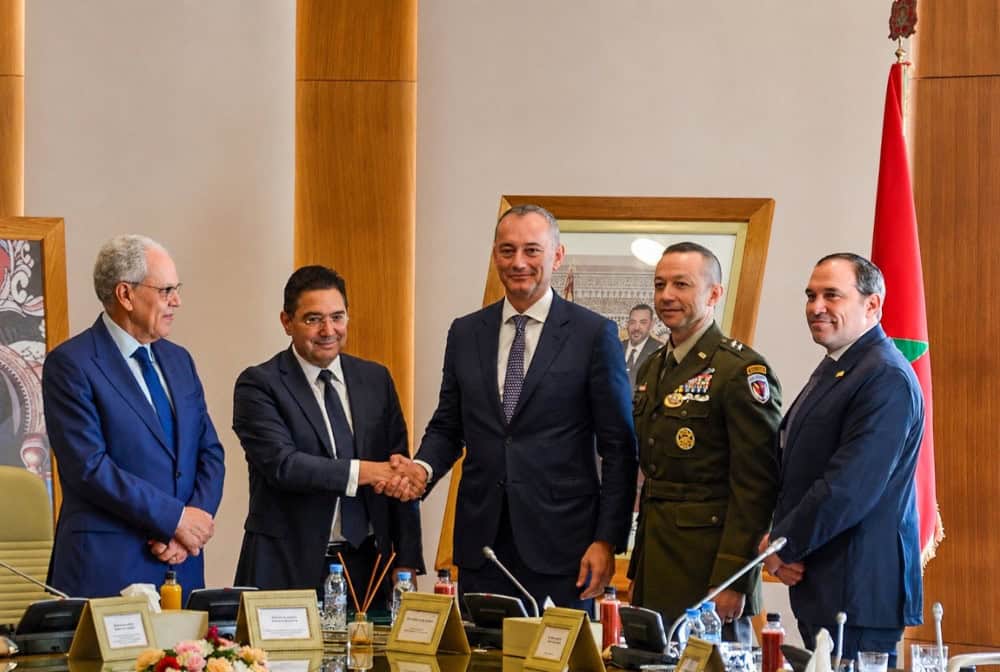
Board of Peace announces Hamas disarmament agreement, IDF reports 32 Gaza ceasefire violations July 10–31
US President Donald Trump announced a 15-point Board of Peace roadmap transferring Gaza’s governance and security responsibilities. The plan links verified Hamas disarmament to phased Israeli withdrawal, but sequencing remains disputed.
-
Anti-Taliban resistance groups increase attacks in northeast Afghanistan, district center briefly falls
Three anti-Taliban resistance groups launched separate operations across Badakhshan province, Afghanistan, over a two-week period, temporarily overrunning a district center and attacking Taliban positions in multiple districts. While there is no evidence of direct coordination among the resistance groups, there are signs cooperation may be increasing.

-
Israel says Hezbollah launched drone attack on strategic ridge amid ceasefire
Israel accused Hezbollah of launching an explosive-laden drone at its positions in the Ali Al Taher Ridge on July 29, despite a ceasefire that went into effect on June 19. Hezbollah has not claimed the attack or issued a denial of the Israeli claims.
-
Former Israeli prime minister says Qatar funded Iran’s IRGC
Former Israeli Prime Minister Naftali Bennett vowed to declare Qatar an “enemy state” if reelected to lead the government. Among the reasons he cited was Qatar’s alleged funding of Iran’s Islamic Revolutionary Guard Corps.

-
Lebanese security forces incidentally discover Hezbollah weapons cache during raid
Lebanese security forces conducted a raid on a home in Beirut over a family dispute. During the operation, they reportedly discovered a large weapons cache, and subsequent interrogation allegedly uncovered that the cache’s owner was a “member of Hezbollah.”

-
Suspect in deadly Berlin Pride attack pledged allegiance to Islamic State, prosecutors say
A 21-year-old German who had reportedly previously attempted to join the Islamic State allegedly carried out the deadly vehicle-ramming attack at Berlin’s Pride festival, killing one person and injuring 29 others.

-
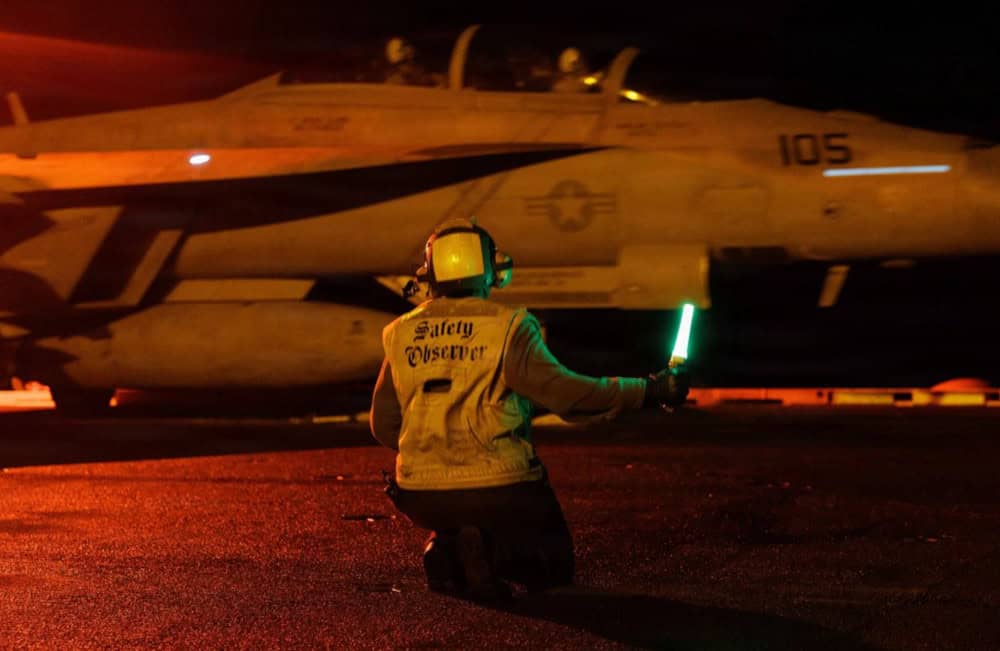
US, Saudi Arabia strike Iranian-backed militias in Iraq after militia attacks
Iranian-backed militias in Iraq escalated attacks on Saudi Arabia and the Kurdistan Region in late July, prompting US and Saudi airstrikes against militia logistics and weapons sites across Iraq. The escalation comes as Washington pressures Iraqi Prime Minister Ali al Zaidi to disarm Iran-aligned militias and bring their weapons under state control.
-
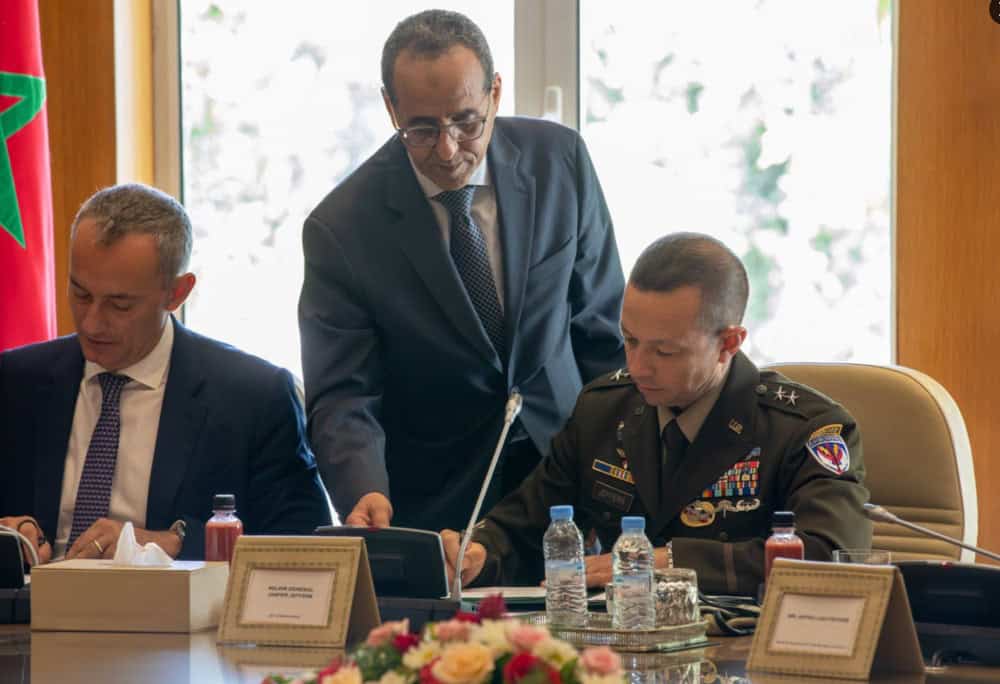
Israel approves entry of International Stabilization Force into Gaza
Israel has approved the future deployment of the International Stabilization Force (ISF) in Gaza, a significant step in implementing the US-backed peace plan. The planned multinational force is expected to support humanitarian efforts, stabilization, and a transition toward new Palestinian governance as Israel continues operations against terrorist groups in Gaza.
-
Russia continues to aid Iran in war with US, Ukraine says
Russia continues to provide intelligence to help Iran strike American forces, Kyiv alleged over the weekend. Ukraine is also attempting to interdict the transportation of military goods between the two authoritarian powers.

-
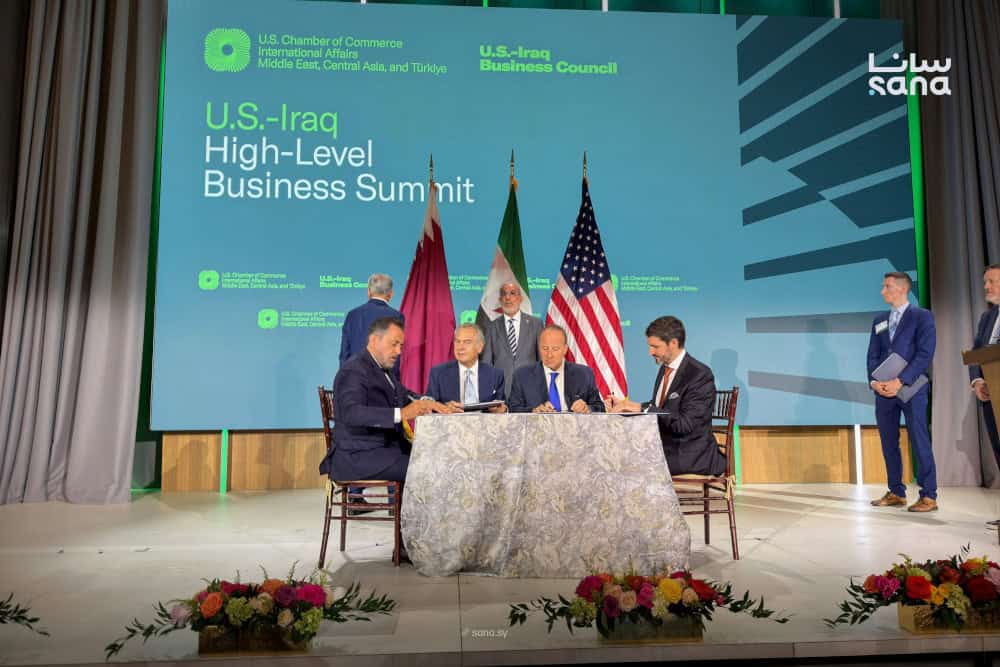
Syria focuses on energy deals, works to revive infrastructure and institutions
Syria is expanding energy and infrastructure cooperation as it seeks economic recovery and greater regional relevance. Damascus is also rebuilding state institutions, including graduating 1,000 new air force cadets.
-
Houthis announce blockade of Saudi Arabia, ships reroute to avoid Bab al Mandeb Strait
The Houthis declared a complete maritime blockade of Saudi Arabia, claiming it is in response to blockades imposed by the Saudi-led coalition that supports Yemen’s internationally recognized government. Saudi Arabia denounced the blockade and said it will protect its ships, but multiple commercial vessels have rerouted to avoid the Bab al Mandeb Strait.

-
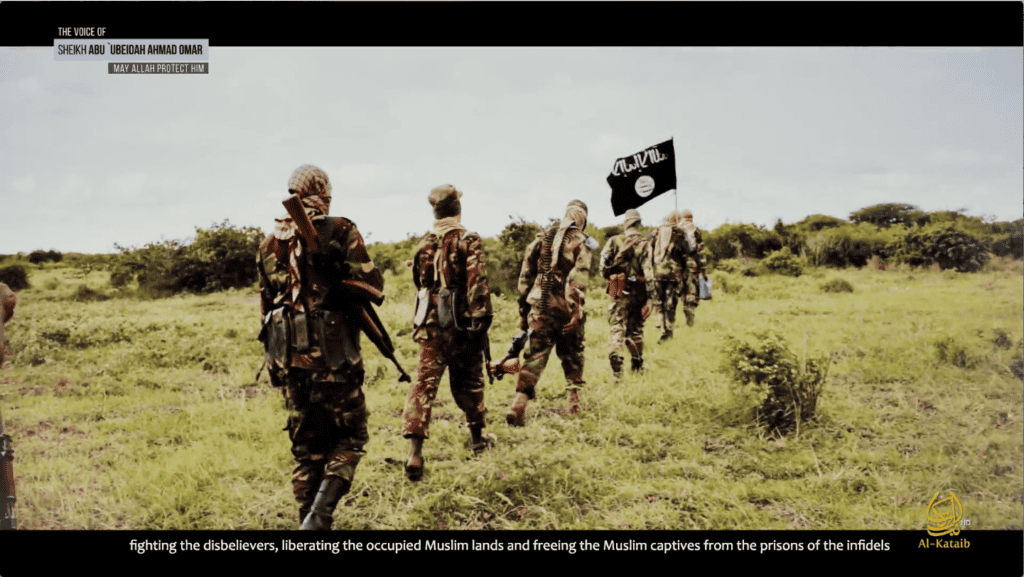
Somalia claims it killed senior Shabaab leader
Somalia said that it and “international partners” killed Maalin Jinow Ibrahim, a reported co-founder of Shabaab and a member of its central shura council, in a targeted operation earlier this month. However, Al Qaeda’s branch for East Africa has yet to confirm his death.
-
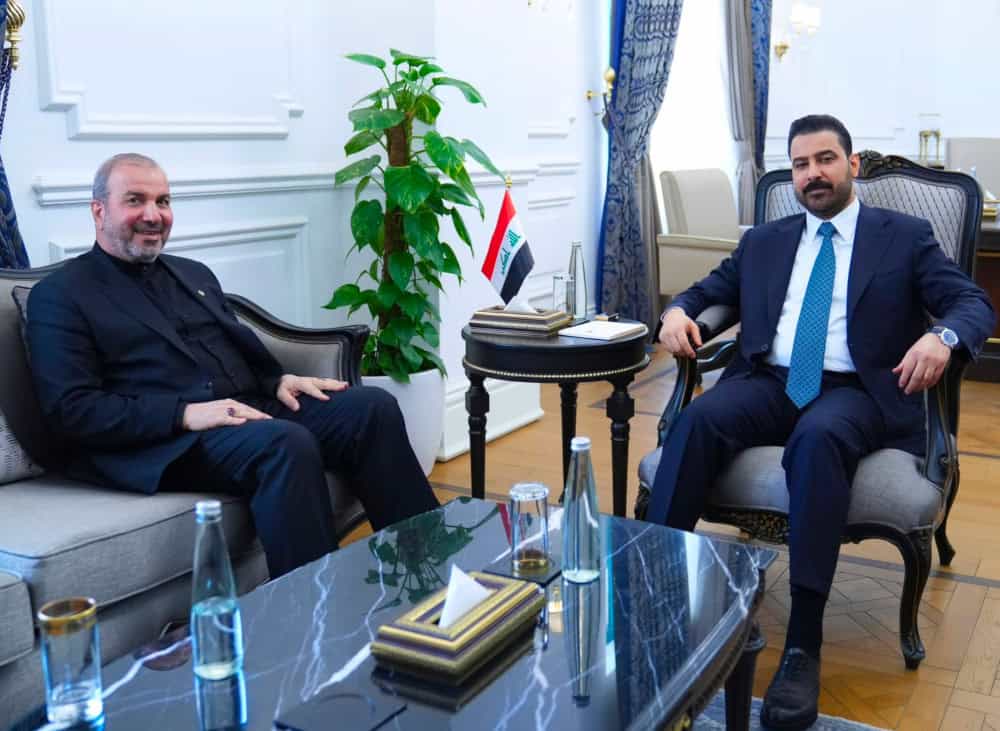
Iran renews attacks on Kurdish Iranian opposition groups in Iraq
Iran has intensified drone and missile attacks on Kurdish Iranian opposition groups and energy infrastructure in the Kurdistan Region of northern Iraq amid renewed tensions with the United States. Meanwhile, Iraqi Prime Minister Ali al Zaidi is seeking to balance relations with Washington and Tehran after his visit to Washington.
-
Iran reportedly tells Houthis to close Bab al Mandeb Strait if US strikes power grid
Reuters reported that Iran’s leaders instructed the Houthis in Yemen to close Bab al Mandeb Strait, the maritime chokepoint at the southern end of the Red Sea, if the United States strikes Iran’s power infrastructure. The Houthis are also focused on an escalatory cycle with Saudi Arabia that began after Iran and the Houthis attempted to re-establish direct flights in early July.

-
Deadly earthquakes overwhelm Venezuela’s emergency response, stall political transition
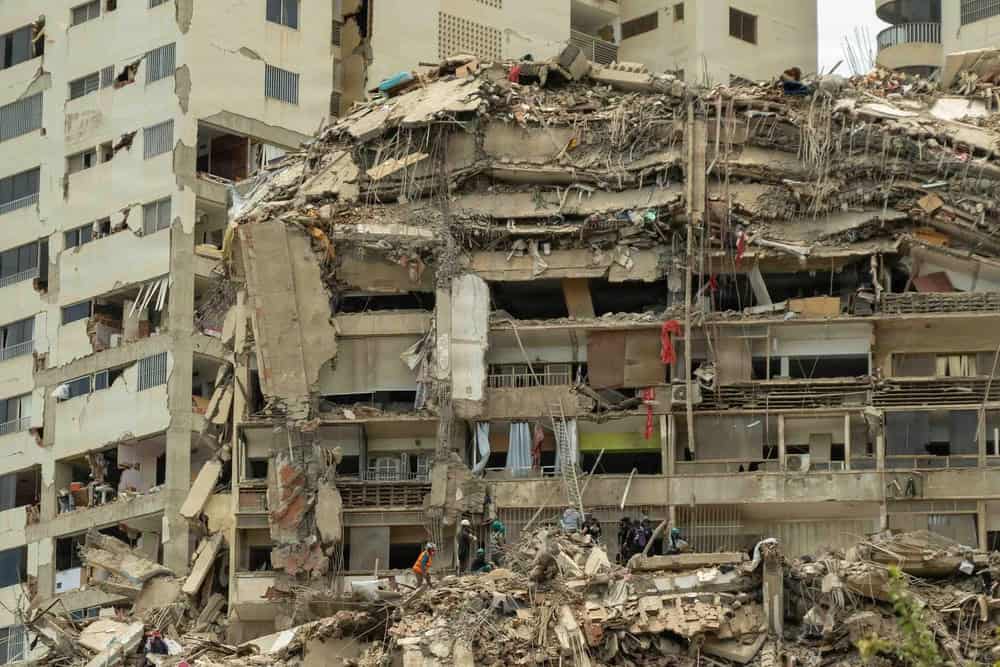
Two earthquakes that hit north-central Venezuela on June 24 have killed at least 4,829 people, injured 16,740, and displaced approximately 18,000, according to government figures. The disaster has overwhelmed Venezuela’s emergency services and slowed political developments that had gained momentum following the American capture of former President Nicolás Maduro in January.
-
Russia’s ‘Banderol’ low-cost cruise missile officially breaks cover
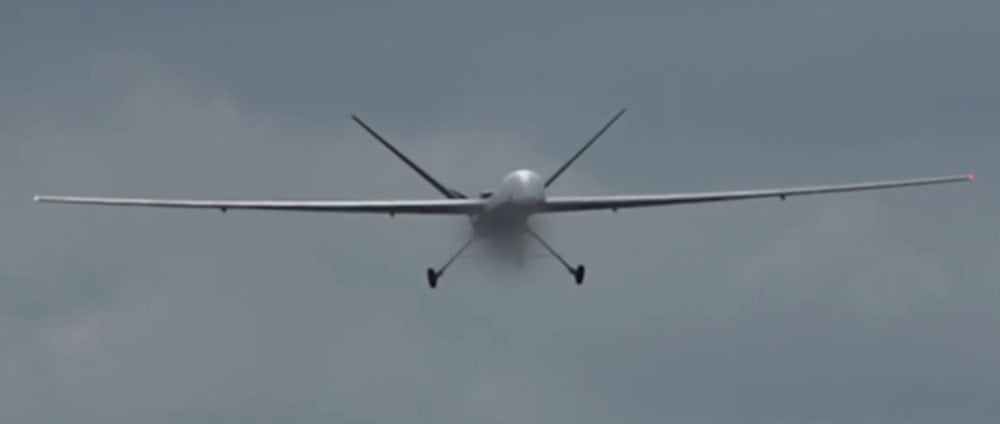
Moscow has now officially acknowledged the existence of its new Banderol low-cost cruise missile, which has seen growing action in Ukraine in recent months.
-
Iraq sanctions individuals and entities tied to Lebanese Hezbollah
Iraq’s Ministry of Finance issued an order imposing sanctions on Hezbollah-linked individuals and entities that mirrors US designations from March and June. Iraqi Prime Minister Ali al Zaidi is currently visiting the United States, where he hopes to garner support for an expanded economic partnership and prove his government’s commitment to countering Iranian influence.

-
Iraqi Prime Minister Zaidi meets President Trump, Secretary Hegseth in Washington
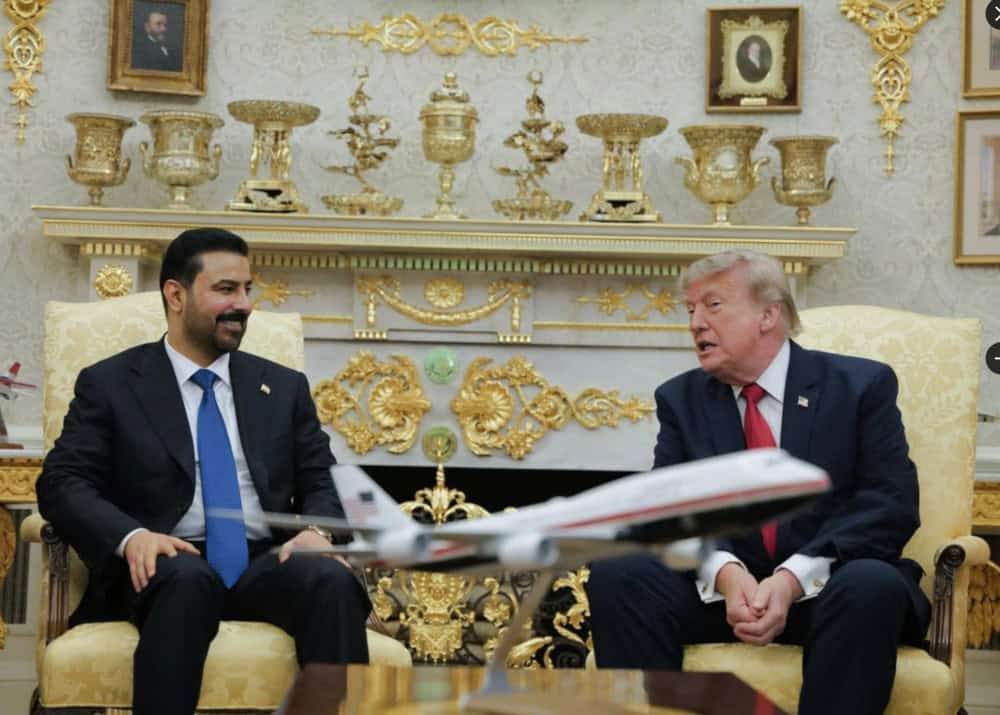
Iraqi Prime Minister Ali al Zaidi met US President Donald Trump and other US officials during his first official visit to Washington since taking office. The talks focused on security cooperation, investment, and Iraq’s plans to bring weapons held by Iranian-backed militias under state control. While Trump praised Zaidi’s leadership, the visit also drew criticism from pro-Iranian factions in Iraq and skepticism from some US lawmakers.
-
Syria intercepts advanced weapons bound for Hezbollah from Iraq
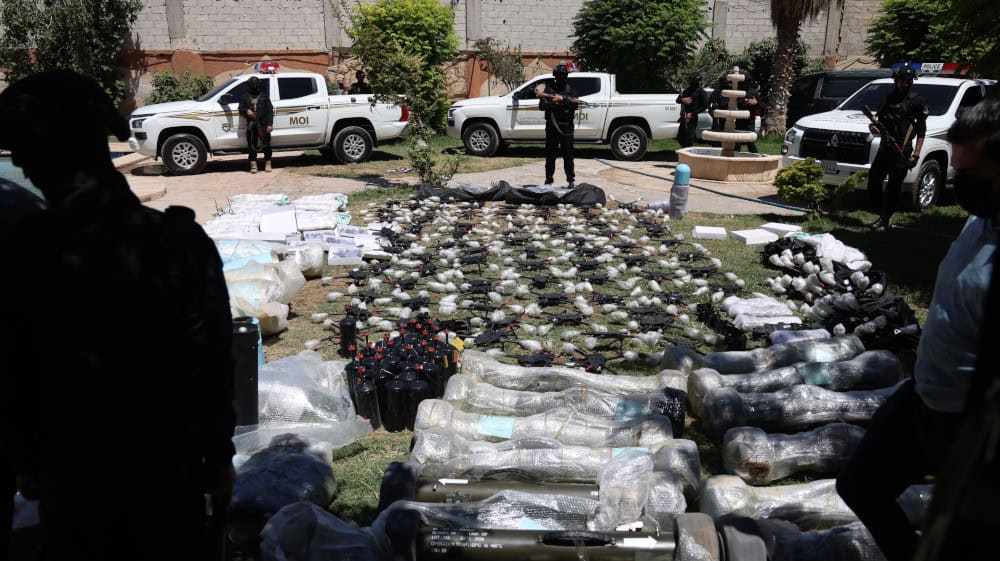
On July 16, Syrian authorities intercepted a weapons shipment concealed in an Iraqi oil tanker and bound for Hezbollah in Lebanon. The tanker contained a wide range of sophisticated weapons and components, including first-person-view drones, fiber-optic spools, drone warheads, anti-tank missiles, and cruise-missile components.
-
Syria opens new parliament, hosts Turkish Navy
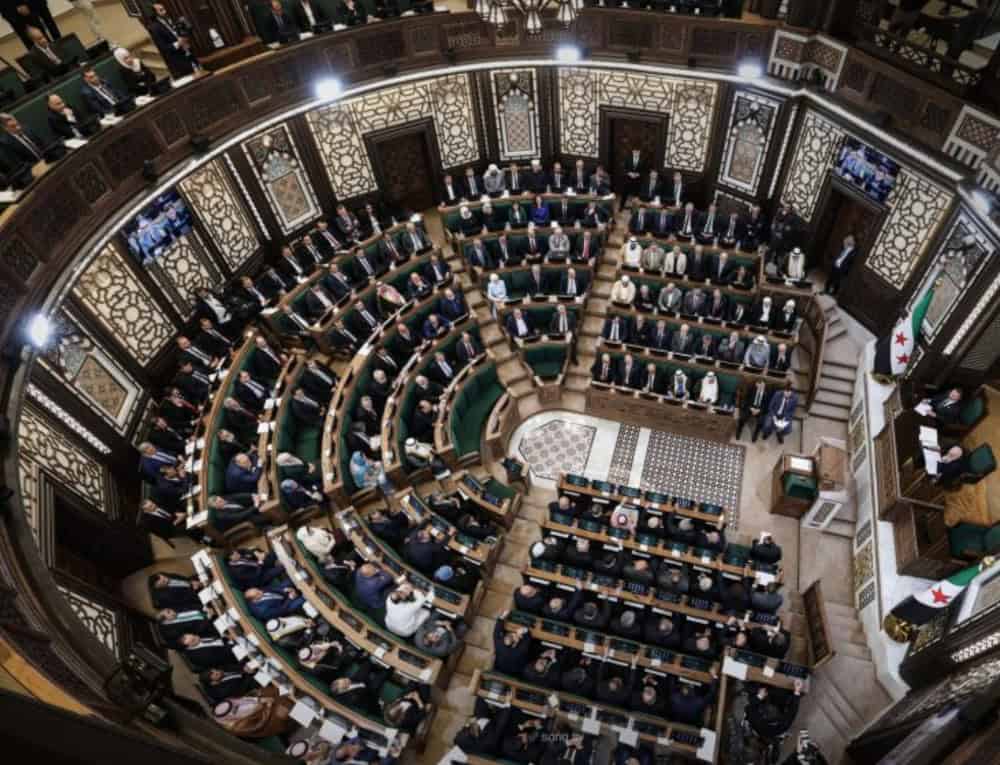
Syria has convened its first parliament since the fall of the Assad regime, marking another milestone in the country’s political transition under President Ahmad al Sharaa. The assembly’s opening comes as Syria expands diplomatic engagement and attempts to strengthen regional and international ties.