-
Saudi Arabia and Houthis trade attacks over restarting direct flights between Yemen and Iran
The Houthis and Iran attempted to resume direct flights between Tehran and Sanaa, the Houthi-controlled capital of Yemen, in early July. On July 14, Saudi Arabia struck Sanaa International Airport to prevent one such flight, prompting the Houthis to launch missiles at Saudi Arabia in response.

-
US refocuses air campaign in Somalia on Shabaab
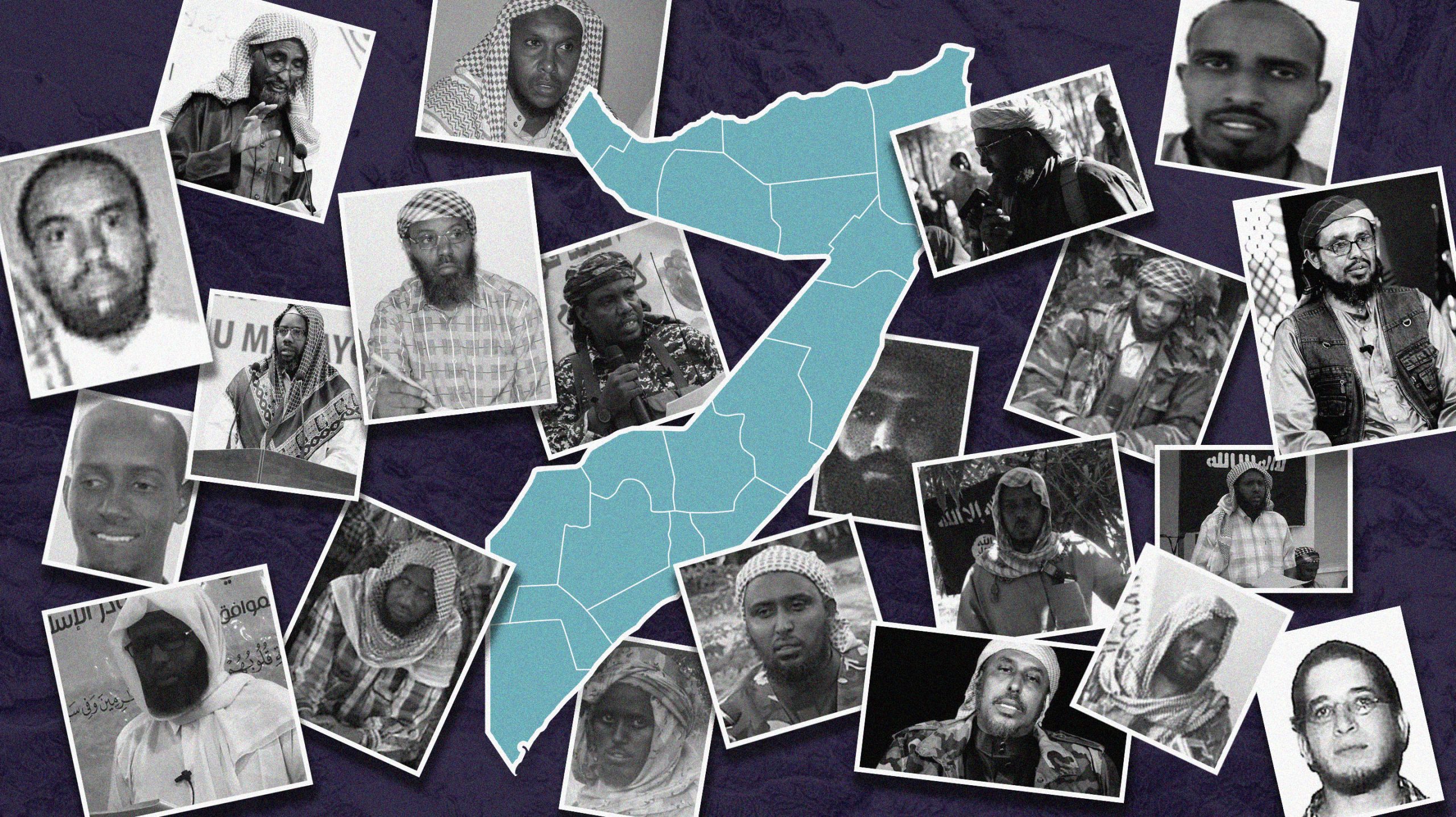
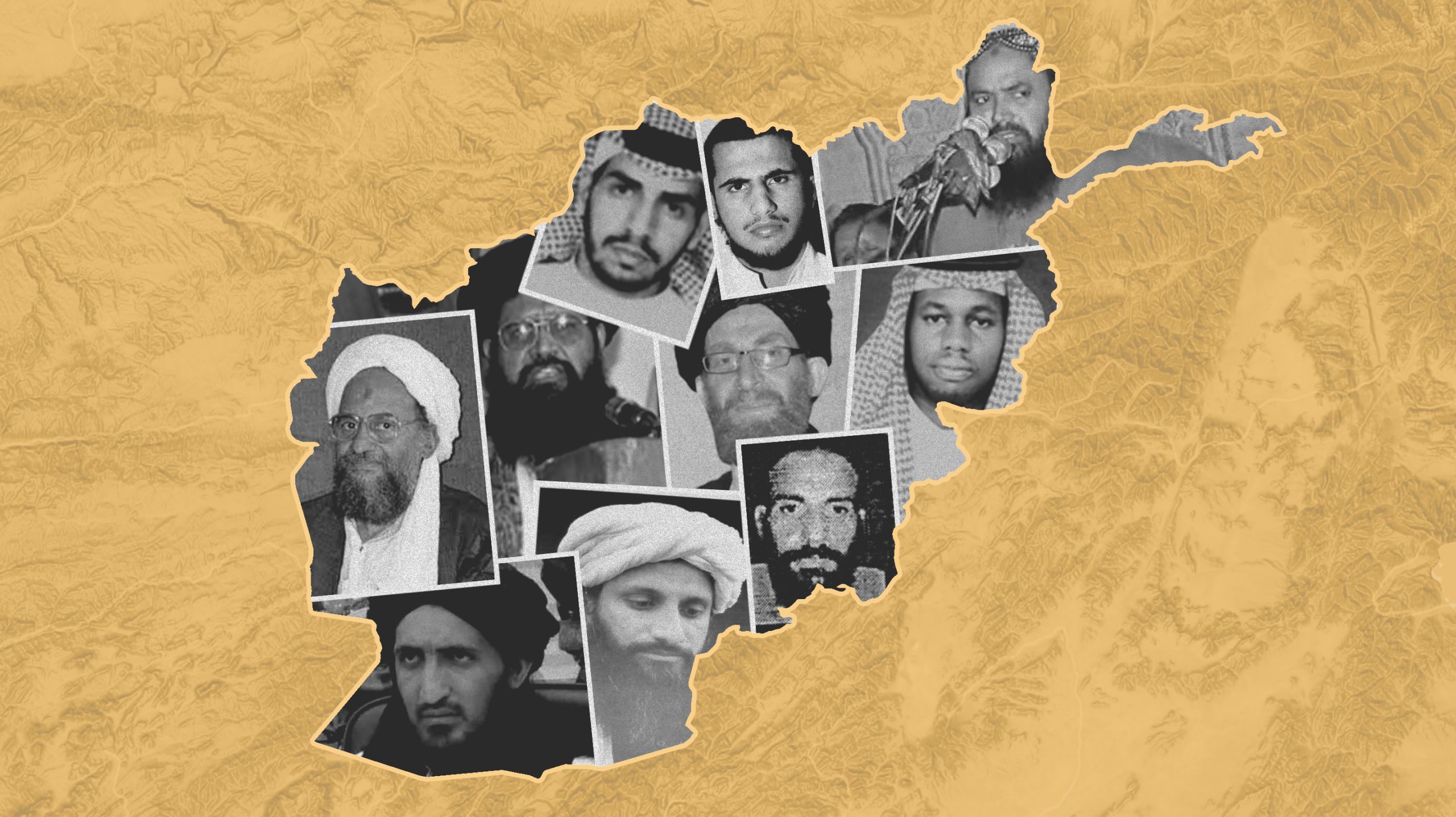
The United States is on pace for another record year of military strikes in Somalia in 2026. At least 74 strikes have been carried out so far, the majority targeting Al Qaeda’s Shabaab—a clear shift from 2025, when the US set a record for strikes and focused most of them on the Islamic State’s local affiliate.
-
Board of Peace to establish ‘pilot zone’ for Gaza civilians, IDF claims 13 ceasefire violations June 30–July 9
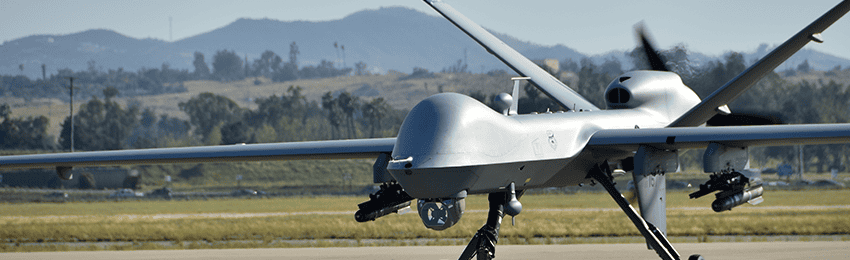
The US-led Board of Peace said on July 8 that it would soon begin setting up a “pilot zone” in Gaza that would bring unarmed civilians screened for Hamas links across the Yellow Line into the Israeli-controlled portion of the territory. Meanwhile, Hamas has escalated ceasefire violations in the areas it still controls as the group works to rebuild its forces.
-
US moves to rescind Syria’s designation as a State Sponsor of Terrorism
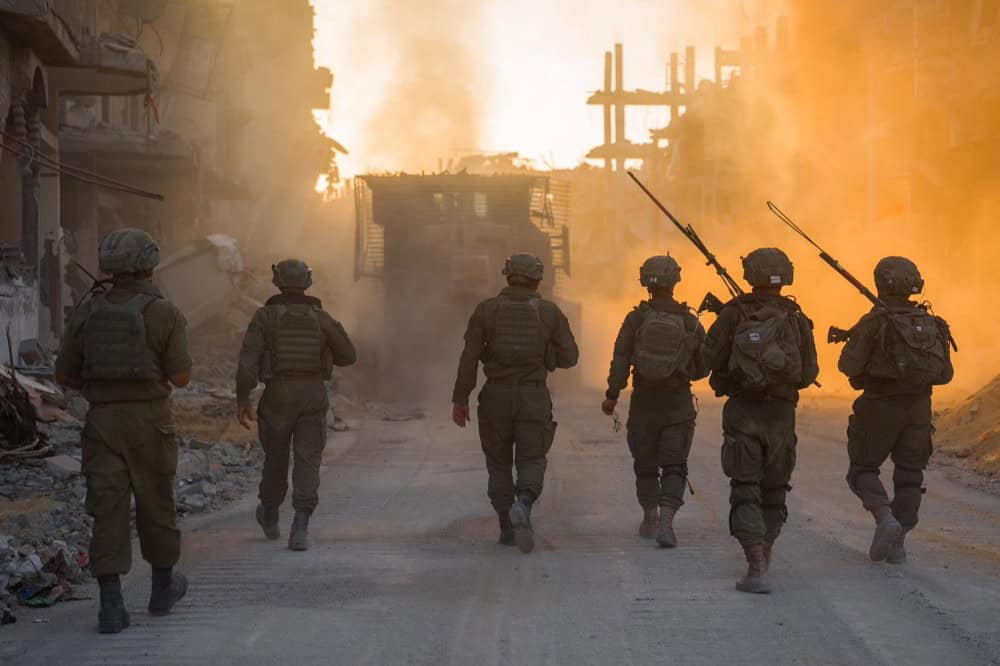
The Trump administration initiated a rescission of Syria’s designation as a State Sponsor of Terrorism on July 8. The decision follows President Donald Trump’s meeting with Syrian President Ahmad al Sharaa at the NATO summit in Ankara and comes amid broader US and European efforts to reintegrate Syria into the international community.
-
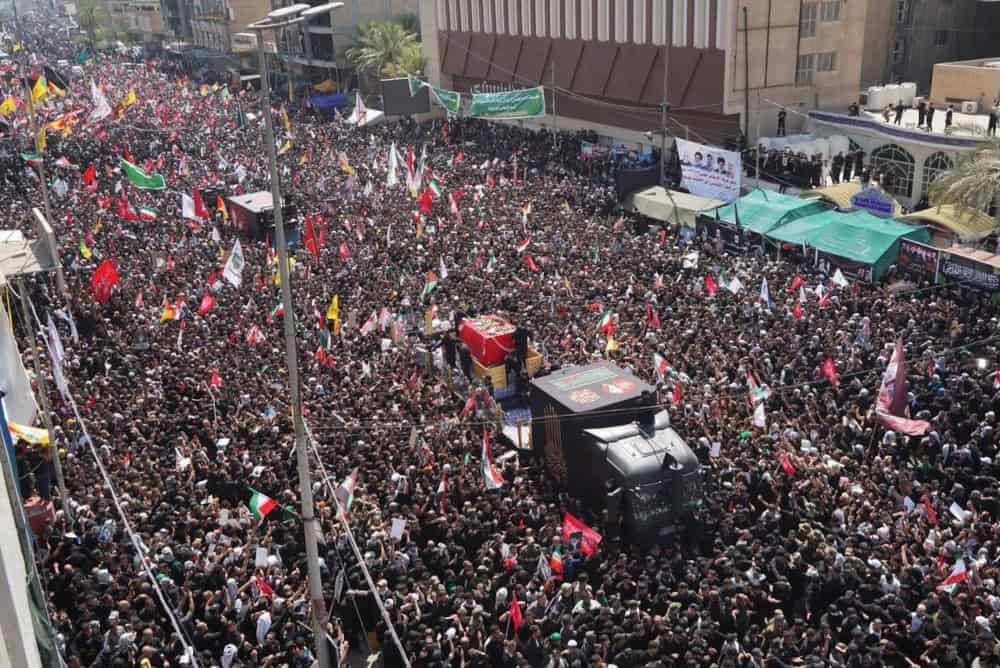
Body of slain Iranian leader Khamenei arrives in Iraq for Najaf and Karbala rites
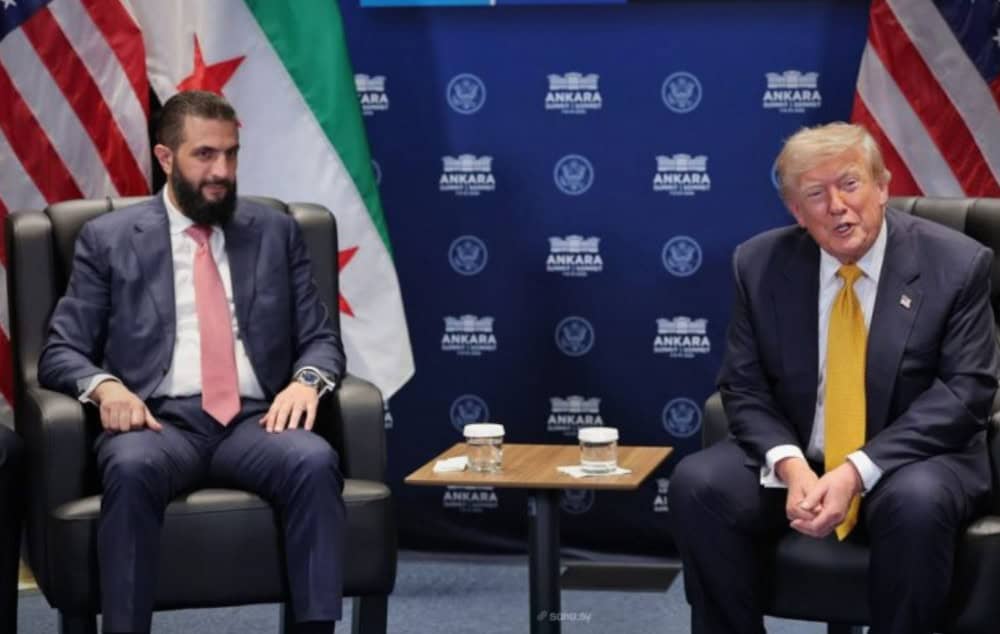
Iraqi elites received the body of slain Iranian Supreme Leader Ali Khamenei as his funeral procession toured Iraq’s Shiite holy cities on July 8. Notably, Iraq’s top cleric did not say prayers or attend the ceremony due to stated health reasons.
-
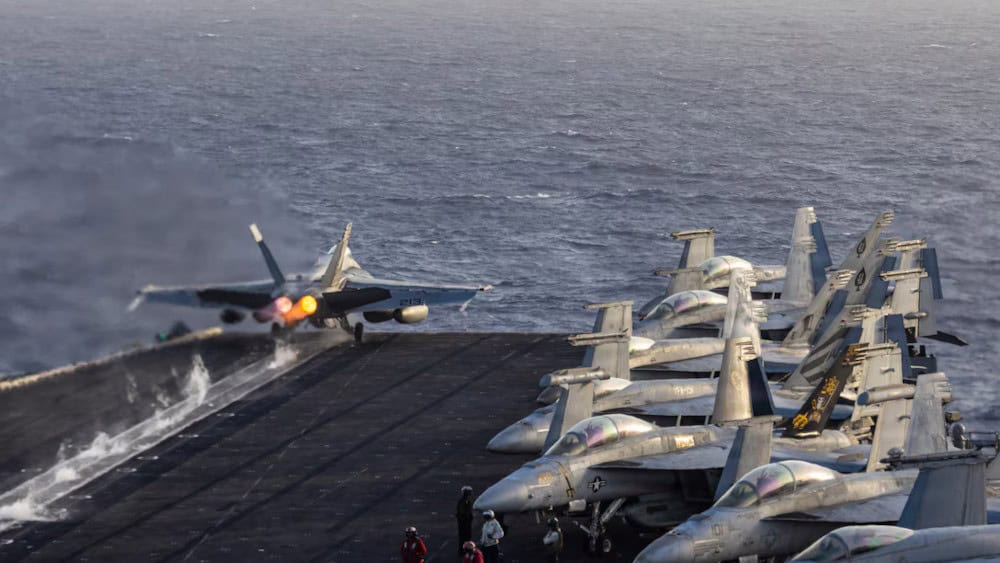
CENTCOM strikes Iran as Tehran condemns US sanctions waiver revocation
The Memorandum of Understanding between the US and Iran faced its most significant test yet on July 7 after Iran attacked commercial shipping in the Strait of Hormuz. Washington responded with a new round of military strikes and sharply narrowed its oil sanctions waiver, with both sides accusing each other of violating the agreement.
-
Hamas announces intent to dissolve Gaza government as disarmament questions remain
Hamas said that it is prepared to dissolve its governing institutions in Gaza and transfer authority to the National Committee for the Administration of Gaza (NCAG), a key component of the US- and UN-backed ceasefire framework. As negotiations continue, Israeli officials argue that Hamas surrendering administrative control without relinquishing weapons would leave Hamas as the dominant force behind the scenes.

-
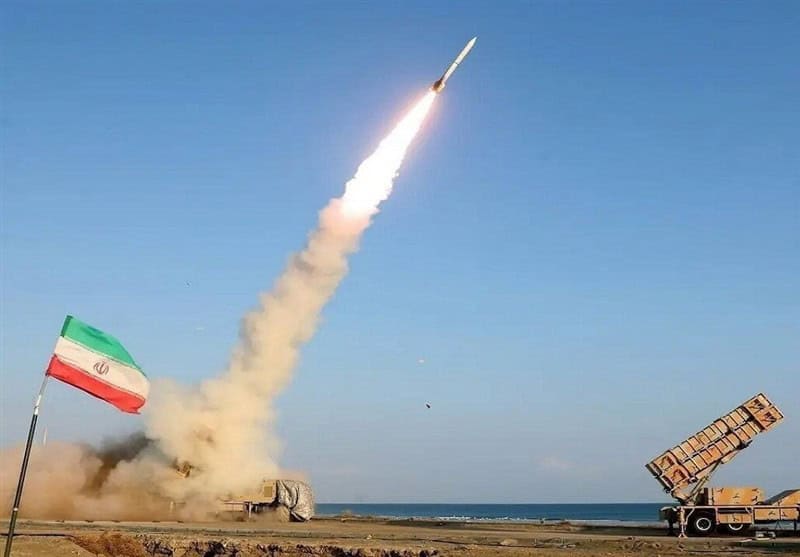
Iranian ballistic missile operations: 2024–2026
Over the past two years, the Islamic Republic has engaged in at least 15 distinct ballistic missile operations from its territory against foreign targets. Despite a pause in these attacks in 2023, the 2024–2026 period resumed a trend of increasing Iranian missile operations in the region between 2017–2022.
-
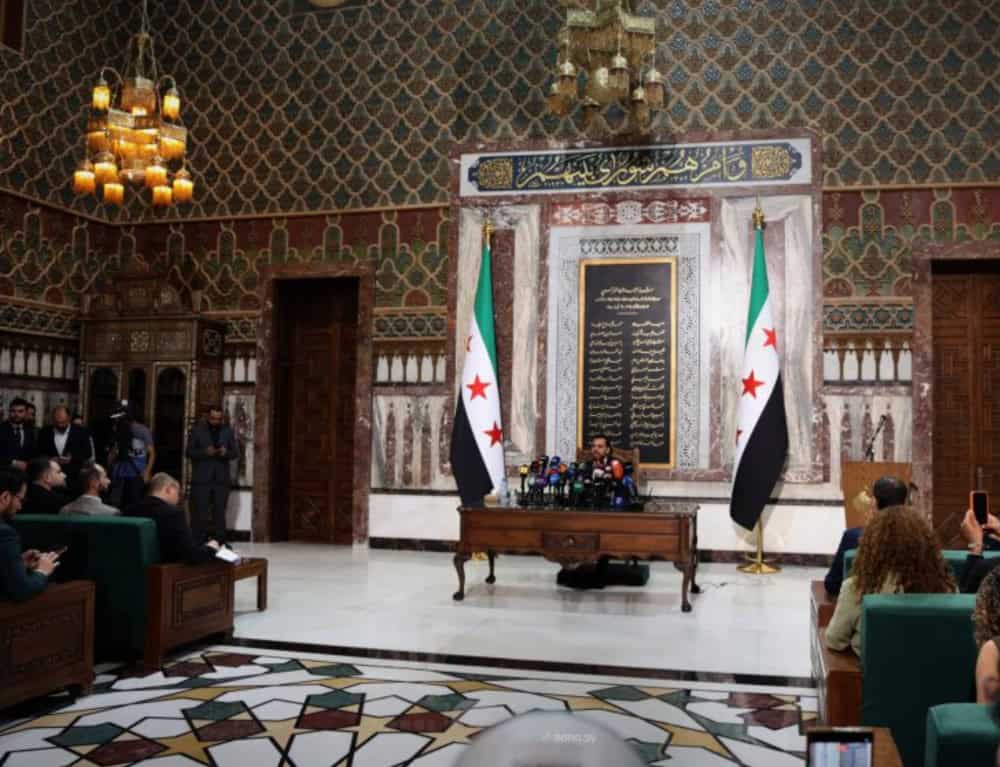
Syria appoints new parliament as Israel tensions continue
Syria has completed the formation of its new People’s Assembly, appointing the final 70 members of parliament as part of the country’s political transition following the fall of the Assad regime. Meanwhile, security tensions persist along the Israeli border, where recent clashes and Israeli military operations underscore the complex security environment.
-
Iraq launches corruption crackdown, sets deadline for militia weapons handover
Iraq’s new government launched a sweeping anti-corruption campaign that resulted in dozens of arrests of politicians and senior officials across the country’s political spectrum. The raids, carried out by elite security forces, are part of Prime Minister Ali al Zaidi’s broader effort to strengthen state institutions and restore public confidence in government.

-
Hamas suppresses protests, IDF reports 17 strikes, ceasefire violations June 10–29
Anti-Hamas organizers in Gaza had hoped June 26 would bring a wave of large demonstrations against the terror group. However, Hamas worked to lower turnout with arrests, threats, and armed street deployments.

-
US kills Islamic State senior leader in Syria, Damascus rejects Lebanon intervention
A recent precision strike against a senior Islamic State leader underscored Washington’s continued counterterrorism mission in Syria. Separately, US President Donald Trump urged Syria’s new government to consider intervening against Hezbollah in neighboring Lebanon, but Syrian President Ahmed al Sharaa stated his country will not send forces, preferring diplomacy over military action.

-
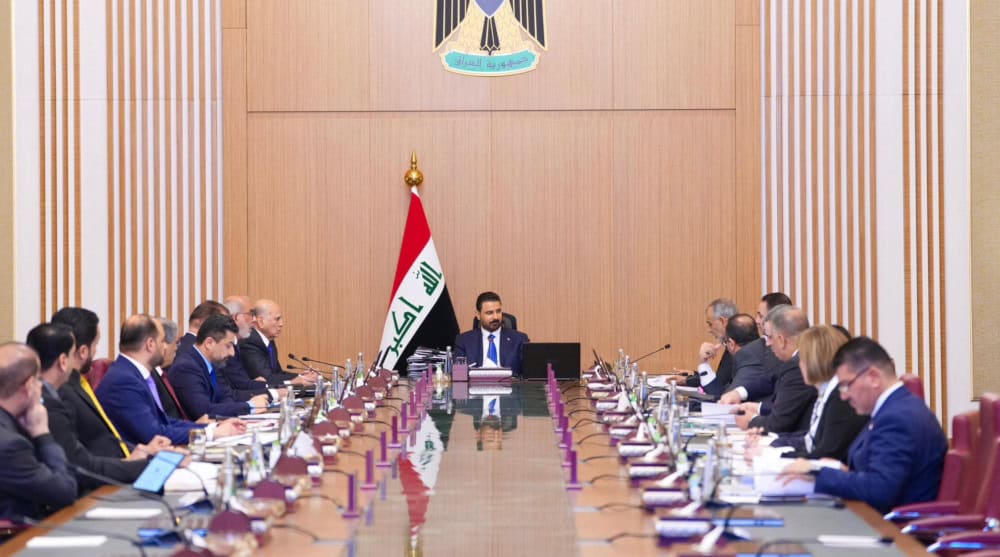
As Kurdistan Region seeks drone defenses, Rubio warns Iraq about Iran proxies
The Kurdistan Region of Iraq is seeking to acquire air-defense systems following months of missile and drone attacks targeting energy infrastructure and Iranian opposition groups across northern Iraq. US Secretary of State Marco Rubio warned that Iranian-backed proxies continue to threaten regional stability by launching attacks from Iraqi territory.
-
Gaza peace plan sees slow progress after Hamas meets in Cairo
Efforts to advance the US-backed peace plan for Gaza have continued amid difficult negotiations over Hamas’s disarmament and the future security structure of the enclave. Talks in Cairo involving Hamas, Egyptian officials, and representatives of the Board of Peace have focused on implementing key provisions related to weapons restrictions and the deployment of an International Stabilization Force.

-
Pirate attacks on ships in the Gulf of Aden are on the rise
Since late April, armed attackers in small skiffs, using tactics consistent with pirates, have been attacking ships off Yemen’s southern coast and other waters around the Horn of Africa at a rate not seen since 2011, when piracy in the region was at its peak.

-
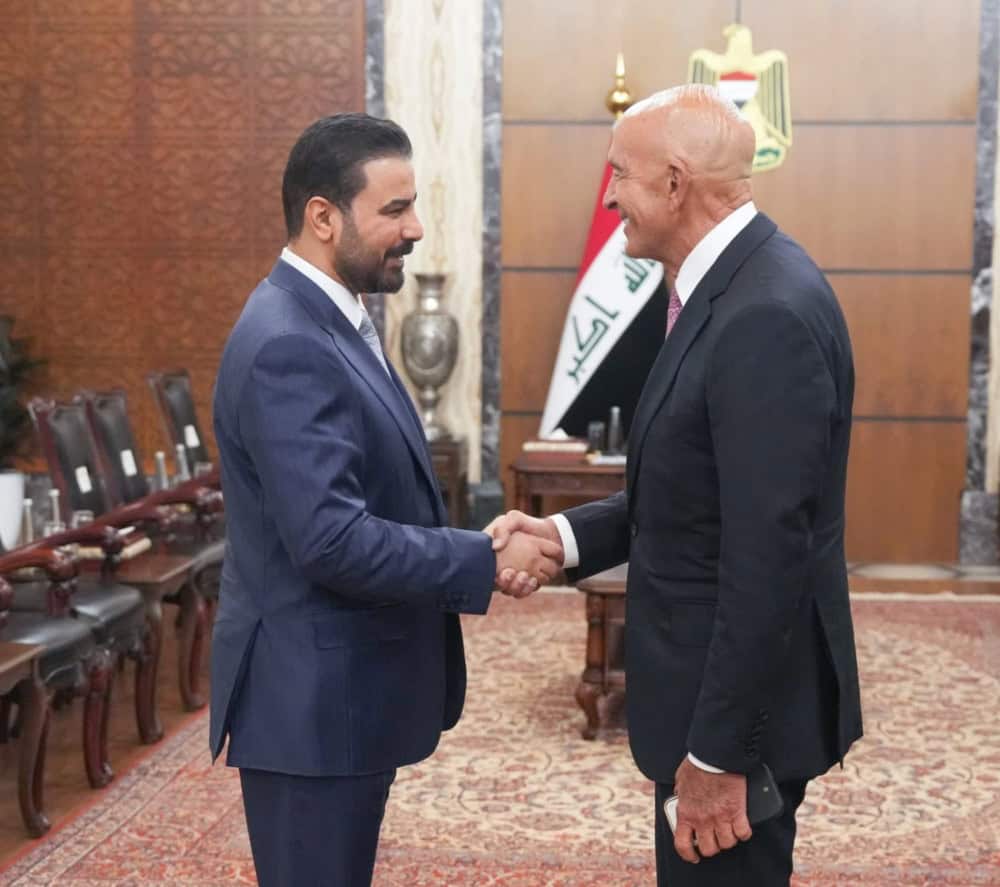
Iraqi Prime Minister Ali al Zaidi meets US envoy amid militia pressure
US Envoy to Iraq and Syria Tom Barrack’s recent visit to Iraq on June 15 highlighted Washington’s efforts to support stability, security cooperation, and political reform in the country amid continuing regional tensions. Discussions focused on strengthening ties between Baghdad and Washington, disarming Iranian-backed militias, and advancing energy deals.
-
IDF confirms killing Hezbollah commander responsible for creating Iran-backed militias in Iraq
On June 14, the Israeli military confirmed that it killed Ali Mousa Daqduq, a wanted and dangerous Hezbollah military commander. Daqduq was a key architect of the Iranian-backed militias in Iraq and a top Hezbollah commander involved in leading attacks inside Israel. He was previously reported killed in the fall of 2024, but his death was never confirmed.

-
Venezuela reshuffles foreign relationships as oil production grows
As Nicolás Maduro’s foreign minister and vice president, interim Venezuelan President Delcy Rodríguez previously helped build Caracas’s ties to Russia, China, and other US adversaries. Despite Washington’s desire for Venezuela to now orient toward the West, Rodríguez is also courting middle powers that can give Caracas room to maneuver, an effort aided by Venezuela’s recovering oil economy.

-
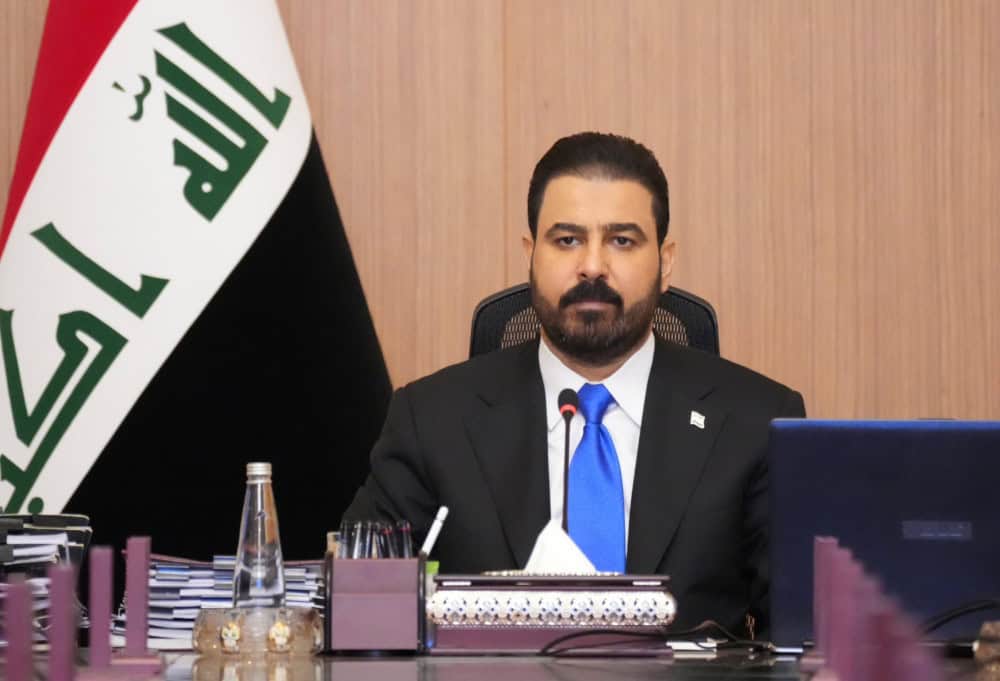
Iraq’s prime minister prepares US visit amid Iran threats and militia focus
Iraqi Prime Minister Ali al Zaidi is set to visit Washington, DC, as his government seeks investment, security cooperation, and support for efforts to strengthen state authority. A central focus of his agenda is bringing weapons held by Iranian-backed militias under government control, a process Baghdad hopes to advance before the planned end of the US anti-Islamic State mission in September 2026.
-
IDF targets Hamas middle managers, reports 15 strikes and ceasefire violations May 29–June 10
Following the high-profile eliminations of two Hamas military wing leaders, the Israeli military turned to targeting lower-level officials in the group who are leading its rearmament push, as well as members of other Gaza terrorist organizations.

-
Houthis attack Israel and announce ban on Israeli vessels in the Red Sea
The Houthis in Yemen launched two missiles at Israel and declared a blockade of Israeli vessels in the Red Sea on Monday. The Iran-backed terror group conducted this attack during waves of Iran’s own missile attacks against Israel.

-
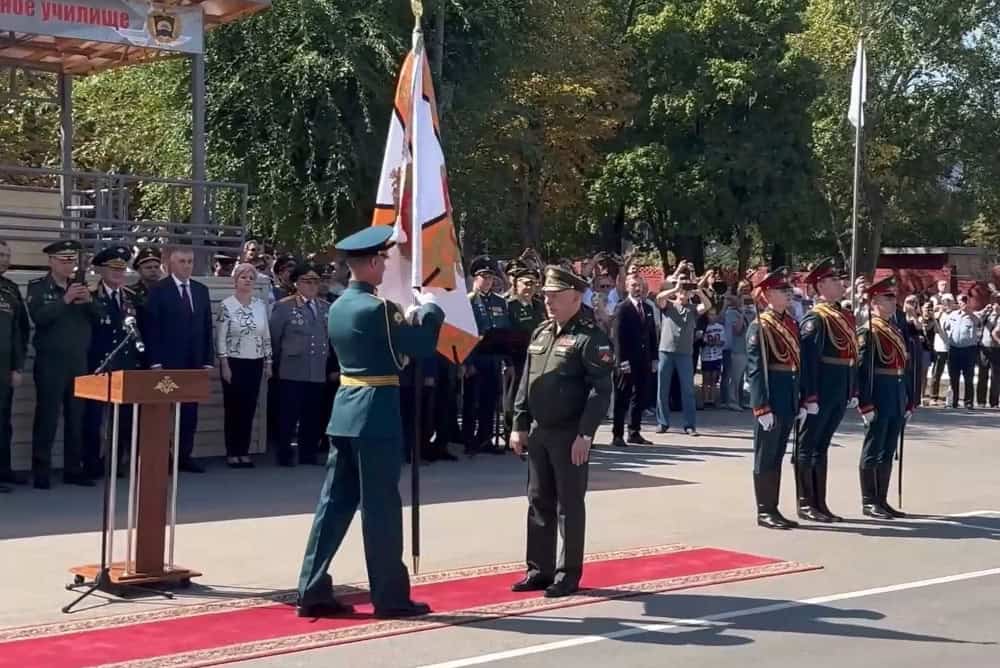
Russia reopening military schools to expand officer training pipeline
Moscow announced that it will re-establish the Chelyabinsk Higher Tank Command School, one of more than a dozen new schools Russia is standing up to expand its officer-training pipeline for a larger military that has been heavily attrited by the war in Ukraine.
-
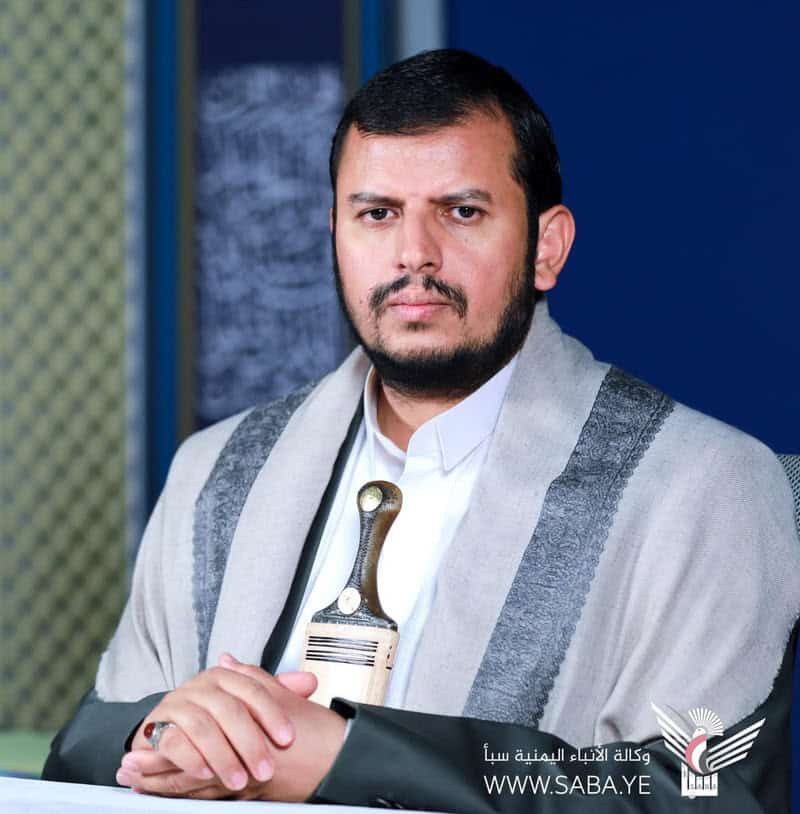
Houthis emphasize solidarity and coordination with Iran-led Axis of Resistance
The Houthis in Yemen reiterated support for their partners in the Iran-led Axis of Resistance, singling out Hezbollah in Lebanon and Hamas in Gaza. While leaving the door open to further involvement in the ongoing regional conflict, the group stopped short of saying it would join the fighting.
-
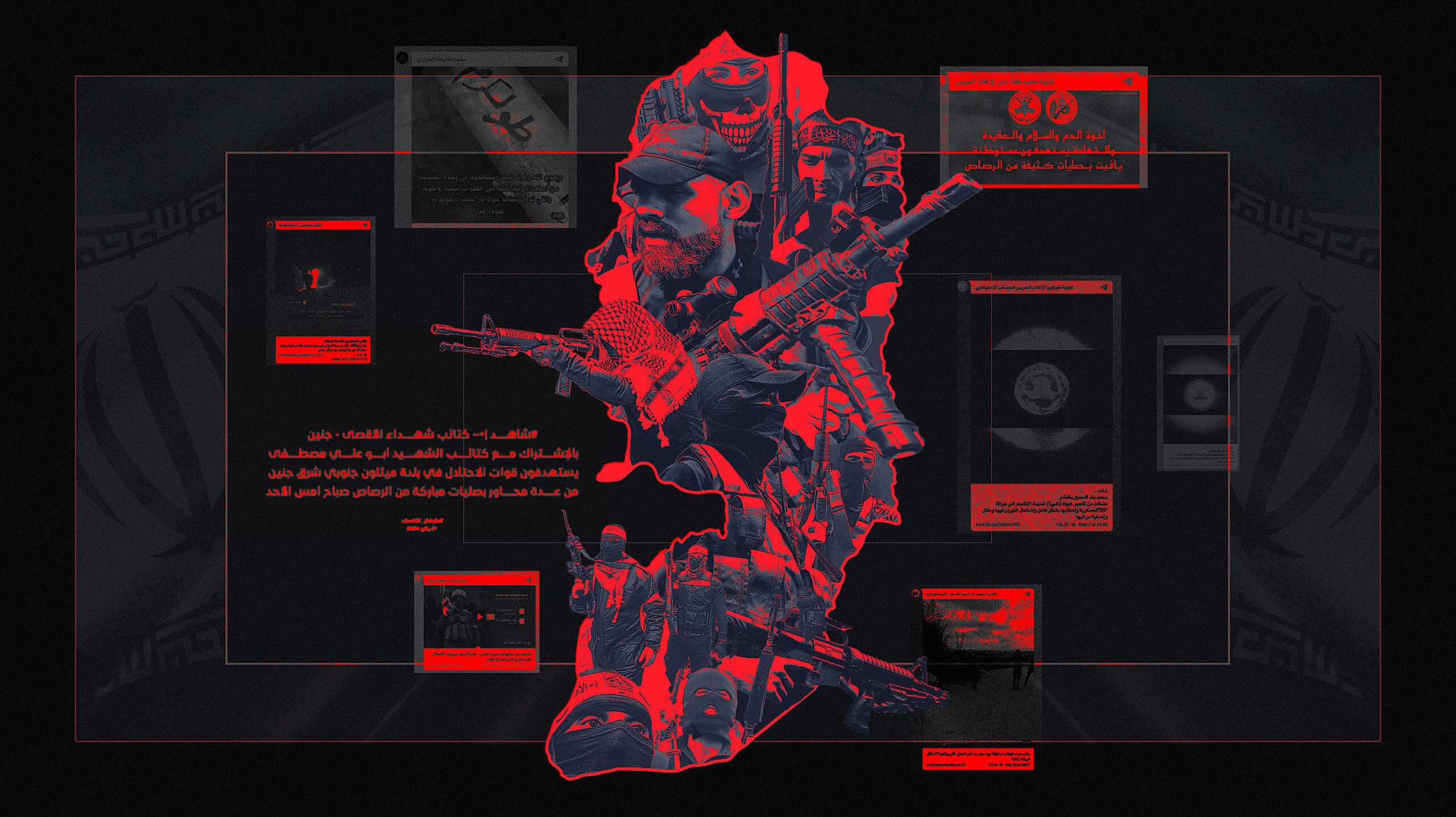
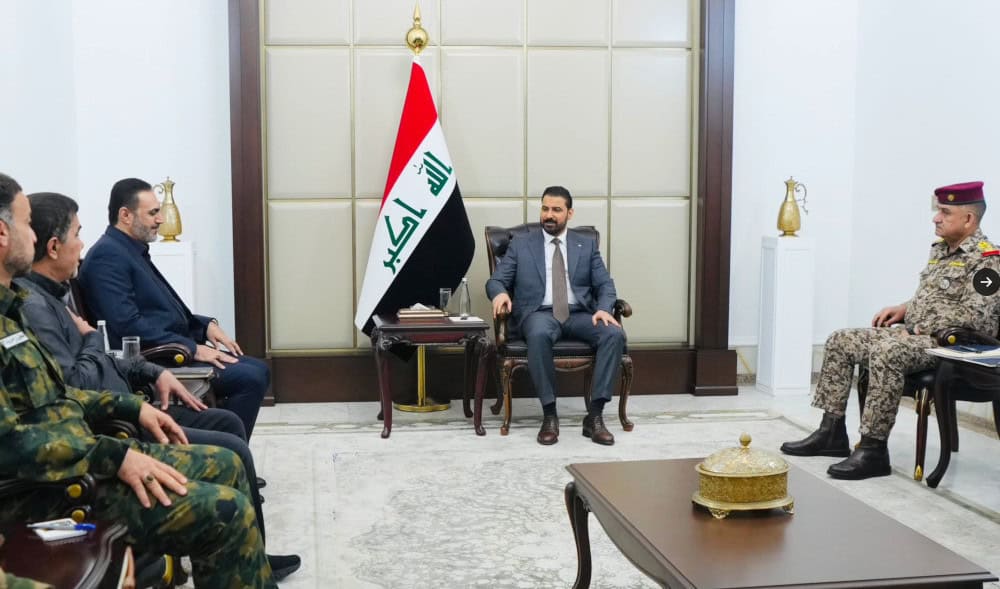
Several Iranian-backed militias in Iraq say they accept state control of weapons
Iraq’s new government is attempting to bring weapons held by Iranian-backed militias under state control, a move that could reshape the role of armed groups linked to the Popular Mobilization Forces (PMF). Several militias have announced plans to place their arms under government authority and disengage from the PMF, while others remain opposed or have issued mixed signals.
-
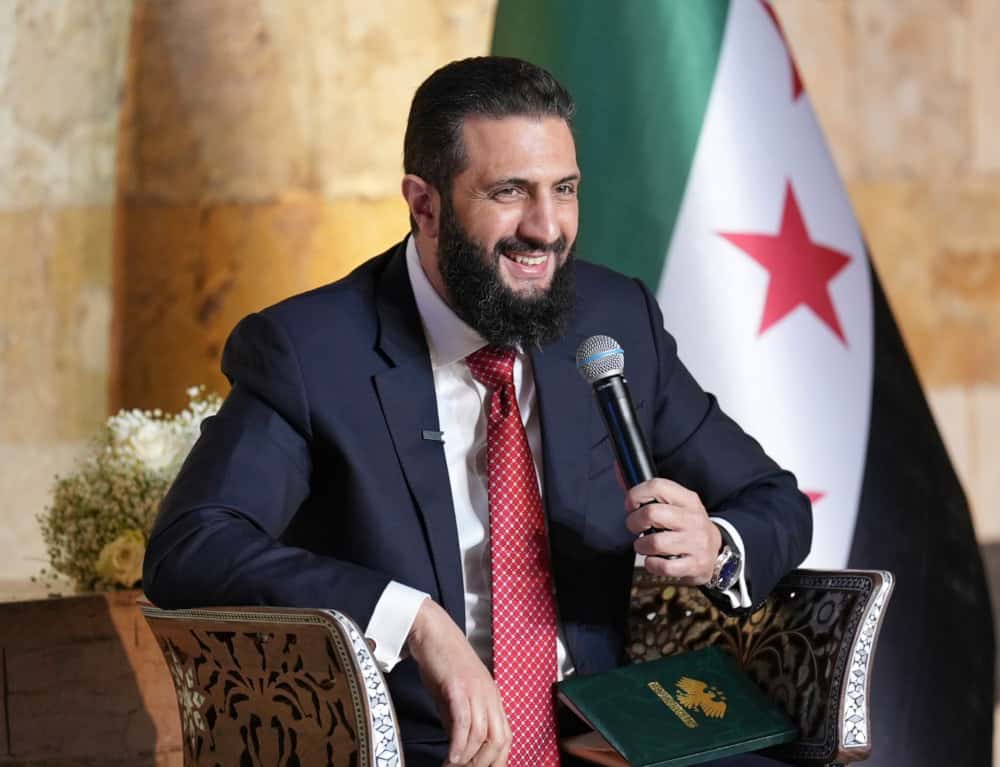
US Syria Envoy Barrack tapped for Syria and Iraq role
Syria is seeking to deepen ties with the US and expand regional diplomacy as the countries pursue discussions on reconstruction, sanctions relief, and economic recovery. Simultaneously, Syria faces ongoing regional shifts, including emerging trade routes, increased use of Syrian airspace, and broader tensions affecting reconstruction and political integration.
-
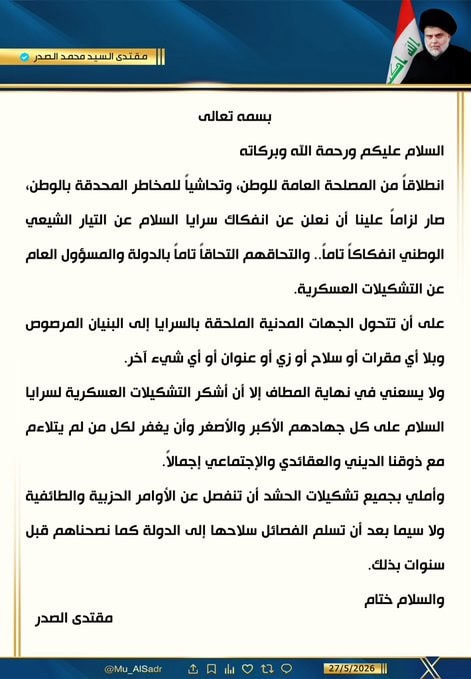
Muqtada al Sadr announces integration of his militia into the Iraqi state
Iraqi nationalist cleric Muqtada al Sadr announced that his militia, Saraya al Salam, will integrate into state security institutions. This development comes as Iraq’s new political leadership is navigating the issue of disarming Iran-backed militias.
-
Syria holds elections in Kurdish-majority areas, finds Assad-era chemical weapons
Syria moved forward with another round of local elections on May 24 as the government seeks to strengthen its legitimacy and extend authority following years of conflict. The vote came as Damascus said it was working with the Organisation for the Prohibition of Chemical Weapons (OPCW) to turn over remnants of the previous Assad regime’s chemical weapons program.

-
Israel reportedly targets Imam Hossein Division missile commander in Beirut strike
On May 28, Israel conducted its first strike in weeks targeting Beirut. The Israelis have yet to confirm it, but reporting indicates that the intended target was Ali al Hussaini, a commander in the Islamic Revolutionary Guard Corps-Qods Forces’ Imam Hossein Division. This division, whose origins were in the Syrian Civil War, has been reinforcing Hezbollah throughout the conflict with Israel that began in October 2023.
-
IDF kills new Hamas military leader, reports 10 ceasefire violations May 21–May 28
Less than two weeks after Hamas named Mohammed Odeh as its new military commander, Israel eliminated him. The IDF also targeted a number of other high-profile Hamas members as the terrorist group continues refusing to disarm.

-
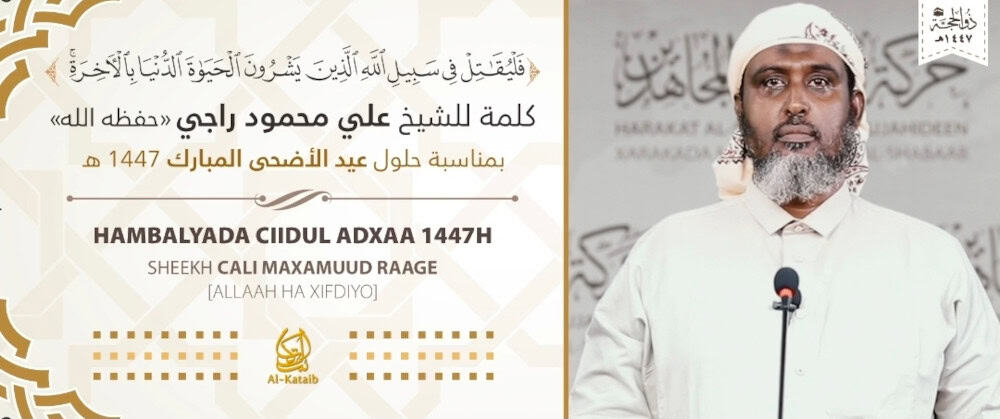
Shabaab spokesman congratulates JNIM, denounces Western powers in Eid message
During his message for Eid al Adha, Ali Mohamad Rage, Shabaab’s top spokesman, congratulated the Group for Support of Islam and Muslims (JNIM), Al Qaeda’s branch in West Africa, for its recent victories in Mali. Rage also praised Al Qaeda in the Arabian Peninsula and denounced American and Turkish activities in Somalia.