-
Hamas says it may give up some weapons, IDF reports 5 ceasefire violations April 17-21
Hamas has reportedly indicated a readiness to give up thousands of rifles belonging to its police and internal security forces. The weapons conceded would still fail to meet the total disarmament required by President Donald Trump’s 20-point Gaza peace plan. The Israel Defense Forces also tracked five ceasefire violations between April 17 and 21.

-
Iraq aims to select new PM as US warns of Iran-backed threats, IRGC-QF head visits
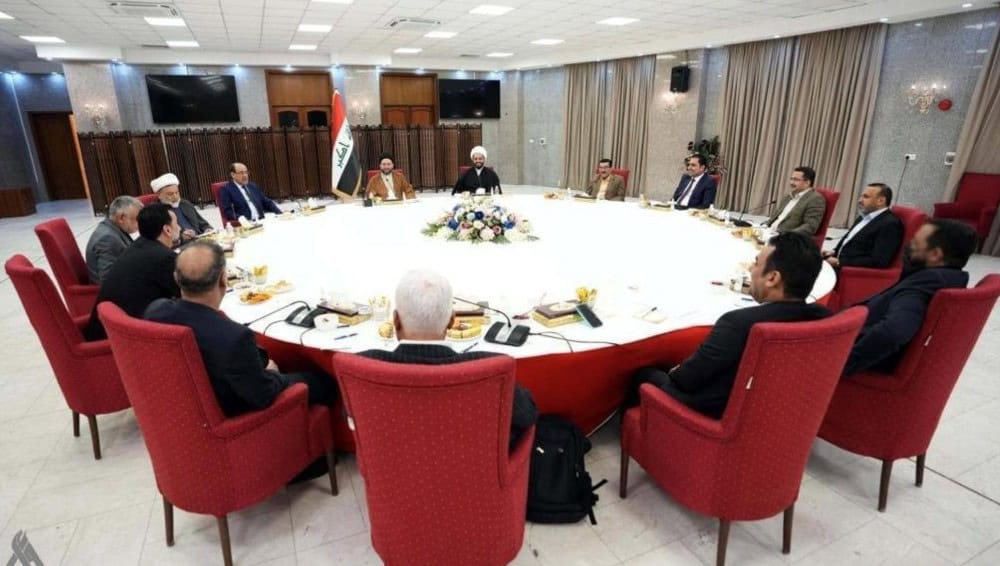
Iraq faces mounting political pressure as Shiite parties in the Coordination Framework (CF) seek to select a new prime minister amid tensions between the US and Iran. On the evening of April 20, the CF delayed its decision to nominate a candidate for the office until April 22. The US has reportedly paused some coordination with Baghdad pending investigations into attacks on US interests, and Iranian Islamic Revolutionary Guard Corps-Qods Force commander Esmail Qaani visited Iraq on April 19.
-
US Treasury designates 7 Iran-backed Iraqi militia commanders as terrorists
The US Treasury Department announced the designation of seven high-level members of Iran-backed Iraqi militias as Specially Designated Global Terrorists on April 17. Their organizations are previously US-designated terror groups that, operating under front groups, have conducted numerous attacks on the US presence in Iraq since the start of the war with Iran on February 28.

-
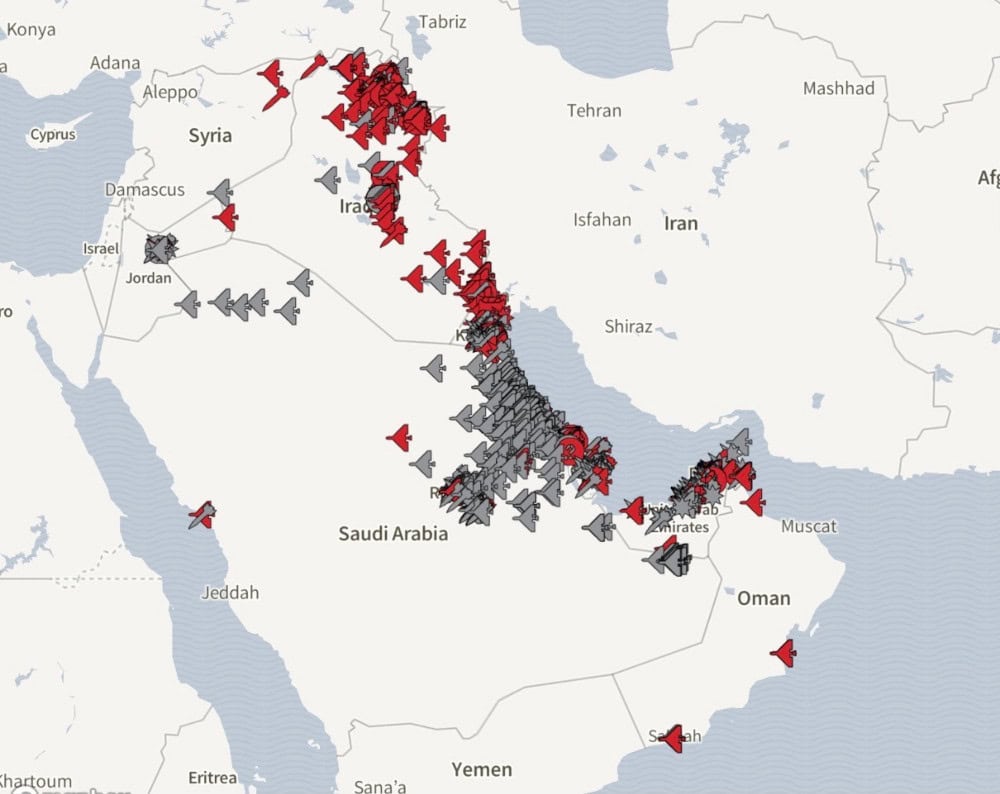
Iran’s war against regional states: UAE bore the brunt, Iraqi Kurdistan still under fire
The ceasefire between the US and Iran has largely held since April 8, and large-scale Iranian barrages targeting predominantly Arab states have ended. However, some attacks, particularly against Iraqi Kurdistan, have continued.
-
Iran-linked group Ashab al Yamin surges attacks in European cities, claims 15 since March
The Iran-linked front organization Ashab al Yamin claimed eight attacks on what it describes as “American and Zionist interests” in European countries in April. The most recent statements by the group took responsibility for targeting multiple locations in London, including the Israeli embassy.

-
Hamas rejects disarmament clause of Gaza peace plan, IDF reports 14 ceasefire violations April 8–16
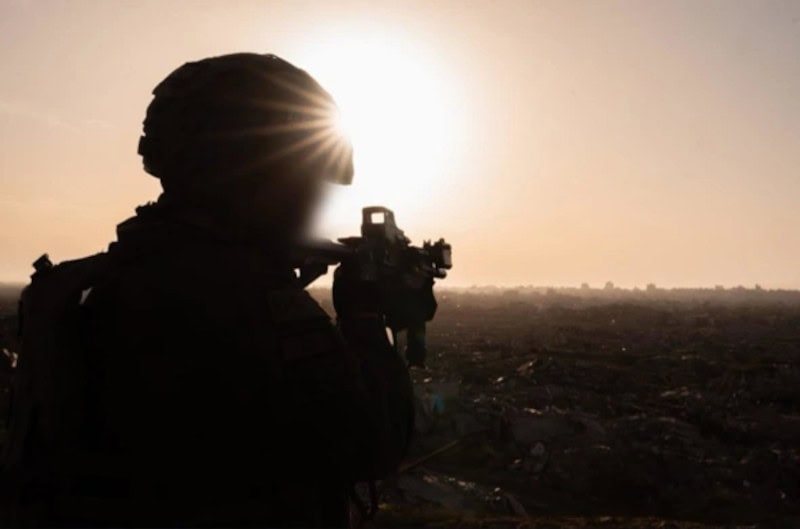
Kinetic events and military actions continue in Gaza, including 14 violations of the fragile ceasefire by Palestinian terrorists, according to the Israeli military. The Israel Defense Forces has documented an uptick in planned attacks against Israeli soldiers in the enclave.
-
Syrian president meets Syrian Democratic Forces leader to discuss next phase of integration
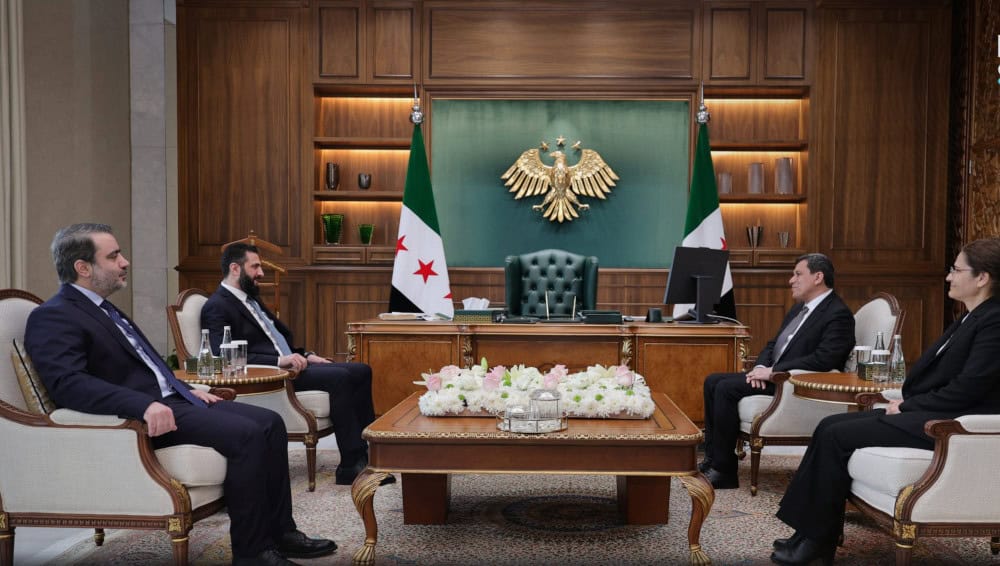
On April 16, Syrian President Ahmad al Sharaa met with Syrian Democratic Forces (SDF) commander Mazloum Abdi in Damascus to discuss advancing the integration of the SDF into state institutions, following a January agreement. The talks come amid shifting control in eastern Syria, including government moves to secure key bases and border crossings after a US withdrawal.
-
Iraq focuses on political appointees, economic challenges amid Iran ceasefire
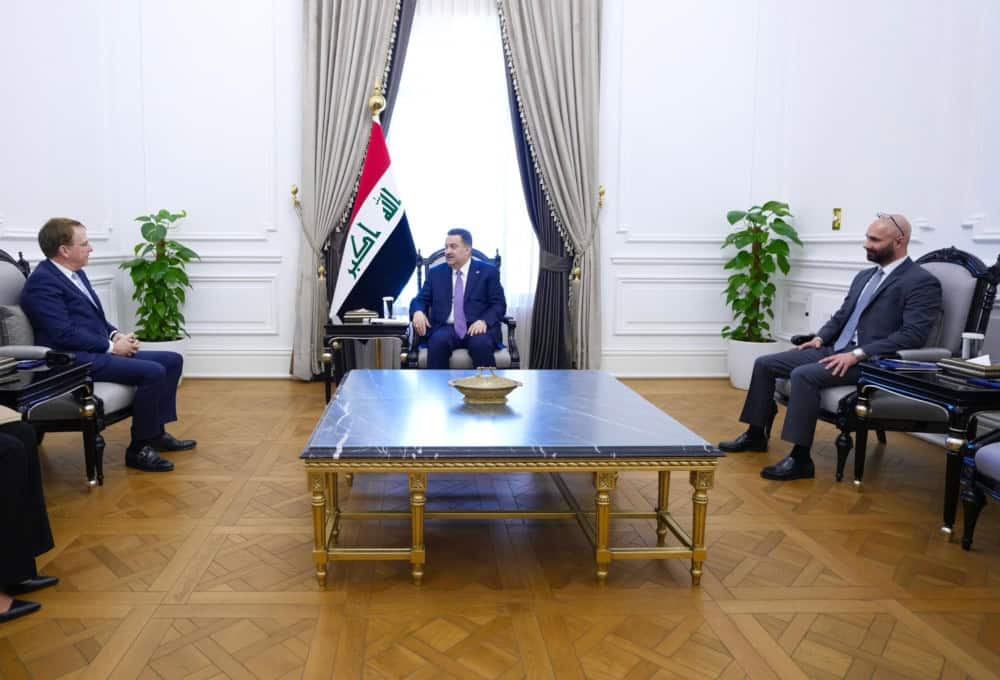
Baghdad is shifting toward political stabilization and economic challenges during the fragile post-conflict phase that follows more than a month of US-Israeli strikes on Iran and Iranian-backed militia attacks in Iraq. After hundreds of militia attacks, including strikes on US and Kurdish targets, Iraq is moving forward with long-delayed political appointments, including choosing a new president.
-
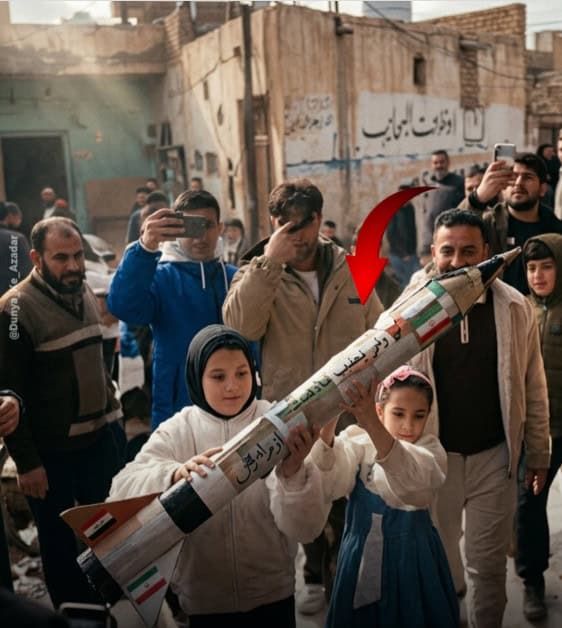
Iraqi fundraising drives linked to militias channel support to Iran and Hezbollah
Efforts described by Iran-backed Iraqi militias as humanitarian campaigns increasingly show signs of serving as a parallel financial pipeline that also fuels Iran’s current war effort and regional proxy network. Across Iraq, groups aligned with Tehran are mobilizing donation drives framed as a religious obligation and in wartime solidarity.
-
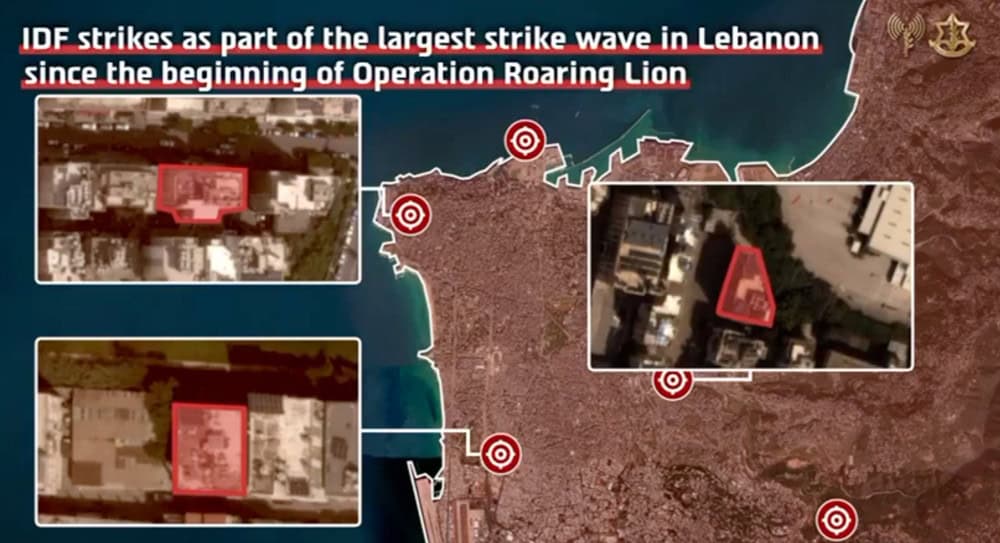
A breakdown of Israel’s heavy bombardment of Beirut on April 8
On April 8, Israel launched its most intense aerial blitz in Lebanon since the war with Hezbollah restarted. The strikes were particularly deadly in Beirut, where the Israeli military struck targets both in the suburb of Dahiyeh and, in a rare occurrence, the heart of the Lebanese capital. Israel alleges that Hezbollah operatives had moved northward out of the group’s Dahiyeh nerve center into the city.
-
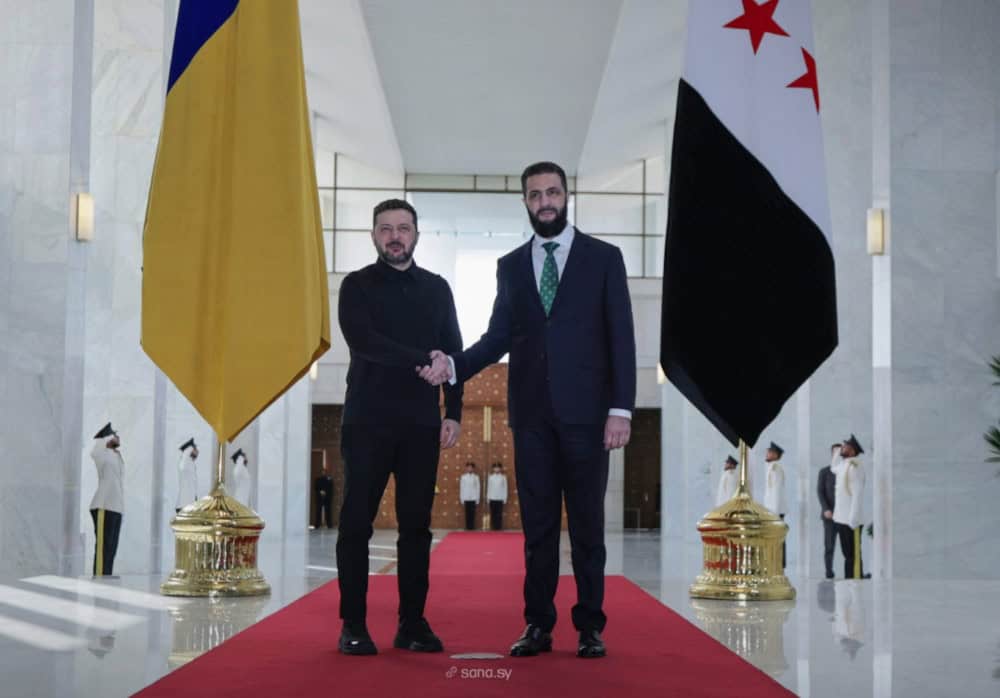
Syria focuses on diplomacy amid Iran war
Syria has sought to position itself as a diplomatic actor amid the regional conflict with Iran, maintaining relative stability while several neighboring states faced significant missile and drone attacks. Damascus has intensified high-level engagements with Turkey, the United States, and Ukraine, highlighting efforts to rebuild international ties following the fall of the Bashar al Assad regime.
-
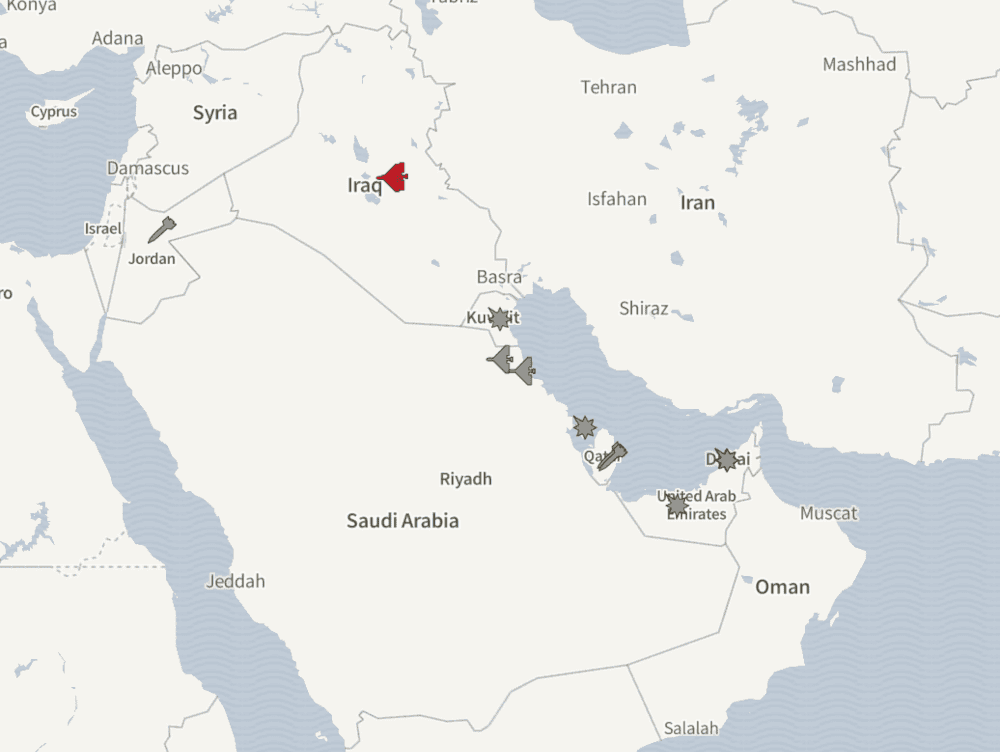
Despite ceasefire, Iran and its militias continue attacking regional states (April 2–8 updates)
Iran and its allied militias launched numerous drones and missiles against regional countries between April 2 and April 8, continuing attacks after a ceasefire between Iran and the United States was announced yesterday. Across this period, the attacks remained concentrated on the Gulf, Jordan, Iraq, and Iraqi Kurdistan, with repeated mass-interception events in the United Arab Emirates, Kuwait, Bahrain, Saudi Arabia, and Qatar.
-
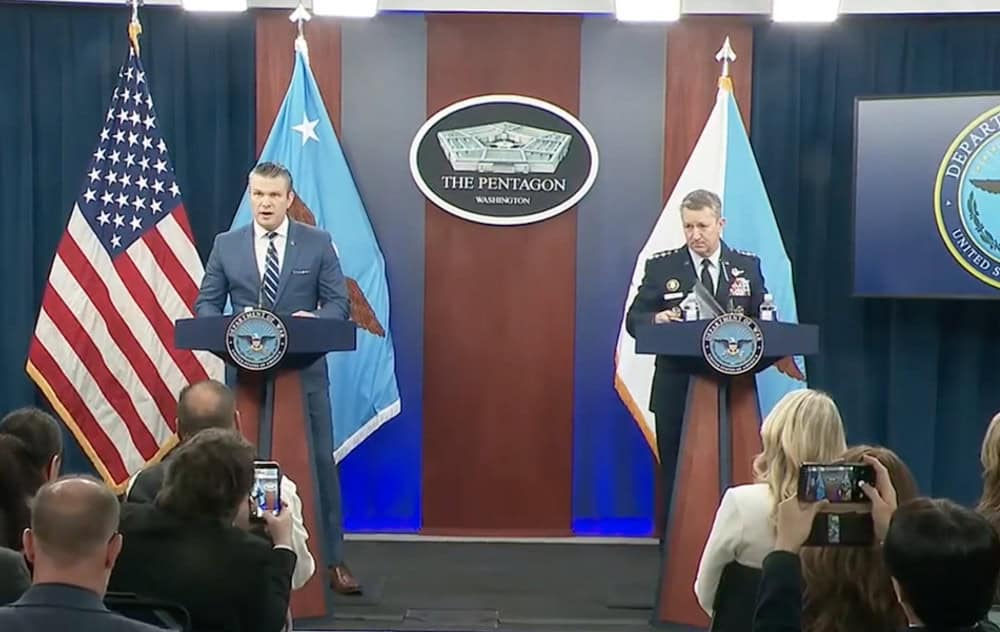
US, Iran agree to 2-week ceasefire in exchange for reopening of Strait of Hormuz
There are conflicting conditions demanded by the US and Iran for lasting peace, and Israeli and Iranian strikes continued after the ceasefire announcement. However, a cessation of hostilities and reopening of the Strait of Hormuz to international shipping appear to be agreed-upon items. Iranian leaders touted the ceasefire as a victory, while US officials said the objectives of destroying Iran’s military and nuclear capabilities were achieved.
-
Gunmen fire at police outside of Israeli consulate in Istanbul
Three attackers opened fire on police officers outside the Israeli consulate in Istanbul, Turkey earlier today. Turkish police killed one shooter and captured two others. The affiliation of the attackers is currently unknown, but the incident comes almost a week after the Islamic State called for attacks on Jews during the Passover holiday.

-
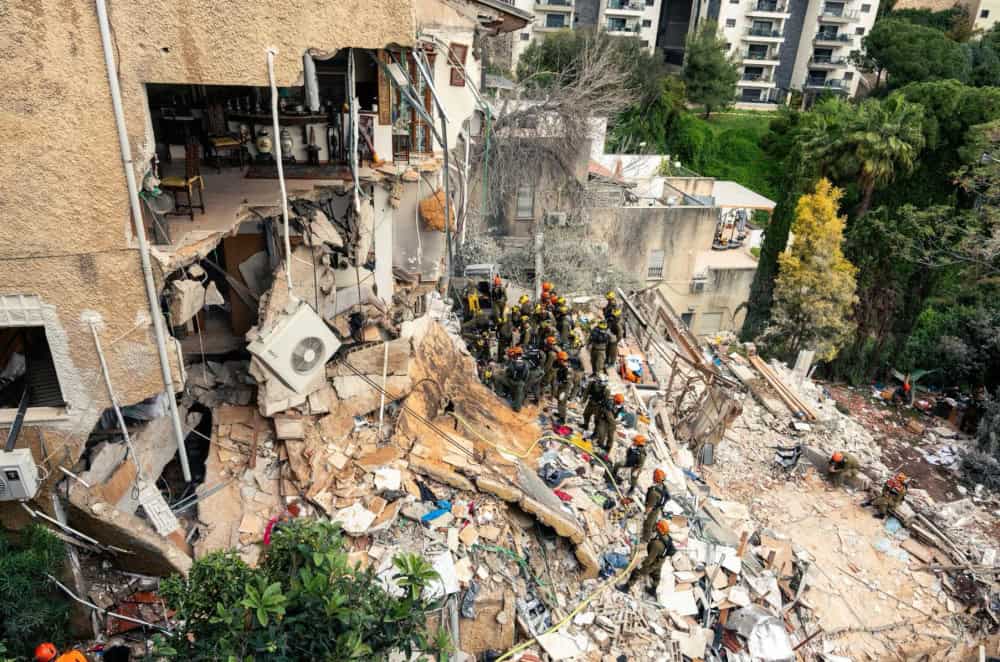
Iranian ballistic missile cluster munitions strike dozens of sites in Israeli cities
Iran’s increasing use of cluster munitions in ballistic missile attacks since late February has intensified damage across Israel, with dozens of impact sites reported in major cities in the first week of April. Four people were killed in Haifa in a missile attack on April 6. Meanwhile, Israel is escalating strikes on Iranian infrastructure targets and boosting production of Arrow interceptors as part of its multi-layered air defense.
-
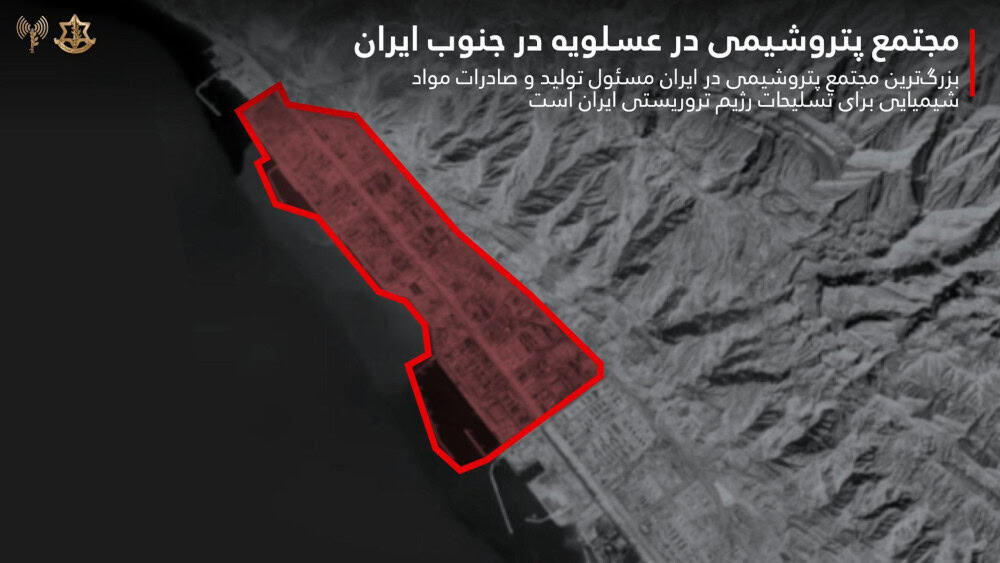
Iran rejects US ceasefire proposal as US-Israeli operations escalate, regime suffers high-profile casualties
US and Israeli operations inside Iran escalated over the past week. Actions included strikes on Islamic Revolutionary Guard Corps missile and air defense sites, eliminations of senior military and intelligence officials, the recovery of a US F-15E crew downed over Iran, and attacks on Iranian infrastructure, ranging from petrochemical facilities to major industrial plants.
-
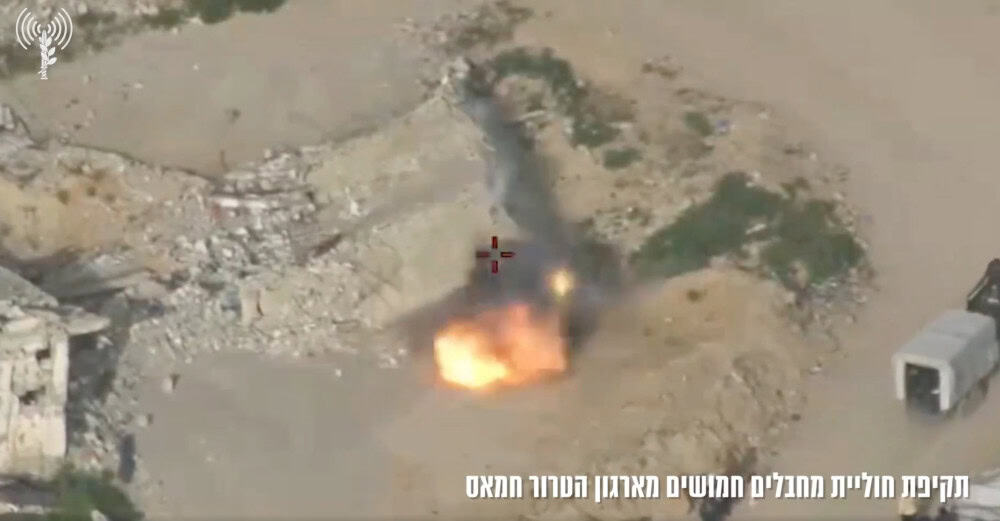
IDF: Palestinian terrorists violate Gaza ceasefire 22 times since start of Iran war
While the US-Israeli war with Iran has taken center stage, Israel’s Gaza front remained active, despite the US-brokered ceasefire that took effect on October 10 of last year. The Israeli military has documented 22 ceasefire violations by Hamas and other Palestinian terrorist groups since the war with Iran began on February 28.
-
Iran downs US fighter jet, 1 crew member recovered, rescue operation ongoing for second
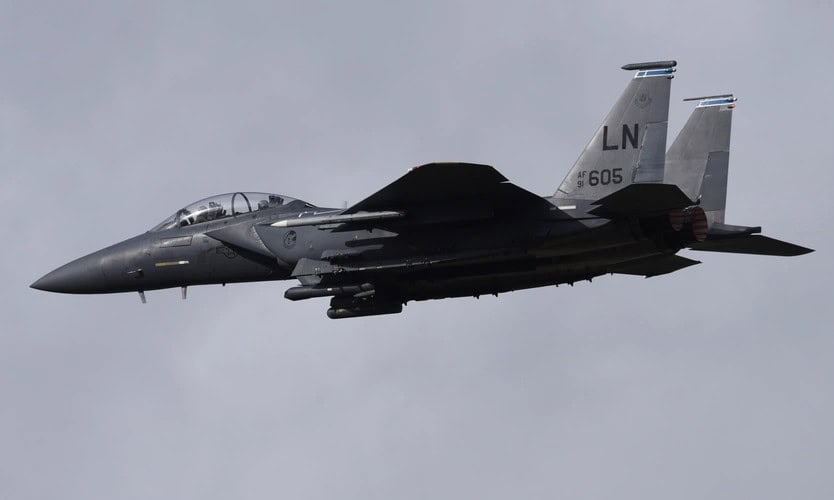
A pilot of an F-15E Strike Eagle reportedly shot down over Iran was rescued on April 3, while the second crew member remains missing. The downing of an F-15E is the first American fighter jet to be shot down by Iran since major combat operations began in Iran on February 28.
-
Iran and proxies fire fewer total projectiles, increase accuracy in attacks on region (March 28–April 1 updates)
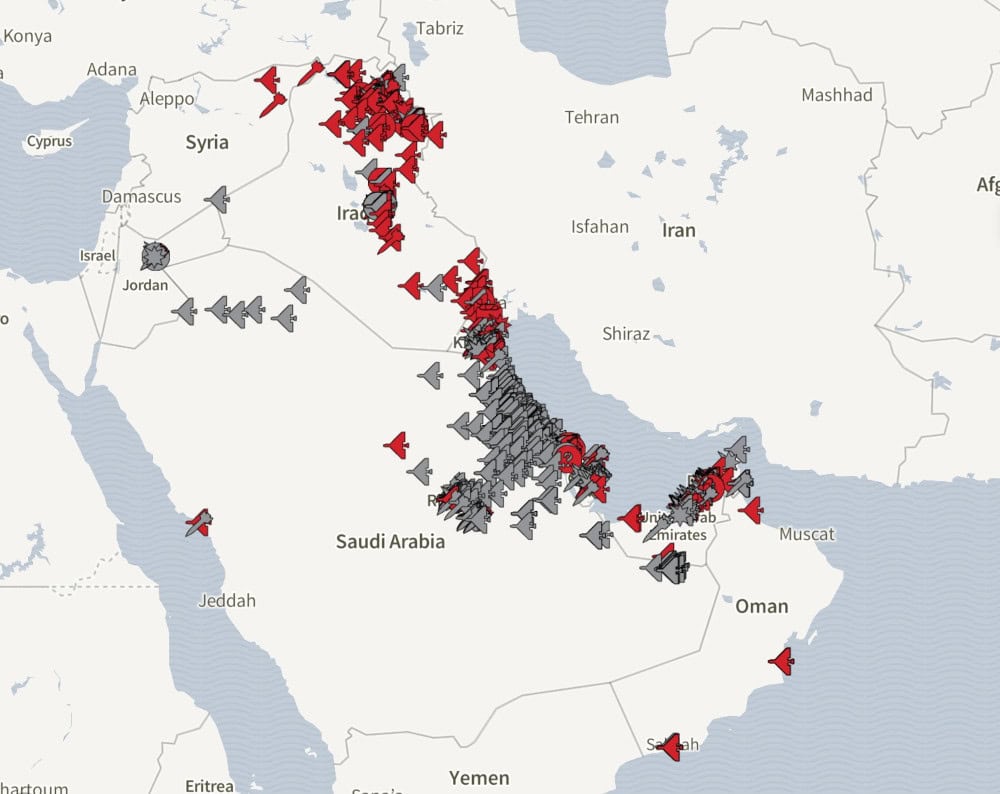
Between March 28 and April 1, Iran and its allied militias continued launching drones, missiles, and rockets against regional countries—with less overall frequency but more accuracy. The attacks targeted energy infrastructure, airports, military facilities, ports, and residential areas.
-
American journalist kidnapped in Baghdad by Iranian proxy
The Iran-backed terror group Kataib Hezbollah, an Iraqi Shiite militia, kidnapped American journalist Shelly Kittleson in downtown Baghdad on March 31. The US government had previously warned Kittleson of a threat against her and the group’s desire to kill or abduct journalists.

-
Iran intensifies recruitment, repression amid reports of thousands of security deaths, Washington weighs ground operations
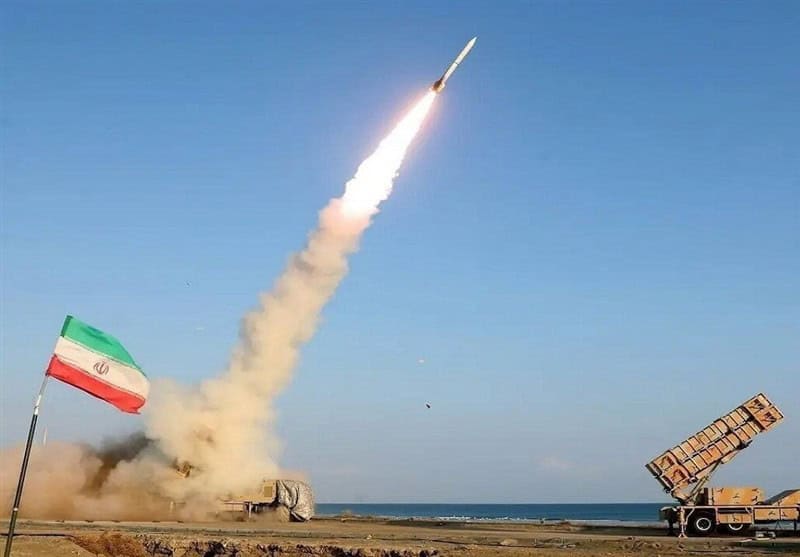
Washington is considering ground operations as joint US-Israeli strikes impact Iran’s military and internal security forces, reportedly causing thousands of casualties. Simultaneously, Tehran has increased security recruitment efforts, deployed foreign proxy militias, and escalated executions and arrests of Iranian citizens while issuing threats over “sharing images or footage with foreign actors.”
-
Israel kills Al Manar employee Ali Shuaib, says he was a Hezbollah military operative
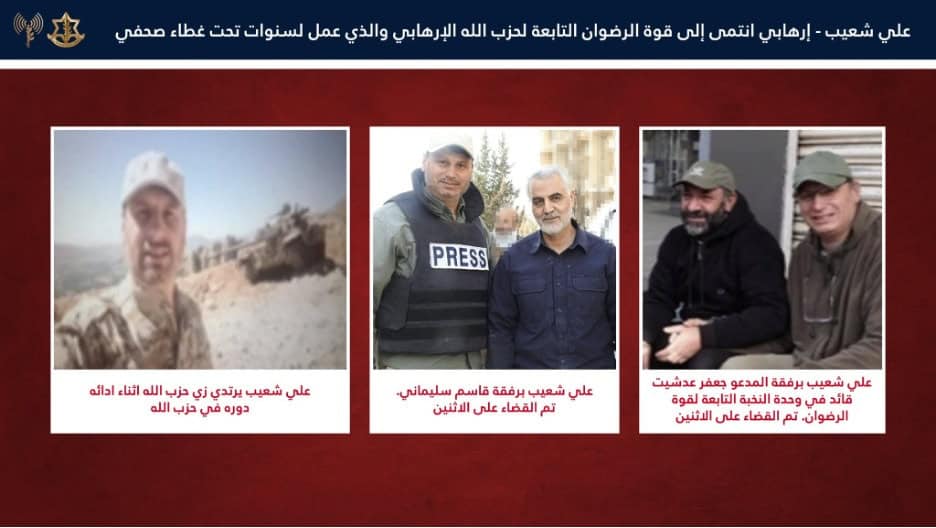
Israel targeted and killed Ali Shuaib, an employee of the Hezbollah TV station Al Manar, and two others who worked for the pro-Hezbollah Al Mayadeen channel. The Israel Defense Forces claimed Shuaib was a Hezbollah Radwan Force operative using his journalistic credentials to monitor Israeli troop movements.
-
Home of Kurdistan Region president targeted, American universities threatened as attacks escalate in Iraq
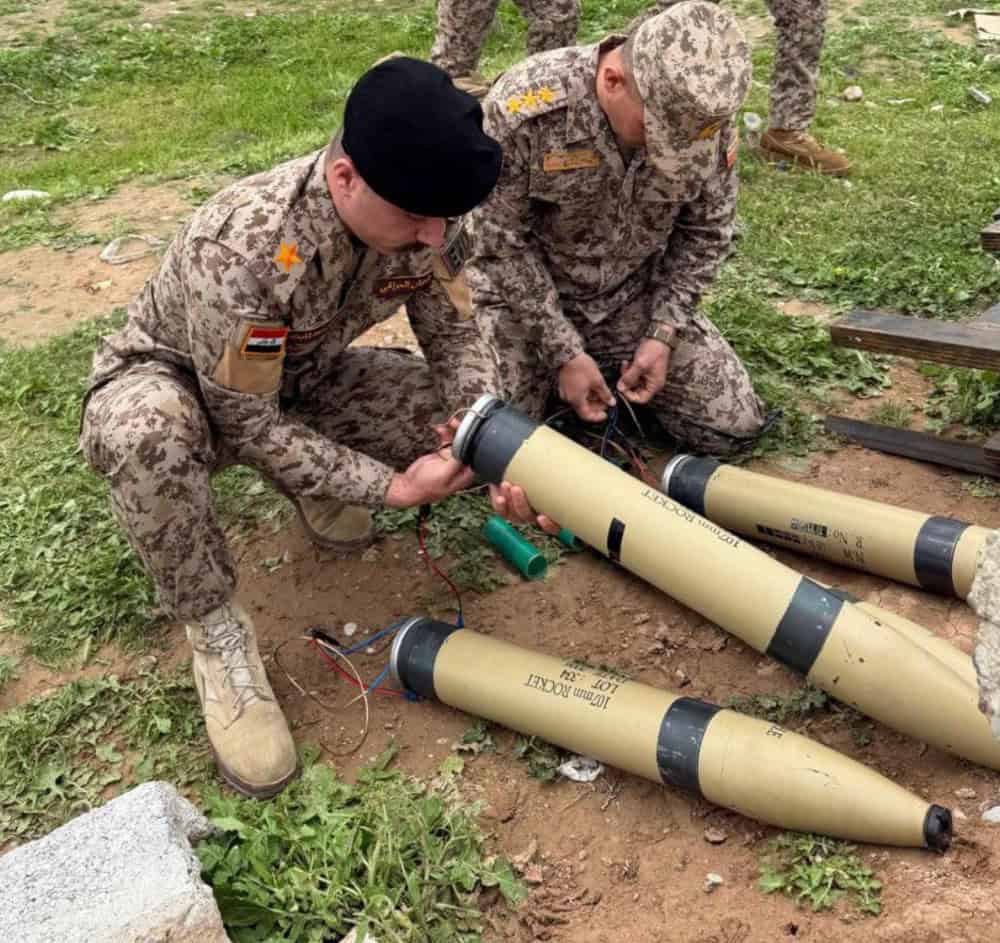
A drone attack targeted the residence of Kurdistan Region of Iraq President Nechirvan Barzani amid escalating strikes in Iraq on March 28, followed by a drone interception near the home of Masoud Barzani, leader of the Kurdistan Democratic Party (KDP), the following day. Iranian-backed militias and Iran have been blamed for attacks across Iraq, including more than 500 drone and missile strikes against the semi-autonomous Kurdistan Region since February 28.
-
Yemen’s Houthis enter Iran war with drone and missile attacks on Israel
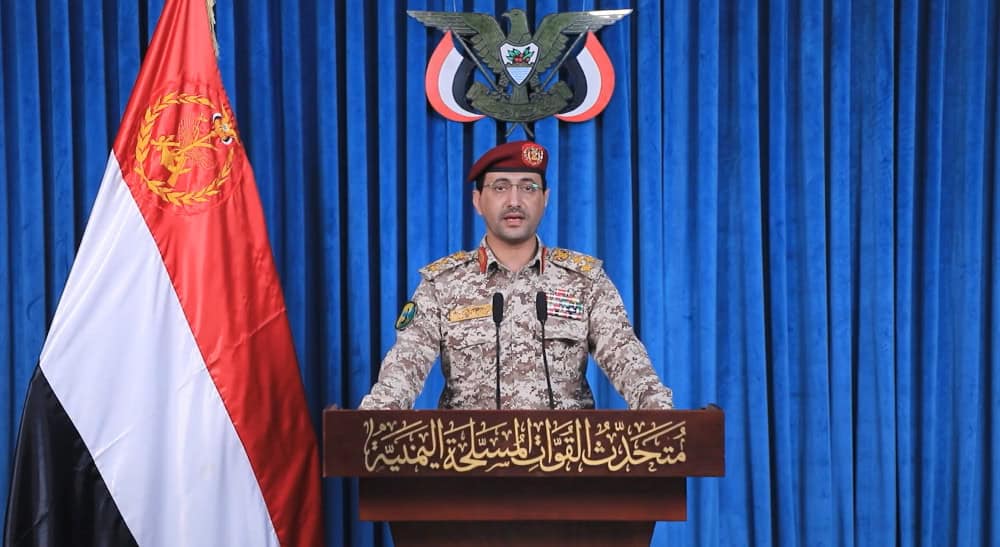
The Houthis launched missile and drone attacks against Israel, the first direct military action since the beginning of the US and Israeli campaign against Iran that began on February 28. The Iran-backed Yemeni terrorist group threatened to continue and expand attacks until a series of conditions it issued are met.
-
Iran and proxies continue attacking energy facilities, residential areas, and Arab capitals (March 24–27 updates)
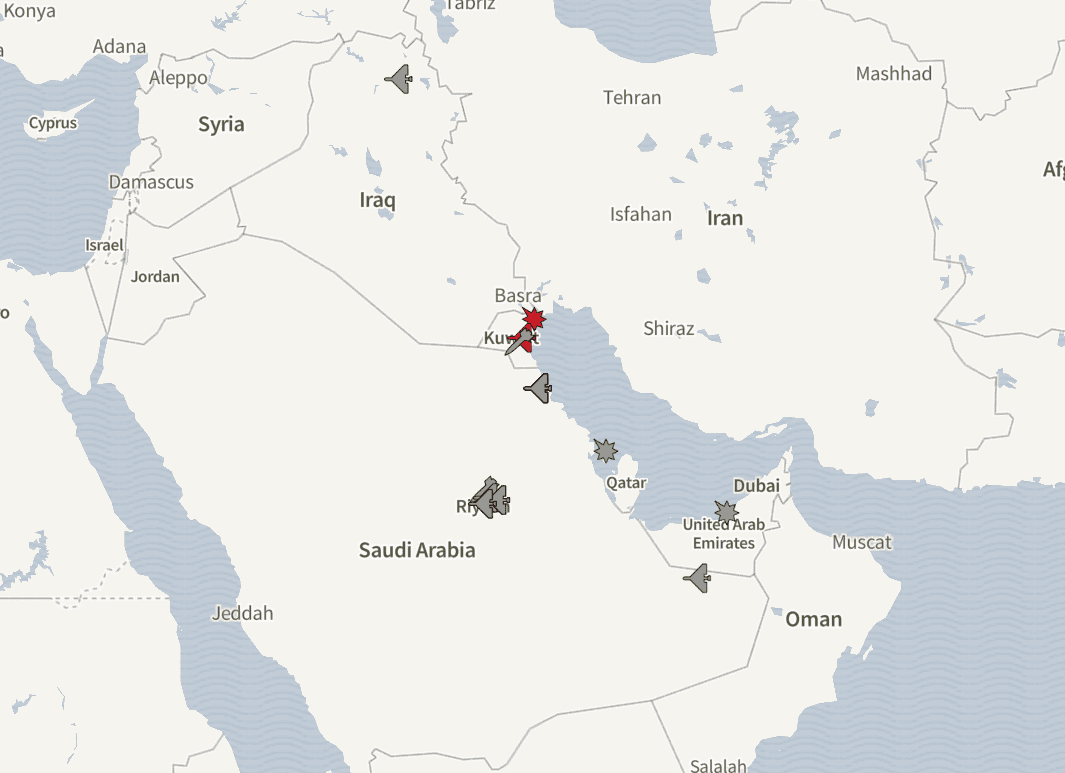
Between March 24 and March 27, Iran and its allied militias continued launching drones and missiles against Arab countries. The attacks targeted energy infrastructure, airports, military facilities, ports, and residential areas in Saudi Arabia, the United Arab Emirates, Kuwait, Bahrain, Iraq, and Jordan.
-
Russia reportedly sending Iran drones for use against the US and Israel
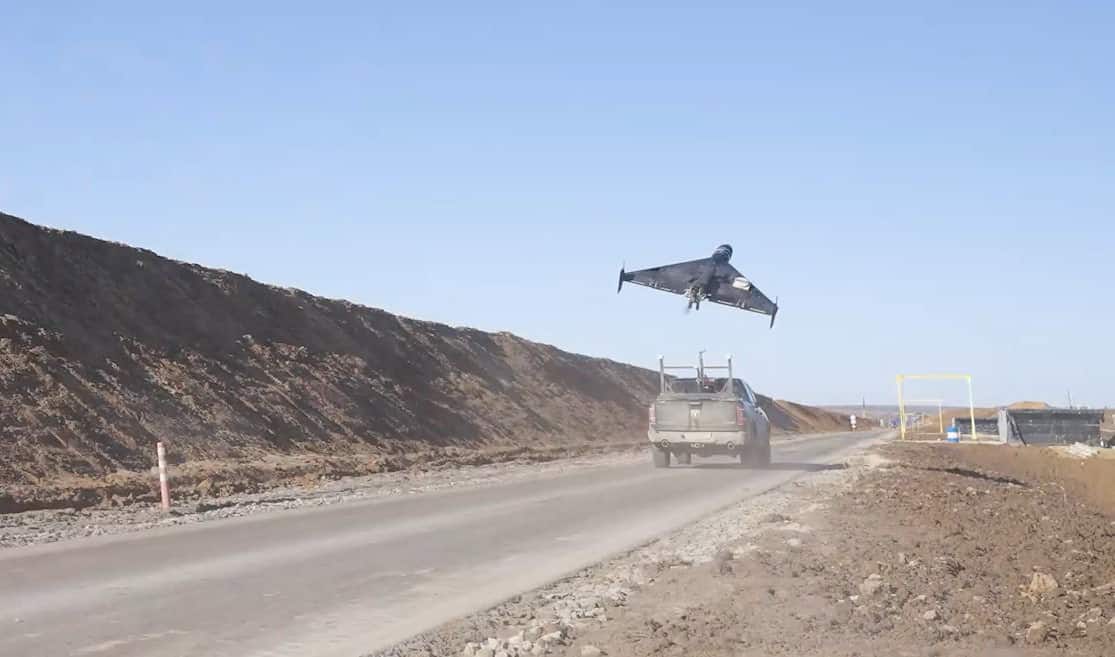
Reports citing Western officials suggest that Russia has started supplying Iran with complete drones after Russia was previously suspected of only providing components to improve Iranian systems. The unmanned aerial systems are likely modified, Russian-made versions of the same Shahed-136 one-way attack drones that Tehran previously supplied to Moscow.
-
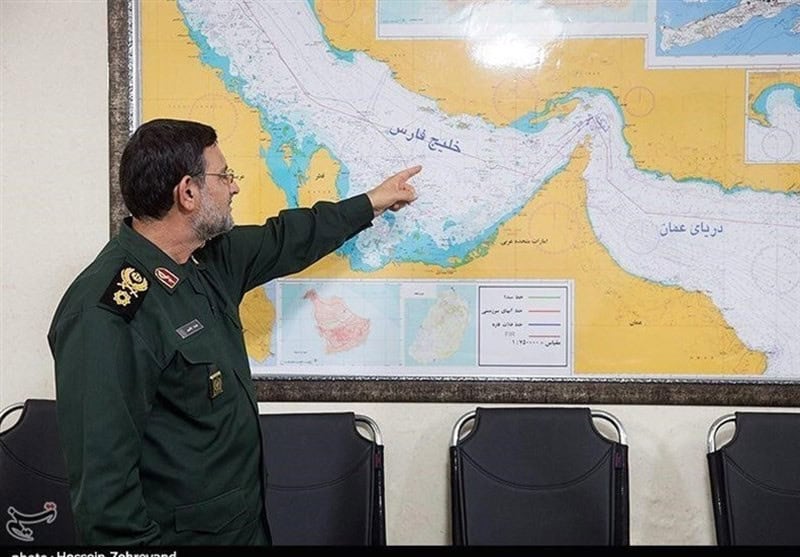
US-Israeli strikes continue as talks over Strait of Hormuz stall and Iran intensifies internal crackdown
The US and Israel continued airstrikes as negotiations over the passage of shipping through the Strait of Hormuz hit an impasse and Iran ramped up efforts to repress its populace. The regime has expanded internal security checkpoints into a dispersed network across various cities and increased arrests targeting alleged collaborators and dissenters.
-
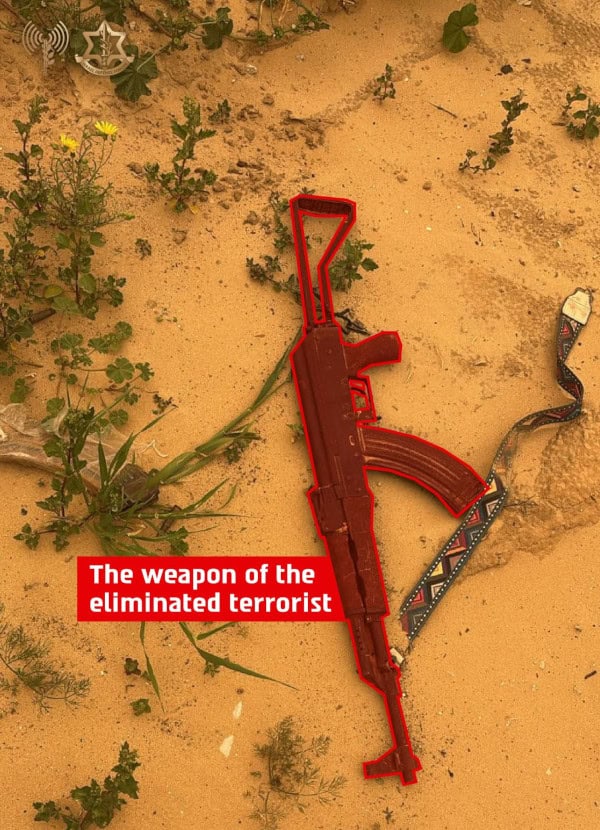
Israel continues operations against Hamas in Gaza, diplomats push for disarmament as shaky ceasefire continues
While attention has shifted to the conflicts in Iran and Lebanon, Gaza remains under a fragile ceasefire, with ongoing low-level clashes. High Representative for Gaza Nickolay Mladenov highlighted progress toward a disarmament framework tied to UN-backed plans. Despite this, Hamas continues to consolidate control in parts of the territory as Israel targets militants and terrorist infrastructure.
-
Turkish intelligence chief hosts Hamas leaders in Istanbul
Turkish spy chief Ibrahim Kalin’s March 22 meeting with senior Hamas leaders in Istanbul highlights Turkey’s continued high-level engagement with the group, reinforcing Ankara’s role as a mediator in Gaza ceasefire negotiations while omitting any discussion of Hamas’s disarmament. The meeting reflects a broader pattern of Turkish support for the group, evidenced by recent US Treasury sanctions on Turkish charities linked to Hamas.

-
Interim Venezuelan president ousts defense chief as Washington makes limited progress in Caracas
On March 18, Venezuelan acting President Delcy Rodríguez removed longtime Defense Minister Vladimir Padrino López and installed Gustavo González López, followed by initiating a broad restructuring of the military’s top leadership. These moves unfolded alongside US-supported stabilization efforts and the passage of a February 20 amnesty law that has facilitated the release of dozens of political prisoners. Nevertheless, a UN fact-finding mission reported that the country’s repressive apparatus remains largely unchanged.