-
Iraq agrees to Turkish base deal as militia disarmament timeline debated
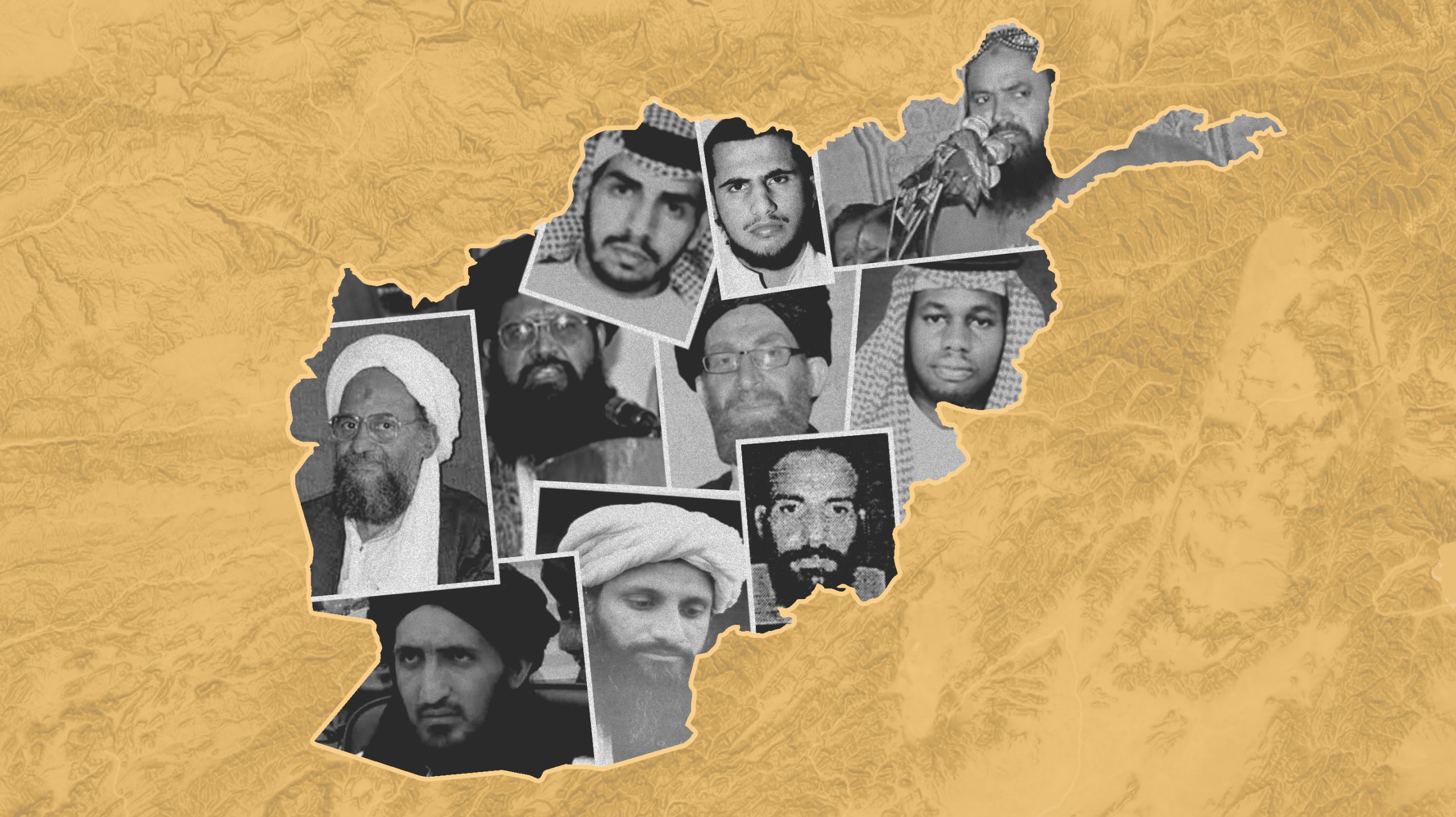
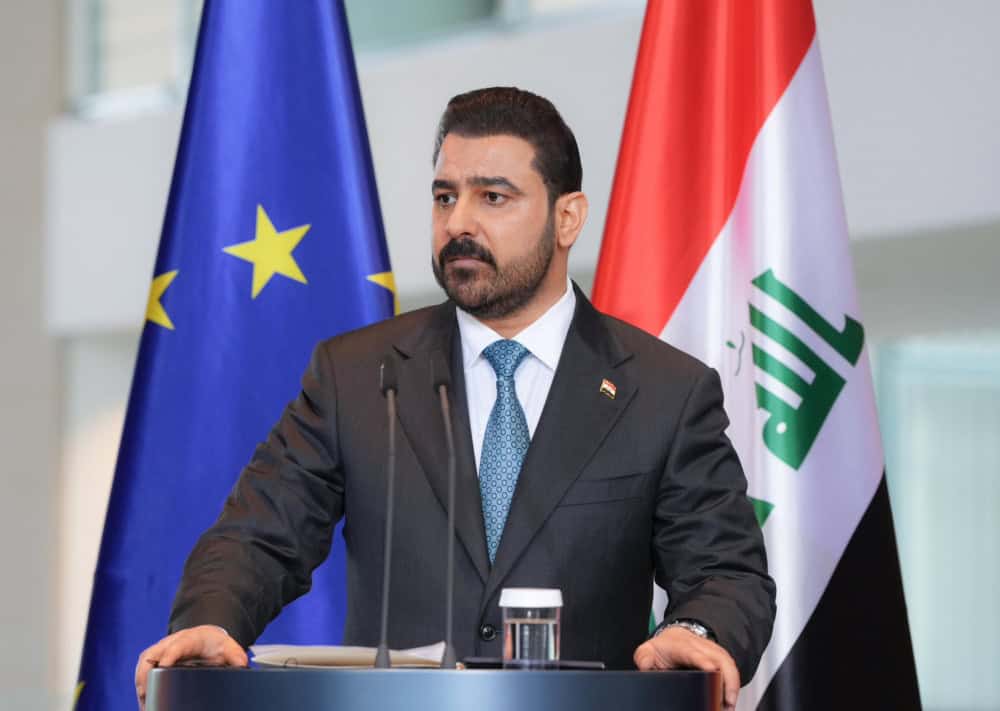
Iraqi Prime Minister Ali al Zaidi has outlined a plan to disarm Iran-backed militias by June 2027 as Baghdad prepares for the withdrawal of US forces. The proposed disarmament timeline coincides with an agreement for Turkey to gradually hand over its Bashiqa-Zilkan military base to Iraq, part of wider efforts to bring armed groups and military facilities under Iraqi state control.
-
Islamic State suspects extradited or arrested in Lebanon, Canada, Australia, and the US
Over the past 72 hours, authorities in four countries announced arrests, charges, and an extradition involving alleged Islamic State activity, including an assassination plot, a chemical attack, propaganda distribution, and financing travel to Syria.
-
Kurdistan Region of Iraq announces Peshmerga unification
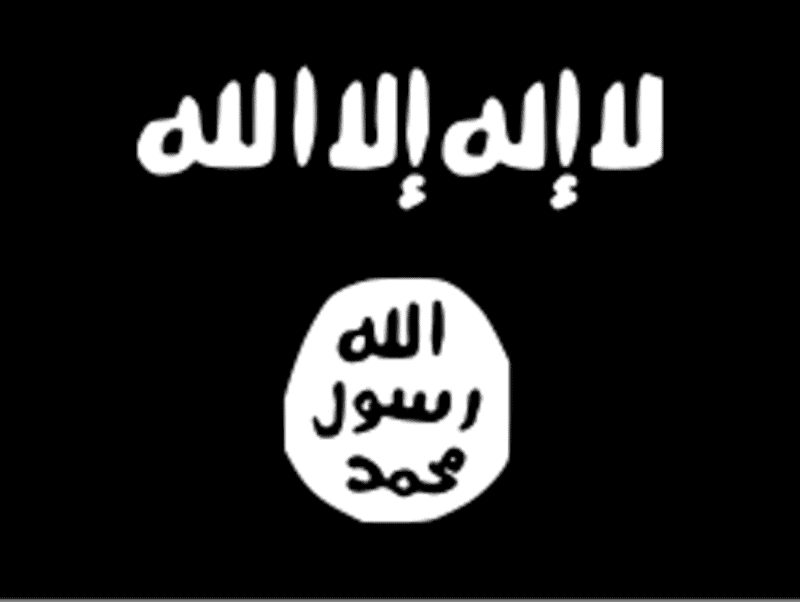
The Kurdistan Regional Government announced the completion of a years-long process to unify the Peshmerga armed forces under the Ministry of Peshmerga Affairs, ending longstanding divisions between units linked to the Kurdistan Democratic Party (KDP) and the Patriotic Union of Kurdistan (PUK). The move comes amid the departure of US forces, pressure to disarm Iran-backed militias, and efforts to strengthen cooperation between the Kurdistan Region and Baghdad.
-
Houthis fight for key Yemeni highlands, continue striking Saudi Arabia
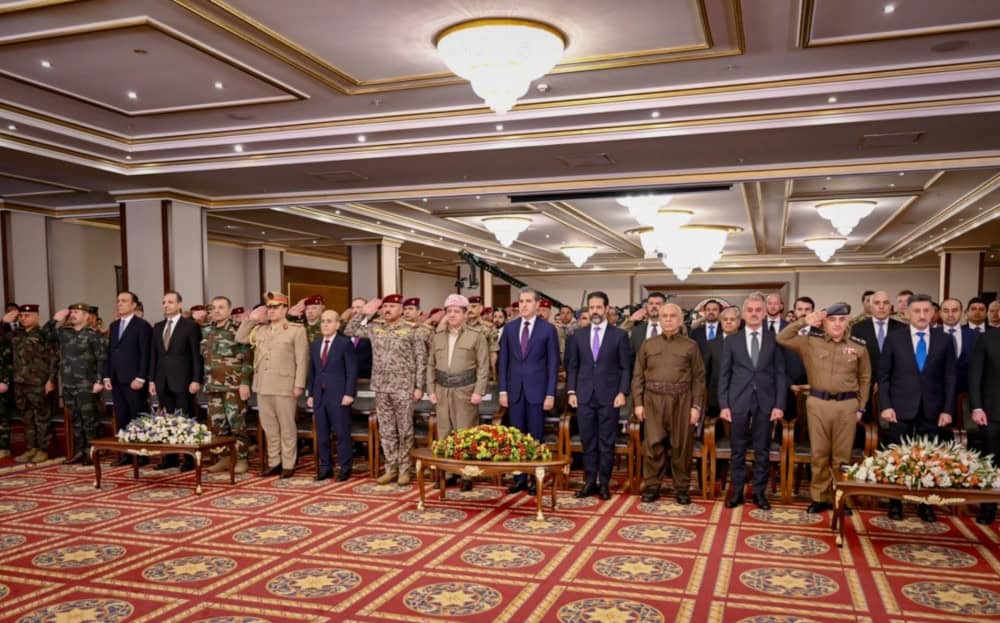
The Houthis and the Yemeni Armed Forces, along with allied militias, have continued fighting on multiple fronts across the country, with the Houthis particularly focused on the highlands inland from their recent coastal advance. The Houthis have also maintained their attacks on Saudi Arabia, prompting Riyadh to renew its request for US airstrikes, which President Donald Trump has repeatedly rejected.
-
Pakistan conducts airstrikes in eastern Afghanistan in retaliation for terrorist attacks
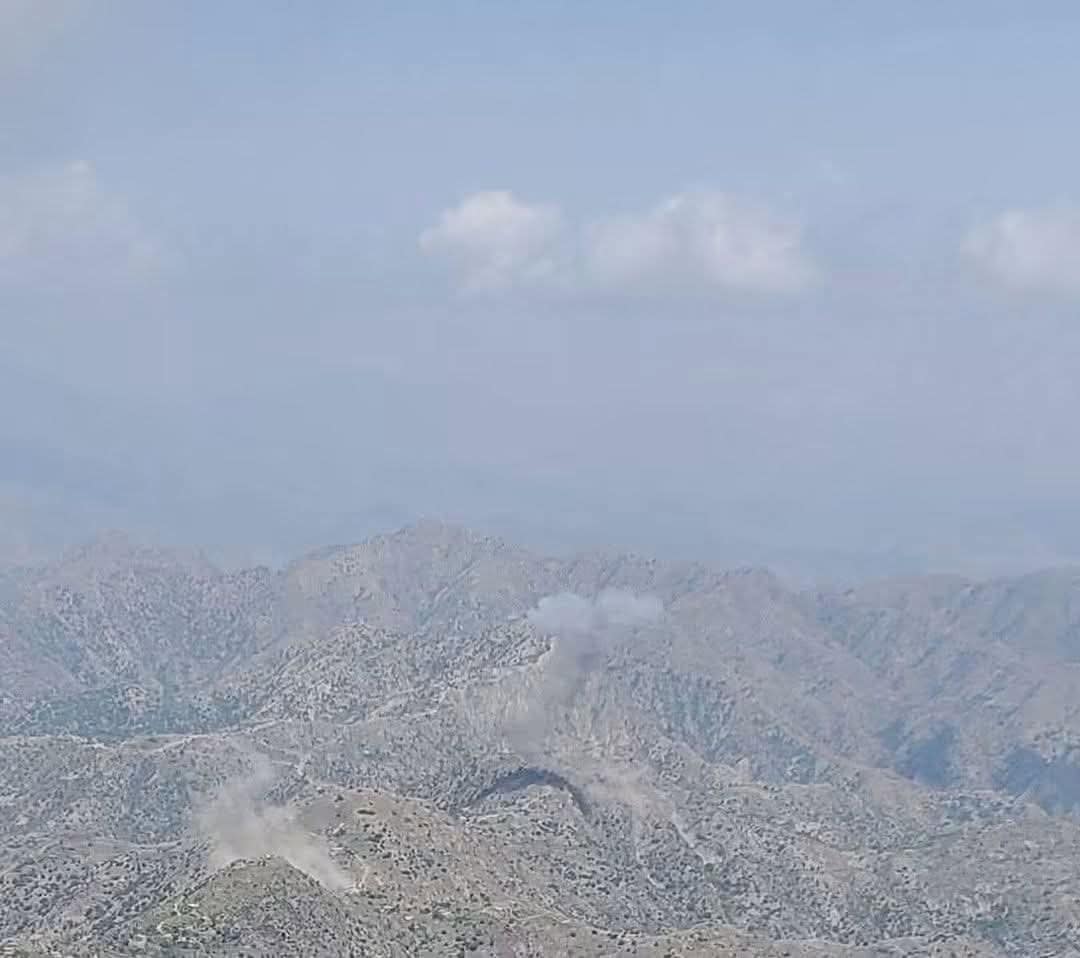
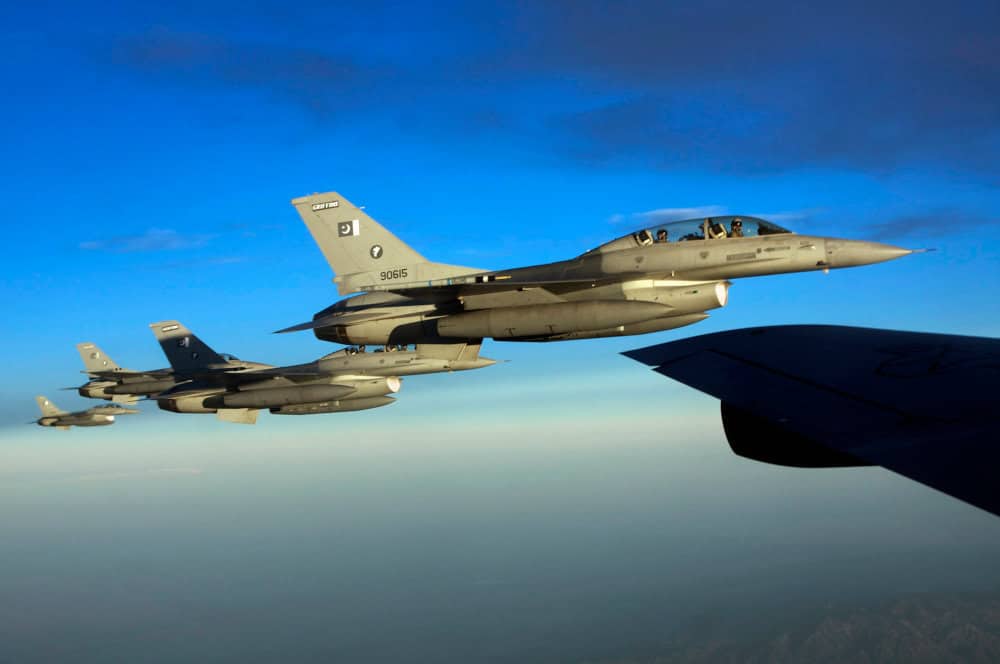
The Pakistani Air Force conducted airstrikes in eastern Afghanistan reportedly targeting terrorist training centers in response to a recent complex suicide attack in western Pakistan. The Taliban denied involvement in the attack and promised an “appropriate response” to Pakistan’s airstrikes.
-
Yazidi armed group YBS to disarm, integrate into Iraqi security forces
The Sinjar Resistance Units (YBS), a Yazidi armed group with links to the Kurdistan Workers’ Party (PKK), has agreed to disarm and integrate eligible members into Iraq’s security forces as Baghdad seeks to stabilize Sinjar and facilitate the return of displaced Yazidis. The agreement comes amid broader efforts to disarm Iranian-backed militias in Iraq and parallels integration processes involving the Syrian Democratic Forces in Syria.

-
Iraq continues investigating attack on Saudi Arabia from Iraqi territory
Iraq is investigating September 11 drone strikes on Saudi Arabia’s East-West Crude Oil Pipeline after confirming the attack originated from its territory. The incident comes as Baghdad faces pressure over militia activity and continued Iranian strikes on Kurdish Iranian opposition groups based in northern Iraq.
-
FBI arrests Pennsylvania man accused of plotting Islamic State-inspired attack
Federal authorities arrested Jonathan Hunter Kramer in Cranberry Township, Pennsylvania, on September 12 after he allegedly acquired a semiautomatic rifle and ammunition while preparing to conduct an attack inspired by the Islamic State.
-
Israeli elections stall Board of Peace plans, IDF reports 14 Gaza ceasefire violations Sept. 4–15
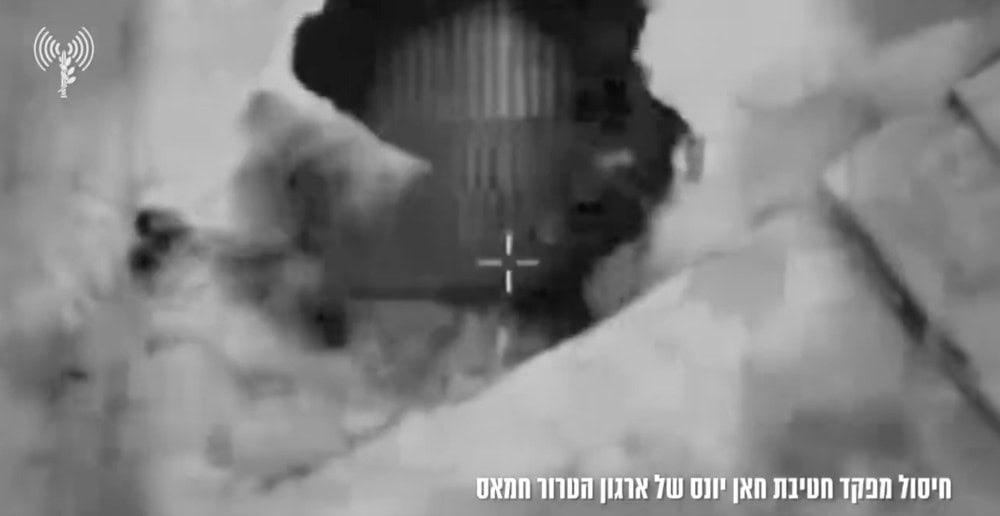
United States officials have expressed frustration with Israeli Prime Minister Benjamin Netanyahu for resisting parts of their Gaza strategy. The US-backed Board of Peace, tasked with overseeing Gaza’s political transition, has seen Netanyahu stall several initiatives as he campaigns in a closely contested election. Meanwhile, the Israel Defense Forces (IDF) reported 14 ceasefire violations in Gaza between September 4 and 15.
-
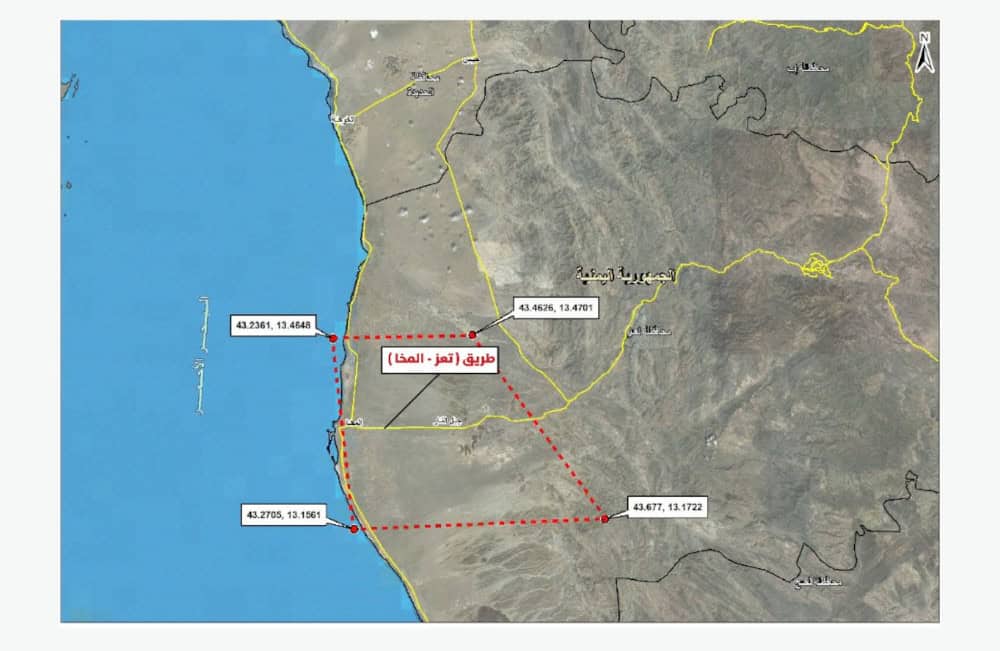
Houthis take Yemen’s Red Sea coast and key Bab al Mandeb islands
After launching a significant campaign against forces of the internationally recognized government of Yemen on August 6, the Houthis seized the entirety of Yemen’s Red Sea coast and a strategic island in the Bab al Mandeb Strait by September 11. A counteroperation by the Yemeni Armed Forces is contesting key territory along the strait.
-
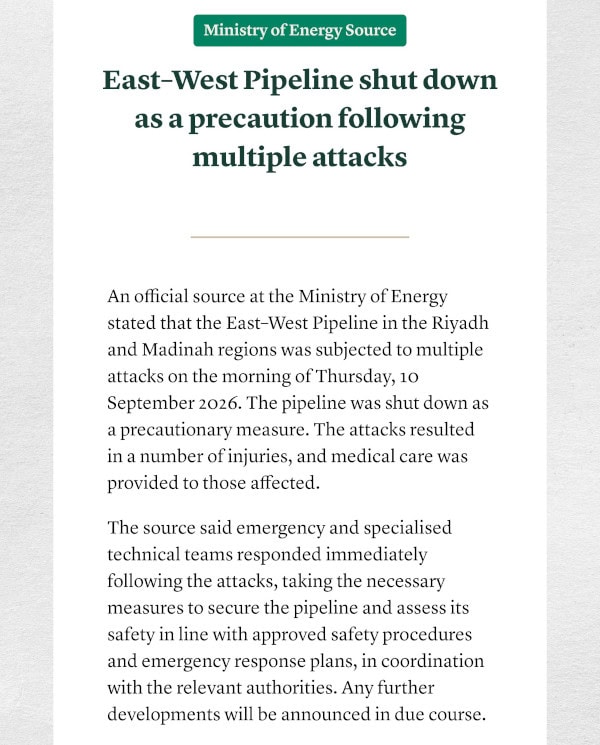
Saudi Arabia closes its East-West pipeline after attacks from Iraq
Riyadh announced the closure of its East-West Crude Oil Pipeline following drone attacks emanating from Iraq. The pipeline served as a critical oil export alternative to the Persian Gulf after the closure of the Strait of Hormuz.
-
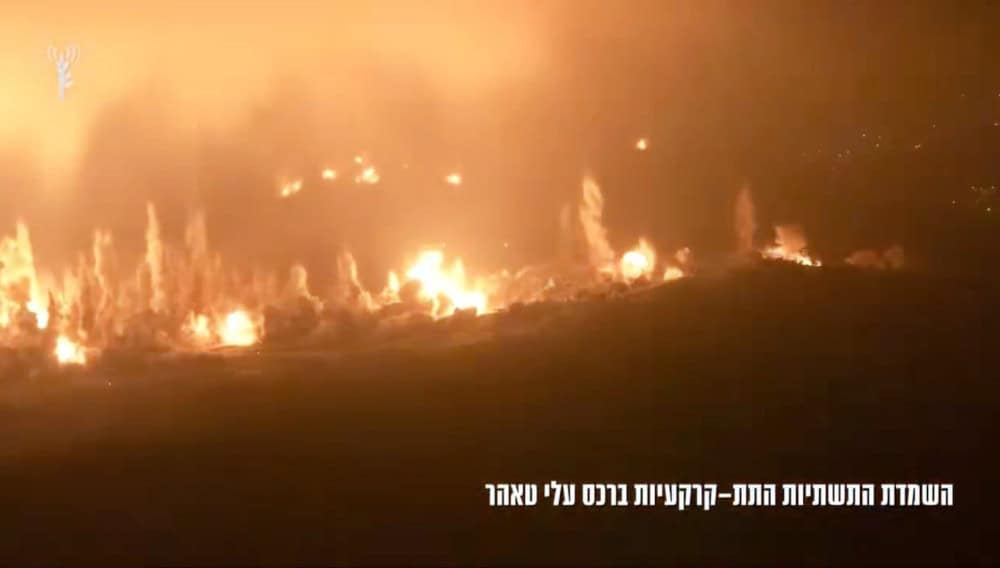
IDF destroys Hezbollah underground command complex at Ali al Taher, withdraws from ridge
The IDF says it destroyed more than two kilometers of Hezbollah underground infrastructure beneath Ali al Taher Ridge in southern Lebanon and identified the facility as a central command complex for Hezbollah’s Badr Unit. Israeli Army Radio reported that troops subsequently withdrew from the ridge and redeployed toward Beaufort, and Israel says it will retain control of Ali al Taher through surveillance and firepower.
-
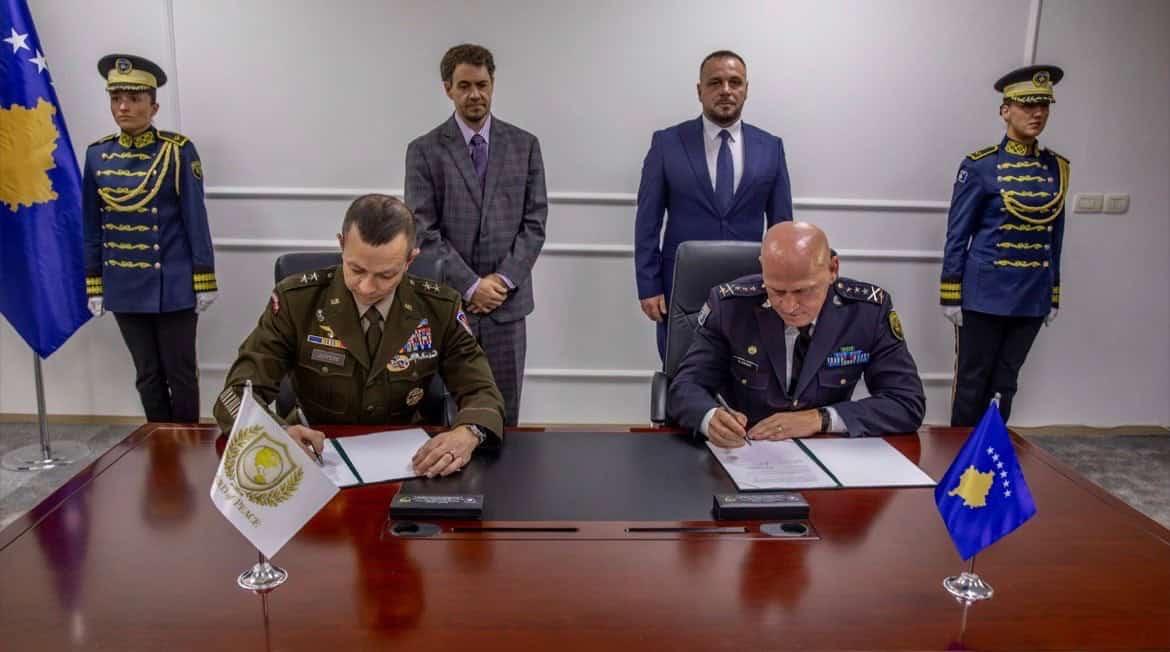
Board of Peace focuses on International Stabilization Force for Gaza
The Board of Peace continues efforts to assemble the International Stabilization Force for Gaza, securing commitments from Kosovo and Albania as preparations advance to implement the US-backed peace plan. While progress on the ground remains tied to Hamas’s disarmament and Israel’s political timetable, international planning for Gaza’s future governance and security continues to move forward.
-
Lebanese Army details pilot zone arms seizures, claims operational control
The Lebanese Armed Forces said its operations in three southern Lebanon pilot areas have produced “operational control.” The military’s first detailed official accounting of arms seizures there shows that roughly 86 percent of its 1,818-item weapons-and-ammunition tally consists of “light ammunition.”
-
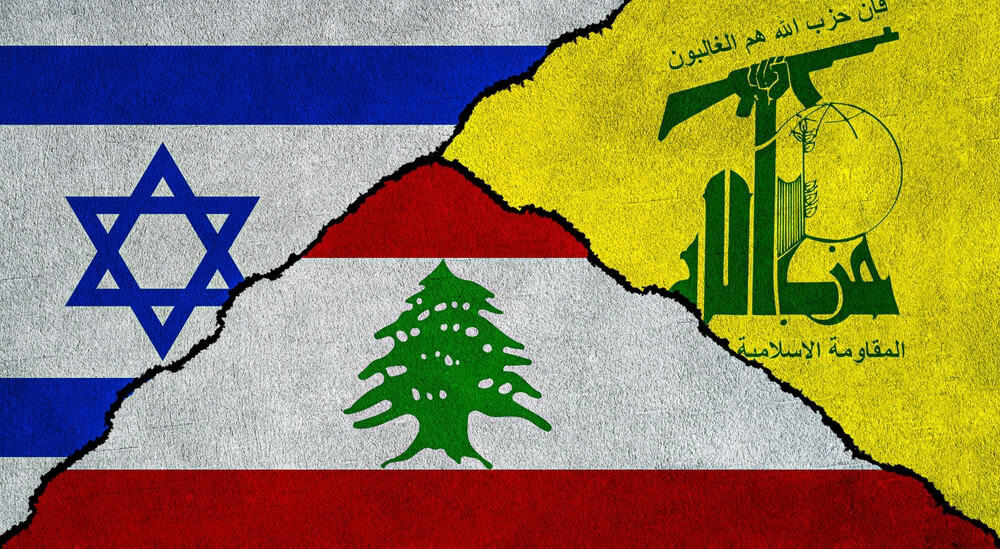
Lebanese Army intensifies Nabatieh deployment as report says mission excludes Hezbollah disarmament
The Lebanese Armed Forces (LAF) is intensifying its presence in Nabatieh in southern Lebanon while reinforcing nearby Zawtar al Gharbiyeh, one of the pilot zones of the June 26 Trilateral Framework Between the United States of America, the State of Israel, and the Republic of Lebanon. Lebanese reporting says the Nabatieh mission is intended to contain escalation rather than disarm Hezbollah, even though the framework makes the LAF responsible for implementing a process centered on the verified disarmament and dismantlement of non-state military infrastructure.
-
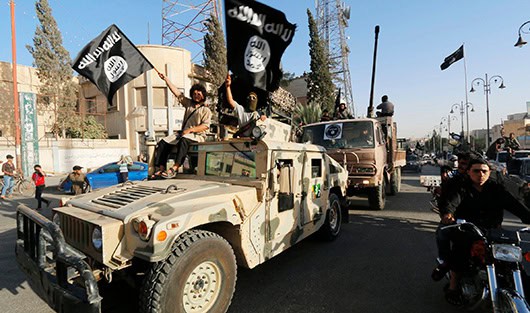
Islamic state plots disrupted and operatives arrested in 4 countries
Authorities in Kuwait, Israel, Turkey, and France disrupted suspected Islamic State plots or arrested the organization’s sympathizers over the past month. The incidents demonstrate the jihadist group’s continued ability to recruit and radicalize individuals despite more than a decade of sustained counterterrorism pressure.
-
Iran continues attacks on Kurdish opposition group in northern Iraq
Iran has maintained its campaign against Kurdish Iranian opposition groups in the Kurdistan Region of northern Iraq, carrying out another drone strike on September 2 amid a US military withdrawal. The latest attack underscores the growing security challenges facing the Kurdistan Region as Iran intensifies pressure on Kurdish dissidents, and Iraq has yet to disarm Iran-backed militias.

-
Israel claims control of Ali al Taher after weeks of Hezbollah attacks and failed handover efforts
The IDF says it cleared Hezbollah fighters from underground infrastructure in south Lebanon’s Ali al Taher Ridge and achieved operational control above and below ground. Hezbollah denied losing the strategic position. The battle exposed the limits of Lebanese government efforts to secure the site through negotiation and prompted an Iranian threat of direct retaliation.
-
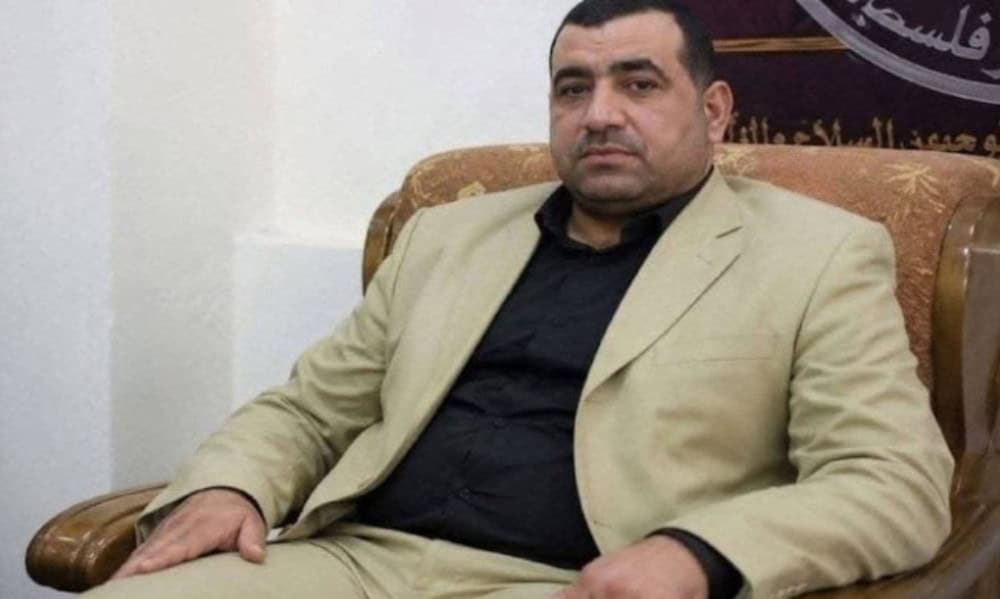
IDF captures Hamas security chief, reports 29 Gaza ceasefire violations Aug. 19–Sept. 3
Israeli special operations forces captured a senior Hamas security official in a September 1 operation in the Katiba area of western Gaza City. The raid came as the US-backed Board of Peace’s stabilization plan and Hamas disarmament agreement, which had prompted Israel to scale back strikes in response to reported ceasefire violations, appeared to falter.
-
Kurdistan Region concerned over US support amid Iran’s continued attacks
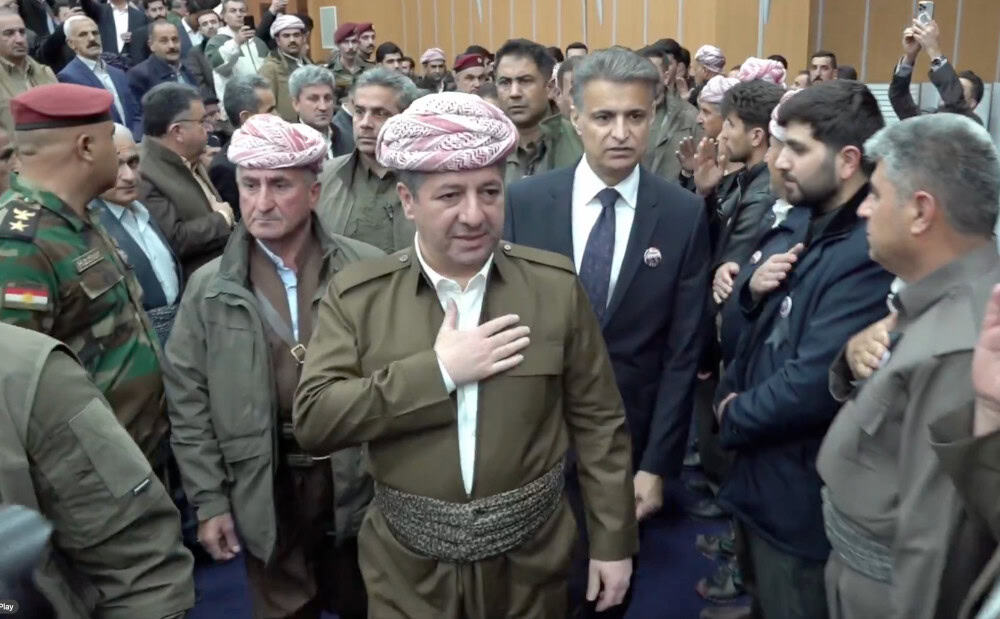
The latest report that the US is cutting funding for the Kurdistan Regional Government (KRG) of Iraq’s Peshmerga military force comes as Washington prepares to withdraw forces from Iraq and Iran continues its campaign of drone and missile attacks against the KRG.
-
White House, Caracas release details on historic US-Venezuela oil deal
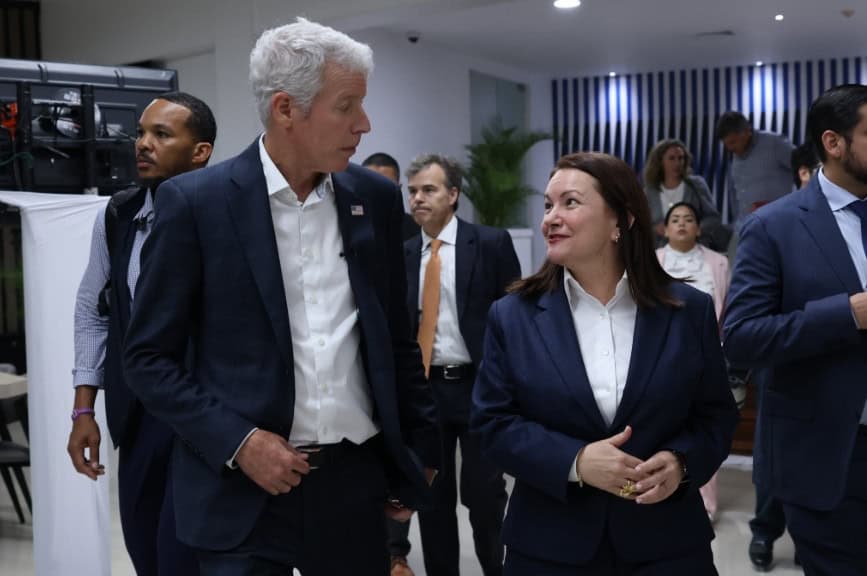
President Donald Trump announced on August 28 that the United States had reached a sweeping oil agreement with Venezuela that grants American interests majority control over more than 65 billion barrels of proven reserves. The US described the agreement as part of a 25-year strategy to expand US access to Venezuelan energy resources while building more secure and resilient supply chains in the Western Hemisphere.
-
Top Islamic State spokesman killed in Yemen
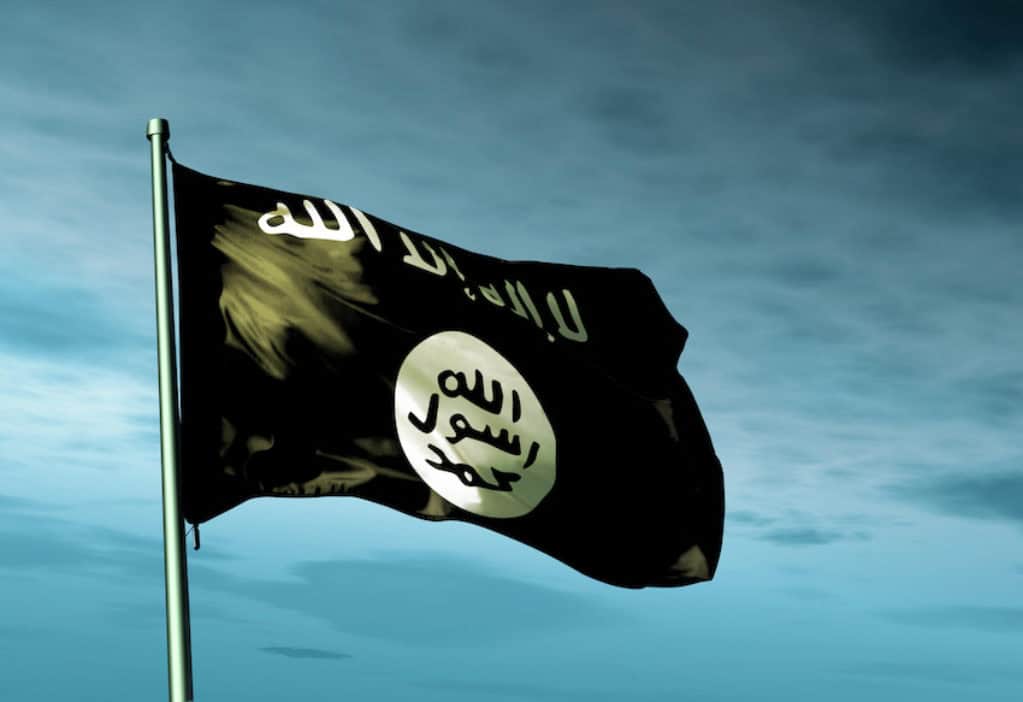
Abu Hudhayfah al Ansari, who has been the official Islamic State spokesman for three years, was reported killed in a joint Saudi-Yemeni special forces raid in Hadhramaut Governorate. The Islamic State has yet to comment on Ansari’s status.
-
Iranian-backed militia in Iraq sets ‘conditions’ for disarmament
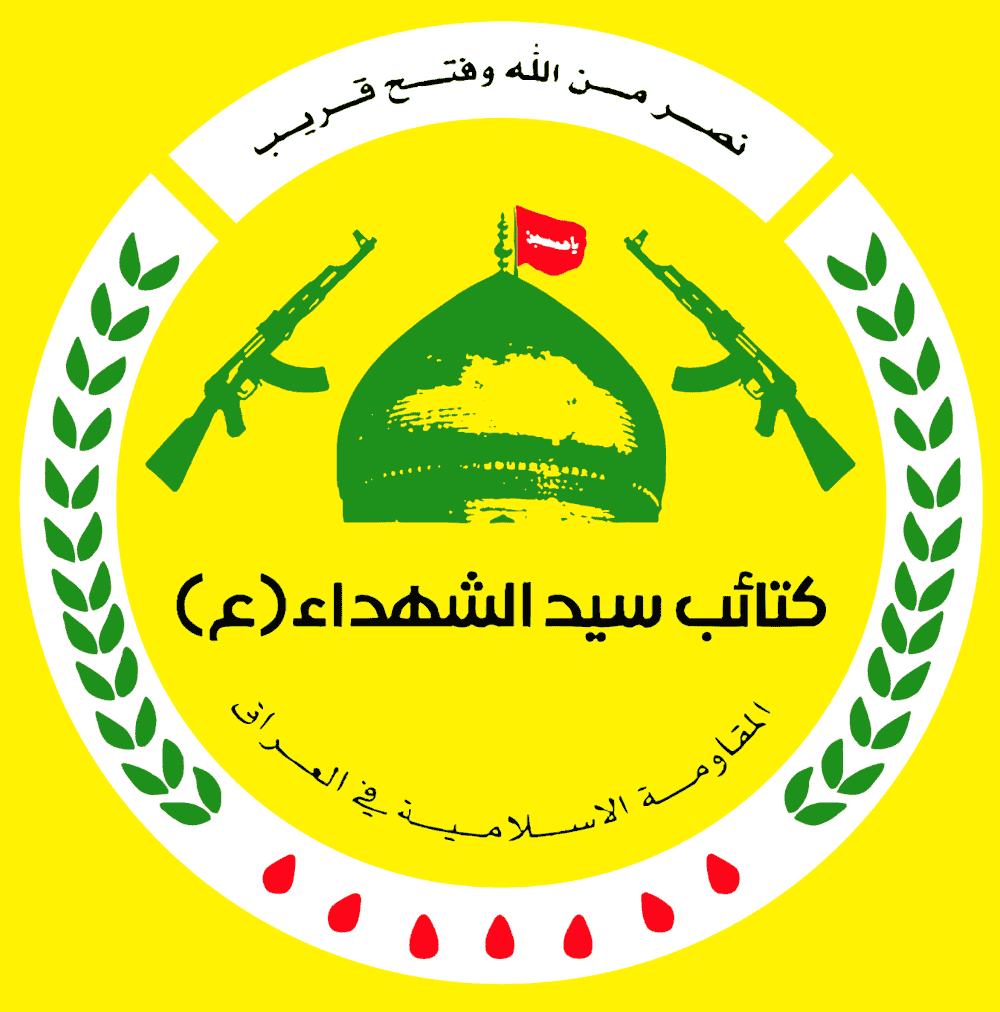
Iraq’s efforts to bring the weapons of Iranian-backed militias under state control are facing a new challenge as one of the country’s groups, Kataib Sayyid al Shuhada, has laid out conditions for disarmament. The debate comes amid continued US pressure on Baghdad to disarm the groups, a looming coalition withdrawal deadline, and renewed efforts by the Iraqi government to assert its authority over armed factions.
-
Iranian-backed Iraqi militias may seek to delay disarmament
Iraq’s efforts to disarm the country’s Iranian-backed militias appear to be facing growing political resistance as some factions seek to delay or avoid a September deadline. The debate comes as Washington continues pressing Baghdad to bring all weapons under state control.

-
Kurdish-led Syrian Democratic Forces announce its dissolution
The dissolution of the Syrian Democratic Forces (SDF), the main US-backed anti-Islamic State group in Syria, ends more than a decade of Kurdish-led autonomy in the country’s northeast, as the SDF’s military, security, and civilian institutions are integrated into the state.

-
US rescinds Syria’s designation as a State Sponsor of Terrorism
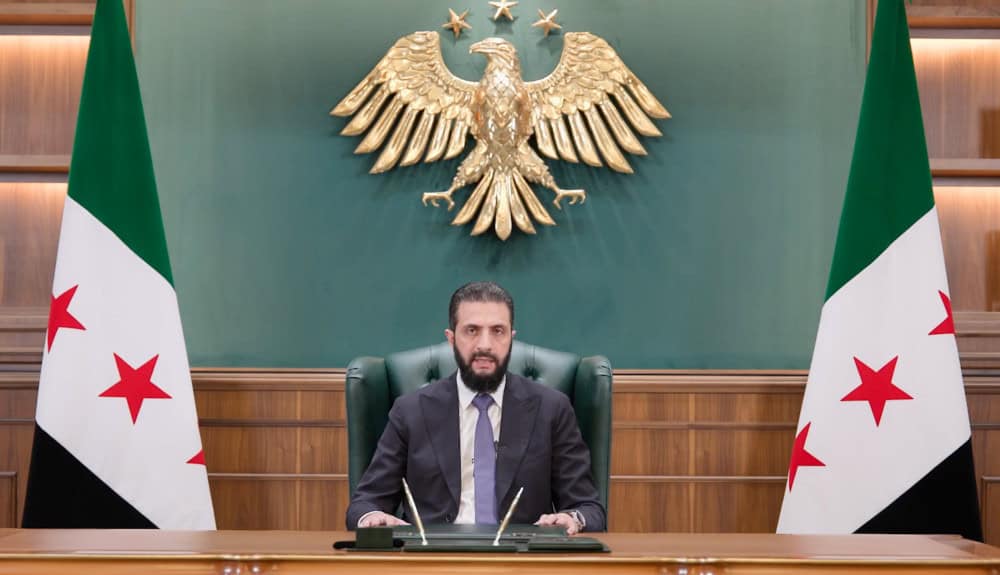
On August 24, the United States formally rescinded Syria’s designation as a State Sponsor of Terrorism, marking a milestone in Washington’s effort to improve relations with Damascus. The decision came as the US has sought to advance security talks between Syria and Israel.
-
Taliban force surrender of dissident commander, kill senior anti-Taliban resistance leader
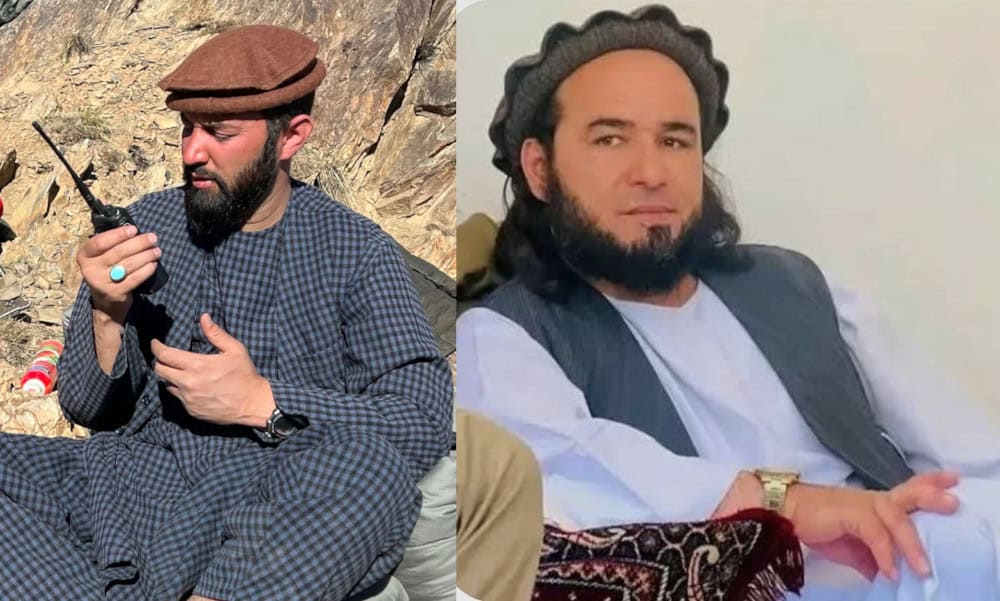
The surrender of dissident Taliban commander Juma Khan Fateh and the death of senior National Resistance Front commander Hasib Panjshiri give the Taliban notable victories as Afghanistan’s armed resistance attempts to build momentum.
-
Albany woman charged with plotting to attack New York Capitol in support of Islamic State
Jessica Bowie was arrested on August 19 and is accused of plotting to bomb the New York State Capitol. Her arrest marks the fifth Islamic State-linked terrorism case or incident in the United States this year.

-
Venezuela continues difficult recovery from twin earthquakes as oil sales surge
Venezuela’s recovery from massive earthquakes on June 24 has become increasingly costly as the death toll has climbed, the extent of infrastructure damage has come into sharper focus, and reconstruction has placed additional strain on an already fragile economy. However, Caracas’ oil sector has also continued to expand.

-
Israel strikes military airbase in Syria while warning Turkey
Israeli airstrikes on Syria’s Abu al Duhur military airbase overnight between August 17 and 18 highlighted growing tensions between Israel and Turkey over Ankara’s expanding role in Syria. Syria condemned the strikes, while the US continued efforts to de-escalate the situation.