-
US and Israel launch military campaign against Iran, Supreme Leader Khamenei reportedly killed
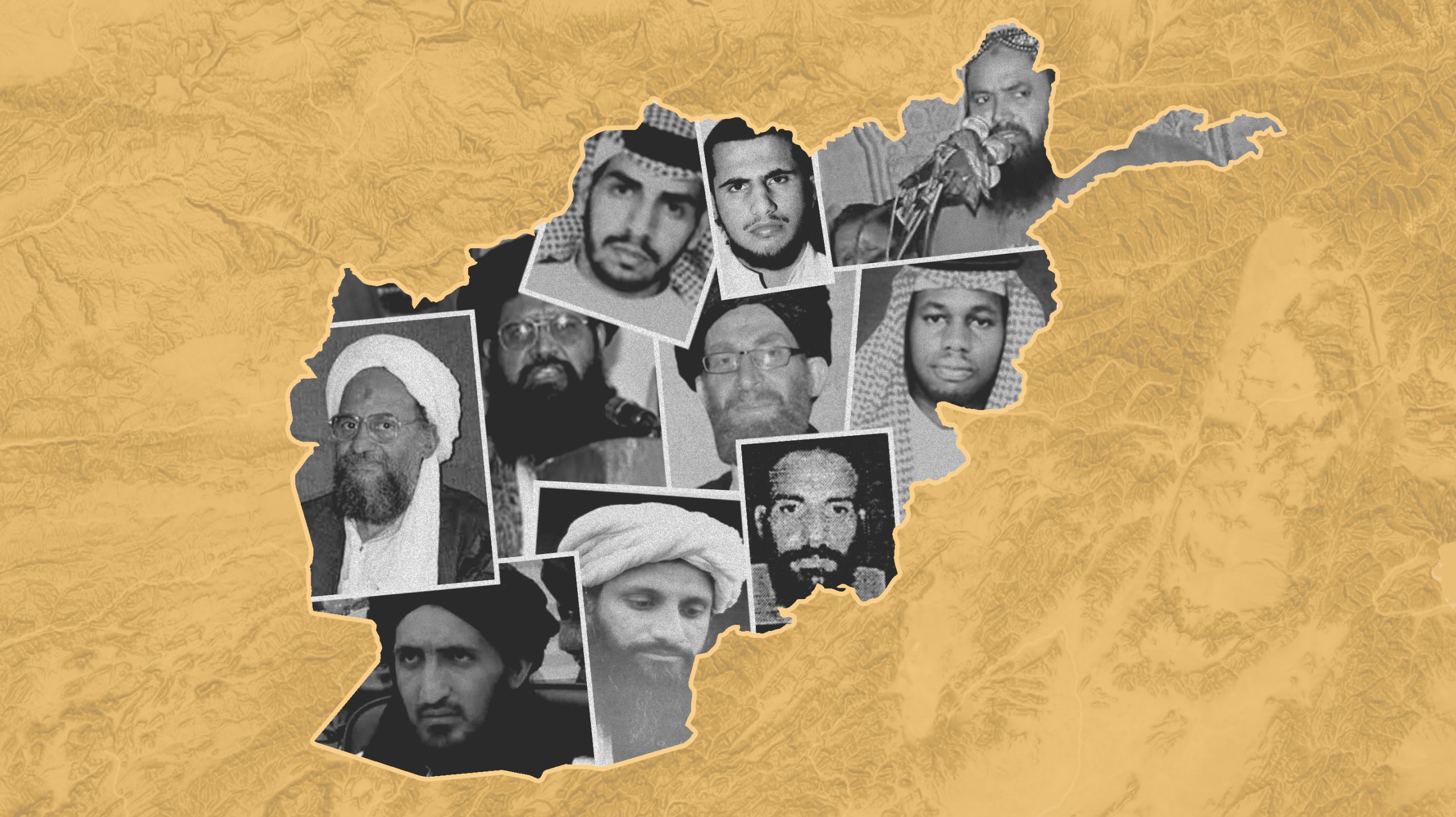
After the third round of nuclear talks between Tehran and Washington failed to produce meaningful progress, the US followed through on its threats against the Iranian regime. On the morning of February 8, in a joint operation with Israel, the US struck military sites in Iran and targeted the Islamic Republic’s leadership. The military campaign was supplemented with messaging to ordinary Iranians to take to the streets once the bombing ended, and Israeli sources say that Supreme Leader Ali Khamenei has been killed.
-
Pakistan, Afghan Taliban move toward ‘open war’ after fighting escalates
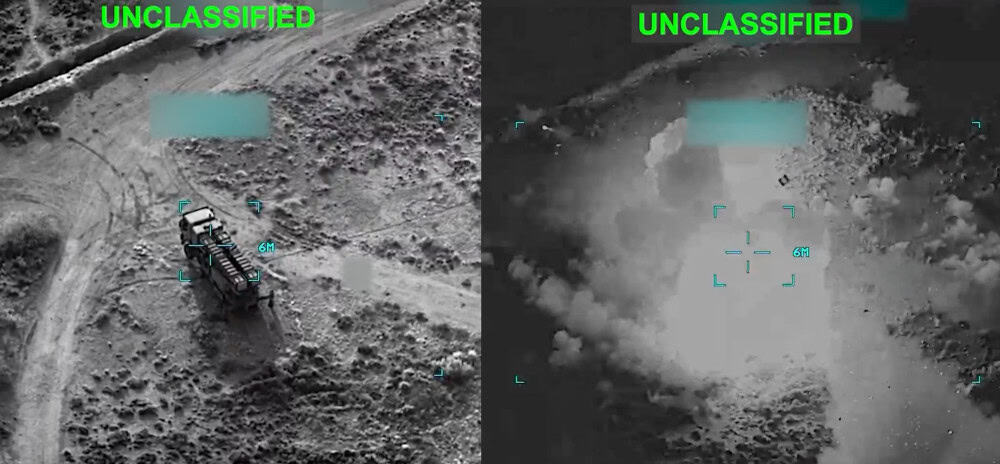
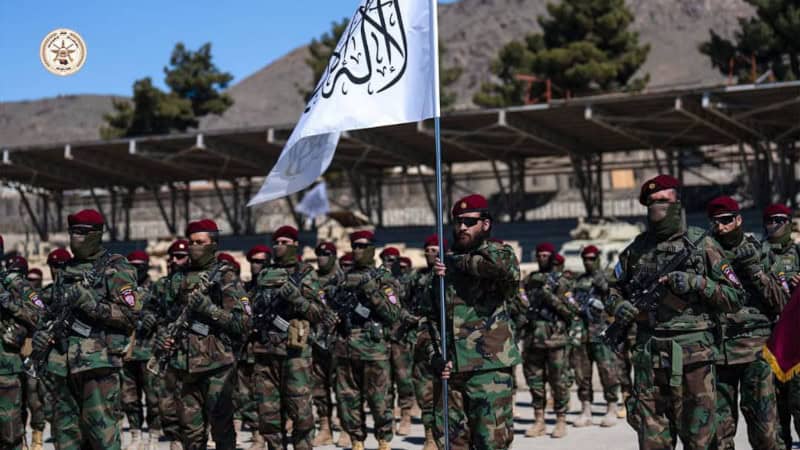
Last weekend, the Pakistani military targeted jihadi training camps in Afghanistan. After the Afghan Taliban, which shelters the terrorists, responded by attacking Pakistani military outposts, the Pakistani military launched Operation Righteous Fury on February 27, striking multiple targets throughout Afghanistan.
-
Iranian Kurdish groups unite against Tehran regime, Iraqi militias threaten Kurdistan Region
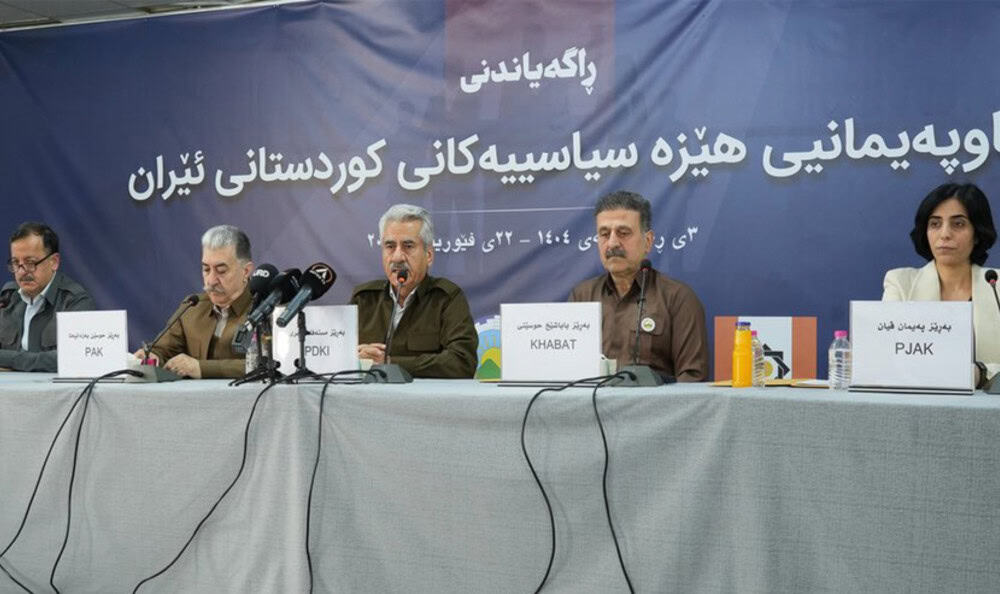
Five Iranian Kurdish opposition groups have announced a coalition aimed at opposing Iran’s regime. The alliance, unveiled at a joint press conference on February 22, includes the PDKI, PJAK, PAK, Komala, and the Khabat Organization. The move comes amid heightened US-Iran tensions and renewed threats from the Iranian-backed Iraqi militia Kataib Hezbollah, which warned the Kurdistan Region against cooperating with “foreign forces.”
-
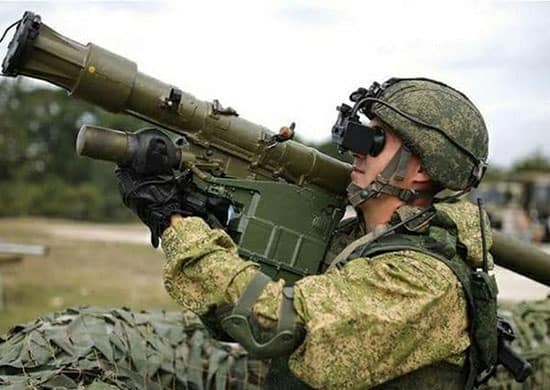
Russia to supply Iran with shoulder-fired air defense system
Russia and Iran have reportedly finalized a contract for the sale of 500 Russian “Verba” man-portable air defense systems (MANPADS) and 2,500 missiles as Iran tries to shore up its air defenses. However, it is unlikely that these weapons would significantly impact potential US operations against the Islamic Republic.
-
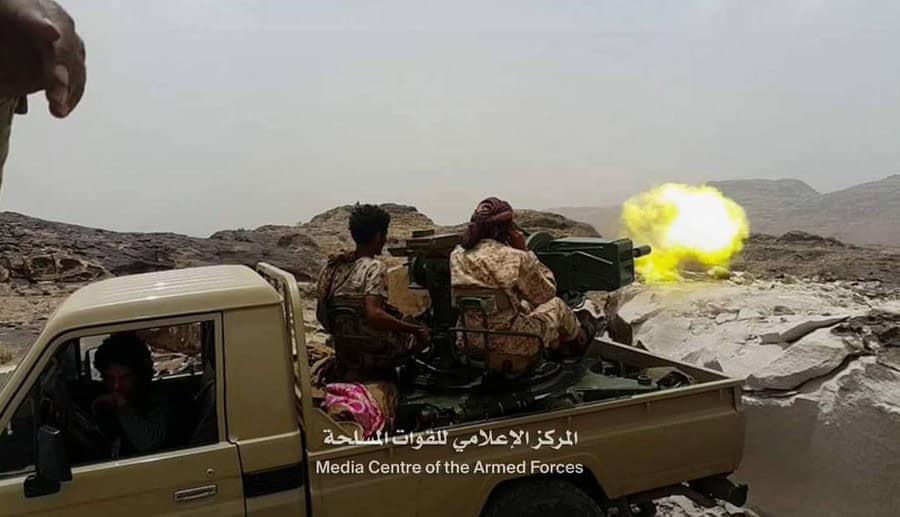
Houthis escalate attacks against Yemeni government-aligned forces
The Houthis have mobilized personnel and attacked opposition forces along important domestic frontlines in recent weeks. The Iran-backed terrorist group also appears to be preparing for an emergency, and it is uncertain if this effort is related to domestic activity or potential US strikes on Iran.
-
US State Department orders non-emergency personnel to depart from Beirut embassy
The US State Department ordered the departure of all non-emergency government personnel from the US Embassy in Beirut, along with their family members. Many media outlets tied this to rising US regional tensions with Iran. A Lebanese media outlet suggested it was in response to threats to the embassy from Hezbollah.

-
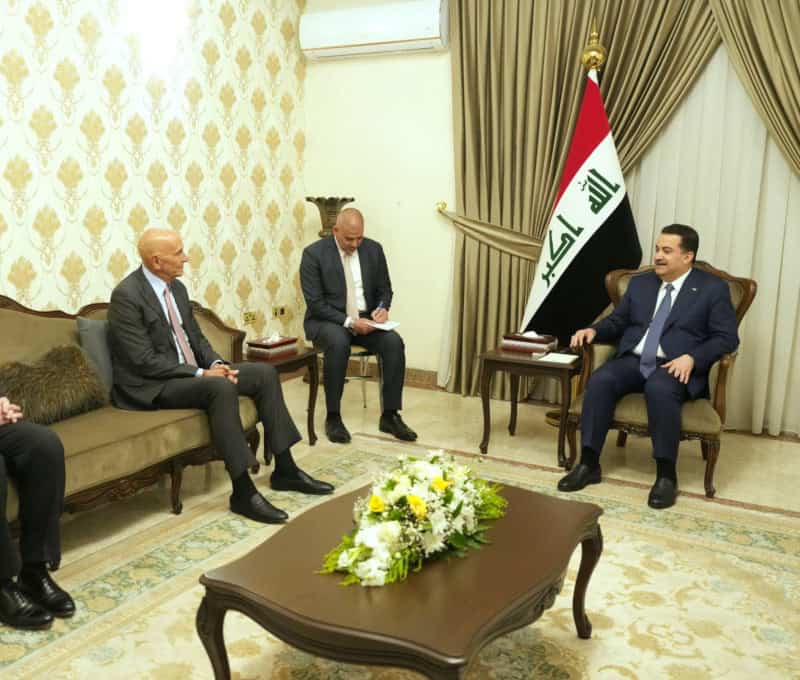
Former Iraq PM Maliki vows to pursue return to office despite US opposition
Former Iraqi Prime Minister Nouri al Maliki has vowed to continue pursuing a return to office regardless of US pressure opposing his candidacy, intensifying political uncertainty following Iraq’s November 2025 elections. Maliki’s bid comes as Shiite factions within the Coordination Framework weigh their options amid ongoing efforts to select a new president and prime minister.
-
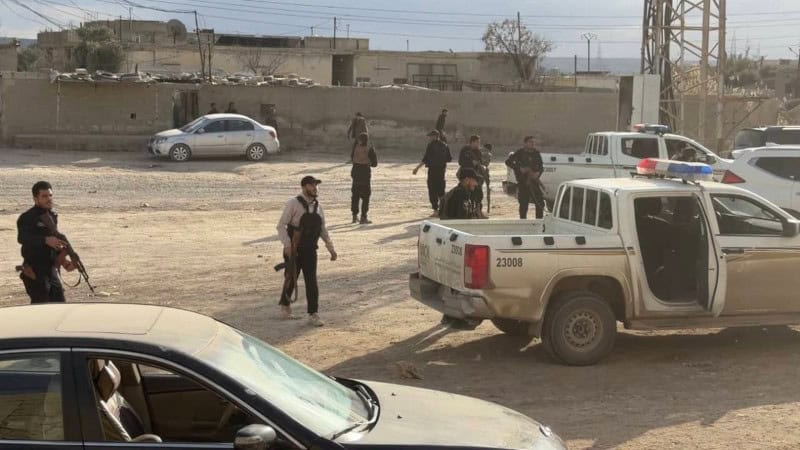
Islamic State ramps up attacks on Syrian government after issuing threats
The Islamic State intensified attacks against Syrian government forces in February. The uptick followed a voice recording released by the group’s spokesman, Abu Hudhayfah al Ansari, that announced “a new phase of operations” in Syria.
-
Analysis: Israeli strikes against Hamas in Lebanon signal a sustained strategy
Following the Hamas-led attack on Israel on October 7, 2023, Israel has conducted a consistent military campaign against Palestinian terrorist groups in Lebanon. The Israeli military’s recent attack against a Hamas command center in the Palestinian camp of Ayin al Hilweh demonstrates that this approach continues to be Jerusalem’s preferred strategy against Palestinian armed groups that operate on Israel’s northern border.

-
Israeli operations in Lebanon against Hezbollah: February 16–22, 2026
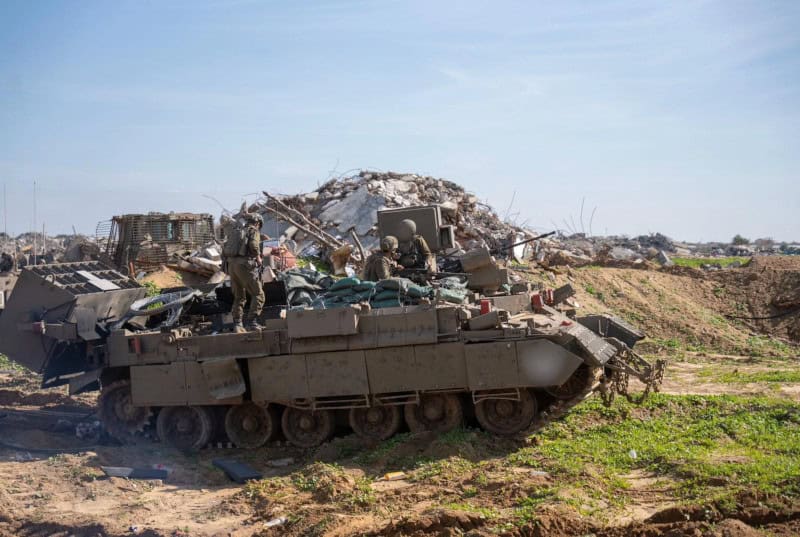
Israel continued military operations in Lebanon between February 16 and February 22, 2026. Israeli activities last week were relatively more intense than in preceding weeks and included attacks on Hezbollah assets deep inside Lebanon, some of which the group reportedly intended to use against Israel in the event of a US conflict with Iran.
-
Israel strikes Hamas in Lebanon, Palestinian terrorists violate Gaza ceasefire 14 times from February 5 to 20, IDF says
As US President Donald Trump convened the Gaza Board of Peace for its inaugural meeting in Washington, DC, the IDF continued to report numerous ceasefire violations in the territory. Israel also struck the Ain al Hilweh Palestinian refugee camp near Sidon, Lebanon, stating that the target was used for the “preparation of terrorist activities against IDF forces in Lebanese territory.”

-
Stabilization force and funding pledged for Gaza at Board of Peace meeting
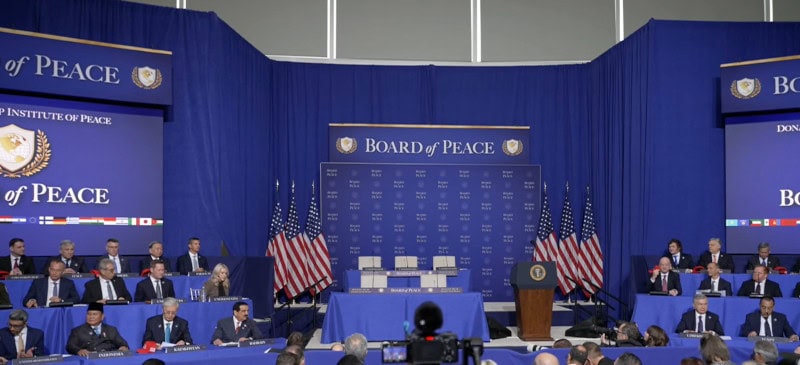
At a February 19 meeting of the US-backed Board of Peace in Washington, DC, five countries pledged troops to an International Stabilization Force for Gaza, and representatives of 40 nations committed approximately $7 billion in funding. The initiative is part of the second phase of a ceasefire plan launched in October 2025. Clashes between the Israel Defense Forces and militants continue in Gaza, where Israeli forces report ongoing ceasefire violations and operations against Hamas infrastructure.
-
Israeli operations in Lebanon against Hezbollah: February 9–15, 2026
Israel continued military operations in Lebanon between February 9 and February 15, 2026. Israeli activities last week were concentrated in south Lebanon and consisted largely of policing activity, maintaining the reduced intensity of previous weeks.
-
Syrian government and SDF continue transition, US strikes Islamic State and withdraws from Tanf
The Syrian government and the Syrian Democratic Forces (SDF) have continued implementing a January transition agreement. US Central Command has maintained pressure on the Islamic State with airstrikes and withdrew from the Tanf garrison in southern Syria. Damascus is assuming control of Islamic State detention sites in the eastern part of the country. Senior US, Syrian, and SDF officials met in Munich to discuss integration, the ceasefire implementation, and safeguarding rights amid Syria’s changing security landscape.

-
Hamas renews threats against rival Palestinian militias in Gaza
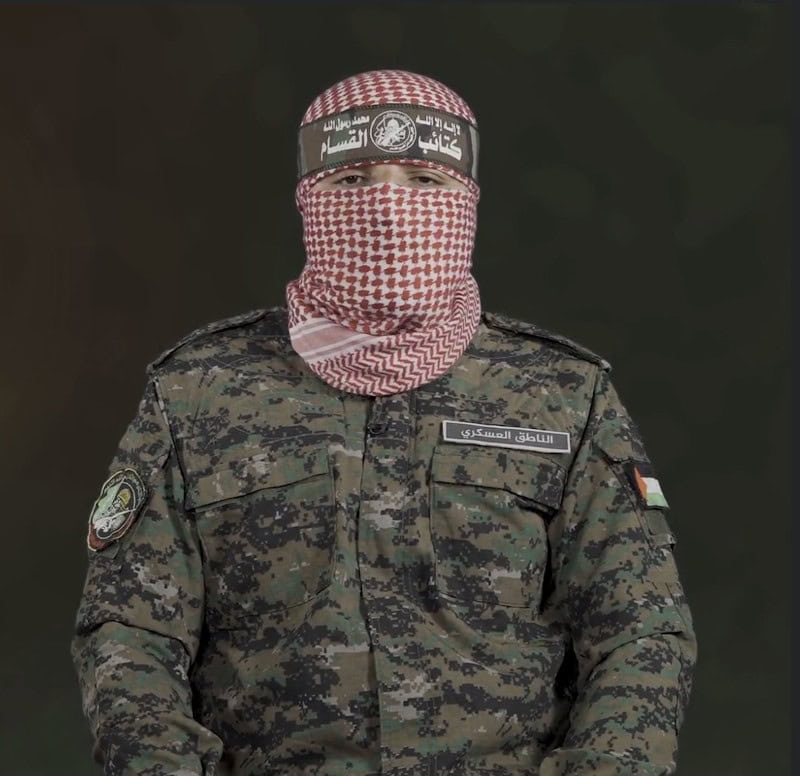
Hamas warned opposing militias that their days were numbered and that the Israeli military could not protect them. The threat came after some militias have carried out successful operations against Hamas in recent weeks and months.
-
Analysis: US Treasury sanctions Hezbollah front designed to insulate terror group’s gold reserves
Earlier this week, the US Treasury Department sanctioned Jood SARL, a gold exchange recently established in Lebanon, declaring it a front for the US-sanctioned Hezbollah financial institution Al Qard al Hassan (AQAH). For years, AQAH has acted as Hezbollah’s shadow bank, using its legal status as a charitable institution to elude banking regulations, oversight, and compliance. However, based on corporate records, it appears that Treasury did not designate some of Jood SARL’s shareholders and managers.
-
Israeli operations in Lebanon against Hezbollah: February 2–8, 2026
Israel continued military operations in Lebanon between February 2 and February 8, 2026. Israeli activities last week were concentrated in south Lebanon and significantly less intense and numerous than in preceding weeks.
-
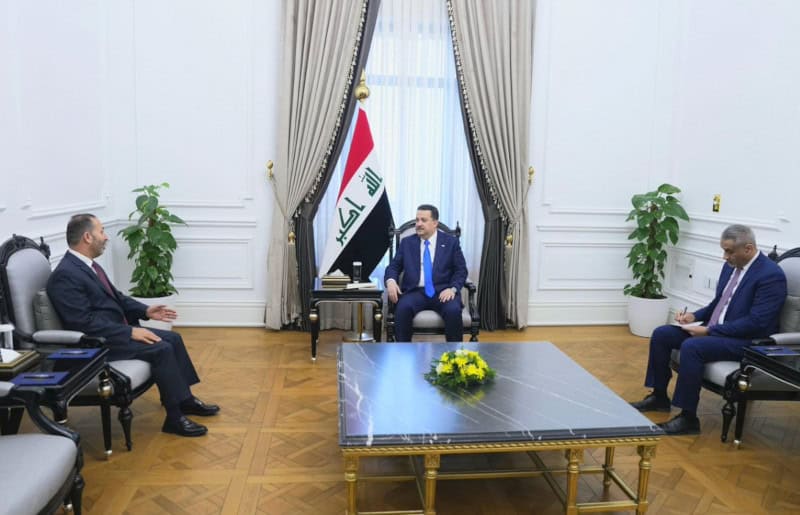
5,000 Islamic State detainees transferred to Iraq from Syria, will face investigations
Around 5,000 Islamic State detainees have been transferred from Syria to Iraq under a US-facilitated mission that began in late January, following security shifts in eastern Syria. The number of detainees transferred is expected to reach up to 7,000. Iraqi officials say the transfers may conclude by February 12 and that the detainees will face investigation and prosecution. Iraq has stressed it will not become a permanent repository for foreign fighters and has urged countries to repatriate their citizens now in Iraqi custody.
-
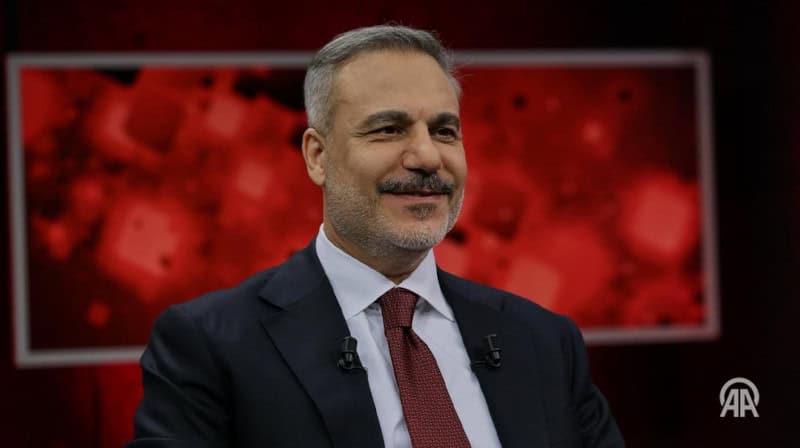
Turkish foreign minister warns of nuclear arms race if Iran gets the bomb
Turkish Foreign Minister Hakan Fidan warned on February 9 that Ankara may pursue nuclear weapons if Iran acquires them, signaling a potential shift from rhetorical grievance to a conditional proliferation policy. While downplaying evidence of Iran’s weaponization and opposing US military strikes, Turkish officials continue to legitimize Tehran’s nuclear activities while framing Turkish nuclearization as a defensive necessity tied to regional “balance of power.”
-
3 months after elections, Iraq still unable to form a government
Iraq’s Shiite leadership has chosen a candidate to lead the next government, but American objections have contributed to stalling the government-formation process. The country’s leaders may turn to creative solutions to navigate the impasse, including declaring the current government an extended caretaker government.

-
Kidnapping of opposition leader threatens US momentum in Venezuela
The kidnapping of Juan Pablo Guanipa on February 8 raised worries that Venezuela’s Maduro-era repression apparatus remains active, even as US and Venezuelan authorities moved forward on political and economic reforms. Among these developments were the passage of a hydrocarbons law that ended the state’s monopoly on the oil industry and corresponding US sanctions relief.

-
Generation Jihad | The West’s greatest threat is still Al Qaeda
In its latest report on the state of global jihad, the UN reveals that Al Qaeda is expanding but doesn’t mention one critical fact: the jihadist group’s leader is based in Iran. Bill Roggio is joined by his FDD colleague Edmund Fitton-Brown—who previously oversaw the UN’s sanctions and monitoring team that produces these assessments—to unpack what the report gets right, what it misses, and why Al Qaeda—not the Islamic State—remains the most dangerous long-term jihadist threat facing the West.

-
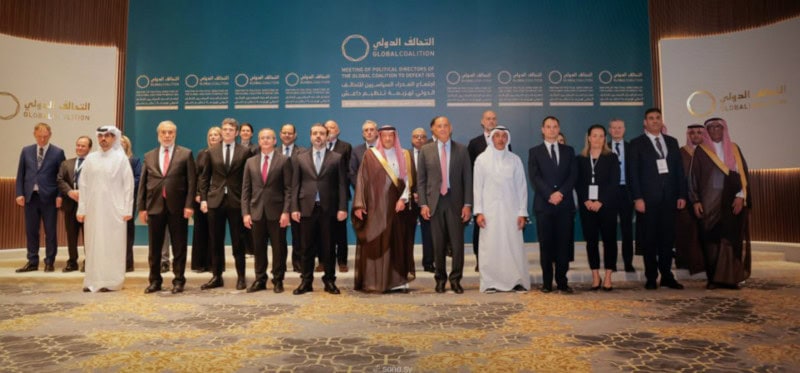
Syria joins anti-Islamic State coalition meeting as territory transition with SDF continues
Syria’s foreign minister joined a US-led anti-Islamic State coalition meeting in Riyadh on February 9, signaling deeper coordination after Damascus joined the coalition in November. The meeting followed a January 29 agreement between the Syrian government and the Syrian Democratic Forces enabling government deployments into northeastern Syria. Coalition members praised the deal and discussed transfers of Islamic State detainees to Iraq. As Syrian forces move into SDF-held areas, the transition faces challenges, particularly in Kobani, where humanitarian conditions remain dire despite reduced violence.
-
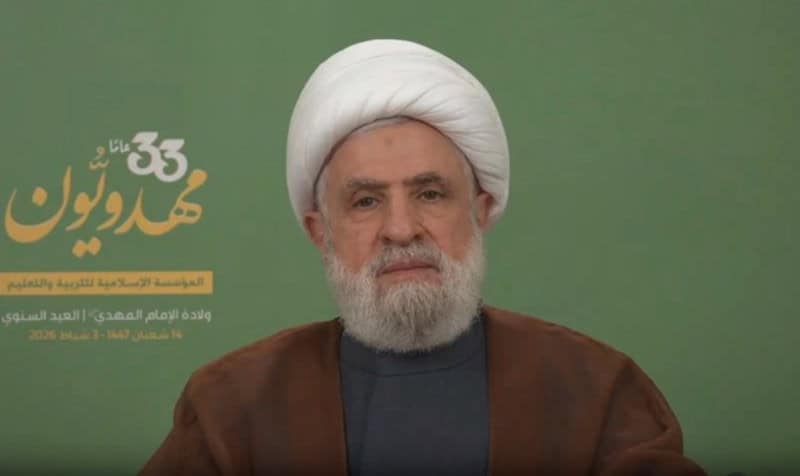
Analysis: Naim Qassem delivers defiant speech to mark anniversary of Mahdi Schools
Naim Qassem marked the 33rd anniversary of the Mahdi Schools System with a defiant speech that said Iran was divinely promised a momentous victory over the United States and Israel. He also stressed that Hezbollah would not disarm, and its patient path of choosing even death over surrender would guarantee Lebanon’s eventual victory over Israel.
-
After Damascus-SDF deal, Syrian security forces deploy in northeastern Syria
Syrian government forces deployed into Al Hasakah and Qamishli in eastern Syria in early February under a January 30 agreement with the Syrian Democratic Forces (SDF). The deal is aimed at ending clashes and restoring central authority in mainly Kurdish areas that the SDF still controls. The government deployment coincided with reports of continued US transfers of Islamic State detainees from Syria to Iraq and US strikes on Islamic State targets.

-
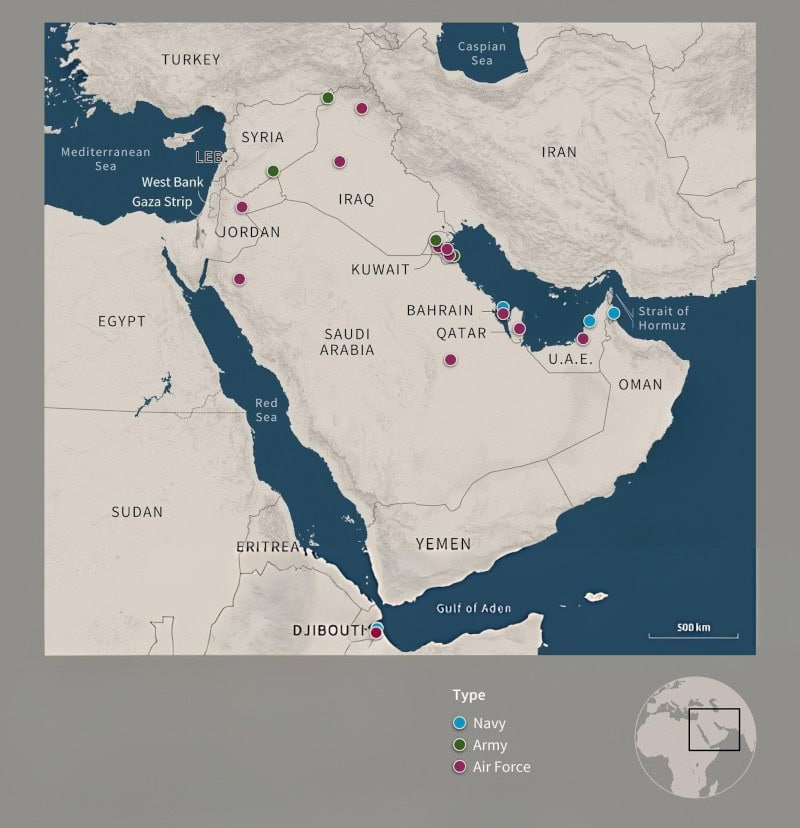
Iranian regime escalates hostilities with US, hardens negotiating position
Iran has ramped up military provocations against US forces as nuclear negotiations loom, with regime officials sending mixed signals on uranium enrichment while refusing to discuss missile programs or terror proxies. Internal regime sources reveal the leadership’s growing fear that a US strike could trigger mass uprisings. Despite killing over 36,000 protesters, according to some estimates, scattered demonstrations continue across Iran, with one official saying that “the wall of fear has collapsed.”
-
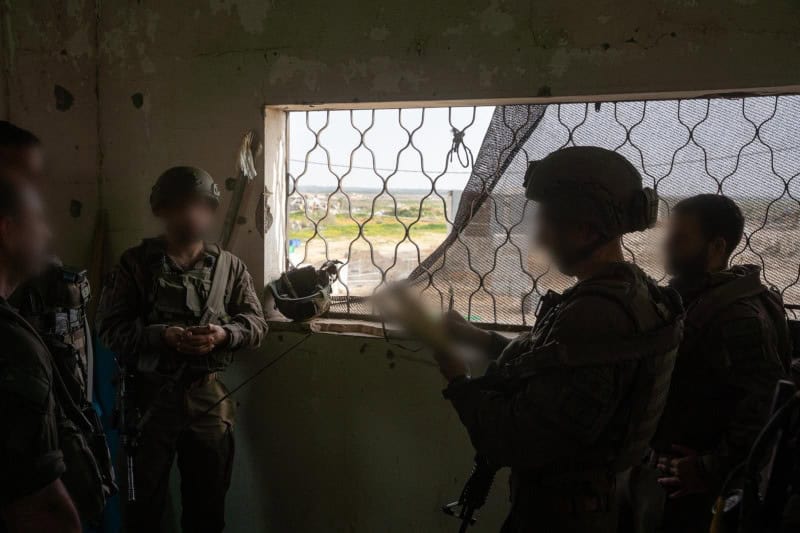
Hamas injures IDF soldier, Palestinian terrorists violate Gaza ceasefire 10 times between January 22 and February 4
The US-brokered truce in Gaza is still holding but faces challenges as Hamas and other Palestinian terrorists continue to violate the terms almost daily, and the IDF responds with airstrikes. Despite the Rafah Crossing opening to pedestrian traffic, challenges are emerging surrounding procuring reconstruction funding, part of US President Donald Trump’s 20-point plan for Gaza.
-
Generation Jihad | Big Yikes in Syria, Part XXXVII
In Part 37 of Big Yikes in Syria, Bill Roggio and Ahmad Sharawi unpack yet another round of bad alliances and strategic failure in the war-torn country.
-
Israeli operations in Lebanon against Hezbollah: January 26–February 1, 2026
Israel continued military operations in Lebanon between January 26 and February 1, 2026. Israeli activities were concentrated in south Lebanon and continued to target Hezbollah assets and personnel, despite the Lebanese Armed Forces claiming to have taken operational control of the South Litani Area earlier this month.
-
Rafah crossing opens days after IDF says Hamas violated ceasefire, conducts strikes
The Rafah crossing between Gaza and Egypt reopened on February 2 for limited pedestrian traffic, marking a key step in the US-backed ceasefire plan that began in October. The move followed significant Israeli airstrikes after the Israel Defense Forces (IDF) said that terrorists had emerged from a tunnel in Rafah, violating the ceasefire. The IDF continued operations in Gaza, reporting additional clashes with suspected terrorists and the discovery of weapons and tunnels near Khan Younis along the Yellow Line.