-
Generation Jihad | Iran’s nukes: Degraded but not dead
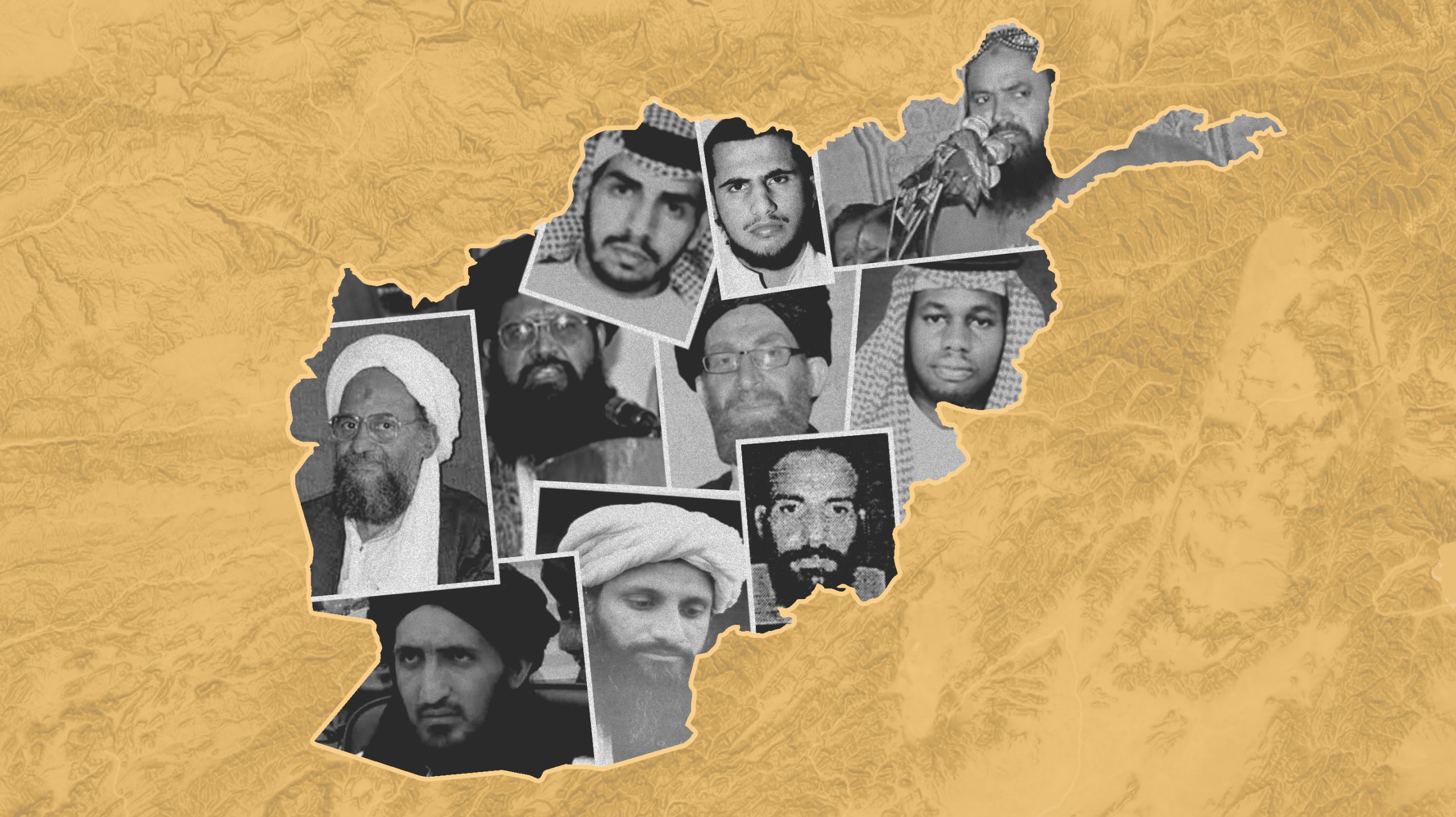
Iran’s nuclear program is in ruins, but the threat is far from dead. Deputy Director of FDD’s Non-Proliferation Program Andrea Stricker and Bill Roggio dive into the desperate gamble Tehran is making at the negotiating table with the US — and the terrifying chemical contingency they might be holding in reserve.

-
Analysis: How to assess America’s 40 days of war against Iran
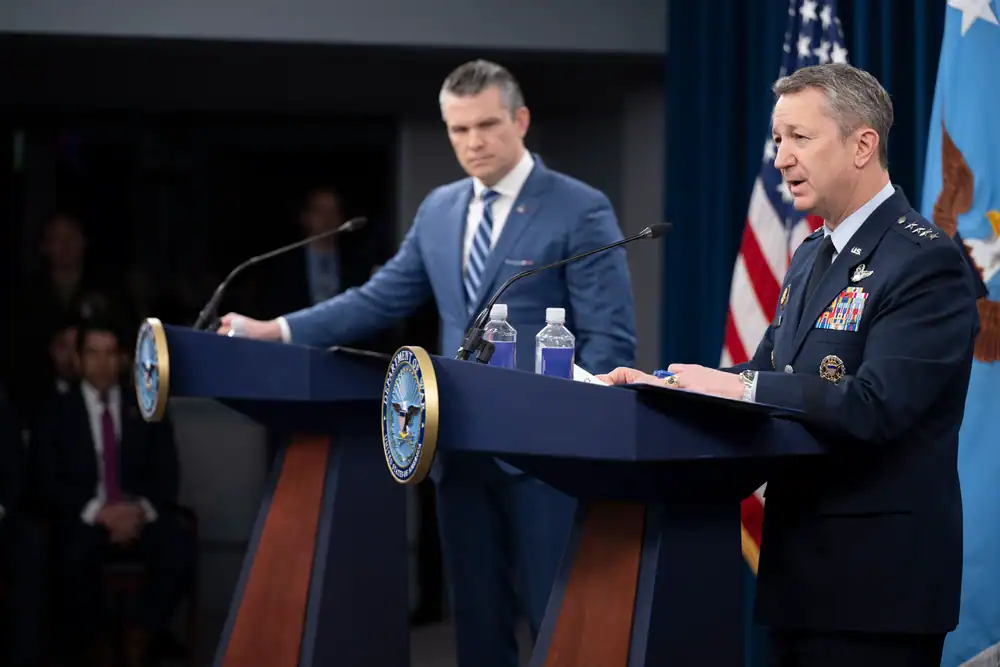
US and Israeli forces conducted an impressive campaign that significantly degraded Iran’s primary elements of military power. The operation did not, however, destroy these capabilities outright or eliminate Iran’s ability to project meaningful power outside of its borders.
-
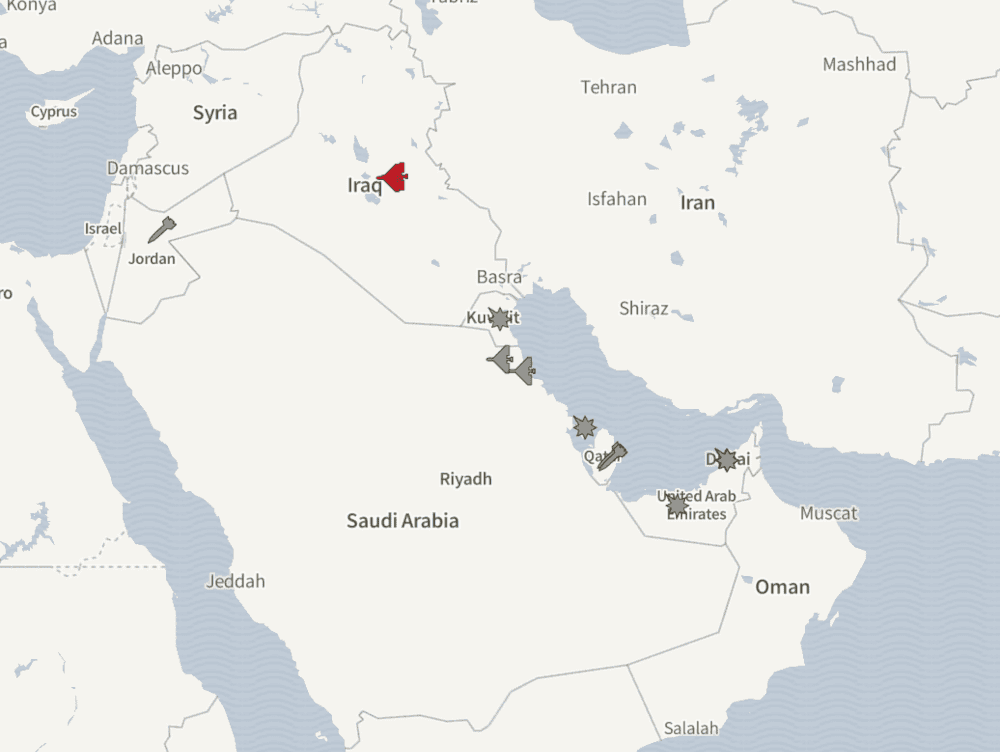
Despite ceasefire, Iran and its militias continue attacking regional states (April 2–8 updates)
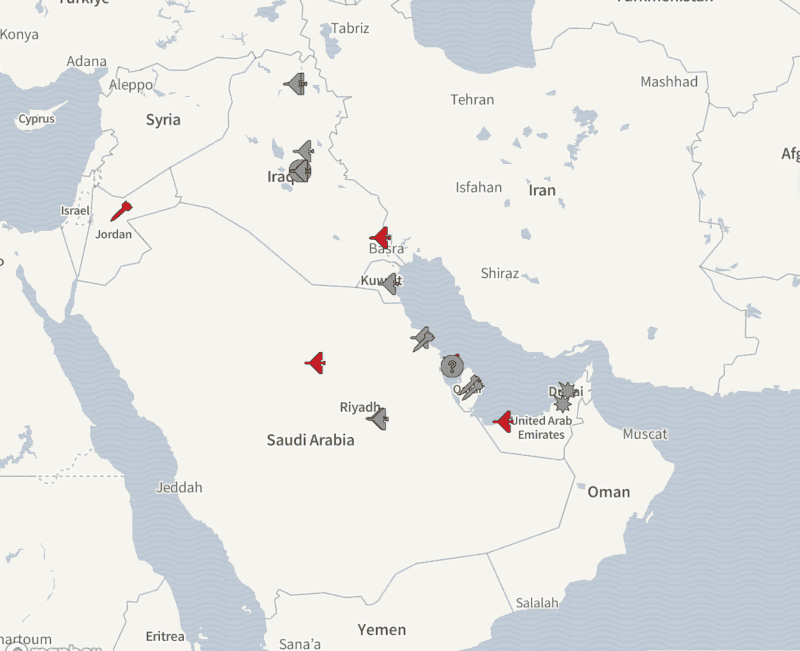
Iran and its allied militias launched numerous drones and missiles against regional countries between April 2 and April 8, continuing attacks after a ceasefire between Iran and the United States was announced yesterday. Across this period, the attacks remained concentrated on the Gulf, Jordan, Iraq, and Iraqi Kurdistan, with repeated mass-interception events in the United Arab Emirates, Kuwait, Bahrain, Saudi Arabia, and Qatar.
-
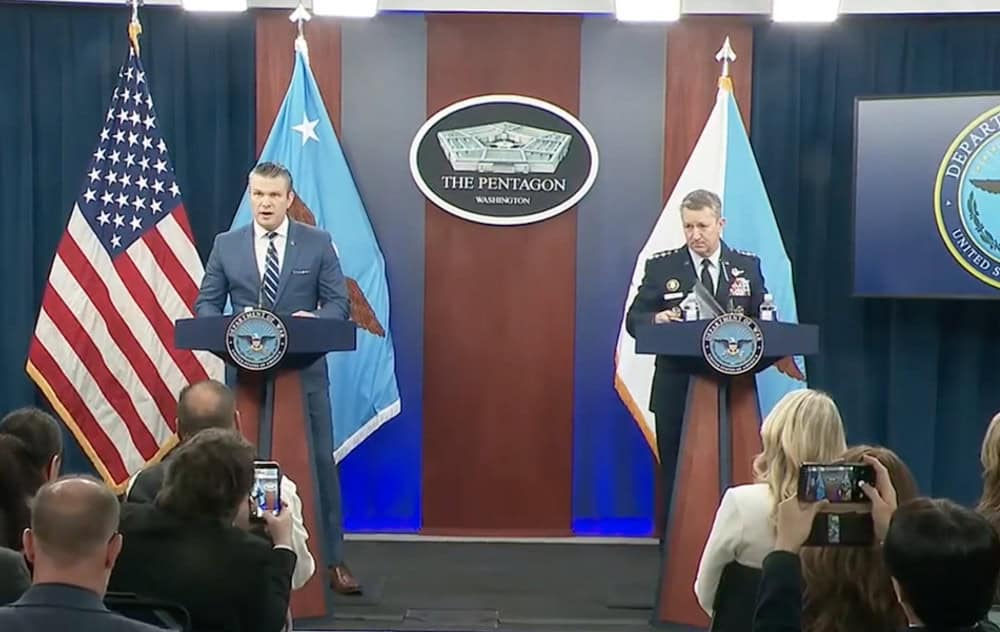
US, Iran agree to 2-week ceasefire in exchange for reopening of Strait of Hormuz
There are conflicting conditions demanded by the US and Iran for lasting peace, and Israeli and Iranian strikes continued after the ceasefire announcement. However, a cessation of hostilities and reopening of the Strait of Hormuz to international shipping appear to be agreed-upon items. Iranian leaders touted the ceasefire as a victory, while US officials said the objectives of destroying Iran’s military and nuclear capabilities were achieved.
-
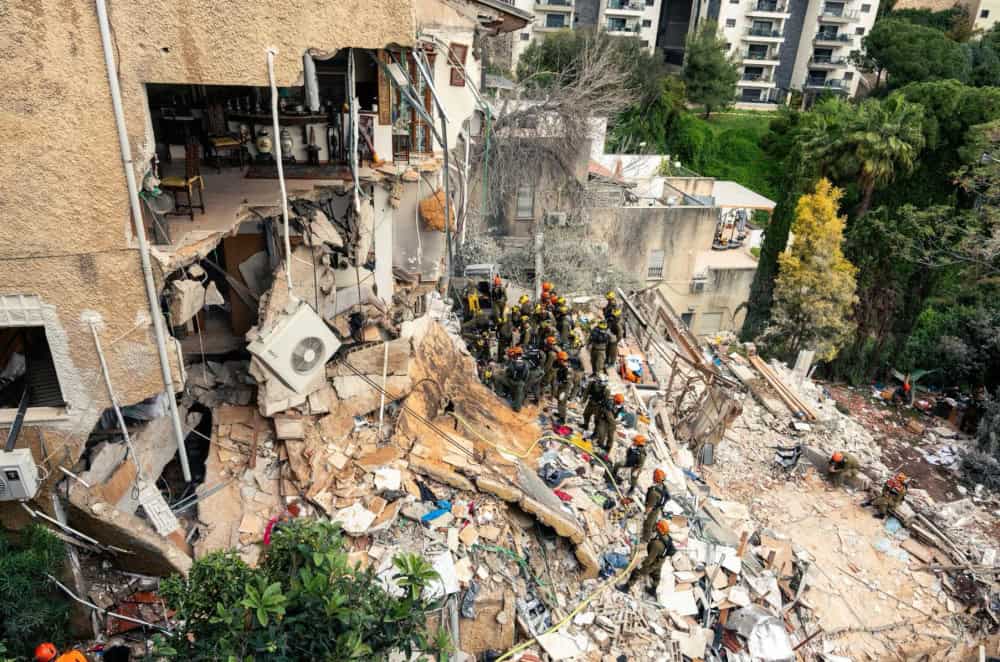
Iranian ballistic missile cluster munitions strike dozens of sites in Israeli cities
Iran’s increasing use of cluster munitions in ballistic missile attacks since late February has intensified damage across Israel, with dozens of impact sites reported in major cities in the first week of April. Four people were killed in Haifa in a missile attack on April 6. Meanwhile, Israel is escalating strikes on Iranian infrastructure targets and boosting production of Arrow interceptors as part of its multi-layered air defense.
-
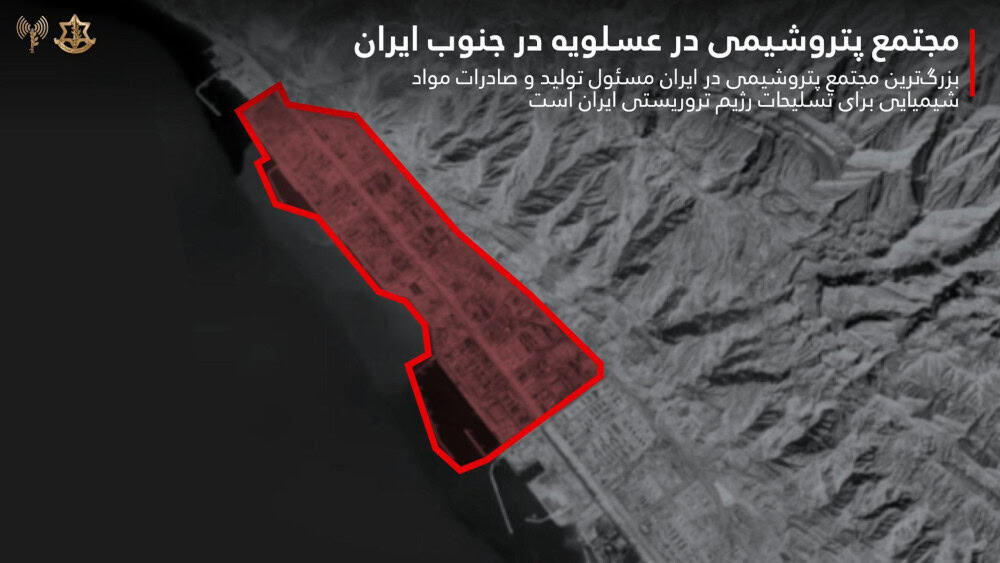
Iran rejects US ceasefire proposal as US-Israeli operations escalate, regime suffers high-profile casualties
US and Israeli operations inside Iran escalated over the past week. Actions included strikes on Islamic Revolutionary Guard Corps missile and air defense sites, eliminations of senior military and intelligence officials, the recovery of a US F-15E crew downed over Iran, and attacks on Iranian infrastructure, ranging from petrochemical facilities to major industrial plants.
-
Generation Jihad | Timeline after Timeline
FDD’s Janatan Sayeh is back with Bill Roggio for an update on the Iran war, including: the potential for concrete regime change, last night’s address by President Trump, rumored US-Iran deliberations, the fragile balance of power on the ground, and the possibility of a popular uprising against the wounded Islamic Republic.
-
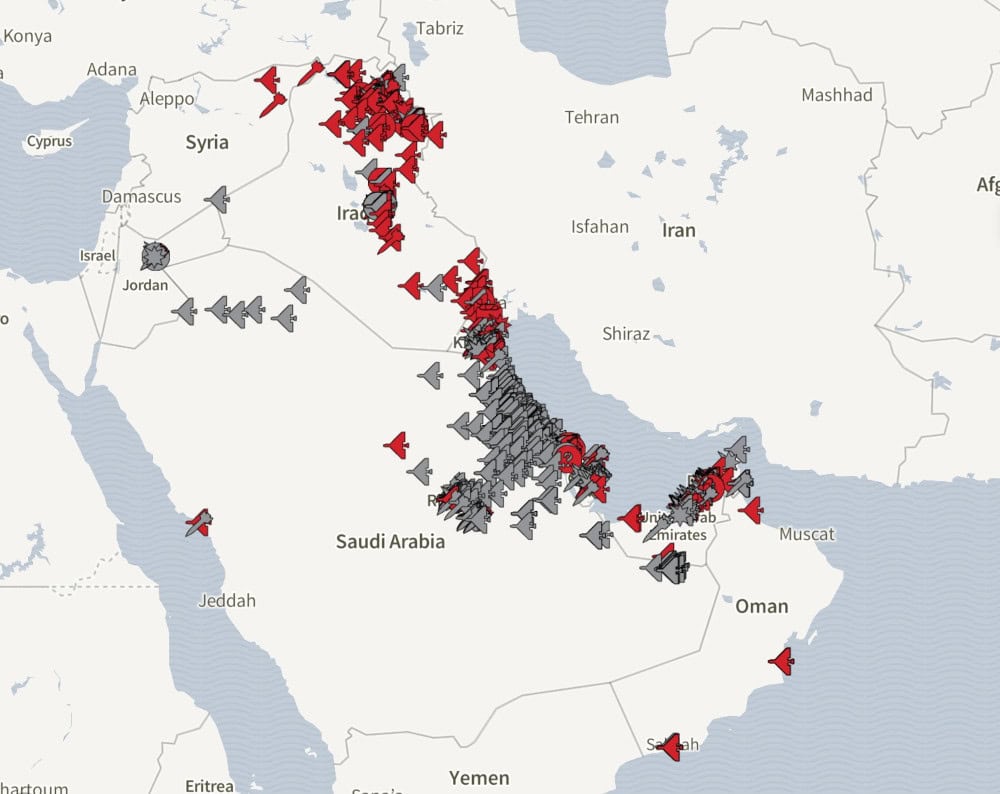
Iran and proxies fire fewer total projectiles, increase accuracy in attacks on region (March 28–April 1 updates)
Between March 28 and April 1, Iran and its allied militias continued launching drones, missiles, and rockets against regional countries—with less overall frequency but more accuracy. The attacks targeted energy infrastructure, airports, military facilities, ports, and residential areas.
-
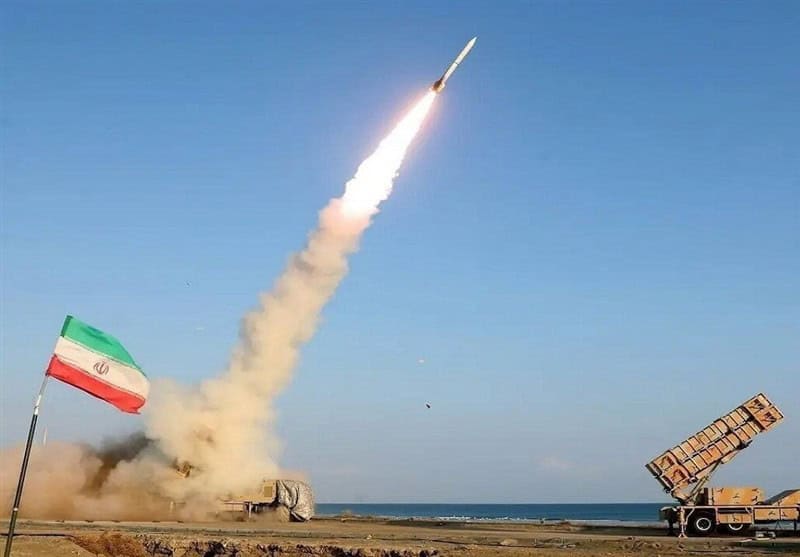
Iran intensifies recruitment, repression amid reports of thousands of security deaths, Washington weighs ground operations
Washington is considering ground operations as joint US-Israeli strikes impact Iran’s military and internal security forces, reportedly causing thousands of casualties. Simultaneously, Tehran has increased security recruitment efforts, deployed foreign proxy militias, and escalated executions and arrests of Iranian citizens while issuing threats over “sharing images or footage with foreign actors.”
-
Generation Jihad | The Kharg Island Trap
Kharg Island looks like the perfect target — take it, and you choke off Iran’s oil. But it’s not that simple. Bill Roggio is joined by Ryan Brobst and Cameron McMillan to discuss why seizing Kharg could hand Tehran exactly what it wants: a wider war, a vulnerable US position, and a fight on the regime’s terms.
-
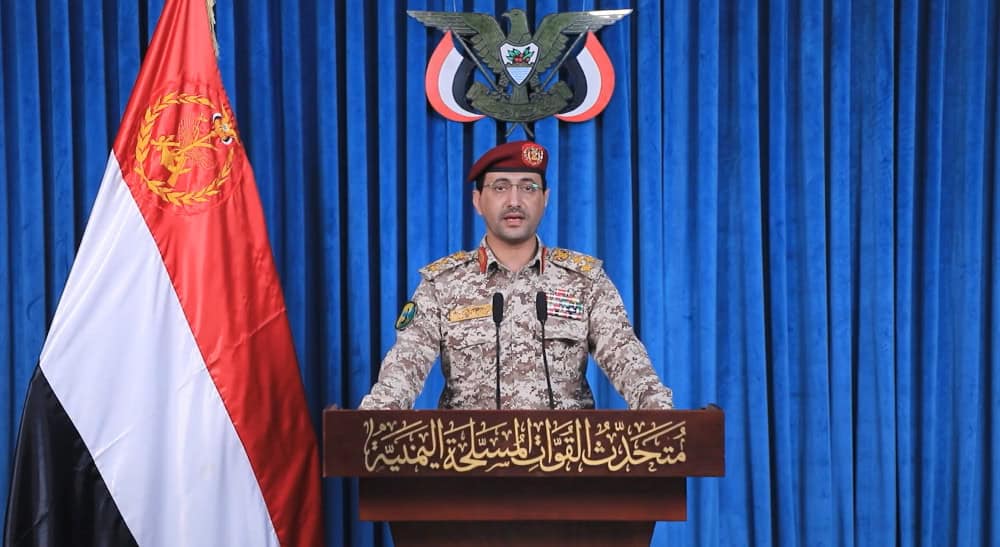
Yemen’s Houthis enter Iran war with drone and missile attacks on Israel
The Houthis launched missile and drone attacks against Israel, the first direct military action since the beginning of the US and Israeli campaign against Iran that began on February 28. The Iran-backed Yemeni terrorist group threatened to continue and expand attacks until a series of conditions it issued are met.
-
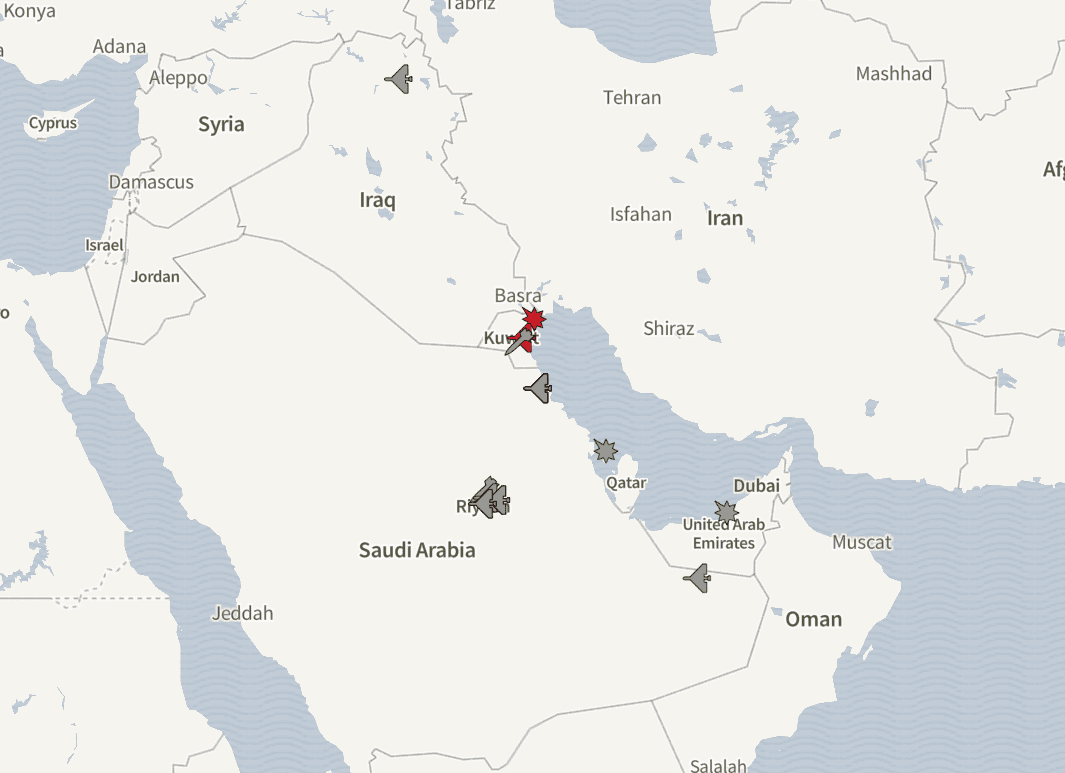
Iran and proxies continue attacking energy facilities, residential areas, and Arab capitals (March 24–27 updates)
Between March 24 and March 27, Iran and its allied militias continued launching drones and missiles against Arab countries. The attacks targeted energy infrastructure, airports, military facilities, ports, and residential areas in Saudi Arabia, the United Arab Emirates, Kuwait, Bahrain, Iraq, and Jordan.
-
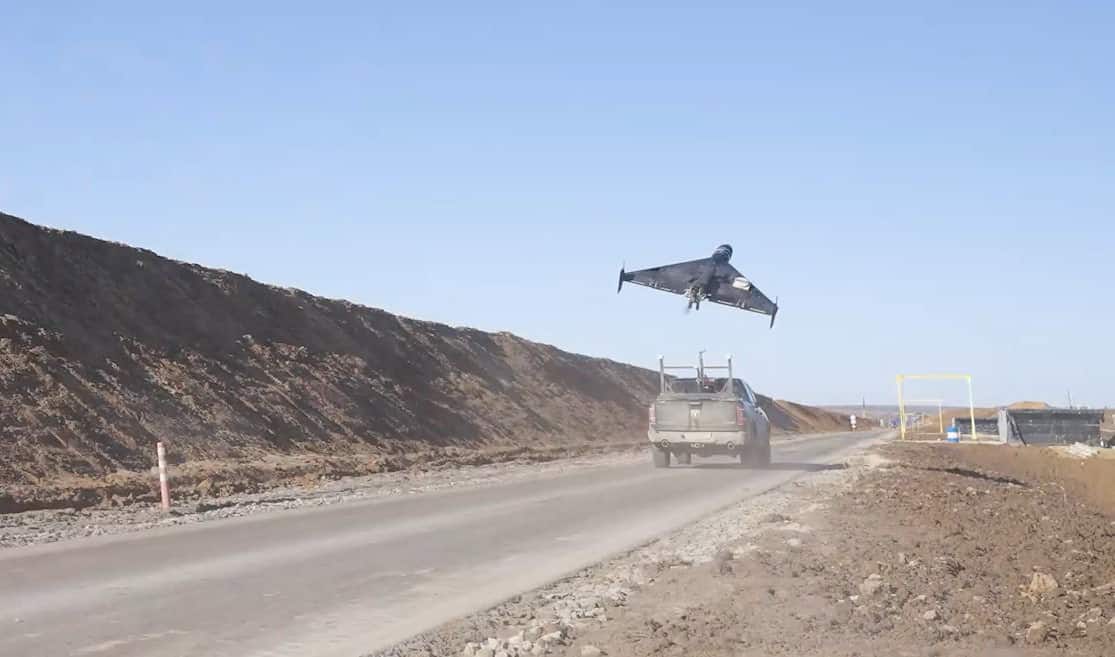
Russia reportedly sending Iran drones for use against the US and Israel
Reports citing Western officials suggest that Russia has started supplying Iran with complete drones after Russia was previously suspected of only providing components to improve Iranian systems. The unmanned aerial systems are likely modified, Russian-made versions of the same Shahed-136 one-way attack drones that Tehran previously supplied to Moscow.
-
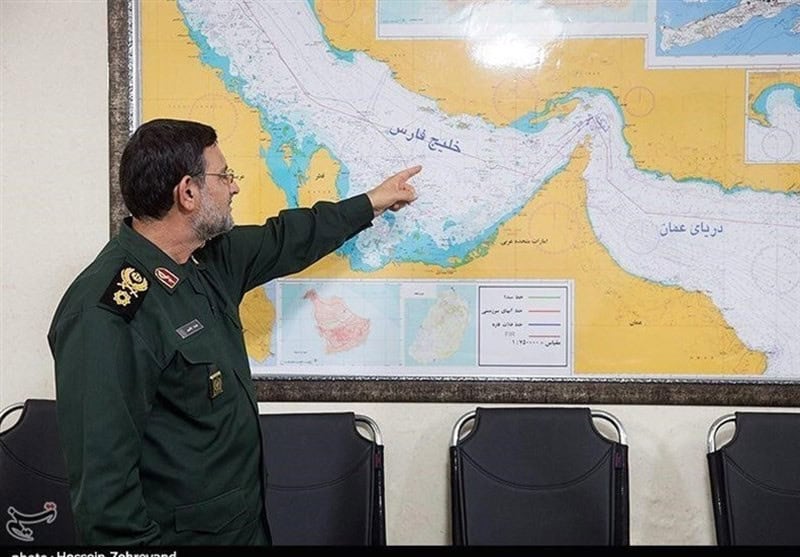
US-Israeli strikes continue as talks over Strait of Hormuz stall and Iran intensifies internal crackdown
The US and Israel continued airstrikes as negotiations over the passage of shipping through the Strait of Hormuz hit an impasse and Iran ramped up efforts to repress its populace. The regime has expanded internal security checkpoints into a dispersed network across various cities and increased arrests targeting alleged collaborators and dissenters.
-
Generation Jihad | The Hormuz Shake(down)
Bill Roggio sits down with shipping expert Sal Mercogliano to break down Tehran’s latest act of war: turning the world’s most critical shipping chokepoint into leverage.
-
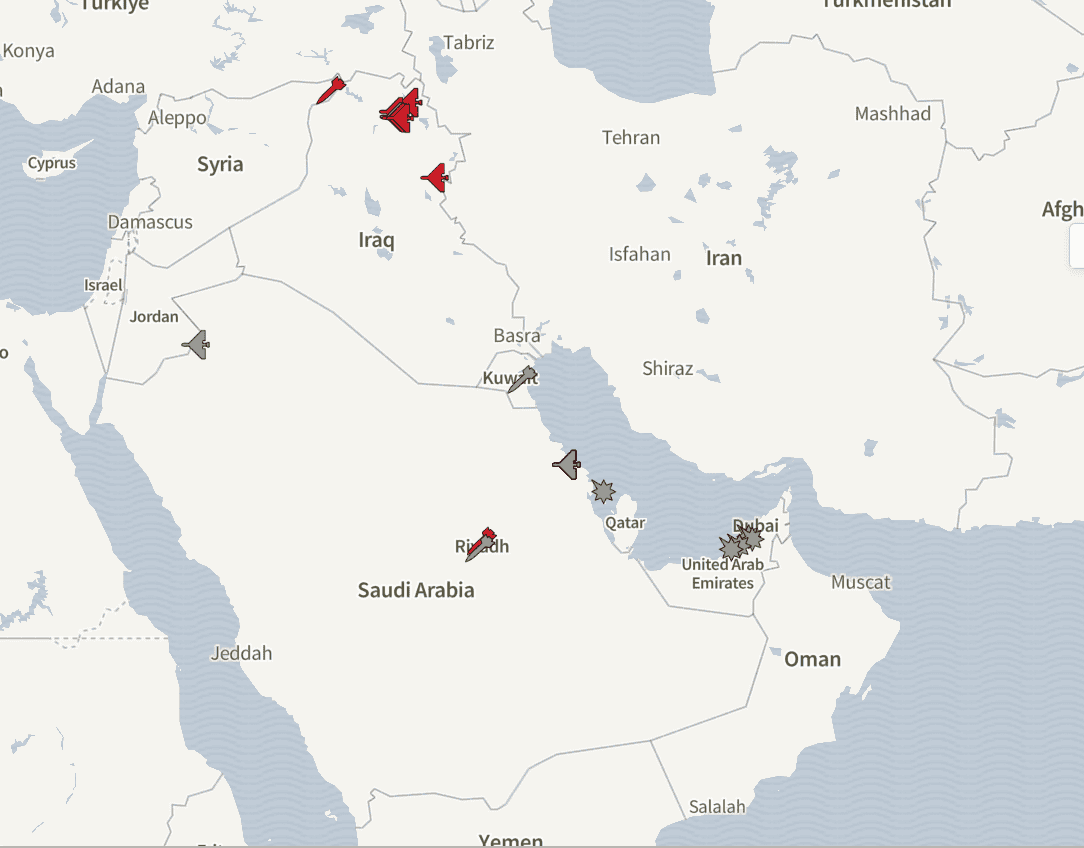
Iran and proxies continue attacking regional airports, energy facilities, military bases, and residential areas (March 20-23 updates)
Between March 20 and March 23, Iran and its allied militias continued launching drones, missiles, and rockets against Arab countries, targeting energy infrastructure, airports, military bases, diplomatic facilities, and residential areas.
-
Generation Jihad | The regime falls when the people rise
The bombs are falling. The Iranian regime is reeling. But revolutions aren’t won from 30,000 feet. As Washington and Jerusalem pummel toward a mission accomplished, Bill Roggio is joined by FDD’s Jon Schanzer to grapple with a harder question that looms: what happens if there’s no uprising when the bombing stops?
-
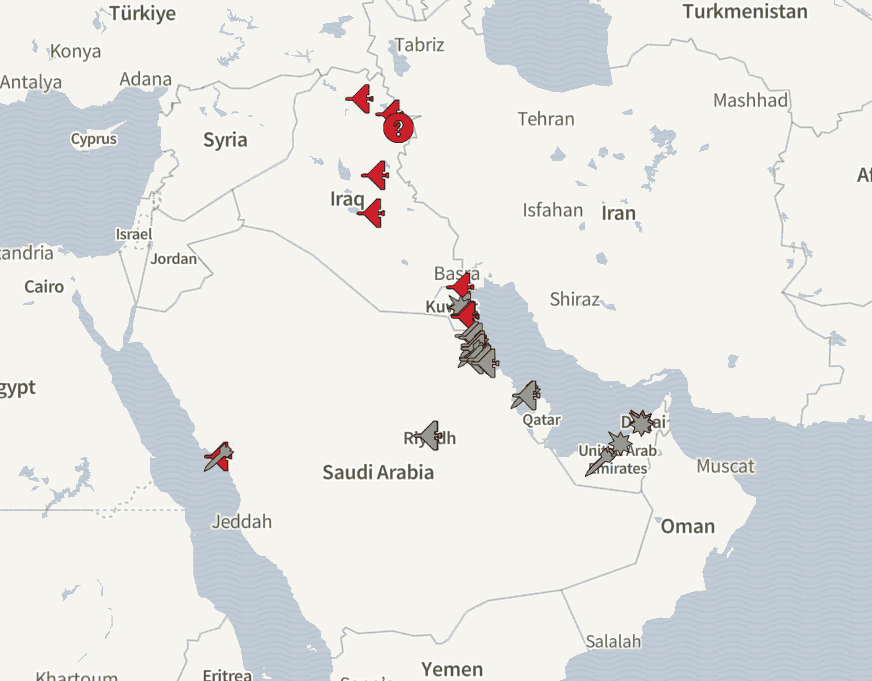
Iranian drones and missiles hit ports, oil and gas facilities, and US bases in the region (March 17-19 updates)
Between March 17 and March 19, Iran and its allied militias continued launching drones, missiles, and rockets across the Middle East. The attacks targeted energy infrastructure, airports, military bases, diplomatic facilities, and residential areas in Saudi Arabia, the United Arab Emirates, Qatar, Kuwait, Bahrain, and Iraq.
-
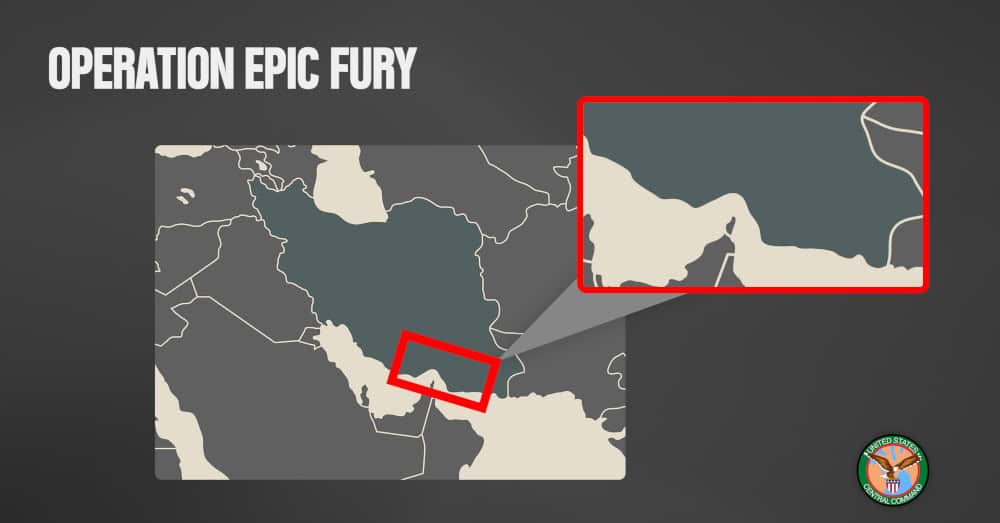
US and Israel strike more military targets, plus Iran’s leadership, repression units, and energy sites (March 17-18 updates)
US and Israeli operations have continued to degrade Iran’s military capabilities while increasingly targeting the regime’s internal security apparatus. Strikes on Basij internal security and police units, alongside assassinations and reported morale issues, may be beginning to affect the regime’s ability to sustain repression efforts as US and Israeli attacks also expanded to targeting energy infrastructure.
-
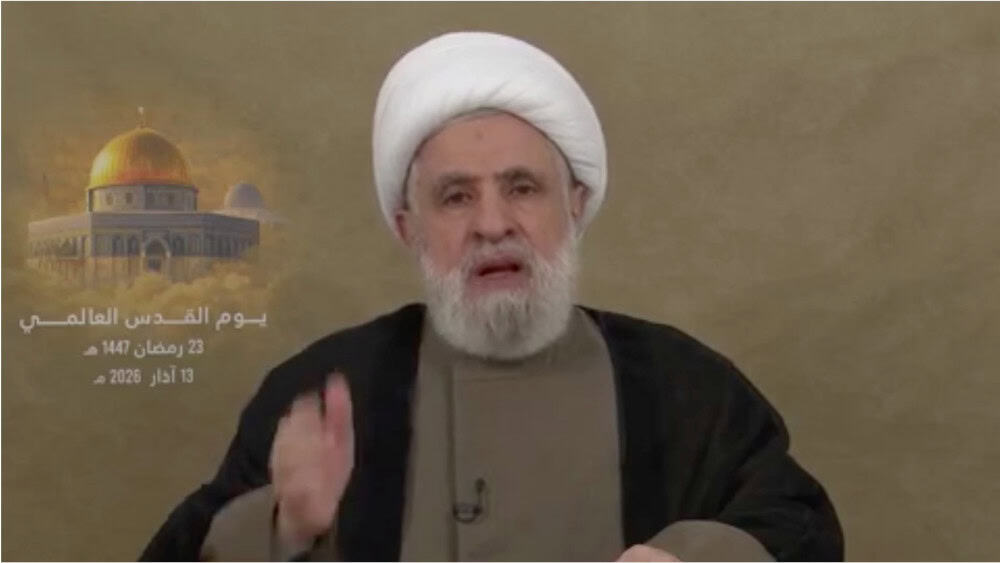
Analysis: Naim Qassem says Hezbollah will continue fighting Israel, frames war as defense of Lebanon
Hezbollah Secretary-General Naim Qassem gave his second speech regarding the renewed war with Israel, once again arguing that his group was the victim of aggression and not the aggressor. He said that Hezbollah is fighting a war of self-defense on behalf of Lebanon and stressed that it would continue fighting until it secures adequate concessions from Israel.
-
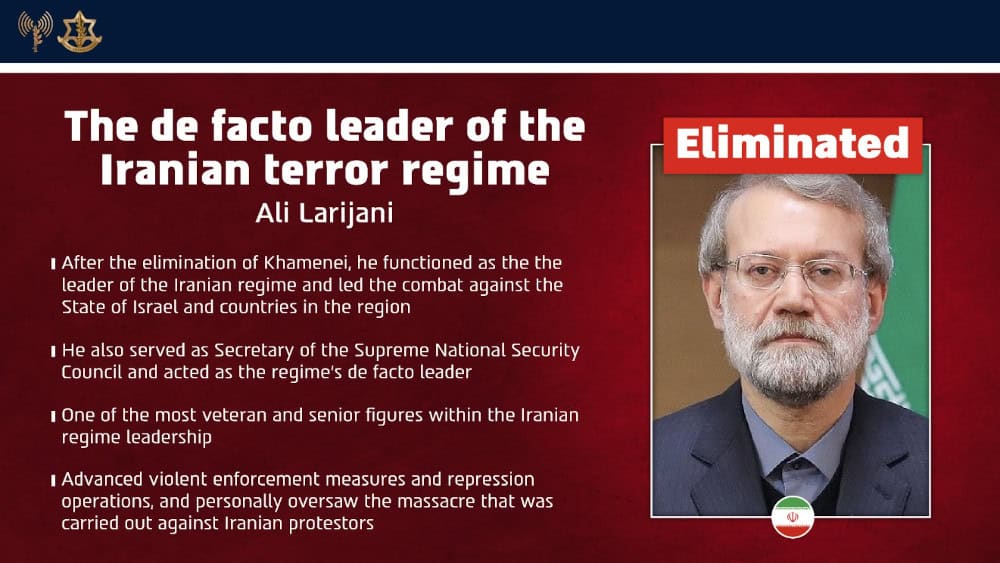
Israeli strikes eliminate Iranian security chief Larijani and Basij commander Soleimani
Overnight Israeli strikes in Iran killed Ali Larijani, the secretary of Iran’s Supreme National Security Council, and Basij commander Gholamreza Soleimani. The eliminations add to the growing list of top Iranian officials who have been killed by Israeli and American strikes since the conflict began on February 28.
-
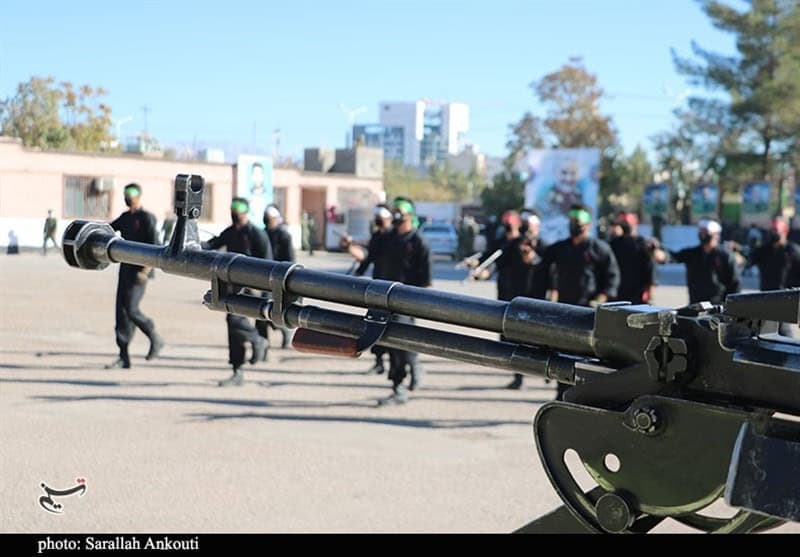
Iran braces for internal unrest as US and Israeli attacks persist (March 14-16 updates)
US and Israeli strikes against the Islamic Republic are expanding to include additional military infrastructure, command centers, and production facilities. At the same time, the Tehran regime is tightening security across Iranian cities amid reports of arrests, checkpoints, and growing economic pressure.
-
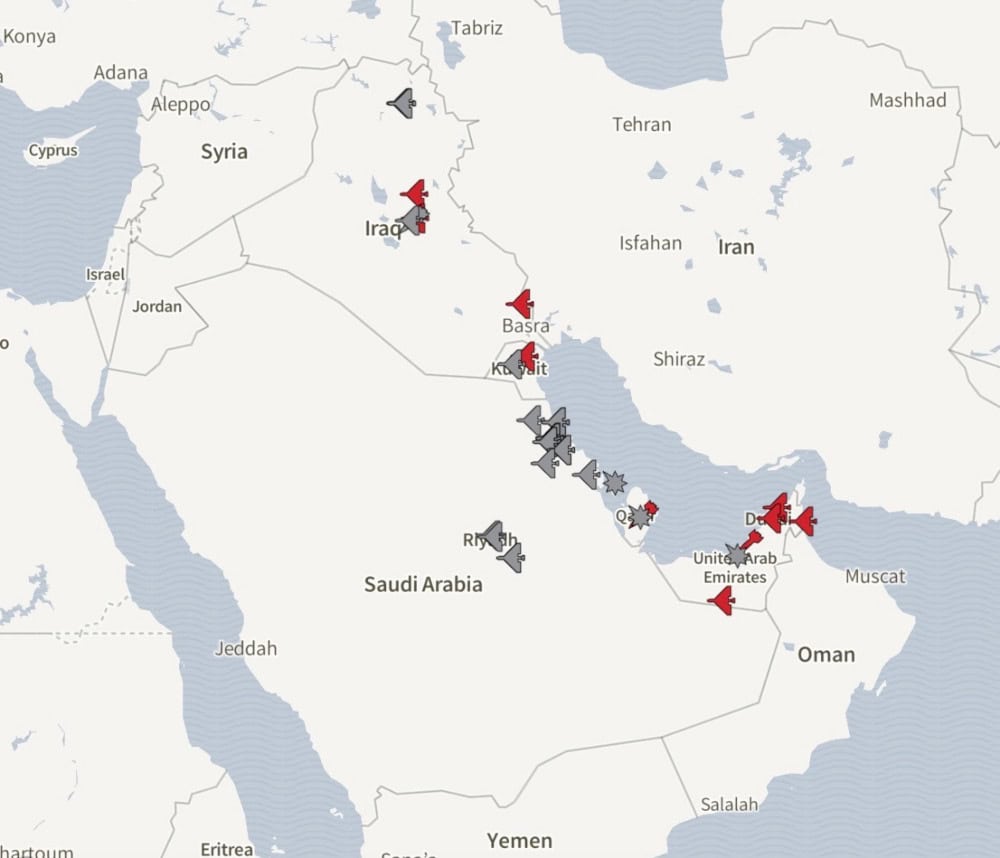
Iranian drones and missiles hit regional oil fields, airports, military bases, and ports (March 13-16 updates)
Between March 13 and March 16, Iran and its allied militias continued launching drones, missiles, rockets, and other attack platforms across the Middle East, targeting energy infrastructure, airports, military bases, residential areas, diplomatic facilities, and oil fields.
-
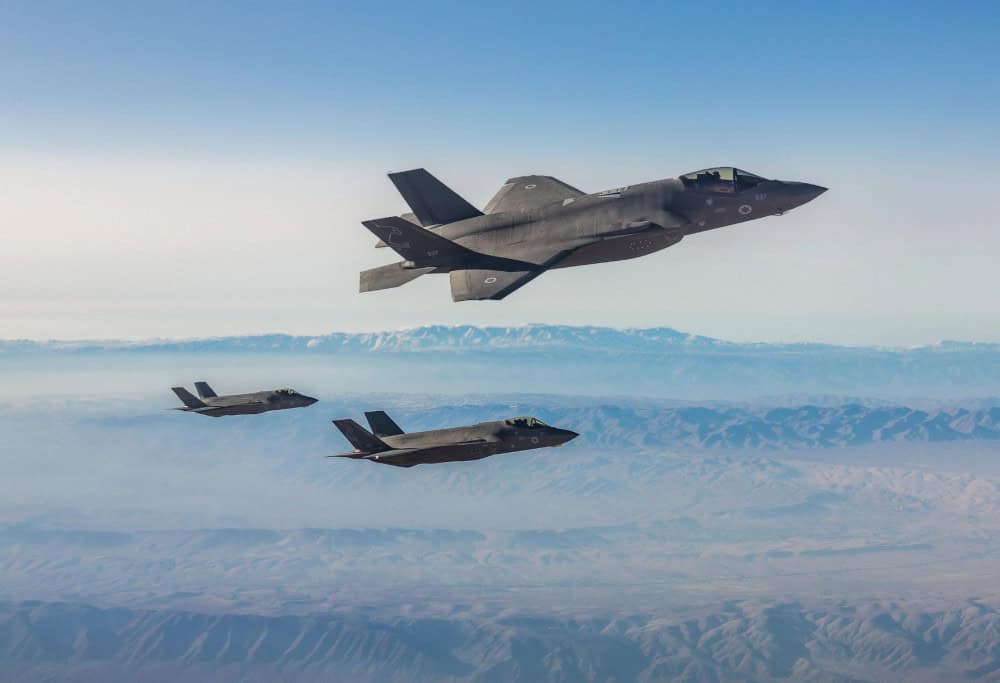
Israel conducts 7,600+ strikes on Iran in 13 days, Iran fires hundreds of missiles and drones at Israel
Israel executed more than 7,600 strikes on Iran by March 13, targeting nuclear-linked facilities, missile launchers, drone infrastructure, and military sites, according to the Israel Defense Forces. Israel continues conducting roughly 150–200 strikes per day as Iran continues launching ballistic missiles and drones toward Israel and the Gulf countries.
-
Generation Jihad | Day 14 of the Iran War
As US and Israeli strikes pound Iran’s military, and Tehran threatens shipping in the Strait of Hormuz, the conflict is entering a dangerous new phase. FDD’s Bradley Bowman joins Bill Roggio to break down what the strikes have achieved, and the harder question that remains: is the goal to weaken the regime … or bring it down?
-
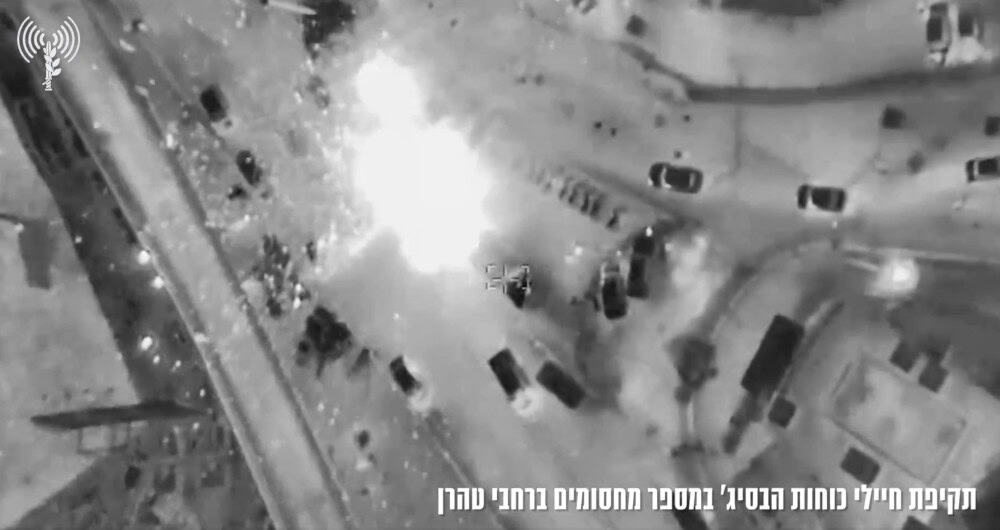
Israel shifts to hyperlocal targeting in Iran as regime military power degrades (March 11-13 updates)
The Iran conflict has entered a new phase after US–Israeli strikes have destroyed key military infrastructure, killed thousands of regime personnel, and degraded Iran’s missile and drone launch rates. Israel has shifted toward hyperlocal targeting of repression units and regime figures inside Tehran, often aided by intelligence from Iranians on the ground. Simultaneously, the Tehran regime has publicly projected stability after Mojtaba Khamenei’s elevation to supreme leader, despite Khamenei’s continued absence from public view and some signs of internal strain.
-
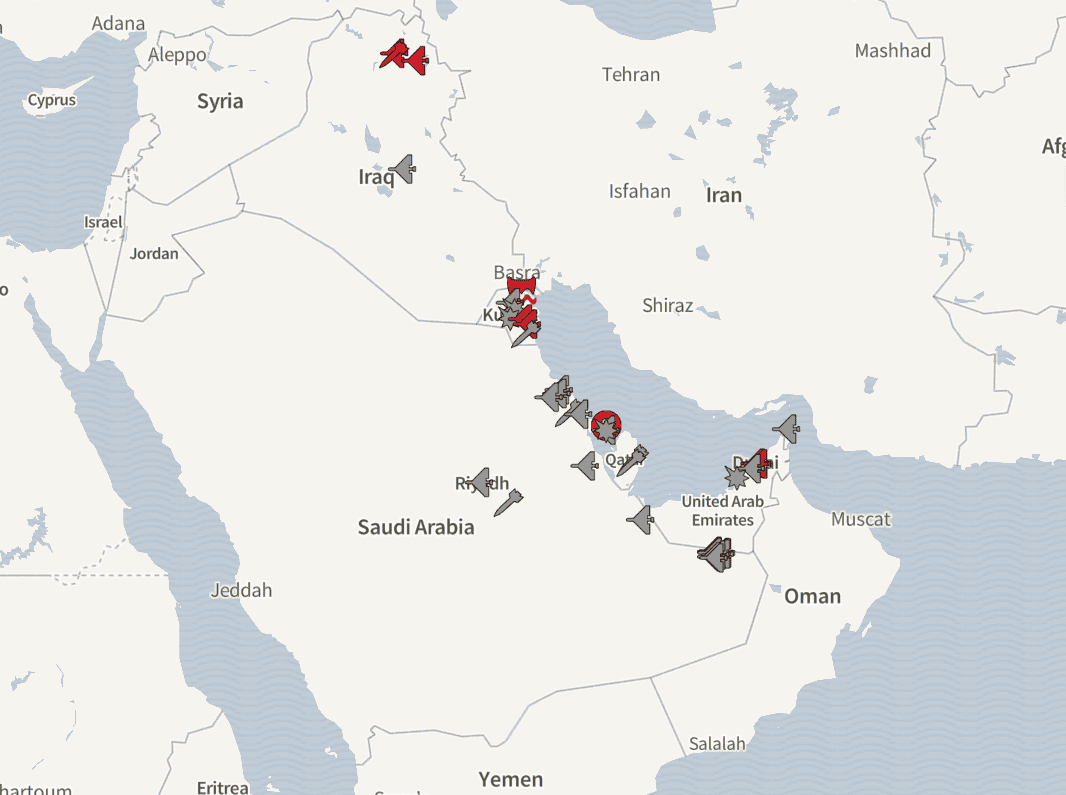
Iranian drones and missile barrages hit energy infrastructure, airports, and residential buildings in the Arab World (March 11-12 updates)
Between March 11 and March 12, Iran and its allied militias continued launching drones and missiles across the Middle East, targeting energy infrastructure, airports, military bases, residential areas, diplomatic facilities, and maritime targets in Iraq, Saudi Arabia, Kuwait, Bahrain, Qatar, the United Arab Emirates, Jordan, and Oman.
-
Generation Jihad | Day 12 of the Iran War
After 12 days of war—and the death of Iran’s supreme leader—the Islamic Republic is under unprecedented pressure. Bill Roggio and Janatan Sayeh assess this initial phase of the war, the gap between Washington and Jerusalem’s goals, and the decisive question still looming over Tehran: will the Iranian people finish the job?
-
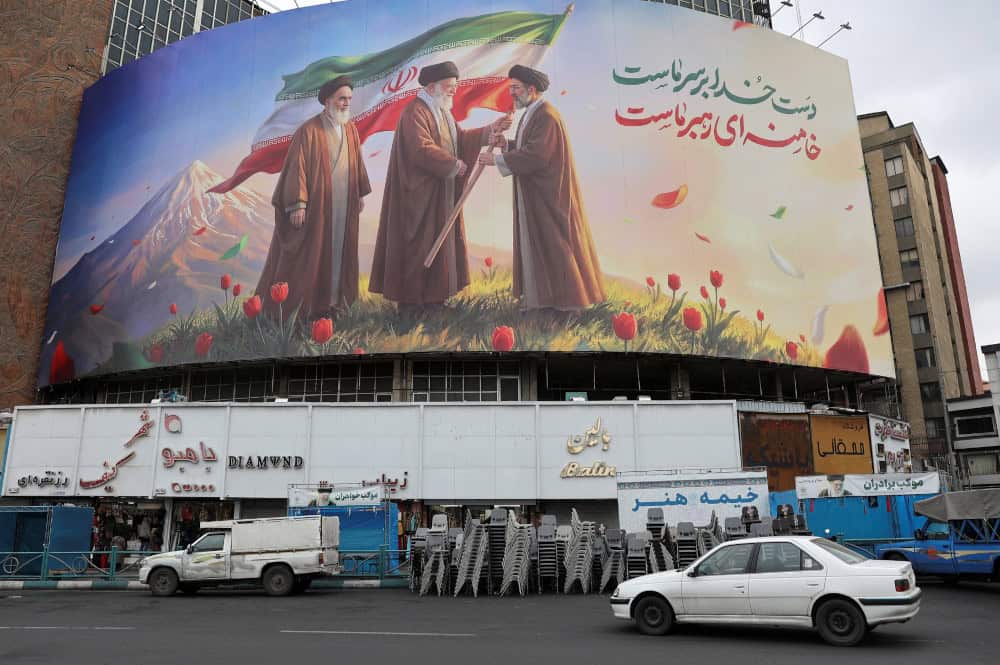
Israel intensifies strikes on repression sites, expands outreach to Iranians as regime repression deepens (March 8-10 updates)
The joint US–Israeli campaign is striking Iran’s military and internal security infrastructure across the country while continuing to eliminate senior regime figures. Amid the pressure, the regime installed a new supreme leader, expanded regional attacks while denying responsibility, and intensified repression, as Israel increased outreach to the Iranian public.
-
Iranian drone and missile barrages strike Arab states across the region (March 9-10 updates)
Iran and its allied militias continued launching drones and missiles across the Middle East between March 9 and 10, targeting energy infrastructure, airports, military bases, residential areas, and industrial facilities in Iraq, Saudi Arabia, Kuwait, Bahrain, Qatar, the United Arab Emirates, and Jordan.