-
Analysis: Similarities and differences in US and Israeli targets and objectives in Iran campaign
The US and Israel have cooperated to achieve impressive operational successes against Iran, but a publicly shared definition of victory remains elusive. This inconsistency and lack of clarity may negatively impact the allies’ ability to achieve durable strategic objectives.

-
US and Israel establish air superiority, focus strikes on Iranian military sites and ‘regime pillars’ (March 4–5)
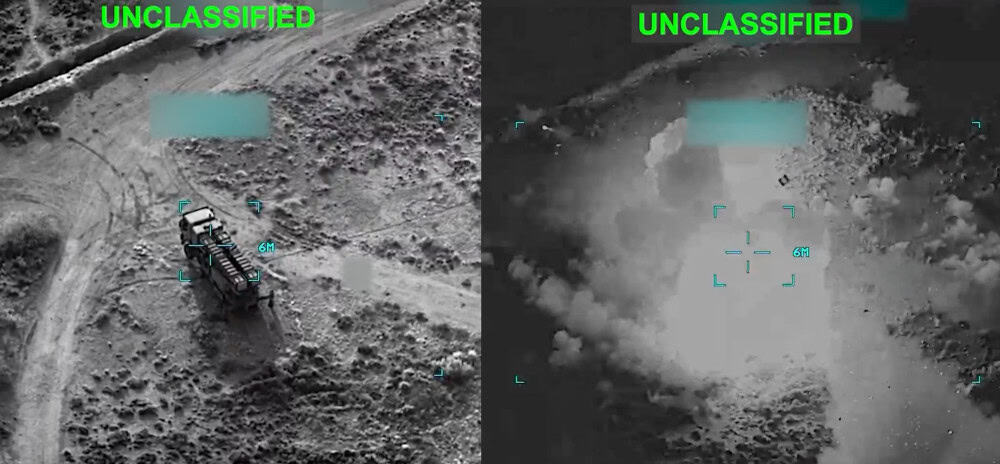
On March 4 and 5, the United States and Israel continued attacks against elements of the Islamic Republic’s military assets, including its missile and naval threat capacity, as well as its repression apparatus. The countries also declared air superiority over Iran and signaled the beginning of a new phase of the operation.
-
Ukraine will help combat Iranian drones in Middle East, Zelenskyy says
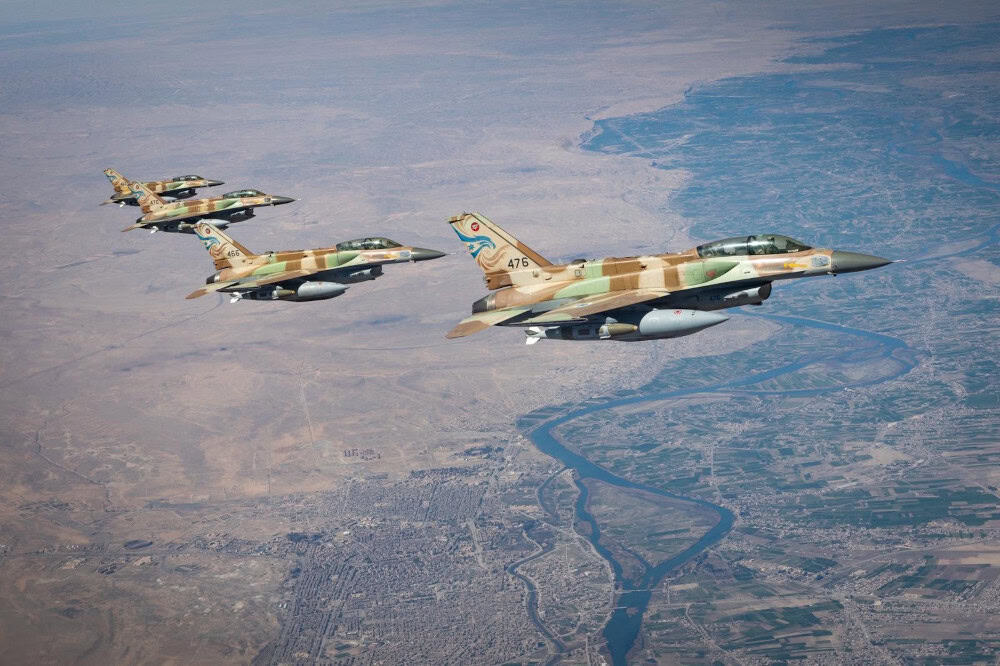
Ukraine says it will help the United States and its Middle East allies combat the Iranian drones that the Tehran regime is firing at the region. Russia has bombarded Ukrainian cities with these weapons for years, resulting in a series of defensive adaptations and innovations by the Armed Forces of Ukraine¬—and unmatched counter-drone experience.
-
Iran targets US bases, diplomatic missions, and oil infrastructure in Arab countries on March 3–5
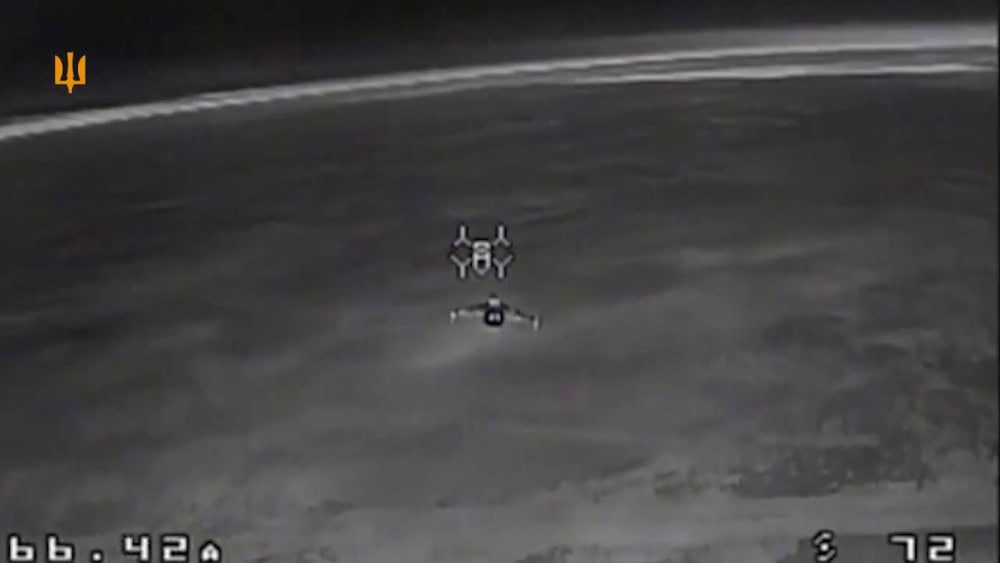
Between March 3 and March 5, Iran continued retaliating against the joint United States-Israeli military campaign by conducting widespread strikes across Arab Gulf countries using ballistic missiles, cruise missiles, and drones. Attacks were launched against Jordan, Oman, Saudi Arabia, Bahrain, Qatar, Kuwait, and the United Arab Emirates.
-
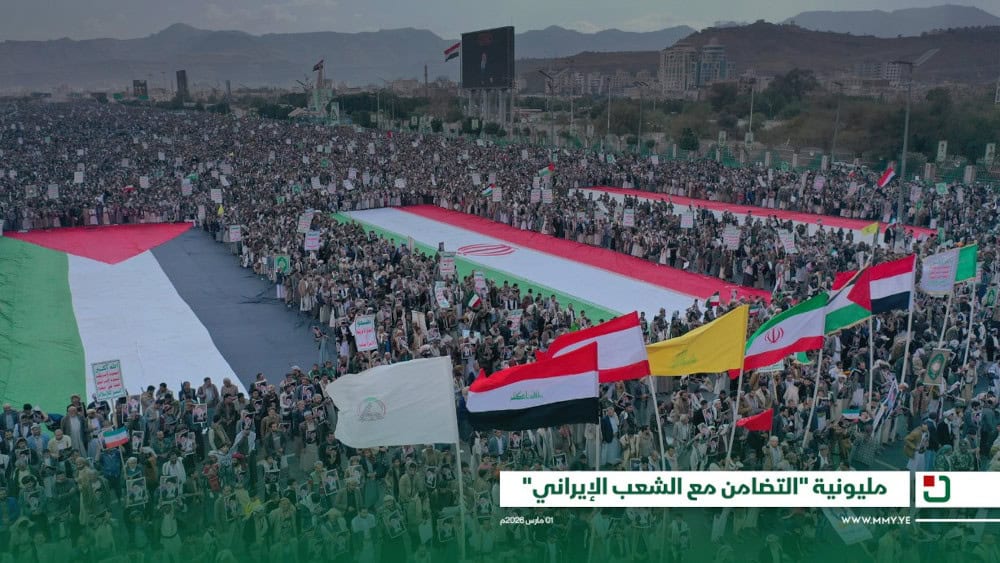
Iran’s regional partners spark protests across the Middle East and South Asia
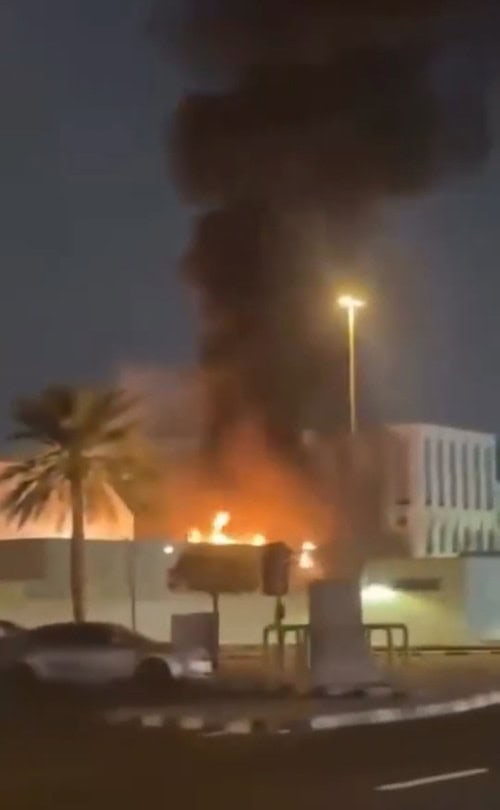
Tehran’s partners and sympathizers have arranged protests across the region against the US-Israeli campaign against Iran, especially the killing of Iranian Supreme Leader Ali Khamenei. Some of the demonstrations have turned violent and present a danger to the local US diplomatic presence and civilians.
-
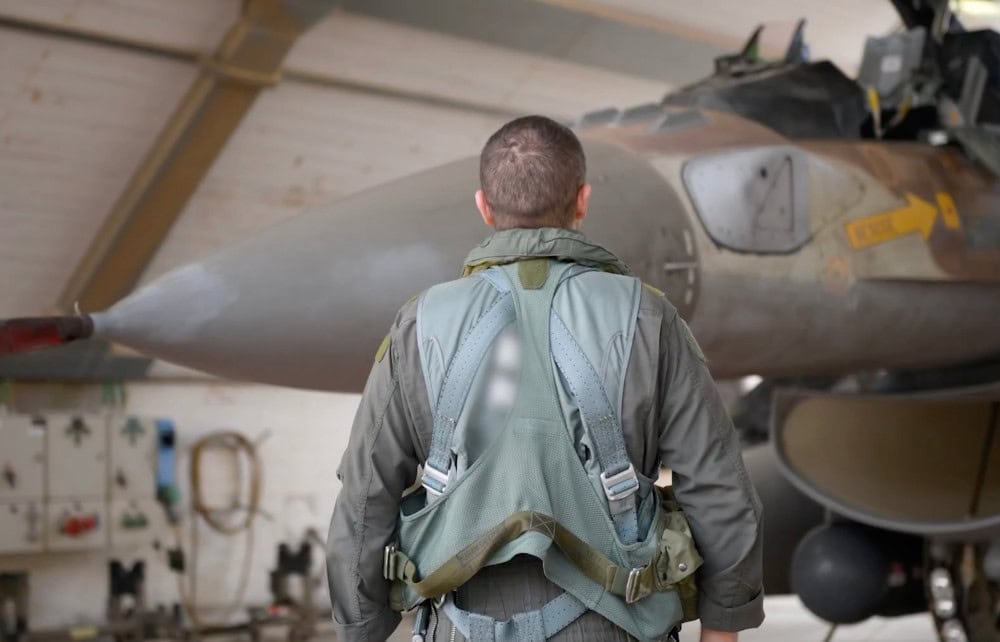
Israel conducts 1,600 strikes on Iran in 4 days of war, weathers Iranian missile and drones
Israel has carried out more than 1,600 strike sorties against Iran in the first four days of the war, targeting Iranian leaders, nuclear facilities, missile launchers, and other military infrastructure, according to the IDF. Iran has responded with repeated ballistic missile and drone salvos that have killed at least 10 people in Israel and wounded dozens. The Israeli Air Force said that one of its F-35s downed an Iranian Yak-130 aircraft. The fighting has closed Israeli airports and forced widespread civilian alerts as missile barrages continue across the country.
-
Analysis: Why Iran’s ballistic missile launches are declining
Iran has lashed out at its neighbors with hundreds of missiles and drones. However, a careful analysis of the data shows that Tehran’s ballistic missile launches have been dropping since the start of the conflict, largely because of the impact of US and Israeli strikes.
-
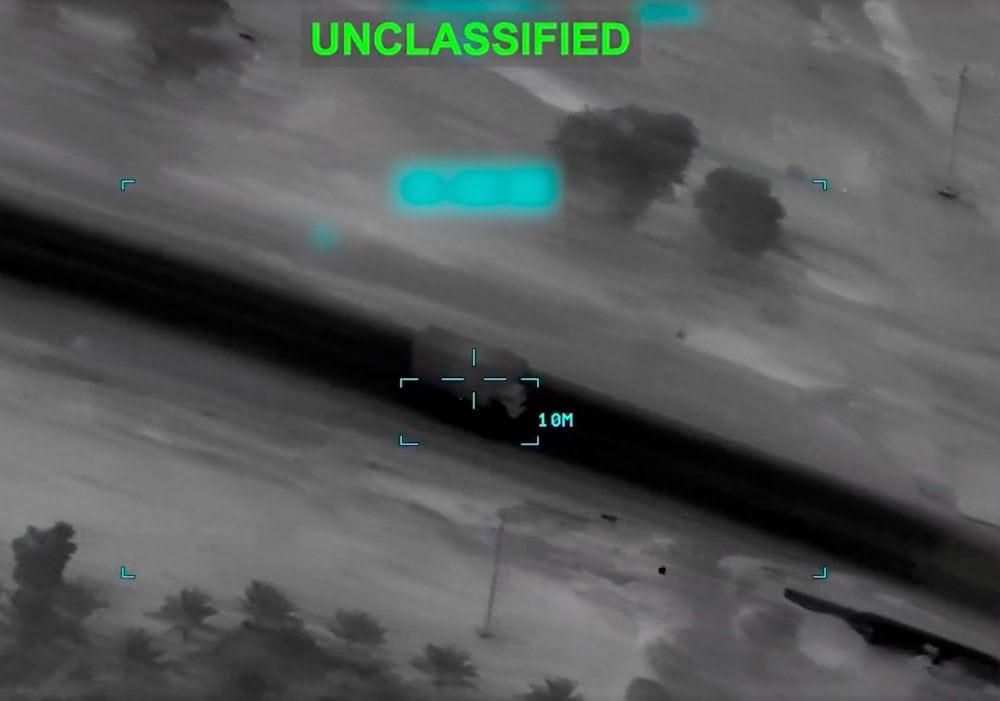
US-Israeli strikes hit Iran’s missile, nuclear, political, and repression sites
On March 2 and 3, the United States and Israel struck missiles and launchers nationwide, nuclear program sites at Natanz, and a key leadership target in Qom, while also hitting IRGC, Basij, police, and intelligence facilities in Tehran and western Iran.

-
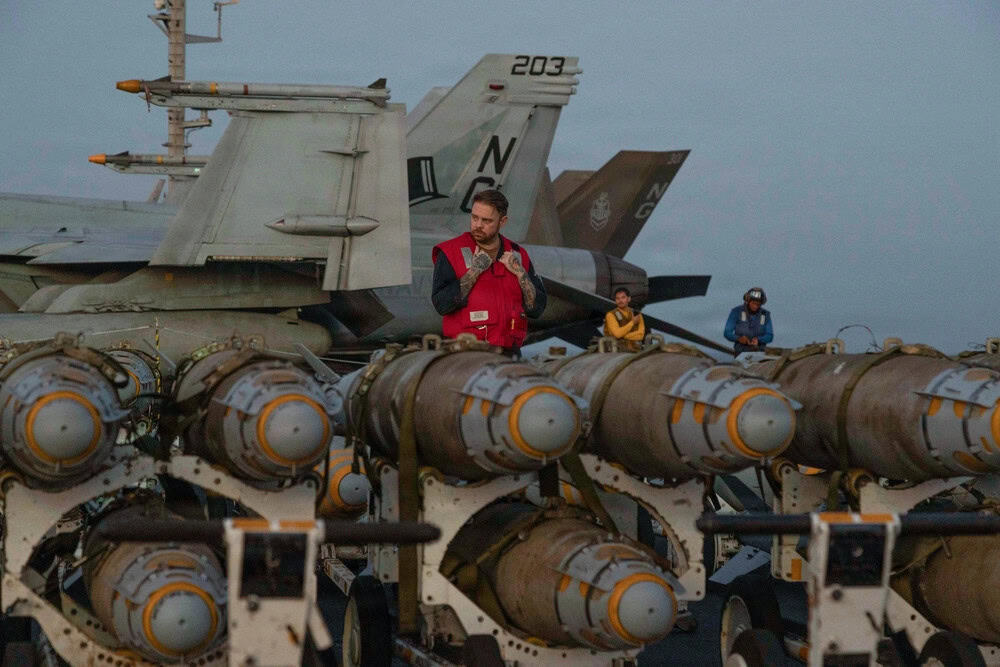
Analysis: US and Israel race to defeat Iranian missiles and drones following early campaign successes
The United States and Israel demonstrated unprecedented coordination and delivered impressive blows against Iranian military capabilities in the early stages of the current conflict. Now, as Tehran lashes out against US forces and regional partners, Washington and Jerusalem face the immediate challenge of striking Iranian ballistic missiles, drones, and their launchers on the ground before they can be fired, along with intercepting any projectiles that Iran has successfully launched before they hit military and civilian targets.
-
Houthis express solidarity with Iran but do not launch retaliatory attacks—yet
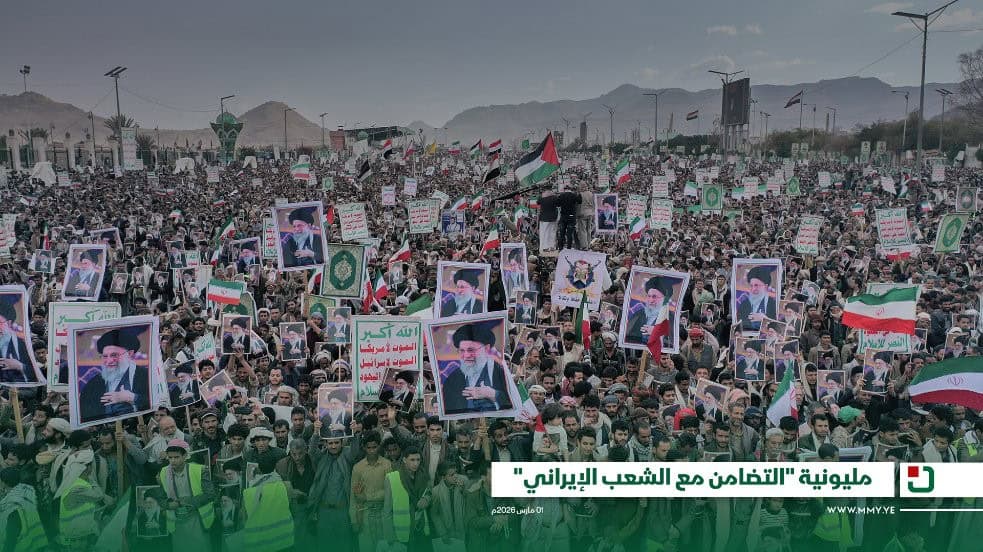
Houthi leader Abdulmalik al Houthi has delivered speeches in support of the Islamic Republic of Iran since the start of the US-Israeli military campaign, but he has not yet announced specific retaliatory military action. Instead, the Houthis have officially called for mass demonstrations and increased media activity in support of the regime. However, officials from the Iran-backed group have told media outlets that it will resume attacks against Israel and Red Sea shipping.
-
US-Israeli campaign hits Iranian regime’s military and repression apparatus, regime forms leadership council (March 1 updates)
The joint US and Israeli operation entered its second day, with American forces targeting command-and-control centers, Islamic Revolutionary Guard Corps (IRGC) headquarters, air defense systems, ballistic missile sites, and Iran’s naval forces. In parallel, Israeli strikes concentrated on targets in Tehran, including key pillars of the regime’s repression apparatus, as well as ballistic missile sites and launchers. Iranian retaliatory attacks killed three US service members and nine Israeli civilians.
-
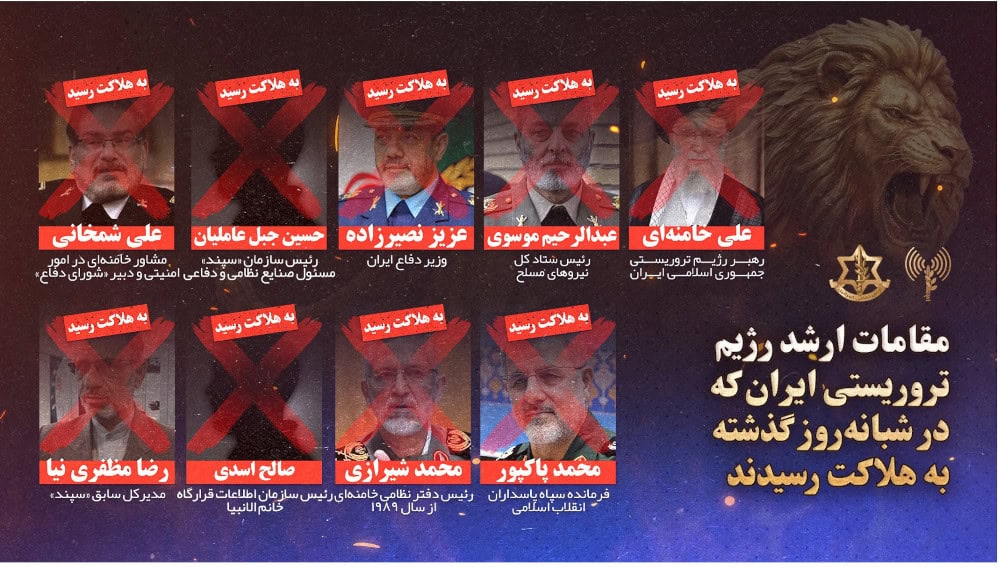
US and Israel launch military campaign against Iran, Supreme Leader Khamenei reportedly killed
After the third round of nuclear talks between Tehran and Washington failed to produce meaningful progress, the US followed through on its threats against the Iranian regime. On the morning of February 8, in a joint operation with Israel, the US struck military sites in Iran and targeted the Islamic Republic’s leadership. The military campaign was supplemented with messaging to ordinary Iranians to take to the streets once the bombing ended, and Israeli sources say that Supreme Leader Ali Khamenei has been killed.