-
Israeli operations in Lebanon against Hezbollah: November 17–23, 2025
Israel continued military operations in Lebanon between November 17 and November 23, 2025. These activities involved targeted assassinations of Hezbollah operatives involved in the group’s regeneration efforts and strikes on its assets. The week witnessed a significant escalation by Israel against Hezbollah, including the targeted assassination of its chief of staff, Haitham Ali Tabatabai, for his ongoing oversight of the group’s regeneration efforts.
-
Generation Jihad | Don’t Call It a Peace Deal
Ceasefire on paper. Chaos on the ground. Trump’s 20-point plan promises “peace” in Gaza — but Hamas is already violating the ceasefire, gaming hostage returns, killing rivals, and rearming in tunnels. Bill Roggio is joined by his FDD colleagues Samuel Ben-Ur and Aaron Goren to discuss why disarming Hamas is a fantasy, why an international force risks becoming UNIFIL 2.0, and why Israel may be forced to finish the war.
-
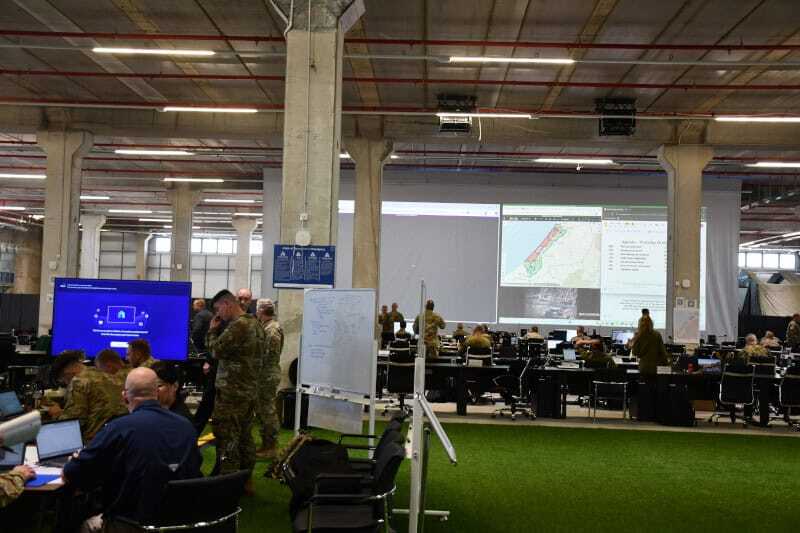
An inside look at the US-backed Civil-Military Coordination Center for Gaza stabilization
The US-backed Civil-Military Coordination Center (CMCC) in southern Israel primarily coordinates humanitarian aid entering Gaza and monitors the ceasefire between Israel and Hamas. A visit by FDD’s Long War Journal to the site on November 20 showed that US Central Command (CENTCOM) has committed significant resources to this effort, which now involves nearly 50 countries and organizations.
-
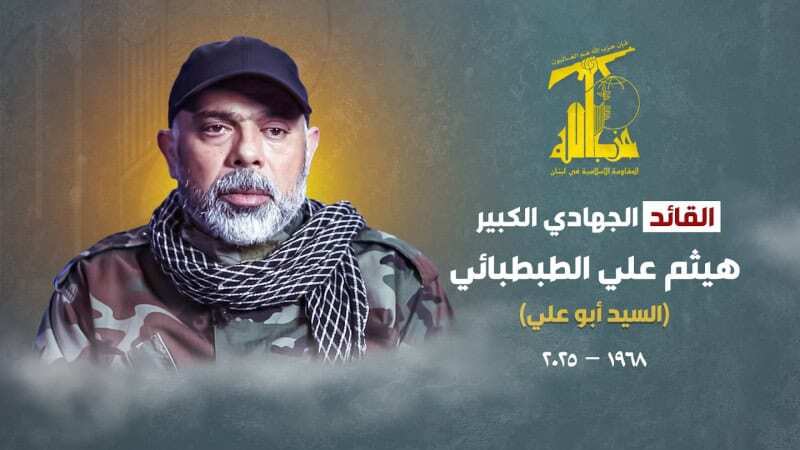
Israeli airstrike kills Hezbollah Chief of Staff Haytham Ali Tabatabai
An Israeli airstrike on an apartment building in Beirut’s southern suburbs killed senior Hezbollah figure Haytham Ali Tabatabai, along with four other members of the group. The strike is the most high-profile action taken against Hezbollah since the ceasefire between Lebanon and Israel began last November.
-
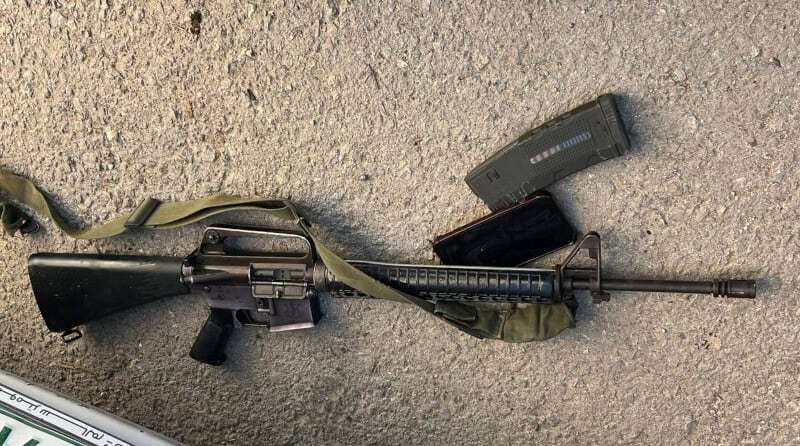
West Bank: Israeli security forces kill Palestinian police officer who shot Israeli soldier
A Palestinian police officer, identified as Younis Ishtayeh, shot and wounded an Israeli soldier in the West Bank on Thursday, and Israeli counterterrorism forces killed the shooter the next day. The incident adds to growing signs of rising violence in the West Bank following months of general calm.
-
Palestinian terrorists fire on Israeli soldiers, break ceasefire 8 times from November 13 to 21, IDF says
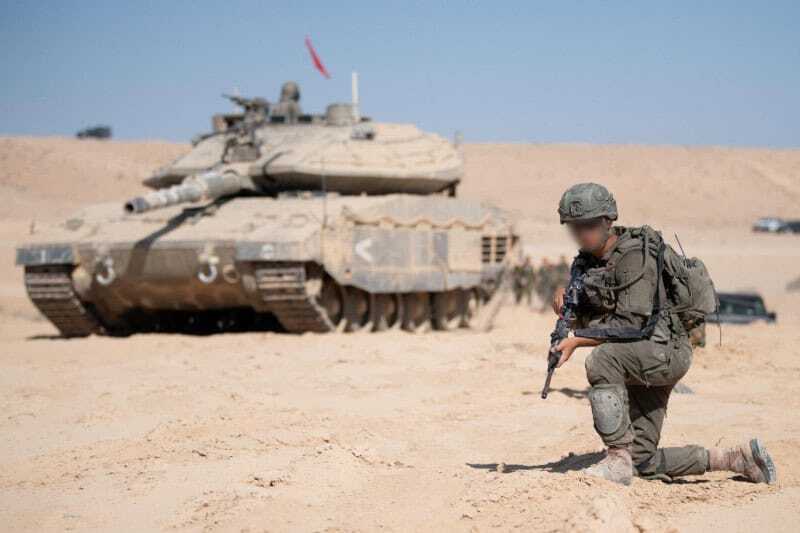
As phase one of the ceasefire in Gaza continued to bend but not break, Israel reported that Hamas and other Palestinian terrorist organizations continue to violate the terms. Notably, another shooting attack on Israeli troops this week led to retaliatory airstrikes across the enclave. Separately, the situation surrounding 200 holed-up Hamas operatives in Rafah remains unresolved.
-
Israeli prime minister and top officials visit Syria ‘buffer zone’ as Israel-Syria talks stall
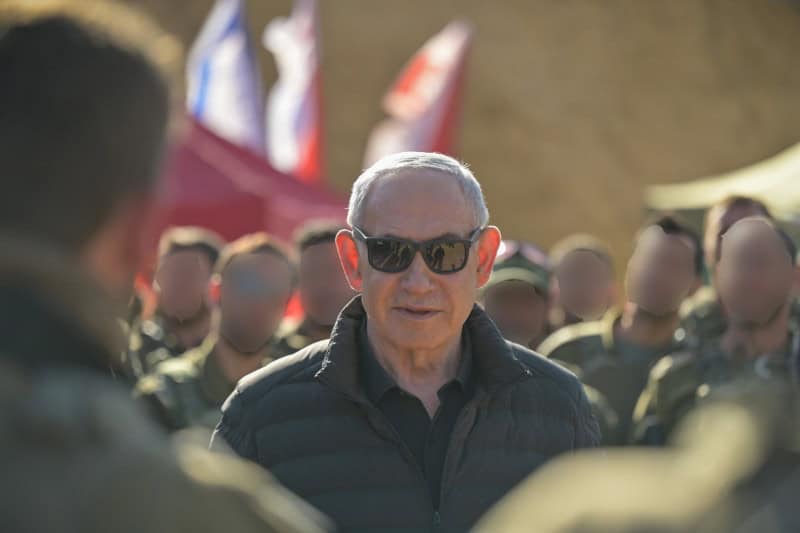
On November 19, Israeli Prime Minister Benjamin Netanyahu visited a buffer zone in southern Syria that is controlled by the Israel Defense Forces (IDF). The zone, which the IDF took over after the fall of the Bashar al Assad regime in December 2024, has been a source of tension between Israel and Syria. Netanyahu led a large Israeli delegation, including government ministers and commanders, to the area and said Israel’s presence there is of “immense importance.” Syrian officials condemned the visit as reports emerged of security talks between Israel and Syria hitting a “dead end.”
-
Hamas rejects UNSC vote endorsing key aspects of 20-point plan for Gaza
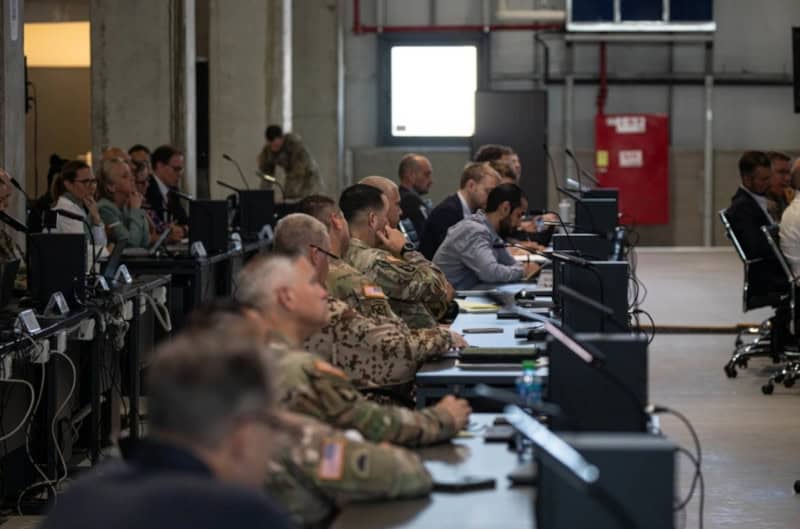
Hamas rejected UN Security Council Resolution 2803, which endorses US President Donald Trump’s 20-point peace plan, immediately after its passage. The resolution also called for the establishment of the Board of Peace that would temporarily govern Gaza and oversee the creation of an International Stabilization Force (ISF). Continued challenges to the establishment of an ISF and Hamas’s rejection of the resolution and refusal to disarm place the future of the peace plan in question.
-
Israeli operations in Lebanon against Hezbollah: November 10–16, 2025
Israel continued military operations in Lebanon between November 10 and November 16, 2025. These activities included targeted assassinations of Hezbollah operatives involved in the group’s regeneration efforts and strikes on its assets.
-
IDF destroys more Hamas tunnels, prepares for future Gaza operations
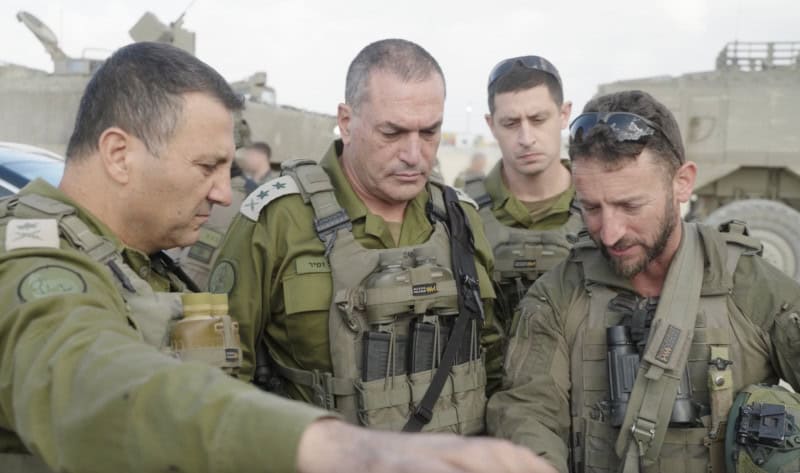
The Israeli military continues to eliminate Hamas tunnels in the 50 percent of Gaza still under its control after the ceasefire deal signed in Egypt in early October. Israel Defense Forces (IDF) Chief of Staff Eyal Zamir traveled to the territory to meet with troops on November 16 and said, “We will persist in the mission of dismantling Hamas and demilitarizing the Gaza Strip.” He also stated that the army had to be prepared to transition back to fighting if necessary.
-
Islamic State–linked activity on the rise in Israel and the West Bank
The recent arrest of four East Jerusalem residents for their ties to the Islamic State reflects a rise in terrorism cases linked to the jihadist group in the West Bank and Israel. Israeli authorities have noted the trend and point to online radicalization as a factor in this emerging pattern.

-
Palestinian terrorists broke Gaza ceasefire 6 times from November 7 to 12, IDF says
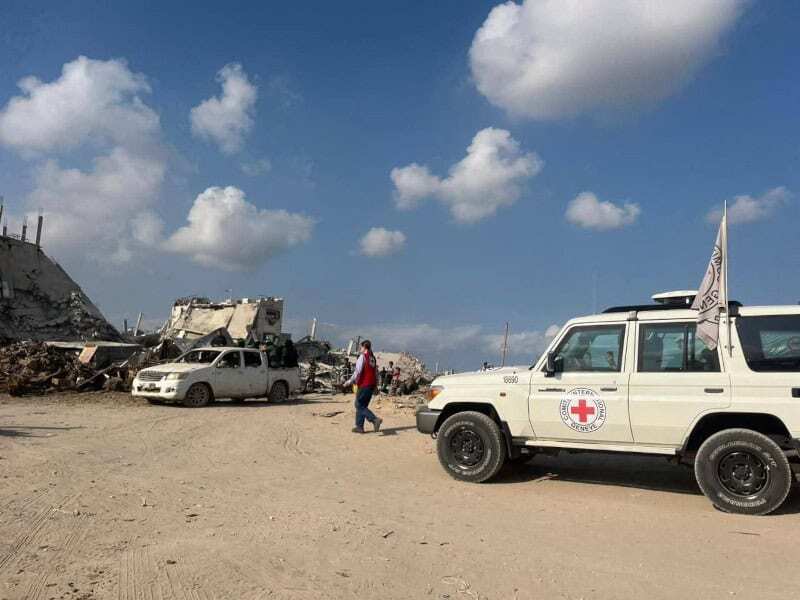
According to the IDF, Palestinian terrorists have violated the Gaza ceasefire on at least six occasions since November 7. The incidents over the past week have been nearly identical, with terrorist operatives testing the boundaries of the “Yellow Line” marking Israeli-controlled territory almost daily. These issues have been compounded by 200 Hamas members trapped in tunnels under Rafah in Israeli-controlled territory.
-
Israeli operations in Lebanon against Hezbollah: November 3–9, 2025
Israel continued military operations in Lebanon between November 3 and November 9, 2025. These activities included targeted assassinations of Hezbollah operatives involved in the group’s regeneration efforts and strikes on its assets.
-
Hamas returns body of IDF soldier held since 2014 amid Rafah tensions
Hamas transferred the body of Israel Defense Forces (IDF) Lieutenant Hadar Goldin to Israel on November 9. Goldin was one of two IDF soldiers who were killed in 2014 and whose bodies had been held in Gaza. The other soldier had been located in January 2025. The return of Goldin’s body came as tensions remain over 200 Hamas terrorists reported to be trapped in a tunnel network in Rafah. In southern Gaza, Israeli troops dismantled “dozens” of terrorist infrastructure sites.

-
Houthis arrest alleged members of Saudi-American-Israeli spy ring
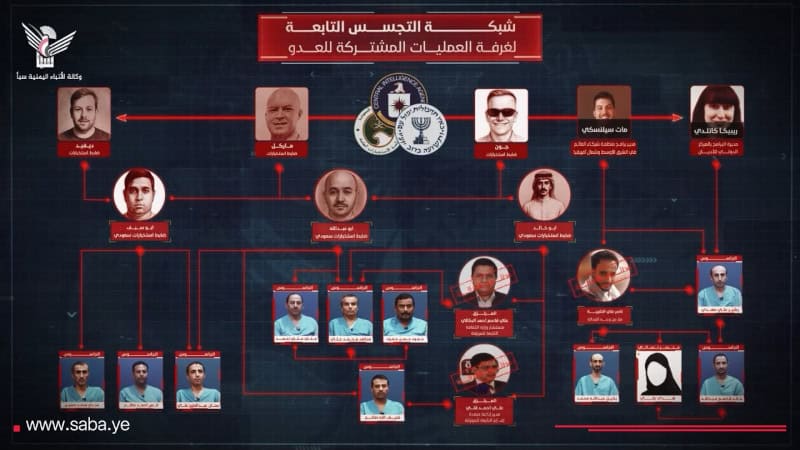
On November 8, the Houthis announced the arrest of members of an alleged espionage network that they claim was operated by Saudi Arabia, the United States, and Israel. The Yemeni terrorist group accused these individuals of identifying and providing information on sensitive sites and residential areas in Houthi-controlled territory.
-
US pushes for UN resolution on Gaza to support peace plan
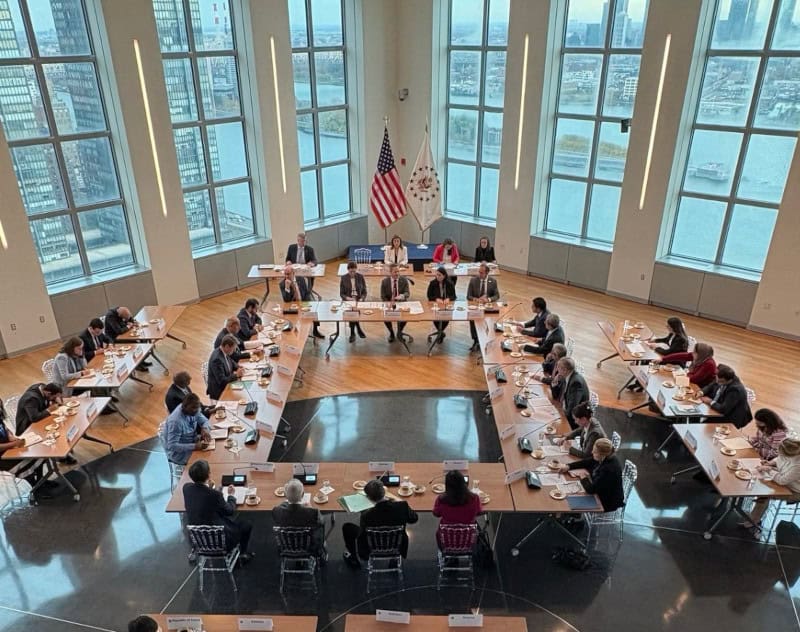
The US is seeking a UN Security Council (UNSC) resolution on Gaza to bolster President Donald Trump’s peace plan. US Ambassador to the UN Mike Waltz convened a meeting on November 5 with 15 countries, 10 of which are elected members of the UNSC, noting that the effort was aimed at creating “real peace in the Middle East.” The resolution seeks to support the establishment of an international security force for Gaza, which will operate in conjunction with the Board of Peace envisioned by the ceasefire agreement reached in Egypt in October.
-
Israeli defense minister declares ‘war’ on drones smuggling weapons from Egypt
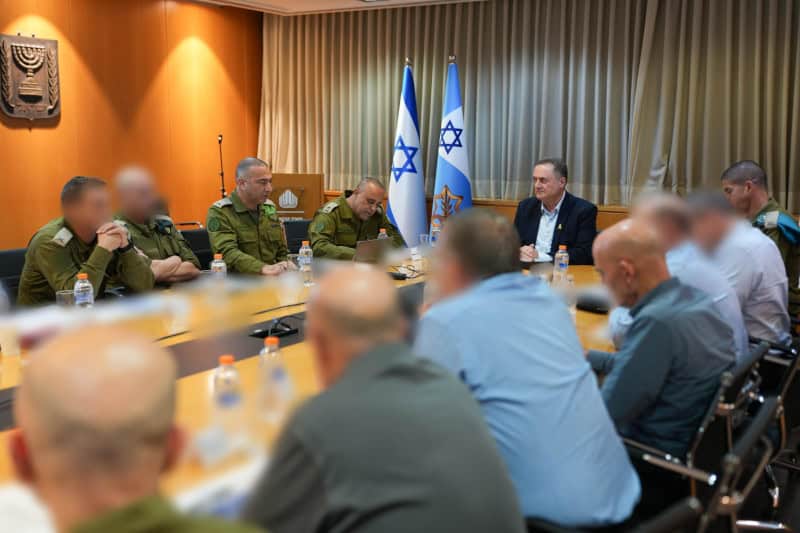
Israeli Defense Minister Israel Katz ordered the border with Egypt to become a closed military zone following the detection of arms and drug smuggling by drones. Nearly 900 incidents of smuggling from Egyptian territory have reportedly happened in three months.
-
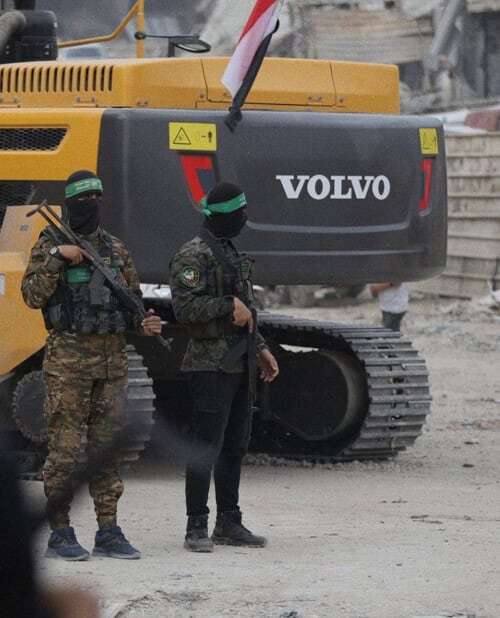
Palestinian terror groups have violated Gaza ceasefire at least 18 times since implementation, IDF claims
Since phase one of the Trump administration’s 20-point ceasefire plan for Gaza went into effect on October 10, Israel reports that Hamas and other groups have repeatedly violated the agreement. Violations include violence against Gazans accused of working for Israel, attacks on Israeli forces, delaying the return of the bodies of slain hostages, and Hamas’s refusal to withdraw its fighters from Israeli-controlled territory.
-
Hamas continues to return hostage remains as Gaza ceasefire holds
Hamas continued to hand over the remains of Israeli hostages between November 1 and November 5 as part of the ceasefire agreement that has largely held for almost a month. The remains of the last two American hostages held captive in Gaza were returned and identified. As of November 5, seven deceased hostages remained in the territory. The transfers took place as negotiations are reportedly underway regarding Hamas members who are trapped in tunnels in Rafah.

-
Israeli operations in Lebanon against Hezbollah: October 27–November 2, 2025
Israel continued operations in Lebanon between October 27 and November 2, 2025. These activities included targeted assassinations of Hezbollah operatives involved in the group’s regeneration efforts and strikes on its assets.
-
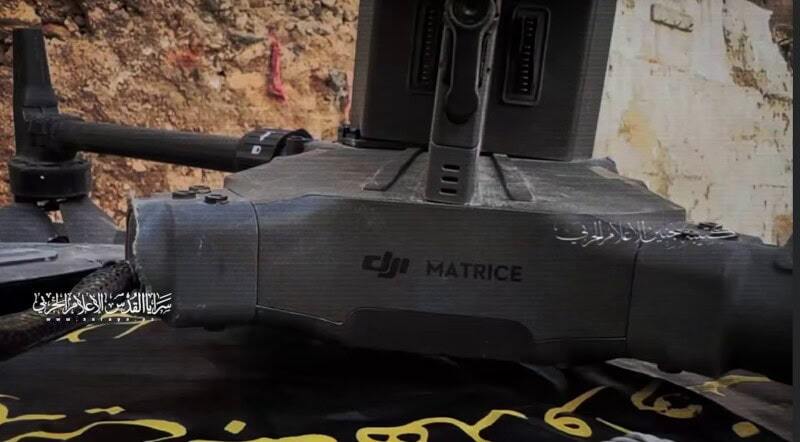
Palestinian Islamic Jihad shows signs of renewed activity in the West Bank
Mounting evidence suggests that Palestinian Islamic Jihad (PIJ) is becoming more active in the West Bank following extensive Israeli military operations in the territory that began earlier this year. Claims of attacks by PIJ, the killing of its members in counter-terrorism operations, and other evidence point to the group attempting a resurgence.
-
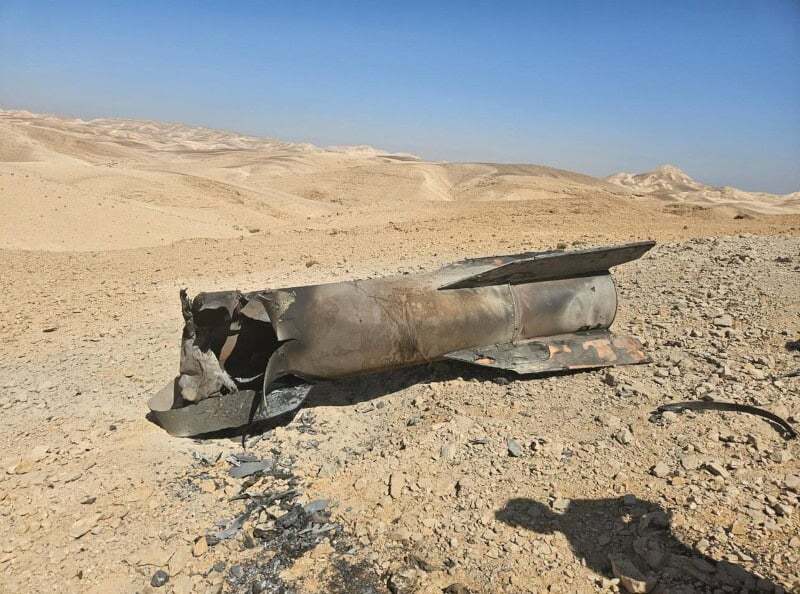
Report: Iran rebuilding its ballistic missile program
With the help of China, Tehran is importing a chemical precursor for its medium-range ballistic missiles despite recently imposed United Nations sanctions, CNN reported. The report assesses that Tehran “appears to be stepping up the rebuilding of its ballistic missile program” following the 12-day war with Israel in June.
-
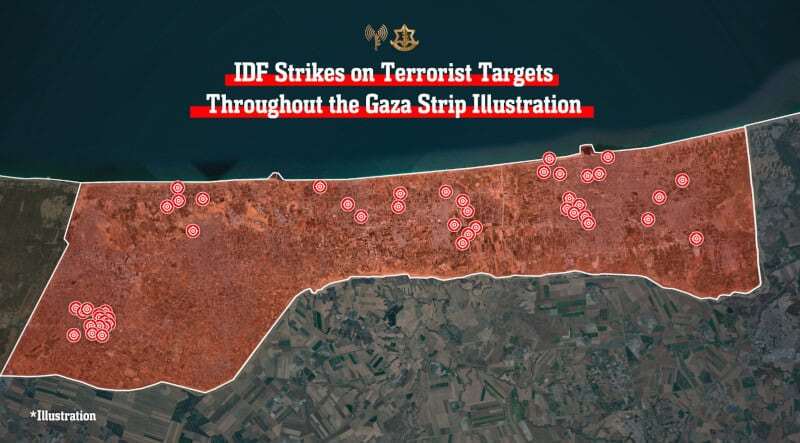
Israeli soldier killed in Gaza attack, IDF responds with airstrikes
An Israeli soldier was killed in Gaza in an attack on October 28, and the Israel Defense Forces (IDF) carried out strikes across the territory in response. “The targets struck included key terrorists, observation posts, weapons production warehouses, launch posts, underground tunnels, and mortar shell firing posts,” the IDF said. In addition, Israel released drone footage that appeared to show Hamas staging the discovery of the remains of hostage Ofir Tzarfati. Israel has accused Hamas of violating the ceasefire agreement through the slow return of the remains of hostages and continued attacks.
-
Israeli operations in Lebanon against Hezbollah: October 20–26, 2025
Israel continued operations in Lebanon between October 20 and October 26, 2025. These activities included targeted assassinations of Hezbollah operatives involved in the group’s regeneration efforts and strikes on its assets.
-
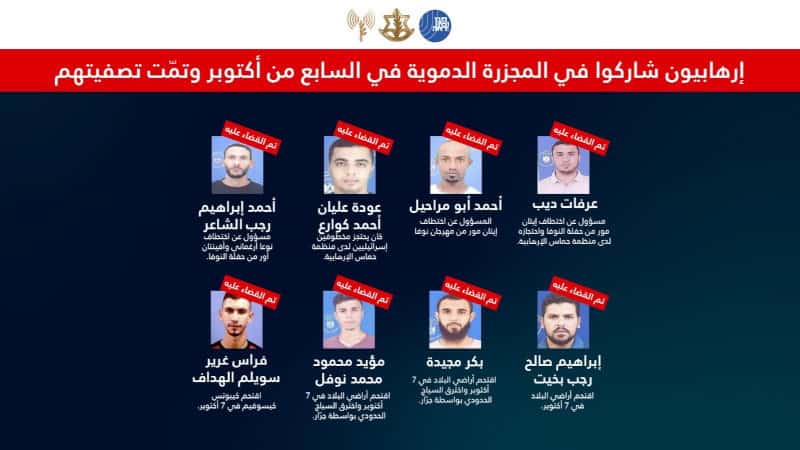
Israel links 8 eliminated Hamas fighters to October 7 attack
The Israel Defense Forces (IDF) said it killed four members of Hamas who took part in kidnapping Israelis from the Nova Music Festival on October 7. Among these Hamas members killed was Arafat Dib, whose family established a GoFundMe page to raise funds in the wake of his death. The IDF also highlighted four other Hamas members whom it killed for their roles in infiltrating Israeli territory.
-
Hamas pledges to stop public executions, but violence against Palestinians continues
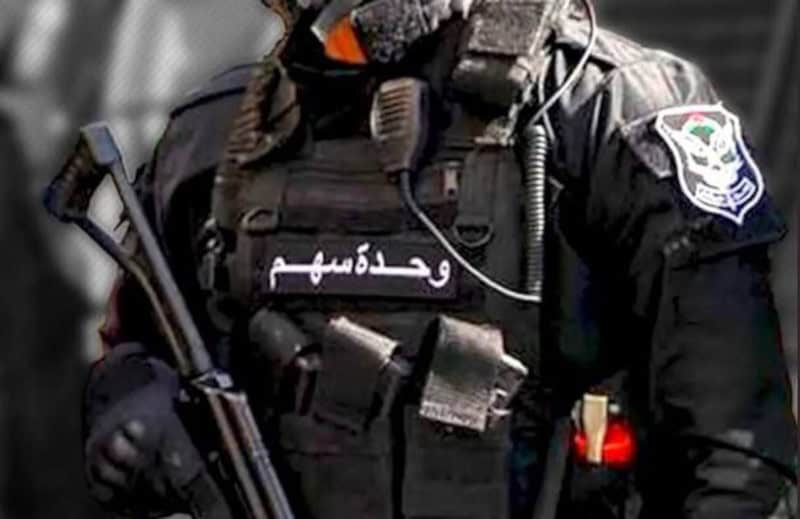
Hamas has told Arab mediators that it will not carry out any more public executions, as the acts have threatened the stability of the group’s ceasefire with Israel. However, Hamas’s Arrow Unit has continued to carry out violent public beatings of Palestinians who have been accused of committing a range of crimes.
-
US Central Command opens Civil-Military Coordination Center in Israel to back Gaza deal
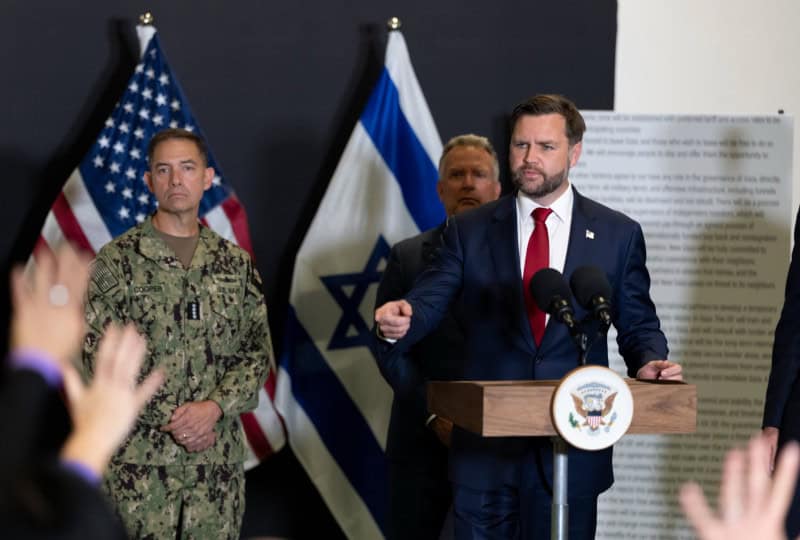
US Central Command (CENTCOM) opened a Civil-Military Coordination Center in southern Israel on October 17. The center is will monitor the ceasefire in Gaza and support stabilization efforts as US military personnel “help facilitate the flow of humanitarian, logistical, and security assistance from international counterparts into Gaza,” CENTCOM said on October 21. US forces will not deploy inside Gaza. Alongside Israeli military officers, the site will include a British contingent and other partners. US Vice President JD Vance visited the site on October 21.
-
Israeli operations in Lebanon against Hezbollah: October 13–19, 2025
Israel continued military operations in Lebanon between October 13 and October 19, 2025. These activities included targeted assassinations of Hezbollah operatives involved in the group’s regeneration efforts and strikes on its assets.
-
Alleged Democratic Front for the Liberation of Palestine member, October 7 attack participant arrested in Louisiana
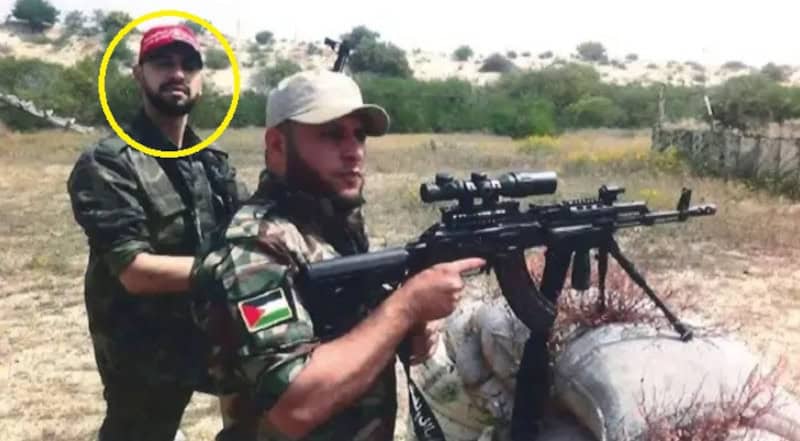
Mahmoud al Muhtadi, a reported member of the Democratic Front for the Liberation of Palestine (DFLP), was arrested by federal authorities in Louisiana for his alleged participation in the Hamas-led October 7 massacre in southern Israel.
-
2 Israeli soldiers killed in terrorist attack in Gaza, most serious attack since ceasefire
Two Israeli soldiers were killed and several wounded in a terrorist attack in southern Gaza’s Rafah neighborhood on October 19, according to the Israeli military. In response, the Israel Defense Forces (IDF) executed a wave of airstrikes in Gaza. One series of strikes used 120 munitions to target a Hamas tunnel that was several miles long. The IDF also continued demarcating the Yellow Line that now marks the extent of its control in the territory.