-
Israeli operations in Lebanon against Hezbollah: January 12–18, 2026
Israel continued military operations in Lebanon between January 12 and January 18, 2026. Israeli activities were largely concentrated north of the Litani River, with mainly policing activities occurring south of the waterway.
-
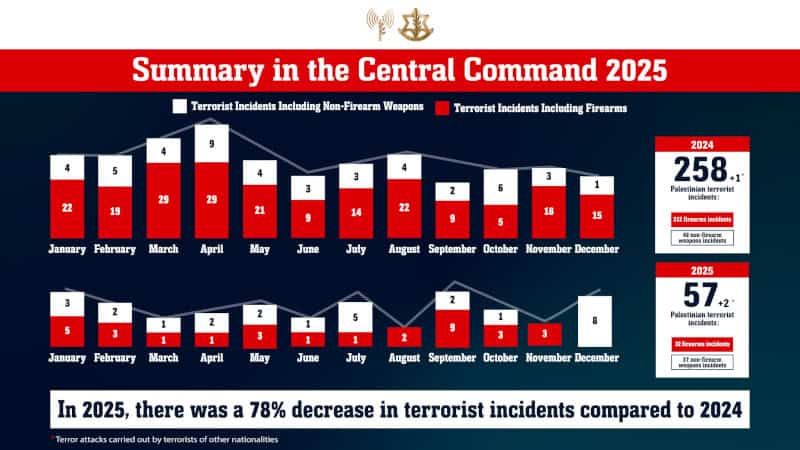
IDF reports significant drop in West Bank terrorism in 2025
An assessment published by the Israel Defense Forces (IDF) this week points to a sharp reduction in Palestinian-perpetrated terrorist activity across the West Bank in 2025. The IDF attributed the decline to sustained counterterrorism operations in the territory throughout last year. However, despite the figures, there are signs that West Bank terrorist organizations are attempting to renew their efforts.
-
US-backed Gaza plan moves to second phase as NCAG and Board of Peace unveiled
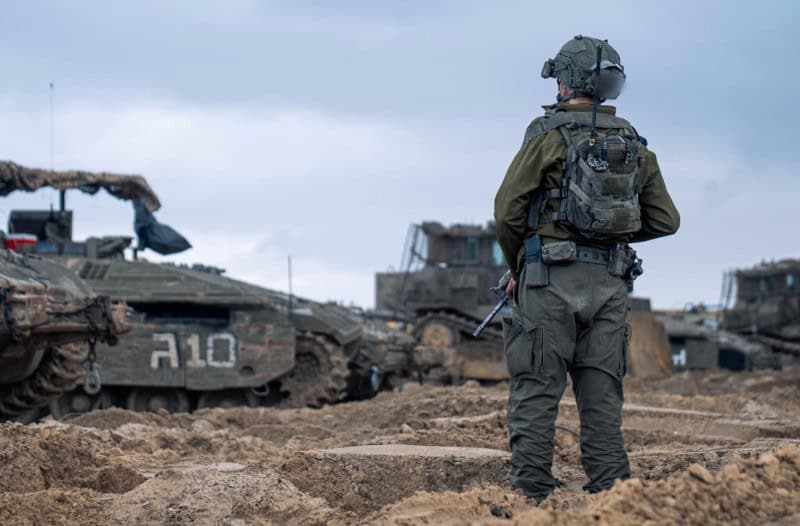
On January 16, the White House announced a number of appointments to the National Committee for the Administration of Gaza (NCAG) and the Board of Peace, which will support the stabilization and demilitarization of Gaza, after the Gaza ceasefire, which began in October, moved into its second phase on January 14. The Israel Defense Forces clashed with gunmen in the territory on January 14 and responded with airstrikes.
-
Israeli operations in Lebanon against Hezbollah: January 5–11, 2026
Israel continued military operations in Lebanon between January 5 and January 11. Israel Defense Forces activities included strikes on Hezbollah assets and personnel, including targets involved in the group’s regeneration efforts south of the Litani River after the Lebanese Armed Forces had certified taking control of the area.
-
Gaza militia claims to have killed 2 members of Hamas
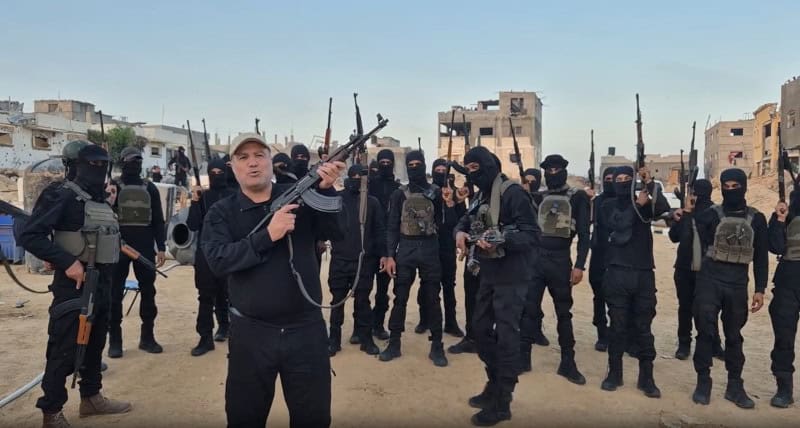
The Popular Forces militia claimed that it eliminated two members of Hamas. The group and its anti-Hamas allies continue to operate in Gaza despite threats by Hamas and other Palestinian terrorist factions to dismantle the organizations.
-
Israeli operations in Lebanon against Hezbollah: December 29, 2025–January 4, 2026
Israel continued military operations in Lebanon between December 29, 2025, and January 4, 2026. Israeli activities included strikes on Hezbollah assets and personnel north and south of the Litani River.
-
Israeli operations in Lebanon against Hezbollah: December 22–28, 2025
Israel continued military operations in Lebanon between December 22 and December 28, 2025. Israeli activities this week included strikes on Hezbollah assets and personnel north and south of the Litani River, reaching as far as Hermel, and killing an alleged Lebanese Armed Forces-Hezbollah dual operative.
-
Israeli operations in Lebanon against Hezbollah: December 15–21, 2025
Israel continued military operations in Lebanon between December 15 and December 21, 2025. Israeli activities this week included strikes on Hezbollah assets and personnel north and south of the Litani River, reaching as far as Baalbek and Hermel.
-
US-led meeting on Gaza International Stabilization Force inconclusive, IDF reports 12 Gaza ceasefire violations from December 4 to 18
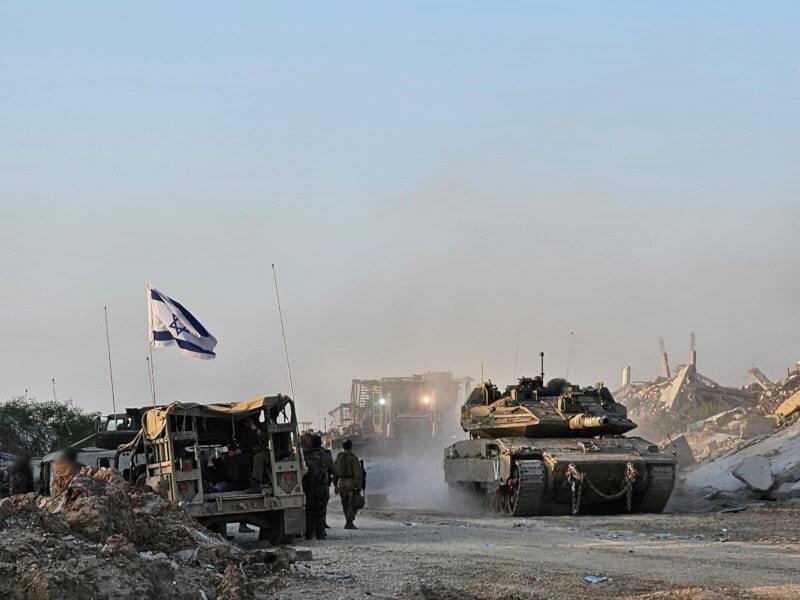
As Israel awaits the return of the remains of the final hostage in Gaza, Hamas and Palestinian terror groups violated phase one of US President Donald Trump’s 20-point ceasefire plan 12 times between December 4 and 18, according to the Israel Defense Forces (IDF). Dozens of countries attended a United States Central Command conference in Doha to discuss the deployment of an International Stabilization Force in Gaza, but no nations have committed to sending troops. Meanwhile, Hamas leadership reiterated the terror group’s unwillingness to disarm.
-
Israeli operations in Lebanon against Hezbollah: December 8–14, 2025
Israel continued military operations in Lebanon between December 8 and December 14, 2025. Israeli activities were more intense than in the preceding weeks and included a resumption of targeted killings.
-
Hamas acknowledges the killing of senior commander Raed Saad
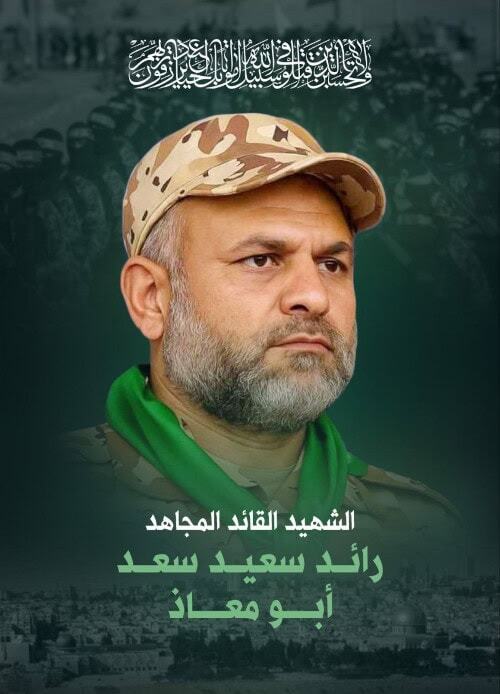
In contrast to its ambiguity about casualty announcements during the recent war with Israel, Hamas confirmed the killing of veteran senior leader Raed Saad and additional operatives. Israel said Saad held multiple senior positions within Hamas and was among the planners of the October 7 attack.
-
Terrorists attack Hanukkah lighting ceremony in Australia, kill at least 16
Two gunmen carried out an antisemitic terrorist attack on a Hanukkah celebration at Sydney’s Bondi Beach, killing at least 16 people and wounding dozens before one attacker was killed and the other arrested. Australian authorities, who said one suspect was previously known to the Australian Security Intelligence Organization, are investigating possible foreign links as Israel separately examines whether Iran or its proxies played a role amid warnings about Iranian-backed threats to Jewish communities abroad.

-
Israel awaits return of last hostage, next phase of Gaza ceasefire under discussion
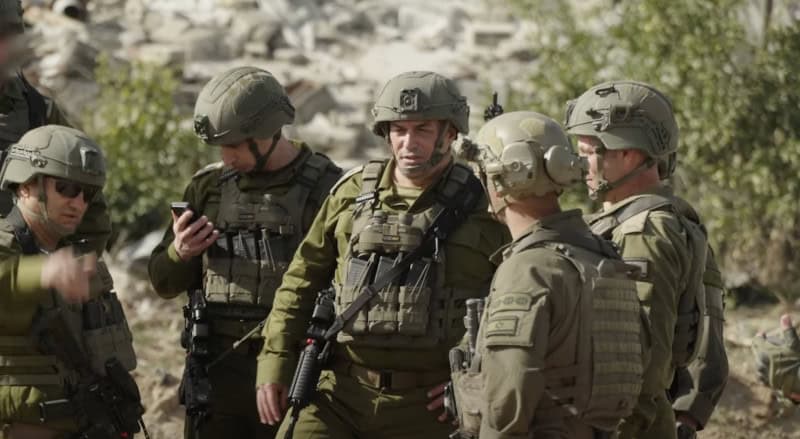
Israel continues to wait for the last deceased hostage, Israeli police officer Ran Gvili, to be returned from Gaza. Reports indicate that the US is expected to announce members of the Board of Peace in early 2026 and appoint a two-star general to command the International Stabilization Force (ISF). UN Ambassador Mike Waltz visited Israel and discussed the next steps in Gaza with Israeli President Isaac Herzog.
-
IDF reveals Hamas financial network operating in Turkey
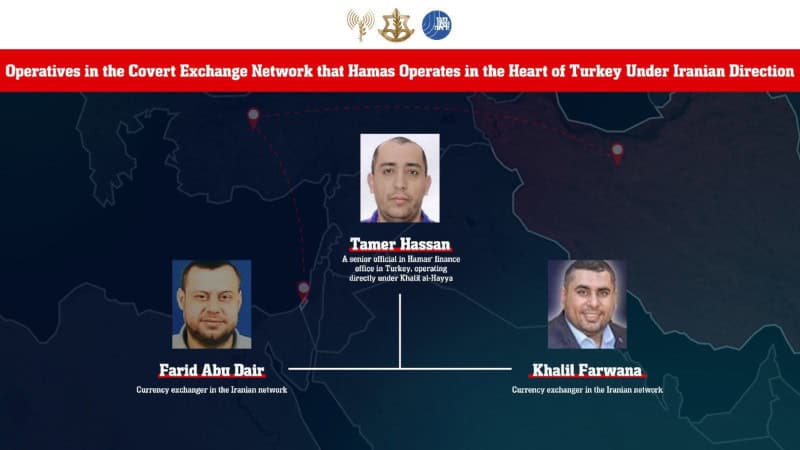
The Israeli military and Shin Bet reported on a Hamas financial network operating in Turkey under direct Iranian supervision and moving hundreds of millions of dollars through Turkish-based money changers to fund terrorism. Three key operatives based in Turkey were identified as managing large-scale financial activity for Hamas. Israeli officials warned that any entity linked to this network will face consequences and criticized the concept of a NATO member enabling Iran-backed terror financing.
-
Israeli operations in Lebanon against Hezbollah: December 1–7, 2025
Israel continued military operations in Lebanon between December 1 and December 7, 2025. Israeli activities were less intense than usual last week; while they targeted and destroyed alleged Hezbollah infrastructure, they, unusually, resulted in zero casualties.
-
Anti-Hamas Popular Forces militia leader killed in Gaza
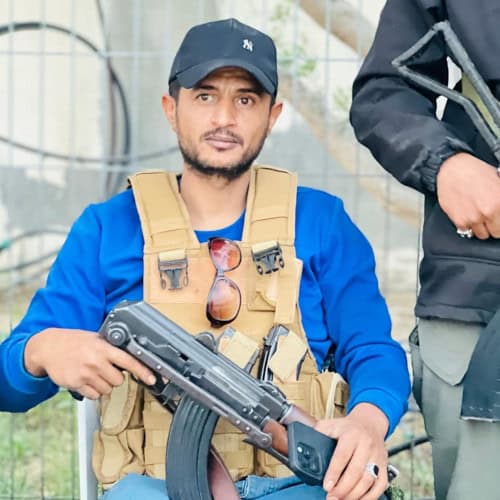
Yasser Abu Shabab, the head of the Popular Forces, was killed in Gaza on December 4. Shabab was a polarizing figure who led the first armed group to emerge during the Gaza war that actively opposed Hamas and its allies’ rule in the territory.
-
Israel-Syria tensions continue after Israeli raid as White House urges ‘dialogue’
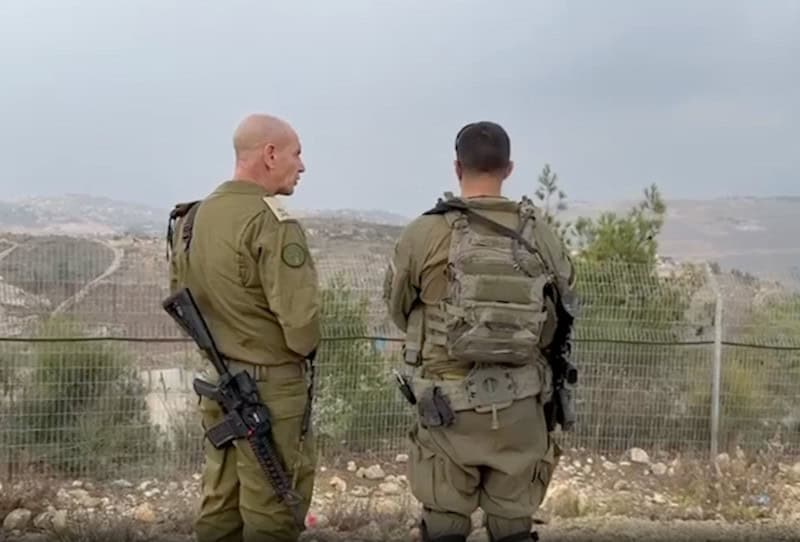
Tensions between Israel and Syria have continued in the wake of an Israeli raid in southern Syria on November 27. On December 4, Syria accused Israel of a new incursion into the Yarmouk Basin near the Golan. US President Donald Trump has called for a dialogue between Israel and Syria.
-
Palestinian terrorists ambush Israeli troops in Rafah; IDF reports 7 Gaza ceasefire violations from November 27 to December 3
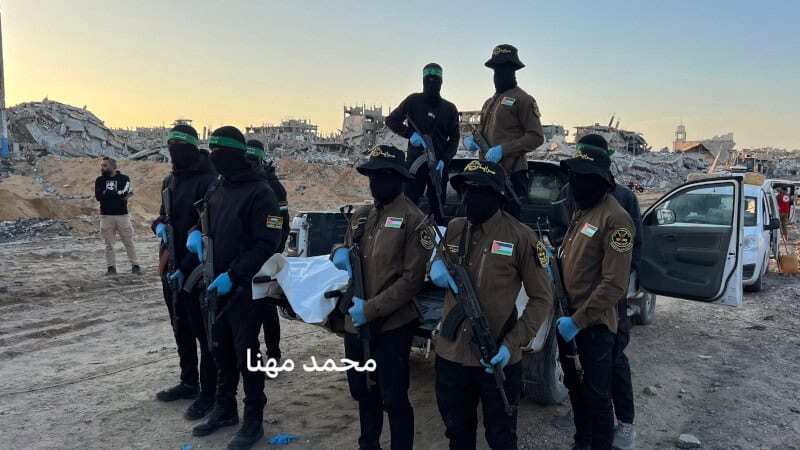
Palestinian terrorists again ambushed Israeli troops in the southern Gaza hotspot of Rafah, injuring five soldiers, one seriously, and marking the first instance of the Israeli military taking casualties in over a month. Palestinians have violated the truce in the territory at least seven times in the past week, according to Israel Defense Forces reports.
-
West Bank: Palestinian Islamic Jihad continues to show signs of increased activity
Palestinian Islamic Jihad issued a statement detailing its activities in the West Bank in recent days. The release follows an increase in the terror group’s activity in the territory over the past few months, including the deaths of nine of its members in separate incidents involving the IDF in November.
-
Israel awaits return of last 2 remains of hostages from Gaza
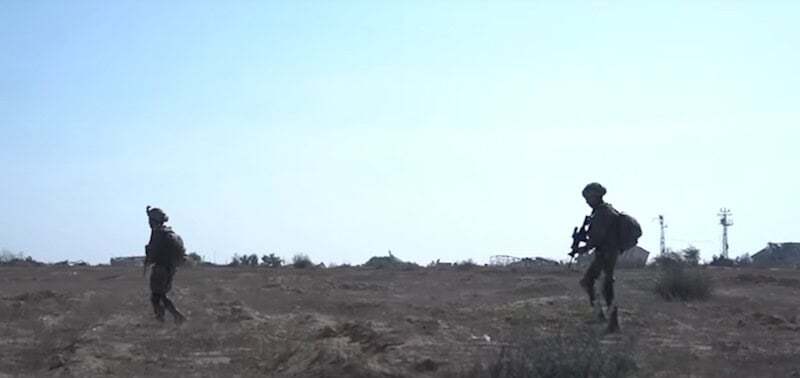
Israel continues to await the return of the remains of two hostages, a month and a half after a ceasefire began in Gaza. On December 2, the Israel Defense Forces (IDF) received “findings” that Hamas had handed over to the Red Cross; Israeli authorities have not yet confirmed receiving the remains of a hostage. Separately, the IDF says it has eliminated suspected terrorists in daily incidents in Gaza, and Qatar urged the ceasefire to move to a new stage.
-
Israeli operations in Lebanon against Hezbollah: November 24–30, 2025
Israel continued military operations in Lebanon between November 24 and November 30, 2025. Israeli activities were less intense than usual last week and, irregularly, resulted in zero casualties.
-
Israel’s Beit Jinn raid highlights potential Hamas-linked networks in southern Syria
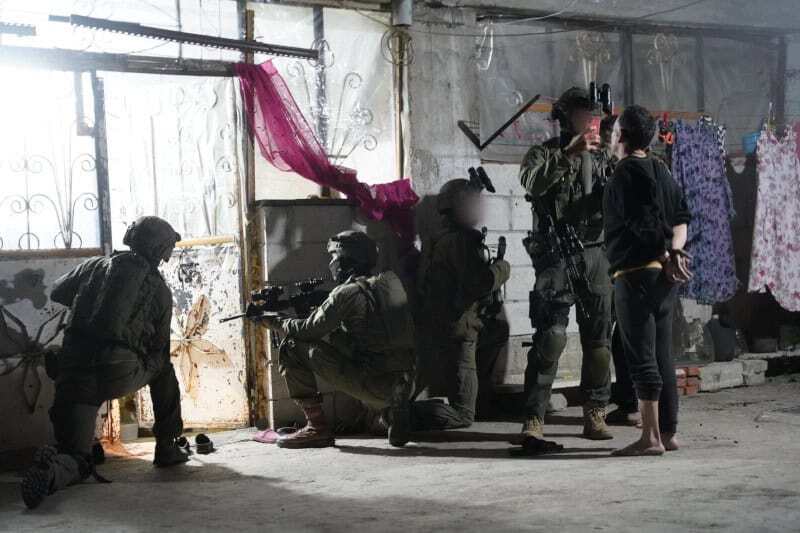
On November 27, the Israel Defense Forces (IDF) launched an operation in the southern Syrian village of Beit Jinn to arrest operatives linked to the Lebanese Muslim Brotherhood.
-
Terrorist uses aid route to fire at Israeli troops; IDF reports 14 Gaza ceasefire violations from November 22 to 26
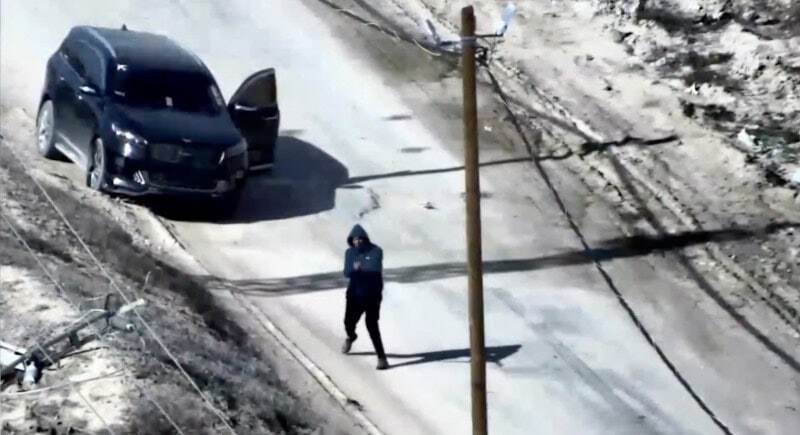
Palestinian terrorists violated the ceasefire 14 times between November 22 and 26, according to Israel Defense Forces (IDF) reports. Among these incidents were an attacker using a humanitarian aid route to shoot at Israeli troops and at least three instances of terrorists emerging from tunnels in Rafah on the Israeli-controlled side of the Yellow Line. Palestinian Islamic Jihad also returned the body of a hostage after Israeli Prime Minister Benjamin Netanyahu accused the group of violating the ceasefire by delaying the transfer.
-
Palestinian Islamic Jihad reportedly rebuilding its presence in Syria
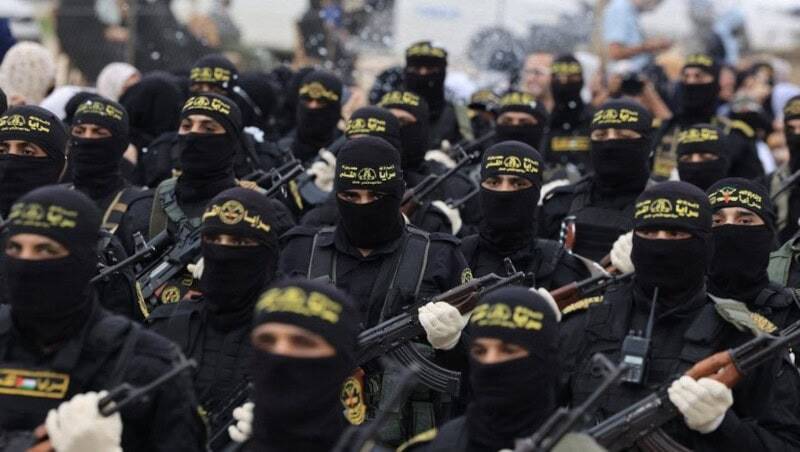
Israel’s public broadcaster KAN reported on November 26 that Palestinian Islamic Jihad has been “increasingly strengthening its military wing in Syria in recent weeks,” particularly around Palestinian refugee camps in Damascus.
-
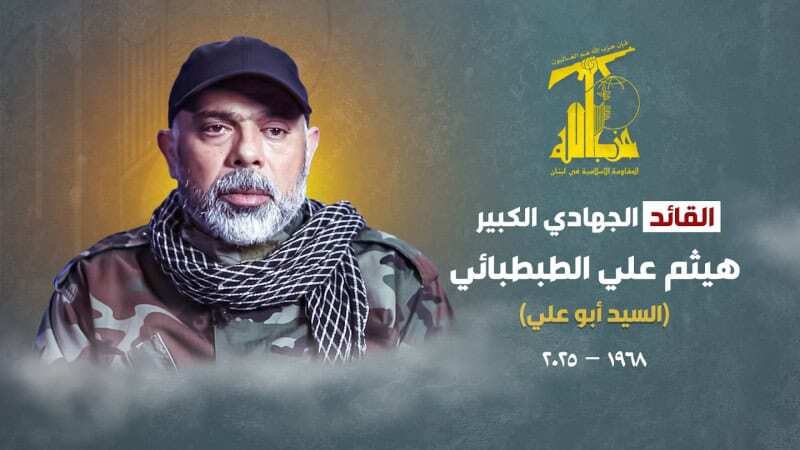
Histories of Hezbollah’s assassinated top military commander, likely candidates to replace him
Israel assassinated Hezbollah’s newest chief of staff, Haitham Ali Tabatabai, on Sunday, September 23, 2025. His likeliest successors are Mohammad Haydar and Talal Hamiyeh.

-
Hamas hands over body of hostage as IDF fights terror cells in Rafah
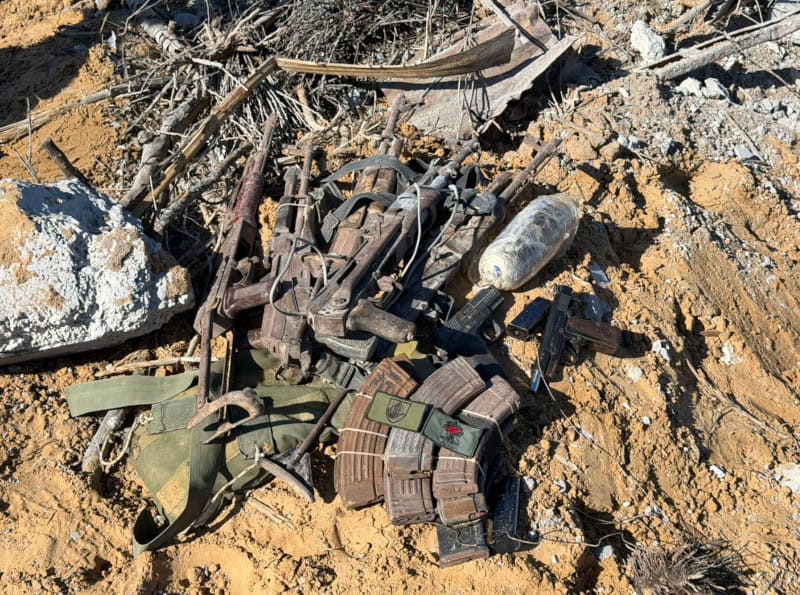
On November 25, Hamas transferred the body of Dror Or, an Israeli hostage whose body had been held in Gaza for more than two years. Israeli troops continued to clash with Hamas terrorist cells in the southern Gaza city of Rafah, as the Israeli military continues reporting ceasefire violations along its Yellow Line of control. The Gaza Humanitarian Foundation ended its work in the territory, noting that it had distributed 187 million meals since May.
-
Israeli operations in Lebanon against Hezbollah: November 17–23, 2025
Israel continued military operations in Lebanon between November 17 and November 23, 2025. These activities involved targeted assassinations of Hezbollah operatives involved in the group’s regeneration efforts and strikes on its assets. The week witnessed a significant escalation by Israel against Hezbollah, including the targeted assassination of its chief of staff, Haitham Ali Tabatabai, for his ongoing oversight of the group’s regeneration efforts.
-
Generation Jihad | Don’t Call It a Peace Deal
Ceasefire on paper. Chaos on the ground. Trump’s 20-point plan promises “peace” in Gaza — but Hamas is already violating the ceasefire, gaming hostage returns, killing rivals, and rearming in tunnels. Bill Roggio is joined by his FDD colleagues Samuel Ben-Ur and Aaron Goren to discuss why disarming Hamas is a fantasy, why an international force risks becoming UNIFIL 2.0, and why Israel may be forced to finish the war.
-
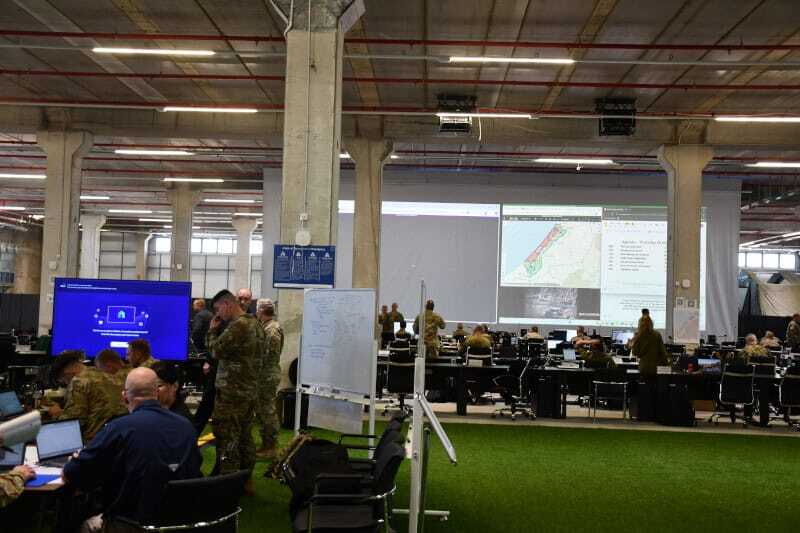
An inside look at the US-backed Civil-Military Coordination Center for Gaza stabilization
The US-backed Civil-Military Coordination Center (CMCC) in southern Israel primarily coordinates humanitarian aid entering Gaza and monitors the ceasefire between Israel and Hamas. A visit by FDD’s Long War Journal to the site on November 20 showed that US Central Command (CENTCOM) has committed significant resources to this effort, which now involves nearly 50 countries and organizations.
-
Israeli airstrike kills Hezbollah Chief of Staff Haytham Ali Tabatabai
An Israeli airstrike on an apartment building in Beirut’s southern suburbs killed senior Hezbollah figure Haytham Ali Tabatabai, along with four other members of the group. The strike is the most high-profile action taken against Hezbollah since the ceasefire between Lebanon and Israel began last November.