Category Archives: Long War Journal

Kiyemba

From Guantanamo Bay to ISCAP: The case of Jamal Kiyemba

In 2002, Jamal Kiyemba, a Ugandan national living in the United Kingdom, was arrested in northwest Pakistan after allegedly attempting to join Al Qaeda in Afghanistan and was sent to the US prison facility at Guantanamo Bay, Cuba. Released in 2006 and sent to Uganda, Kiyemba has since been in and out of prison, most recently over his support of the Islamic State’s Central Africa Province (ISCAP).


Generation Jihad | Losing ground: Somalia and Mali’s jihad problem

The US is losing leverage in Somalia as frustration with Mogadishu threatens critical African Union support and risks strengthening Al Shabaab’s hold. In Mali, renewed US airstrikes against JNIM raise a parallel concern—whether air power alone, without a ground strategy or political reform, can contain the group’s advance. Bill Roggio and Caleb Weiss examine these dynamics across the Sahel and the assess the murky state of Al Qaeda.


Sudanese Armed Forces gains in civil war force strategic adjustment from paramilitia rival

The Sudanese military’s recapture of the Al Sadarat highway marks its most significant success against the Rapid Support Forces (RSF) in the fourth year of the Sudanese civil war. However, the RSF’s shift toward tribal mobilization and the growing role of foreign-backed drone warfare suggest the conflict’s broader cycle of adaptation and attrition will continue.


Afghan United Front commences operations against Taliban

The Afghan United Front has emerged as the first major Pashtun-led resistance organization to launch operations against the Taliban. The group’s likely focus on operations in southern Afghanistan would expand resistance organizations’ historical focus in the country’s north.


Generation Jihad | Seeking forgiveness from the Taliban

Former Marine and New York Times journalist Thomas Gibbons-Neff recently returned to Afghanistan to find accountability and closure, specifically seeking out a Taliban commander he had battled in 2010. Bill Roggio and Will Selber break down the merits of Gibbons-Neff’s recent tour in country and whether this type of article will skew a full understanding of the Afghan War as the 25th anniversary of 9/11 nears.


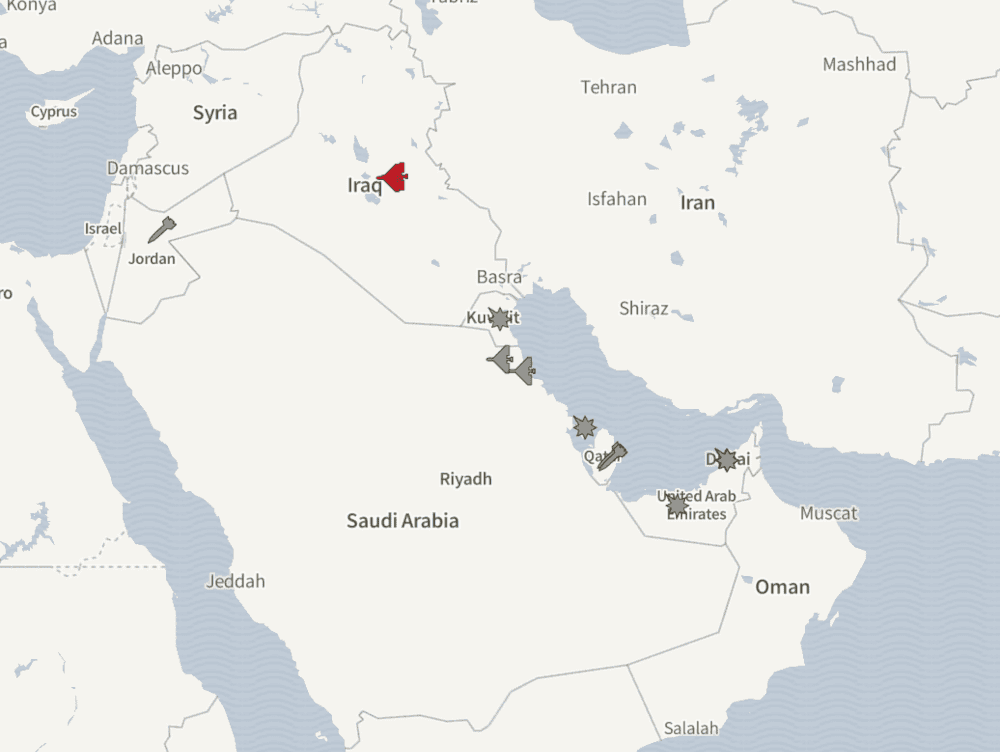
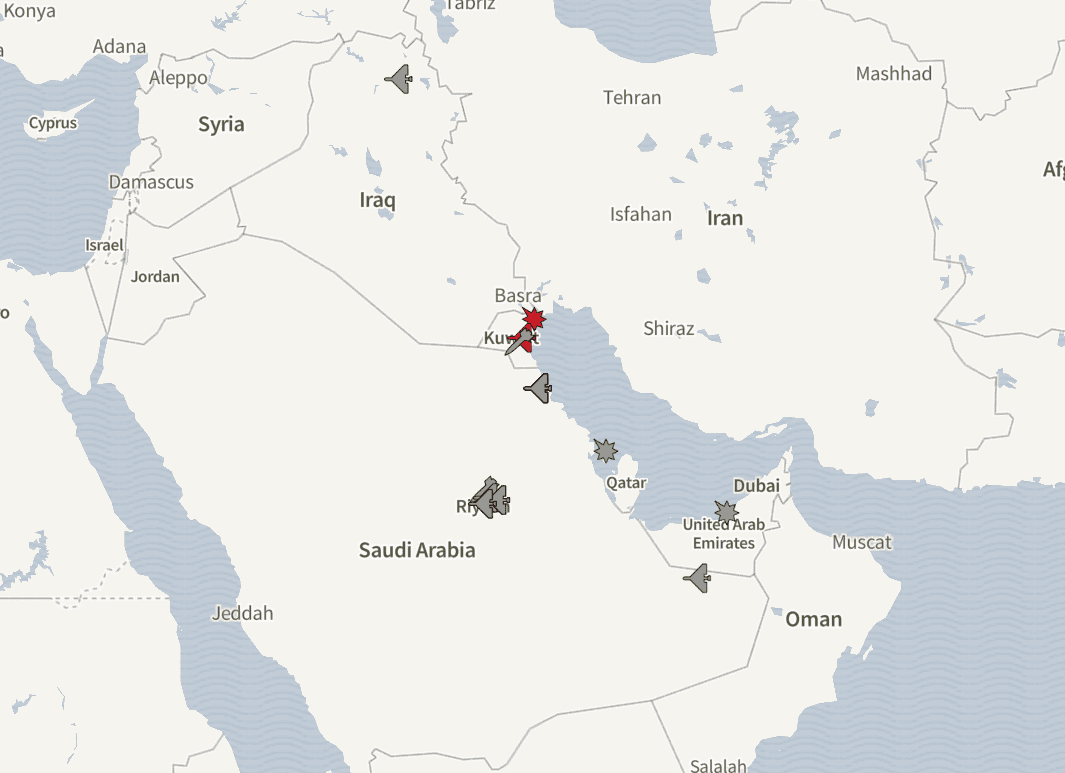
US, Saudi Arabia strike Iranian-backed militias in Iraq after militia attacks

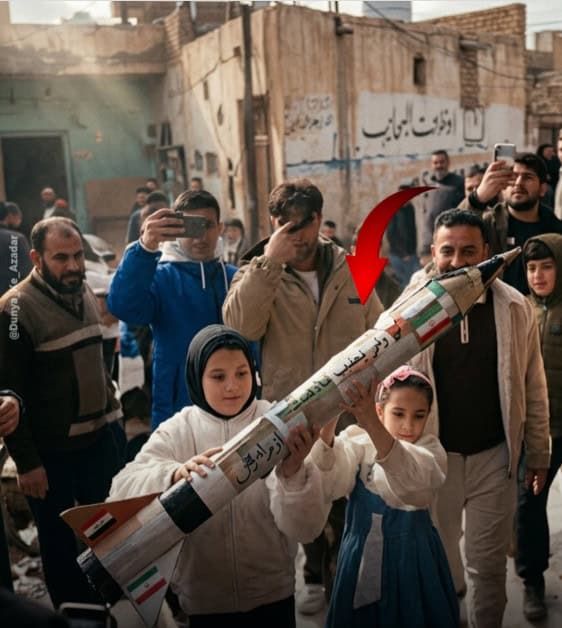
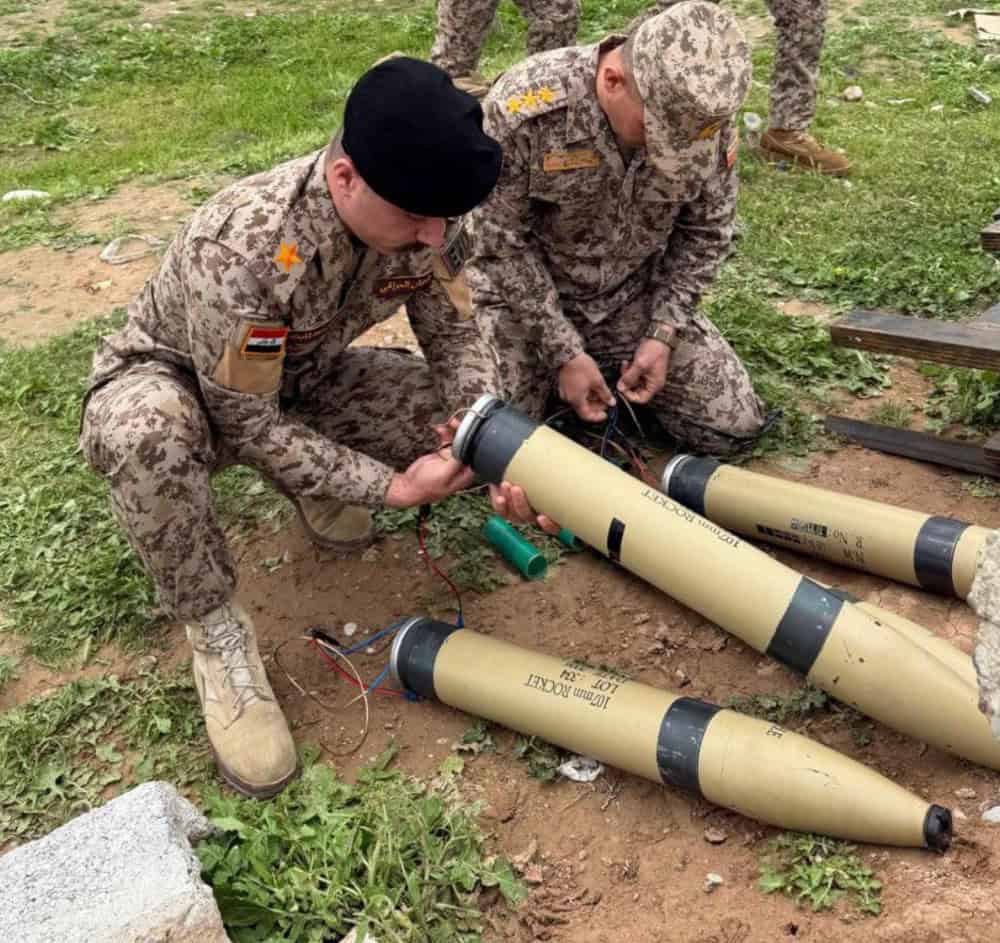
Iranian-backed militias in Iraq escalated attacks on Saudi Arabia and the Kurdistan Region in late July, prompting US and Saudi airstrikes against militia logistics and weapons sites across Iraq. The escalation comes as Washington pressures Iraqi Prime Minister Ali al Zaidi to disarm Iran-aligned militias and bring their weapons under state control.


Israel approves entry of International Stabilization Force into Gaza

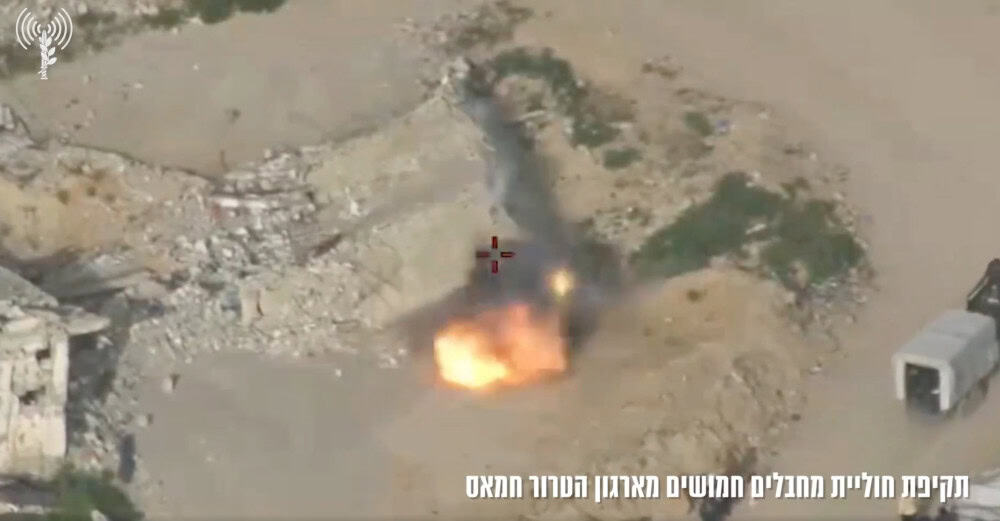
Israel has approved the future deployment of the International Stabilization Force (ISF) in Gaza, a significant step in implementing the US-backed peace plan. The planned multinational force is expected to support humanitarian efforts, stabilization, and a transition toward new Palestinian governance as Israel continues operations against terrorist groups in Gaza.


Analysis: US Treasury sanctions Turkish Hamas financiers as Erdogan presses for F-35s

On July 23, the US Treasury Department’s Office of Foreign Assets Control (OFAC) designated a Turkey-based Hamas money exchange and a senior Muslim Brotherhood official, the third round of sanctions against Hamas’s Turkish financial network in less than two years. US lawmakers have introduced measures that would condition future F-35 sales to Turkey on certification that Turkey has severed its ties to Hamas.


Generation Jihad | What is Iran’s breaking point? Part 2

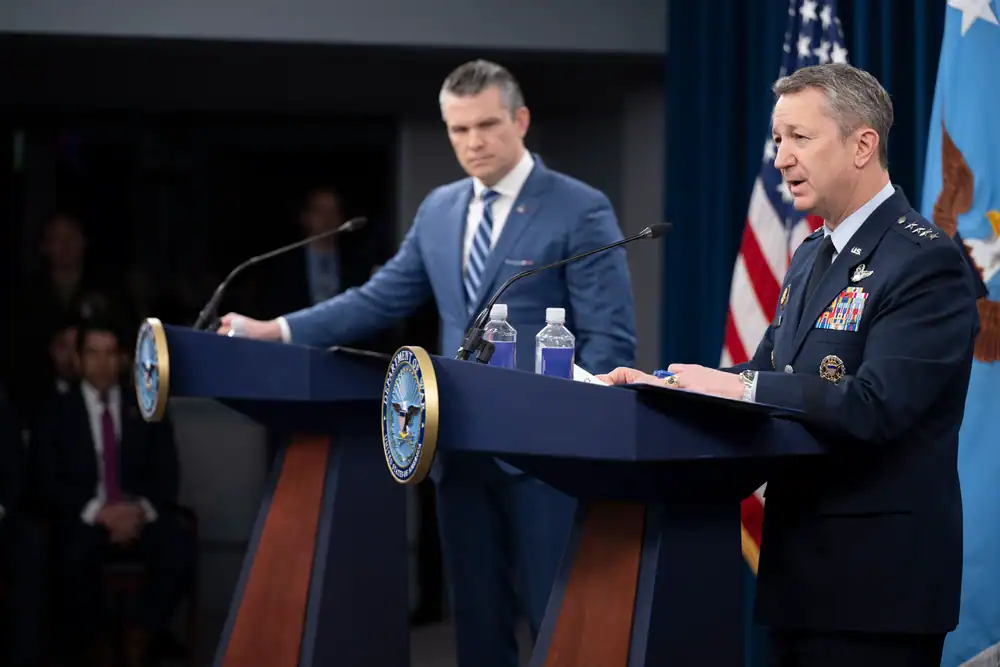
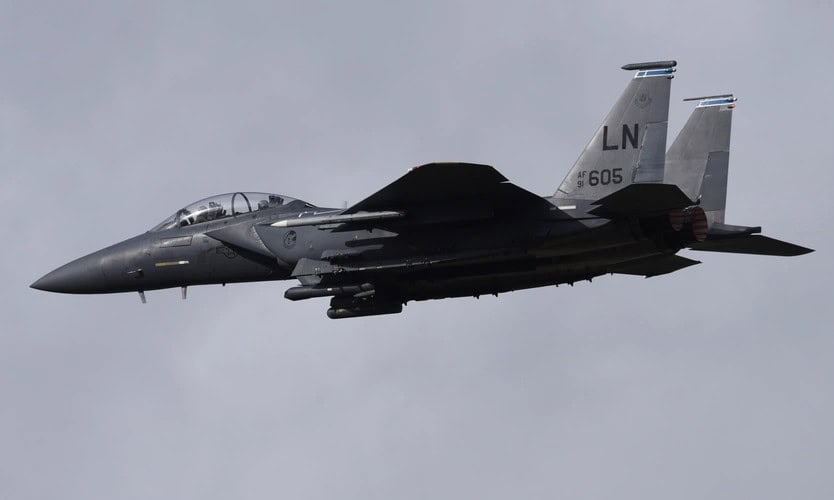
In part two of their conversation, Generation Jihad’s Bill Roggio, FDD CMPP Senior Director Bradley Bowman, and FDD Senior Analyst Cameron McMillan ask a tough question following months of kinetic warfare with Iran: What’s the Pentagon’s readiness for the next battle?


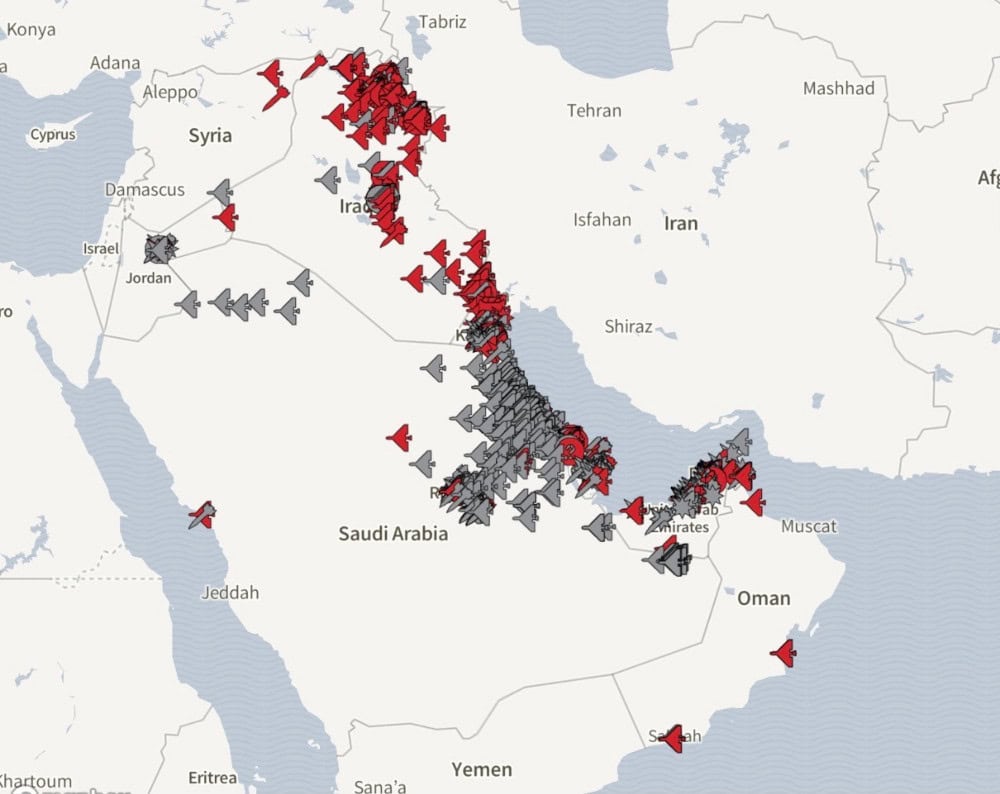
Generation Jihad | What is Iran’s breaking point?

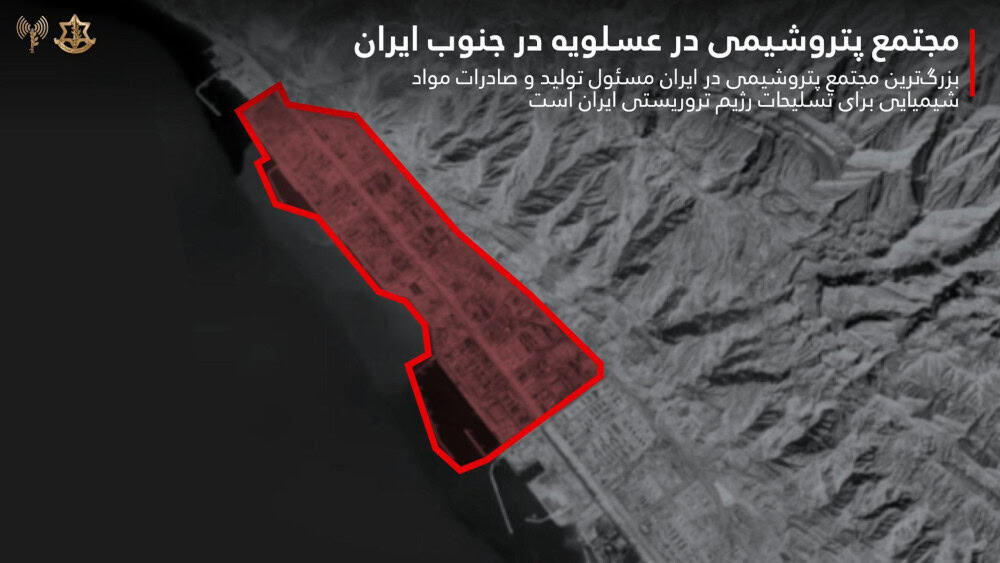
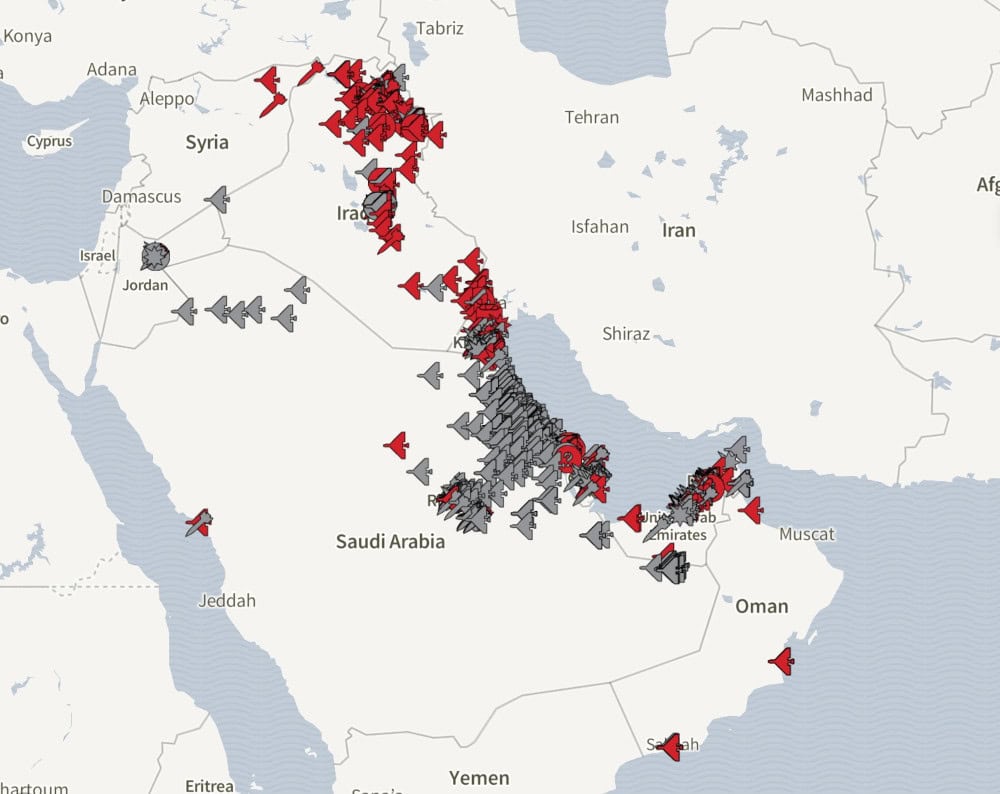
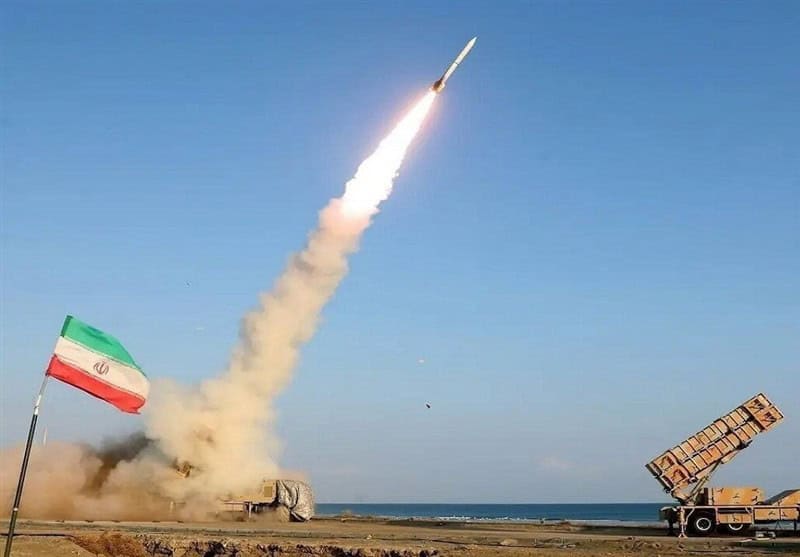
The US says it’s degrading Iran’s threat, but as the renewed air campaign approaches the two-week mark, the math still doesn’t check out. In Part 1 of this conversation, Generation Jihad’s Bill Roggio joins FDD CMPP Senior Director Bradley Bowman and Senior Analyst Cameron McMillan to discuss the real gap between degrading Iran’s missile, drone, and naval capabilities and actually eliminating them, and why murky end goals could lead to a long-term, inconclusive standoff.


Somalia claims it killed senior Shabaab leader

Somalia said that it and “international partners” killed Maalin Jinow Ibrahim, a reported co-founder of Shabaab and a member of its central shura council, in a targeted operation earlier this month. However, Al Qaeda’s branch for East Africa has yet to confirm his death.


Iran renews attacks on Kurdish Iranian opposition groups in Iraq

Iran has intensified drone and missile attacks on Kurdish Iranian opposition groups and energy infrastructure in the Kurdistan Region of northern Iraq amid renewed tensions with the United States. Meanwhile, Iraqi Prime Minister Ali al Zaidi is seeking to balance relations with Washington and Tehran after his visit to Washington.


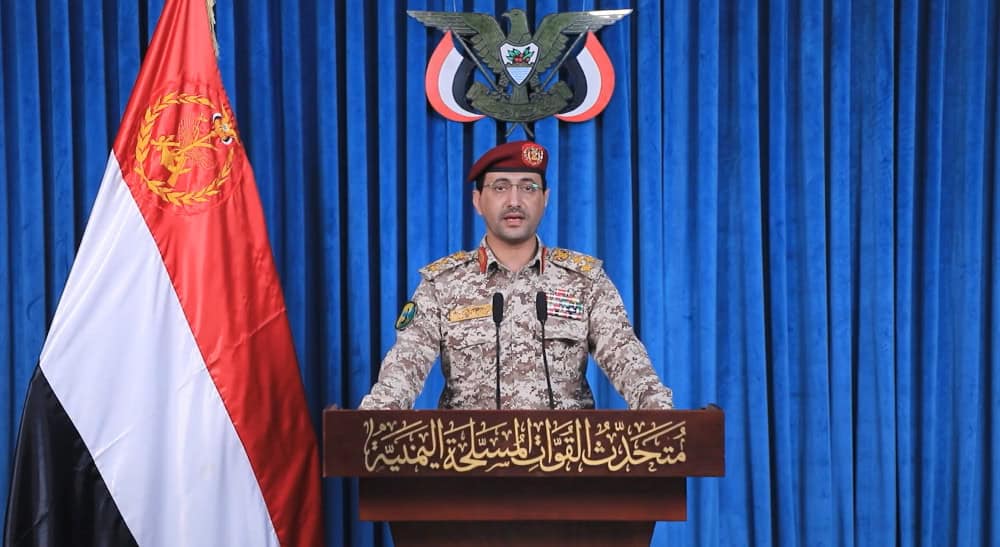
Iran reportedly tells Houthis to close Bab al Mandeb Strait if US strikes power grid

Reuters reported that Iran’s leaders instructed the Houthis in Yemen to close Bab al Mandeb Strait, the maritime chokepoint at the southern end of the Red Sea, if the United States strikes Iran’s power infrastructure. The Houthis are also focused on an escalatory cycle with Saudi Arabia that began after Iran and the Houthis attempted to re-establish direct flights in early July.


Deadly earthquakes overwhelm Venezuela’s emergency response, stall political transition

Two earthquakes that hit north-central Venezuela on June 24 have killed at least 4,829 people, injured 16,740, and displaced approximately 18,000, according to government figures. The disaster has overwhelmed Venezuela’s emergency services and slowed political developments that had gained momentum following the American capture of former President Nicolás Maduro in January.


Iraq sanctions individuals and entities tied to Lebanese Hezbollah

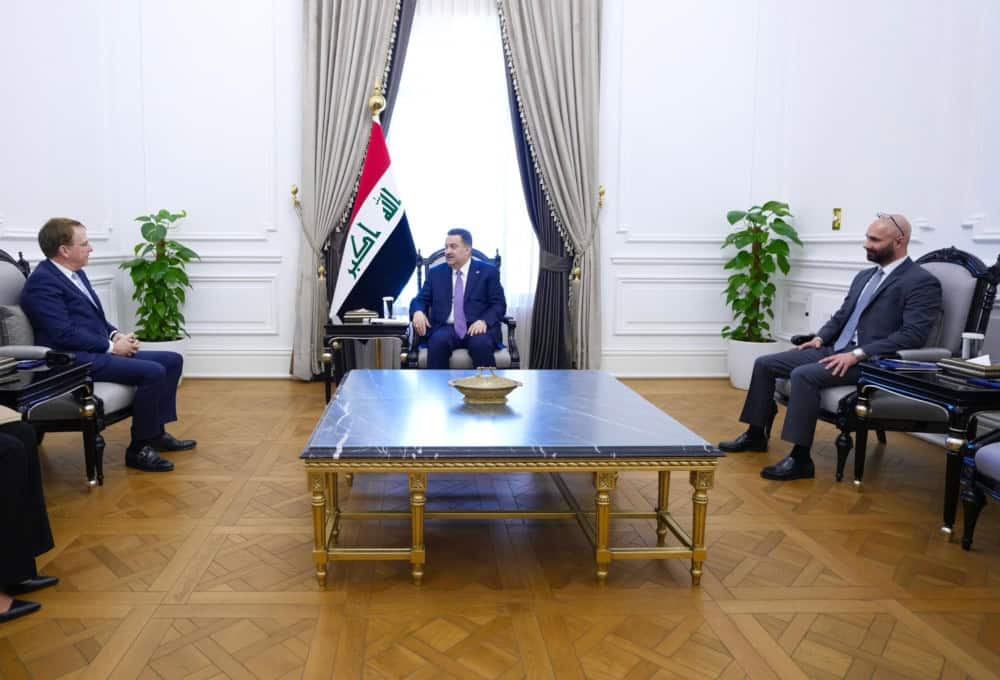
Iraq’s Ministry of Finance issued an order imposing sanctions on Hezbollah-linked individuals and entities that mirrors US designations from March and June. Iraqi Prime Minister Ali al Zaidi is currently visiting the United States, where he hopes to garner support for an expanded economic partnership and prove his government’s commitment to countering Iranian influence.


Iraqi Prime Minister Zaidi meets President Trump, Secretary Hegseth in Washington

Iraqi Prime Minister Ali al Zaidi met US President Donald Trump and other US officials during his first official visit to Washington since taking office. The talks focused on security cooperation, investment, and Iraq’s plans to bring weapons held by Iranian-backed militias under state control. While Trump praised Zaidi’s leadership, the visit also drew criticism from pro-Iranian factions in Iraq and skepticism from some US lawmakers.