-
Israel’s Beit Jinn raid highlights potential Hamas-linked networks in southern Syria
On November 27, the Israel Defense Forces (IDF) launched an operation in the southern Syrian village of Beit Jinn to arrest operatives linked to the Lebanese Muslim Brotherhood.

-
Vital Khor Mor gas field attacked in Kurdistan Region of northern Iraq
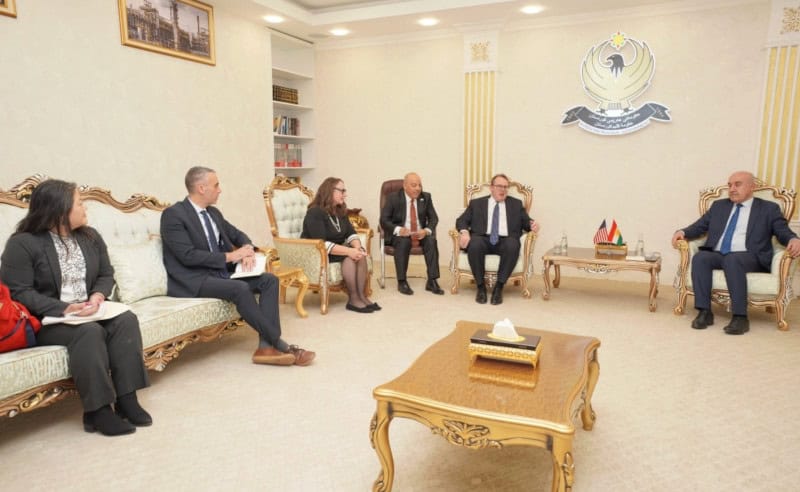
A November 26 drone attack on the Khor Mor gas field in the Kurdistan Region of Northern Iraq has led to power outages. The attack has been condemned by the US, UN, Turkey, Iran, and local Iraqi officials. Kurdistan Regional Government officials have called for increased protection of the facility, which has been targeted a dozen times in the last several years. Iranian-backed militias using kamikaze drones have been blamed for past attacks, and officials in Baghdad and Erbil vowed to investigate.
-
Terrorist uses aid route to fire at Israeli troops; IDF reports 14 Gaza ceasefire violations from November 22 to 26
Palestinian terrorists violated the ceasefire 14 times between November 22 and 26, according to Israel Defense Forces (IDF) reports. Among these incidents were an attacker using a humanitarian aid route to shoot at Israeli troops and at least three instances of terrorists emerging from tunnels in Rafah on the Israeli-controlled side of the Yellow Line. Palestinian Islamic Jihad also returned the body of a hostage after Israeli Prime Minister Benjamin Netanyahu accused the group of violating the ceasefire by delaying the transfer.

-
Palestinian Islamic Jihad reportedly rebuilding its presence in Syria
Israel’s public broadcaster KAN reported on November 26 that Palestinian Islamic Jihad has been “increasingly strengthening its military wing in Syria in recent weeks,” particularly around Palestinian refugee camps in Damascus.

-
Histories of Hezbollah’s assassinated top military commander, likely candidates to replace him
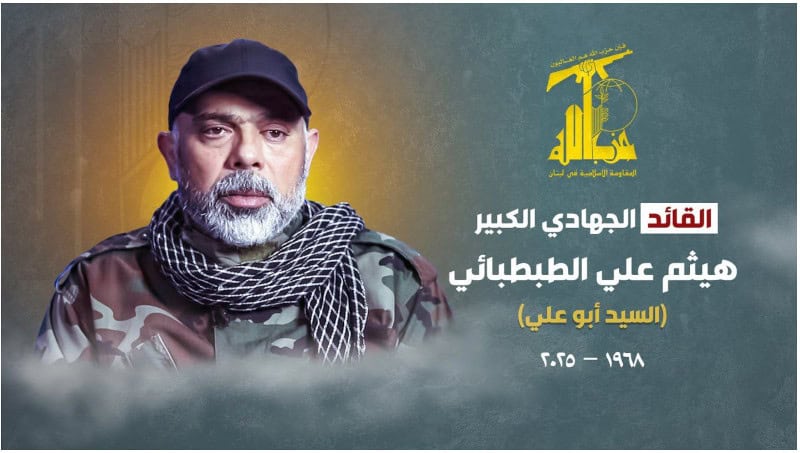
Israel assassinated Hezbollah’s newest chief of staff, Haitham Ali Tabatabai, on Sunday, September 23, 2025. His likeliest successors are Mohammad Haydar and Talal Hamiyeh.
-
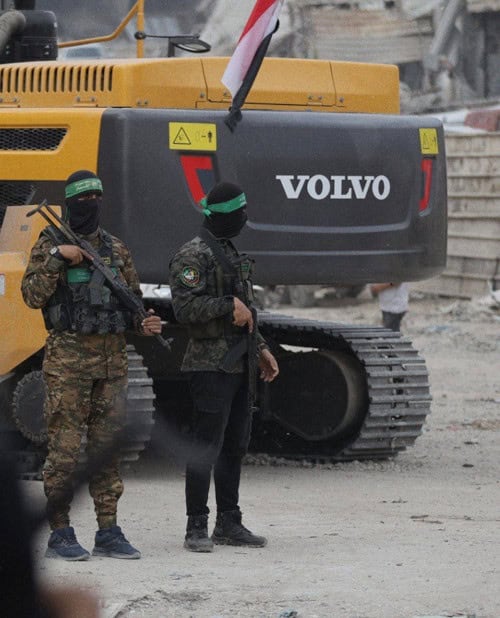
Hamas hands over body of hostage as IDF fights terror cells in Rafah
On November 25, Hamas transferred the body of Dror Or, an Israeli hostage whose body had been held in Gaza for more than two years. Israeli troops continued to clash with Hamas terrorist cells in the southern Gaza city of Rafah, as the Israeli military continues reporting ceasefire violations along its Yellow Line of control. The Gaza Humanitarian Foundation ended its work in the territory, noting that it had distributed 187 million meals since May.

-
Israeli operations in Lebanon against Hezbollah: November 17–23, 2025
Israel continued military operations in Lebanon between November 17 and November 23, 2025. These activities involved targeted assassinations of Hezbollah operatives involved in the group’s regeneration efforts and strikes on its assets. The week witnessed a significant escalation by Israel against Hezbollah, including the targeted assassination of its chief of staff, Haitham Ali Tabatabai, for his ongoing oversight of the group’s regeneration efforts.
-
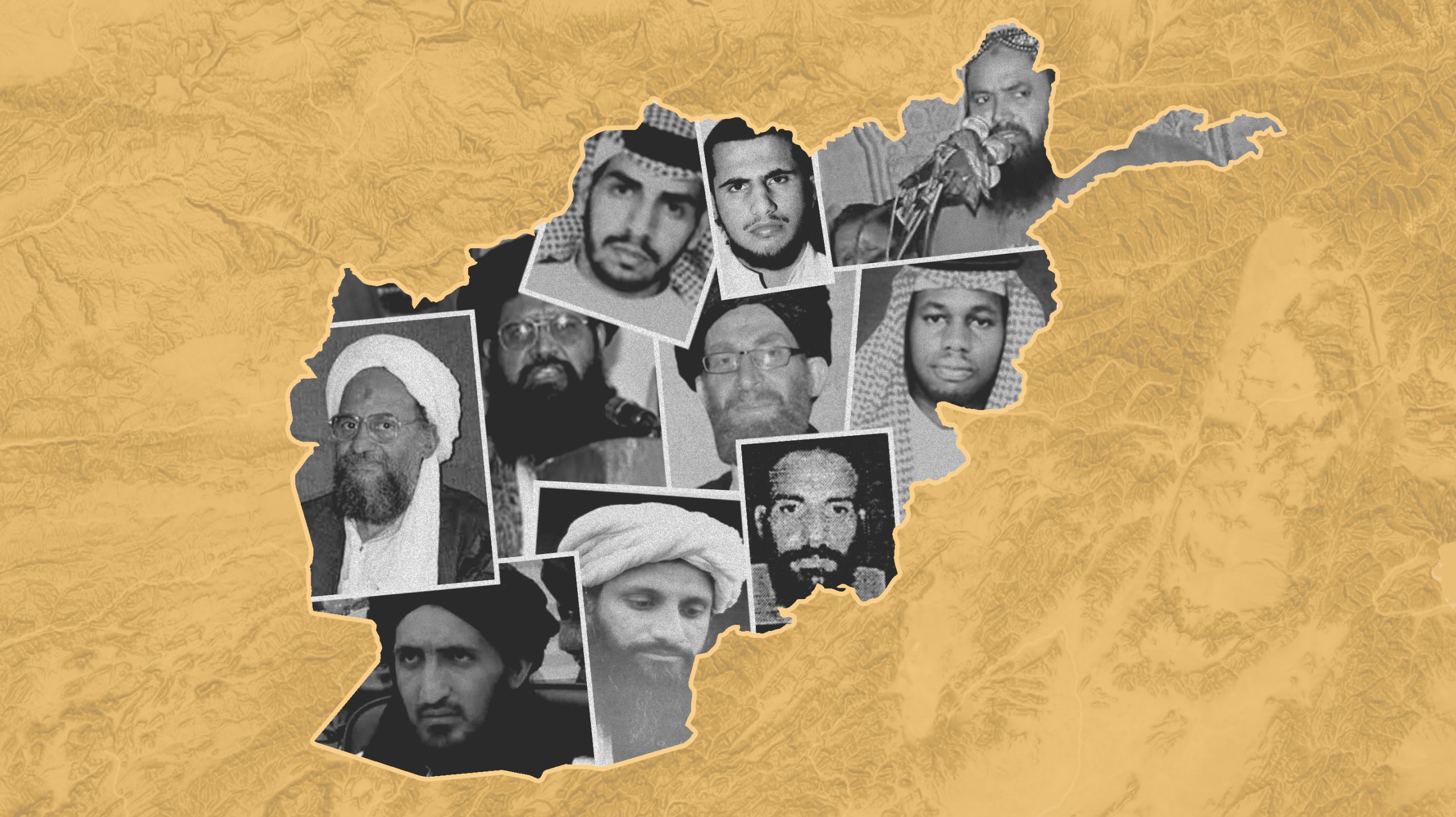
US offers $10 million reward for leader of Al Qaeda in the Indian Subcontinent
The Rewards for Justice program also offered a $5 million bounty for the deputy emir of AQIS. The two AQIS leaders are veterans of the jihad in South and Central Asia and have been instrumental in establishing Al Qaeda’s infrastructure in Afghanistan.

-
Generation Jihad | Don’t Call It a Peace Deal
Ceasefire on paper. Chaos on the ground. Trump’s 20-point plan promises “peace” in Gaza — but Hamas is already violating the ceasefire, gaming hostage returns, killing rivals, and rearming in tunnels. Bill Roggio is joined by his FDD colleagues Samuel Ben-Ur and Aaron Goren to discuss why disarming Hamas is a fantasy, why an international force risks becoming UNIFIL 2.0, and why Israel may be forced to finish the war.

-
An inside look at the US-backed Civil-Military Coordination Center for Gaza stabilization
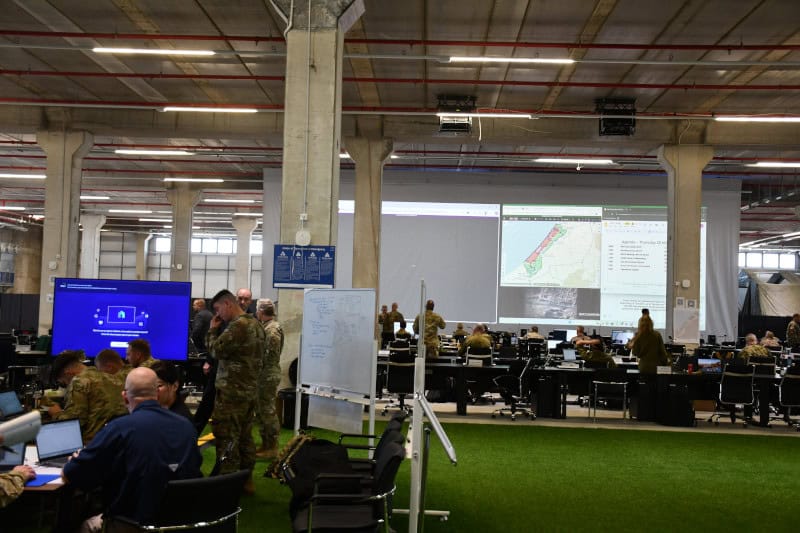
The US-backed Civil-Military Coordination Center (CMCC) in southern Israel primarily coordinates humanitarian aid entering Gaza and monitors the ceasefire between Israel and Hamas. A visit by FDD’s Long War Journal to the site on November 20 showed that US Central Command (CENTCOM) has committed significant resources to this effort, which now involves nearly 50 countries and organizations.
-
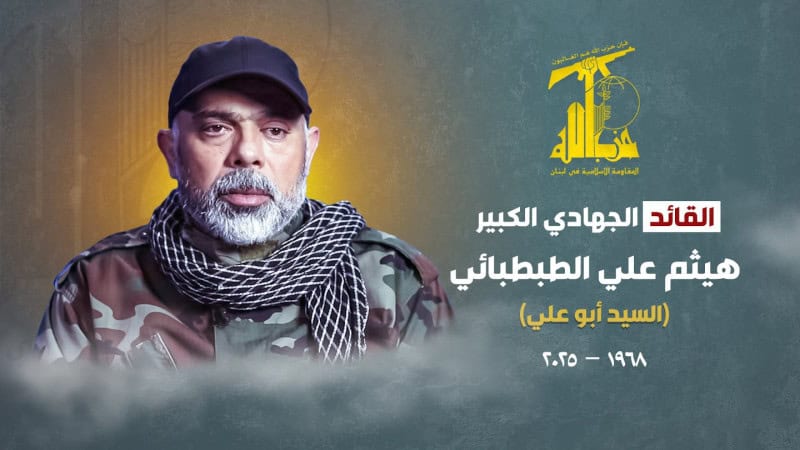
Israeli airstrike kills Hezbollah Chief of Staff Haytham Ali Tabatabai
An Israeli airstrike on an apartment building in Beirut’s southern suburbs killed senior Hezbollah figure Haytham Ali Tabatabai, along with four other members of the group. The strike is the most high-profile action taken against Hezbollah since the ceasefire between Lebanon and Israel began last November.
-
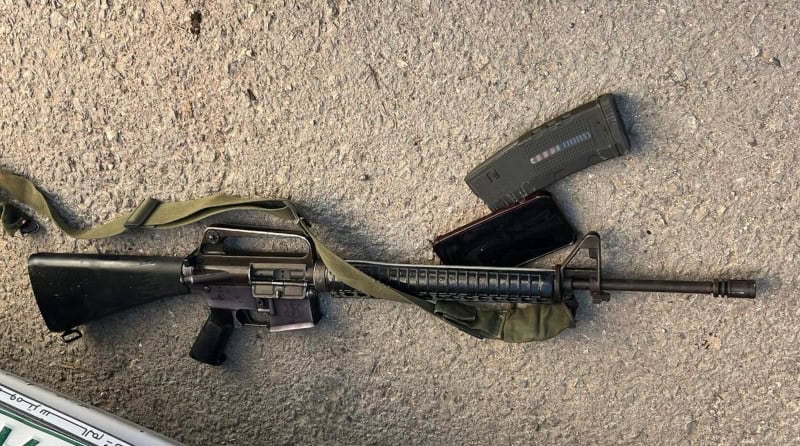
West Bank: Israeli security forces kill Palestinian police officer who shot Israeli soldier
A Palestinian police officer, identified as Younis Ishtayeh, shot and wounded an Israeli soldier in the West Bank on Thursday, and Israeli counterterrorism forces killed the shooter the next day. The incident adds to growing signs of rising violence in the West Bank following months of general calm.
-
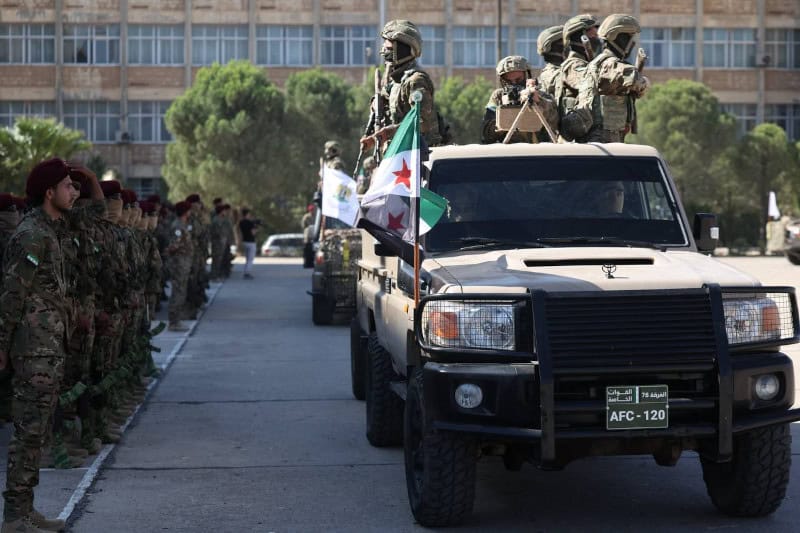
Clashes erupt between Syrian government troops and Kurdish-led Syrian Democratic Forces
On November 19, the Syrian Army and the Syrian Democratic Forces (SDF) battled near Maadan, Syria. While the two factions have not entered into full-blown conflict, tensions between them are rising as the end-of-year deadline for an integration agreement signed in March 2025 approaches.
-
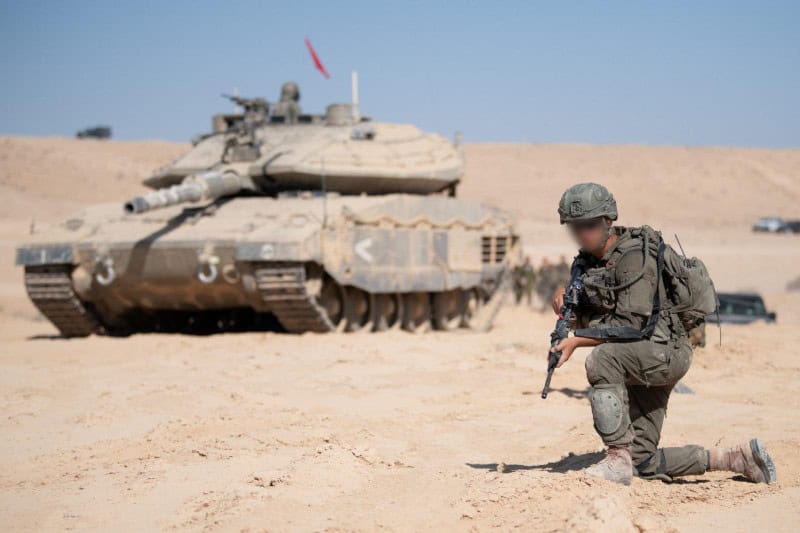
Palestinian terrorists fire on Israeli soldiers, break ceasefire 8 times from November 13 to 21, IDF says
As phase one of the ceasefire in Gaza continued to bend but not break, Israel reported that Hamas and other Palestinian terrorist organizations continue to violate the terms. Notably, another shooting attack on Israeli troops this week led to retaliatory airstrikes across the enclave. Separately, the situation surrounding 200 holed-up Hamas operatives in Rafah remains unresolved.
-
Israeli prime minister and top officials visit Syria ‘buffer zone’ as Israel-Syria talks stall
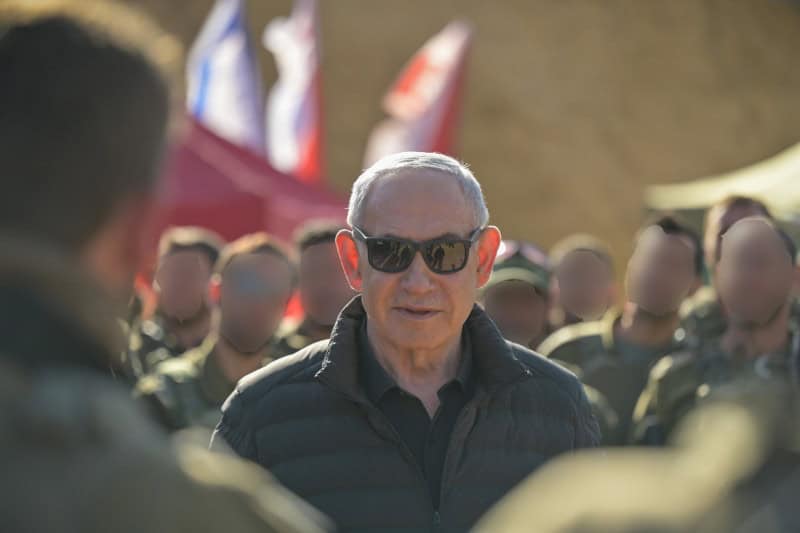
On November 19, Israeli Prime Minister Benjamin Netanyahu visited a buffer zone in southern Syria that is controlled by the Israel Defense Forces (IDF). The zone, which the IDF took over after the fall of the Bashar al Assad regime in December 2024, has been a source of tension between Israel and Syria. Netanyahu led a large Israeli delegation, including government ministers and commanders, to the area and said Israel’s presence there is of “immense importance.” Syrian officials condemned the visit as reports emerged of security talks between Israel and Syria hitting a “dead end.”
-
Hamas rejects UNSC vote endorsing key aspects of 20-point plan for Gaza
Hamas rejected UN Security Council Resolution 2803, which endorses US President Donald Trump’s 20-point peace plan, immediately after its passage. The resolution also called for the establishment of the Board of Peace that would temporarily govern Gaza and oversee the creation of an International Stabilization Force (ISF). Continued challenges to the establishment of an ISF and Hamas’s rejection of the resolution and refusal to disarm place the future of the peace plan in question.

-
Israeli operations in Lebanon against Hezbollah: November 10–16, 2025
Israel continued military operations in Lebanon between November 10 and November 16, 2025. These activities included targeted assassinations of Hezbollah operatives involved in the group’s regeneration efforts and strikes on its assets.
-
North Korean workers to make Russian drones, Ukrainian intel says
North Korea will soon provide thousands of workers to help Russia produce Shahed-type kamikaze drones, according to Ukrainian military intelligence. If true, the additional trained labor will increase both Russia and North Korea’s drone-manufacturing capabilities while providing significant revenue to Pyongyang.

-
IDF destroys more Hamas tunnels, prepares for future Gaza operations
The Israeli military continues to eliminate Hamas tunnels in the 50 percent of Gaza still under its control after the ceasefire deal signed in Egypt in early October. Israel Defense Forces (IDF) Chief of Staff Eyal Zamir traveled to the territory to meet with troops on November 16 and said, “We will persist in the mission of dismantling Hamas and demilitarizing the Gaza Strip.” He also stated that the army had to be prepared to transition back to fighting if necessary.

-
Islamic State–linked activity on the rise in Israel and the West Bank
The recent arrest of four East Jerusalem residents for their ties to the Islamic State reflects a rise in terrorism cases linked to the jihadist group in the West Bank and Israel. Israeli authorities have noted the trend and point to online radicalization as a factor in this emerging pattern.

-
With voting in Iraq complete, government formation begins
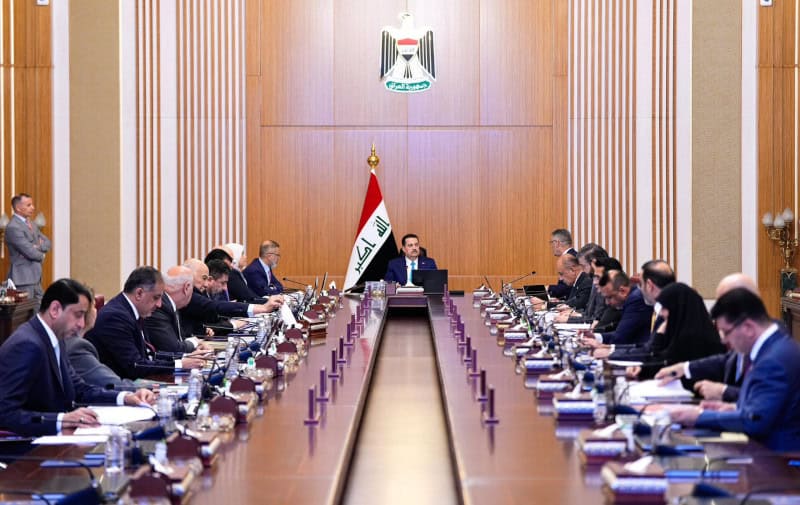
Iraq is embarking on a likely months-long process of government formation after its national election. Sunni and Kurdish leaders will be elected to serve as speaker of the Council of Representatives and president of Iraq, respectively, in accordance with Iraq’s traditional sectarian power-sharing arrangements. The office of the prime minister, who is the head of government, goes to a Shiite leader and will be determined by negotiations within and between the major parties and alliances that emerge post-election.
-
Palestinian terrorists broke Gaza ceasefire 6 times from November 7 to 12, IDF says
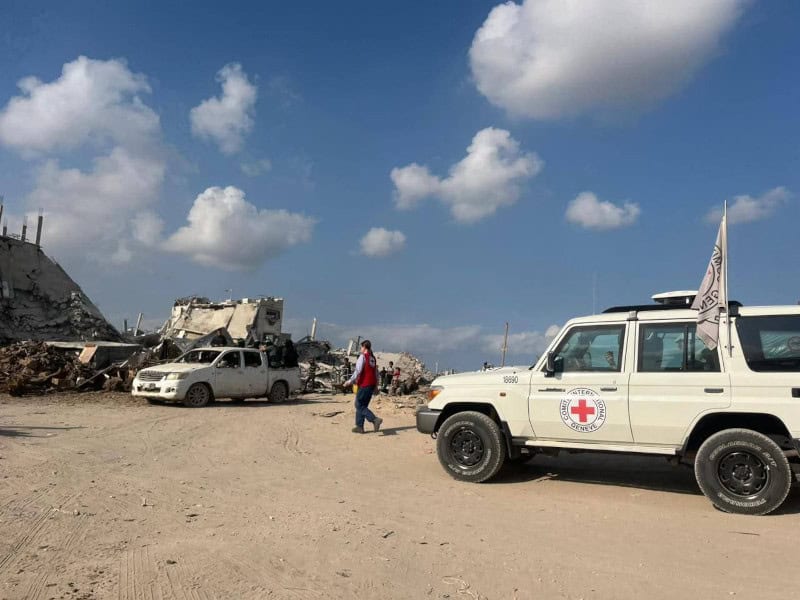
According to the IDF, Palestinian terrorists have violated the Gaza ceasefire on at least six occasions since November 7. The incidents over the past week have been nearly identical, with terrorist operatives testing the boundaries of the “Yellow Line” marking Israeli-controlled territory almost daily. These issues have been compounded by 200 Hamas members trapped in tunnels under Rafah in Israeli-controlled territory.
-
Iraq votes in parliamentary elections amid US security talks and concerns about Iranian influence
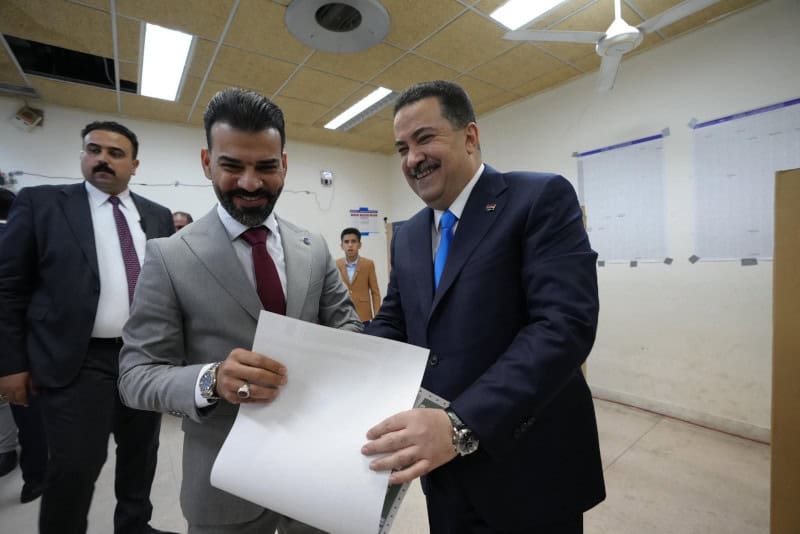
On November 11, Iraqis voted in the country’s sixth parliamentary election since 2006. More than 30 million people were eligible to vote, and estimates say turnout was around 55 percent. There were 329 seats up for election, with Iraqi parties divided along sectarian and ethnic lines. On the eve of the election, US officials met with their Iraqi counterparts to discuss future security cooperation. Meanwhile, Iran is closely monitoring the election results as pro-Iranian parties and militias seek to secure seats in parliament.
-
Terror attacks intensify in Pakistan as the TTP continues to operate from Afghanistan
The Movement of the Taliban in Pakistan (TTP) launched suicide operations outside of a courthouse in the Pakistani capital of Islamabad and at a military cadet college in South Waziristan. Pakistan continues to blame Fitna al Khwarij, an India-supported terror group that does not exist, for attacks that the TTP is carrying out.

-
Israeli operations in Lebanon against Hezbollah: November 3–9, 2025
Israel continued military operations in Lebanon between November 3 and November 9, 2025. These activities included targeted assassinations of Hezbollah operatives involved in the group’s regeneration efforts and strikes on its assets.
-
Hamas returns body of IDF soldier held since 2014 amid Rafah tensions
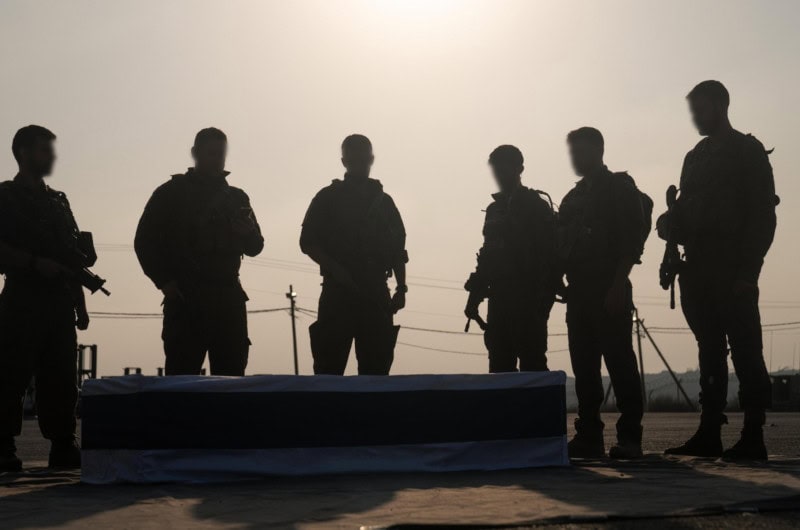
Hamas transferred the body of Israel Defense Forces (IDF) Lieutenant Hadar Goldin to Israel on November 9. Goldin was one of two IDF soldiers who were killed in 2014 and whose bodies had been held in Gaza. The other soldier had been located in January 2025. The return of Goldin’s body came as tensions remain over 200 Hamas terrorists reported to be trapped in a tunnel network in Rafah. In southern Gaza, Israeli troops dismantled “dozens” of terrorist infrastructure sites.
-
Houthis arrest alleged members of Saudi-American-Israeli spy ring
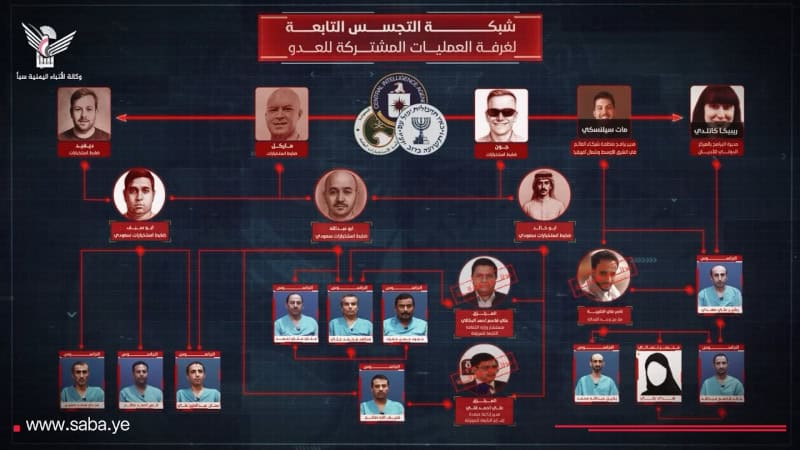
On November 8, the Houthis announced the arrest of members of an alleged espionage network that they claim was operated by Saudi Arabia, the United States, and Israel. The Yemeni terrorist group accused these individuals of identifying and providing information on sensitive sites and residential areas in Houthi-controlled territory.
-
US pushes for UN resolution on Gaza to support peace plan
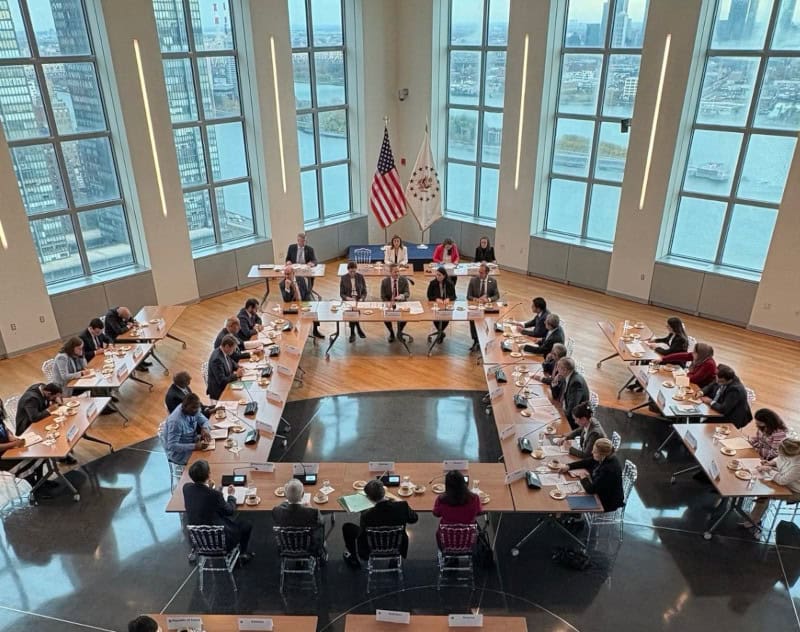
The US is seeking a UN Security Council (UNSC) resolution on Gaza to bolster President Donald Trump’s peace plan. US Ambassador to the UN Mike Waltz convened a meeting on November 5 with 15 countries, 10 of which are elected members of the UNSC, noting that the effort was aimed at creating “real peace in the Middle East.” The resolution seeks to support the establishment of an international security force for Gaza, which will operate in conjunction with the Board of Peace envisioned by the ceasefire agreement reached in Egypt in October.
-
Israeli defense minister declares ‘war’ on drones smuggling weapons from Egypt
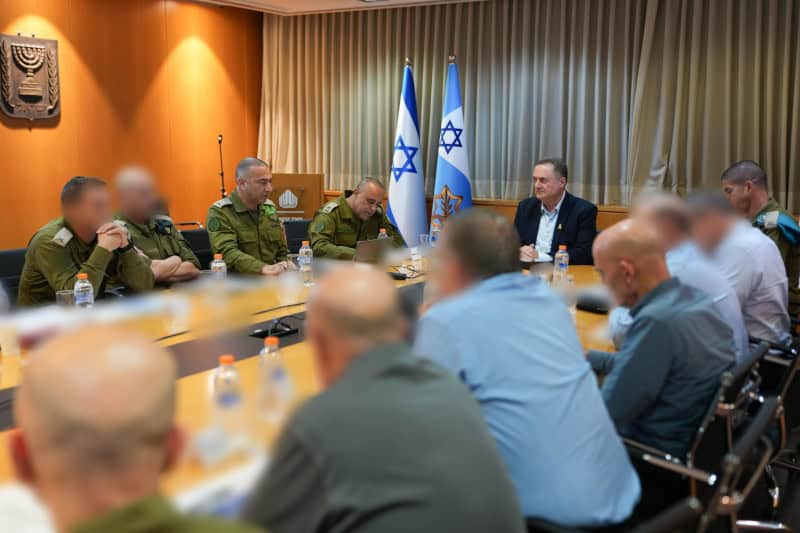
Israeli Defense Minister Israel Katz ordered the border with Egypt to become a closed military zone following the detection of arms and drug smuggling by drones. Nearly 900 incidents of smuggling from Egyptian territory have reportedly happened in three months.
-
Palestinian terror groups have violated Gaza ceasefire at least 18 times since implementation, IDF claims
Since phase one of the Trump administration’s 20-point ceasefire plan for Gaza went into effect on October 10, Israel reports that Hamas and other groups have repeatedly violated the agreement. Violations include violence against Gazans accused of working for Israel, attacks on Israeli forces, delaying the return of the bodies of slain hostages, and Hamas’s refusal to withdraw its fighters from Israeli-controlled territory.