-
Generation Jihad | Day 14 of the Iran War
As US and Israeli strikes pound Iran’s military, and Tehran threatens shipping in the Strait of Hormuz, the conflict is entering a dangerous new phase. FDD’s Bradley Bowman joins Bill Roggio to break down what the strikes have achieved, and the harder question that remains: is the goal to weaken the regime … or bring it down?

-
Dozens of airstrikes target Iran-backed militias across Iraq
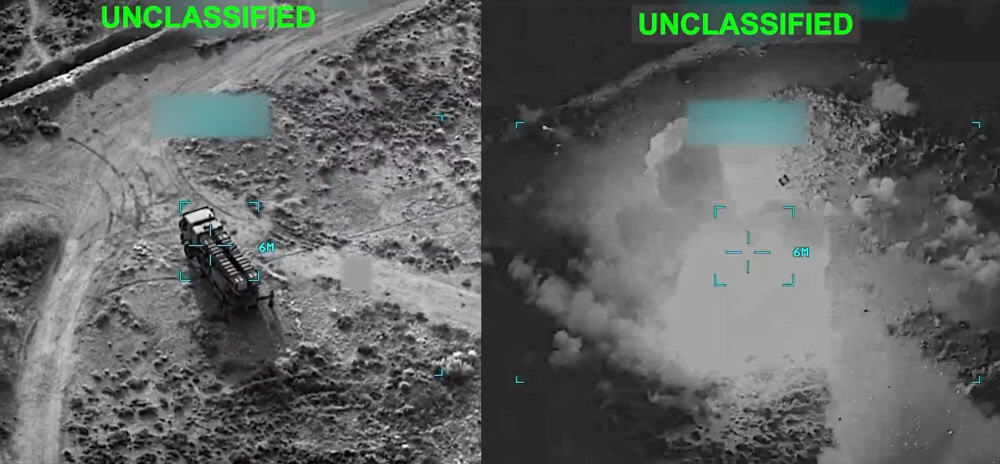
The unclaimed airstrikes, likely conducted by the United States as part of US-Israeli operations against the Islamic Republic of Iran, have targeted several Tehran-allied militias in Iraq and reportedly caused significant casualties. The US has not commented on these operations, which include over 30 reported strikes on the groups, who continue to attack US forces in the region.

-
Iran-backed Iraqi militias claim downing of US aircraft, US says not due to ‘hostile fire’
The Islamic Resistance in Iraq, a front organization for Iranian-backed militias, claimed to have shot down a US Air Force KC-135 Stratotanker over western Iraq but provided no evidence. US Central Command denied that the aircraft was shot down, and reports indicated that it had collided with another US warplane.

-
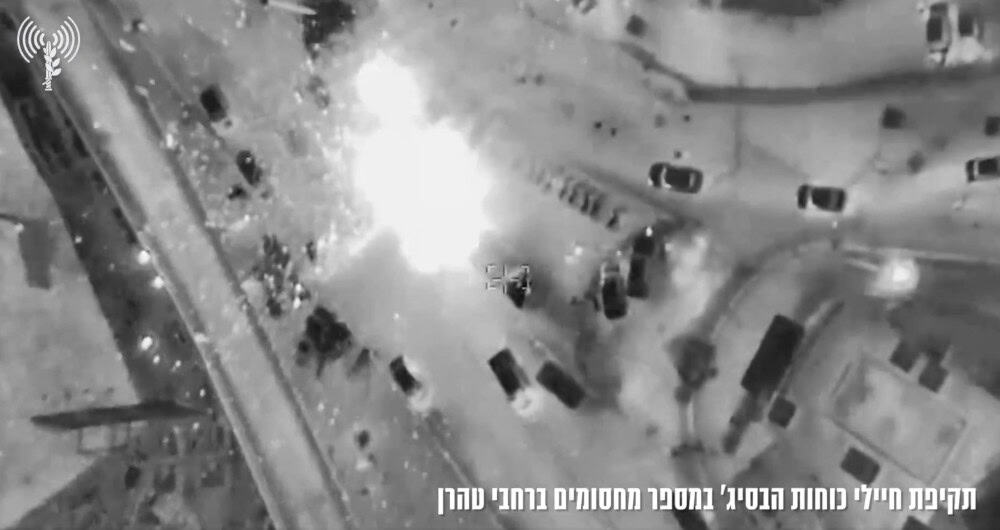
Israel shifts to hyperlocal targeting in Iran as regime military power degrades (March 11-13 updates)
The Iran conflict has entered a new phase after US–Israeli strikes have destroyed key military infrastructure, killed thousands of regime personnel, and degraded Iran’s missile and drone launch rates. Israel has shifted toward hyperlocal targeting of repression units and regime figures inside Tehran, often aided by intelligence from Iranians on the ground. Simultaneously, the Tehran regime has publicly projected stability after Mojtaba Khamenei’s elevation to supreme leader, despite Khamenei’s continued absence from public view and some signs of internal strain.
-
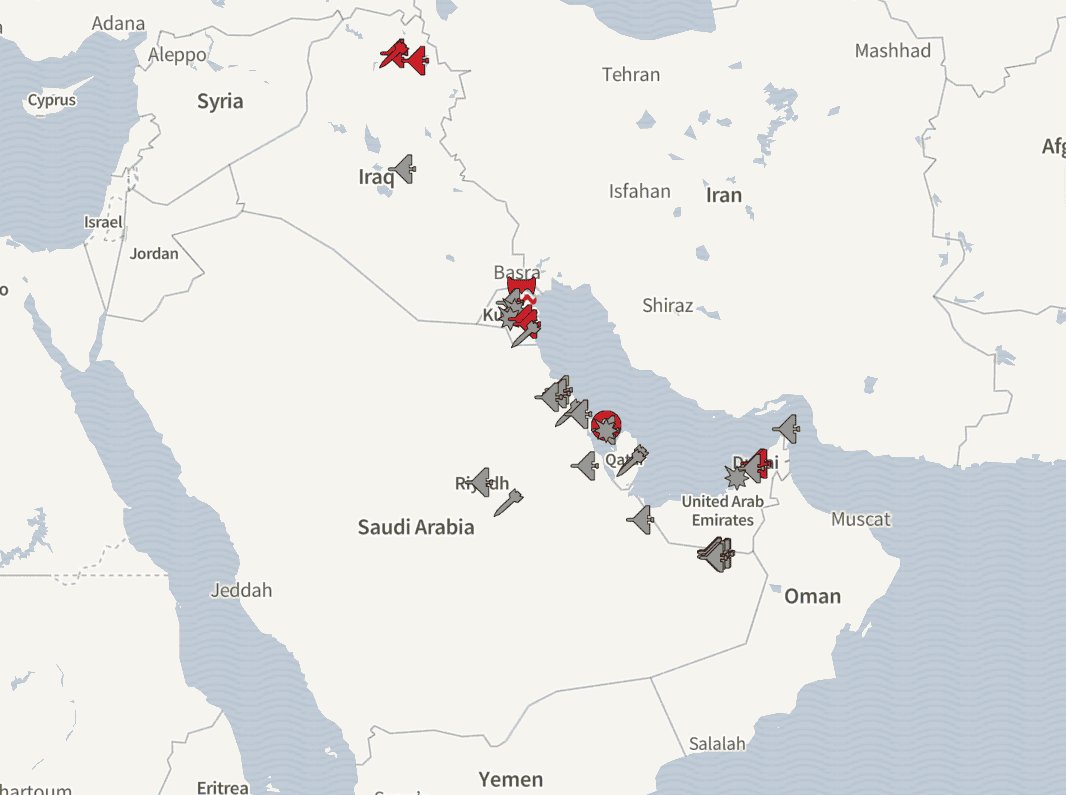
Iranian drones and missile barrages hit energy infrastructure, airports, and residential buildings in the Arab World (March 11-12 updates)
Between March 11 and March 12, Iran and its allied militias continued launching drones and missiles across the Middle East, targeting energy infrastructure, airports, military bases, residential areas, diplomatic facilities, and maritime targets in Iraq, Saudi Arabia, Kuwait, Bahrain, Qatar, the United Arab Emirates, Jordan, and Oman.
-
Generation Jihad | Day 12 of the Iran War
After 12 days of war—and the death of Iran’s supreme leader—the Islamic Republic is under unprecedented pressure. Bill Roggio and Janatan Sayeh assess this initial phase of the war, the gap between Washington and Jerusalem’s goals, and the decisive question still looming over Tehran: will the Iranian people finish the job?
-
US condemns Iranian and militia attacks in Iraq amid unclaimed airstrikes on Tehran-backed militias
US Secretary of State Marco Rubio condemned Iranian and Iranian-backed militia attacks in Iraq during a March 9 call with Iraqi Prime Minister Mohammed Shia al Sudani, as drone and missile strikes continued across the country. Many attacks have targeted the Kurdistan Region of northern Iraq, where US forces are based, as well as other US facilities and diplomatic sites. Unclaimed airstrikes have also targeted Iranian-backed militias across Iraq.

-
Israel intensifies strikes on repression sites, expands outreach to Iranians as regime repression deepens (March 8-10 updates)
The joint US–Israeli campaign is striking Iran’s military and internal security infrastructure across the country while continuing to eliminate senior regime figures. Amid the pressure, the regime installed a new supreme leader, expanded regional attacks while denying responsibility, and intensified repression, as Israel increased outreach to the Iranian public.
-
Iranian drone and missile barrages strike Arab states across the region (March 9-10 updates)
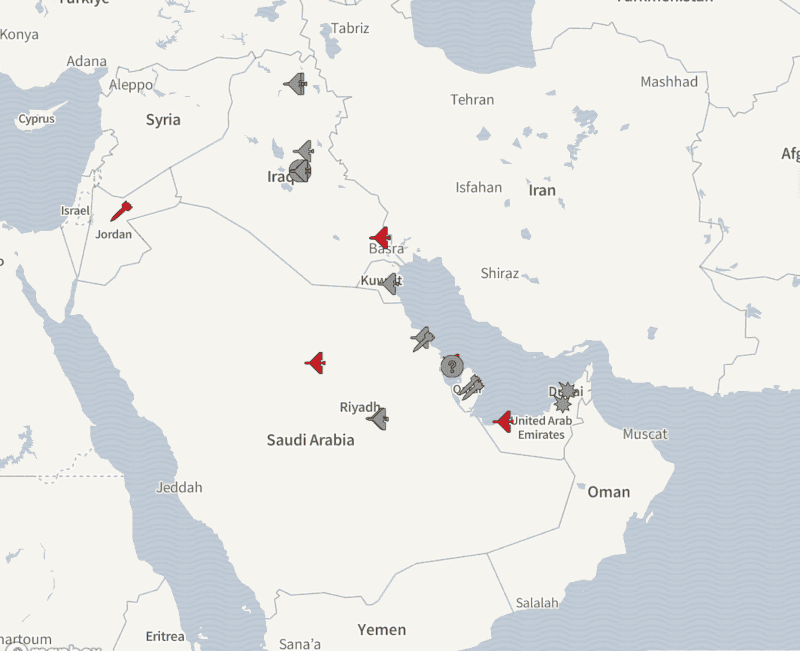
Iran and its allied militias continued launching drones and missiles across the Middle East between March 9 and 10, targeting energy infrastructure, airports, military bases, residential areas, and industrial facilities in Iraq, Saudi Arabia, Kuwait, Bahrain, Qatar, the United Arab Emirates, and Jordan.
-
Generation Jihad | We didn’t light it, but we tried to fight it
Many Americans believed a conflict with the Islamic Republic would be a new war. But as Bill Roggio and Behnam Ben Taleblu explain, the truth is simpler: this war began in 1979. Now, the question isn’t how the war started. It’s how it ends. Is this a limited war to degrade the Tehran regime — or the beginning of the end for the Islamic Republic?
-
Iran continues striking civilian infrastructure and US bases in the Gulf (March 7–8 updates)
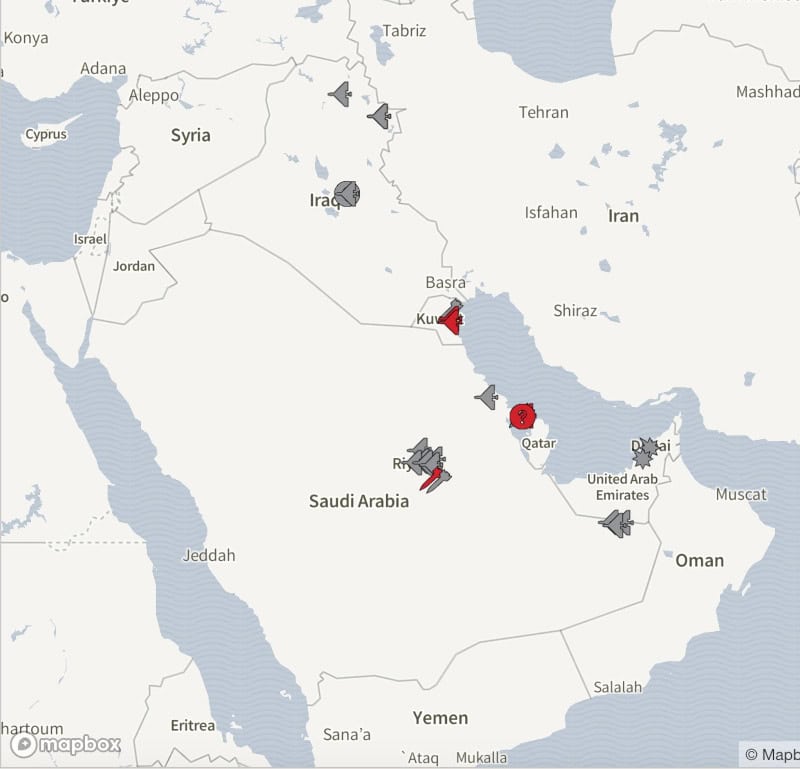
Between March 7 and 8, Iran continued launching drones and missiles across the Persian Gulf, targeting energy infrastructure, airports, military bases, government buildings, and urban areas in Saudi Arabia, Kuwait, Bahrain, and the United Arab Emirates.
-
Analysis: Similarities and differences in US and Israeli targets and objectives in Iran campaign
The US and Israel have cooperated to achieve impressive operational successes against Iran, but a publicly shared definition of victory remains elusive. This inconsistency and lack of clarity may negatively impact the allies’ ability to achieve durable strategic objectives.

-
Iran and proxy militias strike energy infrastructure, US bases, and Gulf capitals on March 6
On March 6, Iran and its aligned militias continued their campaign of missile and drone attacks across the Middle East, targeting civilian infrastructure, military installations, airports, and political sites in Bahrain, Iraq, Kuwait, Saudi Arabia, Qatar, and the UAE.

-
US and Israel establish air superiority, focus strikes on Iranian military sites and ‘regime pillars’ (March 4–5)
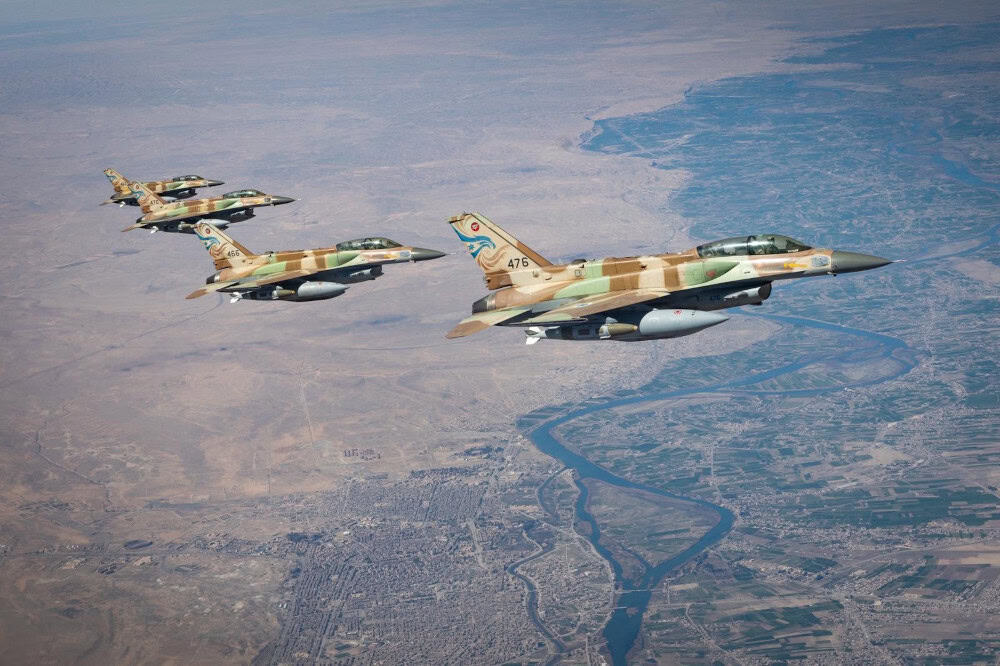
On March 4 and 5, the United States and Israel continued attacks against elements of the Islamic Republic’s military assets, including its missile and naval threat capacity, as well as its repression apparatus. The countries also declared air superiority over Iran and signaled the beginning of a new phase of the operation.
-
Ukraine will help combat Iranian drones in Middle East, Zelenskyy says
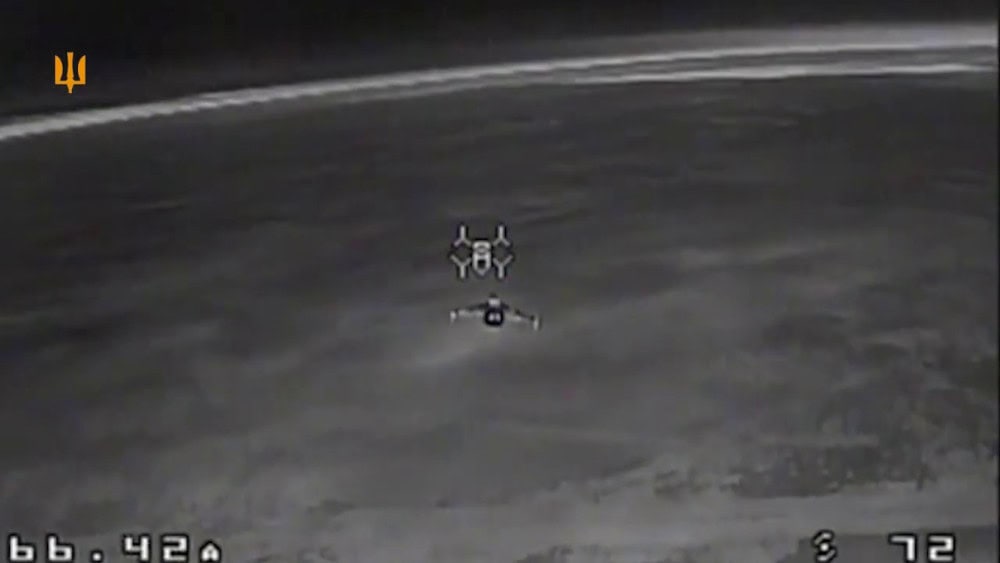
Ukraine says it will help the United States and its Middle East allies combat the Iranian drones that the Tehran regime is firing at the region. Russia has bombarded Ukrainian cities with these weapons for years, resulting in a series of defensive adaptations and innovations by the Armed Forces of Ukraine¬—and unmatched counter-drone experience.
-
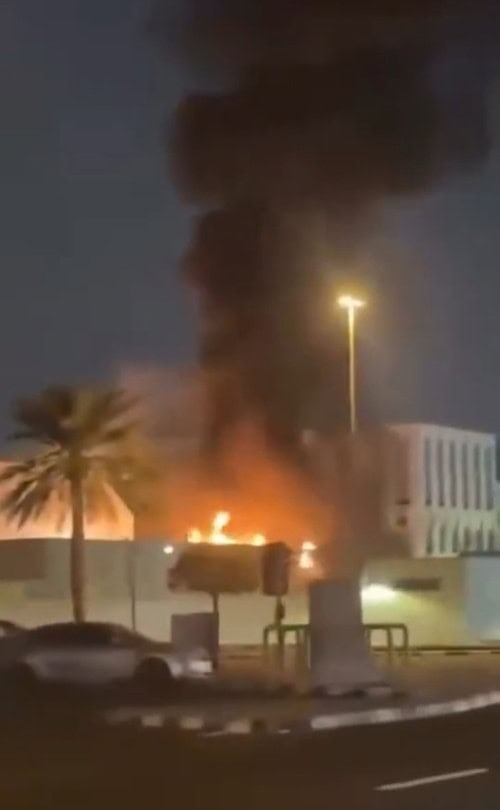
Iran targets US bases, diplomatic missions, and oil infrastructure in Arab countries on March 3–5
Between March 3 and March 5, Iran continued retaliating against the joint United States-Israeli military campaign by conducting widespread strikes across Arab Gulf countries using ballistic missiles, cruise missiles, and drones. Attacks were launched against Jordan, Oman, Saudi Arabia, Bahrain, Qatar, Kuwait, and the United Arab Emirates.
-
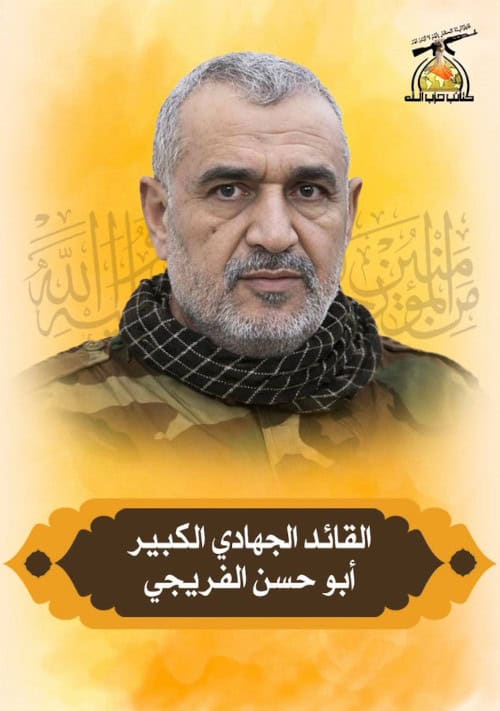
Iranian-backed militias continue attacks on US forces in Iraq
Iran-backed Iraqi militias claimed a series of drone and missile attacks against the “US presence” in the region on March 4 and 5, many targeting Iraqi Kurdistan, where significant American forces are located. US and Israeli forces are also likely operating against the Tehran-allied militias in Iraq, as both the militias and official government sources have reported a US presence and unidentified strikes against these groups.
-
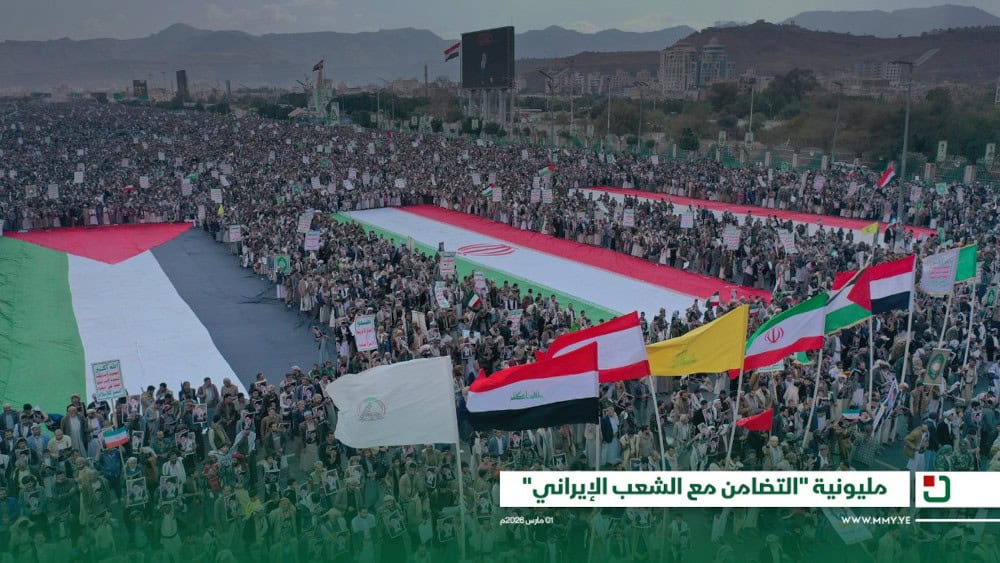
Iran’s regional partners spark protests across the Middle East and South Asia
Tehran’s partners and sympathizers have arranged protests across the region against the US-Israeli campaign against Iran, especially the killing of Iranian Supreme Leader Ali Khamenei. Some of the demonstrations have turned violent and present a danger to the local US diplomatic presence and civilians.
-
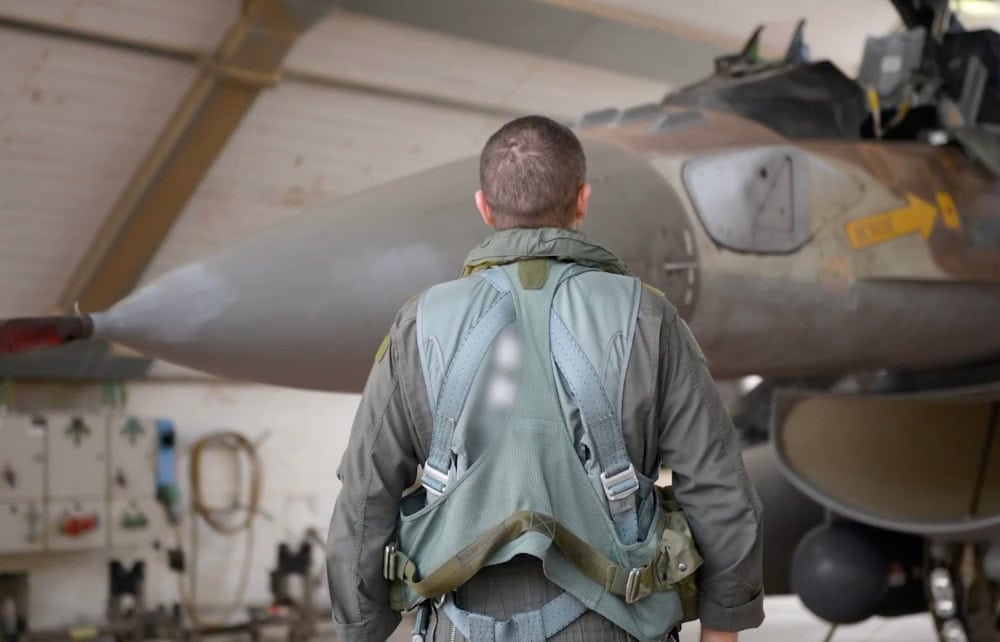
Israel conducts 1,600 strikes on Iran in 4 days of war, weathers Iranian missile and drones
Israel has carried out more than 1,600 strike sorties against Iran in the first four days of the war, targeting Iranian leaders, nuclear facilities, missile launchers, and other military infrastructure, according to the IDF. Iran has responded with repeated ballistic missile and drone salvos that have killed at least 10 people in Israel and wounded dozens. The Israeli Air Force said that one of its F-35s downed an Iranian Yak-130 aircraft. The fighting has closed Israeli airports and forced widespread civilian alerts as missile barrages continue across the country.
-
Analysis: Why Iran’s ballistic missile launches are declining
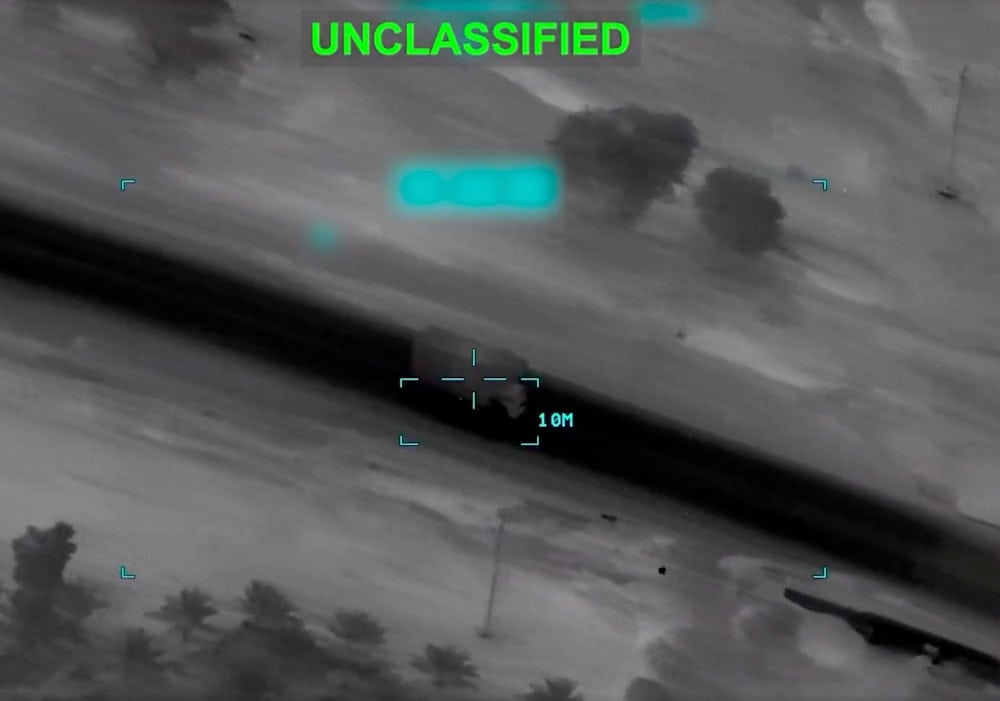
Iran has lashed out at its neighbors with hundreds of missiles and drones. However, a careful analysis of the data shows that Tehran’s ballistic missile launches have been dropping since the start of the conflict, largely because of the impact of US and Israeli strikes.
-
Iraqi Shiite militias claim attacks on US bases
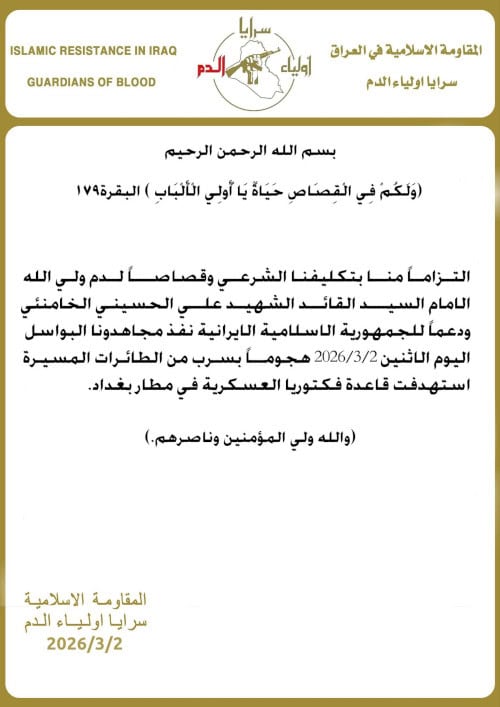
Iraqi militias backed by Iran have continued to fire drones and missiles at American bases in Iraq and in the region. Both the Islamic Resistance in Iraq and Saraya Awliya al Dam have claimed responsibility for the strikes. Collectively, the groups have claimed dozens of operations against American bases since March 1.
-
US-Israeli strikes hit Iran’s missile, nuclear, political, and repression sites
On March 2 and 3, the United States and Israel struck missiles and launchers nationwide, nuclear program sites at Natanz, and a key leadership target in Qom, while also hitting IRGC, Basij, police, and intelligence facilities in Tehran and western Iran.

-
Analysis: US and Israel race to defeat Iranian missiles and drones following early campaign successes
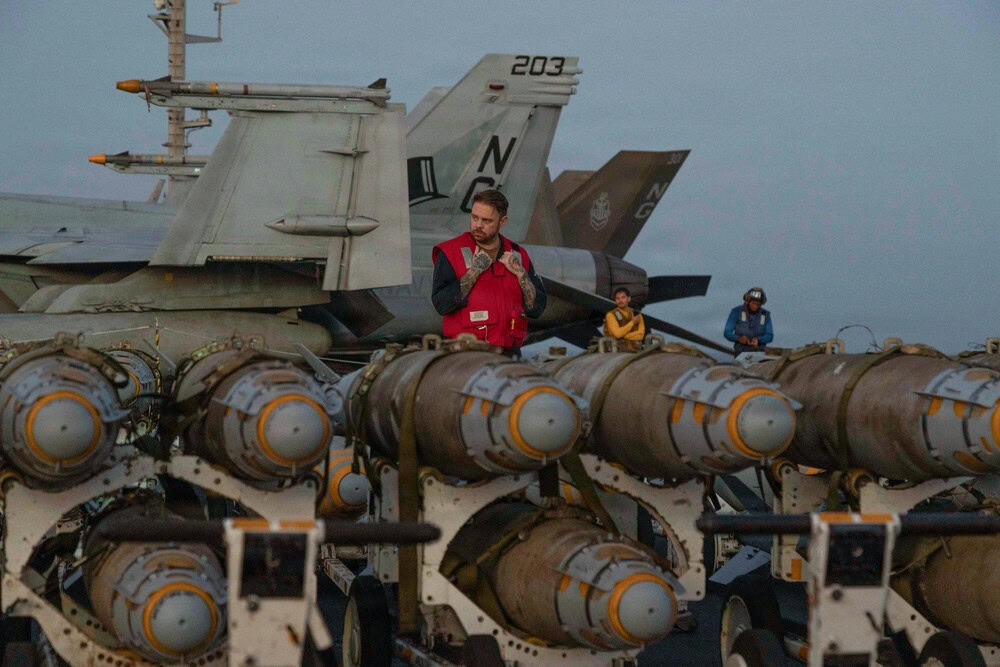
The United States and Israel demonstrated unprecedented coordination and delivered impressive blows against Iranian military capabilities in the early stages of the current conflict. Now, as Tehran lashes out against US forces and regional partners, Washington and Jerusalem face the immediate challenge of striking Iranian ballistic missiles, drones, and their launchers on the ground before they can be fired, along with intercepting any projectiles that Iran has successfully launched before they hit military and civilian targets.
-
Houthis express solidarity with Iran but do not launch retaliatory attacks—yet
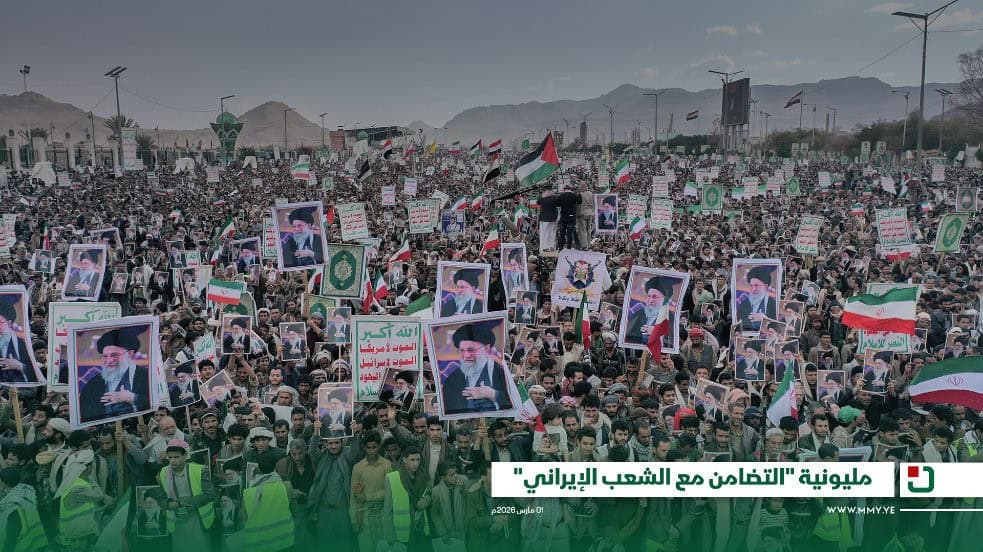
Houthi leader Abdulmalik al Houthi has delivered speeches in support of the Islamic Republic of Iran since the start of the US-Israeli military campaign, but he has not yet announced specific retaliatory military action. Instead, the Houthis have officially called for mass demonstrations and increased media activity in support of the regime. However, officials from the Iran-backed group have told media outlets that it will resume attacks against Israel and Red Sea shipping.
-
US-Israeli campaign hits Iranian regime’s military and repression apparatus, regime forms leadership council (March 1 updates)
The joint US and Israeli operation entered its second day, with American forces targeting command-and-control centers, Islamic Revolutionary Guard Corps (IRGC) headquarters, air defense systems, ballistic missile sites, and Iran’s naval forces. In parallel, Israeli strikes concentrated on targets in Tehran, including key pillars of the regime’s repression apparatus, as well as ballistic missile sites and launchers. Iranian retaliatory attacks killed three US service members and nine Israeli civilians.
-
US and Israel launch military campaign against Iran, Supreme Leader Khamenei reportedly killed
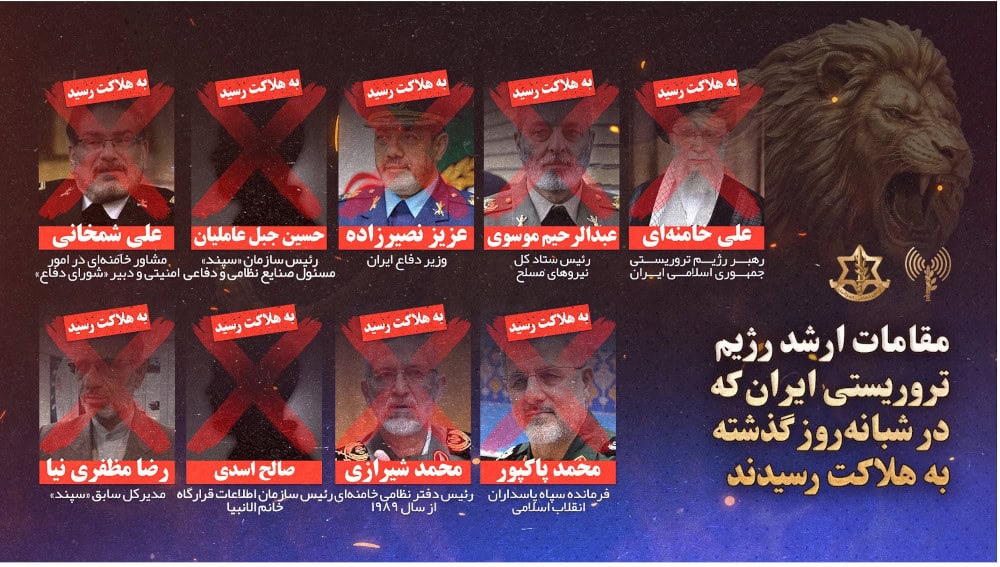
After the third round of nuclear talks between Tehran and Washington failed to produce meaningful progress, the US followed through on its threats against the Iranian regime. On the morning of February 8, in a joint operation with Israel, the US struck military sites in Iran and targeted the Islamic Republic’s leadership. The military campaign was supplemented with messaging to ordinary Iranians to take to the streets once the bombing ended, and Israeli sources say that Supreme Leader Ali Khamenei has been killed.