-
Iran and its proxies threaten retaliation against US and Israel amid US military buildup
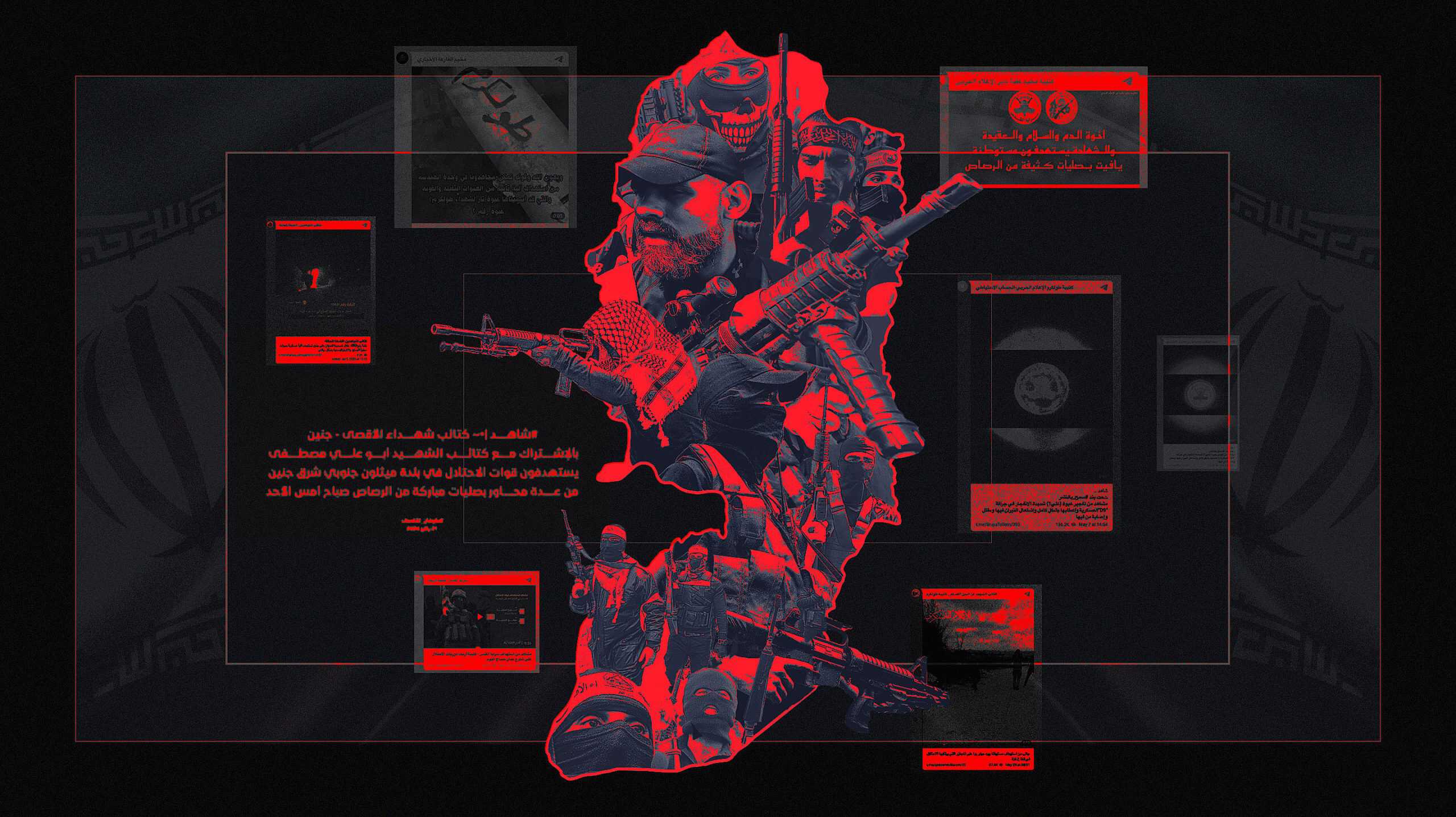
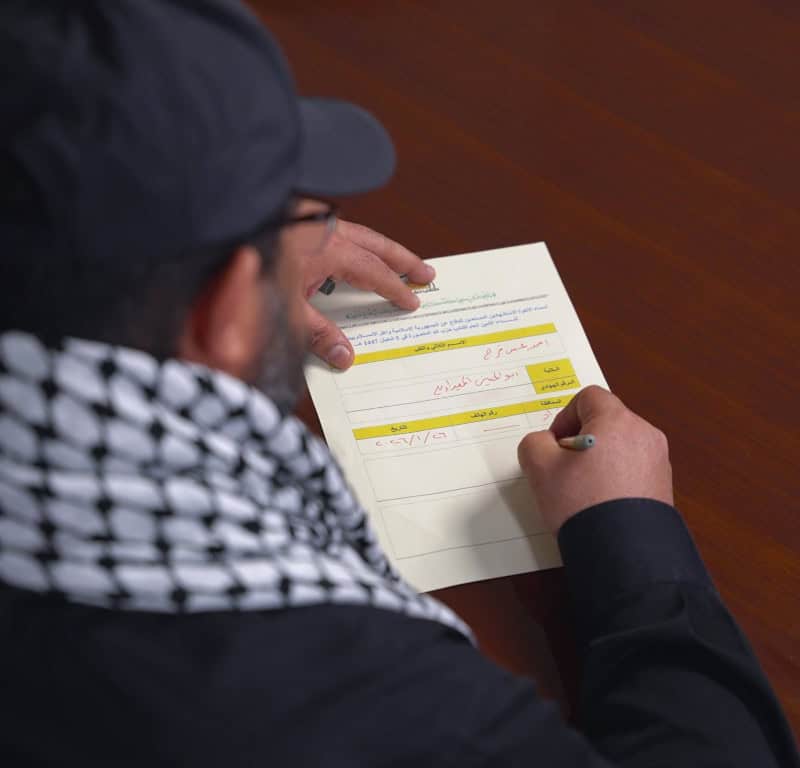
Tehran and its regional proxy groups have threatened retaliation against the United States and Israel as Washington moves additional military assets into the Middle East after the regime’s lethal crackdown on protesters. Regime-affiliated outlets and proxy leaders have outlined various retaliation scenarios, including drone swarms, maritime disruption efforts, and suicide attacks.
-
US withdraws from Iraqi airbase, transfers Islamic State detainees from Syria to Iraq
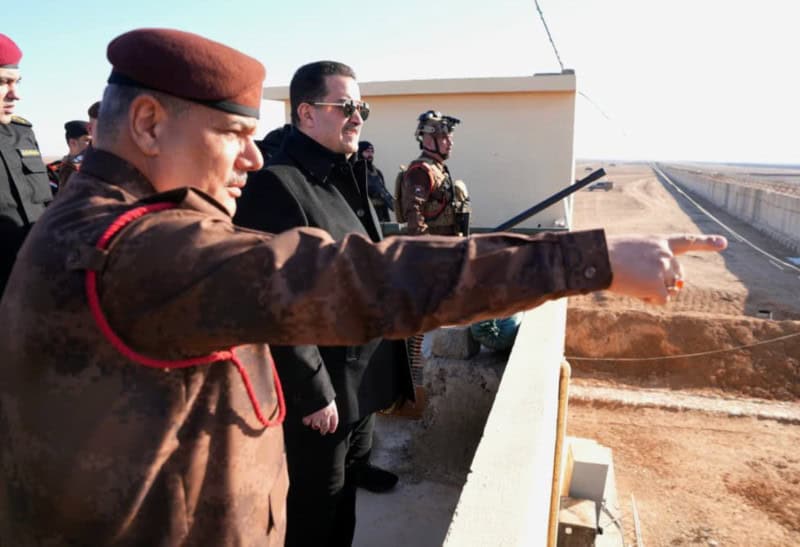
US forces completed their withdrawal from Ain al Assad Airbase, the Iraqi government said on January 18, fulfilling a US agreement with Iraqi authorities going back to 2024. The withdrawal took place as Syrian government forces pushed back the US-backed Syrian Democratic Forces in Syria. On January 21, US Central Command said it would transfer up to 7,000 Islamic State detainees from Syria to Iraq.
-
Fate of prisons holding Islamic State fighters uncertain as Syrian government fights Syrian Democratic Forces
Syrian government forces advancing into eastern Syria are increasingly taking over areas where Islamic State members have been held in prisons and detention facilities by the Syrian Democratic Forces (SDF). The SDF said it lost control of Al Shaddadi prison, and the Syrian government asserted that it would secure the facility and round up prisoners who may have fled. Clashes also occurred near Aqtan prison north of Raqqa.

-
Kataib Hezbollah threatens US bases in the Middle East if US strikes Iran
Kataib Hezbollah, an Iraqi Shiite militia, warned the United States that if Washington launched a war with Iran, the group would attack American bases in the region. The threat comes amid rising tension between Washington and Tehran as the Islamic Republic continues a brutal crackdown on demonstrations that began nearly three weeks ago.
-
Iraqi militias divided on disarming and accepting government control
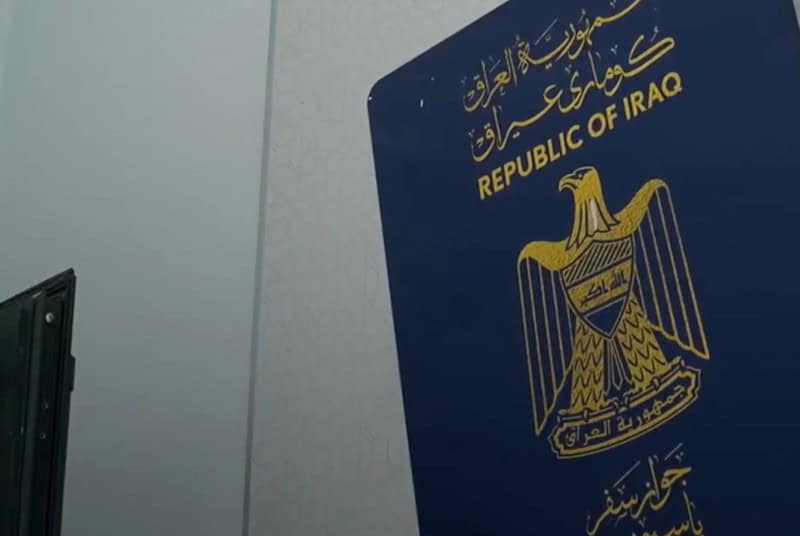
Iranian-backed militias in Iraq are reportedly considering an initiative to disarm and place their weapons under government control. The militias, part of Iraq’s Popular Mobilization Forces (PMF), have been incorporated as independent units within Iraq’s security forces since 2016. Kataib Hezbollah, one of the most powerful of militias, has rejected disarmament, while the US lauded the potential development.
-
US highlights anti-Islamic State operations after soldiers killed in Syria
US Central Command (CENTCOM) published new data in the wake of the killing of two American soldiers and an interpreter in Syria on December 13, showing that US and partner forces have carried out 80 operations in the country since July 2025. “We will continue to work closely with our Syrian partners to hunt down ISIS networks and prevent their resurgence,” Admiral Brad Cooper, the head of CENTCOM, said. There have also been several security operations in Syria and Iraq conducted by Syrian and Iraqi security forces in the wake of the attack.

-
Iraq investigation concludes drones struck Khor Mor gas field, Kurdistan Region requests air defenses
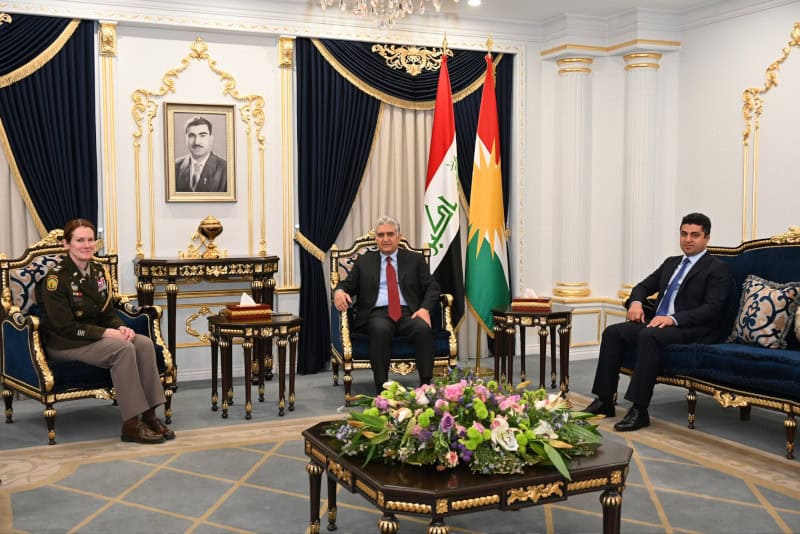
An Iraqi government investigation into the November 26 attack on the Khor Mor gas field in the Kurdistan Region concluded on December 3 that two drones carried out the attack. The committee investigating the incident has recommended establishing an integrated air defense system for the site. US officials meeting with their counterparts from the Kurdistan Regional Government (KRG) discussed support for the KRG and bolstering coordination against threats.
-
Vital Khor Mor gas field attacked in Kurdistan Region of northern Iraq
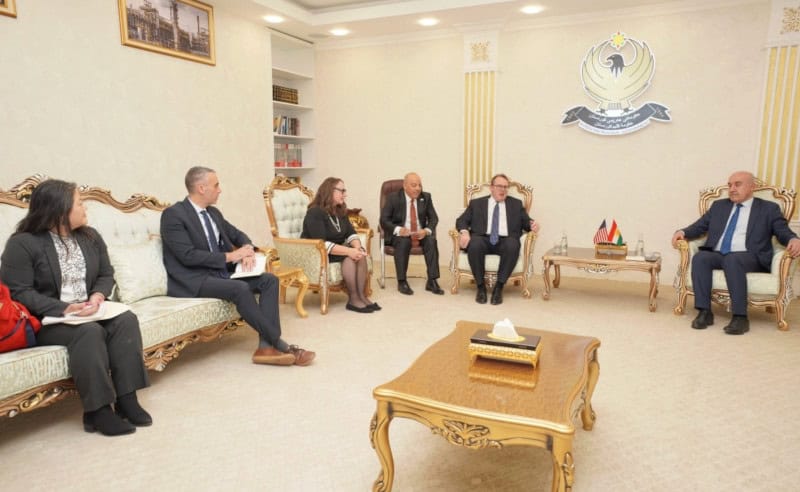
A November 26 drone attack on the Khor Mor gas field in the Kurdistan Region of Northern Iraq has led to power outages. The attack has been condemned by the US, UN, Turkey, Iran, and local Iraqi officials. Kurdistan Regional Government officials have called for increased protection of the facility, which has been targeted a dozen times in the last several years. Iranian-backed militias using kamikaze drones have been blamed for past attacks, and officials in Baghdad and Erbil vowed to investigate.
-
With voting in Iraq complete, government formation begins
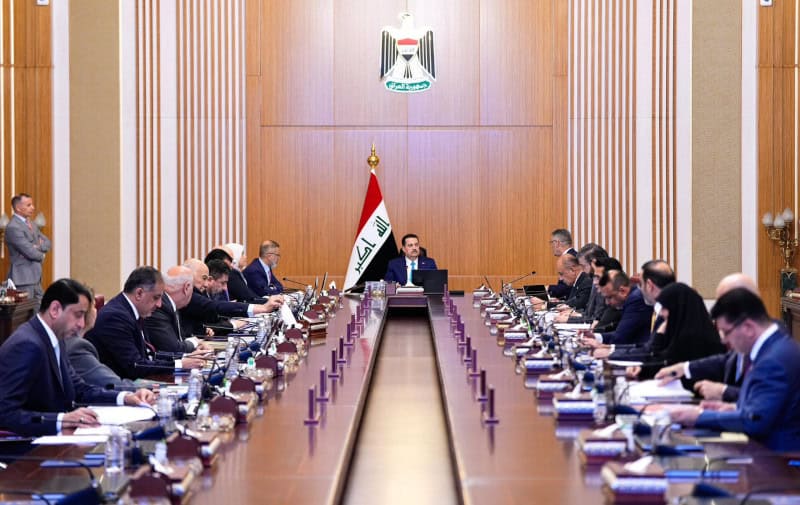
Iraq is embarking on a likely months-long process of government formation after its national election. Sunni and Kurdish leaders will be elected to serve as speaker of the Council of Representatives and president of Iraq, respectively, in accordance with Iraq’s traditional sectarian power-sharing arrangements. The office of the prime minister, who is the head of government, goes to a Shiite leader and will be determined by negotiations within and between the major parties and alliances that emerge post-election.
-
Iraq votes in parliamentary elections amid US security talks and concerns about Iranian influence
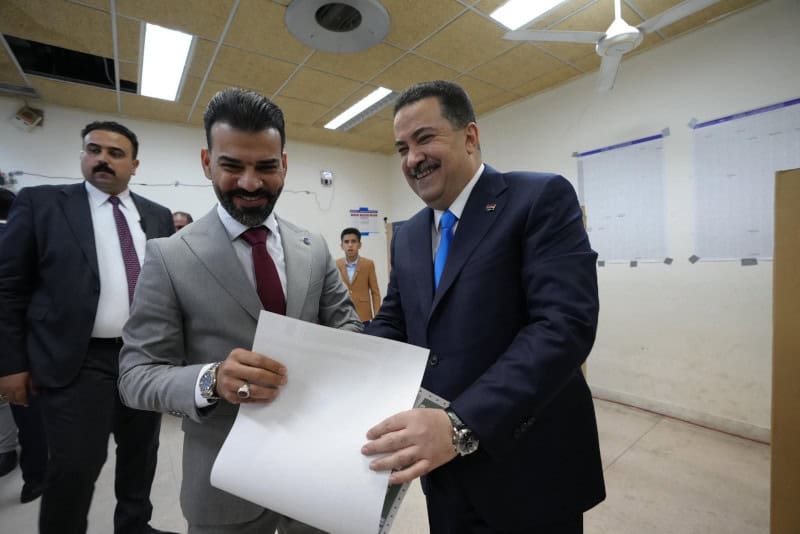
On November 11, Iraqis voted in the country’s sixth parliamentary election since 2006. More than 30 million people were eligible to vote, and estimates say turnout was around 55 percent. There were 329 seats up for election, with Iraqi parties divided along sectarian and ethnic lines. On the eve of the election, US officials met with their Iraqi counterparts to discuss future security cooperation. Meanwhile, Iran is closely monitoring the election results as pro-Iranian parties and militias seek to secure seats in parliament.
-
PKK announcement of withdrawal from Turkey has ramifications for Iraq, Syria
On October 26, the Kurdistan Workers Party (PKK) announced that it was withdrawing its fighters from Turkey as part of a peace process with the Turkish government. Media reports indicate that the PKK may be moving to northern Iraq, leading to questions about how the withdrawal may affect the Kurdish regions of eastern Syria and northern Iraq.

-
Iranian-backed Iraqi militias in spotlight after Secretary of State Rubio’s call with Prime Minister Sudani
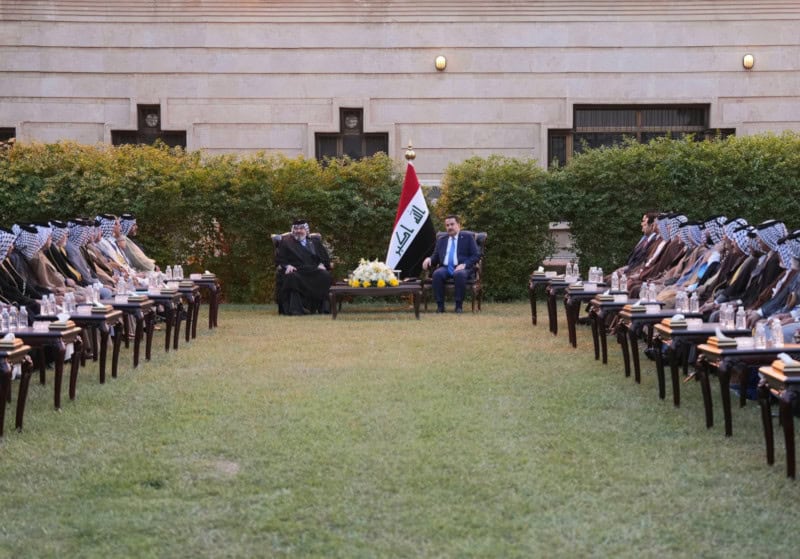
US Secretary of State Marco Rubio spoke with Iraqi Prime Minister Shia al Sudani on October 21, discussing the “urgency in disarming Iran-backed militias that undermine Iraq’s sovereignty.” Sudani told the US to “avoid unilateral decisions in Iraq.” The call followed increased US sanctions on Iranian-backed militias in Iraq and individuals linked to them. Separately, Iraq’s National Security Advisor Qasim al Araji visited Iran and met with the head of the Islamic Revolutionary Guard Corps (IRGC), while IRGC-Qods Force Commander Esmail Qaani visited Iraq to discuss upcoming elections with Shiite political parties.
-
Iraqi parliamentary candidate killed in car bombing
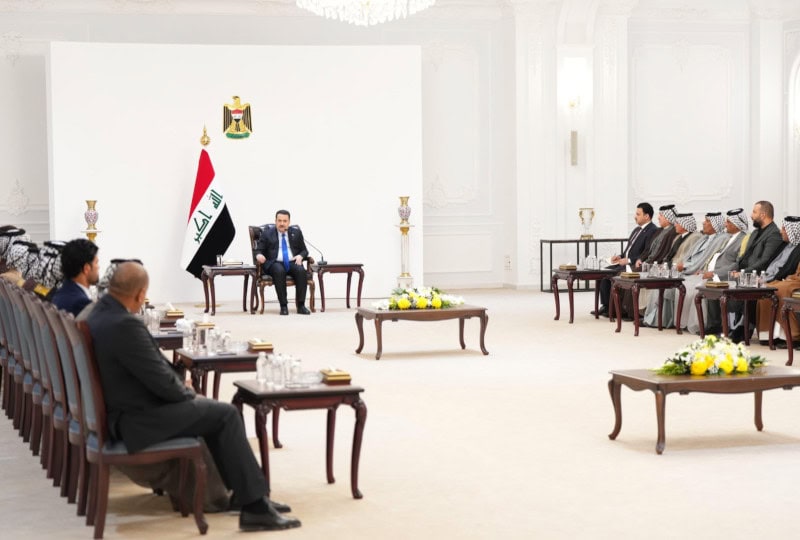
Safaa al Mashhadani was reportedly killed in a car bombing on October 15 in Tarmiya, a town north of Baghdad. Mashhadani was a candidate with the Sovereignty (Siyada) Alliance, an important Sunni party running in the country’s November elections. Iraqi media reports indicate the attack has the hallmarks of a targeted assassination, and the United Nations Assistance Mission for Iraq (UNAMI) called for a transparent investigation.
-
US designates 4 Iran-backed Iraqi militias as Foreign Terrorist Organizations
On September 17, the US State Department designated four Iran-backed Iraqi militias as Foreign Terrorist Organizations (FTOs). These groups, previously listed as Specially Designated Global Terrorists (SDGTs), have received support from the regime in Tehran and attacked US forces and interests in Iraq and across the Middle East.

-
Princeton researcher Elizabeth Tsurkov freed in Iraq
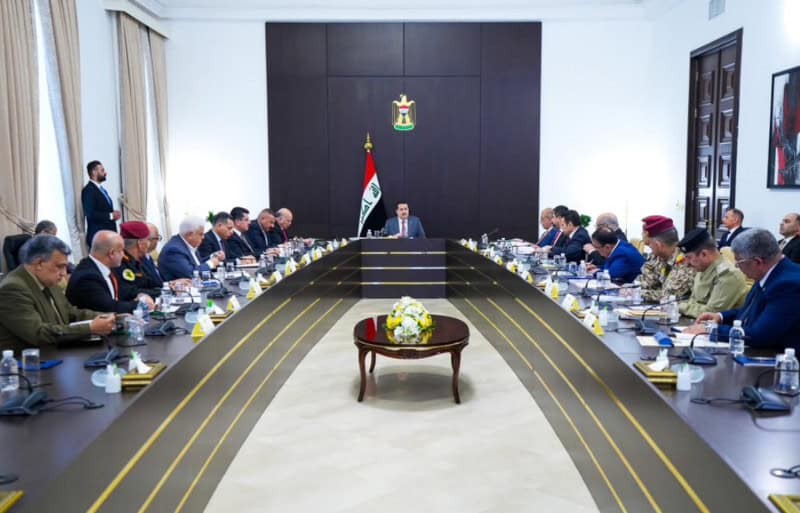
Princeton researcher Elizabeth Tsurkov, who was kidnapped by Iranian-backed militia Kataib Hezbollah in March 2023 and holds Israeli and Russian citizenship, was freed in Iraq on September 9, according to President Donald Trump. The Iraqi Prime Minister’s Office claimed that security agencies in the country had secured her release, and they would pursue those “involved in this crime and hold them accountable.” A source reported to be from Kataib Hezbollah claimed the group had released her to avoid conflict in Iraq and in light of the US withdrawal from the country.
-
Iraqi intel busts Islamic State financial network in West Africa
The Iraqi National Intelligence Service made a surprising announcement yesterday that it busted an Islamic State financial network spanning three countries in West Africa. The network was helping to fund Islamic State activities in Iraq, as well as attack planning in Europe.
-
US-led raid kills senior Islamic State ‘official’ in Syria
US forces carried out a raid in northern Syria on August 19 that killed “a senior [Islamic State] member and key financier who planned attacks in Syria and Iraq,” CENTCOM stated. It is the latest raid on the Islamic State in Syria since a July 25 operation near Aleppo killed one of the group’s commanders.

-
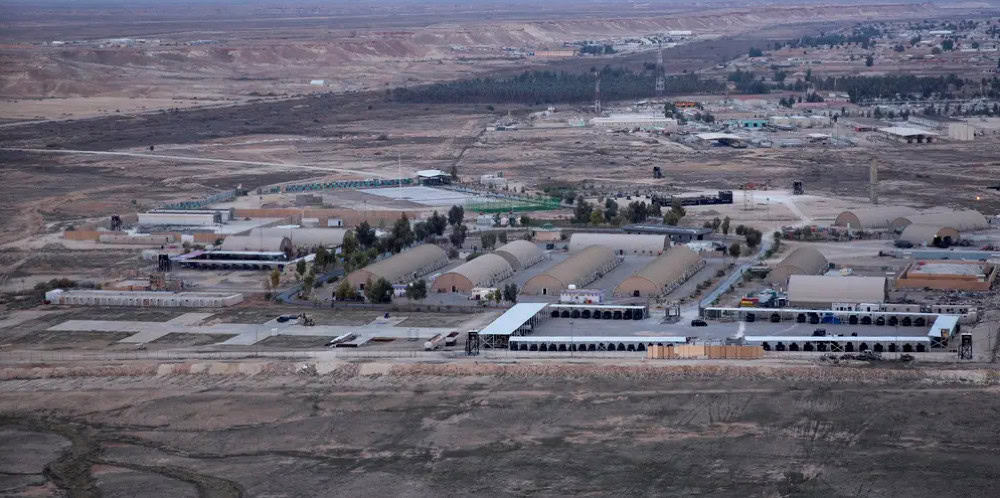
US forces begin withdrawal from Ain al Asad airbase as US presence in Iraq transitions
Iraqi and American officials announced that the US-led counter-Islamic State operation in Iraq began its transition to a bilateral security agreement. US forces have begun moving from Iraqi bases as part of the first phase of the shift, which will end “the coalition’s military mission” in the country.
-
Iraqi PM Sudani condemns Kataib Hezbollah for shooting at Ministry of Agriculture
Kataib Hezbollah, an Iran-backed militia, was involved in a deadly shooting at Iraq’s Ministry of Agriculture on July 27. Despite the support for Iran-backed militias from many Shiite politicians, Iraqi Prime Minister Mohammad Shia al Sudani announced the results of an investigation that found the militia responsible for the incident and recommended consequences.

-
US expresses concern over Iraqi legislation enshrining militias as independent security force
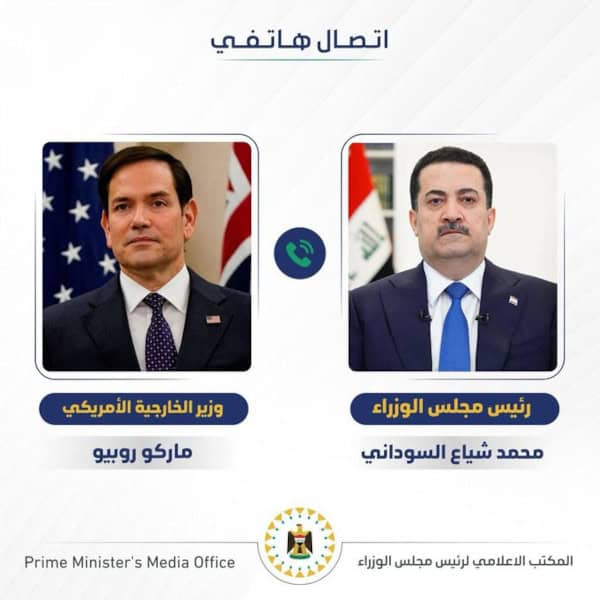
US Secretary of State Marco Rubio voiced American objections to pending Iraqi legislation concerning the Popular Mobilization Forces (PMF), an entity largely composed of pro-Iranian militias. Iraq is attempting to pass a law to protect and legitimize the PMF as an autonomous security organization separate from other government military or security agencies.
-
New head of anti-Islamic State mission in Iraq and Syria takes command
The anti-Islamic State coalition of Combined Joint Task Force-Operation Inherent Resolve received its new commander at a ceremony in Iraq on July 21, 2025. Brigadier General Kevin Lambert took over for Major General Kevin Leahy, who served in the role for a year. Lambert takes over as US allies in Syria may integrate into the new Syrian armed forces, and the US is weighing its next steps in the country.

-
Iran and its militias brace for another conflict with Israel
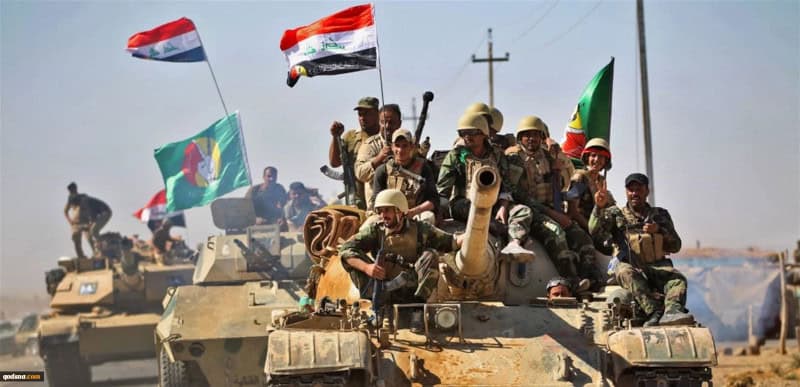
Tehran’s leaders anticipate another war with Israel and have instructed their proxies to remain on high alert for a potential attack wave. Jerusalem has not ruled out the possibility of a new conflict with the Islamic Republic and is optimistic about a green light from Washington.
-
US, UK condemn drone attacks targeting energy sites in Iraq’s Kurdistan Region
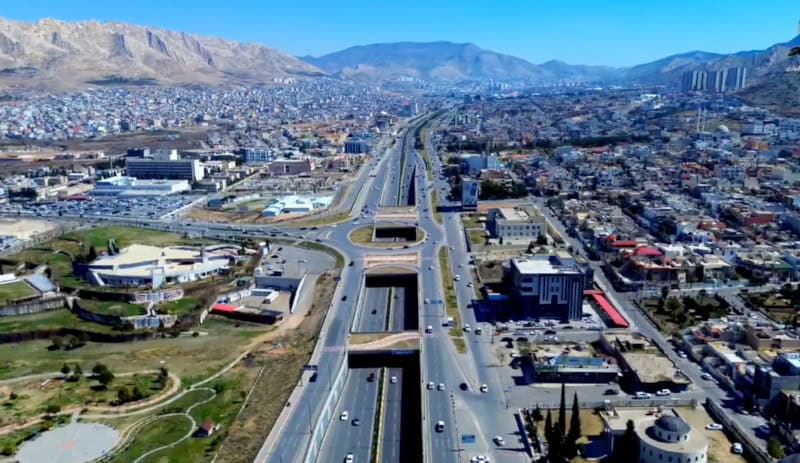
The US and UK Embassies in Baghdad have issued statements regarding recent drone attacks targeting the Kurdistan Region of Iraq. “The United States condemns the recent drone attacks throughout Iraq, including the July 14 and July 15 drone attacks on critical infrastructure at the Khormala and Sarsang oil fields in the Iraqi Kurdistan Region,” the US said on July 15. Drone attacks continued on July 16 and 17. Officials in the autonomous Kurdistan Regional Government have accused Iranian-backed militias within Iraq’s Popular Mobilization Forces of the attacks.
-
Kurdish government blames Iranian-backed PMF for drone attacks targeting Iraqi Kurdistan
On July 5, northern Iraq’s autonomous Kurdistan Regional Government blamed the Iraqi federal government’s Iranian-backed Popular Mobilization Forces (PMF) for drone attacks impacting Iraqi Kurdistan. An Iraqi official rejected the accusations. Since June 30, there have been numerous drone attacks targeting the autonomous Kurdistan Region in northern Iraq. The PMF and Iran have been behind attacks in the area over the past several years, including targeting US forces and Iranian dissident groups.

-
Iraqi military bases targeted in overnight strikes
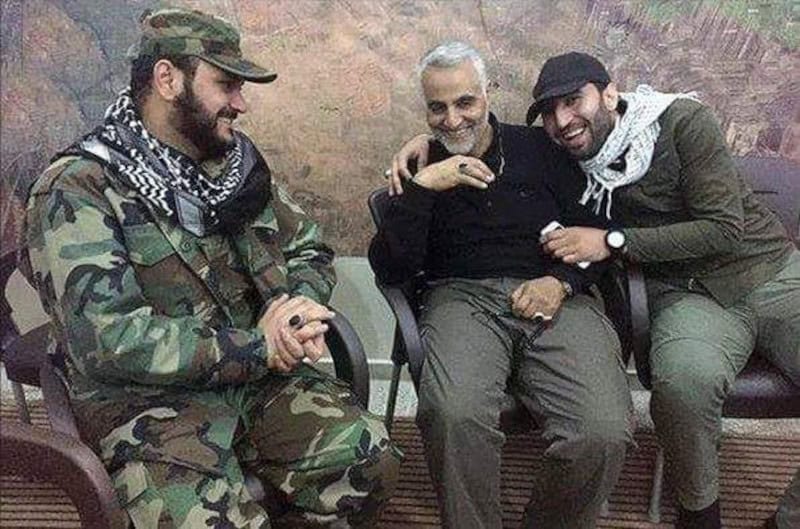
Suspected Iran-backed militias targeted bases in Iraq that are known to have housed US troops and contractors as the ceasefire between Iran and Israel took effect. The Trump administration did not respond to last night’s attacks or previous attacks against US forces in Iraq and Syria.
-
Iranian-backed militias threaten US amid rising tensions in Iraq over Iran-Israel conflict
Tensions in Iraq have grown in the wake of the Israeli attack on Iran on June 12. Pro-Iranian Iraqi militias have increased their threats against US forces and held rallies against the US presence in Iraq. The Iraqi government has sent security forces to Nineveh Governorate to prevent the area from being used by militias to launch rockets. In addition, several drones launched by Iran have crashed in Iraq.

-
Iraqi militias largely rely on rhetoric in response to Israel-Iran conflict—for now
Iranian-backed militias in Iraq have refrained from attacking Israel directly since the start of the war between Israel and Iran on June 13. However, there have been two unclaimed attacks on US interests in Iraq since Operation Rising Lion began, and the Iraqi groups have ramped up anti-Israeli and anti-American rhetoric, threatening US interests and mobilizing supporters through propaganda channels.

-
Iran-backed Shiite militias attack US forces based in Iraq
The Islamic Resistance of Iraq has carried out more than 180 such attacks against US forces in Iraq, Syria, and Jordan since October 7, 2023. The most recent attack risks drawing US forces into an offensive role in Israel’s war with Iran. Thus far, the US has attempted only to provide defensive support for Israel in the conflict.
-
US adds Iran-backed Iraqi militia Kataib Imam Ali to list of terror organizations
Kataib Imam Ali is the sixth Iran-backed Shiite militia in Iraq that has been listed by the US as a terrorist organization. The group’s secretary general was previously designated for his ties to Iran’s Islamic Revolutionary Guards Corps–Qods Force and its former commander, Qassem Soleimani.

-
Efforts continue to free kidnapped Princeton researcher Elizabeth Tsurkov
Reports in Iraqi, Israeli, Lebanese, and US media indicate that efforts continue to free Princeton researcher Elizabeth Tsurkov, who was kidnapped in Iraq 800 days ago in March 2023. The Iranian-backed militia Kataib Hezbollah is believed to be holding Tsurkov in Iraq, and pressure on the Iraqi government to find and free her has increased over the last six months. Recent reports indicate that Tsurkov could be exchanged for several people held in different countries who Kataib Hezbollah wants to be freed.