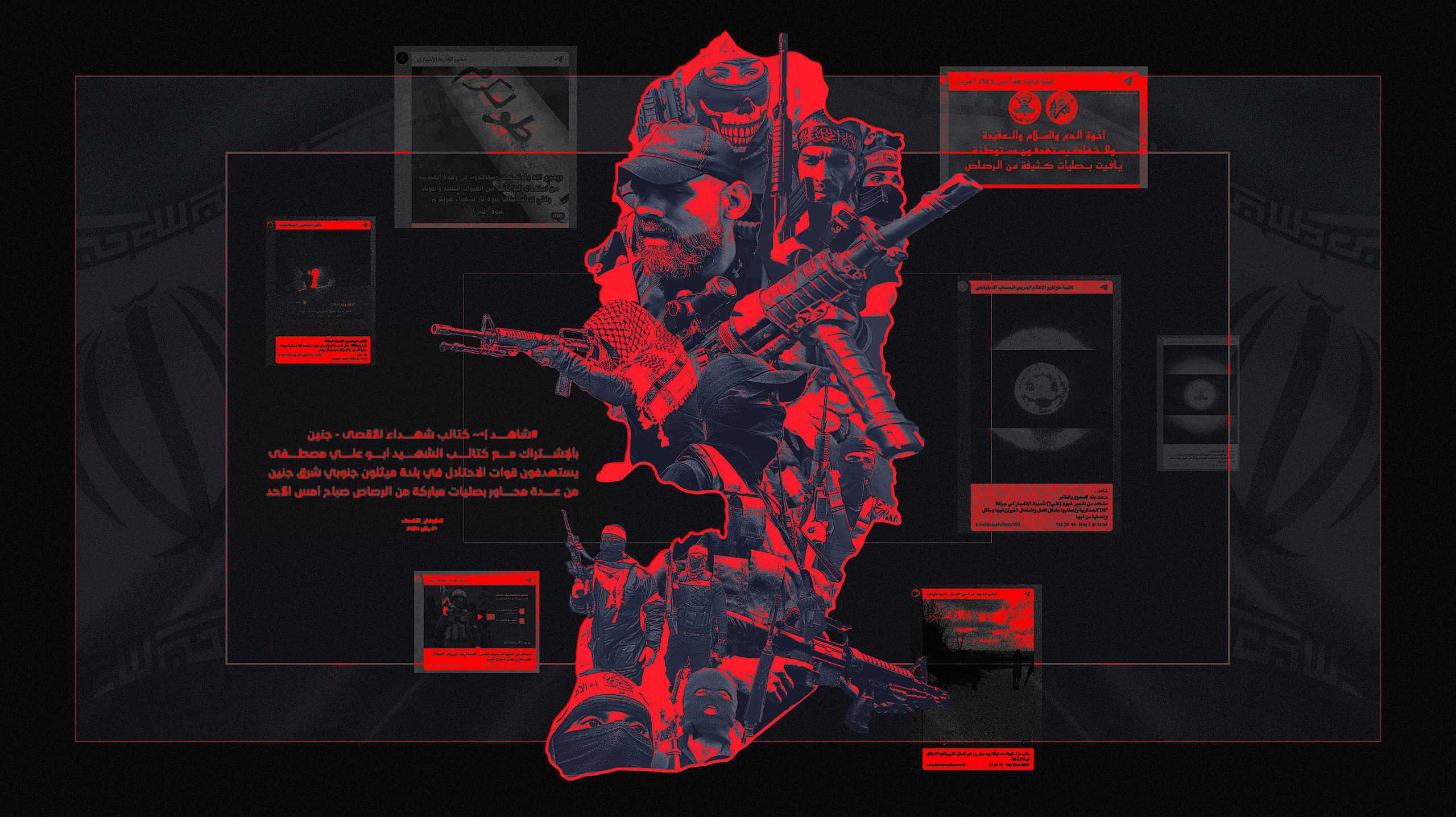
On January 16, against the backdrop of a possible American military operation against Iran, Kataib Hezbollah (Hezbollah Brigades) threatened that the group was ready to strike US bases in Iraq and the region if Washington launched a war against the Islamic Republic. The Shiite militia is part of Iraq’s Popular Mobilization Forces (PMF), a group of militias, many backed by Iran, that comprise an official Iraqi security institution.
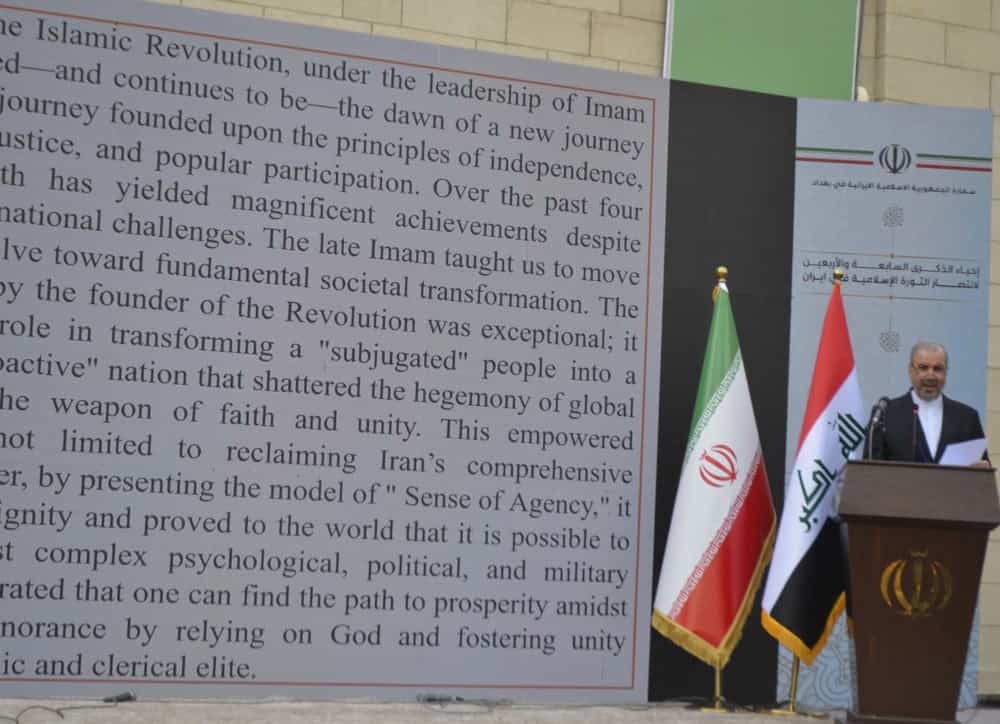
At a rally outside the Iranian embassy in Baghdad attended by various Iran-backed Iraqi Shiite militias, Kataib Hezbollah official Abu Talib al Saidi declared his group’s readiness to carry out attacks on US military bases. Saidi warned that Kataib Hezbollah, which the US has designated as a Foreign Terrorist Organization (FTO) and a Specially Designated Global Terrorist (SDGT) entity, has its hands on its weapons, and American bases in the region would not be “immune from our missiles and drones.”
Unlike the group’s posture during the June 2025 Israeli and American strikes on Iran’s military and nuclear infrastructure, Saidi said that Kataib Hezbollah would not stay neutral.
“During the 12-day war launched by the United States against Iran, there were instructions and orders from the supreme leader, Ali Khamenei, that we should not intervene in this war. But the situation now is completely different,” Saidi stated.
Kataib Hezbollah, among other Iran-backed proxy groups, has reportedly traveled to Iran to assist the Islamic Republic in suppressing protests against the government that broke out on December 28, 2025. Since the Tehran regime began to crack down on demonstrations, the US-based Iranian Human Rights Activists News Agency estimated that over 3,000 people have been killed. Other reports have claimed the number exceeds 12,000 deaths or more.
US President Donald Trump first threatened to intervene militarily against Iran on January 2, warning that if the regime continued killing peaceful protesters, the United States would step in to defend them. Since that initial warning, rhetoric from both Washington and Tehran has steadily escalated, fueling fears of a broader confrontation. Speculation over an imminent US strike peaked on January 14, when Iran temporarily closed its airspace for several hours, a move widely interpreted as a precaution against possible military action.
To avert a potential Iranian retaliation in response to US strikes, Israel and Arab countries asked the Trump administration to hold off on carrying out strikes, according to The New York Times.
Despite the reported Israeli request to the US administration, the Israel Defense Forces (IDF) said on January 16 that it was monitoring the situation in the region and was prepared for a wide range of scenarios across all fronts. Separately, the Pentagon ordered the USS Abraham Lincoln aircraft carrier and its strike group to move from the South China Sea toward the Middle East, signaling that a potential conflict with Iran is still possible.