-
6 Kurdistan Regional Government soldiers killed in Iranian attack on northern Iraq
Six Peshmerga fighters were killed, and more than 20 were wounded in a missile strike north of Erbil on March 24, marking the deadliest attack on the Kurdistan Region since late February. The strike is part of a broader wave of drone and missile attacks by Iran and Iranian-backed militias targeting northern Iraq, US facilities, and Kurdish forces. In addition, rockets were fired toward Syria on March 23, and at least 15 members of Iraq’s Popular Mobilization Forces were killed in a likely US airstrike in Iraq’s Anbar province.
-
Trump calls for Iraq to reject Maliki as prime minister, Maliki denounces US ‘interference’
On January 28, former Iraqi Prime Minister Nouri al Maliki stated that he rejected “blatant American interference in Iraq’s internal affairs,” a day after US President Donald Trump said Maliki, who is a leading contender for the country’s next prime minister, should not retake the office. US envoy to Iraq Mark Savaya also said that Iranian-backed militias should be prevented from having power in the next government. Separately, several Iranian-backed militias threatened to support Iran in any conflict with the US or Israel and sent forces to the border with Syria amid fighting between the Syrian government and the Syrian…
-
Iran and its proxies threaten retaliation against US and Israel amid US military buildup
Tehran and its regional proxy groups have threatened retaliation against the United States and Israel as Washington moves additional military assets into the Middle East after the regime’s lethal crackdown on protesters. Regime-affiliated outlets and proxy leaders have outlined various retaliation scenarios, including drone swarms, maritime disruption efforts, and suicide attacks.
-
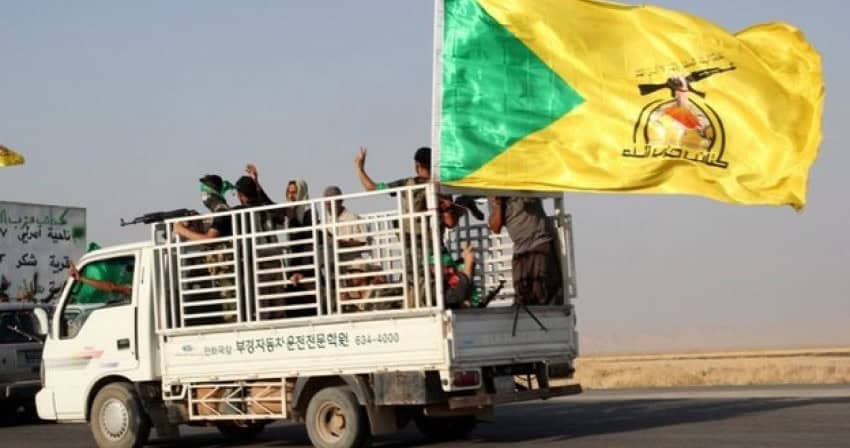
Kataib Hezbollah threatens US bases in the Middle East if US strikes Iran
Kataib Hezbollah, an Iraqi Shiite militia, warned the United States that if Washington launched a war with Iran, the group would attack American bases in the region. The threat comes amid rising tension between Washington and Tehran as the Islamic Republic continues a brutal crackdown on demonstrations that began nearly three weeks ago.
-
Iraqi militias divided on disarming and accepting government control
Iranian-backed militias in Iraq are reportedly considering an initiative to disarm and place their weapons under government control. The militias, part of Iraq’s Popular Mobilization Forces (PMF), have been incorporated as independent units within Iraq’s security forces since 2016. Kataib Hezbollah, one of the most powerful of militias, has rejected disarmament, while the US lauded the potential development.
-
Iraq votes in parliamentary elections amid US security talks and concerns about Iranian influence
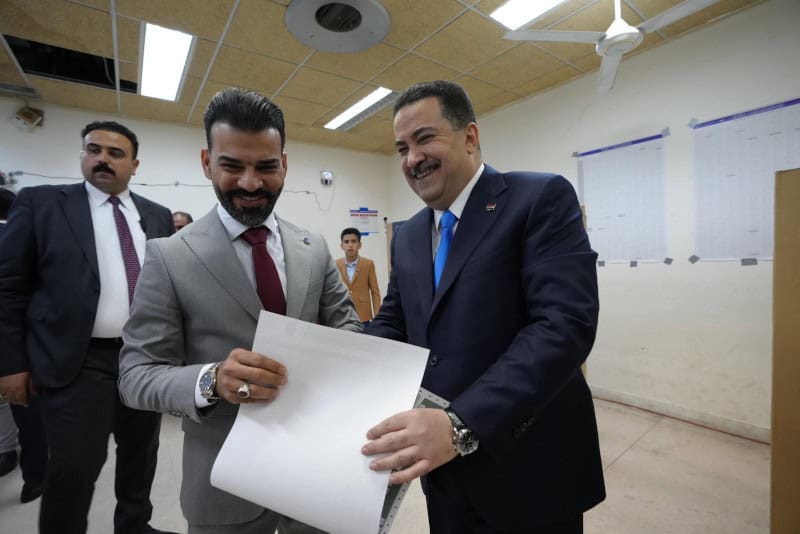
On November 11, Iraqis voted in the country’s sixth parliamentary election since 2006. More than 30 million people were eligible to vote, and estimates say turnout was around 55 percent. There were 329 seats up for election, with Iraqi parties divided along sectarian and ethnic lines. On the eve of the election, US officials met with their Iraqi counterparts to discuss future security cooperation. Meanwhile, Iran is closely monitoring the election results as pro-Iranian parties and militias seek to secure seats in parliament.
-
Iraqi PM Sudani condemns Kataib Hezbollah for shooting at Ministry of Agriculture
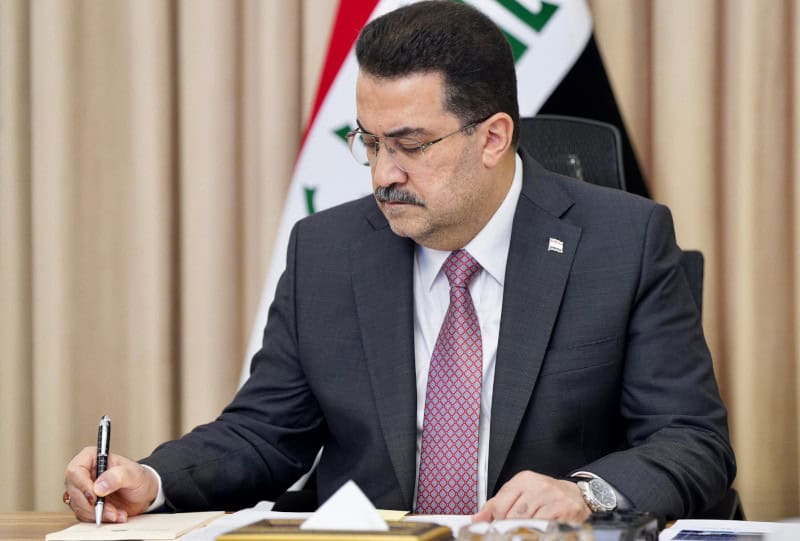
Kataib Hezbollah, an Iran-backed militia, was involved in a deadly shooting at Iraq’s Ministry of Agriculture on July 27. Despite the support for Iran-backed militias from many Shiite politicians, Iraqi Prime Minister Mohammad Shia al Sudani announced the results of an investigation that found the militia responsible for the incident and recommended consequences.
-
US expresses concern over Iraqi legislation enshrining militias as independent security force
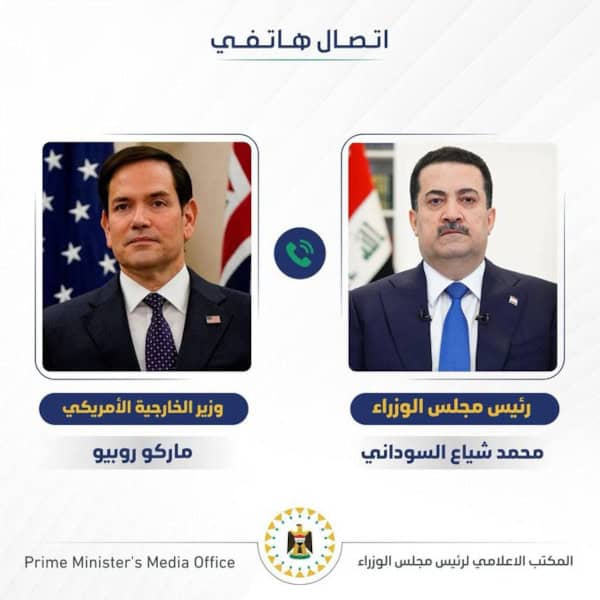
US Secretary of State Marco Rubio voiced American objections to pending Iraqi legislation concerning the Popular Mobilization Forces (PMF), an entity largely composed of pro-Iranian militias. Iraq is attempting to pass a law to protect and legitimize the PMF as an autonomous security organization separate from other government military or security agencies.
-
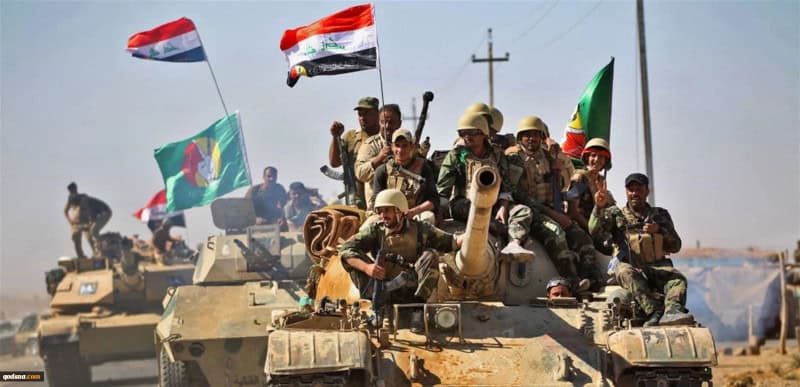
Iran and its militias brace for another conflict with Israel
Tehran’s leaders anticipate another war with Israel and have instructed their proxies to remain on high alert for a potential attack wave. Jerusalem has not ruled out the possibility of a new conflict with the Islamic Republic and is optimistic about a green light from Washington.
-
US, UK condemn drone attacks targeting energy sites in Iraq’s Kurdistan Region
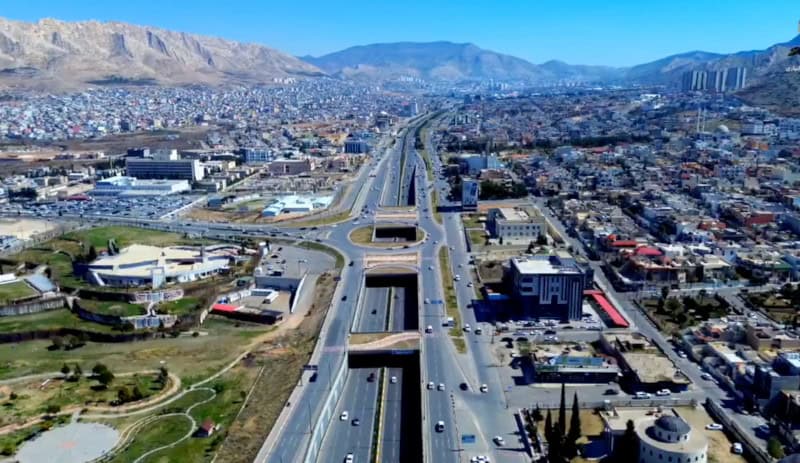
The US and UK Embassies in Baghdad have issued statements regarding recent drone attacks targeting the Kurdistan Region of Iraq. “The United States condemns the recent drone attacks throughout Iraq, including the July 14 and July 15 drone attacks on critical infrastructure at the Khormala and Sarsang oil fields in the Iraqi Kurdistan Region,” the US said on July 15. Drone attacks continued on July 16 and 17. Officials in the autonomous Kurdistan Regional Government have accused Iranian-backed militias within Iraq’s Popular Mobilization Forces of the attacks.
-
Kurdish government blames Iranian-backed PMF for drone attacks targeting Iraqi Kurdistan
On July 5, northern Iraq’s autonomous Kurdistan Regional Government blamed the Iraqi federal government’s Iranian-backed Popular Mobilization Forces (PMF) for drone attacks impacting Iraqi Kurdistan. An Iraqi official rejected the accusations. Since June 30, there have been numerous drone attacks targeting the autonomous Kurdistan Region in northern Iraq. The PMF and Iran have been behind attacks in the area over the past several years, including targeting US forces and Iranian dissident groups.
-
US adds Iran-backed Iraqi militia Kataib Imam Ali to list of terror organizations
Kataib Imam Ali is the sixth Iran-backed Shiite militia in Iraq that has been listed by the US as a terrorist organization. The group’s secretary general was previously designated for his ties to Iran’s Islamic Revolutionary Guards Corps–Qods Force and its former commander, Qassem Soleimani.
-
Iran’s Quds Force commander travels to Iraq ahead of Arab summit
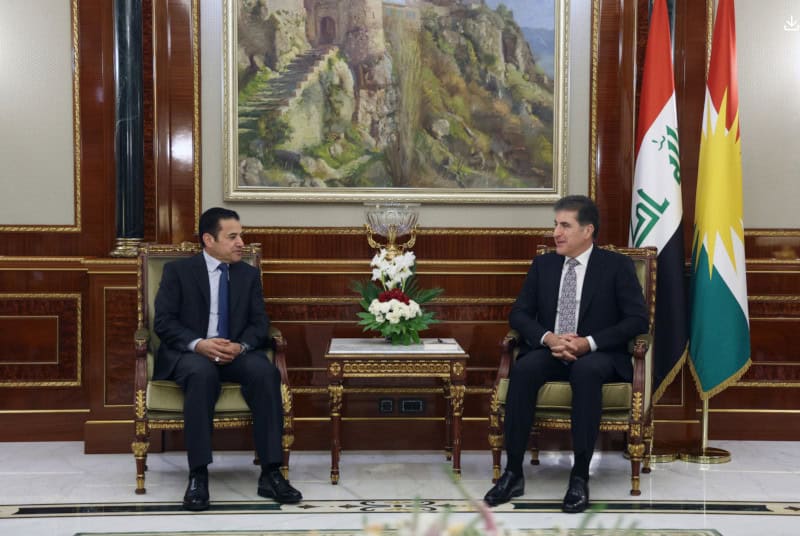
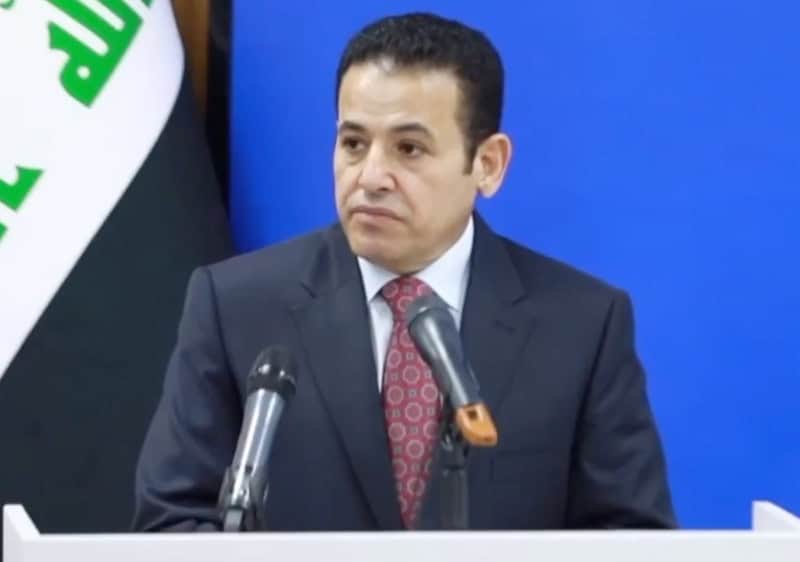
Esmail Qaani, the head of Iran’s Islamic Revolutionary Guard Corps-Quds Force, arrived in Iraq on May 14 and met with Iraqi National Security Advisor Qasim al Araji. Qaani discussed a security agreement in which Iraq has vowed to crack down on Iranian dissident groups within Iraq. In addition, Iraq’s prime minister and foreign minister said weapons in Iraq should be in the hands of the state.
-
Iraq’s Kataib Hezbollah militia denies report it will disarm
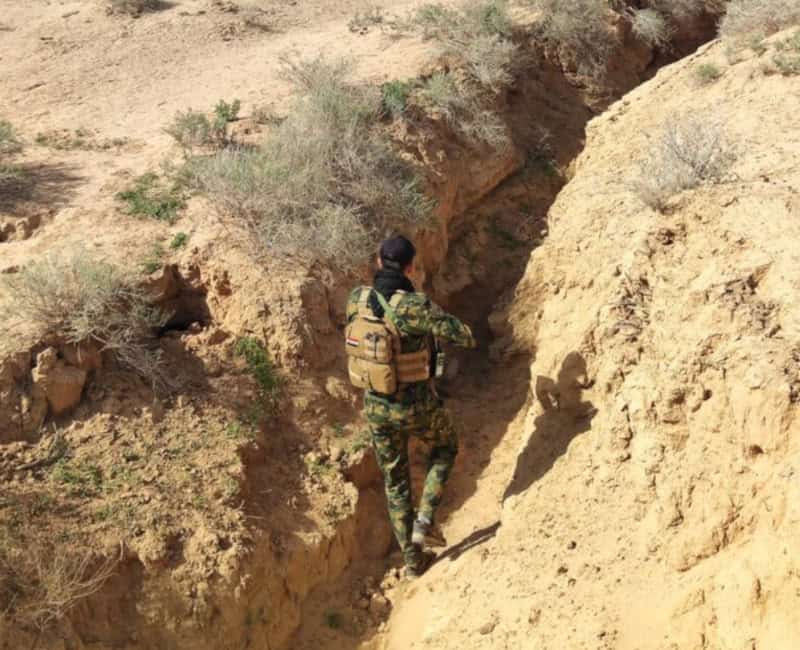
Kataib Hezbollah issued a statement on April 8 rejecting a Reuters report that said it was considering disarmament. Iraq has been under pressure to rein in Iranian-backed militias that are part of the Popular Mobilization Forces (PMF), of which Kataib Hezbollah is a key member. A member of Iraq’s parliament said the PMF is essential for defending Iraq, and the organization’s units conducted several operations across the country, showcasing their presence.
-
Iraq wrestles with US pressure over Iran-backed militias
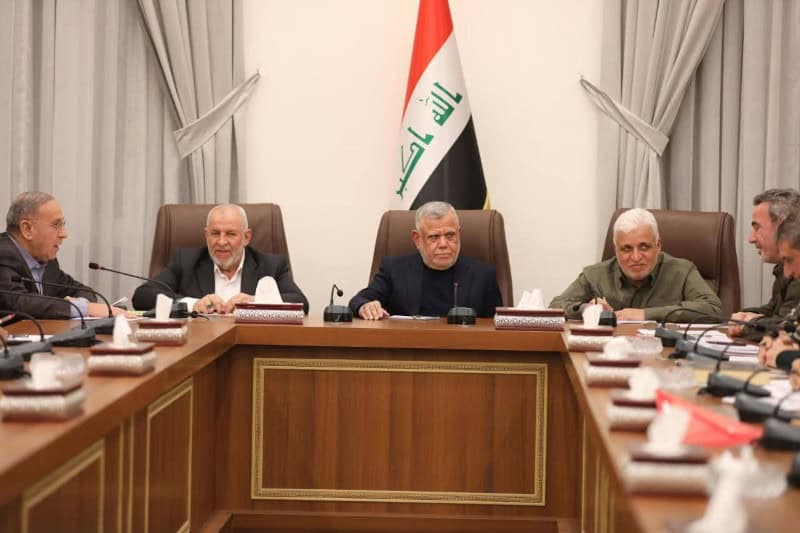
Iraqi political and militia leaders are reportedly responding to pressure from the US to disband Iran-backed militias in Iraq. However, the progress of government efforts and the ultimate status of Iraq’s Popular Mobilization Forces (PMF), primarily supported by Iran, remain uncertain.
-
Iraq’s former PM visits Houthis amid US strikes and Houthi attacks on ships, Israel
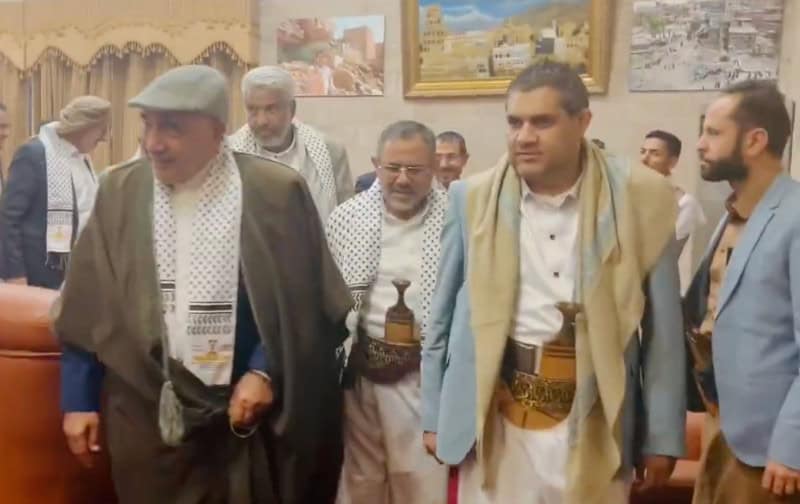
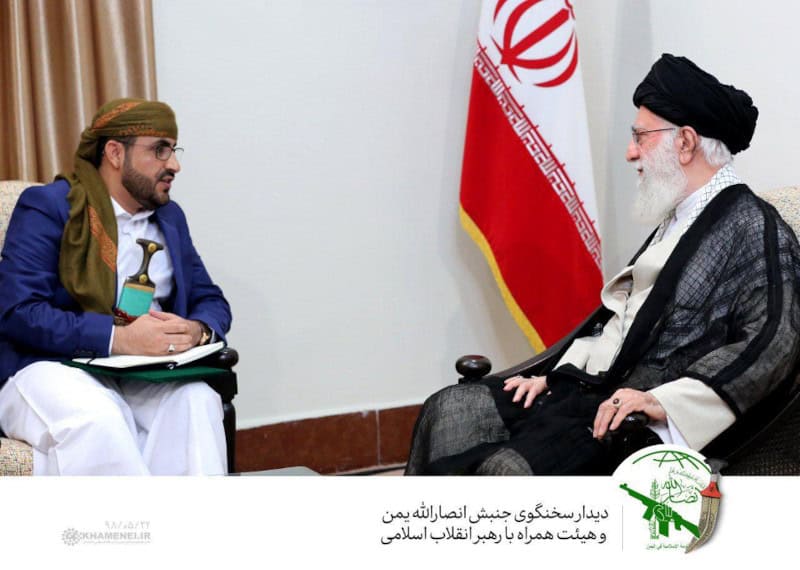
Former Iraqi Prime Minister Adil Abdul-Mahdi traveled to Houthi-controlled Sanaa in Yemen on March 20, according to reports in Iranian and Yemeni media. His visit occurred as the US continued its campaign of airstrikes against the Iranian-backed Houthis. Sources Abdul-Mahdi was in Yemen to attend a conference in support of Palestinians, but other reports speculated that his visit may be linked to the US conflict with the Houthis and Iran’s historic backing of the group.
-
Iran reportedly urges the Houthis to de-escalate ‘tensions’
Iran reportedly urged the Houthis to de-escalate tensions in the Red Sea following President Donald Trump’s warning the US will hold Tehran accountable for its proxy’s destabilizing activities. Iranian calls for de-escalation, along with previous communications with other regional proxies, may signal a shift in the Islamic Republic’s proxy strategy.
-
Pro-Iranian Iraqi militia leaders gather in Lebanon for Hezbollah leader’s funeral
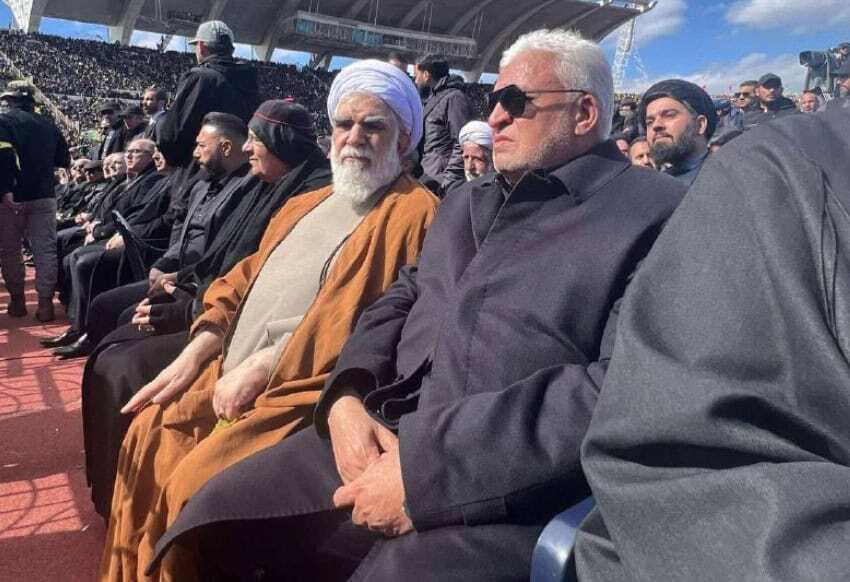
Falih al Fayyadh, the head of Iraq’s largely pro-Iranian Popular Mobilization Units (PMU), traveled to Beirut for the funeral of Hezbollah leader Hassan Nasrallah on February 23. Other senior members of pro-Iranian militias in Iraq also attended the funeral, and several militia leaders put out statements. Hezbollah-affiliated media claimed approximately 200,000 Iraqis came to Lebanon for the event, though this number is unverified.
-
Head of Iraq’s powerful pro-Iranian Popular Mobilization Units visits Tehran
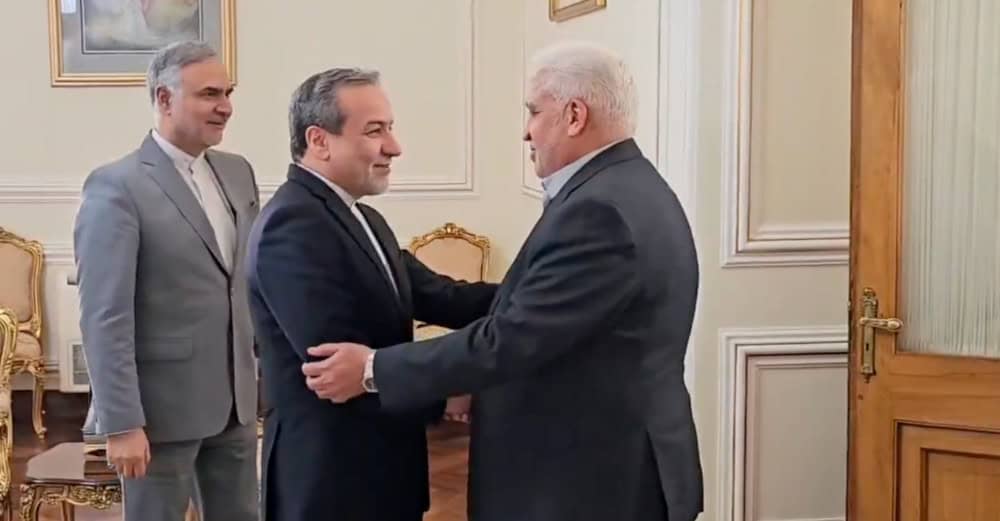
On February 18, Falih al Fayyadh, the chairman of Iraq’s largely pro-Iranian Popular Mobilization Units (PMU), visited Tehran and met with Iranian Foreign Minister Abbas Araghchi. According to reports, Fayyadh also met with Ali Akbar Ahmadian, the head of Iran’s Supreme National Security Council.
-
Drone attack targets gas field in northern Iraq
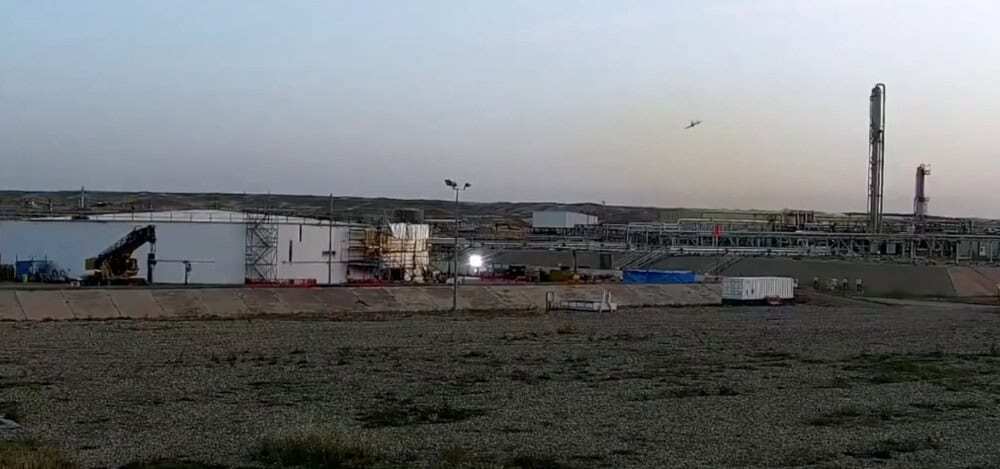
On February 2, a drone targeted the Khor Mor gas field in the autonomous Kurdistan Region of Iraq. Dana Gas, which runs the facility, said that operations continued as normal, and there were no injuries. The same area has been attacked several times in recent years, including by an Iranian-type Shahed drone in April 2024. The US Embassy condemned the attack, and Iraq’s prime minister called for an investigation.
-
Iranian-backed militias in Iraq face an uncertain future
Pro-Iranian militias in Iraq, collectively part of the Hashd al Shaabi (Popular Mobilization Units), face increasing calls to place their arms under state control or lay them down entirely. The fall of the Assad regime, a new administration in Washington, and the Gaza ceasefire have put these groups under the spotlight in Iraqi politics.
-
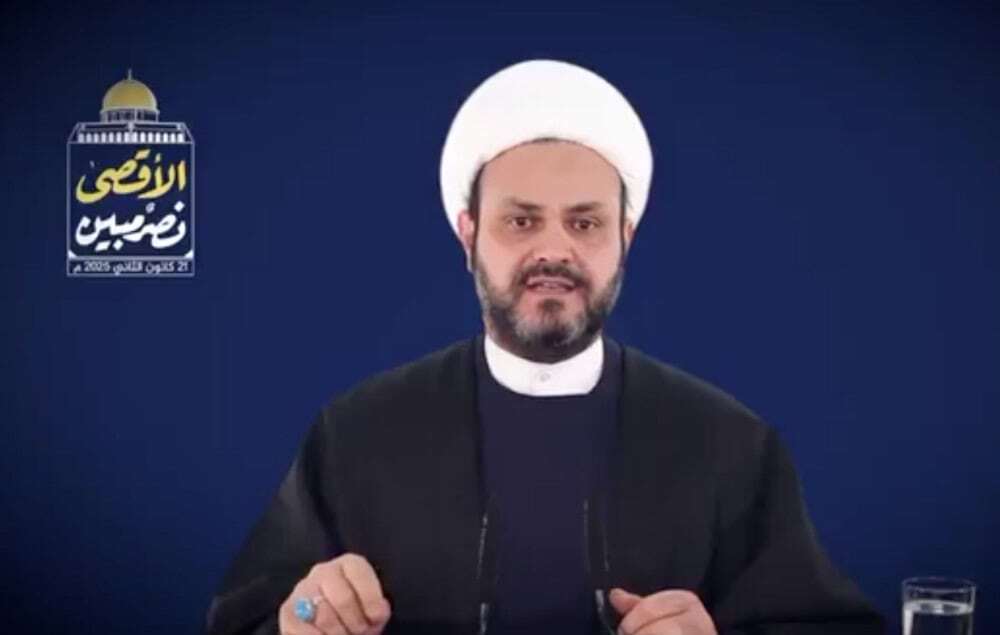
Tehran’s pawns in Iraq
Bill is joined by show regular Edmund Fitton-Brown to discuss Edmund’s latest analysis for FDD’s Long War Journal: The role of Iraqi Shia militias as proxies in Iran’s Axis of Resistance.

-
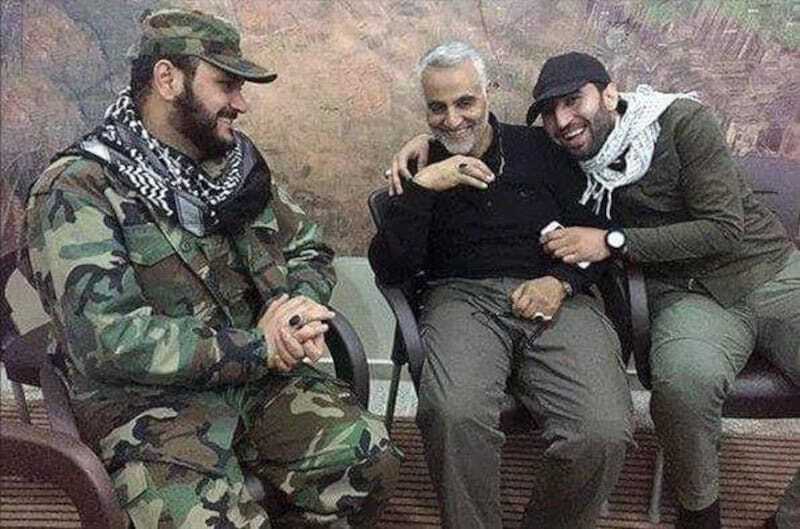
Analysis: The role of Iraqi Shia militias as proxies in Iran’s Axis of Resistance
Iraq’s Shia militias play a unique part in Iran’s Axis of Resistance and present distinct challenges for the US, Israel, and the Iraqi state. Notably, a more direct conflict between the militias and the US and Israel would imperil the Iraqi government’s ability to balance its relationships with Iran and the US, along with the country’s essential stability.
-
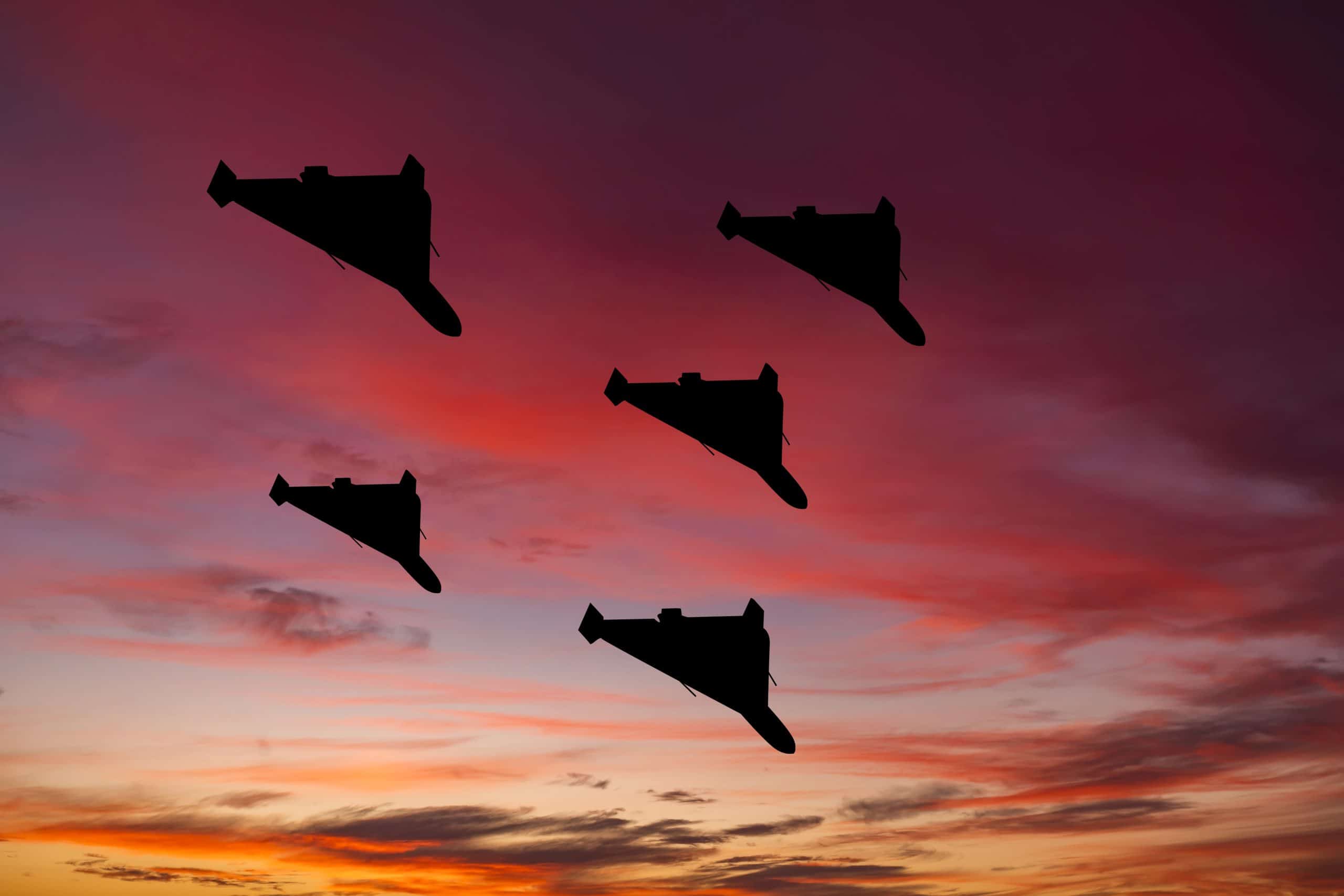
Three U.S. service members in Jordan killed by Iran-backed militias
President Biden blamed Iranian-backed militias for killing three US service members and injuring others following a drone attack on a base in Jordan.
-
U.S. strikes Houthi launch sites, Iran targets ‘Mossad bases’ in missile attack in northern Iraq
As the Houthis defy the international coalition thatis struggling to keep the Red Sea open to commercial shipping, the Iranians launched a ballistic missile strike on what it claimed was Israeli intelligence assets in Irbil, Iraq.
-
U.S. kills commander in Iranian-backed militia in Baghdad strike
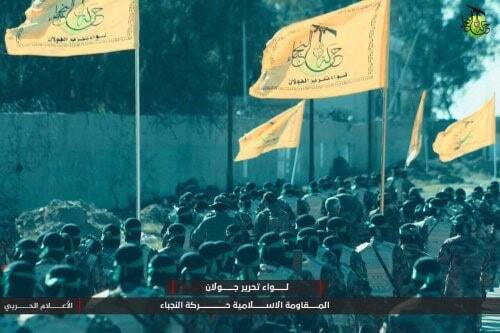
Today’s strike is the first to target a commander of the Iranian-backed militias. Abu Taqwa Al Si’adi was a commander in the Harakat Hezbollah al Nujaba, a U.S.-designated terror organization.
-
Iraqi government ‘condemns’ retaliatory U.S. airstrikes on Hezbollah Brigades
Iraq’s Prime Minister Mohammed Shia’ Al Sudani also denounced militia attacks on U.S. forces, however he is powerless to stop them. The Iranian-backed militias report to Sudani, but do not follow his orders. They are loyal to Iran.
-
Son of Hezbollah commander behind establishment of Iraqi militias reported killed in Israeli airstrike
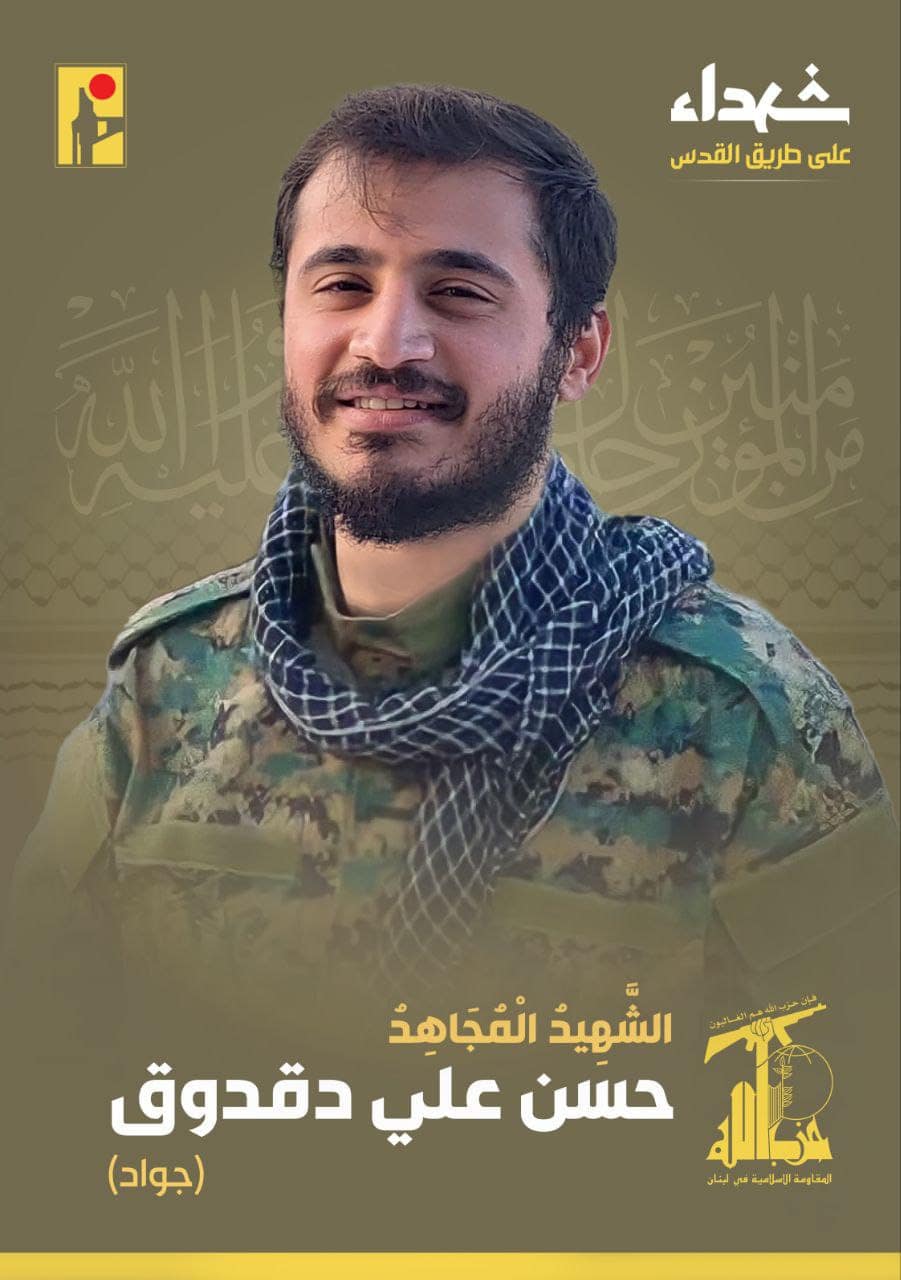
Three members of Lebanese Hezbollah, including a pro-Assad fighter have been killed by a reported Israeli airstrike in southern Syria. One of the Hezbollah members killed is Hassan Ali Daqduq, son of infamous Hebzollah commander Ali Musa Daqduq.
-
U.S. military launches second strike in Iraq in response to attacks by Iranian-backed militias
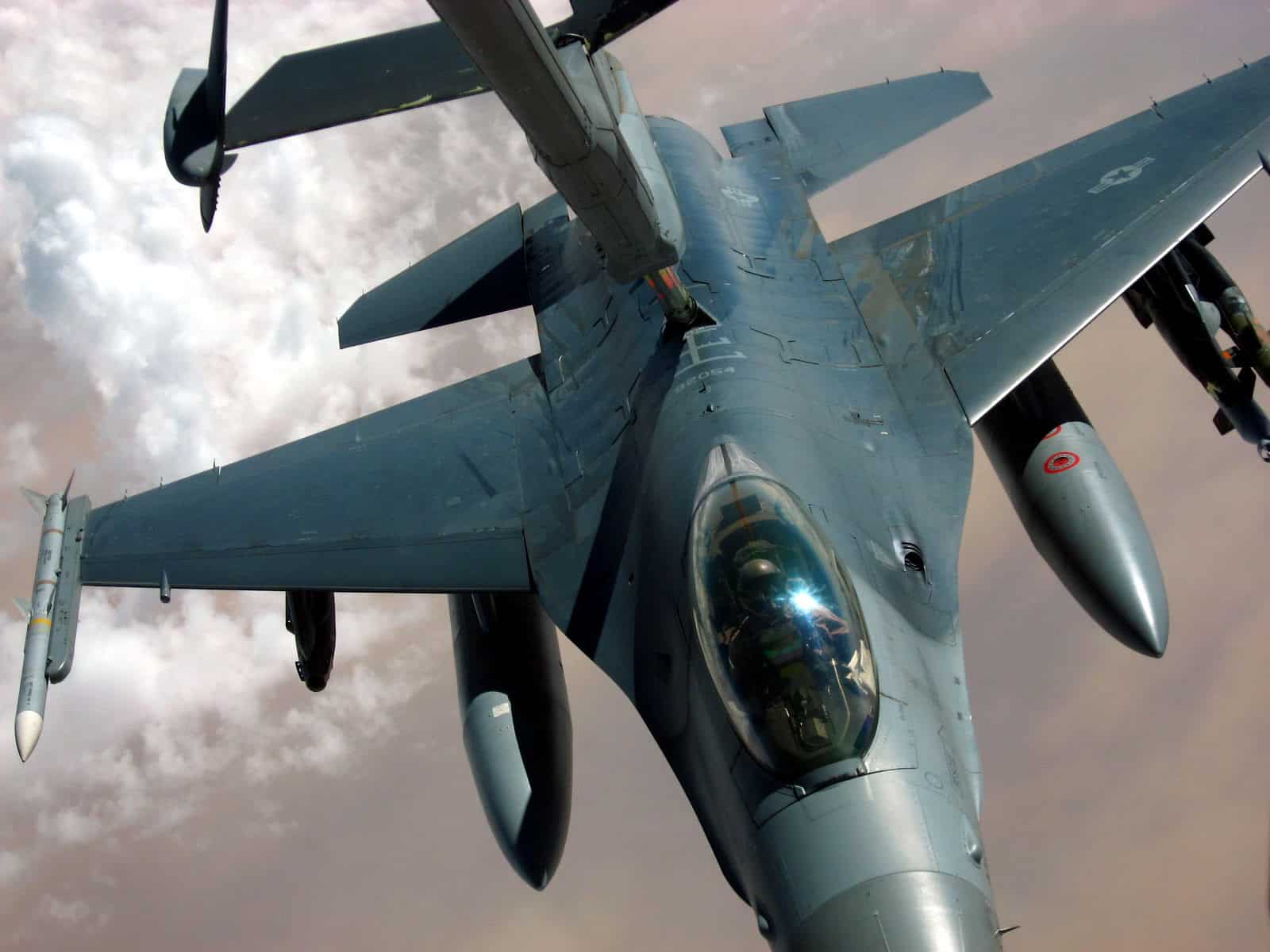
The the U.S. military accused Iran of directly carrying out attacks on U.S. forces. “close-range ballistic missiles” were used in a recent attack against U.S. forces.
-
U.S. military kills Hezbollah Brigades fighter in strike in Iraq
Unlike three previous strikes by the U.S. military which were intended to deter the militias from attacking U.S. forces, today’s strike targeted a Hezbollah Brigades team that had targeted a U.S. base in western Iraq.