-
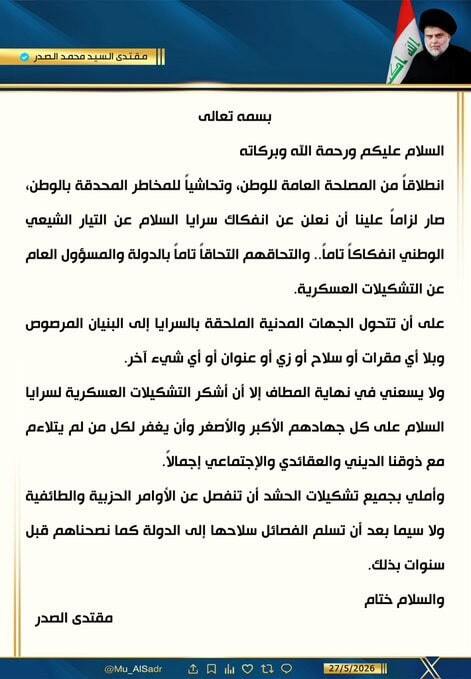
Muqtada al Sadr announces integration of his militia into the Iraqi state
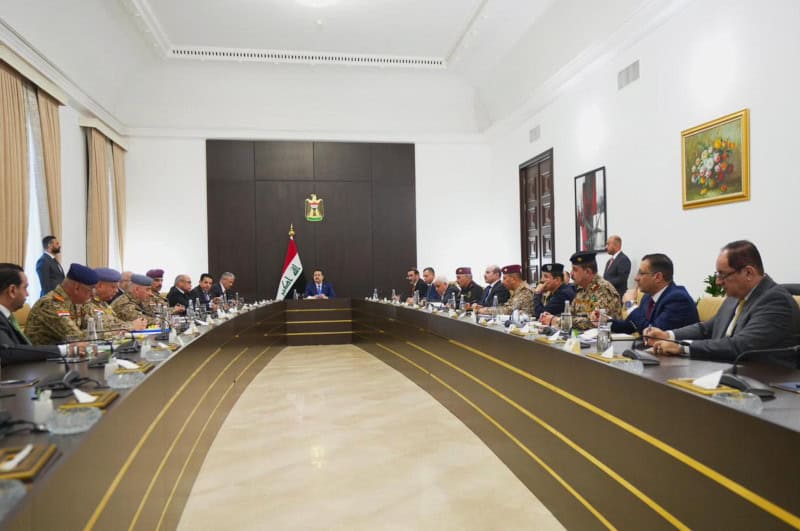
Iraqi nationalist cleric Muqtada al Sadr announced that his militia, Saraya al Salam, will integrate into state security institutions. This development comes as Iraq’s new political leadership is navigating the issue of disarming Iran-backed militias.
-
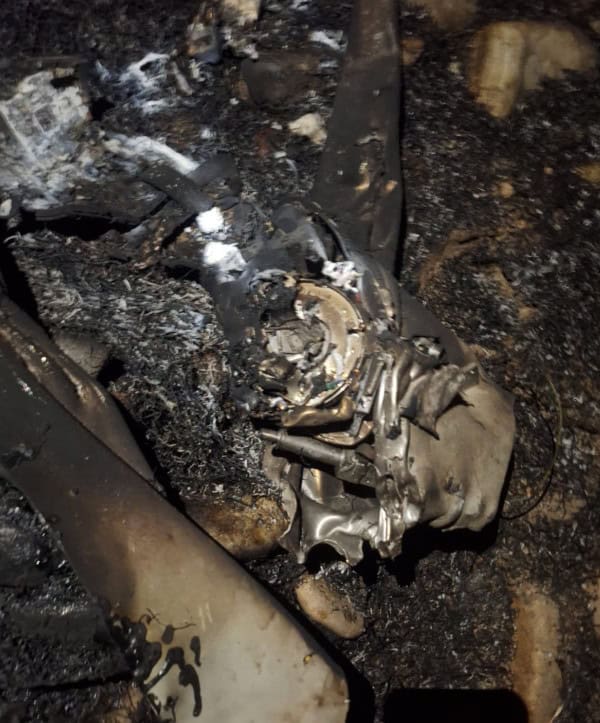
Iran conducts new attacks on Kurdish opposition groups in northern Iraq
The Kurdistan Freedom Party (PAK) said Iranian drones and a missile struck one of its facilities near Erbil on May 25, wounding nine Peshmerga, while other camps were reportedly also targeted in recent weeks. Kurdish Iranian opposition groups, operating from Iraq’s Kurdistan Region for decades, formed a coalition to coordinate activities in February. The attacks come as Iraq’s new government seeks to curb armed groups and address regional security concerns.
-
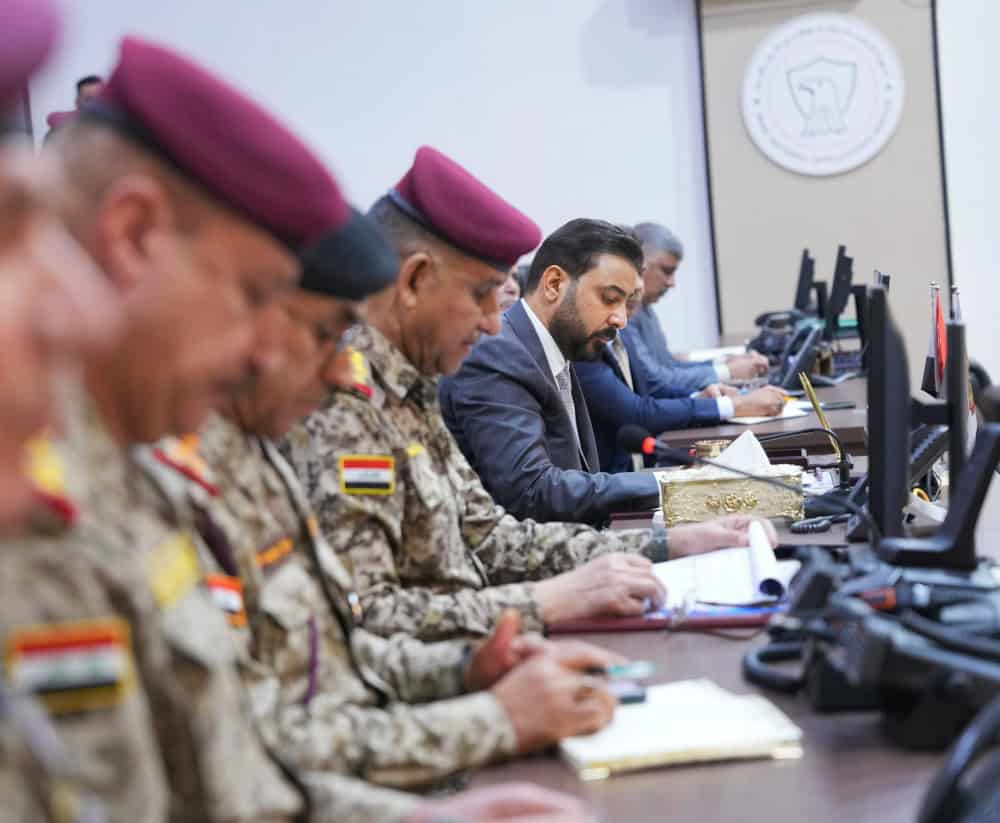
Saudi Arabia and UAE say drone attacks were launched from Iraq
Saudi Arabia and the United Arab Emirates said that recent drone attacks targeting their territory originated from Iraq, increasing pressure on Baghdad to address the activities of Iranian-backed militias operating inside the country. The incidents come amid continued regional tensions involving Iran and have intensified scrutiny of Iraq’s newly formed government.
-
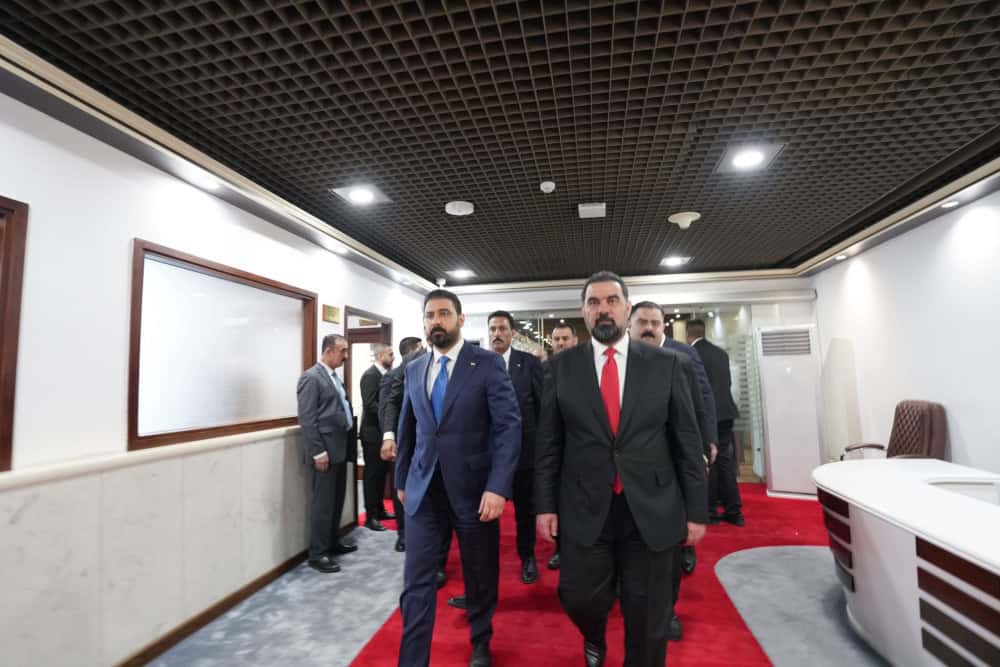
Iraq forms new government with only 14 of 23 ministers
Iraq’s parliament approved the new government six months after parliamentary elections in November 2025. Ali al Zaidi is now the prime minister, but key ministries remain unfilled amid disagreements between Tehran and Washington and their partners over the government’s formation.
-
Iraqi security forces and politicians react to reports of ‘secret’ Israeli base
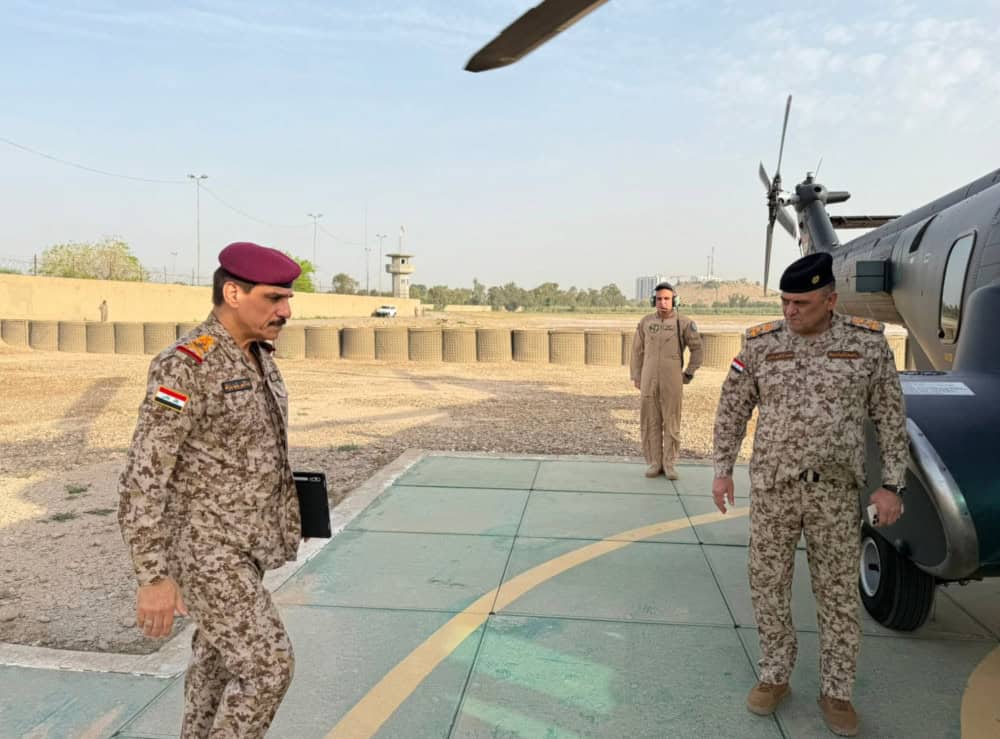
A report alleging that Israel operated a secret military base in Iraq’s Najaf desert has sparked controversy and conflicting statements among Iraqi politicians and security forces. The report emerged amid sensitive political negotiations in Baghdad and broader tensions involving Iran-backed militias, Israel, the United States, and Iran.
-
Iran targets Kurdish Iranian opposition groups in northern Iraq
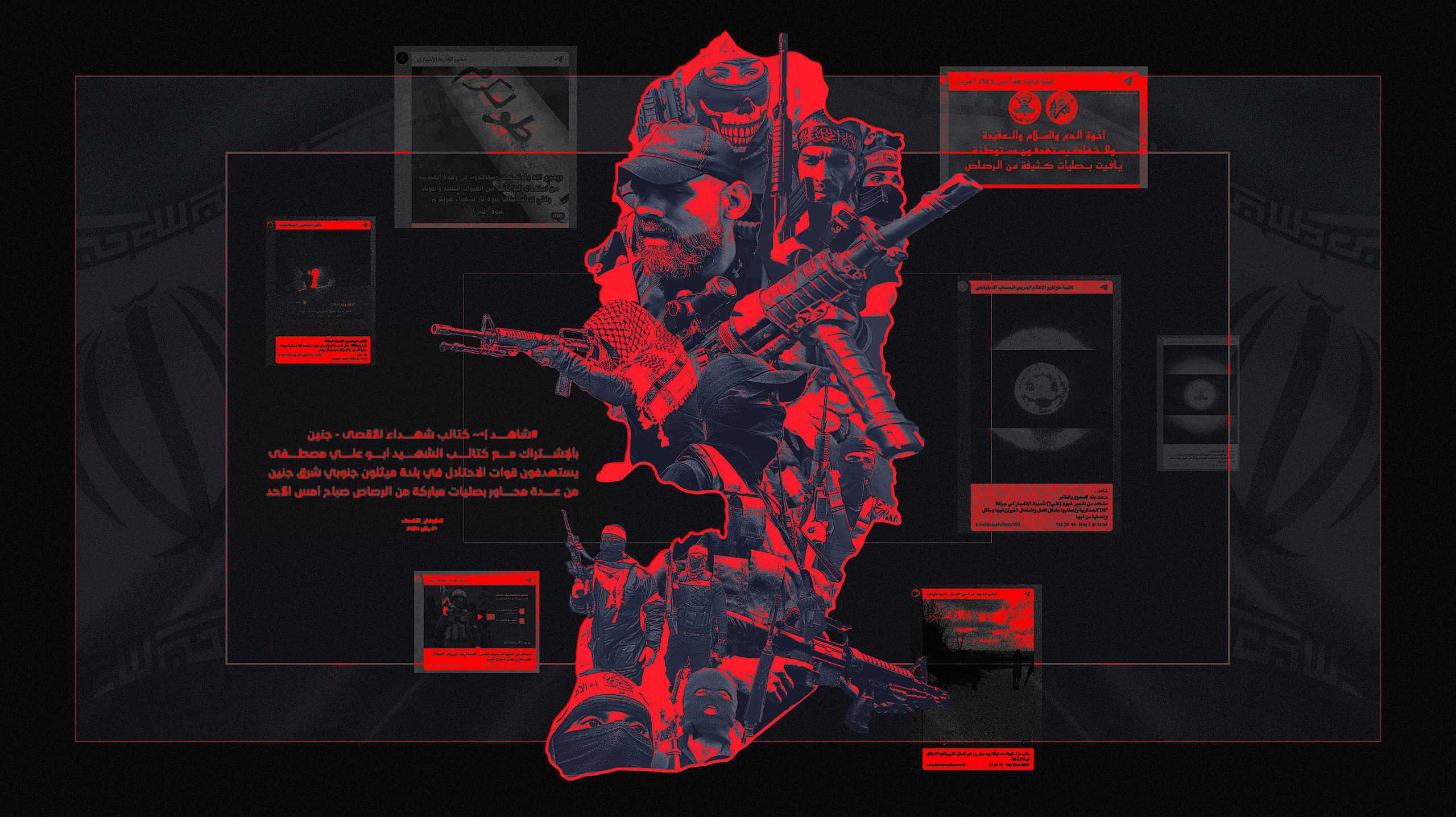
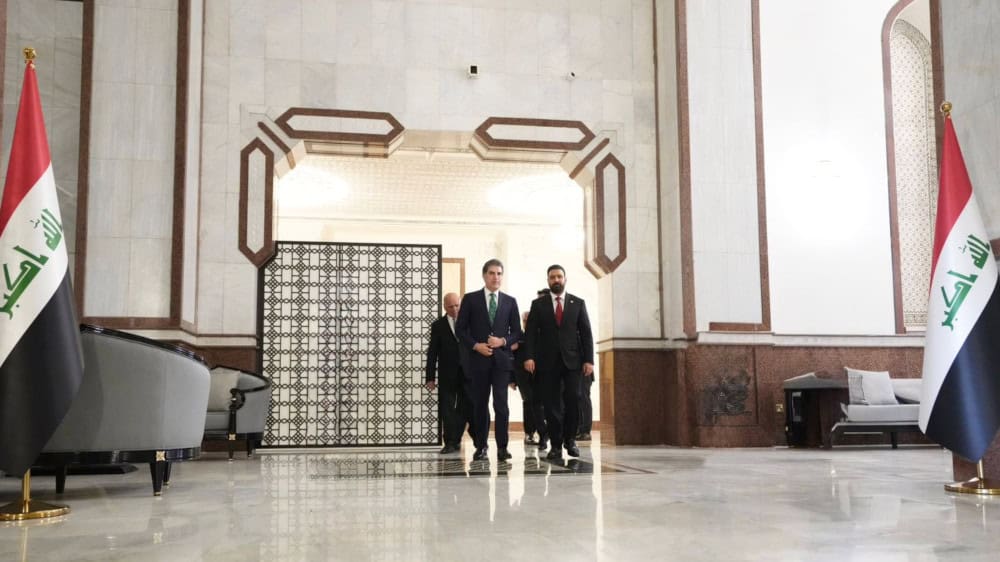
Iran has intensified attacks on Kurdish Iranian opposition groups in northern Iraq, targeting camps linked to the Kurdistan Democratic Party of Iran and Komala with drones in early May. The strikes are part of a broader campaign by Iran and its allied militias against Kurdish groups operating in the Kurdistan Region.
-
US offers rewards for 3 Iraqi militia leaders
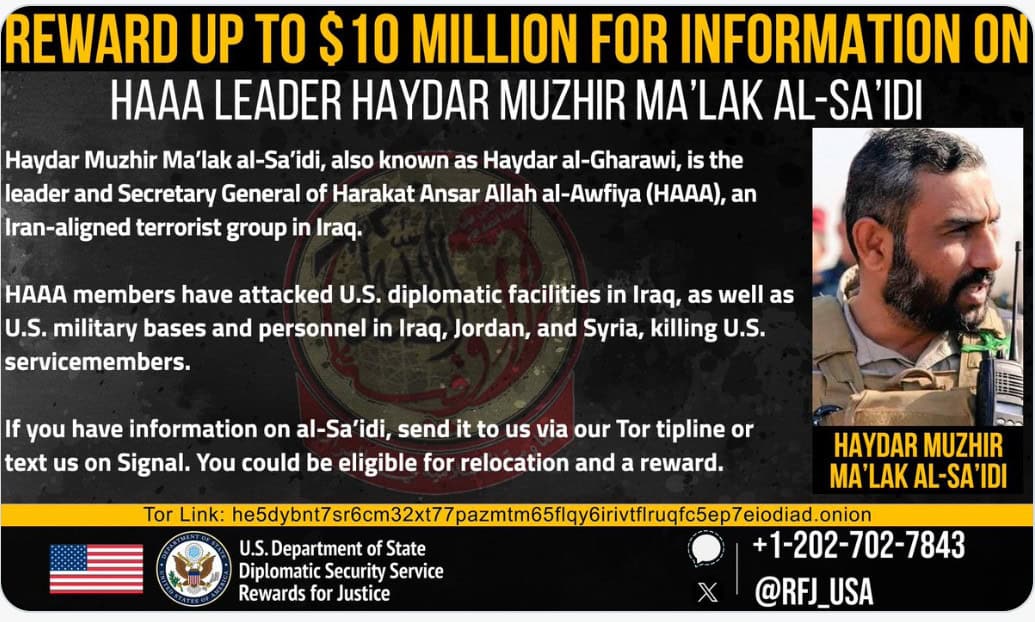
The United States has intensified pressure on Iranian-backed militias in Iraq, offering multimillion-dollar rewards for information on additional key leaders linked to attacks on US personnel and facilities. The latest rewards target figures from three groups: Kataib Hezbollah, Kataib Sayyid al Shuhada, and Harakat Ansar Allah al Awfiya.
-
Iraq nominates little-known businessman to be next prime minister
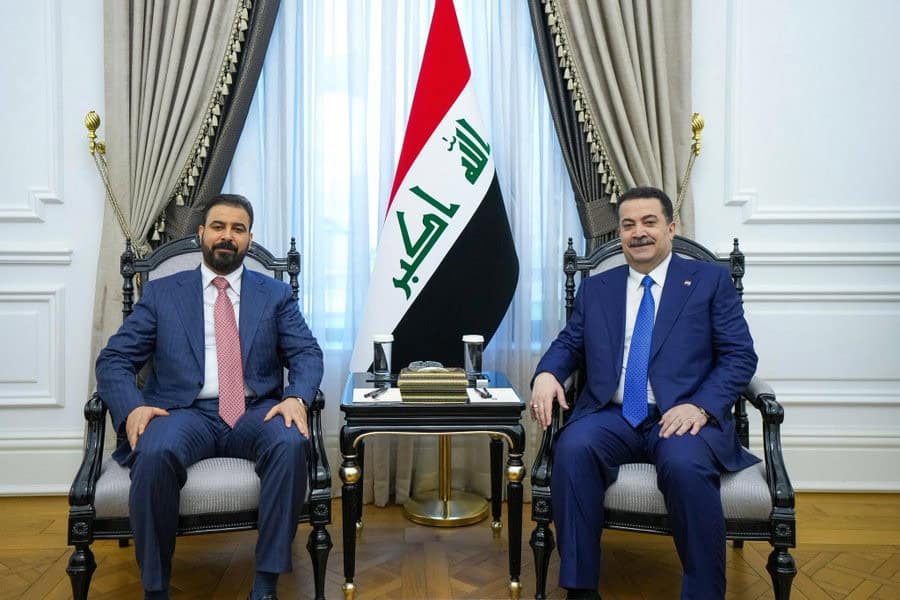
After months of political deadlock, the Shiite parties that comprise Iraq’s largest parliamentary bloc named Ali al Zaidi as the country’s prime minister-designate. Zaidi, a businessman who has not previously held a government position or been publicly affiliated with a specific party, now has 30 days to form a government.
-
Iraq aims to select new PM as US warns of Iran-backed threats, IRGC-QF head visits
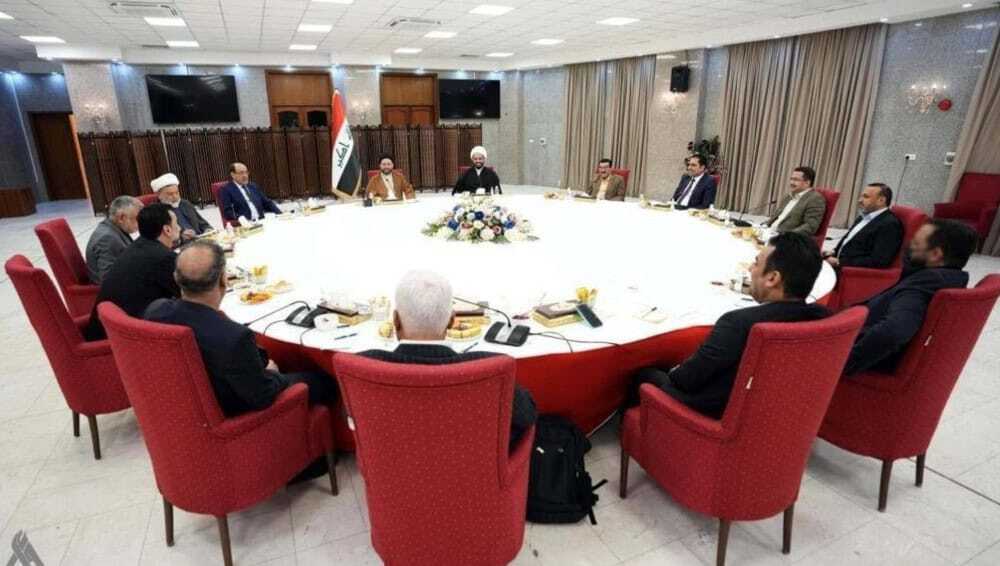
Iraq faces mounting political pressure as Shiite parties in the Coordination Framework (CF) seek to select a new prime minister amid tensions between the US and Iran. On the evening of April 20, the CF delayed its decision to nominate a candidate for the office until April 22. The US has reportedly paused some coordination with Baghdad pending investigations into attacks on US interests, and Iranian Islamic Revolutionary Guard Corps-Qods Force commander Esmail Qaani visited Iraq on April 19.
-
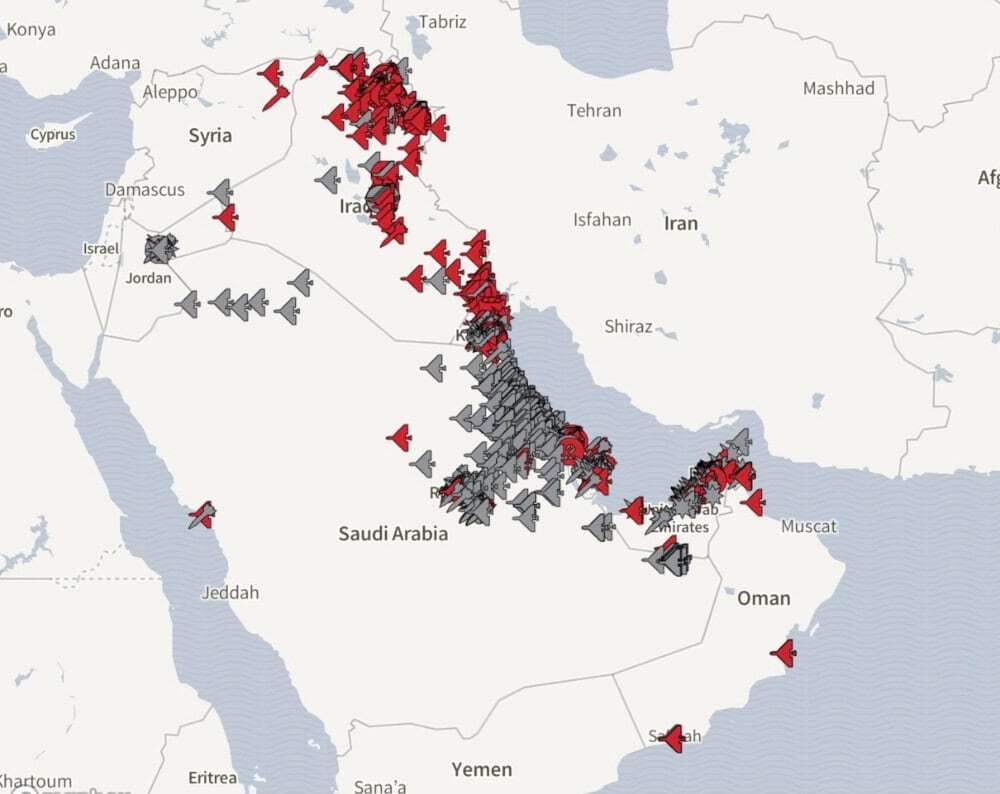
Iran’s war against regional states: UAE bore the brunt, Iraqi Kurdistan still under fire
The ceasefire between the US and Iran has largely held since April 8, and large-scale Iranian barrages targeting predominantly Arab states have ended. However, some attacks, particularly against Iraqi Kurdistan, have continued.
-
Syrian president meets Syrian Democratic Forces leader to discuss next phase of integration
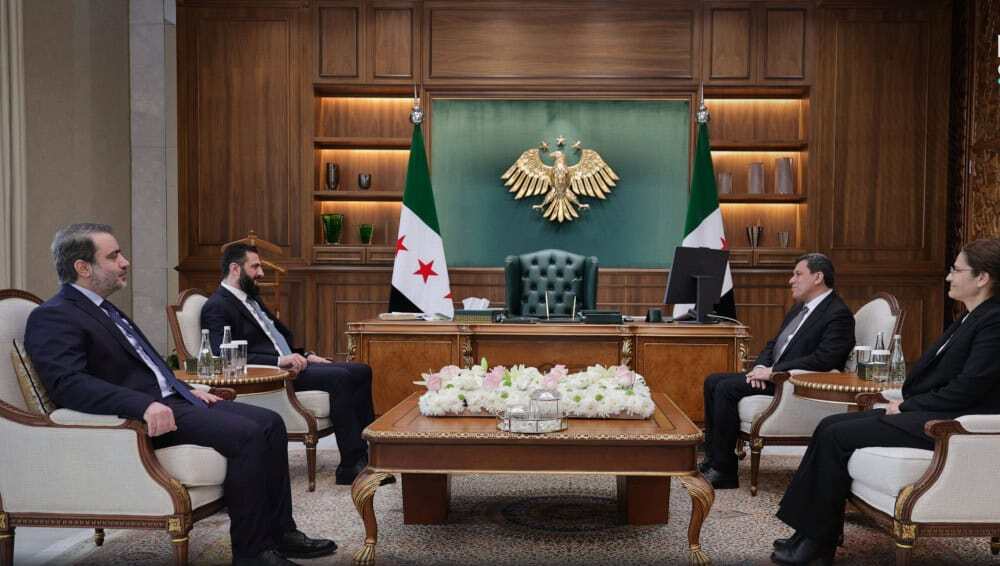
On April 16, Syrian President Ahmad al Sharaa met with Syrian Democratic Forces (SDF) commander Mazloum Abdi in Damascus to discuss advancing the integration of the SDF into state institutions, following a January agreement. The talks come amid shifting control in eastern Syria, including government moves to secure key bases and border crossings after a US withdrawal.
-
Iraq focuses on political appointees, economic challenges amid Iran ceasefire
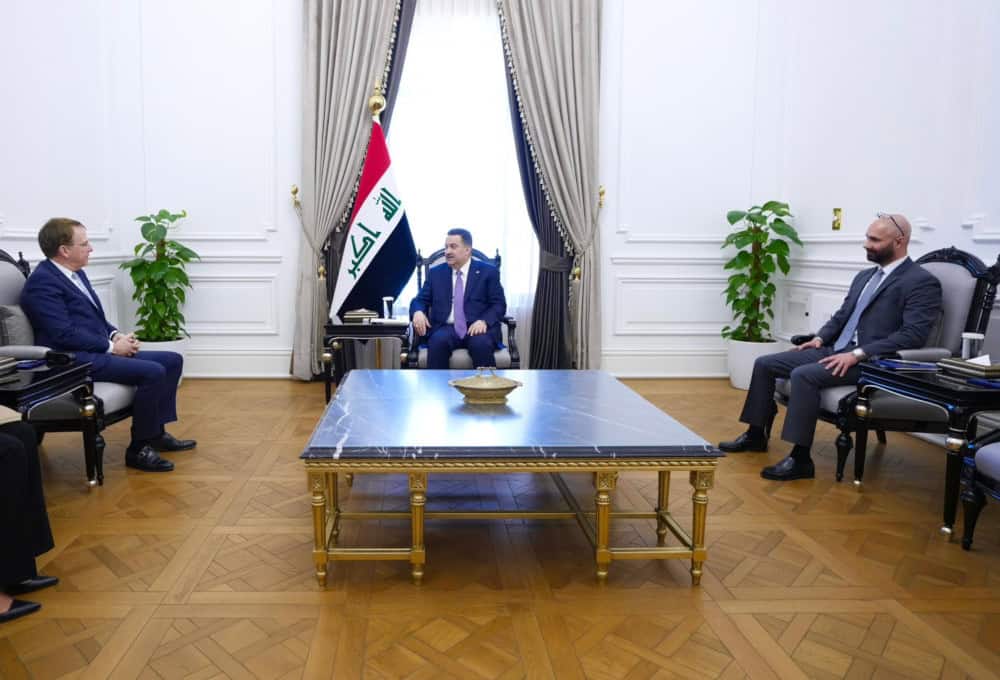
Baghdad is shifting toward political stabilization and economic challenges during the fragile post-conflict phase that follows more than a month of US-Israeli strikes on Iran and Iranian-backed militia attacks in Iraq. After hundreds of militia attacks, including strikes on US and Kurdish targets, Iraq is moving forward with long-delayed political appointments, including choosing a new president.
-
Iraqi fundraising drives linked to militias channel support to Iran and Hezbollah
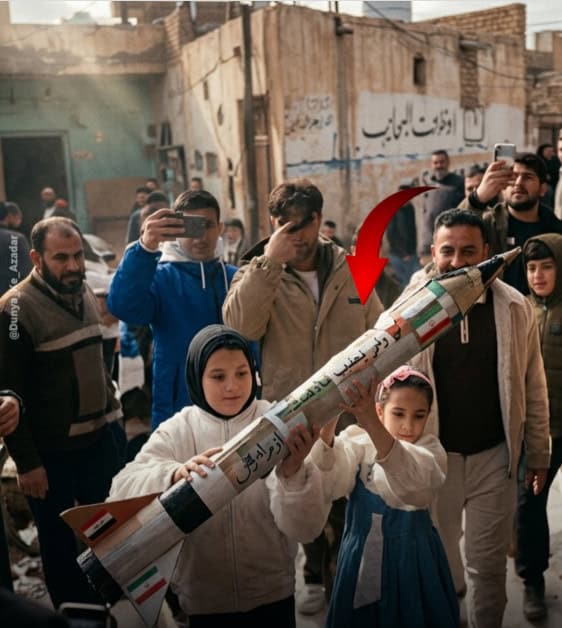
Efforts described by Iran-backed Iraqi militias as humanitarian campaigns increasingly show signs of serving as a parallel financial pipeline that also fuels Iran’s current war effort and regional proxy network. Across Iraq, groups aligned with Tehran are mobilizing donation drives framed as a religious obligation and in wartime solidarity.
-
Syria focuses on diplomacy amid Iran war
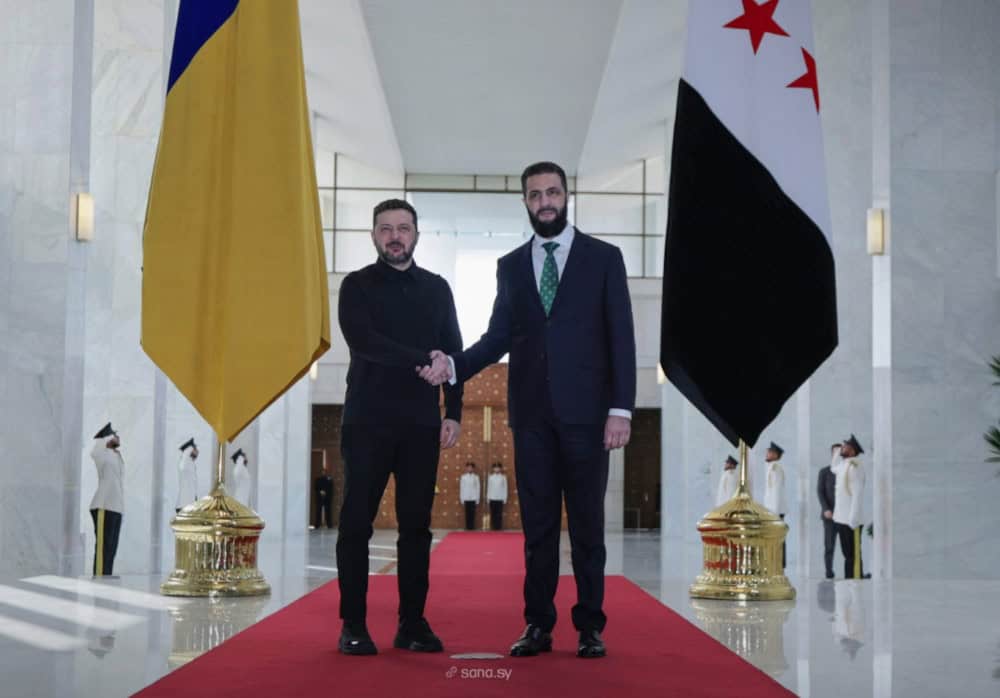
Syria has sought to position itself as a diplomatic actor amid the regional conflict with Iran, maintaining relative stability while several neighboring states faced significant missile and drone attacks. Damascus has intensified high-level engagements with Turkey, the United States, and Ukraine, highlighting efforts to rebuild international ties following the fall of the Bashar al Assad regime.
-
American journalist kidnapped in Baghdad by Iranian proxy
The Iran-backed terror group Kataib Hezbollah, an Iraqi Shiite militia, kidnapped American journalist Shelly Kittleson in downtown Baghdad on March 31. The US government had previously warned Kittleson of a threat against her and the group’s desire to kill or abduct journalists.

-
Home of Kurdistan Region president targeted, American universities threatened as attacks escalate in Iraq
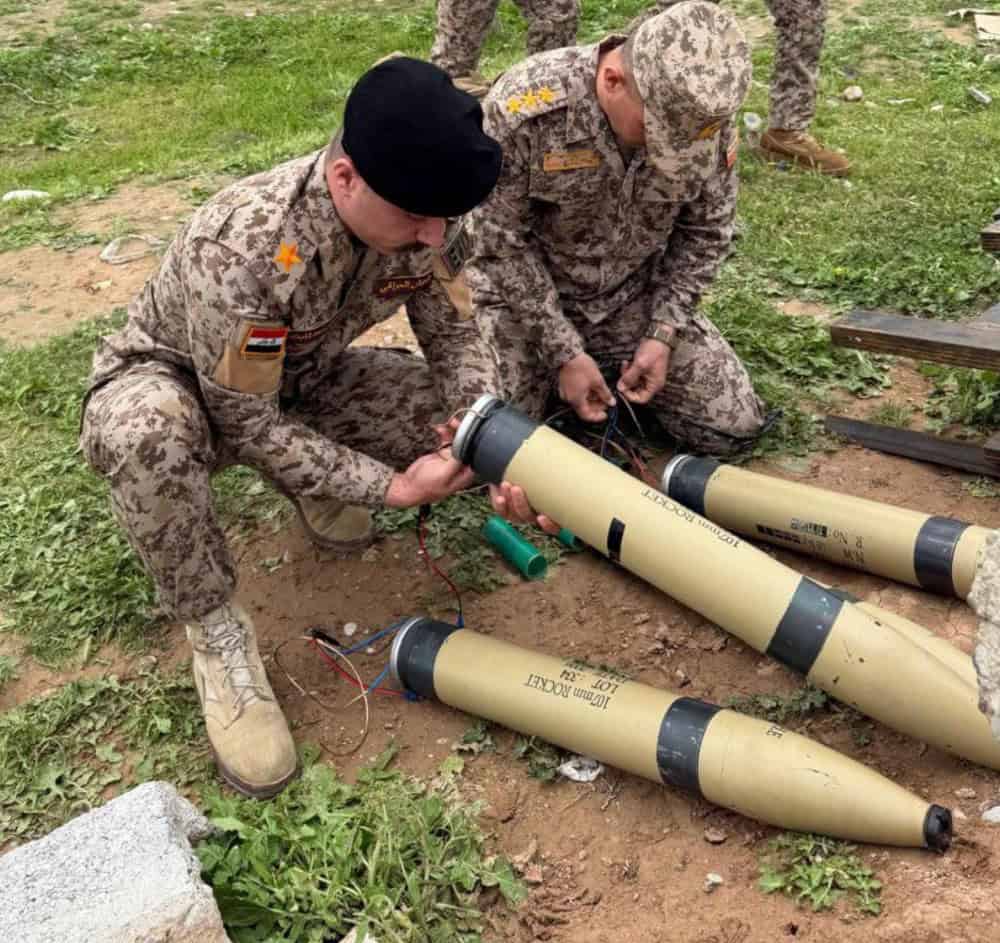
A drone attack targeted the residence of Kurdistan Region of Iraq President Nechirvan Barzani amid escalating strikes in Iraq on March 28, followed by a drone interception near the home of Masoud Barzani, leader of the Kurdistan Democratic Party (KDP), the following day. Iranian-backed militias and Iran have been blamed for attacks across Iraq, including more than 500 drone and missile strikes against the semi-autonomous Kurdistan Region since February 28.
-
6 Kurdistan Regional Government soldiers killed in Iranian attack on northern Iraq
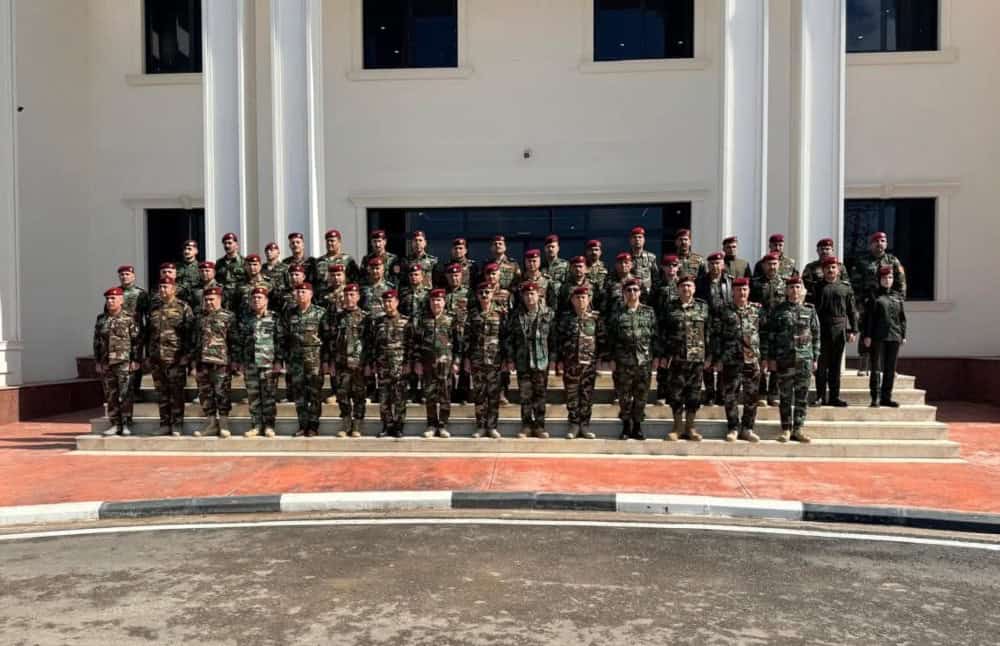
Six Peshmerga fighters were killed, and more than 20 were wounded in a missile strike north of Erbil on March 24, marking the deadliest attack on the Kurdistan Region since late February. The strike is part of a broader wave of drone and missile attacks by Iran and Iranian-backed militias targeting northern Iraq, US facilities, and Kurdish forces. In addition, rockets were fired toward Syria on March 23, and at least 15 members of Iraq’s Popular Mobilization Forces were killed in a likely US airstrike in Iraq’s Anbar province.
-
Strikes continue hitting Iran-backed Iraqi militias, Kataib Hezbollah declares temporary US embassy ceasefire
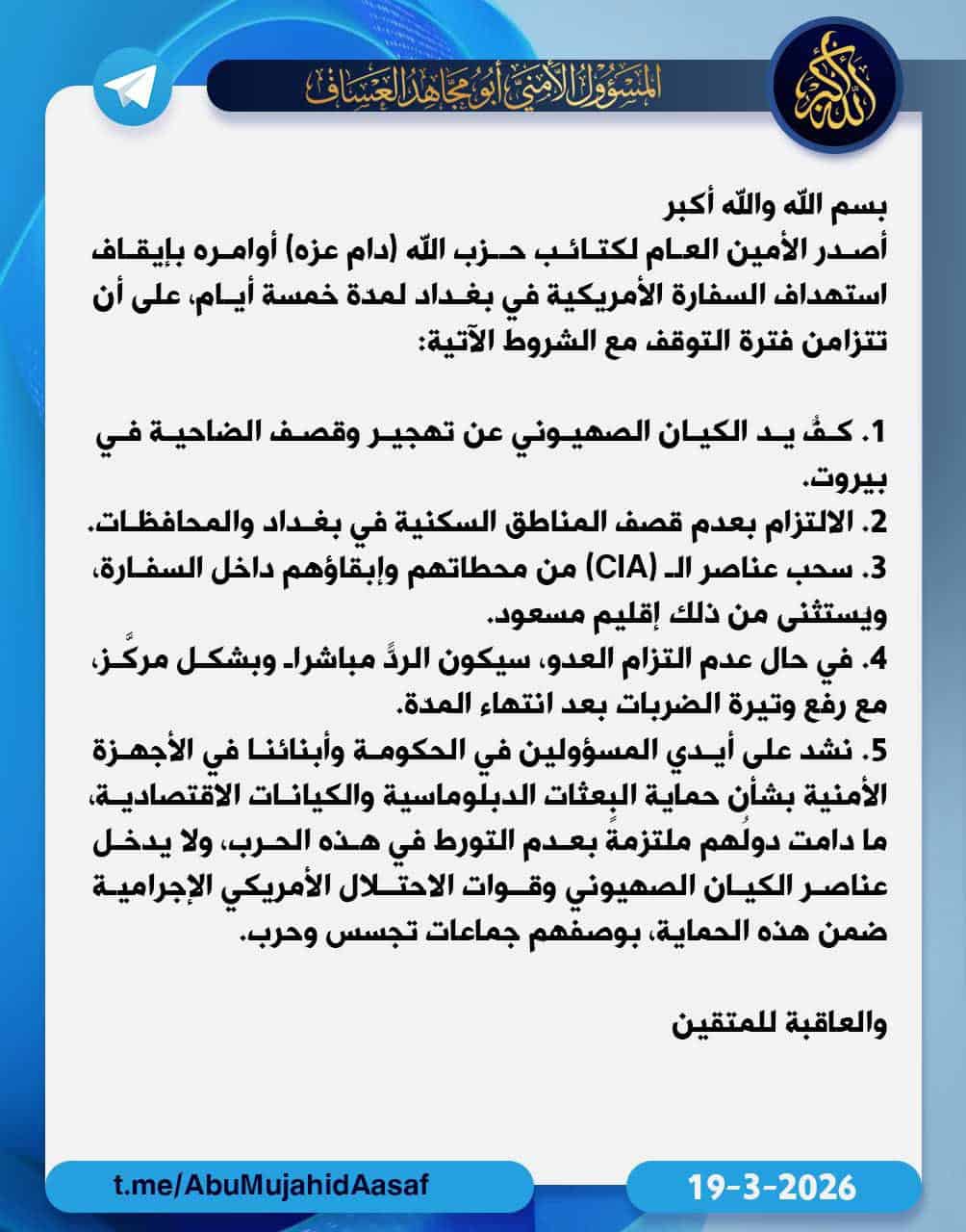
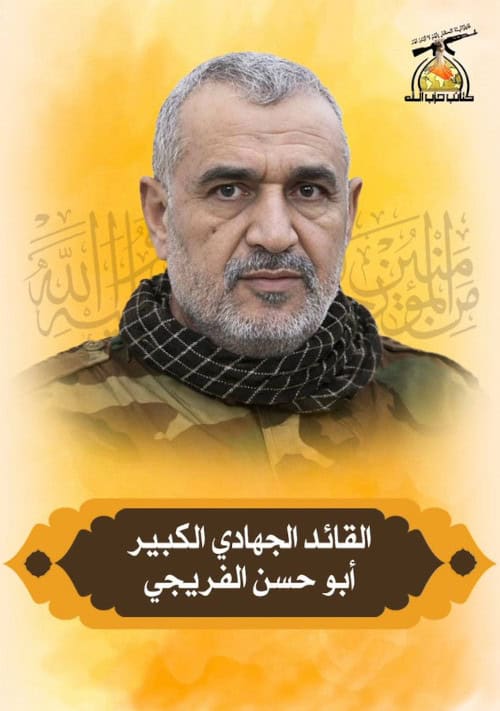
Unclaimed but likely American airstrikes have continued against Iran-backed Iraqi militias, with one strike reportedly killing a senior Kataib Hezbollah commander. The US and Kataib Hezbollah have subsequently agreed to a temporary, conditional pause in attacks on the US Embassy in Baghdad, though other hostilities in the country continue.
-
Iranian-backed militias escalate attacks in Iraq, send mixed signals on next steps
Iranian-backed militias have continued conducting attacks across Iraq, recently targeting US and foreign diplomatic sites in Baghdad and Erbil. Hundreds of strikes have hit the Kurdistan Region since late February, wounding Peshmerga forces and damaging key locations. While Kataib Hezbollah signaled a possible temporary pause in attacks tied to specific demands on March 18, other groups, such as Kataib Sayyid al Shuhada, vowed to continue.
-
Dozens of airstrikes target Iran-backed militias across Iraq
The unclaimed airstrikes, likely conducted by the United States as part of US-Israeli operations against the Islamic Republic of Iran, have targeted several Tehran-allied militias in Iraq and reportedly caused significant casualties. The US has not commented on these operations, which include over 30 reported strikes on the groups, who continue to attack US forces in the region.
-
Iran-backed Iraqi militias claim downing of US aircraft, US says not due to ‘hostile fire’
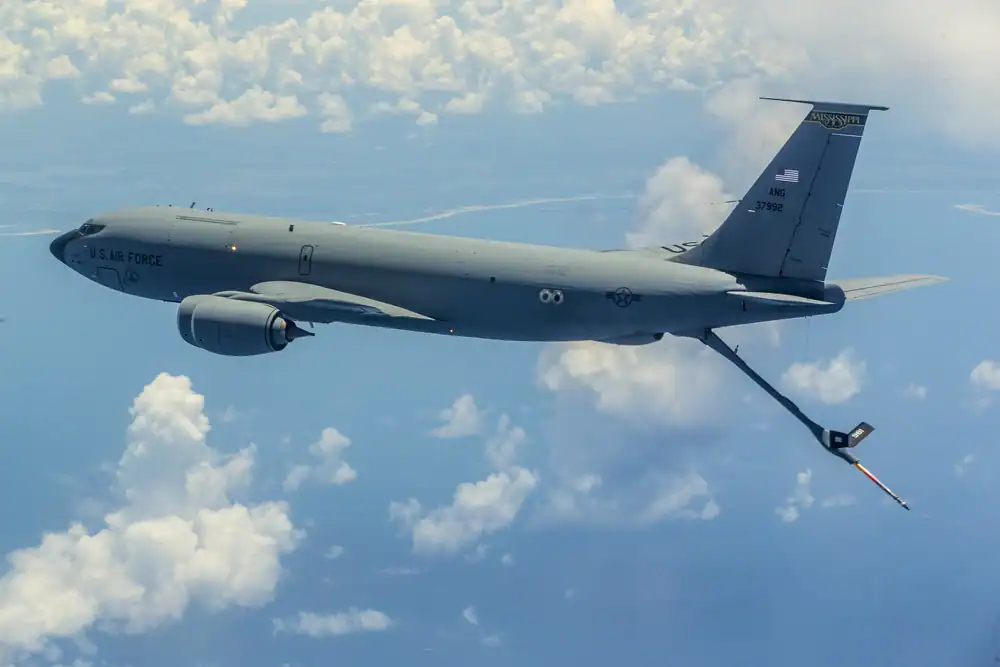
The Islamic Resistance in Iraq, a front organization for Iranian-backed militias, claimed to have shot down a US Air Force KC-135 Stratotanker over western Iraq but provided no evidence. US Central Command denied that the aircraft was shot down, and reports indicated that it had collided with another US warplane.
-
US condemns Iranian and militia attacks in Iraq amid unclaimed airstrikes on Tehran-backed militias
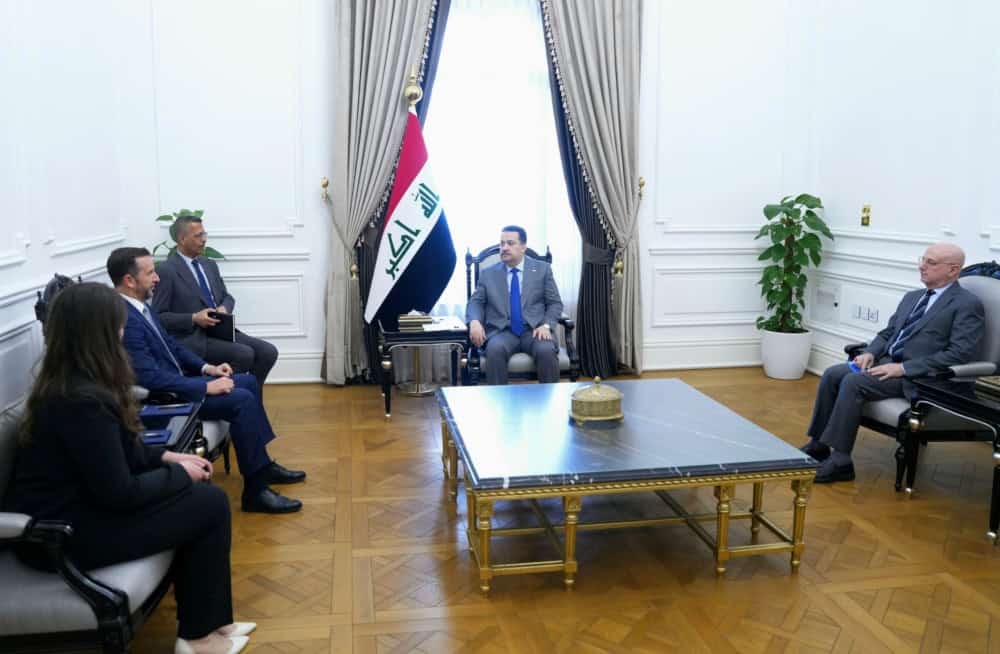
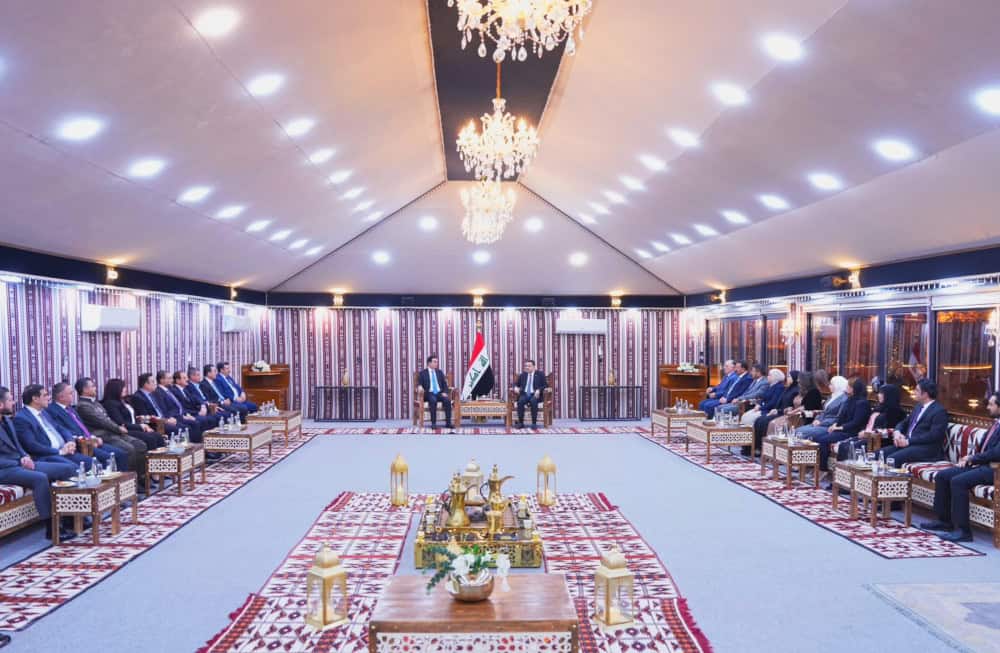
US Secretary of State Marco Rubio condemned Iranian and Iranian-backed militia attacks in Iraq during a March 9 call with Iraqi Prime Minister Mohammed Shia al Sudani, as drone and missile strikes continued across the country. Many attacks have targeted the Kurdistan Region of northern Iraq, where US forces are based, as well as other US facilities and diplomatic sites. Unclaimed airstrikes have also targeted Iranian-backed militias across Iraq.
-
Iranian-backed militias continue attacks on US forces in Iraq
Iran-backed Iraqi militias claimed a series of drone and missile attacks against the “US presence” in the region on March 4 and 5, many targeting Iraqi Kurdistan, where significant American forces are located. US and Israeli forces are also likely operating against the Tehran-allied militias in Iraq, as both the militias and official government sources have reported a US presence and unidentified strikes against these groups.
-
Iran’s regional partners spark protests across the Middle East and South Asia
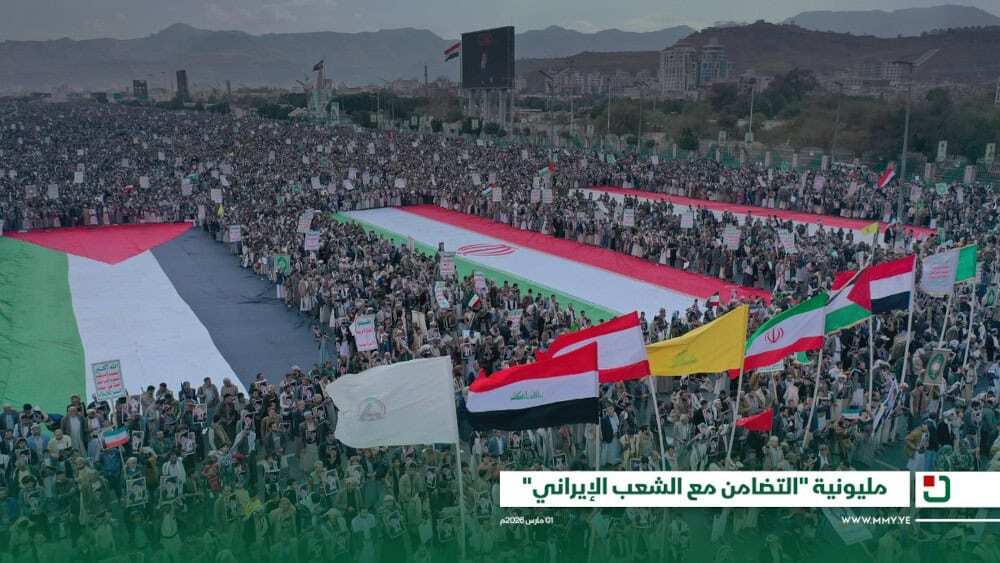
Tehran’s partners and sympathizers have arranged protests across the region against the US-Israeli campaign against Iran, especially the killing of Iranian Supreme Leader Ali Khamenei. Some of the demonstrations have turned violent and present a danger to the local US diplomatic presence and civilians.
-
Iraqi Shiite militias claim attacks on US bases
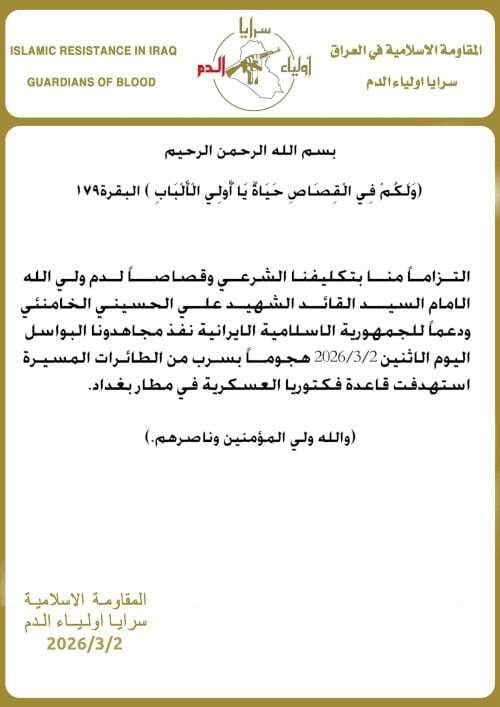
Iraqi militias backed by Iran have continued to fire drones and missiles at American bases in Iraq and in the region. Both the Islamic Resistance in Iraq and Saraya Awliya al Dam have claimed responsibility for the strikes. Collectively, the groups have claimed dozens of operations against American bases since March 1.
-
Iranian Kurdish groups unite against Tehran regime, Iraqi militias threaten Kurdistan Region
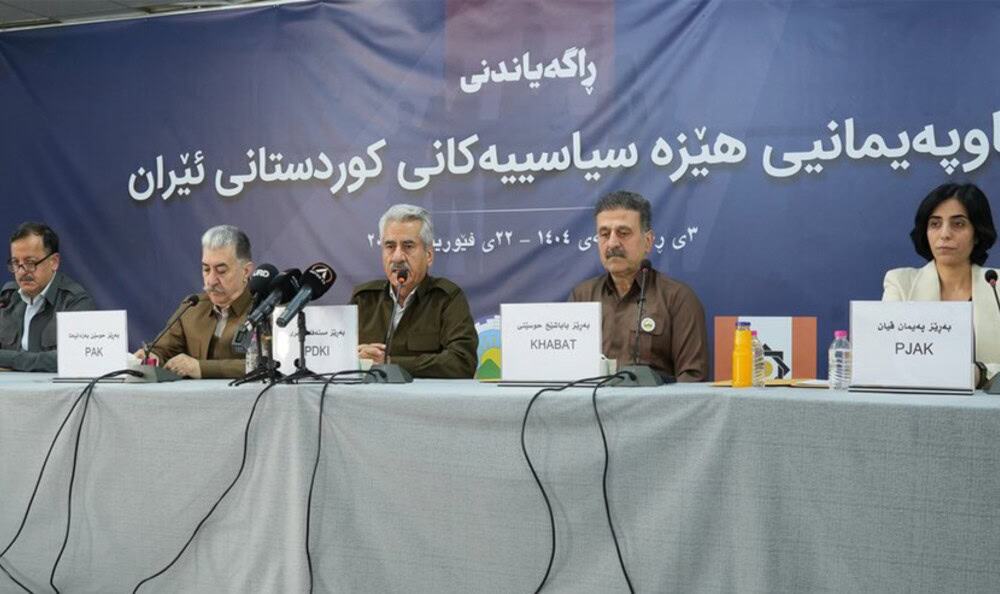
Five Iranian Kurdish opposition groups have announced a coalition aimed at opposing Iran’s regime. The alliance, unveiled at a joint press conference on February 22, includes the PDKI, PJAK, PAK, Komala, and the Khabat Organization. The move comes amid heightened US-Iran tensions and renewed threats from the Iranian-backed Iraqi militia Kataib Hezbollah, which warned the Kurdistan Region against cooperating with “foreign forces.”
-
Former Iraq PM Maliki vows to pursue return to office despite US opposition
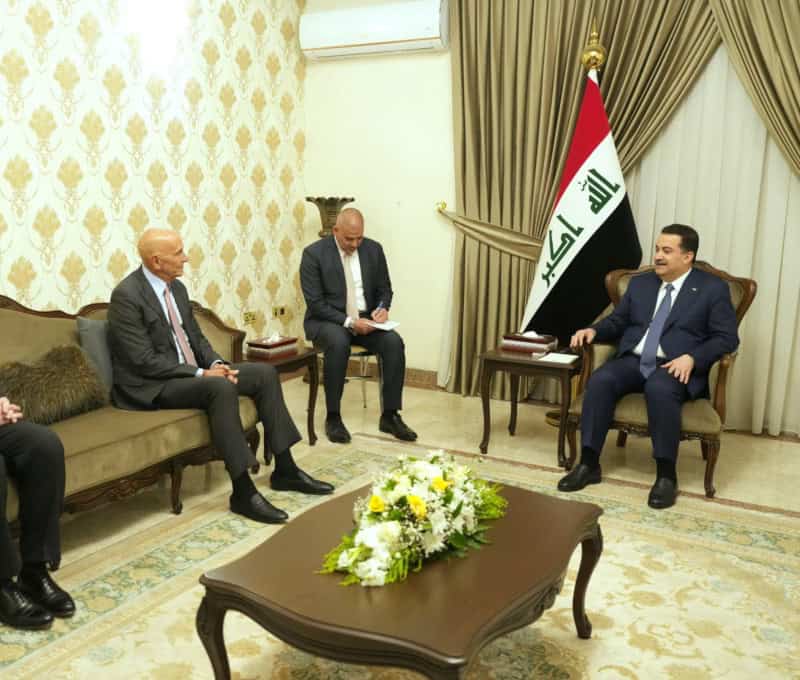
Former Iraqi Prime Minister Nouri al Maliki has vowed to continue pursuing a return to office regardless of US pressure opposing his candidacy, intensifying political uncertainty following Iraq’s November 2025 elections. Maliki’s bid comes as Shiite factions within the Coordination Framework weigh their options amid ongoing efforts to select a new president and prime minister.
-
5,000 Islamic State detainees transferred to Iraq from Syria, will face investigations
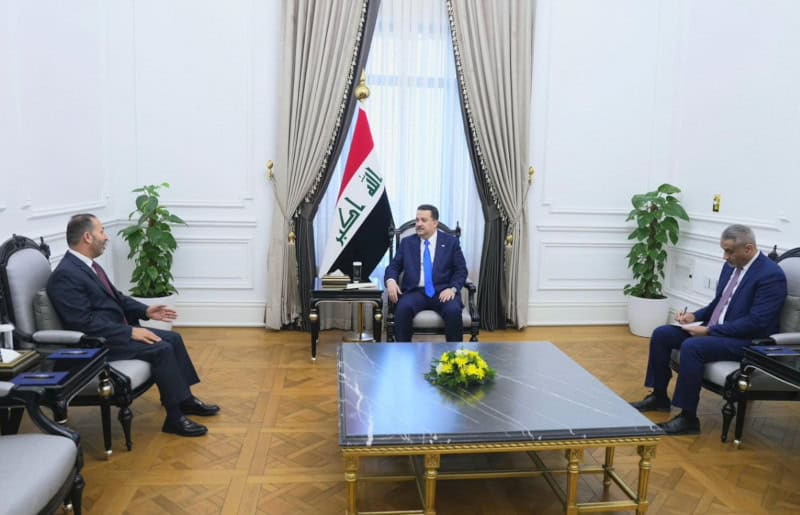
Around 5,000 Islamic State detainees have been transferred from Syria to Iraq under a US-facilitated mission that began in late January, following security shifts in eastern Syria. The number of detainees transferred is expected to reach up to 7,000. Iraqi officials say the transfers may conclude by February 12 and that the detainees will face investigation and prosecution. Iraq has stressed it will not become a permanent repository for foreign fighters and has urged countries to repatriate their citizens now in Iraqi custody.
-
3 months after elections, Iraq still unable to form a government
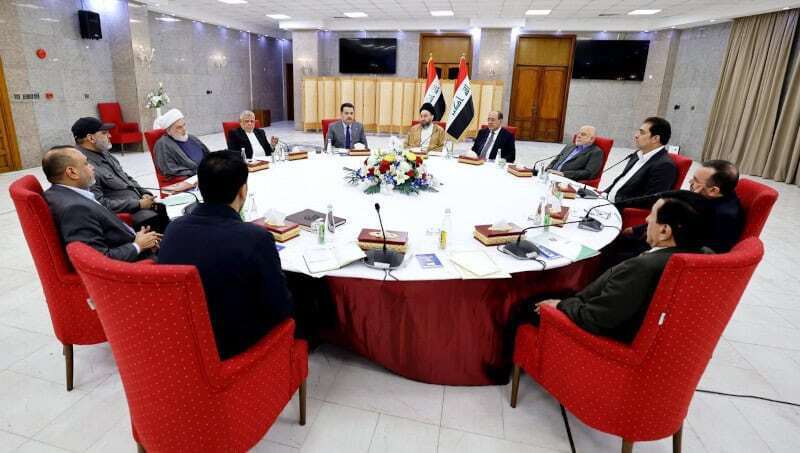
Iraq’s Shiite leadership has chosen a candidate to lead the next government, but American objections have contributed to stalling the government-formation process. The country’s leaders may turn to creative solutions to navigate the impasse, including declaring the current government an extended caretaker government.
-
Trump calls for Iraq to reject Maliki as prime minister, Maliki denounces US ‘interference’
On January 28, former Iraqi Prime Minister Nouri al Maliki stated that he rejected “blatant American interference in Iraq’s internal affairs,” a day after US President Donald Trump said Maliki, who is a leading contender for the country’s next prime minister, should not retake the office. US envoy to Iraq Mark Savaya also said that Iranian-backed militias should be prevented from having power in the next government. Separately, several Iranian-backed militias threatened to support Iran in any conflict with the US or Israel and sent forces to the border with Syria amid fighting between the Syrian government and the Syrian…