-
Iran’s war against regional states: UAE bore the brunt, Iraqi Kurdistan still under fire
The ceasefire between the US and Iran has largely held since April 8, and large-scale Iranian barrages targeting predominantly Arab states have ended. However, some attacks, particularly against Iraqi Kurdistan, have continued.
-
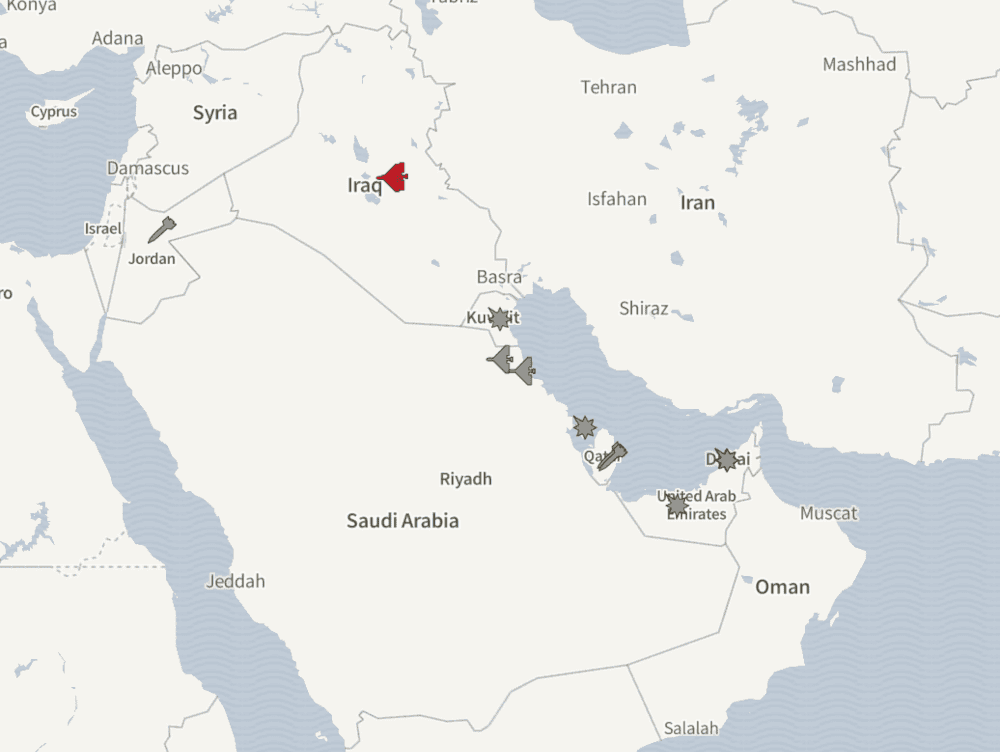
Despite ceasefire, Iran and its militias continue attacking regional states (April 2–8 updates)
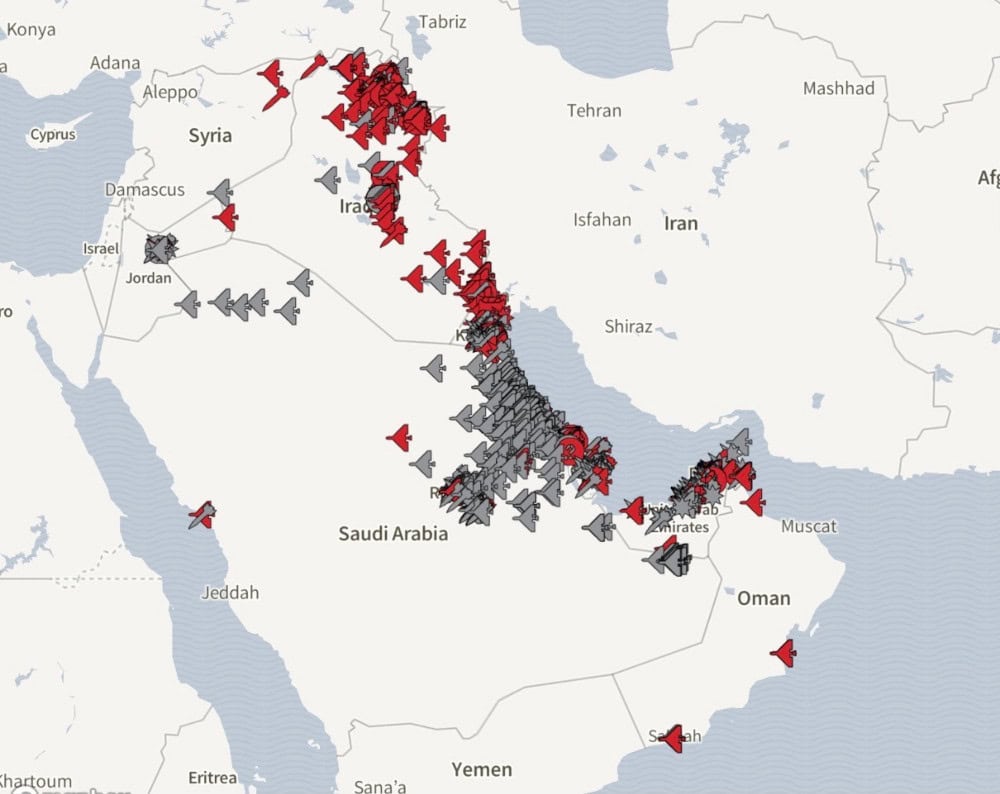
Iran and its allied militias launched numerous drones and missiles against regional countries between April 2 and April 8, continuing attacks after a ceasefire between Iran and the United States was announced yesterday. Across this period, the attacks remained concentrated on the Gulf, Jordan, Iraq, and Iraqi Kurdistan, with repeated mass-interception events in the United Arab Emirates, Kuwait, Bahrain, Saudi Arabia, and Qatar.
-
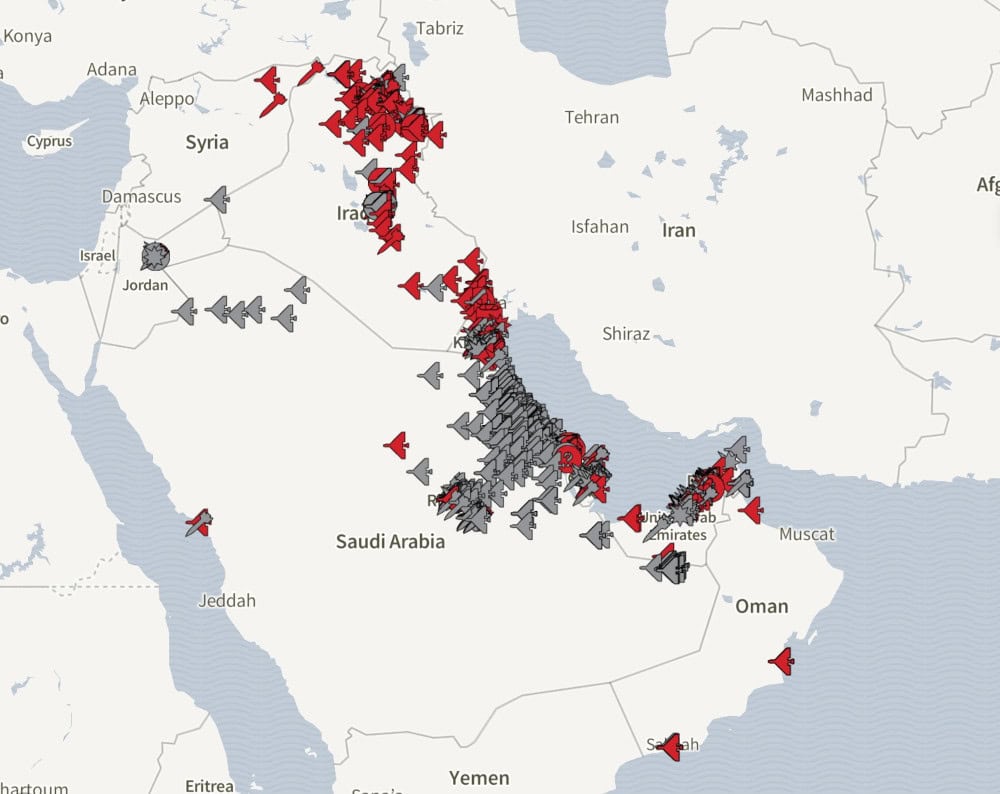
Iran and proxies fire fewer total projectiles, increase accuracy in attacks on region (March 28–April 1 updates)
Between March 28 and April 1, Iran and its allied militias continued launching drones, missiles, and rockets against regional countries—with less overall frequency but more accuracy. The attacks targeted energy infrastructure, airports, military facilities, ports, and residential areas.
-
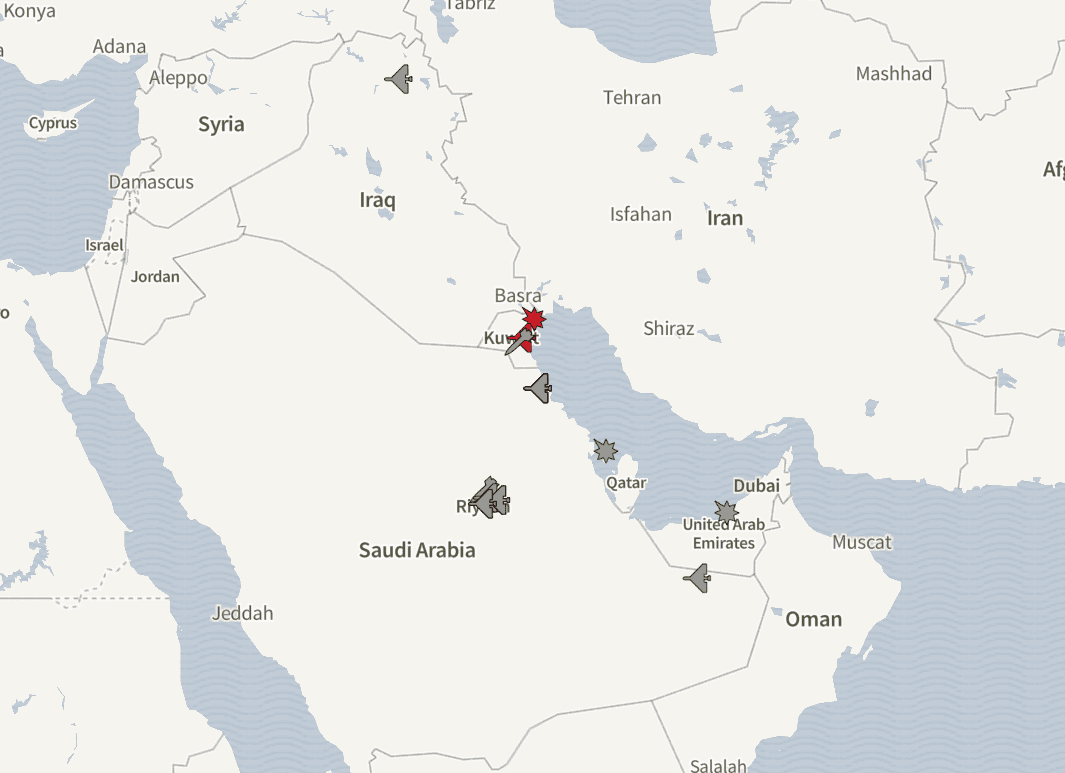
Iran and proxies continue attacking energy facilities, residential areas, and Arab capitals (March 24–27 updates)
Between March 24 and March 27, Iran and its allied militias continued launching drones and missiles against Arab countries. The attacks targeted energy infrastructure, airports, military facilities, ports, and residential areas in Saudi Arabia, the United Arab Emirates, Kuwait, Bahrain, Iraq, and Jordan.
-
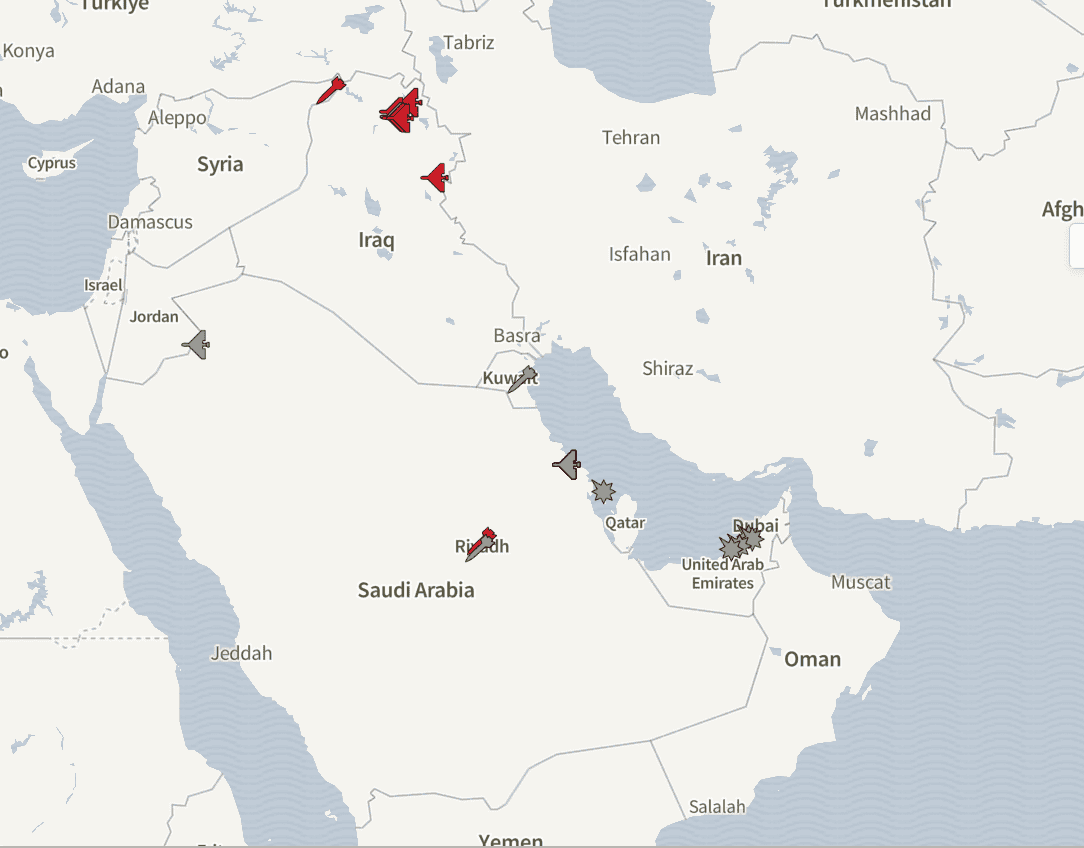
Iran and proxies continue attacking regional airports, energy facilities, military bases, and residential areas (March 20-23 updates)
Between March 20 and March 23, Iran and its allied militias continued launching drones, missiles, and rockets against Arab countries, targeting energy infrastructure, airports, military bases, diplomatic facilities, and residential areas.
-
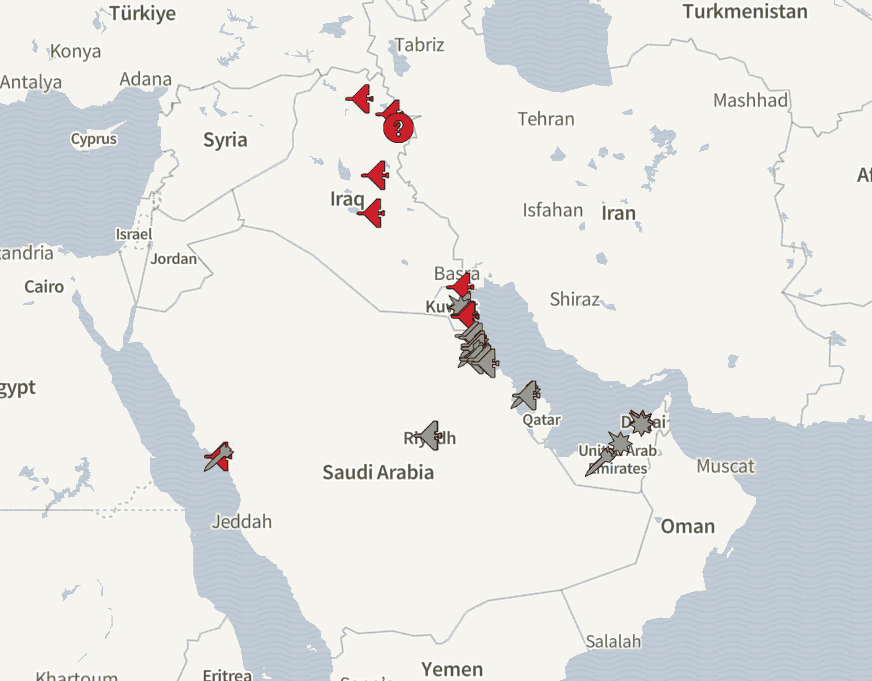
Iranian drones and missiles hit ports, oil and gas facilities, and US bases in the region (March 17-19 updates)
Between March 17 and March 19, Iran and its allied militias continued launching drones, missiles, and rockets across the Middle East. The attacks targeted energy infrastructure, airports, military bases, diplomatic facilities, and residential areas in Saudi Arabia, the United Arab Emirates, Qatar, Kuwait, Bahrain, and Iraq.
-
Analysis: Operational gains against Iran continue, but threats to US forces persist
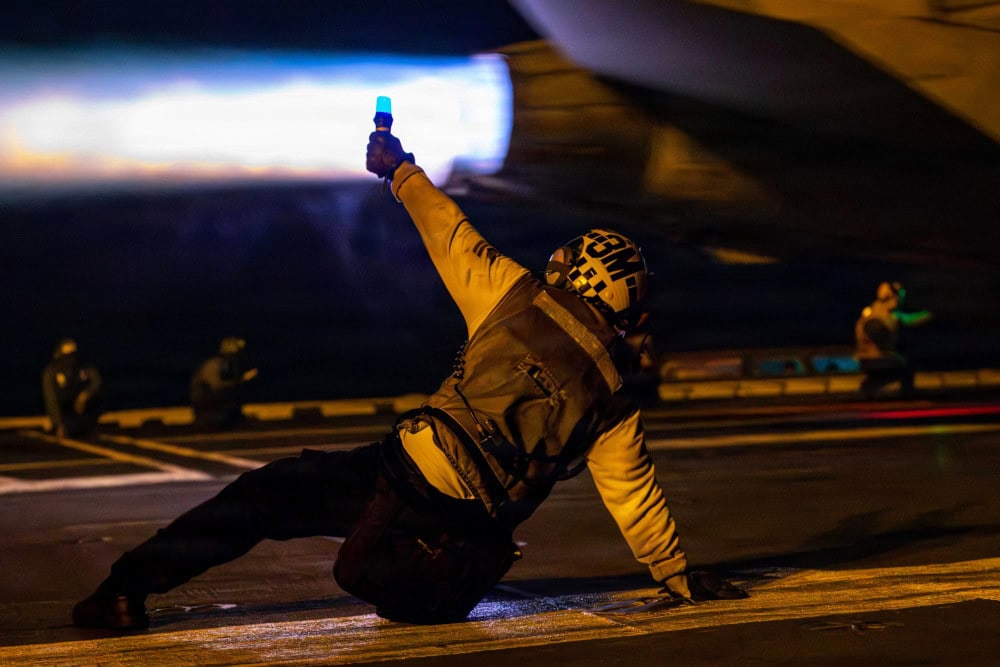
The United States, along with its Israeli partners, continues to make considerable progress toward its military objectives of removing Iran’s primary military means to threaten the region in the third week of Operation Epic Fury. Despite these operational successes, however, Tehran and its proxies retain the ability to attack US forces.
-
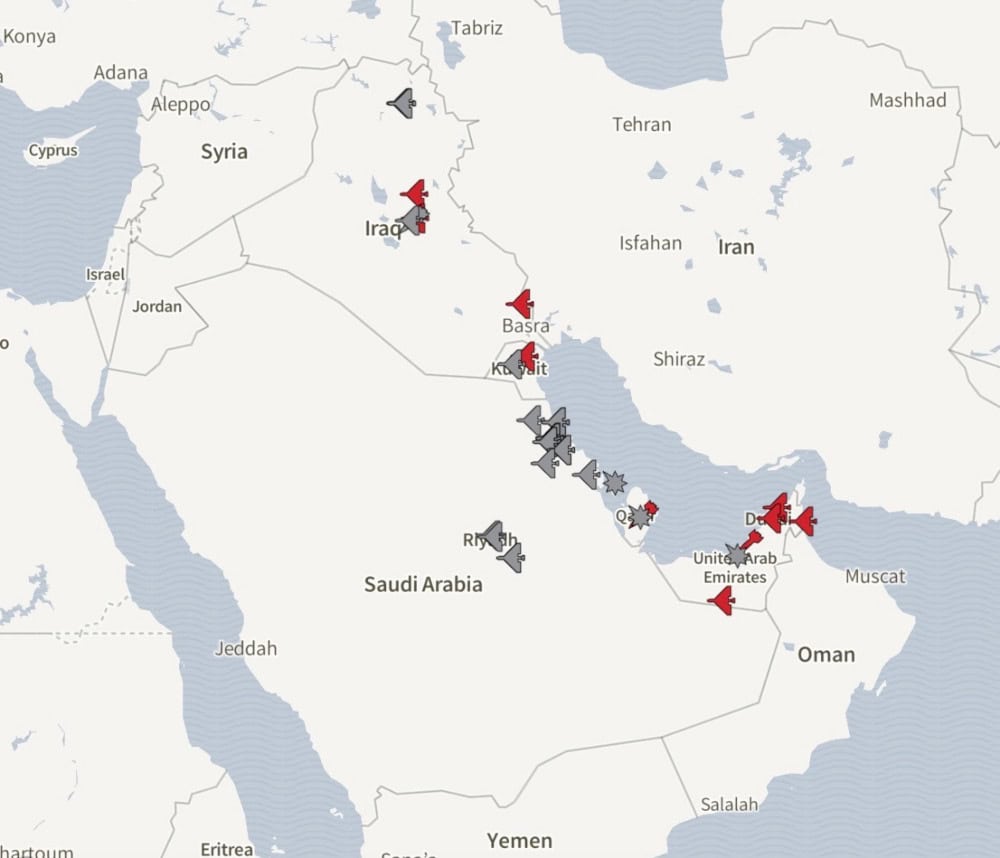
Iranian drones and missiles hit regional oil fields, airports, military bases, and ports (March 13-16 updates)
Between March 13 and March 16, Iran and its allied militias continued launching drones, missiles, rockets, and other attack platforms across the Middle East, targeting energy infrastructure, airports, military bases, residential areas, diplomatic facilities, and oil fields.
-
International Union of Muslim Scholars criticizes Iranian strikes on Arab states but says Israel is main threat to region
A senior leader of the Qatar-based Muslim Brotherhood-aligned International Union of Muslim Scholars condemned Iran’s recent retaliatory strikes against Middle Eastern countries while also urging Muslims to unite against a broader ‘Zionist-American project.’ Despite criticizing Tehran, the group remains focused on Israel as the primary adversary of the Islamic world.

-
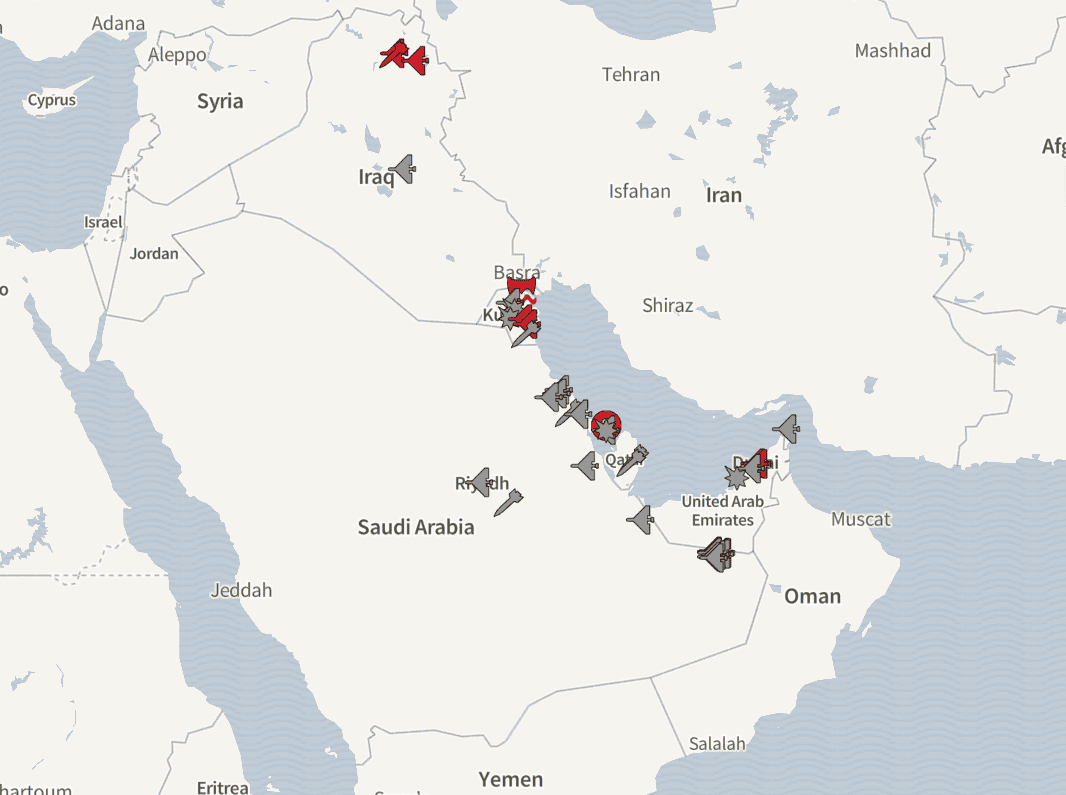
Iranian drones and missile barrages hit energy infrastructure, airports, and residential buildings in the Arab World (March 11-12 updates)
Between March 11 and March 12, Iran and its allied militias continued launching drones and missiles across the Middle East, targeting energy infrastructure, airports, military bases, residential areas, diplomatic facilities, and maritime targets in Iraq, Saudi Arabia, Kuwait, Bahrain, Qatar, the United Arab Emirates, Jordan, and Oman.
-
Iranian drone and missile barrages strike Arab states across the region (March 9-10 updates)
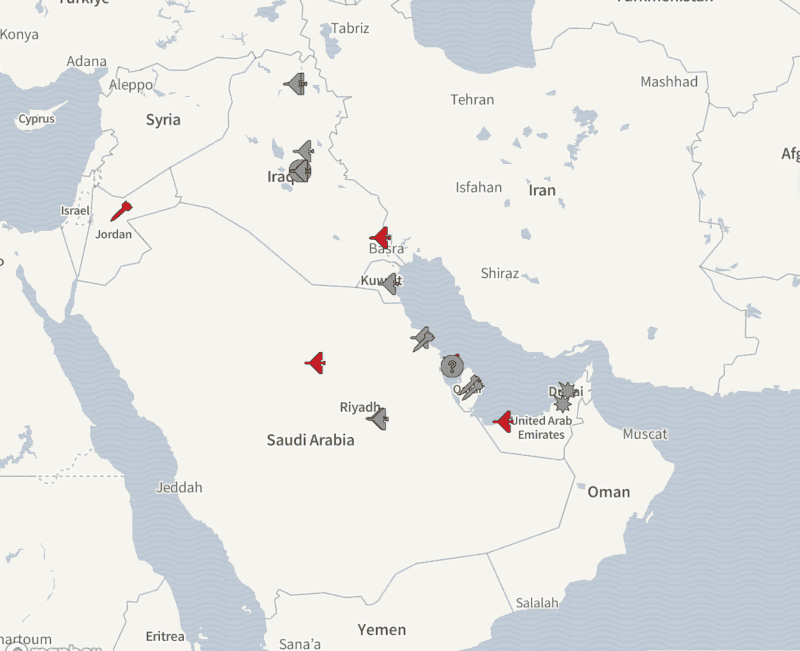
Iran and its allied militias continued launching drones and missiles across the Middle East between March 9 and 10, targeting energy infrastructure, airports, military bases, residential areas, and industrial facilities in Iraq, Saudi Arabia, Kuwait, Bahrain, Qatar, the United Arab Emirates, and Jordan.
-
Iran and proxy militias strike energy infrastructure, US bases, and Gulf capitals on March 6
On March 6, Iran and its aligned militias continued their campaign of missile and drone attacks across the Middle East, targeting civilian infrastructure, military installations, airports, and political sites in Bahrain, Iraq, Kuwait, Saudi Arabia, Qatar, and the UAE.

-
Iran targets US bases, diplomatic missions, and oil infrastructure in Arab countries on March 3–5
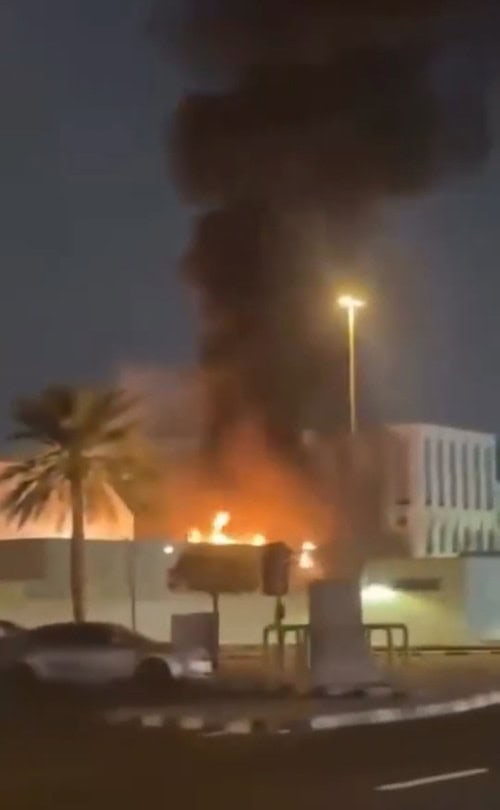
Between March 3 and March 5, Iran continued retaliating against the joint United States-Israeli military campaign by conducting widespread strikes across Arab Gulf countries using ballistic missiles, cruise missiles, and drones. Attacks were launched against Jordan, Oman, Saudi Arabia, Bahrain, Qatar, Kuwait, and the United Arab Emirates.
-
Iran expands retaliation for US-Israel campaign across Arab states (February 28–March 2)
The Tehran regime responded to the US-Israeli military campaign against it by launching coordinated missile and drone strikes across the Middle East on the first three days of the conflict. The attacks struck multiple Gulf Arab states and targeted civilian infrastructure, airports, ports, and military sites, with notable targets and impacts in the UAE, Bahrain, Kuwait, Qatar, Oman, Saudi Arabia, Jordan, and Syria.