-
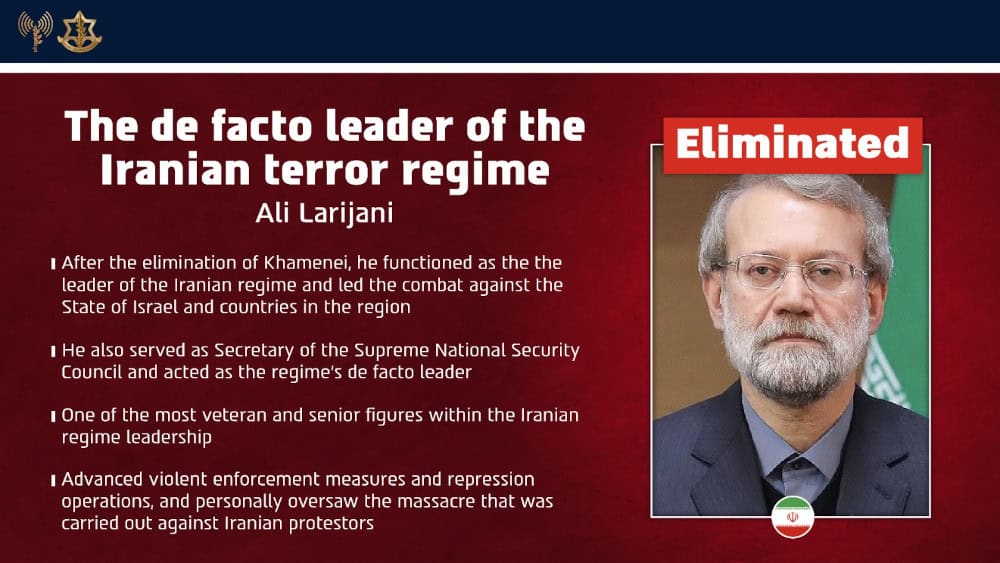
Israeli strikes eliminate Iranian security chief Larijani and Basij commander Soleimani
Overnight Israeli strikes in Iran killed Ali Larijani, the secretary of Iran’s Supreme National Security Council, and Basij commander Gholamreza Soleimani. The eliminations add to the growing list of top Iranian officials who have been killed by Israeli and American strikes since the conflict began on February 28.
-
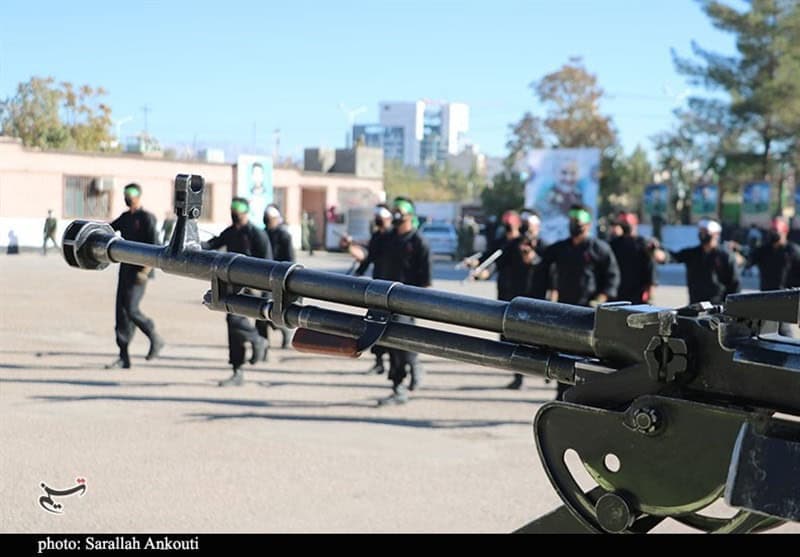
Iran braces for internal unrest as US and Israeli attacks persist (March 14-16 updates)
US and Israeli strikes against the Islamic Republic are expanding to include additional military infrastructure, command centers, and production facilities. At the same time, the Tehran regime is tightening security across Iranian cities amid reports of arrests, checkpoints, and growing economic pressure.
-
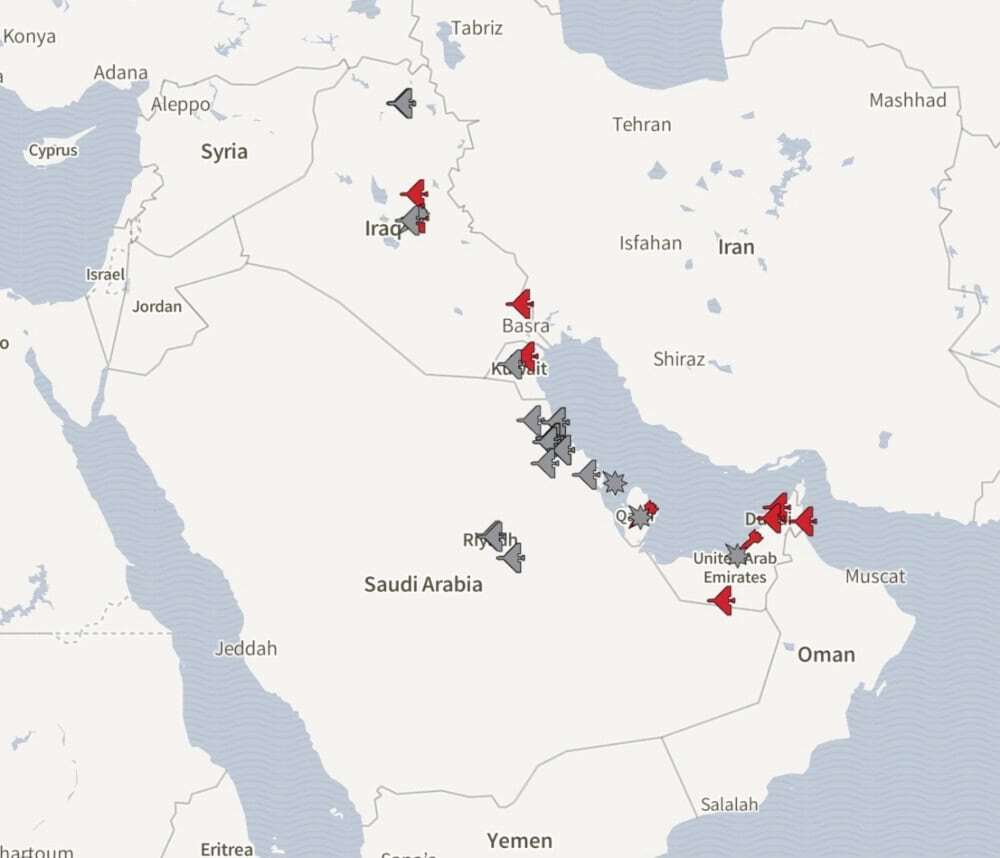
Iranian drones and missiles hit regional oil fields, airports, military bases, and ports (March 13-16 updates)
Between March 13 and March 16, Iran and its allied militias continued launching drones, missiles, rockets, and other attack platforms across the Middle East, targeting energy infrastructure, airports, military bases, residential areas, diplomatic facilities, and oil fields.
-
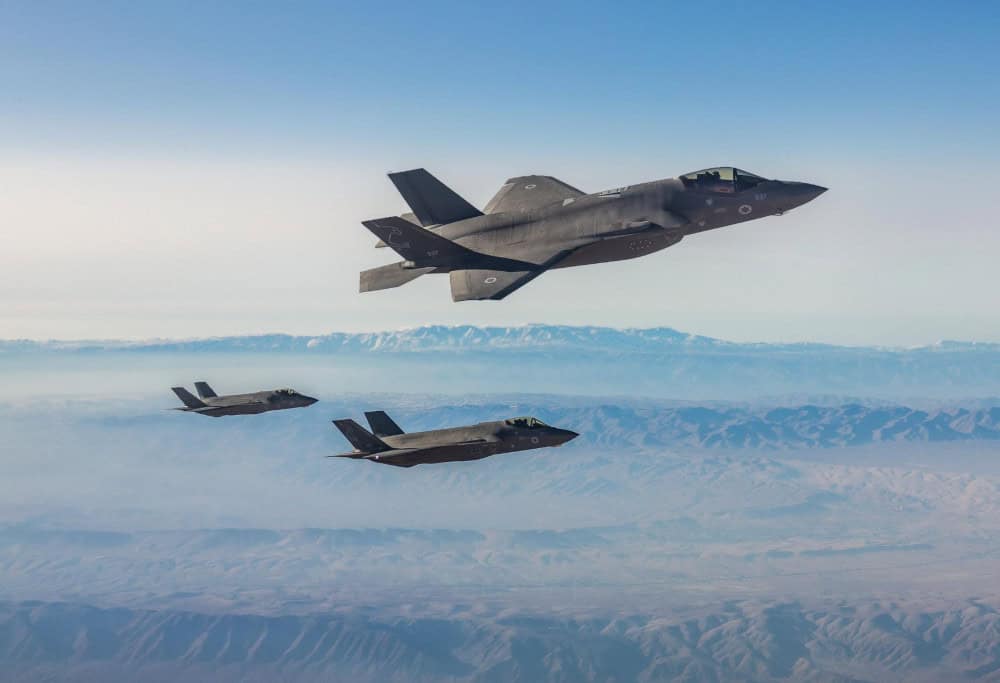
Israel conducts 7,600+ strikes on Iran in 13 days, Iran fires hundreds of missiles and drones at Israel
Israel executed more than 7,600 strikes on Iran by March 13, targeting nuclear-linked facilities, missile launchers, drone infrastructure, and military sites, according to the Israel Defense Forces. Israel continues conducting roughly 150–200 strikes per day as Iran continues launching ballistic missiles and drones toward Israel and the Gulf countries.
-
Generation Jihad | Day 14 of the Iran War
As US and Israeli strikes pound Iran’s military, and Tehran threatens shipping in the Strait of Hormuz, the conflict is entering a dangerous new phase. FDD’s Bradley Bowman joins Bill Roggio to break down what the strikes have achieved, and the harder question that remains: is the goal to weaken the regime … or bring it down?
-
Dozens of airstrikes target Iran-backed militias across Iraq
The unclaimed airstrikes, likely conducted by the United States as part of US-Israeli operations against the Islamic Republic of Iran, have targeted several Tehran-allied militias in Iraq and reportedly caused significant casualties. The US has not commented on these operations, which include over 30 reported strikes on the groups, who continue to attack US forces in the region.
-
Iran-backed Iraqi militias claim downing of US aircraft, US says not due to ‘hostile fire’
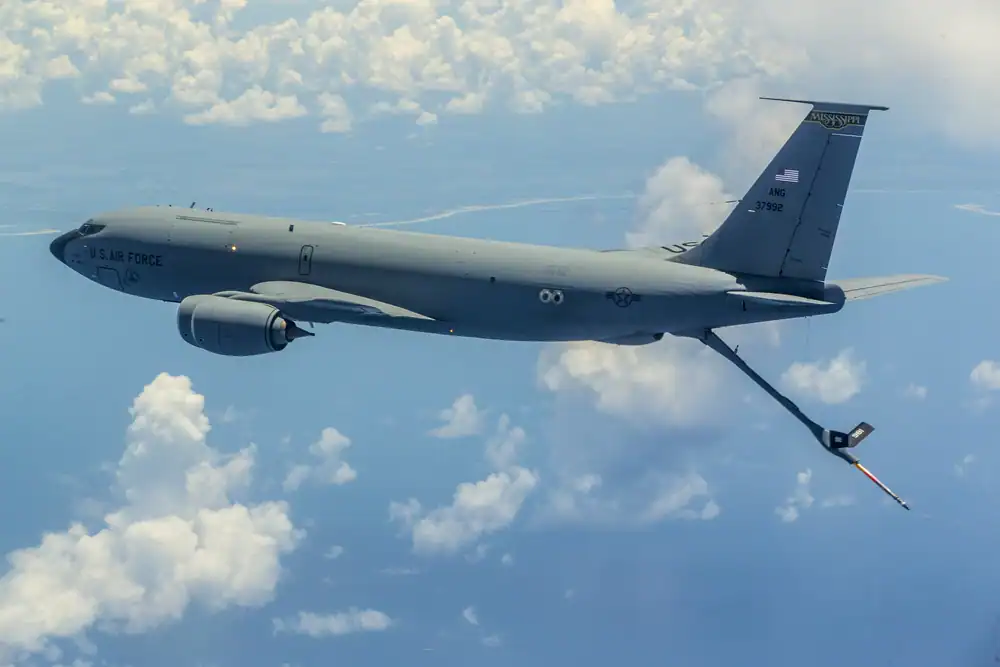
The Islamic Resistance in Iraq, a front organization for Iranian-backed militias, claimed to have shot down a US Air Force KC-135 Stratotanker over western Iraq but provided no evidence. US Central Command denied that the aircraft was shot down, and reports indicated that it had collided with another US warplane.
-
Israel shifts to hyperlocal targeting in Iran as regime military power degrades (March 11-13 updates)
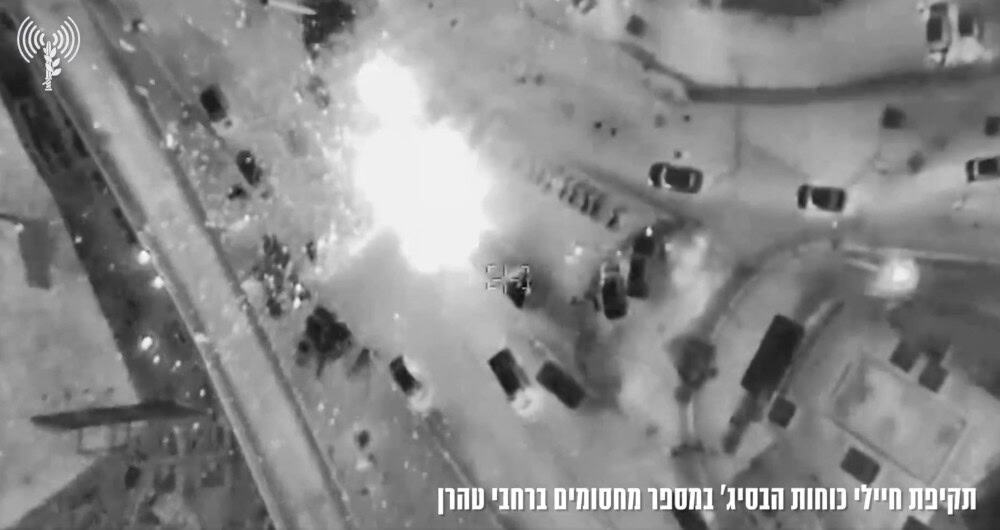
The Iran conflict has entered a new phase after US–Israeli strikes have destroyed key military infrastructure, killed thousands of regime personnel, and degraded Iran’s missile and drone launch rates. Israel has shifted toward hyperlocal targeting of repression units and regime figures inside Tehran, often aided by intelligence from Iranians on the ground. Simultaneously, the Tehran regime has publicly projected stability after Mojtaba Khamenei’s elevation to supreme leader, despite Khamenei’s continued absence from public view and some signs of internal strain.
-
International Union of Muslim Scholars criticizes Iranian strikes on Arab states but says Israel is main threat to region
A senior leader of the Qatar-based Muslim Brotherhood-aligned International Union of Muslim Scholars condemned Iran’s recent retaliatory strikes against Middle Eastern countries while also urging Muslims to unite against a broader ‘Zionist-American project.’ Despite criticizing Tehran, the group remains focused on Israel as the primary adversary of the Islamic world.

-
Purported Iran-backed group claims responsibility for attacks in Belgium and Greece
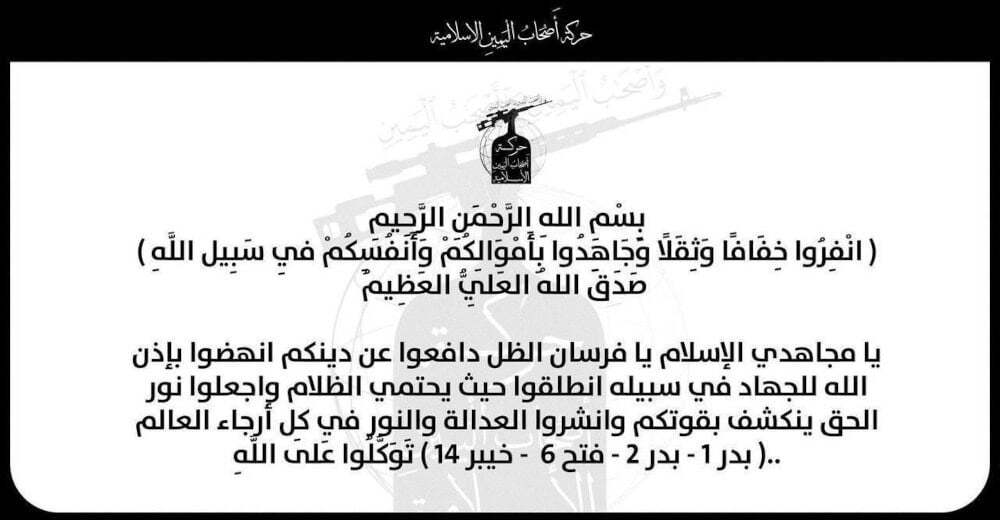
A previously unknown organization called the Islamic Movement of the Companions of the Right claimed responsibility for an explosion that targeted a synagogue in Liège, Belgium, and another unconfirmed attack at an unknown location in Greece this week. It is unclear if the organization is authentic, but recent Iranian threats aimed at European countries over the war could indicate a connection to the Islamic Republic.
-
Iranian drones and missile barrages hit energy infrastructure, airports, and residential buildings in the Arab World (March 11-12 updates)
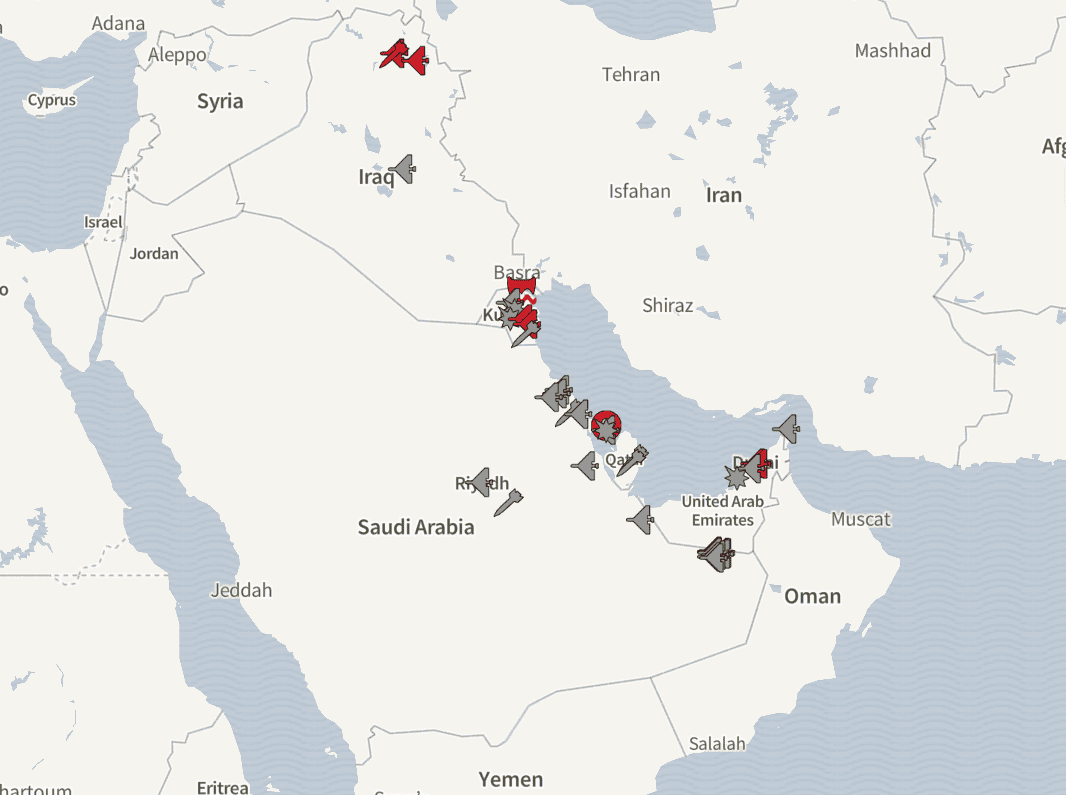
Between March 11 and March 12, Iran and its allied militias continued launching drones and missiles across the Middle East, targeting energy infrastructure, airports, military bases, residential areas, diplomatic facilities, and maritime targets in Iraq, Saudi Arabia, Kuwait, Bahrain, Qatar, the United Arab Emirates, Jordan, and Oman.
-
Analysis: Lebanon war intensifies as IDF strikes harder and Hezbollah escalates attacks
The renewed Lebanon war shows no sign of abating. Lebanon has yet to match its stern pronouncements on Hezbollah with equally tough enforcement, with the Lebanese military openly defying Beirut’s orders to disarm the group. Hezbollah has expressed its commitment to continue fighting in deed and word, including by pledging loyalty to Iran’s new supreme leader. Israel has responded by intensifying its operations as part of what it expects to be a long war against Hezbollah.
-
Generation Jihad | Day 12 of the Iran War
After 12 days of war—and the death of Iran’s supreme leader—the Islamic Republic is under unprecedented pressure. Bill Roggio and Janatan Sayeh assess this initial phase of the war, the gap between Washington and Jerusalem’s goals, and the decisive question still looming over Tehran: will the Iranian people finish the job?
-
US condemns Iranian and militia attacks in Iraq amid unclaimed airstrikes on Tehran-backed militias
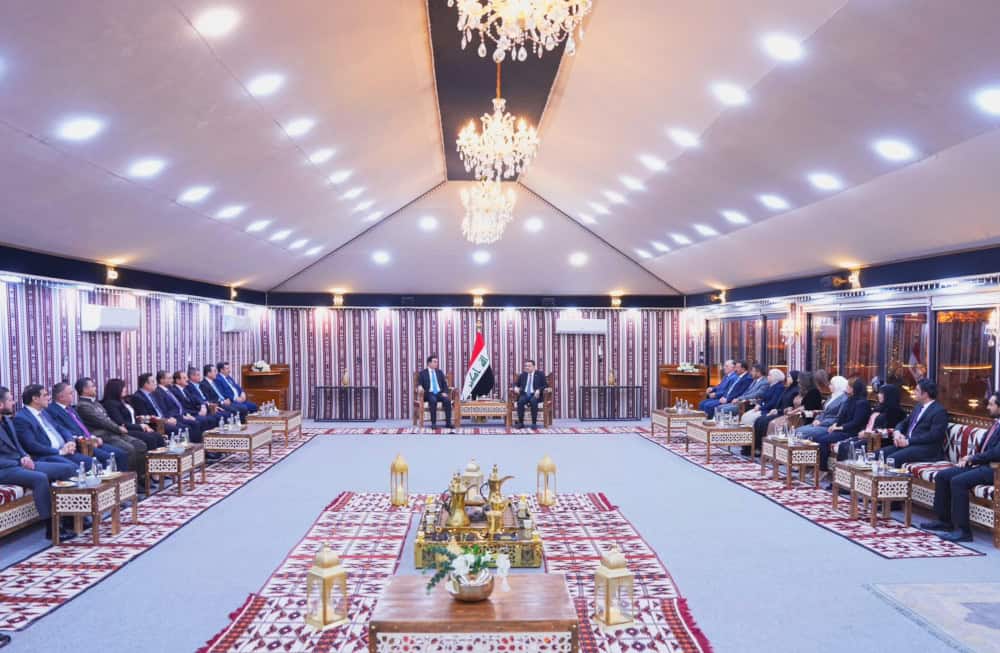
US Secretary of State Marco Rubio condemned Iranian and Iranian-backed militia attacks in Iraq during a March 9 call with Iraqi Prime Minister Mohammed Shia al Sudani, as drone and missile strikes continued across the country. Many attacks have targeted the Kurdistan Region of northern Iraq, where US forces are based, as well as other US facilities and diplomatic sites. Unclaimed airstrikes have also targeted Iranian-backed militias across Iraq.
-
Israel intensifies strikes on repression sites, expands outreach to Iranians as regime repression deepens (March 8-10 updates)
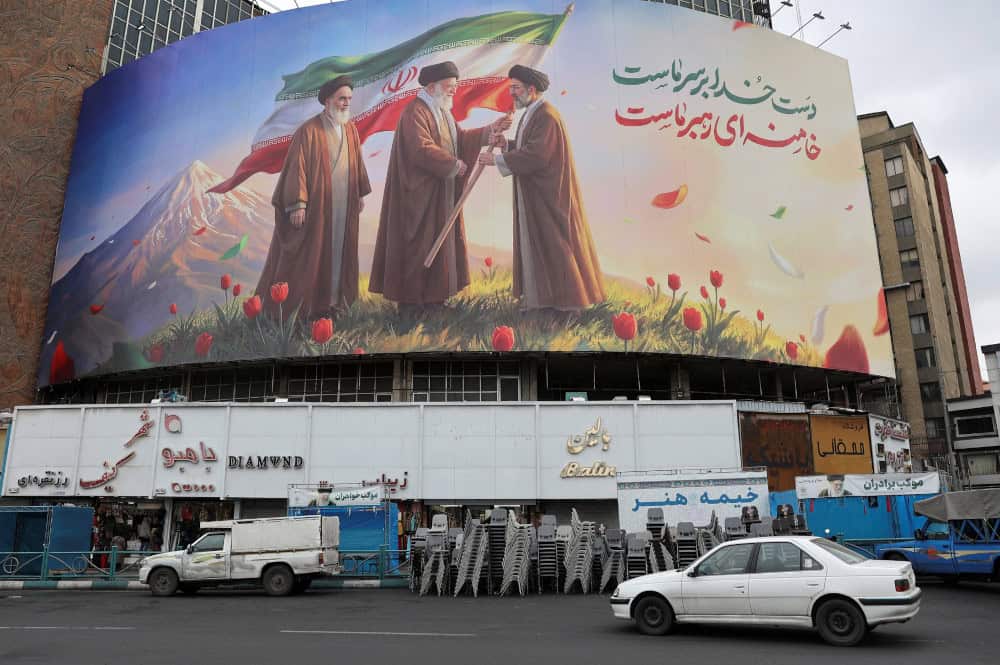
The joint US–Israeli campaign is striking Iran’s military and internal security infrastructure across the country while continuing to eliminate senior regime figures. Amid the pressure, the regime installed a new supreme leader, expanded regional attacks while denying responsibility, and intensified repression, as Israel increased outreach to the Iranian public.
-
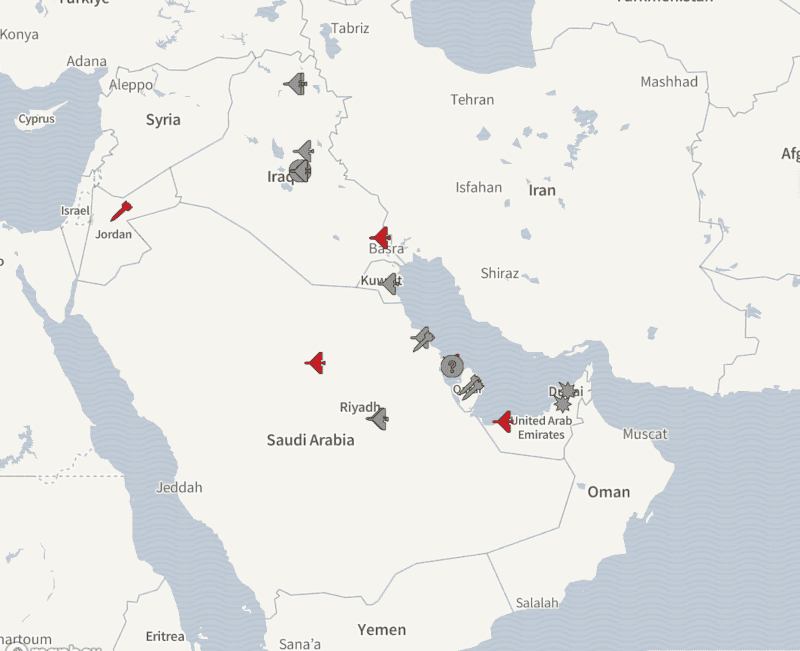
Iranian drone and missile barrages strike Arab states across the region (March 9-10 updates)
Iran and its allied militias continued launching drones and missiles across the Middle East between March 9 and 10, targeting energy infrastructure, airports, military bases, residential areas, and industrial facilities in Iraq, Saudi Arabia, Kuwait, Bahrain, Qatar, the United Arab Emirates, and Jordan.
-
Generation Jihad | We didn’t light it, but we tried to fight it
Many Americans believed a conflict with the Islamic Republic would be a new war. But as Bill Roggio and Behnam Ben Taleblu explain, the truth is simpler: this war began in 1979. Now, the question isn’t how the war started. It’s how it ends. Is this a limited war to degrade the Tehran regime — or the beginning of the end for the Islamic Republic?
-
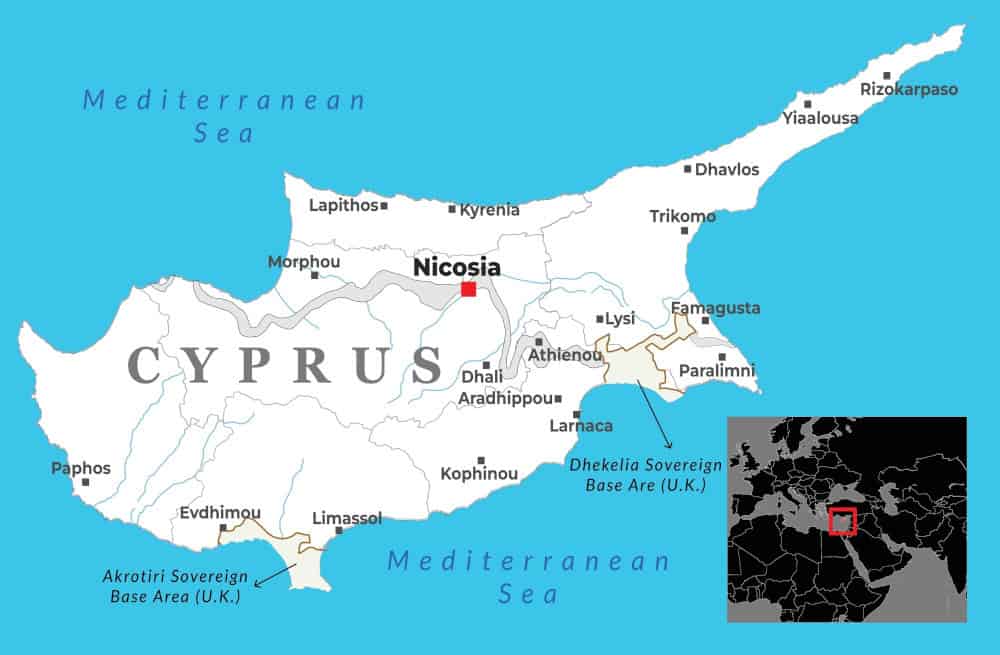
Cypriot, Lebanese officials blame Hezbollah for drone attacks on UK base in Cyprus; IRGC responsibility also possible
On March 1, a loitering munition struck the Royal Air Force (RAF) base in Akrotiri. Cypriot officials, followed by their Lebanese counterparts, accused Hezbollah of responsibility. The group’s leadership has threatened to target Cyprus in the past if it facilitated a war effort against the interests of the Iran-led Axis of Resistance. However, Iranian Islamic Revolutionary Guard Corps (IRGC) agents operating from Lebanon could have also carried out the attack.
-
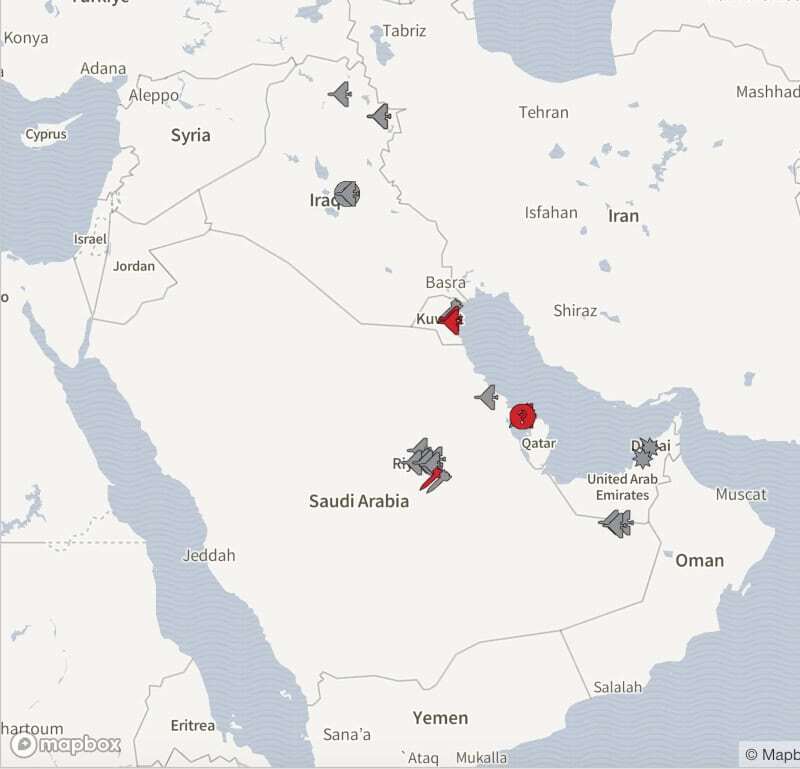
Iran continues striking civilian infrastructure and US bases in the Gulf (March 7–8 updates)
Between March 7 and 8, Iran continued launching drones and missiles across the Persian Gulf, targeting energy infrastructure, airports, military bases, government buildings, and urban areas in Saudi Arabia, Kuwait, Bahrain, and the United Arab Emirates.
-
Rockets target US Embassy in Baghdad after Iraqi Shiite militia group issues threat over war in Lebanon
The day before an attack on the US Embassy on March 7, the Coordination Committee of the Iraqi Resistance had issued a statement warning that continued strikes on Beirut’s Dahiyeh area would elicit attacks against embassies and oil companies in the region. The ultimatum follows repeated Israeli strikes against Hezbollah infrastructure and personnel in Beirut’s southern suburbs after Hezbollah entered the war on March 2.
-
Iran escalates attacks on Kurdistan Region of Iraq
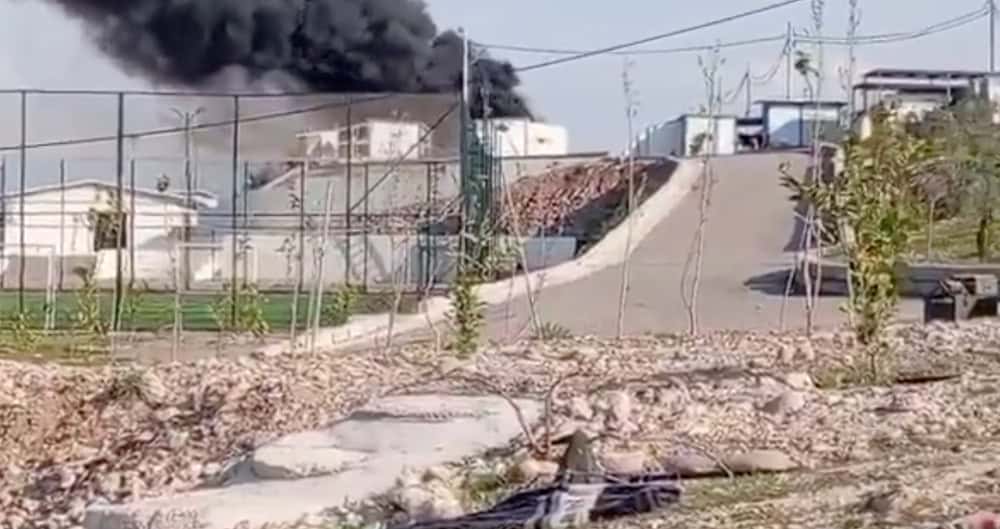
Iran and Iranian-backed militias have escalated drone and missile attacks on the Kurdistan Region of Iraq, striking sites in Erbil and Sulaimani Governorates and killing at least three people. Many of the attacks are targeting Kurdish Iranian opposition groups.
-
Analysis: Israel strikes over 500 targets in Lebanon, issues evac orders in renewed war with Hezbollah (March 2–6)
The November 27, 2024, ceasefire agreement in Lebanon has officially ended. Israel and Hezbollah are now reengaged in a full conflict after the group attacked Israeli territory on March 2. The Israelis have responded ferociously, targeting large swathes of Lebanon and promising that their campaign will continue until Hezbollah’s destruction.
-
Australia bans Hizb ut Tahrir under new hate laws
Australia designated Hizb ut Tahrir, a radical political party that calls for the establishment of a global caliphate, as a hate group, citing its violent history and rhetoric. The designation of the Islamist organization is a first under Australia’s new hate laws, which took effect on March 6.
-
Analysis: Similarities and differences in US and Israeli targets and objectives in Iran campaign
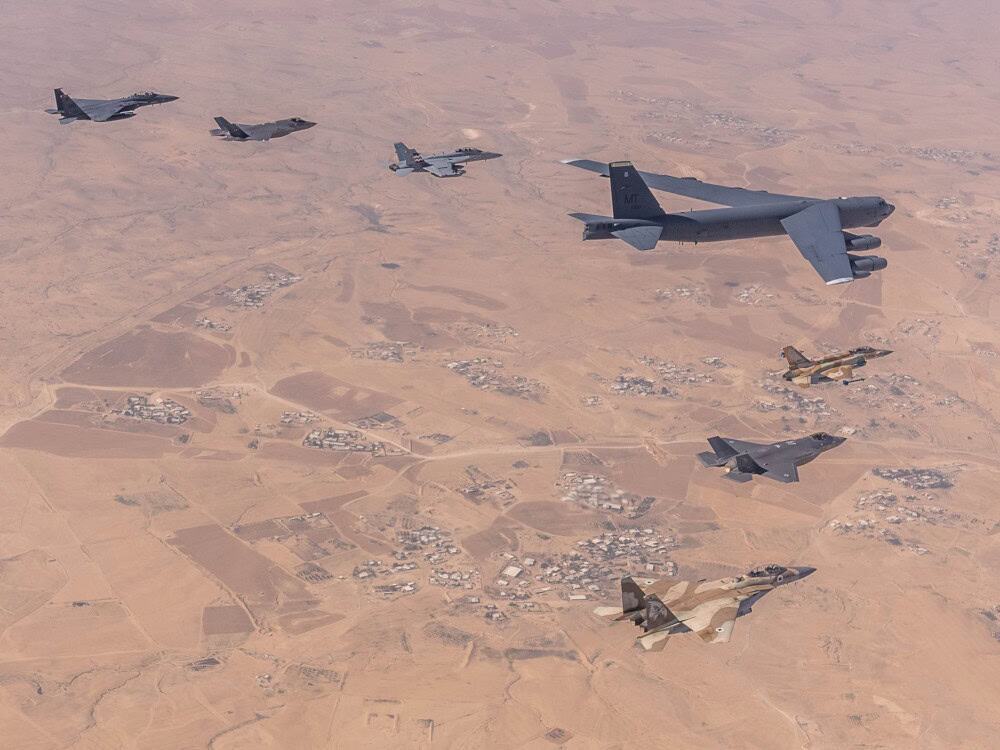
The US and Israel have cooperated to achieve impressive operational successes against Iran, but a publicly shared definition of victory remains elusive. This inconsistency and lack of clarity may negatively impact the allies’ ability to achieve durable strategic objectives.
-
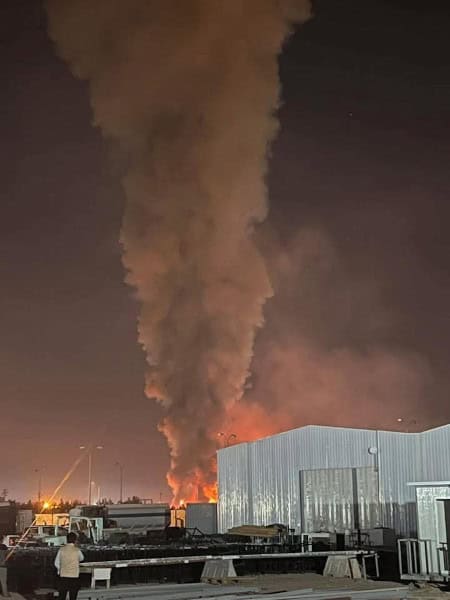
Iran and proxy militias strike energy infrastructure, US bases, and Gulf capitals on March 6
On March 6, Iran and its aligned militias continued their campaign of missile and drone attacks across the Middle East, targeting civilian infrastructure, military installations, airports, and political sites in Bahrain, Iraq, Kuwait, Saudi Arabia, Qatar, and the UAE.
-
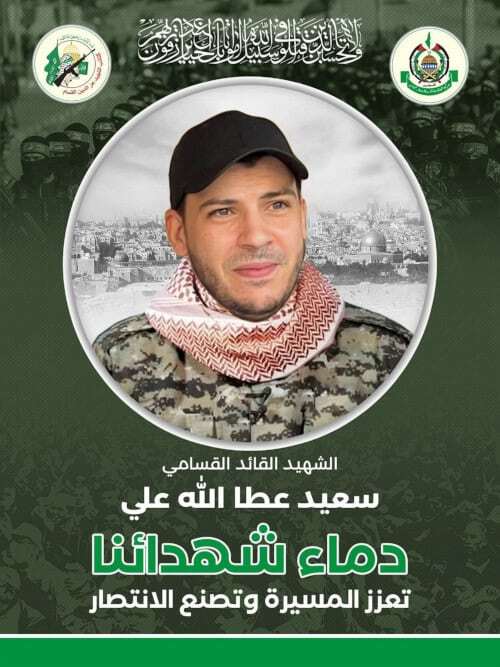
Israeli strike eliminates Hamas commander in Lebanon
The Israeli military killed Hamas commander Wasim Atallah Ali in Tripoli on March 5. The IDF said that Ali was responsible for training the group’s branch in Lebanon. His elimination adds to the growing number of Hamas and Palestinian Islamic Jihad members who have been killed in Lebanon by the Israeli military.
-
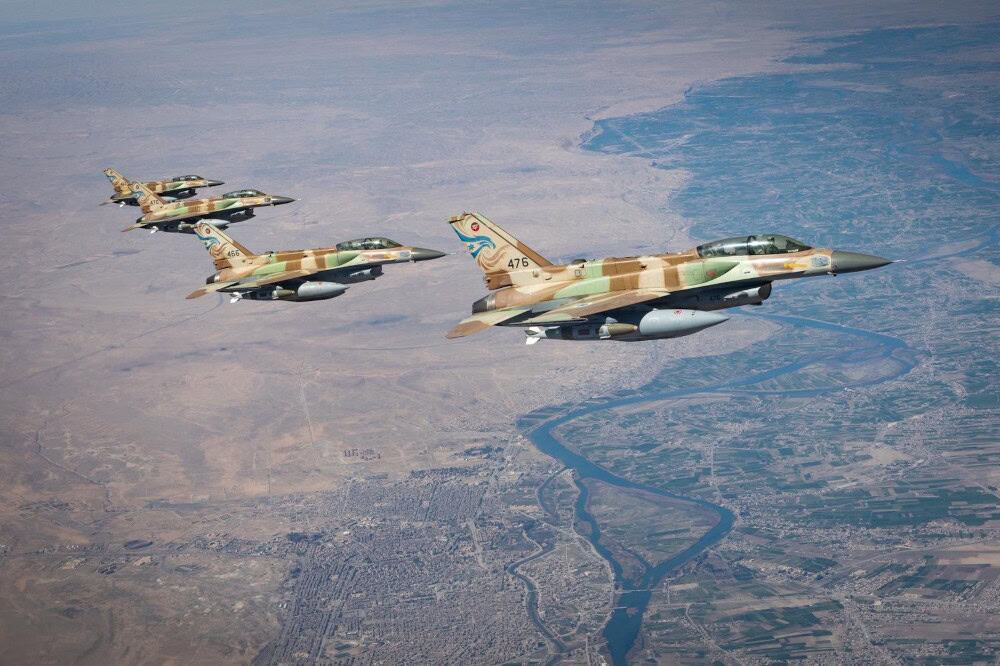
US and Israel establish air superiority, focus strikes on Iranian military sites and ‘regime pillars’ (March 4–5)
On March 4 and 5, the United States and Israel continued attacks against elements of the Islamic Republic’s military assets, including its missile and naval threat capacity, as well as its repression apparatus. The countries also declared air superiority over Iran and signaled the beginning of a new phase of the operation.
-
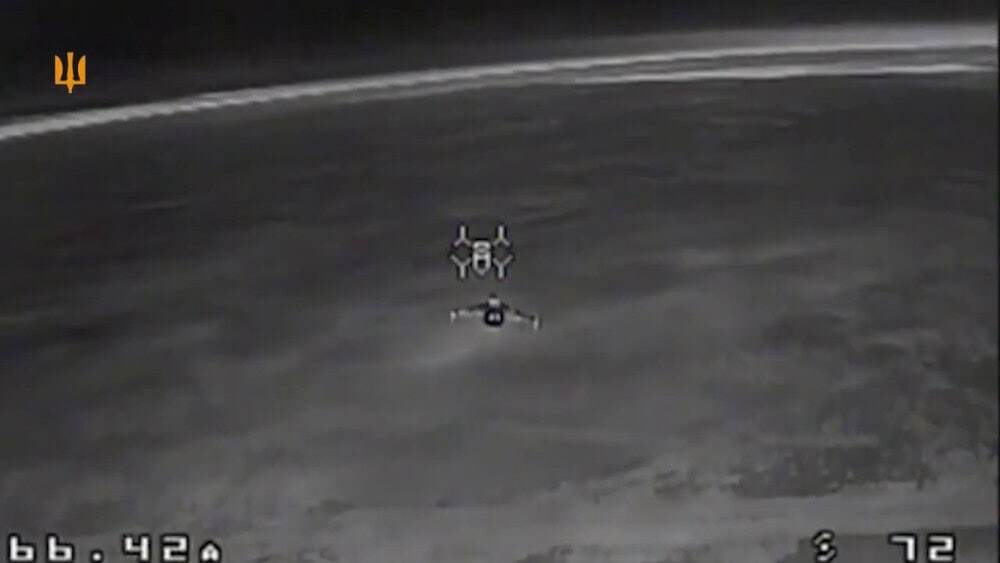
Ukraine will help combat Iranian drones in Middle East, Zelenskyy says
Ukraine says it will help the United States and its Middle East allies combat the Iranian drones that the Tehran regime is firing at the region. Russia has bombarded Ukrainian cities with these weapons for years, resulting in a series of defensive adaptations and innovations by the Armed Forces of Ukraine¬—and unmatched counter-drone experience.
-
Iran targets US bases, diplomatic missions, and oil infrastructure in Arab countries on March 3–5
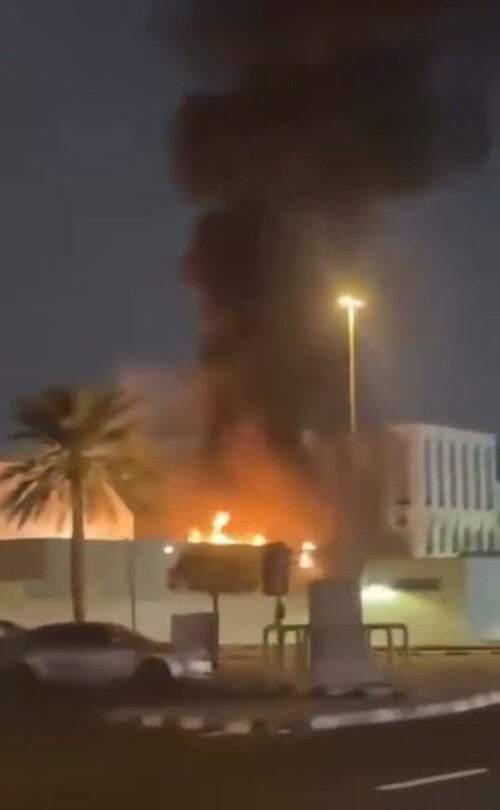
Between March 3 and March 5, Iran continued retaliating against the joint United States-Israeli military campaign by conducting widespread strikes across Arab Gulf countries using ballistic missiles, cruise missiles, and drones. Attacks were launched against Jordan, Oman, Saudi Arabia, Bahrain, Qatar, Kuwait, and the United Arab Emirates.
-
Iranian-backed militias continue attacks on US forces in Iraq
Iran-backed Iraqi militias claimed a series of drone and missile attacks against the “US presence” in the region on March 4 and 5, many targeting Iraqi Kurdistan, where significant American forces are located. US and Israeli forces are also likely operating against the Tehran-allied militias in Iraq, as both the militias and official government sources have reported a US presence and unidentified strikes against these groups.