-
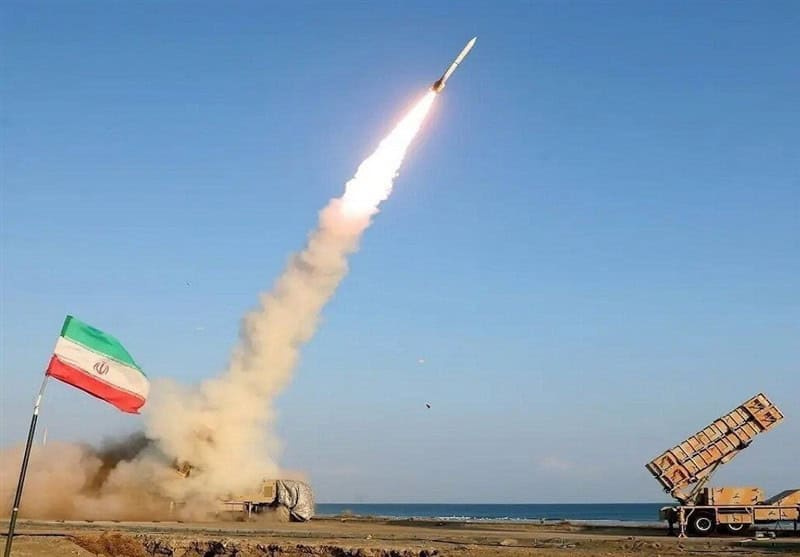
Iran intensifies recruitment, repression amid reports of thousands of security deaths, Washington weighs ground operations
Washington is considering ground operations as joint US-Israeli strikes impact Iran’s military and internal security forces, reportedly causing thousands of casualties. Simultaneously, Tehran has increased security recruitment efforts, deployed foreign proxy militias, and escalated executions and arrests of Iranian citizens while issuing threats over “sharing images or footage with foreign actors.”
-
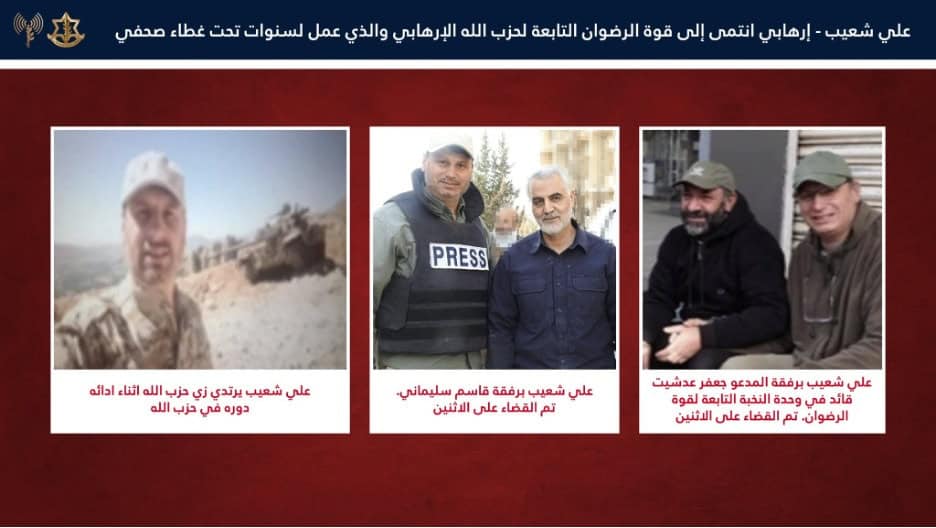
Israel kills Al Manar employee Ali Shuaib, says he was a Hezbollah military operative
Israel targeted and killed Ali Shuaib, an employee of the Hezbollah TV station Al Manar, and two others who worked for the pro-Hezbollah Al Mayadeen channel. The Israel Defense Forces claimed Shuaib was a Hezbollah Radwan Force operative using his journalistic credentials to monitor Israeli troop movements.
-
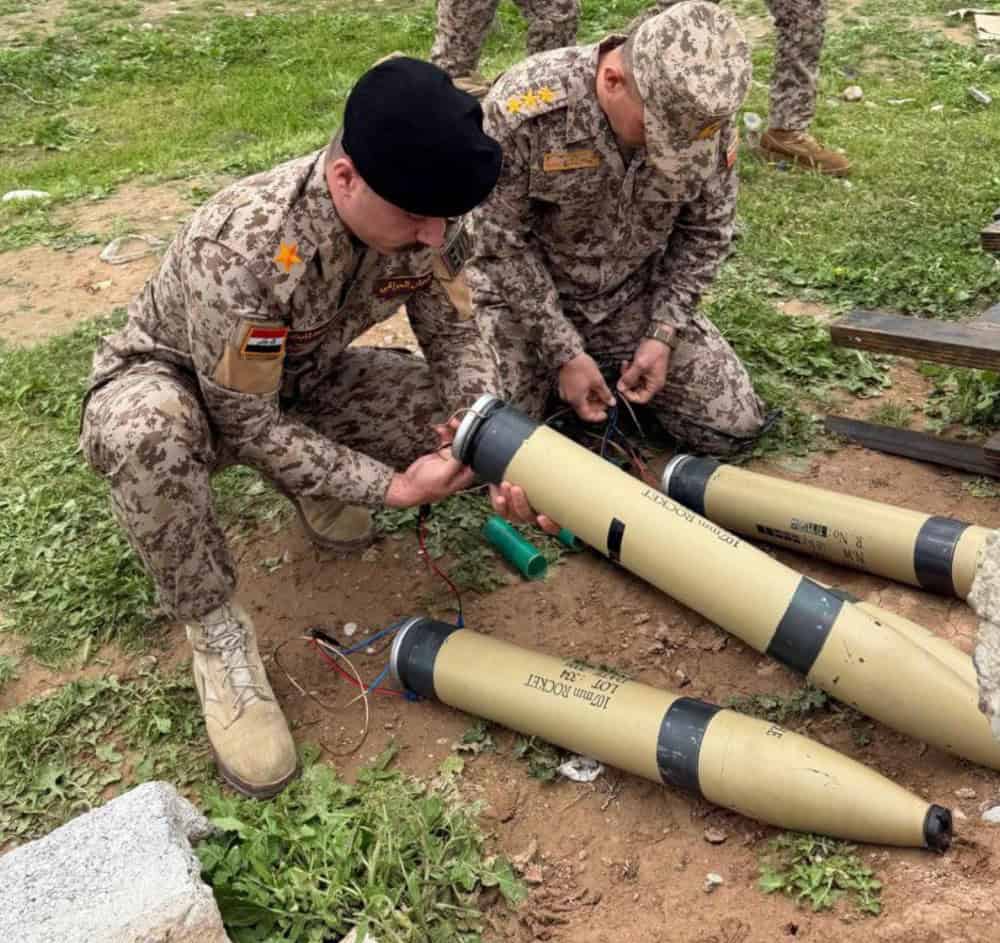
Home of Kurdistan Region president targeted, American universities threatened as attacks escalate in Iraq
A drone attack targeted the residence of Kurdistan Region of Iraq President Nechirvan Barzani amid escalating strikes in Iraq on March 28, followed by a drone interception near the home of Masoud Barzani, leader of the Kurdistan Democratic Party (KDP), the following day. Iranian-backed militias and Iran have been blamed for attacks across Iraq, including more than 500 drone and missile strikes against the semi-autonomous Kurdistan Region since February 28.
-
Generation Jihad | The Kharg Island Trap
Kharg Island looks like the perfect target — take it, and you choke off Iran’s oil. But it’s not that simple. Bill Roggio is joined by Ryan Brobst and Cameron McMillan to discuss why seizing Kharg could hand Tehran exactly what it wants: a wider war, a vulnerable US position, and a fight on the regime’s terms.
-
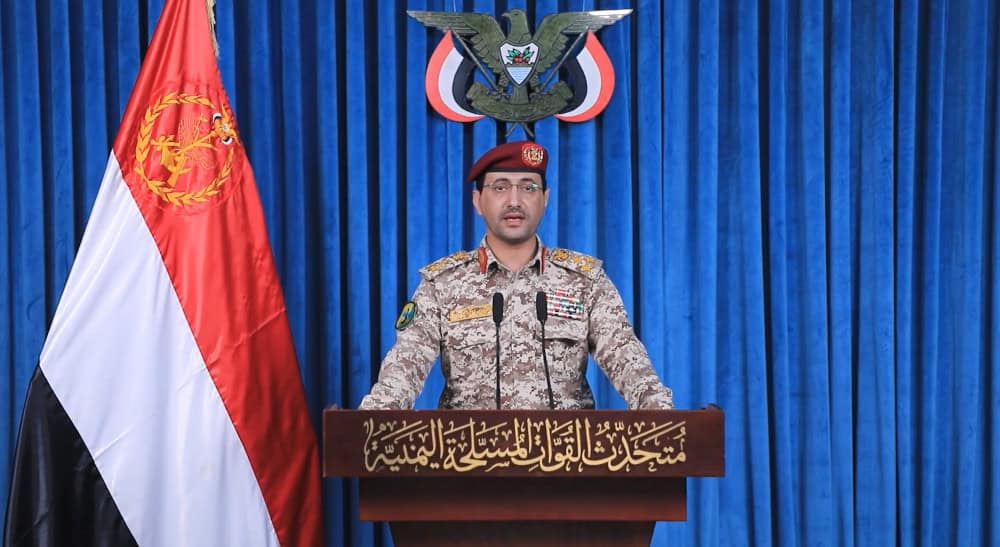
Yemen’s Houthis enter Iran war with drone and missile attacks on Israel
The Houthis launched missile and drone attacks against Israel, the first direct military action since the beginning of the US and Israeli campaign against Iran that began on February 28. The Iran-backed Yemeni terrorist group threatened to continue and expand attacks until a series of conditions it issued are met.
-
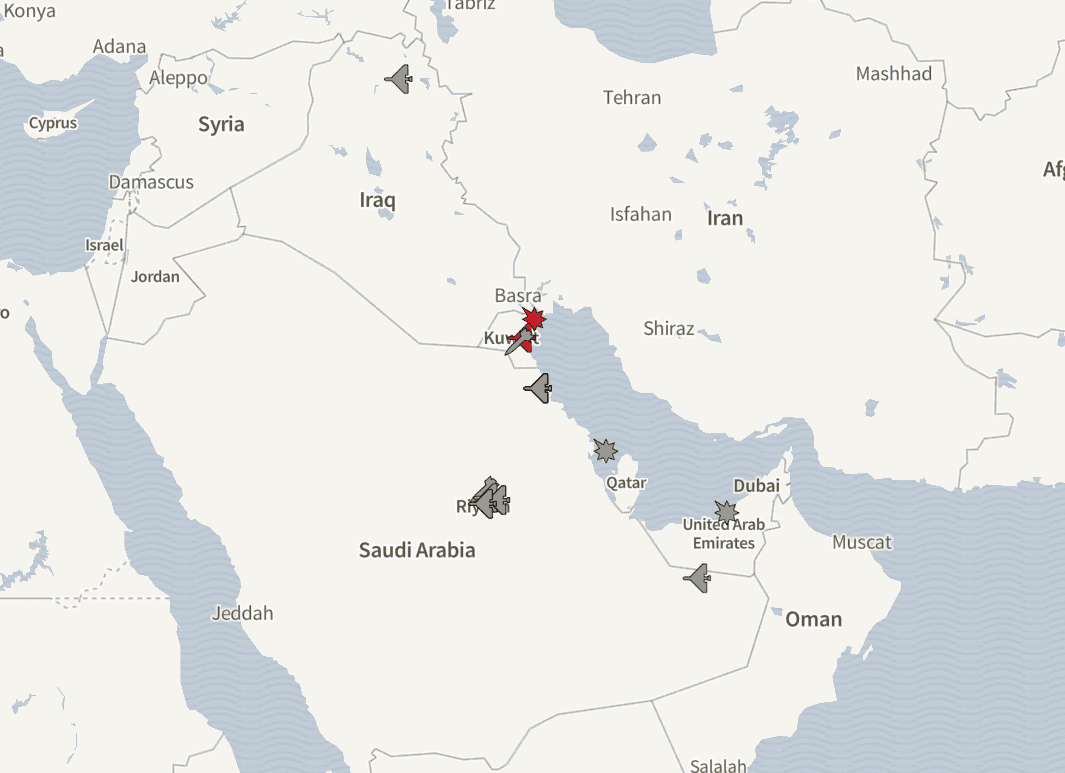
Iran and proxies continue attacking energy facilities, residential areas, and Arab capitals (March 24–27 updates)
Between March 24 and March 27, Iran and its allied militias continued launching drones and missiles against Arab countries. The attacks targeted energy infrastructure, airports, military facilities, ports, and residential areas in Saudi Arabia, the United Arab Emirates, Kuwait, Bahrain, Iraq, and Jordan.
-
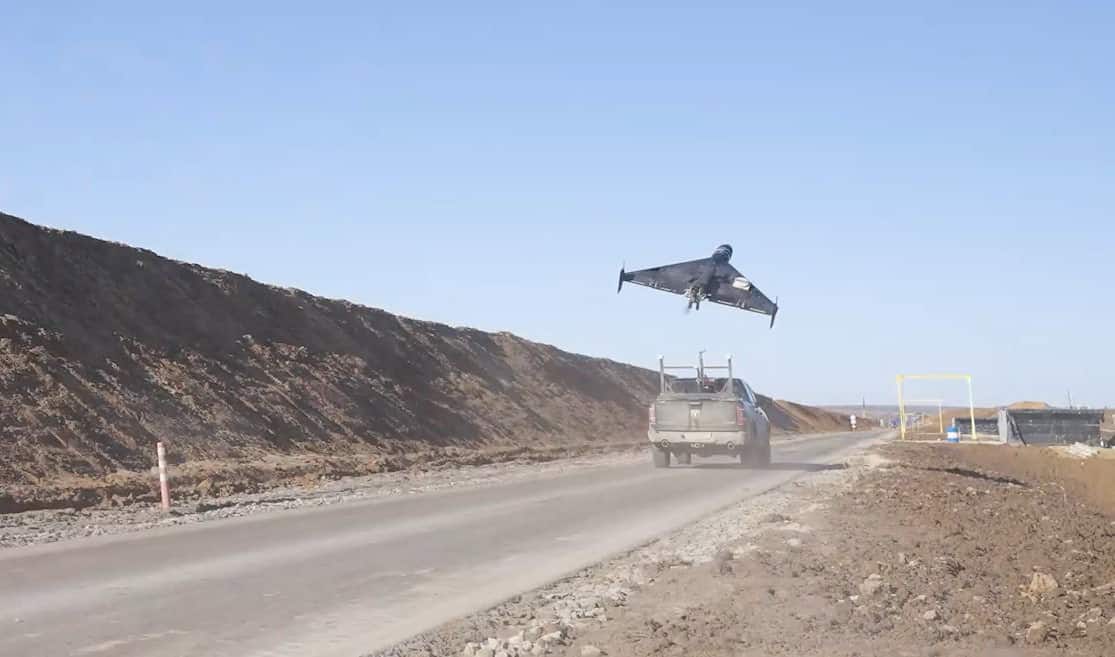
Russia reportedly sending Iran drones for use against the US and Israel
Reports citing Western officials suggest that Russia has started supplying Iran with complete drones after Russia was previously suspected of only providing components to improve Iranian systems. The unmanned aerial systems are likely modified, Russian-made versions of the same Shahed-136 one-way attack drones that Tehran previously supplied to Moscow.
-
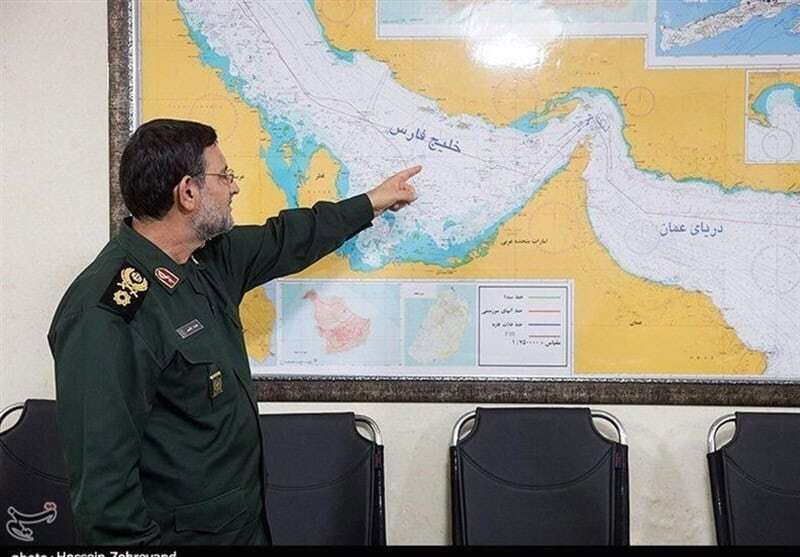
US-Israeli strikes continue as talks over Strait of Hormuz stall and Iran intensifies internal crackdown
The US and Israel continued airstrikes as negotiations over the passage of shipping through the Strait of Hormuz hit an impasse and Iran ramped up efforts to repress its populace. The regime has expanded internal security checkpoints into a dispersed network across various cities and increased arrests targeting alleged collaborators and dissenters.
-
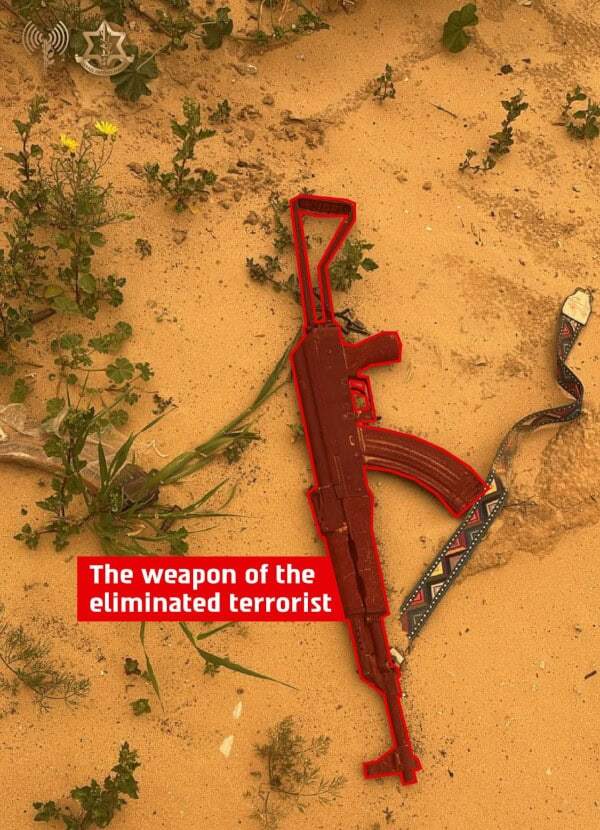
Israel continues operations against Hamas in Gaza, diplomats push for disarmament as shaky ceasefire continues
While attention has shifted to the conflicts in Iran and Lebanon, Gaza remains under a fragile ceasefire, with ongoing low-level clashes. High Representative for Gaza Nickolay Mladenov highlighted progress toward a disarmament framework tied to UN-backed plans. Despite this, Hamas continues to consolidate control in parts of the territory as Israel targets militants and terrorist infrastructure.
-
Turkish intelligence chief hosts Hamas leaders in Istanbul
Turkish spy chief Ibrahim Kalin’s March 22 meeting with senior Hamas leaders in Istanbul highlights Turkey’s continued high-level engagement with the group, reinforcing Ankara’s role as a mediator in Gaza ceasefire negotiations while omitting any discussion of Hamas’s disarmament. The meeting reflects a broader pattern of Turkish support for the group, evidenced by recent US Treasury sanctions on Turkish charities linked to Hamas.

-
Interim Venezuelan president ousts defense chief as Washington makes limited progress in Caracas
On March 18, Venezuelan acting President Delcy Rodríguez removed longtime Defense Minister Vladimir Padrino López and installed Gustavo González López, followed by initiating a broad restructuring of the military’s top leadership. These moves unfolded alongside US-supported stabilization efforts and the passage of a February 20 amnesty law that has facilitated the release of dozens of political prisoners. Nevertheless, a UN fact-finding mission reported that the country’s repressive apparatus remains largely unchanged.

-
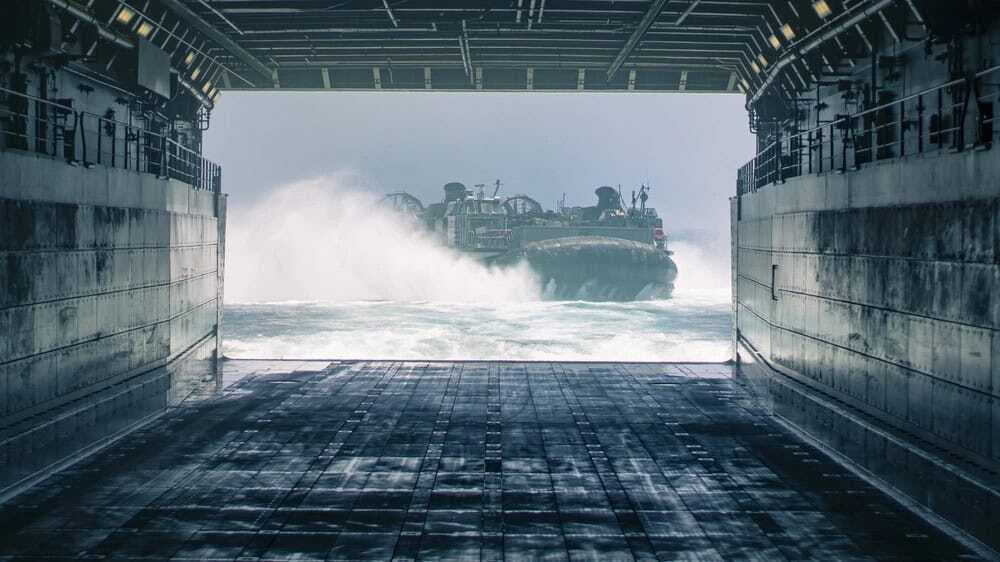
Analysis: Why seizing Iran’s Kharg Island could be a trap of America’s own making
A US effort to seize Kharg Island, the Islamic Republic’s critical economic hub, would be a high-risk operation that would likely entail significant costs for little gain. Kharg is much more likely to become a liability than an asset, drawing the Trump administration closer to the war of attrition it is trying to avoid.
-
Generation Jihad | The Hormuz Shake(down)
Bill Roggio sits down with shipping expert Sal Mercogliano to break down Tehran’s latest act of war: turning the world’s most critical shipping chokepoint into leverage.
-
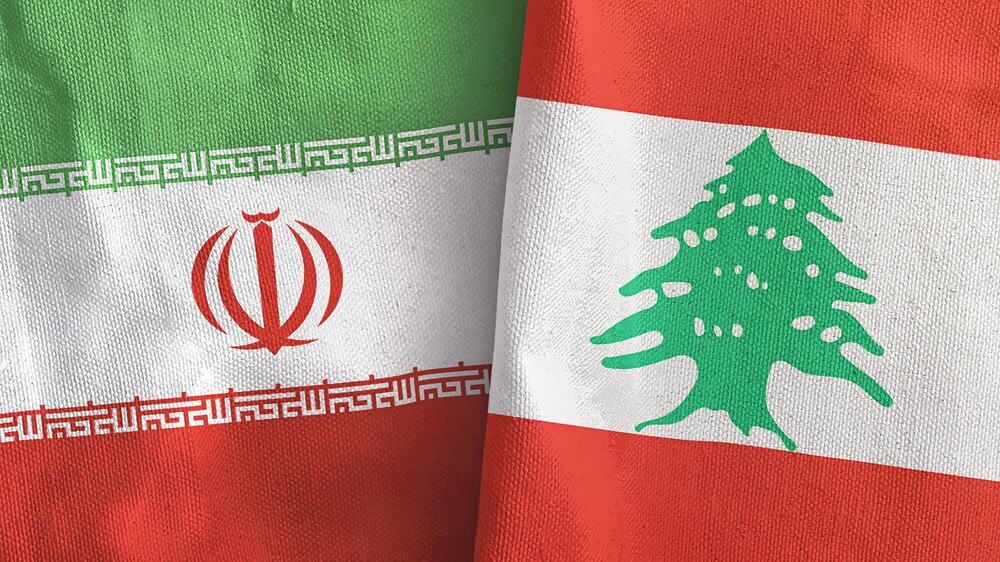
Lebanon declares Iranian ambassador-designate ‘persona non grata’ before Iranian missile explodes over Lebanese airspace
An Iranian ballistic missile exploded in Lebanese airspace shortly after Lebanese Foreign Minister Youssef Raggi declared Tehran’s ambassador-designate in the country “persona non grata.” Official silence, coupled with Lebanese reporting that the missile was targeting an American asset in Lebanon, led to speculation that Iran considered Raggi’s move significant and was retaliating for it. However, subsequent reporting and a Lebanese Armed Forces investigation revealed that the missile’s target was outside Lebanon.
-
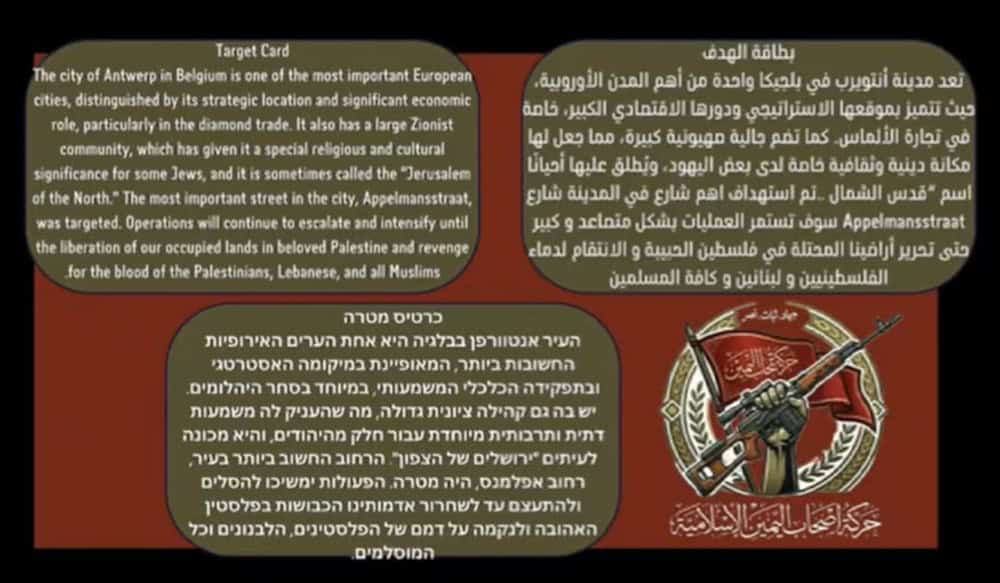
Iran-linked group claims arson attacks in Antwerp and London
On March 23, Ashab al Yamin, a group with ties to the Islamic Republic, took responsibility for attacks in Antwerp and in London. The incidents raise the total number of claimed attacks by the Iran-linked group against Jewish and Western sites to seven.
-
Analysis: The Islamic State’s targeting of a Chinese mine in Congo proves the group is a resilient threat
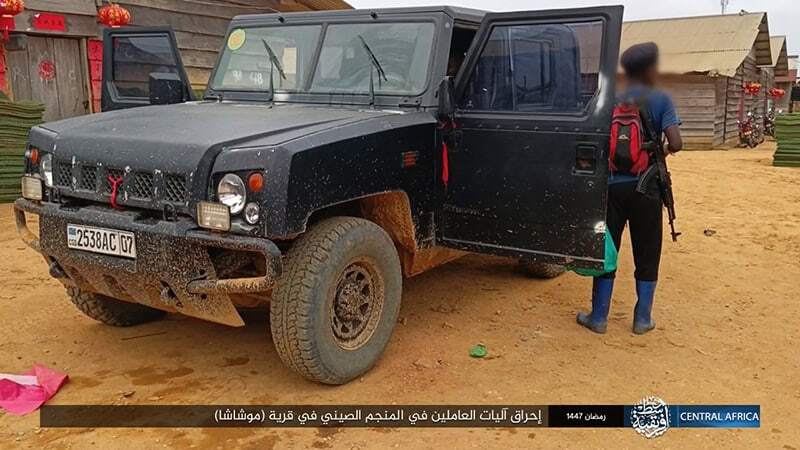
The Islamic State’s Central Africa Province (ISCAP), known locally as the Allied Democratic Forces (ADF), raided and burned down a Chinese-owned mine in eastern Congo earlier this month. The raid, which was far from the jihadist group’s normal area of operation, highlights both ISCAP’s threats to Congo’s mining sector and its resilience after nearly five years of a sustained military operation against it.
-
6 Kurdistan Regional Government soldiers killed in Iranian attack on northern Iraq
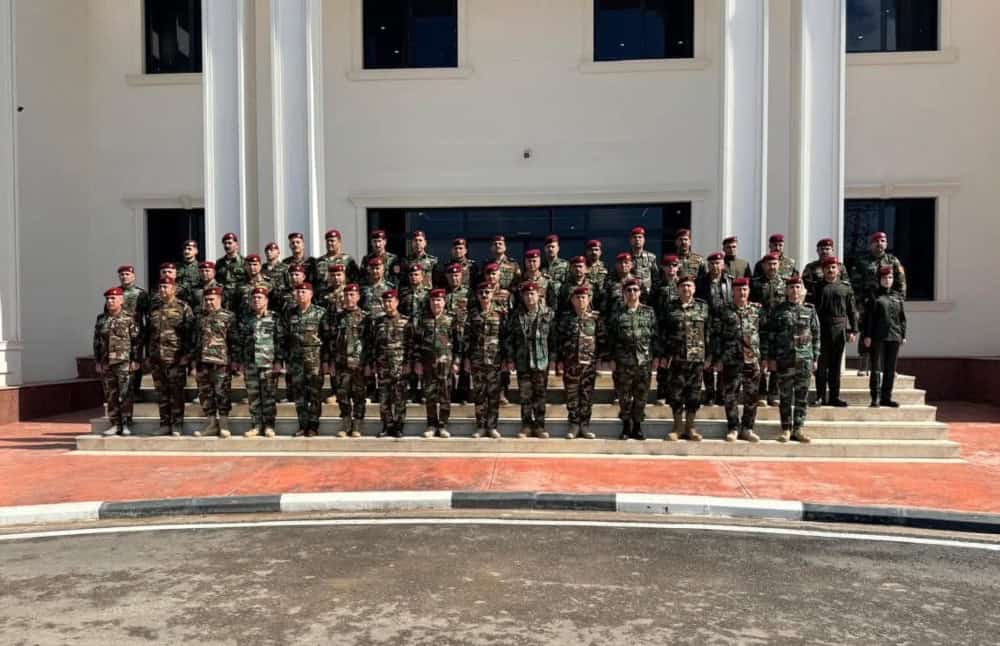
Six Peshmerga fighters were killed, and more than 20 were wounded in a missile strike north of Erbil on March 24, marking the deadliest attack on the Kurdistan Region since late February. The strike is part of a broader wave of drone and missile attacks by Iran and Iranian-backed militias targeting northern Iraq, US facilities, and Kurdish forces. In addition, rockets were fired toward Syria on March 23, and at least 15 members of Iraq’s Popular Mobilization Forces were killed in a likely US airstrike in Iraq’s Anbar province.
-
Iran and proxies continue attacking regional airports, energy facilities, military bases, and residential areas (March 20-23 updates)
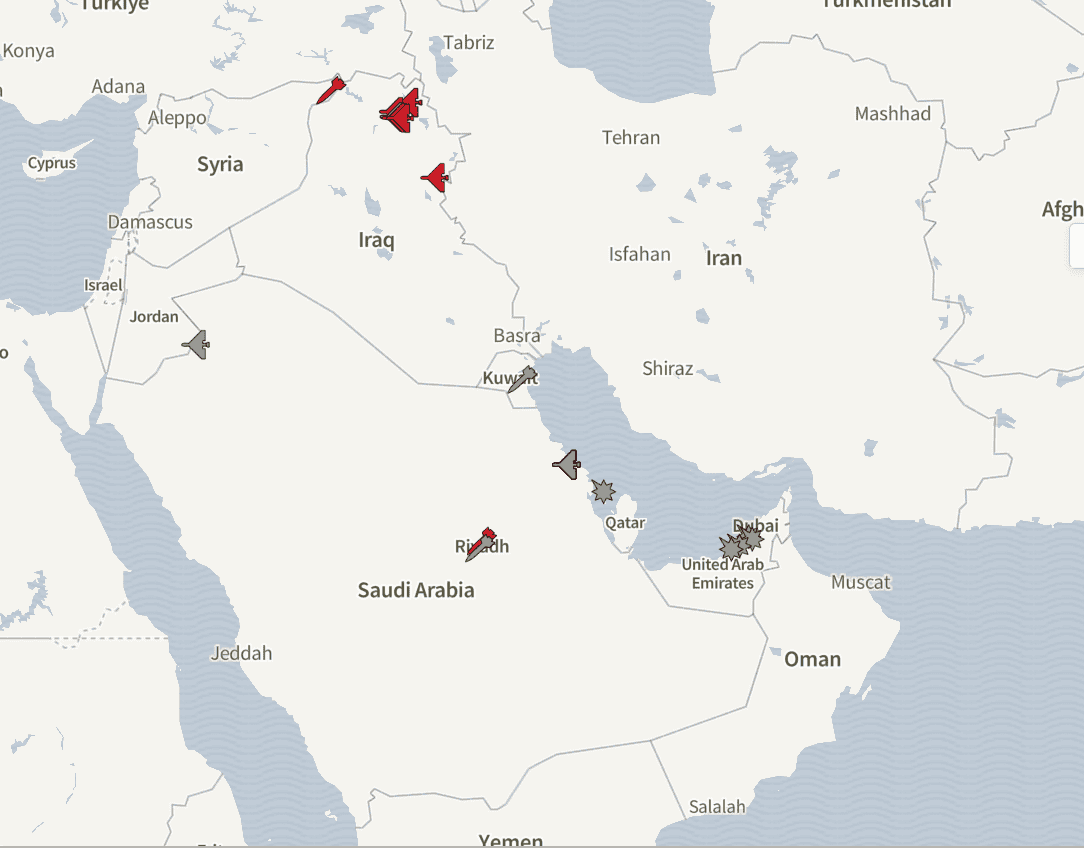
Between March 20 and March 23, Iran and its allied militias continued launching drones, missiles, and rockets against Arab countries, targeting energy infrastructure, airports, military bases, diplomatic facilities, and residential areas.
-
Generation Jihad | The regime falls when the people rise
The bombs are falling. The Iranian regime is reeling. But revolutions aren’t won from 30,000 feet. As Washington and Jerusalem pummel toward a mission accomplished, Bill Roggio is joined by FDD’s Jon Schanzer to grapple with a harder question that looms: what happens if there’s no uprising when the bombing stops?
-
Israel eliminates 3 Hamas members operating in Lebanon
The Israeli military announced on March 22 that it killed Walid Dib, a Hamas money man, in Lebanon. In addition to Dib, two other Hamas members operating in Lebanon have also been eliminated in Israeli strikes in recent days.

-
Shabaab celebrates October attack on Mogadishu prison in new video
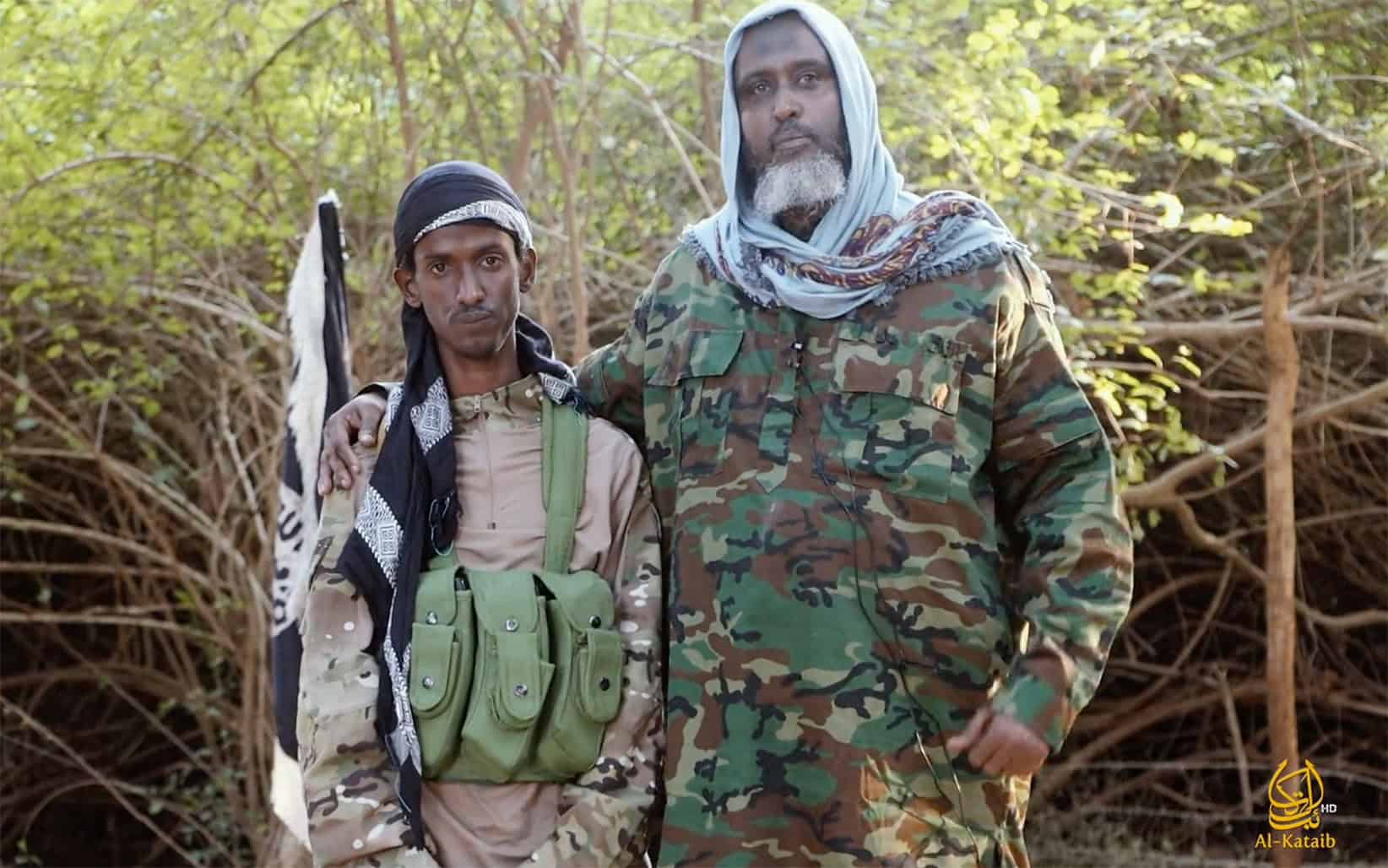
Shabaab, Al Qaeda’s branch in East Africa, highlighted last year’s brazen assault on Mogadishu’s Godka Jilacow prison, operated by Somalia’s National Intelligence and Security Agency. In the video, one of the attackers was identified as the son of Ali Mohamed Rage, the group’s top spokesman.
-
Kuwait and UAE report disrupting domestic Hezbollah cells
Kuwaiti and UAE authorities stated that they discovered and arrested terror cells linked to Hezbollah operating in their countries. The Lebanese group denied the allegations, insisting that it does not have operatives in the Gulf states.
-
Strikes continue hitting Iran-backed Iraqi militias, Kataib Hezbollah declares temporary US embassy ceasefire
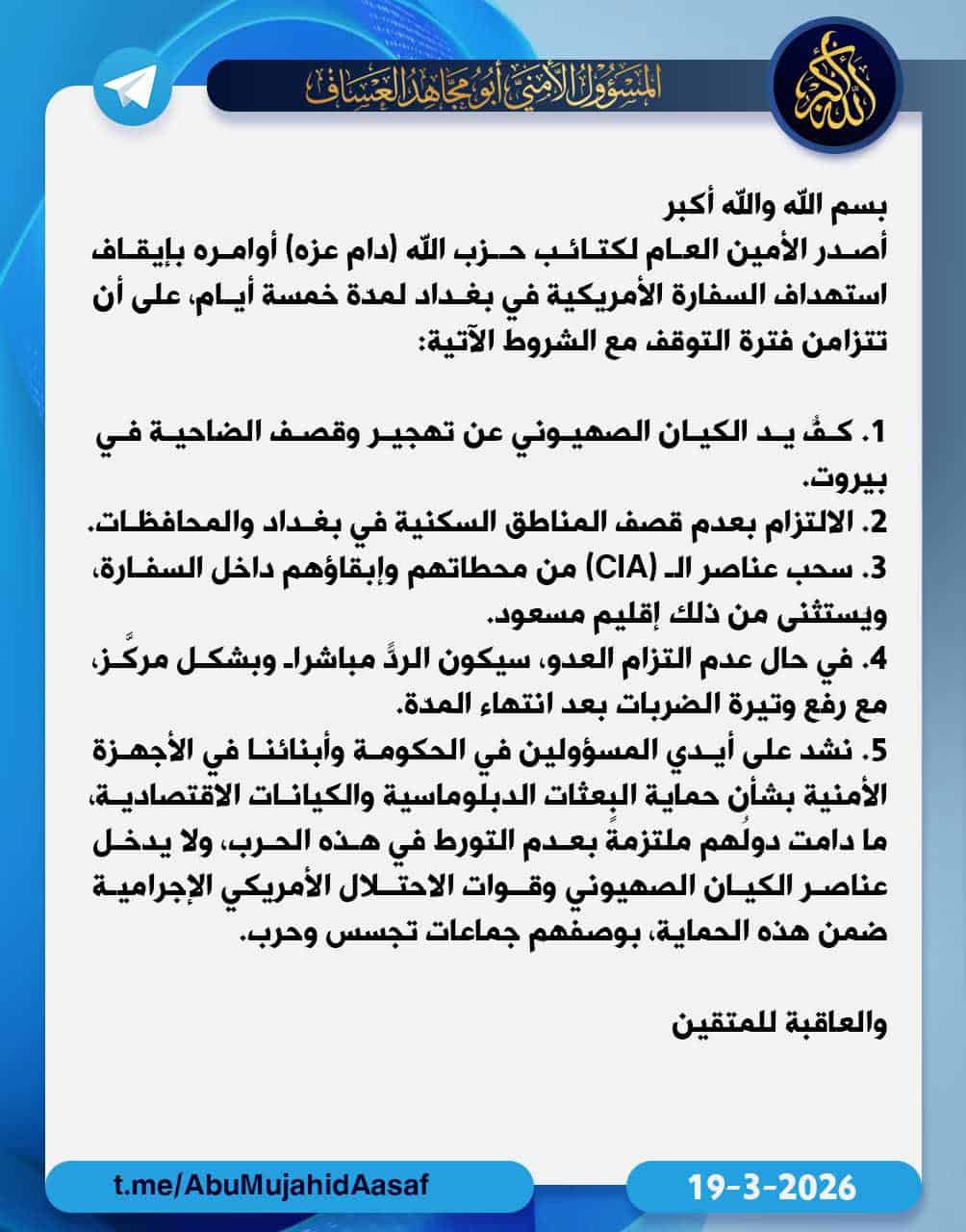
Unclaimed but likely American airstrikes have continued against Iran-backed Iraqi militias, with one strike reportedly killing a senior Kataib Hezbollah commander. The US and Kataib Hezbollah have subsequently agreed to a temporary, conditional pause in attacks on the US Embassy in Baghdad, though other hostilities in the country continue.
-
Iranian drones and missiles hit ports, oil and gas facilities, and US bases in the region (March 17-19 updates)
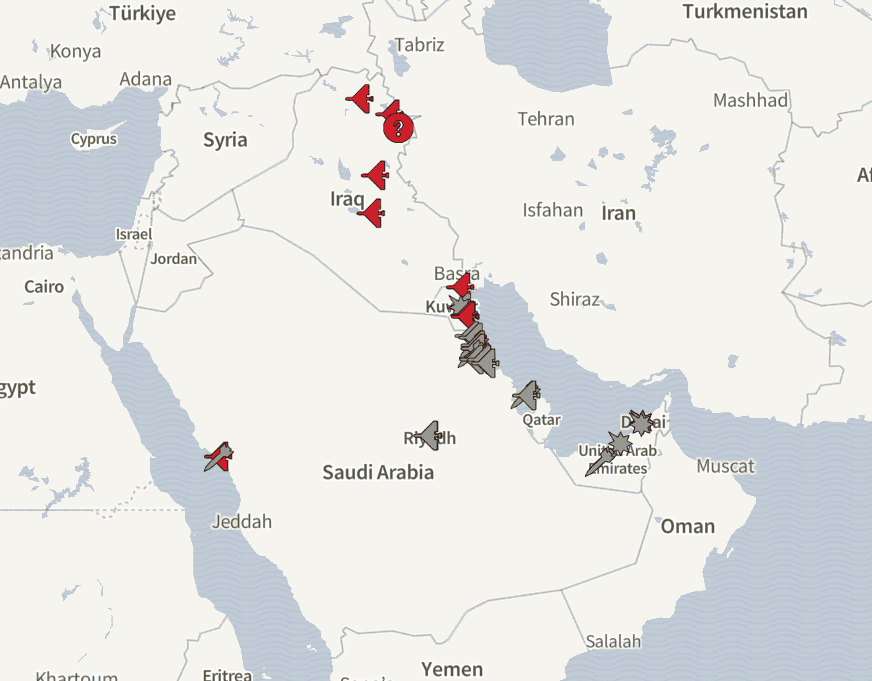
Between March 17 and March 19, Iran and its allied militias continued launching drones, missiles, and rockets across the Middle East. The attacks targeted energy infrastructure, airports, military bases, diplomatic facilities, and residential areas in Saudi Arabia, the United Arab Emirates, Qatar, Kuwait, Bahrain, and Iraq.
-
Iranian-backed militias escalate attacks in Iraq, send mixed signals on next steps
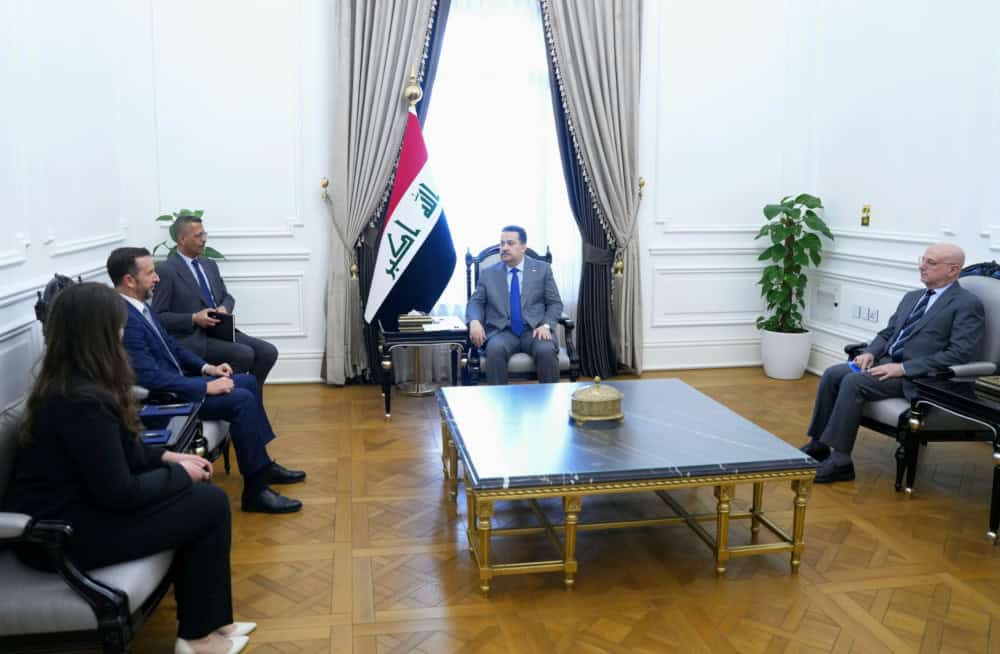
Iranian-backed militias have continued conducting attacks across Iraq, recently targeting US and foreign diplomatic sites in Baghdad and Erbil. Hundreds of strikes have hit the Kurdistan Region since late February, wounding Peshmerga forces and damaging key locations. While Kataib Hezbollah signaled a possible temporary pause in attacks tied to specific demands on March 18, other groups, such as Kataib Sayyid al Shuhada, vowed to continue.
-
Analysis: West Bloomfield terror attack highlights Hezbollah connections within Shiite Lebanese community in US
Last week, Ayman Mohamad Ghazali, a Lebanese-US dual national, rammed his car into the entrance of Temple Israel, a synagogue in West Bloomfield, Indiana. Ghazali had familial connections to Hezbollah, and evidence shows multiple connections to the US-designated terrorist group among Shiite Lebanese expatriates, including open support for Hezbollah by some individuals within these communities.
-
Analysis: Operational gains against Iran continue, but threats to US forces persist
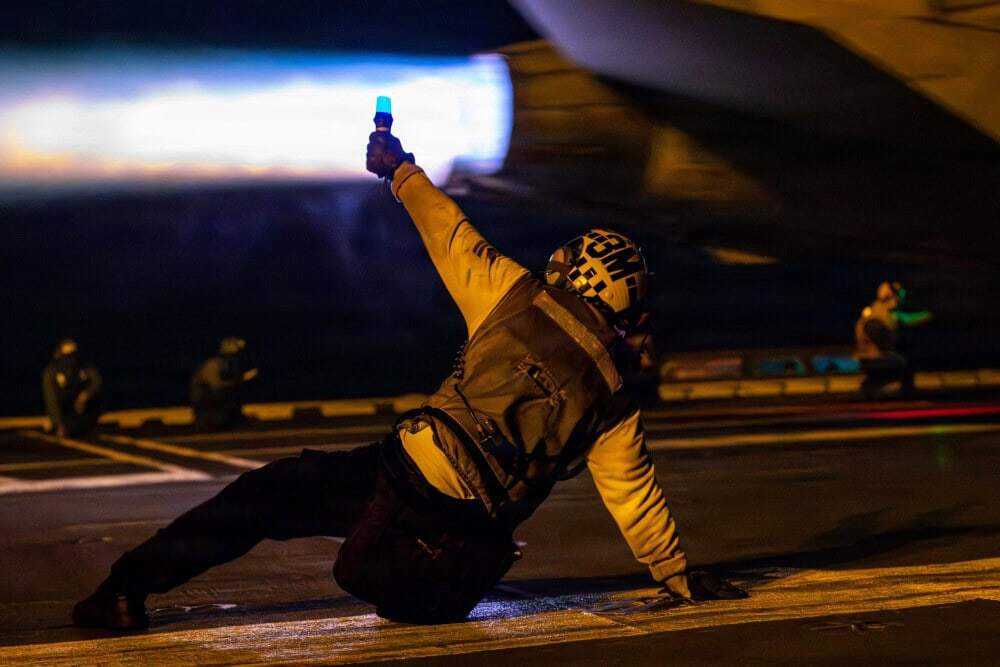
The United States, along with its Israeli partners, continues to make considerable progress toward its military objectives of removing Iran’s primary military means to threaten the region in the third week of Operation Epic Fury. Despite these operational successes, however, Tehran and its proxies retain the ability to attack US forces.
-
US and Israel strike more military targets, plus Iran’s leadership, repression units, and energy sites (March 17-18 updates)
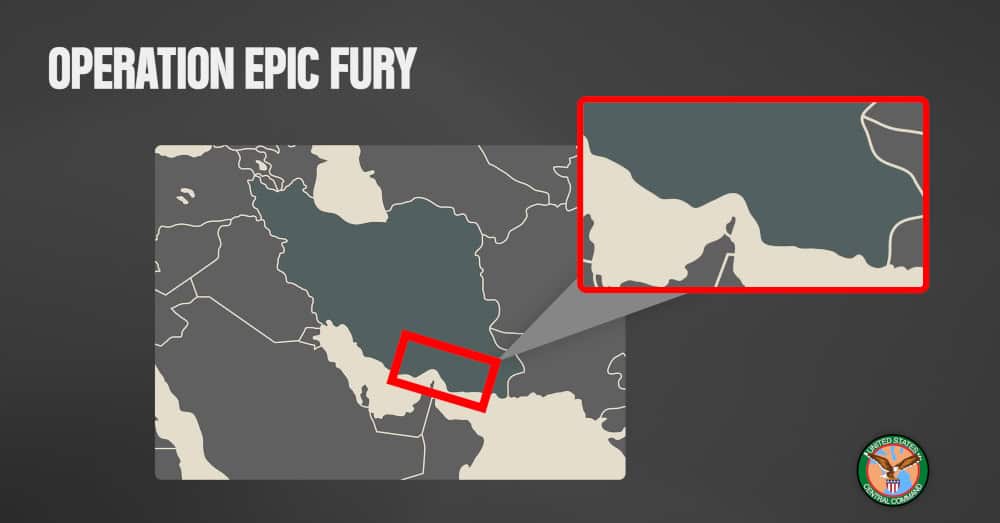
US and Israeli operations have continued to degrade Iran’s military capabilities while increasingly targeting the regime’s internal security apparatus. Strikes on Basij internal security and police units, alongside assassinations and reported morale issues, may be beginning to affect the regime’s ability to sustain repression efforts as US and Israeli attacks also expanded to targeting energy infrastructure.
-
Analysis: Naim Qassem says Hezbollah will continue fighting Israel, frames war as defense of Lebanon
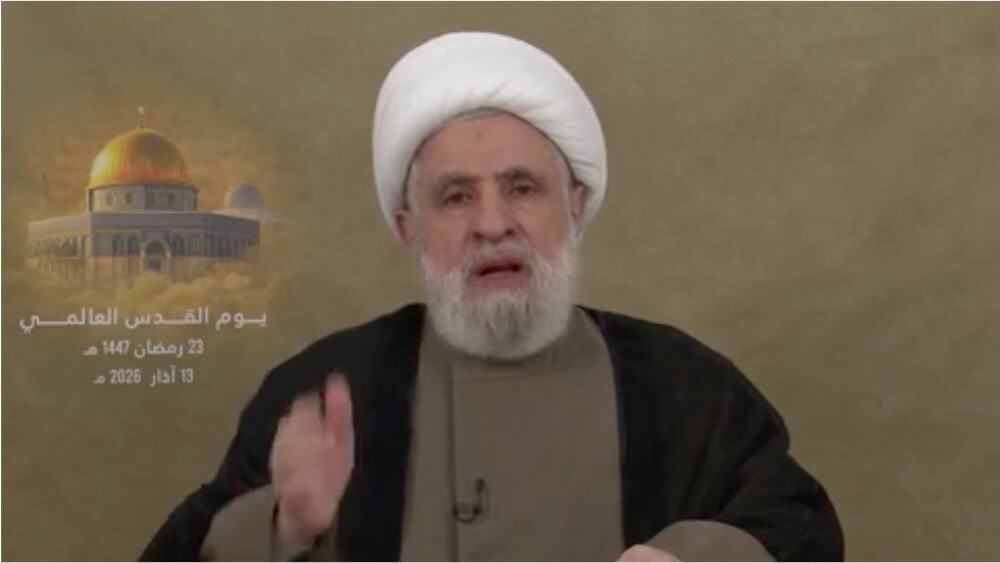
Hezbollah Secretary-General Naim Qassem gave his second speech regarding the renewed war with Israel, once again arguing that his group was the victim of aggression and not the aggressor. He said that Hezbollah is fighting a war of self-defense on behalf of Lebanon and stressed that it would continue fighting until it secures adequate concessions from Israel.
-
10 major Iranian naval targets struck in Operation Epic Fury
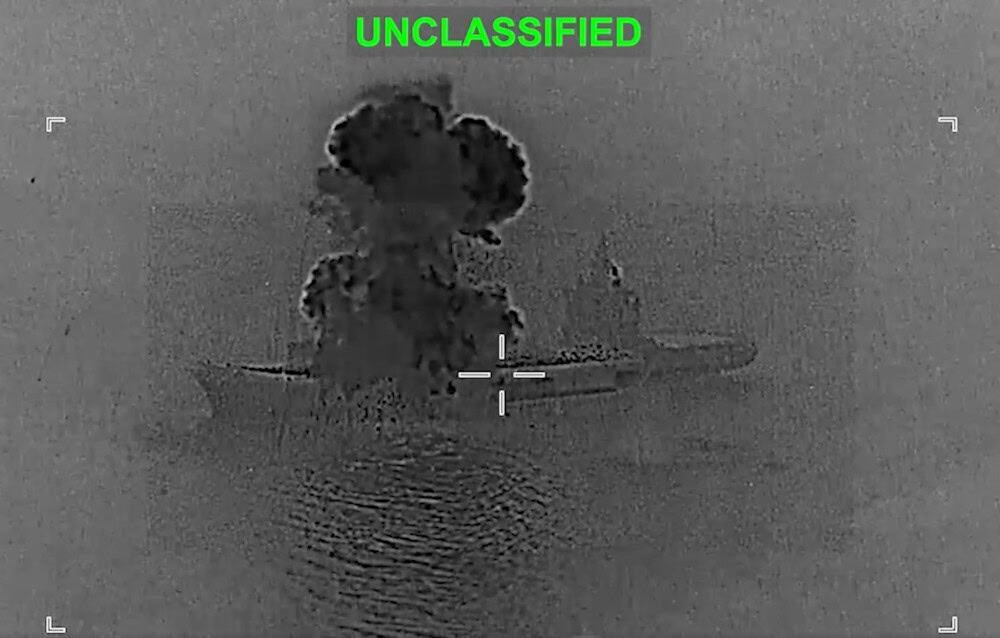
President Donald Trump has identified the Iranian navy as a major target in the US campaign against the Islamic Republic of Iran. US forces have struck a range of port infrastructure and key vessels to degrade its capability, destroying more than 100 vessels by March 16.