-
Iraq agrees to Turkish base deal as militia disarmament timeline debated
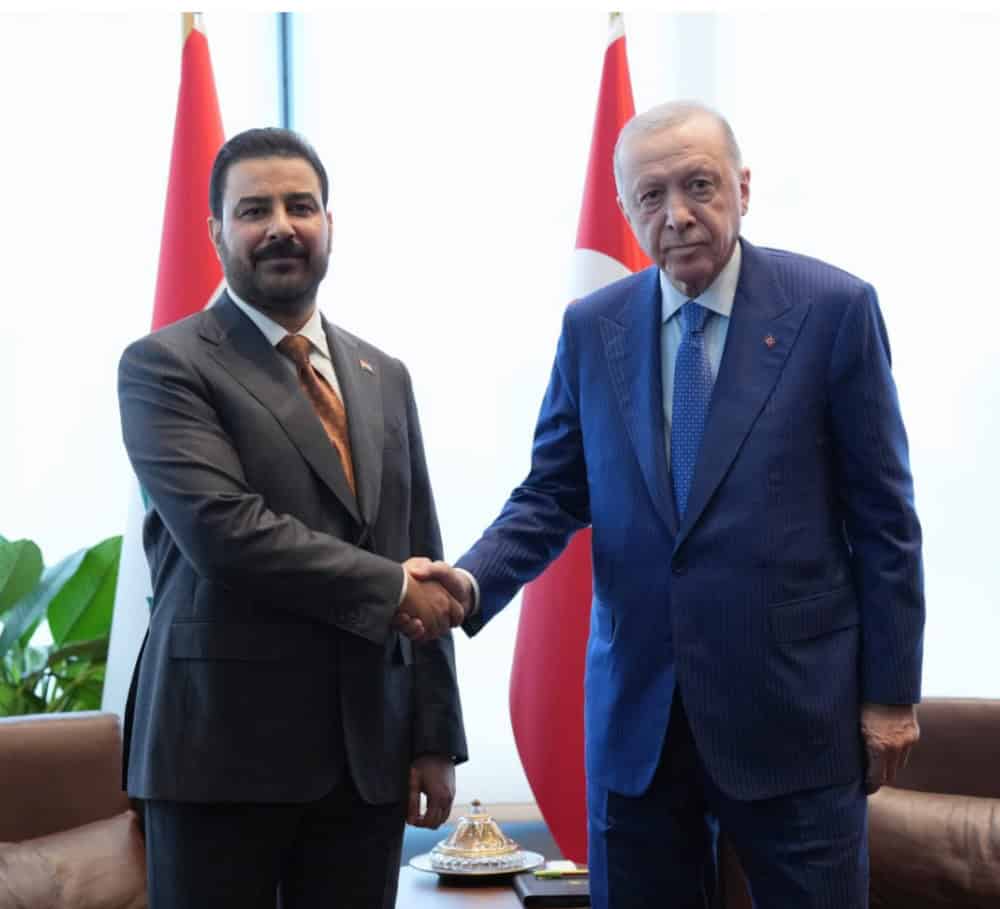
Iraqi Prime Minister Ali al Zaidi has outlined a plan to disarm Iran-backed militias by June 2027 as Baghdad prepares for the withdrawal of US forces. The proposed disarmament timeline coincides with an agreement for Turkey to gradually hand over its Bashiqa-Zilkan military base to Iraq, part of wider efforts to bring armed groups and military facilities under Iraqi state control.
-
Syria’s military is rebuilding, but foreign influence may slow security progress
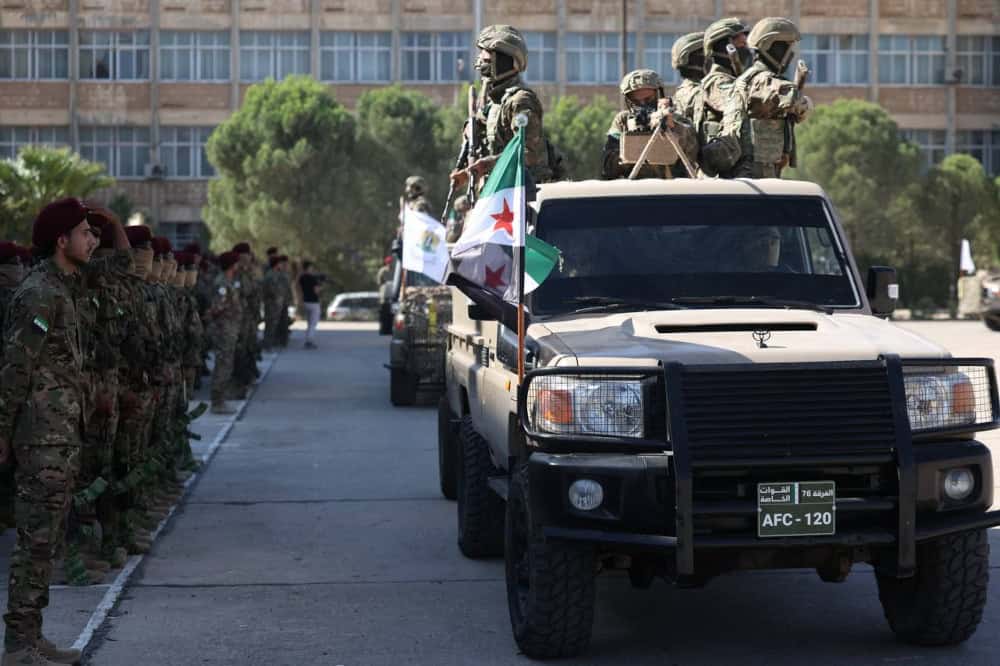
Syria’s post-Assad military is rebuilding rapidly, but its structure and foreign dependencies could limit Damascus’s ability to advance US security interests. If security cooperation from Turkey and Russia comes with strings attached, it may jeopardize Syria’s potential as a future partner against the Islamic State and Hezbollah.
-
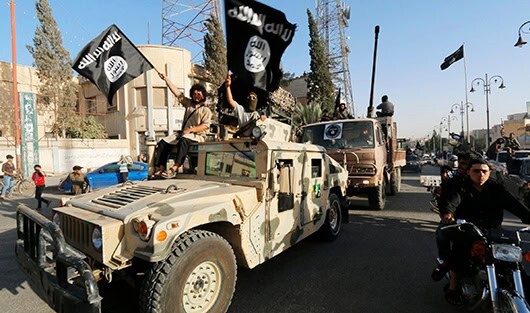
Islamic state plots disrupted and operatives arrested in 4 countries
Authorities in Kuwait, Israel, Turkey, and France disrupted suspected Islamic State plots or arrested the organization’s sympathizers over the past month. The incidents demonstrate the jihadist group’s continued ability to recruit and radicalize individuals despite more than a decade of sustained counterterrorism pressure.
-
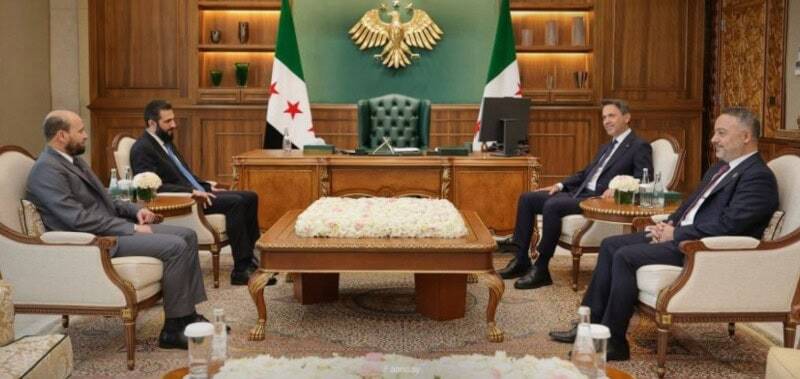
Israel strikes military airbase in Syria while warning Turkey
Israeli airstrikes on Syria’s Abu al Duhur military airbase overnight between August 17 and 18 highlighted growing tensions between Israel and Turkey over Ankara’s expanding role in Syria. Syria condemned the strikes, while the US continued efforts to de-escalate the situation.
-
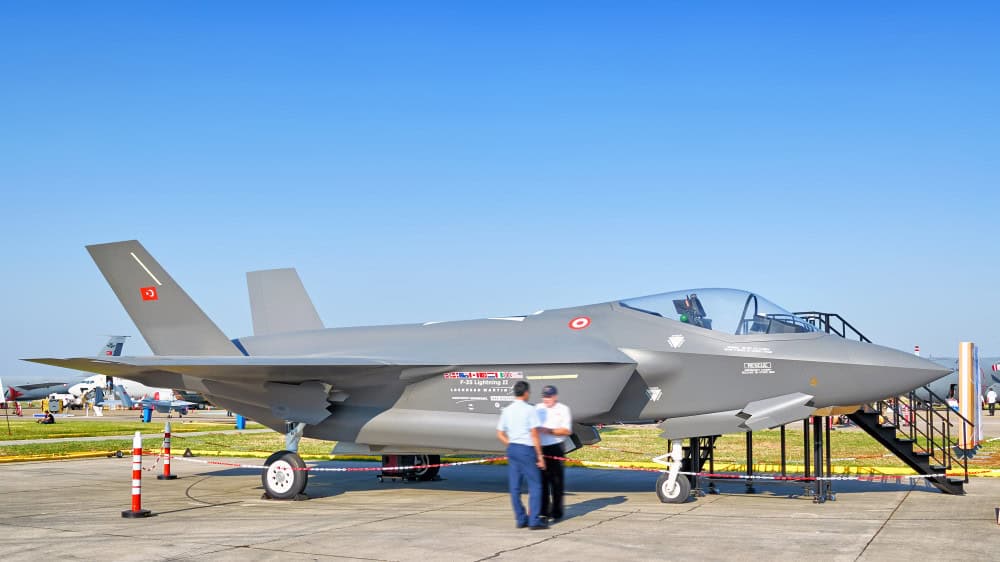
Analysis: US Treasury sanctions Turkish Hamas financiers as Erdogan presses for F-35s
On July 23, the US Treasury Department’s Office of Foreign Assets Control (OFAC) designated a Turkey-based Hamas money exchange and a senior Muslim Brotherhood official, the third round of sanctions against Hamas’s Turkish financial network in less than two years. US lawmakers have introduced measures that would condition future F-35 sales to Turkey on certification that Turkey has severed its ties to Hamas.
-
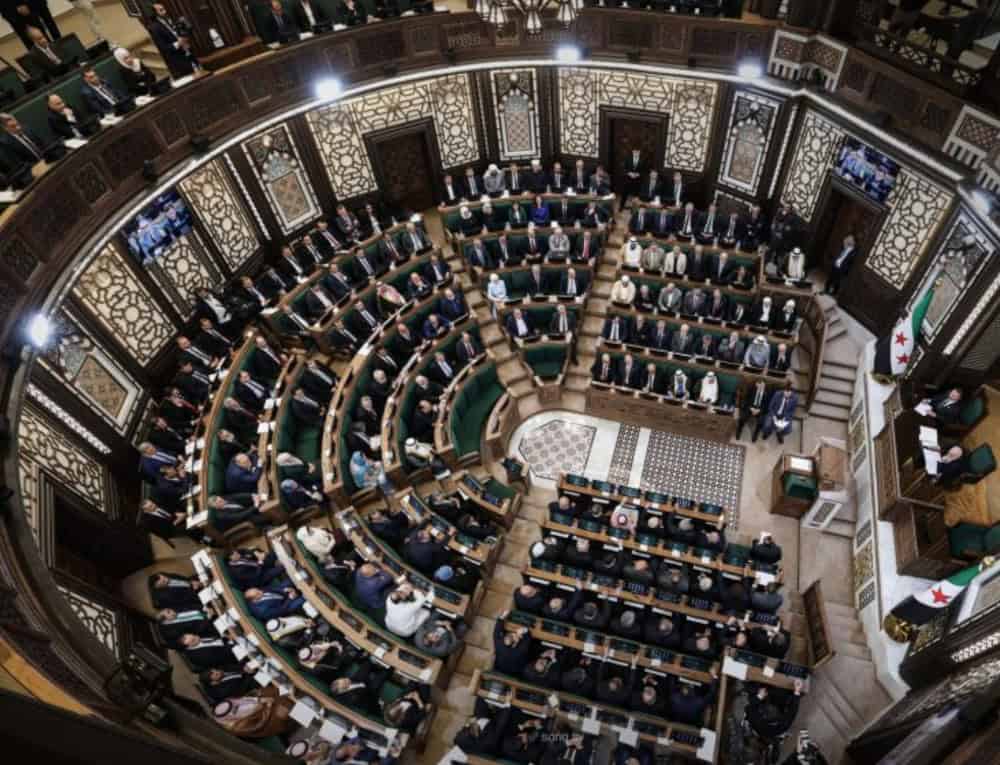
Syria opens new parliament, hosts Turkish Navy
Syria has convened its first parliament since the fall of the Assad regime, marking another milestone in the country’s political transition under President Ahmad al Sharaa. The assembly’s opening comes as Syria expands diplomatic engagement and attempts to strengthen regional and international ties.
-
Venezuela reshuffles foreign relationships as oil production grows
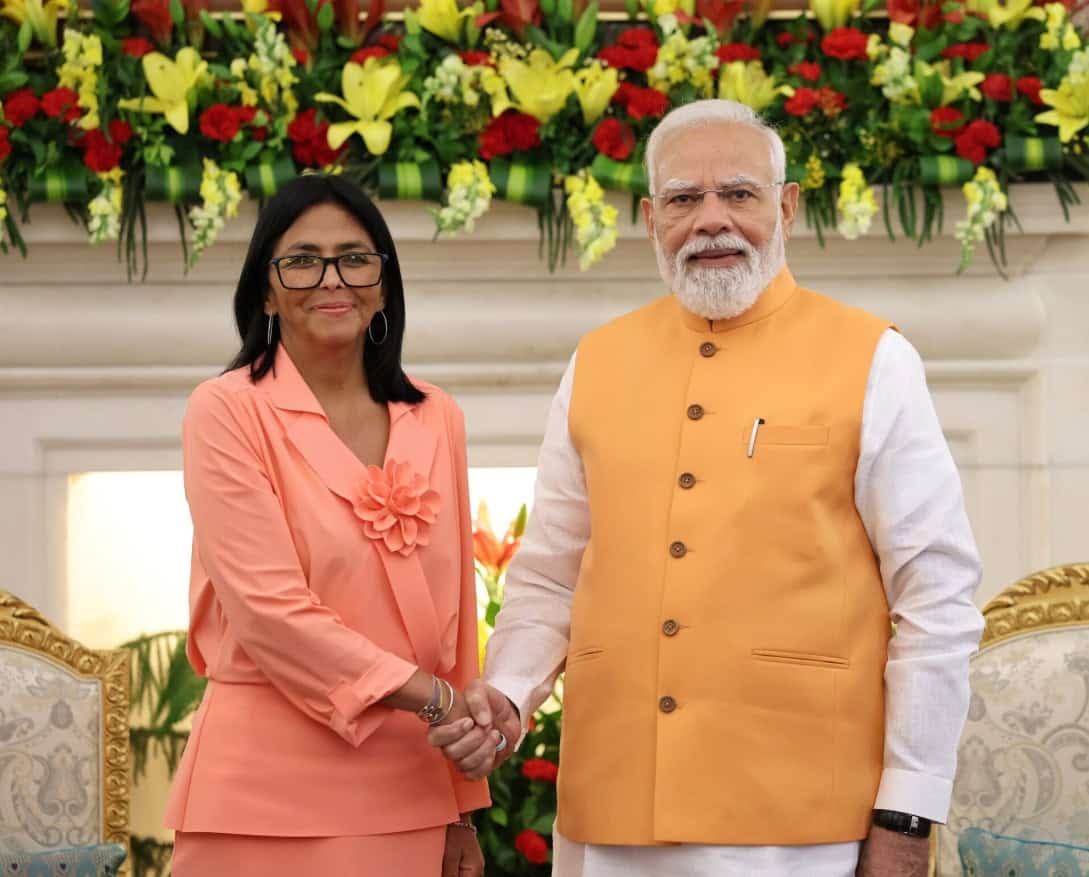
As Nicolás Maduro’s foreign minister and vice president, interim Venezuelan President Delcy Rodríguez previously helped build Caracas’s ties to Russia, China, and other US adversaries. Despite Washington’s desire for Venezuela to now orient toward the West, Rodríguez is also courting middle powers that can give Caracas room to maneuver, an effort aided by Venezuela’s recovering oil economy.
-
Analysis: Turkish interior minister states dream of governing Jerusalem, provoking Israel
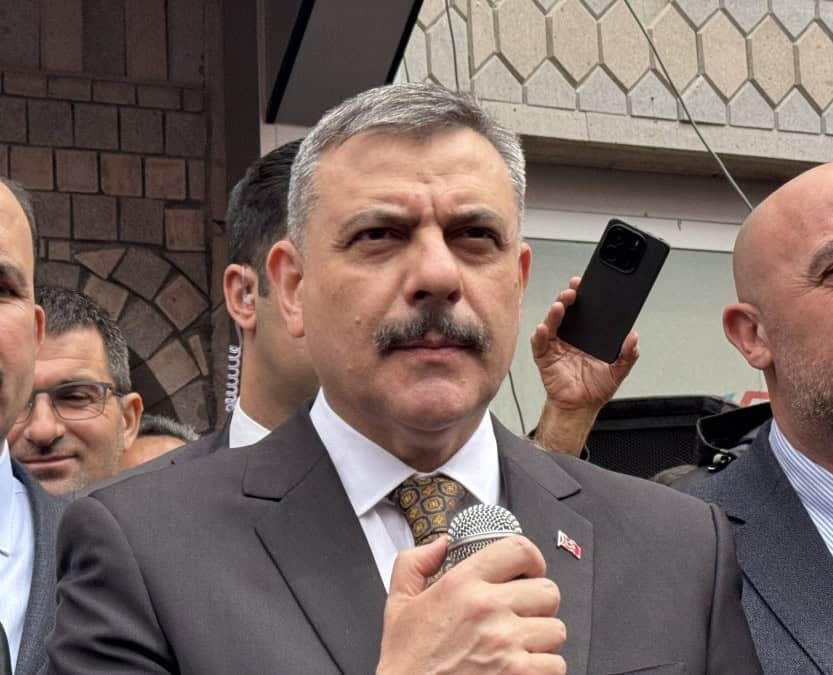
Turkish Interior Minister Mustafa Ciftci recently sparked controversy by expressing his desire to one day govern Jerusalem and suggesting that territories once ruled by the Ottoman Empire could again fall under Turkish sovereignty. Ciftci’s remarks are the latest indication that senior Turkish officials continue to view Jerusalem not merely as a symbol of the Palestinian cause, but as part of a broader historical mission that seeks to expand Ankara’s influence across the Middle East.
-
Syria focuses on diplomacy amid Iran war
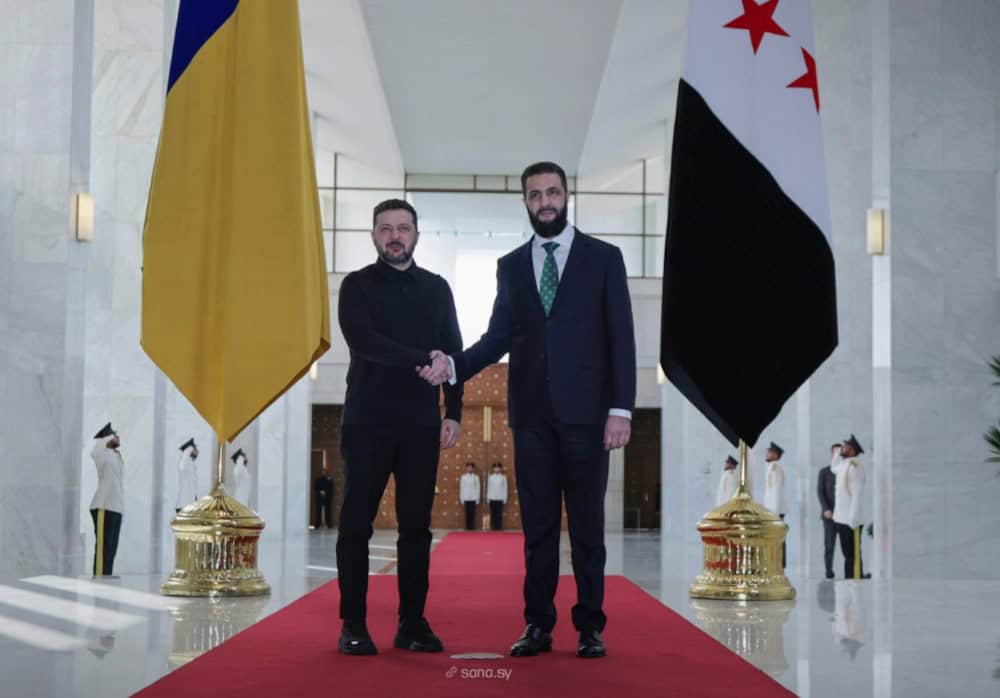
Syria has sought to position itself as a diplomatic actor amid the regional conflict with Iran, maintaining relative stability while several neighboring states faced significant missile and drone attacks. Damascus has intensified high-level engagements with Turkey, the United States, and Ukraine, highlighting efforts to rebuild international ties following the fall of the Bashar al Assad regime.
-
Gunmen fire at police outside of Israeli consulate in Istanbul
Three attackers opened fire on police officers outside the Israeli consulate in Istanbul, Turkey earlier today. Turkish police killed one shooter and captured two others. The affiliation of the attackers is currently unknown, but the incident comes almost a week after the Islamic State called for attacks on Jews during the Passover holiday.

-
Turkish intelligence chief hosts Hamas leaders in Istanbul
Turkish spy chief Ibrahim Kalin’s March 22 meeting with senior Hamas leaders in Istanbul highlights Turkey’s continued high-level engagement with the group, reinforcing Ankara’s role as a mediator in Gaza ceasefire negotiations while omitting any discussion of Hamas’s disarmament. The meeting reflects a broader pattern of Turkish support for the group, evidenced by recent US Treasury sanctions on Turkish charities linked to Hamas.

-
Turkish foreign minister warns of nuclear arms race if Iran gets the bomb
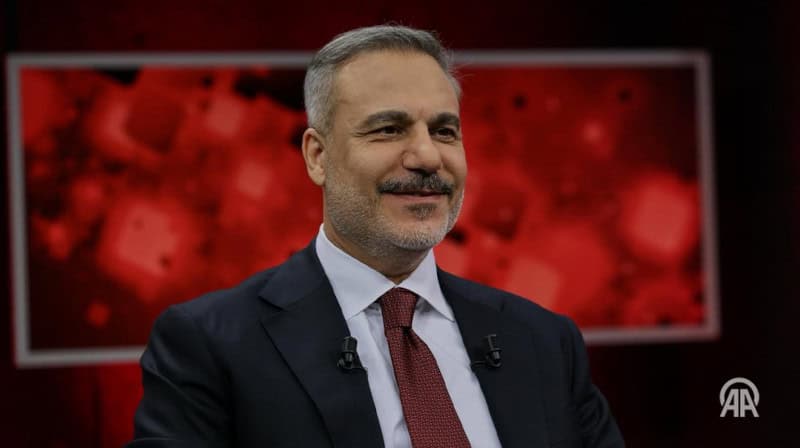
Turkish Foreign Minister Hakan Fidan warned on February 9 that Ankara may pursue nuclear weapons if Iran acquires them, signaling a potential shift from rhetorical grievance to a conditional proliferation policy. While downplaying evidence of Iran’s weaponization and opposing US military strikes, Turkish officials continue to legitimize Tehran’s nuclear activities while framing Turkish nuclearization as a defensive necessity tied to regional “balance of power.”
-
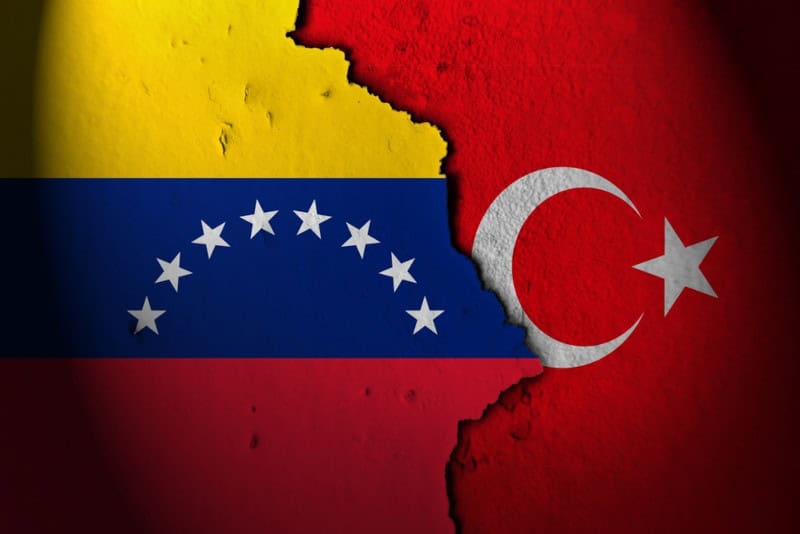
Turkey’s extensive ties with Venezuela bolstered Maduro’s regime despite sanctions and criminal activity
Turkish President Recep Tayyip Erdogan long served as a key external backer of Venezuelan leader Nicolas Maduro, providing diplomatic protection, economic engagement, and sanctions-evasion pathways that helped sustain Maduro’s regime amid international isolation. Following Maduro’s capture by US forces on January 3, Turkey’s past role as a potential haven and logistical lifeline may come under sharper scrutiny, though Erdogan has notably avoided public criticism of Washington.
-
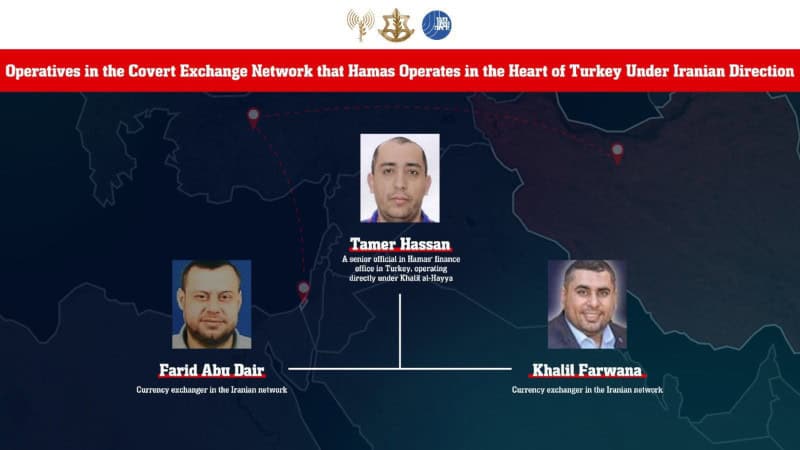
IDF reveals Hamas financial network operating in Turkey
The Israeli military and Shin Bet reported on a Hamas financial network operating in Turkey under direct Iranian supervision and moving hundreds of millions of dollars through Turkish-based money changers to fund terrorism. Three key operatives based in Turkey were identified as managing large-scale financial activity for Hamas. Israeli officials warned that any entity linked to this network will face consequences and criticized the concept of a NATO member enabling Iran-backed terror financing.
-
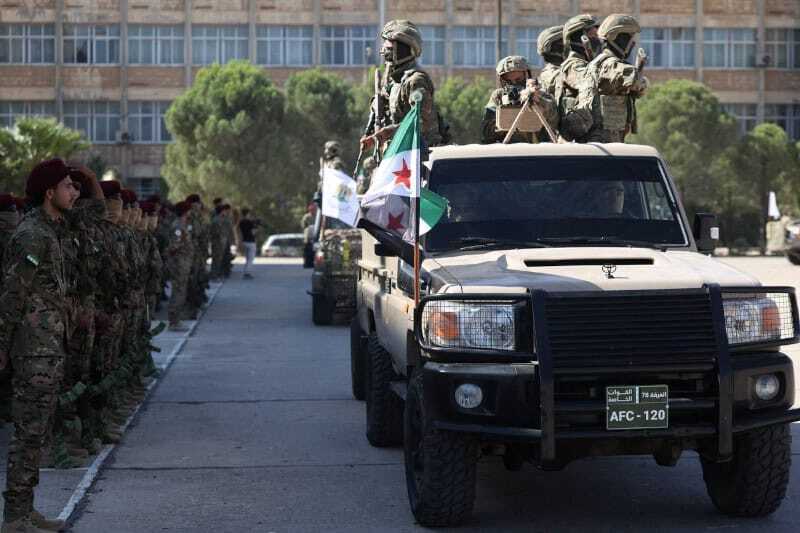
Clashes erupt between Syrian government troops and Kurdish-led Syrian Democratic Forces
On November 19, the Syrian Army and the Syrian Democratic Forces (SDF) battled near Maadan, Syria. While the two factions have not entered into full-blown conflict, tensions between them are rising as the end-of-year deadline for an integration agreement signed in March 2025 approaches.
-
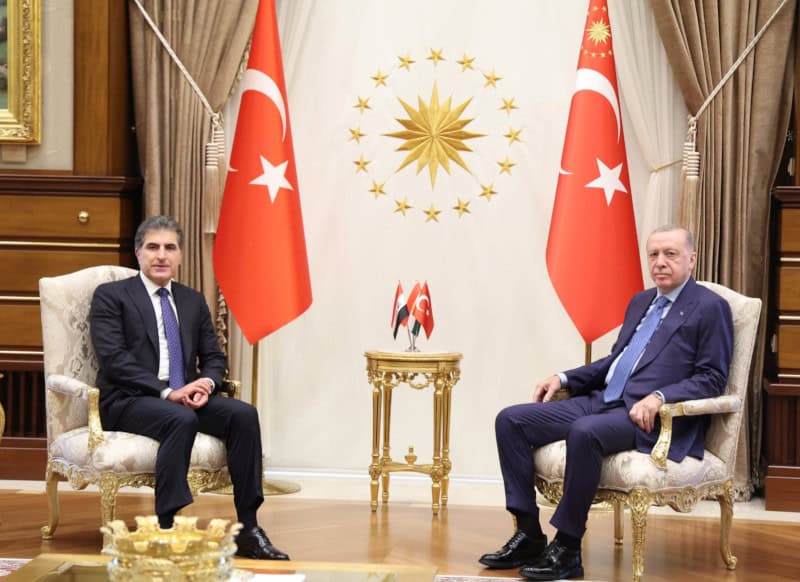
PKK announcement of withdrawal from Turkey has ramifications for Iraq, Syria
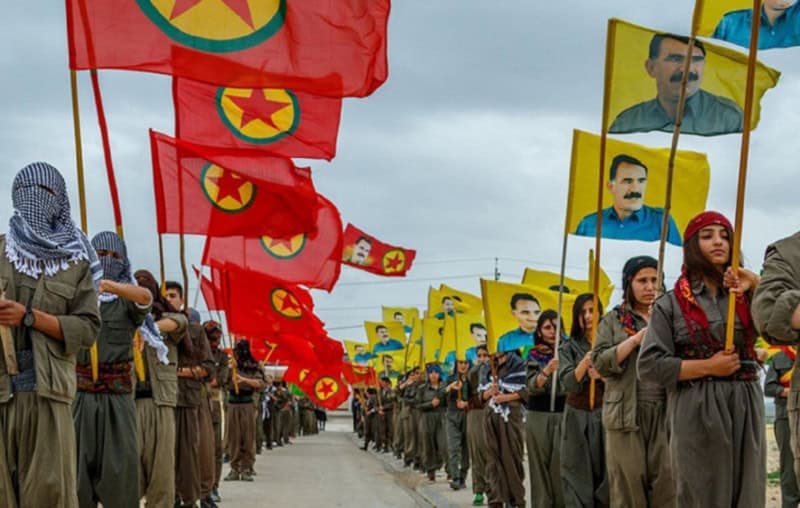
On October 26, the Kurdistan Workers Party (PKK) announced that it was withdrawing its fighters from Turkey as part of a peace process with the Turkish government. Media reports indicate that the PKK may be moving to northern Iraq, leading to questions about how the withdrawal may affect the Kurdish regions of eastern Syria and northern Iraq.
-
Turkey implements barriers to prevent shipping to and from Israel
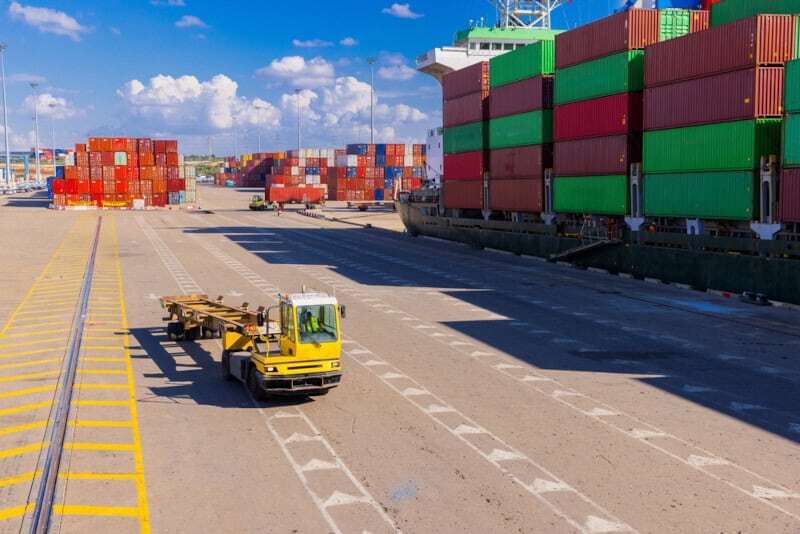
Turkey has imposed an informal maritime ban targeting Israel, prohibiting Israel-linked ships from docking in Turkish ports and barring Turkish-flagged vessels from sailing to Israel, which Turkish President Recep Tayyip Erdogan described as “a new sanction” over the Gaza war. The measures follow earlier trade suspensions worth $7 billion and restrictions on exports after Israel rejected Ankara’s request to deliver aid by air. The policy has already blocked Israeli-owned vessels and, according to Israeli officials, breaches existing trade agreements, though Israel has yet to issue a formal response.
-
Turkey ramps up military support for Syria
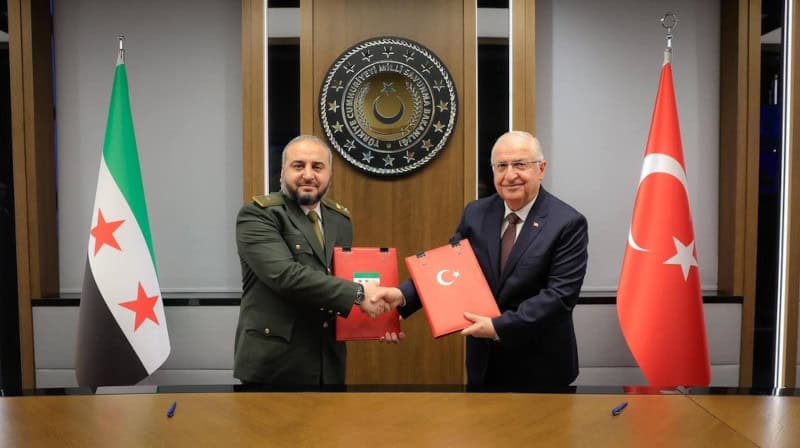
The Turkish Ministry of Defense announced that Turkish Minister of Defense Yasar Guler and Syrian Minister of Defense Murhaf Abu Qusra signed a memorandum of understanding regarding the training of Syrian troops and a military consultancy after talks in Ankara.
-
Analysis: Armenia–Azerbaijan deal worries Iran
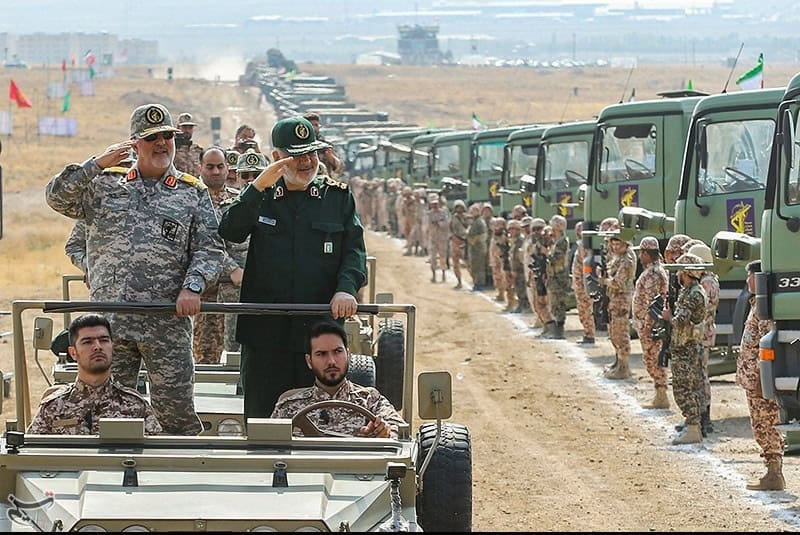
The August 8 agreement between Armenia and Azerbaijan that was brokered in Washington created the US-managed “Trump Route for International Peace and Prosperity” and granted Azerbaijan a link to its Nakhchivan exclave. While the deal preserves Iran’s overland access to Armenia and Europe, Tehran sees it as a strategic setback that could weaken its role in regional trade, bolster Turkish and Azerbaijani influence, and reduce its leverage with the West.
-
Turkey’s new precision weapons stoke regional tensions
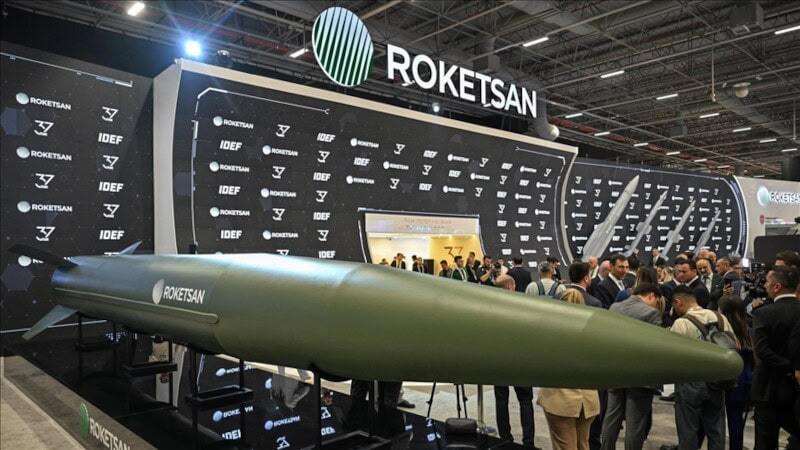
Turkey’s unveiling of the Tayfun Block-4 missile and Gazap and Hayalet bunker-buster bombs at IDEF 2025 marks a major leap in its offensive capabilities, alarming Israel, Greece, and Cyprus, all within range of these systems. While Turkish President Recep Tayyip Erdogan frames the advances as a march toward defense self-reliance, regional rivals view them as tools for expanding Ankara’s geopolitical reach in the eastern Mediterranean and the Middle East.
-
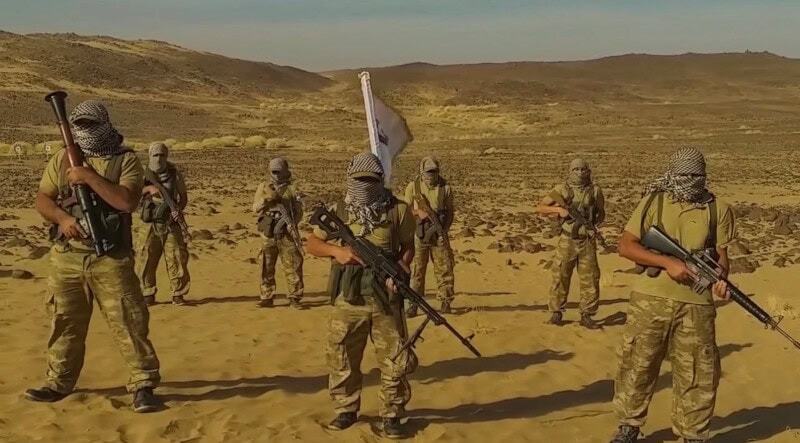
Egypt cracks down on Muslim Brotherhood-affiliated HASM terror organization amid resurgence
Egyptian security forces killed two suspected members of Harakat Sawaid Misr (HASM) in a shootout in Giza on July 20. The raid follows a new HASM propaganda video threatening fresh attacks, along with calls from affiliated regional leaders for “armed and revolutionary activism.”
-
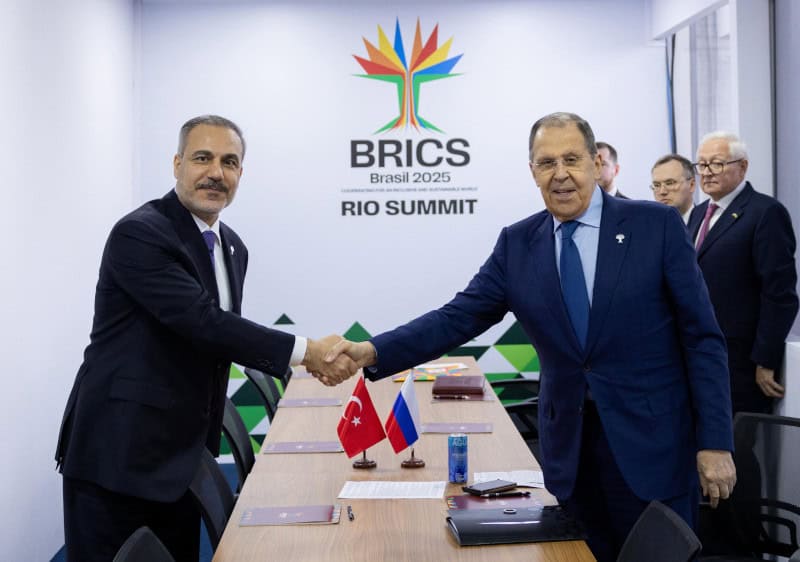
Analysis: Turkey still wants to join BRICS while pretending to be a NATO ally
Turkey’s attempt to join BRICS, a bloc that seeks to undermine the foundations of the Western world order, is only one of many transgressions against the interests of its ostensible allies in NATO, the US, and Europe.
-
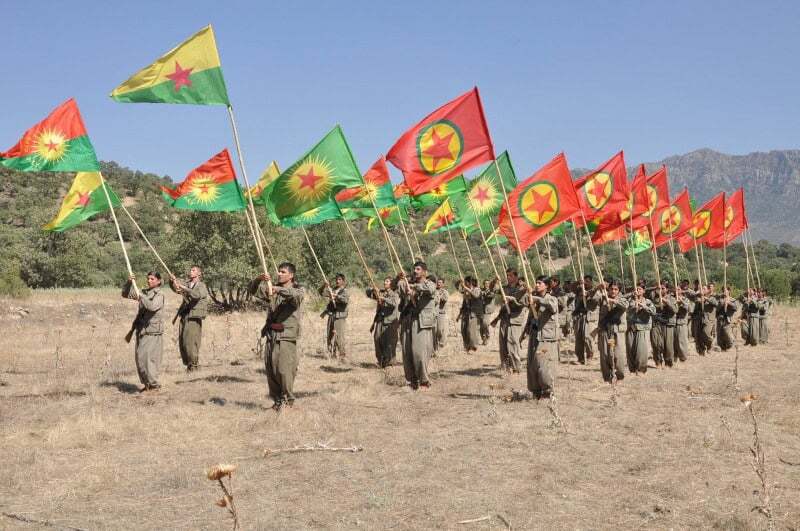
Analysis: The PKK abandons armed struggle
The PKK, the Kurdish separatist group that has waged a decades-long secessionist movement inside Turkey, recently announced its decision to lay down its weapons and likely abandon its cause. However, the conditions of the compromise the opposing sides have reached are shrouded in secrecy, and many wonder if lasting peace will be achieved. Peace between the PKK and Turkey will have regional implications spanning the stability of Syria, Iraq, and Iran.
-
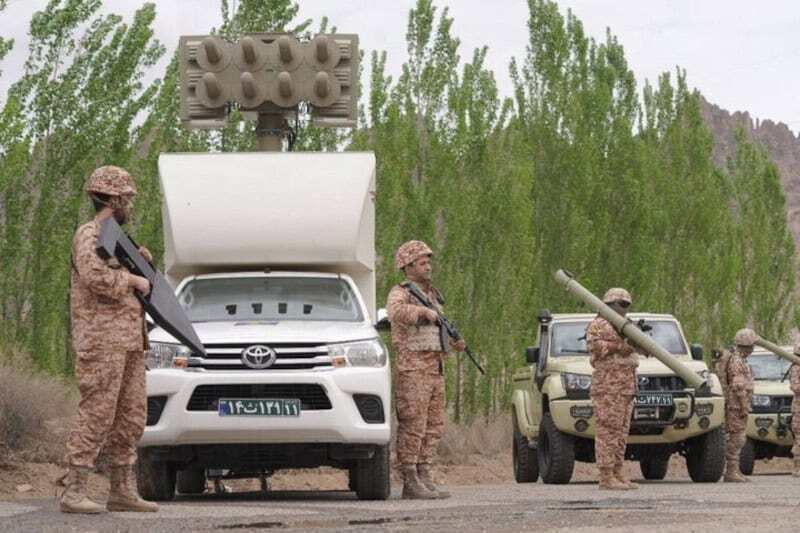
Iranian and Armenian militaries drill as Azerbaijan hosts Israel-Turkey talks
Iranian and Armenian special forces conduct their first joint military exercise near the two countries’ shared border, while Azerbaijan mediated talks between Israel and Turkey over Syria.
-
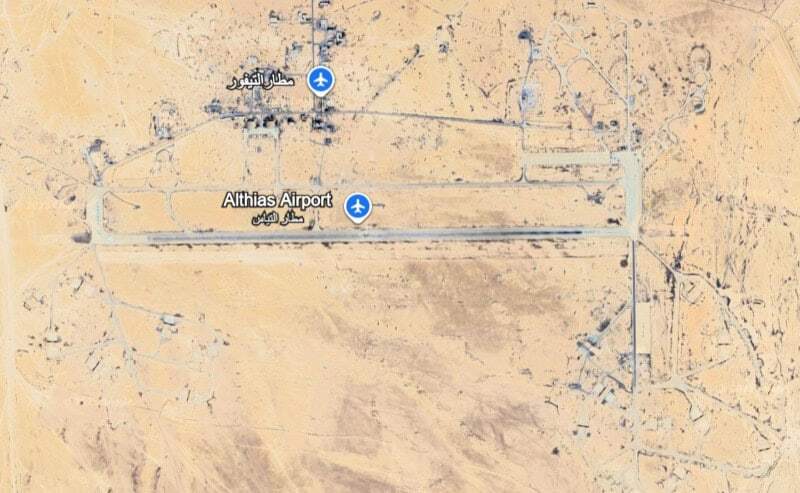
Turkey reportedly plans to take control of airbases in Syria
Turkish plans to establish a presence and air defenses on Syrian soil would hinder Israel’s operational freedom, a situation Israel is unlikely to accept in the post-October 7 Middle East.
-
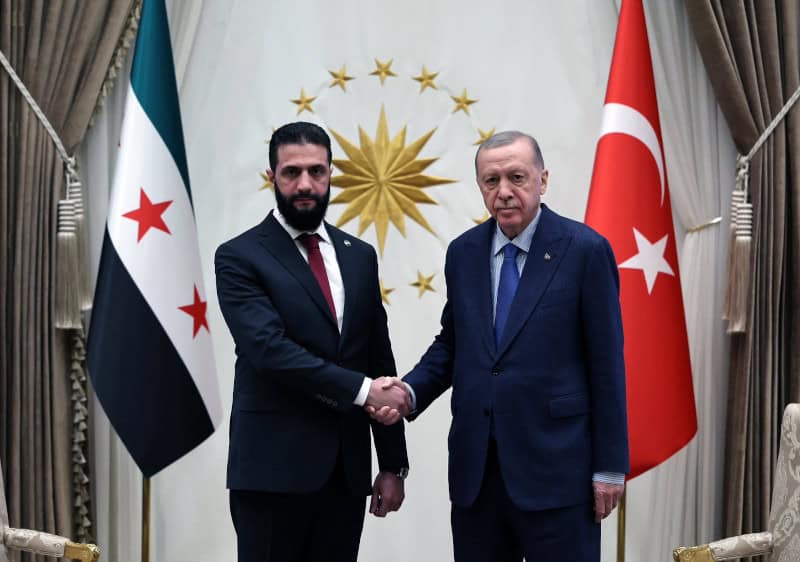
Turkey increasing military assistance to Syria
Reports that Turkey is attempting to restructure the Syrian army have yet to be verified, but several developments and reported plans highlight Turkey’s growing military support for the new Syrian state.
-
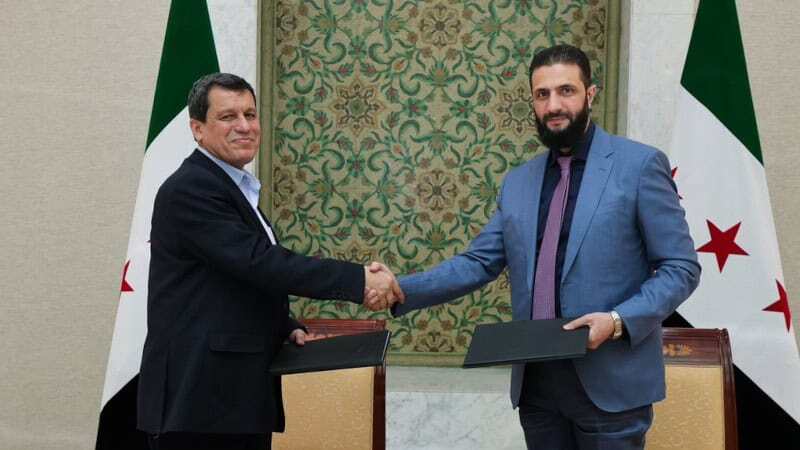
Analysis: Why did Syria’s Kurds sign a deal with the new regime?
The Syrian Democratic Forces (SDF) signed an agreement with Syria’s interim government, integrating the SDF’s 100,000-strong, mostly Kurdish force into the new Syrian military. The deal likely represents a calculated risk by the SDF to curtail Turkish aggression, especially if the US withdraws from the country.
-
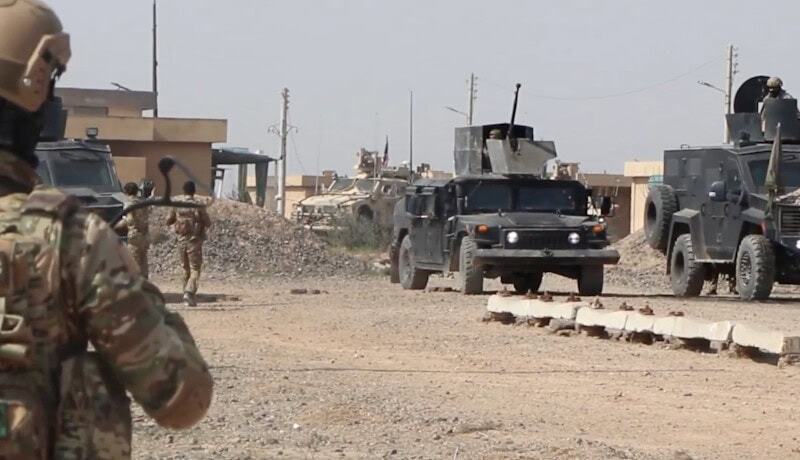
Analysis: How will the US-backed SDF be affected by PKK leader’s disarmament call?
On February 27, Kurdistan Workers Party (PKK) leader Abdullah Ocalan called for his group to disarm and end its conflict with Turkey. The US-backed Syrian Democratic Forces (SDF) in eastern Syria have welcomed this statement, which may provide an opportunity for Turkey to change its policy in Syria, affect US policy, and impact SDF relations with the new government in Damascus.
-
Analysis: Iran’s loss is Turkey’s gain
Tehran’s recent setbacks have paved the way for Ankara’s ascent. The Ankara-backed Azerbaijan’s triumph over Tehran-backed Armenia, Turkish-supported militias outmaneuvering Iran’s influence in Syria, and now, the unraveling of the Iran-backed PKK further tilts the balance in Turkey’s favor.
-
Syria appoints new president amid widespread diplomatic engagement efforts
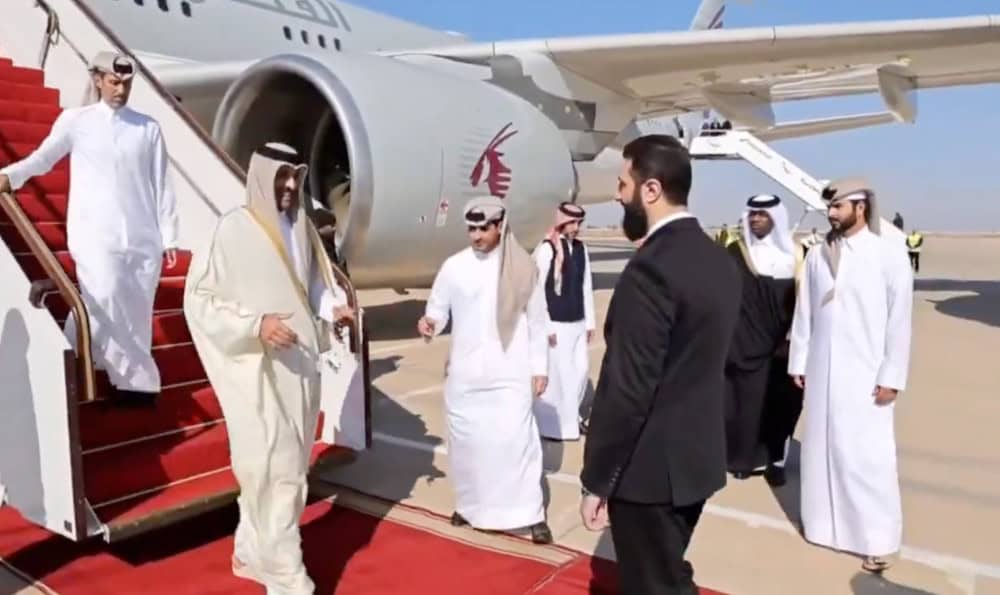
On January 29, Ahmed al Sharaa was declared the new president of Syria in the transitional government that came into power after the collapse of the Assad regime on December 8. This declaration led to congratulations from several Arab states in the region, and the Qatari emir arrived in Damascus on January 30, the first head of state to visit the new ruler. These developments are part of a broad diplomatic outreach by Sharaa and his new foreign minister.