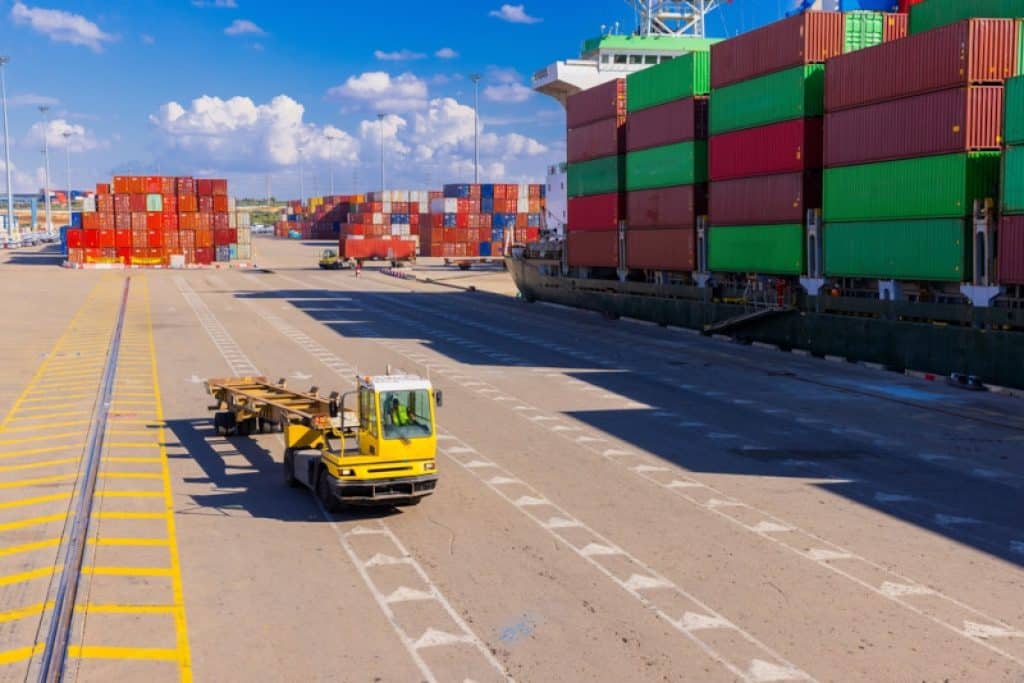
The Turkish government is moving to enforce what officials describe as a “full ban on maritime traffic connected to Israel, prohibiting both Israel-flagged or Israel-owned vessels from entering Turkish ports and Turkey-flagged ships from sailing to Israel.” Turkish President Recep Tayyip Erdogan framed the restrictions as “a new sanction” against Israel in response to its ongoing war in Gaza.
So far, the measures have been conveyed only verbally by port authorities rather than through a formal decree. According to one media report, shipping agents must provide Turkish authorities with assurance letters confirming that vessels entering or leaving Turkish ports are not tied to Israel and that their cargo does not include military or hazardous goods—such as explosives or radioactive materials.
A separate source told Reuters that “vessels arriving directly from Israel or departing to Israeli ports would no longer be permitted to dock at Turkish ports.” In parallel, Turkish-flagged vessels are now barred from calling at Israeli ports.
The policy has already had practical consequences. On August 22, a cargo ship owned by Israel’s “ZIM Integrated Shipping Services Ltd.” was denied entry to Istanbul’s port. Although its cargo was intended for Turkey, the vessel was diverted to Greece’s Piraeus port. As Globes, an Israeli business daily, reported, Ankara’s approach is broadening: “Ships with Israeli flags or those owned by Israelis are prohibited from docking in Turkey, while ships with Turkish flags are prohibited from docking in Israel.”
These shipping restrictions build on earlier trade bans. In May 2024, Turkey’s Ministry of Trade ended $7 billion in bilateral commerce with Israel, following an initial April prohibition on 54 product categories until Jerusalem agreed to a Gaza ceasefire. Ankara said it adopted the ban after Israel refused a Turkish request to carry out humanitarian airdrops over Gaza.
Unlike Jordan, Turkey also refused to permit US Central Command to coordinate aid operations, effectively ruling out Ankara’s participation in Western-led relief efforts. Erdogan instead pledged to send a flotilla directly to Hamas-controlled Gaza—an action that risked confrontation with the Israeli Navy. Following the suspension of trade, then–Israeli Foreign Minister Israel Katz charged that Turkey had violated existing “trade agreements by blocking ports for Israeli imports and exports.”
To date, the Israeli government has not issued a formal response to Turkey’s latest attempt to block maritime traffic bound for its ports.