-
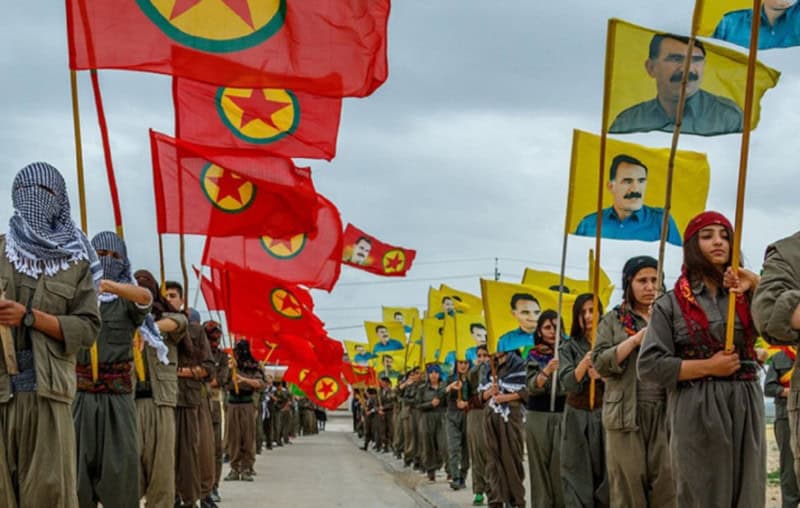
Analysis: How will the US-backed SDF be affected by PKK leader’s disarmament call?
On February 27, Kurdistan Workers Party (PKK) leader Abdullah Ocalan called for his group to disarm and end its conflict with Turkey. The US-backed Syrian Democratic Forces (SDF) in eastern Syria have welcomed this statement, which may provide an opportunity for Turkey to change its policy in Syria, affect US policy, and impact SDF relations with the new government in Damascus.
-
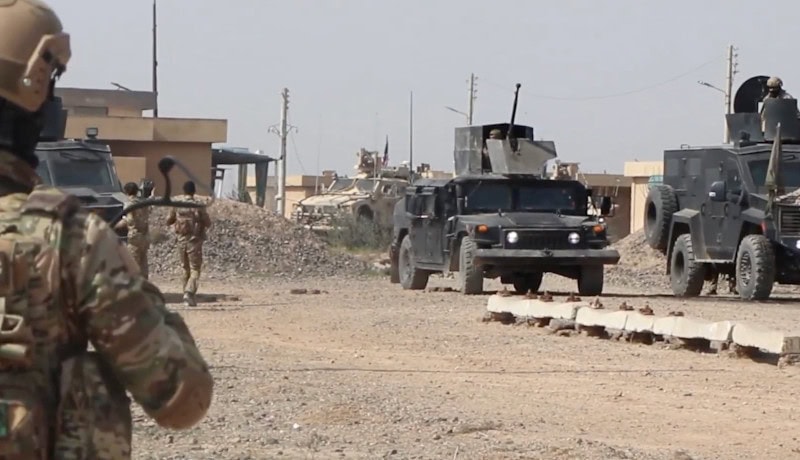
Analysis: Iran’s loss is Turkey’s gain
Tehran’s recent setbacks have paved the way for Ankara’s ascent. The Ankara-backed Azerbaijan’s triumph over Tehran-backed Armenia, Turkish-supported militias outmaneuvering Iran’s influence in Syria, and now, the unraveling of the Iran-backed PKK further tilts the balance in Turkey’s favor.
-
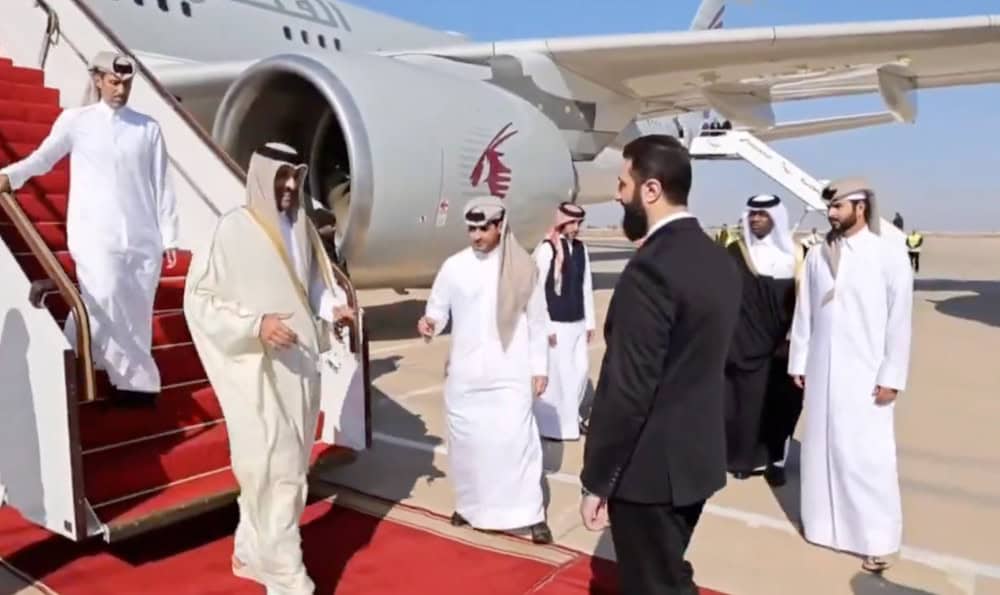
Syria appoints new president amid widespread diplomatic engagement efforts
On January 29, Ahmed al Sharaa was declared the new president of Syria in the transitional government that came into power after the collapse of the Assad regime on December 8. This declaration led to congratulations from several Arab states in the region, and the Qatari emir arrived in Damascus on January 30, the first head of state to visit the new ruler. These developments are part of a broad diplomatic outreach by Sharaa and his new foreign minister.
-
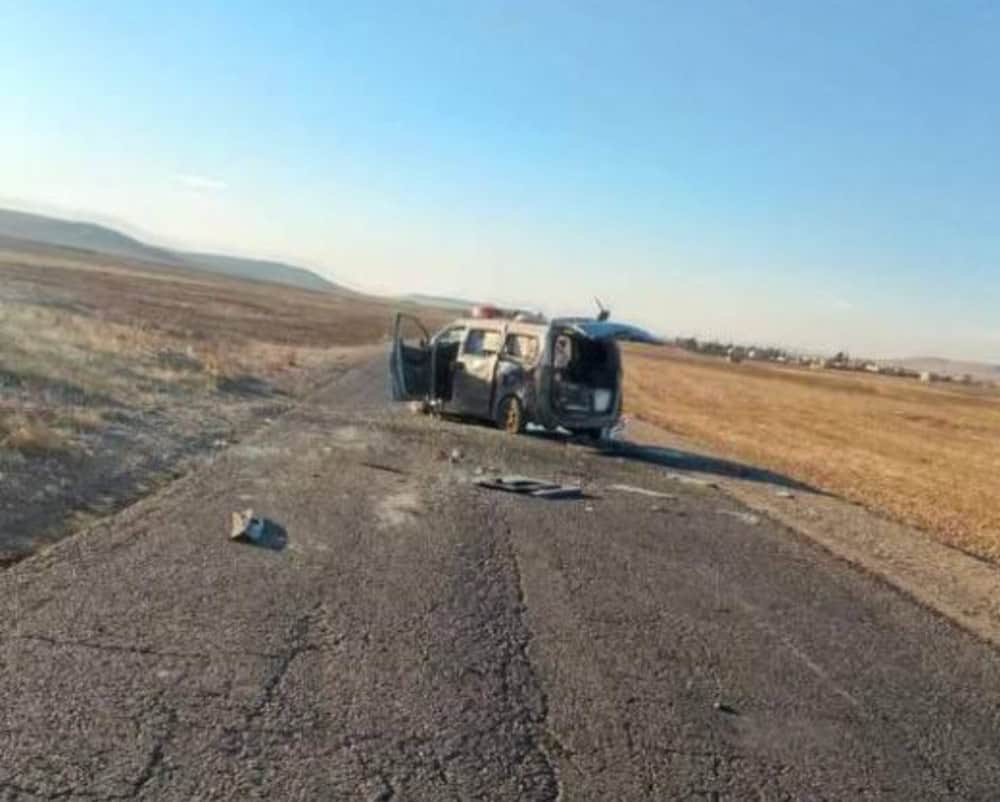
The strategic Tishrin Dam has become a flashpoint in post-Assad Syria
Clashes in Syria have increased at the Tishrin Dam, a strategic site on the Euphrates River around 30 miles south of the Turkish border controlled by the US-backed Syrian Democratic Forces. The Turkish-backed Syrian National Army, a collection of former Syrian rebel groups, has been seeking to take the dam since the fall of the Assad regime on December 8.
-
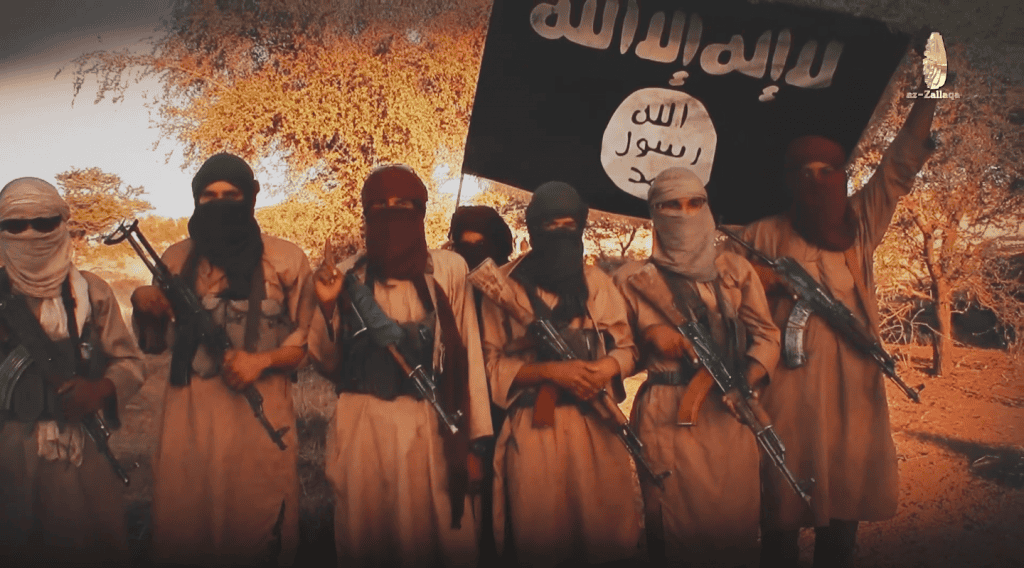
Analysis: Turkey and JNIM: Jihadist messaging signals possible conflict between 2 ascending forces in central Sahel
Turkey has steadily increased its foothold in the central Sahel by providing arms, security assistance, and more to regional juntas. Similarly, The Group for Support of Islam and Muslims (JNIM), Al Qaeda’s branch for the Sahel and West Africa, is on its own upward trajectory, standing as one of the region’s most dominant violent actors. The jihadist group’s external messaging suggests it perceives Turkey to be an obstacle as it seeks to expand its territorial control and influence.
-
Analysis: Erdogan’s private military company looks to raise an Islamist army
Turkish President Recep Tayyip Erdogan aims to play a central role in post-war Gaza. However, the West should closely scrutinize Turkey’s involvement, especially given Erdogan’s reliance on SADAT, Turkey’s premier private military company, and its Islamist ideology and ties to terrorist organizations.
-
Analysis: The perils of a Turkish-Syrian rapprochement
Since Turkey and Syria broke off relations in 2011, Ankara has played a prominent role in fighting Bashar Al-Assad’s regime in Syria by supplying material support to insurgent groups seeking to overthrow Assad and maintaining forces in the opposition-held northwest. However, Turkish President Recep Tayyip Erdogan and Assad recently signaled they are interested in restoring diplomatic ties.
-
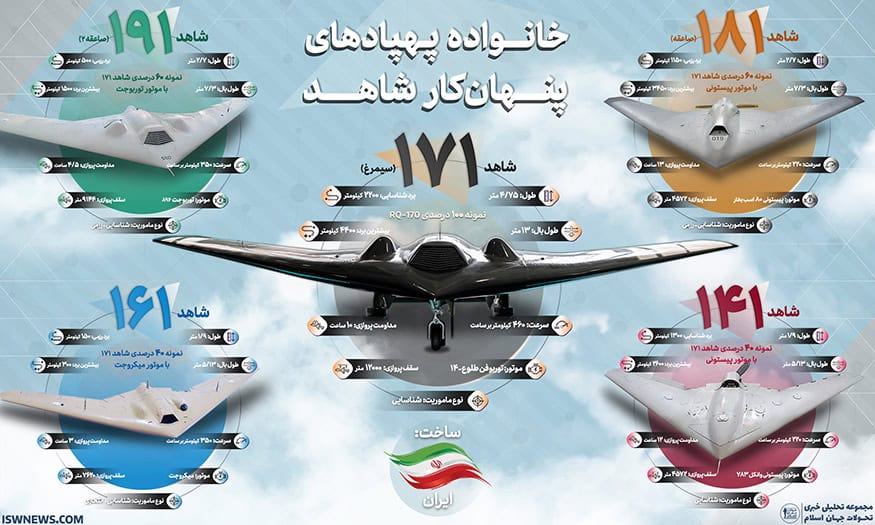
Analysis: Iran reestablishes its presence in the Caucuses with Armenian arms deal
Iran signed a new arms agreement with Armenia, seeking to increase its influence in the Caucuses and counter Israel-Azerbaijan military ties.
-
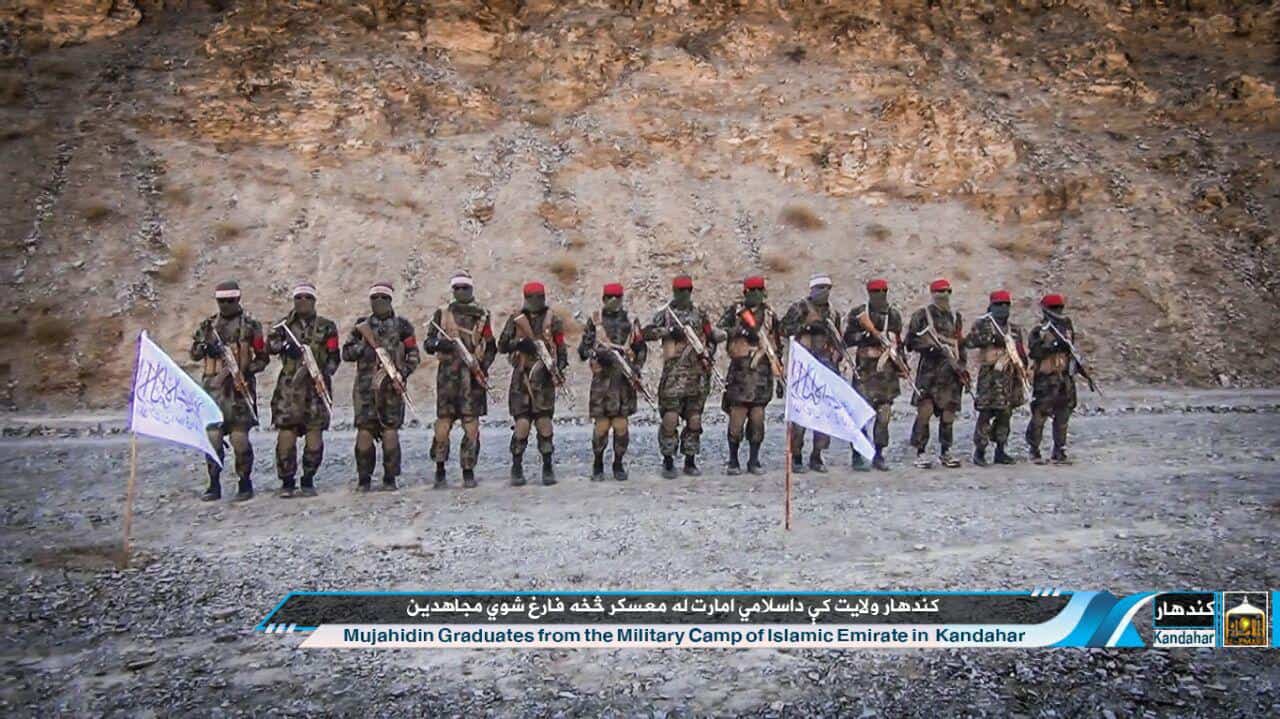
Turkish charity leaders meet with Taliban officials
A recent meeting between Turkish aid organization representatives and the Taliban’s deputy prime minister highlights renewed economic and investment interest by Turkish entities in Afghanistan. The Taliban’s growing ties with Turkey are a worrying development as Afghanistan remains a haven for terrorists and narco-state.
-
Generation Jihad Ep. 110 — Israel at War: October 27, 2023
Bill and Joe are back with an update on the latest from Israel and Gaza. Today they’re also joined by their FDD colleague and Turkey expert, Sinan Ciddi, to unpack just how deep Turkey’s relationship is with Hamas.

-
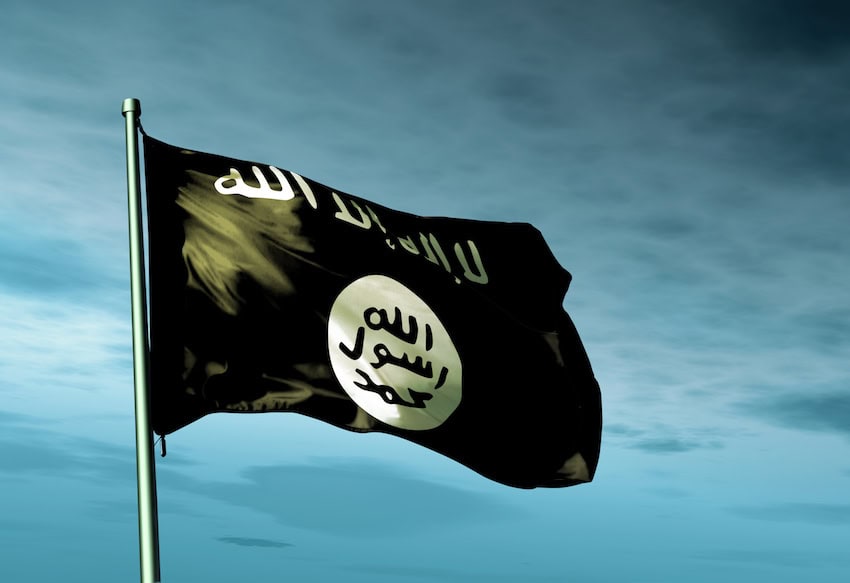
Islamic State confirms death of yet another leader, appoints new ‘caliph’
Another caliph is dead. A new one, Abu Hafs al-Hashimi al-Quraishi, has been appointed.
-
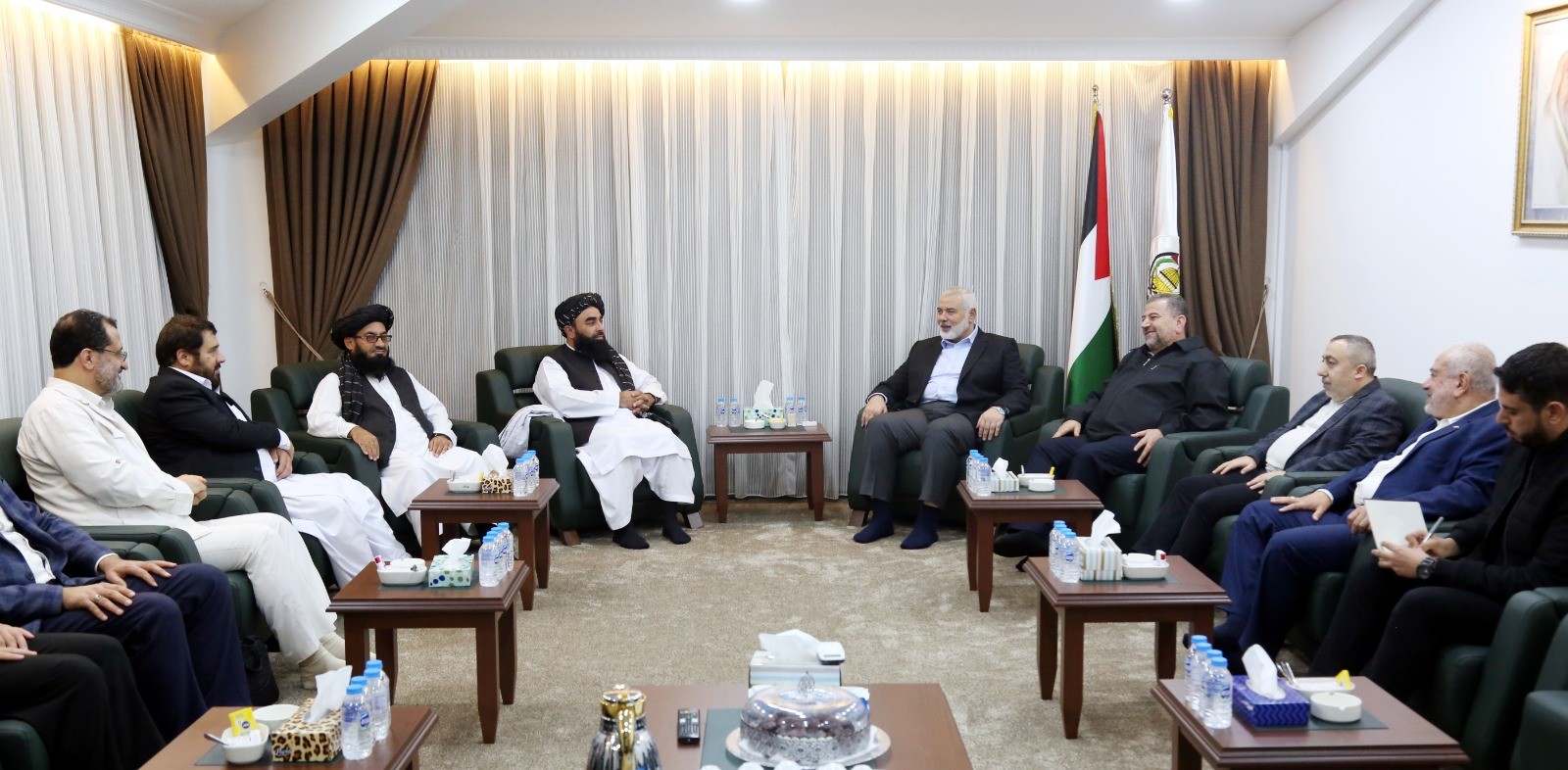
Taliban meets with Hamas during high-level talks in Turkey
In recent weeks, a Taliban delegation led by Zabihullah Mujahir visited Turkey to meet with various officials including senior Hamas members.
-
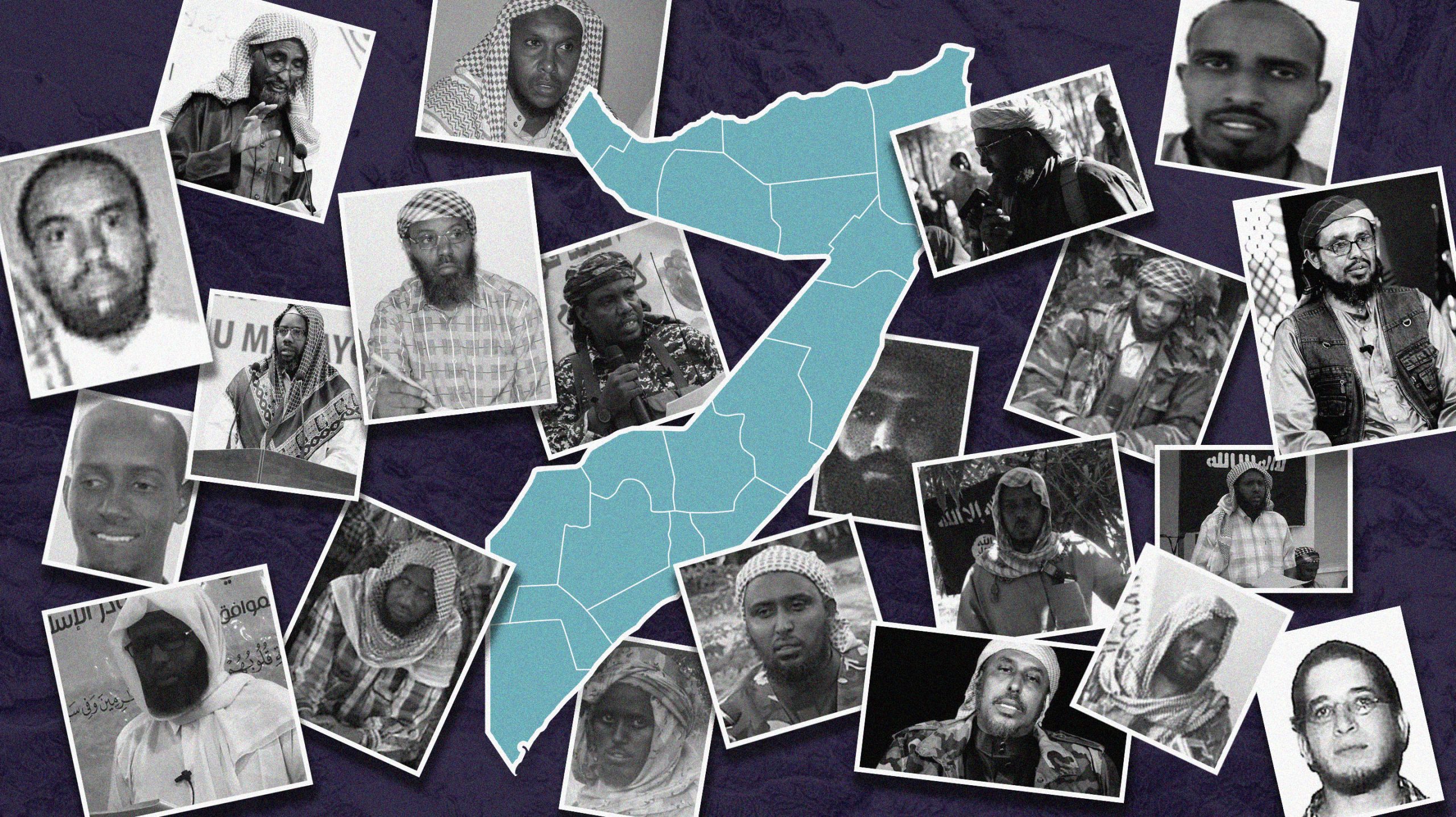
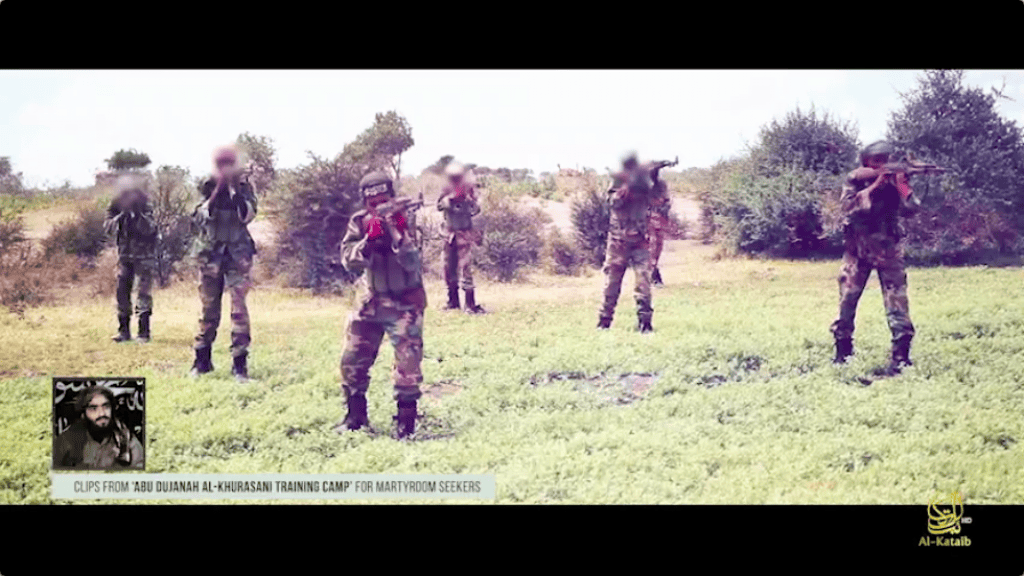
Shabaab kills over 100 people in suicide bombings in Mogadishu
Shabaab killed at least 100 people at the same place where it killed upwards of 500 civilians almost exactly five years ago.
-
U.S. designates al Qaeda financial facilitator based in Turkey
The U.S. Treasury Department announced today that two money men working for al Qaeda and Hay’at Tahrir al Sham (HTS) have been designated. The designations are part of a broader U.S. effort to sanction individuals and entities taking part in the Syrian war. Other extremists and parts of Bashar al-Assad’s regime were also designated and sanctioned as part of the campaign.
-
Jihadist ideologues argue over Turkey’s Erdogan
Two prominent jihadist ideologues, Sheikh Abdullah al-Muhaysini and Abu Muhammad al-Maqdisi, are engaged in a war of words over Erdoğan’s Turkey. The relationship between the jihadists in Syria and Turkey has long been a point of contention and the heated rhetoric reveals that it isn’t likely to subside soon.

-
Generation Jihad Ep. 16 – Al Qaeda’s Never-ending Problems in Syria
Hosts Tom Joscelyn and Bill Roggio discuss al Qaeda’s problems in Syria, where a series of disputes have upset the group’s chain of command.
-
Shabaab hits Somali, Turkish bases with suicide bombings
In the span of four days, the Al Qaeda branch has claimed the use of two suicide car bombings on Somali and Turkish military bases in two different areas of Somalia.
-
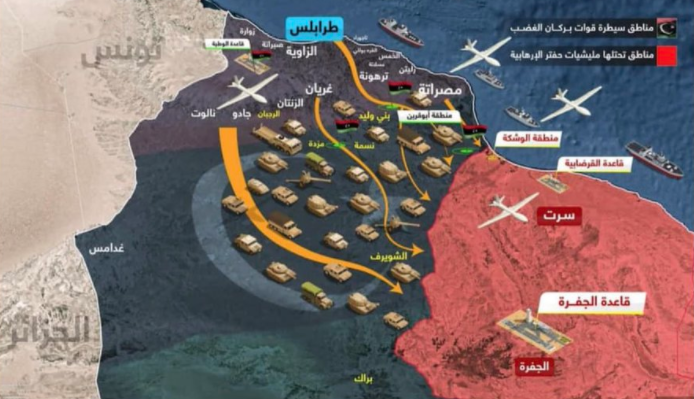
Russian air defense systems outmatched by Turkish drones in Syria and Libya
After many years of conflict in Syria and Libya, the involvement of Turkey, Russia and other powers is leading to increasingly sophisticated clashes between the latest UAV and air defense technology. The use of new technology has ramifications for future conflicts in the Middle East and provides an emerging model for how regional powers are fighting proxy wars to redraw the balance of power in the region.
-
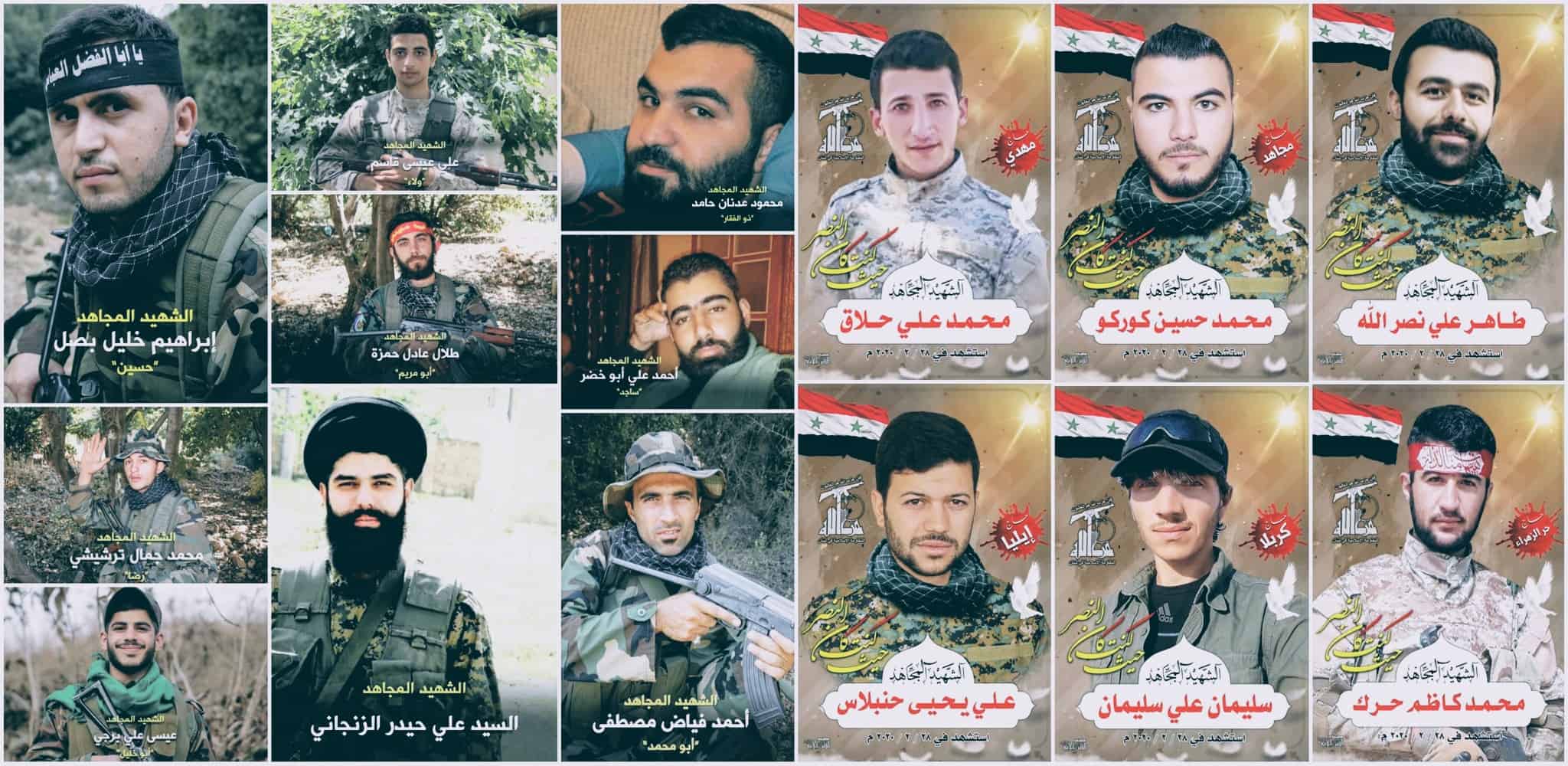
Turkey’s Operation “Spring Shield” delivers blow to Hezbollah
Recently, Hezbollah has suffered losses it has not seen in years of fighting in Syria.
-
U.S. designates ISIS-supporting brothers based in Turkey
The U.S. Treasury Department has announced a new round of counterterrorism designations targeting the Islamic State’s support networks in Turkey, Afghanistan and the Gulf.

-
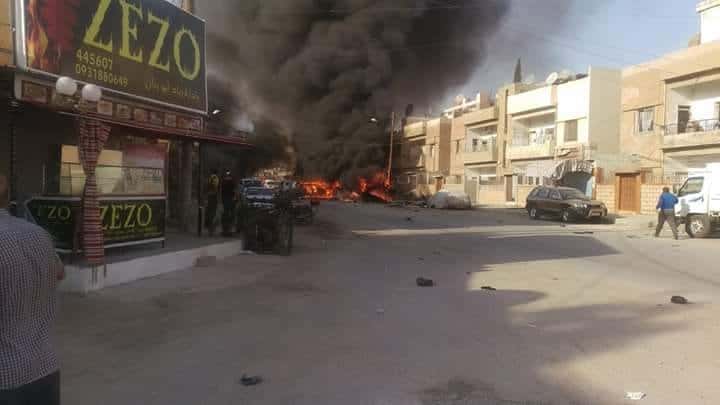
Islamic State targets Syria’s Qamishli with car bombing
The bombing came as Turkey also shelled the city. It is likely that as the Turkish advance continues, the Islamic State will further exploit the chaos inside northern Syria to regroup and conduct more attacks.
-
Islamic State sleeper cells target Raqqa
The rising of Islamic State sleeper cells could become more common as the Kurdish-dominated SDF is diverted to the newly announced Turkish invasion of northern Syria.
-
Zawahiri criticizes jihadists in Syria for clinging to territory under Turkey’s protection
In a message released on Feb. 5, al Qaeda leader Ayman al-Zawahiri harshly criticizes the jihadists in Syria. He says they are engaged in a misguided “competition” for “imagined authority” over territory that is under the oversight “of secular Turkish checkpoints.”

-
2 al Qaeda leaders reject proposed military council in Syria
Abu Hammam al-Shami and Dr. Sami al-Uraydi have rejected a proposal that they say would create a new military council in northern Syria under the leadership of an Assad regime dissident. The proposal was allegedly put forth by Hay’at Tahrir al-Sham’s leaders, whom al-Shami and al-Uraydi have quarreled with in the past.

-
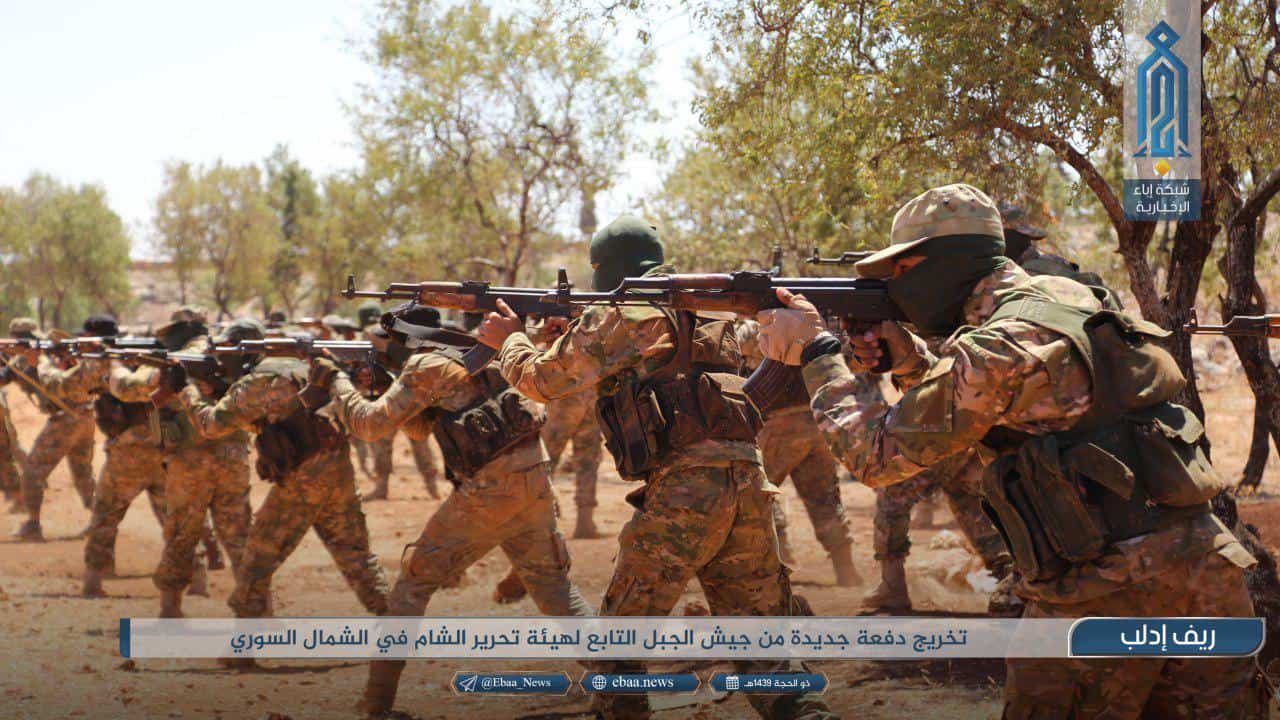
Analysis: Jihadists in Syria react to Sochi agreement
Hay’at Tahrir al Sham (HTS), the most powerful jihadist organization in Idlib province, has finally issued a statement addressing the agreement reached between Turkey and Russia last month. HTS vows to continue waging jihad, and warns that it doesn’t trust Russia’s “intentions,” but does not directly repudiate the Sochi accord.
-
Sunni jihadists and Assad regime swap civilians and prisoners
Hay’at Tahrir al-Sham (HTS) has cut a deal with Bashar al-Assad’s regime to exchange thousands of residents in Kefraya and al-Fouah, two predominately Shiite towns in the northern province of Idlib, for 1,500 prisoners held in Assad’s prisons.

-
Islamic State’s Turkish executioner killed in Deir Ezzor
US-backed Syrian Defense Forces (SDF) reportedly killed the Islamic State executioner Talip Akkurt, known by his nom de guerre Abu Talha al Turki, who burned two Turkish soldiers alive in Syria in 2016. Al Turki was reported dead following a June 7 SDF attack in Deir Ezzor’s Hajin town. Since Feb. 2018, al Turki was on the Turkish police’s Blue List of wanted fugitives with a bounty of 1.5 million Turkish lira ($320,000) on his head. The Turkish government’s failure to track al Turki, and the SDF’s putative success in eliminating him, could be an awkward development for Ankara. Turkey…

-
Analysis: Shabaab advertises its al Qaeda allegiance
Since late April, Shabaab has released a series of videos emphasizing its place in al Qaeda’s global network. Two of the videos were recorded by the group’s emir, Abu Ubaydah Ahmad Umar, a normally reclusive figure. Abu Ubaydah refers to the Taliban’s emir as the “Commander of the Faithful” and Ayman al Zawahiri as the “father-emir” while addressing the mujahideen in Syria and Yemen.

-
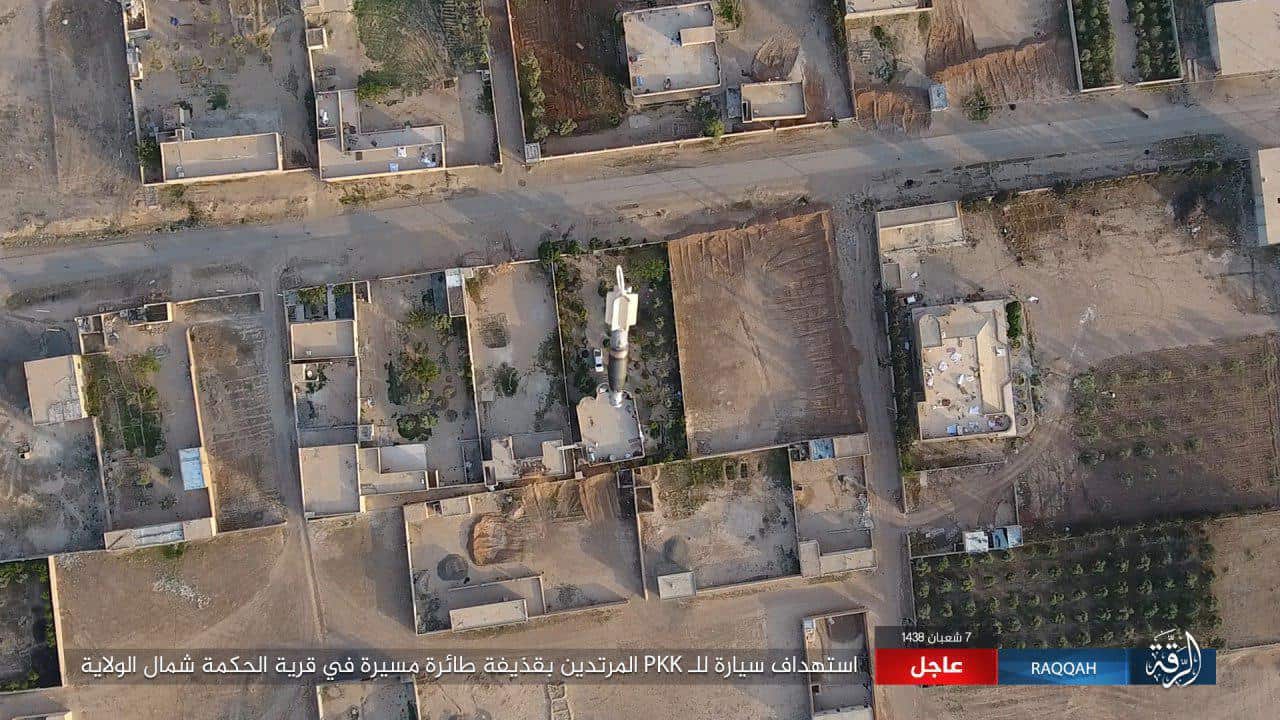
US terror designations expose 3 international facilitators for Islamic State
The US Treasury Department has further exposed the Islamic State’s international network by designating three facilitators as terrorists. The men have operated in the Philippines, Somalia, Turkey and elsewhere. One of them operates a business in Turkey that has acquired drone components for the so-called caliphate.
-
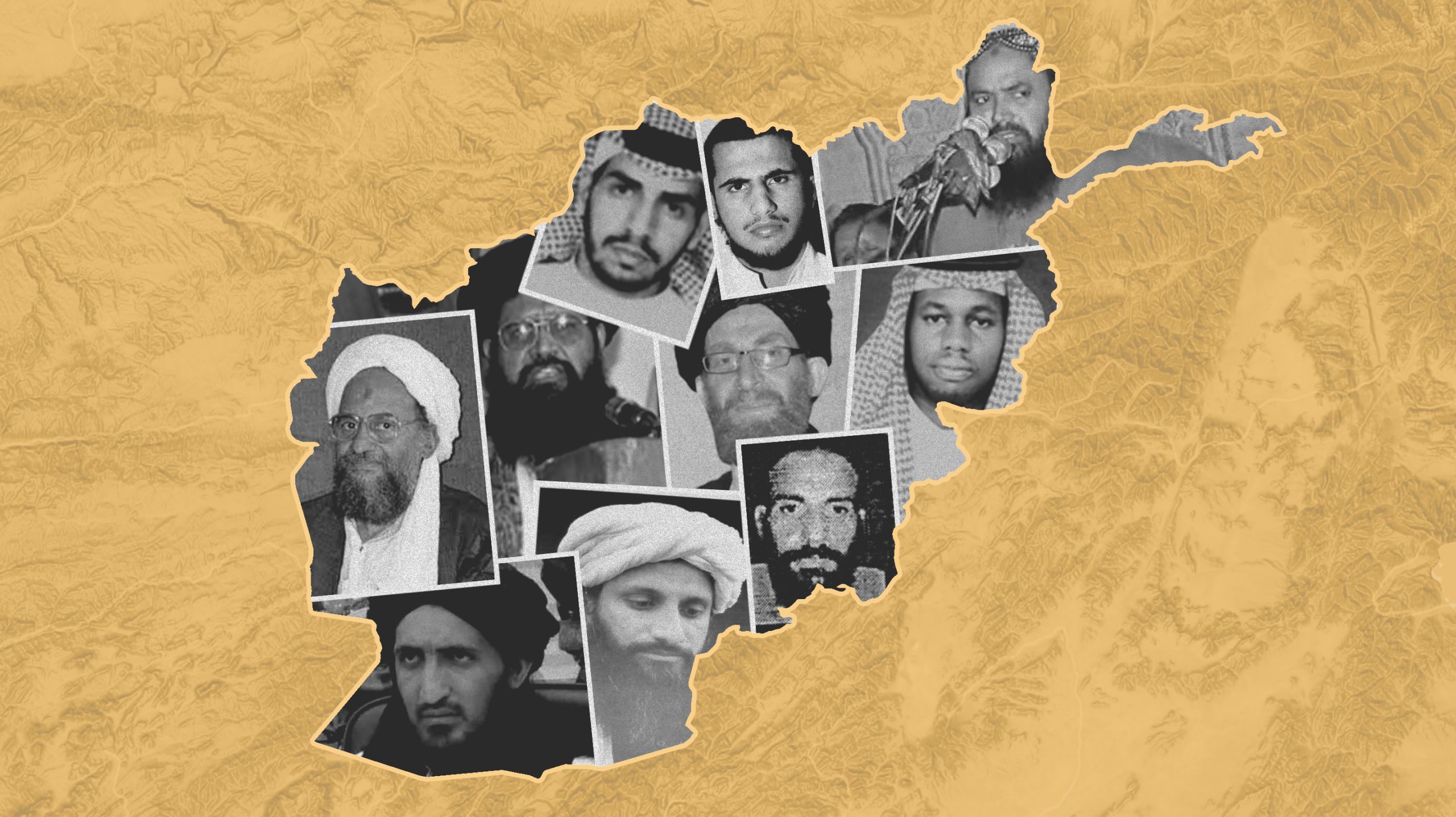
Analysis: US Treasury Department reveals new details about the Taliban’s network
The US Treasury Department designated six Taliban-Haqqani figures as terrorists today. Treasury’s identifying information locates five of the six — including three senior Taliban finance officials and the deputy leader of the group’s military commission — inside Pakistan. At least two of the newly-sanctioned men have ties to al Qaeda.