-
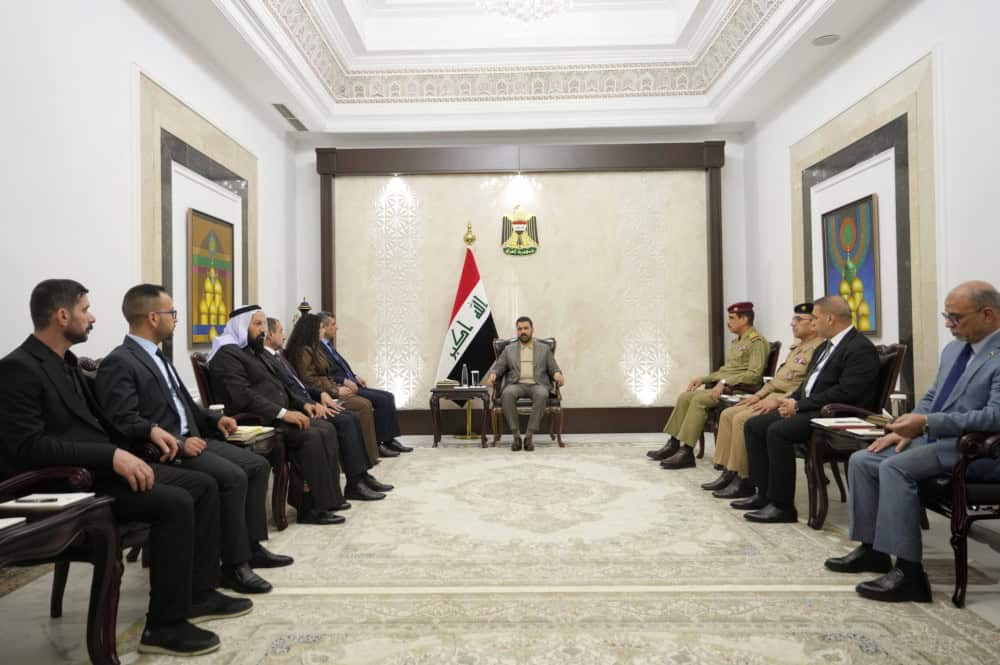
Yazidi armed group YBS to disarm, integrate into Iraqi security forces
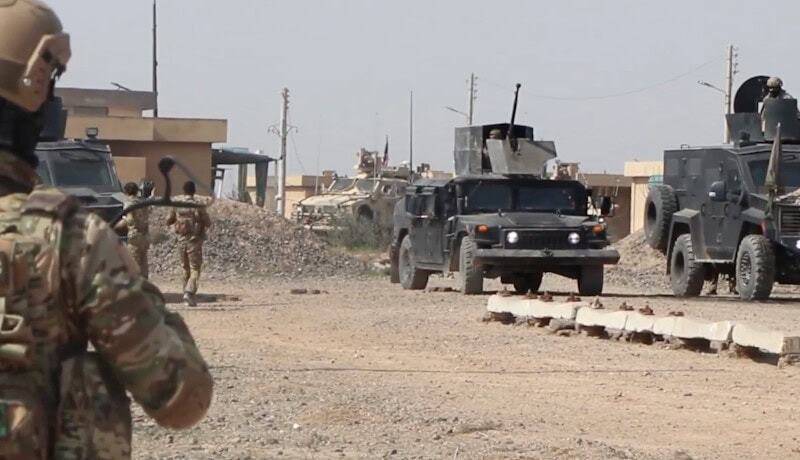
The Sinjar Resistance Units (YBS), a Yazidi armed group with links to the Kurdistan Workers’ Party (PKK), has agreed to disarm and integrate eligible members into Iraq’s security forces as Baghdad seeks to stabilize Sinjar and facilitate the return of displaced Yazidis. The agreement comes amid broader efforts to disarm Iranian-backed militias in Iraq and parallels integration processes involving the Syrian Democratic Forces in Syria.
-
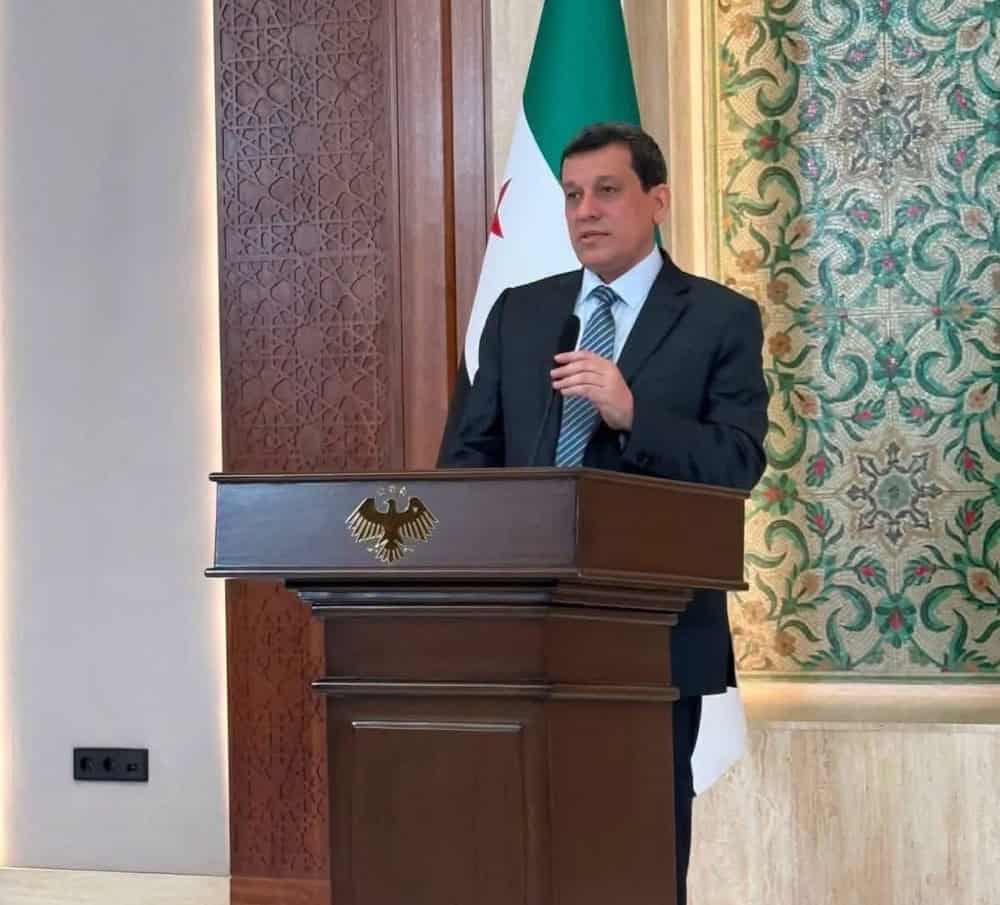
Kurdish-led Syrian Democratic Forces announce its dissolution
The dissolution of the Syrian Democratic Forces (SDF), the main US-backed anti-Islamic State group in Syria, ends more than a decade of Kurdish-led autonomy in the country’s northeast, as the SDF’s military, security, and civilian institutions are integrated into the state.
-
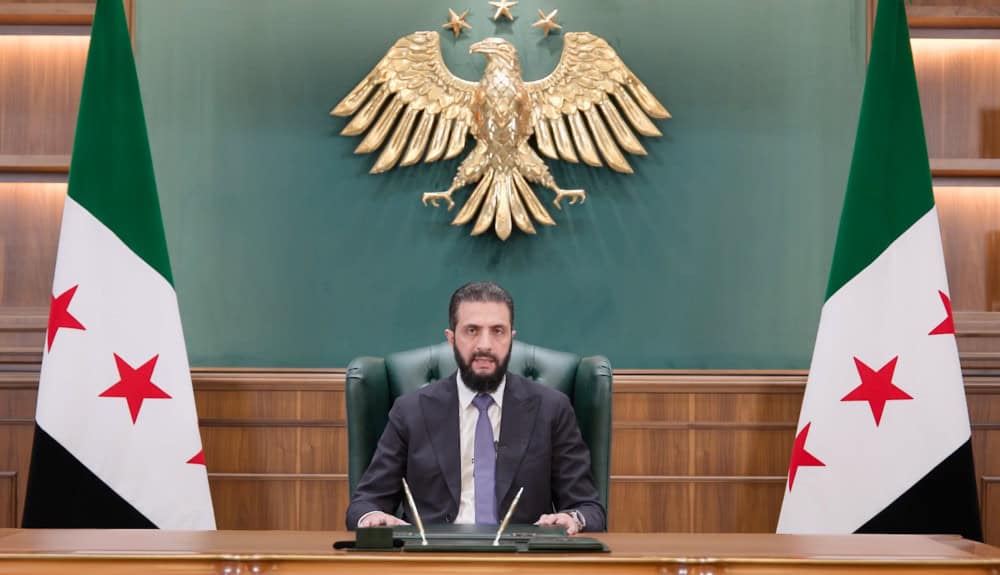
US rescinds Syria’s designation as a State Sponsor of Terrorism
On August 24, the United States formally rescinded Syria’s designation as a State Sponsor of Terrorism, marking a milestone in Washington’s effort to improve relations with Damascus. The decision came as the US has sought to advance security talks between Syria and Israel.
-
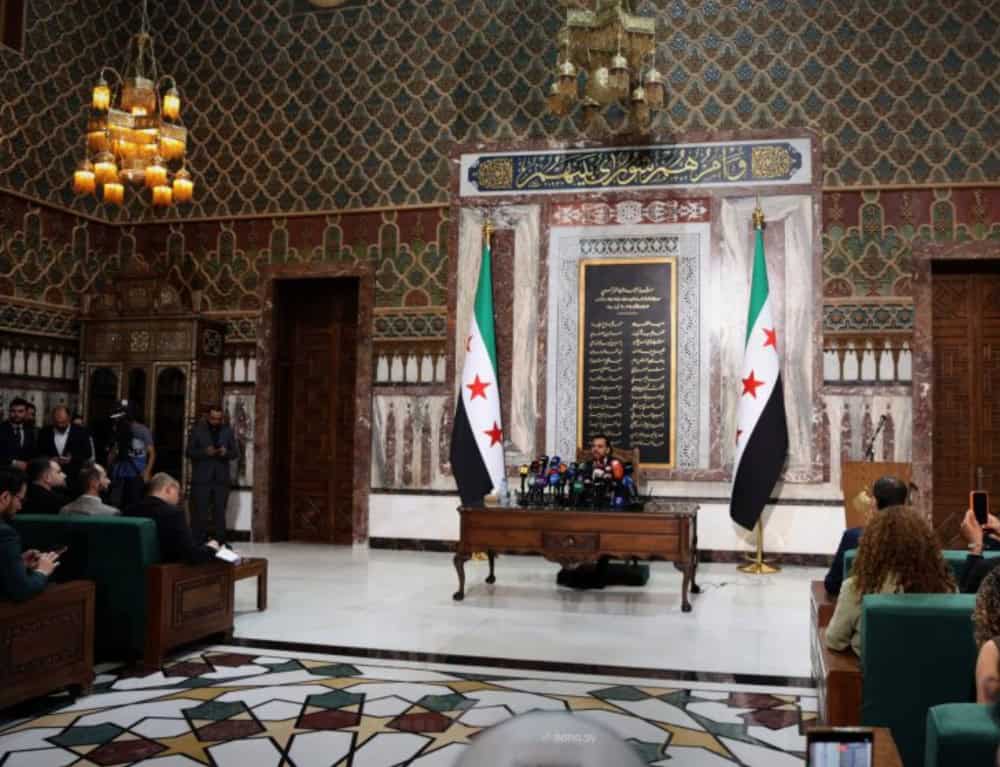
Syria appoints new parliament as Israel tensions continue
Syria has completed the formation of its new People’s Assembly, appointing the final 70 members of parliament as part of the country’s political transition following the fall of the Assad regime. Meanwhile, security tensions persist along the Israeli border, where recent clashes and Israeli military operations underscore the complex security environment.
-
US Syria Envoy Barrack tapped for Syria and Iraq role
Syria is seeking to deepen ties with the US and expand regional diplomacy as the countries pursue discussions on reconstruction, sanctions relief, and economic recovery. Simultaneously, Syria faces ongoing regional shifts, including emerging trade routes, increased use of Syrian airspace, and broader tensions affecting reconstruction and political integration.
-
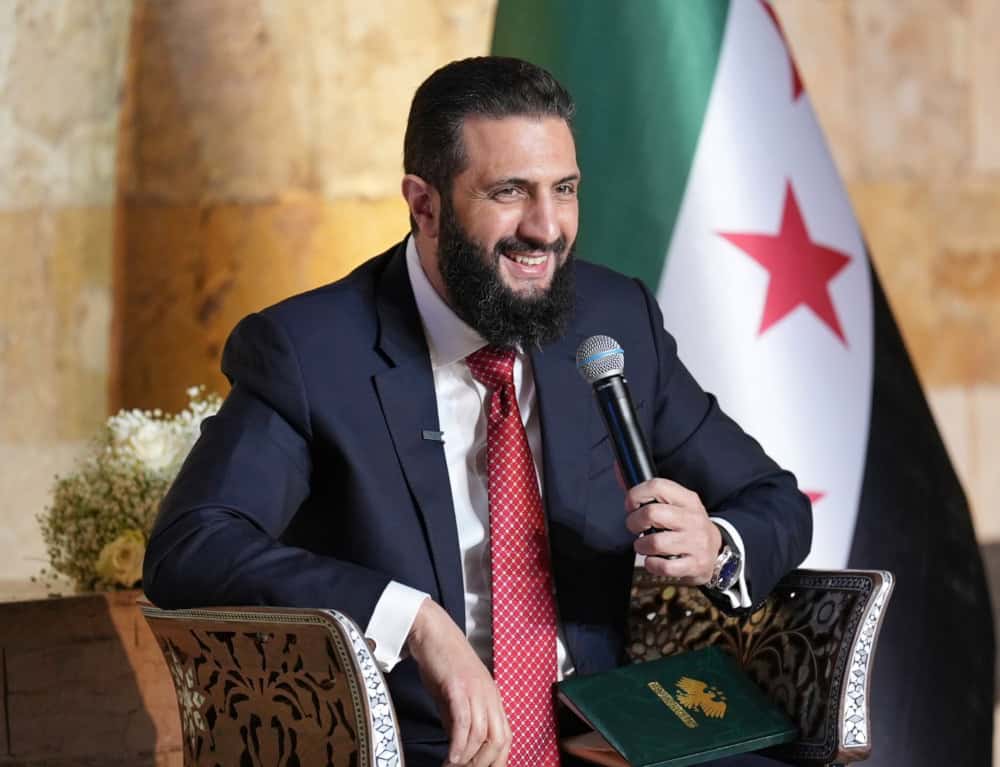
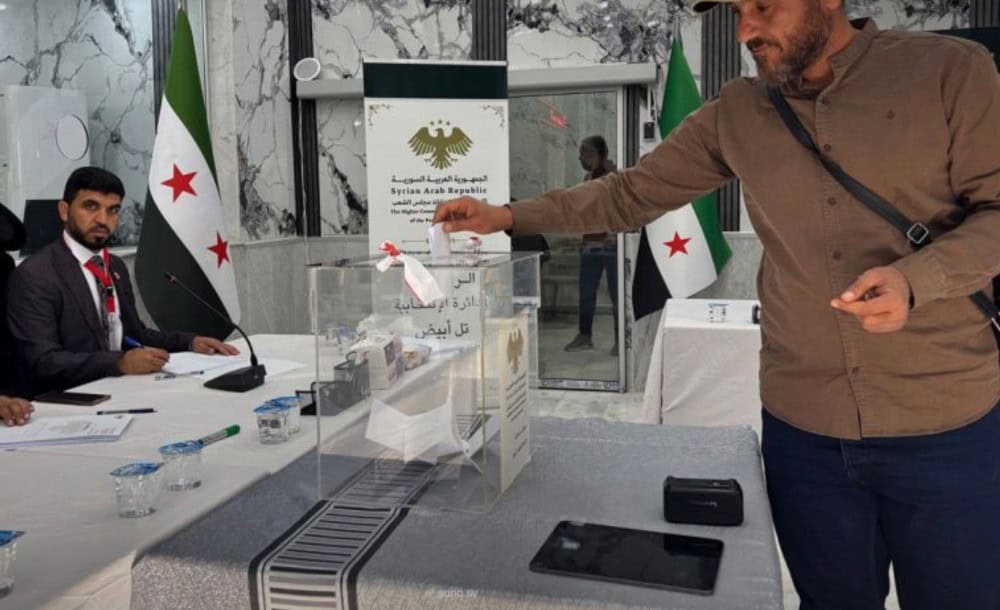
Syria holds elections in Kurdish-majority areas, finds Assad-era chemical weapons
Syria moved forward with another round of local elections on May 24 as the government seeks to strengthen its legitimacy and extend authority following years of conflict. The vote came as Damascus said it was working with the Organisation for the Prohibition of Chemical Weapons (OPCW) to turn over remnants of the previous Assad regime’s chemical weapons program.
-
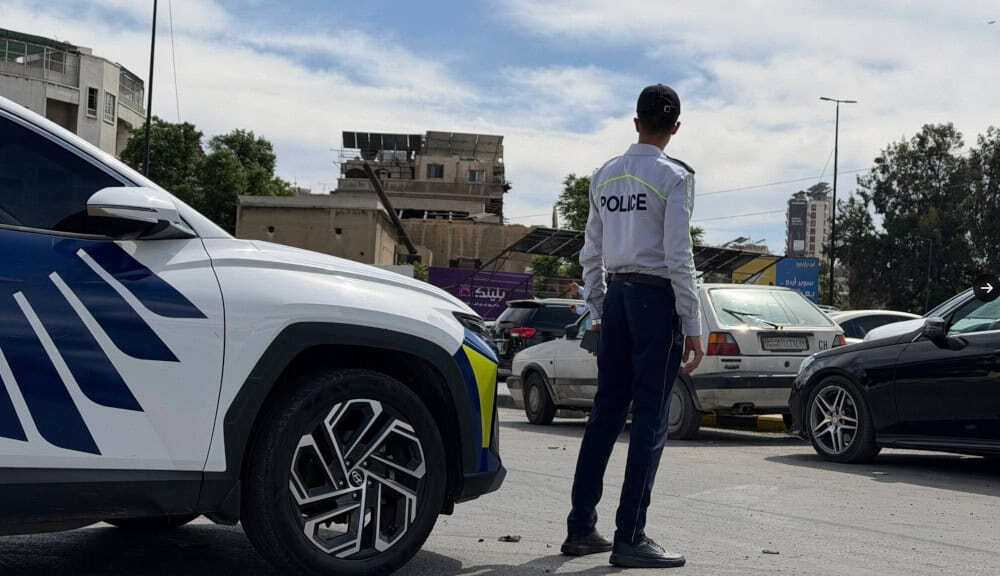
Amid security threats, Syria attempts to cement stability, international ties
A car bombing in central Damascus on May 19 killed one soldier and wounded civilians, as Syrian forces conducted raids against suspected militants in Deir Ez Zor. Damascus is also advancing reconciliation efforts with Kurdish groups and pursuing international diplomatic engagement.
-
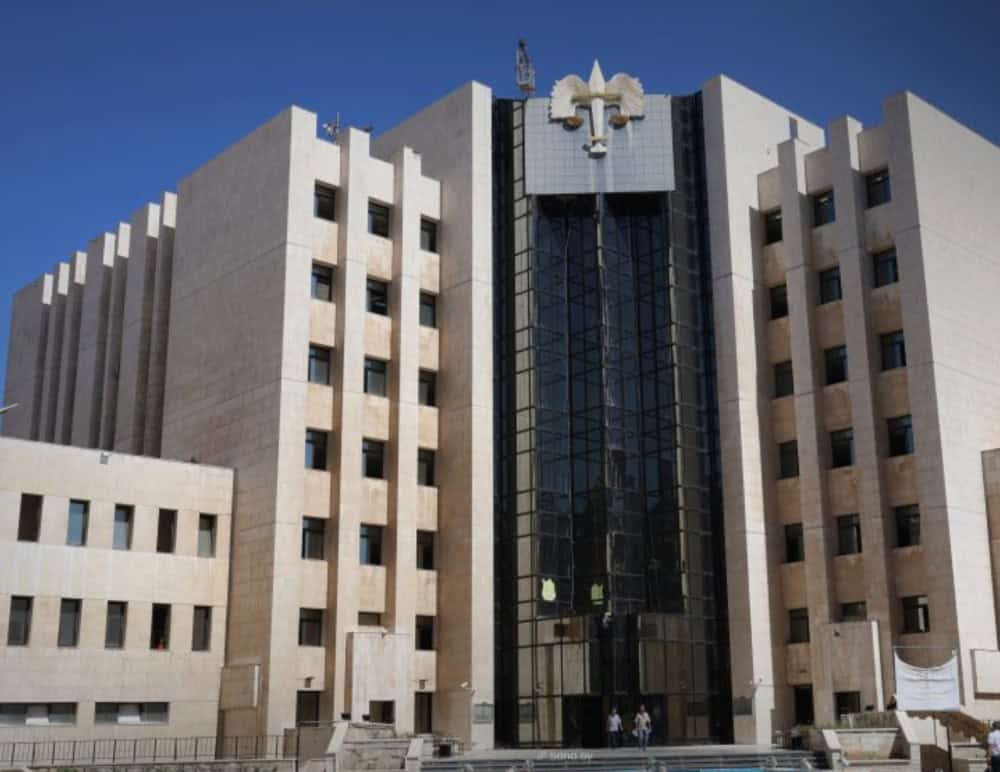
Protests in Syria’s Kurdish region highlight demand for rights
Protests erupted in Hasaka in eastern Syria after authorities replaced Kurdish and Arabic on a government billboard with English and Arabic, angering local residents. The incident reflects broader tensions as Damascus seeks to reassert control over eastern Syria following agreements with the Kurdish-led Syrian Democratic Forces.
-
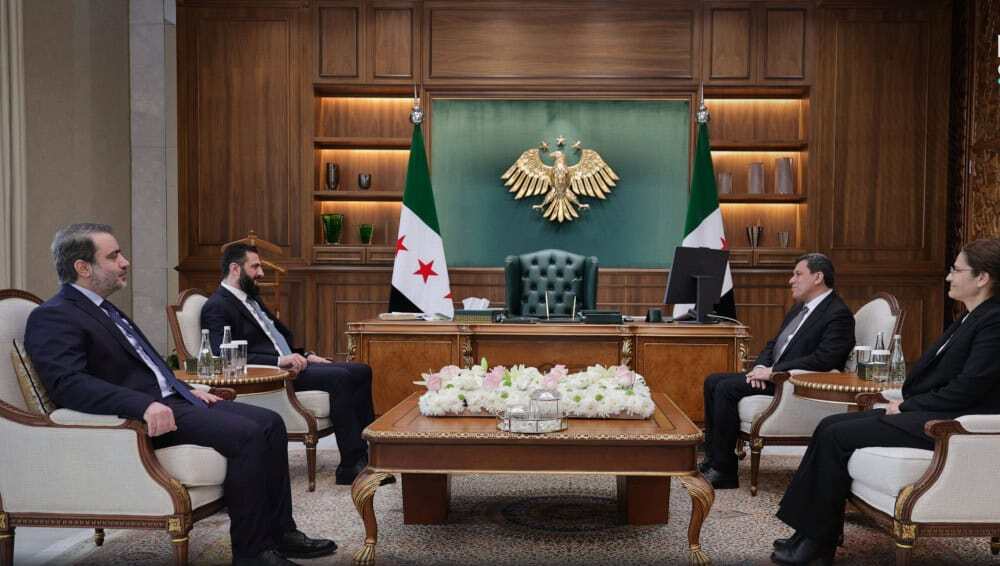
Syrian president meets Syrian Democratic Forces leader to discuss next phase of integration
On April 16, Syrian President Ahmad al Sharaa met with Syrian Democratic Forces (SDF) commander Mazloum Abdi in Damascus to discuss advancing the integration of the SDF into state institutions, following a January agreement. The talks come amid shifting control in eastern Syria, including government moves to secure key bases and border crossings after a US withdrawal.
-
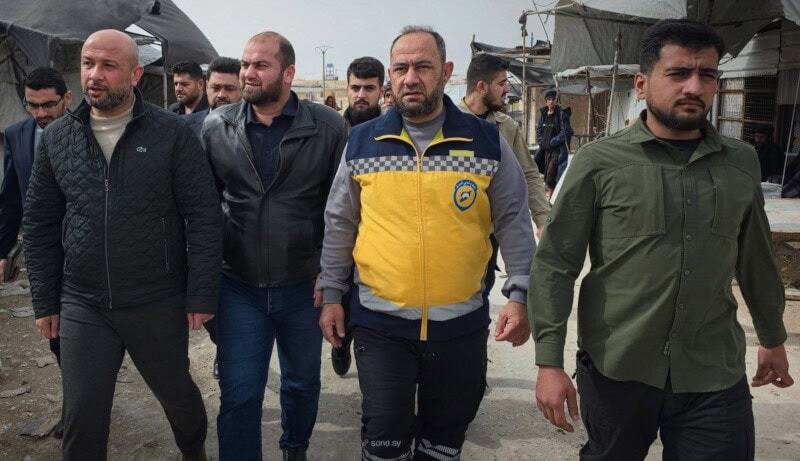
Syrian government and SDF continue transition, US strikes Islamic State and withdraws from Tanf
The Syrian government and the Syrian Democratic Forces (SDF) have continued implementing a January transition agreement. US Central Command has maintained pressure on the Islamic State with airstrikes and withdrew from the Tanf garrison in southern Syria. Damascus is assuming control of Islamic State detention sites in the eastern part of the country. Senior US, Syrian, and SDF officials met in Munich to discuss integration, the ceasefire implementation, and safeguarding rights amid Syria’s changing security landscape.
-
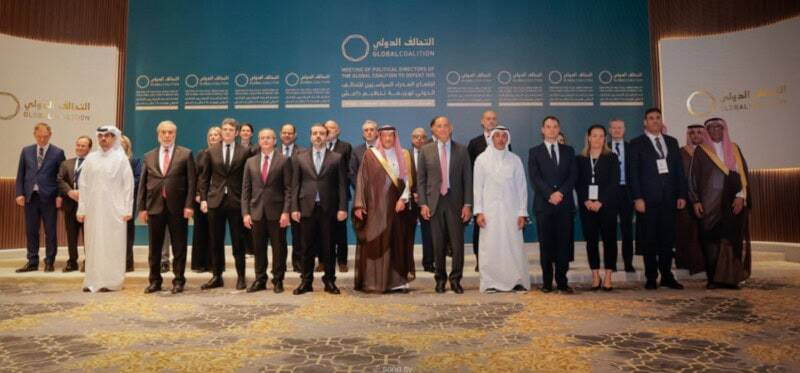
Syria joins anti-Islamic State coalition meeting as territory transition with SDF continues
Syria’s foreign minister joined a US-led anti-Islamic State coalition meeting in Riyadh on February 9, signaling deeper coordination after Damascus joined the coalition in November. The meeting followed a January 29 agreement between the Syrian government and the Syrian Democratic Forces enabling government deployments into northeastern Syria. Coalition members praised the deal and discussed transfers of Islamic State detainees to Iraq. As Syrian forces move into SDF-held areas, the transition faces challenges, particularly in Kobani, where humanitarian conditions remain dire despite reduced violence.
-
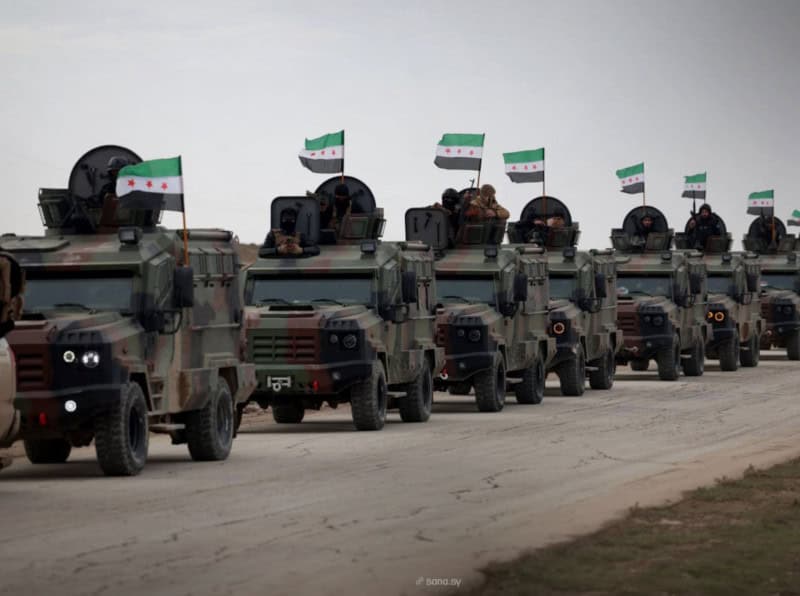
After Damascus-SDF deal, Syrian security forces deploy in northeastern Syria
Syrian government forces deployed into Al Hasakah and Qamishli in eastern Syria in early February under a January 30 agreement with the Syrian Democratic Forces (SDF). The deal is aimed at ending clashes and restoring central authority in mainly Kurdish areas that the SDF still controls. The government deployment coincided with reports of continued US transfers of Islamic State detainees from Syria to Iraq and US strikes on Islamic State targets.
-
Generation Jihad | Big Yikes in Syria, Part XXXVII
In Part 37 of Big Yikes in Syria, Bill Roggio and Ahmad Sharawi unpack yet another round of bad alliances and strategic failure in the war-torn country.
-
Fighting intensifies between Damascus and Syrian Democratic Forces as diplomatic talks resume
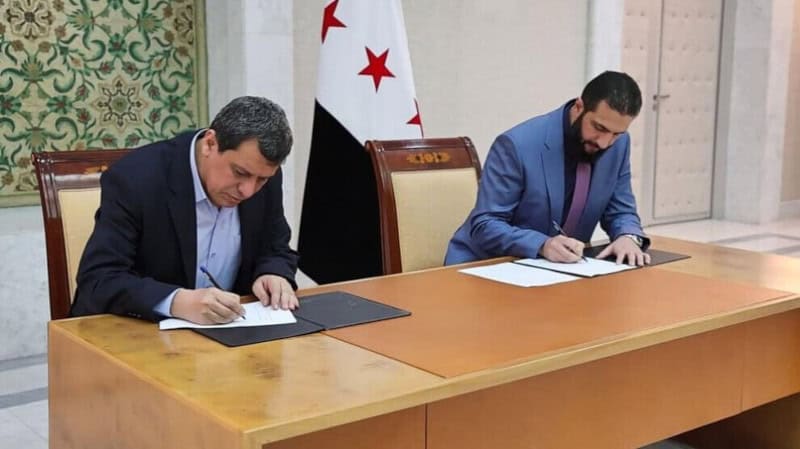
Battles between Syrian government forces and the Kurdish-led Syrian Democratic Forces (SDF) have continued to intensify despite a US-mediated ceasefire agreement. The latest clashes have involved drone strikes, rocket and artillery fire, and suicide bombings.
-
Russian troops begin evacuating from northern Syria
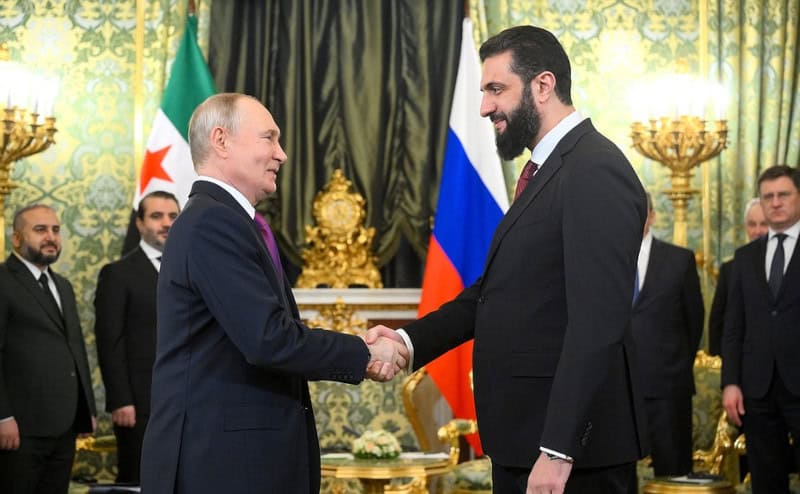
Russia evacuated troops from the northeastern Syrian city of Qamishli ahead of interim Syrian President Ahmed al Sharaa’s second visit to Moscow. Whether Russia will retain access to two key military facilities in western Syria was a part of the discussion between the two leaders.
-
Fate of prisons holding Islamic State fighters uncertain as Syrian government fights Syrian Democratic Forces
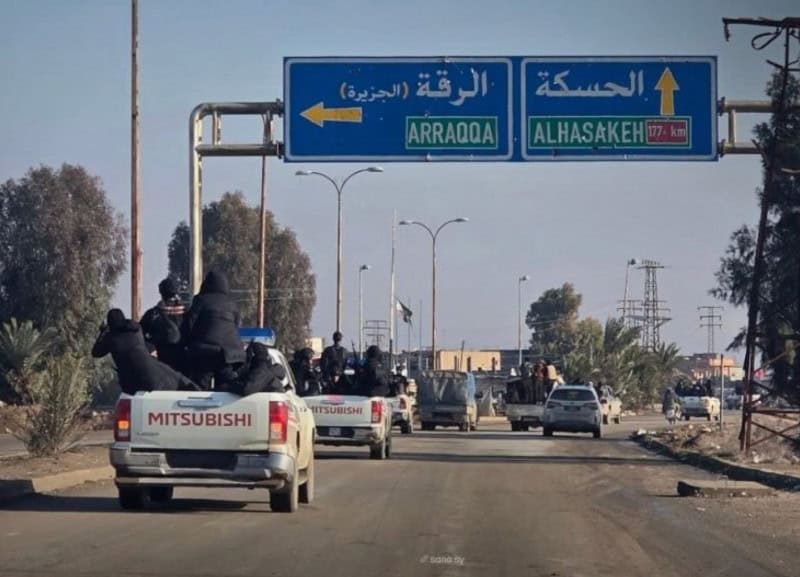
Syrian government forces advancing into eastern Syria are increasingly taking over areas where Islamic State members have been held in prisons and detention facilities by the Syrian Democratic Forces (SDF). The SDF said it lost control of Al Shaddadi prison, and the Syrian government asserted that it would secure the facility and round up prisoners who may have fled. Clashes also occurred near Aqtan prison north of Raqqa.
-
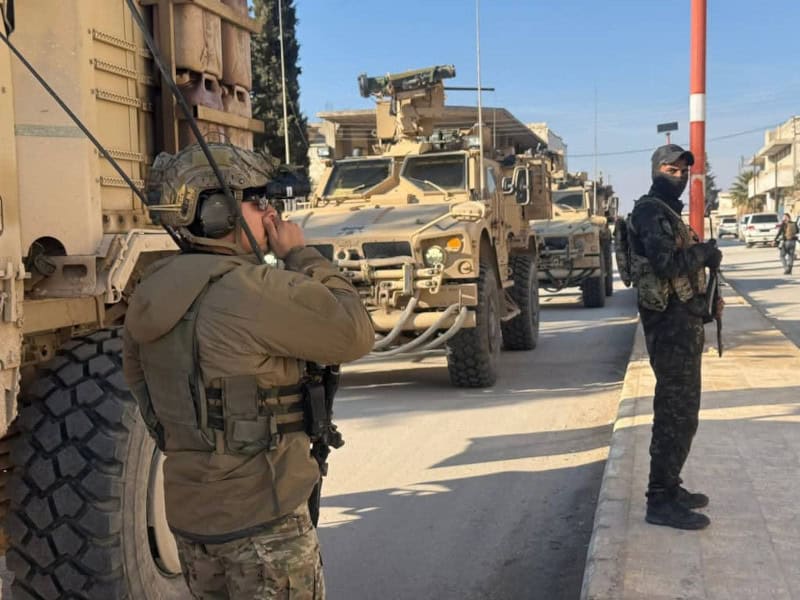
Kurdish-led Syrian Democratic Forces withdraw from Aleppo province after clashes with Syrian government
Following intense fighting between the Kurdish-led Syrian Democratic Forces (SDF) and Syrian government forces, SDF commander Mazloum Abdi ordered the withdrawal of his personnel from contested areas of Aleppo province.
-
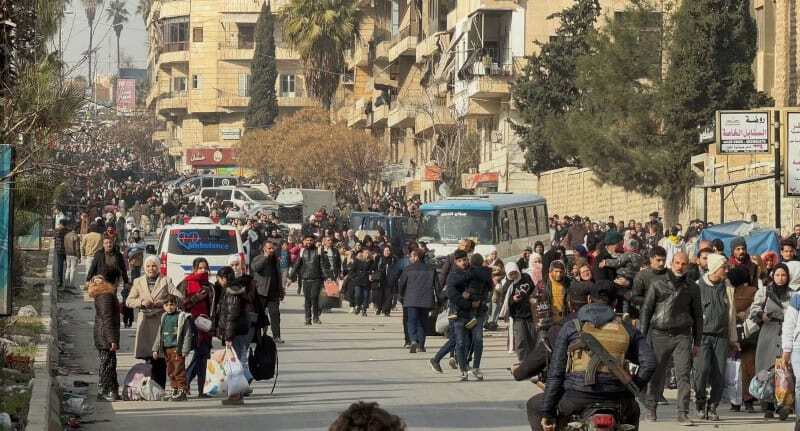
Syrian army besieges Kurdish neighborhoods in Aleppo following clashes
Syrian army units have surrounded the Kurdish-majority neighborhoods of Sheikh Maqsoud and Ashrafiyeh in Aleppo, both of which are controlled by the Kurdish-led Syrian Democratic Forces (SDF). The siege, which followed clashes, is the latest escalation after the two sides failed to move forward on a March 2025 agreement to integrate the SDF into the government.
-
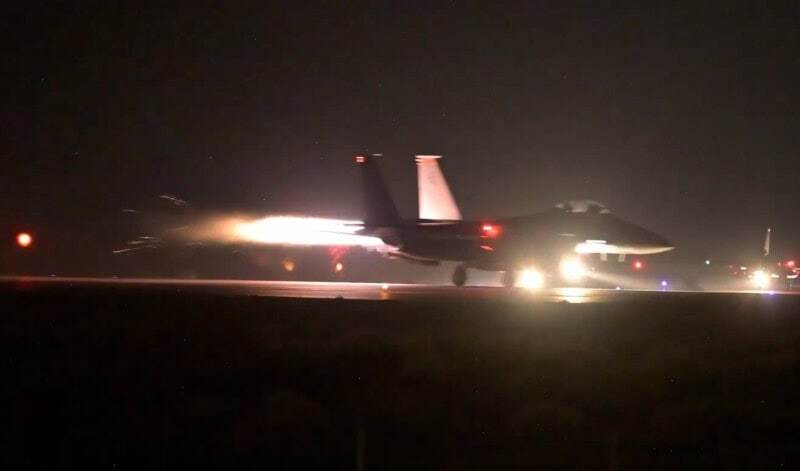
US launches widespread airstrikes against Islamic State in Syria after deadly Palmyra attack
On December 19, US Central Command announced that US forces conducted “a large-scale strike against ISIS infrastructure and weapons sites in Syria.” Al Arabiya reported that the United States hit “70 ISIS targets in sites in central Syria.”
-
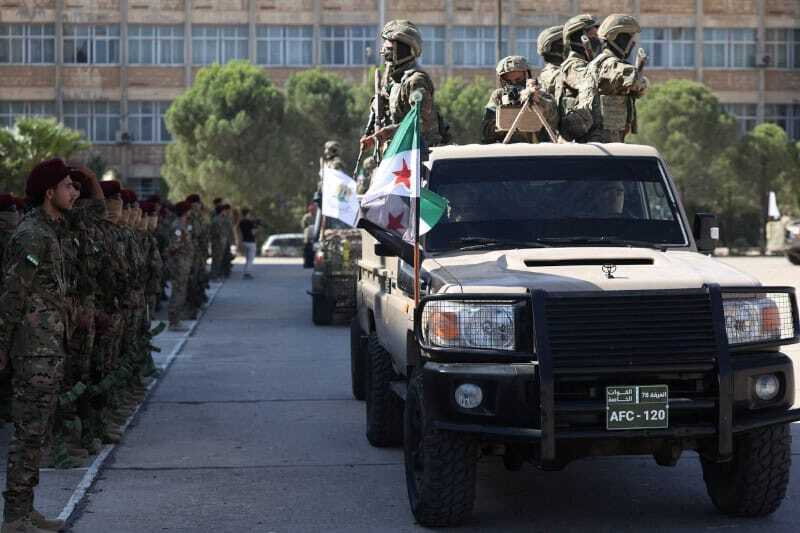
Clashes erupt between Syrian government troops and Kurdish-led Syrian Democratic Forces
On November 19, the Syrian Army and the Syrian Democratic Forces (SDF) battled near Maadan, Syria. While the two factions have not entered into full-blown conflict, tensions between them are rising as the end-of-year deadline for an integration agreement signed in March 2025 approaches.
-
PKK announcement of withdrawal from Turkey has ramifications for Iraq, Syria
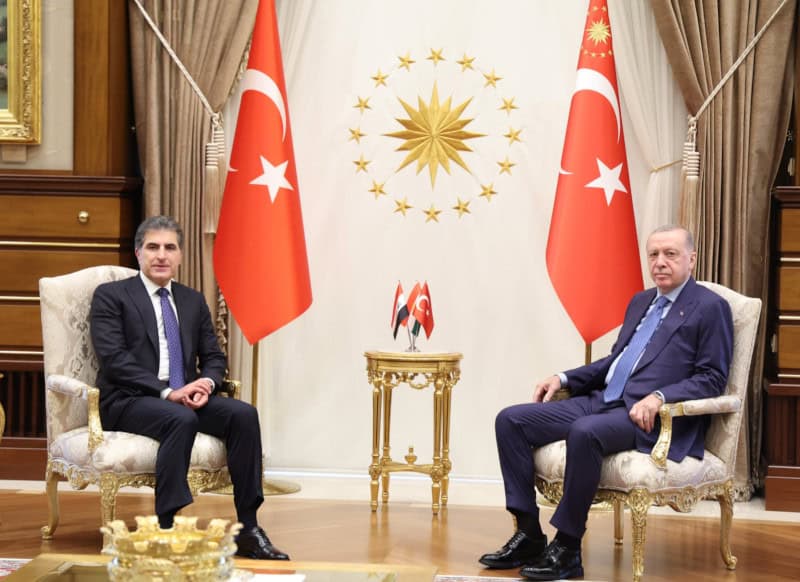
On October 26, the Kurdistan Workers Party (PKK) announced that it was withdrawing its fighters from Turkey as part of a peace process with the Turkish government. Media reports indicate that the PKK may be moving to northern Iraq, leading to questions about how the withdrawal may affect the Kurdish regions of eastern Syria and northern Iraq.
-
SDF moves forward with integration into new Syrian security forces
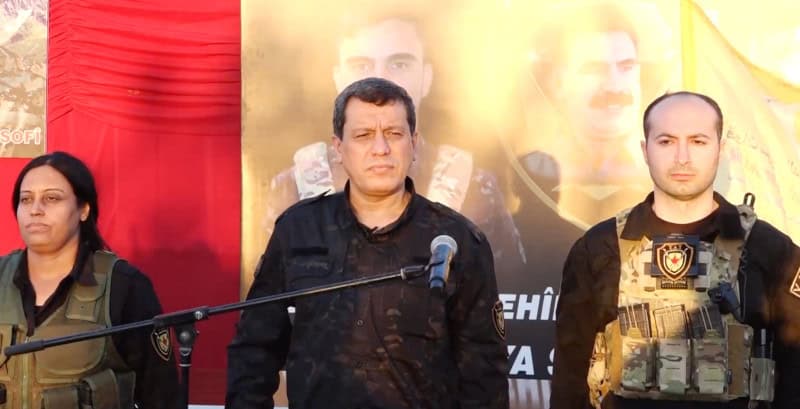
The US-backed Syrian Democratic Forces (SDF) are moving forward on integration with the security forces of the Syrian transitional government. SDF leader Mazloum Abdi has given several interviews saying that a preliminary agreement has been made with Damascus.
-
After sectarian clashes in Aleppo, US, SDF, and Syrian government officials meet in Damascus
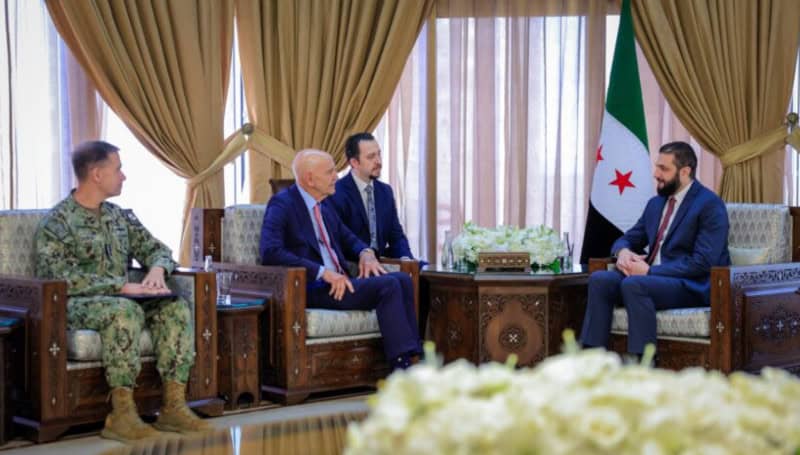
Syrian President Ahmed al Sharaa met with US Envoy Tom Barrack and the head of US Central Command, Admiral Brad Cooper, in Damascus on October 7. The meeting came in the wake of clashes between factions backed by the Syrian transitional government and Kurdish fighters in two neighborhoods in Aleppo. The head of the Syrian Democratic Forces, Mazlum Abdi, also met with Syria’s defense minister and agreed to a ceasefire between the SDF and government forces. Barrack, Cooper, and Abdi separately met in eastern Syria on October 6 to discuss integration between Syria’s east and Damascus, plus continued operations against…
-
Syrian integration in focus as Syrian President Sharaa speaks at UN
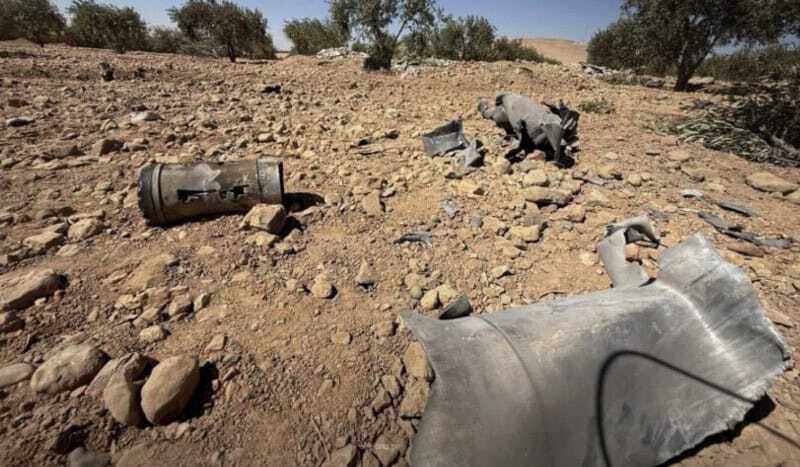
Syrian transitional President Ahmed al Sharaa spoke at the United Nations General Assembly on September 24, urging support for rebuilding Syria and emphasizing the need for peace and stability in the country. Separately, a spokesperson for the largely Kurdish-run Autonomous Administration of North and East Syria (AANES) said there was increasing pressure on Damascus and AANES authorities in eastern Syria to come to an agreement, despite recent clashes.
-
Tensions grow between Damascus and eastern Syria amid continuing efforts to integrate factions
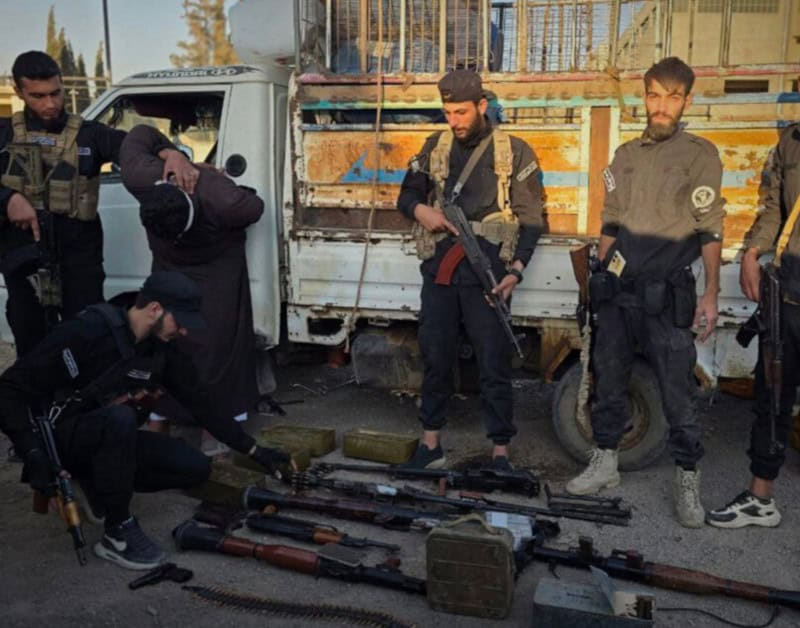
Conflicts between the Syrian transitional government in Damascus and the Syrian Democratic Forces (SDF) pose challenges for the transitional government as it seeks to integrate factions. Syrian state media claimed on September 2 that the government’s internal security force had intercepted an arms shipment destined for the SDF, plus reported other recent clashes between security forces and the SDF, which the SDF has denied. Despite these tensions, negotiations between authorities in eastern Syria and Damascus continue amid US support.
-
Delegation from eastern Syria meets with government in Damascus
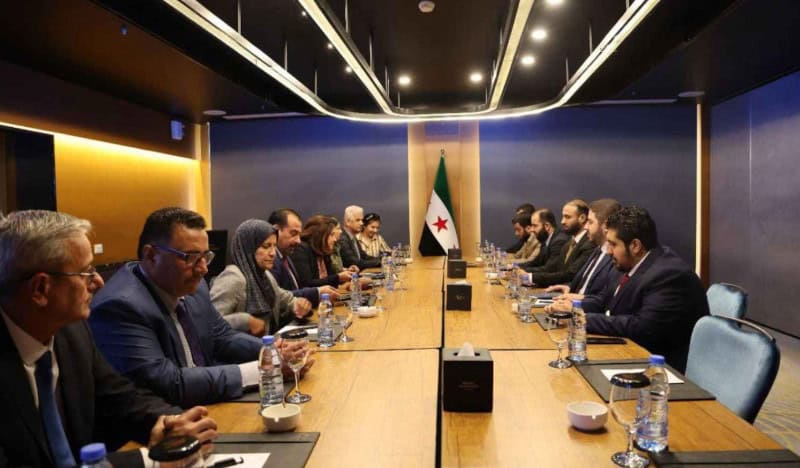
The Autonomous Administration of North and East Syria (AANES) sent a delegation to Damascus for the first round of talks aimed at the full integration of military and civilian institutions of the autonomous eastern Syria region into the state’s new institutions. The development comes as US forces are slowly withdrawing from the country.
-
Analysis: The PKK abandons armed struggle
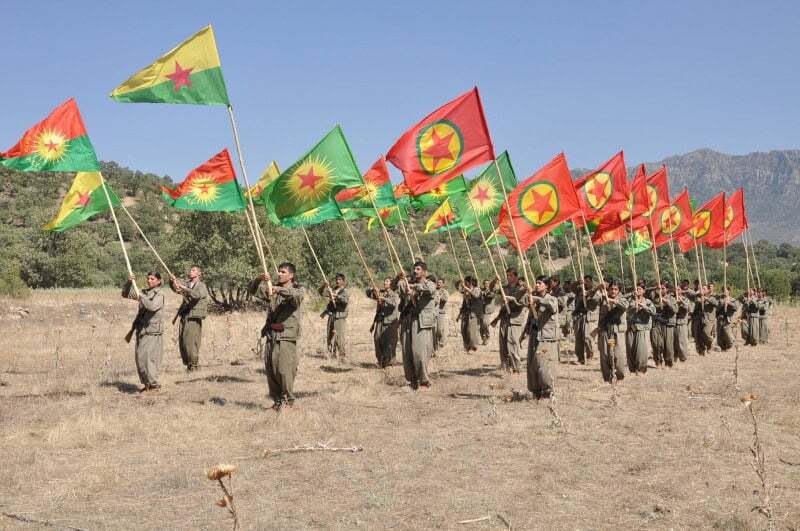
The PKK, the Kurdish separatist group that has waged a decades-long secessionist movement inside Turkey, recently announced its decision to lay down its weapons and likely abandon its cause. However, the conditions of the compromise the opposing sides have reached are shrouded in secrecy, and many wonder if lasting peace will be achieved. Peace between the PKK and Turkey will have regional implications spanning the stability of Syria, Iraq, and Iran.
-
Analysis: Why did Syria’s Kurds sign a deal with the new regime?
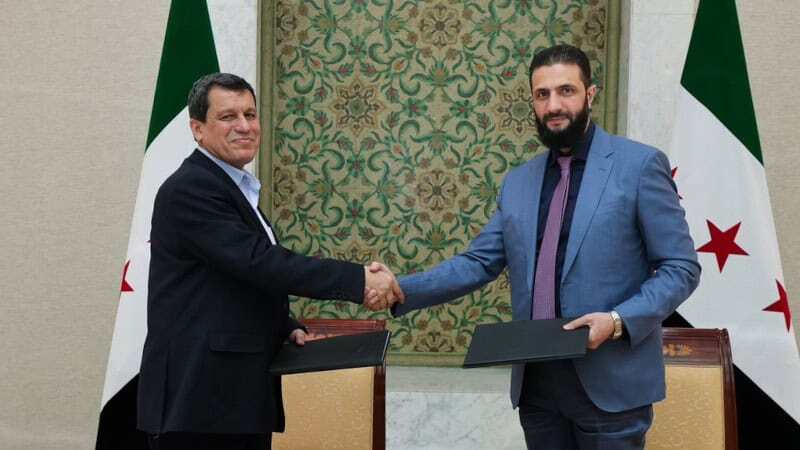
The Syrian Democratic Forces (SDF) signed an agreement with Syria’s interim government, integrating the SDF’s 100,000-strong, mostly Kurdish force into the new Syrian military. The deal likely represents a calculated risk by the SDF to curtail Turkish aggression, especially if the US withdraws from the country.
-
After SDF-Damascus deal, a spotlight on US forces in Syria
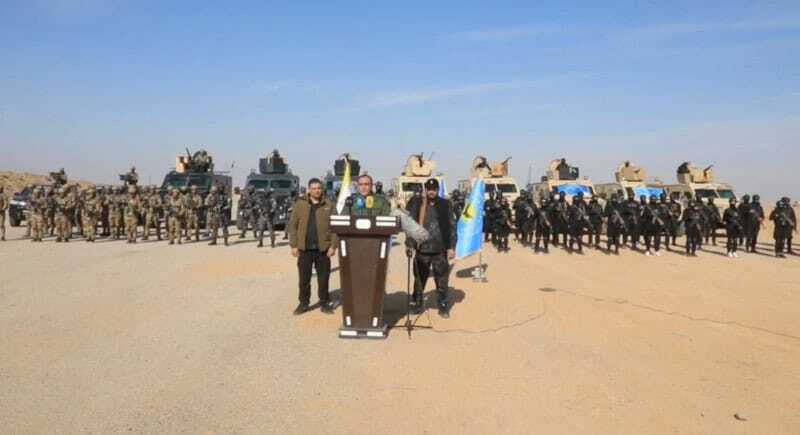
US forces in eastern Syria continue to work closely with the Syrian Democratic Forces (SDF) and the Syrian Free Army (SFA). However, the agreement between SDF commander Mazloum Abdi and Syrian President Ahmad al Sharaa to integrate eastern Syria into the country’s new governing institutions could affect the US role in Syria and the broader anti-Islamic State campaign.
-
Analysis: How will the US-backed SDF be affected by PKK leader’s disarmament call?
On February 27, Kurdistan Workers Party (PKK) leader Abdullah Ocalan called for his group to disarm and end its conflict with Turkey. The US-backed Syrian Democratic Forces (SDF) in eastern Syria have welcomed this statement, which may provide an opportunity for Turkey to change its policy in Syria, affect US policy, and impact SDF relations with the new government in Damascus.