-
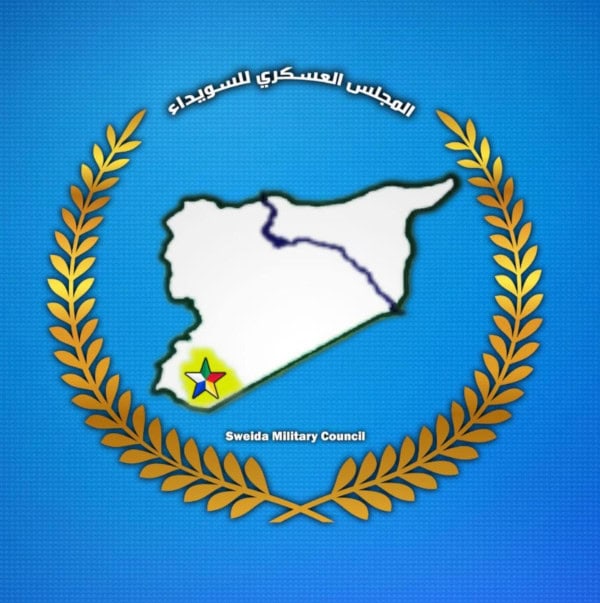
Suwayda Military Council: A new Druze coalition emerges in Syria
A group of Druze militants in Suwayda, southern Syria, has announced the formation of the Suwayda Military Council, a coalition of local armed groups aimed at protecting the region and maintaining security. The council stated its mission is to safeguard civilians and public property from violence and destruction while strengthening cooperation with other security factions. It also announced plans for regular meetings to assess threats and respond accordingly. As part of its efforts, the council has called on officers and soldiers from civil society to attend a military meeting on February 24 in the Sad Al Ain area between Suwayda…
-
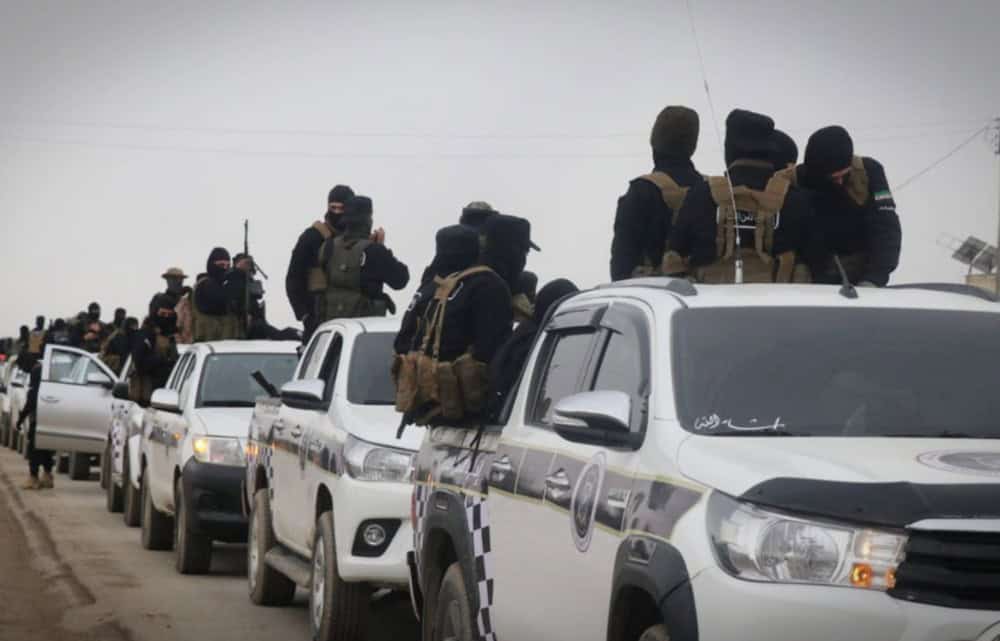
Syrian government forces enter Afrin, signaling a change in control
The new Syrian government in Damascus sent a convoy of vehicles from the General Security Department to Afrin, a historically Kurdish city and district in northwest Syria. In 2018, Turkey launched a military operation into Afrin and backed the Syrian National Army (SNA) to run the district. The deployment by Damascus appears to represent a significant shift after five years of rule by the SNA.
-
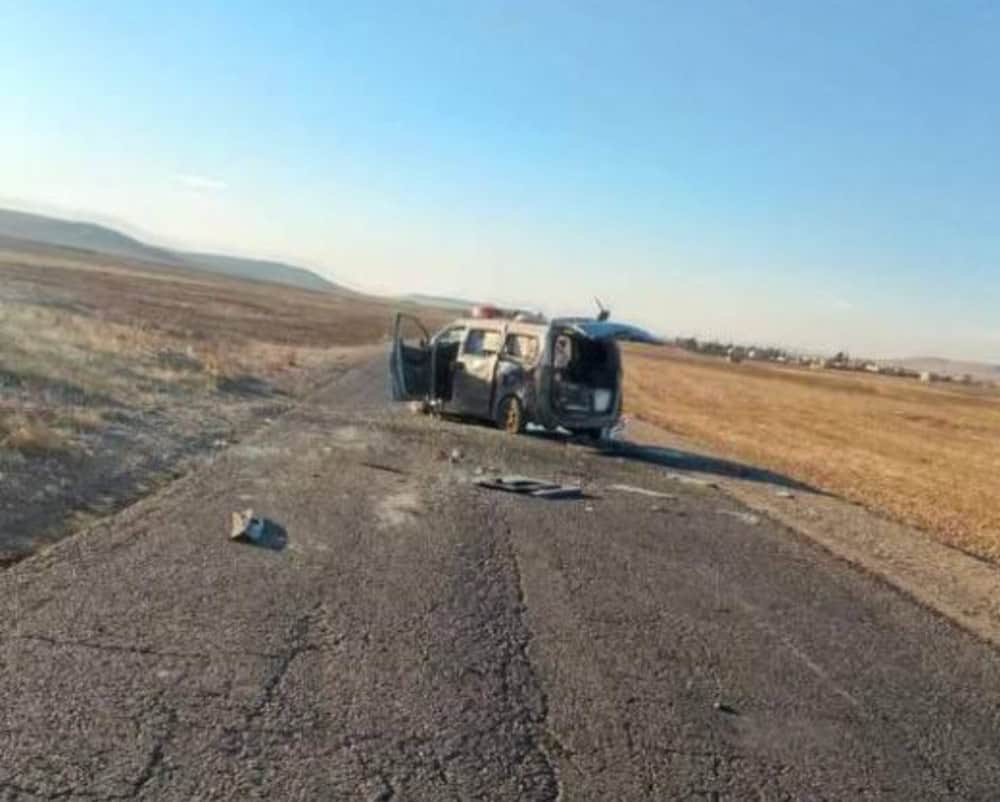
The strategic Tishrin Dam has become a flashpoint in post-Assad Syria
Clashes in Syria have increased at the Tishrin Dam, a strategic site on the Euphrates River around 30 miles south of the Turkish border controlled by the US-backed Syrian Democratic Forces. The Turkish-backed Syrian National Army, a collection of former Syrian rebel groups, has been seeking to take the dam since the fall of the Assad regime on December 8.
-
US military strikes Islamic State camps and personnel in central Syria
US Central Command continued to target the Islamic State’s network in Syria after the collapse of the Assad regime. Twelve Islamic State fighters were killed during an operation that also targeted terror camps.

-
US launches massive strikes on Islamic State as Hayat Tahrir al-Sham deposes Assad regime
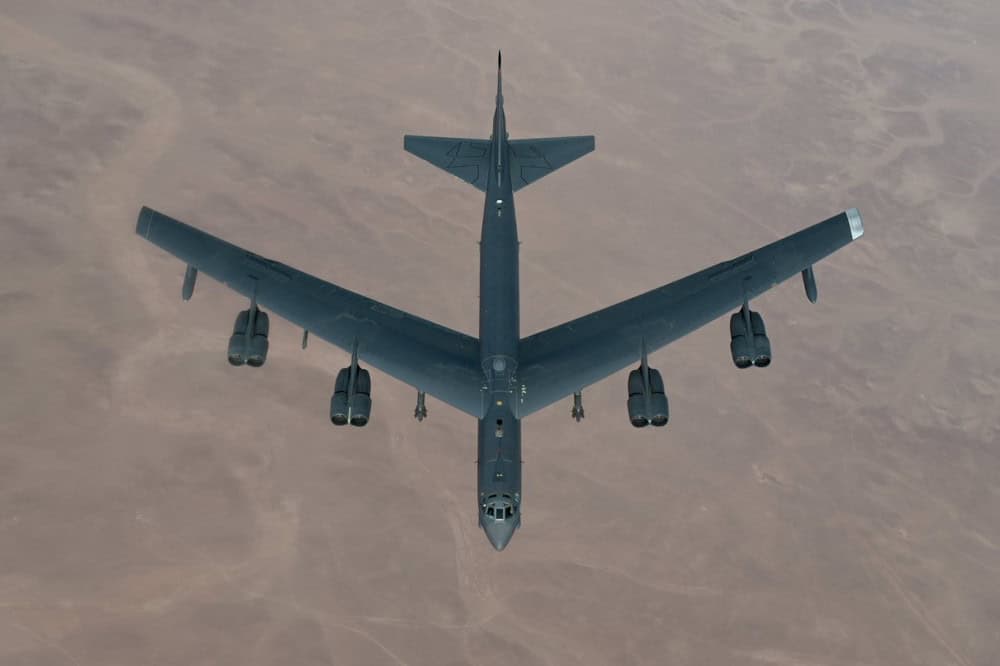
The significant US operation against the Islamic State is part of the effort to degrade the terror group and keep it from gaining ground in areas held by Syrian Democratic Forces (SDF) in the wake of the Assad regime’s collapse. The attacks may also serve as a warning to the Syrian National Army (SNA) and Hayat Tahrir al-Sham (HTS) not to push too hard against the SDF, America’s flawed ally in Syria.
-
Analysis: The perils of a Turkish-Syrian rapprochement
Since Turkey and Syria broke off relations in 2011, Ankara has played a prominent role in fighting Bashar Al-Assad’s regime in Syria by supplying material support to insurgent groups seeking to overthrow Assad and maintaining forces in the opposition-held northwest. However, Turkish President Recep Tayyip Erdogan and Assad recently signaled they are interested in restoring diplomatic ties.
-
Islamic State targets Syria’s Qamishli with car bombing
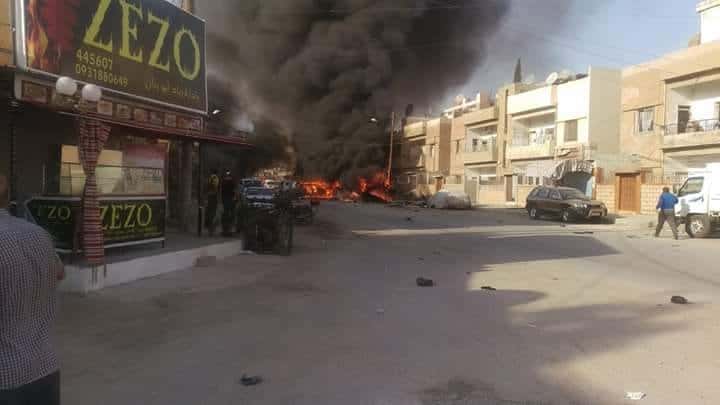
The bombing came as Turkey also shelled the city. It is likely that as the Turkish advance continues, the Islamic State will further exploit the chaos inside northern Syria to regroup and conduct more attacks.
-
Islamic State sleeper cells target Raqqa
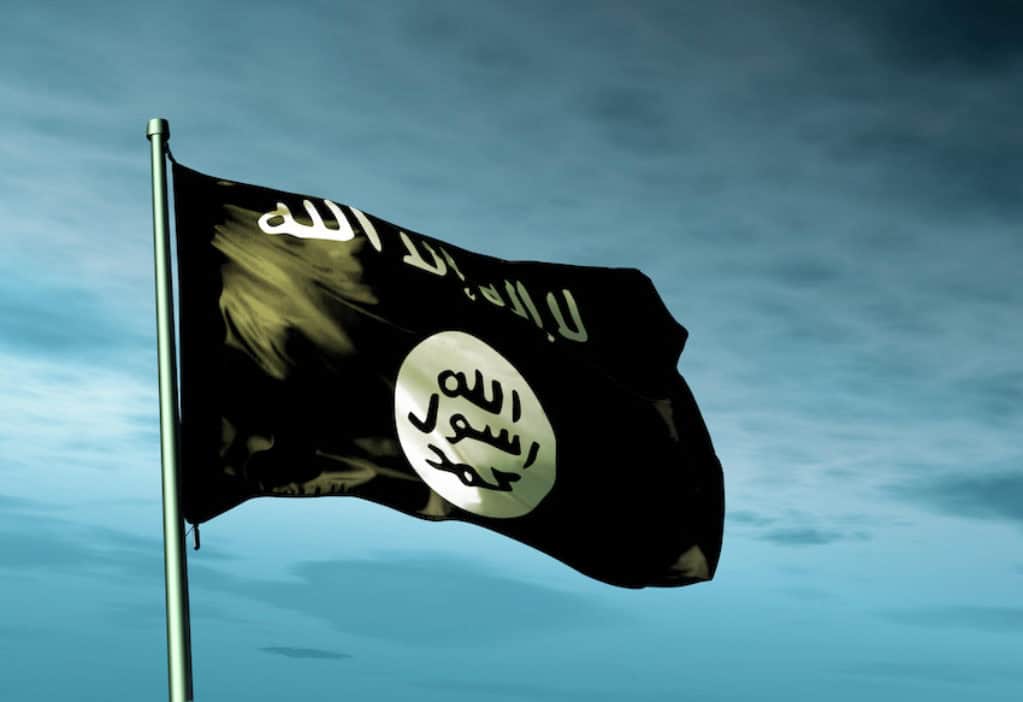
The rising of Islamic State sleeper cells could become more common as the Kurdish-dominated SDF is diverted to the newly announced Turkish invasion of northern Syria.
-
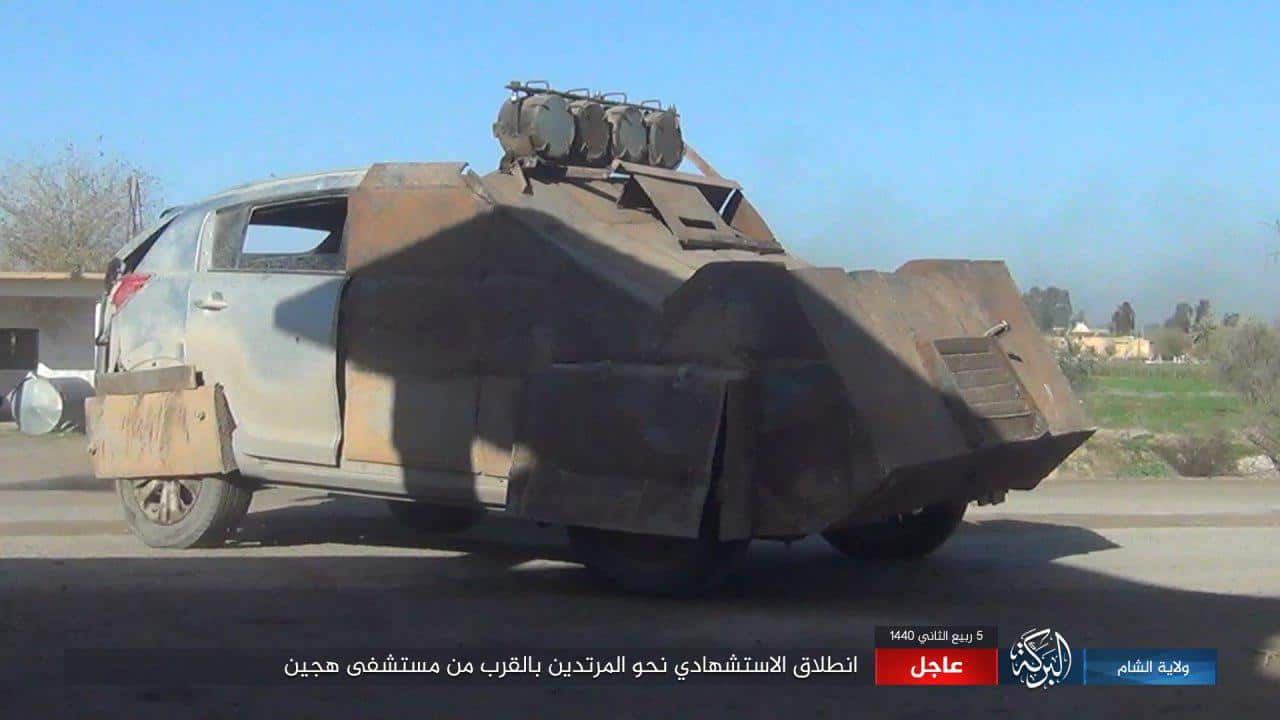
Islamic State unleashes suicide bombers in Hajin, Syria
In the past 24 hours, the Islamic State has conducted more than one suicide bombing against US-backed forces in Hajin, Syria. One Islamic State “martyr” blew himself up near the Hajin hospital, which became the scene of intense fighting earlier this week.
-
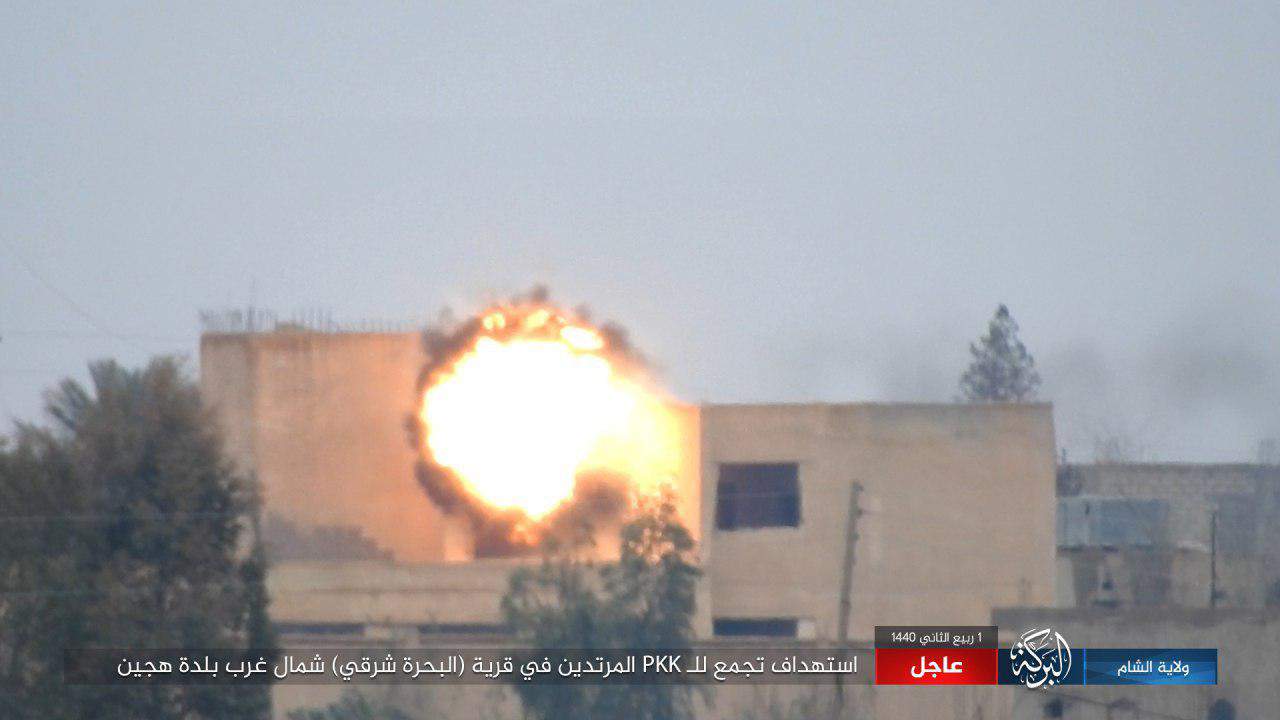
US-backed forces battle Islamic State for control of Hajin, Syria
The US-led coalition, Combined Joint Task Force – Operation Inherent Resolve (CJTF-OIR), says it was forced to strike a hospital in Hajin, Syria because it was being used by Islamic State fighters. US-backed forces have been battling the Islamic State for control of Hajin for weeks.
-
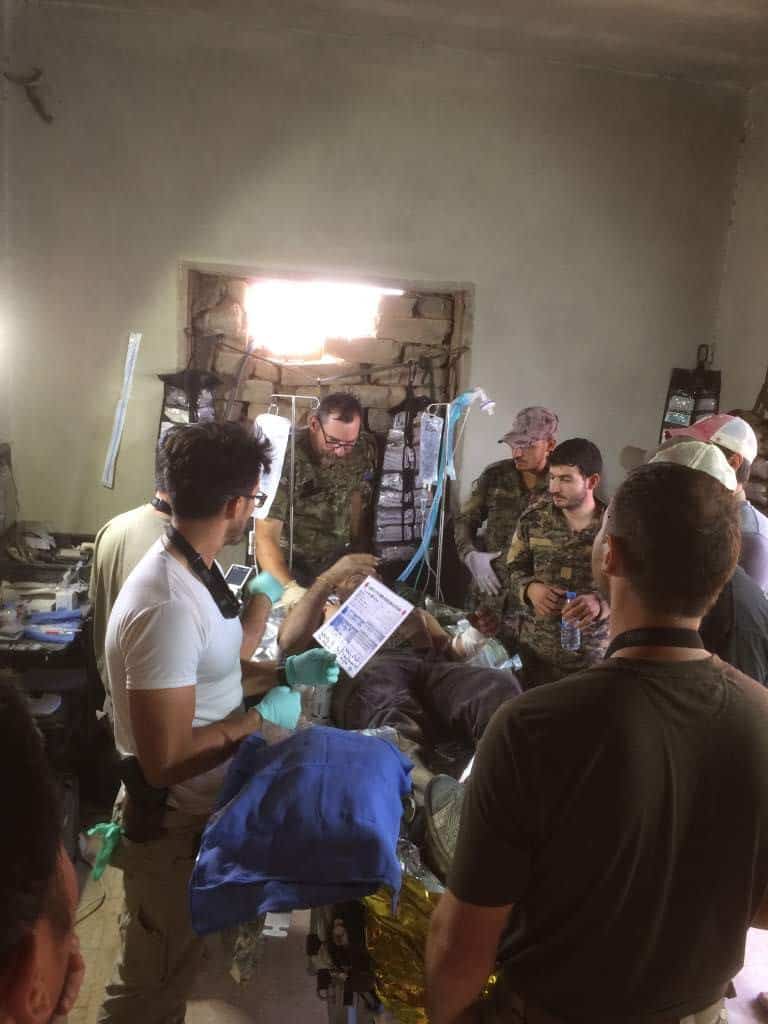
Russia struck Syrian Democratic Forces in eastern Syria, US says
The US says that Russian forces struck and wounded several fighters belonging to the Syrian Democratic Forces (SDF). The incident highlights the fact that despite “de-confliction,” the US and Russia are often not on the same page in Syria.
-
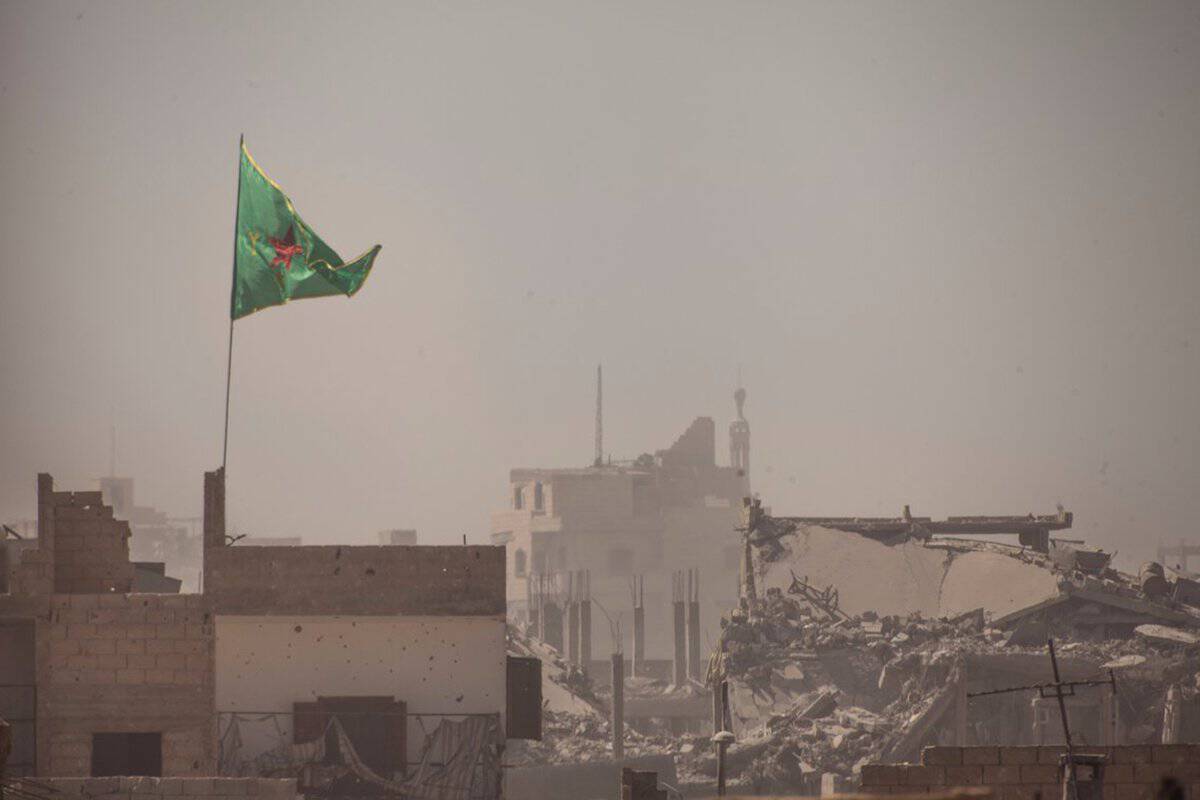
Islamic State loses more ground in Raqqa, Deir Ezzor
As US-backed forces seize the city of Raqqa, the Syrian regime moves to retake ground in Deir Ezzor, where the Islamic State has laid siege to Bashar al Assad’s forces since 2014. Assad’s regime has received a boost from Iranian-sponsored militias, as well as the Russians, during its recent offensive in eastern Syria.
-
US-backed forces enter Islamic State stronghold within Raqqa
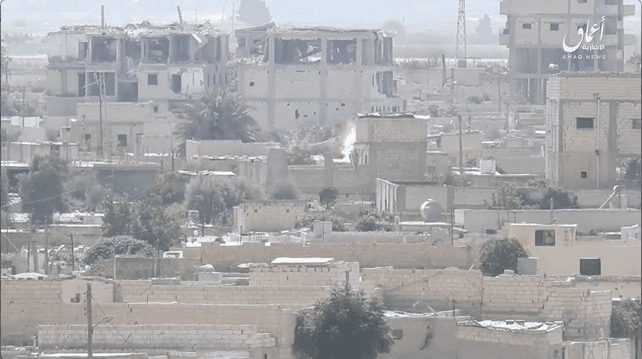
US-backed Syrian Democratic Forces (SDF) have entered the Old City of Raqqa after the coalition blew two holes in a historic wall the Islamic State was using as a defensive fortification. The SDF’s fighters first approached the Old City in mid-June, but the wall and heavy fighting in a nearby neighborhood impeded their advance. Meanwhile, an Australian jihadi is featured in a new propaganda video recorded in Raqqa.
-
Anti-Islamic State coalition begins Raqqah offensive
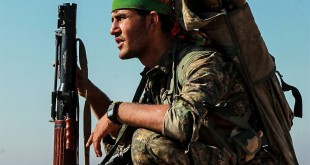
While the US military insists that the loss of Raqqah and Mosul will deal a “a decisive blow” to the Islamic State, the group still controls a significant amount of terrain in both Syria and Iraq.
-
Turkey is on a collision course with the Syrian regime and its backers
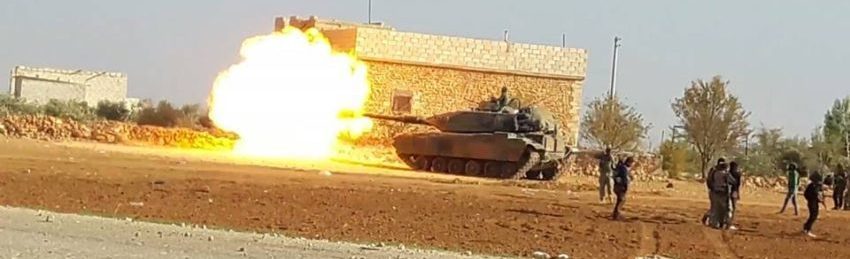
As each side converges on the Islamic State-held city of al-Bab, a military confrontation between Turkish-led rebels and pro-regime forces appear inescapable. In the meantime, tensions between Ankara and Moscow are rising yet again, risking pulling the United States and NATO further into the Syrian theater.
-
Two US-backed groups clash in northern Syria
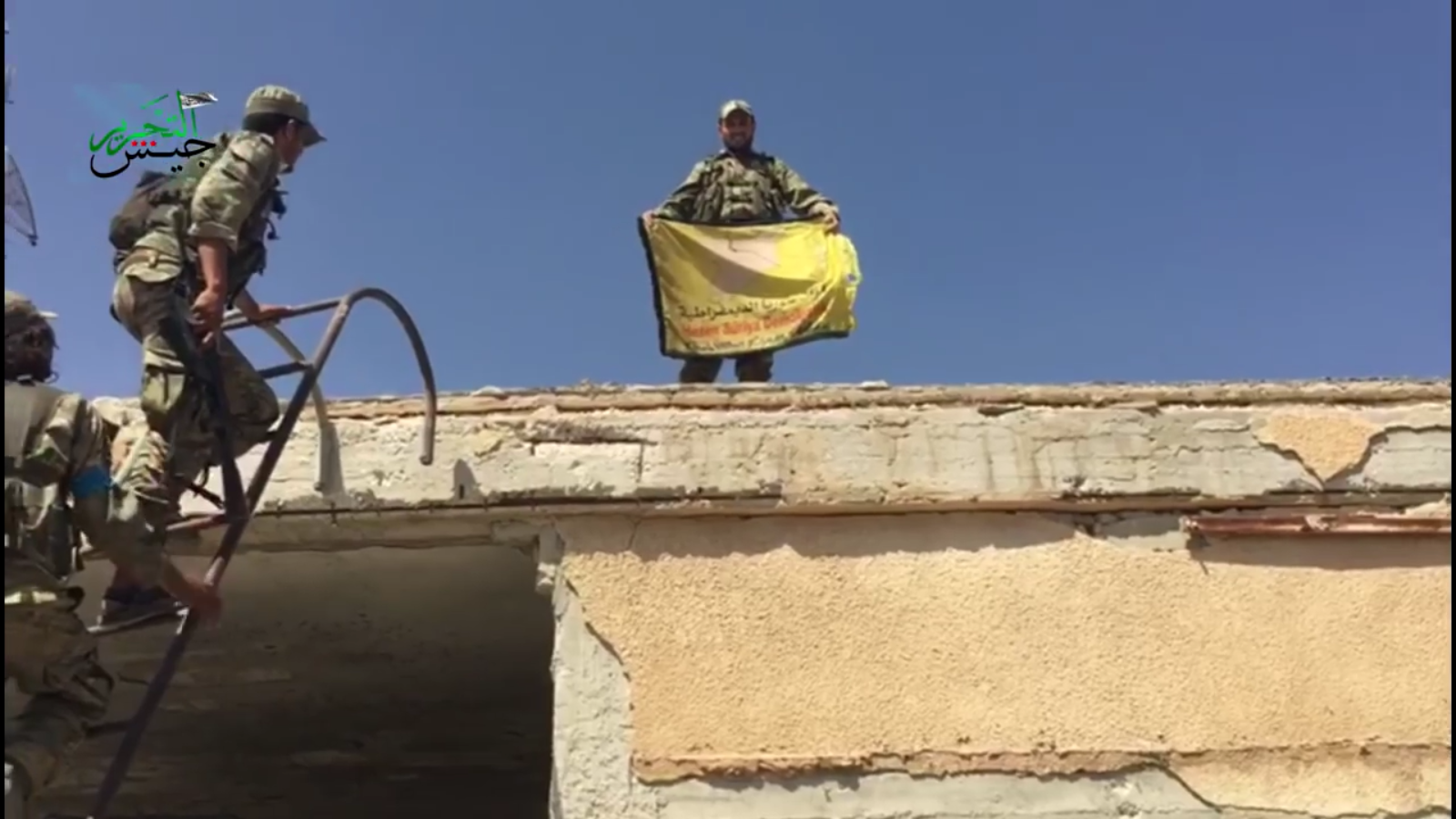
Jaysh al Tahrir, a group that has received several US TOW anti-tank missiles in the past, fought with the Kurdish-led Syrian Democratic Forces (SDF) in northern Aleppo. The SDF is the main anti-Islamic State fighting force for the United States and has received considerable support from the West.
-
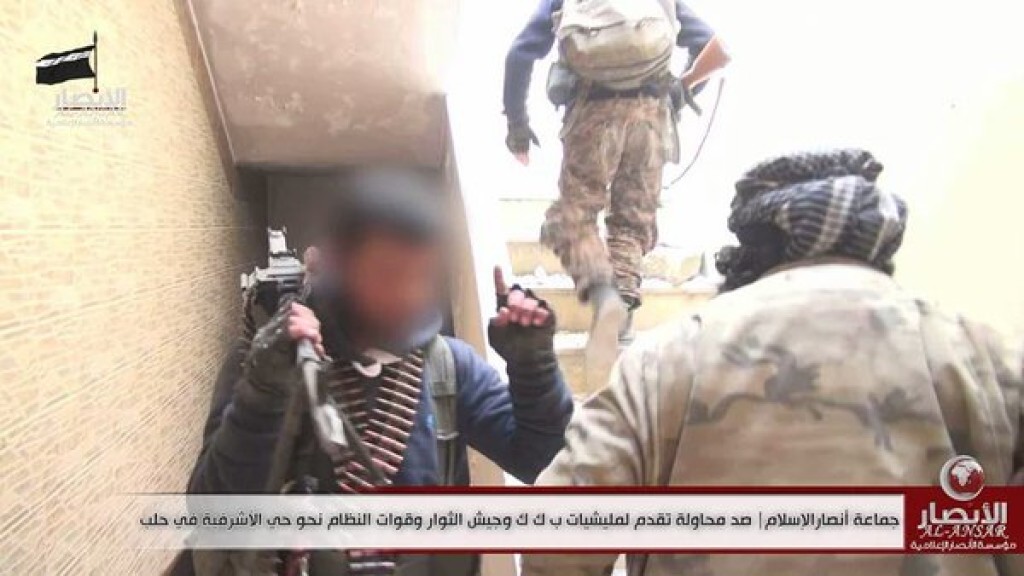
Ansar al Islam battles Kurds in Aleppo
Despite being forced largely underground in Iraq, Ansar al Islam continues to operate in Syria against regime and now Kurdish forces.