-
Hamas frees 20 hostages in wake of US-backed deal
Hamas freed the last 20 living Israeli hostages on October 13, handing them over to the Red Cross, which transported them to Israeli officials. Hamas is also supposed to hand over the bodies of 28 hostages held since its attack on Israel on October 7, 2023. Israel Defense Forces (IDF) Chief of Staff Eyal Zamir stated that the deal agreed to in Egypt on October 8 constitutes a victory for Israel. The IDF completed a withdrawal from several areas of Gaza as part of the agreement.

-
Profiles of notable terrorists Israel will release in ceasefire deal with Hamas
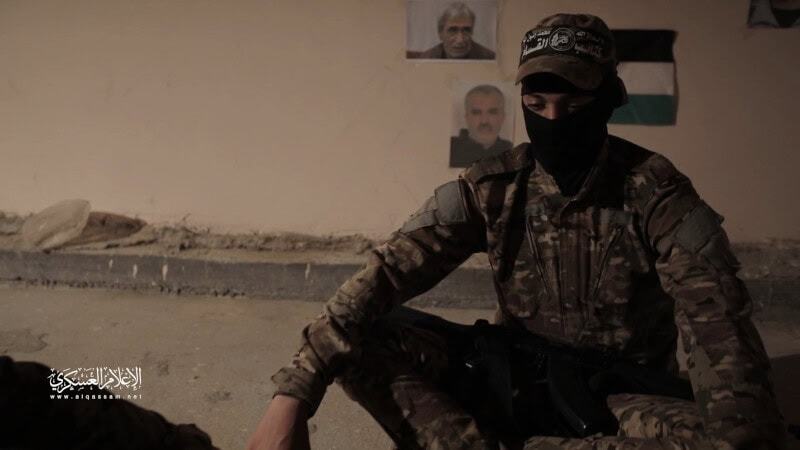
As a part of the first phase of the ceasefire deal between Israel and Hamas, Israel is set to release almost 2,000 Palestinian prisoners in exchange for hostages held by Hamas in the Gaza Strip. Among the prisoners to be released are members of Hamas, Palestinian Islamic Jihad, and other armed organizations. FDD’s Long War Journal has profiled 10 of these individuals who were imprisoned for high-profile attacks and crimes.
-
Israel, Hamas agree to Gaza deal in Egypt
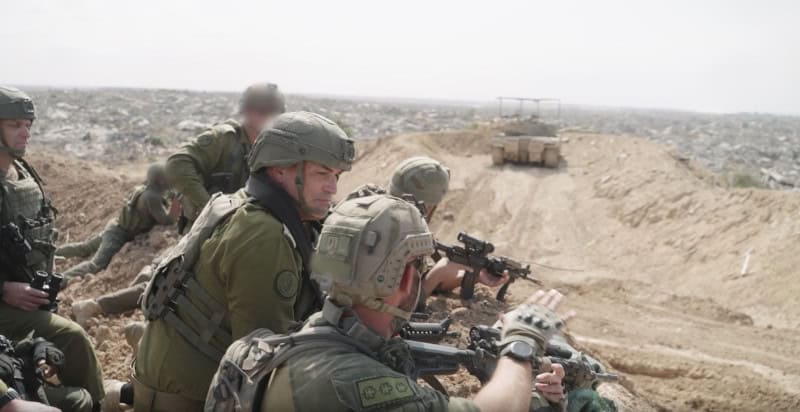
Israel and Hamas agreed to the first phase of a Gaza peace deal overnight between October 8 and 9. This initial phase is supposed to see the release of 48 Israeli hostages, around 20 of whom are believed to be alive, and a withdrawal by the IDF from some areas of Gaza. Israel’s cabinet convened to vote on the deal on October 9, with hostages set to return by October 14. The agreement followed talks in Egypt mediated by delegations from Egypt, Qatar, and Turkey, with US, Hamas, and Israeli delegations present. The Israeli military in Gaza prepared to redeploy…
-
Israel sends delegation to Egypt for ceasefire talks
An Israeli delegation traveled to Sharm el Sheikh on October 6 to begin talks aimed at ending the war in Gaza. US President Donald Trump announced on October 3 that Hamas had agreed to the 20-point Gaza peace plan he had announced on September 29. Israeli Prime Minister Benjamin Netanyahu has said pressure must continue on Hamas to get the group to release the 48 hostages held in Gaza. Hamas has indicated that the talks in Egypt may take several days, and Trump has urged all parties to “move fast” to finalize the deal.
-
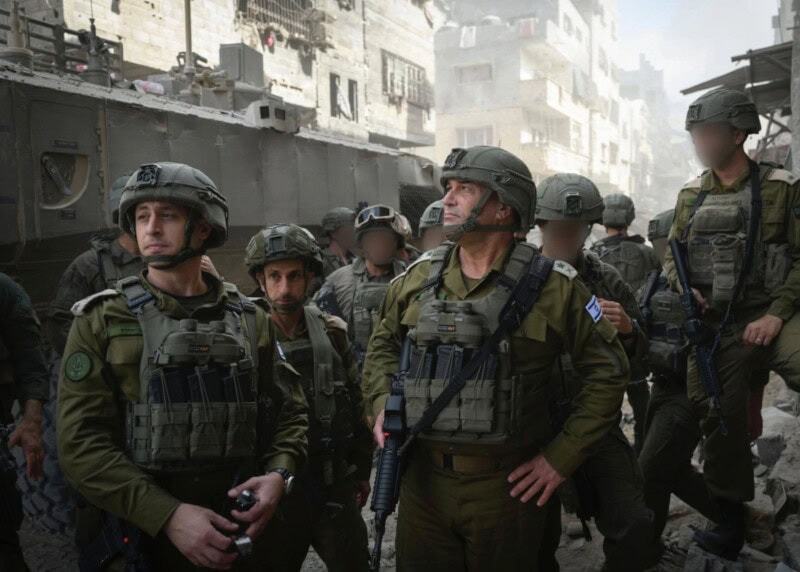
IDF moves to cut off Gaza City from central Gaza
The Israel Defense Forces (IDF) extended operations and control in and around Gaza City between September 28 and October 2. Israeli troops moved west along the Netzarim Corridor, cutting off the city from Central Gaza. Israel’s minister of defense said that the IDF is tightening its siege around Gaza City and told remaining residents that it was their “last chance” to move south via IDF checkpoints along the coast. Five rockets were launched at Israel in the evening of October 1.
-
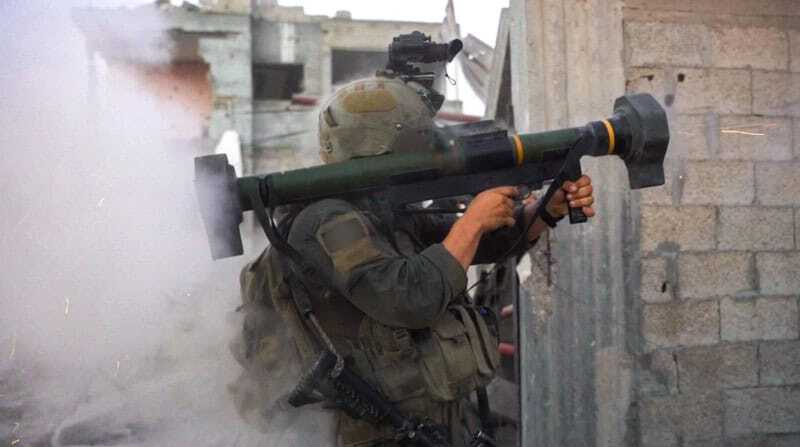
US, Israel await Hamas answer after peace deal push
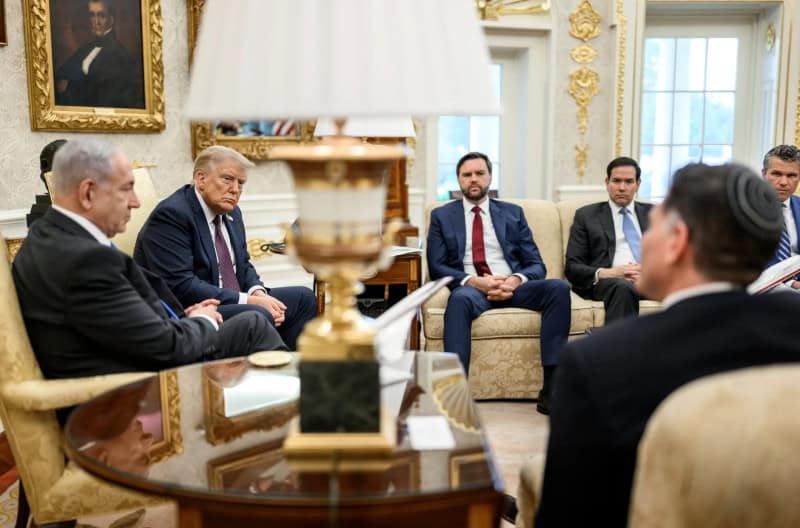
US President Donald Trump announced a peace plan for Gaza as he hosted Israeli Prime Minister Benjamin Netanyahu at the White House on September 29. During a joint press conference, Trump said that the proposal has the backing of numerous Arab and Muslim countries. Netanyahu accepted the proposal after several last-minute changes, according to reports. It is now up to Hamas to accept or reject the deal. The initiative envisions disarming Hamas and replacing it with a new government that will be backed by a “Board of Peace.”
-
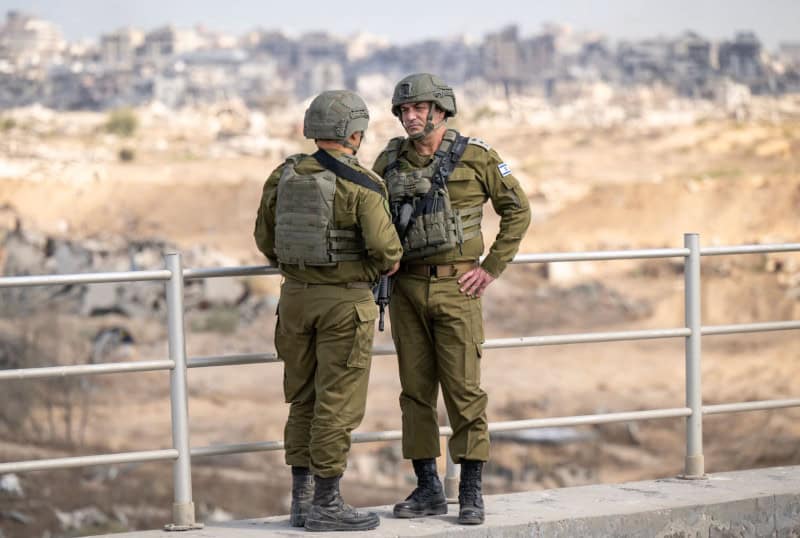
More than 600,000 Gazans have evacuated Gaza City amid growing IDF offensive
The Israel Defense Forces (IDF) estimated on September 23 that around 640,000 people had evacuated Gaza City as Israel’s offensive into the urban area expanded. On September 24, IDF Chief of Staff Eyal Zamir called on residents of Gaza to “rise up and break away from Hamas — it is responsible for your suffering.” An IDF soldier was killed in fighting in northern Gaza on September 23, and another was wounded on September 24. Hamas also targeted Ashdod and southern Israel with two rockets.
-
New anti-Hamas militia emerges in Gaza
The Counterterrorism Strike Force has emerged as the latest anti-Hamas militia in the Gaza Strip. While the group has not disclosed its origins, reports suggest it is managed by the Israel Defense Forces and Israel Security Agency. The nascent organization may also be affiliated with the Popular Forces militia led by Yasir Abu Shabab.

-
Israel expands push into Gaza City center with 3 IDF divisions
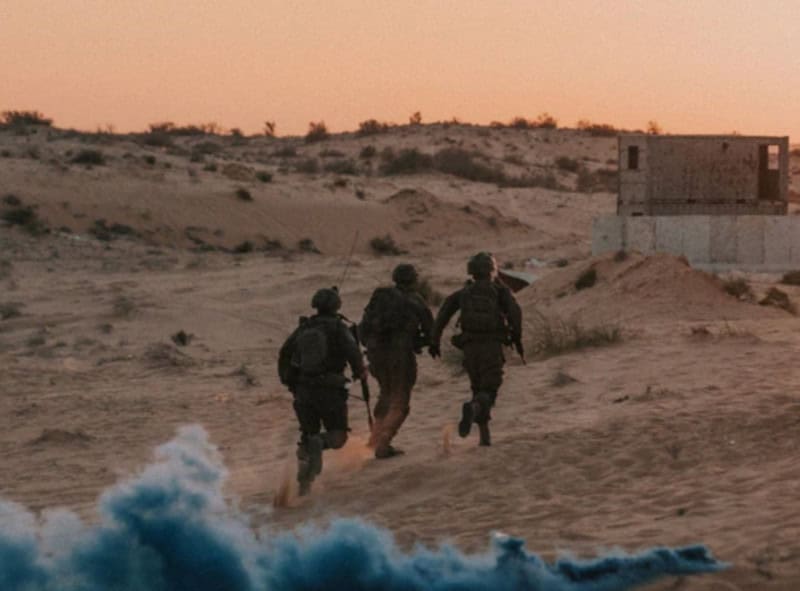
Israel expanded operations in Gaza City on September 16, with three Israel Defense Forces (IDF) divisions now operating against Hamas. While visiting Israel on September 15, US Secretary of State Marco Rubio said that “the US prefers the war end quickly via a negotiated settlement.” Four Israeli soldiers were killed in southern Gaza, the IDF announced on September 18.
-
IDF completes preparations for next phase of Gaza City offensive
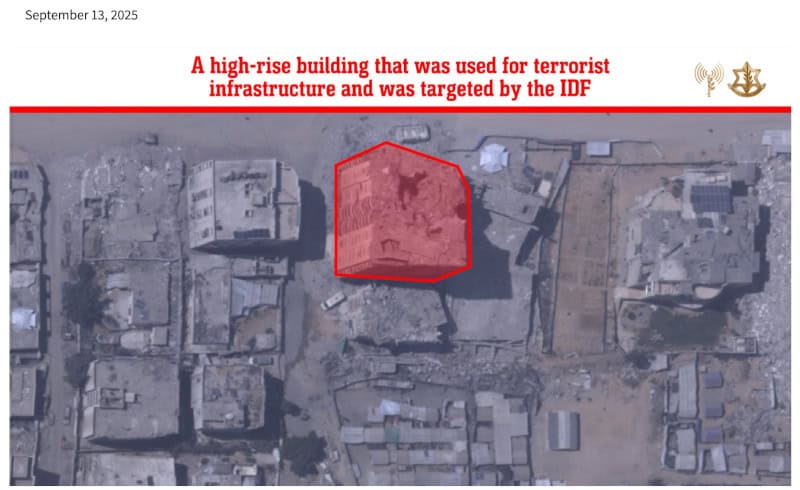
The Israel Defense Forces (IDF) continued operations targeting high-rises in Gaza City during the week of September 7–14, saying Hamas has used these buildings for various terrorist purposes. The IDF has also completed preparations for an expanded ground offensive into Gaza City. An estimated 300,000 people have evacuated Gaza City after the IDF called on civilians to move south. Four soldiers were killed in fighting in northern Gaza.
-
Israel targets Hamas leaders in Qatar
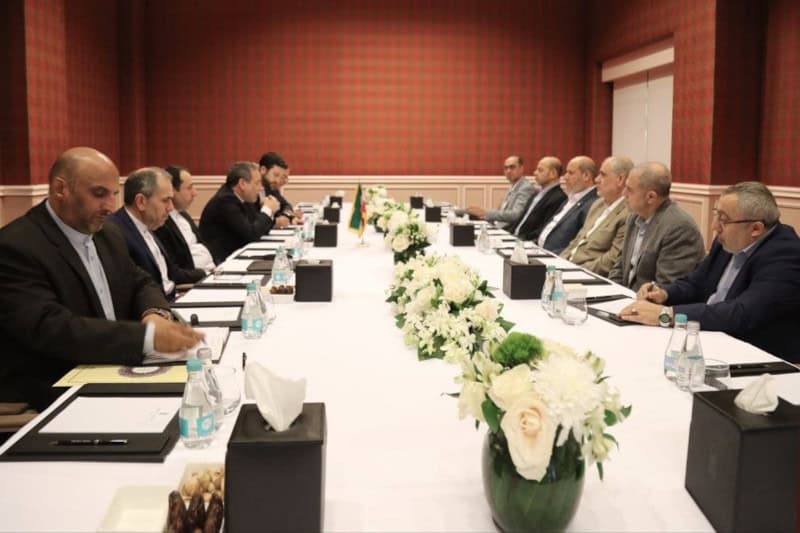
Israel attacked a gathering of senior Hamas members in Doha, Qatar, on Tuesday afternoon. Israel has said it is awaiting confirmation if the operation was successful, while Hamas has denied that its leaders were killed in the attack. However, Hamas acknowledged that five members of its delegation died in the strike, including the son of senior member Khalil al Hayya.
-
IDF targets high-rise buildings as Gaza City offensive ramps up
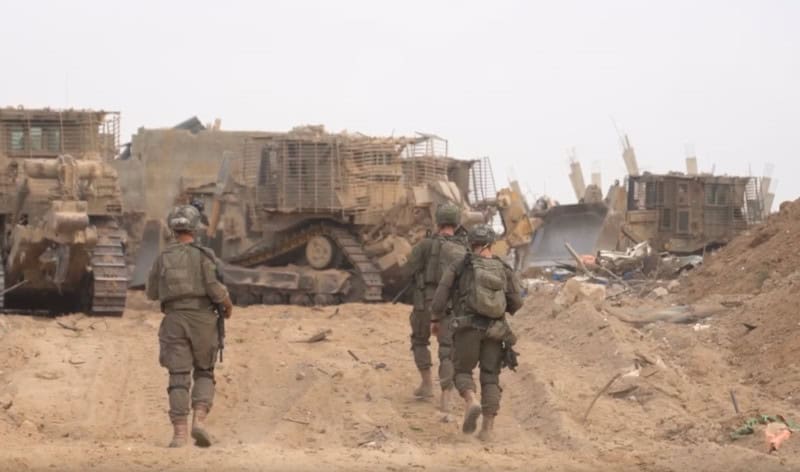
The Israel Defense Forces (IDF) struck a high-rise building in Gaza on September 8. It is the fourth hit since September 5, when the IDF began a new campaign of airstrikes against tall buildings in Gaza City. Israeli Defense Minister Israel Katz warned that a “hurricane” was coming for Hamas in Gaza as the IDF expands its offensive.
-
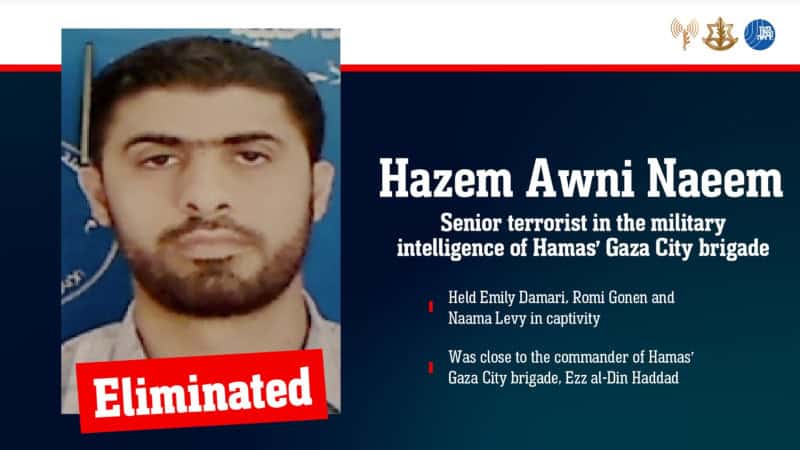
Slain nephew of senior Hamas official was involved in kidnapping Israelis on October 7
The Israel Defense Forces (IDF) eliminated Hamas member Hazem Naim, who it said held several Israelis hostage during the war. An FDD’s The Long War Journal analysis found that Hazem Naim was the nephew of senior Hamas official Basem Naim. It is the first publicly known example of a senior Hamas member’s family involved in holding Israelis captive during the war.
-
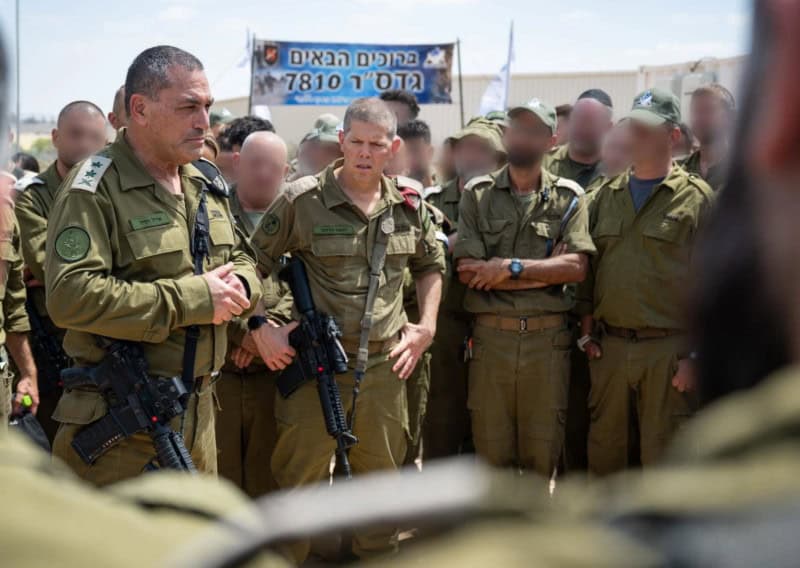
Israel prepares for wider Gaza City battle with reservist call-up
Israel Defense Forces (IDF) Chief of the General Staff Eyal Zamir spoke to Israeli reservists on September 2, 60,000 of whom have been called up to support the Gaza City offensive. Zamir’s comments come amid reports of tensions between the IDF chief and Israel’s security cabinet. The IDF recovered the bodies of two hostages from Gaza, the Israeli military said on August 31. Humanitarian aid from the UN and international organizations continues to flow into the territory via trucks, and the US-backed GHF distributed 1.5 million meals on September 2.
-
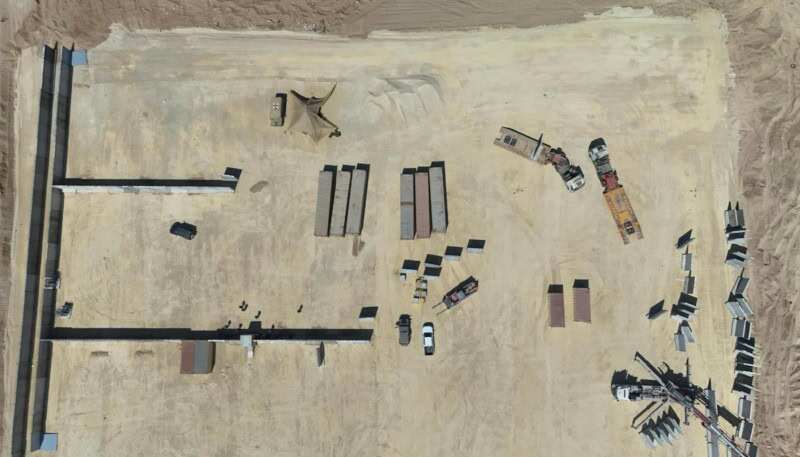
Israel builds new aid centers in Gaza while troops target Hamas
The Israeli military said on August 28 that it is building two new humanitarian aid sites in Gaza. The US-backed Gaza Humanitarian Foundation said that it has distributed 140 million meals since May 2025. In southern and northern Gaza, Israeli troops carried out raids in Jabaliya and areas of Khan Younis.
-
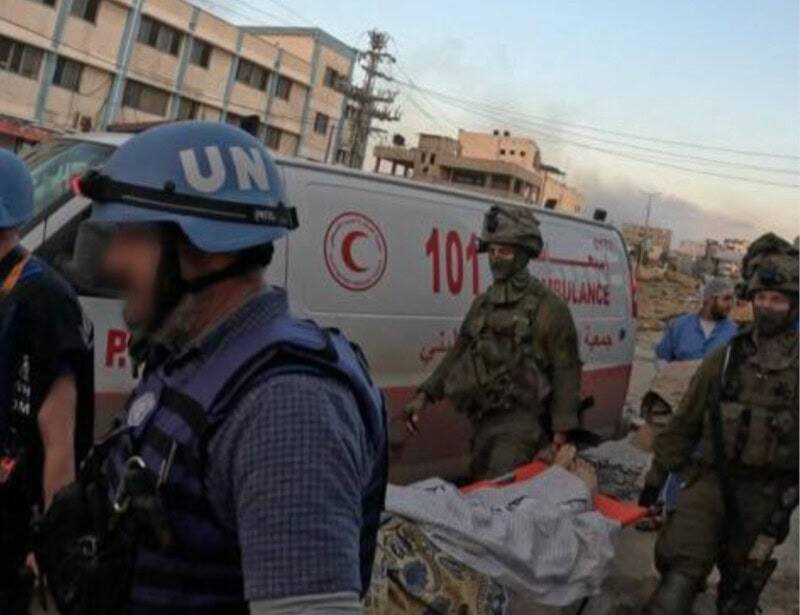
IDF conducts inquiry into strikes near Gaza’s Nasser Hospital
Israel’s military vowed to complete an inquiry into strikes near the Nasser Hospital in Gaza that killed a number of people, including civilians, on August 25. Israeli Prime Minister Benjamin Netanyahu said that the country “deeply regrets the tragic mishap that occurred today at the Nasser Hospital in Gaza.” The IDF published findings of an initial inquiry on August 26 that said troops had targeted a camera being used by terrorists.
-
Turkey implements barriers to prevent shipping to and from Israel
Turkey has imposed an informal maritime ban targeting Israel, prohibiting Israel-linked ships from docking in Turkish ports and barring Turkish-flagged vessels from sailing to Israel, which Turkish President Recep Tayyip Erdogan described as “a new sanction” over the Gaza war. The measures follow earlier trade suspensions worth $7 billion and restrictions on exports after Israel rejected Ankara’s request to deliver aid by air. The policy has already blocked Israeli-owned vessels and, according to Israeli officials, breaches existing trade agreements, though Israel has yet to issue a formal response.

-
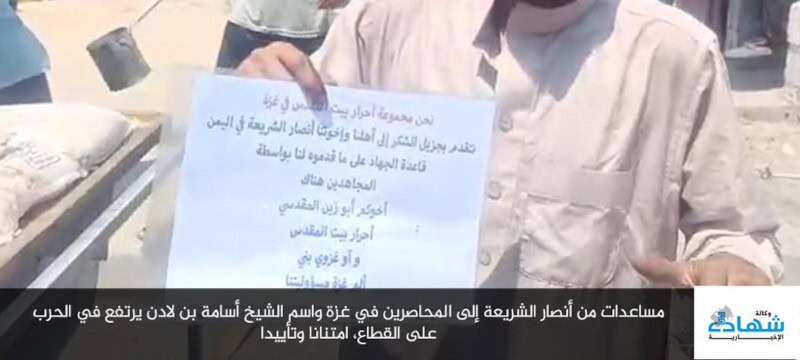
Al Qaeda in the Arabian Peninsula donates aid to Gaza residents
Al Qaeda in the Arabian Peninsula (AQAP) donated aid to Palestinians in Gaza who have been affected by the war. A spokesperson for Ahrar Beit al Maqdis thanked AQAP for the donations and praised former Al Qaeda emir Osama Bin Laden.
-
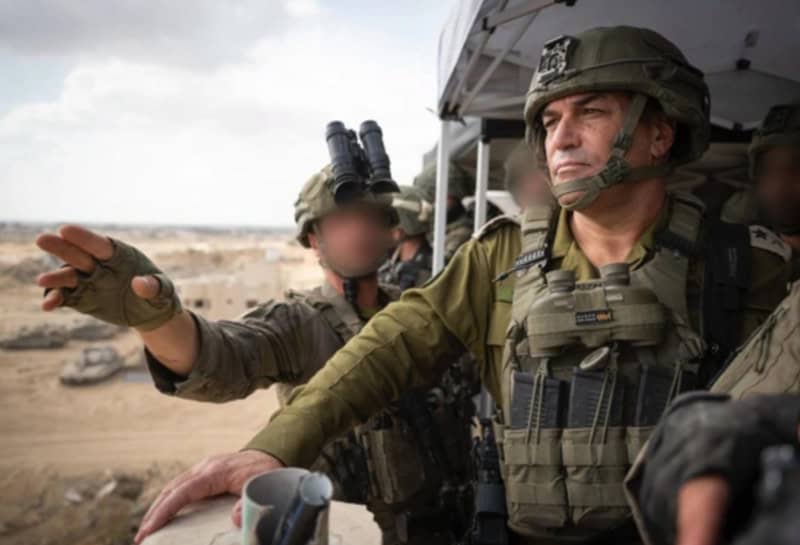
Israeli military begins new offensive targeting Gaza City
The Israel Defense Forces (IDF) began a new operation to take control of Gaza City on August 19. The operation has been dubbed Gideon’s Chariots II and builds on the achievements of Gideon’s Chariots, launched in May. The IDF now controls approximately 75 percent of Gaza. To take Gaza City, the IDF has called up 60,000 reservists.
-
IDF targets terrorists disguised as aid workers
The Israeli military said it targeted and killed terrorists disguised as World Central Kitchen (WCK) staff in the Gaza Strip. The WCK denounced the individuals who posed as aid workers, saying it put humanitarians at risk. The incident adds to a longstanding trend of Palestinian terrorists infiltrating and exploiting charity groups.

-
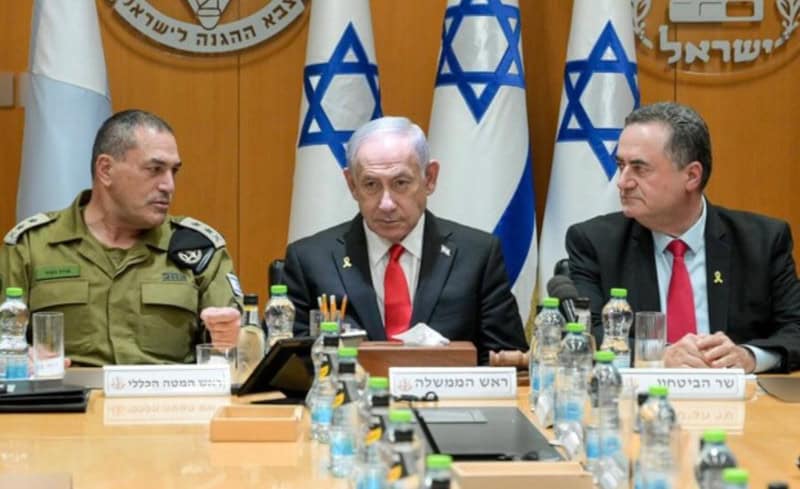
Israeli security cabinet approves plan to capture and control Gaza City
Twenty-two months after Hamas invaded southern Israel and started the war, Israel’s security cabinet voted in favor of occupying Gaza City. The decision came after the conclusion of Operation Gideon’s Chariots, where Israel was unable to disarm Hamas and rescue the remaining hostages held in captivity by terrorist groups in the territory. In protest of the cabinet’s decision, the German government announced that it would halt arms for Israel that could be used in Gaza.
-
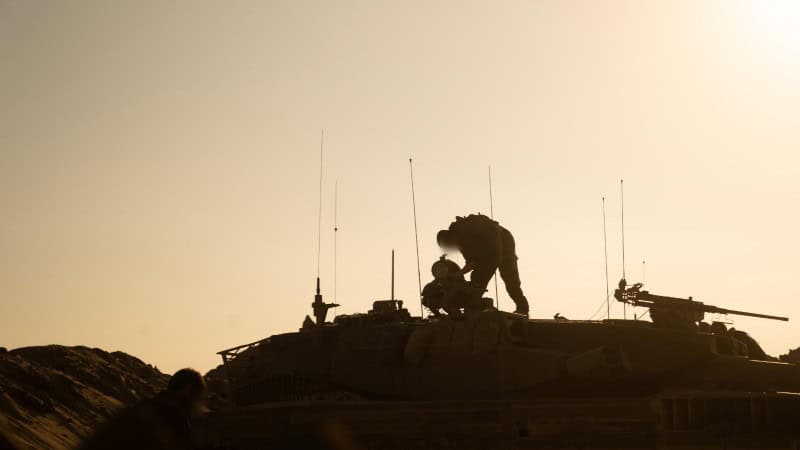
Israel’s security cabinet to convene on expanding military campaign against Hamas
Israel is set to decide on occupying the Gaza Strip following the collapse of ceasefire talks with Hamas in Doha, according to reports. The decision is expected to be discussed and potentially approved in a security cabinet meeting on August 7. Hamas has warned against the move, saying it will endanger the lives of the hostages that it and other terrorist groups have held for almost two years.
-
IDF clears Beit Hanoun, completes several operations in northern Gaza
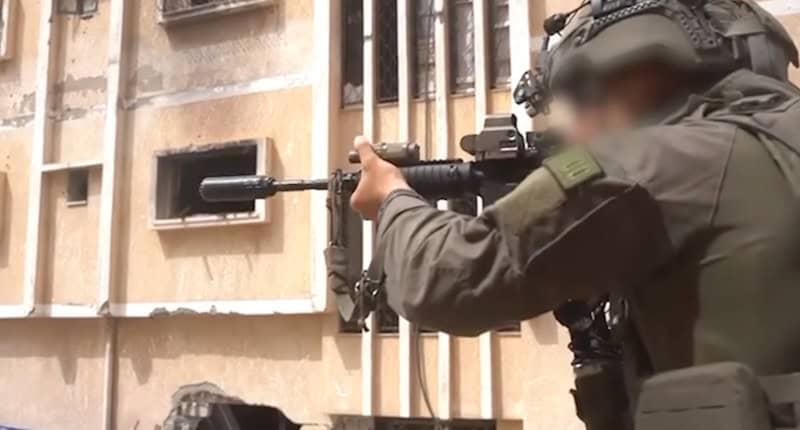
The Israel Defense Forces (IDF) completed several local operations in northern Gaza aimed at defeating terrorist threats in Shejaiya, Zeitoun, and other areas. The IDF’s 99th and 162nd Divisions operated in Beit Hanoun for three weeks, and the Israeli military estimates it will take another week to completely clear the town of terrorists. The IDF’s 98th Division also completed missions in Shejaiya. The latest operations in northern Gaza ended as humanitarian aid increased to the territory.
-
Israel enables increased humanitarian aid for Gaza
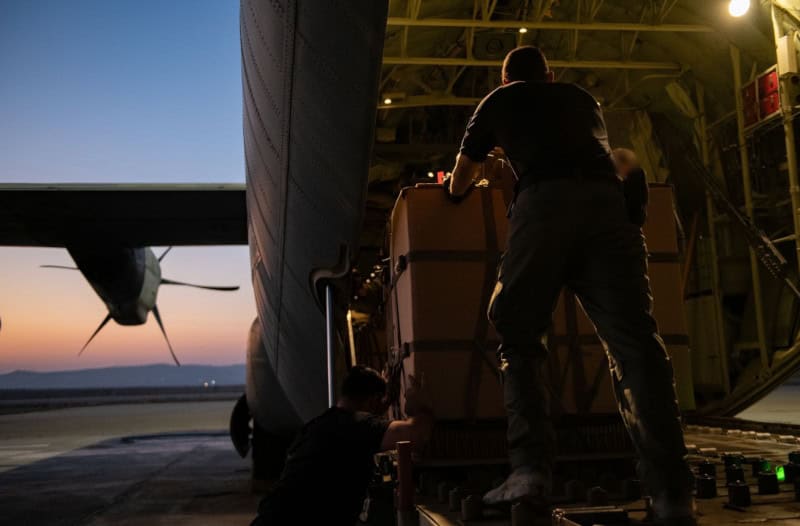
The Israel Defense Forces (IDF) began to facilitate increased humanitarian aid to Gaza on July 26, the IDF said, including completing new air drops of assistance, opening new humanitarian corridors, and pausing fighting in areas of the territory during the day. The policy change came as ceasefire talks broke down in Qatar and international pressure increased on Israel to enable more aid for Gaza.
-
IDF gears up for expanded operation in Gaza’s Deir al Balah
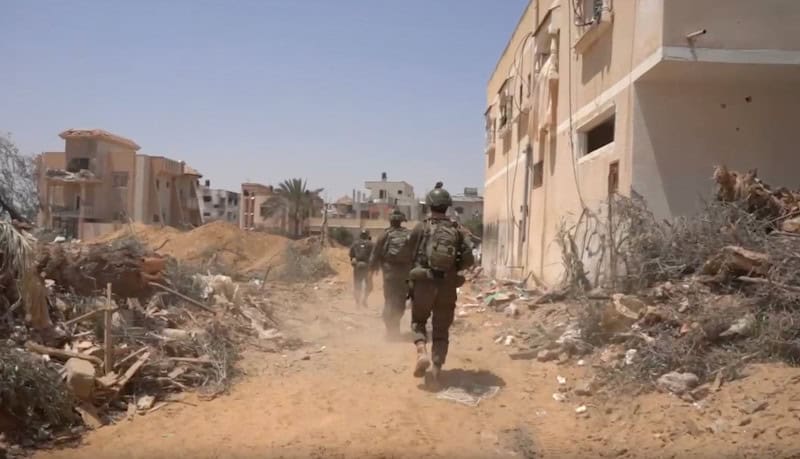
The Israel Defense Forces (IDF) expanded operations into part of the Gaza town of Deir al Balah, according to reports on July 21. In other sectors of the territory, the Israeli military continued to conduct precision strikes and expand areas it controls. The IDF now controls 75 percent of Gaza, according to IDF Chief of Staff Eyal Zamir. An errant Israeli shell struck the Holy Family Catholic Church in Gaza City on July 17.
-
Hamas-affiliated ‘agitators’ foment violence at aid site, 20 Palestinians dead: GHF
The Gaza Humanitarian Foundation (GHF) said that Hamas affiliates are behind a deadly crowd crush at an aid distribution site in Khan Younis on July 16. Twenty Palestinians died in the incident, including one person who was stabbed to death. In a related incident at the site, an American medic belonging to the GHF was wounded by a Hamas affiliate.

-
Terrorists attempt to abduct IDF soldier in Gaza
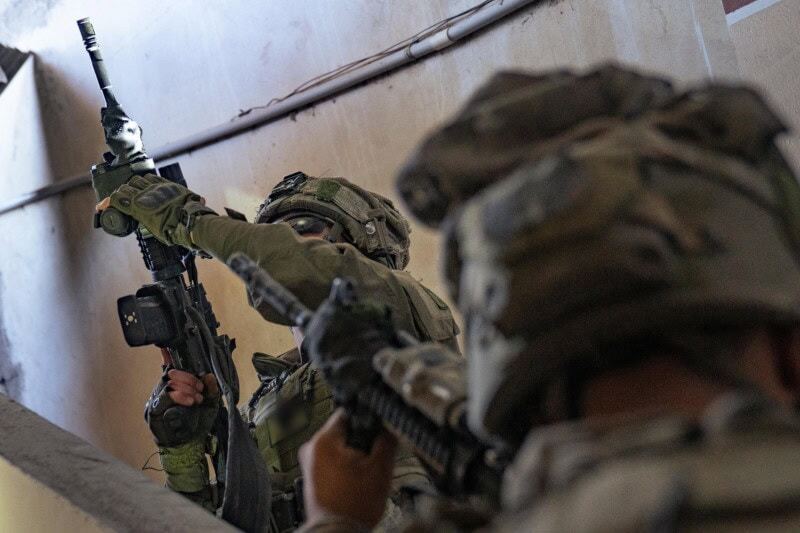
For the first time in the war, the Israeli military acknowledged that Hamas attempted to abduct an Israeli soldier. The incident follows Hamas speculating that “additional prisoners will fall into our hands” in a statement two days before the attack.
-
2 Americans wounded in attack on Gaza aid site
Two terrorists attacked a Gaza Humanitarian Foundation (GHF) aid site in Khan Younis on July 5, wounding two American veterans who work for the non-profit. The attack follows threats by Hamas and its affiliates against the GHF due to its links to Israel and the United States.

-
Hamas gives opposition militia leader 10 days to surrender
Hamas’s Revolutionary Court issued an order for the leader of the Popular Forces militia, Yasser Abu Shabab, to turn himself in. Shabab leads a Gaza militia that opposes Hamas’s rule and has received support from Israel.

-
Israeli military focuses on next steps in Gaza campaign, reorganizes aid access
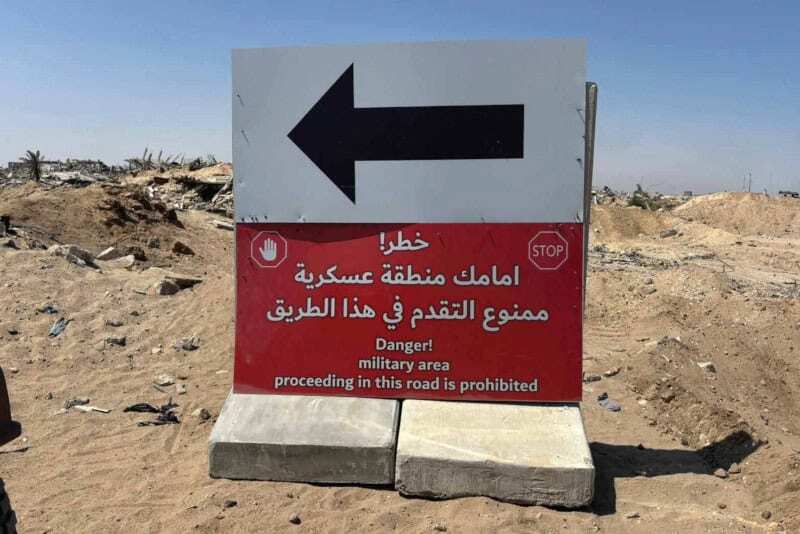
The Israel Defense Forces (IDF) is working to revise civilian access routes to humanitarian aid sites in Gaza, where the US-backed Gaza Humanitarian Foundation has distributed more than 51 million meals since it began operations on May 26. The four aid distribution sites in Gaza have faced challenges amid reports of clashes between the IDF and Gazans and other incidents. The IDF is now “installing directional and warning signs, opening additional access routes, establishing barriers and checkpoints to regulate vehicle movement.” The changes come amid reports of efforts to begin a new round of possible ceasefire talks and limited IDF…