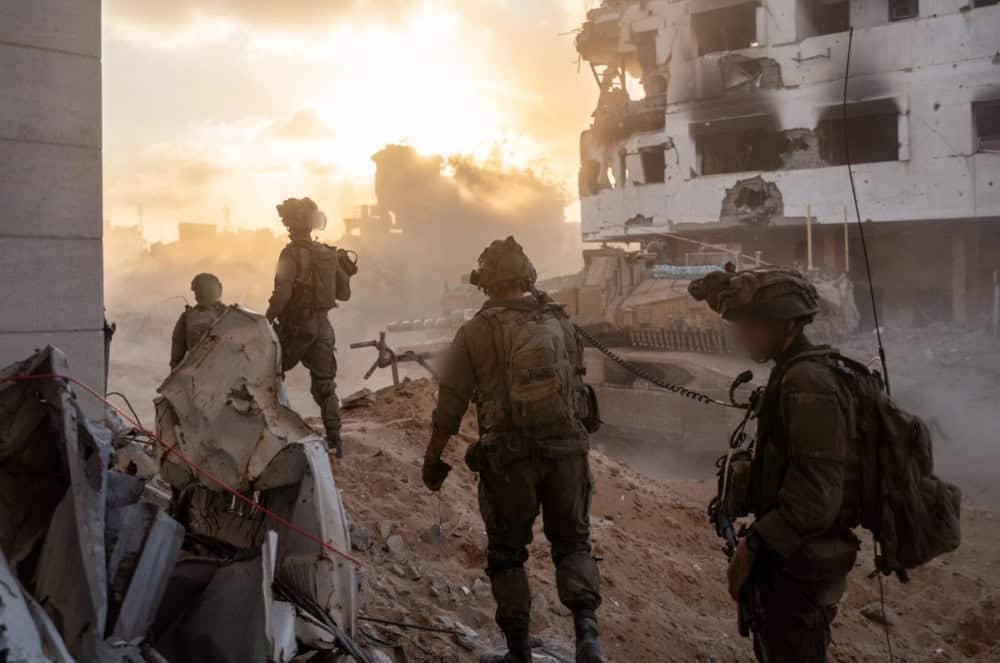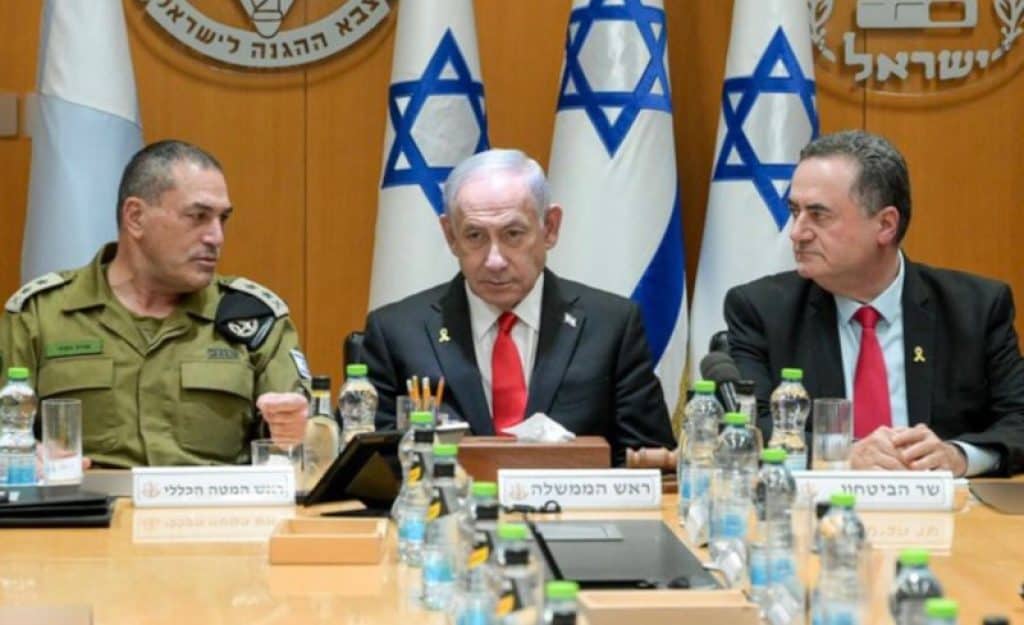
Israel’s key decision-making security cabinet approved a controversial plan on August 8 to occupy Gaza City militarily. The decision balks at both international and domestic pressure for Israel to accept a ceasefire deal that would keep Hamas in power in exchange for the return of all the hostages, an end to the war, and the rehabilitation of the Gaza Strip.
In addition to approving the operation to control Gaza City militarily, the cabinet also approved a plan outlining five principles to end the war against Hamas in Gaza: Disarming Hamas, returning all the hostages, demilitarizing the Gaza Strip, establishing Israeli security control over the territory, and the existence of an alternative civilian government that is neither Hamas nor the Palestinian Authority.
Israel Defense Forces (IDF) Chief of Staff Eyal Zamir, who reportedly opposed the operation, noted that the plan would place the lives of the hostages in danger and the military was suffering from attrition due to a multi-front war that had lasted almost two years.
The head of Israel’s National Security Council, Tzachi Hanegbi, also opposed the move, agreeing with Zamir that the operation posed an additional risk to the lives of the remaining hostages, Israel’s News Channel 12 reported. The report also noted that David Barnea, director of the Mossad, expressed reservations about occupying Gaza City.
Hamas responded to the announcement with derision, predicting that the move would ultimately fail. The Islamist group also reiterated previous accusations of American complicity in the war.
“We warn the criminal occupation that this criminal adventure will cost it dearly. It will not be a walk in the park. Our people and their resistance are resilient to defeat or surrender, and Netanyahu’s plans, ambitions, and delusions will fail miserably. We hold the US administration fully responsible for the occupation’s crimes, due to its political cover and direct military support for its aggression,” Hamas stated.
The security cabinet’s decision has strained relations with Germany, a key European ally. The German government announced a partial embargo on weapons exported to Israel. German Chancellor Friedrich Merz explained that Israel’s decision to carry out stronger military measures “makes it increasingly difficult for the German government to see how these goals will be achieved.” Merz added that the German government would not authorize arms exports that could be used in Gaza until further notice.
The Israeli government and the IDF did not offer details about when the campaign to occupy Gaza City would begin. However, CNN reported that the “deadline for the first phase of the operation, which includes the evacuation of Gaza City and an expansion of aid distribution, is October 7,” which coincides with the second anniversary of the Hamas-led massacre in southern Israel that began the war.