-
Israel says longtime Hamas spokesperson killed in Gaza City
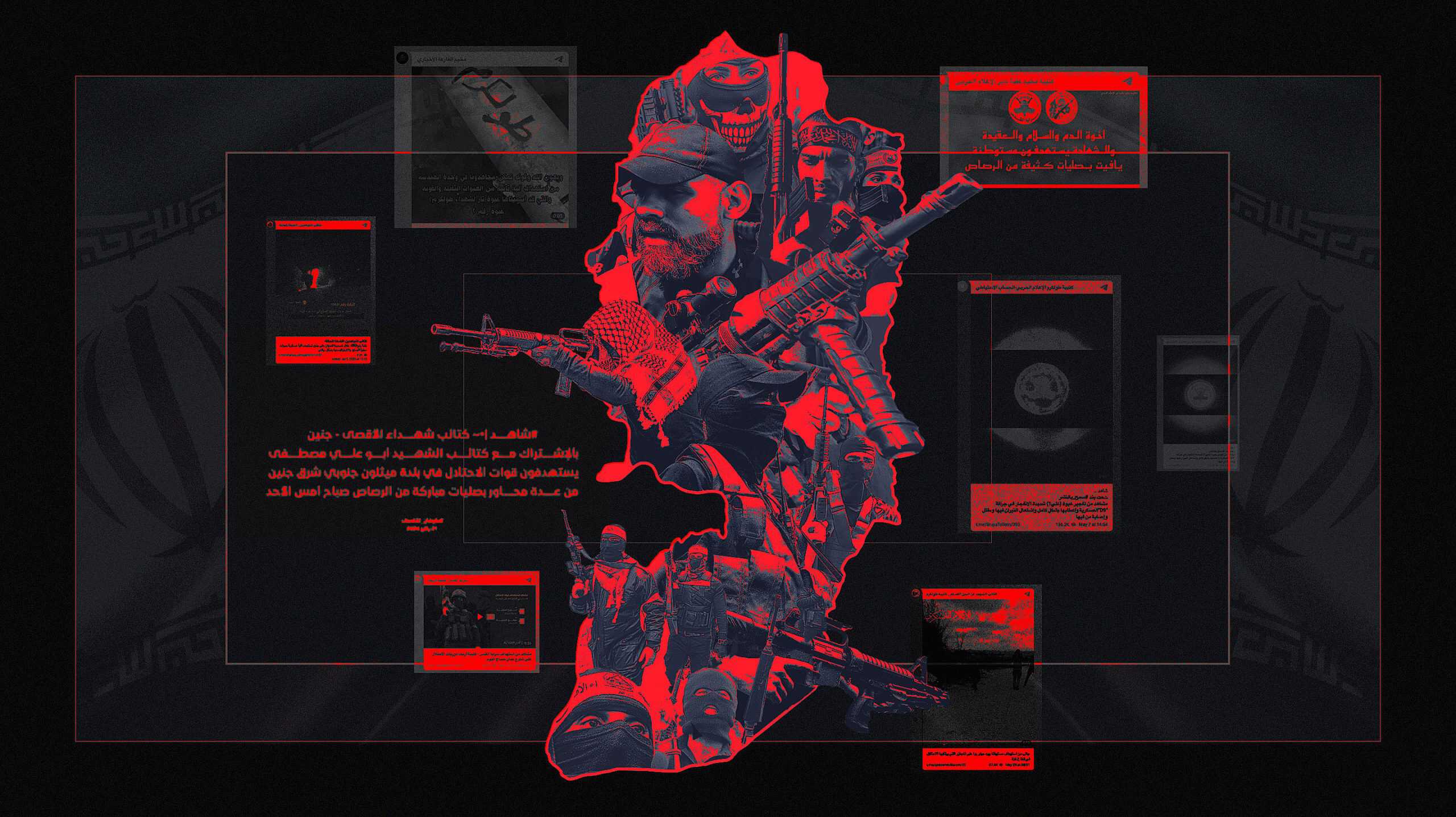
Israeli Defense Minister Israel Katz announced that Abu Obeida, Hamas’s spokesperson, was killed in Gaza on Saturday. Abu Obeida was one of Hamas’s few senior members left from before its launch of the October 7 surprise attack on Israel, and he played a central role in the Islamist group’s propaganda apparatus.

-
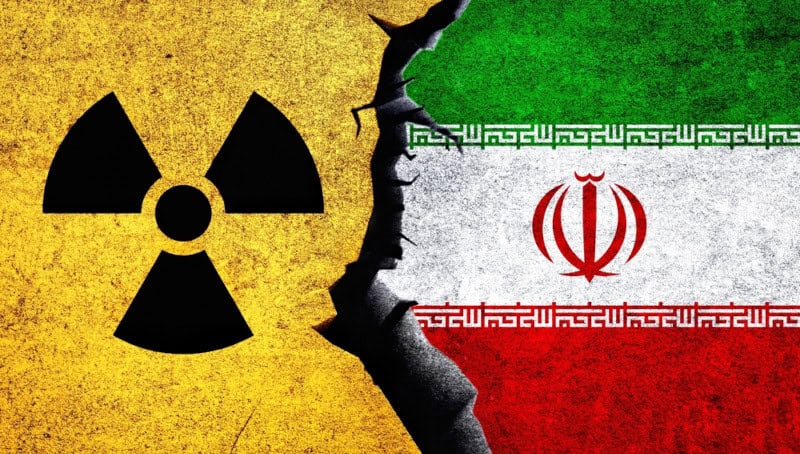
Tehran threatens snapback retaliation, raises fears of war with Israel
Reacting to Europe’s decision to initiate snapback, the reimposition of pre-2015 UN sanctions, officials and state media in the Islamic Republic issued vague threats of retaliation. While some voices have acknowledged that snapback could pave the way for war, others are downplaying its impact in an effort to prevent public panic and preserve regime morale, a contrast that suggests Tehran is bracing for the possibility of escalation.
-
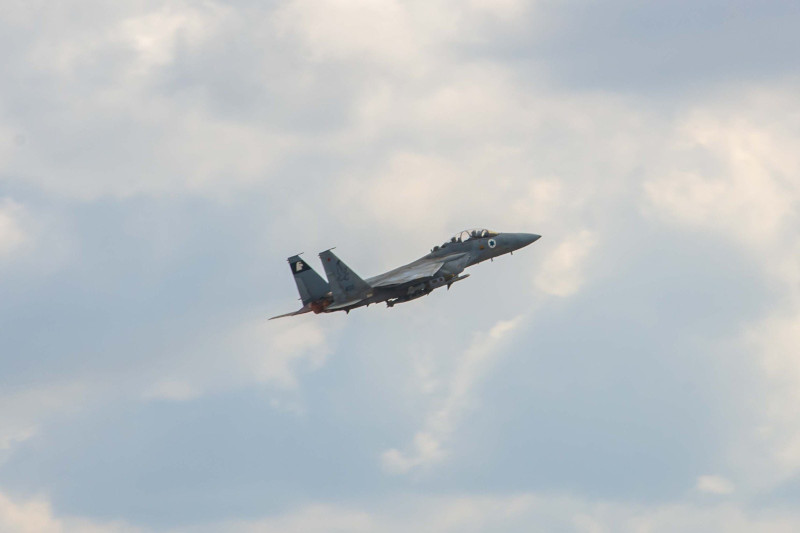
Israel strikes Sanaa amid continuing Houthi missile launches against Israel
Israel launched attacks against the Houthis’ military and economic infrastructure and attempted assassinations of the group’s key leaders this week. Some sources in Yemen claim that Houthi Prime Minister Ahmed al Rahawi was killed, but this information is unconfirmed.
-
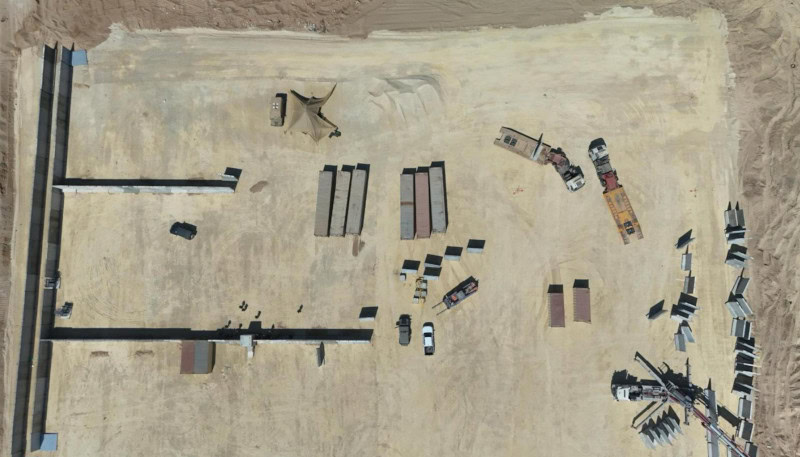
Israel builds new aid centers in Gaza while troops target Hamas
The Israeli military said on August 28 that it is building two new humanitarian aid sites in Gaza. The US-backed Gaza Humanitarian Foundation said that it has distributed 140 million meals since May 2025. In southern and northern Gaza, Israeli troops carried out raids in Jabaliya and areas of Khan Younis.
-
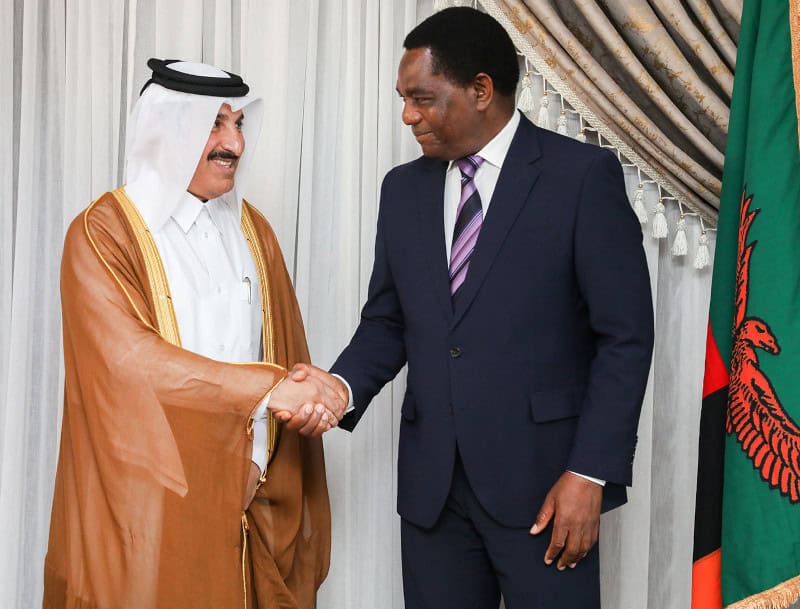
Qatar’s growing footprint in Africa
Qatar pledged over $250 billion in investments across Africa this summer as it continues to mediate between the Democratic Republic of Congo and the Rwanda-backed M23 rebel group.
-
IDF conducts inquiry into strikes near Gaza’s Nasser Hospital
Israel’s military vowed to complete an inquiry into strikes near the Nasser Hospital in Gaza that killed a number of people, including civilians, on August 25. Israeli Prime Minister Benjamin Netanyahu said that the country “deeply regrets the tragic mishap that occurred today at the Nasser Hospital in Gaza.” The IDF published findings of an initial inquiry on August 26 that said troops had targeted a camera being used by terrorists.

-
Israeli operations in Lebanon against Hezbollah: August 18–24, 2025
Israel continued operations in Lebanon between August 18 and August 24, 2025. These activities included targeted assassinations of Hezbollah operatives involved in the group’s regeneration efforts and strikes on Hezbollah assets.
-
IDF raids West Bank financial institution over links to terrorism
The Israel Defense Forces (IDF) and other security personnel conducted an operation in the West Bank city of Ramallah to seize funds destined for Hamas. The effort was linked to a broader military campaign that began earlier this year, targeting Hamas, Palestinian Islamic Jihad, and other terrorist organizations.

-
Turkey implements barriers to prevent shipping to and from Israel
Turkey has imposed an informal maritime ban targeting Israel, prohibiting Israel-linked ships from docking in Turkish ports and barring Turkish-flagged vessels from sailing to Israel, which Turkish President Recep Tayyip Erdogan described as “a new sanction” over the Gaza war. The measures follow earlier trade suspensions worth $7 billion and restrictions on exports after Israel rejected Ankara’s request to deliver aid by air. The policy has already blocked Israeli-owned vessels and, according to Israeli officials, breaches existing trade agreements, though Israel has yet to issue a formal response.

-
Sudanese military chief restructures command, engages US envoy
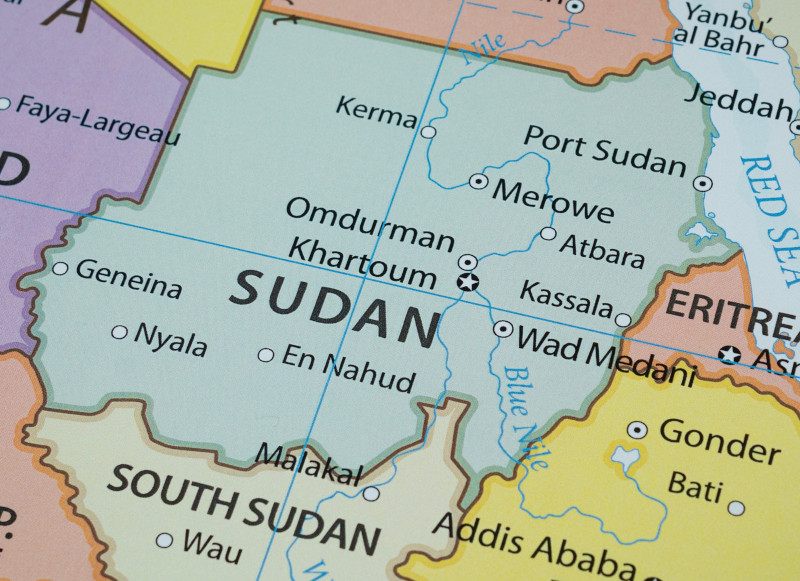
Sudanese Armed Forces (SAF) leader General Abdel Fattah al Burhan has announced a major reorganization of senior officers as he seeks to consolidate control over the military. The move follows the Rapid Support Forces’ (RSF) latest attempts to establish a rival government in July and is accompanied by Burhan’s recent engagement with the US regarding a ceasefire and humanitarian aid.
-
US-led raid kills senior Islamic State ‘official’ in Syria
US forces carried out a raid in northern Syria on August 19 that killed “a senior [Islamic State] member and key financier who planned attacks in Syria and Iraq,” CENTCOM stated. It is the latest raid on the Islamic State in Syria since a July 25 operation near Aleppo killed one of the group’s commanders.

-
US forces begin withdrawal from Ain al Asad airbase as US presence in Iraq transitions
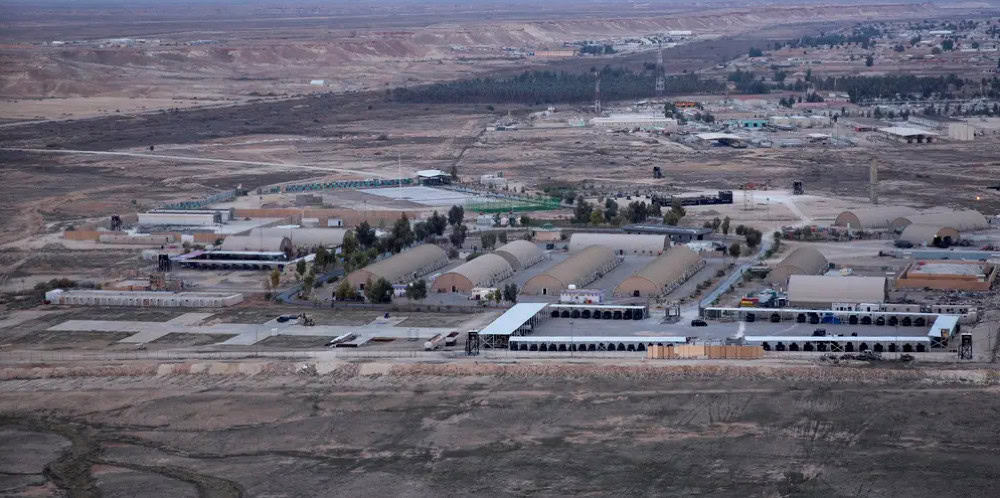
Iraqi and American officials announced that the US-led counter-Islamic State operation in Iraq began its transition to a bilateral security agreement. US forces have begun moving from Iraqi bases as part of the first phase of the shift, which will end “the coalition’s military mission” in the country.
-
Al Qaeda in the Arabian Peninsula donates aid to Gaza residents
Al Qaeda in the Arabian Peninsula (AQAP) donated aid to Palestinians in Gaza who have been affected by the war. A spokesperson for Ahrar Beit al Maqdis thanked AQAP for the donations and praised former Al Qaeda emir Osama Bin Laden.

-
Israeli operations in Lebanon against Hezbollah: August 4–17, 2025
Israel continued operations in Lebanon between August 4 and August 17, 2025. These activities included targeted assassinations of Hezbollah operatives involved in the group’s regeneration efforts, strikes on the group’s assets, and targeted killings of PFLP operatives.
-
Israeli military begins new offensive targeting Gaza City
The Israel Defense Forces (IDF) began a new operation to take control of Gaza City on August 19. The operation has been dubbed Gideon’s Chariots II and builds on the achievements of Gideon’s Chariots, launched in May. The IDF now controls approximately 75 percent of Gaza. To take Gaza City, the IDF has called up 60,000 reservists.

-
Analysis: Iran’s web of terror and propaganda: The case of Al Mustafa University
Al Mustafa International University, a religious seminar in Iran’s city of Qom, is a key instrument of the Islamic Republic of Iran’s efforts to spread its revolutionary ideology. Its cooperation with the regime’s Islamic Revolutionary Guards Corps (IRGC) has earned it sanctions from the United States and Canada, and some of its graduates have been implicated in terrorist plots. Yet, the organization’s work overseas continues with little interference from local authorities.

-
Israel intensifies outreach to Iranians as Tehran anticipates another war
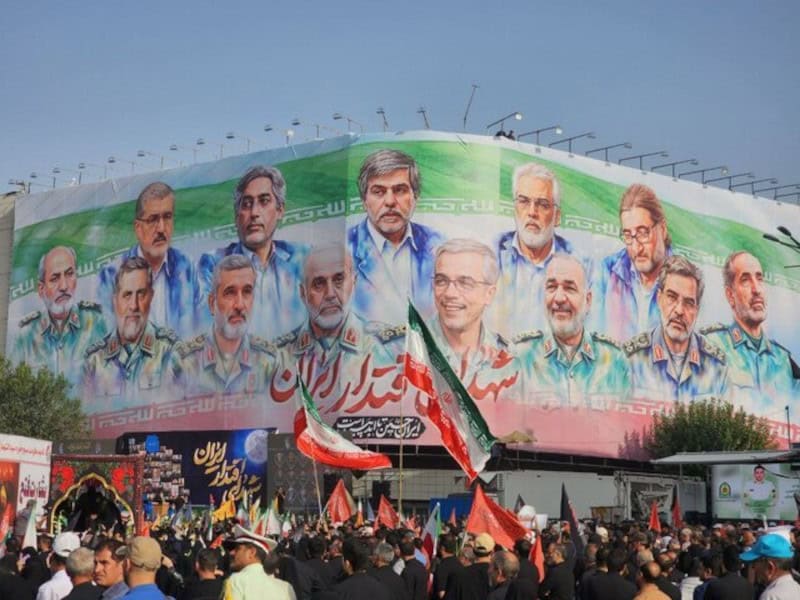
As Tehran continues to ready for a potential conflict, Israel has ramped up direct appeals to the Iranian public, offering water technology, urging protests, and hinting at a regime collapse. The Israeli campaign has drawn sharp backlash from Iranian leaders, while both sides maintain a shadow war marked by likely sabotage and public military preparations.
-
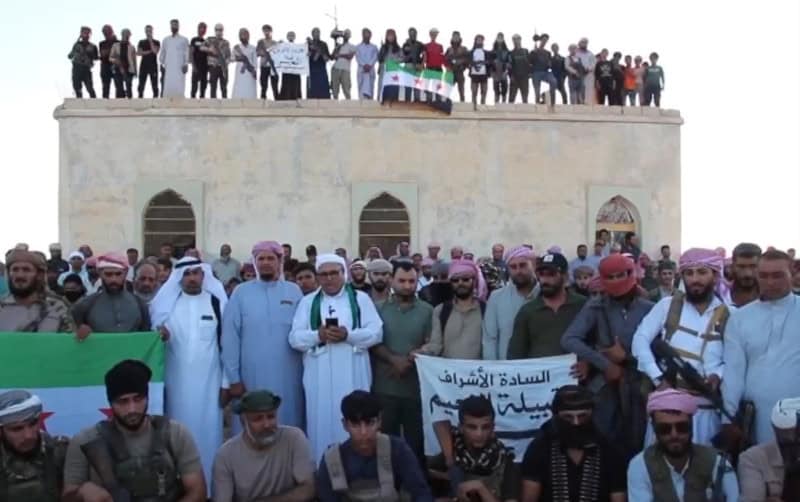
Sunni Arab tribes mobilize against the Syrian Democratic Forces
Several Sunni Arab tribes in northeast Syria, which encompasses 30 percent of the country and is currently under the control of the Kurdish-led Syrian Democratic Forces (SDF), have called for a general mobilization against the SDF.
-
Yemeni officials seize weapons sent to Houthis
Yemeni forces seized a shipment of weapons that originated in China and was bound for the Houthis, marking the second major weapons interception this summer. The seized shipments indicate the Yemeni terrorist group’s efforts to rearm.

-
Iraqi PM Sudani condemns Kataib Hezbollah for shooting at Ministry of Agriculture
Kataib Hezbollah, an Iran-backed militia, was involved in a deadly shooting at Iraq’s Ministry of Agriculture on July 27. Despite the support for Iran-backed militias from many Shiite politicians, Iraqi Prime Minister Mohammad Shia al Sudani announced the results of an investigation that found the militia responsible for the incident and recommended consequences.

-
IDF targets terrorists disguised as aid workers
The Israeli military said it targeted and killed terrorists disguised as World Central Kitchen (WCK) staff in the Gaza Strip. The WCK denounced the individuals who posed as aid workers, saying it put humanitarians at risk. The incident adds to a longstanding trend of Palestinian terrorists infiltrating and exploiting charity groups.

-
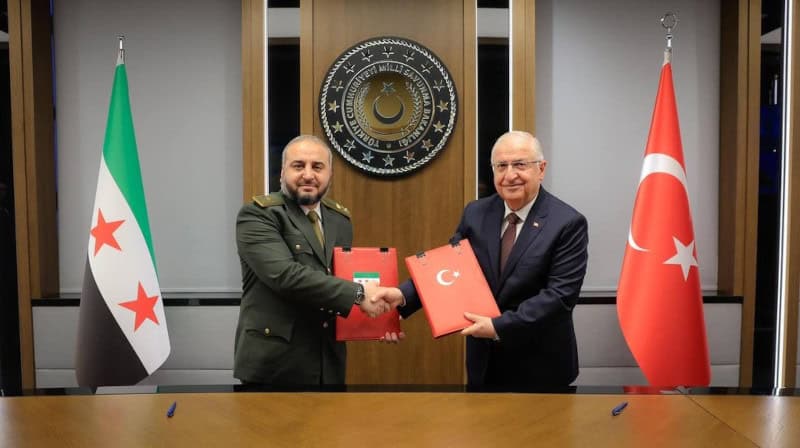
Turkey ramps up military support for Syria
The Turkish Ministry of Defense announced that Turkish Minister of Defense Yasar Guler and Syrian Minister of Defense Murhaf Abu Qusra signed a memorandum of understanding regarding the training of Syrian troops and a military consultancy after talks in Ankara.
-
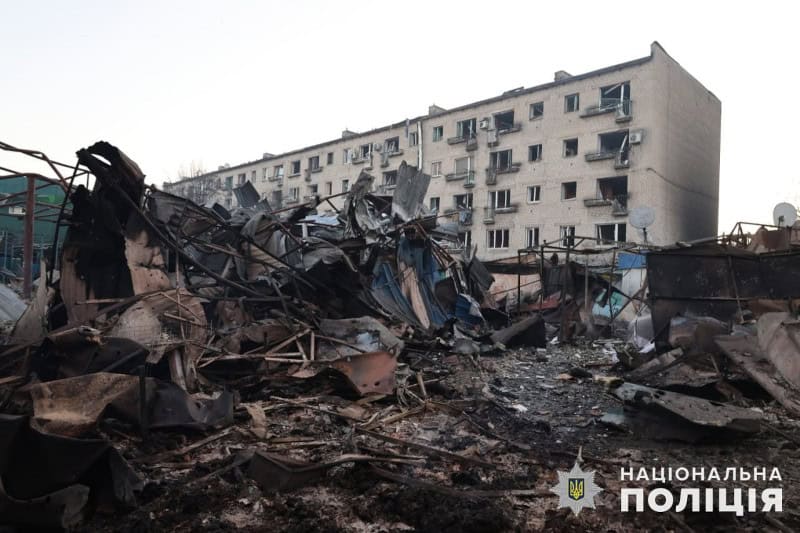
Ukraine scrambles to contain Russian advance near Dobropillia
Ukraine’s Azov Corps announced that it has been tasked with stabilizing the situation near the eastern city of Dobropillia following recent Russian advances.
-
Analysis: Armenia–Azerbaijan deal worries Iran
The August 8 agreement between Armenia and Azerbaijan that was brokered in Washington created the US-managed “Trump Route for International Peace and Prosperity” and granted Azerbaijan a link to its Nakhchivan exclave. While the deal preserves Iran’s overland access to Armenia and Europe, Tehran sees it as a strategic setback that could weaken its role in regional trade, bolster Turkish and Azerbaijani influence, and reduce its leverage with the West.

-
Israeli security cabinet approves plan to capture and control Gaza City
Twenty-two months after Hamas invaded southern Israel and started the war, Israel’s security cabinet voted in favor of occupying Gaza City. The decision came after the conclusion of Operation Gideon’s Chariots, where Israel was unable to disarm Hamas and rescue the remaining hostages held in captivity by terrorist groups in the territory. In protest of the cabinet’s decision, the German government announced that it would halt arms for Israel that could be used in Gaza.

-
Turkey’s new precision weapons stoke regional tensions
Turkey’s unveiling of the Tayfun Block-4 missile and Gazap and Hayalet bunker-buster bombs at IDEF 2025 marks a major leap in its offensive capabilities, alarming Israel, Greece, and Cyprus, all within range of these systems. While Turkish President Recep Tayyip Erdogan frames the advances as a march toward defense self-reliance, regional rivals view them as tools for expanding Ankara’s geopolitical reach in the eastern Mediterranean and the Middle East.

-
Israel’s security cabinet to convene on expanding military campaign against Hamas
Israel is set to decide on occupying the Gaza Strip following the collapse of ceasefire talks with Hamas in Doha, according to reports. The decision is expected to be discussed and potentially approved in a security cabinet meeting on August 7. Hamas has warned against the move, saying it will endanger the lives of the hostages that it and other terrorist groups have held for almost two years.

-
Houthis continue to attack education in Yemen
The Houthis are forcing their ideology into schools and arresting noncompliant teachers. The Iran-backed terrorists have targeted children in the hopes they grow up fully indoctrinated and become loyal Houthi followers.

-
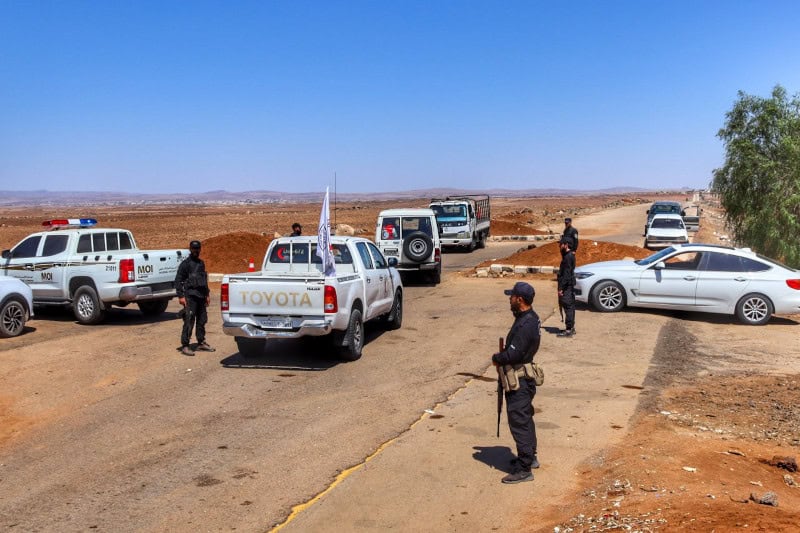
Clashes erupt in Syria’s Suwayda following US-brokered ceasefire
On August 3, clashes between local Druze militias, Sunni Arab tribal forces, and Syrian government troops reignited in Syria’s Suwayda province after a two-week hiatus following a US-brokered ceasefire.
-
Afghans in Iran have significant national security implications for the Tehran regime
Afghans in Iran now occupy a charged space in the regime’s security calculus, seen as both potential infiltration risks and diplomatic leverage. From exploiting leaked UK asylum data to mass deportations and espionage arrests, Tehran is reframing Afghan migration as a matter of national security.