-
Iran named by Finland as foreign intelligence threat
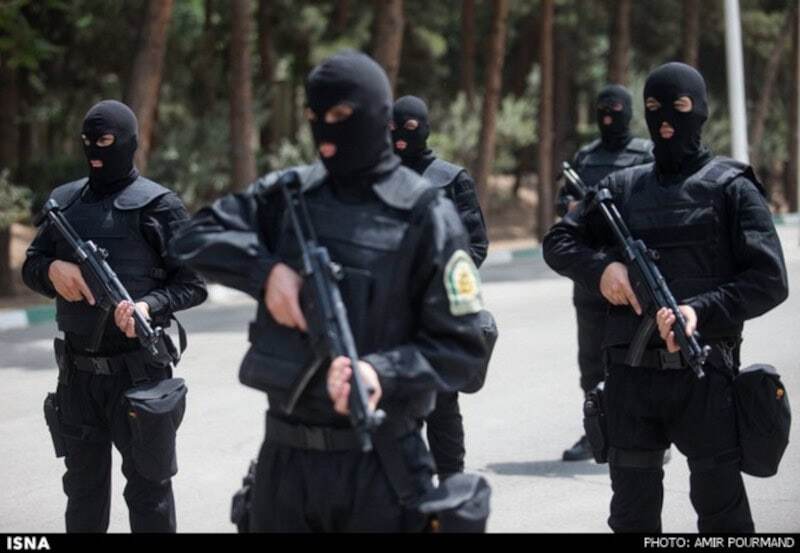
Finland officially named Iran as a state actively conducting espionage operations within its borders, a designation previously reserved only for Russia and China. The regime in Tehran has accelerated terror plots and intelligence operations across the US, Europe, and Israel.
-
Efforts continue to free kidnapped Princeton researcher Elizabeth Tsurkov
Reports in Iraqi, Israeli, Lebanese, and US media indicate that efforts continue to free Princeton researcher Elizabeth Tsurkov, who was kidnapped in Iraq 800 days ago in March 2023. The Iranian-backed militia Kataib Hezbollah is believed to be holding Tsurkov in Iraq, and pressure on the Iraqi government to find and free her has increased over the last six months. Recent reports indicate that Tsurkov could be exchanged for several people held in different countries who Kataib Hezbollah wants to be freed.
-
Analysis: The Druze chessboard between Syria and Israel
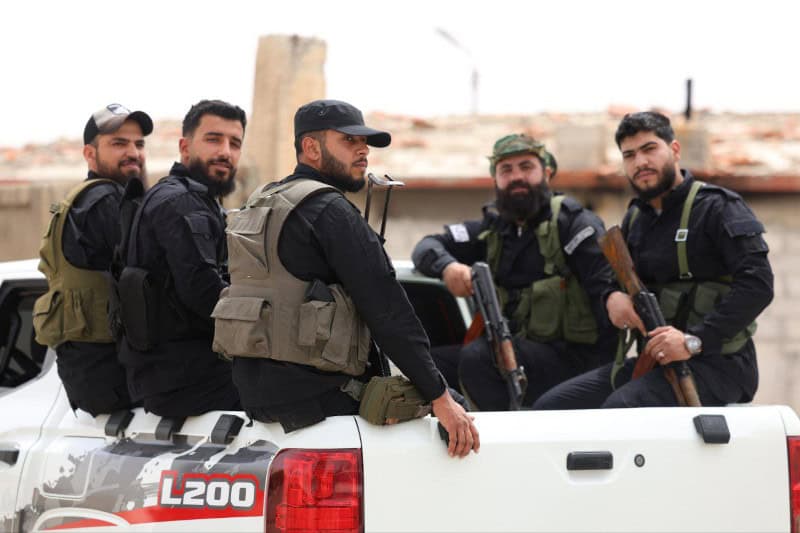
On May 29, an Israeli security official stated that Israel will not intervene militarily in support of any group in Syria. This stance follows previous Israeli intervention to protect the Syrian Druze amid pressure from Israeli Druze to prevent human rights abuses. Israel’s evolving stance reflects a delicate balancing act between security, humanitarian, and political interests and may mark a turning point in Syria’s sectarian conflict.
-
New humanitarian aid initiative begins in southern Gaza as combat continues
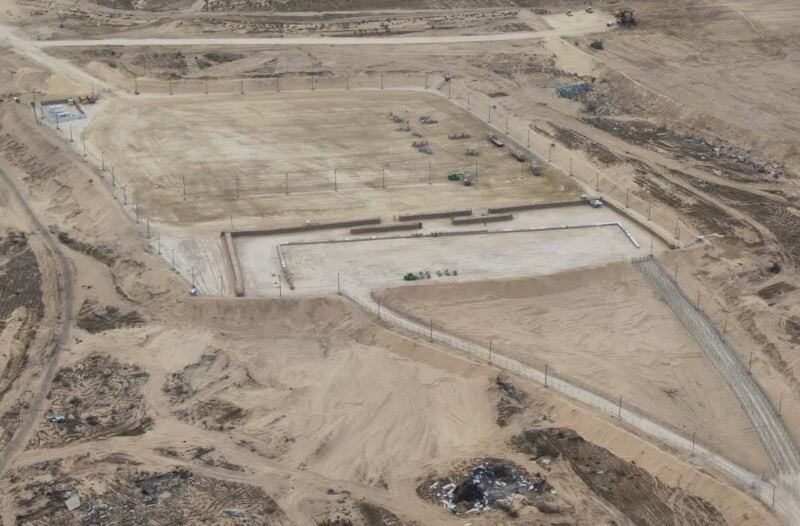
A humanitarian initiative in Gaza began to deliver aid on May 27 as combat continued in northern Gaza and Khan Younis. The Israel Defense Forces (IDF) said two of four initial aid sites started operating. The US-backed initiative is being run by the Gaza Humanitarian Foundation in cooperation with the Israeli government and the IDF.
-
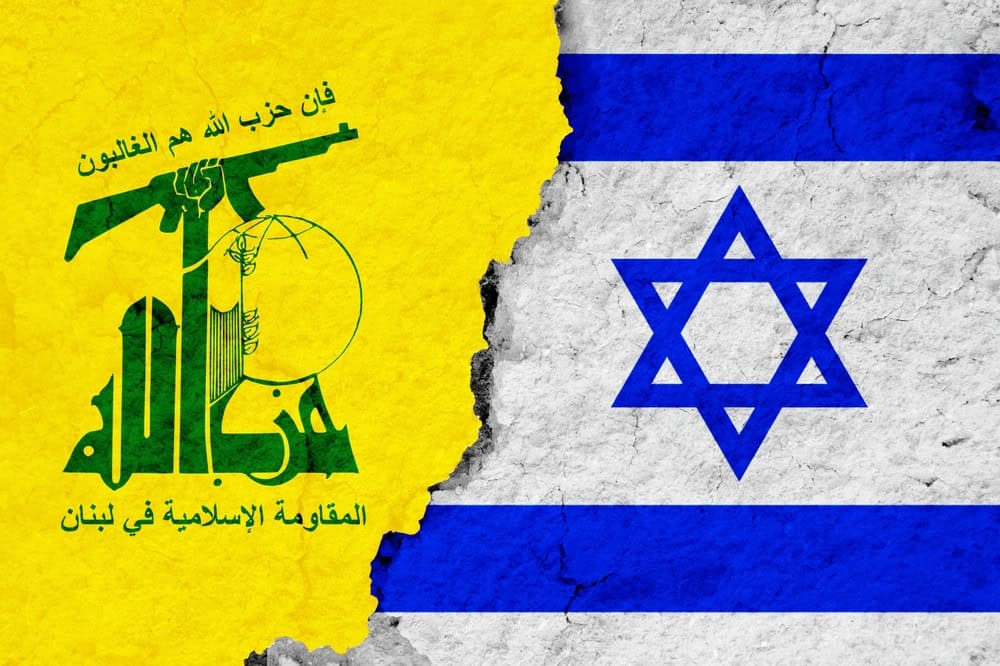
Israeli operations in Lebanon against Hezbollah: May 19–May 25, 2025
Israel continued operations in Lebanon between May 12 and May 18, 2025. These activities included several assassinations of Hezbollah operatives and an extensive aerial bombardment of Hezbollah facilities in Lebanon, including near Baalbek but particularly in south Lebanon.
-
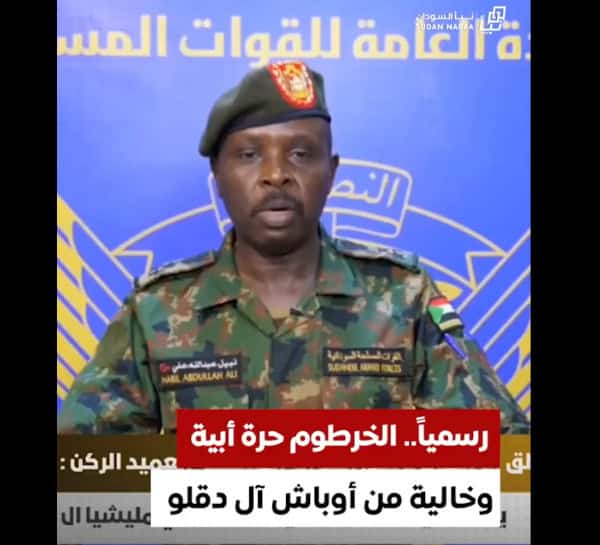
Sudan army chief appoints prime minister, allied militia retakes West Kordofan from RSF
Sudan’s army chief has appointed the country’s first prime minister since the outbreak of civil war in April 2023, signaling a possible shift toward restoring civilian governance. The announcement comes amid major battlefield gains by the Sudanese Armed Forces and their allied militia, the Sudanese Joint Forces, which have recently retaken key territories from the Rapid Support Forces.
-
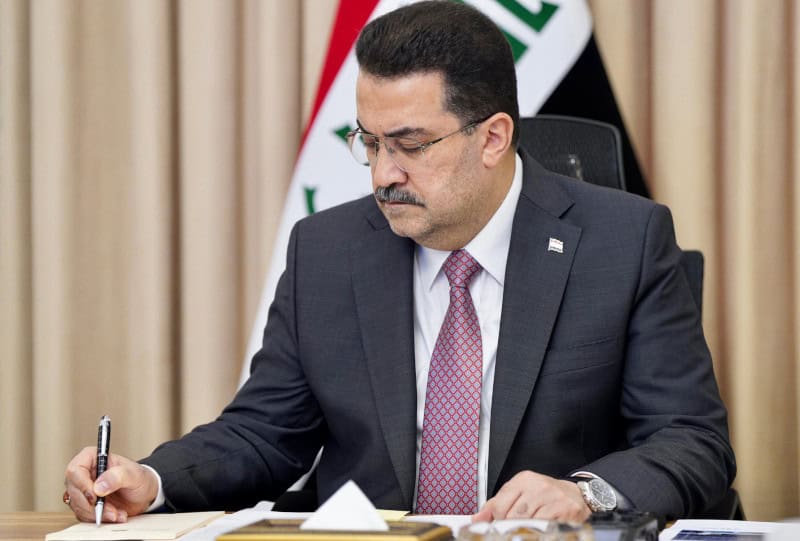
Iraqi prime minister announces electoral alliance
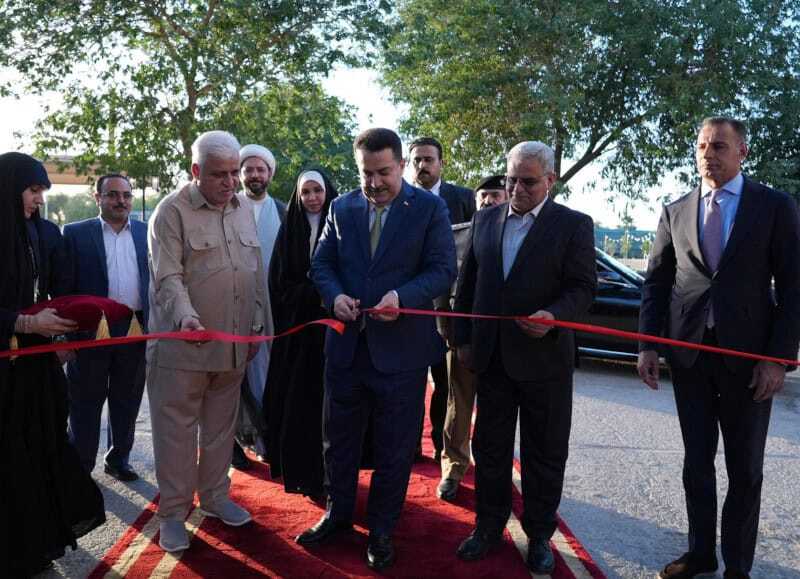
Iraqi Prime Minister Mohammed Shia al Sudani announced the elements of his electoral alliance for Iraq’s November 2025 elections. The coalition includes current and former Shiite politicians as well as Faleh al Fayyadh, a Sudani ally and chairman of the Popular Mobilization Forces.
-
Generation Jihad | Terror in Washington, D.C.
Behnam and David D. join Bill to discuss the attack in Washington, D.C. that killed a young couple working for the Israeli embassy. Behnam and David both were friends with Yaron, who tragically lost his life to yet another act of terror rooted in anti-semitism. They also briefly catch up on the current state of U.S.-Iran nuclear negotiations and the still-burning dumpster fire in Lebanon.
-
Analysis: Iran braces for potential conflict as 5th round of US negotiations ends inconclusively
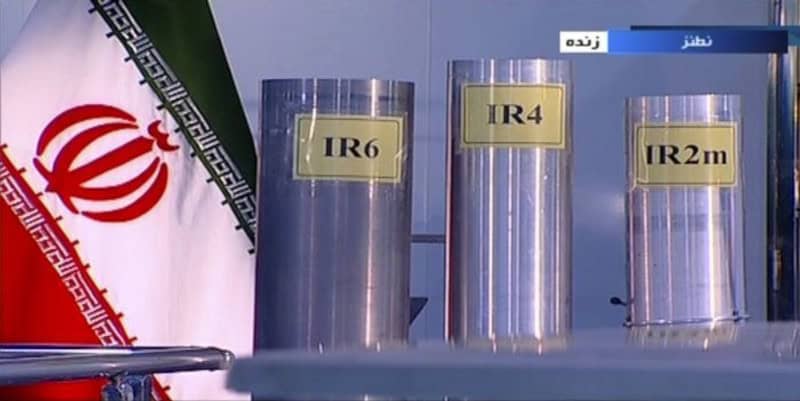
Amid a stalled fifth round of negotiations in Rome, Iran has grown increasingly pessimistic about the prospects of reaching a deal with the United States. Tehran has responded to reported Israeli strike preparations with warnings of retaliation and appeals to the United Nations. Clashes with Israel in 2024 have left Iran militarily exposed, prompting Tehran to fear further escalation.
-
Israeli operations in Lebanon against Hezbollah: May 12–May 18, 2025
Israel continued military operations in Lebanon between May 12 and May 18, 2025. These activities included targeted strikes on Hezbollah operatives, including one regional commander.
-
Syria’s captagon industry continues to flourish despite new regime crackdowns
After toppling Bashar al Assad in December, Syria’s new leaders pledged to crack down on the captagon trade, which had generated billions of dollars for the Assad regime. However, subsequent efforts have failed to significantly curb the production and trafficking of the illicit stimulant.

-
US-backed Syrian Free Army secures airbase east of Damascus
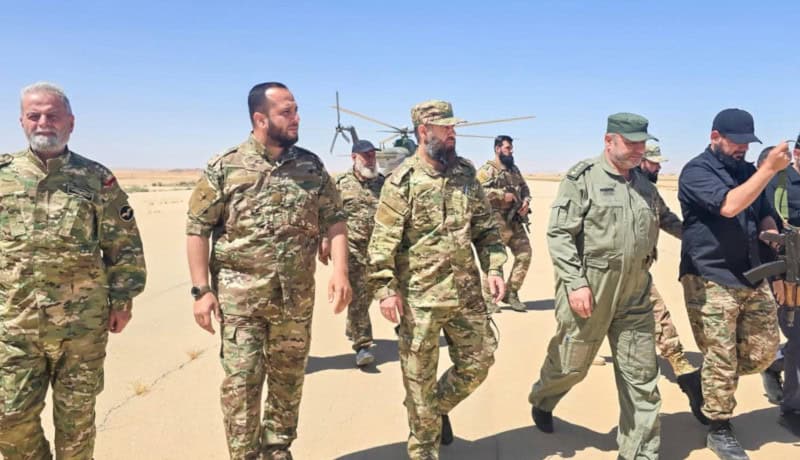
The US-backed Syrian Free Army (SFA), which operates from the Tanf Garrison in southern Syria, has been working to secure and protect an airbase 45 miles east of Damascus. The Al Seen Military Airbase was previously used by the Assad regime and has been the site of “sabotage” recently, according to the SFA. The commander of the Syrian Air Force visited the facility on May 20.
-
Two Israeli embassy employees murdered in DC shooting attack
Two Israeli Embassy staffers were fatally shot outside the Capital Jewish Museum in Washington, DC, by Elias Rodriguez on May 21. Law enforcement authorities are investigating the attack as a potential antisemitic hate crime. The incident reflects a broader pattern of incitement by Hamas and its affiliates, who have increasingly exported their rhetoric and symbolism into Western discourse through propaganda and pro-Hamas demonstrations.

-
Syrian military integrates Al Qaeda-linked terror group into its ranks
The Turkistan Islamic Party’s branch in Syria, an Al Qaeda ally, is being integrated into the new Syrian military as the 84th Division. The group’s leader, Abdul Haq al Turkistani, sits on Al Qaeda’s central governing council and directs the group’s operations in Syria. Despite this, the Trump administration is poised to lift sanctions on Syria.

-
Generation Jihad | The Houthi Headache
FDD’s Brad Bowman and Bridget Toomey catch Bill up on the latest cluster of developments related to the Houthis — from the ceasefire initiated by President Trump and possible consequences for U.S.-Israel relations to the role of Iran in the ongoing conflict.
-
IDF begins new operation in Gaza amid humanitarian aid shifts
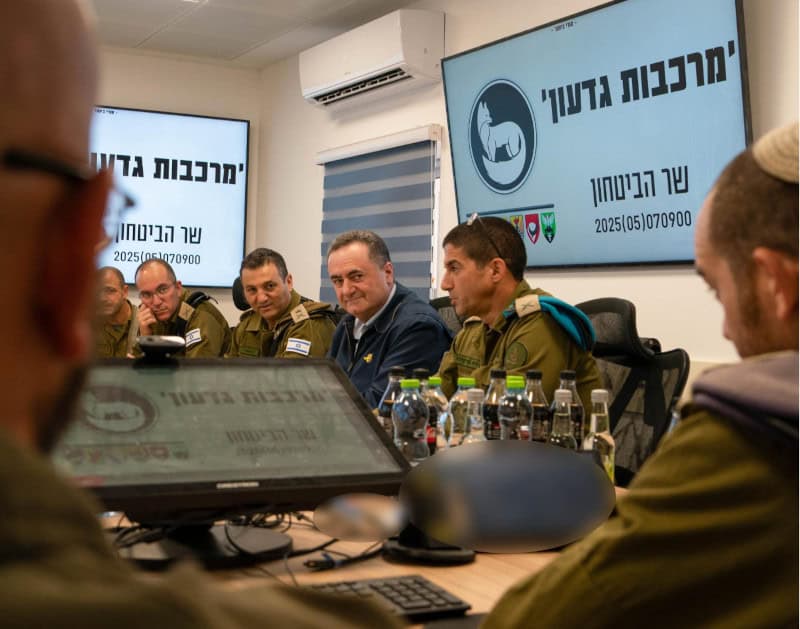
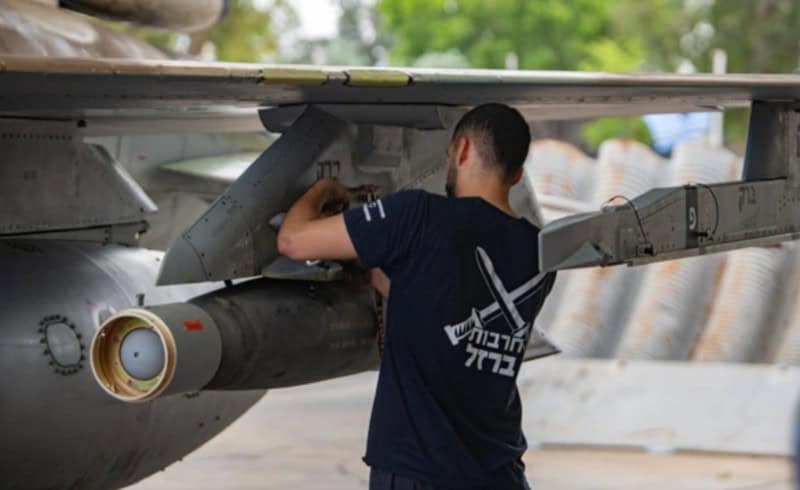
On May 18, the Israel Defense Forces (IDF) began a ground offensive in Gaza that’s part of Operation Gideon’s Chariots. The Israeli Air Force carried out 670 strikes to prepare the way for the push. At the same time, the first humanitarian aid entered Gaza since March 2, when Israel cut off assistance to the area. A new US-led initiative aims to provide aid to parts of Gaza with the support of private security contractors.
-
Russian Ground Forces get new commander
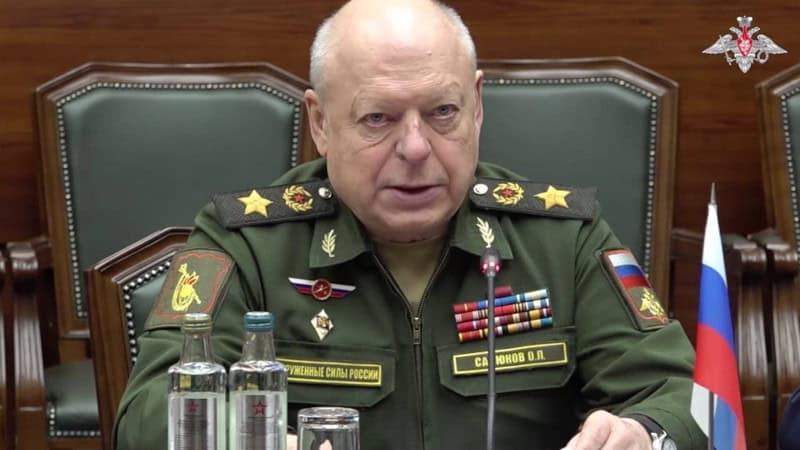
Russia has replaced its aging Ground Forces commander with a younger officer who has extensive combat experience in Ukraine. This decision could help the Russian army as it develops and implements post-war reforms. However, the most consequential personnel decisions have yet to come.
-
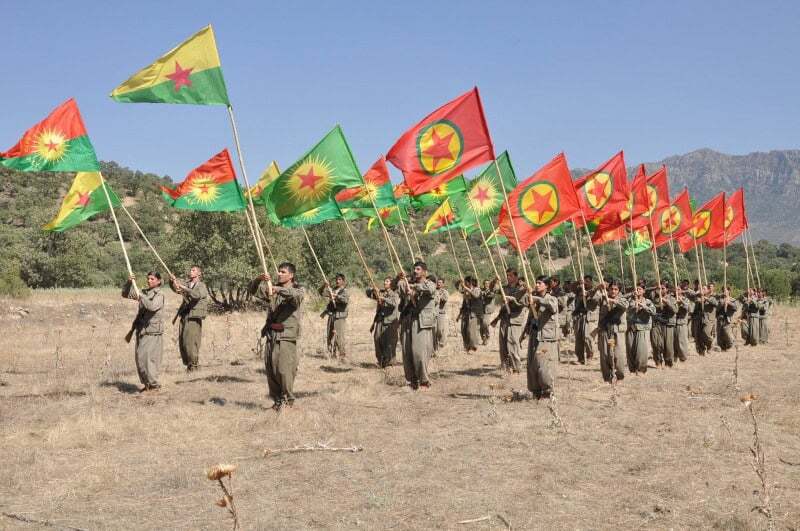
Analysis: The PKK abandons armed struggle
The PKK, the Kurdish separatist group that has waged a decades-long secessionist movement inside Turkey, recently announced its decision to lay down its weapons and likely abandon its cause. However, the conditions of the compromise the opposing sides have reached are shrouded in secrecy, and many wonder if lasting peace will be achieved. Peace between the PKK and Turkey will have regional implications spanning the stability of Syria, Iraq, and Iran.
-
Generation Jihad | A terrorist in a suit is… still a terrorist
Bradley Bowman and David Adesnik join Bill to unpack the U.S. decision to legitimize Ahmed al-Shara (AKA Jolani), the ex-al-Qaeda leader now heading HTS in Syria; other regional players seeking influence in the Syria vacuum, including Turkey and Saudi Arabia; and broader U.S. policy failures in Syria.
-
Former Michigan guardsmen detained for planning Islamic State-inspired attack on military base
Ammar Abdulmajid-Mohamed Said, a former Michigan Army National Guardsman, is charged with providing material support to the Islamic State. Said is the fourth individual and second veteran to be implicated in an Islamic State-inspired attack this year.

-
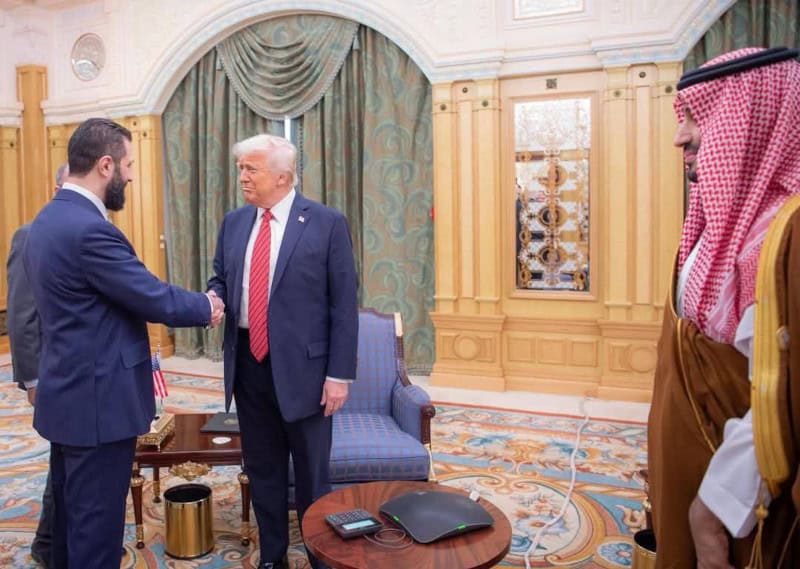
Trump presses Sharaa on foreign fighters as jihadists rise in Syria’s new army
President Donald Trump met with Syrian interim President Ahmad al Sharaa, a former Al Qaeda leader, and urged him to expel foreign jihadists from Syria. However, Sharaa has instead promoted several of these fighters to top military positions, including figures tied to Hayat Tahrir al Sham and Al Qaeda. While Damascus has taken limited, symbolic actions, such as suspending promotions and arresting select fighters, it continues to delay meaningful compliance with US conditions for sanctions relief.
-
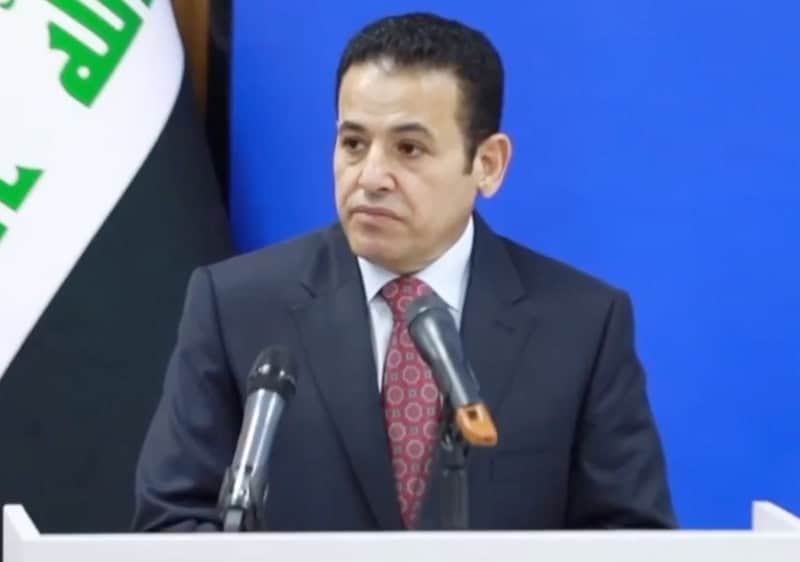
Iran’s Quds Force commander travels to Iraq ahead of Arab summit
Esmail Qaani, the head of Iran’s Islamic Revolutionary Guard Corps-Quds Force, arrived in Iraq on May 14 and met with Iraqi National Security Advisor Qasim al Araji. Qaani discussed a security agreement in which Iraq has vowed to crack down on Iranian dissident groups within Iraq. In addition, Iraq’s prime minister and foreign minister said weapons in Iraq should be in the hands of the state.
-
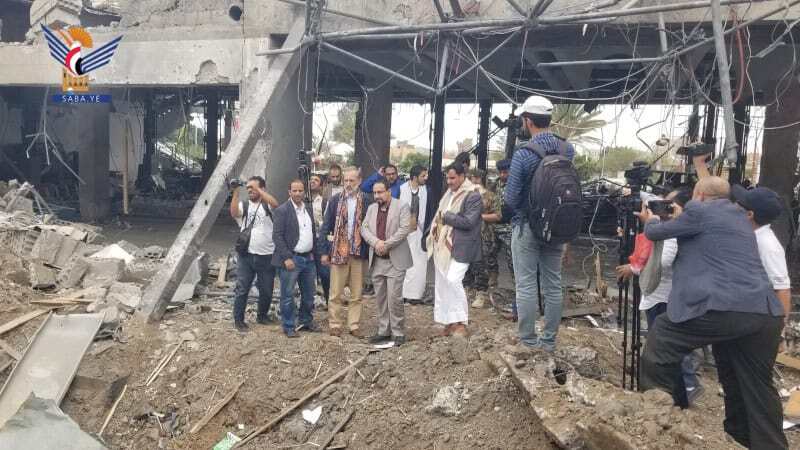
Houthis begin rebuilding after airstrikes, rely on extortion to finance projects
The Houthis have started rebuilding efforts after significant US and Israeli airstrikes. The terrorist group is extorting the citizens of northern Yemen to fund the reconstruction of damaged infrastructure.
-
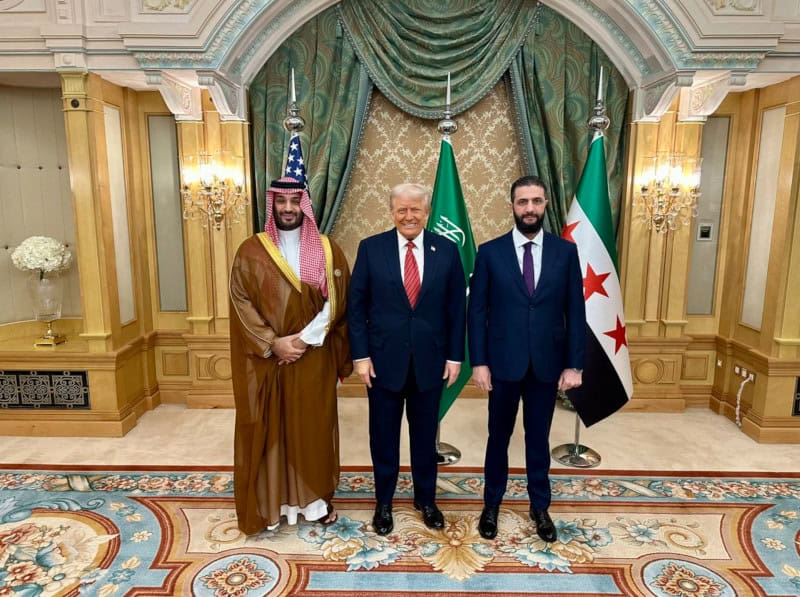
President Trump meets with a Specially Designated Global Terrorist, lifts sanctions on Syria
US President Donald Trump met with Syrian interim president Ahmad al Sharaa, a US and UN-designated terrorist and the former leader of Al Qaeda’s branch in Syria, and committed to removing US sanctions on Syria.
-
Israeli operations in Lebanon against Hezbollah: April 28–May 11, 2025
Israel continued operations in Lebanon between April 28 and May 11, 2025. These activities included targeted killings and the destruction of a Hezbollah PGM storage facility in Beirut’s southern suburbs.
-
Hamas releases US hostage Edan Alexander, IDF continues operations in Gaza
On May 12, Hamas released Edan Alexander, one of 59 hostages still held in Gaza and the last living American hostage. The release came as US President Donald Trump headed to the Middle East for meetings in Saudi Arabia, the IDF is gearing up for an expanded offensive in Gaza, and US Ambassador to Israel Mike Huckabee announced a new US-led humanitarian aid initiative for the territory.

-
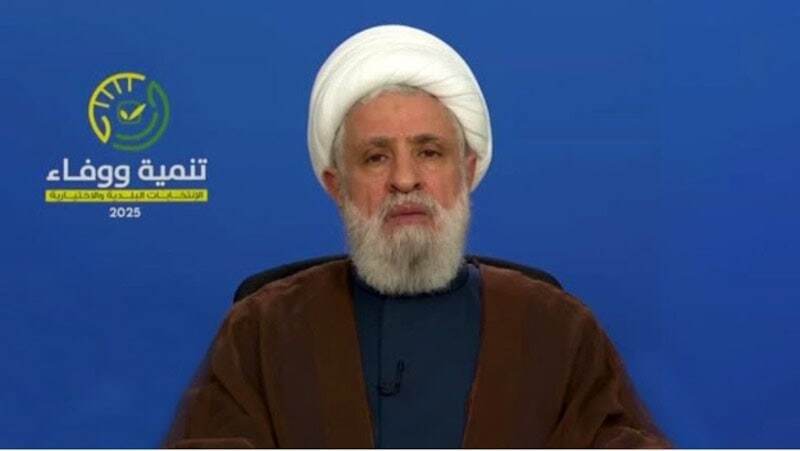
Analysis: Naim Qassem encourages voting in upcoming Lebanese municipal elections
Hezbollah Secretary-General Naim Qassem called on his group’s followers to vote in strength in the upcoming municipal elections in Lebanon. He also demanded that the Lebanese government end Israel’s operations in the country and rebuild areas damaged in the recent Hezbollah-Israel war.
-
Ukraine’s reintroduction of corps gathers steam
The Ukrainian military has recently unveiled several new army corps as part of an ongoing effort to replace problematic temporary command bodies with permanent corps built around its best brigades and commanders. Executing this reform during a war will not be easy, but it could pay dividends for Ukraine if implemented properly.

-
India claims Jaish-e-Mohammad leader killed during airstrikes in Pakistan
Abdul Rauf Azhar is said to have been killed in a strike on the Jaish-e-Mohammad compound in the Pakistani city of Bahawalpur. Azhar is listed by the US government as a Specially Designated Global Terrorist. Jaish-e-Mohammad has been implicated in numerous terror attacks in the region, including the kidnapping, murder, and beheading of Wall Street Journal reporter Daniel Pearl.

-
Israel prepares plan for expanded Gaza offensive
On May 4, Israel’s Security Cabinet approved a new military offensive and plan for operations in Gaza. The multi-stage plan envisions the Israel Defense Forces taking control of Gaza, clearing it of Hamas, and remaining in portions of the territory long-term while the civilian population is evacuated to southern Gaza.