
-
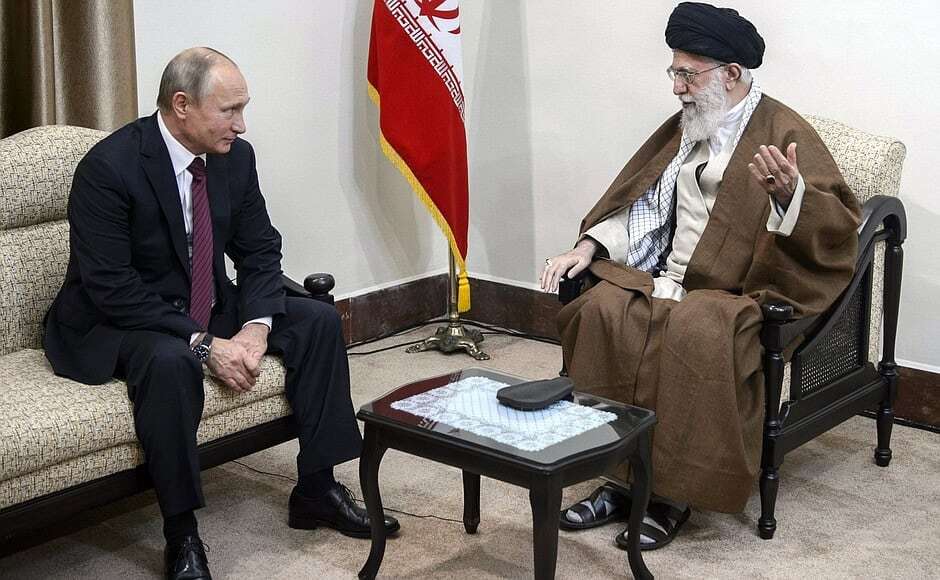
Russia helps Iran sharpen its sword
Russia reportedly is supplying explosives, drone components, and other military goods to Iran, helping the Islamic Republic replenish arsenals for future rounds of fighting with the United States and Israel.
-
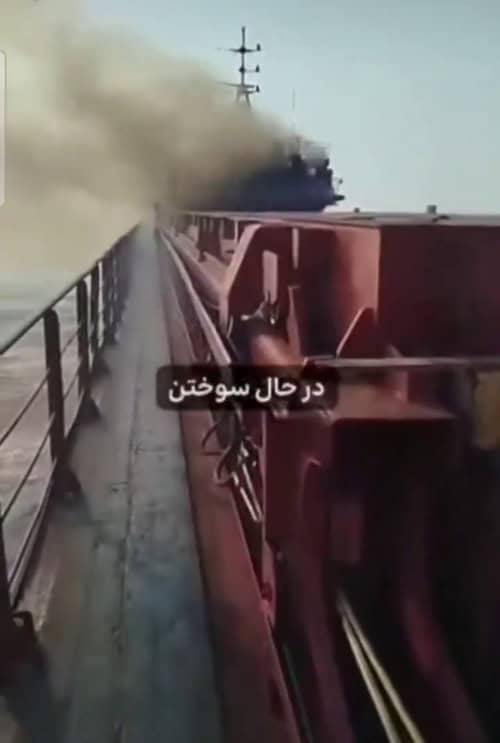
Russia continues to aid Iran in war with US, Ukraine says
Russia continues to provide intelligence to help Iran strike American forces, Kyiv alleged over the weekend. Ukraine is also attempting to interdict the transportation of military goods between the two authoritarian powers.
-
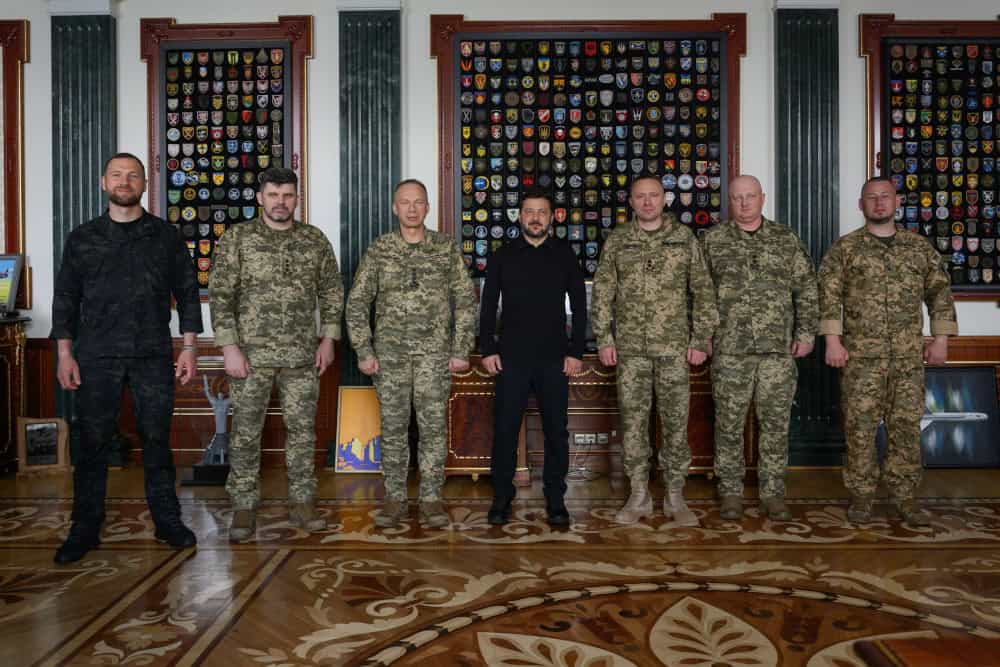
Analysis: Ukraine’s defense leadership crisis becomes blessing in disguise
President Volodymyr Zelenskyy’s short-sighted decision to fire his popular defense minister may ultimately redound to Ukraine’s benefit, as the firestorm it unleashed has forced Zelenskyy to install a widely respected, new-school officer as Ukraine’s top general.
-
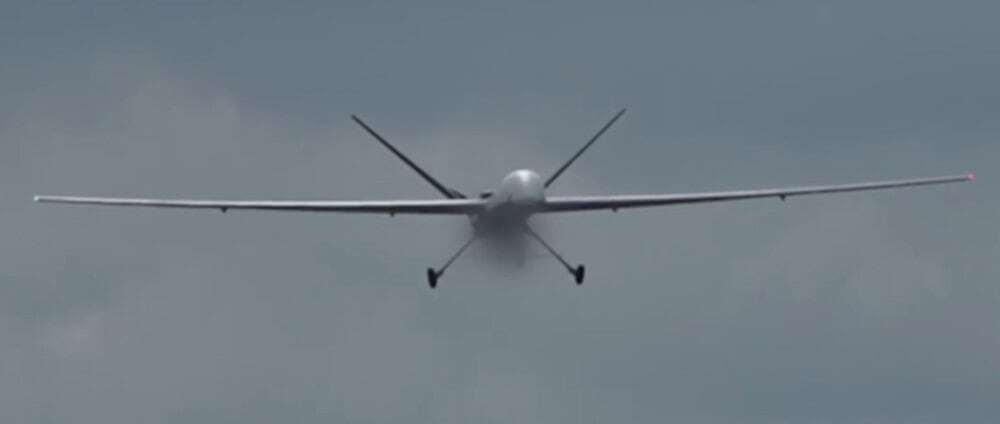
Russia’s ‘Banderol’ low-cost cruise missile officially breaks cover
Moscow has now officially acknowledged the existence of its new Banderol low-cost cruise missile, which has seen growing action in Ukraine in recent months.
-
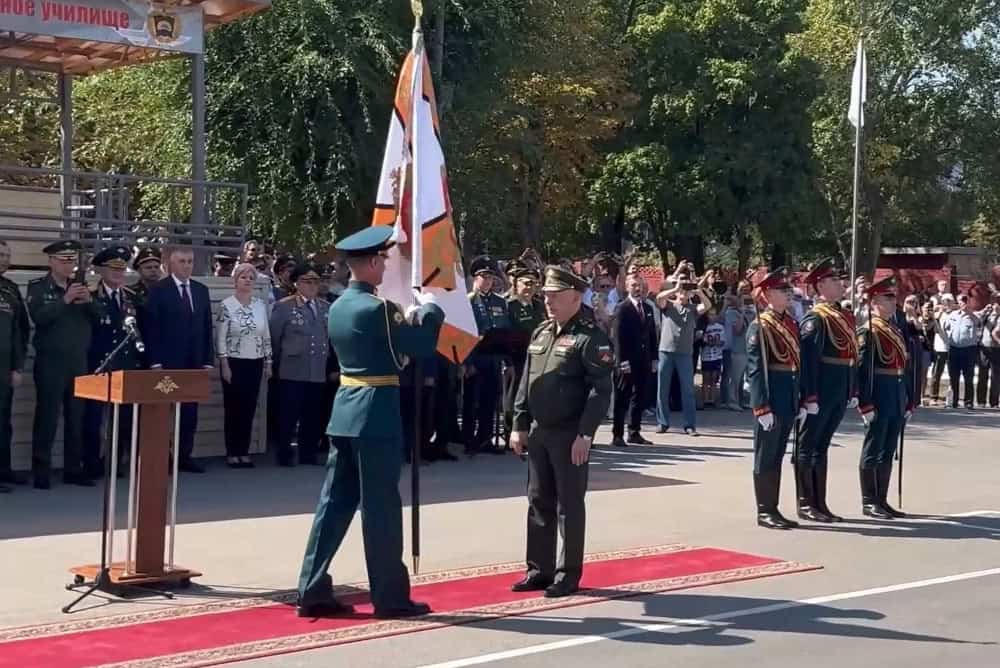
Russia reopening military schools to expand officer training pipeline
Moscow announced that it will re-establish the Chelyabinsk Higher Tank Command School, one of more than a dozen new schools Russia is standing up to expand its officer-training pipeline for a larger military that has been heavily attrited by the war in Ukraine.
-
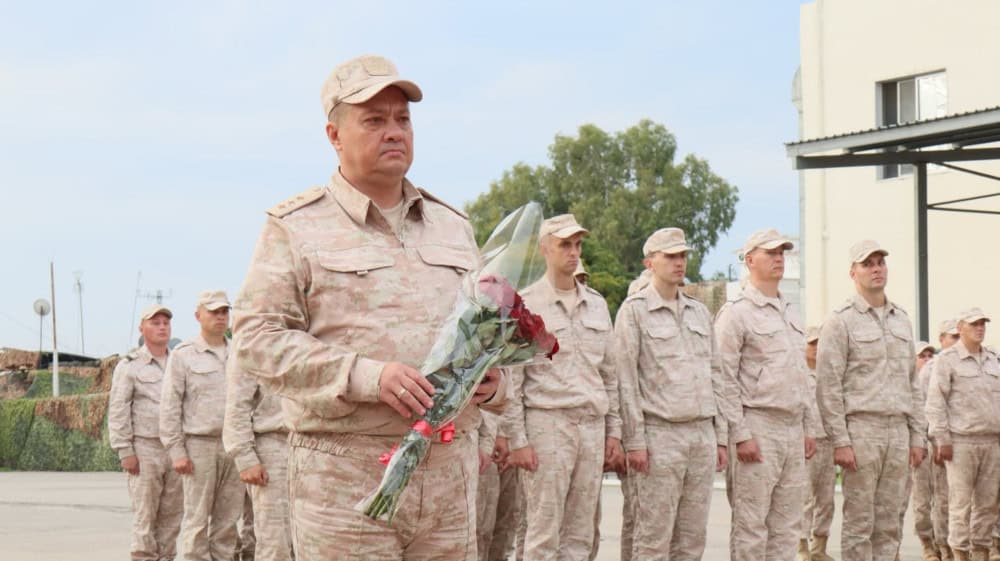
Russian Aerospace Forces reportedly get new commander
Colonel-General Aleksandr Chaiko reportedly has been appointed commander of Russia’s Aerospace Forces. He is an unusual choice for the position, given his army background and unimpressive record in Ukraine.
-
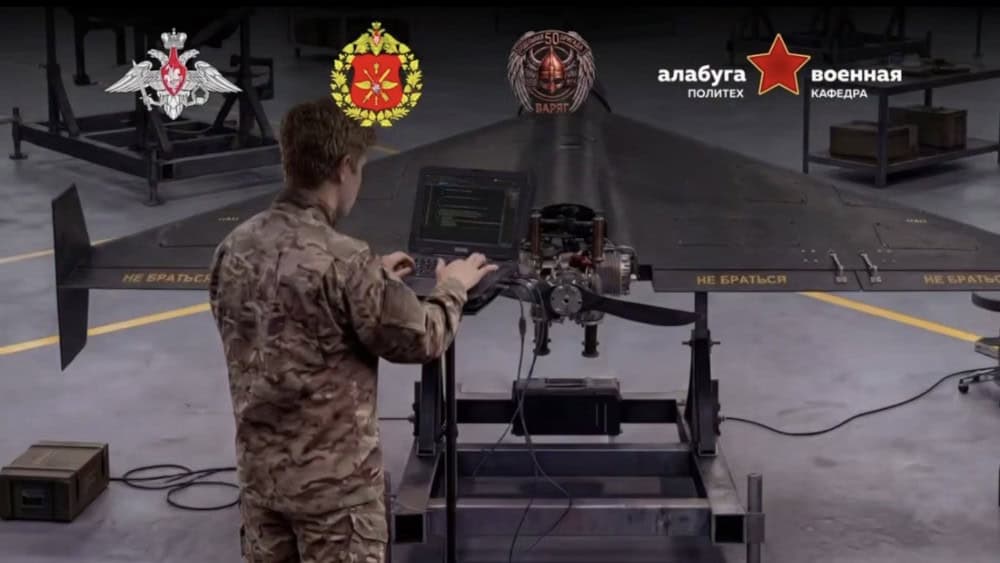
Russian Shahed drone maker recruiting for new unmanned systems brigade
As part of Moscow’s efforts to expand its Unmanned Systems Forces, a vocational training center affiliated with Russia’s main Shahed drone producer is recruiting for a new unmanned systems brigade. Its recruitment messaging highlights fulfilling mandatory military service requirements while earning the pay of enlisted troops serving under contract but without the associated danger.
-
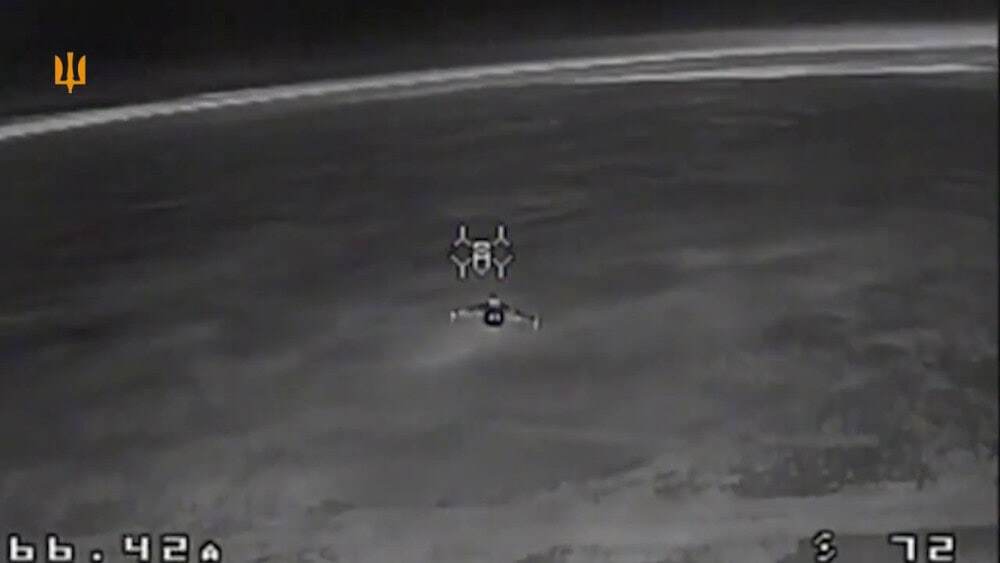
Ukraine will help combat Iranian drones in Middle East, Zelenskyy says
Ukraine says it will help the United States and its Middle East allies combat the Iranian drones that the Tehran regime is firing at the region. Russia has bombarded Ukrainian cities with these weapons for years, resulting in a series of defensive adaptations and innovations by the Armed Forces of Ukraine¬—and unmatched counter-drone experience.
-
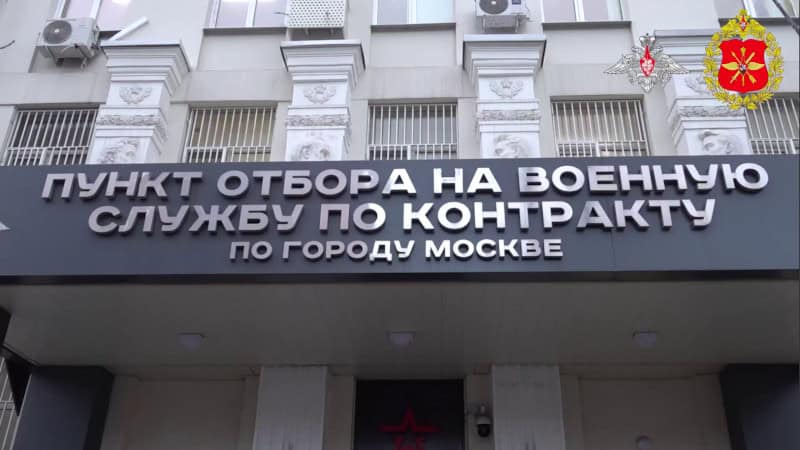
Russian military launches recruitment drive for drone units
The Russian military has launched a recruitment drive seeking troops for drone units, reflecting the key role that unmanned systems have come to play both in the Ukraine war and in Russia’s plans for its future force structure.
-
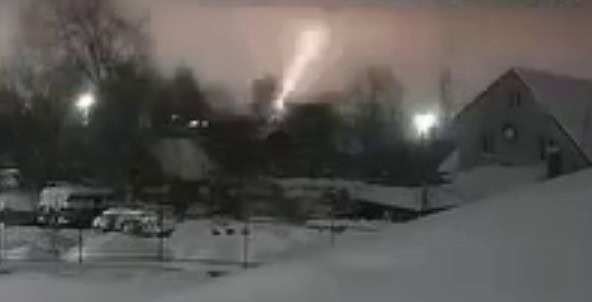
Russia uses new Oreshnik missile for second time in Ukraine
Russia reportedly used its new “Oreshnik” intermediate-range ballistic missile for the second time in Ukraine. Russia’s employment of the missile, which can deliver nuclear or conventional payloads, may be aimed at intimidating the West.
-
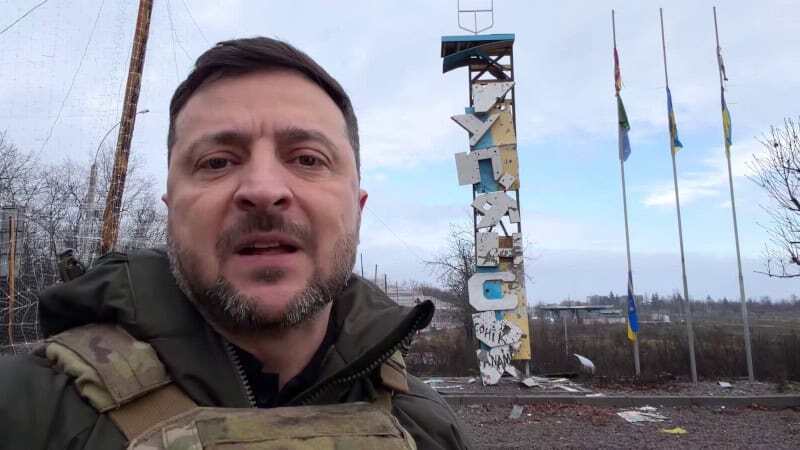
Ukraine says it has regained ground from Russian forces in Kupiansk
Ukrainian forces appear to have regained ground in and around the northeastern Ukrainian city of Kupiansk, giving Kyiv a much-needed victory amid setbacks elsewhere on the battlefield and in peace negotiations.
-
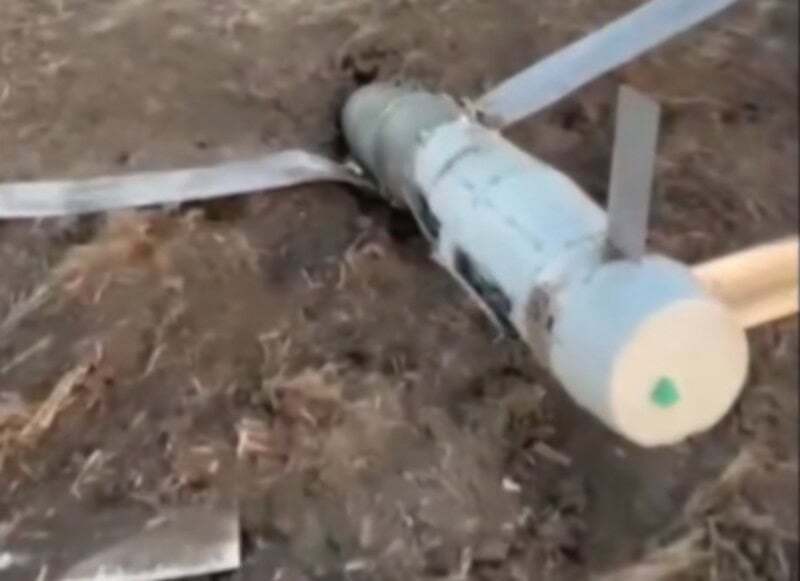
Russia deploys new, longer-range bombs in war against Ukraine
Russia has developed longer-range bombs that offer the Russian Air Force inexpensive, survivable tools for long-range strikes, including on Ukrainian cities that were previously safe from glide bombs.
-
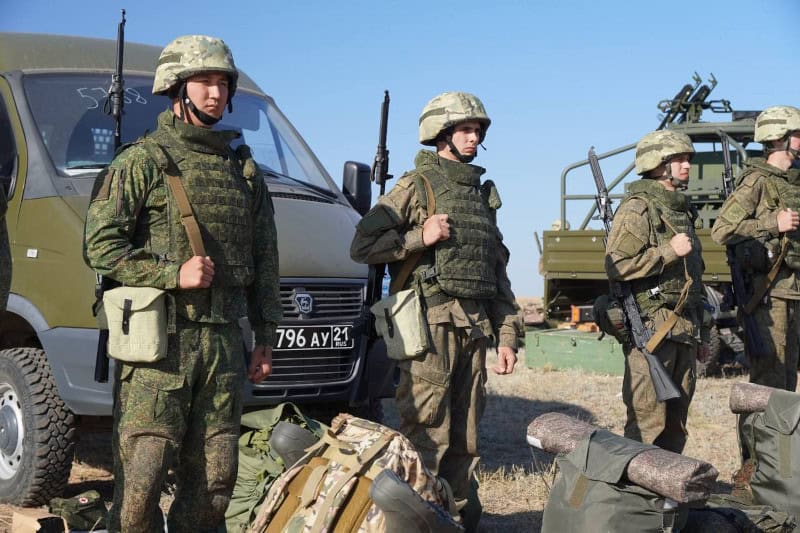
Russia announces plan to muster reservists to combat Ukrainian drones
Moscow has introduced a new law allowing for reservists to be mustered to counter Ukrainian drone strikes targeting Russian oil refineries and other key facilities.
-
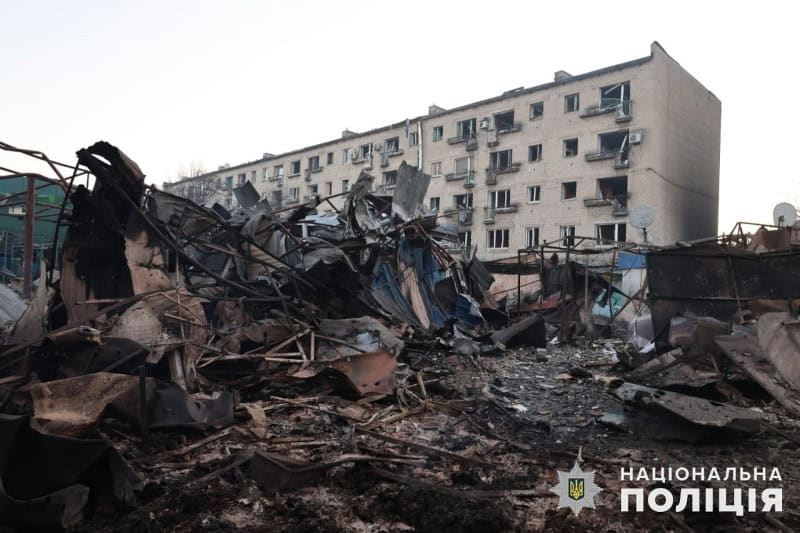
Ukraine scrambles to contain Russian advance near Dobropillia
Ukraine’s Azov Corps announced that it has been tasked with stabilizing the situation near the eastern city of Dobropillia following recent Russian advances.
-
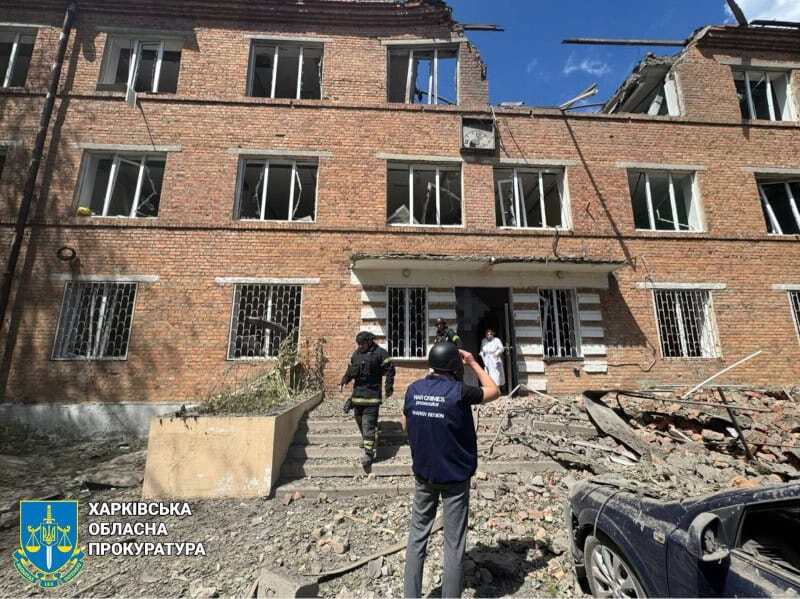
Ukraine reports new Russian glide bomb
Russia has employed a new guided glide bomb in Ukraine that appears to be a more powerful derivative of a similar munition introduced last year. The latest weapon is part of Russian efforts to develop a growing variety of cheap standoff munitions.
-
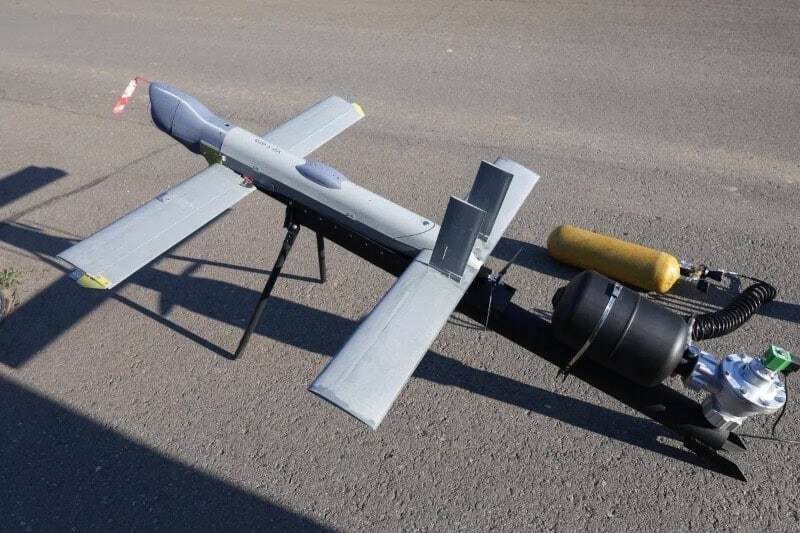
Ukrainian intelligence details Russia’s new V2U autonomous loitering munition
Russia has developed a new loitering munition called the V2U that, according to Ukrainian reports, can use AI to navigate and strike targets and may be able to collaborate with other drones as part of a swarm. If these reports are accurate, the V2U marks a significant step forward in Russian autonomous drone development.
-
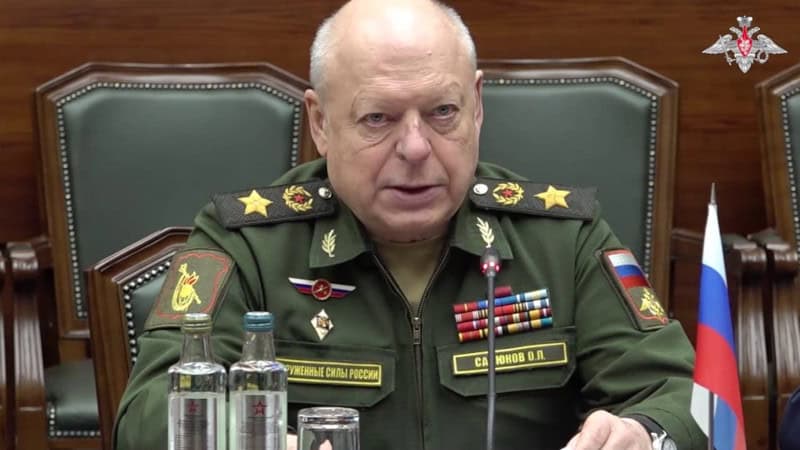
Russian Ground Forces get new commander
Russia has replaced its aging Ground Forces commander with a younger officer who has extensive combat experience in Ukraine. This decision could help the Russian army as it develops and implements post-war reforms. However, the most consequential personnel decisions have yet to come.
-

Ukraine’s reintroduction of corps gathers steam
The Ukrainian military has recently unveiled several new army corps as part of an ongoing effort to replace problematic temporary command bodies with permanent corps built around its best brigades and commanders. Executing this reform during a war will not be easy, but it could pay dividends for Ukraine if implemented properly.
-
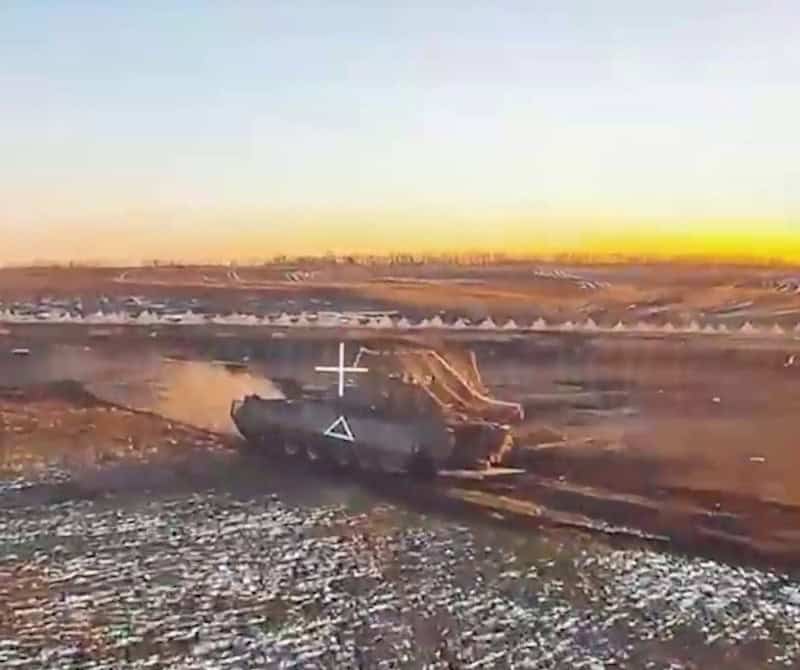
Ukraine’s Belgorod incursion makes limited gains
On the heels of its withdrawal from most of Russia’s Kursk region, Ukraine launched a cross-border incursion into neighboring Belgorod Oblast. The operation appears to be more limited in scale and objectives than Kyiv’s August 2024 Kursk offensive.
-
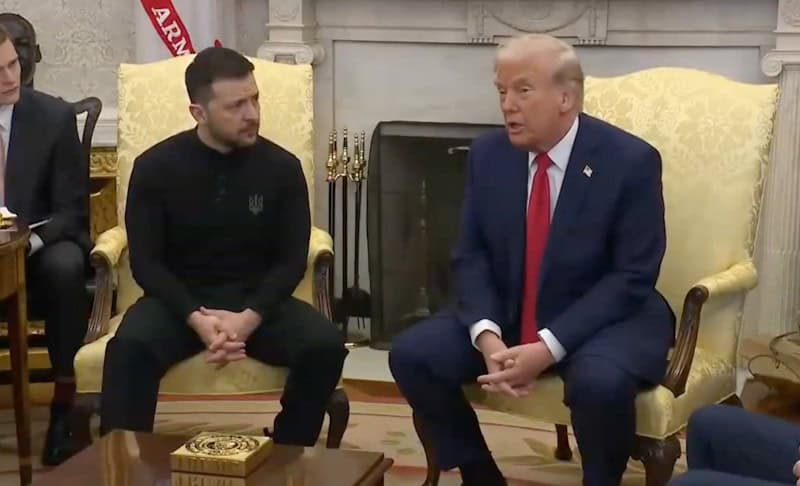
Analysis: What the suspension of US aid means for Ukrainian forces
A permanent cutoff of all aid likely would not cause a Ukrainian collapse, but it would result in more Ukrainian lives and land lost and more infrastructure destroyed. Challenges would build over time and could exacerbate Kyiv’s manpower shortage, boosting Russian efforts to grind down Ukrainian forces and granting Moscow greater leverage in negotiations.
-
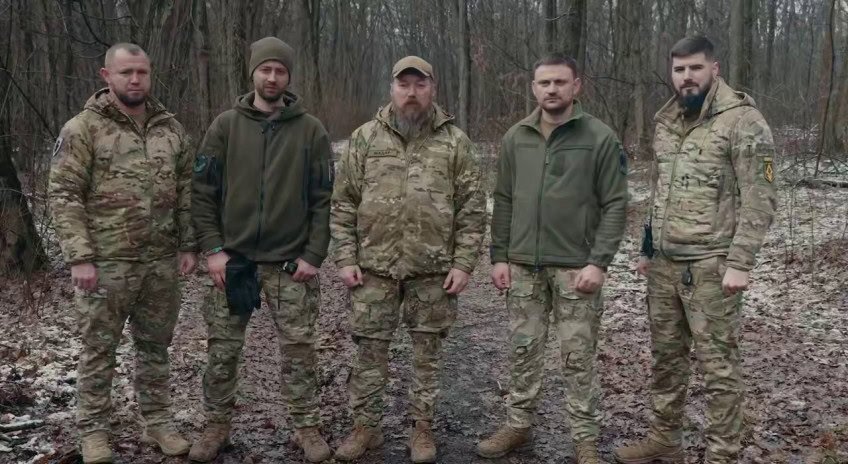
Ukraine bets on unmanned systems with expansion of best drone units
Ukraine announced a new initiative to expand some of its best drone units and replicate their strengths across the force. Amid a shortage of infantry, Kyiv is leaning even more on drone units to serve as a force multiplier in support of ground troops.
-
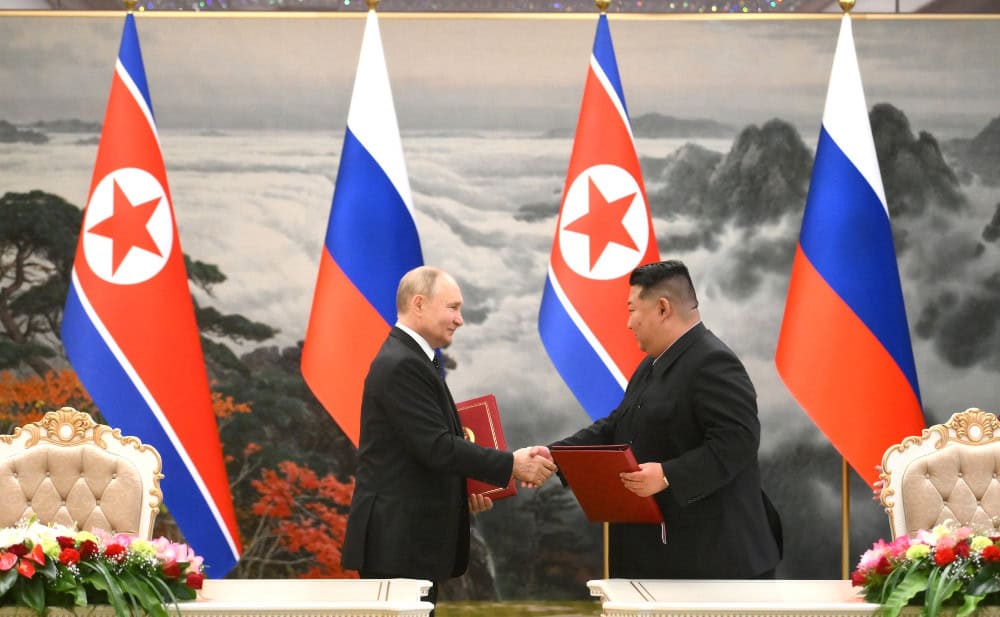
North Korean troops pull back in Kursk as Pyongyang prepares fresh deployment, officials say
North Korean troops in Russia’s Kursk region have pulled back from the front lines following heavy losses, US and Ukrainian officials say, while Pyongyang is reportedly preparing to deploy more forces. North Korean troops have put the Ukrainian defense in Kursk under greater stress, but reinforcements will be necessary to sustain that pressure.
-
Analysis: Ukraine, Russia trade attacks in Kursk while Russia takes Kurakhove
Russia and Ukraine traded attacks in the Kursk region this week as Moscow looks to continue clawing back its territory. Meanwhile, Russian forces appear to have taken the eastern city of Kurakhove but failed to encircle the Ukrainian forces there.
-
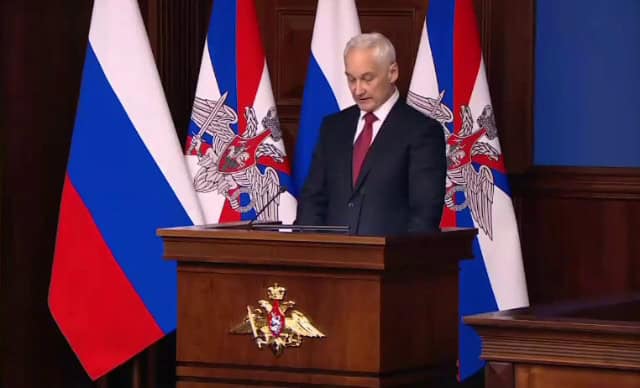
Russia announces plans to form Unmanned Systems Forces
Russia unveiled plans to form a new branch dealing with unmanned systems, echoing a similar move by Ukraine. This decision reflects both the increasing importance of drones and a desire to systematize related evolutions within the Russian military.
-
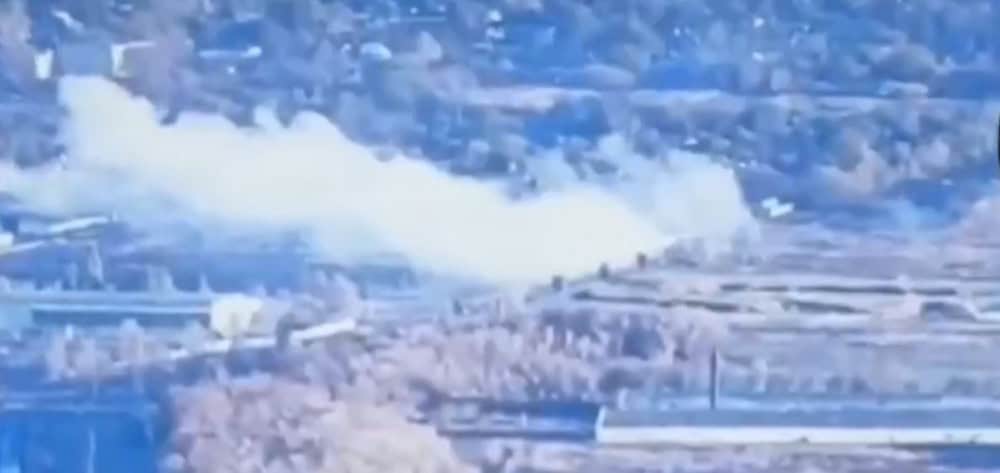
Russia looks to encircle the eastern Ukrainian city of Kurakhove
Russian forces are currently focused on encircling the eastern city of Kurakhove. Their rate of advance has accelerated in recent weeks as Ukraine grapples with a manpower shortage.
-
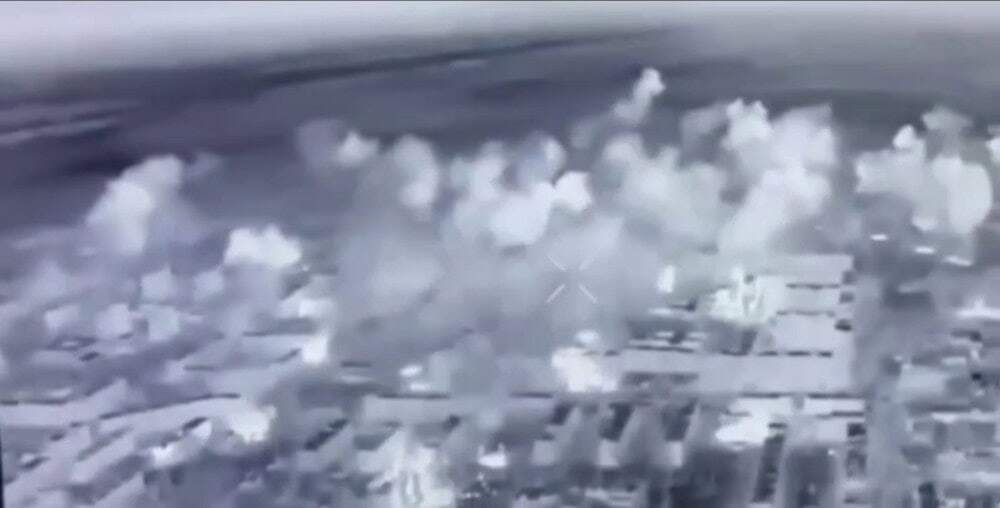
Russia closes in on “fortress” city of Vuhledar
Russia is close to capturing the city of Vuhledar, a defensive stronghold in eastern Ukraine. Vuhledar’s fall will further stretch Kyiv’s forces and aid Russia’s efforts to push Ukraine out of southern Donetsk Oblast.
-
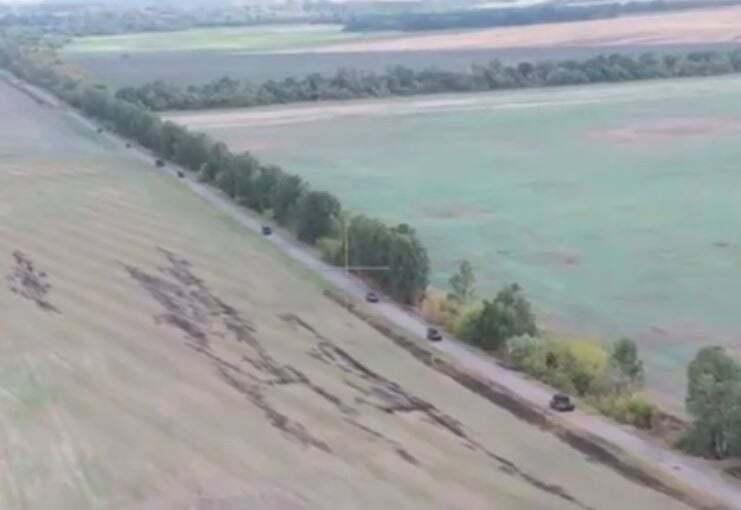
Russia retakes some territory in the Kursk region
Russian forces are on the attack in the Kursk region. While it is unclear exactly how much progress they have made, Russia appears to have retaken at least some territory.
-
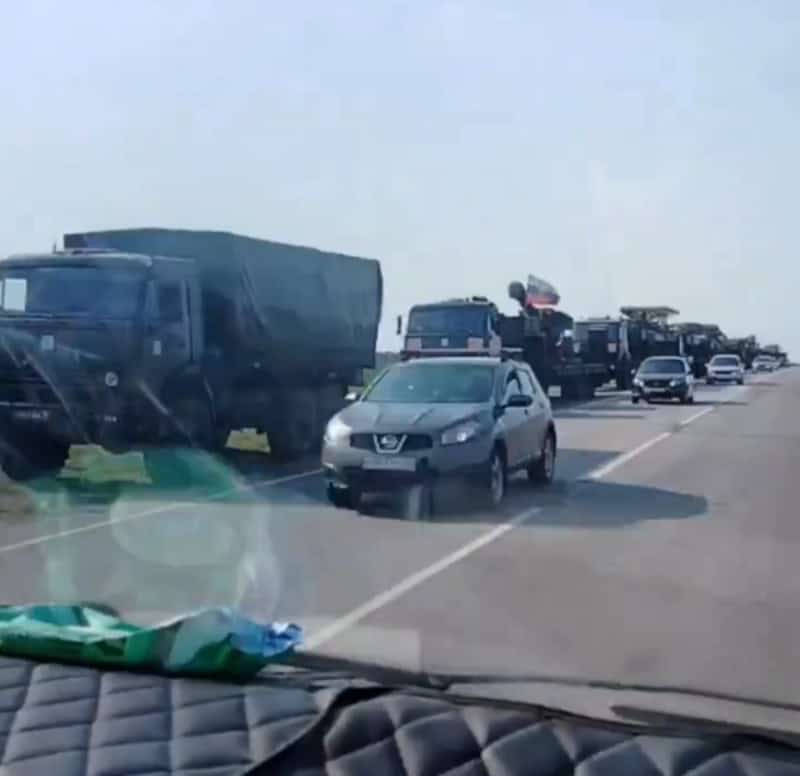
Analysis: Russia moves forces to Kursk while intensifying push toward Pokrovsk
Though Ukraine’s Kursk offensive has achieved tactical success and boosted morale, it has so far failed to divert Russian forces attacking toward Pokrovsk. Instead, Russian gains there have accelerated as Moscow capitalizes on Ukraine’s manpower shortage.
-
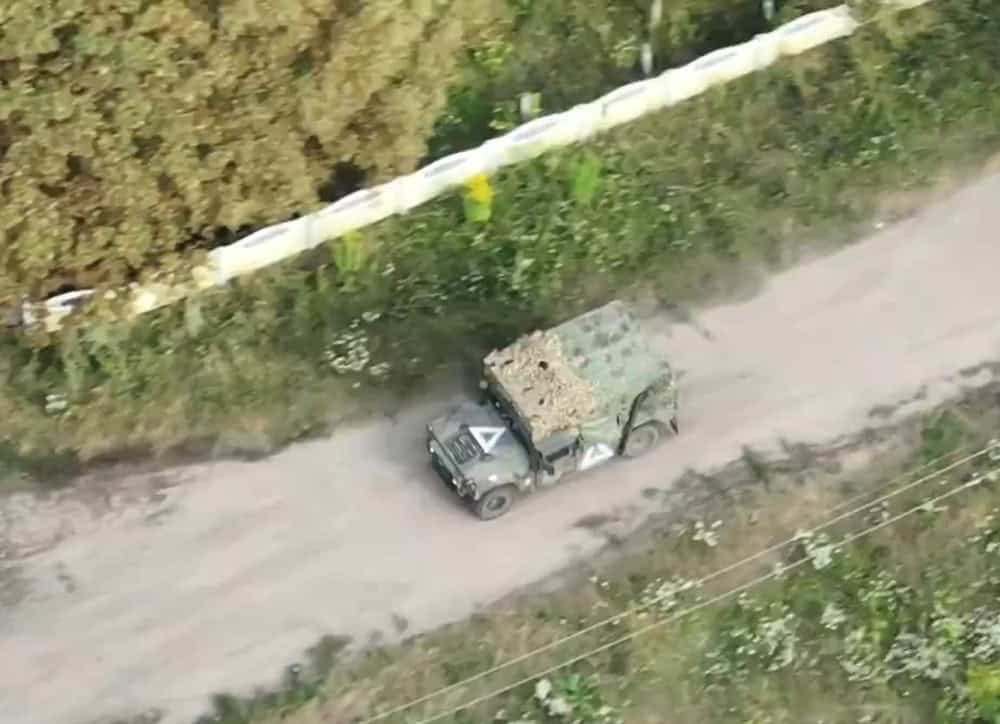
Analysis: Ukraine’s bold—and risky—gamble in Kursk
Ukraine’s surprise offensive in the Kursk region is a daring gambit likely intended to divert Russian forces and shift the war’s momentum. But it also comes with major risks for Ukraine, which is short on reserves and struggling to hold its lines in Donetsk Oblast.
-
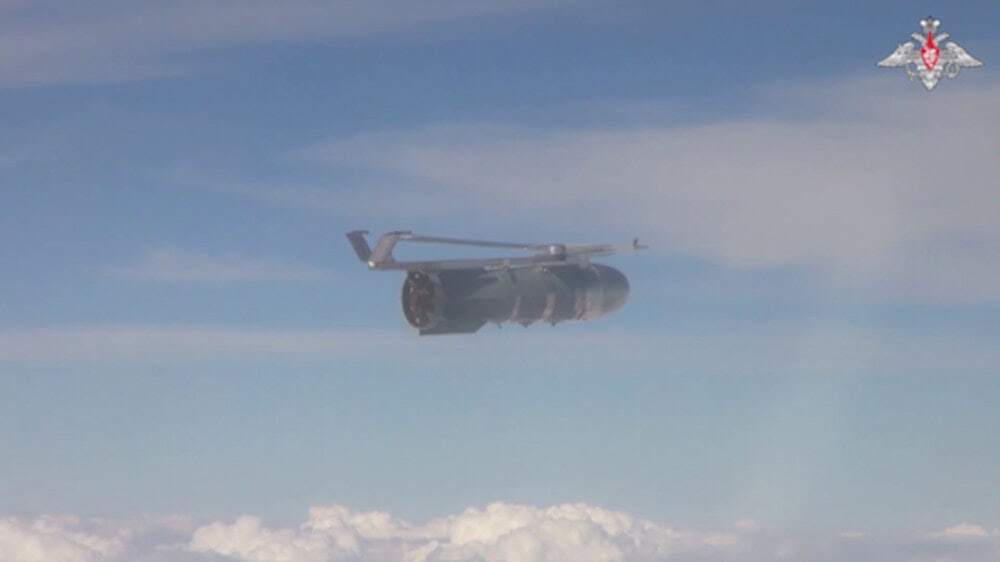
Analysis: What we know about Russia’s new 3-ton glide bomb
New footage confirms Russia has begun using three-ton bombs equipped with “UMPK” wing and guidance kits, adding to the serious threat that Russian glide bombs already pose to Ukraine. Here is what we know about the new weapon and its implications for the war.
The Team
Meet the Team Behind the Vision
Our dedicated team combines diverse skills and shared passion to bring innovative solutions to life. Together, we collaborate, create, and strive to exceed expectations every day. Learn more about the people driving our mission forward.
Alex Johnson
Project Manager
Oversees project timelines and ensures seamless collaboration among team members to deliver results on schedule.
Alex Johnson
Project Manager
Oversees project timelines and ensures seamless collaboration among team members to deliver results on schedule.
Alex Johnson
Project Manager
Oversees project timelines and ensures seamless collaboration among team members to deliver results on schedule.