-
US flag trampling, militia disarmament dispute mark Iraq’s post-US withdrawal era
Iraq is grappling with controversy over the role of Iran-backed militias following the departure of US forces, including an incident in which Popular Mobilization Forces members were photographed driving over an American flag. Prime Minister Ali al Zaidi is pushing to bring militia weapons under state control by June 2027, with several factions reportedly agreeing to disarm while others continue to resist.
-
US forces complete departure from Iraq as anti-Islamic State mission in Iraq ends
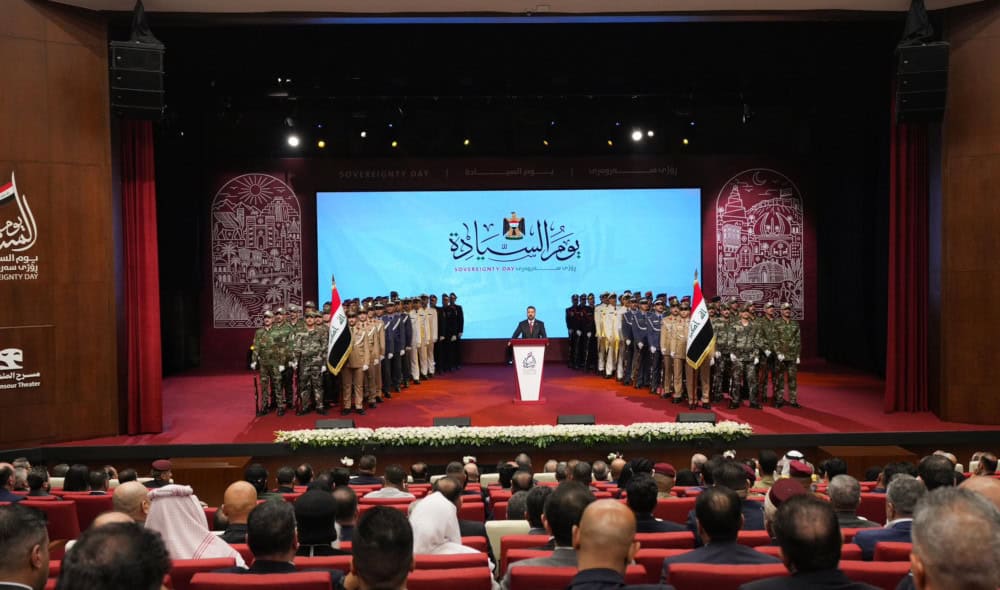
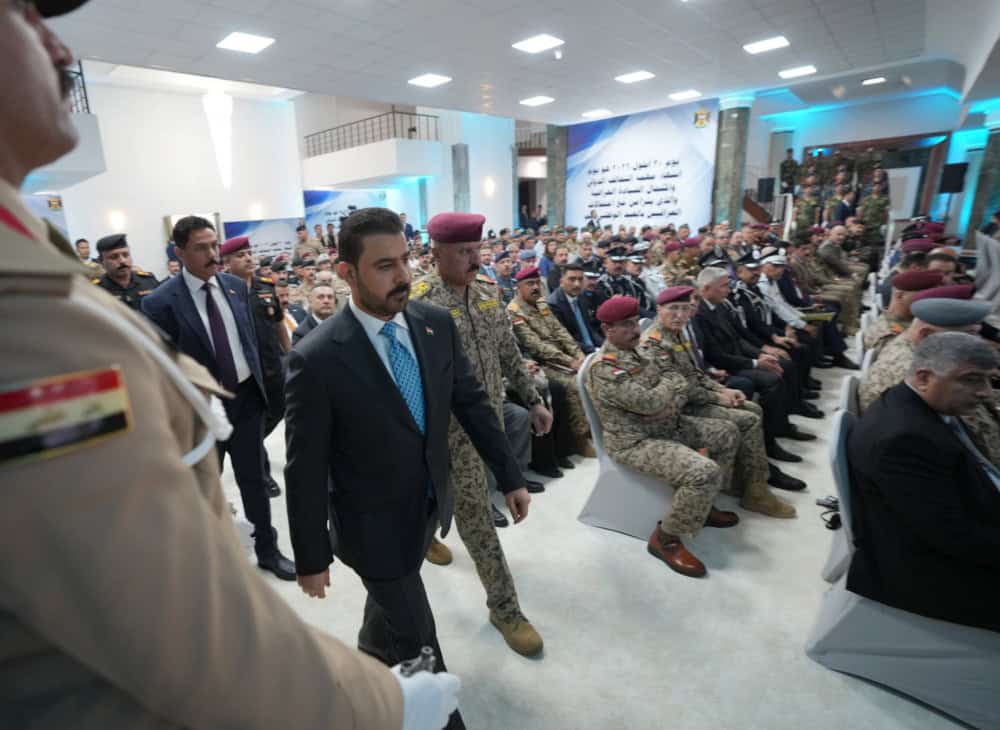
US and other anti-Islamic State coalition forces completed their withdrawal from Iraq on September 30, ending Operation Inherent Resolve as Baghdad marked what it called a restoration of Iraqi sovereignty. The departure comes amid concerns about Iran-backed militias, air-defense gaps in the Kurdistan Region, and the future of US-Iraq security cooperation.
-
Iraq agrees to Turkish base deal as militia disarmament timeline debated
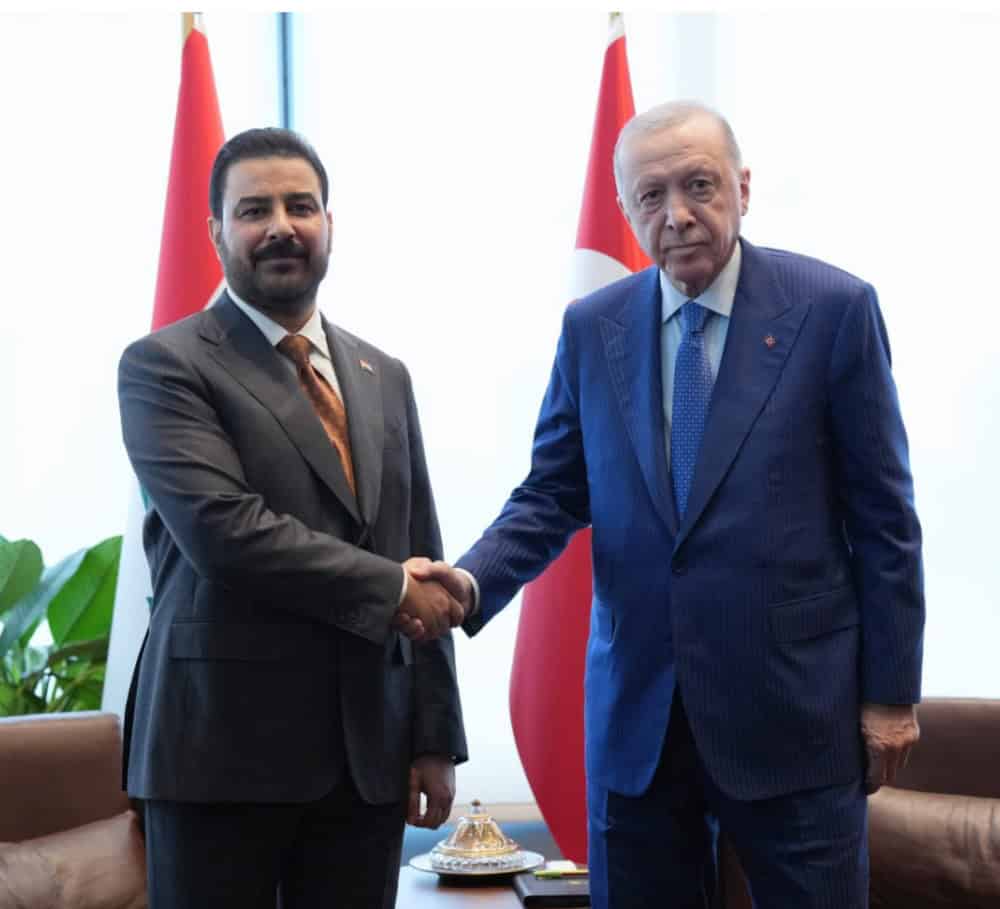
Iraqi Prime Minister Ali al Zaidi has outlined a plan to disarm Iran-backed militias by June 2027 as Baghdad prepares for the withdrawal of US forces. The proposed disarmament timeline coincides with an agreement for Turkey to gradually hand over its Bashiqa-Zilkan military base to Iraq, part of wider efforts to bring armed groups and military facilities under Iraqi state control.
-
Yazidi armed group YBS to disarm, integrate into Iraqi security forces
The Sinjar Resistance Units (YBS), a Yazidi armed group with links to the Kurdistan Workers’ Party (PKK), has agreed to disarm and integrate eligible members into Iraq’s security forces as Baghdad seeks to stabilize Sinjar and facilitate the return of displaced Yazidis. The agreement comes amid broader efforts to disarm Iranian-backed militias in Iraq and parallels integration processes involving the Syrian Democratic Forces in Syria.

-
Iranian-backed militia in Iraq sets ‘conditions’ for disarmament
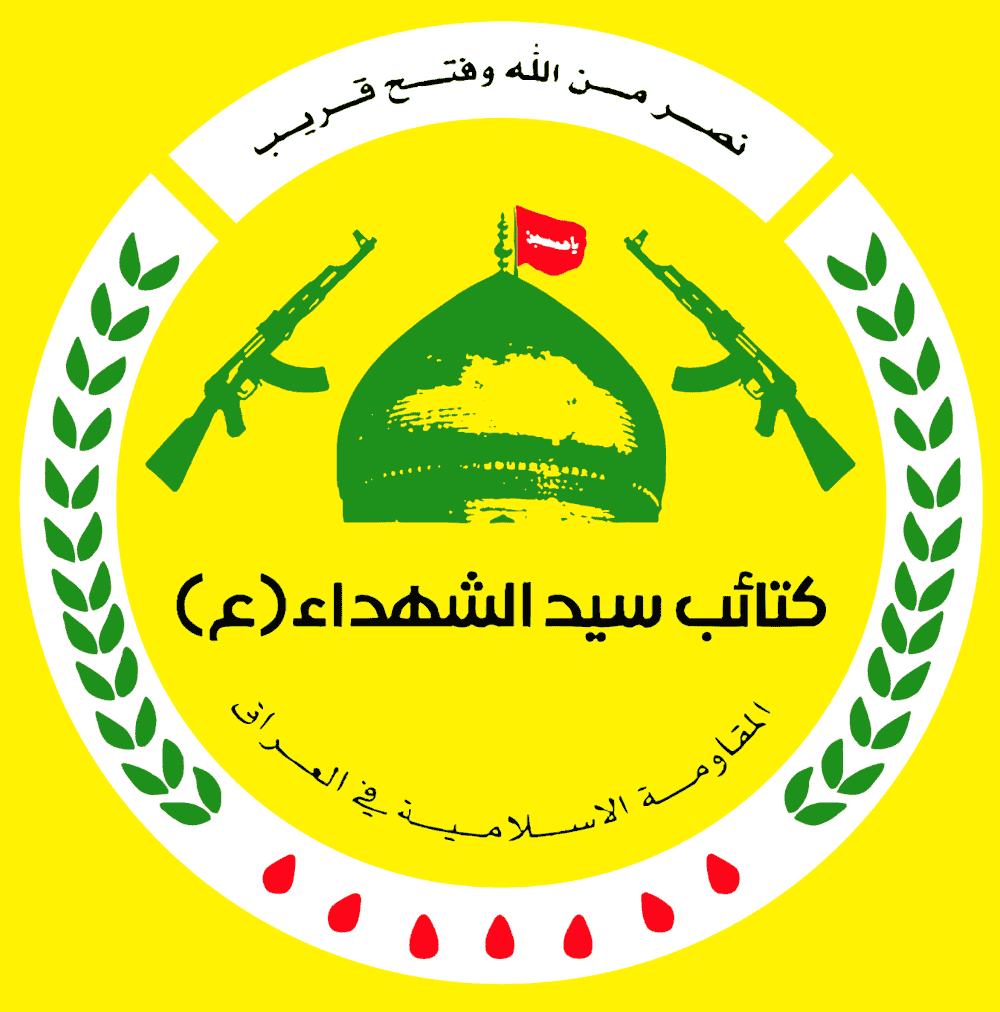
Iraq’s efforts to bring the weapons of Iranian-backed militias under state control are facing a new challenge as one of the country’s groups, Kataib Sayyid al Shuhada, has laid out conditions for disarmament. The debate comes amid continued US pressure on Baghdad to disarm the groups, a looming coalition withdrawal deadline, and renewed efforts by the Iraqi government to assert its authority over armed factions.
-
US, Saudi Arabia strike Iranian-backed militias in Iraq after militia attacks
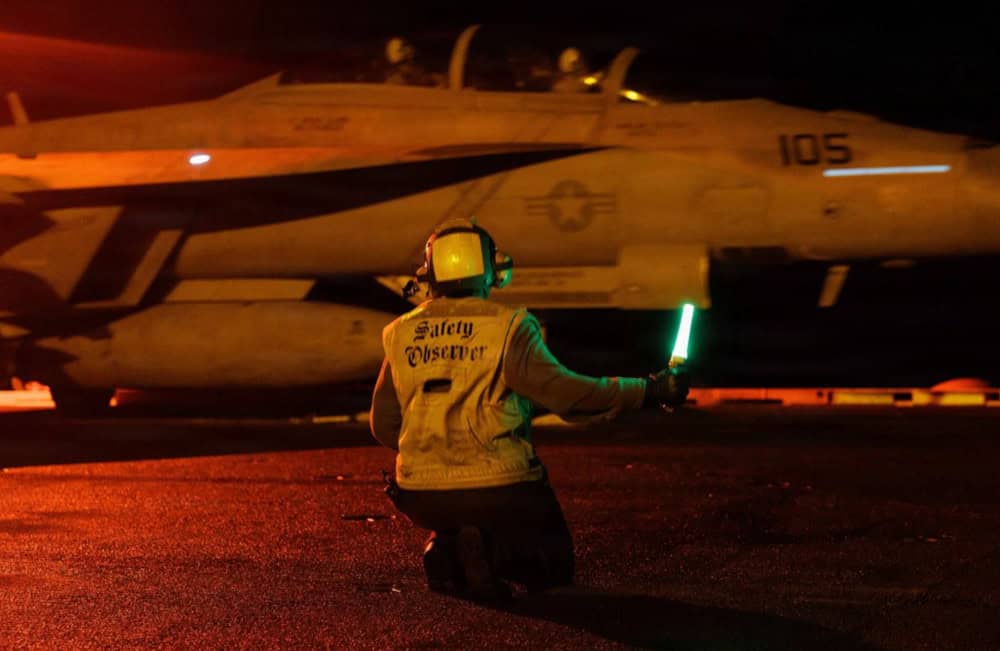
Iranian-backed militias in Iraq escalated attacks on Saudi Arabia and the Kurdistan Region in late July, prompting US and Saudi airstrikes against militia logistics and weapons sites across Iraq. The escalation comes as Washington pressures Iraqi Prime Minister Ali al Zaidi to disarm Iran-aligned militias and bring their weapons under state control.
-
As Kurdistan Region seeks drone defenses, Rubio warns Iraq about Iran proxies
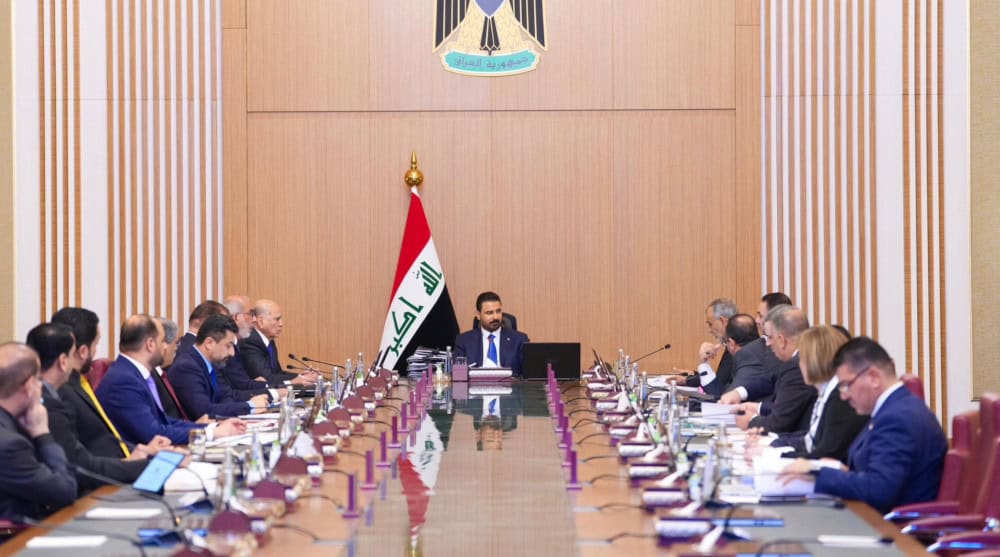
The Kurdistan Region of Iraq is seeking to acquire air-defense systems following months of missile and drone attacks targeting energy infrastructure and Iranian opposition groups across northern Iraq. US Secretary of State Marco Rubio warned that Iranian-backed proxies continue to threaten regional stability by launching attacks from Iraqi territory.
-
Iraqi Prime Minister Ali al Zaidi meets US envoy amid militia pressure
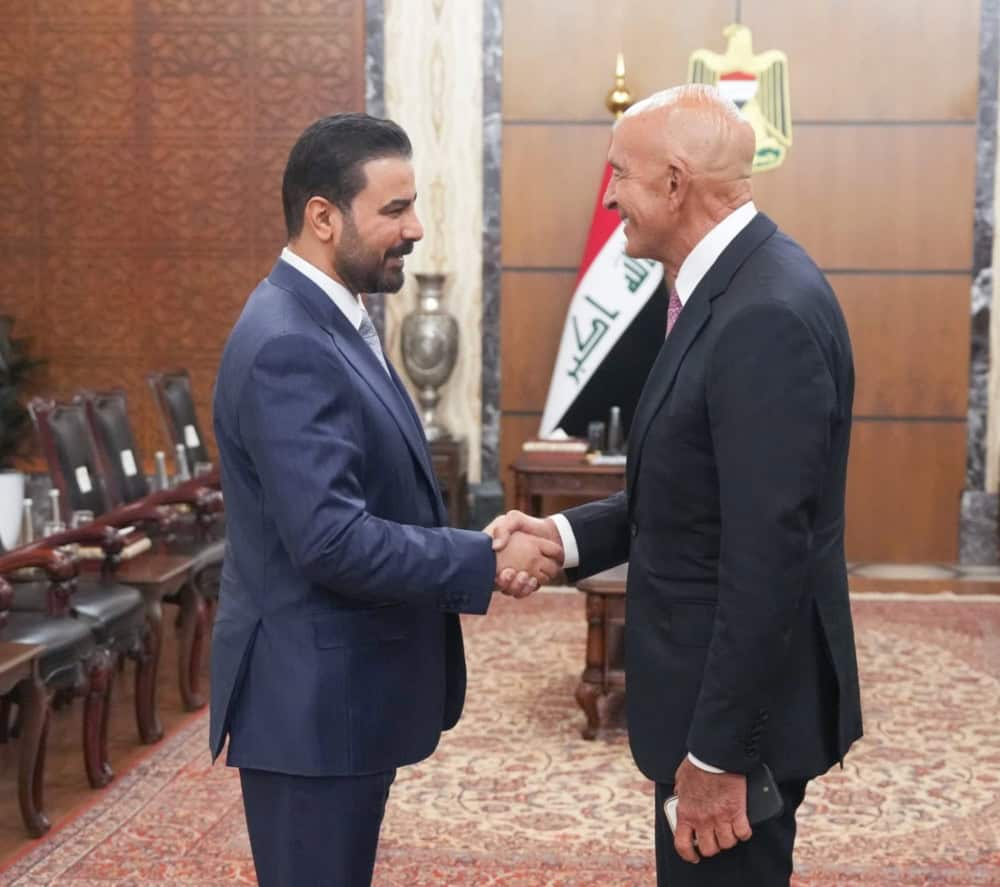
US Envoy to Iraq and Syria Tom Barrack’s recent visit to Iraq on June 15 highlighted Washington’s efforts to support stability, security cooperation, and political reform in the country amid continuing regional tensions. Discussions focused on strengthening ties between Baghdad and Washington, disarming Iranian-backed militias, and advancing energy deals.
-
Iraq’s prime minister prepares US visit amid Iran threats and militia focus
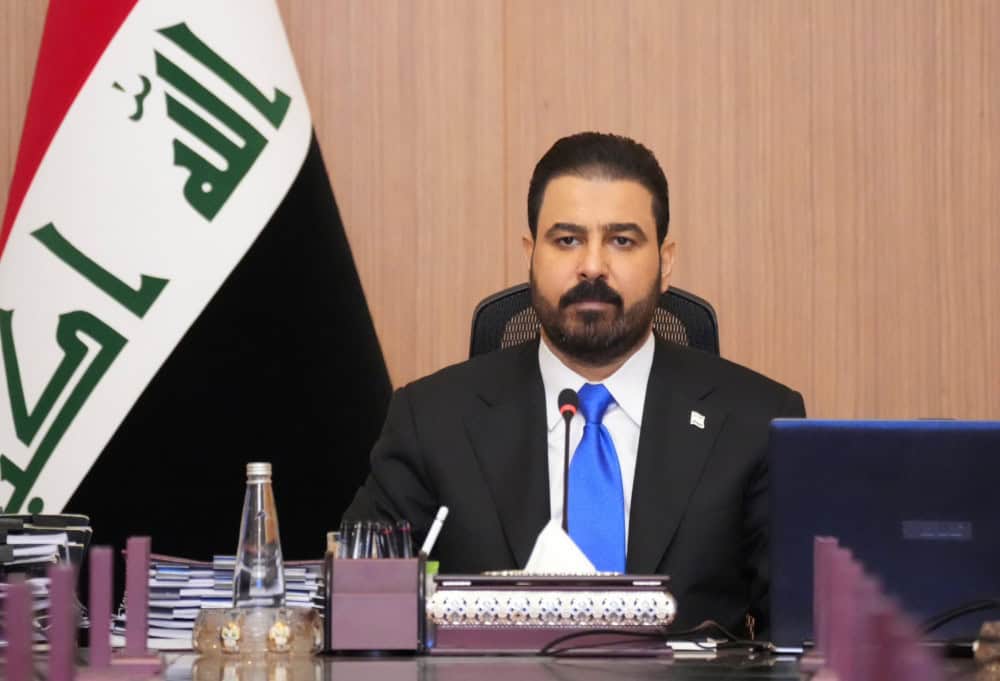
Iraqi Prime Minister Ali al Zaidi is set to visit Washington, DC, as his government seeks investment, security cooperation, and support for efforts to strengthen state authority. A central focus of his agenda is bringing weapons held by Iranian-backed militias under government control, a process Baghdad hopes to advance before the planned end of the US anti-Islamic State mission in September 2026.
-
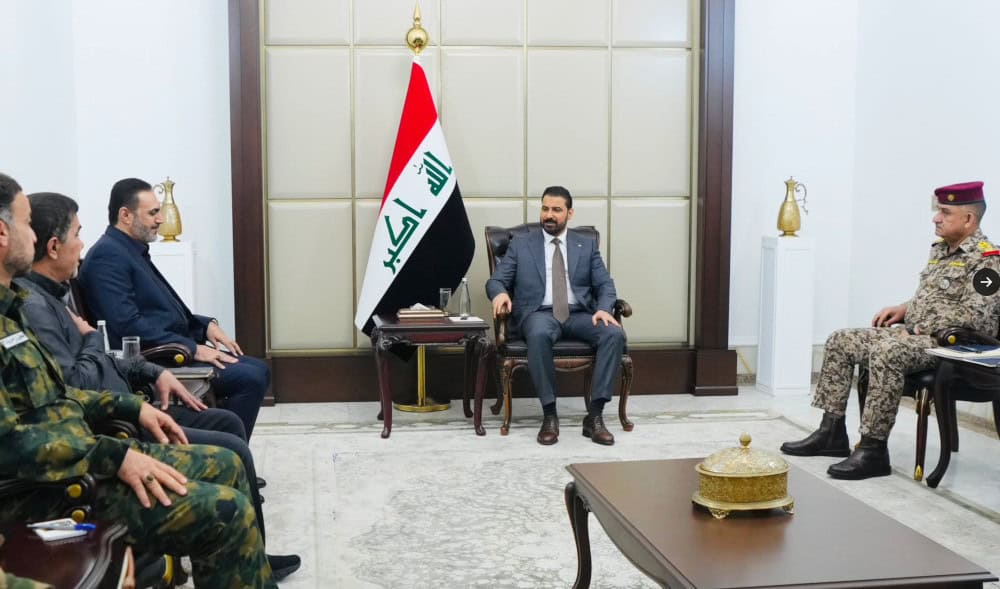
Several Iranian-backed militias in Iraq say they accept state control of weapons
Iraq’s new government is attempting to bring weapons held by Iranian-backed militias under state control, a move that could reshape the role of armed groups linked to the Popular Mobilization Forces (PMF). Several militias have announced plans to place their arms under government authority and disengage from the PMF, while others remain opposed or have issued mixed signals.
-
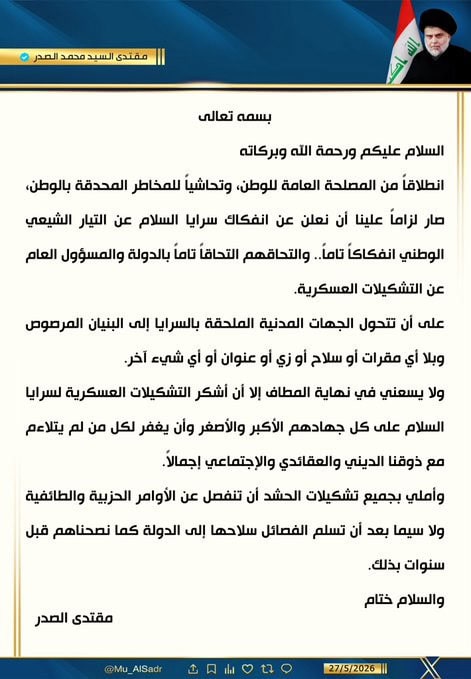
Muqtada al Sadr announces integration of his militia into the Iraqi state
Iraqi nationalist cleric Muqtada al Sadr announced that his militia, Saraya al Salam, will integrate into state security institutions. This development comes as Iraq’s new political leadership is navigating the issue of disarming Iran-backed militias.
-
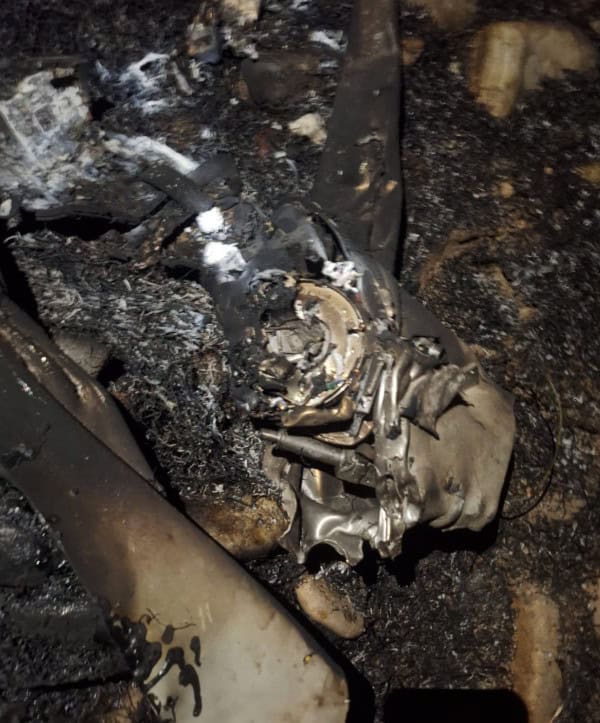
Iran conducts new attacks on Kurdish opposition groups in northern Iraq
The Kurdistan Freedom Party (PAK) said Iranian drones and a missile struck one of its facilities near Erbil on May 25, wounding nine Peshmerga, while other camps were reportedly also targeted in recent weeks. Kurdish Iranian opposition groups, operating from Iraq’s Kurdistan Region for decades, formed a coalition to coordinate activities in February. The attacks come as Iraq’s new government seeks to curb armed groups and address regional security concerns.
-
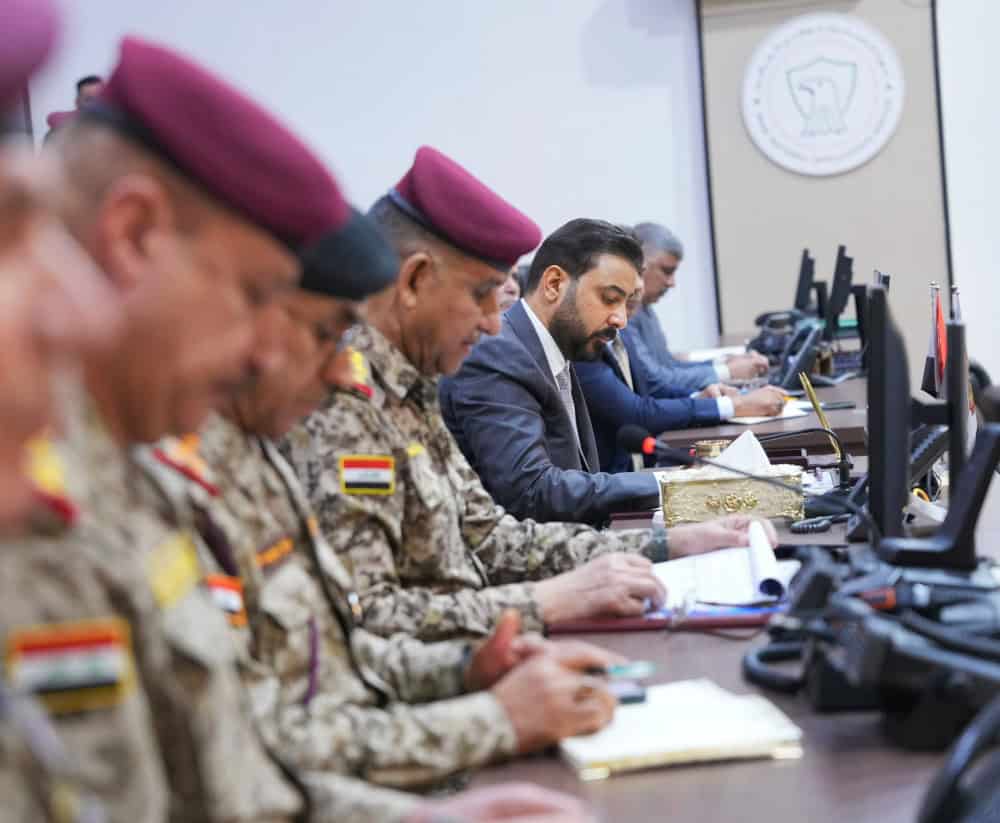
Saudi Arabia and UAE say drone attacks were launched from Iraq
Saudi Arabia and the United Arab Emirates said that recent drone attacks targeting their territory originated from Iraq, increasing pressure on Baghdad to address the activities of Iranian-backed militias operating inside the country. The incidents come amid continued regional tensions involving Iran and have intensified scrutiny of Iraq’s newly formed government.
-
Iraqi security forces and politicians react to reports of ‘secret’ Israeli base
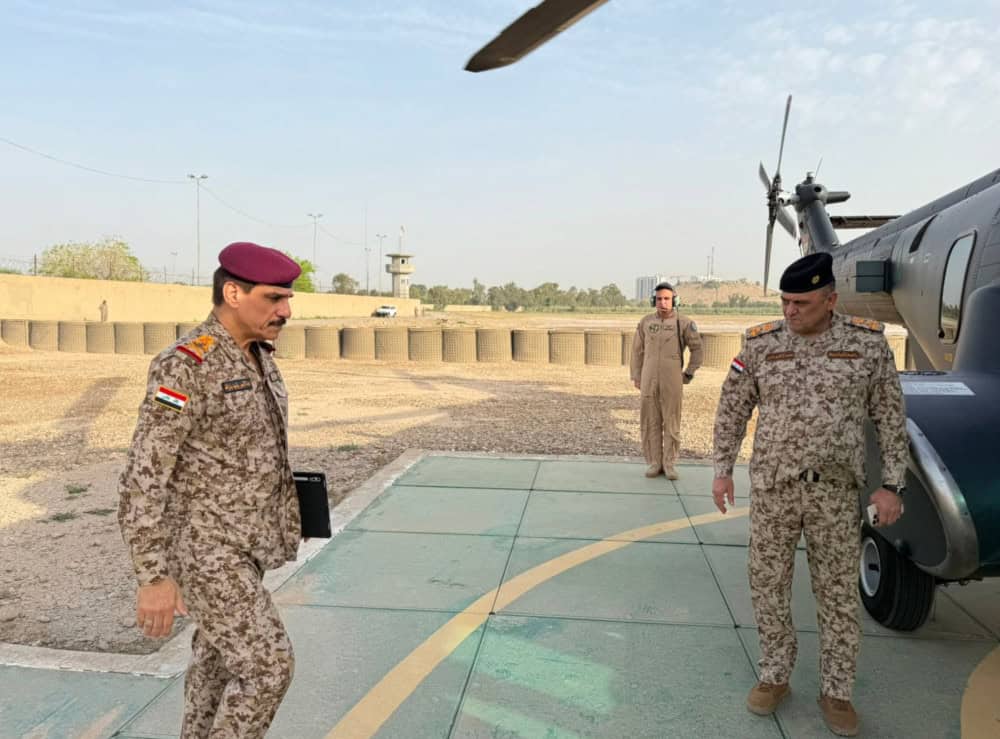
A report alleging that Israel operated a secret military base in Iraq’s Najaf desert has sparked controversy and conflicting statements among Iraqi politicians and security forces. The report emerged amid sensitive political negotiations in Baghdad and broader tensions involving Iran-backed militias, Israel, the United States, and Iran.
-
Iraqi fundraising drives linked to militias channel support to Iran and Hezbollah
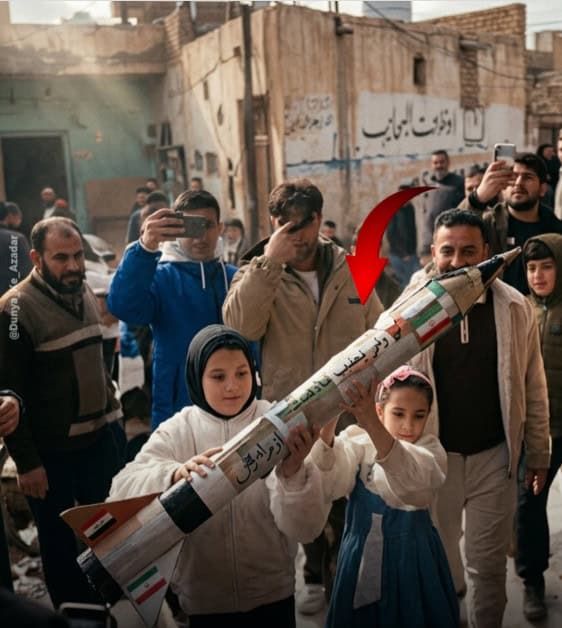
Efforts described by Iran-backed Iraqi militias as humanitarian campaigns increasingly show signs of serving as a parallel financial pipeline that also fuels Iran’s current war effort and regional proxy network. Across Iraq, groups aligned with Tehran are mobilizing donation drives framed as a religious obligation and in wartime solidarity.
-
American journalist kidnapped in Baghdad by Iranian proxy
The Iran-backed terror group Kataib Hezbollah, an Iraqi Shiite militia, kidnapped American journalist Shelly Kittleson in downtown Baghdad on March 31. The US government had previously warned Kittleson of a threat against her and the group’s desire to kill or abduct journalists.
-
6 Kurdistan Regional Government soldiers killed in Iranian attack on northern Iraq
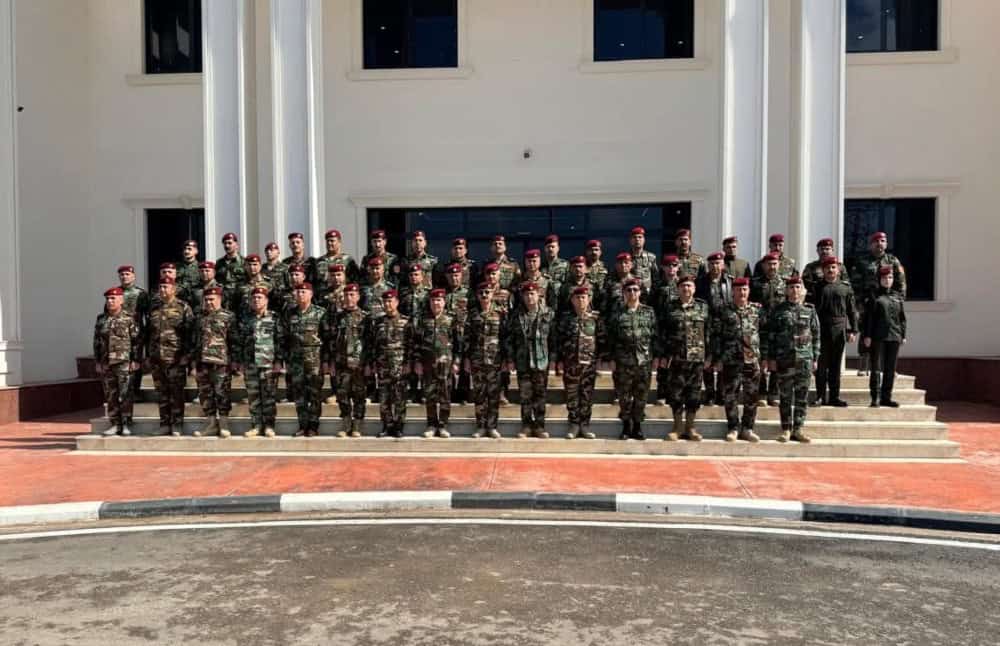
Six Peshmerga fighters were killed, and more than 20 were wounded in a missile strike north of Erbil on March 24, marking the deadliest attack on the Kurdistan Region since late February. The strike is part of a broader wave of drone and missile attacks by Iran and Iranian-backed militias targeting northern Iraq, US facilities, and Kurdish forces. In addition, rockets were fired toward Syria on March 23, and at least 15 members of Iraq’s Popular Mobilization Forces were killed in a likely US airstrike in Iraq’s Anbar province.
-
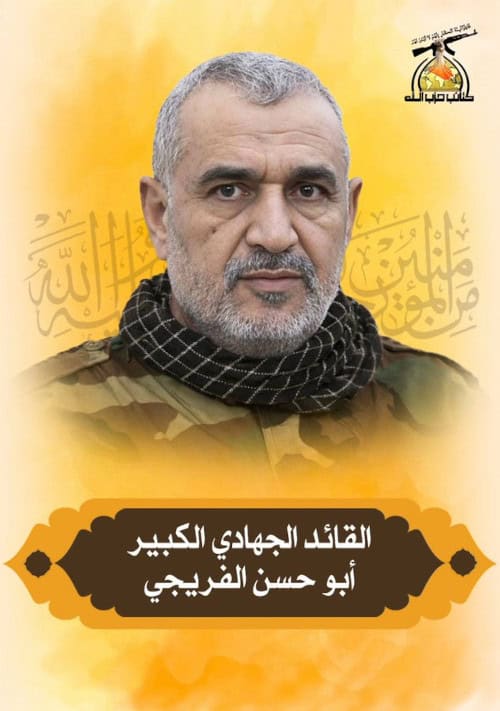
Strikes continue hitting Iran-backed Iraqi militias, Kataib Hezbollah declares temporary US embassy ceasefire
Unclaimed but likely American airstrikes have continued against Iran-backed Iraqi militias, with one strike reportedly killing a senior Kataib Hezbollah commander. The US and Kataib Hezbollah have subsequently agreed to a temporary, conditional pause in attacks on the US Embassy in Baghdad, though other hostilities in the country continue.

-
Dozens of airstrikes target Iran-backed militias across Iraq
The unclaimed airstrikes, likely conducted by the United States as part of US-Israeli operations against the Islamic Republic of Iran, have targeted several Tehran-allied militias in Iraq and reportedly caused significant casualties. The US has not commented on these operations, which include over 30 reported strikes on the groups, who continue to attack US forces in the region.

-
US condemns Iranian and militia attacks in Iraq amid unclaimed airstrikes on Tehran-backed militias
US Secretary of State Marco Rubio condemned Iranian and Iranian-backed militia attacks in Iraq during a March 9 call with Iraqi Prime Minister Mohammed Shia al Sudani, as drone and missile strikes continued across the country. Many attacks have targeted the Kurdistan Region of northern Iraq, where US forces are based, as well as other US facilities and diplomatic sites. Unclaimed airstrikes have also targeted Iranian-backed militias across Iraq.

-
Iranian-backed militias continue attacks on US forces in Iraq
Iran-backed Iraqi militias claimed a series of drone and missile attacks against the “US presence” in the region on March 4 and 5, many targeting Iraqi Kurdistan, where significant American forces are located. US and Israeli forces are also likely operating against the Tehran-allied militias in Iraq, as both the militias and official government sources have reported a US presence and unidentified strikes against these groups.
-
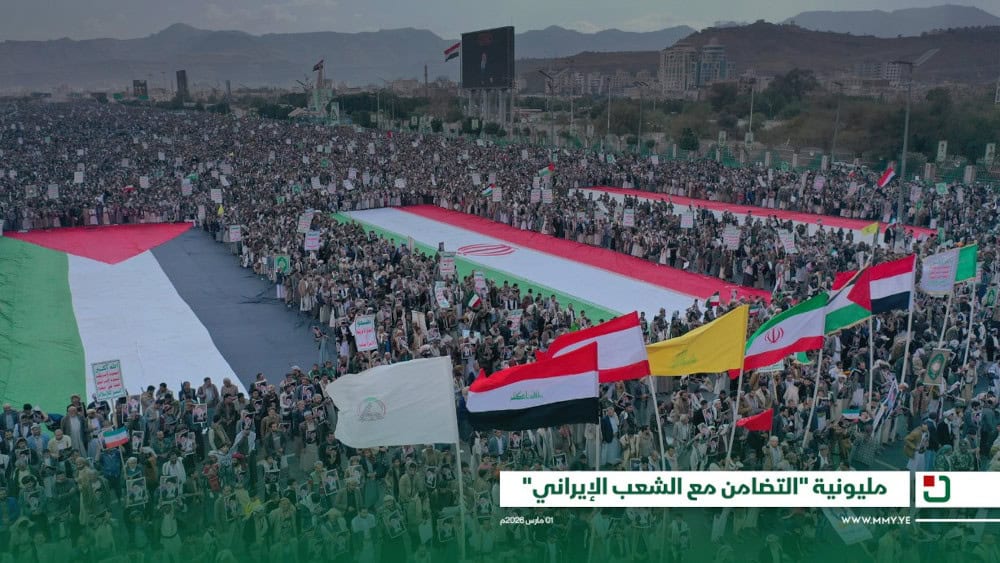
Iran’s regional partners spark protests across the Middle East and South Asia
Tehran’s partners and sympathizers have arranged protests across the region against the US-Israeli campaign against Iran, especially the killing of Iranian Supreme Leader Ali Khamenei. Some of the demonstrations have turned violent and present a danger to the local US diplomatic presence and civilians.
-
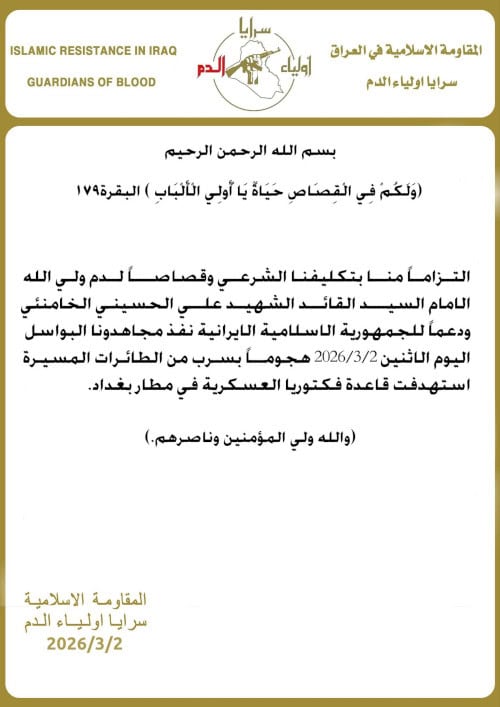
Iraqi Shiite militias claim attacks on US bases
Iraqi militias backed by Iran have continued to fire drones and missiles at American bases in Iraq and in the region. Both the Islamic Resistance in Iraq and Saraya Awliya al Dam have claimed responsibility for the strikes. Collectively, the groups have claimed dozens of operations against American bases since March 1.
-
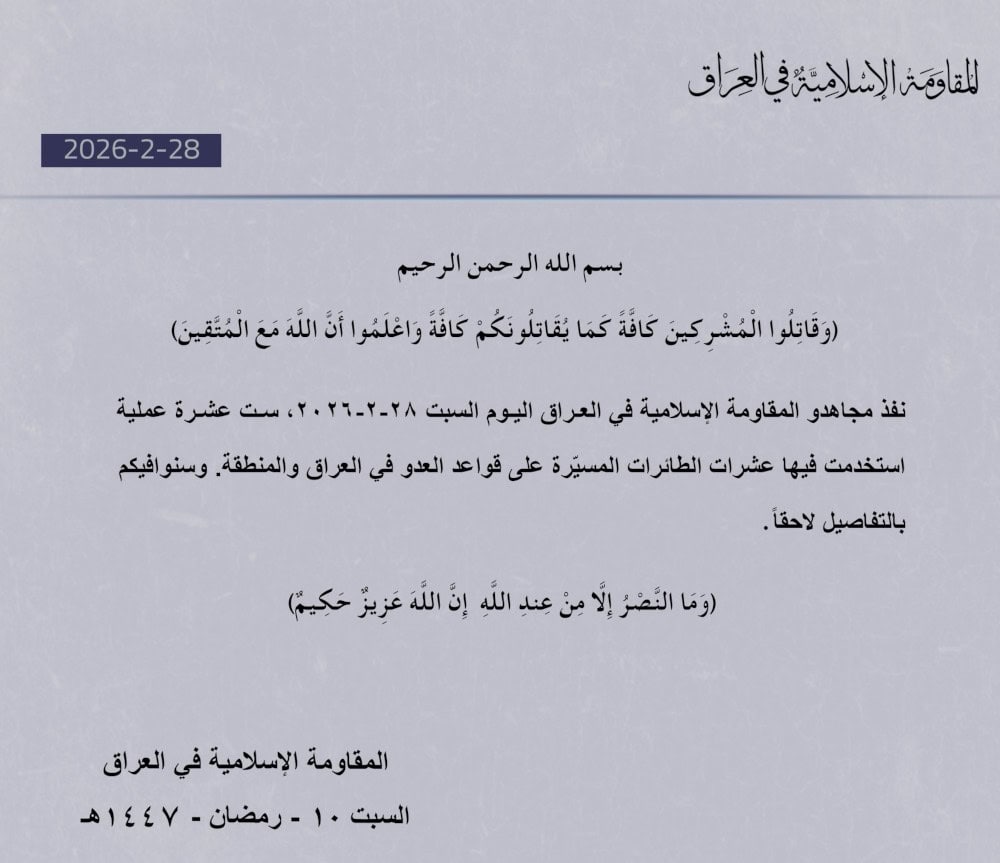
Iraqi Shiite militias join the war between Israel, the US, and Iran with drone attacks
The Islamic Resistance in Iraq (IRI), a coalition of Iran-backed Shiite militias, claimed over a dozen drone attacks against “enemy bases in Iraq and the region” and issued statements of support for the Tehran regime in retaliation for US and Israeli strikes on Iran. The groups are also responding to unclaimed airstrikes on Iraq that have reportedly killed at least six people, including four confirmed Iraqi militiamen.
-
Iraqi militias divided on disarming and accepting government control
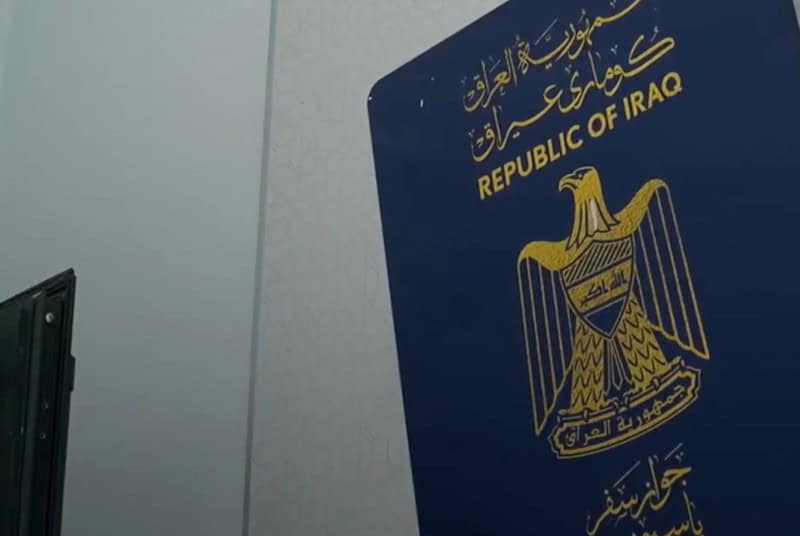
Iranian-backed militias in Iraq are reportedly considering an initiative to disarm and place their weapons under government control. The militias, part of Iraq’s Popular Mobilization Forces (PMF), have been incorporated as independent units within Iraq’s security forces since 2016. Kataib Hezbollah, one of the most powerful of militias, has rejected disarmament, while the US lauded the potential development.
-
Iraq votes in parliamentary elections amid US security talks and concerns about Iranian influence
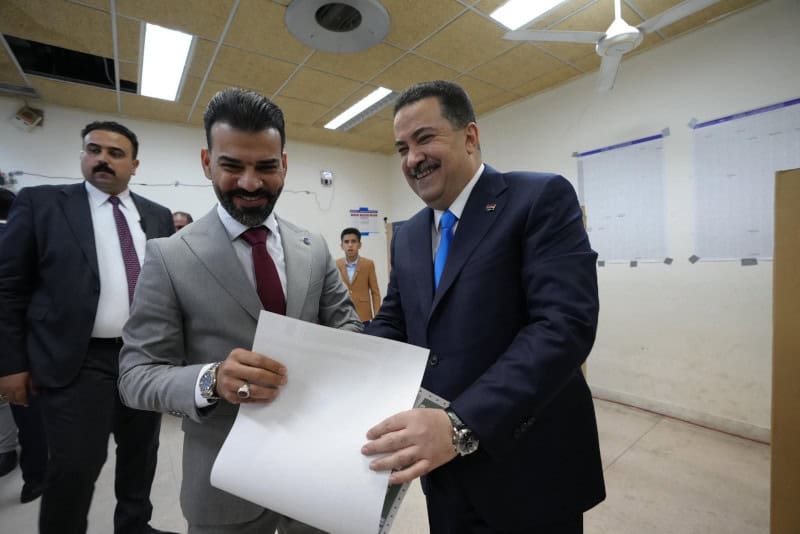
On November 11, Iraqis voted in the country’s sixth parliamentary election since 2006. More than 30 million people were eligible to vote, and estimates say turnout was around 55 percent. There were 329 seats up for election, with Iraqi parties divided along sectarian and ethnic lines. On the eve of the election, US officials met with their Iraqi counterparts to discuss future security cooperation. Meanwhile, Iran is closely monitoring the election results as pro-Iranian parties and militias seek to secure seats in parliament.
-
Iranian-backed Iraqi militias in spotlight after Secretary of State Rubio’s call with Prime Minister Sudani
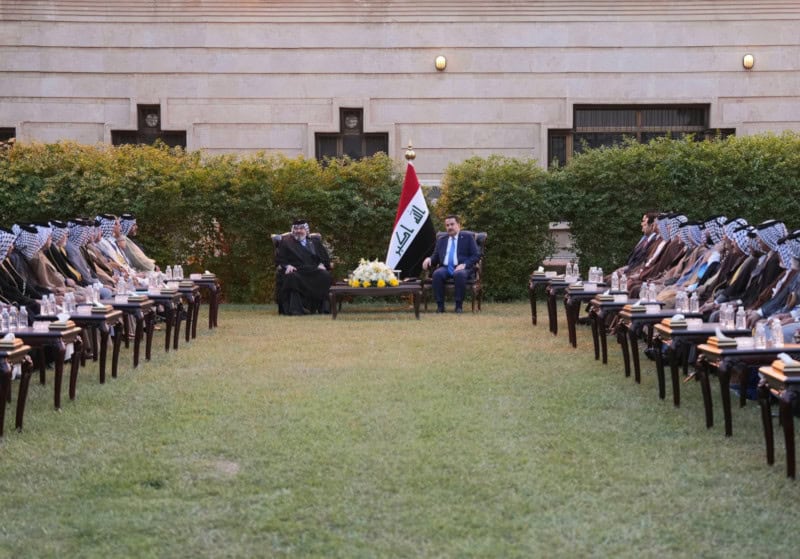
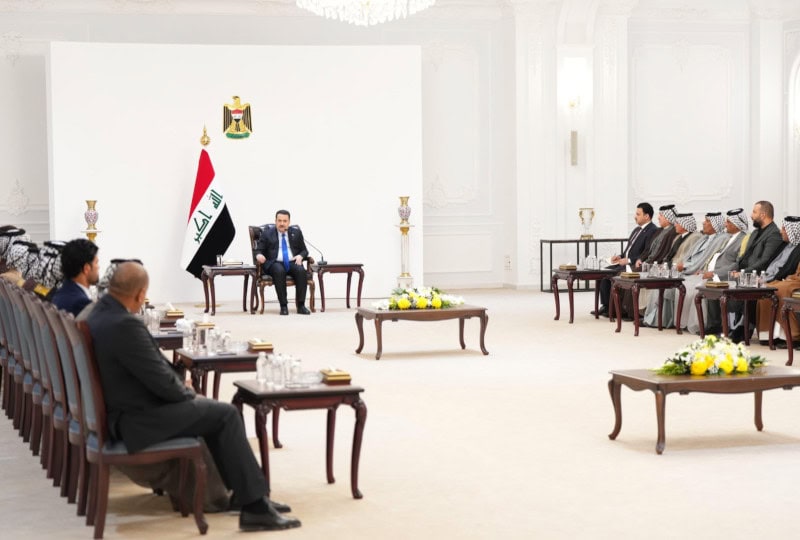
US Secretary of State Marco Rubio spoke with Iraqi Prime Minister Shia al Sudani on October 21, discussing the “urgency in disarming Iran-backed militias that undermine Iraq’s sovereignty.” Sudani told the US to “avoid unilateral decisions in Iraq.” The call followed increased US sanctions on Iranian-backed militias in Iraq and individuals linked to them. Separately, Iraq’s National Security Advisor Qasim al Araji visited Iran and met with the head of the Islamic Revolutionary Guard Corps (IRGC), while IRGC-Qods Force Commander Esmail Qaani visited Iraq to discuss upcoming elections with Shiite political parties.
-
Iraqi parliamentary candidate killed in car bombing
Safaa al Mashhadani was reportedly killed in a car bombing on October 15 in Tarmiya, a town north of Baghdad. Mashhadani was a candidate with the Sovereignty (Siyada) Alliance, an important Sunni party running in the country’s November elections. Iraqi media reports indicate the attack has the hallmarks of a targeted assassination, and the United Nations Assistance Mission for Iraq (UNAMI) called for a transparent investigation.
-
Analysis: How the Iranian regime’s foreign proxies suppress Iranian protestors
The Islamic Republic has long backed proxy groups abroad, but their role inside Iran is less well-known. Lebanese Hezbollah, Iraqi Shiite militias, and the Afghan Fatemiyoun Brigade have helped suppress dissent within Iran, and recent reports of their harassment of female students have sparked new outrage.

-
US designates 4 Iran-backed Iraqi militias as Foreign Terrorist Organizations
On September 17, the US State Department designated four Iran-backed Iraqi militias as Foreign Terrorist Organizations (FTOs). These groups, previously listed as Specially Designated Global Terrorists (SDGTs), have received support from the regime in Tehran and attacked US forces and interests in Iraq and across the Middle East.