-
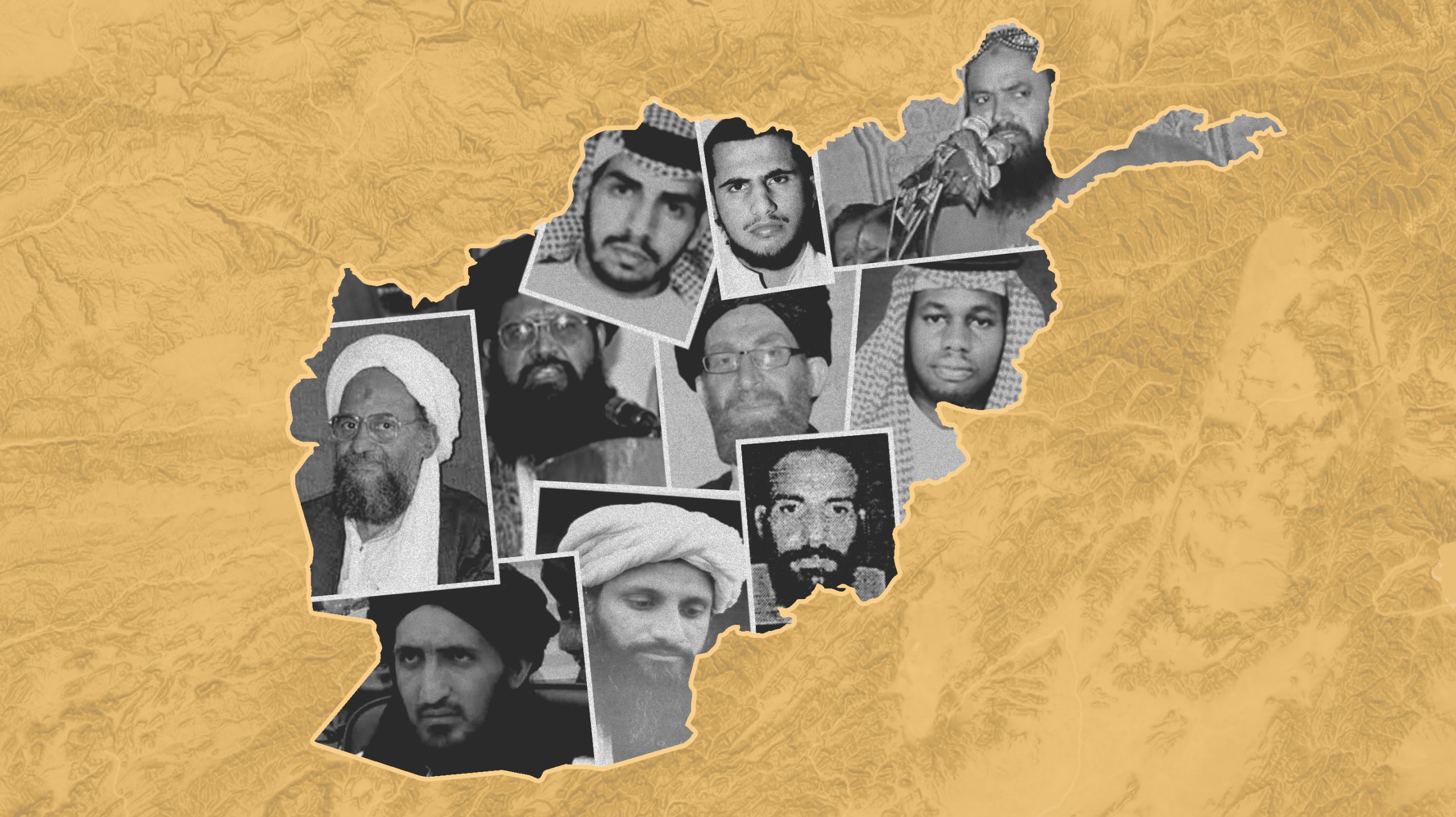
Princeton researcher Elizabeth Tsurkov freed in Iraq
Princeton researcher Elizabeth Tsurkov, who was kidnapped by Iranian-backed militia Kataib Hezbollah in March 2023 and holds Israeli and Russian citizenship, was freed in Iraq on September 9, according to President Donald Trump. The Iraqi Prime Minister’s Office claimed that security agencies in the country had secured her release, and they would pursue those “involved in this crime and hold them accountable.” A source reported to be from Kataib Hezbollah claimed the group had released her to avoid conflict in Iraq and in light of the US withdrawal from the country.
-
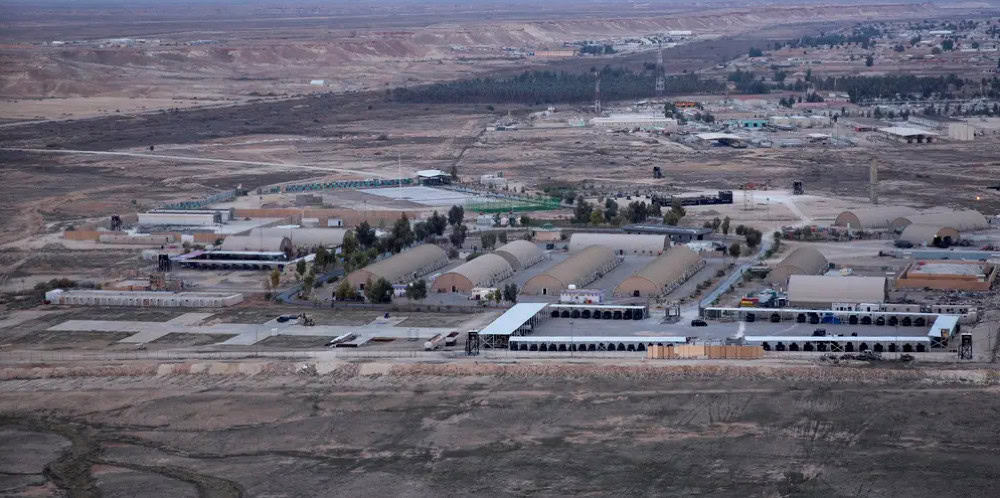
US forces begin withdrawal from Ain al Asad airbase as US presence in Iraq transitions
Iraqi and American officials announced that the US-led counter-Islamic State operation in Iraq began its transition to a bilateral security agreement. US forces have begun moving from Iraqi bases as part of the first phase of the shift, which will end “the coalition’s military mission” in the country.
-
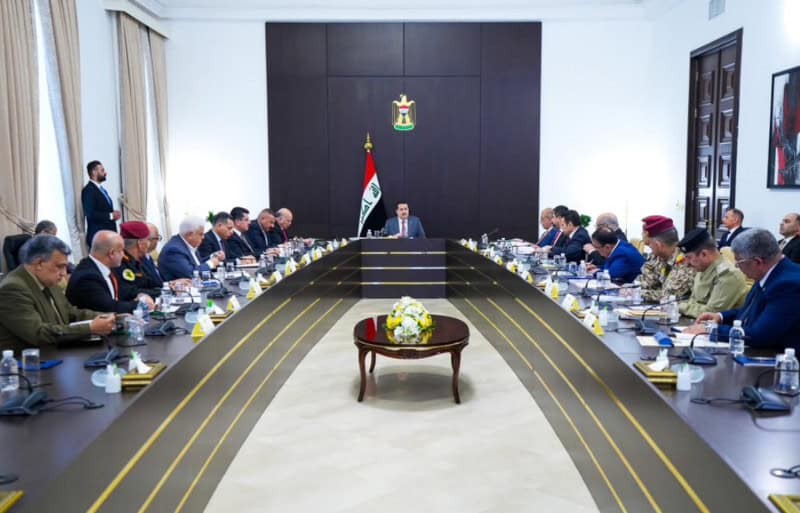
Iraqi PM Sudani condemns Kataib Hezbollah for shooting at Ministry of Agriculture
Kataib Hezbollah, an Iran-backed militia, was involved in a deadly shooting at Iraq’s Ministry of Agriculture on July 27. Despite the support for Iran-backed militias from many Shiite politicians, Iraqi Prime Minister Mohammad Shia al Sudani announced the results of an investigation that found the militia responsible for the incident and recommended consequences.

-
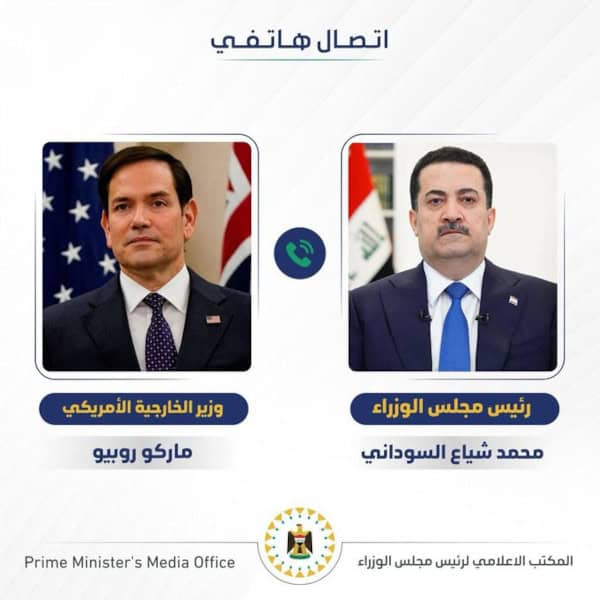
US expresses concern over Iraqi legislation enshrining militias as independent security force
US Secretary of State Marco Rubio voiced American objections to pending Iraqi legislation concerning the Popular Mobilization Forces (PMF), an entity largely composed of pro-Iranian militias. Iraq is attempting to pass a law to protect and legitimize the PMF as an autonomous security organization separate from other government military or security agencies.
-
Kurdish government blames Iranian-backed PMF for drone attacks targeting Iraqi Kurdistan
On July 5, northern Iraq’s autonomous Kurdistan Regional Government blamed the Iraqi federal government’s Iranian-backed Popular Mobilization Forces (PMF) for drone attacks impacting Iraqi Kurdistan. An Iraqi official rejected the accusations. Since June 30, there have been numerous drone attacks targeting the autonomous Kurdistan Region in northern Iraq. The PMF and Iran have been behind attacks in the area over the past several years, including targeting US forces and Iranian dissident groups.

-
Iraqi military bases targeted in overnight strikes
Suspected Iran-backed militias targeted bases in Iraq that are known to have housed US troops and contractors as the ceasefire between Iran and Israel took effect. The Trump administration did not respond to last night’s attacks or previous attacks against US forces in Iraq and Syria.
-
Iranian-backed militias threaten US amid rising tensions in Iraq over Iran-Israel conflict
Tensions in Iraq have grown in the wake of the Israeli attack on Iran on June 12. Pro-Iranian Iraqi militias have increased their threats against US forces and held rallies against the US presence in Iraq. The Iraqi government has sent security forces to Nineveh Governorate to prevent the area from being used by militias to launch rockets. In addition, several drones launched by Iran have crashed in Iraq.

-
Iraqi militias largely rely on rhetoric in response to Israel-Iran conflict—for now
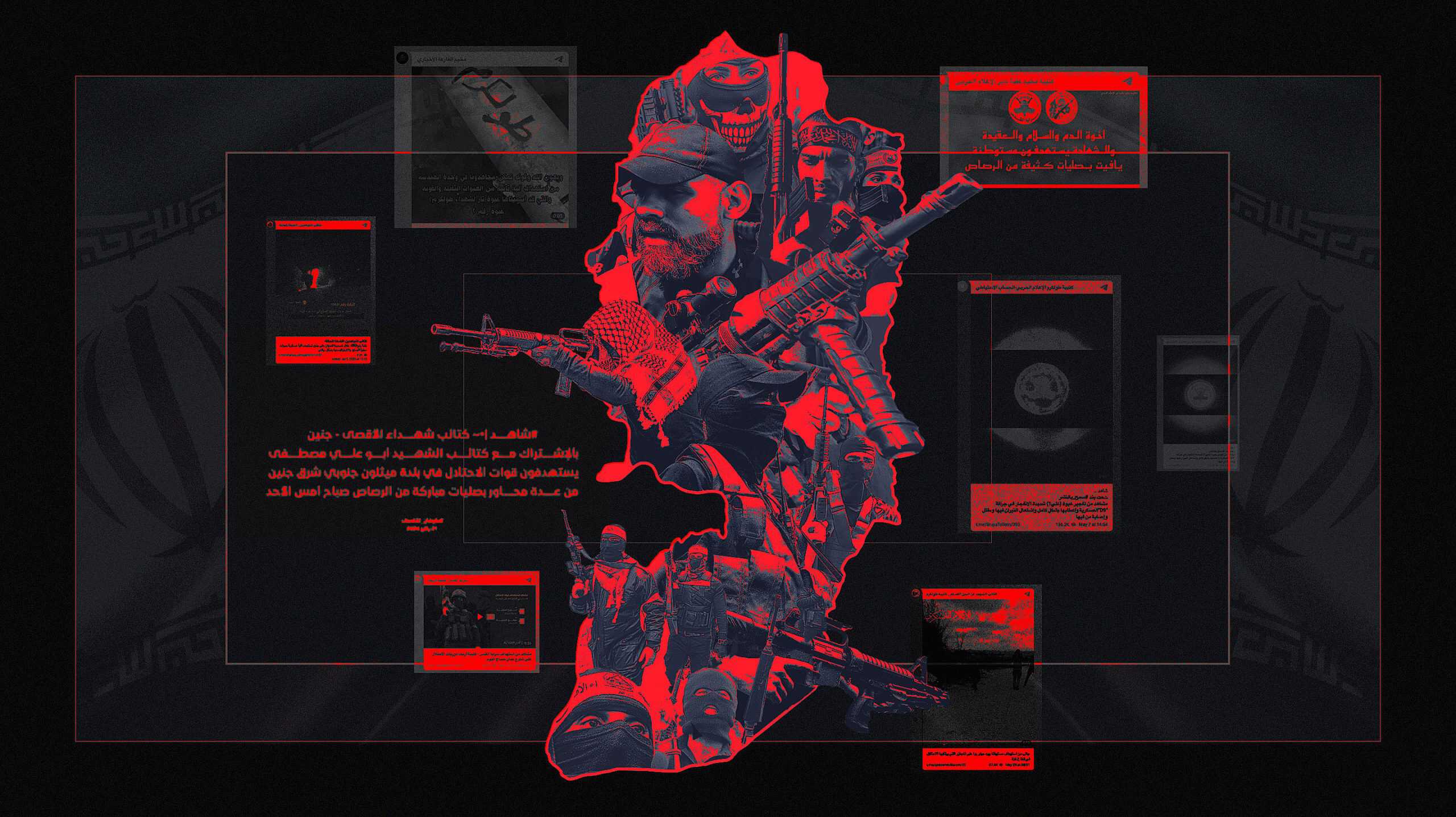
Iranian-backed militias in Iraq have refrained from attacking Israel directly since the start of the war between Israel and Iran on June 13. However, there have been two unclaimed attacks on US interests in Iraq since Operation Rising Lion began, and the Iraqi groups have ramped up anti-Israeli and anti-American rhetoric, threatening US interests and mobilizing supporters through propaganda channels.

-
US adds Iran-backed Iraqi militia Kataib Imam Ali to list of terror organizations
Kataib Imam Ali is the sixth Iran-backed Shiite militia in Iraq that has been listed by the US as a terrorist organization. The group’s secretary general was previously designated for his ties to Iran’s Islamic Revolutionary Guards Corps–Qods Force and its former commander, Qassem Soleimani.

-
Iraqi prime minister announces electoral alliance
Iraqi Prime Minister Mohammed Shia al Sudani announced the elements of his electoral alliance for Iraq’s November 2025 elections. The coalition includes current and former Shiite politicians as well as Faleh al Fayyadh, a Sudani ally and chairman of the Popular Mobilization Forces.

-
Analysis: Iraq is not-so-seriously attempting to exert control over militias and weapons
Reports are emerging that numerous Iraqi militias are integrating into the Popular Mobilization Forces (PMF), a state institution Iraqi leaders see as a way to ward off pressure from Washington to bring all weapons under the government’s control. However, the PMF is a hotbed for Iranian influence and will only further entrench the Tehran regime in Iraq.

-
Major Shiite parties to run separately in Iraq’s November election amid disagreements
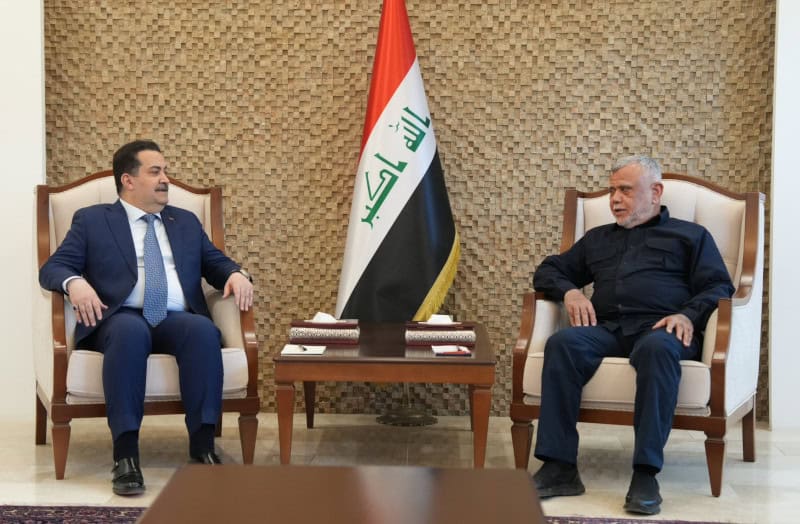
The Coordination Framework, Iraq’s ruling bloc of Shiite political parties, has announced that its members will run on separate lists in Iraq’s November 2025 election and reform the alliance following the vote. Elements of the bloc have disagreed strongly over key issues since the current government’s formation in 2022.
-
Analysis: Why do Iraqi Shiites hate the new Syria and its leader?
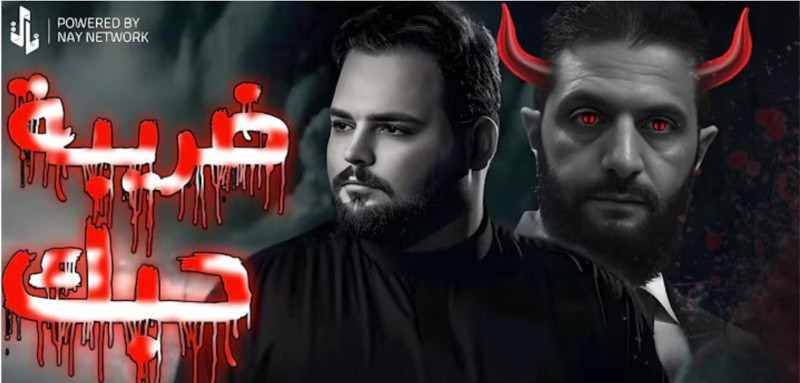
Many Iraqi Shiites have showcased a deep hatred of Syrian interim President Ahmad al Sharaa and his new government following the fall of dictator Bashar al Assad. Sharaa’s unpopularity can be explained by his history as a jihadist, as well as the Iran-led Axis of Resistance’s defeat in Syria.
-
Iraq wrestles with US pressure over Iran-backed militias
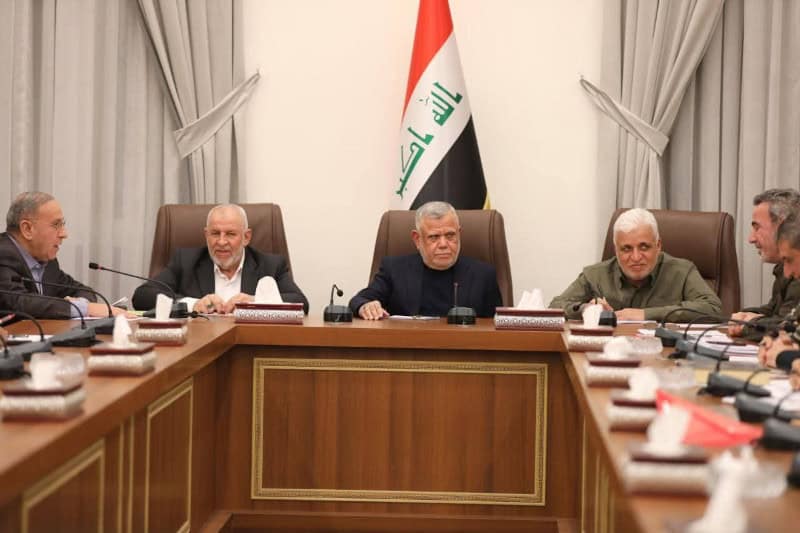
Iraqi political and militia leaders are reportedly responding to pressure from the US to disband Iran-backed militias in Iraq. However, the progress of government efforts and the ultimate status of Iraq’s Popular Mobilization Forces (PMF), primarily supported by Iran, remain uncertain.
-
Pressure mounting on U.S. with troops under attack in Syria and Iraq, plus blasts on PMF base
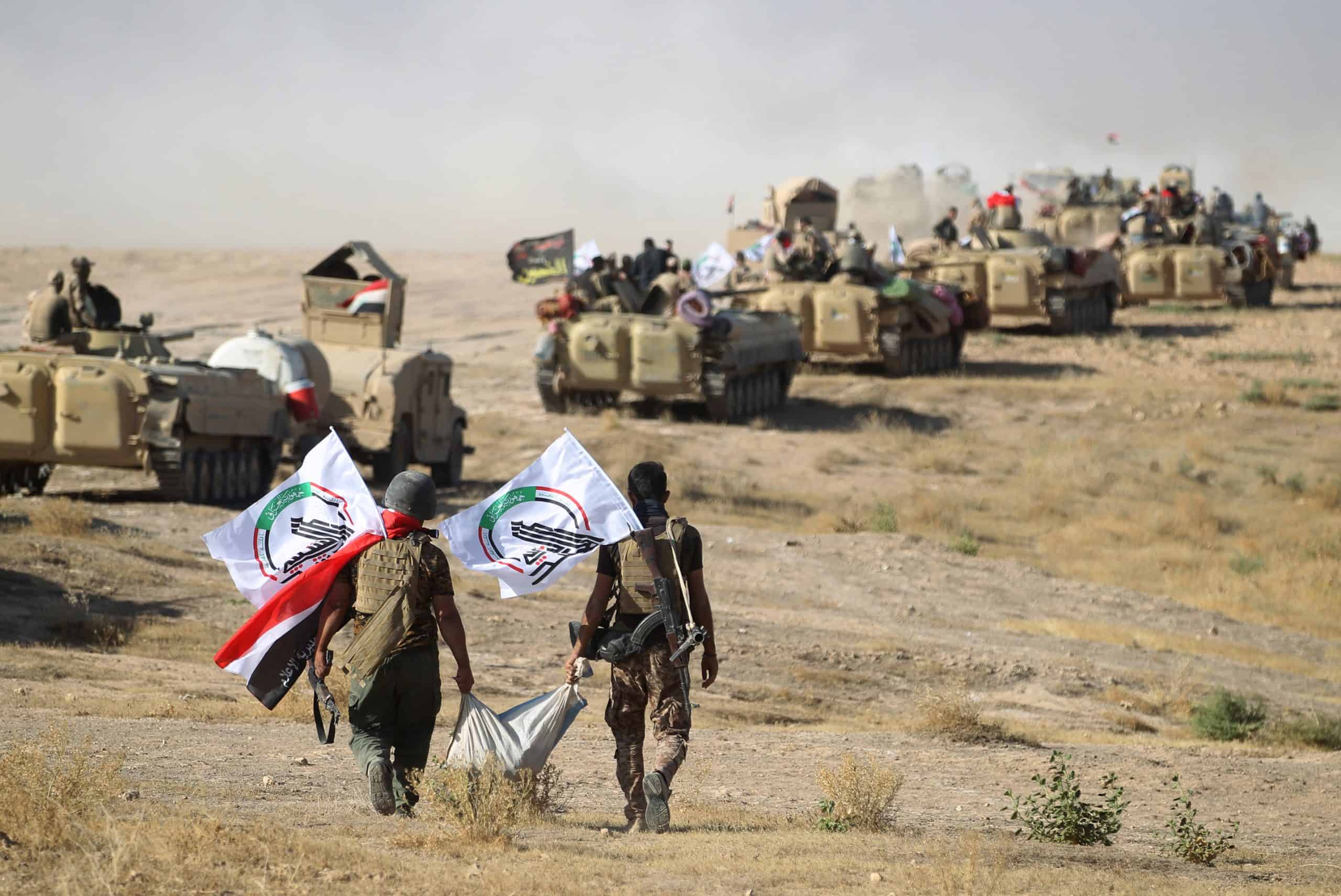
Violent explosions hit the Kalsu base in Iraq, amid speculation of Israeli involvement; no party has claimed responsibility. Recent attacks on US soldiers in Syria and Iraq, after a hiatus, may signal a resurgence of violence against US presence, as Iraqi factions debate approaches towards US withdrawal.
-
Three U.S. service members in Jordan killed by Iran-backed militias
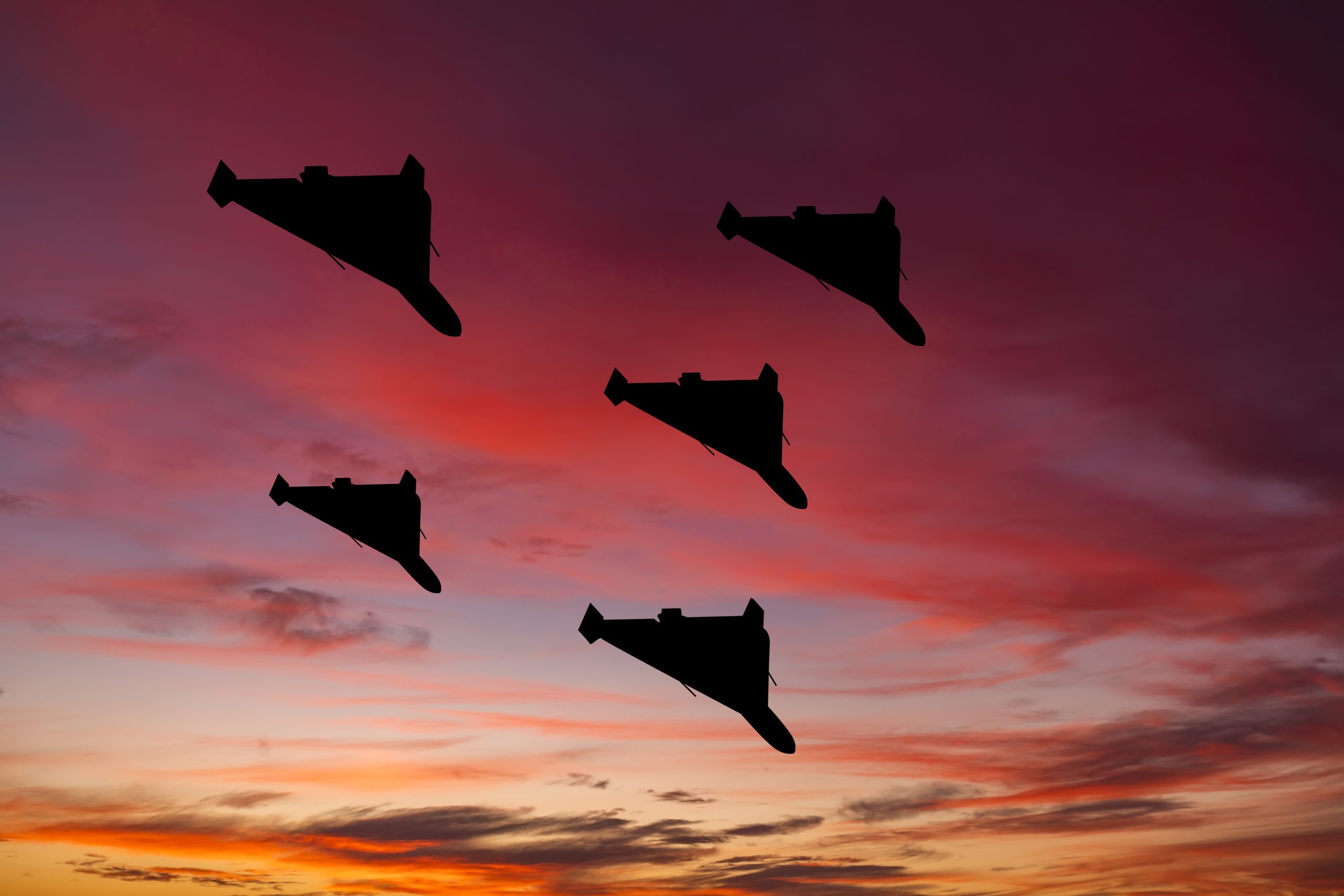
President Biden blamed Iranian-backed militias for killing three US service members and injuring others following a drone attack on a base in Jordan.
-
U.S. kills commander in Iranian-backed militia in Baghdad strike
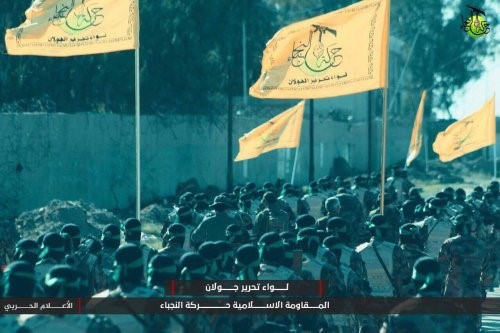
Today’s strike is the first to target a commander of the Iranian-backed militias. Abu Taqwa Al Si’adi was a commander in the Harakat Hezbollah al Nujaba, a U.S.-designated terror organization.
-
U.S. military launches second strike in Iraq in response to attacks by Iranian-backed militias
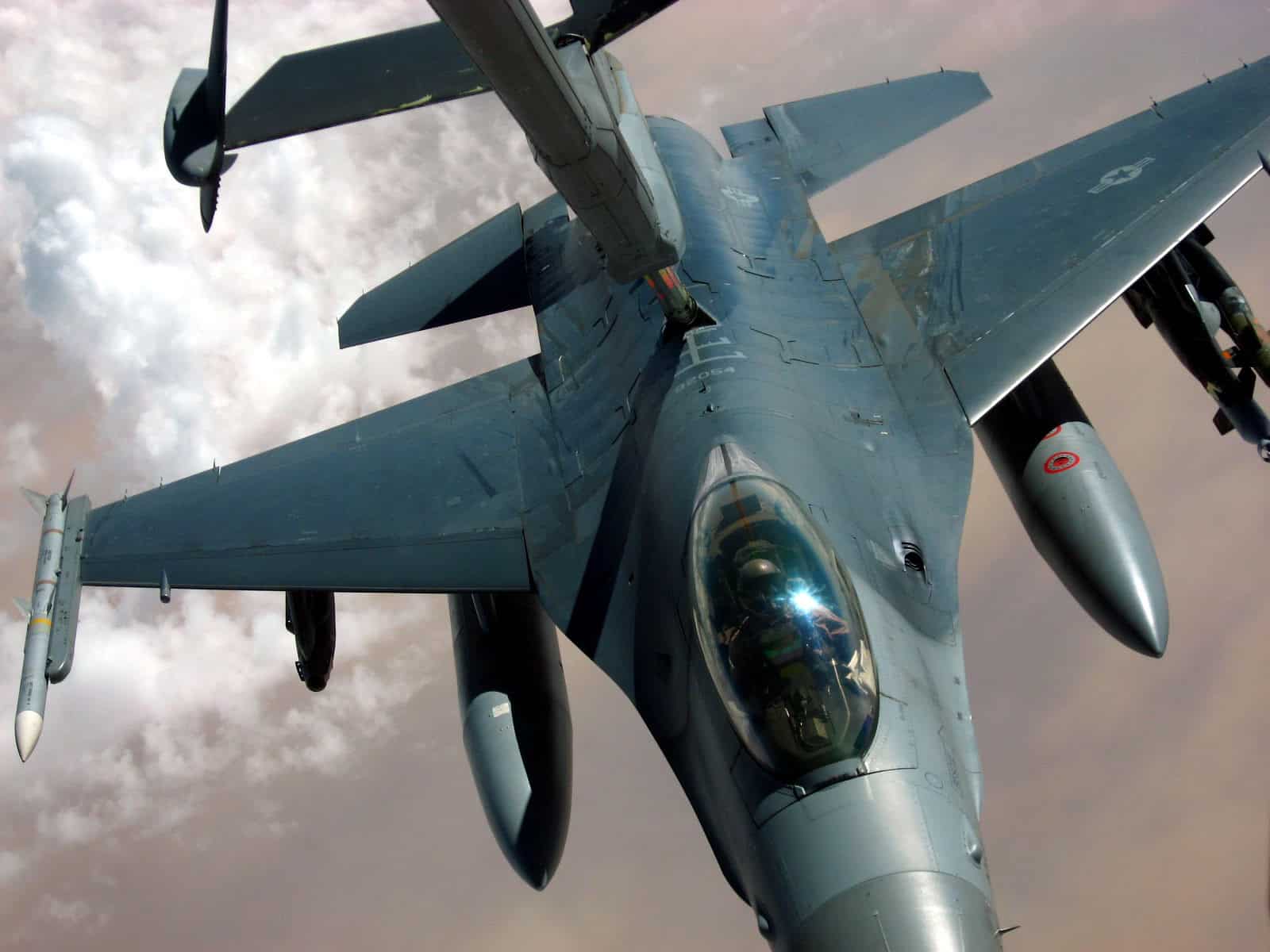
The the U.S. military accused Iran of directly carrying out attacks on U.S. forces. “close-range ballistic missiles” were used in a recent attack against U.S. forces.
-
Iran-backed Iraqi militia says it is ‘ready for a war of attrition,’ called Israel its ‘enemy’
“Hezbollah Brigades has the capacity to fight against its enemies and confront them by relying on the internal resources of the resistance,” a key Hezbollah Brigades official said. “We are ready for a war of attrition that may last for years, firmly believing in victory.”
-
U.S. designates Iraqi PMF chairman for human rights violations
Falih al-Fayyadh, the Chairman of the Iran-backed Popular Mobilization Forces and the former National Security Advisor to the Iraq’s Prime Minister, was identified as a member of an “Islamic Revolutionary Guard Force Qods Force supported crisis cell” that supported attacks on protesters in 2019.
-
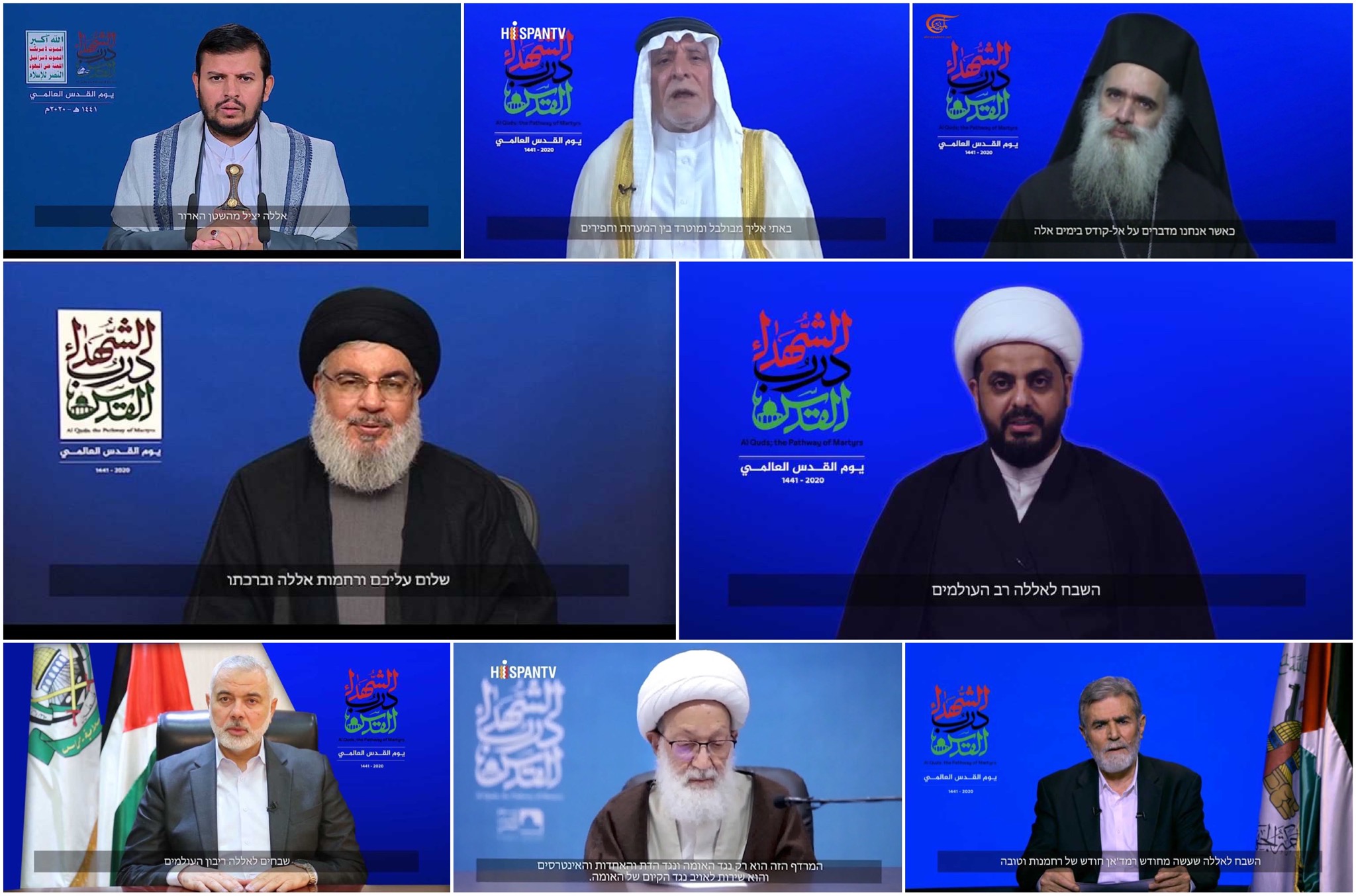
Axis of Resistance honors ‘International Quds Day’
The Axis of Resistance uses the Iran-created “International Quds Day” to attempt to show a unified front against Israel and the U.S.
-
Hezbollah Brigades threatens retaliation after U.S. airstrikes
Following a deadly rocket attack on a U.S. base in Iraq and subsequent U.S. airstrikes in response, the Iranian-backed Hezbollah Brigades threatens to further retaliate by continuing to target U.S. troops.
-
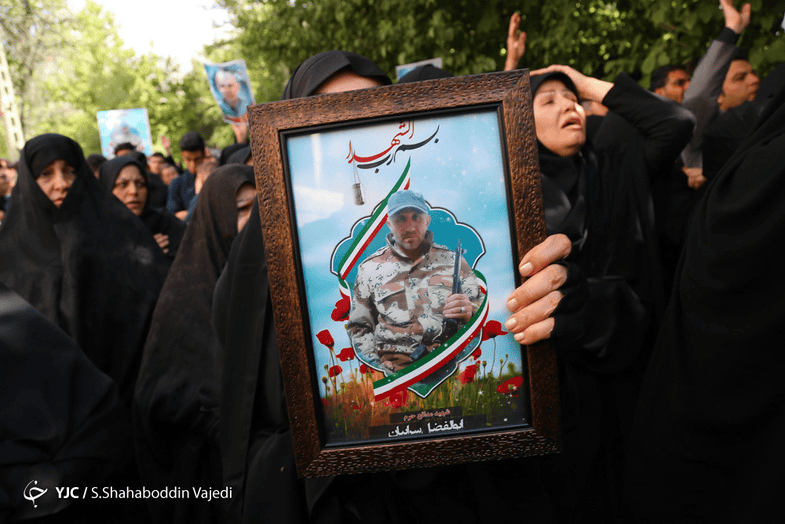
Iranian killed at PMF base in Iraq
Both Iranian media and media linked to Iraq’s Popular Mobilization Forces have reported different narratives surrounding the events of a purported explosion at an Iraqi base last week. However, Iranian media has confirmed at least one Iranian was killed at the base.
-
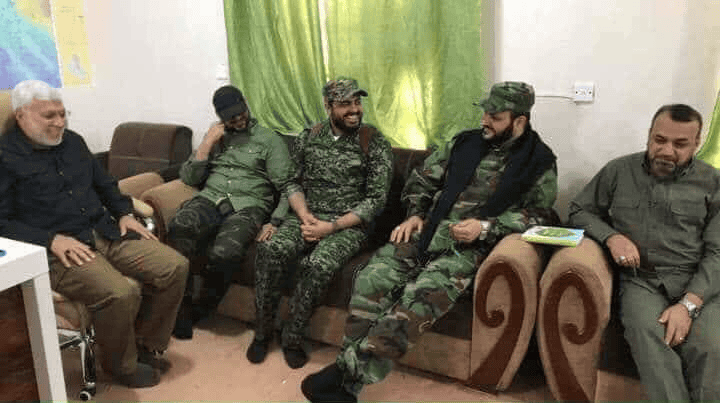
Iraqi militant Qayis Khazali warned us about Iran. We ignored him.
Iran has its tentacles all over Iraq, and the United States has no one to blame but itself. It is a bipartisan failure dating back to the March 2003 invasion. The seeds of this failure can be seen in the interrogation transcripts of Qayis Khazali, the leader of the Mahdi Army’s Special Groups and Asaib Ahl al Haq.
-
Top Iraqi-Shiite cleric endorses incorporation of PMF into the state
Iraqi-Shiite Grand Ayatollah Ali Sistani announced his support of the Popular Mobilization Forces (PMF) and “requested that all weapons come under government’s control.”
-
Iraqi troops, Iranian-backed militias eject Islamic State from Hawija
Islamic State forces still control a small pocket of villages to the north and east of the town, but are now surrounded.
-
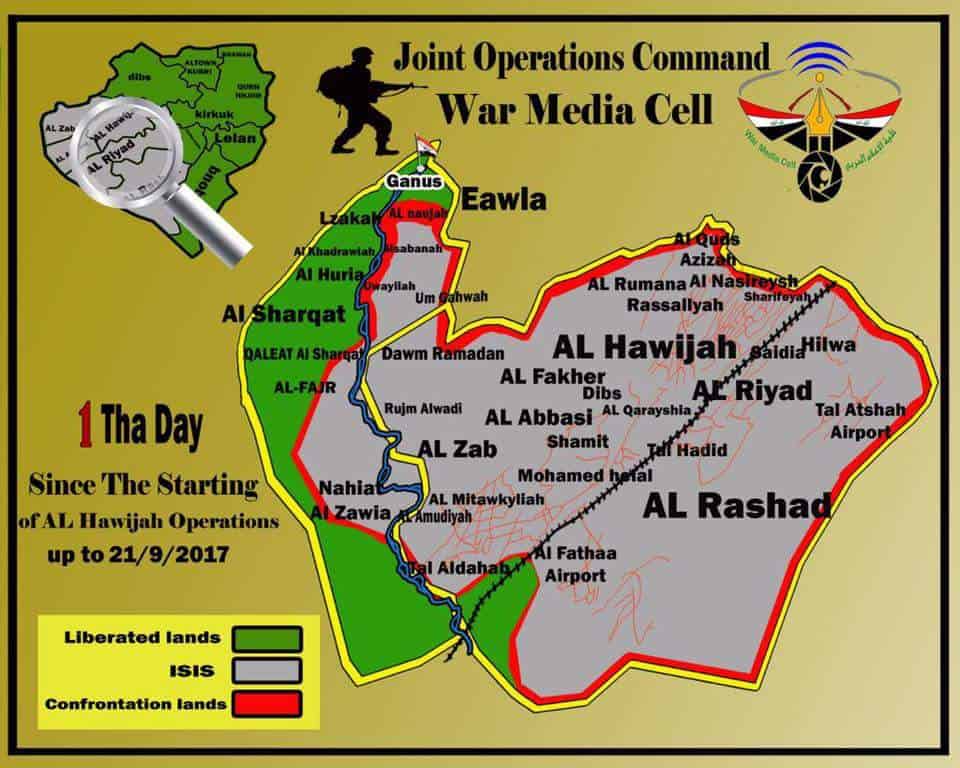
Iraqi forces launch offensive against Islamic State in Hawijah
The Iraqi government launched a new offensive against the Islamic State in the Hawijah pocket earlier today. Hawijah is considered one of the group’s two remaining strongholds inside Iraq. The other is in the western Anbar province, where the Iraqi government began new operations on Sept. 19.
-
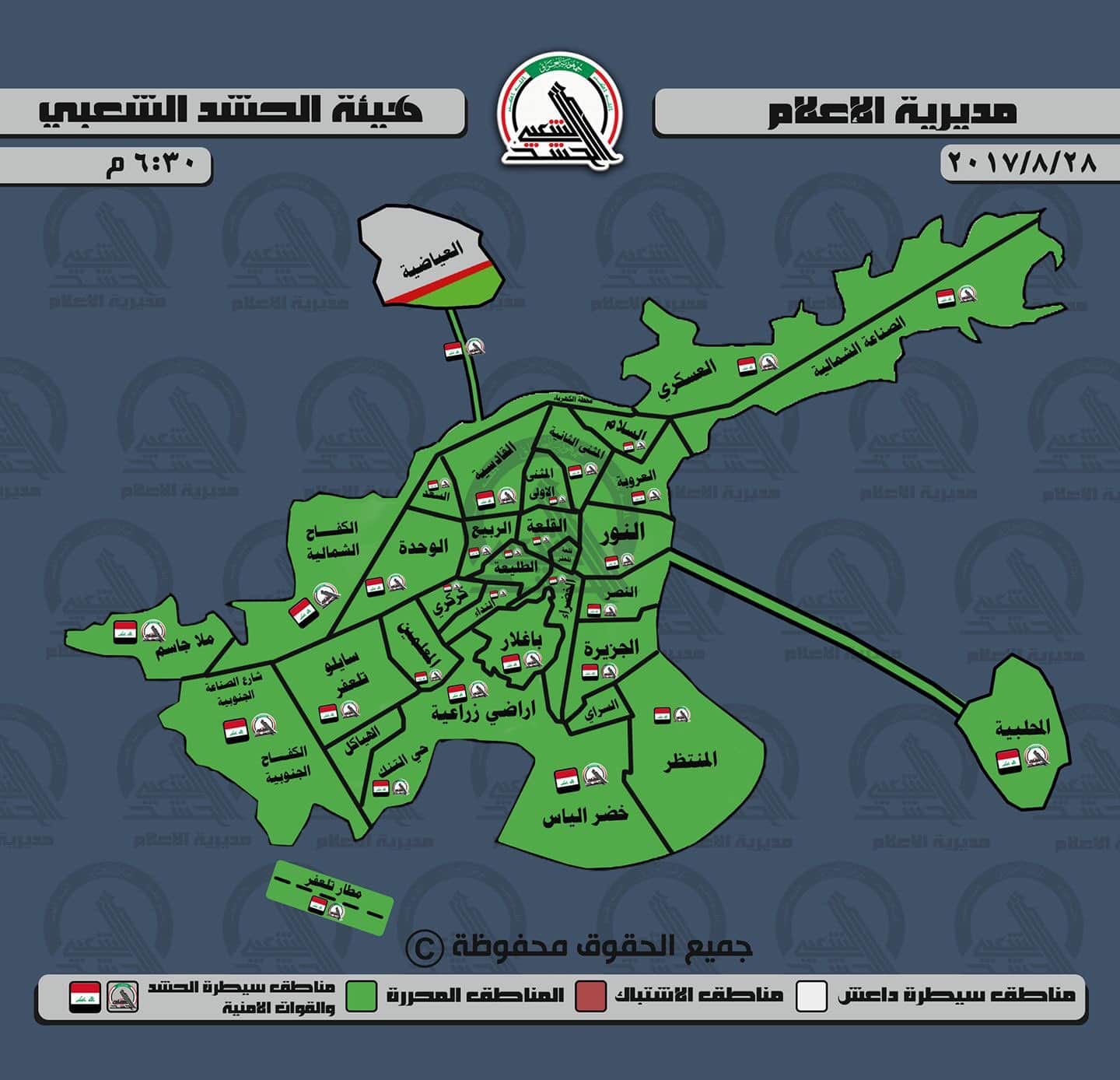
Iraqi government announces liberation of Tal Afar from Islamic State
The Iraqi government announced the liberation of Tal Afar in northern Iraq earlier today. The offensive to retake the city began on Aug. 20 and progressed quickly. Three Iraqi army divisions, the Counterterrorism Service, Federal Police, the Popular Mobilization Forces and Kurdish Regional Government Peshmerga all took part and were backed by the US-led coalition.
-
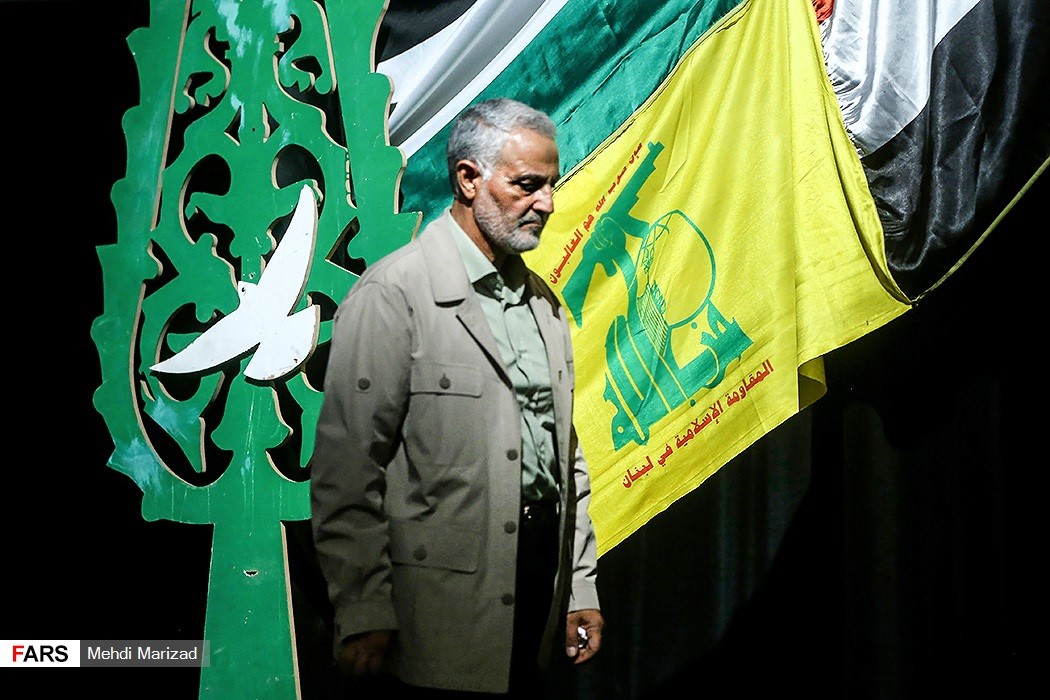
Iran’s Qods Force chief calls Iraqi militia commander a ‘living martyr’
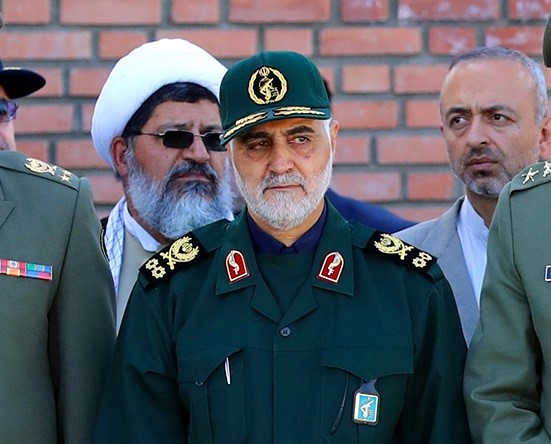
At a July 10 ceremony commemorating a Revolutionary Guard commander recently slain in Iraq, Major General Qassem Soleimani hailed victory in Mosul against the Islamic State. Addressing the crowd with the flags of the Islamic Republic, Lebanese Hezbollah, Palestine and Iraq draped behind him, the Qods Force chief praised Iraqi actors, as well as Iran’s material and combat support to Iraq during the war.
-
Qassem Soleimani boasts of Tehran’s expanded footprint throughout Middle East
On July 3, Major General Qassem Soleimani, the chief of the Islamic Revolutionary Guard Corps’ (IRGC) Qods Force, spoke at an Iran-Iraq war veterans gathering in his home province of Kerman. Soleimani praised the Islamic Republic’s decades-long effort to take the mantle of the Palestinian cause and boasted that Tehran’s influence in the Middle East has expanded as a result of the Syrian war. He excoriated Saudi Arabia, as well as domestic Iranian critics of the Guard Corps. And the general also lamented the drop in religious observance in Iran.