-
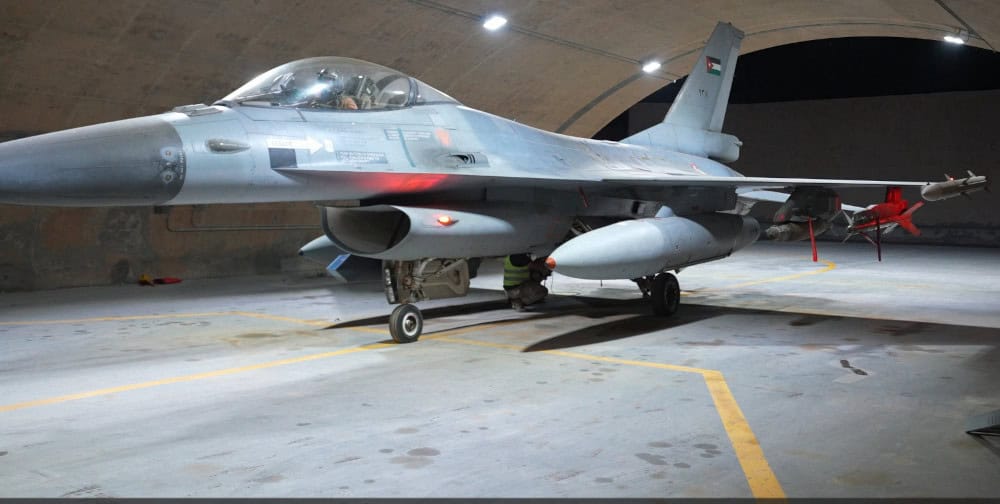
Jordanian Air Force strikes targets in Syria in retaliation for deadly church attack
On October 26, the Jordanian Air Force conducted multiple strikes against suspected Islamic State positions in southern Syria, targeting militants Jordan linked to an October 23 attack on a church in Karak that killed nine people and wounded dozens. Jordan said the strikes killed more than 20 militants, while Syrian authorities reported seven civilian deaths.
-
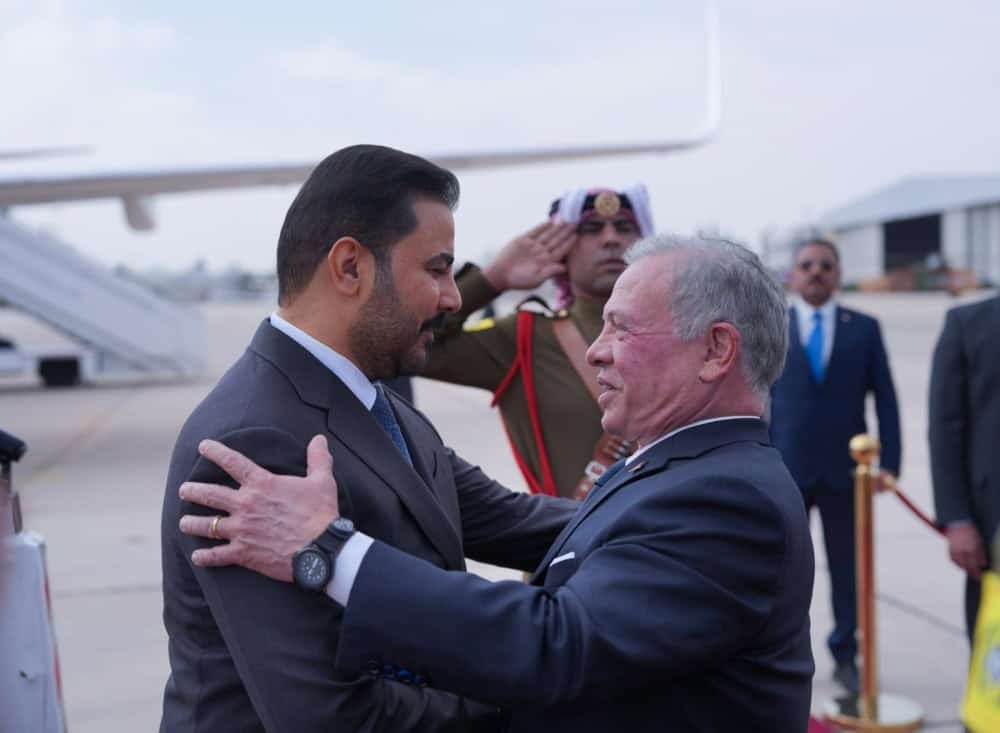
Iraq juggles border security and ties with Iran, Syria, and Jordan
Iraqi Prime Minister Ali al Zaidi is seeking to strengthen border security and regional cooperation amid tensions with Iran over the closure of a key crossing in Iraq’s Maysan province, while also pursuing closer ties with Jordan and Syria. The developments come as Baghdad continues to face threats from Iranian-backed militias, concerns over instability along its borders, and challenges to bringing armed groups under state control.
-
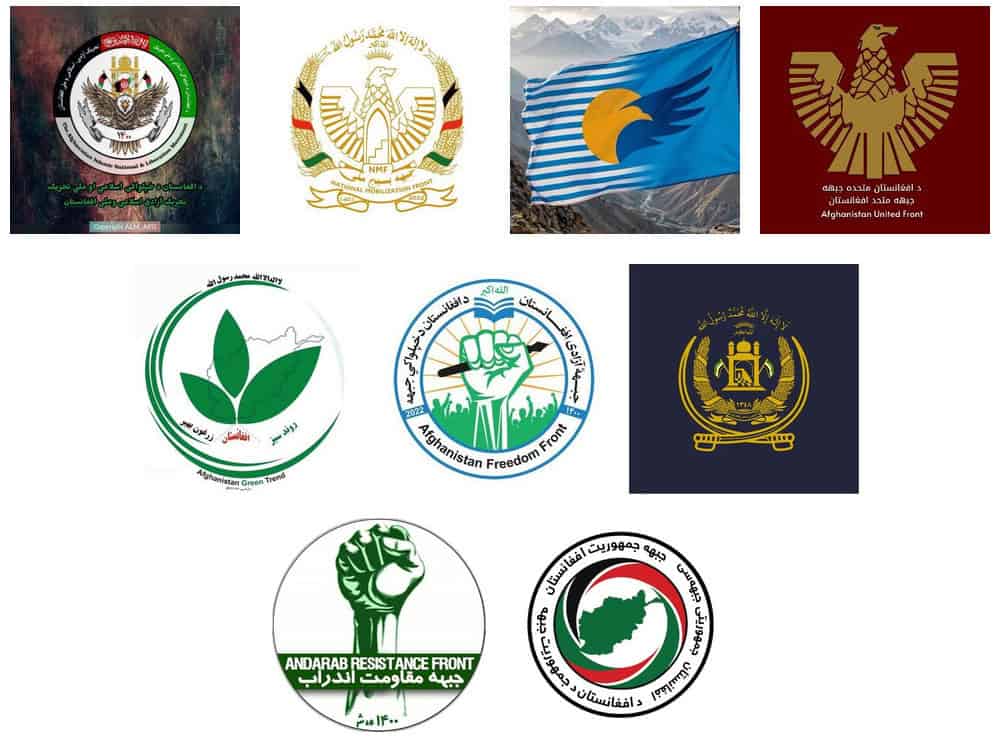
Pakistani outreach presents a dilemma for Afghanistan’s anti-Taliban resistance
Pakistan’s reported outreach to anti-Taliban resistance groups reflects deteriorating ties with its longtime ally. But accepting Pakistani support could deepen divisions in the resistance and undermine its standing among Afghans who blame Islamabad for decades of bloodshed.
-

Iraqi parliament approves most remaining cabinet appointments, including Iran-backed militia figures
After five months of negotiations, almost all remaining spots in Iraqi Prime Minister Ali al Zaidi’s cabinet were approved by the parliament on October 15. Among the three deputy prime ministers is Laith al Khazali, whom the US State Department designated a Specially Designated Global Terrorist in 2020.
-

The Houthis’ Red Sea power play
The Houthis are on the offensive in Yemen, threatening one of the world’s most important maritime chokepoints and bringing the war back to Saudi Arabia’s doorstep. Bill Roggio is joined by FDD research analyst and Long War Journal contributor Bridget Toomey to discuss the Iranian-backed group’s renewed campaign to conquer Yemen, its advances along the…
-

Ukrainian intelligence details new low-cost Russian cruise missile
A new missile called the Filin adds to Russia’s growing arsenal of low-cost, long-range munitions, placing strain on Ukraine’s overstretched air defenses. Ukraine is expected to scale production of faster interceptor drones, but this addresses only part of the challenge of countering Russia’s evolving missile and drone capabilities.
-
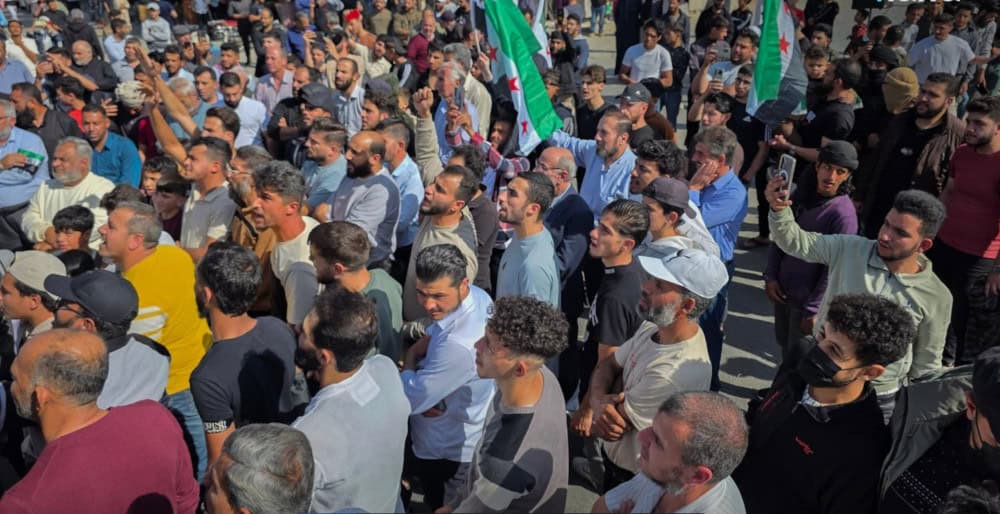
Protests break out in Syria against ‘Israeli incursions and attacks’ as tensions rise
Protests erupted across southern Syria and Damascus on October 23 against Israeli military operations in the buffer zone along the Golan border, following reports that a Syrian man with disabilities was killed during an IDF raid. The protests come amid growing Syrian condemnation of Israeli incursions, as well as diplomatic efforts by Syrian officials to…
-

FBI arrests alleged Islamic State supporter accused of plotting to assassinate Texas congressman
A 17-year-old Texas teenager allegedly plotted to assassinate Republican US Representative Keith Self at a veterans’ fundraiser as part of a broader Islamic State-inspired terrorist plot. Federal agents arrested the suspect after he acquired a firearm.
-
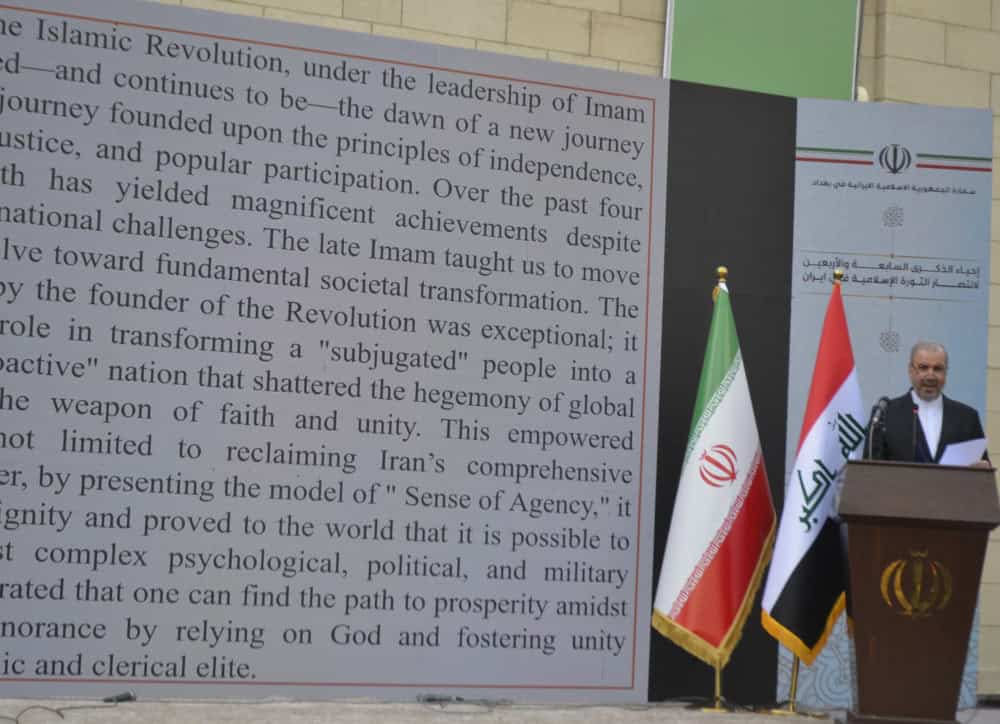
Iran says it has agreement with Iraq to expel Kurdish Iranian opposition groups
Iran’s ambassador to Iraq claimed on October 20 that Iraq has agreed to expel Iranian Kurdish opposition groups based in the Kurdistan Region. The announcement came amid increased Iranian attacks on these groups and as the Kurdistan Workers’ Party withdraws from positions in northern Iraq as part of a peace process with Turkey. An Iraqi…
-
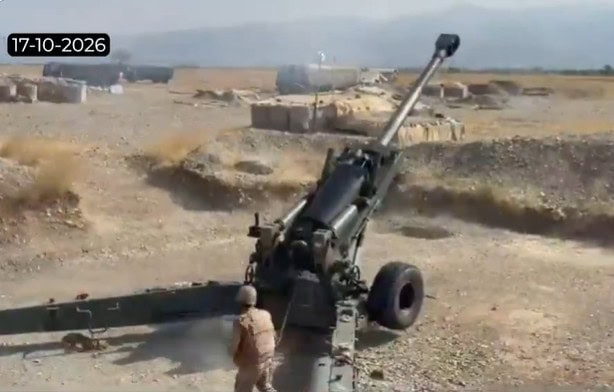
Pakistan-Taliban border clashes continue amid diplomatic efforts
Pakistani forces and the Taliban exchanged heavy fire along the border as Russia, the European, and China pressed for dialogue and action against terrorist groups operating from Afghanistan.
-
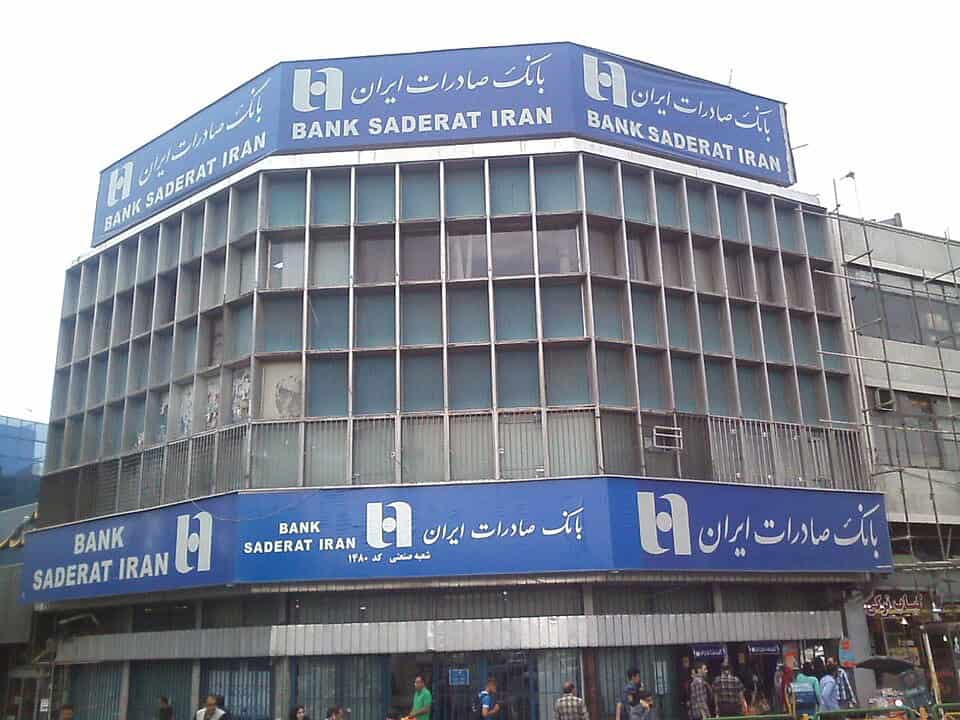
Lebanon revokes Iranian bank’s license amid US pressure over Hezbollah financing
Lebanon has revoked Bank Saderat Iran’s operating license amid US pressure to disrupt Hezbollah’s financial networks. The bank has a documented history of channeling Iranian funds to Hezbollah, but whether Lebanese authorities have closed its branches or initiated liquidation proceedings remains unclear.
All Articles
-
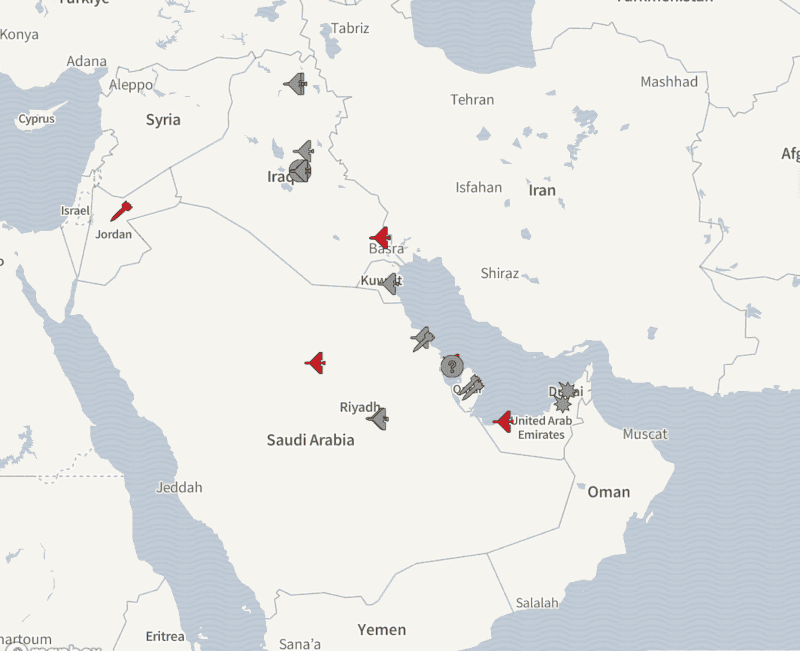
Iranian drone and missile barrages strike Arab states across the region (March 9-10 updates)
Iran and its allied militias continued launching drones and missiles across the Middle East between March 9 and 10, targeting energy infrastructure, airports, military bases, residential areas, and industrial facilities in Iraq, Saudi Arabia, Kuwait, Bahrain, Qatar, the United Arab Emirates, and Jordan.
-
Generation Jihad | We didn’t light it, but we tried to fight it
Many Americans believed a conflict with the Islamic Republic would be a new war. But as Bill Roggio and Behnam Ben Taleblu explain, the truth is simpler: this war began in 1979. Now, the question isn’t how the war started. It’s how it ends. Is this a limited war to degrade the Tehran regime — or the beginning of the end for the Islamic Republic?
-
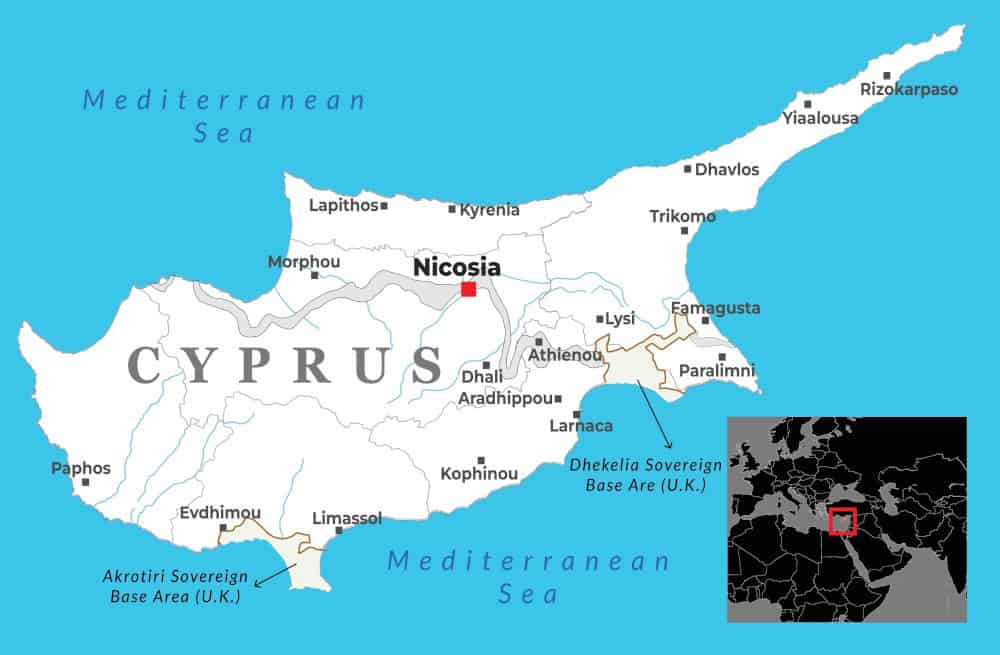
Cypriot, Lebanese officials blame Hezbollah for drone attacks on UK base in Cyprus; IRGC responsibility also possible
On March 1, a loitering munition struck the Royal Air Force (RAF) base in Akrotiri. Cypriot officials, followed by their Lebanese counterparts, accused Hezbollah of responsibility. The group’s leadership has threatened to target Cyprus in the past if it facilitated a war effort against the interests of the Iran-led Axis of Resistance. However, Iranian Islamic Revolutionary Guard Corps (IRGC) agents operating from Lebanon could have also carried out the attack.
-
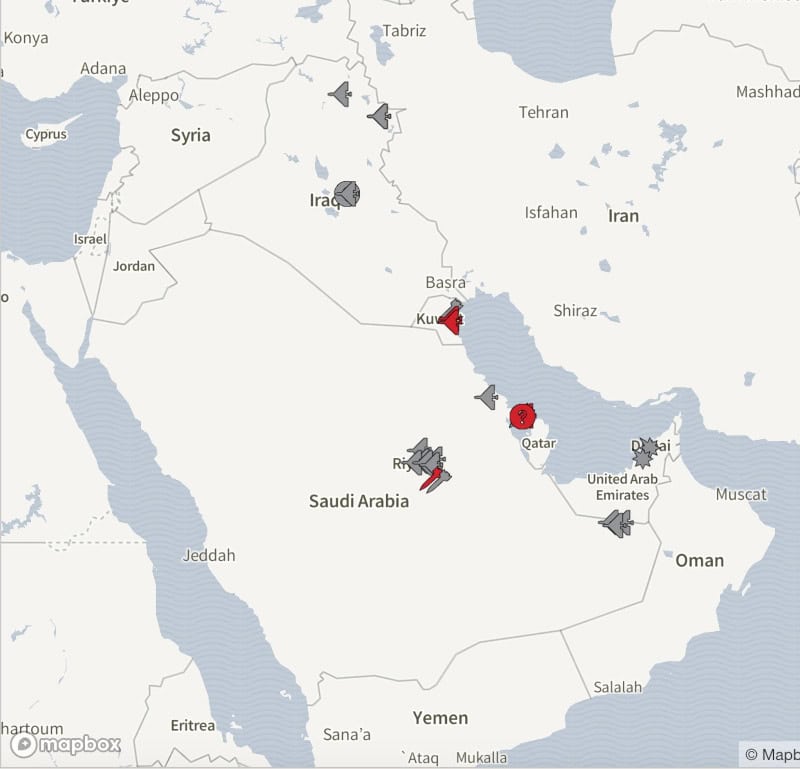
Iran continues striking civilian infrastructure and US bases in the Gulf (March 7–8 updates)
Between March 7 and 8, Iran continued launching drones and missiles across the Persian Gulf, targeting energy infrastructure, airports, military bases, government buildings, and urban areas in Saudi Arabia, Kuwait, Bahrain, and the United Arab Emirates.
-
Rockets target US Embassy in Baghdad after Iraqi Shiite militia group issues threat over war in Lebanon
The day before an attack on the US Embassy on March 7, the Coordination Committee of the Iraqi Resistance had issued a statement warning that continued strikes on Beirut’s Dahiyeh area would elicit attacks against embassies and oil companies in the region. The ultimatum follows repeated Israeli strikes against Hezbollah infrastructure and personnel in Beirut’s southern suburbs after Hezbollah entered the war on March 2.
-
Iran escalates attacks on Kurdistan Region of Iraq
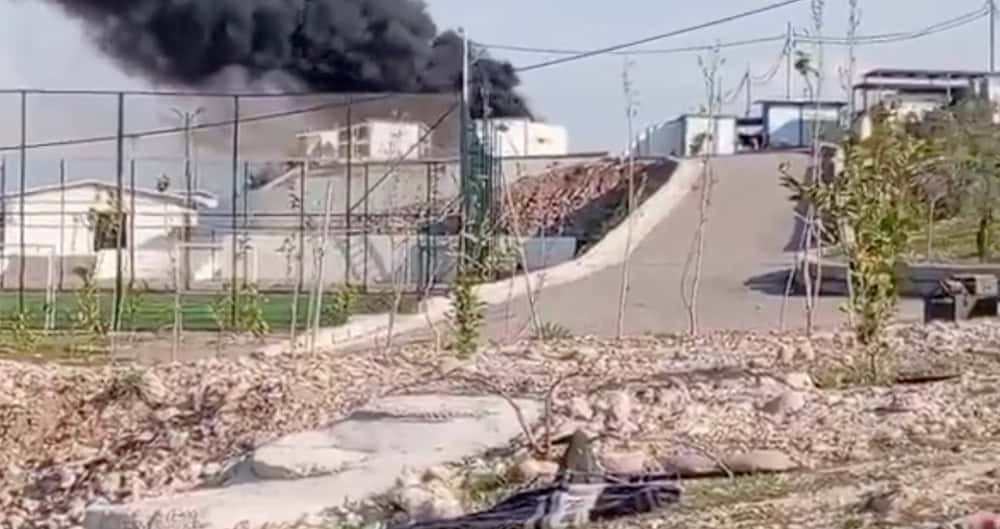
Iran and Iranian-backed militias have escalated drone and missile attacks on the Kurdistan Region of Iraq, striking sites in Erbil and Sulaimani Governorates and killing at least three people. Many of the attacks are targeting Kurdish Iranian opposition groups.
-
Analysis: Israel strikes over 500 targets in Lebanon, issues evac orders in renewed war with Hezbollah (March 2–6)
The November 27, 2024, ceasefire agreement in Lebanon has officially ended. Israel and Hezbollah are now reengaged in a full conflict after the group attacked Israeli territory on March 2. The Israelis have responded ferociously, targeting large swathes of Lebanon and promising that their campaign will continue until Hezbollah’s destruction.
-
Australia bans Hizb ut Tahrir under new hate laws
Australia designated Hizb ut Tahrir, a radical political party that calls for the establishment of a global caliphate, as a hate group, citing its violent history and rhetoric. The designation of the Islamist organization is a first under Australia’s new hate laws, which took effect on March 6.

-
Analysis: Similarities and differences in US and Israeli targets and objectives in Iran campaign
The US and Israel have cooperated to achieve impressive operational successes against Iran, but a publicly shared definition of victory remains elusive. This inconsistency and lack of clarity may negatively impact the allies’ ability to achieve durable strategic objectives.

-
Iran and proxy militias strike energy infrastructure, US bases, and Gulf capitals on March 6
On March 6, Iran and its aligned militias continued their campaign of missile and drone attacks across the Middle East, targeting civilian infrastructure, military installations, airports, and political sites in Bahrain, Iraq, Kuwait, Saudi Arabia, Qatar, and the UAE.

-
Israeli strike eliminates Hamas commander in Lebanon
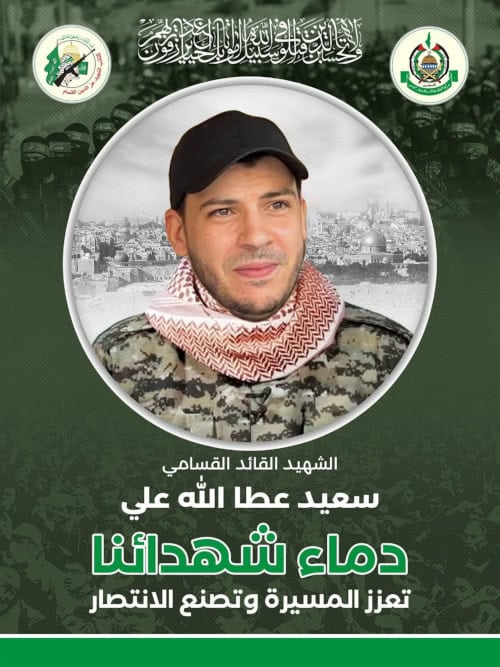
The Israeli military killed Hamas commander Wasim Atallah Ali in Tripoli on March 5. The IDF said that Ali was responsible for training the group’s branch in Lebanon. His elimination adds to the growing number of Hamas and Palestinian Islamic Jihad members who have been killed in Lebanon by the Israeli military.
-
US and Israel establish air superiority, focus strikes on Iranian military sites and ‘regime pillars’ (March 4–5)
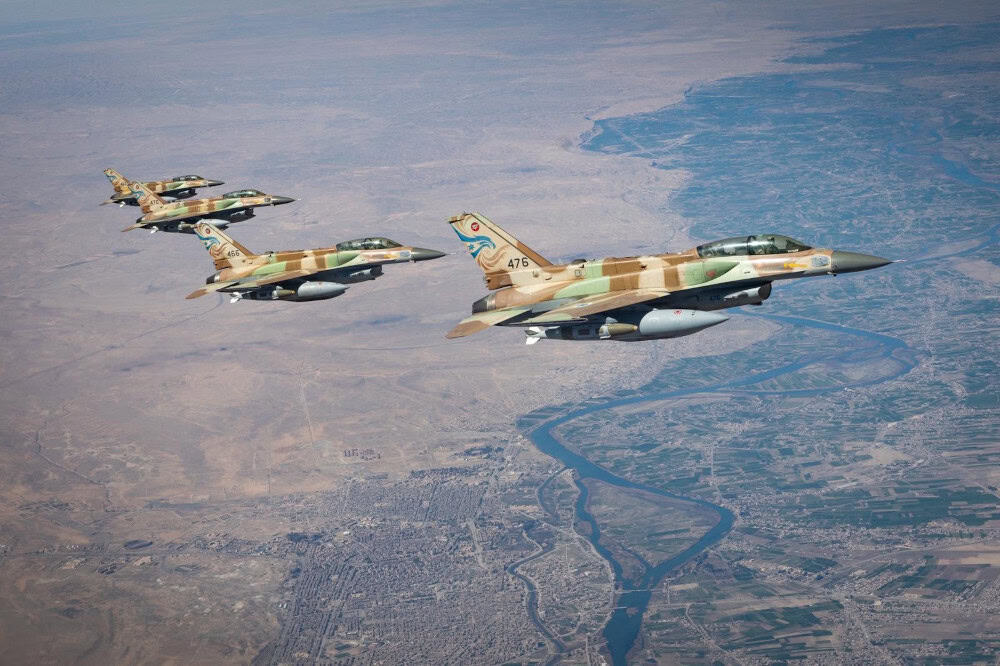
On March 4 and 5, the United States and Israel continued attacks against elements of the Islamic Republic’s military assets, including its missile and naval threat capacity, as well as its repression apparatus. The countries also declared air superiority over Iran and signaled the beginning of a new phase of the operation.
-
Ukraine will help combat Iranian drones in Middle East, Zelenskyy says
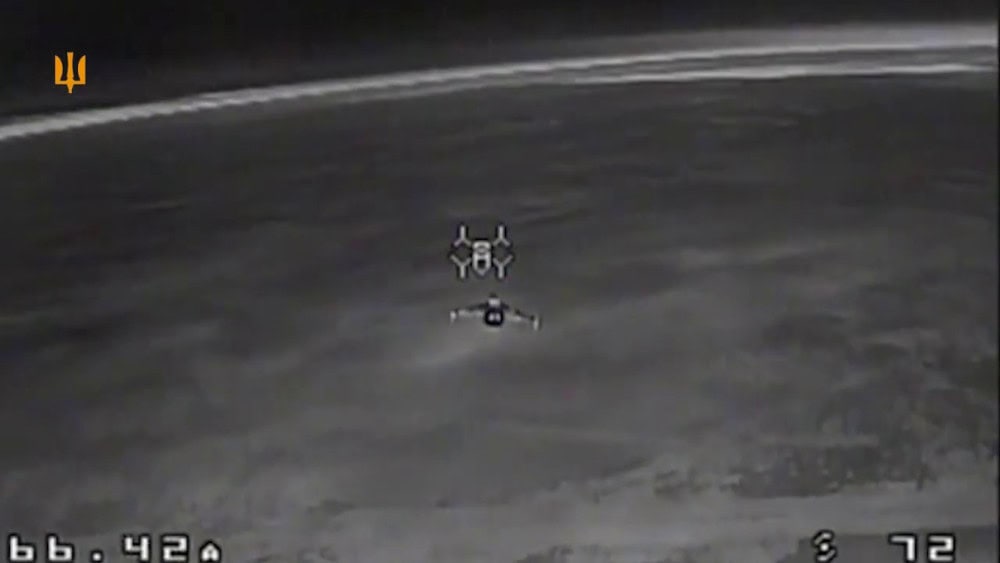
Ukraine says it will help the United States and its Middle East allies combat the Iranian drones that the Tehran regime is firing at the region. Russia has bombarded Ukrainian cities with these weapons for years, resulting in a series of defensive adaptations and innovations by the Armed Forces of Ukraine¬—and unmatched counter-drone experience.
-
Iran targets US bases, diplomatic missions, and oil infrastructure in Arab countries on March 3–5
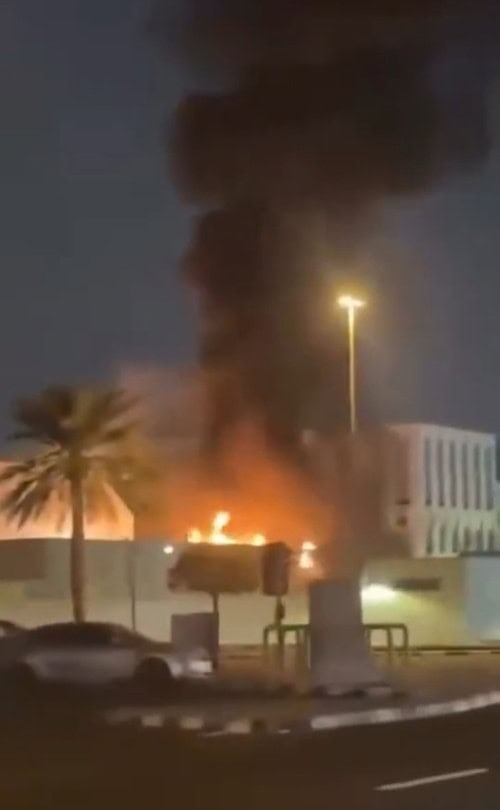
Between March 3 and March 5, Iran continued retaliating against the joint United States-Israeli military campaign by conducting widespread strikes across Arab Gulf countries using ballistic missiles, cruise missiles, and drones. Attacks were launched against Jordan, Oman, Saudi Arabia, Bahrain, Qatar, Kuwait, and the United Arab Emirates.
-
Iranian-backed militias continue attacks on US forces in Iraq
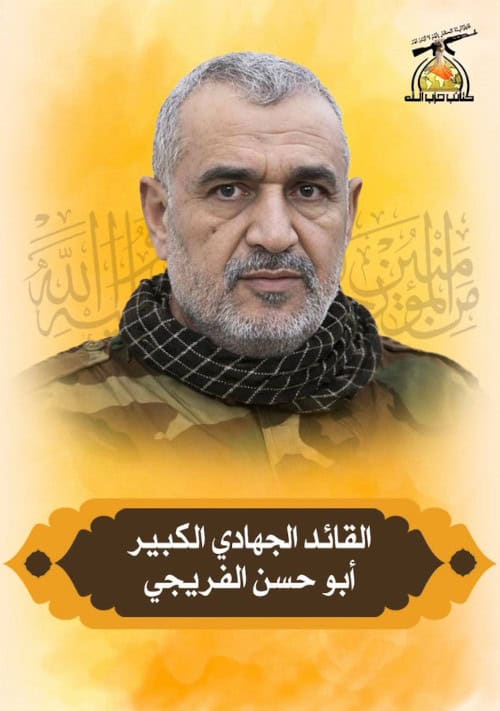
Iran-backed Iraqi militias claimed a series of drone and missile attacks against the “US presence” in the region on March 4 and 5, many targeting Iraqi Kurdistan, where significant American forces are located. US and Israeli forces are also likely operating against the Tehran-allied militias in Iraq, as both the militias and official government sources have reported a US presence and unidentified strikes against these groups.
-
Analysis: Hezbollah leader vows to fight until the end in renewed war with Israel
Hezbollah Secretary-General Naim Qassem addressed Hezbollah’s latest war with Israel on Monday night, insisting that his group had fire rockets at Israel in defense of Lebanon, preempting a premeditated “war of extermination.” Qassem insisted that Hezbollah would not surrender its arms and vowed to continue fighting until achieving either victory in battle or martyrdom.

-
Iran’s regional partners spark protests across the Middle East and South Asia
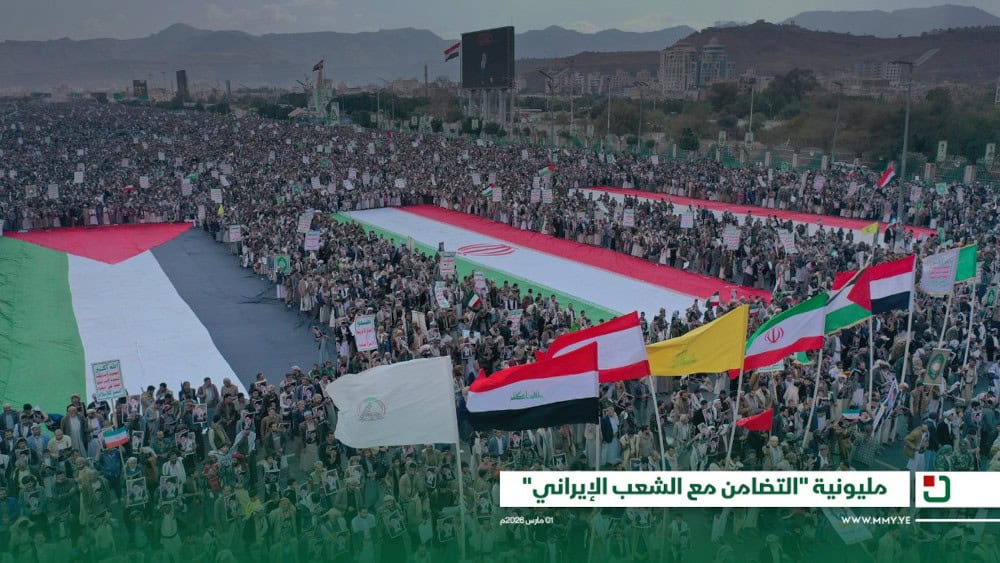
Tehran’s partners and sympathizers have arranged protests across the region against the US-Israeli campaign against Iran, especially the killing of Iranian Supreme Leader Ali Khamenei. Some of the demonstrations have turned violent and present a danger to the local US diplomatic presence and civilians.
-
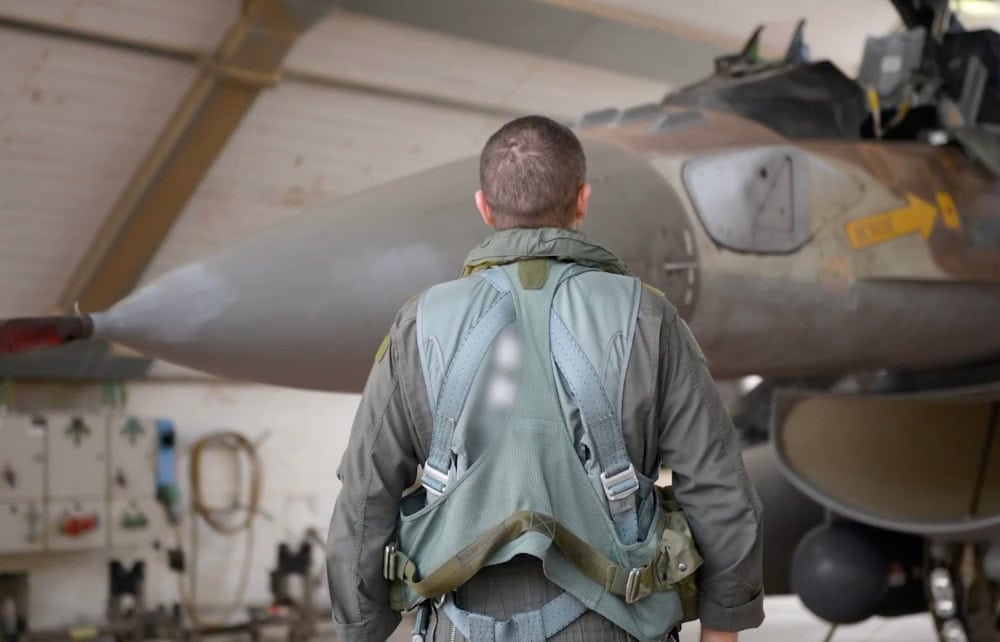
Israel conducts 1,600 strikes on Iran in 4 days of war, weathers Iranian missile and drones
Israel has carried out more than 1,600 strike sorties against Iran in the first four days of the war, targeting Iranian leaders, nuclear facilities, missile launchers, and other military infrastructure, according to the IDF. Iran has responded with repeated ballistic missile and drone salvos that have killed at least 10 people in Israel and wounded dozens. The Israeli Air Force said that one of its F-35s downed an Iranian Yak-130 aircraft. The fighting has closed Israeli airports and forced widespread civilian alerts as missile barrages continue across the country.
-
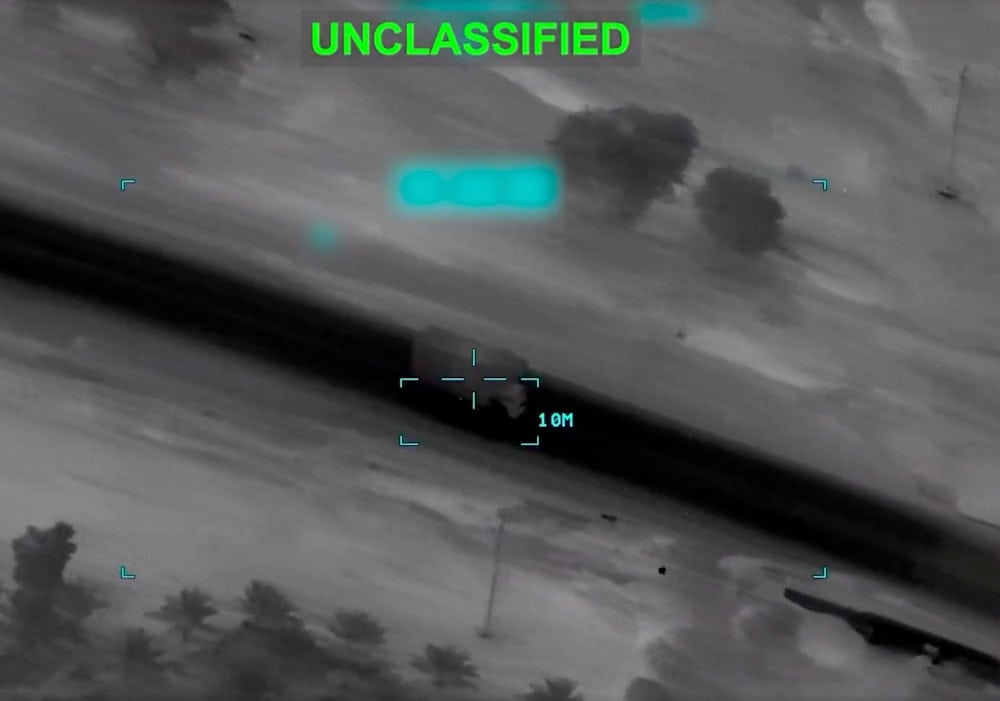
Analysis: Why Iran’s ballistic missile launches are declining
Iran has lashed out at its neighbors with hundreds of missiles and drones. However, a careful analysis of the data shows that Tehran’s ballistic missile launches have been dropping since the start of the conflict, largely because of the impact of US and Israeli strikes.
-
Iraqi Shiite militias claim attacks on US bases
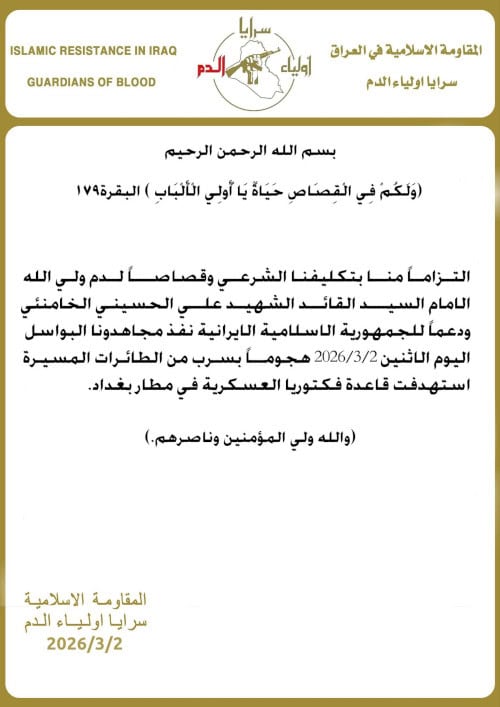
Iraqi militias backed by Iran have continued to fire drones and missiles at American bases in Iraq and in the region. Both the Islamic Resistance in Iraq and Saraya Awliya al Dam have claimed responsibility for the strikes. Collectively, the groups have claimed dozens of operations against American bases since March 1.