-
Pakistani outreach presents a dilemma for Afghanistan’s anti-Taliban resistance
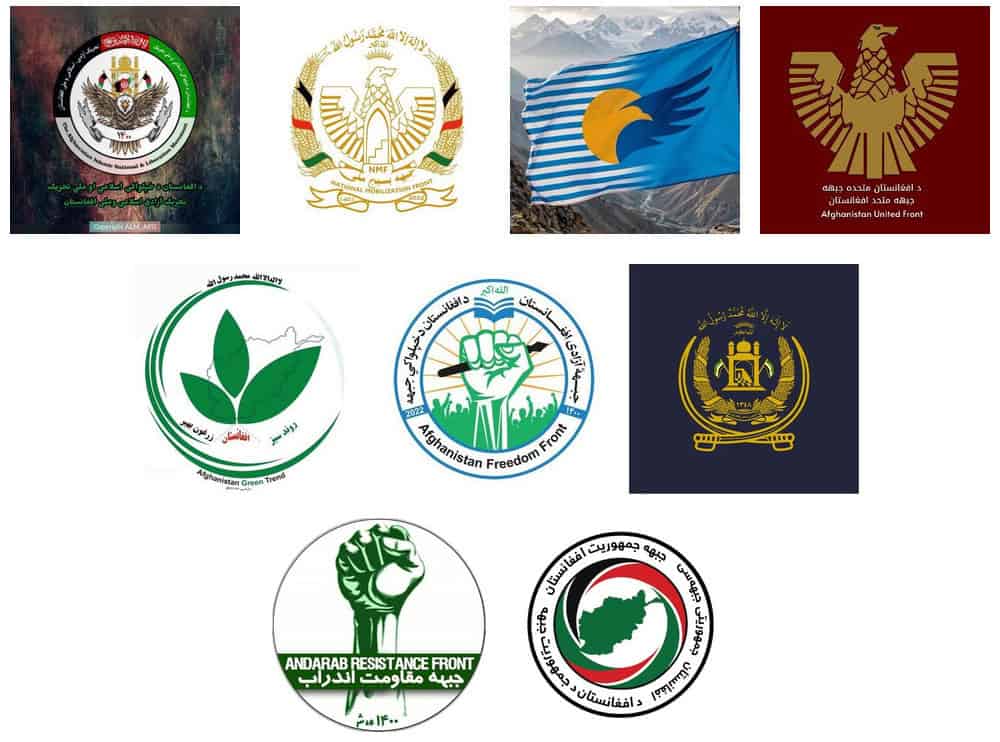
Pakistan’s reported outreach to anti-Taliban resistance groups reflects deteriorating ties with its longtime ally. But accepting Pakistani support could deepen divisions in the resistance and undermine its standing among Afghans who blame Islamabad for decades of bloodshed.
-
Iraqi parliament approves most remaining cabinet appointments, including Iran-backed militia figures
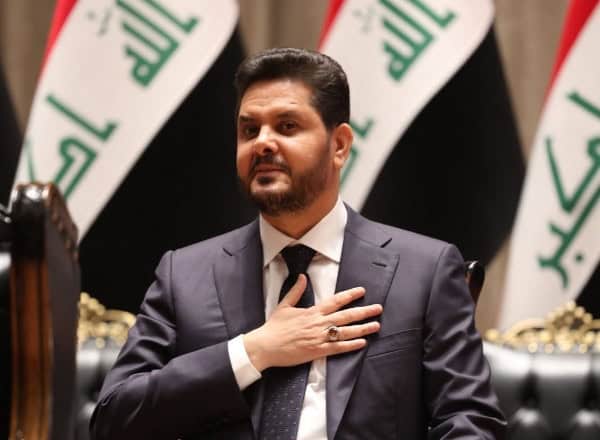
After five months of negotiations, almost all remaining spots in Iraqi Prime Minister Ali al Zaidi’s cabinet were approved by the parliament on October 15. Among the three deputy prime ministers is Laith al Khazali, whom the US State Department designated a Specially Designated Global Terrorist in 2020.
-
The Houthis’ Red Sea power play
The Houthis are on the offensive in Yemen, threatening one of the world’s most important maritime chokepoints and bringing the war back to Saudi Arabia’s doorstep. Bill Roggio is joined by FDD research analyst and Long War Journal contributor Bridget Toomey to discuss the Iranian-backed group’s renewed campaign to conquer Yemen, its advances along the…
-

Ukrainian intelligence details new low-cost Russian cruise missile
A new missile called the Filin adds to Russia’s growing arsenal of low-cost, long-range munitions, placing strain on Ukraine’s overstretched air defenses. Ukraine is expected to scale production of faster interceptor drones, but this addresses only part of the challenge of countering Russia’s evolving missile and drone capabilities.
-
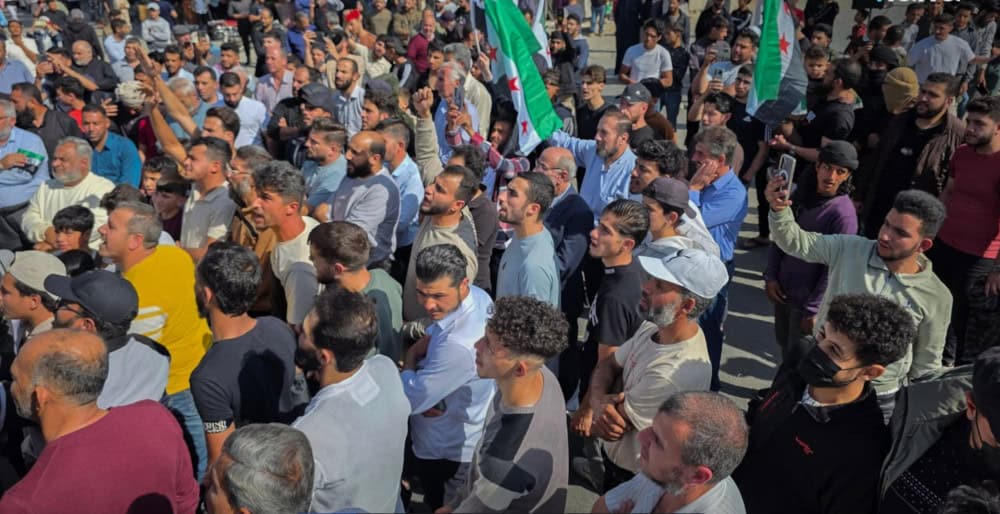
Protests break out in Syria against ‘Israeli incursions and attacks’ as tensions rise
Protests erupted across southern Syria and Damascus on October 23 against Israeli military operations in the buffer zone along the Golan border, following reports that a Syrian man with disabilities was killed during an IDF raid. The protests come amid growing Syrian condemnation of Israeli incursions, as well as diplomatic efforts by Syrian officials to…
-
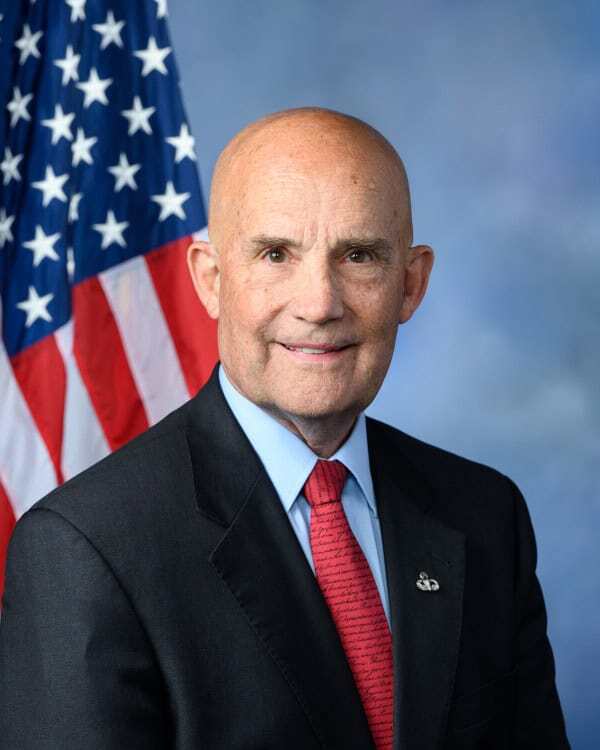
FBI arrests alleged Islamic State supporter accused of plotting to assassinate Texas congressman
A 17-year-old Texas teenager allegedly plotted to assassinate Republican US Representative Keith Self at a veterans’ fundraiser as part of a broader Islamic State-inspired terrorist plot. Federal agents arrested the suspect after he acquired a firearm.
-
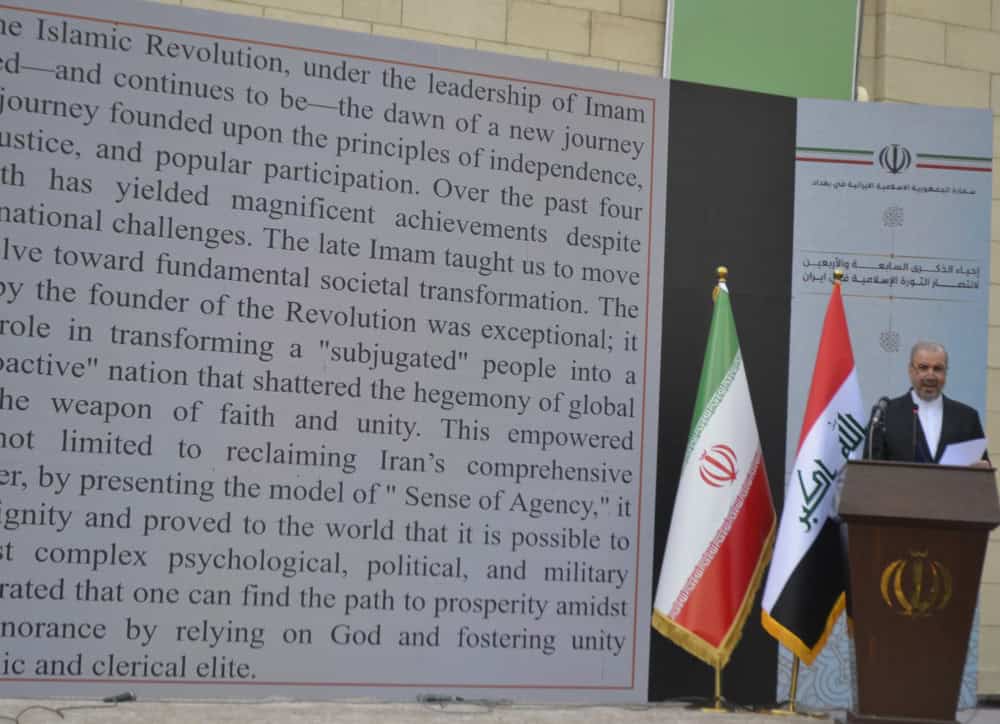
Iran says it has agreement with Iraq to expel Kurdish Iranian opposition groups
Iran’s ambassador to Iraq claimed on October 20 that Iraq has agreed to expel Iranian Kurdish opposition groups based in the Kurdistan Region. The announcement came amid increased Iranian attacks on these groups and as the Kurdistan Workers’ Party withdraws from positions in northern Iraq as part of a peace process with Turkey. An Iraqi…
-
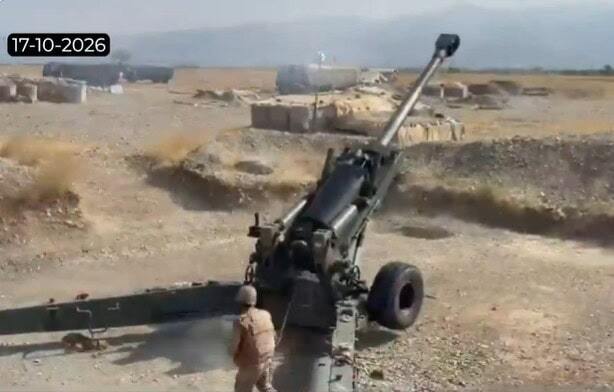
Pakistan-Taliban border clashes continue amid diplomatic efforts
Pakistani forces and the Taliban exchanged heavy fire along the border as Russia, the European, and China pressed for dialogue and action against terrorist groups operating from Afghanistan.
-
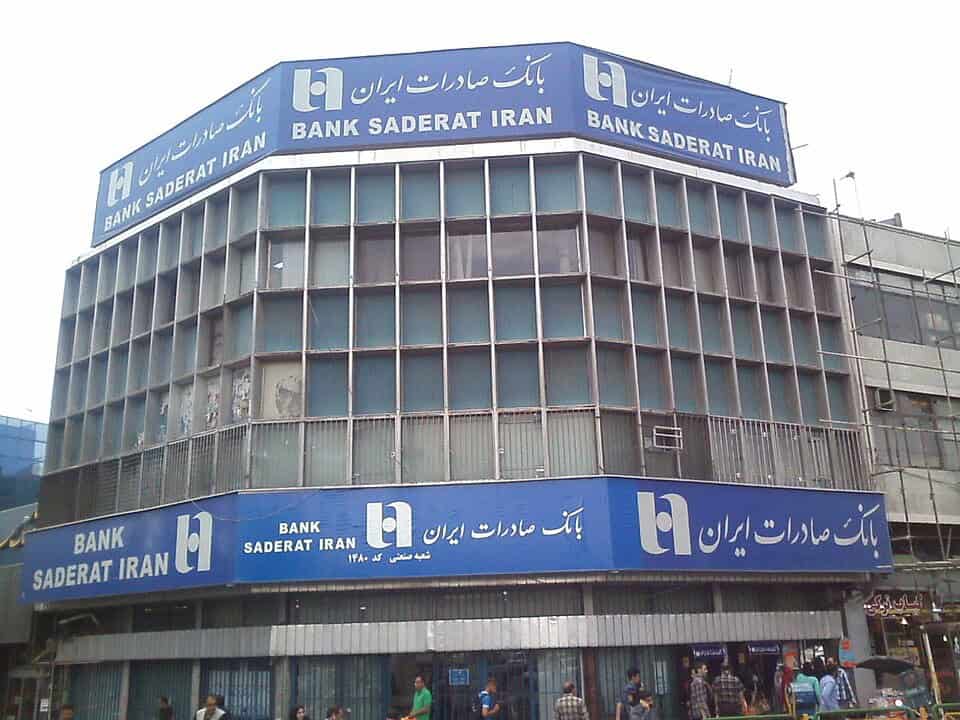
Lebanon revokes Iranian bank’s license amid US pressure over Hezbollah financing
Lebanon has revoked Bank Saderat Iran’s operating license amid US pressure to disrupt Hezbollah’s financial networks. The bank has a documented history of channeling Iranian funds to Hezbollah, but whether Lebanese authorities have closed its branches or initiated liquidation proceedings remains unclear.
-

Hezbollah accuses Lebanese police of violating security coordination procedure after supporters reportedly obstruct raid
Armed men identifying themselves as Hezbollah supporters reportedly surrounded Lebanese security personnel conducting an October 16 raid on a pharmaceutical warehouse near Beirut’s southern suburbs. Hezbollah subsequently claimed the officers had violated an agreed security coordination procedure with the group.
-
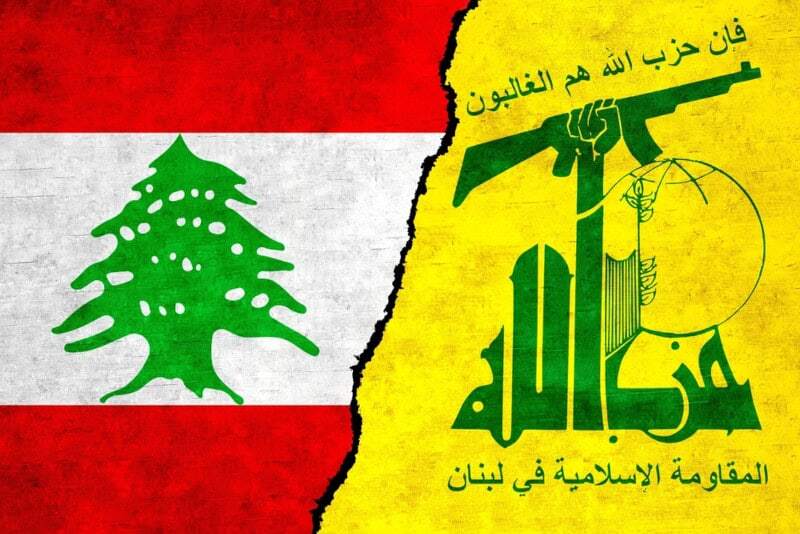
Profile: Hezbollah’s new liaison to the Lebanese state and society
Hussain al Abdallah, the new chief of Hezbollah’s Liaison and Coordination Unit who succeeded Wafiq Safa, reportedly sought the return of explosives seized by Lebanese security forces in early October. Abdallah’s career spans more than two decades in Hezbollah’s southern security apparatus.

All Articles
-
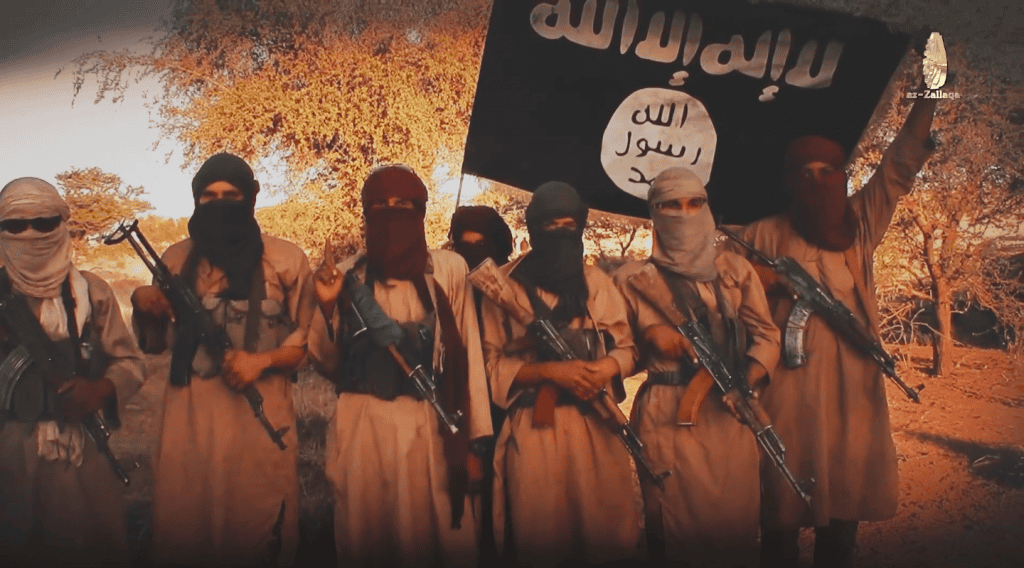
JNIM and allied rebels surge across Mali, take several cities, pressure capital
Al Qaeda’s Group for Support of Islam and Muslims (JNIM) and its allies in the Azawad Liberation Front (FLA) conducted a massive, widespread offensive in Mali, from Bamako to Kidal, on Saturday. Several cities fell under the complete or partial control of the militant alliance, while others, including Mali’s capital, remain under intense pressure.
-
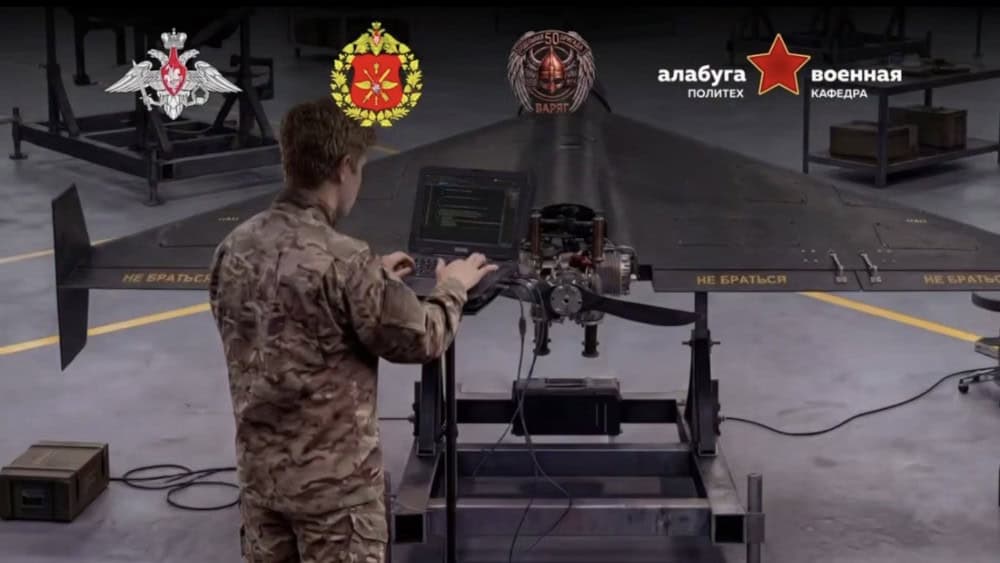
Russian Shahed drone maker recruiting for new unmanned systems brigade
As part of Moscow’s efforts to expand its Unmanned Systems Forces, a vocational training center affiliated with Russia’s main Shahed drone producer is recruiting for a new unmanned systems brigade. Its recruitment messaging highlights fulfilling mandatory military service requirements while earning the pay of enlisted troops serving under contract but without the associated danger.
-
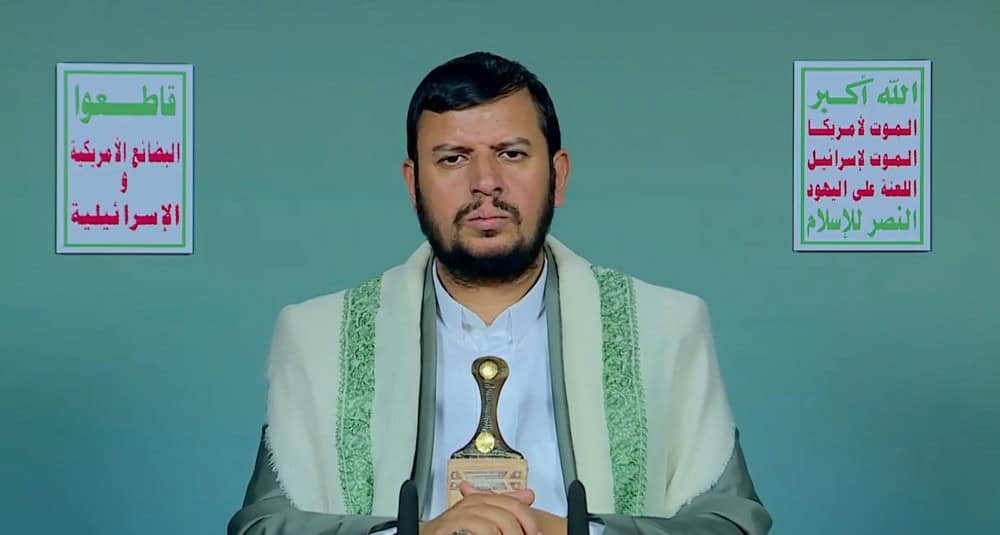
Houthis portray steadfast support for Iran, reportedly consider Red Sea toll
The Houthis have reiterated support for Iran despite their limited involvement in the Islamic Republic’s recent war with Israel and the United States. The Yemeni terrorist group is also reportedly weighing a toll for the safe transit of ships in the Red Sea, a move it has implemented before.
-
Generation Jihad | Iran’s Choke Point
Iran says it’s not in a rush to negotiate, but reality signals something else. Bill Roggio is joined by FDD Senior Fellow Miad Maleki — a former US Treasury sanctions architect — to break down why Tehran walked away from talks, what the Strait of Hormuz blockade is really doing, and why the regime may be under more pressure than at any point since 1979.
-
Syria thwarts Hezbollah plot, vows at UN to fight terrorist groups
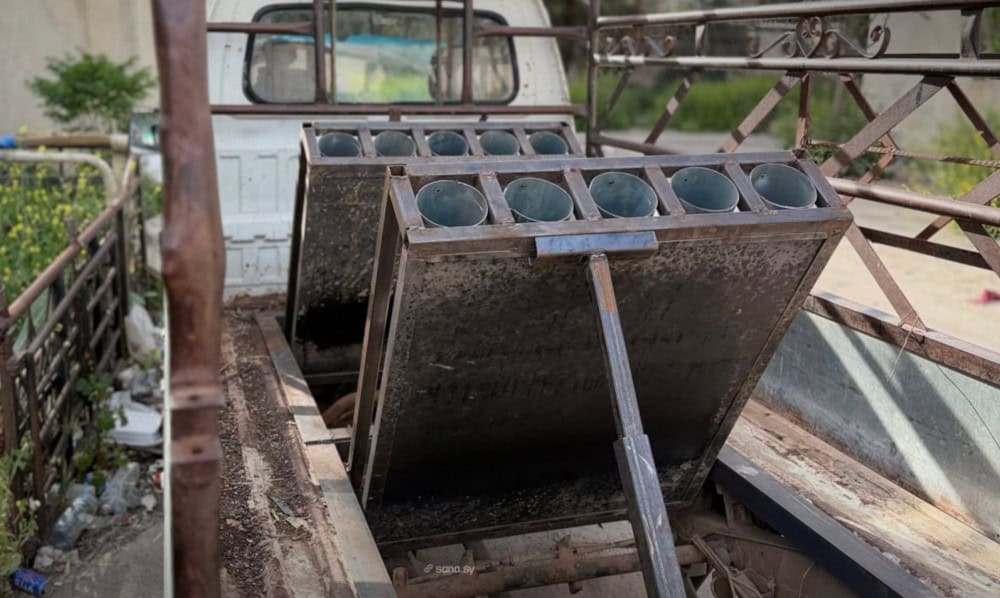
Syria says it disrupted a Hezbollah-linked plot and uncovered rockets near the Quneitra area of the Golan Heights. Officials also reported arrests tied to another terrorist cell, plus the seizure of 500,000 Captagon pills in a joint anti-smuggling operation with Iraq. At the United Nations, Syria pledged to continue counterterrorism operations, while criticizing Israeli actions in southern Syria.
-
Iran attacks vessels in Hormuz, avoids concrete stance on ceasefire extension
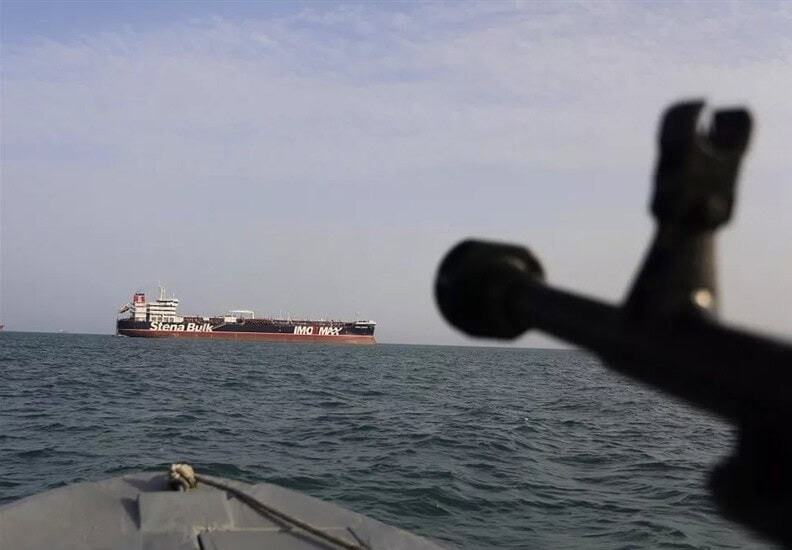
Tehran has refused to take an official position after US President Donald Trump’s announcement of an extension of the US ceasefire with Iran, while conditioning further negotiations on the lifting of the US naval blockade. Iran’s Islamic Revolutionary Guard Corps also threatened regional oil and digital infrastructure and attacked ships in the Strait of Hormuz.
-
Hamas says it may give up some weapons, IDF reports 5 ceasefire violations April 17-21
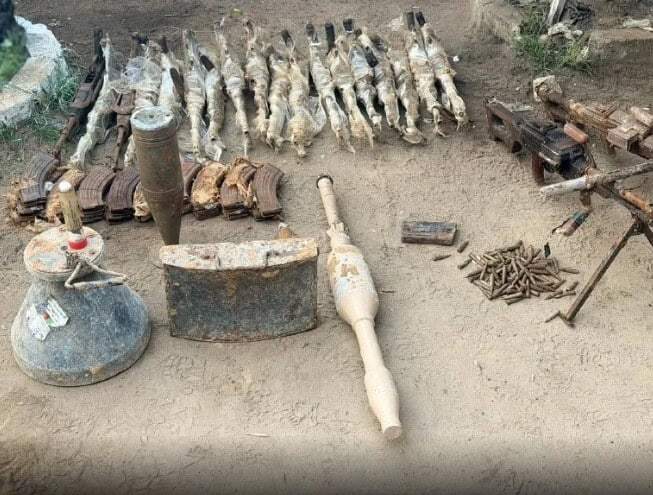
Hamas has reportedly indicated a readiness to give up thousands of rifles belonging to its police and internal security forces. The weapons conceded would still fail to meet the total disarmament required by President Donald Trump’s 20-point Gaza peace plan. The Israel Defense Forces also tracked five ceasefire violations between April 17 and 21.
-
Iraq aims to select new PM as US warns of Iran-backed threats, IRGC-QF head visits
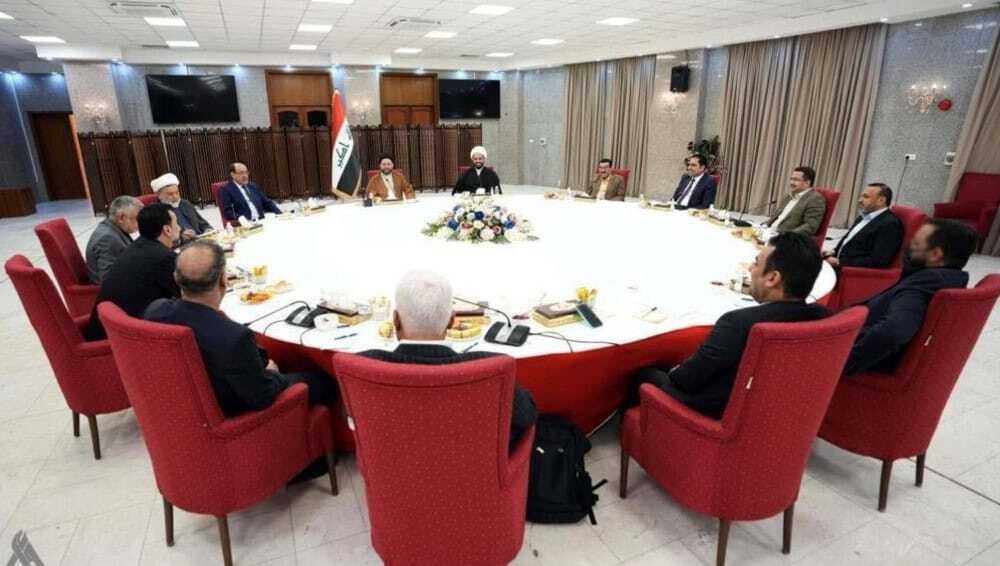
Iraq faces mounting political pressure as Shiite parties in the Coordination Framework (CF) seek to select a new prime minister amid tensions between the US and Iran. On the evening of April 20, the CF delayed its decision to nominate a candidate for the office until April 22. The US has reportedly paused some coordination with Baghdad pending investigations into attacks on US interests, and Iranian Islamic Revolutionary Guard Corps-Qods Force commander Esmail Qaani visited Iraq on April 19.
-
US Treasury designates 7 Iran-backed Iraqi militia commanders as terrorists
The US Treasury Department announced the designation of seven high-level members of Iran-backed Iraqi militias as Specially Designated Global Terrorists on April 17. Their organizations are previously US-designated terror groups that, operating under front groups, have conducted numerous attacks on the US presence in Iraq since the start of the war with Iran on February 28.

-
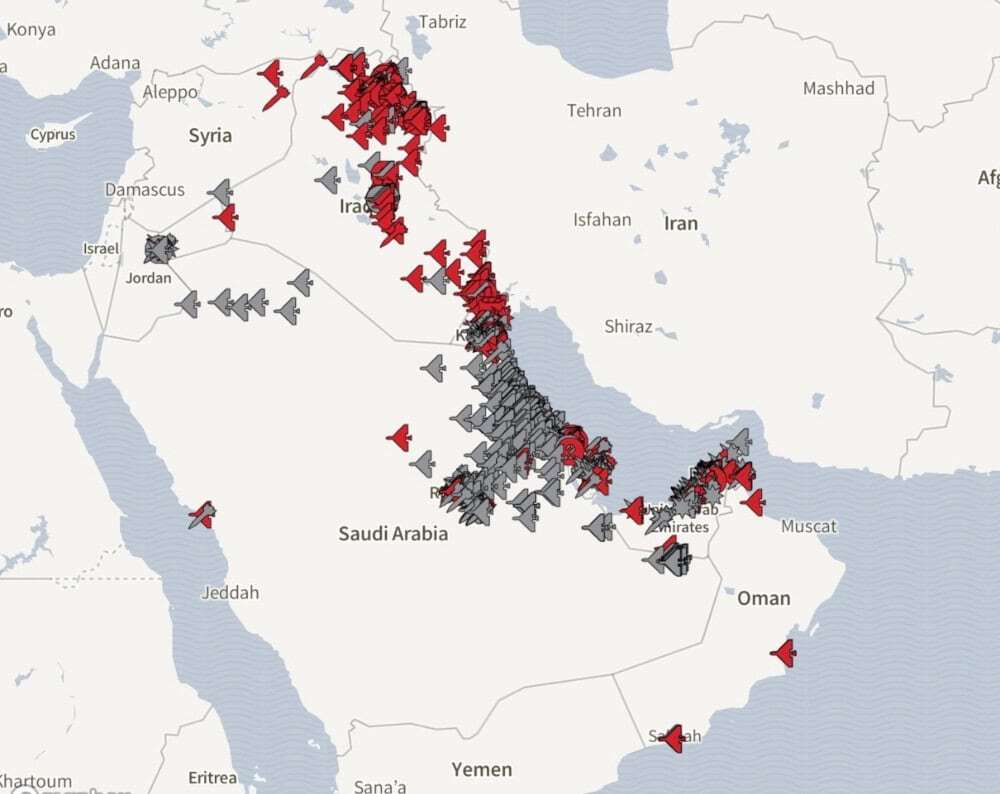
Iran’s war against regional states: UAE bore the brunt, Iraqi Kurdistan still under fire
The ceasefire between the US and Iran has largely held since April 8, and large-scale Iranian barrages targeting predominantly Arab states have ended. However, some attacks, particularly against Iraqi Kurdistan, have continued.
-
Iran-linked group Ashab al Yamin surges attacks in European cities, claims 15 since March
The Iran-linked front organization Ashab al Yamin claimed eight attacks on what it describes as “American and Zionist interests” in European countries in April. The most recent statements by the group took responsibility for targeting multiple locations in London, including the Israeli embassy.

-
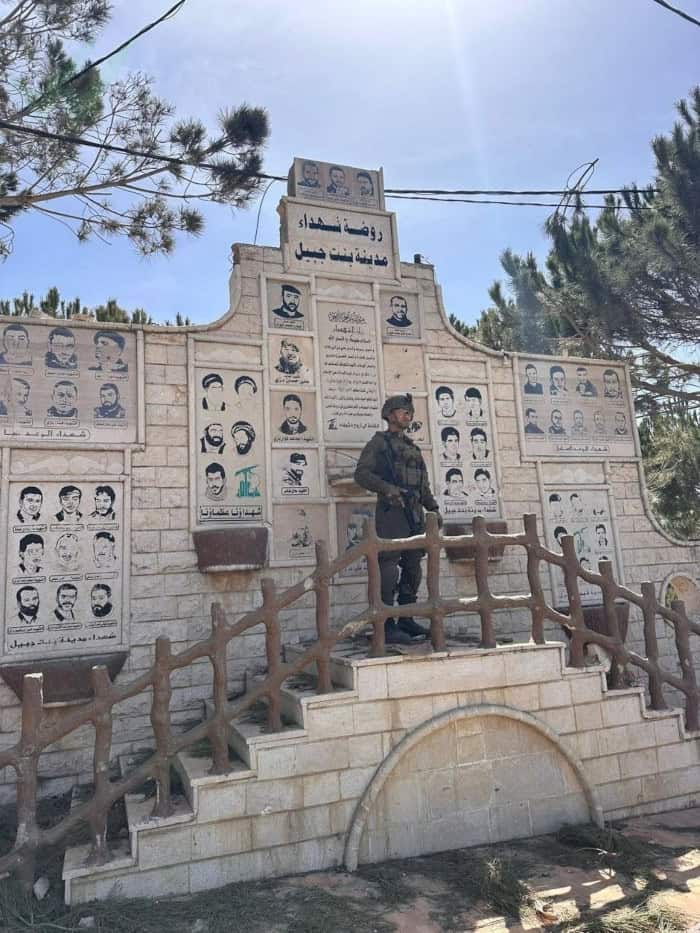
Analysis: The road to the latest Lebanon ceasefire
Iran has consistently sought to link its ceasefire with the United States to a concurrent cessation of hostilities in Lebanon. Tehran’s goal is to save Hezbollah, regardless of its stated aim of sparing Lebanon additional suffering. Iran, therefore, pressed the matter again as Hezbollah was on the cusp of losing the critical town of Bint Jbeil. A ceasefire in Lebanon went into effect on April 16.
-
Hamas rejects disarmament clause of Gaza peace plan, IDF reports 14 ceasefire violations April 8–16
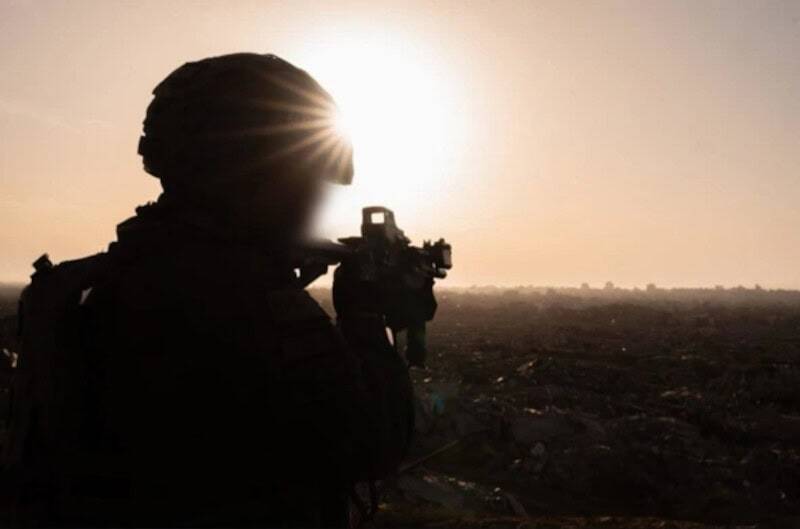
Kinetic events and military actions continue in Gaza, including 14 violations of the fragile ceasefire by Palestinian terrorists, according to the Israeli military. The Israel Defense Forces has documented an uptick in planned attacks against Israeli soldiers in the enclave.
-
Syrian president meets Syrian Democratic Forces leader to discuss next phase of integration
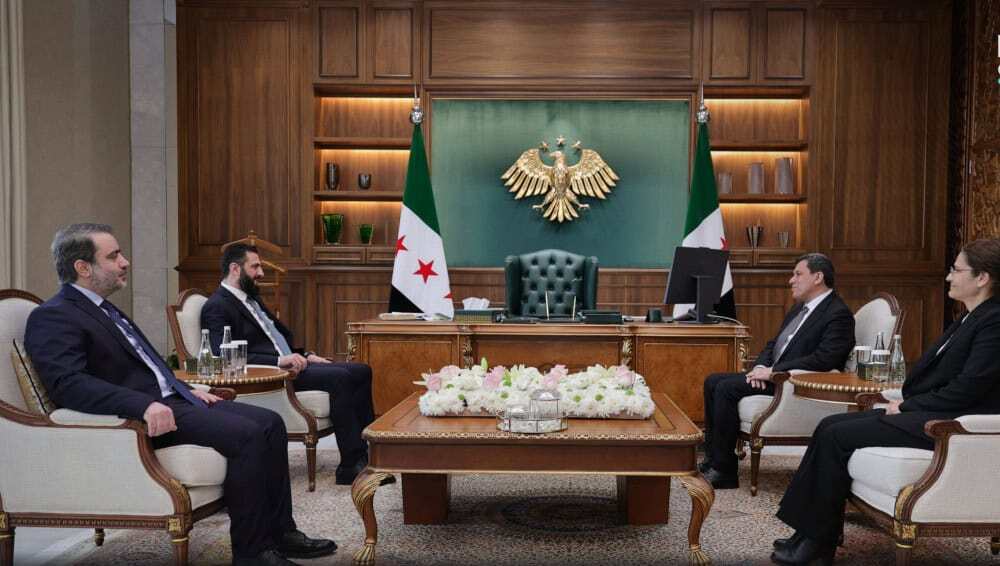
On April 16, Syrian President Ahmad al Sharaa met with Syrian Democratic Forces (SDF) commander Mazloum Abdi in Damascus to discuss advancing the integration of the SDF into state institutions, following a January agreement. The talks come amid shifting control in eastern Syria, including government moves to secure key bases and border crossings after a US withdrawal.
-
Generation Jihad | Battle for the Strait
FDD Senior Fellow Edmund Fitton-Brown joins Bill Roggio to assess the current state of the Iran War. From the dual blockade in the Strait of Hormuz to the failed peace negotiations, they consider: Why did Pakistan step up as mediator? Can Tehran stretch the Houthis for even more leverage in the Red Sea? Has the war pushed the Gulf States closer together?
-
Iraq focuses on political appointees, economic challenges amid Iran ceasefire
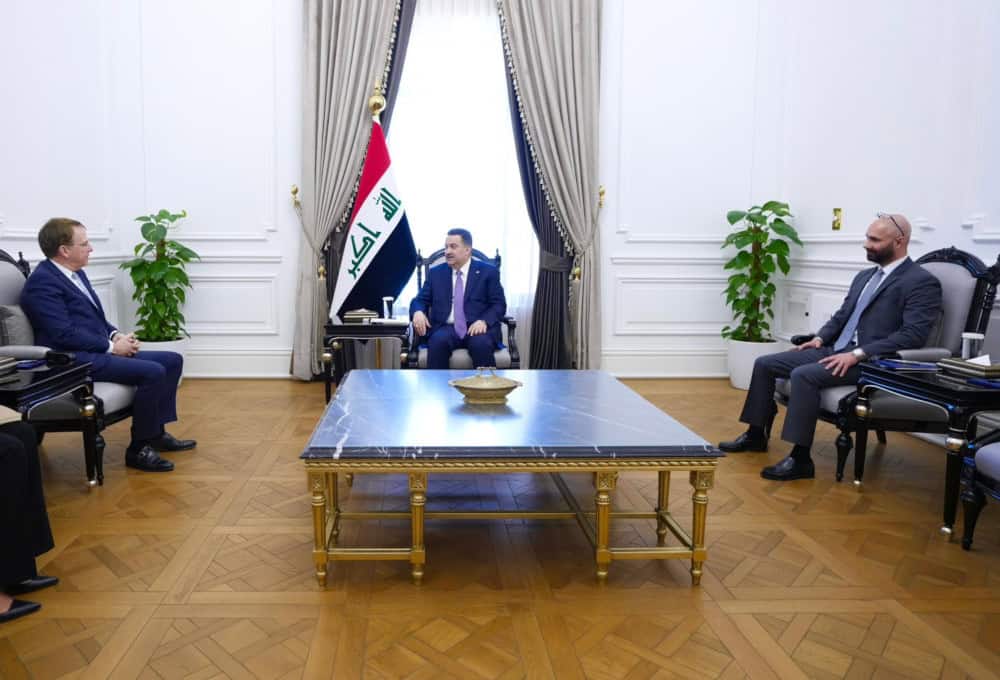
Baghdad is shifting toward political stabilization and economic challenges during the fragile post-conflict phase that follows more than a month of US-Israeli strikes on Iran and Iranian-backed militia attacks in Iraq. After hundreds of militia attacks, including strikes on US and Kurdish targets, Iraq is moving forward with long-delayed political appointments, including choosing a new president.
-
Iraqi fundraising drives linked to militias channel support to Iran and Hezbollah
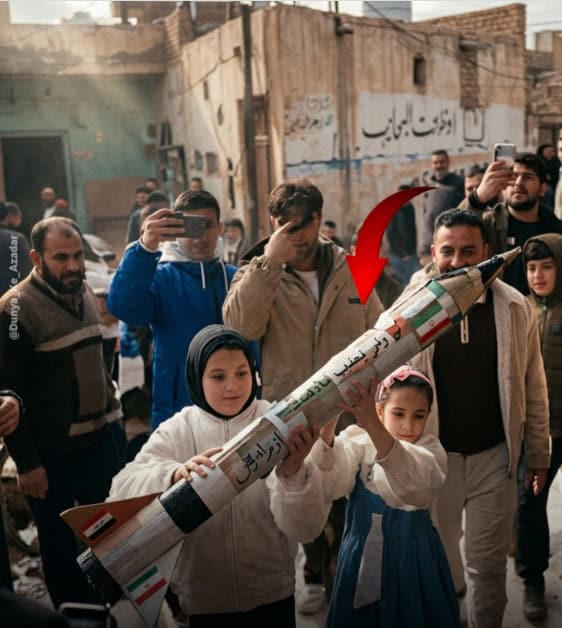
Efforts described by Iran-backed Iraqi militias as humanitarian campaigns increasingly show signs of serving as a parallel financial pipeline that also fuels Iran’s current war effort and regional proxy network. Across Iraq, groups aligned with Tehran are mobilizing donation drives framed as a religious obligation and in wartime solidarity.
-
A breakdown of Israel’s heavy bombardment of Beirut on April 8
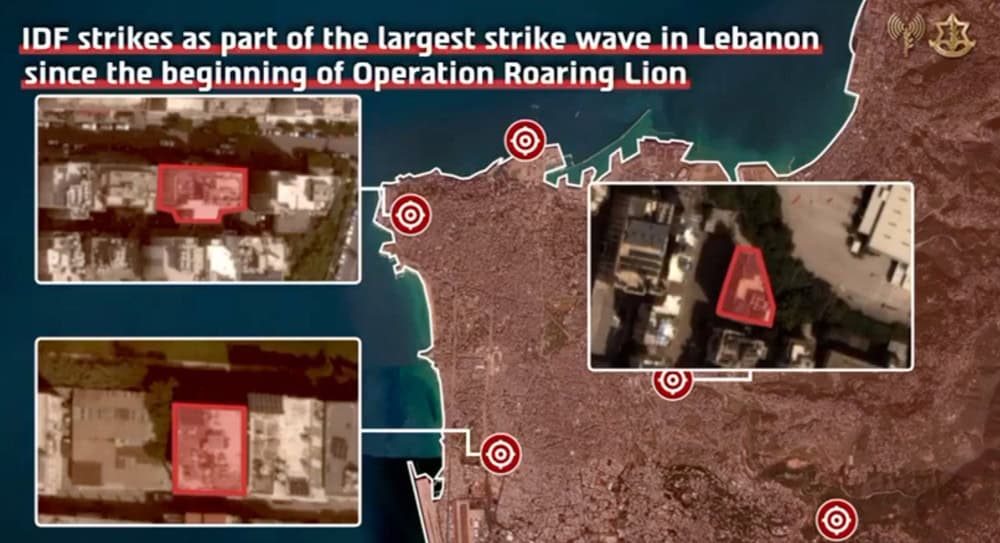
On April 8, Israel launched its most intense aerial blitz in Lebanon since the war with Hezbollah restarted. The strikes were particularly deadly in Beirut, where the Israeli military struck targets both in the suburb of Dahiyeh and, in a rare occurrence, the heart of the Lebanese capital. Israel alleges that Hezbollah operatives had moved northward out of the group’s Dahiyeh nerve center into the city.
-
Analysis: How to assess America’s 40 days of war against Iran
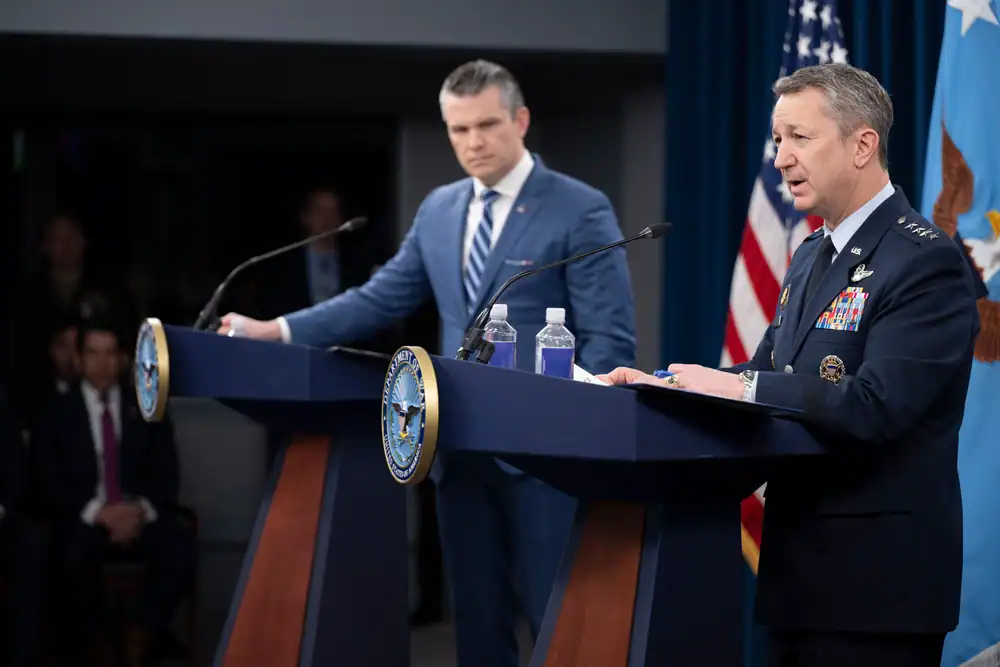
US and Israeli forces conducted an impressive campaign that significantly degraded Iran’s primary elements of military power. The operation did not, however, destroy these capabilities outright or eliminate Iran’s ability to project meaningful power outside of its borders.
-
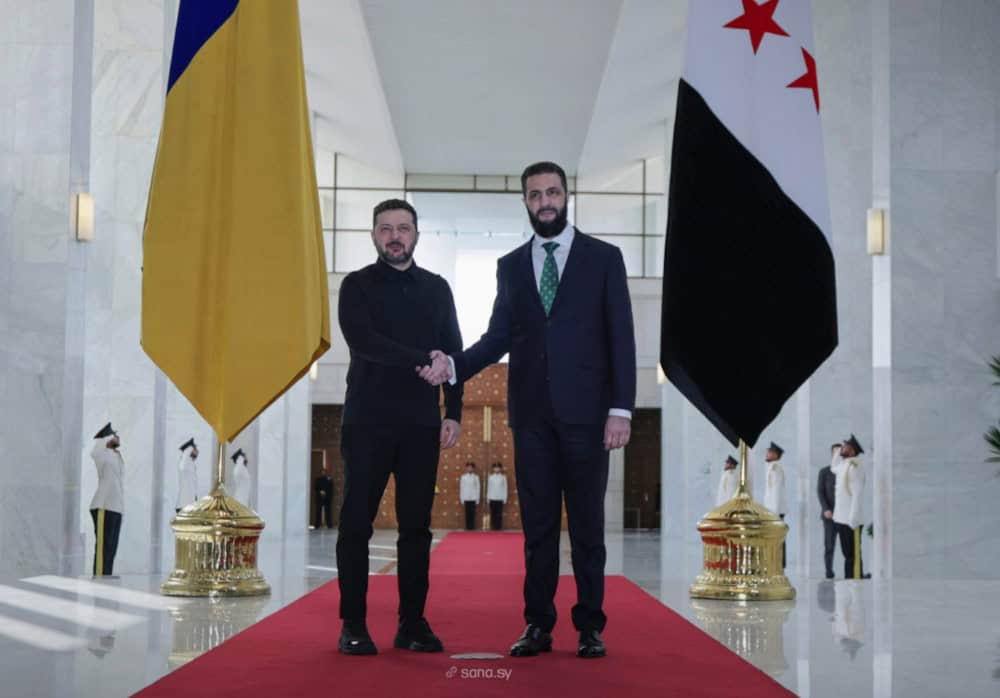
Syria focuses on diplomacy amid Iran war
Syria has sought to position itself as a diplomatic actor amid the regional conflict with Iran, maintaining relative stability while several neighboring states faced significant missile and drone attacks. Damascus has intensified high-level engagements with Turkey, the United States, and Ukraine, highlighting efforts to rebuild international ties following the fall of the Bashar al Assad regime.