-
Jordanian Air Force strikes targets in Syria in retaliation for deadly church attack
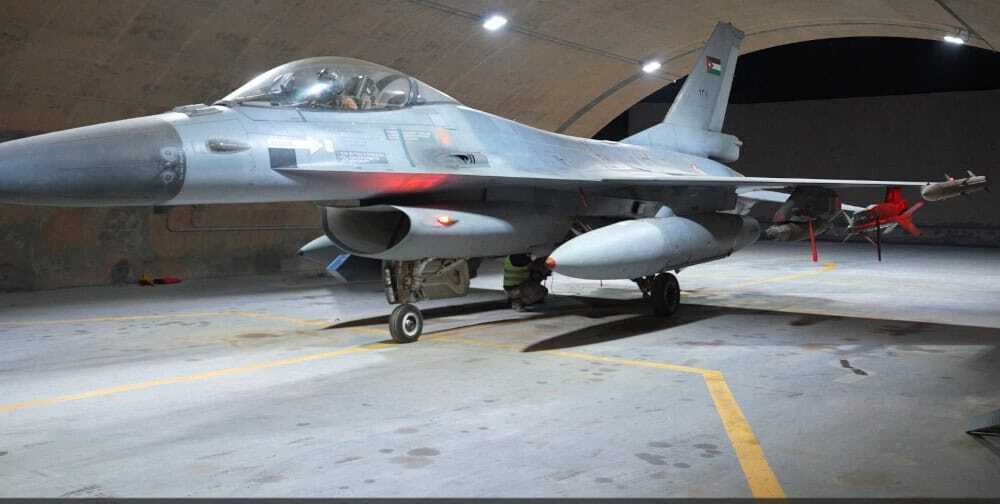
On October 26, the Jordanian Air Force conducted multiple strikes against suspected Islamic State positions in southern Syria, targeting militants Jordan linked to an October 23 attack on a church in Karak that killed nine people and wounded dozens. Jordan said the strikes killed more than 20 militants, while Syrian authorities reported seven civilian deaths.
-
Iraq juggles border security and ties with Iran, Syria, and Jordan
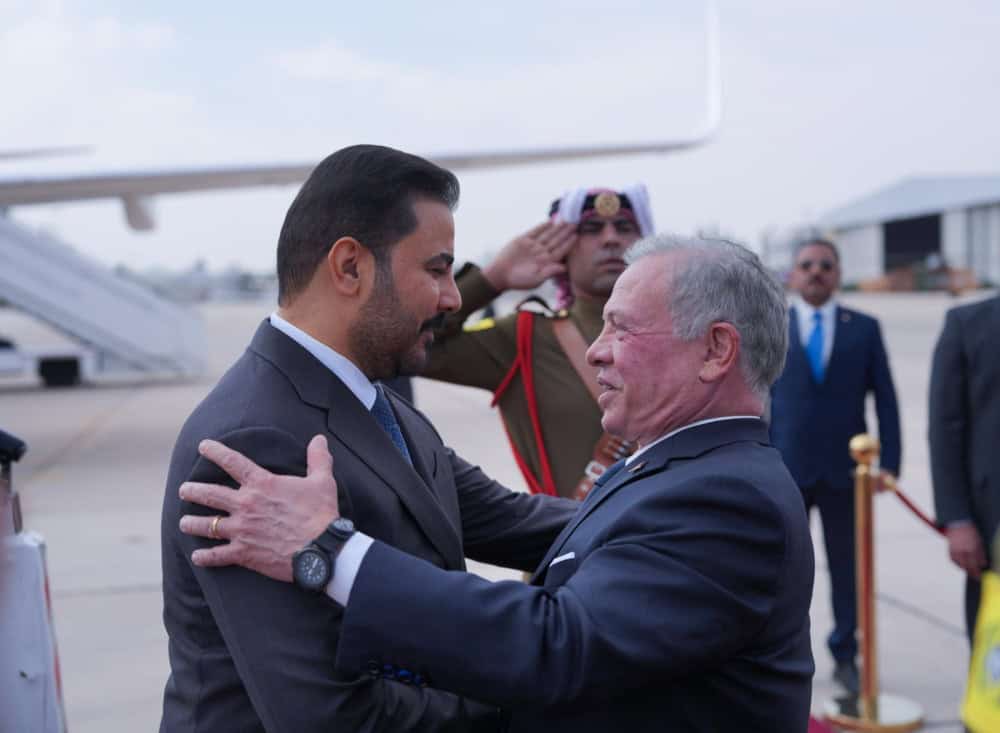
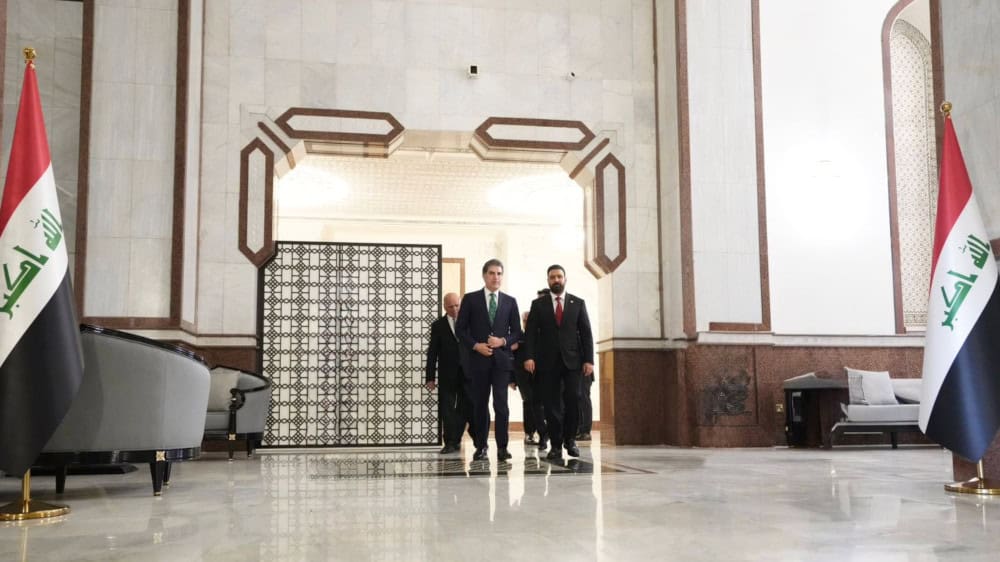
Iraqi Prime Minister Ali al Zaidi is seeking to strengthen border security and regional cooperation amid tensions with Iran over the closure of a key crossing in Iraq’s Maysan province, while also pursuing closer ties with Jordan and Syria. The developments come as Baghdad continues to face threats from Iranian-backed militias, concerns over instability along its borders, and challenges to bringing armed groups under state control.
-
Pakistani outreach presents a dilemma for Afghanistan’s anti-Taliban resistance
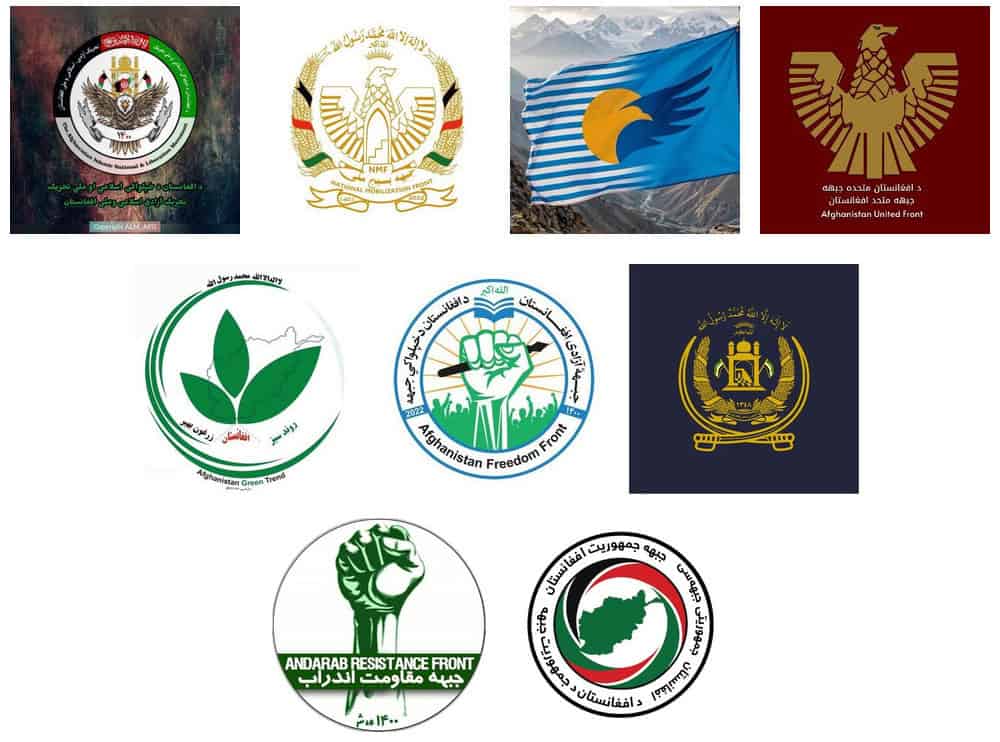
Pakistan’s reported outreach to anti-Taliban resistance groups reflects deteriorating ties with its longtime ally. But accepting Pakistani support could deepen divisions in the resistance and undermine its standing among Afghans who blame Islamabad for decades of bloodshed.
-

Iraqi parliament approves most remaining cabinet appointments, including Iran-backed militia figures
After five months of negotiations, almost all remaining spots in Iraqi Prime Minister Ali al Zaidi’s cabinet were approved by the parliament on October 15. Among the three deputy prime ministers is Laith al Khazali, whom the US State Department designated a Specially Designated Global Terrorist in 2020.
-
The Houthis’ Red Sea power play
The Houthis are on the offensive in Yemen, threatening one of the world’s most important maritime chokepoints and bringing the war back to Saudi Arabia’s doorstep. Bill Roggio is joined by FDD research analyst and Long War Journal contributor Bridget Toomey to discuss the Iranian-backed group’s renewed campaign to conquer Yemen, its advances along the…
-

Ukrainian intelligence details new low-cost Russian cruise missile
A new missile called the Filin adds to Russia’s growing arsenal of low-cost, long-range munitions, placing strain on Ukraine’s overstretched air defenses. Ukraine is expected to scale production of faster interceptor drones, but this addresses only part of the challenge of countering Russia’s evolving missile and drone capabilities.
-
Protests break out in Syria against ‘Israeli incursions and attacks’ as tensions rise
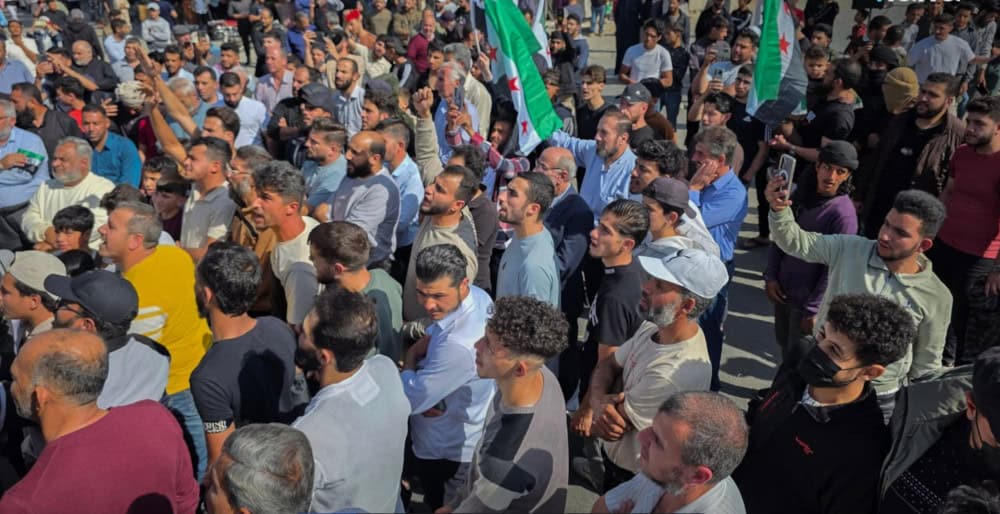
Protests erupted across southern Syria and Damascus on October 23 against Israeli military operations in the buffer zone along the Golan border, following reports that a Syrian man with disabilities was killed during an IDF raid. The protests come amid growing Syrian condemnation of Israeli incursions, as well as diplomatic efforts by Syrian officials to…
-

FBI arrests alleged Islamic State supporter accused of plotting to assassinate Texas congressman
A 17-year-old Texas teenager allegedly plotted to assassinate Republican US Representative Keith Self at a veterans’ fundraiser as part of a broader Islamic State-inspired terrorist plot. Federal agents arrested the suspect after he acquired a firearm.
-
Iran says it has agreement with Iraq to expel Kurdish Iranian opposition groups
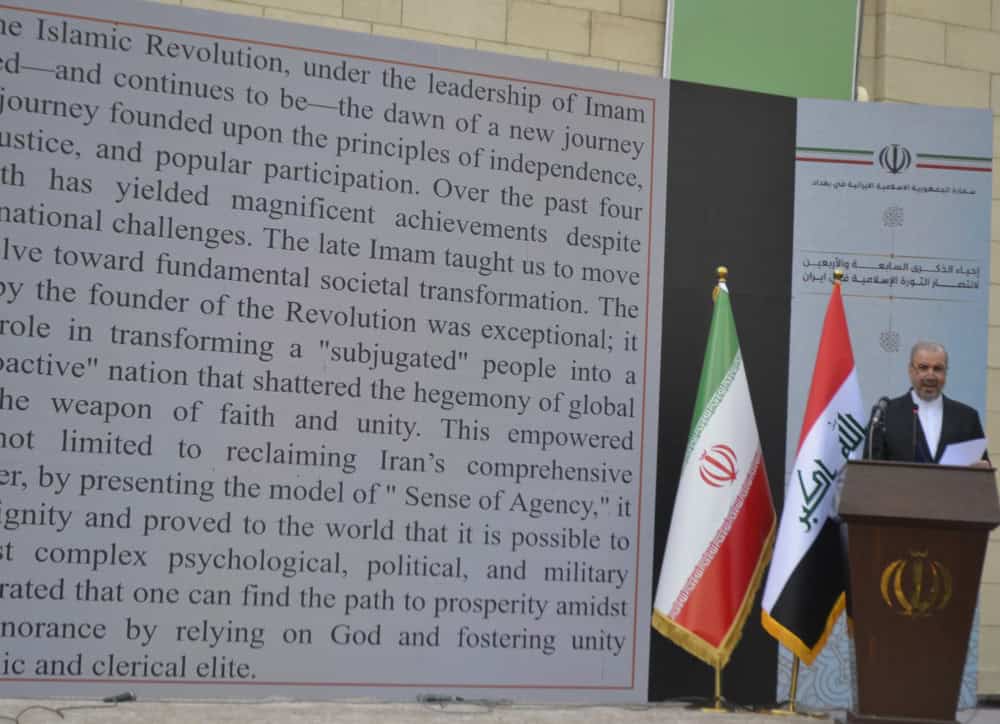
Iran’s ambassador to Iraq claimed on October 20 that Iraq has agreed to expel Iranian Kurdish opposition groups based in the Kurdistan Region. The announcement came amid increased Iranian attacks on these groups and as the Kurdistan Workers’ Party withdraws from positions in northern Iraq as part of a peace process with Turkey. An Iraqi…
-
Pakistan-Taliban border clashes continue amid diplomatic efforts
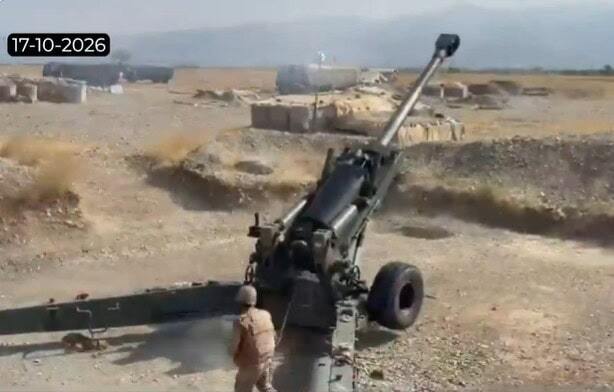
Pakistani forces and the Taliban exchanged heavy fire along the border as Russia, the European, and China pressed for dialogue and action against terrorist groups operating from Afghanistan.
-
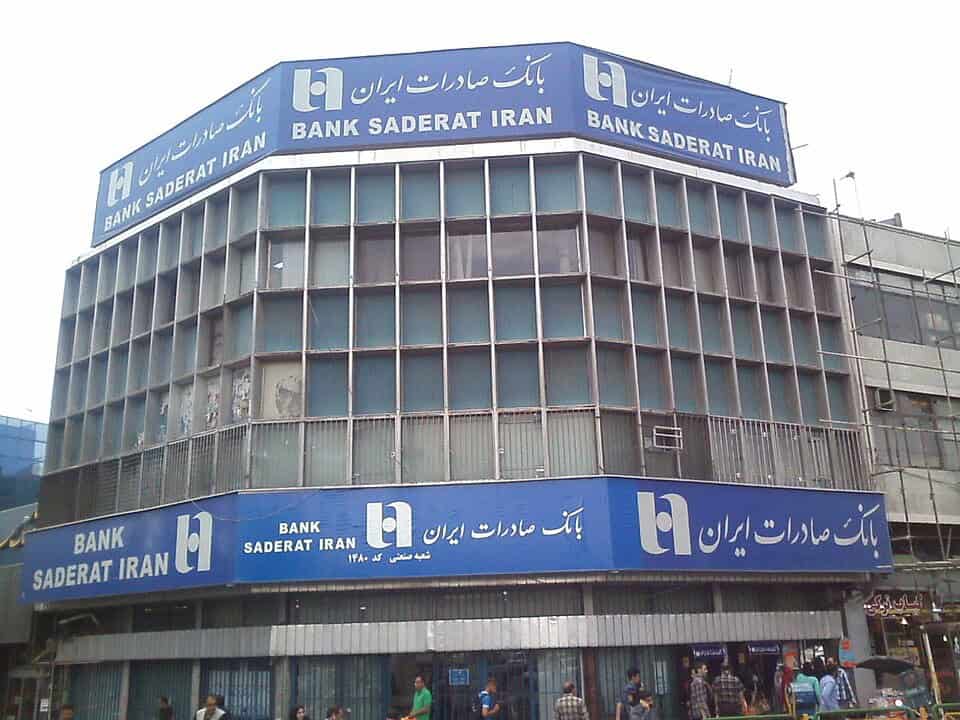
Lebanon revokes Iranian bank’s license amid US pressure over Hezbollah financing
Lebanon has revoked Bank Saderat Iran’s operating license amid US pressure to disrupt Hezbollah’s financial networks. The bank has a documented history of channeling Iranian funds to Hezbollah, but whether Lebanese authorities have closed its branches or initiated liquidation proceedings remains unclear.

All Articles
-
Israel trains new civilian security squads for 67 Gaza border communities
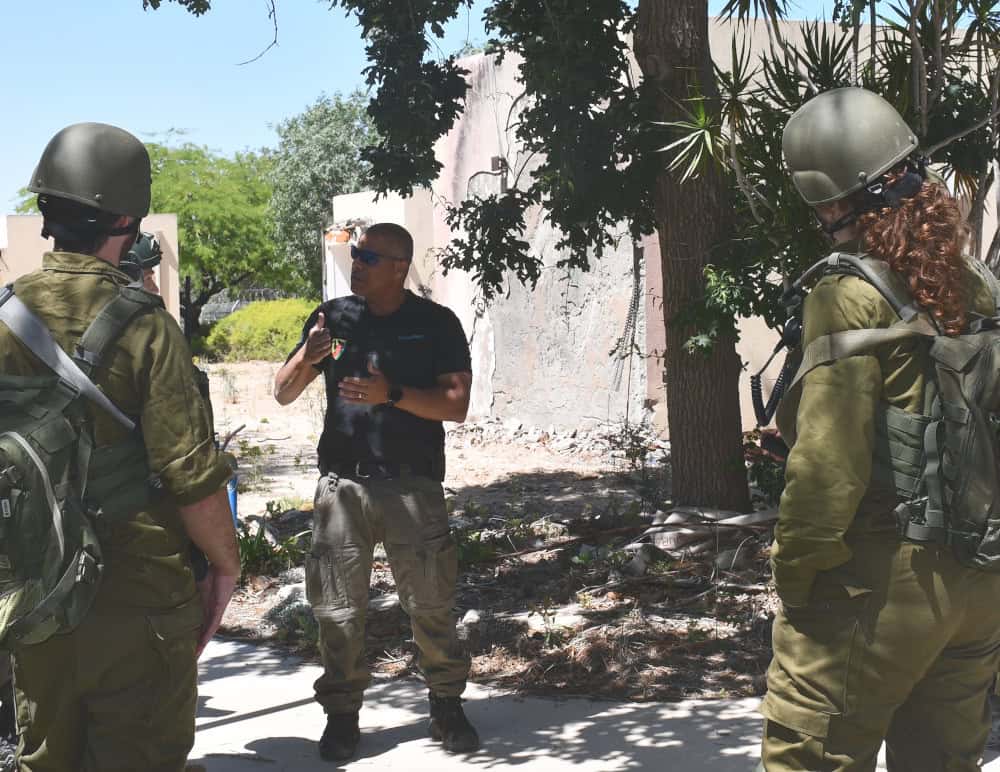
Israel is expanding civilian security preparedness in communities near the Gaza border through a new training program led by Magen 48, a non-profit civilian-led initiative, in cooperation with the Israel Defense Forces. The program, created after the October 7 Hamas attack, trains local volunteer armed response teams in tactics, medical support, and community defense.
-
Iraqi security forces and politicians react to reports of ‘secret’ Israeli base
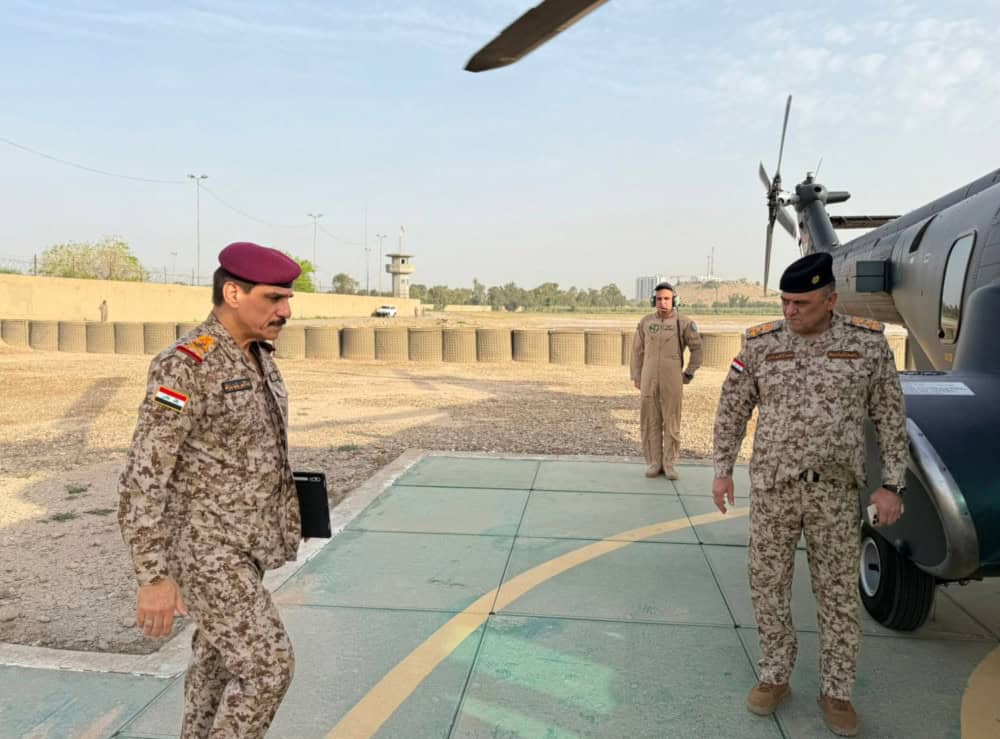
A report alleging that Israel operated a secret military base in Iraq’s Najaf desert has sparked controversy and conflicting statements among Iraqi politicians and security forces. The report emerged amid sensitive political negotiations in Baghdad and broader tensions involving Iran-backed militias, Israel, the United States, and Iran.
-
3 October 7 perpetrators identified with facial recognition software
Open-source information and commercially available facial recognition tools have identified three suspects— Amjad Qadoum, Yasir Samir, and Mustafa Shaheen—who were involved in the October 7 Hamas-led massacre in southern Israel. Facial recognition tools and social media exploitation can yield verifiable identity data from the extensive footage recorded by the terrorists’ own devices.

-
Generation Jihad | Iran’s nukes: Degraded but not dead
Iran’s nuclear program is in ruins, but the threat is far from dead. Deputy Director of FDD’s Non-Proliferation Program Andrea Stricker and Bill Roggio dive into the desperate gamble Tehran is making at the negotiating table with the US — and the terrifying chemical contingency they might be holding in reserve.
-
Israel assassinates commander of Hezbollah Radwan Force
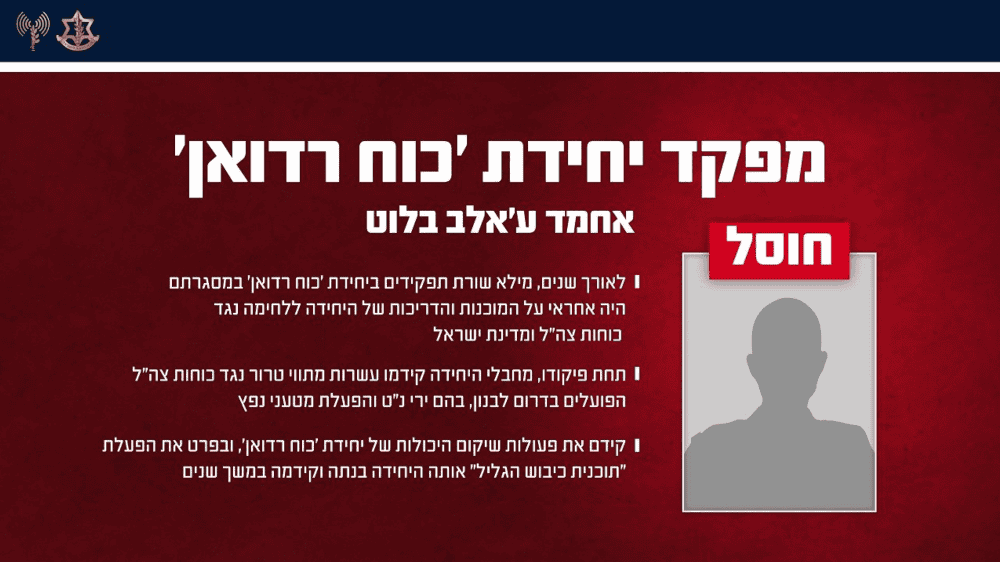
On May 6, Israel conducted its first strike in the greater Beirut metropolitan area since the onset of a ceasefire on April 16. The strike targeted an apartment building in Dahiyeh, and one of the alleged fatalities was Ahmad Ghaleb Ballout, whom Israel claimed was the newest leader of Hezbollah’s Radwan Force commando unit.
-
Protests in Syria’s Kurdish region highlight demand for rights
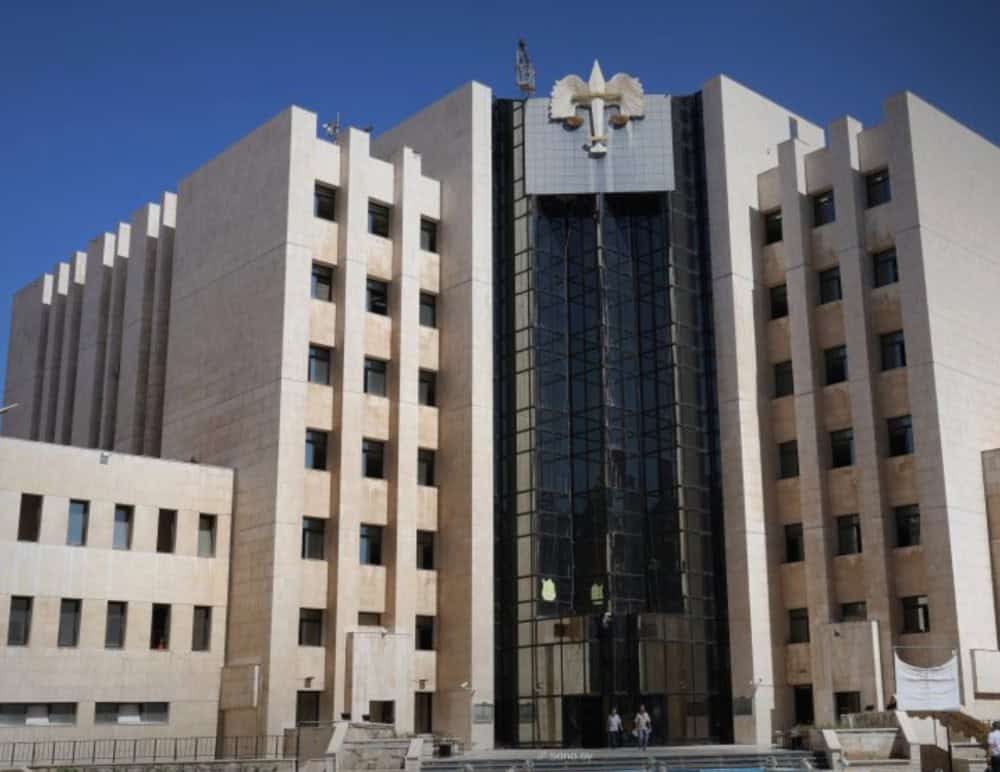
Protests erupted in Hasaka in eastern Syria after authorities replaced Kurdish and Arabic on a government billboard with English and Arabic, angering local residents. The incident reflects broader tensions as Damascus seeks to reassert control over eastern Syria following agreements with the Kurdish-led Syrian Democratic Forces.
-
Analysis: Russian security assistance is creating problems on the Korean Peninsula
North Korea has launched dozens of missiles since the start of 2026. The regime is displaying increasingly lethal long-range fires capabilities that have been enabled, in no small part, by Russian security assistance.

-
Generation Jihad | Gridlock at the Strait
The world’s most vital trade artery is under siege. As the US launches “Project Freedom” to break the Iranian blockade of the Strait of Hormuz, global shipping remains in a chokehold. This week, Bill Roggio sits down with shipping expert Sal Mercogliano to break down the stalemate, the dual blockade, and the massive economic ripple effects threatening the global supply chain.
-
Iran targets Kurdish Iranian opposition groups in northern Iraq
Iran has intensified attacks on Kurdish Iranian opposition groups in northern Iraq, targeting camps linked to the Kurdistan Democratic Party of Iran and Komala with drones in early May. The strikes are part of a broader campaign by Iran and its allied militias against Kurdish groups operating in the Kurdistan Region.
-
Israeli forces face challenges as Hezbollah ramps up use of FPV drones
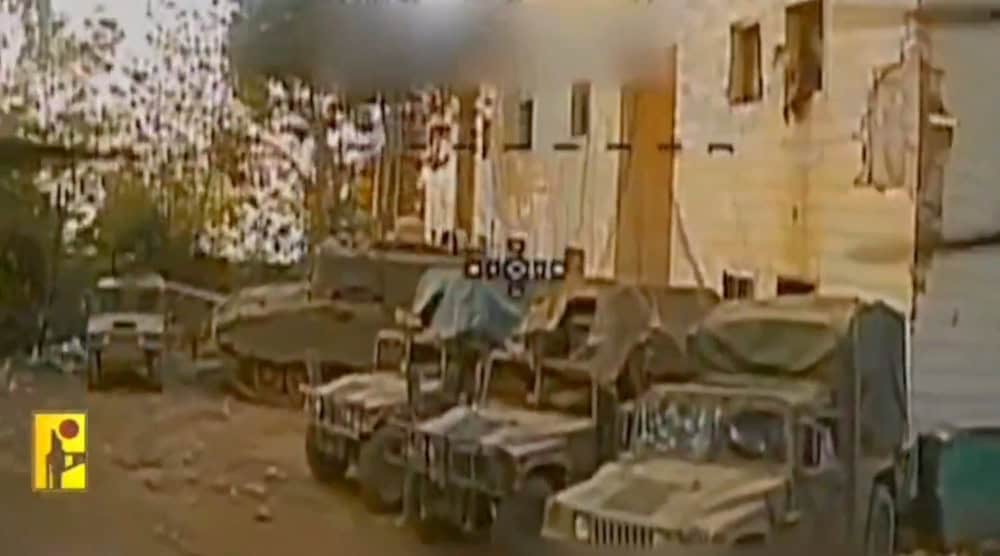
During the renewed conflict with Israel, Hezbollah has increasingly relied on an arsenal of first-person view (FPV) drones that it amassed and developed over the 15 months of the Israel-Lebanon ceasefire. These drones, which are guided by fiber-optic cables instead of radio, are proving effective against Israeli forces because they are hard to intercept and detect, and the IDF was unprepared to deal with this threat.
-
Syria reports neutralizing Hezbollah plot to assassinate senior officials
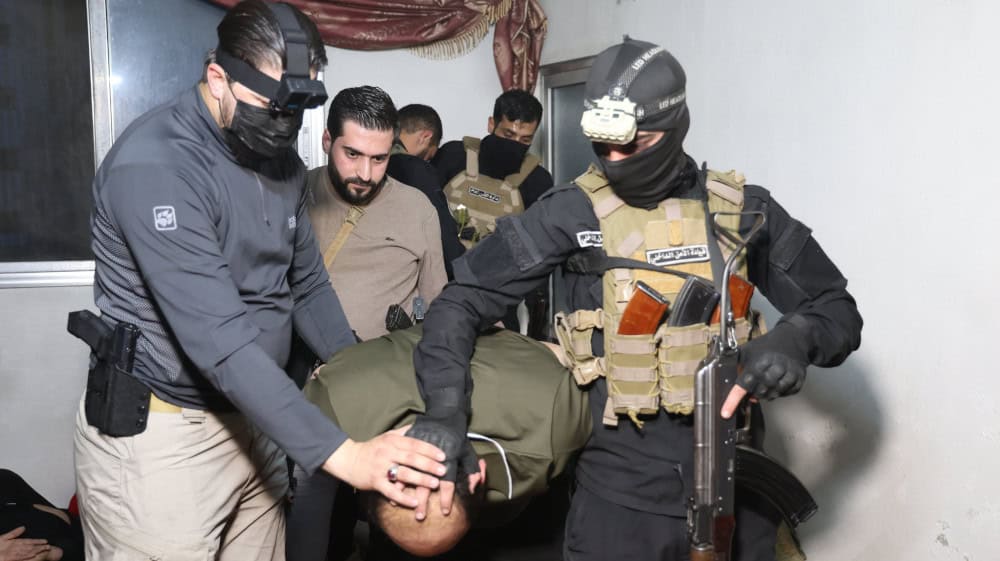
On May 5, Syrian authorities said that security forces dismantled a Hezbollah-linked militant network operating across multiple governorates, arresting 11 operatives, seizing weapons, and foiling planned assassinations.
-
Talks over Hamas disarmament stall, IDF reports 19 Gaza ceasefire violations April 21–May 5
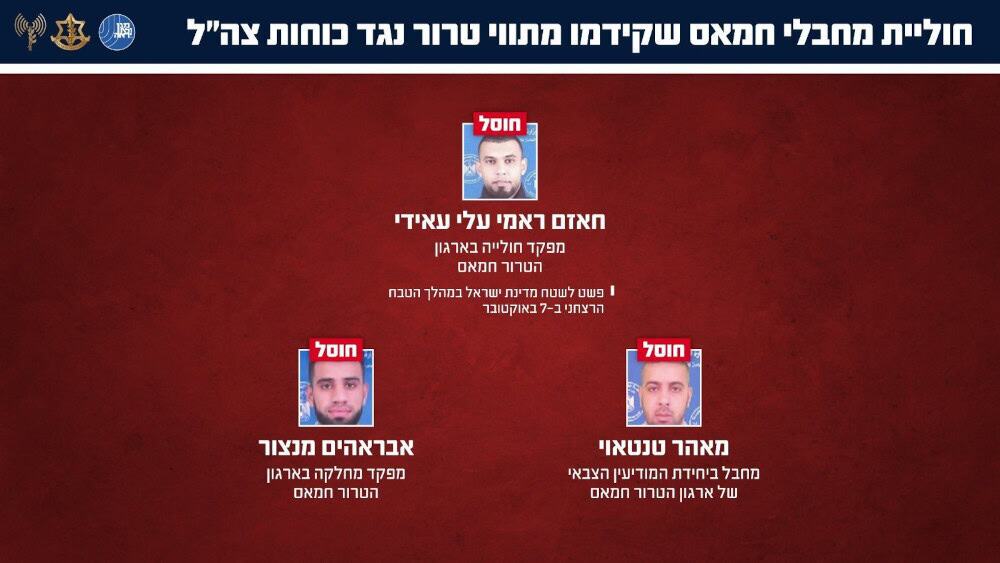
Hamas and other Palestinian terrorists continued to violate the Gaza ceasefire toward the end of April and beginning of May, according to Israeli military reports. Hamas remains adamant that it will not even begin to discuss disarmament before a complete IDF withdrawal from the territory.
-
Generation Jihad | Strait Strategy
Tehran is shifting the battlefield from missiles to markets, turning the Strait of Hormuz into leverage and testing whether Washington will trade long-term strategy for short-term relief. Bill Roggio and Behnam Ben Taleblu discuss.
-
Russian Aerospace Forces reportedly get new commander
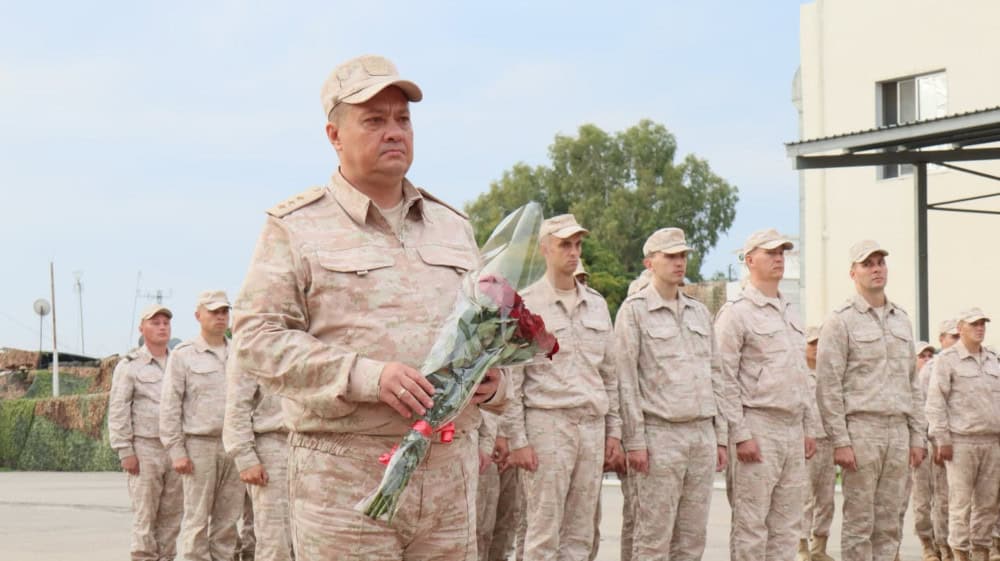
Colonel-General Aleksandr Chaiko reportedly has been appointed commander of Russia’s Aerospace Forces. He is an unusual choice for the position, given his army background and unimpressive record in Ukraine.
-
Iran claims strike on US warship as US attempts to reopen Strait of Hormuz
CENTCOM denied Iranian claims that a US warship was struck on the same day the US announced “Project Freedom,” an effort to “restore freedom of navigation for commercial shipping through the Strait of Hormuz.”

-
US offers rewards for 3 Iraqi militia leaders
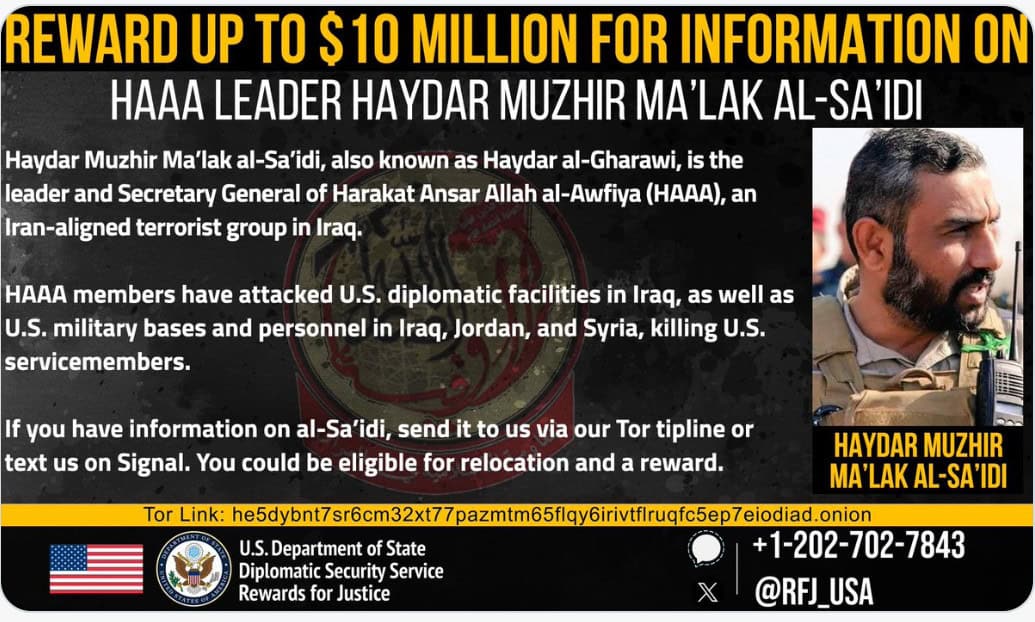
The United States has intensified pressure on Iranian-backed militias in Iraq, offering multimillion-dollar rewards for information on additional key leaders linked to attacks on US personnel and facilities. The latest rewards target figures from three groups: Kataib Hezbollah, Kataib Sayyid al Shuhada, and Harakat Ansar Allah al Awfiya.
-
Generation Jihad | Can Fortress Bamako Hold?
Across Mali, jihadis are seizing territory, encircling the capital, and pushing a fragile regime toward collapse. Backed by a sprawling network and in an effort years in the making, Al Qaeda’s Sahel affiliate has launched its most ambitious offensive yet—one that could redraw the map of West Africa. Bill Roggio and Caleb Weiss unpack what’s going on.
-
2 Jewish men stabbed in London, Ashab al Yamin claims attack
The Iran-linked front group Ashab al Yamin claimed credit for a stabbing attack in London that wounded two Jewish men. The group has claimed more than a dozen attacks in Europe, most of them targeting Jewish institutions.

-
Charity founded by Hamas member raising funds on US-based platform
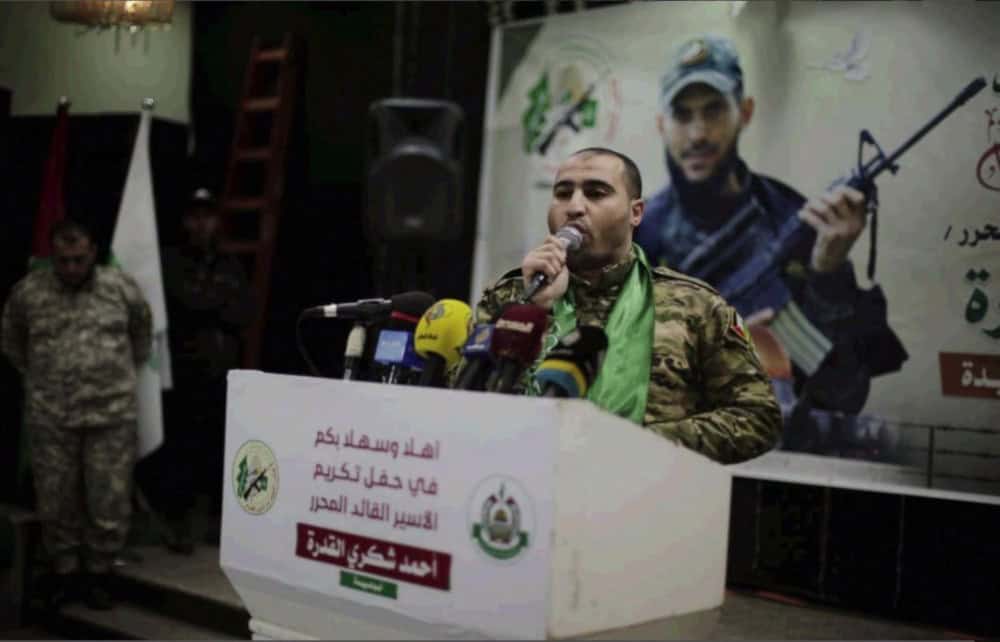
A Hamas operative who was killed during the recent war with Israel founded a Gaza-based charity that has raised hundreds of thousands of dollars online. The charity continues to solicit donations, including through a New York-headquartered platform.
-
Venezuelan president to end amnesty, hundreds of political prisoners still unreleased
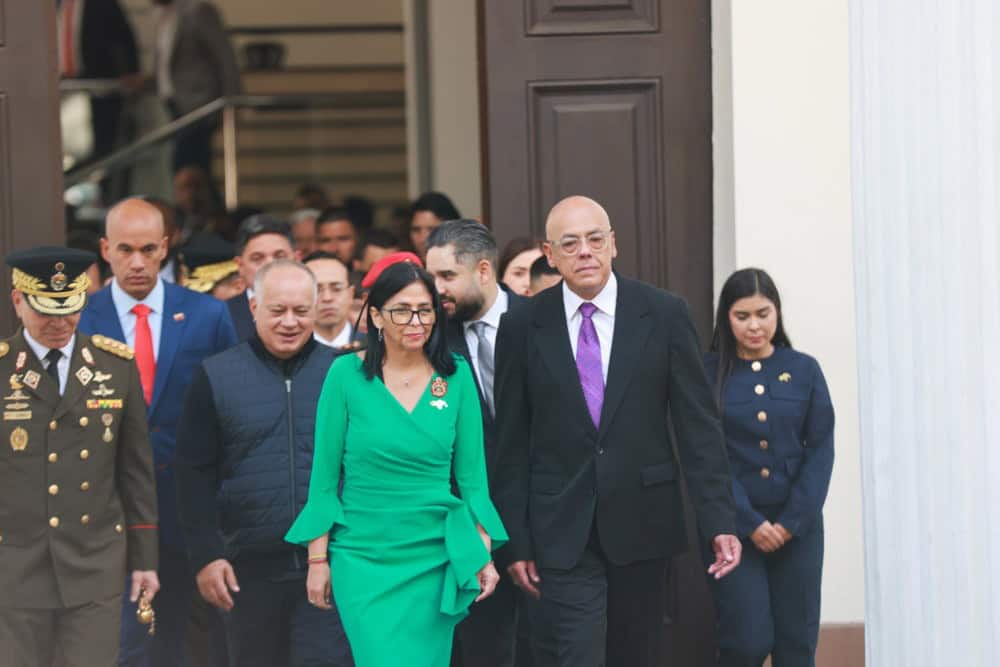
Venezuelan Acting President Delcy Rodríguez Delcy Rodríguez said the country’s recent amnesty is ending as the NGO Foro Penal reports that 473 political prisoners remain in custody. In addition, Caracas is fast-tracking investment laws, opposition leader María Corina Machado plans to return to the country this year, and US Southern Command launched new a combat unit covering the Caribbean and Latin America.