-
U.N.: Thousands of Pakistanis fight in Afghanistan alongside the Taliban
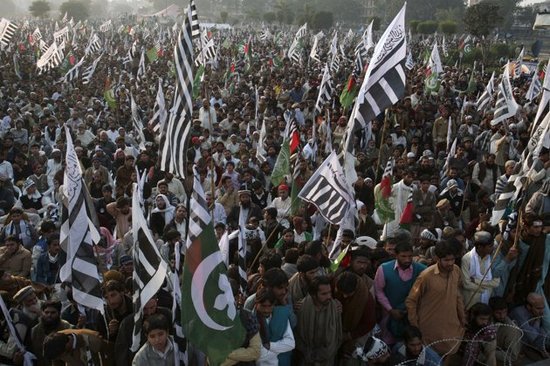
Pakistan continues to play its double game by supporting terror groups. Thousands of Pakistanis, including fighters from the Pakistan state-sponsored Lashkar-e-Taiba and Jaish-e-Mohammed, as well as the Movement of the Taliban in Pakistan, continue to support the Taliban’s jihad against the Afghan government.
-
India strikes Jaish-e-Mohammad camp inside Pakistan
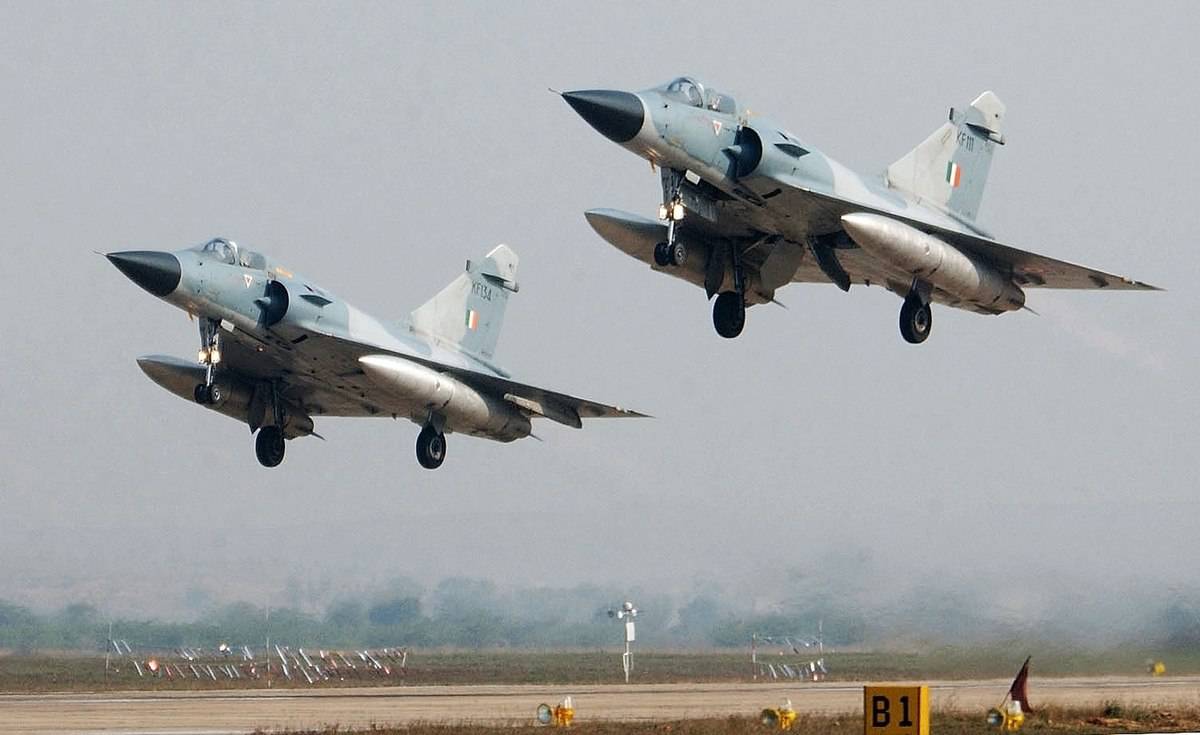
In retaliation for a suicide attack in Kashmir, the Indian Air Force launched a raid against a JeM camp in Balakot inside Pakistan, killing scores of jihadists. The Pakistani government is denying the raid took place.
-
Indian forces kill Jaish-e-Mohammed commander in Kashmir
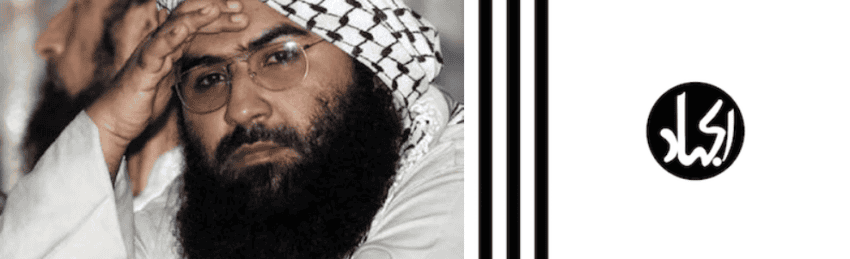
The commander, who went by the alias Abu “Khalid,” or Shahid Showkat, was highly sought by Indian security forces for his role in orchestrating attacks targeting Indian military positions and personnel.
-
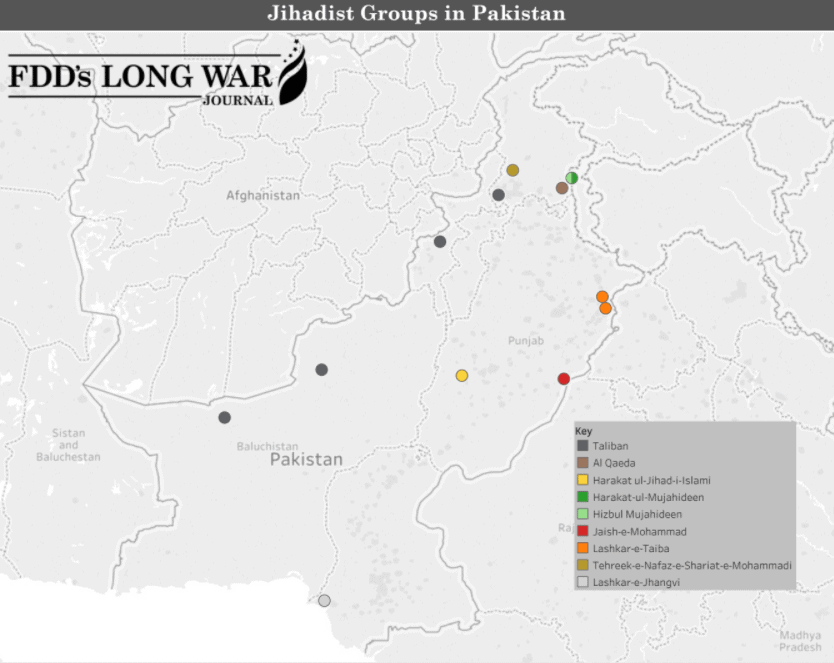
Pakistan suffers diplomatic defeat as BRICS names regional terrorist groups
The blow comes just two weeks after President Trump called out Pakistan for providing “safe haven” for terrorist groups operating in the region and advocated for closer ties with India.
-
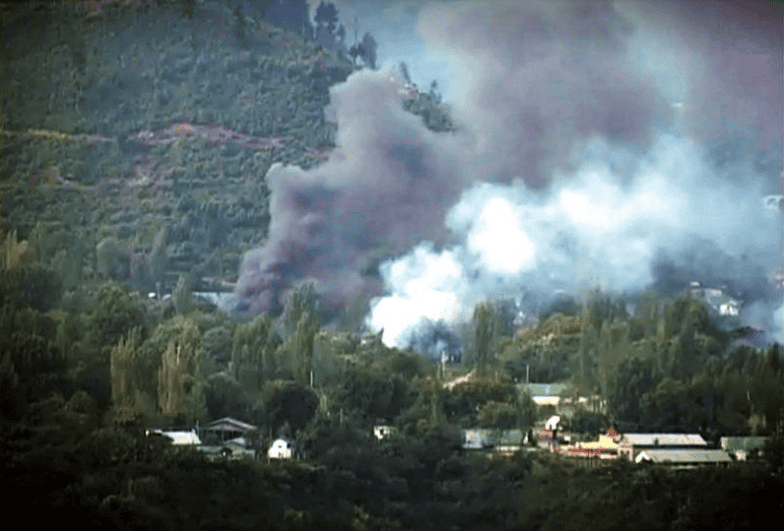
India accuses Pakistan-based Jaish-e-Mohammed of attacking army base in Kashmir
Jihadists killed 17 Indian troops and wounded dozens more in a suicide assault on a military base in Jammu and Kashmir. Jaish-e-Mohammed is thought to have carried out a similar attack on an Indian air base in January.
-
Pakistan: Friend or Foe in the Fight Against Terrorism?
Bill Roggio testifies before the House Committee on Foreign Affairs Subcommittee on Terrorism, Nonproliferation, and Trade, as well as the Subcommittee on Asia and the Pacific. The hearing is titled, “Pakistan: Friend or Foe in the Fight Against Terrorism?”
-
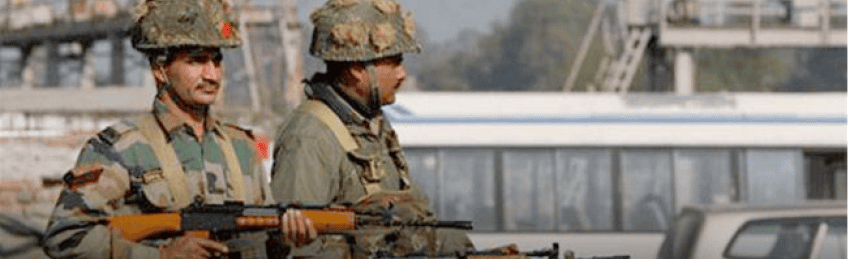
Jaish-e-Mohammed suspected in assault on Indian airbase
The assault on the airbase is thought to have been executed by Jaish-e-Mohammed, a Pakistan-based jihadist group with close ties to al Qaeda. Jihadists reportedly said they were going to avenge a Jaish-e-Mohammed operative who was executed for his role in the 2001 assault on India’s Parliament.
-
Pakistan
Pakistan: Court Acquits a Suspect Charged in the Murder of Daniel Pearl
/assets/images/featured-image-default.jpg)
-
Details emerge on Ahrar-ul-Hind’s emir
Maulana Umar Qasmi was a member of Jaish-e-Mohammed before becoming the emir of the Ahrar-ul-Hind, the Taliban splinter group that refuses to negotiate with the government.
-
India
Pakistan militant resurfaces, ignites Indian fears of attacks
-
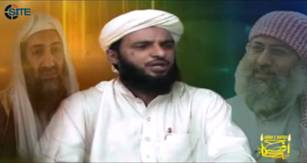
Pakistani al Qaeda ‘company’ commander praises Mumbai attacker
Asmatullah Muawiya said that the executions of Ajmal Kasab and Afzal Guru will fuel a new round of attacks on India, and that Kashmir will become a focal point for jihadists after the US abandons Afghanistan.
-
Pakistan
Pakistan – Lal Masjid: rewarding an insurrection
-
Al Qaeda
Al Qaeda’s revenge in Bajaur
-
Pakistani Taliban assault prison, free nearly 400 inmates
Among those freed is a former Pakistani Air Force member who was associated with Amjad Farooqi, the Pakistani jihadi who attempted to assassinate Pervez Musharraf at the behest of al Qaeda.
-
Al Qaeda
JuD missing from Pakistan’s new terror list
-
US adds 5 al Qaeda, Taliban, Haqqani Network, and IMU facilitators to terrorist list
The five leaders are based in Afghanistan and Pakistan. The designations highlight the interconnectedness of the various terror groups based in the region.
-
US State Department adds Indian Mujahideen to list of terror groups
The terror group has been implicated as being behind numerous attacks inside India. The US said the Indian Mujahideen “maintains close ties” to Lashkar e-Taiba, Jaish-e-Mohammed, and Harakat ul-Jihad-i-Islami.
-
HUJI claims bombing at Delhi High Court
The Harakat-ul-Jihad-al-Islami claimed it carried out the attack to force India to repeal the death sentence of a terrorist involved in the 2001 assault on the parliament in Delhi.
-
Jaish-e-Mohammed
More power to Pakistan’s jihadis
-
Al Qaeda
India to press Pakistan on fugitives
-
Afghanistan
Haqqani Network behind Majority of Insurgent Attacks: Afghan National Directorate of Security
-
Afghanistan
First, take Nuristan: the Taliban’s new Afghan plan
-
Jaish-e-Mohammed
Pakistan – Jaish groups on warpath in Kohat
-
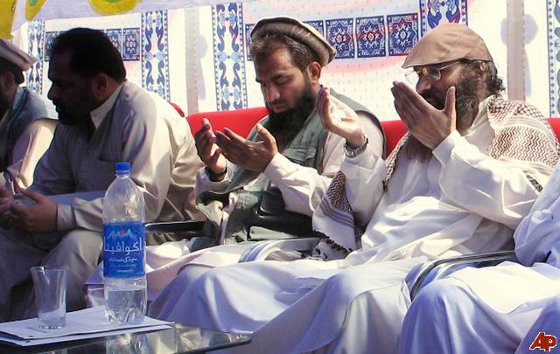
Hizbul Mujahideen chief: Pakistan allows terror group to run ‘hundreds of training camps’
“Our mujahideen can come and go at their own will,” the head of the Hizbul Mujahideen said. “There is no question that the army can stop us.”
-
Pakistani government refused to move against radical madrassas in Punjab
A leaked US State Department cable details the network of radical Islamist madrassas in South Punjab and their role as an engine of jihad.
-
US Predators kill 10 ‘militants’ in Mir Ali
The attack took place in an area that hosts a number of regional and international terror groups. Four “foreigners” were reported killed.
-
Pakistan releases top al Qaeda-linked terrorist leader
Qari Saifullah Akhtar, the leader of the Harakat-ul-Jihad-al-Islami, was recently freed after being placed into “protective custody” in August.
-
Financier for ‘Mullah Dadullah Front’ captured in Afghan south
The Mullah Dadullah Front is a Taliban group led by former Gitmo detainee Mullah Zakir. The group is considered the most radical, effective, and dangerous Taliban faction in southern Afghanistan.

-
US designates Pakistan-based leaders of Lashkar-e-Jhangvi, Jaish-e-Mohammed as terrorists
Amanullah Afrid, the top leader of the Lashkar-e-Jhangvi; Matiur Rehman, LeJ’s operations chief; and Abdul Rauf Azhar, senior leader in Jaish-e-Mohammed, have been added to the US’ list of terrorists.

-
US Treasury sanctions leaders of Pakistan-based Jaish-e-Mohammed and Lashkar-e-Taiba
Massod Azhar, the leader of the Jaish-e-Mohammed, and Lashkar-e-Taiba leaders Azam Cheema, a top military commander, and Hafiz Abdul Rahman Makki, a political official, were placed on the US list of specially designated global terrorists.